
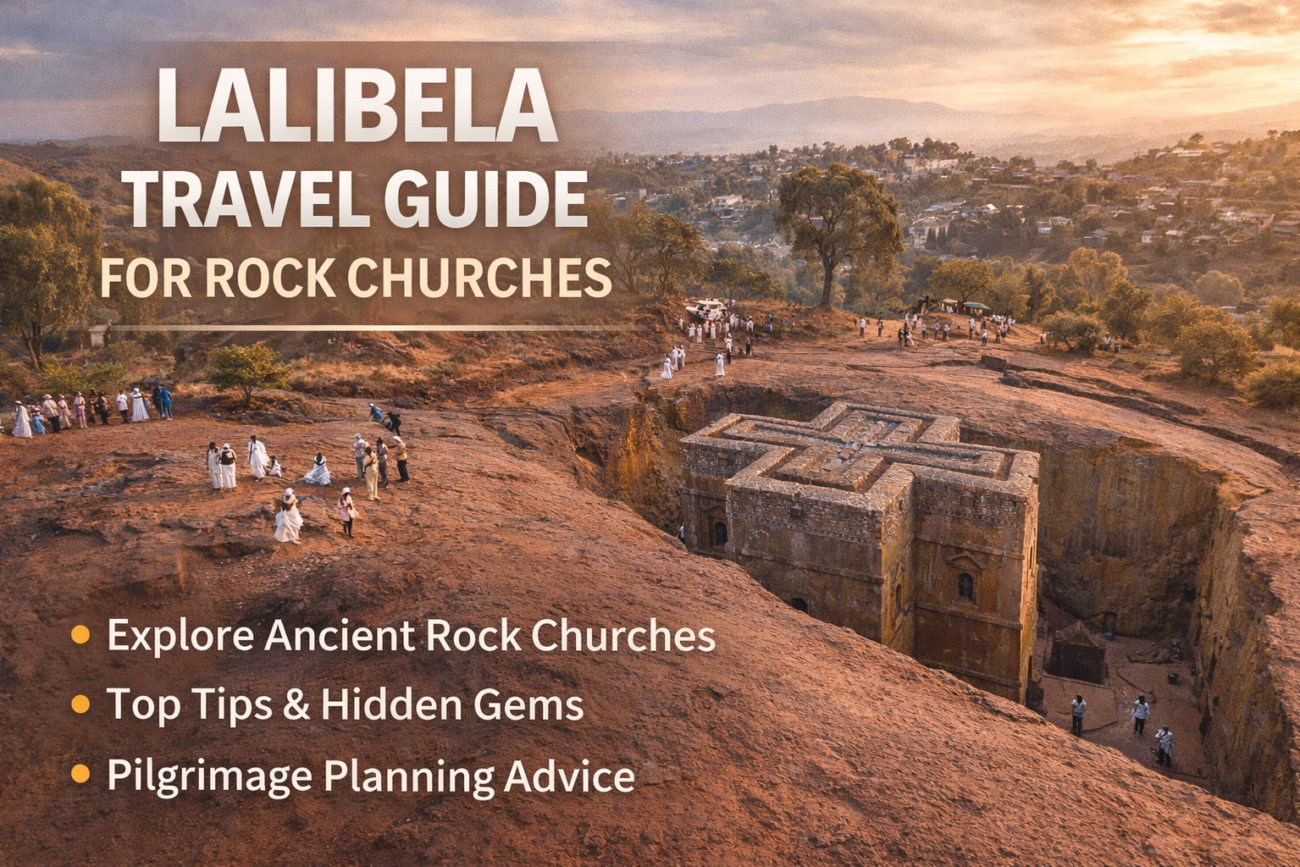
Lalibela feels unlike any other destination in Africa. Set high in Ethiopia’s rugged northern highlands, this sacred town is home to some of the world’s most remarkable religious architecture. The rock-hewn churches of Lalibela, carved directly into volcanic stone over 800 years ago, represent both spiritual devotion and architectural genius. For travelers seeking authentic cultural immersion, history, and profound spiritual heritage, Lalibela offers an unforgettable journey.
This Lalibela churches travel guide provides practical planning advice, insider cultural insights, and comprehensive travel tips to help you explore one of Africa’s most extraordinary UNESCO World Heritage Sites. Whether you are a solo adventurer, cultural explorer, family traveler, or luxury seeker, Lalibela offers deeply meaningful experiences shaped by faith, tradition, and dramatic landscapes.
Why Visit Lalibela? A Sacred Wonder of the World
Lalibela stands as one of Ethiopia’s most important pilgrimage destinations. Often called the “New Jerusalem,” the town was built as a spiritual alternative for Ethiopian Christians who could not travel to the Holy Land during medieval times.
Travelers frequently worry about accessibility, infrastructure, and safety in remote historical destinations. However, with careful planning and reliable local guidance, Lalibela rewards visitors with immersive cultural encounters, breathtaking architecture, and deeply rooted spiritual traditions.
Understanding the Historical Significance of Lalibela Churches
The Lalibela churches date back to the 12th and 13th centuries during the reign of King Lalibela of the Zagwe dynasty. According to local legend, angels assisted in carving the churches overnight. Whether viewed as myth or metaphor, the craftsmanship remains astonishing.
These churches are unique because they were carved downward into solid rock rather than built upward. Each structure forms part of a complex symbolic layout representing biblical narratives.
Visitors gain cultural depth by understanding:
- Ethiopian Orthodox Christian traditions
- Religious symbolism embedded in church design
- Medieval engineering and architectural techniques
- Pilgrimage practices still active today
Hiring knowledgeable local guides significantly enhances historical understanding.
Best Time for Lalibela Churches Travel
Seasonal planning impacts accessibility, comfort, and cultural experiences.
Dry Season (October – March)
- Best weather for exploring church complexes
- Clear mountain views and comfortable walking conditions
- Peak pilgrimage season during major festivals
Rainy Season (June – September)
- Lush green landscapes
- Lower tourist crowds and accommodation prices
- Occasional transport delays due to weather
Festival Season Highlights
- Timkat (Epiphany): January celebrations attract pilgrims nationwide
- Ethiopian Christmas (Genna): A major religious event in Lalibela
Travelers seeking cultural immersion often plan trips around these festivals.
The Rock-Hewn Churches of Lalibela: A Detailed Exploration
The eleven rock-hewn churches are divided into three main clusters.
Northern Cluster
Includes some of the largest and most historically significant churches.
- Biete Medhane Alem: Considered the largest monolithic church in the world
- Biete Maryam: Known for its intricate interior carvings and vibrant religious artwork
- Biete Golgotha Mikael: Houses tombs believed to belong to saints and royalty
Southern Cluster
Features distinctive architectural layouts and spiritual symbolism.
- Biete Amanuel: Notable for detailed Axumite-style architecture
- Biete Gabriel-Rufael: Possibly served defensive or administrative purposes
The Iconic Biete Giyorgis
This cross-shaped church stands apart from the others. Its dramatic symmetry and deep rock-cut design make it one of the most photographed religious structures in Africa.
Visitors should allocate at least two full days to explore the entire complex properly.
Hidden Gems Around Lalibela
While the churches dominate travel itineraries, Lalibela offers lesser-known experiences.
Asheton Maryam Monastery
Located on a mountain overlooking Lalibela, this monastery offers panoramic views and a quieter spiritual atmosphere. Hiking here provides both adventure and cultural connection.
Yemrehanna Kristos Church
Situated in a cave north of Lalibela, this church predates the rock-hewn complexes. Its unique architectural style and serene setting create a powerful spiritual experience.
Traditional Highland Villages
Visiting nearby villages allows travelers to observe traditional Ethiopian rural life. Local guides often arrange cultural tours supporting community-based tourism.
Cultural Etiquette and Religious Respect
Lalibela remains an active pilgrimage site. Visitors should approach the destination with cultural sensitivity.
Important Guidelines:
- Dress modestly; shoulders and knees covered
- Remove shoes before entering churches
- Avoid photography during religious ceremonies without permission
- Maintain respectful behavior around worshippers
Understanding local customs ensures meaningful and respectful experiences.
Accommodation Options in Lalibela
Despite its remote location, Lalibela offers varied lodging.
Luxury Hotels
- Boutique lodges with panoramic mountain views
- Eco-friendly resorts offering curated cultural experiences
Mid-Range Accommodation
- Comfortable hotels near church complexes
- Guesthouses offering local hospitality
Budget Options
- Family-run inns
- Simple but authentic lodgings
Booking accommodation in advance is advisable during festival seasons.
Local Cuisine and Dining Experiences
Food in Lalibela reflects Ethiopia’s rich culinary heritage.
Must-Try Dishes
- Injera with vegetarian stews
- Doro Wat during festival meals
- Traditional honey wine (Tej)
- Freshly roasted Ethiopian coffee
Local restaurants and traditional dining houses provide authentic cultural immersion.
Transportation and Accessibility
Reaching Lalibela requires careful logistical planning.
Domestic Flights
Flights from Addis Ababa provide the fastest access. Lalibela Airport connects travelers efficiently to the region.
Road Travel
Scenic but time-consuming journeys from nearby cities like Bahir Dar or Gondar offer cultural exploration opportunities.
Guided Tours
Many travelers choose organized tours to simplify transport, accommodation, and cultural navigation.
Safety and Travel Tips
Lalibela is generally safe for tourists, but remote conditions require preparation.
Practical Advice:
- Carry cash due to limited banking facilities
- Stay hydrated at high altitude
- Hire licensed local guides
- Plan travel schedules around daylight hours
Travel insurance is highly recommended.
Cost Considerations for Lalibela Churches Travel
Budget planning helps optimize travel experiences.
Typical Expenses
- Church entrance fees
- Local guide services
- Accommodation and meals
- Transport costs
While Lalibela can be moderately priced, cultural value outweighs travel expenses.
Seasonal Events and Cultural Experiences
Experiencing religious festivals provides deep cultural immersion.
Timkat Festival
Pilgrims dressed in white robes fill the town with prayer and celebration. Processions and ceremonies create powerful visual and spiritual experiences.
Ethiopian Christmas (Genna)
A major pilgrimage period marked by traditional music, rituals, and community gatherings.
Travelers attending festivals should plan accommodation months in advance.
Day Trips from Lalibela
Abune Yosef Mountains
Perfect for trekking and wildlife observation. Adventure travelers enjoy multi-day hiking routes.
Blue Nile Basin Region
Extending travel plans to nearby regions enhances Ethiopia’s cultural and natural exploration.
Gondar and Bahir Dar
Historic cities offering castles, monasteries, and lakeside experiences complement Lalibela itineraries.
Travel Challenges and Solutions
Common traveler concerns include:
- High altitude discomfort
- Limited infrastructure
- Cultural unfamiliarity
Solutions:
- Acclimatize gradually upon arrival
- Consult local travel specialists
- Plan itineraries with buffer days
Proper preparation significantly improves travel comfort.
Practical Lalibela Travel Planning Checklist
- Confirm visa requirements
- Book domestic flights early
- Reserve festival-season accommodation
- Arrange licensed local guides
- Prepare culturally appropriate clothing
Structured planning ensures smooth experiences.
Why Lalibela Appeals to Different Travelers
Cultural Travelers
Deep historical and spiritual significance creates meaningful journeys.
Families
Educational value and cultural exposure enrich family travel.
Couples
Dramatic landscapes and serene monasteries provide romantic settings.
Solo Travelers
Guided tours and community hospitality ensure safe exploration.
Adventure Travelers
Highland trekking and remote cultural encounters offer unique experiences.
Sustainable Tourism in Lalibela
Responsible travel supports heritage preservation.
Sustainable Practices:
- Support community-run tours
- Respect religious traditions
- Minimize environmental impact
- Purchase locally made crafts
Ethical tourism contributes to Lalibela’s cultural sustainability.
Final Thoughts
Lalibela represents one of the world’s most extraordinary spiritual and architectural achievements. Its rock-hewn churches, cultural traditions, and dramatic landscapes create a travel experience that transcends typical tourism. Visitors leave not only with photographs but with deeper cultural understanding and spiritual reflection.
For travelers seeking meaningful destinations rooted in history and faith, Lalibela offers an unforgettable journey. With careful planning, respectful engagement, and local guidance, exploring the Lalibela churches becomes a transformative experience that connects past, present, and spiritual heritage.
