
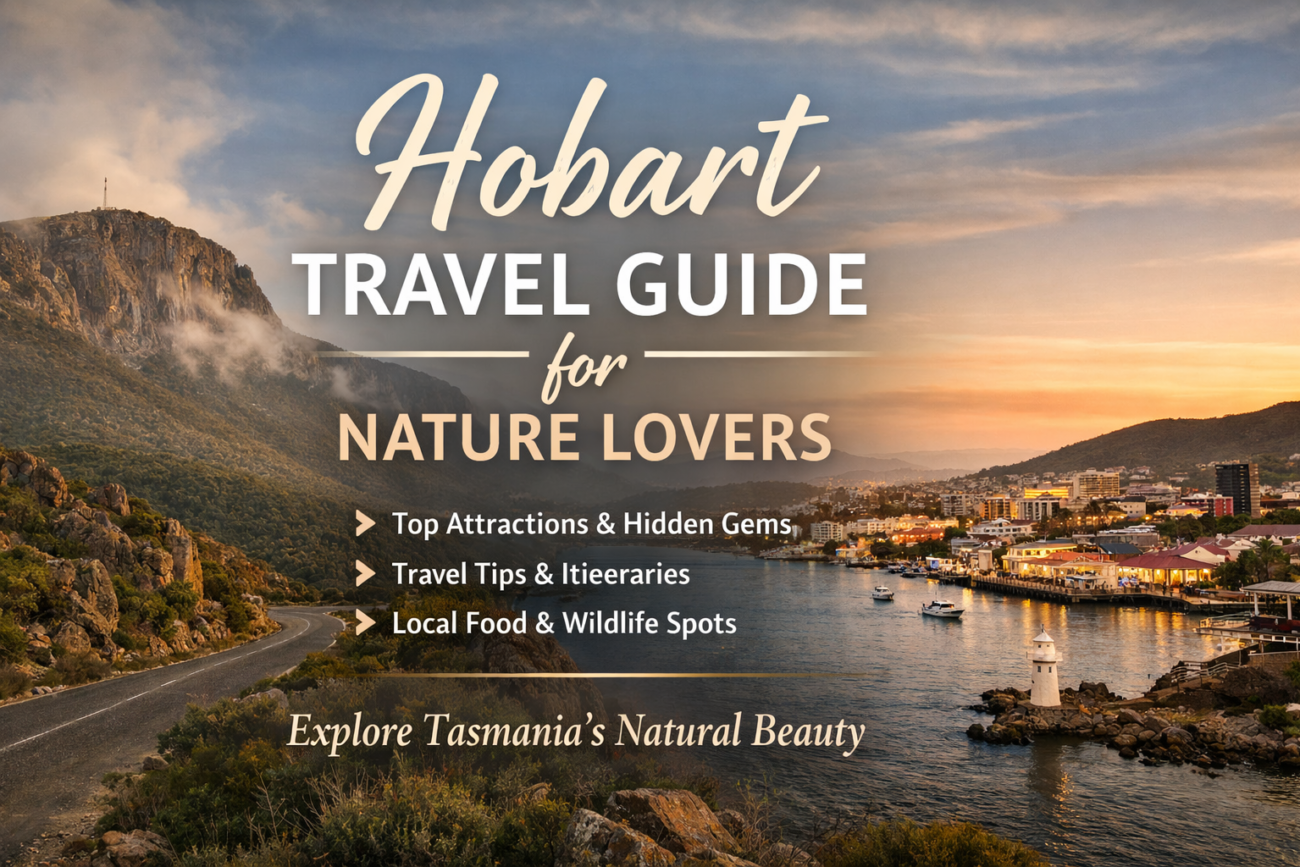
Hobart feels different the moment you arrive. The air is cleaner, the pace slower, and nature is never far away. Nestled between the rugged slopes of Kunanyi / Mount Wellington and the sparkling Derwent River, this Tasmanian capital offers one of the most immersive nature experiences in Australia.
If you’re seeking raw landscapes, quiet trails, wildlife encounters, and coastal beauty—this Hobart travel guide is built for you. Whether you’re a solo adventurer, a couple chasing scenic escapes, or a family planning a nature-filled holiday, Hobart delivers depth, diversity, and unforgettable moments.
Why Hobart Is a Paradise for Nature Lovers
Hobart stands out because nature isn’t a side attraction—it’s the main experience.
Within minutes of the city center, you can:
- Hike alpine trails
- Spot wildlife in protected reserves
- Walk along untouched beaches
- Explore ancient forests
Unlike crowded tourist hubs, Hobart gives you space. You can breathe, explore, and connect with the landscape without rushing.
Best Time to Visit Hobart for Nature Experiences
Timing your visit can completely change your experience.
Summer (December – February)
- Ideal for hiking and coastal exploration
- Long daylight hours
- Popular but vibrant
Autumn (March – May)
- Stunning foliage, especially in nearby valleys
- Fewer crowds
- Perfect for photography
Winter (June – August)
- Snow on Mount Wellington
- Cozy atmosphere
- Great for solitude seekers
Spring (September – November)
- Wildflowers bloom
- Active wildlife
- Mild weather for outdoor adventures
Pro Tip: If you want fewer crowds but great weather, visit in early autumn or late spring.
Getting to Hobart and Getting Around
How to Reach Hobart
- Fly into Hobart International Airport
- Direct flights available from major Australian cities like Sydney, Melbourne, and Brisbane
Transport Options
- Rental cars (best for flexibility)
- Local buses (budget-friendly but limited for remote nature spots)
- Guided tours (ideal for hassle-free exploration)
Traveler Pain Point: Limited public transport to natural attractions
Solution: Rent a car or book local guided tours for efficient travel
Top Natural Attractions in Hobart
Kunanyi / Mount Wellington
This iconic mountain dominates Hobart’s skyline.
What to expect:
- Panoramic views of the city and coastline
- Walking tracks for all skill levels
- Snow in winter
Insider Tip: Drive to the summit early morning to avoid wind and crowds.
Mount Field National Park
Located about 1.5 hours from Hobart, this park is a must-visit.
Highlights:
- Russell Falls (one of Tasmania’s most photographed waterfalls)
- Tall eucalyptus forests
- Easy walking trails
Perfect for families and beginners.
Bruny Island
A short ferry ride from Hobart, this island feels like a different world.
Experiences include:
- Coastal cliffs and dramatic ocean views
- Wildlife spotting (penguins, seals, birds)
- Fresh local produce
Must Try: Local oysters and cheese from island producers.
Tasman National Park
For rugged beauty, head here.
Top sights:
- Tasman Arch
- Devil’s Kitchen
- Cape Hauy Track
This area is ideal for adventurous hikers and photographers.
Hidden Gems Most Tourists Miss
Waterworks Reserve
Just minutes from the city, this peaceful area offers:
- Picnic spots
- Quiet walking trails
- Forest scenery
Perfect for a quick escape.
Taroona Coastal Track
A scenic coastal walk with:
- Ocean views
- Fewer crowds
- Relaxing atmosphere
Ideal for couples and solo travelers.
Snug Falls
Less crowded than Mount Field, but equally stunning.
- Short hike
- Beautiful waterfall
- Great for photography
Wildlife Experiences in Hobart
Hobart is one of the best places in Australia to see native wildlife.
Bonorong Wildlife Sanctuary
A must-visit for:
- Tasmanian devils
- Kangaroos
- Wombats
Supports conservation efforts.
South Bruny National Park
Spot:
- Wallabies
- Seabirds
- Dolphins
Best Time: Early morning or sunset
Best Outdoor Activities in Hobart
Hiking
Popular trails:
- Mount Wellington Summit Track
- Cape Raoul Track
- Three Capes Track
Kayaking on the Derwent River
- Calm waters
- Scenic views
- Suitable for beginners
Scenic Drives
- Huon Valley drive
- Tasman Peninsula route
Local Food Experiences for Nature Travelers
After a long day outdoors, Hobart’s food scene delivers.
Salamanca Market (Saturday Only)
- Fresh produce
- Handmade goods
- Local flavors
Farm-to-Table Dining
Popular spots:
- Local seafood restaurants near the waterfront
- Organic cafes in North Hobart
Must-Try Foods
- Tasmanian salmon
- Fresh oysters
- Artisan cheeses
Where to Stay in Hobart
Budget Options
- Hostels in the city center
- Affordable guesthouses
Mid-Range Hotels
- Waterfront accommodations
- Boutique stays
Luxury Stays
- Nature lodges
- Boutique eco-resorts
Tip: Stay near the waterfront for easy access to tours and restaurants.
Travel Costs and Budget Tips
Average Daily Budget
- Budget: $70–$120
- Mid-range: $150–$300
- Luxury: $350+
Save Money By:
- Booking tours in advance
- Visiting free nature spots
- Using local markets for meals
Safety Tips for Travelers
Hobart is generally very safe, but nature requires caution.
- Check weather before hiking
- Carry water and snacks
- Inform someone about your plans
- Wear proper footwear
Local Events and Seasonal Experiences
Dark Mofo Festival (Winter)
- Unique art and cultural event
- Night-time experiences
Taste of Tasmania (Summer)
- Food festival
- Local wines and produce
Common Travel Challenges and Solutions
Challenge: Unpredictable Weather
Solution: Pack layers and check forecasts daily
Challenge: Remote Locations
Solution: Plan routes and fuel stops in advance
Challenge: Limited Time
Solution: Prioritize top attractions like Mount Wellington and Bruny Island
Sample 3-Day Nature Itinerary
Day 1
- Mount Wellington
- Salamanca Market
- Waterfront dinner
Day 2
- Bruny Island day trip
- Wildlife spotting
Day 3
- Mount Field National Park
- Relax in local cafes
Why Hobart Should Be Your Next Nature Destination
Hobart offers something rare—a perfect balance between accessibility and wilderness. You don’t need to travel far to experience untouched landscapes, rich wildlife, and peaceful surroundings.
It’s not just a destination—it’s an experience that slows you down and reconnects you with nature.
Final Thoughts
Hobart is more than a scenic getaway—it’s a place where nature shapes every moment of your journey. From the misty peaks of Mount Wellington to the wild coastlines of Bruny Island, every experience feels authentic, unfiltered, and deeply rewarding.
What sets Hobart apart is its ability to cater to every type of traveler without losing its natural charm. Whether you’re hiking remote trails, enjoying fresh local seafood, or simply watching the sunset over the Derwent River, the city invites you to slow down and truly experience your surroundings.
If you’re planning your next nature-focused escape, Hobart deserves serious consideration. Take the time to explore beyond the obvious, connect with local guides, and immerse yourself in the landscape. The rewards are unforgettable—and once you visit, you’ll understand why so many travelers return.
