
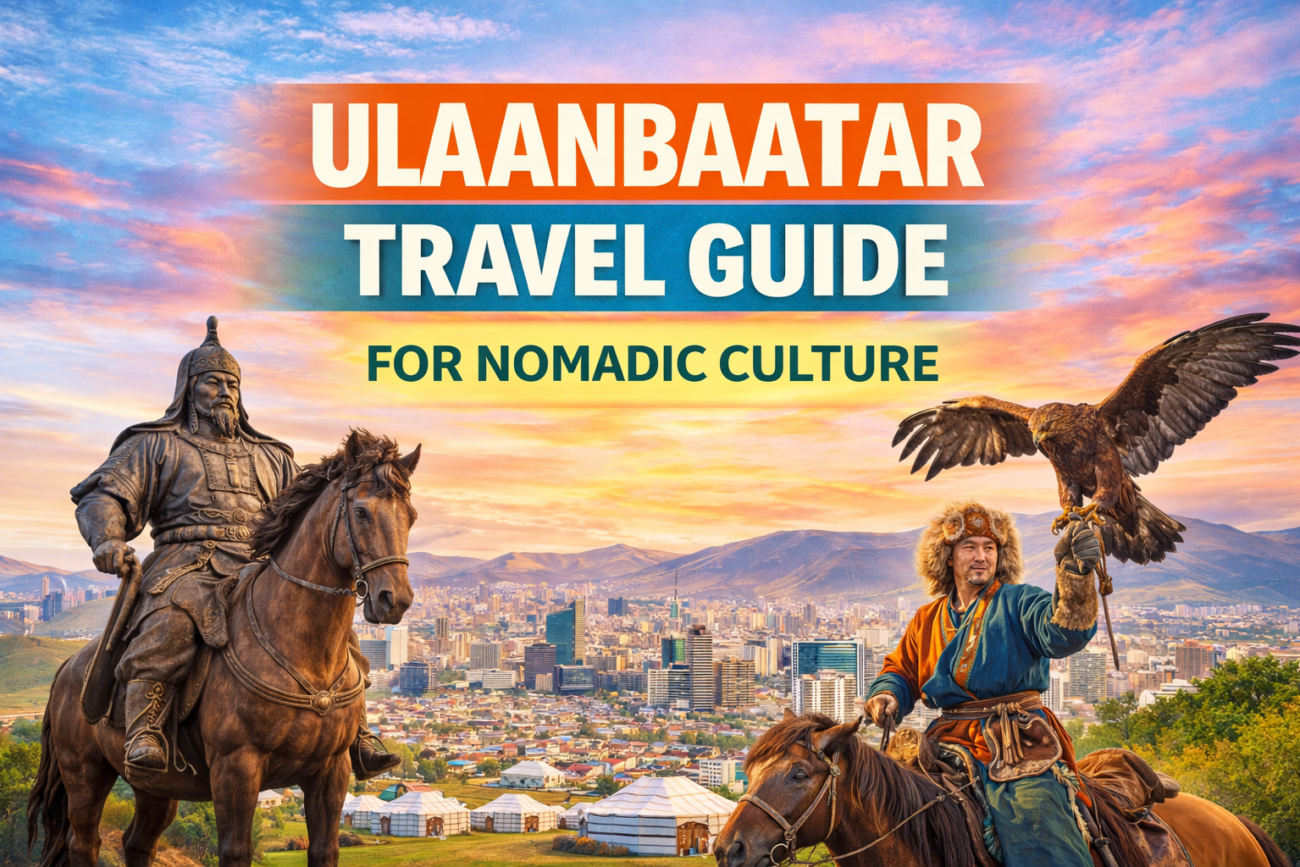
Ulaanbaatar is a city of contrasts. Steel-and-glass towers rise beside Buddhist monasteries, while modern cafes sit steps away from traditional markets selling felt boots and saddle gear. As Mongolia’s capital and cultural heart, Ulaanbaatar introduces travelers to a living nomadic heritage shaped by vast steppe landscapes and centuries of migration. For many visitors, the city serves as the gateway to one of the world’s last great wilderness regions.
This Ulaanbaatar travel guide provides practical advice, insider knowledge, and cultural insights to help travelers explore Mongolia’s urban center with confidence. Whether you are planning a short cultural visit, a trans-Mongolian journey, or a multi-week nomadic adventure, this guide covers essential travel tips, costs, seasonal recommendations, and authentic experiences to make your trip seamless and meaningful.
Why Visit Ulaanbaatar
Ulaanbaatar offers a compelling introduction to Mongolia’s traditions, history, and modern transformation. Travelers who spend time here gain valuable context before venturing into the countryside.
Key Reasons to Explore Ulaanbaatar
- Cultural immersion in Mongolia’s nomadic heritage
- Access to national parks and steppe landscapes
- Unique blend of Soviet-era and contemporary architecture
- Vibrant arts, music, and culinary scene
- Strategic base for Trans-Siberian and Trans-Mongolian rail journeys
The city provides both logistical convenience and cultural depth.
Understanding Ulaanbaatar’s Geography and Layout
Located in the Tuul River valley and surrounded by mountains, Ulaanbaatar experiences dramatic seasonal temperature shifts. The city is divided into districts that reflect its evolving urban identity.
Important Areas for Travelers
- Sukhbaatar District – central square, museums, government buildings
- Chingeltei District – cultural sites and monasteries
- Bayanzurkh District – residential neighborhoods and parks
- Nalaikh Area – gateway to nearby national parks
Choosing accommodation near the city center enhances accessibility.
Top Attractions in Ulaanbaatar
Sukhbaatar Square
The city’s symbolic heart features statues of national heroes and serves as a focal point for events and celebrations.
Gandantegchinlen Monastery
One of Mongolia’s most important Buddhist monasteries, offering daily chanting ceremonies and cultural insights.
National Museum of Mongolia
Provides a comprehensive overview of Mongolia’s history, from ancient empires to modern statehood.
Zaisan Memorial
Located on a hill south of the city, this Soviet-era monument offers panoramic views.
Cultural Experiences in Ulaanbaatar
Traditional Music and Dance Performances
Concert halls and cultural centers showcase throat singing, morin khuur performances, and folk dance.
Nomadic Lifestyle Exhibits
Museums and cultural parks offer demonstrations of traditional ger (yurt) living.
Local Festivals
The Naadam Festival in July highlights wrestling, horse racing, and archery traditions.
Engaging local cultural guides enriches these experiences.
Day Trips and Nature Near Ulaanbaatar
Gorkhi-Terelj National Park
Located about 70 km from the city, this park features granite rock formations, alpine meadows, and nomadic camps.
Hustai National Park
Famous for reintroduced Przewalski’s horses, offering wildlife viewing opportunities.
Bogd Khan Mountain
One of the world’s oldest protected areas, ideal for hiking and nature excursions.
These destinations provide quick escapes into Mongolia’s wilderness.
Nomadic Experiences Around Ulaanbaatar
Ger Camp Stays
Travelers can stay with nomadic families to experience traditional hospitality and pastoral life.
Horseback Riding Tours
Steppe riding adventures introduce Mongolia’s equestrian culture.
Eagle Hunting Demonstrations
Seasonal experiences highlight ancient hunting traditions.
Authentic interactions require respectful cultural understanding.
Food Scene and Local Dining
Ulaanbaatar’s cuisine reflects nomadic traditions and modern influences.
Traditional Dishes to Try
- Buuz (steamed dumplings)
- Khuushuur (fried meat pastries)
- Airag (fermented mare’s milk)
Dining Areas
- Modern restaurants near Sukhbaatar Square
- Local eateries in residential districts
- International cafes catering to travelers
Food experiences offer cultural insights.
Shopping and Local Markets
Narantuul Market
Known as the “Black Market,” this sprawling bazaar sells traditional clothing, crafts, and equipment.
State Department Store
Offers modern retail options and souvenir shopping.
Artisan Workshops
Handmade felt products, jewelry, and nomadic gear reflect Mongolia’s craftsmanship.
Supporting local artisans contributes to sustainable tourism.
Best Time to Visit Ulaanbaatar
Summer (June to August)
- Mild weather ideal for city exploration
- Peak tourist season
- Cultural festivals and outdoor events
Spring and Autumn
- Cooler temperatures and fewer crowds
- Ideal for photography and cultural experiences
Winter (November to February)
- Extreme cold conditions
- Unique winter festivals and snow landscapes
Travel timing should align with planned activities.
Accommodation Options in Ulaanbaatar
Luxury Hotels
- International-standard properties with modern amenities
- Boutique hotels offering cultural design elements
Mid-Range Options
- Comfortable guesthouses near central districts
- Business hotels with convenient transport access
Budget Stays
- Hostels and small lodges
- Affordable ger camps near city outskirts
Advance reservations are recommended during festival periods.
Transportation and Getting Around
Recommended Options
- Private drivers for city tours
- Taxi services and ride-hailing apps
- Organized guided excursions
Traffic congestion can occur during peak hours.
Budget Planning for Ulaanbaatar Travel
Estimated Daily Costs
- Budget traveler: $40–$80
- Mid-range traveler: $100–$220
- Luxury traveler: $300–$600
Major Cost Considerations
- Accommodation and meals
- National park excursions
- Cultural performances
- Domestic flights or train travel
Local consultants help optimize travel planning.
Safety and Travel Tips
Ulaanbaatar is generally safe but requires preparation.
Practical Safety Advice
- Dress appropriately for weather extremes
- Avoid isolated areas at night
- Carry local currency for small purchases
- Respect cultural customs and religious sites
Travel insurance is recommended.
Hidden Gems in Ulaanbaatar
Choijin Lama Temple Museum
A preserved monastery complex offering historical insights.
International Intellectual Museum
Unique collection of puzzles and cultural artifacts.
Local Tea Houses
Quiet spaces to experience Mongolian hospitality.
These locations provide alternative cultural perspectives.
Sustainable Travel Practices
Mongolia emphasizes conservation of fragile ecosystems.
Responsible Travel Guidelines
- Minimize environmental impact during steppe excursions
- Support community-based tourism initiatives
- Respect nomadic lifestyles and traditions
- Reduce plastic usage
Responsible tourism supports cultural preservation.
Sample 4-Day Ulaanbaatar Cultural Itinerary
Day 1: City landmarks and museums
Day 2: Gandantegchinlen Monastery and market exploration
Day 3: Terelj National Park excursion
Day 4: Cultural performances and local dining
Longer itineraries allow deeper nomadic experiences.
Common Traveler Challenges and Solutions
Extreme Weather Conditions
Solution: Pack layered clothing suitable for seasonal extremes.
Language Barrier
Solution: Use English-speaking guides for tours.
Limited Infrastructure in Remote Areas
Solution: Book reputable tour operators.
Cultural Misunderstandings
Solution: Learn basic etiquette and engage local guides.
Final Thoughts
Ulaanbaatar offers an essential introduction to Mongolia’s nomadic heritage and contemporary identity. Travelers who explore beyond the surface discover a city rich in cultural expression, historical significance, and access to extraordinary landscapes. By engaging knowledgeable local consultants and embracing responsible travel practices, visitors gain a deeper understanding of Mongolia’s traditions and modern transformations.
Whether beginning a steppe expedition or seeking cultural immersion, Ulaanbaatar serves as a dynamic starting point for discovering the spirit of Mongolia.
