
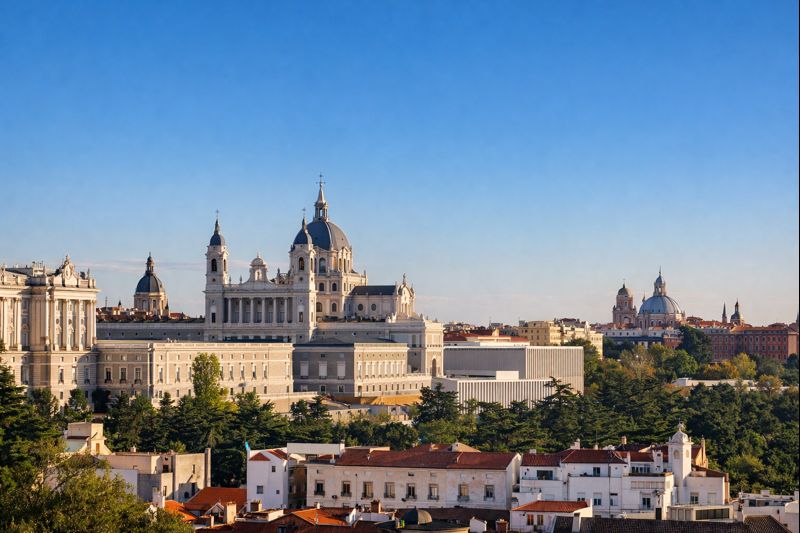
Madrid is a city that reveals itself through culture. Not in loud gestures, but in layers. In world-class museums filled with masterpieces. In historic plazas where daily life unfolds. In neighborhoods where centuries-old traditions coexist with modern creativity. For travelers who value art, history, architecture, and authentic local life, Madrid offers one of Europe’s richest sightseeing experiences.
This Madrid sightseeing guide is written for travelers who want more than surface-level attractions. It focuses on cultural depth, practical planning, and real experiences. Whether you are visiting Madrid for the first time or returning with a deeper curiosity, this guide helps you explore the city thoughtfully, efficiently, and confidently.
Understanding Madrid Before You Start Sightseeing
Madrid is the capital of Spain and its cultural heart. Unlike coastal cities, Madrid’s identity is shaped by royal history, art patronage, and daily urban life rather than beaches. The city is walkable, well connected, and surprisingly relaxed for a major European capital.
Madrid is divided into distinct neighborhoods, each offering a different cultural experience. Choosing where to explore and how to group attractions is one of the most important Madrid sightseeing tips.
Best Time to Visit Madrid for Sightseeing
Spring (March to May)
Spring is ideal for sightseeing. Days are mild, parks are green, and outdoor walking feels comfortable. Cultural events and exhibitions increase, and museum visits are enjoyable without extreme heat.
Summer (June to August)
Summer brings intense heat, especially in July and August. Sightseeing is still possible, but planning becomes essential. Visit museums in the morning and explore plazas and neighborhoods in the evening.
Autumn (September to October)
Autumn offers cooler temperatures and fewer tourists. It is one of the best seasons for culture-focused travel, with theatre, exhibitions, and festivals returning to the city.
Winter (November to February)
Winter is quieter and budget-friendly. Museums are less crowded, and Madrid’s café culture thrives during colder months. Christmas markets and seasonal lights add atmosphere.
How Many Days Do You Need for Madrid Sightseeing?
For culture lovers, 3 to 5 days is ideal.
- 3 days: Major museums and historic center
- 4 days: Deeper neighborhood exploration
- 5 days: Includes day trips to nearby cities
Madrid rewards slow exploration rather than rushing between attractions.
Getting to Madrid
Madrid is served by Adolfo Suárez Madrid–Barajas Airport (MAD), one of Europe’s major hubs. The airport connects directly to the city via metro, train, bus, and taxi.
High-speed trains connect Madrid to Barcelona, Seville, Valencia, and Málaga, making the city a perfect base for wider Spain travel.
Getting Around Madrid
Walking
Many top Madrid sightseeing spots are close together, especially in the historic center. Walking allows you to experience the city’s rhythm.
Metro
Madrid’s metro system is extensive, clean, and affordable. It is one of the easiest ways to reach museums and outer neighborhoods.
Buses
Buses offer scenic routes and serve areas not covered by metro lines.
Where to Stay for Cultural Sightseeing
Centro (Sol & Gran Vía)
Central and convenient. Best for first-time visitors who want easy access to attractions.
Barrio de las Letras
Historic literary quarter. Ideal for culture lovers and museum access.
Salamanca
Elegant, quiet, and upscale. Close to museums and refined dining.
Malasaña
Creative and youthful. A good choice for travelers interested in modern culture.
Top Madrid Sightseeing Attractions for Culture Lovers
Prado Museum
The Prado Museum is one of the world’s most important art museums. Home to works by Velázquez, Goya, and El Greco, it represents the soul of Spanish art.
Plan at least two to three hours. Early morning or late afternoon visits are best.
Reina Sofía Museum
This museum focuses on modern and contemporary art. Picasso’s Guernica alone makes it essential for Madrid sightseeing.
The surrounding Lavapiés area adds cultural diversity.
Thyssen-Bornemisza Museum
Completing Madrid’s Golden Triangle of Art, this museum bridges classical and modern art in an accessible way.
Royal Madrid: History and Architecture
Royal Palace of Madrid
Europe’s largest royal palace by floor area. Lavish interiors, frescoed ceilings, and ceremonial rooms showcase royal power and art.
Arrive early to avoid lines.
Almudena Cathedral
Opposite the Royal Palace, this cathedral blends modern and traditional styles. The rooftop offers city views.
Historic Squares and Streets
Puerta del Sol
The symbolic center of Spain. A starting point for many walking routes.
Plaza Mayor
A grand square surrounded by arcades and historic buildings. Best enjoyed early morning or late evening.
Gran Vía
Madrid’s main avenue, known for architecture, theatres, and shopping.
Parks and Outdoor Culture
Retiro Park
Madrid’s green heart. Stroll along tree-lined paths, visit the Crystal Palace, or relax near the lake.
Madrid Río
A modern riverside park offering walking paths, bridges, and local life.
Hidden Cultural Gems in Madrid
- Sorolla Museum – Artist’s former home
- El Capricho Park – Historic garden
- Matadero Madrid – Contemporary cultural space
- Lavapiés street art – Urban creativity
These spots add depth beyond major attractions.
Madrid Food Culture for Sightseeing Days
Must-Try Dishes
- Cocido madrileño
- Bocadillo de calamares
- Tortilla española
- Churros with chocolate
Where to Eat
- Mercado de San Miguel for variety
- Local taverns in La Latina
- Neighborhood bakeries for breakfast
Avoid restaurants with tourist menus near main squares.
Madrid Sightseeing Costs
Accommodation
- Budget: €70–120
- Mid-range: €150–250
- Luxury: €350+
Museums
Many museums offer free entry during specific hours.
Transport
Tourist travel passes offer good value.
Safety Tips for Madrid Sightseeing
Madrid is generally safe, but stay alert in crowded areas.
- Watch for pickpockets
- Keep valuables secure
- Use licensed taxis
Cultural Etiquette to Know
- Late dining is normal
- Greetings matter
- Dress modestly in religious sites
Day Trips from Madrid
Toledo
A UNESCO World Heritage city rich in medieval history.
Segovia
Famous for its Roman aqueduct and historic center.
Ávila
Known for its medieval walls.
All are reachable by train.
Practical Madrid Sightseeing Tips
- Book museums in advance
- Start days early
- Carry water in summer
- Learn basic Spanish phrases
Common Sightseeing Mistakes to Avoid
- Overpacking itineraries
- Skipping neighborhoods
- Eating only near attractions
FAQs – Madrid Sightseeing
What is the best area for Madrid sightseeing?
Centro and Barrio de las Letras offer the best access to cultural attractions.
How many days are enough for Madrid sightseeing?
Four days allow a balanced cultural experience.
Are Madrid museums free?
Many offer free entry during specific hours.
Is Madrid good for culture-focused travel?
Yes. Madrid is one of Europe’s richest cultural capitals.
Is Madrid safe for solo travelers?
Yes, with standard precautions.
Can Madrid sightseeing be done on a budget?
Yes. Free museum hours and walking routes reduce costs.
Final Thoughts
Madrid rewards travelers who slow down and look deeper. Its museums, streets, food, and daily life form a cultural tapestry that feels authentic rather than staged.
This Madrid sightseeing guide is designed to help culture lovers explore the city with confidence, insight, and lasting appreciation.
