
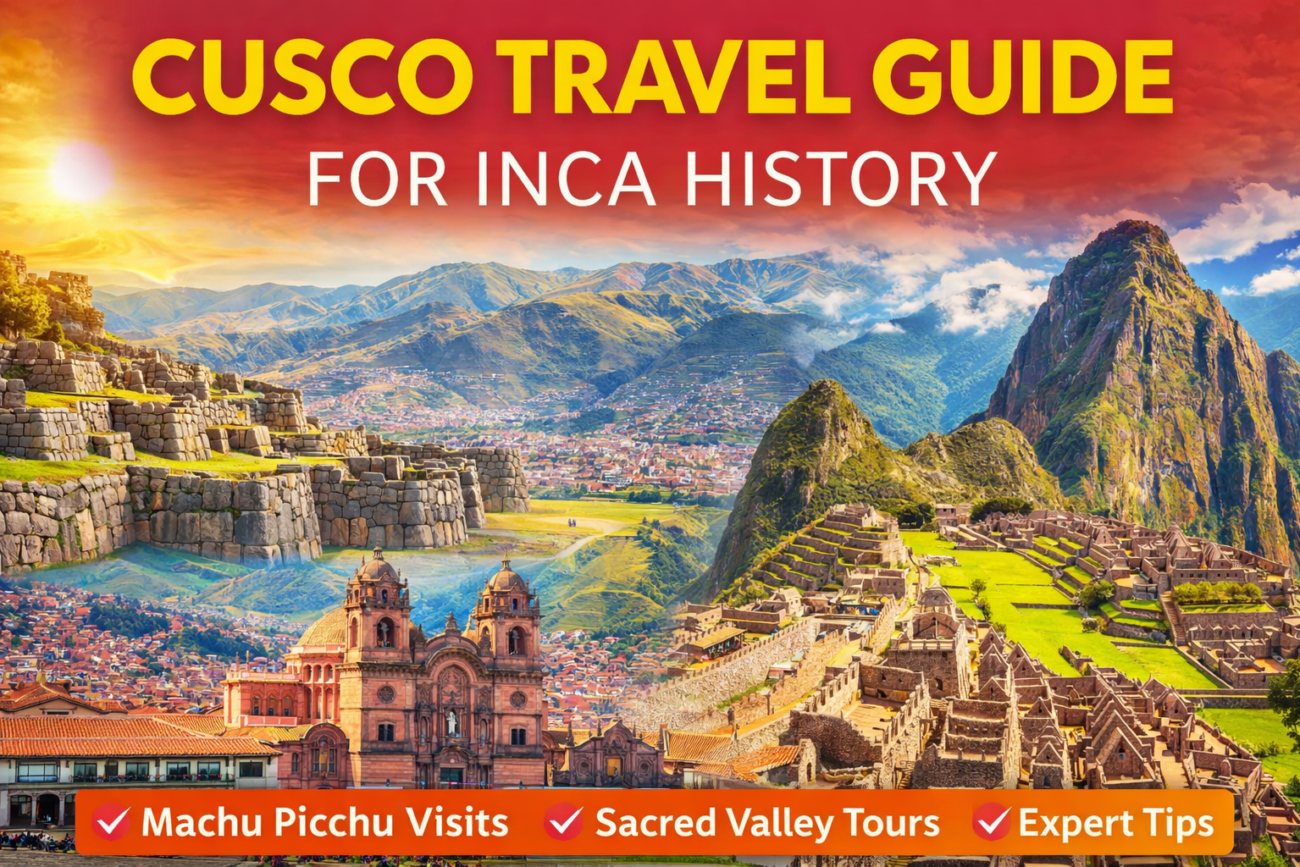
Cusco sits high in the Peruvian Andes, where ancient stone streets meet colonial plazas and the legacy of the Inca Empire shapes daily life. Once the capital of Tawantinsuyu, this UNESCO-recognized city remains the gateway to some of South America’s most remarkable archaeological treasures. For travelers seeking history, culture, adventure, and unforgettable landscapes, Cusco delivers on every level.
This comprehensive Cusco travel guide explores everything you need to plan a seamless, enriching journey. From navigating altitude and seasonal timing to uncovering hidden gems beyond Machu Picchu, you’ll find practical insights shaped by real-world experience and local knowledge.
Why Visit Cusco: The Living Heart of Inca Civilization
Cusco blends history and modern vibrancy in a way few destinations can. The city’s original Inca foundations still support Spanish colonial architecture, creating a layered cultural experience.
Travelers visit Cusco for:
- Direct access to Machu Picchu and the Sacred Valley
- Authentic Andean traditions and festivals
- High-altitude trekking routes like the Inca Trail
- Culinary experiences rooted in indigenous heritage
- Vibrant markets and artisan communities
Beyond its iconic landmarks, Cusco rewards slow exploration. Every plaza, alleyway, and hillside reveals stories spanning centuries.
Best Time to Visit Cusco
Cusco’s climate varies dramatically by season. Choosing the right travel window can shape your entire experience.
Dry Season (May to September)
Ideal for outdoor exploration and trekking.
- Clear skies and strong mountain visibility
- Peak season crowds, especially June–August
- Major cultural events like Inti Raymi Festival
- Cooler nights, often near freezing
Wet Season (November to March)
Lush landscapes and fewer tourists.
- Frequent afternoon rain showers
- Lower hotel prices and quieter attractions
- Vibrant green valleys and waterfalls
- Trekking trails can be slippery or closed
Shoulder Months (April & October)
The sweet spot for many travelers.
- Balanced weather conditions
- Moderate crowds
- Excellent photography opportunities
Insider tip: Families and couples often prefer April or October for smoother logistics and better accommodation availability.
Getting to Cusco
Most international travelers reach Cusco via Lima. Domestic flights connect several Peruvian cities.
By Air
Alejandro Velasco Astete International Airport sits just minutes from the city center.
- Direct flights from Lima (approx. 1 hour)
- Limited seasonal connections from regional hubs
- Altitude acclimatization starts immediately upon arrival
By Land
Bus travel offers scenic routes but requires more time.
- Overnight luxury buses from Lima
- Regional connections from Arequipa, Puno, and Puerto Maldonado
Travelers seeking immersive journeys often combine rail and road travel through the Sacred Valley.
Understanding Cusco’s Altitude
Cusco stands at 3,400 meters (11,150 feet) above sea level. Altitude sickness is the most common traveler concern.
Common Symptoms
- Headaches and fatigue
- Shortness of breath
- Nausea and sleep disruption
Practical Solutions
- Spend your first day resting
- Drink coca tea or electrolyte fluids
- Avoid alcohol during acclimatization
- Consider prescription altitude medication
Local guides and hotel staff routinely assist visitors with acclimatization strategies.
Top Historical Attractions in Cusco
Sacsayhuamán
This massive fortress overlooks Cusco and showcases extraordinary Inca stone engineering.
- Precision stonework without mortar
- Panoramic city views
- Cultural performances during Inti Raymi
Qorikancha (Temple of the Sun)
Once the Inca Empire’s most sacred temple.
- Spanish colonial church built atop original foundations
- Displays on Inca cosmology and architecture
Plaza de Armas
Cusco’s vibrant central square.
- Colonial cathedrals and historic arcades
- Local celebrations and street performances
- Gateway to museums and restaurants
Cusco Cathedral
A masterpiece of Andean baroque art.
- Unique religious artwork blending indigenous symbolism
- Important historical relics and silver altars
Exploring the Sacred Valley
The Sacred Valley extends northwest of Cusco, offering a quieter, scenic contrast to the city.
Must-Visit Sacred Valley Sites
- Pisac: Archaeological ruins and artisan market
- Ollantaytambo: Living Inca town and fortress
- Moray: Agricultural terraces used for crop experimentation
- Maras Salt Mines: Thousands of terraced salt pools
Many travelers choose to stay overnight in the valley to ease altitude adjustment before visiting Machu Picchu.
Machu Picchu: Planning the Ultimate Visit
No Cusco travel guide is complete without Machu Picchu.
Entry Logistics
- Tickets must be booked in advance
- Entry times are strictly regulated
- Guided tours enhance historical understanding
Travel Options
- Scenic train journeys from Ollantaytambo
- Multi-day treks including the Classic Inca Trail
- Alternative routes like the Salkantay Trek
Early morning entry offers quieter conditions and dramatic sunrise views.
Cultural Experiences Unique to Cusco
Cusco’s cultural landscape goes far beyond ruins.
Festivals Worth Planning Around
- Inti Raymi (June): Reenactment of the Inca sun festival
- Corpus Christi: Religious processions and traditional cuisine
- Santuranticuy Market (December): Artisan Christmas fair
Local Markets
San Pedro Market provides a deep dive into Andean daily life.
- Fresh produce and regional dishes
- Handmade textiles and souvenirs
- Affordable dining options
Traditional Workshops
Travelers can participate in:
- Weaving demonstrations in nearby villages
- Andean cooking classes
- Ceramics and silver jewelry workshops
These experiences support local communities and preserve cultural heritage.
Where to Stay in Cusco
Accommodation choices range from backpacker hostels to luxury heritage hotels.
Luxury Options
- Restored colonial mansions near Plaza de Armas
- Boutique hotels with mountain views
- Wellness retreats focused on altitude recovery
Mid-Range Hotels
- Comfortable accommodations in San Blas district
- Family-friendly properties with central access
Budget Stays
- Hostels and guesthouses offering social atmospheres
- Affordable options near transport hubs
Booking early is essential during peak travel months.
Cusco’s Culinary Scene
Cusco’s dining landscape reflects Peru’s global culinary reputation.
Must-Try Dishes
- Alpaca steak with Andean herbs
- Ceviche adapted to highland ingredients
- Quinoa soups and native potato varieties
Popular Restaurants
- Traditional eateries near San Blas
- Modern fusion restaurants around Plaza de Armas
- Farm-to-table dining in Sacred Valley estates
Local food tours provide insight into regional gastronomy.
Budgeting Your Cusco Trip
Costs vary depending on travel style.
Daily Budget Estimates
- Budget travelers: $40–70 per day
- Mid-range: $80–150 per day
- Luxury: $200+ per day
Key Expenses
- Machu Picchu entry and train tickets
- Guided tours and trekking permits
- Meals and transportation
Booking packages through reputable local consultants can simplify planning and reduce stress.
Safety and Practical Travel Tips
Cusco remains generally safe, but awareness enhances comfort.
Safety Advice
- Keep valuables secure in crowded markets
- Use licensed taxis or hotel transport
- Avoid isolated streets late at night
Health Considerations
- Drink bottled or filtered water
- Pack sunscreen and layers for temperature swings
- Carry travel insurance covering high-altitude trekking
Local guides provide valuable logistical and cultural support.
Hidden Gems Around Cusco
Beyond famous landmarks, Cusco offers lesser-known treasures.
Tambomachay
An Inca ceremonial site dedicated to water rituals.
Tipón
Advanced agricultural terraces and irrigation systems.
Choquequirao
A remote archaeological complex rivaling Machu Picchu’s scale.
Palccoyo Rainbow Mountain
A quieter alternative to the more crowded Vinicunca.
These sites reward travelers seeking deeper historical immersion.
Transportation Within Cusco
Navigating Cusco is straightforward once acclimatized.
Walking
Many attractions lie within a compact historic center.
Local Transport
- Shared vans to Sacred Valley towns
- Organized tours for archaeological circuits
Private Drivers
Ideal for families or luxury travelers seeking flexible itineraries.
Sustainable and Responsible Travel in Cusco
Tourism impacts both heritage sites and local communities.
Responsible Travel Practices
- Respect archaeological site regulations
- Support community-run tours and markets
- Minimize plastic waste
Cusco’s tourism board promotes conservation initiatives that travelers can actively support.
Planning Multi-Destination Trips from Cusco
Cusco often serves as a hub for broader Andean exploration.
Popular Extensions
- Lake Titicaca and Puno region
- Amazon rainforest lodges near Puerto Maldonado
- Arequipa’s colonial architecture and Colca Canyon
Travel consultants can craft seamless itineraries combining these destinations.
Final Thoughts
Cusco offers more than access to Machu Picchu. It provides a living connection to ancient civilizations, vibrant cultural traditions, and breathtaking mountain landscapes. Whether you’re a solo traveler chasing adventure, a couple seeking romantic highland escapes, or a family exploring history together, Cusco delivers deeply memorable experiences.
Plan thoughtfully. Respect the altitude. Engage with local culture. Seek guidance from experienced local consultants. With the right preparation, Cusco becomes not just a destination but a transformative journey through time.
