
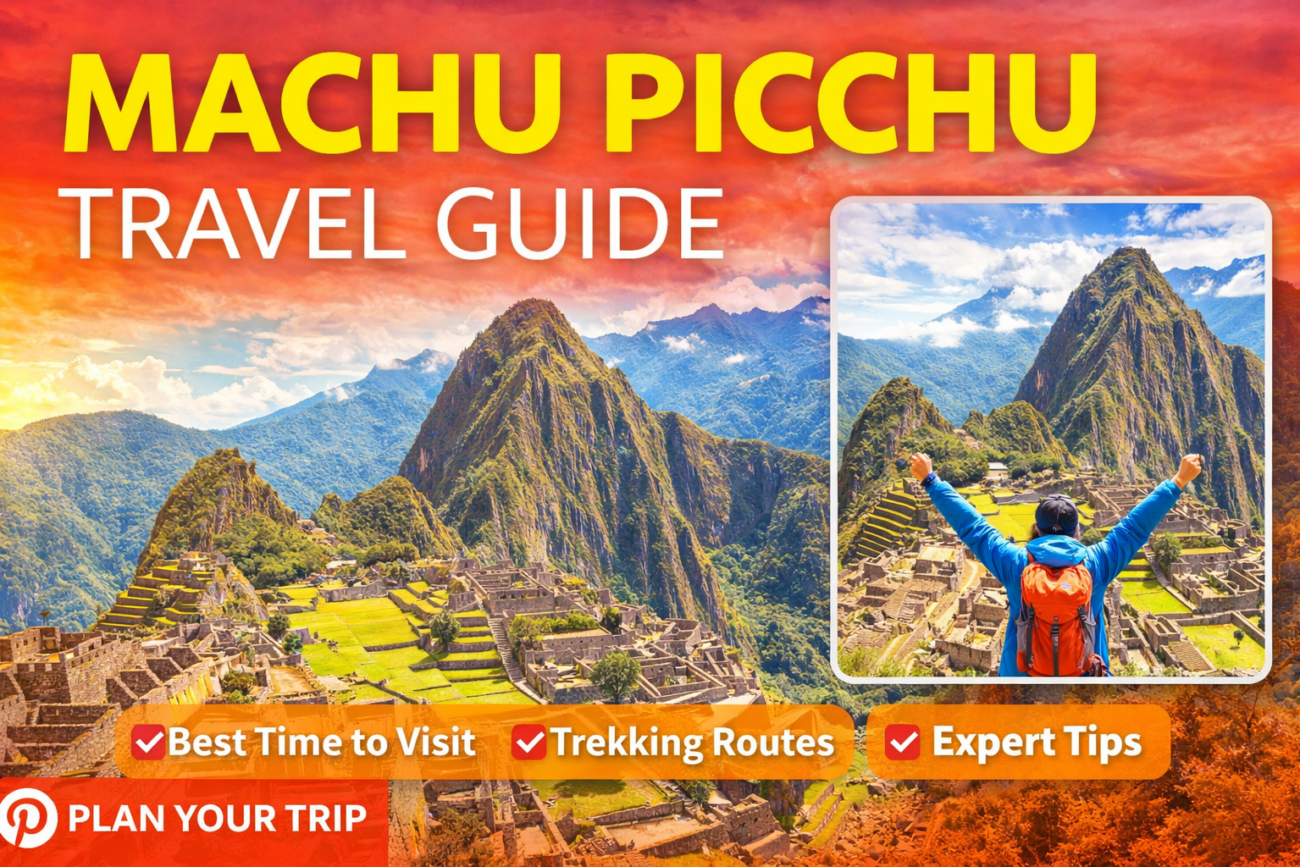
Machu Picchu rises above the cloud forests of southern Peru like a vision carved from stone and time. Perched at 2,430 meters in the Andes Mountains, this UNESCO World Heritage Site remains one of the world’s most compelling travel experiences. For centuries, the Inca citadel lay hidden from the outside world. Today, it draws explorers, historians, hikers, and dreamers seeking connection with ancient civilizations and breathtaking landscapes.
This Machu Picchu travel guide provides practical, experience-driven insights to help you plan a seamless journey. From entry logistics and seasonal timing to hidden viewpoints and local cultural encounters, you’ll find everything needed to transform your trip into a meaningful adventure.
Why Visit Machu Picchu
Machu Picchu is more than an archaeological site. It represents the spiritual, architectural, and agricultural genius of the Inca Empire. The journey to reach it becomes part of the experience, whether you arrive by train, trail, or alternative mountain routes.
Travelers visit Machu Picchu for:
- World-class historical significance
- Spectacular Andean scenery
- High-altitude trekking adventures
- Unique biodiversity in cloud forest ecosystems
- Cultural immersion in nearby Andean communities
For many, the visit becomes a lifelong memory shaped by both physical challenge and emotional discovery.
Where Is Machu Picchu Located
Machu Picchu lies in the Cusco Region of Peru, between the Andes Mountains and the Amazon Basin.
Nearby key locations include:
- Cusco: Former Inca capital and main gateway city
- Sacred Valley towns: Pisac, Urubamba, Ollantaytambo
- Aguas Calientes: The closest town to the citadel
Most travelers spend several days in the region to acclimatize and explore surrounding archaeological sites.
Best Time to Visit Machu Picchu
Understanding seasonal conditions helps you avoid crowds and weather disruptions.
Dry Season (May to September)
The most popular travel period.
- Clear skies and stable trekking conditions
- Cooler mornings and evenings
- Peak crowds during June to August
- Ideal for photography and hiking
Rainy Season (November to March)
Fewer tourists but wetter trails.
- Lush green landscapes and waterfalls
- Frequent afternoon rain showers
- Potential trail closures due to landslides
- Lower accommodation prices
Shoulder Season (April & October)
Often the best balance of weather and visitor volume.
- Pleasant temperatures
- Manageable crowds
- Vibrant natural scenery
Planning around seasonal shifts significantly improves the overall travel experience.
How to Get to Machu Picchu
Travel logistics can feel complex for first-time visitors. Understanding your options simplifies the process.
By Train
The most comfortable and scenic route.
Train departures run from:
- Ollantaytambo
- Cusco (Poroy station)
- Sacred Valley towns
The journey follows the Urubamba River, offering dramatic mountain views.
By Trekking Routes
Adventure travelers often choose hiking routes.
Popular options include:
- Classic Inca Trail: Four-day trek requiring permits
- Short Inca Trail: Two-day alternative
- Salkantay Trek: Higher altitude scenic route
- Lares Trek: Cultural immersion with local villages
Booking permits months in advance is essential during peak season.
By Road and Foot
Budget travelers sometimes take a combination of bus and walking routes via Hidroelectrica. This option requires additional time and planning.
Entry Tickets and Regulations
Visitor access is carefully managed to protect the site.
Key rules include:
- Tickets must be purchased in advance
- Entry times are assigned in fixed slots
- Guided tours are strongly recommended
- Certain hiking circuits require separate permits
Working with local tour operators ensures compliance and reduces planning stress.
Top Highlights Inside Machu Picchu
Temple of the Sun
An architectural marvel aligned with astronomical events. Its curved stone walls demonstrate advanced Inca engineering.
Intihuatana Stone
A ceremonial structure believed to function as a solar clock. Guides often explain its spiritual significance.
Room of the Three Windows
Symbolizes Inca cosmology and offers panoramic valley views.
Sacred Plaza
A central ceremonial space surrounded by important temples and ritual platforms.
Huayna Picchu Mountain
A steep hike providing iconic aerial views of the citadel. Entry requires separate permits.
Hidden Gems Near Machu Picchu
While the citadel remains the main attraction, nearby sites offer deeper exploration opportunities.
Mandor Gardens
A tranquil nature reserve featuring waterfalls and birdwatching trails.
Putucusi Mountain
A challenging climb for adventurous travelers seeking quieter viewpoints.
Machu Picchu Museum (Casa Concha in Cusco)
Displays artifacts recovered from the archaeological complex.
These lesser-known spots enrich your understanding of Inca culture and regional ecology.
Cultural Experiences Around Machu Picchu
The surrounding region remains deeply connected to indigenous traditions.
Local Markets
- Artisan crafts in Ollantaytambo
- Textile workshops in Sacred Valley villages
- Agricultural produce in Urubamba markets
Festivals and Events
- Inti Raymi celebrations in Cusco
- Traditional Andean harvest festivals
- Religious processions blending Inca and Spanish heritage
Engaging with local communities enhances both cultural understanding and sustainable tourism.
Where to Stay Near Machu Picchu
Accommodation options range from luxury retreats to budget hostels.
Luxury Hotels
- Eco-lodges with panoramic mountain views
- Wellness-focused properties offering altitude recovery treatments
Mid-Range Options
- Comfortable hotels in Aguas Calientes
- Boutique stays in Sacred Valley towns
Budget Accommodation
- Hostels and guesthouses with basic amenities
- Shared dormitories for backpackers
Booking early ensures better availability, especially during peak trekking months.
Dining and Local Cuisine
Peruvian cuisine ranks among the world’s finest, and the Machu Picchu region reflects this culinary richness.
Must-Try Dishes
- Trout from Andean rivers
- Alpaca meat specialties
- Quinoa-based soups and salads
- Lomo saltado with local variations
Restaurants in Aguas Calientes cater to diverse tastes, from traditional Andean menus to international fusion cuisine.
Budgeting Your Machu Picchu Trip
Understanding costs helps avoid financial surprises.
Typical Daily Expenses
- Budget travelers: $50–90
- Mid-range travelers: $120–200
- Luxury travelers: $300+
Major Costs Include
- Entry tickets and trekking permits
- Train or transport fees
- Guided tours and excursions
- Accommodation and meals
Local travel consultants often provide bundled packages that simplify logistics and reduce overall costs.
Safety Tips for Machu Picchu Travel
Safety planning enhances peace of mind.
Health Considerations
- Altitude acclimatization is crucial
- Stay hydrated and pace your activity
- Wear appropriate footwear for uneven terrain
Personal Security
- Use official guides and licensed transport
- Secure valuables in crowded areas
- Monitor weather forecasts during trekking
Following local advice minimizes risks and improves travel comfort.
Sustainable Travel Practices
Machu Picchu faces environmental pressures due to tourism.
Responsible Travel Actions
- Follow marked trails and site regulations
- Avoid littering or damaging archaeological structures
- Support community-based tourism initiatives
Sustainable travel ensures the preservation of this global heritage site for future generations.
Combining Machu Picchu with Other Destinations
Many travelers extend their itinerary beyond the citadel.
Popular Extensions
- Cusco’s historic center and museums
- Sacred Valley archaeological circuits
- Amazon rainforest excursions near Puerto Maldonado
- Lake Titicaca cultural experiences
Local consultants can design multi-destination itineraries that balance exploration and relaxation.
Planning Challenges Travelers Face
Machu Picchu travel involves several logistical complexities.
Common pain points include:
- Permit availability and ticket confusion
- Altitude sickness concerns
- Seasonal weather unpredictability
- Transport coordination between multiple locations
Practical Solutions
- Book tickets and tours months ahead
- Allocate acclimatization days in Cusco
- Choose shoulder season travel for fewer crowds
- Work with experienced local guides
Professional assistance often transforms a complicated plan into a smooth journey.
Final Thoughts
Machu Picchu represents a profound intersection of history, nature, and human achievement. Visiting the citadel requires thoughtful planning, respect for cultural heritage, and openness to the rhythms of Andean life. Whether trekking ancient paths, riding scenic trains, or exploring sacred temples, the experience leaves a lasting impression.
Invest time in preparation. Seek guidance from local experts. Embrace sustainable practices. With the right approach, Machu Picchu becomes more than a destination—it becomes a transformative travel story that stays with you long after the journey ends.
