10 Ways to Practice Dog Training Outside the Home
Does your dog listen perfectly at home but suddenly forget every command as soon as you step outside? You are not alone. New smells, passing people, other dogs, bicycles, and unfamiliar sounds can make outdoor environments exciting and challenging for even a well-trained dog.
The good news is that you can teach your dog to stay focused, walk politely, and respond to commands in different environments with simple, consistent practice. Learning how to practice dog training outside home will help you build your dog’s confidence, improve obedience, and make everyday walks more enjoyable. With positive reinforcement, patience, and the right approach, you can turn ordinary outdoor adventures into valuable training opportunities.
1. Start With Basic Obedience in a Quiet Outdoor Area
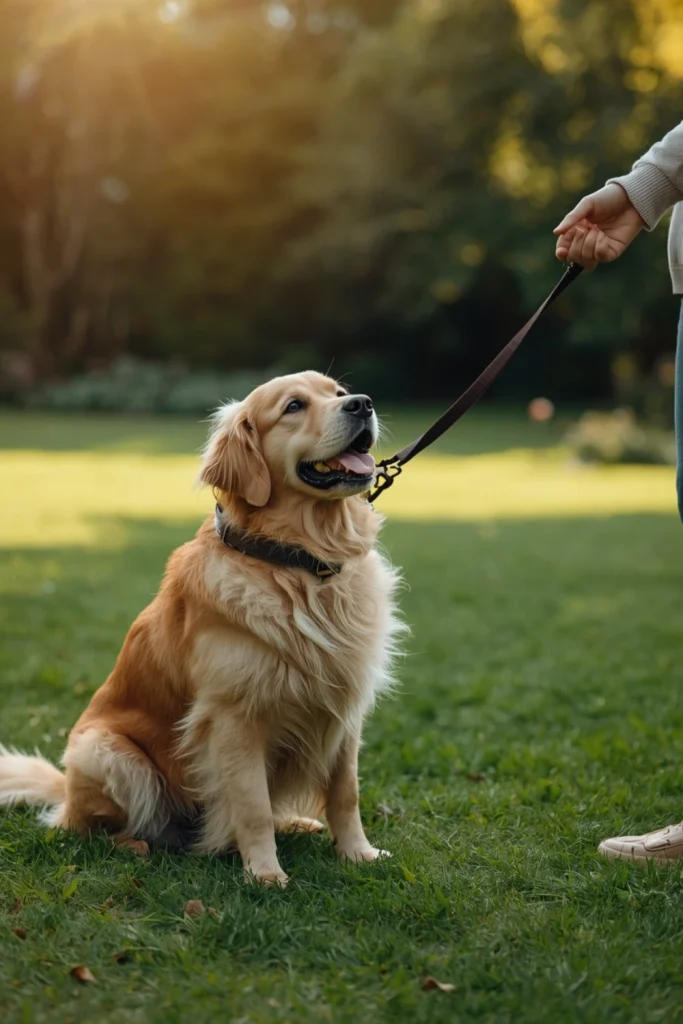
The best way to practice dog training outside home is to begin somewhere quiet. A private garden, enclosed yard, or peaceful grassy area can provide an excellent starting point because it has fewer distractions than a busy public park. Bring small training treats and practice familiar commands such as sit, down, stay, and come. Use a calm voice and reward your dog immediately when it responds correctly. Starting with familiar exercises helps your dog understand that the same rules apply outside the house.
Keep your first sessions short, usually around five to ten minutes, and finish before your dog becomes tired or frustrated. If your dog becomes distracted by a smell or sound, give it a moment to investigate safely before inviting its attention back to you. Avoid repeating commands continuously. Instead, make the exercise easier and reward successful responses. As your dog becomes more comfortable, gradually introduce slightly more activity. A strong foundation in a quiet location makes it easier to practice in challenging environments later.
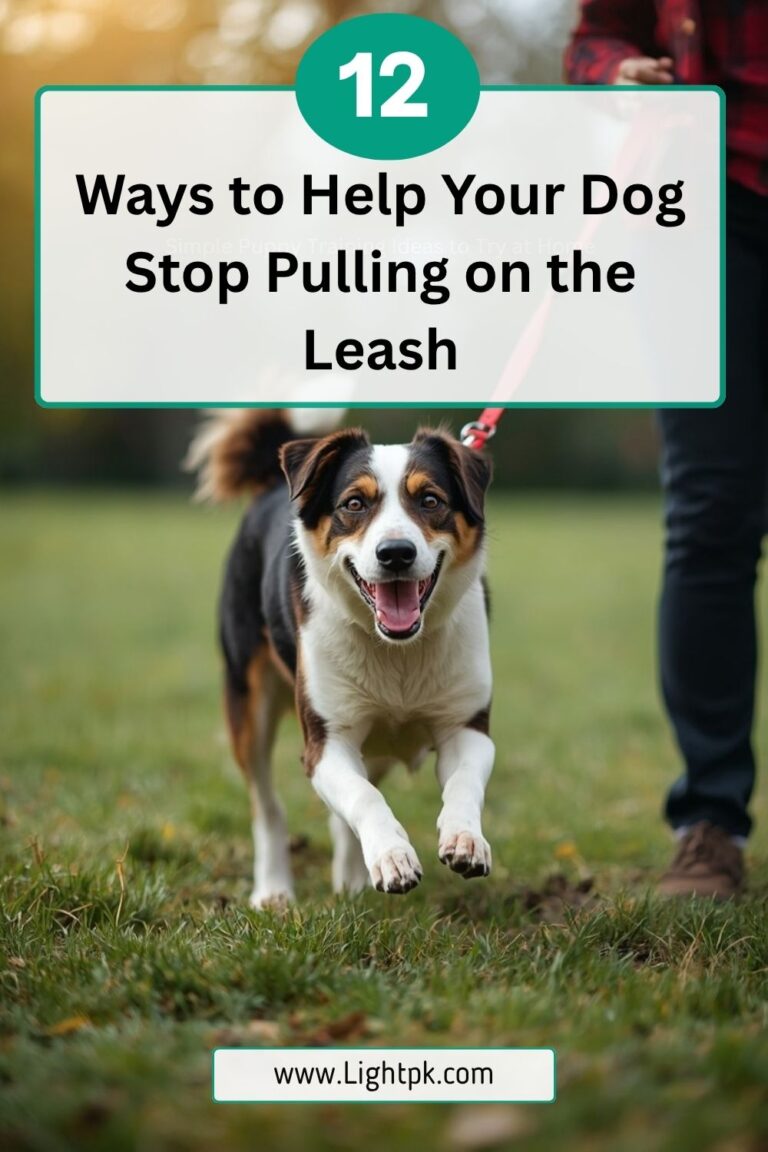
2. Practice Loose-Leash Walking on Different Paths
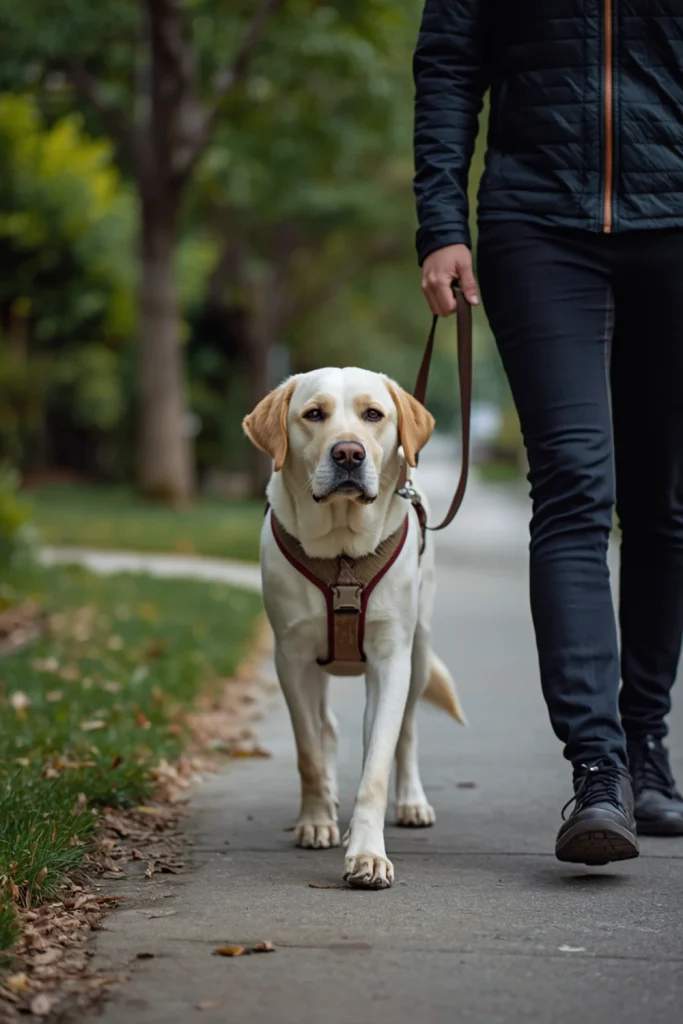
Loose-leash walking is one of the most useful skills for dogs that spend time outdoors. Pulling can make walks uncomfortable and difficult to manage, especially when you encounter other dogs, cyclists, or busy streets. Start on a quiet path and reward your dog whenever it walks beside you with a relaxed leash. Choose a simple cue such as “let’s go” and use it consistently when you begin walking. If your dog enjoys food rewards, carry small treats in an easily accessible pocket or treat pouch.
As your dog improves, practice on different surfaces and routes, such as quiet sidewalks, grassy paths, and peaceful neighborhood streets. When the leash becomes tight, stop safely or change direction if the surroundings allow it. Reward your dog when it returns its attention to you and the leash loosens. Avoid leash jerks and punishment, which can make walks stressful. Keep a safe distance from traffic and unfamiliar dogs, and use a properly fitted harness or collar. Regular practice teaches your dog that walking calmly is the best way to continue exploring.
3. Teach Your Dog to Focus Around Distractions
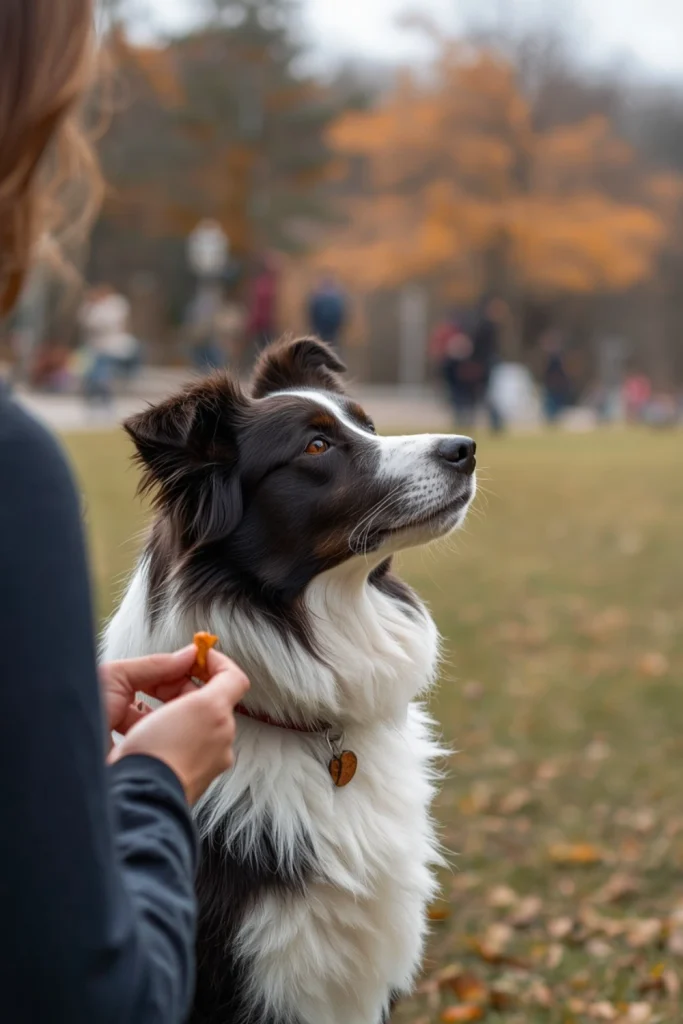
Outdoor distractions can make it difficult for dogs to concentrate. A passing bicycle, an unfamiliar person, or an interesting smell may be more exciting than the command you are giving. To build attention, begin in a place where your dog can notice its surroundings without becoming overwhelmed. Say its name once in a friendly voice, and reward it when it looks toward you. You can also teach a cue such as “watch me” to encourage brief eye contact. These simple exercises help your dog learn that paying attention to you is worthwhile.
Gradually increase the level of distraction as your dog becomes more reliable. Reward voluntary check-ins whenever your dog looks at you without being asked. If your dog starts pulling, barking, or ignoring familiar cues, increase the distance from the distraction and return to an easier exercise. Do not expect perfect focus in every situation immediately. Some environments may be too challenging for your dog’s current training level. With consistent practice, your dog can learn to notice exciting things while still responding to your guidance. This skill supports safer walks and more reliable obedience.
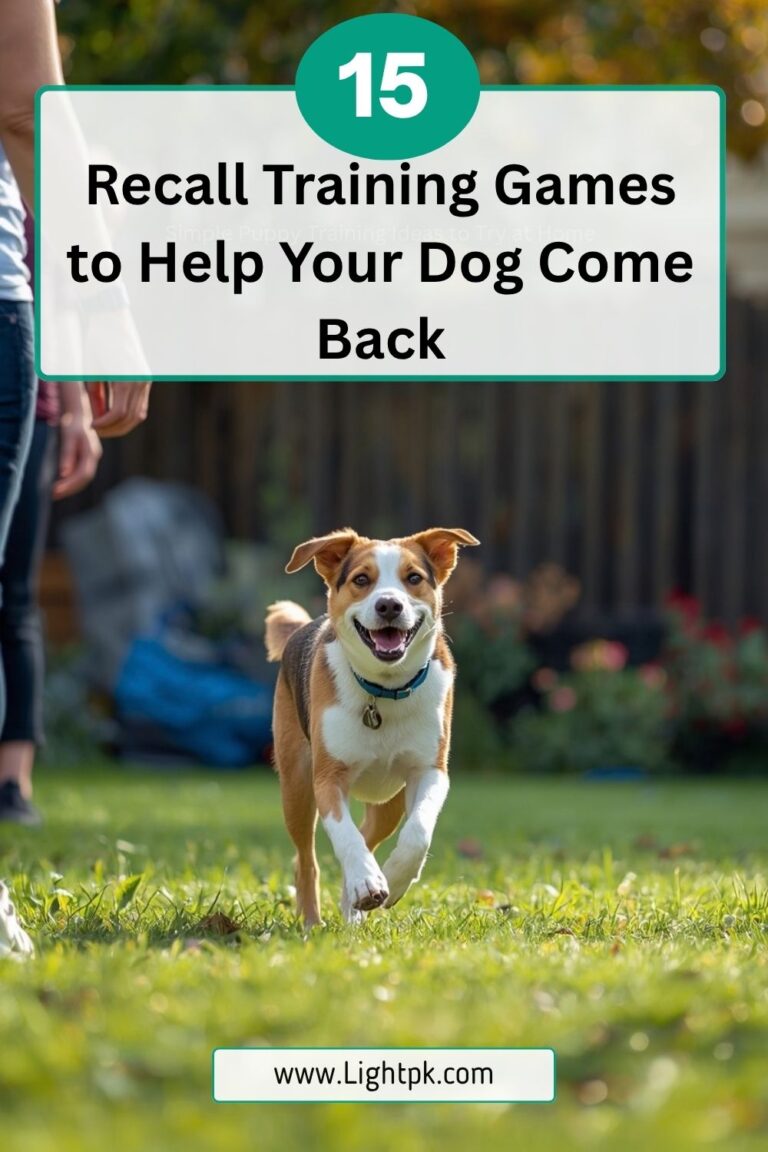
4. Practice Recall in a Secure Outdoor Space
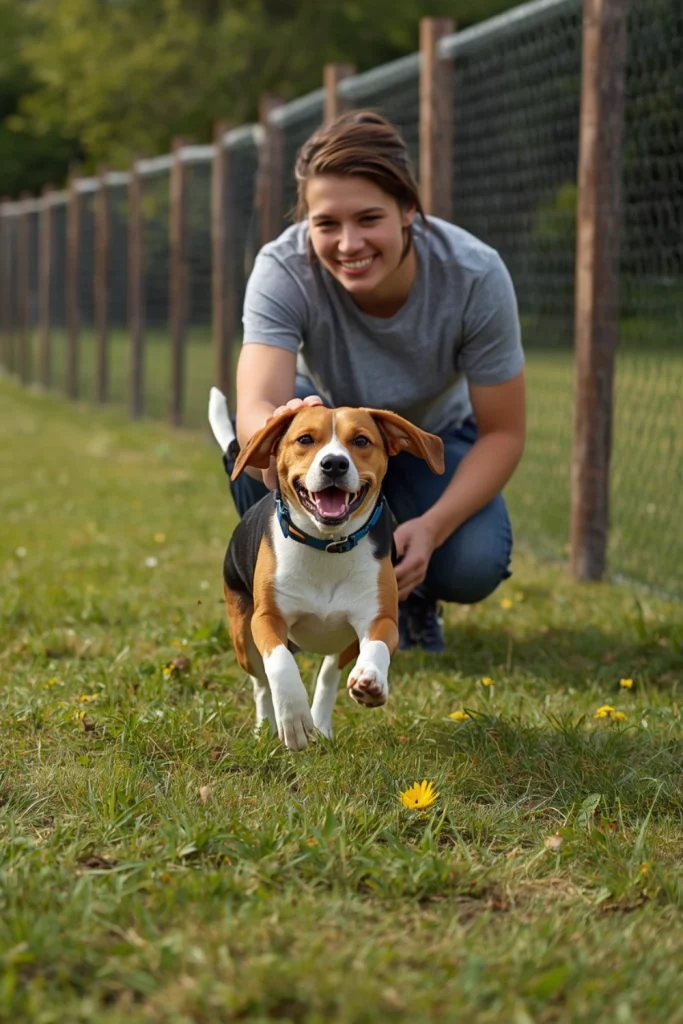
Recall is the ability to return to you when called, and it is one of the most important skills to practice outdoors. Start in a secure, enclosed area with minimal distractions. Say your dog’s name followed by a clear cue such as “come.” Use an upbeat voice and encourage your dog to approach. When it reaches you, reward it generously with treats, praise, or a short game. Make returning to you a positive experience so your dog learns that responding to a recall cue is worthwhile.
Once your dog responds consistently in a quiet space, gradually introduce mild distractions. A long training line attached to a suitable harness can provide additional control in an appropriate open area. Never assume that recall practice makes it safe to let your dog run free in an unfenced public space. Traffic, wildlife, unfamiliar dogs, and sudden noises can create unpredictable risks. Follow local leash regulations and practice off-leash skills only in secure, permitted locations. Avoid calling your dog exclusively when playtime is ending. Occasionally call it, reward the response, and allow it to return to exploring.
5. Practice Sit, Stay, and Wait in Public Places
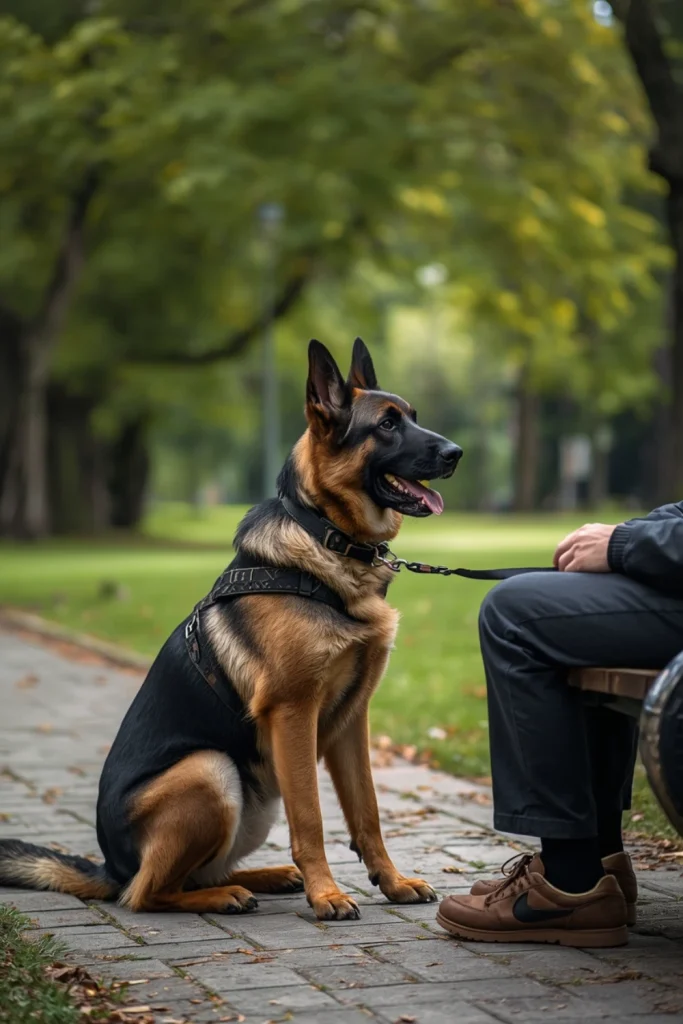
Teaching sit, stay, and wait outside the home helps your dog develop patience and self-control. Practice in a quiet public area where dogs are permitted and where you have enough room to avoid blocking pedestrians. Ask your dog to sit before starting a walk, pause briefly before moving forward, or wait while you adjust the leash. Reward the behavior immediately, especially when your dog remains calm despite nearby activity. Begin with short, easy repetitions before increasing the duration or introducing additional distractions.
These commands have slightly different purposes. “Sit” asks your dog to place its bottom on the ground, “stay” asks it to maintain a position until released, and “wait” can signal a brief pause before continuing. Teach each cue clearly and practice them separately before combining them in everyday situations. Always maintain physical control near roads, parking areas, and other hazards. If your dog gets up before the release cue, calmly reset the exercise and try a shorter duration. Repeated positive practice can help your dog respond more reliably in parks, on walks, and during other outdoor activities.
6. Use Park Visits for Safe Socialization Practice
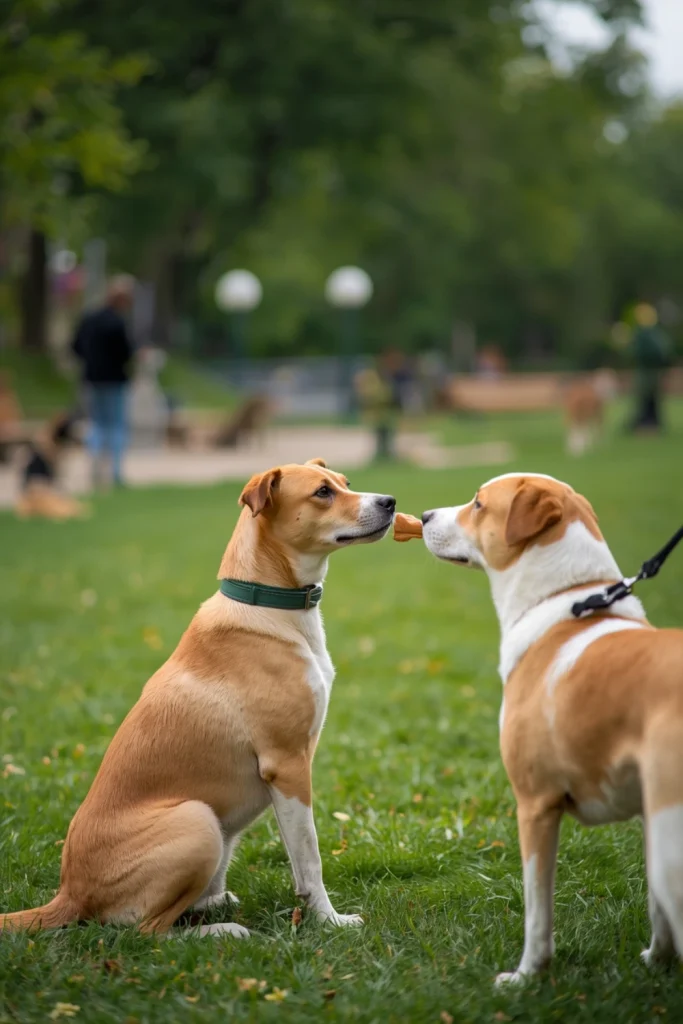
Socialization helps dogs become comfortable with different people, animals, sounds, surfaces, and environments. A suitable park can provide opportunities to practice these skills, provided dogs are allowed and the environment is not too overwhelming. Begin by allowing your dog to observe people and other dogs from a comfortable distance. Reward relaxed body language, calm observation, and attention toward you. Your dog does not need to greet every person or animal to have a successful socialization experience.
Avoid taking a nervous dog straight into a crowded dog park or allowing unfamiliar dogs to rush toward it. Choose quieter times, keep your dog at a manageable distance, and let interactions happen only when they are appropriate for everyone involved. Watch for signs of discomfort, including a tucked tail, freezing, repeated lip licking, or attempts to move away. For puppies, ask your veterinarian about safe socialization opportunities based on vaccination status and local disease risks. Gradual, positive exposure can help build confidence without forcing your dog into stressful situations.
7. Train Your Dog to Ignore Passing People and Bicycles
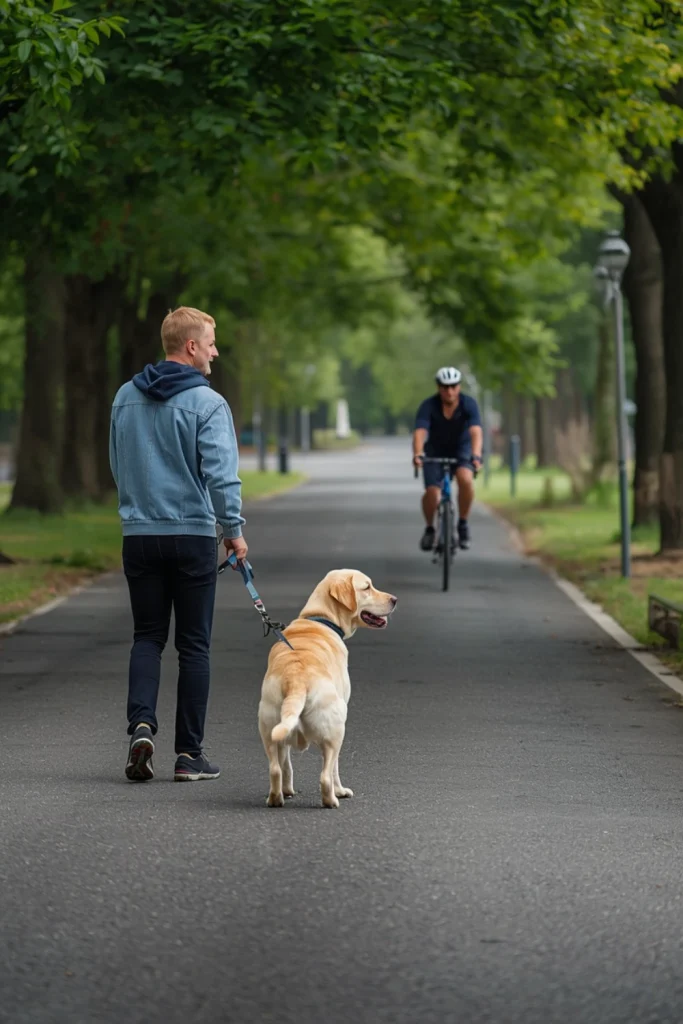
Joggers, cyclists, scooters, and pedestrians can attract a dog’s attention or trigger excitement. Practicing around these everyday distractions teaches your dog how to remain calm while the world moves around it. Begin in an open location where you can maintain a comfortable distance from passing people. Whenever your dog notices a cyclist or pedestrian without reacting strongly, reward it. You can also practice a familiar cue such as “look” or encourage your dog to walk beside you as the distraction passes.
If your dog barks, lunges, or pulls intensely, increase the distance instead of forcing it to stay close. Choose wide paths that provide room to move away safely, and never allow your dog to approach a moving bicycle or runner without permission. Progress may take time, especially for dogs that are naturally excitable or fearful. Reward small improvements and keep sessions manageable. Over time, your dog can learn that passing people and bicycles are ordinary parts of the environment rather than reasons to become overly excited. These skills make neighborhood walks safer and more enjoyable.
8. Practice Calm and Polite Greetings With People
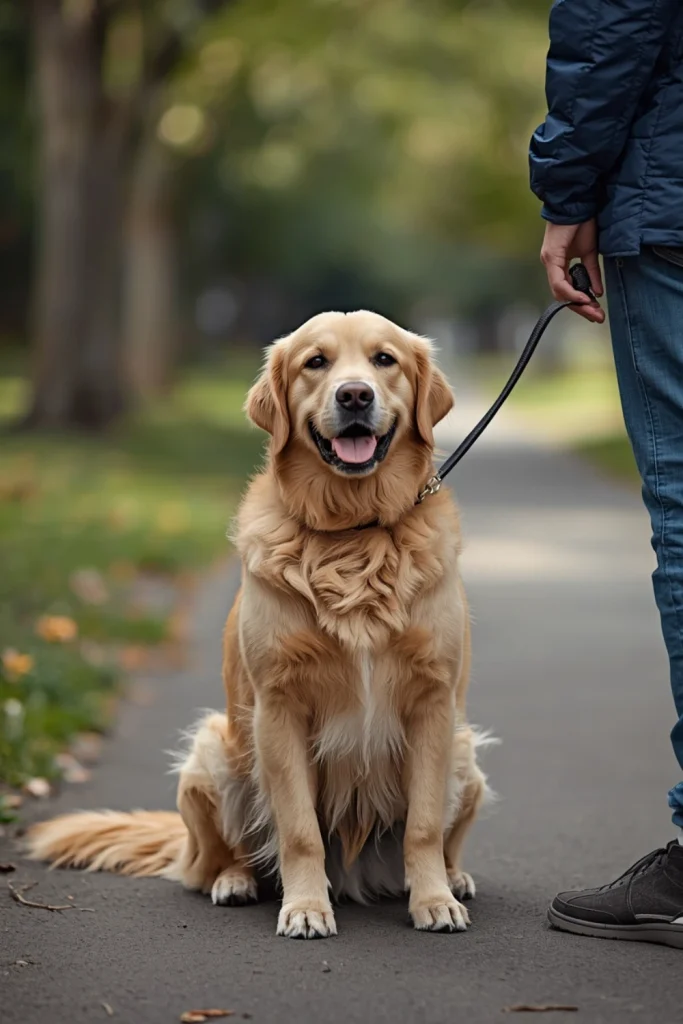
Some dogs become extremely excited when they see people outdoors. They may jump, bark, pull on the leash, or rush forward to receive attention. To teach polite greetings, ask your dog to sit beside you before a willing friend approaches. Reward your dog for keeping its paws on the ground and remaining reasonably calm. If both the person and the dog are comfortable, allow a brief greeting. This approach teaches your dog that calm behavior can lead to pleasant social interactions.
Consistency is important when practicing greetings. If your dog jumps, calmly pause the interaction, create a little space, and try again when your dog is ready to remain calm. Do not force strangers to participate in training, and always respect people who prefer not to approach your dog. Some dogs also need more distance from unfamiliar people, particularly if they are nervous. Watch body language and allow your dog to move away when necessary. Practicing with willing friends in low-pressure environments can help your dog develop better manners and become more comfortable during everyday walks.
9. Turn Outdoor Walks Into Short Training Games
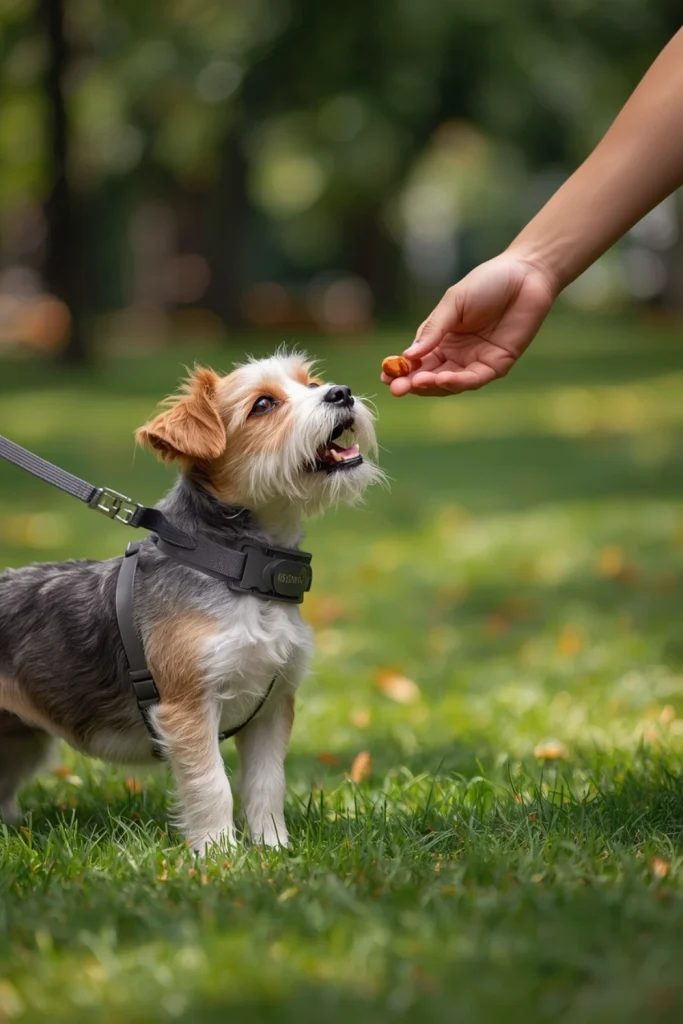
Outdoor training does not need to feel like a formal obedience lesson. You can turn ordinary walks into enjoyable learning opportunities by including short games throughout the route. Reward your dog whenever it checks in with you, practice responding to its name, or ask for a simple sit before changing direction. You can also introduce supervised sniffing games in a clean, safe area. These activities encourage your dog to use its senses while remaining connected to you. Choose games that match your dog’s energy level and interests.
Keep each game simple and reward successful responses immediately. Small treats, praise, and favorite toys can all be effective rewards. Account for training treats when considering your dog’s daily food intake, and avoid areas containing broken glass, litter, dangerous plants, or other hazards. If your dog enjoys sniffing more than playing with toys, use safe exploration as part of the reward. Rotate between walking, training, and breaks to keep the experience enjoyable. If your dog becomes tired or overstimulated, finish with an easy activity and head home. Positive outdoor games can strengthen your bond while reinforcing useful behaviors.
10. Gradually Practice in Busier Outdoor Environments
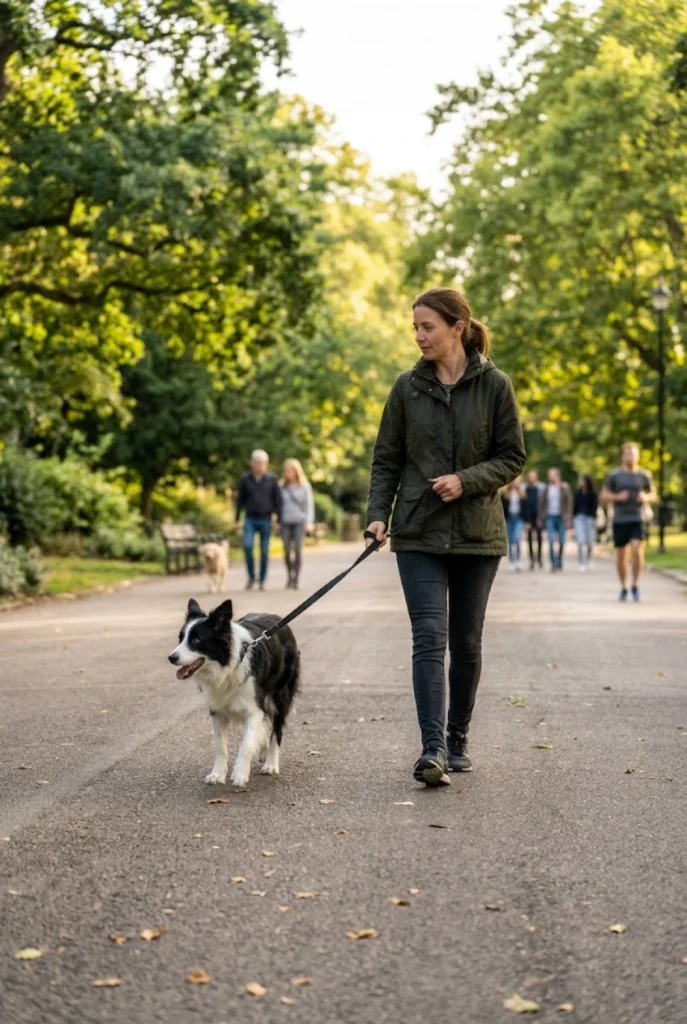
Once your dog responds reliably in quiet areas, gradually practice in more challenging environments. Depending on local rules, you might choose a moderately busy park, a dog-friendly outdoor shopping area, or a pedestrian-friendly neighborhood. Begin during quieter periods and maintain enough distance from traffic, unfamiliar dogs, and other distractions. Practice familiar skills such as loose-leash walking, checking in, sitting, and waiting. Reward calm responses rather than expecting your dog to behave perfectly in a completely new setting.
Increase difficulty gradually and change one factor at a time. For example, move from a quiet park to a moderately active path before attempting a busier environment. If your dog struggles to respond, return to an easier location and rebuild confidence. Avoid crowded events, unsafe roadsides, and places where dogs are prohibited. Never force a frightened dog to remain in a situation it cannot handle. With consistent practice and suitable rewards, your dog can gradually learn to respond to familiar cues in a wider range of outdoor settings. Progress should be measured by confidence and reliable behavior, not by how quickly you reach a busy location.
Conclusion
Learning how to practice dog training outside home is an important step toward raising a confident, responsive, and well-mannered companion. Quiet gardens, walking paths, secure training areas, and other dog-friendly environments offer opportunities to improve obedience, recall, leash manners, focus, and social skills.
Remember that every dog learns at a different pace. Keep sessions short, reward positive behavior, use suitable equipment, and respect your dog’s comfort level. Gradually introduce distractions instead of overwhelming your dog with too much activity too soon. With patience and regular practice, outdoor training can become an enjoyable part of your daily routine and strengthen the bond you share with your dog.