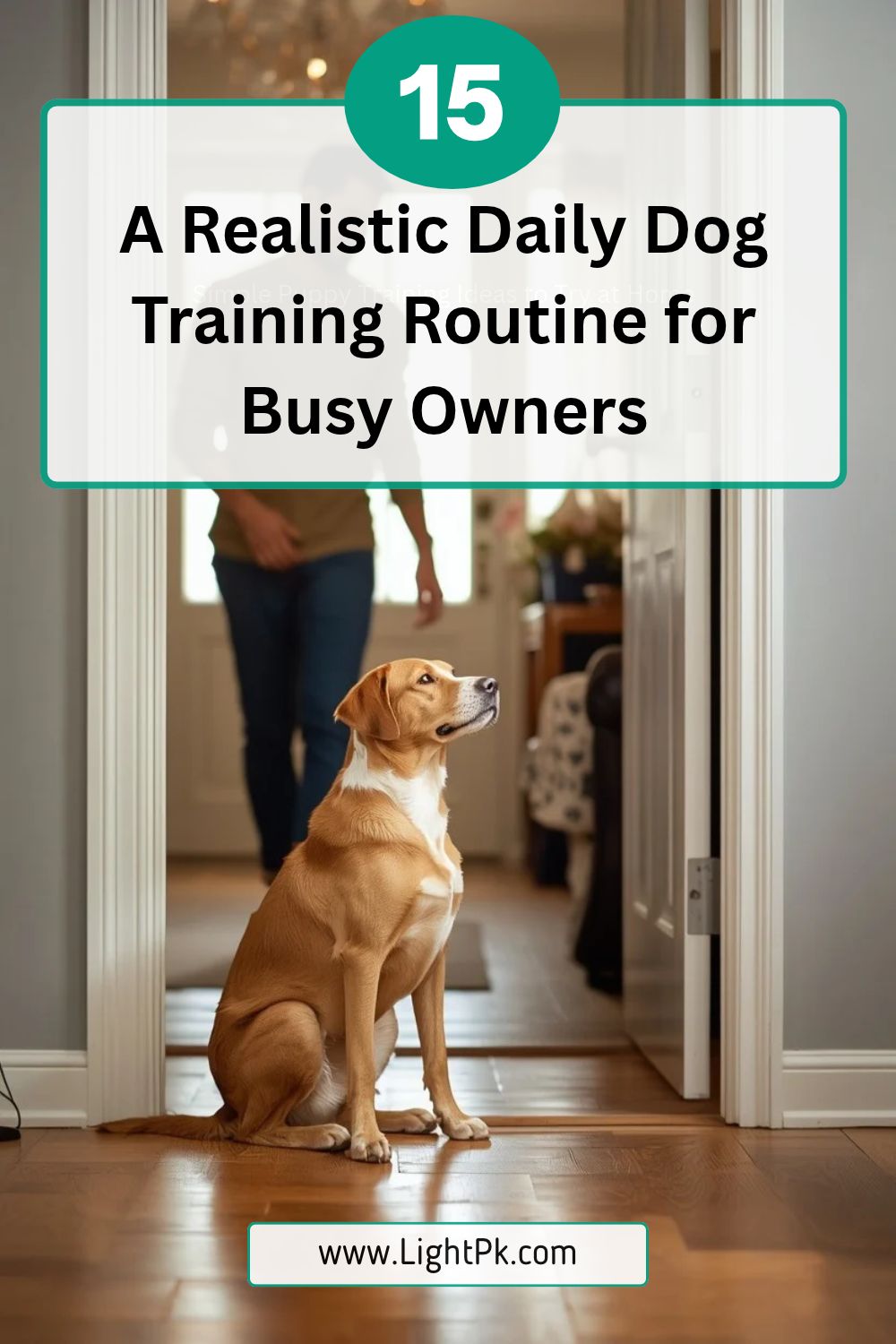
A Realistic Daily Dog Training Routine for Busy Owners
Busy schedule? Work deadlines, household chores, and family responsibilities can make dog training feel like another task on an already full to-do list. But teaching your dog good manners does not always require long training sessions or hours of practice. A few short, well-planned activities throughout the day can make a meaningful difference.
A Realistic Daily Dog Training routine fits naturally into your everyday life. From practicing simple commands before breakfast to encouraging calm behavior during evening walks, you can help your dog learn without rearranging your entire schedule. Whether you have a young puppy or an adult dog, this guide will help you build a practical routine that supports better behavior, stronger communication, and a happier relationship with your pet.
1. Start the Morning With a Bathroom Break
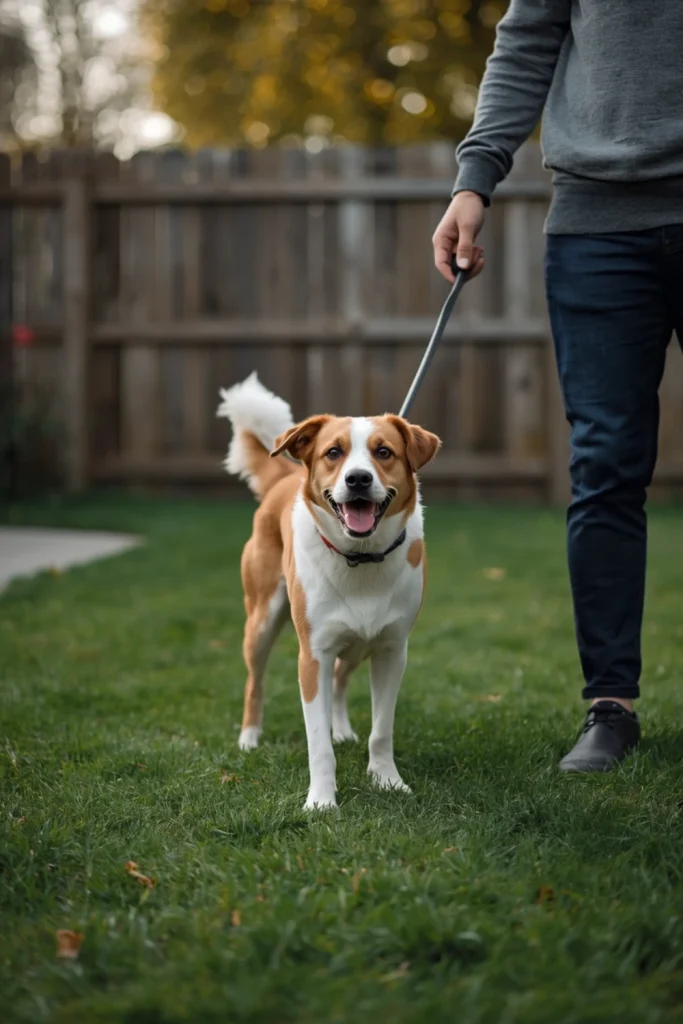
A morning bathroom break is a useful first step in a daily dog training routine. After sleeping through the night, most dogs need an opportunity to relieve themselves before breakfast or play. Take your dog to a suitable outdoor spot and allow enough time for sniffing and toileting without rushing. When your dog finishes in the correct place, offer calm praise or a small reward immediately. This helps puppies learn where to go and reinforces an established routine for adult dogs. Keep the first few minutes predictable so your dog can start the day calmly.
Busy owners can make this step easier by preparing the leash, waste bags, and outdoor clothing the night before. Puppies, senior dogs, and dogs with certain medical needs may require more frequent bathroom breaks than healthy adult dogs. Avoid expecting a young puppy to wait for long periods simply because your schedule is busy. If your dog does not go outside, supervise closely indoors and try again after a short interval. Accidents should be cleaned thoroughly without punishment. A consistent morning routine makes toilet habits easier to manage and gives your dog a clear, comfortable start to the day.
2. Practice One Simple Command Before Breakfast
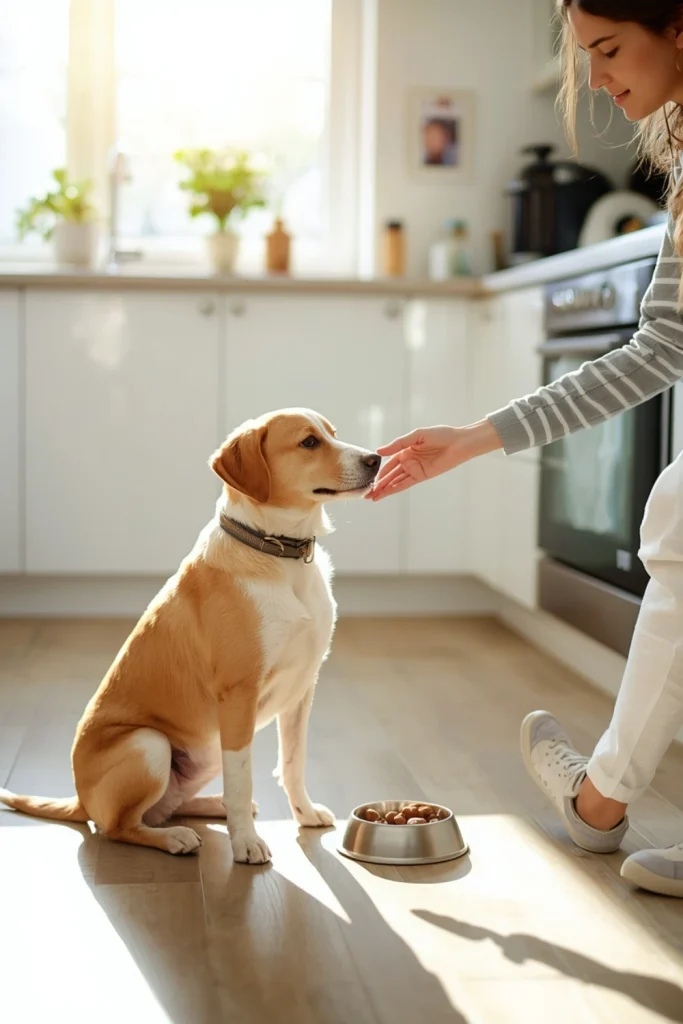
Breakfast provides a natural opportunity to practice a familiar command without adding another activity to your schedule. Before placing your dog’s food bowl down, ask for a simple behavior such as “sit” or “wait.” Reward your dog for responding, then give permission to eat. Keep the exercise brief and easy, especially if your dog is hungry or excited. You are not trying to test every command at once. You are helping your dog learn that listening to you is a normal part of everyday life. A few successful repetitions are usually more useful than a long, frustrating session.
Use the same cue and release word consistently so your dog can understand what you expect. If your dog struggles to wait, begin with just one second and gradually increase the duration as your pet succeeds. Never withhold a meal for an extended period because your dog cannot perform a command. The food bowl should remain a positive part of the routine. If your dog guards food or becomes tense around the bowl, avoid taking it away as a training exercise and seek appropriate professional guidance. For most dogs, a short breakfast practice builds focus and encourages polite behavior in a familiar environment.
3. Use a Short Morning Training Session
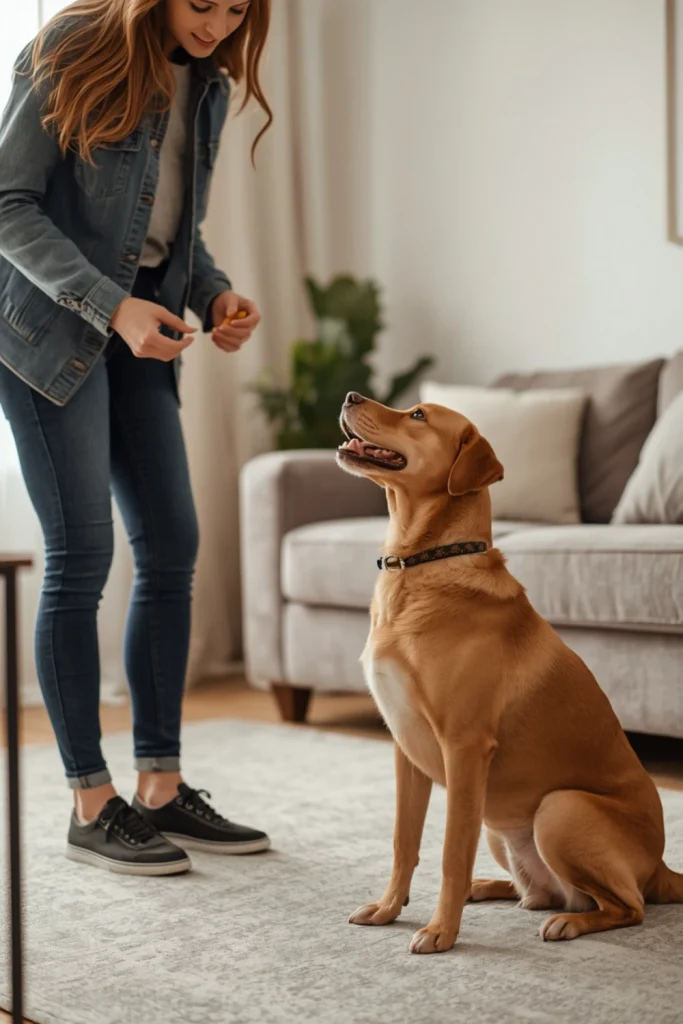
You do not need a thirty-minute lesson to help your dog learn. A focused session of three to five minutes can be enough to practice one or two familiar skills. Choose a quiet location and decide what you want to work on before you begin. You might practice “come,” “down,” name recognition, or touching your hand with your dog’s nose. Use small rewards and end the session while your dog is still interested. Short sessions are especially useful for puppies, easily distracted dogs, and owners who need to leave for work at a particular time.
Keep your expectations realistic. If your dog responds well indoors but struggles outside, continue practicing in the easier environment before adding distractions. Avoid rapidly repeating commands when your dog does not respond. Instead, make the exercise simpler, increase the value of the reward, or take a break. Record a small success each day, such as responding to their name three times or staying on a mat for a few seconds. Over time, regular practice builds stronger habits. The best morning training session is one you can repeat consistently, rather than an ambitious routine that becomes difficult to maintain.
4. Turn Your Morning Walk Into Training Time
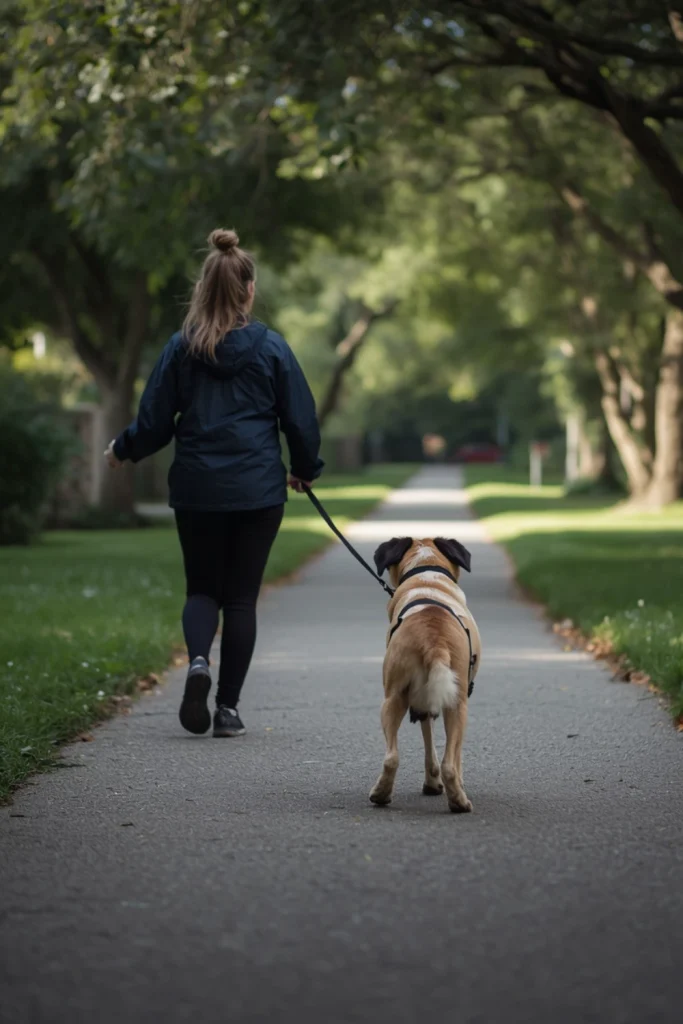
A morning walk can provide exercise, sniffing opportunities, and useful training practice at the same time. Instead of expecting your dog to walk perfectly for the entire outing, choose one simple goal. You could reward a loose leash, practice responding to their name, or encourage your dog to check in with you during the walk. Allow plenty of safe sniffing, because exploring scents is a valuable form of mental enrichment for dogs. A walk that balances exploration and training is often more satisfying than one spent constantly correcting your pet.
Start in a quiet area if your dog pulls, barks at other dogs, or becomes overwhelmed by traffic and people. Reward the behavior you want to see and create more distance from distractions when necessary. Do not force your dog to approach unfamiliar dogs or people. If time is limited, a shorter walk that meets your dog’s immediate needs can still include a few training repetitions, but make sure your pet receives enough total exercise and bathroom opportunities for their age, breed, and health. Some dogs need more than one walk or additional activity later in the day.
5. Prepare Your Dog for Alone Time Before Leaving
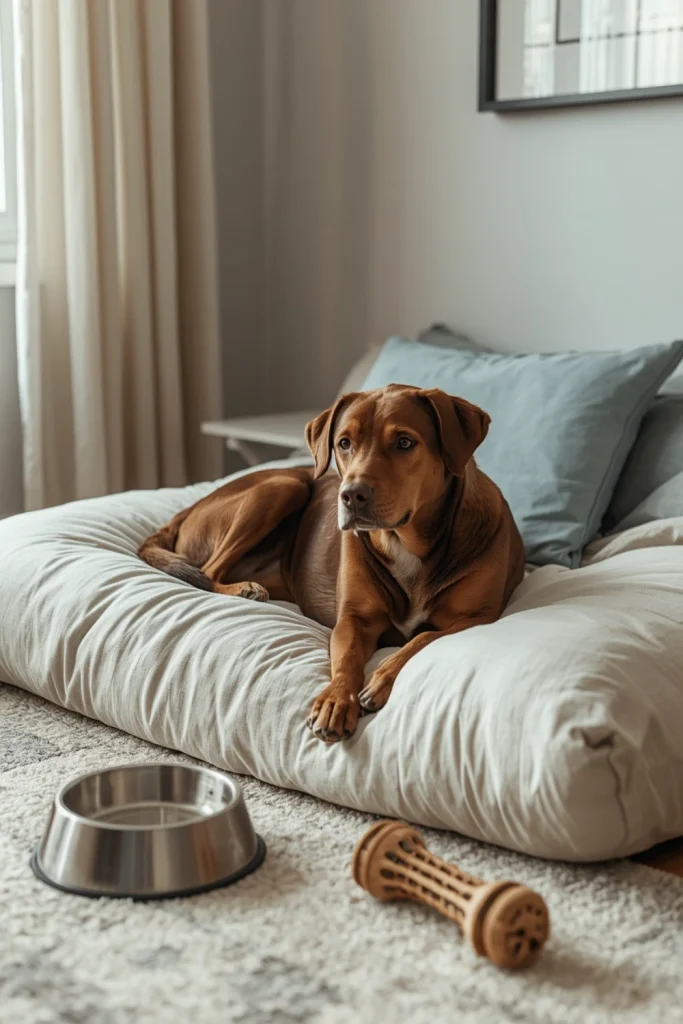
Leaving for work or running errands can be challenging for dogs that are unused to being alone. Before you go, give your dog a suitable bathroom break and an opportunity for age-appropriate activity. Prepare a comfortable resting area with water and safe enrichment, such as a food puzzle that your dog already knows how to use. Keep departures calm and predictable instead of making a big emotional event out of leaving. These steps can support a settled routine, although they will not resolve every case of separation-related distress.
If your dog struggles when you leave, practice short periods of separation at a level your pet can tolerate. Begin with brief moments and gradually build duration while your dog remains relaxed. Do not suddenly leave a distressed dog alone for long periods in the hope that it will learn to cope. Signs such as frantic scratching at doors, persistent howling, heavy drooling, or attempts to escape may indicate significant distress. Consider using a camera to understand what happens after you leave, and consult a veterinarian or qualified behavior professional if needed. Some dogs need a tailored plan and additional support rather than a simple morning routine.
6. Make Training Part of Your Workday Breaks
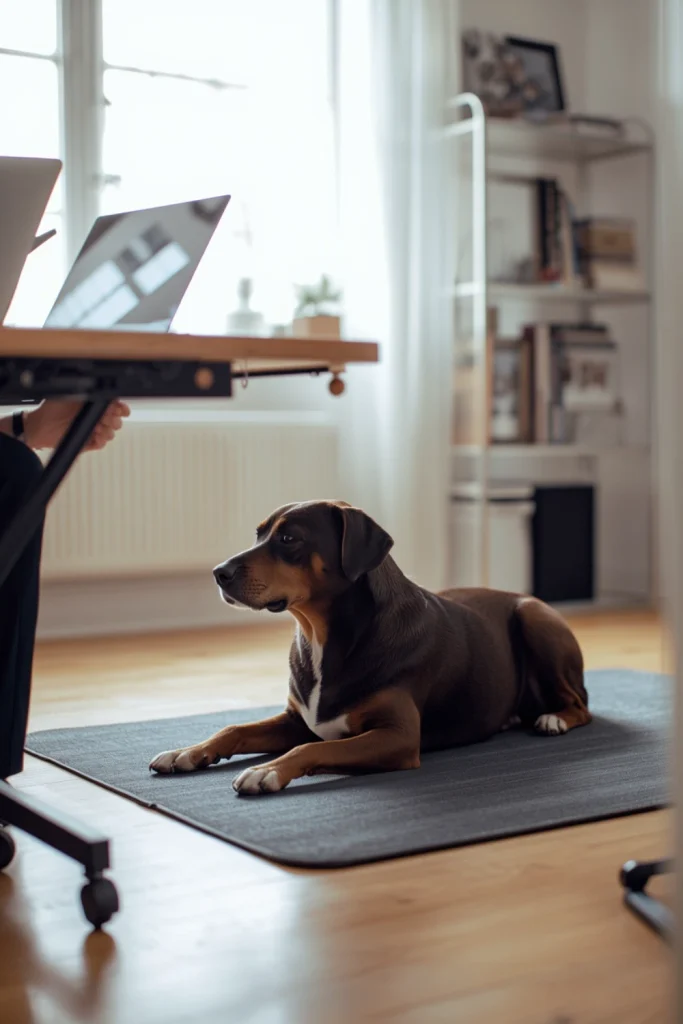
Working from home can create convenient opportunities for short training breaks. Instead of trying to train while answering emails or attending meetings, schedule a few minutes when you can give your dog your full attention. Practice a simple behavior, reward your dog for responding, and return to work once the session is complete. These brief interactions can break up the day and provide mental stimulation. If your dog is already settled, you do not need to interrupt rest simply to complete a training exercise.
You can also reinforce calm behavior during ordinary work activities. When your dog lies quietly on a bed or rests without demanding attention, occasionally reward that behavior if doing so does not disturb the dog. Keep a few suitable treats nearby, but avoid feeding continuously throughout the day. Use planned breaks for bathroom trips, movement, and interaction, particularly for puppies or dogs that cannot comfortably wait for long periods. If your dog barks or paws at you during calls, teach a settle behavior outside meeting time and arrange appropriate enrichment. A workday routine should support your dog’s needs rather than expecting the animal to remain inactive for hours.
7. Teach Calm Behavior While You Prepare Meals
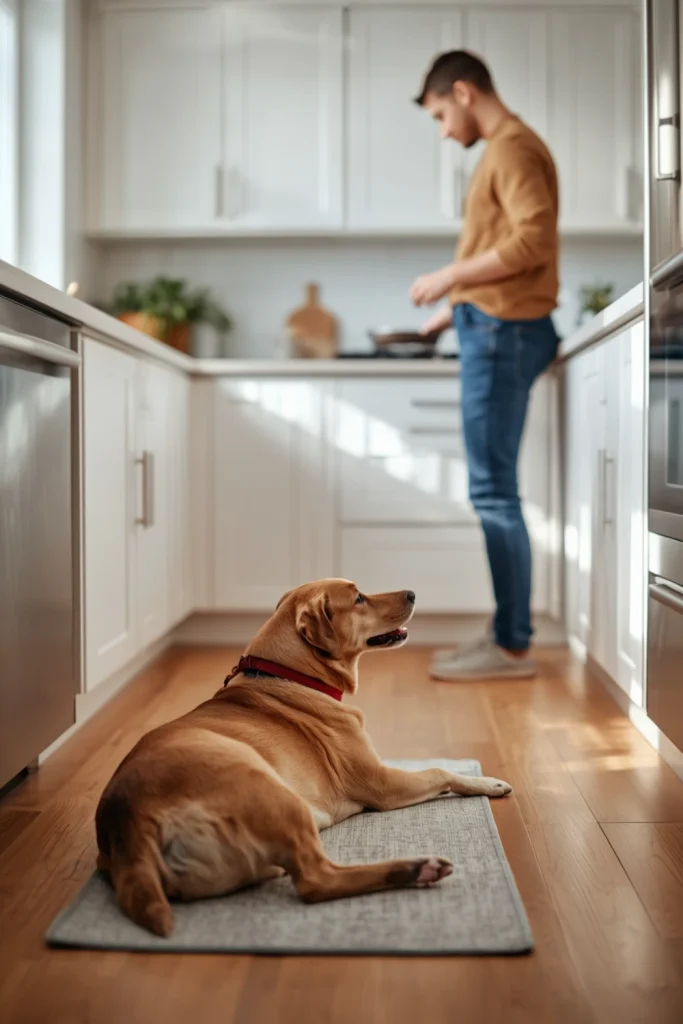
Meal preparation can become a training opportunity when your dog tends to follow you, jump on counters, or beg for food. Before cooking, guide your dog to a safe resting place away from hot surfaces, knives, and other kitchen hazards. Reward your pet for remaining on a mat or bed while you prepare food. Begin with short periods and build gradually as your dog understands the routine. A comfortable distance from the counter helps prevent unwanted habits and reduces the risk of your dog reaching dangerous ingredients.
If your dog is very food-motivated, provide an appropriate enrichment activity in a safe location while you cook. Do not give your dog access to unsafe foods, and keep rubbish, cleaning products, and sharp objects out of reach. Consistency matters: if family members sometimes feed the dog from the counter or table, begging may continue. Practice the settle behavior when you are not preparing a full meal, so the dog learns the skill in an easier setting first. Over time, a calm kitchen routine can make cooking safer and more comfortable for everyone in the household.
8. Use Household Chores to Reinforce Good Manners
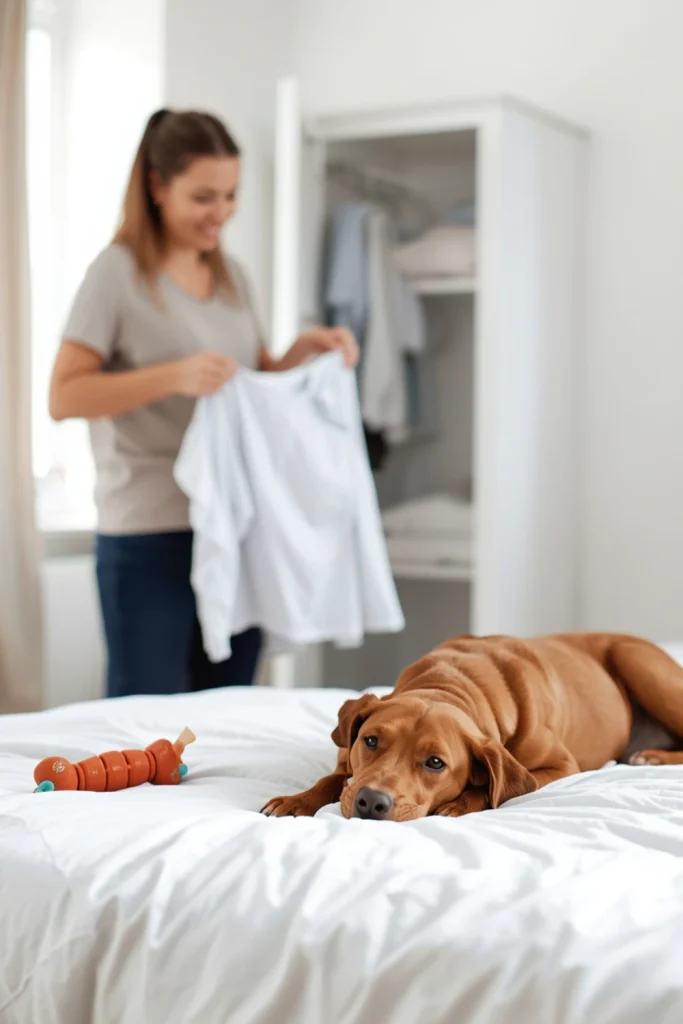
Household chores create opportunities to reward everyday behavior without setting aside a separate training block. For example, you can reward your dog for staying on the floor while you fold laundry, waiting calmly while you open a cupboard, or moving away from a doorway when asked. Choose one behavior at a time and keep the situation simple enough for your dog to succeed. These small moments help your pet learn that good manners matter throughout the day, not only when treats and training equipment are visible.
Safety should come first during chores. Keep dogs away from cleaning chemicals, hot appliances, ironing equipment, and objects they might swallow. If your dog steals socks or laundry, prevent access and offer suitable toys instead of chasing the dog around the house. Chasing can turn stealing into an exciting game. Reward your dog for choosing appropriate items and practice a “drop it” cue with safe objects during dedicated sessions. A realistic routine is not about training every minute. It is about noticing useful moments and making good choices rewarding when you can supervise properly.
9. Practice Independent Play With Safe Enrichment
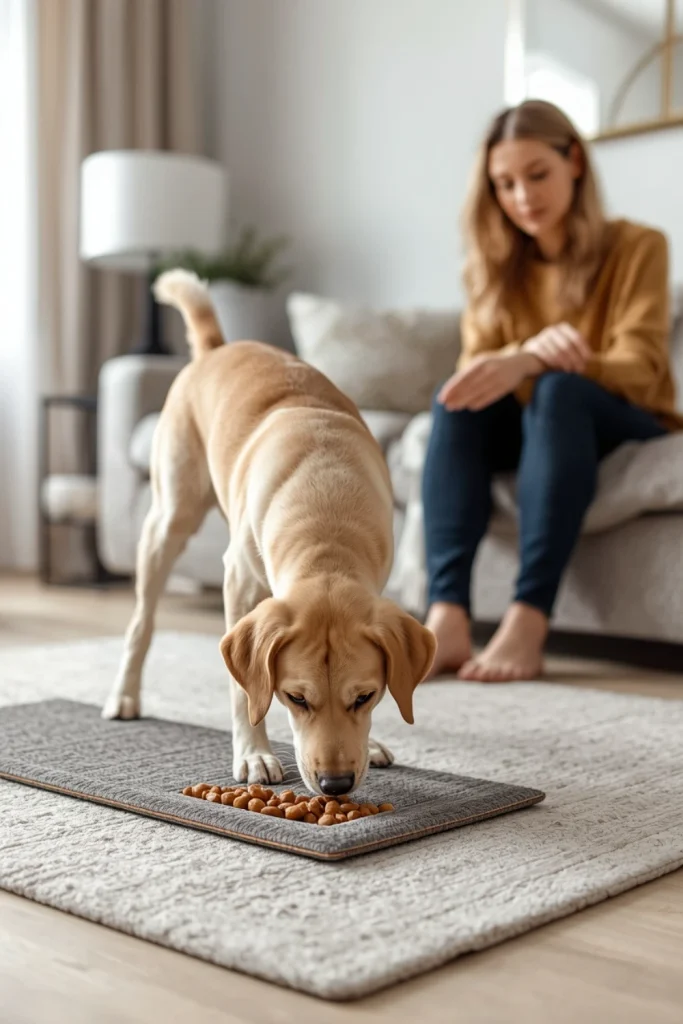
Busy owners cannot entertain their dogs every minute, so learning to enjoy suitable independent activities is valuable. Food puzzles, snuffle mats, and durable toys designed for your dog’s size can provide mental stimulation when used appropriately. Introduce a new activity while you are available to supervise and check that your dog uses it safely. Choose something your pet can understand without becoming frustrated, and rotate suitable toys to maintain interest. Independent play should complement exercise, social interaction, and rest rather than replace them entirely.
Build the habit gradually by offering an activity after a walk or a short training session. Start with a few minutes and observe how your dog responds. Some dogs enjoy searching for scattered kibble in a safe area, while others prefer chewing a suitable toy or working on a simple puzzle. Avoid leaving any toy unsupervised if your dog may break it apart or swallow pieces. Food enrichment should also fit into your dog’s normal daily diet. If your dog ignores a puzzle, make it easier rather than assuming the dog is being stubborn. The aim is to create an enjoyable activity that supports calm, independent behavior.
10. Reinforce Calm Greetings With Family Members
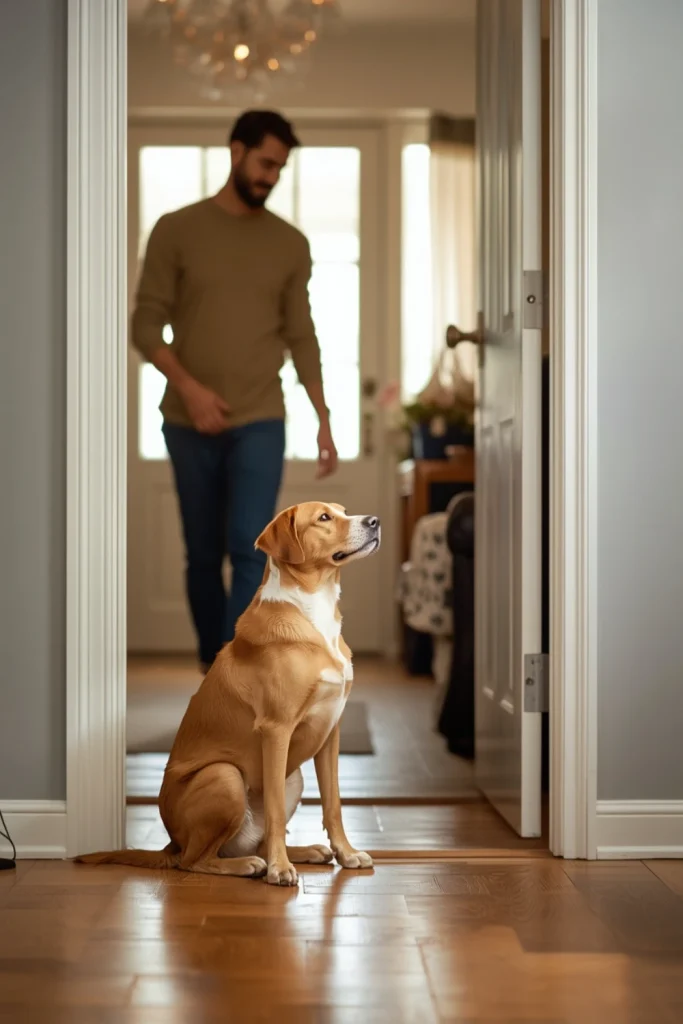
Many dogs become excited when family members return home, even if they have only been away briefly. Jumping, barking, and grabbing clothing may become habitual when the behavior regularly receives attention. Ask family members to greet the dog calmly and reward a suitable alternative, such as standing with four paws on the floor or sitting. Begin with low-key practice when everyone is relaxed rather than waiting until the dog is extremely excited. The more predictable the greeting routine becomes, the easier it is for your dog to understand what earns attention.
If your dog cannot remain calm, reduce the intensity of the greeting. A leash or baby gate may help you manage the situation safely while practicing, provided your dog is comfortable with the setup. Reward small improvements and avoid pushing, shouting, or wrestling with an excited dog, as these reactions can make the interaction more stimulating. Make sure children understand how to greet dogs gently and that an adult supervises interactions. If your dog is fearful, growls, or shows signs of aggression around family members, do not force contact. Seek qualified guidance and prioritize safety. Calm greetings are built through repeated, consistent experiences.
11. Schedule an Evening Walk or Activity Session
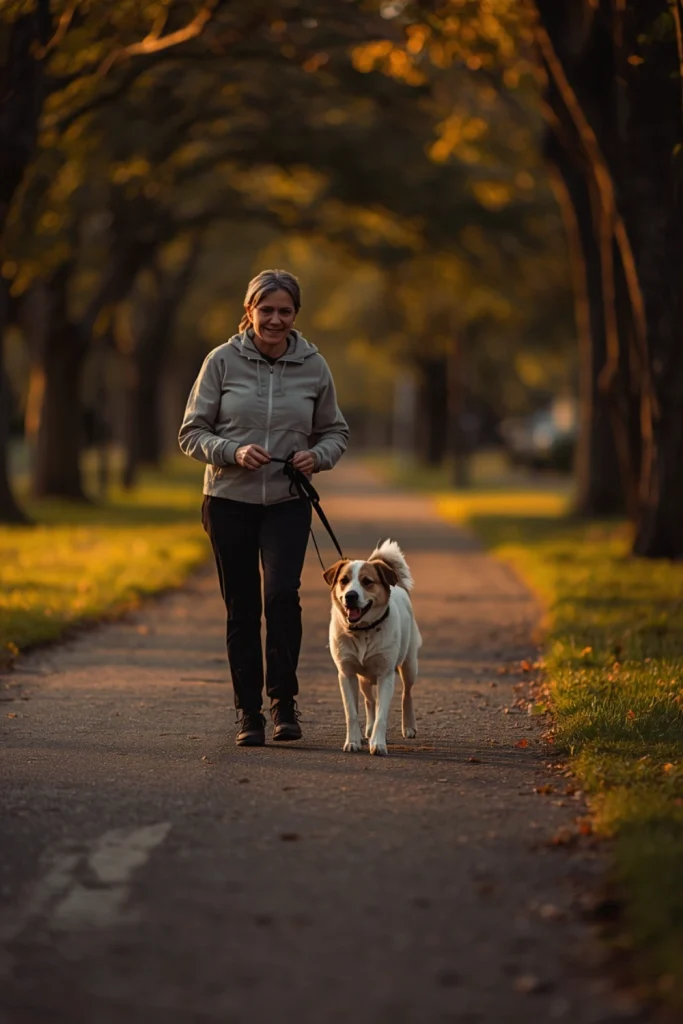
An evening walk gives your dog another opportunity to explore, move, and practice good manners after a day of resting. Choose an activity suited to your dog’s age, physical condition, and energy level. Some dogs benefit from a brisk walk, while others prefer a slower outing with plenty of sniffing. You can use a few minutes to practice loose-leash walking, name recognition, or calm observation of everyday distractions. Keep training goals simple so the outing remains enjoyable rather than becoming a constant series of commands.
If the weather, your schedule, or your dog’s health makes a longer walk unsuitable, consider safe alternatives such as indoor scent games, gentle play, or short training exercises. However, these alternatives should meet your dog’s actual needs; a high-energy dog may require more movement than a few minutes of indoor practice. Watch for signs of fatigue or discomfort, particularly in puppies, senior dogs, and dogs with health conditions. Avoid exercising heavily immediately after a large meal, especially if your dog is at risk of digestive problems. A balanced evening activity can help your dog settle later, although individual exercise needs vary.
12. Teach Your Dog to Settle During Family Time
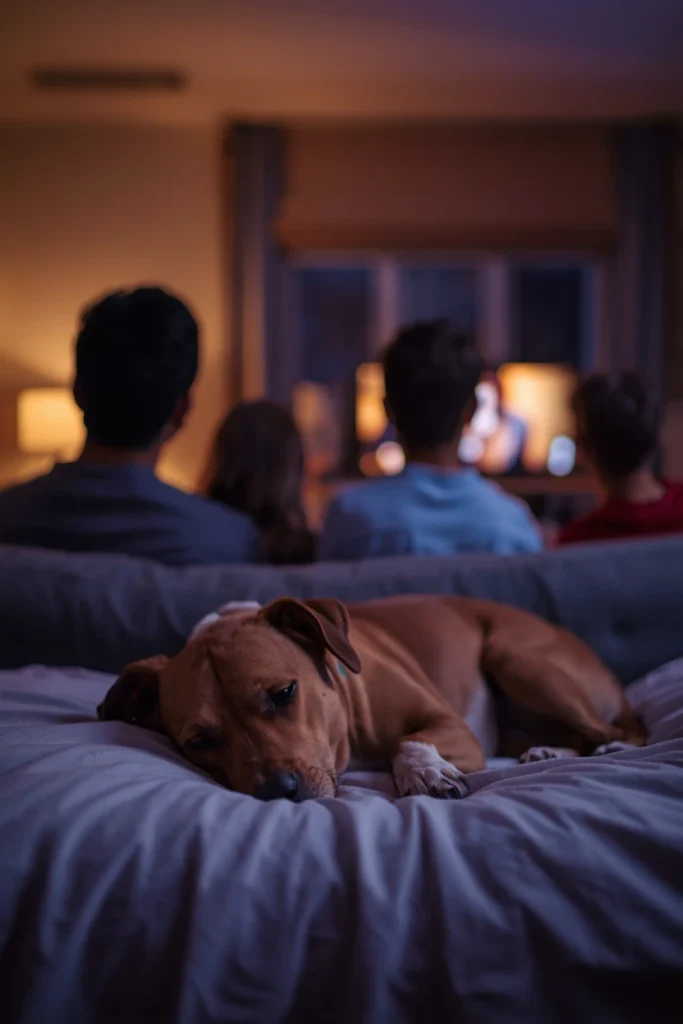
Evenings often involve television, conversations, homework, or other family activities. A dog that constantly demands attention may struggle to relax during these moments. Teaching a settle behavior helps your pet learn that quiet time is part of daily life. Place a comfortable bed or mat near the family, reward your dog for lying down, and gradually increase the time between rewards. Begin when the household is relatively calm and introduce more movement or noise as your dog becomes comfortable with the exercise.
Do not expect a dog to settle for a long evening immediately, especially if it has not received enough exercise, interaction, bathroom breaks, or rest during the day. Meet those needs first, then practice short periods of calm behavior. If your dog gets up, gently reset the exercise without turning it into a struggle. Puppies may need frequent breaks and naps, while some adult dogs benefit from a safe chew or enrichment activity. A settle cue should create a comfortable resting habit, not force a dog to remain still when it needs help or feels unwell.
13. Spend Five Minutes Reviewing a Training Skill
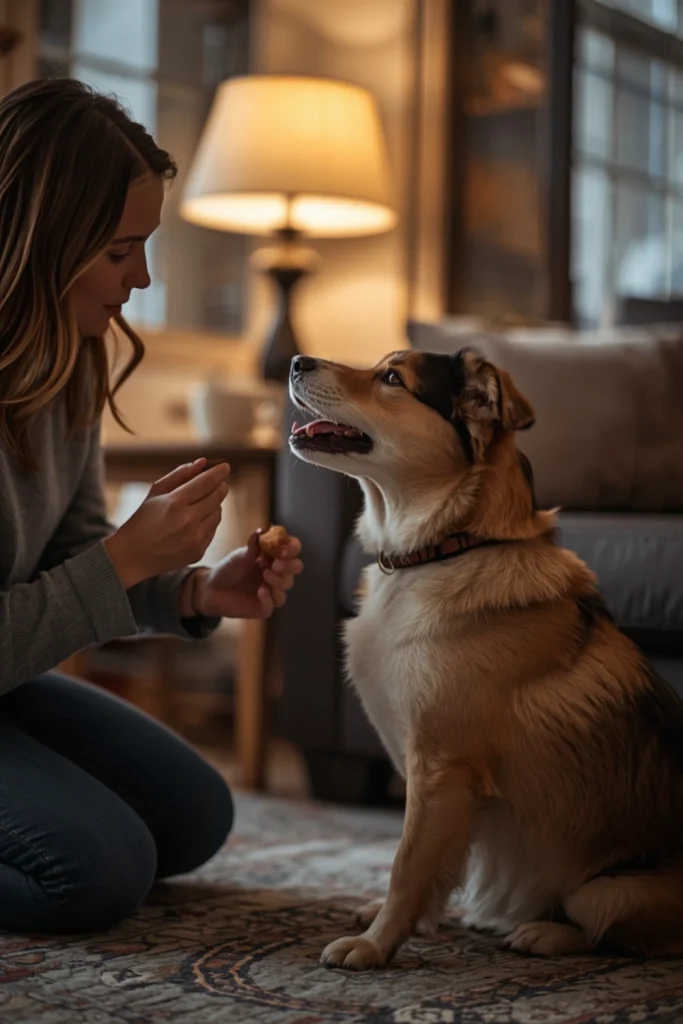
A short review session in the evening helps reinforce a behavior your dog has already learned. Choose one skill from the day, such as sit, come, leave it, wait, or walking beside you. Practice in an environment where your dog can succeed and reward each correct response. Avoid introducing several new commands when your dog is tired or distracted. A brief, positive review can be enough to maintain familiarity and show you which skills need more practice.
Use the review to notice progress rather than demand perfection. If your dog responds well in the living room but struggles near the front door, make a note to practice that skill in an easier version of the doorway situation later. You can also ask another family member to practice the same cue, provided everyone uses consistent wording and rewards. End the session on a successful repetition and give your dog time to relax. Training should build trust and communication, not become a test that creates frustration at the end of a busy day.
14. Create a Consistent Bedtime Routine
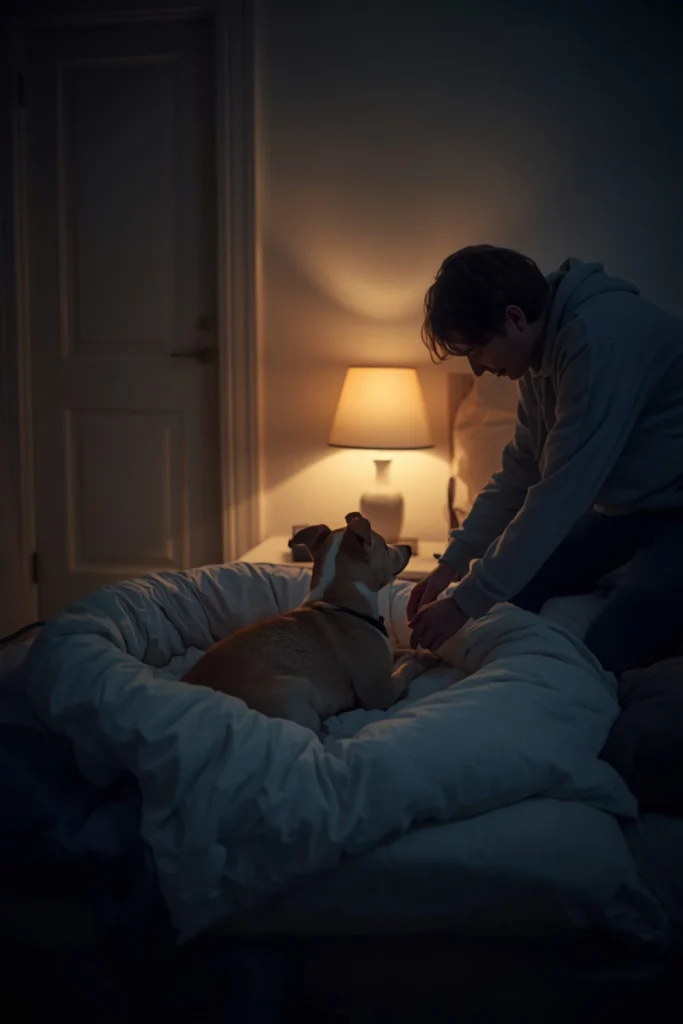
A predictable bedtime routine can help your dog transition from activity to rest. Give your dog a final bathroom opportunity at a time appropriate for its age and needs. Keep the atmosphere calm and guide your pet toward a comfortable sleeping area. If you use a cue such as “bedtime,” say it consistently and reward your dog for moving to the designated spot. Avoid exciting games immediately before sleep if they make it harder for your dog to settle. A familiar sequence of quiet activities can make the end of the day easier to understand.
Puppies may need bathroom breaks overnight, and senior dogs or dogs with medical conditions may also need more frequent opportunities. Do not expect every dog to sleep through the night simply because bedtime occurs at the same time. Ensure the sleeping area is safe, comfortable, and suited to your dog’s preferences. If your dog suddenly becomes restless at night, cries excessively, or has difficulty lying down, consider whether pain, discomfort, or another health issue may be involved and contact a veterinarian. The goal is a calm, supportive routine rather than forcing sleep on a dog that is uncomfortable.
15. Track Progress and Adjust Your Routine Weekly
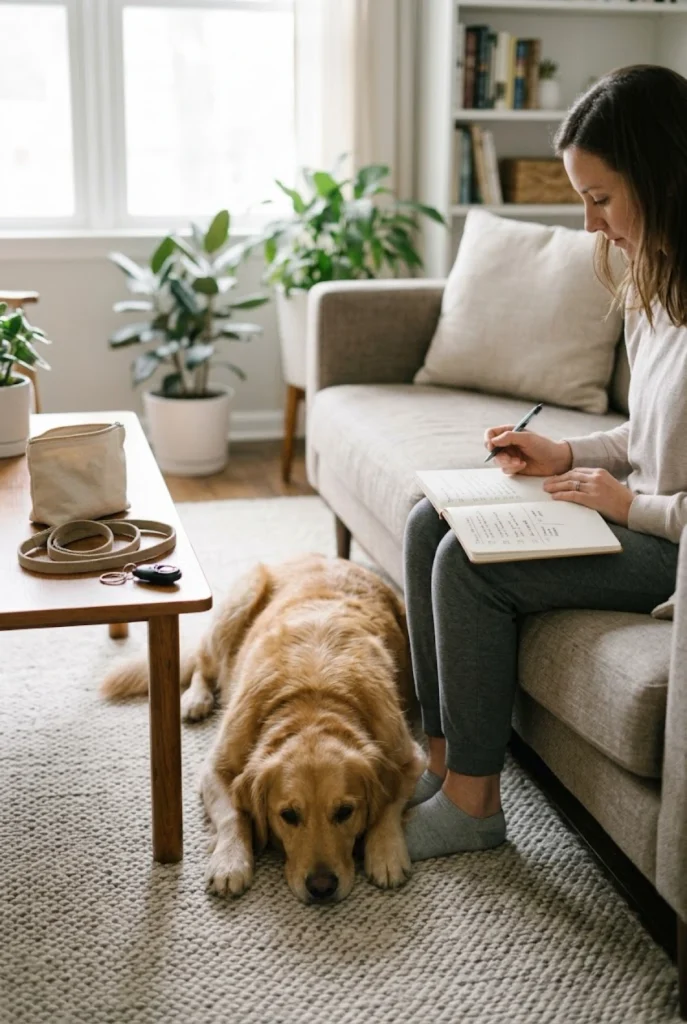
A routine works best when it reflects your dog’s real needs and your actual schedule. At the end of each week, review which training activities were easy to maintain and which ones were frequently missed. Note improvements in specific behaviors, such as fewer jumps during greetings, better responses to a recall cue, or more relaxed resting while you work. You do not need a complicated tracking system. A few notes on your phone or a simple calendar can help you identify patterns and keep your goals realistic.
If your plan repeatedly falls apart, reduce its complexity rather than abandoning training altogether. You might focus on three short sessions a day instead of trying to practice ten skills. If a behavior worsens, consider whether distractions have increased too quickly, your dog is tired, or a new trigger has appeared. Make adjustments based on your dog’s response and consult a professional if you are dealing with fear, aggression, or significant distress. Progress is not always a straight line. A flexible routine that you can maintain is more useful than a perfect schedule that does not fit your life.
Conclusion
A busy lifestyle does not mean you have to give up on training your dog. With a little planning, you can turn morning bathroom breaks, breakfast, walks, work breaks, and evening family time into opportunities to reinforce good habits. Short sessions and consistent rewards can help your dog learn without requiring hours of extra work.
The key to Realistic Daily Dog Training is choosing a routine that works for both you and your pet. Focus on one or two priorities at a time, meet your dog’s exercise and rest needs, and adjust the schedule when circumstances change. Remember that training is not only about commands; it is also about building trust, communication, and predictable daily habits. Start with a few manageable activities today, and gradually develop a routine that helps your dog become a calmer, more confident companion.