
12 Loose-Leash Walking Tips for Better Dog Walks
A calm walk can be one of the best parts of your dog’s day, but constant pulling can quickly turn it into a frustrating experience. With the right approach, you can teach your dog to stay closer, pay attention, and enjoy walking without keeping tension on the leash.
These Walking Tips for Better Dog walks are designed to make leash training simple and practical. Whether you have a playful puppy or an adult dog that has developed pulling habits, consistent practice, positive reinforcement, and patience can help create more relaxed and enjoyable walks.
1. Begin Loose-Leash Training at Home
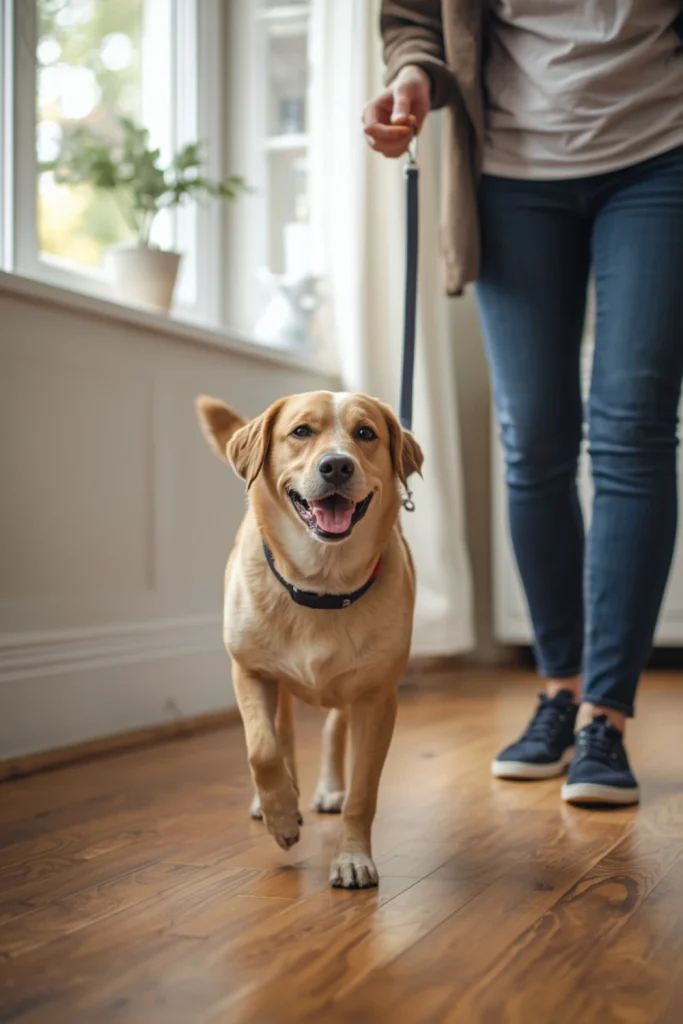
One of the easiest Walking Tips for Better Dog behavior is to begin leash training somewhere your dog already feels comfortable. Your home or a secure backyard provides fewer distractions than a busy sidewalk or crowded park. Attach the leash and allow your dog to walk naturally for a few moments before beginning your exercises.
Take several slow steps and reward your dog whenever the leash remains loose. If your dog walks beside you without pulling, offer praise or a small treat. Keep these first sessions short and positive. Starting in an easy environment allows your dog to understand the basic concept before you introduce more exciting outdoor distractions.
2. Choose the Right Leash and Walking Equipment
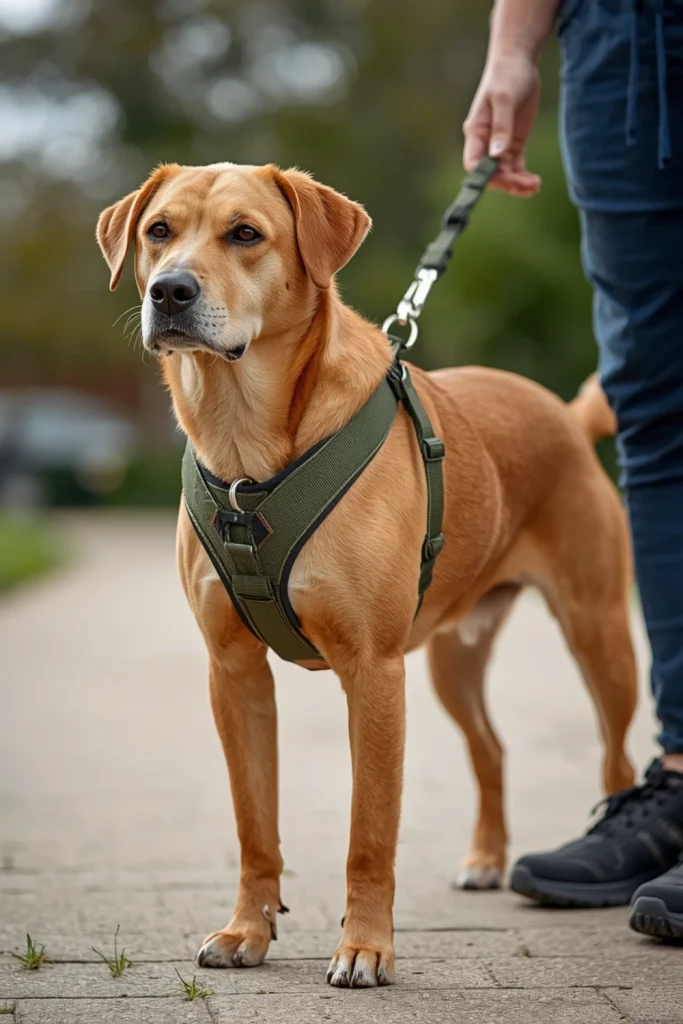
Having comfortable and appropriate walking equipment can make leash training easier. Choose a leash that gives you enough control without being unnecessarily heavy or restrictive. A properly fitted collar or harness should allow your dog to move comfortably without rubbing or creating pressure.
Equipment should support training rather than replace it. If your dog pulls strongly, a suitable harness may make management easier for some dogs, but your long-term goal should still be teaching loose-leash behavior. Check the fit regularly, particularly for puppies that are growing quickly. If you are uncertain about the best equipment for your dog, ask a veterinarian or qualified dog trainer for guidance.
3. Reward Your Dog for Keeping the Leash Loose
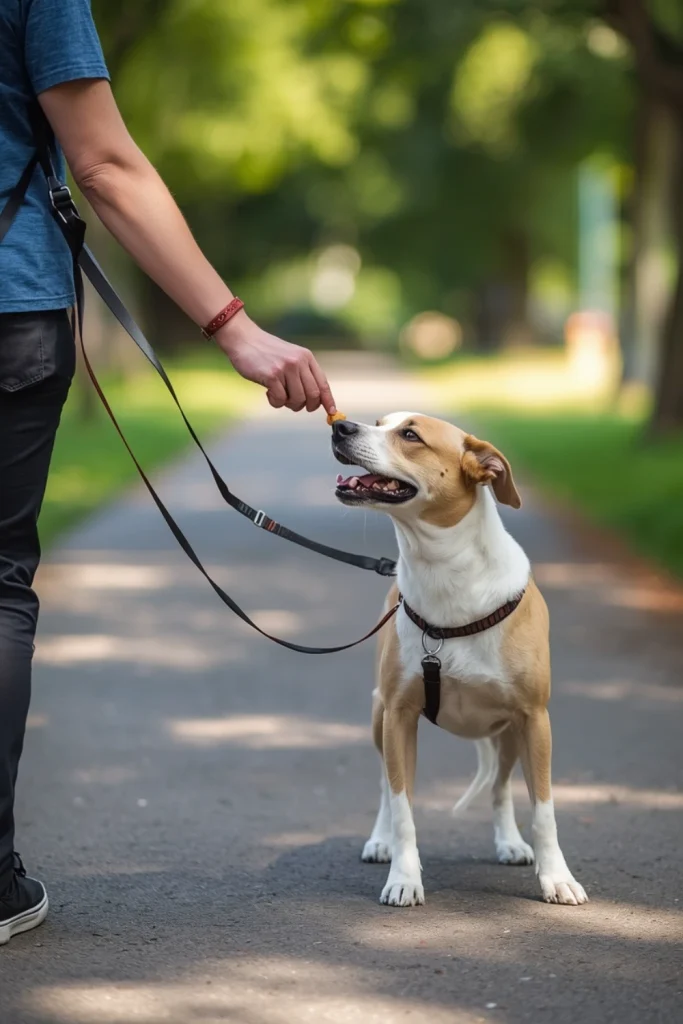
Positive reinforcement is one of the most useful approaches for teaching loose-leash walking. Instead of waiting for your dog to pull and then correcting the behavior, actively look for moments when your dog is doing the right thing. Whenever your dog walks near you with a relaxed leash, reward it with praise, attention, or a small treat.
During the early stages of training, rewards may need to happen frequently. As your dog becomes more reliable, slowly increase the distance between rewards. Your dog will begin to understand that staying close and keeping the leash loose leads to positive outcomes. This creates a clear reason for your dog to choose calm walking rather than pulling forward.
4. Stop Walking When Your Dog Pulls
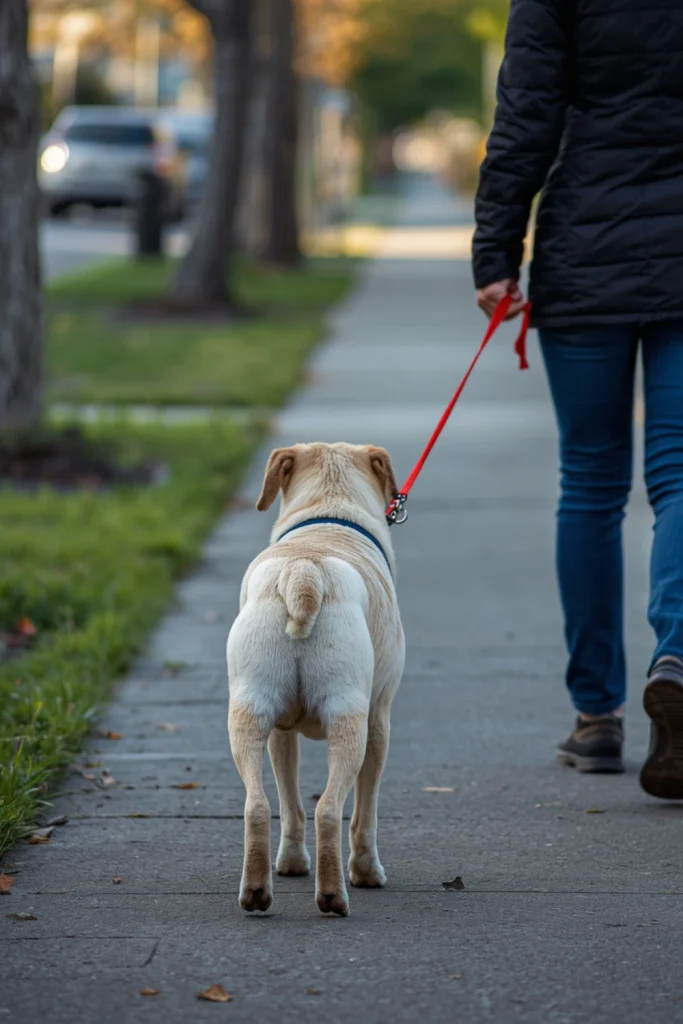
One of the simplest ways to teach loose-leash walking is to avoid allowing pulling to produce forward movement. If your dog pulls and you continue walking, your dog may learn that pulling is an effective way to reach something interesting. Instead, calmly stop whenever the leash becomes tight.
Wait for your dog to create some slack or turn its attention toward you. Once the leash becomes loose, continue walking. Avoid jerking the leash or turning the situation into a physical struggle. With repetition, your dog can learn that pulling causes the walk to pause, while calm behavior allows the walk to continue. This simple rule can make a significant difference over time.
5. Teach Your Dog an Attention Cue
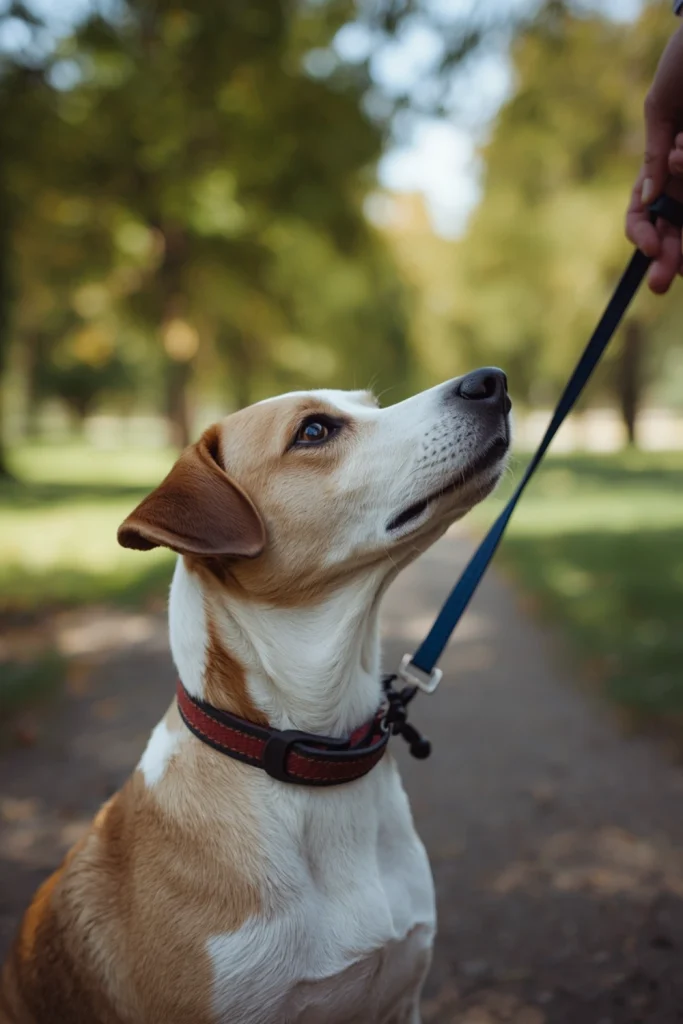
A dog that pays attention to its owner is often easier to guide during walks. Teaching an attention cue such as your dog’s name, “look,” or “watch me” can help redirect your pet before distractions cause pulling. This skill should first be practiced in an environment where your dog can succeed.
Say the chosen cue and reward your dog immediately when it looks toward you. Repeat the exercise until your dog responds reliably. Then gradually practice outdoors with mild distractions. Using an attention cue gives your dog something useful to do when exciting sights or sounds appear. It can become one of the most valuable Walking Tips for Better Dog behavior because communication makes leash training easier.
6. Practice Walking in Short Sessions
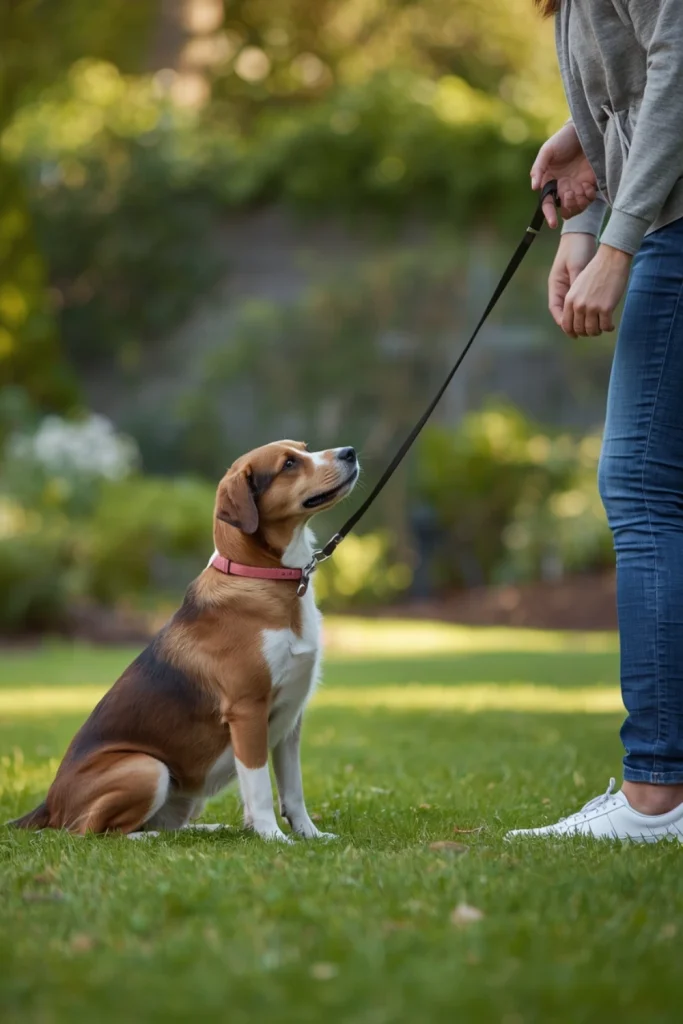
Long walks are not always the best way to teach loose-leash skills. If your dog is still learning, a lengthy session can create fatigue, frustration, and many opportunities for pulling. Short training sessions allow you to focus on quality rather than distance.
Start with a few minutes of focused practice and end while your dog is still successful and engaged. You can gradually increase the duration as your dog improves. Daily consistency is often more valuable than occasional long training sessions. Even a few minutes of focused practice can help build better habits when repeated regularly.
7. Use Direction Changes to Encourage Attention
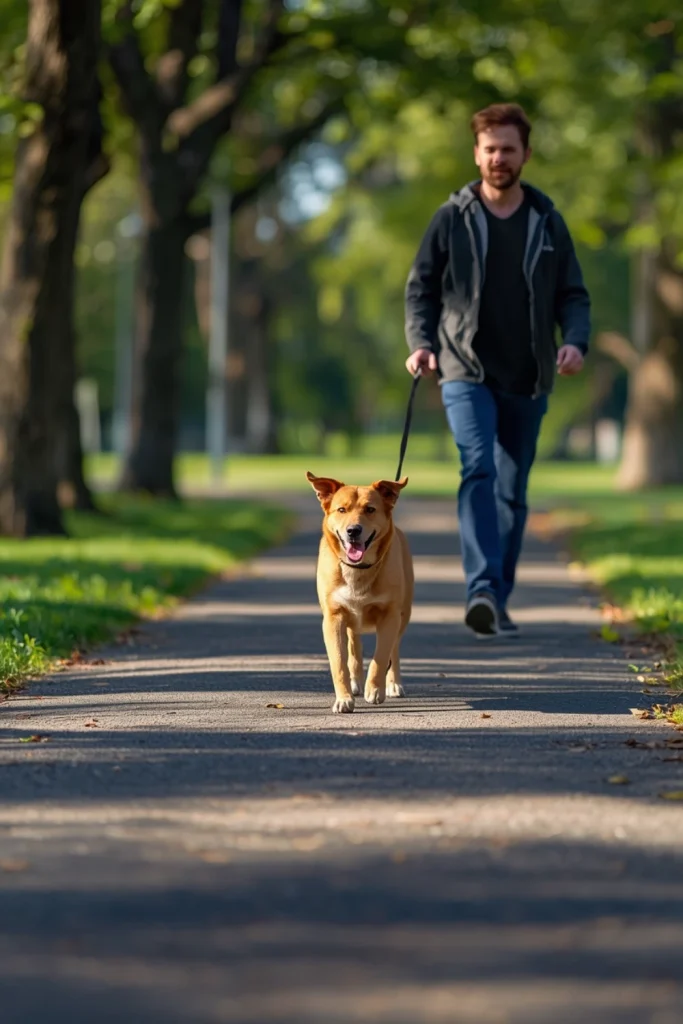
Direction changes are a useful exercise for dogs that tend to move ahead and ignore their owner’s movement. Rather than allowing your dog to decide where every walk goes, occasionally change direction calmly. Your dog will learn to notice where you are going and follow your movement.
Practice this first in a quiet location. Walk several steps in one direction and then make a gentle turn. Reward your dog when it follows without pulling. Do not yank your dog or make sudden frightening movements. The purpose is to build awareness and encourage your dog to pay attention to you. As the skill improves, you can practice direction changes in more distracting environments.
8. Let Your Dog Sniff During Walks
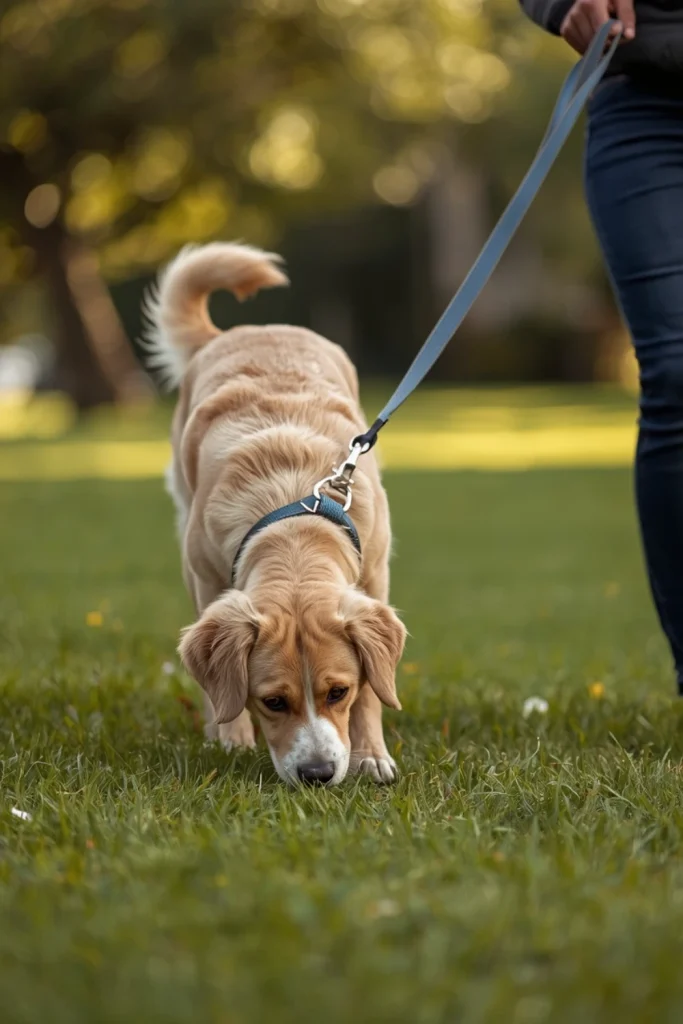
Sniffing is a natural part of being a dog and provides valuable mental stimulation. A walk should not always be about moving quickly from one place to another. Giving your dog safe opportunities to sniff can make walks more enriching and satisfying.
However, there is an important difference between controlled sniffing and pulling toward every smell. Teach your dog that calm walking earns opportunities to explore. You can introduce a cue such as “go sniff” when you reach a safe area. After your dog has explored for a while, call it back and continue walking. This balance can make walks more enjoyable while still maintaining good leash manners.
9. Gradually Add Outdoor Distractions
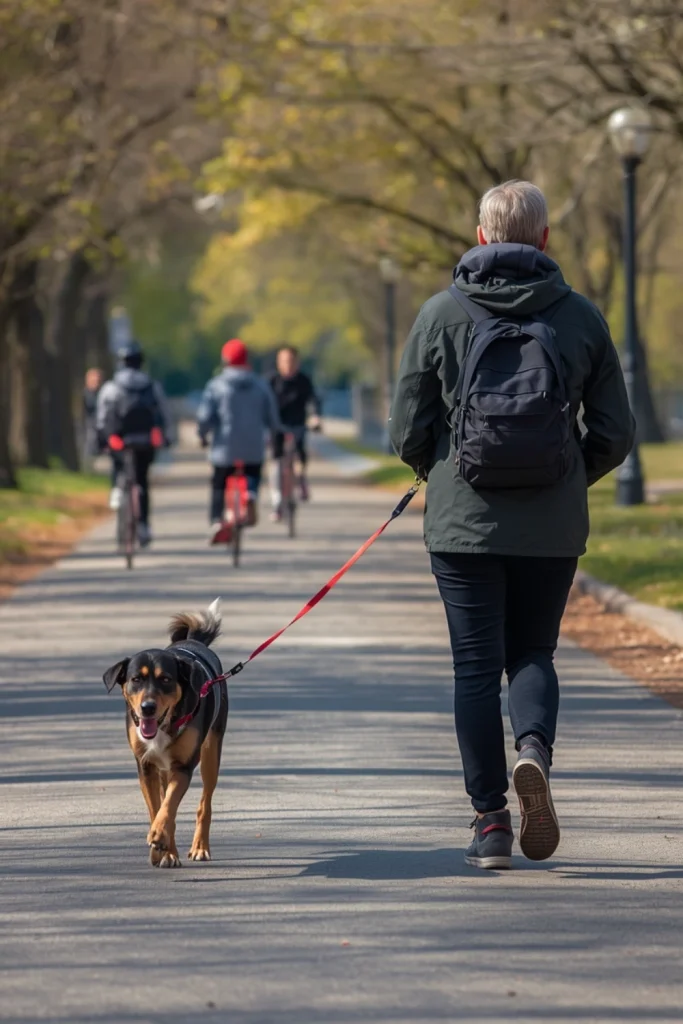
Many dogs behave well inside the house but struggle as soon as they encounter exciting outdoor distractions. Other dogs, people, squirrels, bicycles, vehicles, and interesting smells can make loose-leash walking much harder. Instead of expecting your dog to manage everything immediately, introduce distractions gradually.
Begin in a quiet outdoor area and reward your dog for staying calm. When your dog can handle that environment, slowly move toward locations with more activity. If your dog starts pulling excessively, increase your distance from the distraction and make the exercise easier. Gradual exposure allows your dog to develop confidence and self-control without becoming overwhelmed.
10. Give Your Dog Appropriate Exercise Before Training
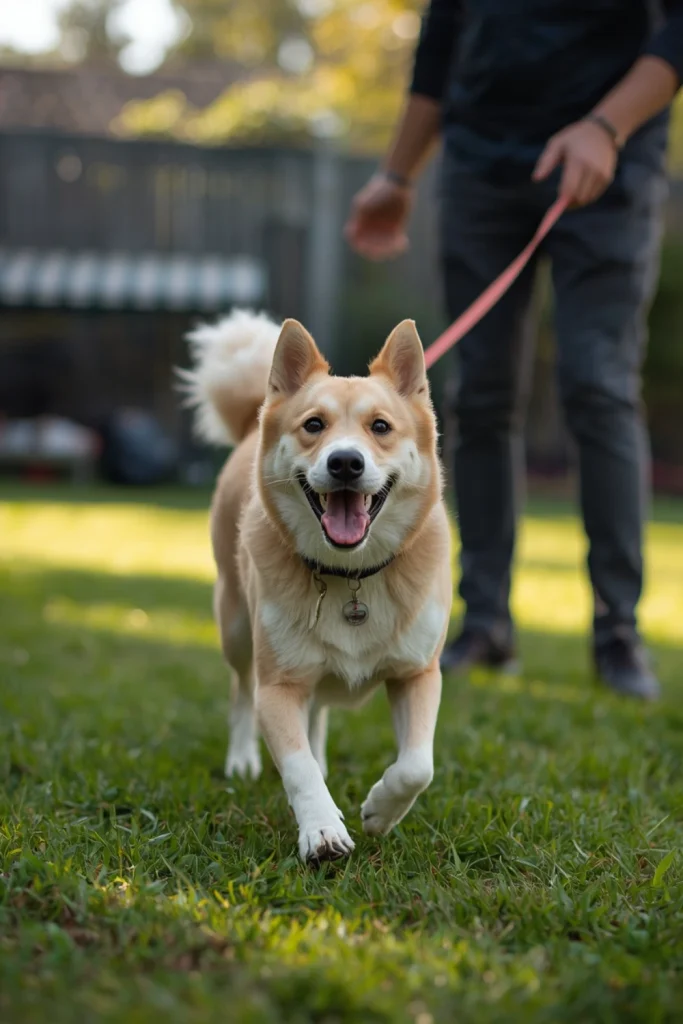
Some dogs find leash training difficult because they have too much unused energy. Young and active dogs may become excited by almost everything they encounter outside. Providing appropriate physical and mental activity can help your dog settle enough to focus on training.
Consider your dog’s age, breed, fitness, and individual needs when planning exercise. Gentle play, scent games, food puzzles, and basic obedience exercises can provide useful stimulation. Avoid trying to exhaust your dog simply so it will not pull. Instead, create a balanced daily routine that includes appropriate activity, training, exploration, and rest.
11. Teach Your Dog a Comfortable Walking Position
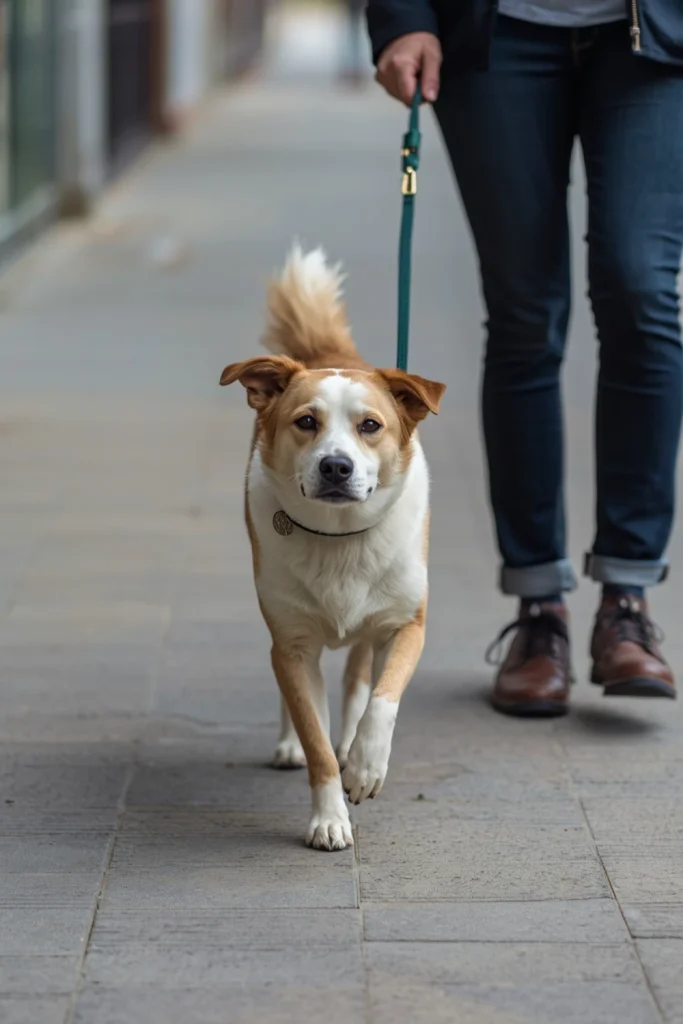
Loose-leash walking does not necessarily mean your dog must remain perfectly beside your leg throughout the entire walk. However, teaching a preferred walking position can give your dog useful structure. You might teach your dog to walk beside you on one side when you use a specific cue.
Begin by rewarding your dog for naturally staying close to your preferred position. Take a few steps and reward calm behavior. Gradually increase the number of steps before giving another reward. As your dog becomes more reliable, practice in different locations. A consistent walking position can make communication easier and reduce the tendency to move constantly from side to side or pull ahead.
12. Stay Patient and Consistent
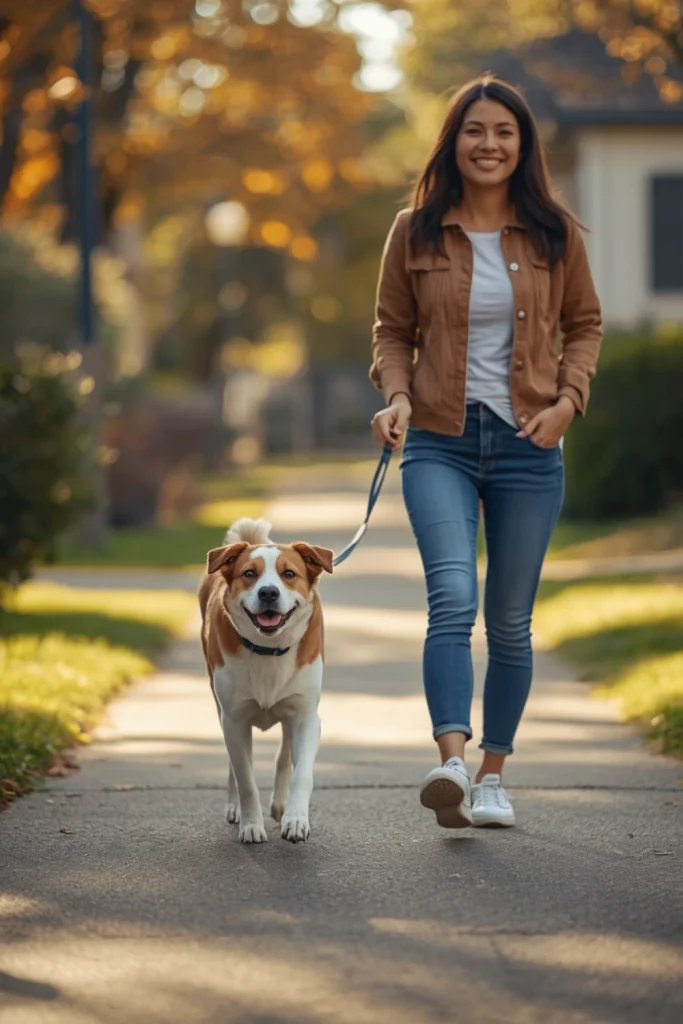
One of the most important Walking Tips for Better Dog training is to remain patient. Leash habits do not disappear overnight, especially if your dog has been pulling for a long time. Your dog needs repeated opportunities to practice the behavior you want before it becomes reliable.
Everyone who walks your dog should follow the same basic rules. If pulling sometimes results in reaching an interesting location but other times causes the walk to stop, your dog may continue testing the behavior. Reward small improvements and avoid expecting perfection. With consistent positive training, your dog can gradually develop better leash manners and learn that calm walking is rewarding.
Final Thoughts
Teaching your dog to walk calmly takes patience, but the results can transform your daily routine. These Walking Tips for Better Dog walks can help you build better communication, reduce leash tension, and make outdoor time more enjoyable for both you and your pet.
Start with simple exercises in quiet environments, reward loose-leash behavior, and gradually introduce distractions. Give your dog appropriate opportunities to sniff and explore while maintaining clear walking rules. Most importantly, remain consistent and avoid harsh corrections. With regular positive reinforcement and plenty of practice, your dog can learn that walking calmly beside you is a rewarding and enjoyable experience.