15 Puppy Socialization Activities to Try Safely
Puppyhood is the perfect time to help your furry friend discover the world with confidence. From meeting friendly people to exploring new sounds, surfaces, and surroundings, the right experiences can shape how your puppy responds to everyday life. With patience and positive reinforcement, Puppy Socialization Activities to build confidence can help your young dog develop into a calmer, happier, and more adaptable companion.
You do not need expensive equipment or complicated training routines to socialize your puppy successfully. Simple activities at home, short outdoor adventures, and gentle introductions to unfamiliar experiences can make a meaningful difference. The secret is to keep every experience positive, respect your puppy’s comfort level, and introduce new things gradually. This guide shares 15 practical puppy socialization activities you can try safely, along with helpful tips to make each experience enjoyable.
1. Introduce Your Puppy to Different People
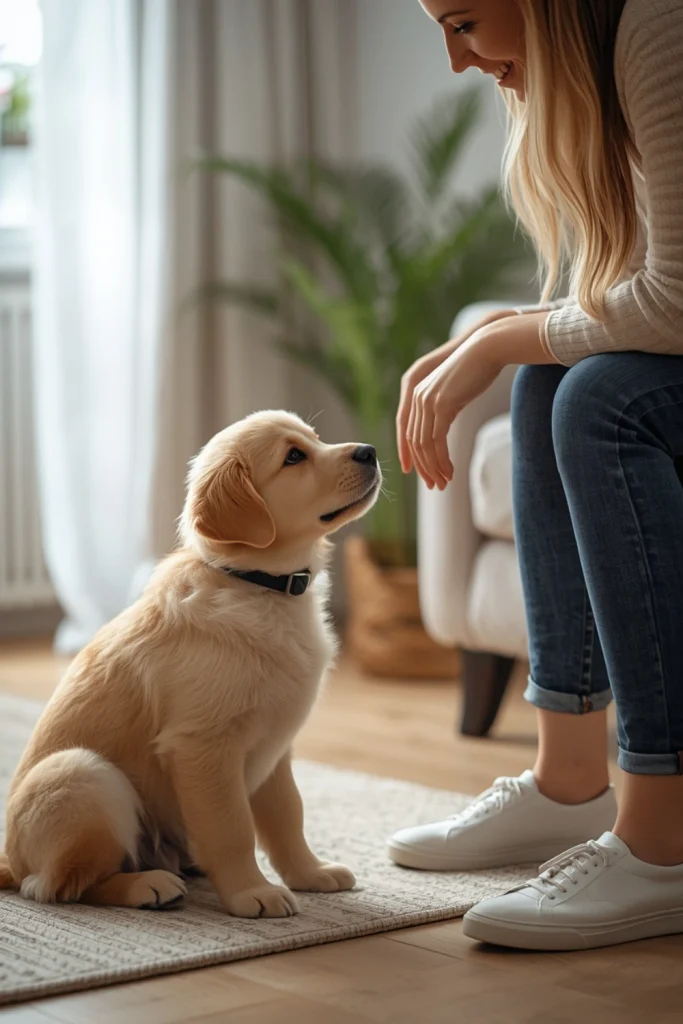
Introducing your puppy to friendly people is one of the most useful ways to build confidence. Invite trusted friends or family members to visit your home and allow your puppy to observe them at a comfortable distance. Different voices, appearances, movements, and clothing styles provide opportunities for your puppy to become familiar with the variety of people encountered in everyday life. Keep the first meetings calm and avoid allowing visitors to crowd the puppy.
Encourage visitors to sit quietly and let the puppy approach voluntarily. They can offer a small treat if the puppy feels comfortable, but they should avoid reaching suddenly toward the puppy or picking it up without a need. Supervise children closely and teach them to interact gently. If your puppy chooses to move away, allow it to do so. Positive experiences matter more than the number of people your puppy meets.
2. Practice Gentle Handling at Home
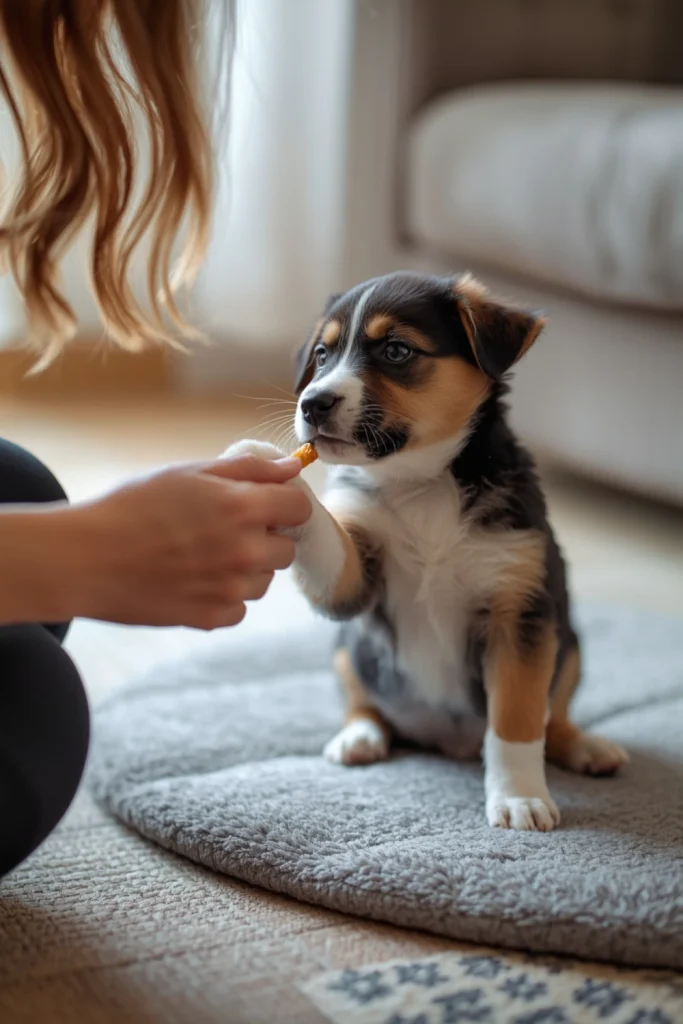
Gentle handling helps prepare your puppy for grooming, nail trimming, veterinary examinations, and routine care. Start when your puppy is relaxed, perhaps after a short play session. Briefly touch the puppy’s shoulder, gently handle one paw, or lift an ear for a moment. Follow each comfortable interaction with praise or a small treat. These short exercises help your puppy become familiar with human touch without making handling feel overwhelming.
As your puppy becomes comfortable, gradually introduce other types of handling, such as touching the collar, inspecting the paws, and briefly looking at the teeth without forcing the mouth open. Keep sessions short and stop if your puppy repeatedly pulls away or becomes tense. Never punish a puppy for resisting touch. Building trust during everyday handling can make future healthcare and grooming experiences easier and less stressful.
3. Explore Different Surfaces Together

Exploring different surfaces can help your puppy become comfortable with the textures encountered in daily life. At home, introduce safe materials such as a soft towel, rubber mat, flat cardboard sheet, non-slip flooring, or a patch of clean grass. Let your puppy sniff each surface and decide whether to step onto it. You can place a treat nearby to encourage curiosity without forcing the puppy to move forward.
Make sure every surface is stable, clean, and free from sharp edges or slippery areas. Avoid materials that collapse suddenly or make startling noises. If your puppy hesitates, give it time to investigate from a distance before trying again. Reward voluntary exploration, even if your puppy only sniffs the material initially. Small successes can help develop confidence and make unfamiliar walking surfaces feel less intimidating.
4. Introduce Everyday Household Sounds
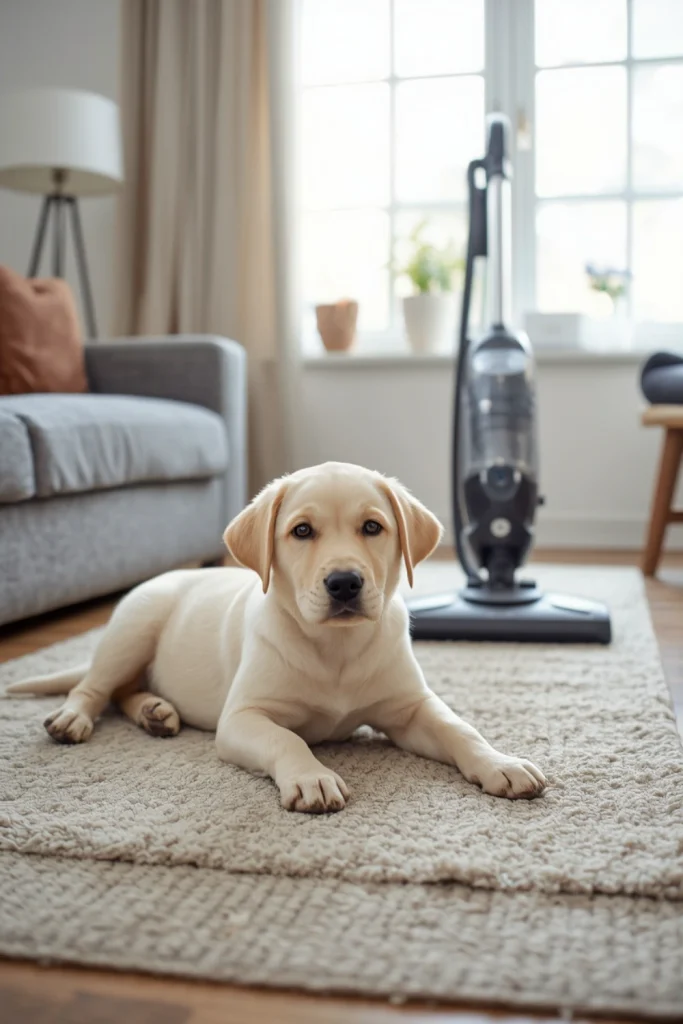
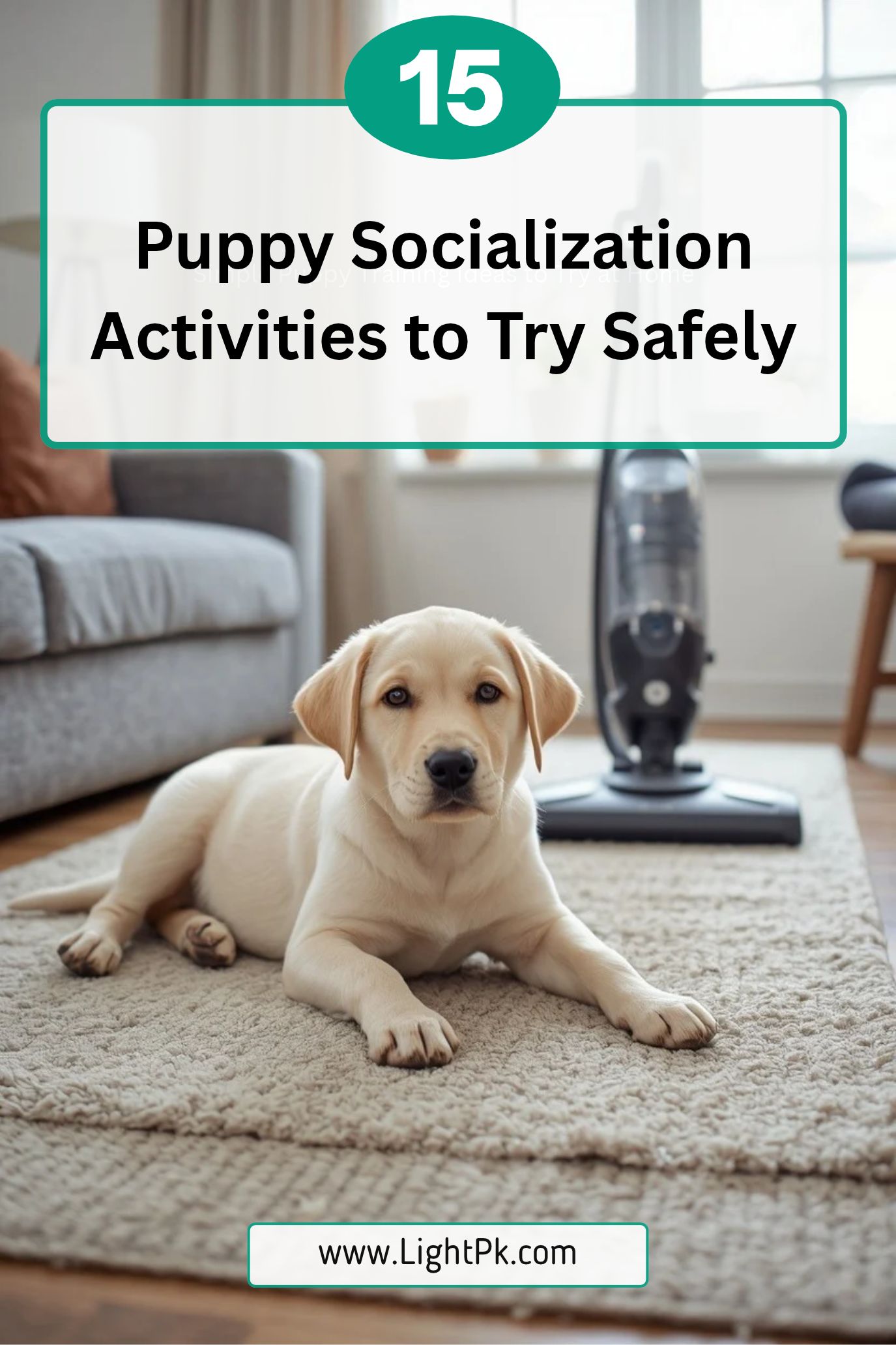
Household sounds can seem frightening to puppies that have never experienced them. Vacuum cleaners, doorbells, washing machines, hair dryers, and kitchen appliances can all provide opportunities for gradual sound exposure. Start with a sound at a low intensity or from a considerable distance. Pair the experience with treats, gentle play, or another activity your puppy enjoys. The goal is to help your puppy associate ordinary noises with positive experiences.
Avoid switching on a loud appliance suddenly beside your puppy. If the puppy becomes tense, hides, trembles, or refuses treats, reduce the intensity or stop the session. You can gradually repeat the exercise over several days as long as the puppy remains comfortable. Never assume that a puppy must simply get used to a frightening sound. Patient introductions are more helpful than overwhelming exposure, and some puppies may need extra support from a qualified professional.
5. Arrange a Safe Puppy Playdate
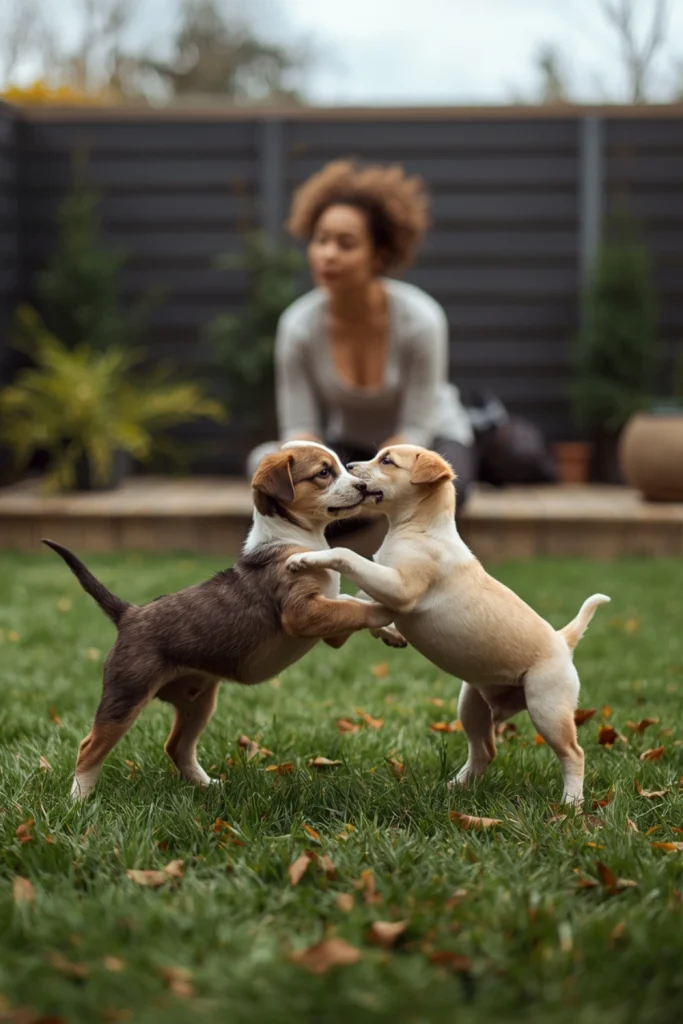
A carefully planned playdate can help your puppy learn how to interact with another dog. Choose a healthy, friendly, appropriately vaccinated puppy or a calm adult dog with a known history of safe interactions. Arrange the meeting in a secure, clean, private space where both animals have room to move away. Begin with a short introduction and allow the dogs to observe each other before deciding whether to interact.
Supervise the play throughout the session and watch for signs of discomfort. Relaxed bodies, pauses, and voluntary returns to play can indicate a positive interaction. If one dog repeatedly tries to escape, hides, or becomes overwhelmed, calmly separate the dogs and give them a break. Do not force puppies to share toys or continue playing when they are tired. Follow veterinary advice about safe locations and disease prevention, especially before your puppy completes its vaccination series.
6. Take Your Puppy on Short Car Rides
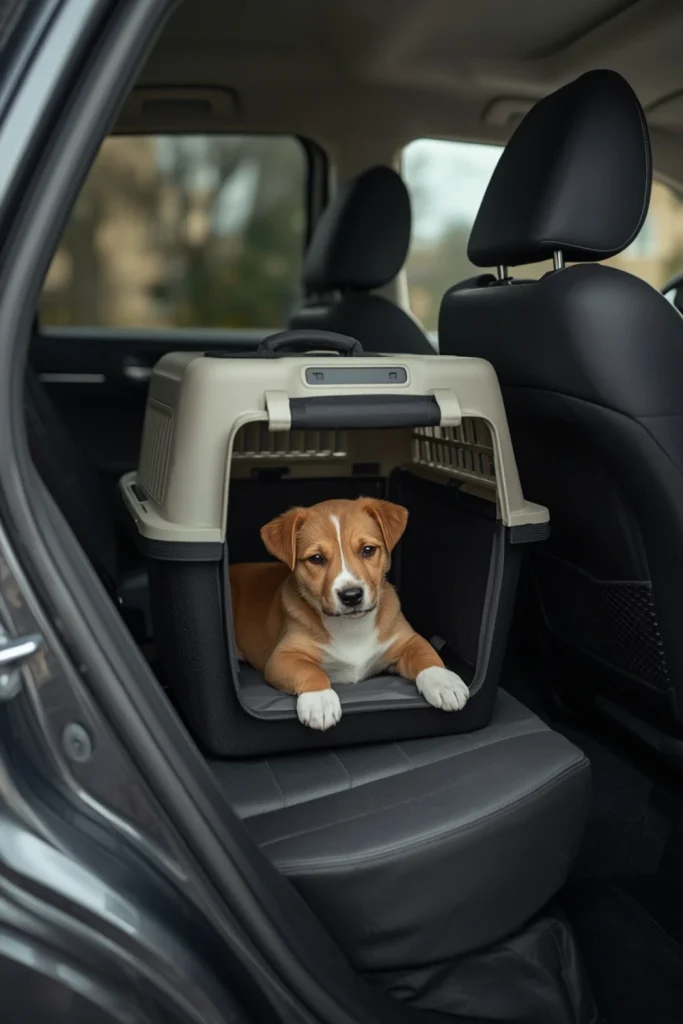
Car rides introduce puppies to engine sounds, movement, changing scenery, and new destinations. Start by allowing your puppy to explore a stationary car while you supervise. Keep the doors open and offer a treat near the entrance if your puppy feels comfortable. Once the puppy is relaxed around the vehicle, practice sitting inside for a short period before progressing to a brief drive.
Always secure your puppy in a suitable travel crate or appropriately fitted crash-tested pet restraint. Never allow the puppy to roam freely around the vehicle or sit on the driver’s lap. Begin with short trips and, when practical, visit pleasant destinations instead of making every journey end at the veterinarian. If your puppy drools excessively, vomits, or shows significant distress, speak with your veterinarian about motion sickness or anxiety and adjust your training plan.
7. Observe the Outside World From a Safe Distance
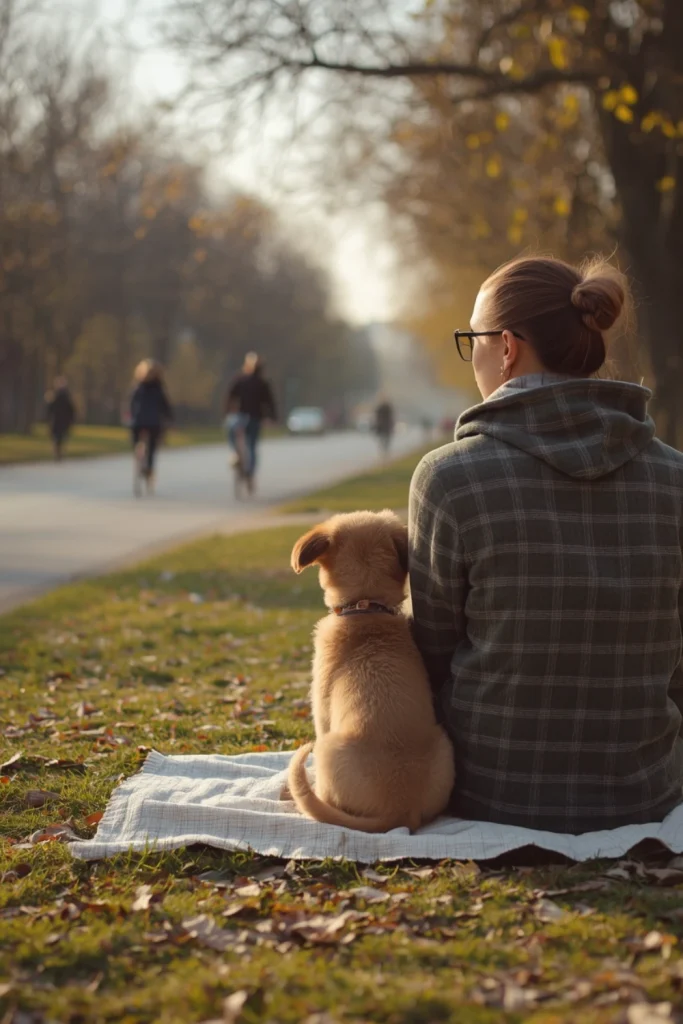
Your puppy can experience the sights and sounds of the outside world without walking through busy public areas. Find a quiet location where you can observe people, bicycles, passing cars, and everyday movement from a comfortable distance. Depending on vaccination guidance, you might carry your puppy, use a clean blanket in a private area, or choose another veterinarian-approved way to observe the surroundings without exposing the puppy to potentially contaminated ground.
Reward calm observation and allow your puppy to look away or rest. If the environment becomes overwhelming, move farther away or choose a quieter place. This activity is especially useful for puppies that feel uncertain around traffic or crowds. They can learn that unfamiliar activity does not require immediate interaction. Gradually, these positive observations may help your puppy become more comfortable with different outdoor environments.
8. Introduce Different Clothing and Accessories
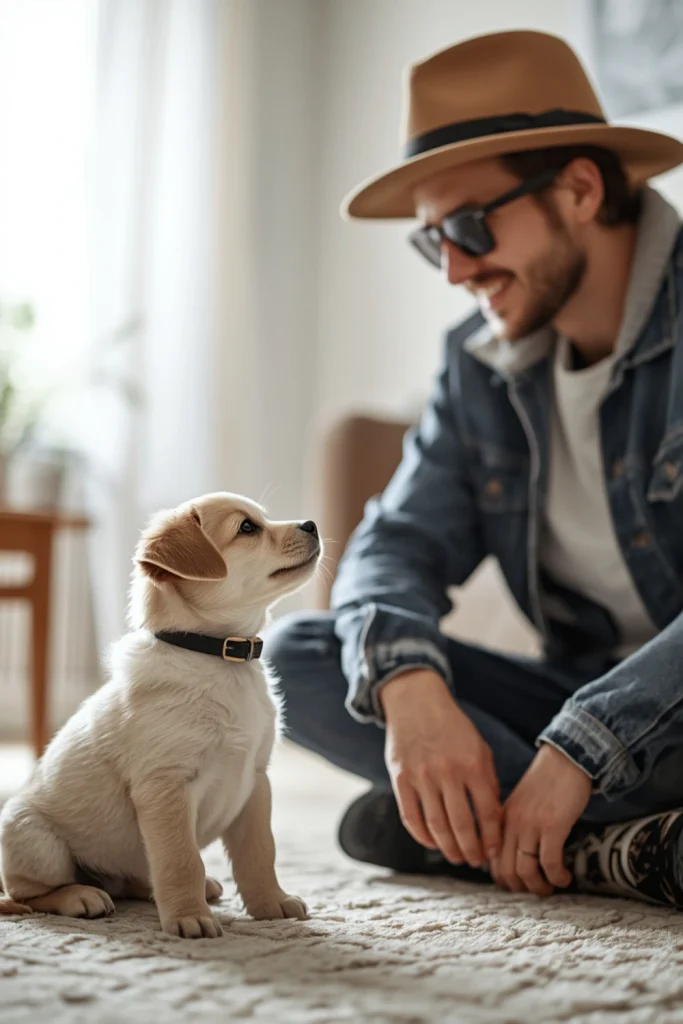
People sometimes look very different depending on what they wear or carry. Hats, sunglasses, raincoats, umbrellas, backpacks, helmets, and uniforms can be unfamiliar to a young puppy. You can introduce these items at home by asking a trusted person to wear or hold one item at a time. Let the puppy observe from a comfortable distance and offer a reward when it remains relaxed or shows interest voluntarily.
Avoid surprising your puppy by suddenly opening an umbrella or moving an unfamiliar object toward its face. Introduce each item gradually and allow your puppy to retreat if needed. As your puppy becomes more comfortable, the person can walk slowly or change position while wearing the item. These gentle introductions can help prepare your puppy for encounters with delivery workers, cyclists, people wearing protective equipment, and visitors dressed differently from family members.
9. Explore a Secure Garden
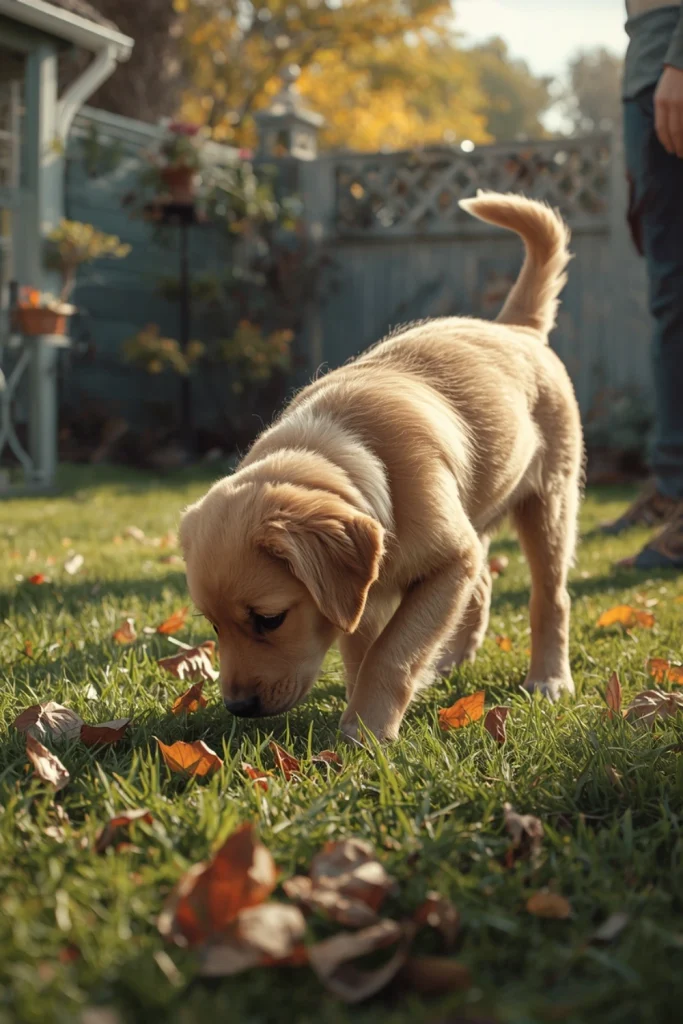
A secure garden provides an excellent opportunity for supervised exploration. Allow your puppy to sniff grass, investigate fallen leaves, observe plants, and notice gentle changes in the environment. Sniffing is a natural canine behavior that provides mental stimulation and helps puppies gather information about the world. You can make the activity more engaging by placing a few pieces of your puppy’s regular food in easy-to-find locations on a clean patch of ground.
Before beginning, check the garden for toxic plants, mushrooms, sharp objects, chemicals, fertilizers, and gaps in fencing. Prevent your puppy from chewing unknown plants or swallowing stones, sticks, or other debris. Remain nearby and supervise throughout the activity. Allow your puppy to explore within safe boundaries rather than directing every movement. A few minutes of calm outdoor investigation can provide a valuable combination of environmental learning and enrichment.
10. Introduce a Harness, Collar, and Leash
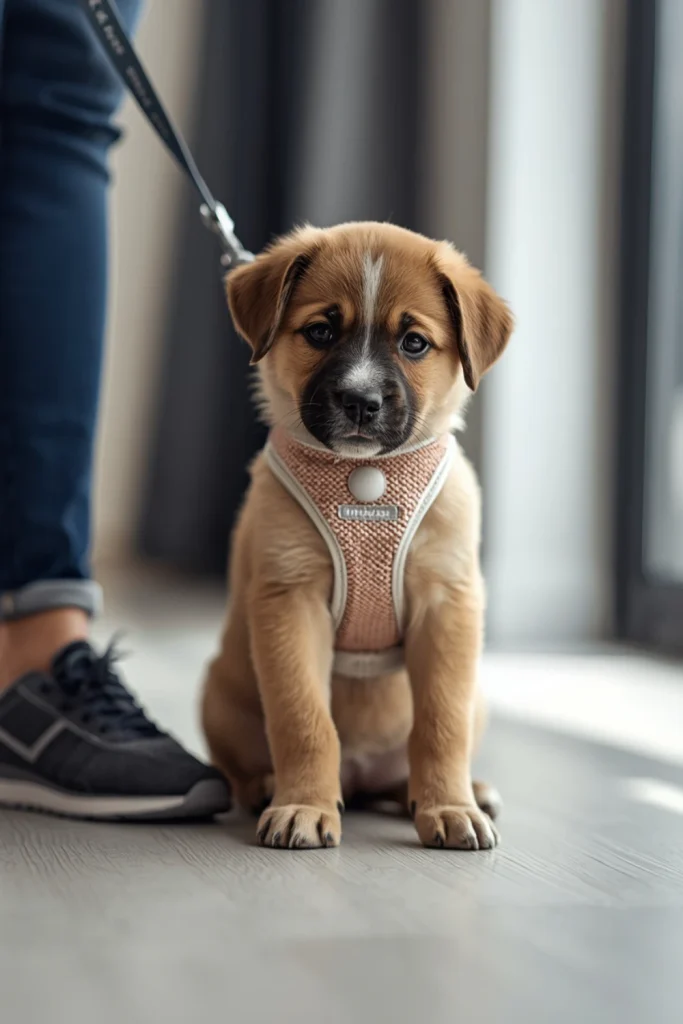
Walking equipment can feel strange to puppies at first. Introducing a properly fitted harness, lightweight collar, and leash gradually can help prepare your puppy for future walks. Begin by placing the equipment on the floor and allowing your puppy to sniff it. Reward voluntary interest, then gently touch the harness to the puppy’s shoulder before attempting to put it on. Keep the first sessions brief and positive.
Once your puppy is comfortable wearing the equipment, attach a lightweight leash and allow it to walk a few steps in a secure area under supervision. Avoid pulling, dragging, or using the leash to force the puppy toward unfamiliar objects. Check the fit regularly to prevent rubbing or restricted movement. Reward the puppy for moving naturally beside you, and gradually practice in different safe environments as confidence develops.
11. Make Grooming a Positive Experience
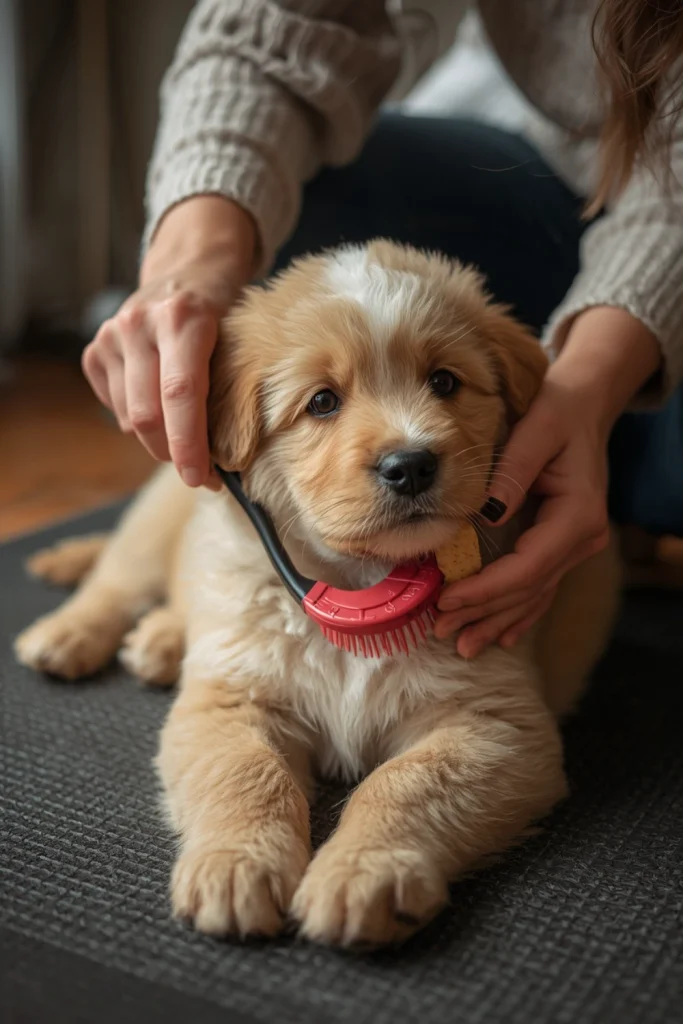
Grooming socialization helps puppies become familiar with brushing and routine coat care. Start with a soft brush appropriate for your puppy’s coat and allow the puppy to sniff it before use. Gently brush a small section of fur, then offer a treat or a short break. Choose a quiet environment and use a stable, non-slip surface so your puppy can stand or sit comfortably.
As your puppy becomes more confident, gradually introduce other grooming experiences, such as touching the paws, examining the ears, or showing the puppy nail clippers without using them. Do not attempt to complete a long grooming session simply because you have started one. If your puppy becomes tense or tries to escape, stop and make the next session easier. Persistent sensitivity may indicate discomfort or pain, so consult a veterinarian when appropriate.
12. Practice Calm Greetings at the Front Door
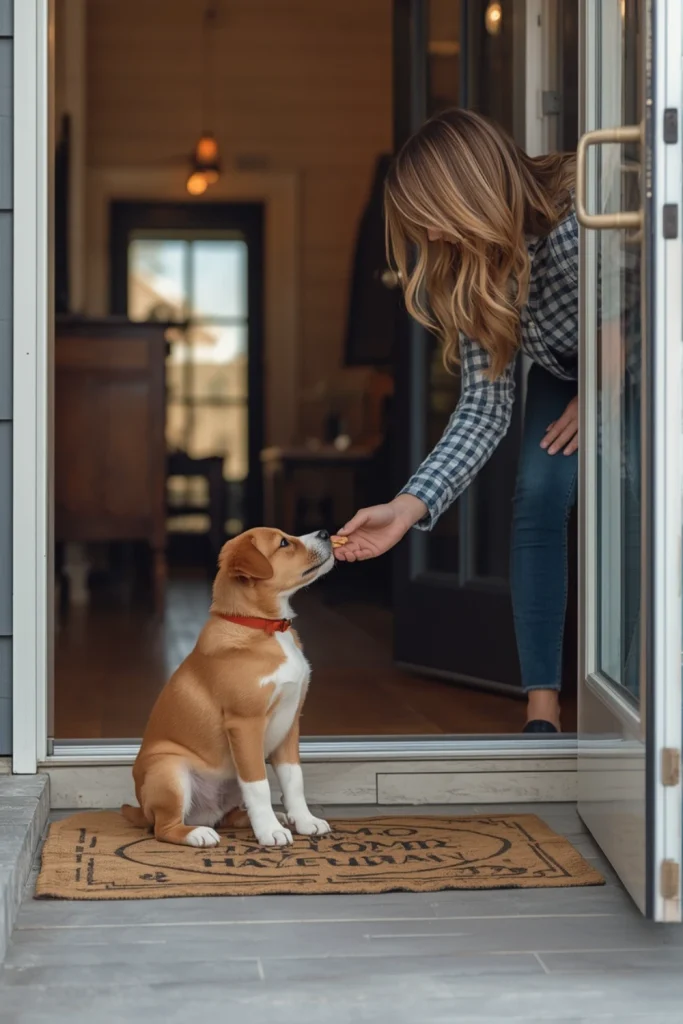
The front door can become an exciting place when visitors arrive. Puppies may rush forward, jump up, bark, or become overwhelmed by the movement and sounds. You can help your puppy develop calmer habits by practicing with a familiar person. Begin with a gentle knock or a slightly opened door while rewarding your puppy for remaining relaxed on a mat or beside you.
Gradually introduce more realistic situations, such as a doorbell sound and a visitor entering the home. Ask visitors to avoid crowding the puppy or rewarding jumping with attention. Reward calm behavior and keep your puppy at a comfortable distance if excitement becomes difficult to manage. Use a leash or secure barrier when necessary to prevent rushing outside. With short, repeated practice sessions, your puppy can learn that visitors arriving is a normal part of everyday life.
13. Introduce Water Gradually
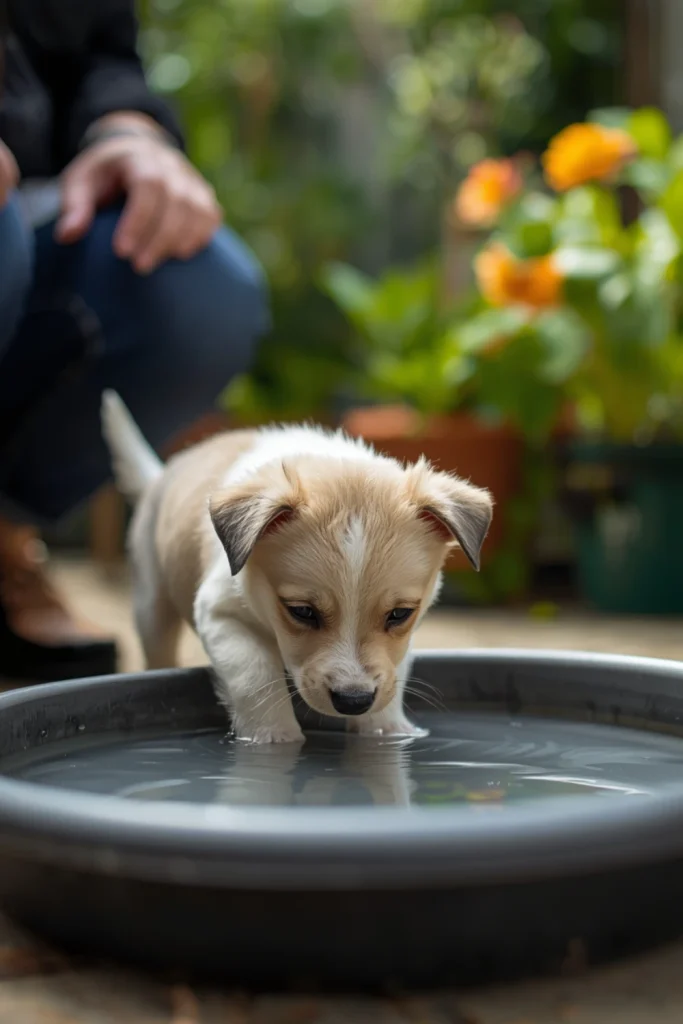
Water can be an unfamiliar experience for puppies, so start with a shallow container or a small amount of water on a stable, non-slip surface. Let your puppy approach, sniff, and investigate voluntarily. You can place a familiar toy nearby or reward the puppy for calmly exploring the area. There is no need to introduce swimming immediately. Becoming comfortable around a small amount of water is a suitable first step.
Never push, pull, or drop your puppy into water. Avoid deep pools, slippery edges, strong currents, and areas without an easy exit. Puppies can tire quickly and may become frightened if they cannot find secure footing. Supervise closely even when the water is shallow. If you eventually want your puppy to swim, choose an appropriate environment and introduce it gradually, using suitable safety measures for your puppy’s size and abilities.
14. Attend a Puppy-Friendly Training Class
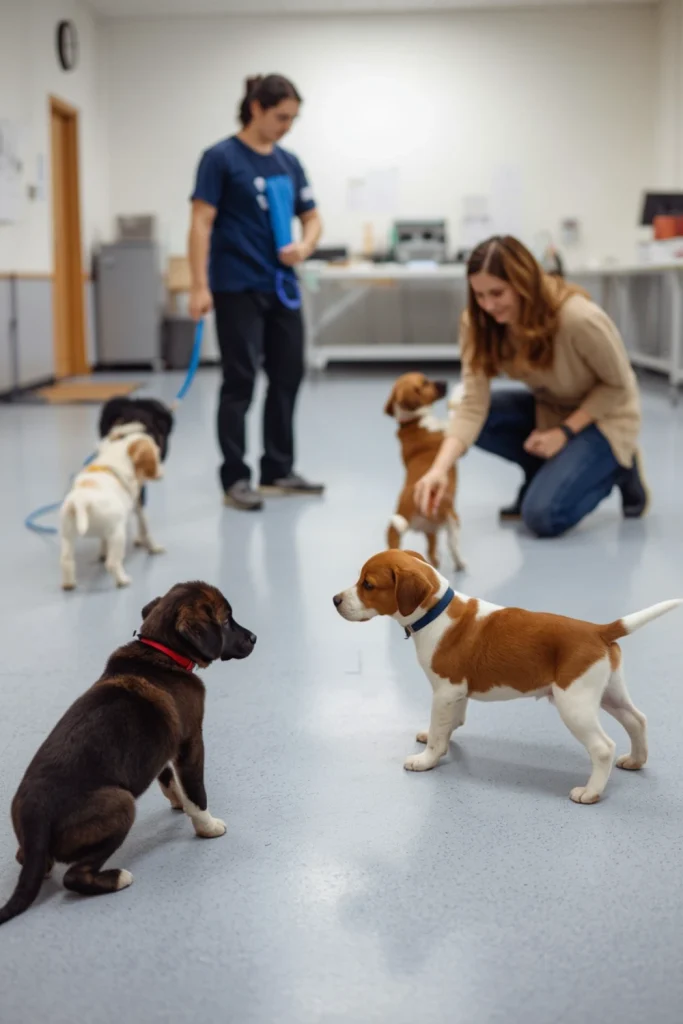
A well-managed puppy training class offers structured opportunities to learn around people, other puppies, and unfamiliar environments. Look for a qualified trainer who uses reward-based methods, maintains clean facilities, follows suitable vaccination requirements, and allows puppies to take breaks. Good classes focus on positive experiences and simple skills rather than forcing puppies to interact with every dog in the room.
Before enrolling, consult your veterinarian about the appropriate timing based on your puppy’s vaccination status and local disease risks. Ask how the trainer manages shy puppies, rough play, and signs of stress. Avoid classes that rely on intimidation or allow uncontrolled interactions. If your puppy finds group settings overwhelming, private training sessions may be a better starting point. A carefully chosen class can help build confidence while teaching useful everyday behaviors.
15. Play Confidence-Building Games at Home
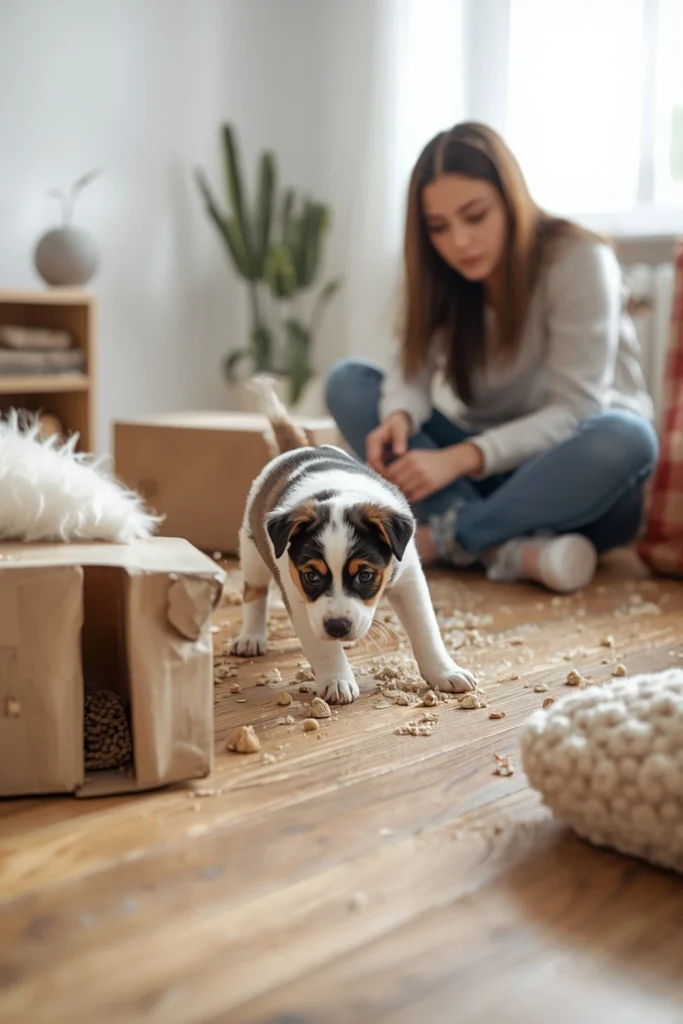
Confidence-building games encourage puppies to investigate new objects and solve simple problems. Arrange a few stable cardboard boxes, soft cushions, and familiar toys in an open room. Place treats in easy-to-find locations and let your puppy explore the setup at its own pace. You can also create a short scent trail using pieces of your puppy’s regular food to encourage sniffing and natural curiosity.
Keep the activity simple and remove anything that could fall, trap a paw, or be chewed into dangerous pieces. Do not require your puppy to jump over obstacles or enter tight spaces. Reward small steps, such as approaching an unfamiliar box or sniffing a new object. These games combine mental enrichment with opportunities to practice independent exploration. End the activity while your puppy is still enjoying it, and repeat with small variations over time.
Final Thoughts
The best Puppy Socialization Activities to try safely are those that help your puppy feel secure while discovering the world. Meeting friendly people, exploring different surfaces, hearing household sounds, practicing grooming, and playing confidence-building games can all support positive learning.
Remember that every puppy is different. Some puppies will approach new experiences eagerly, while others need additional time and reassurance. Keep sessions short, reward voluntary exploration, respect signs of discomfort, and follow your veterinarian’s guidance about vaccinations and safe environments. With patience, consistency, and kindness, you can help your puppy build a strong foundation for a confident and happy life