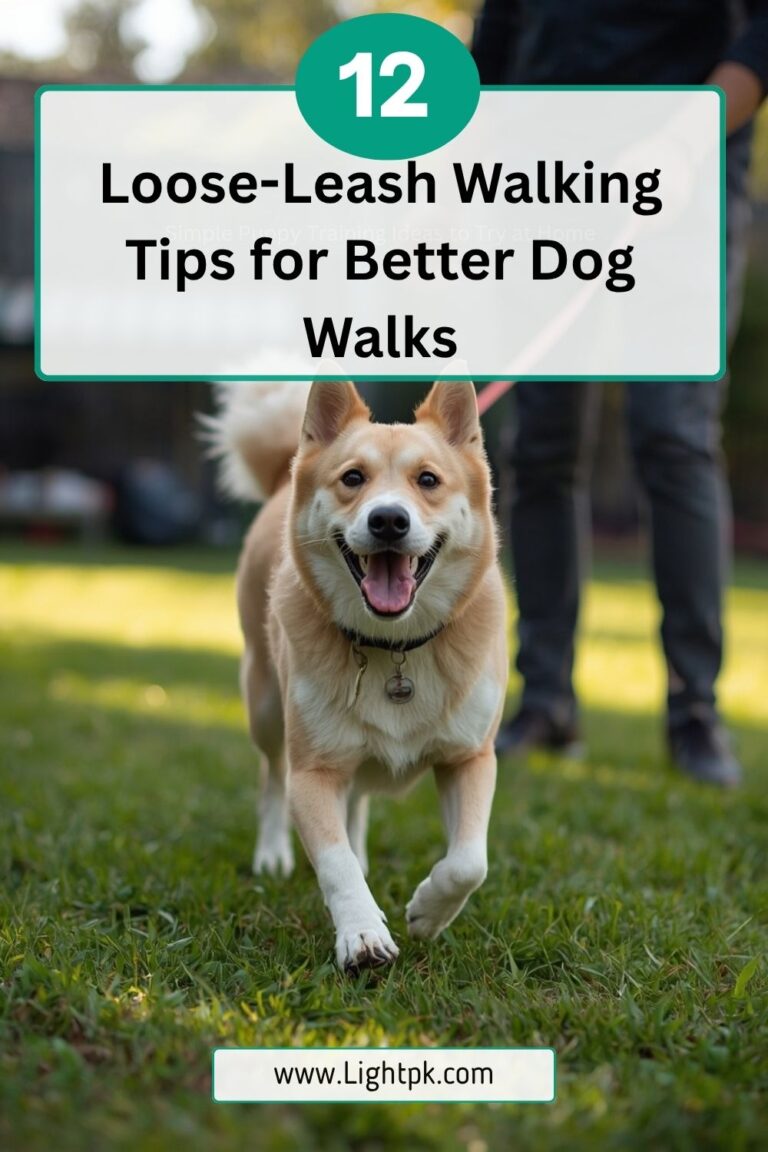

12 Ways to Help Your Dog Stop Pulling on the Leash
Does your dog turn every walk into a tug-of-war? Leash pulling can make a simple neighborhood walk stressful, tiring, and frustrating for both you and your dog. The good news is that pulling is a behavior you can improve with patience, consistency, and the right training approach.
If you want to help your dog stop pulling, you do not need harsh corrections or complicated training methods. With positive reinforcement, clear communication, and regular practice, your dog can learn to walk calmly beside you and enjoy peaceful, controlled walks.
1. Start Leash Training in a Quiet Area
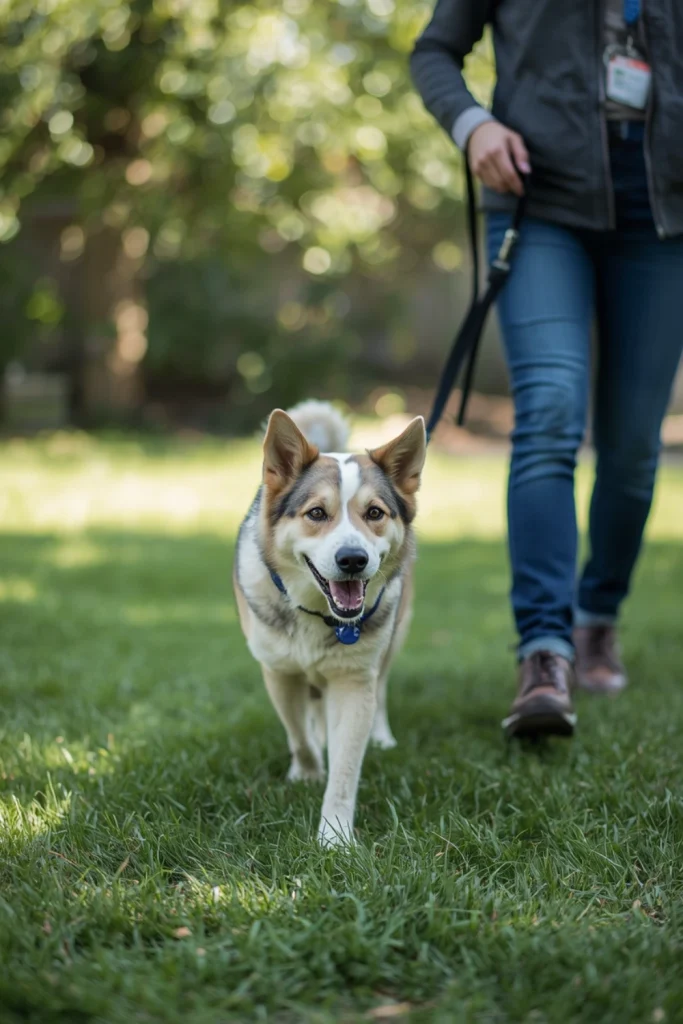
One of the easiest ways to help your dog stop pulling is to begin training somewhere with very few distractions. A busy sidewalk filled with people, dogs, cars, bicycles, and interesting smells can be overwhelming, especially for a dog that is still learning proper leash manners. Start inside your home, in your backyard, or in another quiet enclosed area where your dog can focus on you.
Put the leash on your dog and allow your pet to become comfortable with it. Walk a few steps and reward your dog whenever the leash remains loose. Keep the first sessions short and positive. Your goal is not to walk a long distance immediately. Instead, teach your dog that staying close to you while walking is a rewarding behavior.
2. Reward Your Dog for Walking Beside You
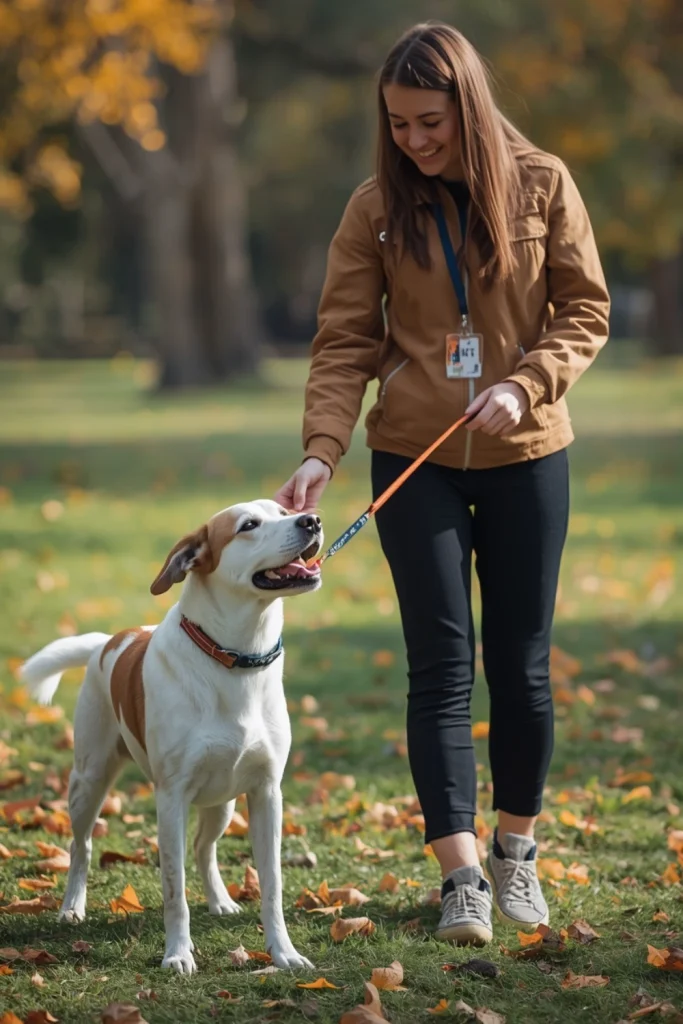
Positive reinforcement is one of the most useful techniques when you want to help your dog stop pulling. Dogs naturally repeat behaviors that lead to something they enjoy. When your dog walks beside you with a loose leash, immediately offer praise, a small training treat, or another reward your dog loves.
At first, reward your dog frequently. You might reward every few steps when your dog is learning. As your dog improves, gradually increase the distance between rewards. Eventually, your dog should understand that staying near you and keeping the leash loose is what makes the walk continue. This approach creates a positive association with calm walking rather than making your dog afraid of the leash.
3. Teach Your Dog That Pulling Does Not Move the Walk Forward
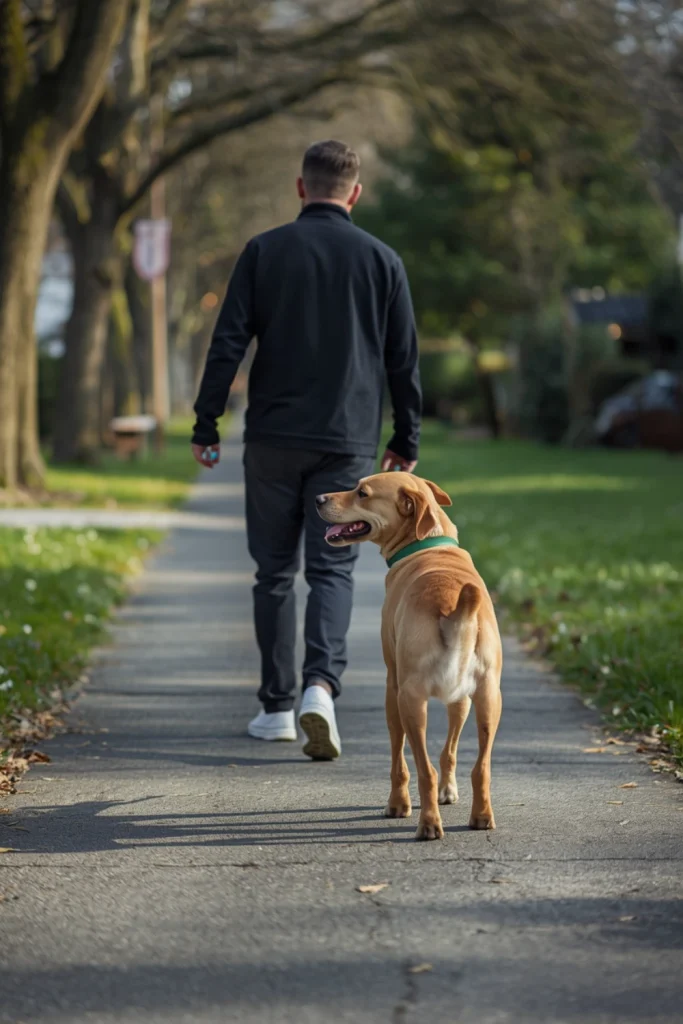
Many dogs learn that pulling works because pulling gets them where they want to go. If your dog sees another dog, smells something interesting, or wants to reach a favorite spot, pulling may become a successful strategy. To help your dog stop pulling, you need to teach your dog that pulling does not make the desired destination arrive faster.
When your dog begins pulling, stop walking instead of continuing forward. Wait for the leash to become loose again. Once your dog relaxes and returns attention to you, continue walking. You can also take a few steps in another direction. With consistent practice, your dog begins to understand that a loose leash makes the walk continue, while pulling causes the movement to pause.
4. Practice the “Look at Me” Command
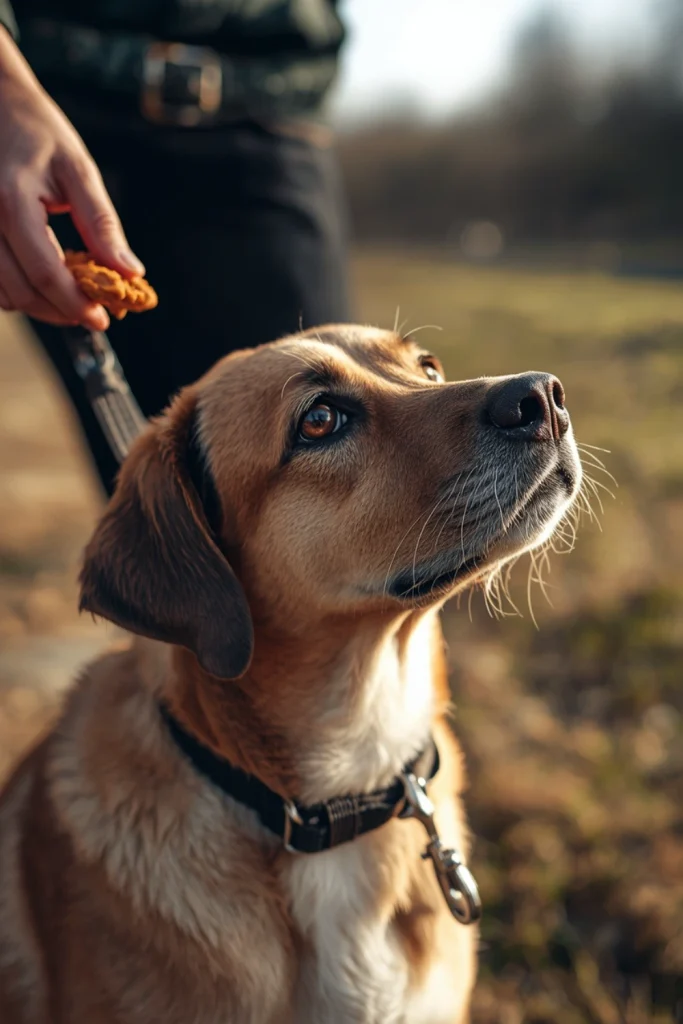
A dog that constantly focuses on distractions can have difficulty walking calmly. Teaching a simple attention command such as “look at me” can help redirect your dog’s focus back toward you. This is an important step to help your dog stop pulling, especially when distractions appear during walks.
Begin indoors by saying your dog’s name or using your chosen attention cue. When your dog looks at you, immediately reward the behavior. Repeat this exercise several times. Once your dog responds reliably, practice outside in a quiet location. Eventually, you can use the command when your dog notices something exciting. Getting your dog’s attention before pulling begins is often much easier than trying to regain control after your dog is already pulling hard.
5. Choose the Right Leash and Collar or Harness
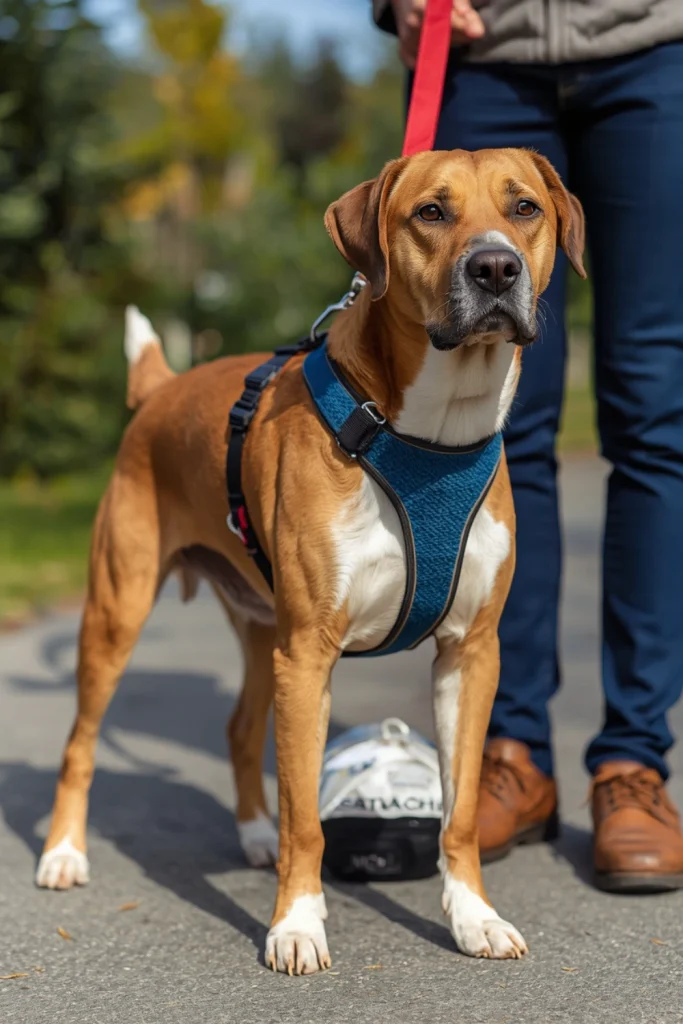
Your walking equipment can make training easier or harder. A comfortable, properly fitted collar or harness gives you better control while allowing your dog to move naturally. If your dog frequently pulls, discuss suitable equipment with a qualified veterinarian or professional dog trainer, particularly if your dog has respiratory or neck-related concerns.
Avoid relying on equipment as a replacement for training. A harness may provide better management for some dogs, but your long-term goal should still be teaching your dog to walk calmly. Check that the equipment fits correctly and does not rub, pinch, or restrict movement. Comfortable equipment combined with consistent positive training can make it easier to help your dog stop pulling.
6. Use Direction Changes to Regain Attention
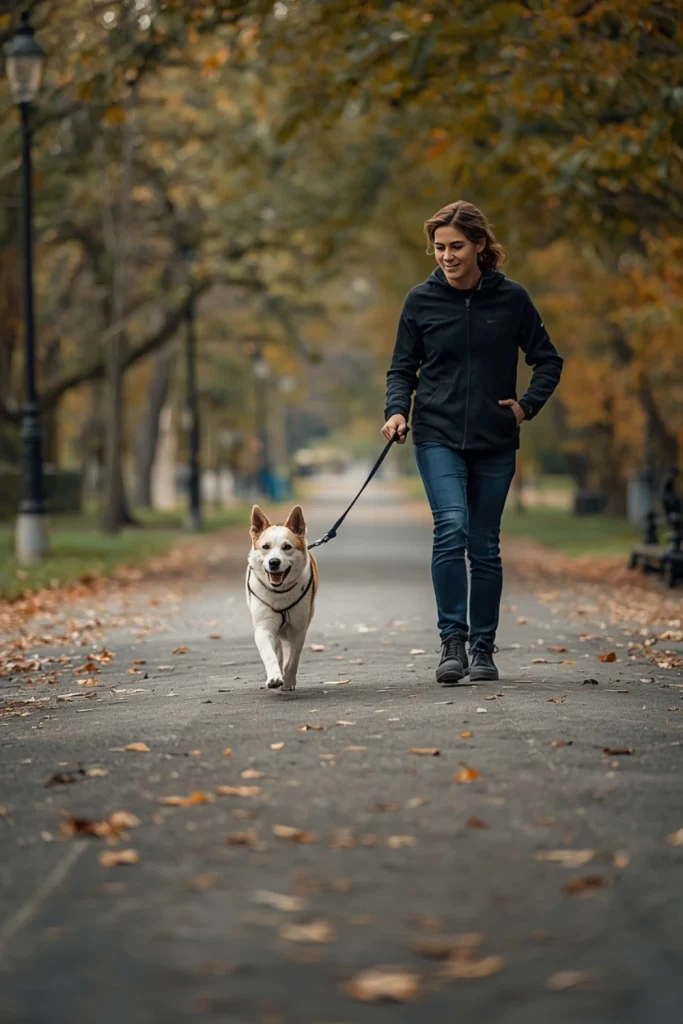
Changing direction can be an effective training exercise for dogs that become overly focused on what is ahead. Instead of allowing your dog to drag you toward every distraction, calmly change direction whenever the leash becomes tight. This teaches your dog to pay attention to your movement and follow you.
Start practicing this technique in a quiet environment. Walk normally for several steps, then gently turn and walk in another direction. When your dog follows without pulling, praise and reward the behavior. Avoid jerking or aggressively pulling the leash. The purpose is to teach your dog that paying attention to your movements is rewarding. Regular direction-change exercises can significantly improve leash awareness and help your dog develop better walking habits.
7. Give Your Dog Enough Exercise Before Training
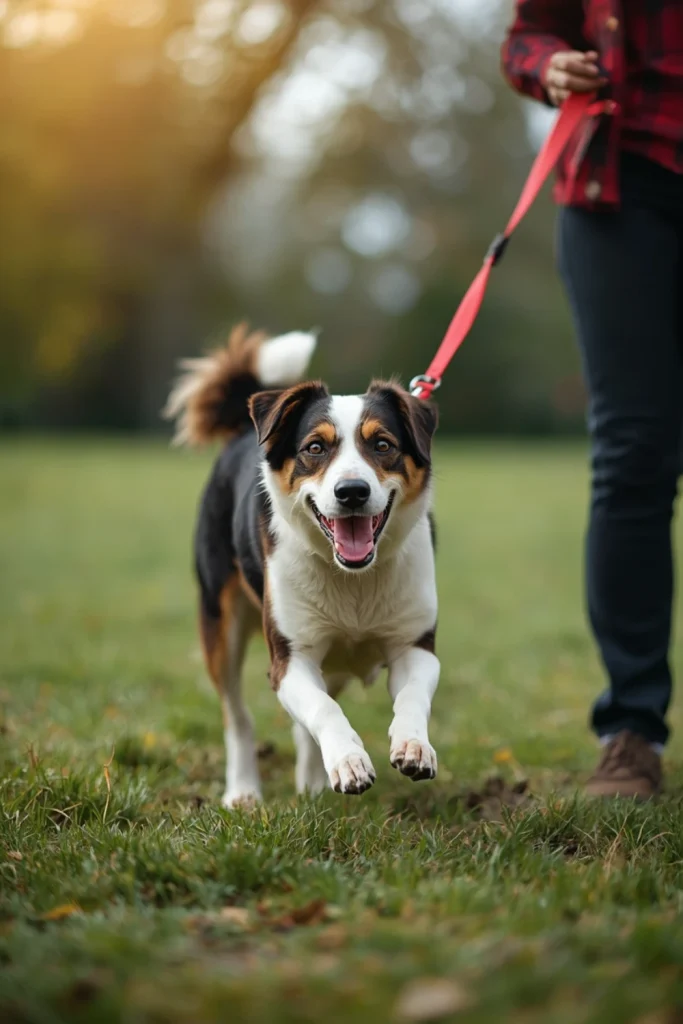
Some dogs pull because they have excess energy. A young, active, or highly energetic dog may find it difficult to concentrate during a walk if it has been resting all day. Providing appropriate physical and mental activity can make leash training easier.
Before a focused leash-training session, consider allowing your dog some safe play or gentle activity appropriate for its age, health, and breed. Mental enrichment can also help. Simple scent games, food puzzles, and basic obedience exercises can provide valuable stimulation. However, avoid exhausting your dog simply to make walking easier. The goal is to create a balanced routine where your dog has appropriate opportunities to exercise, explore, relax, and learn.
8. Let Your Dog Sniff Without Allowing Pulling
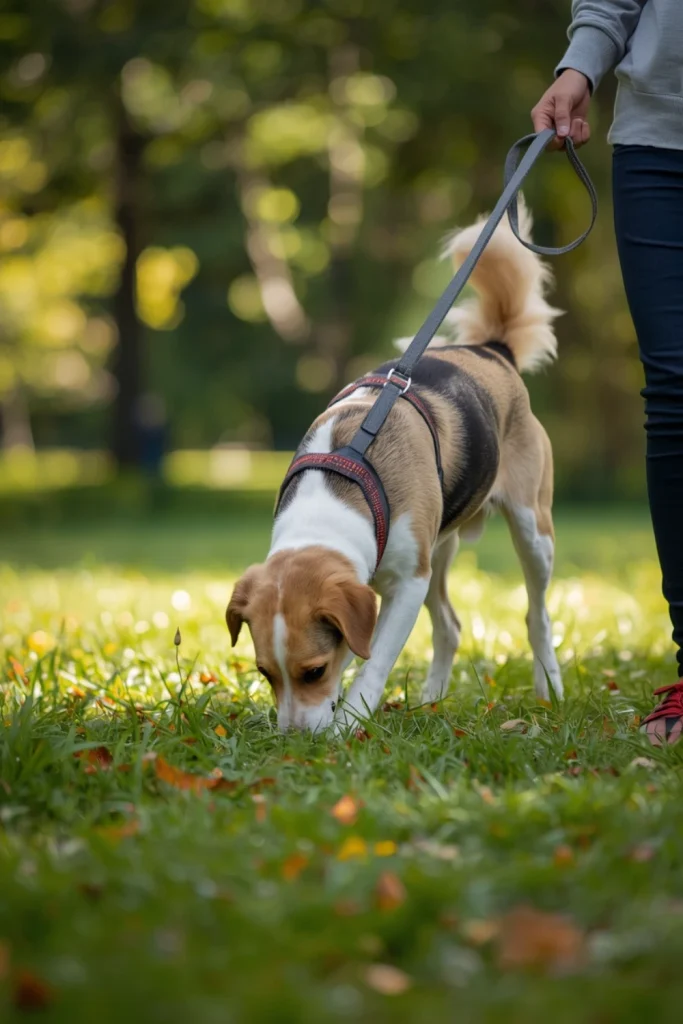
Sniffing is an important part of a dog’s walk. Dogs use their noses to gather information about their surroundings, and allowing appropriate sniffing can make walks more mentally stimulating. However, there is a difference between calmly exploring and dragging you from one smell to another.
Teach your dog that sniffing can be a reward for good leash behavior. Walk with a loose leash for a short distance and then give your dog permission to explore a safe area. You can use a consistent phrase such as “go sniff.” After a few moments, call your dog back and continue walking. This approach can help your dog understand that calm walking earns opportunities to explore while pulling is not necessary.
9. Keep Training Sessions Short and Consistent
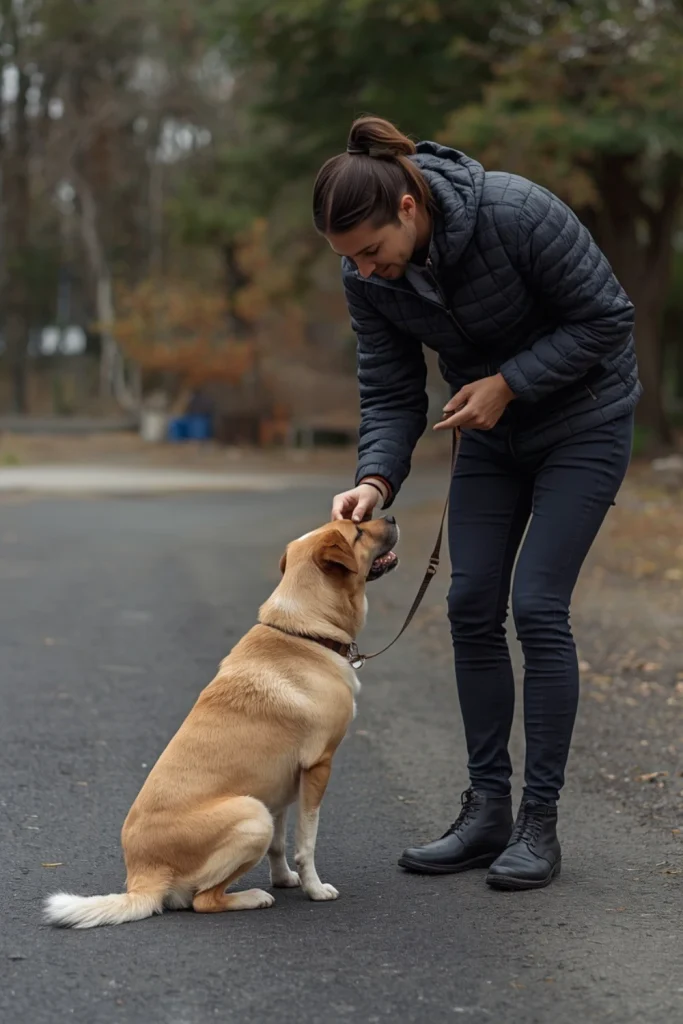
Long training sessions can become frustrating for both dogs and owners. Dogs often learn more effectively when training is divided into short, successful sessions. If your dog becomes tired, distracted, or frustrated, stop and try again later rather than continuing until the experience becomes negative.
Consistency is more important than the length of each session. A few minutes of leash practice every day can produce better results than one long session once a week. Use the same basic rules each time you walk. If pulling sometimes gets your dog where it wants to go, your dog may continue trying. Consistent responses help your dog understand exactly which behavior earns rewards and allows you to help your dog stop pulling more effectively.
10. Gradually Introduce More Distractions
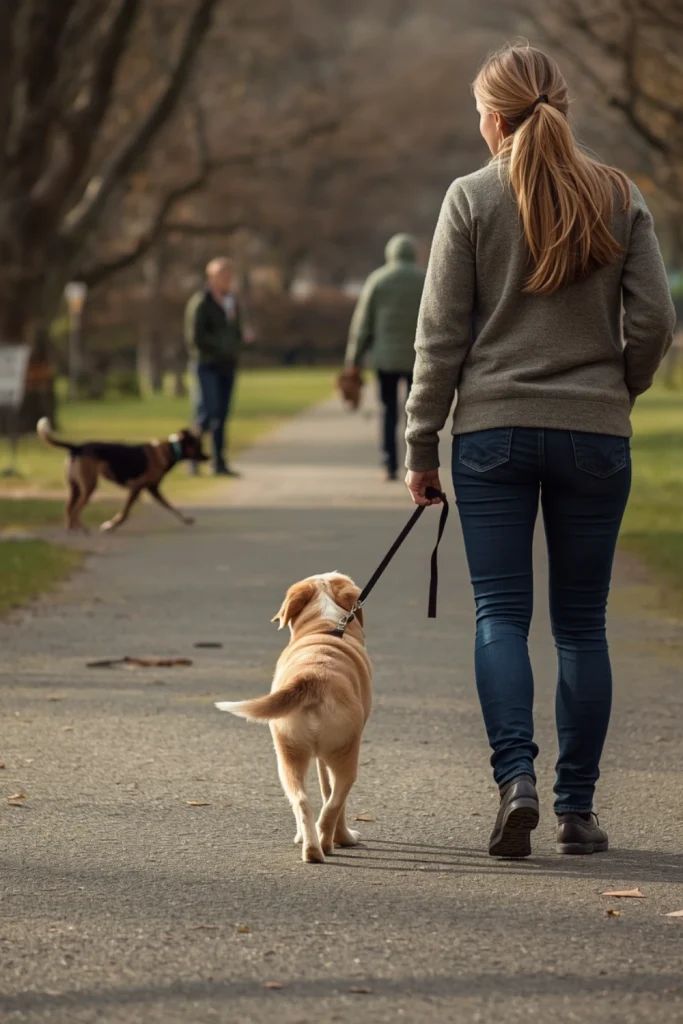
Once your dog can walk calmly in a quiet environment, it is time to increase the difficulty. Many dogs behave perfectly at home but begin pulling as soon as they see another dog, person, squirrel, bicycle, or exciting smell. This does not mean the training has failed. It simply means the environment is more challenging.
Introduce distractions gradually. Start with mild distractions at a comfortable distance. Reward your dog for looking at the distraction and then returning attention to you. As your dog becomes more reliable, slowly decrease the distance or increase the level of distraction. If your dog starts pulling excessively, move farther away and make the exercise easier. This gradual approach can help build confidence and reliable leash skills.
11. Teach a Reliable “Heel” or Walking Position
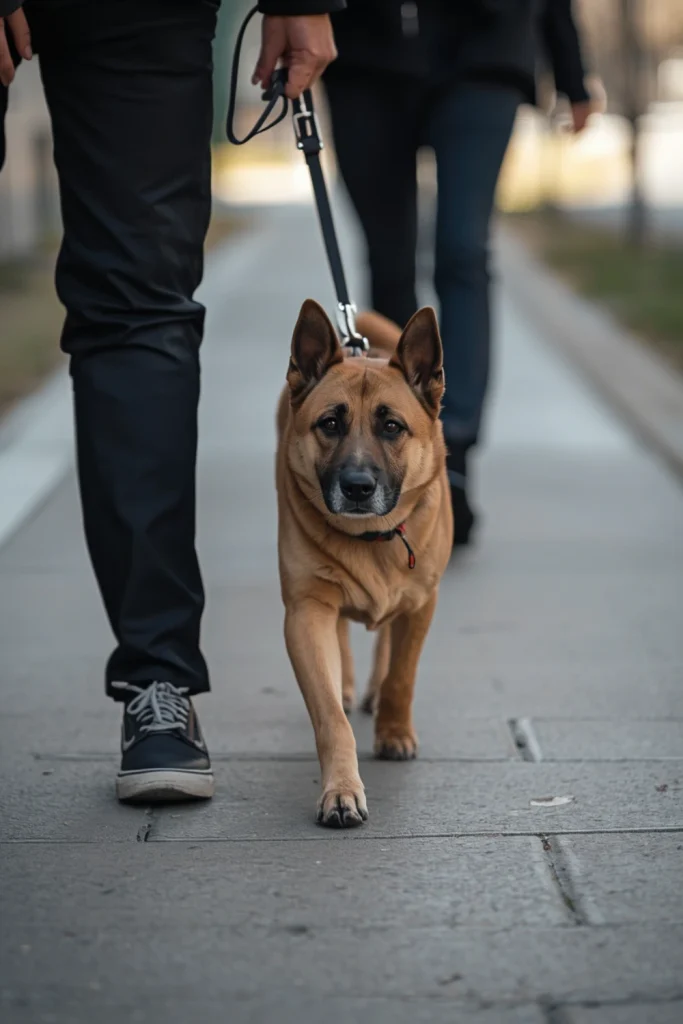
Teaching your dog where you want it to walk can provide structure during leash training. You may choose a formal heel position or simply teach your dog to stay comfortably beside you. For everyday walks, your dog does not necessarily need to remain perfectly next to your leg every second, but it should understand when close walking is expected.
Begin by rewarding your dog whenever it naturally walks near your preferred position. Take a few steps and reward calm behavior. Gradually increase the number of steps between rewards. Use a consistent verbal cue if desired, such as “heel” or “with me.” Practice in different locations after your dog understands the basic behavior. A clear walking position can make communication easier and help prevent your dog from constantly moving ahead and tightening the leash.
12. Be Patient and Stay Consistent
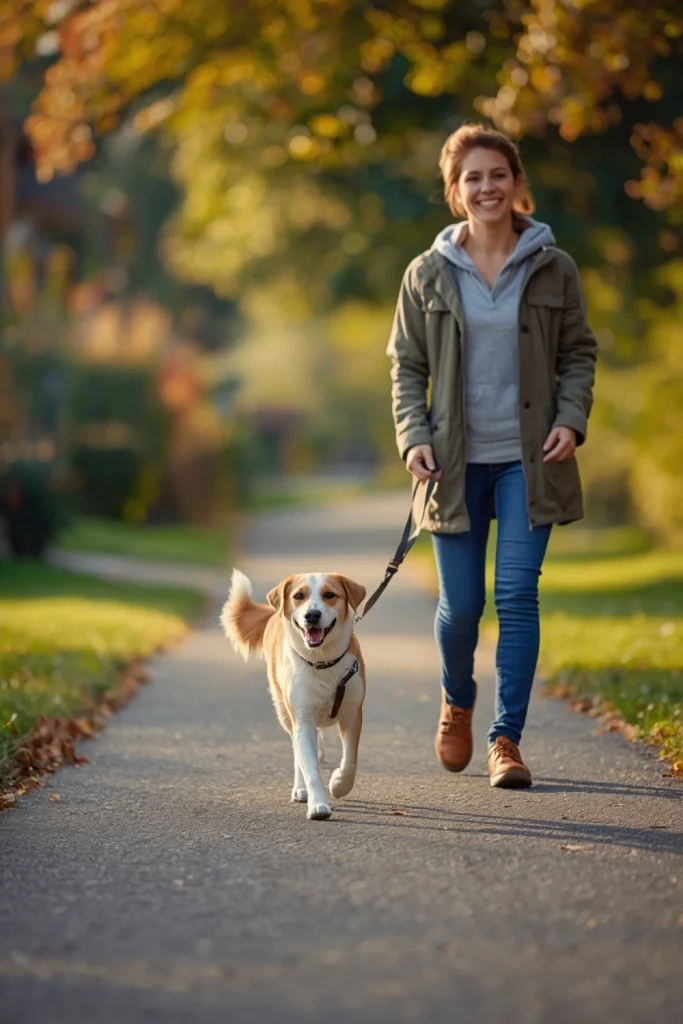
Perhaps the most important way to help your dog stop pulling is to remain patient. Leash manners rarely improve overnight. Some dogs learn quickly, while others need weeks or months of consistent practice. Age, breed, temperament, previous training, environment, and individual personality can all influence progress.
Celebrate small improvements instead of expecting perfection. If your dog walks calmly for ten steps today when it could only manage three steps yesterday, that is progress. Avoid harsh punishment, yelling, or physical corrections that can increase fear, frustration, or excitement. If pulling is severe or you are struggling to make progress, consider working with a qualified positive-reinforcement trainer. Consistent, humane training gives your dog the best opportunity to develop reliable walking habits.
Final Thoughts
Learning how to help your dog stop pulling requires patience, repetition, and clear communication. Start in a quiet environment, reward loose-leash walking, stop when pulling begins, teach attention skills, and gradually introduce distractions. The goal is not simply to control your dog but to teach your dog how to make better choices while walking.
Remember that every dog learns at a different pace. Focus on steady progress rather than perfection. With consistent positive reinforcement and appropriate training, many dogs can learn to enjoy calm, comfortable walks without constantly pulling on the leash. A peaceful walk benefits both you and your dog and can become one of the best parts of your daily routine.