The 30-Day Dog Training Plan for New Owners
Bringing a new dog into your home is an exciting experience, but teaching your furry companion good manners can sometimes feel overwhelming. From potty training and basic commands to leash walking and managing unwanted behaviors, new dog owners often wonder where to begin. The good news is that you do not need complicated techniques or hours of daily training to get started. A simple, consistent routine can make a meaningful difference.
This 30-Day Dog Training Plan is designed to help beginners build a strong relationship with their dogs through short, positive, and practical training sessions. Whether you have a young puppy or an adult dog who needs to learn new habits, this guide will help you work on essential skills one day at a time. With patience, rewards, and realistic expectations, you can create a calmer home and help your dog become a confident, well-mannered companion.
What Is a 30-Day Dog Training Plan?
A 30-Day Dog Training Plan is a structured approach to teaching your dog essential skills over four weeks and two additional days. Instead of trying to teach everything at once, you focus on a few manageable goals at a time. These may include learning a name, responding to basic commands, improving potty habits, walking on a leash, and settling calmly at home.
The purpose is not to make your dog perfectly trained in one month. Every dog learns at a different pace, depending on age, temperament, previous experiences, and environment. A structured plan simply makes training easier to organize. By practicing regularly and rewarding desirable behavior, you can gradually establish habits that support a happier relationship between you and your dog.
Week 1: Build Trust and Establish Basic Habits
The first week of your 30-Day Dog Training Plan focuses on helping your dog feel safe, understand household routines, and learn simple communication skills. Avoid overwhelming your dog with too many commands. Start in a quiet environment, use rewards generously, and give your dog time to adjust.
Day 1: Help Your Dog Feel Comfortable at Home
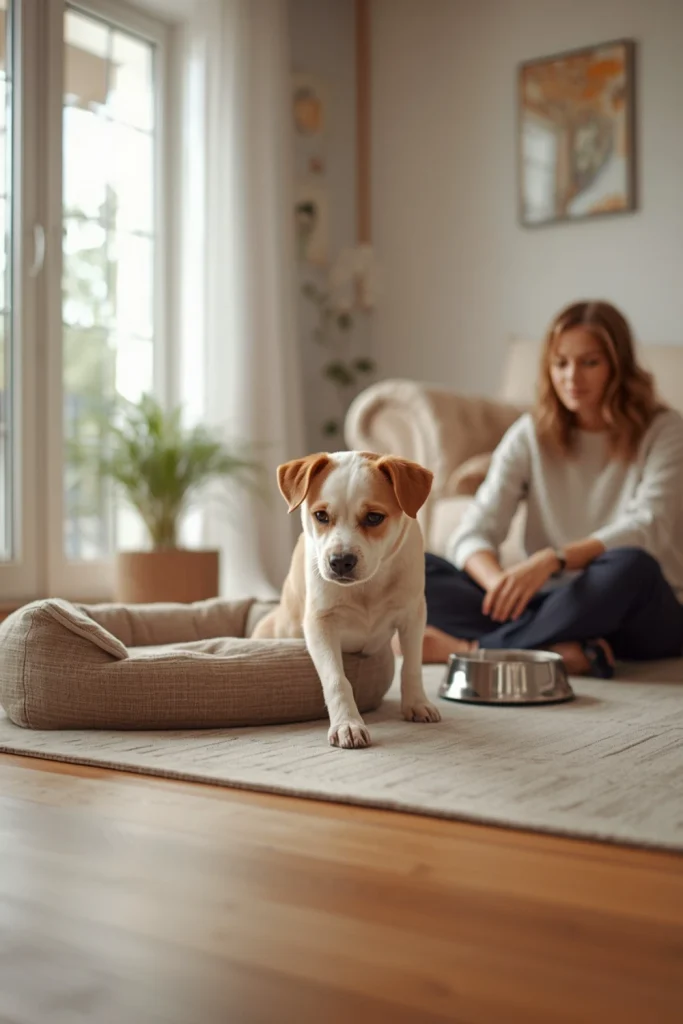
The first day is about building trust rather than expecting perfect behavior. Give your dog time to explore a safe area of your home, discover their bed, and locate their food and water bowls. Introduce family members calmly and avoid overwhelming your dog with visitors, loud noises, or too much handling. Puppies and newly adopted adult dogs may need extra time to feel secure in unfamiliar surroundings.
Begin by rewarding calm behavior with praise or a small treat. Take your dog outside for a potty opportunity after waking, eating, and playing. Let your dog rest whenever needed. A comfortable dog is more likely to engage with future training sessions, so make the first day peaceful and predictable.
Day 2: Teach Your Dog to Recognize Their Name
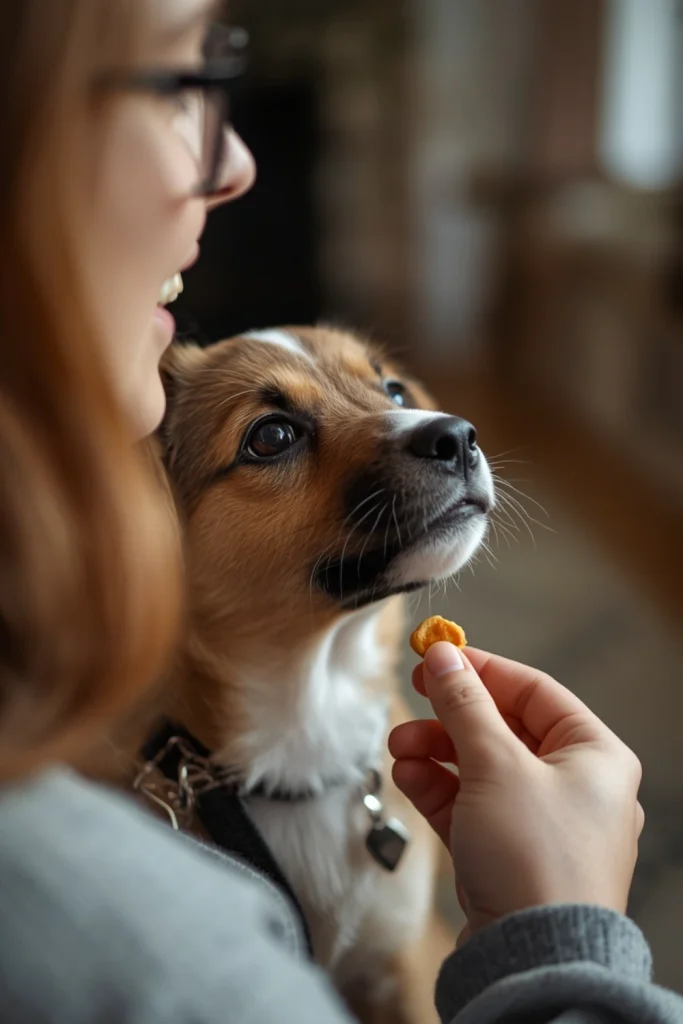
Teaching your dog to recognize their name is an important first step in communication. Choose a short name and say it in a friendly, clear voice when your dog is not distracted. The moment your dog looks toward you, reward the response with a small treat or praise. Practice for two to five minutes at a time, repeating the exercise in several short sessions throughout the day.
Avoid using your dog’s name primarily when correcting unwanted behavior. You want your dog to associate the name with positive experiences and attention. If your dog does not respond, move closer, reduce distractions, and try again. Never expect immediate results in a busy environment. Once your dog responds reliably indoors, gradually practice in other familiar areas.
Day 3: Establish a Consistent Potty Routine
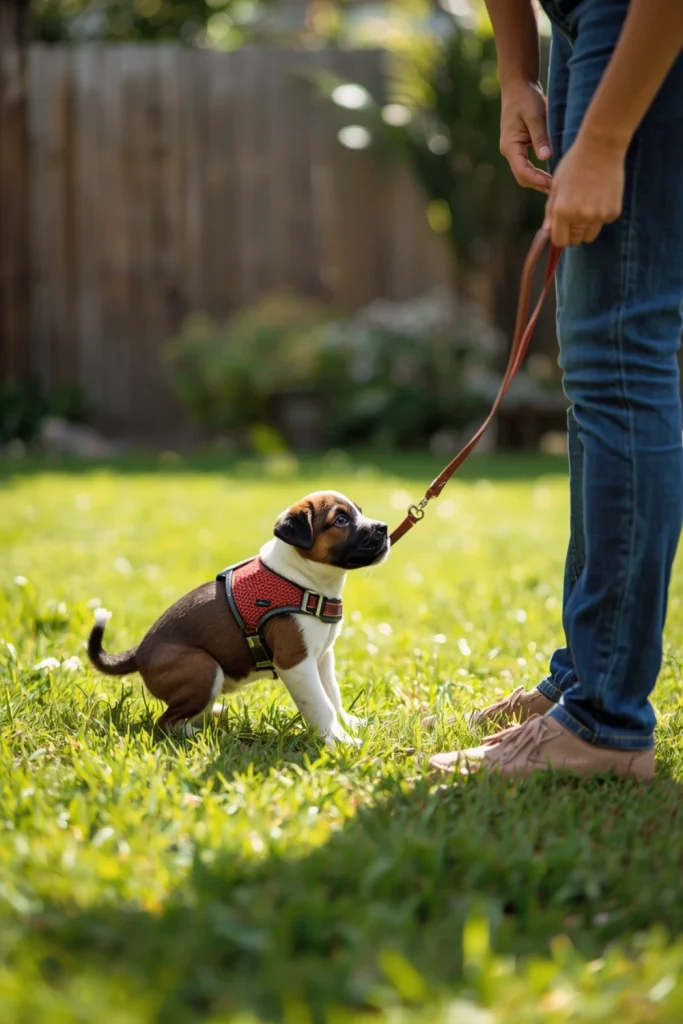
Potty training becomes easier when your dog has regular opportunities to eliminate in the appropriate place. Take your puppy outside after waking, eating, drinking, playing, and before bedtime. Young puppies may need very frequent breaks, sometimes every 30–60 minutes while awake, depending on age and individual needs. Adult dogs may manage longer intervals, but newly adopted dogs also benefit from frequent opportunities initially.
Choose a designated potty area and reward your dog immediately after they finish eliminating there. Immediate rewards help your dog connect the behavior with the positive outcome. Supervise your dog indoors, watch for sniffing or circling, and clean accidents with an enzymatic cleaner. Never punish accidents, as punishment can make dogs hide when they need to eliminate rather than learn where to go.
Day 4: Introduce Positive Reinforcement
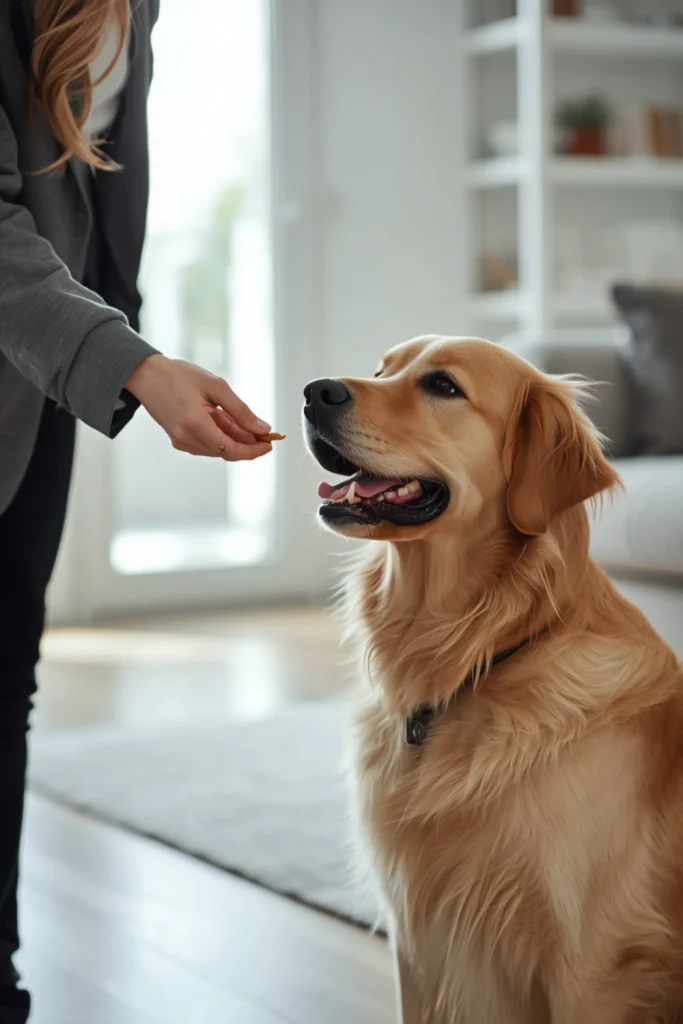
Positive reinforcement means rewarding a behavior you want your dog to repeat. Rewards can include small treats, praise, play, or access to something your dog enjoys. For example, when your dog sits calmly before receiving a meal, reward the behavior. When your dog approaches you instead of jumping, acknowledge that choice. This method helps your dog learn which actions produce good outcomes.
Start with easy behaviors that happen naturally, such as looking at you, standing calmly, or settling on a mat. Mark the desired moment with a consistent word like “Yes,” then deliver the reward promptly. Keep treats small enough for repeated practice, and account for them in your dog’s daily food intake. Avoid shouting or physically forcing your dog into position. Clear, reward-based teaching builds trust and makes learning more enjoyable.
Day 5: Teach the Sit Command
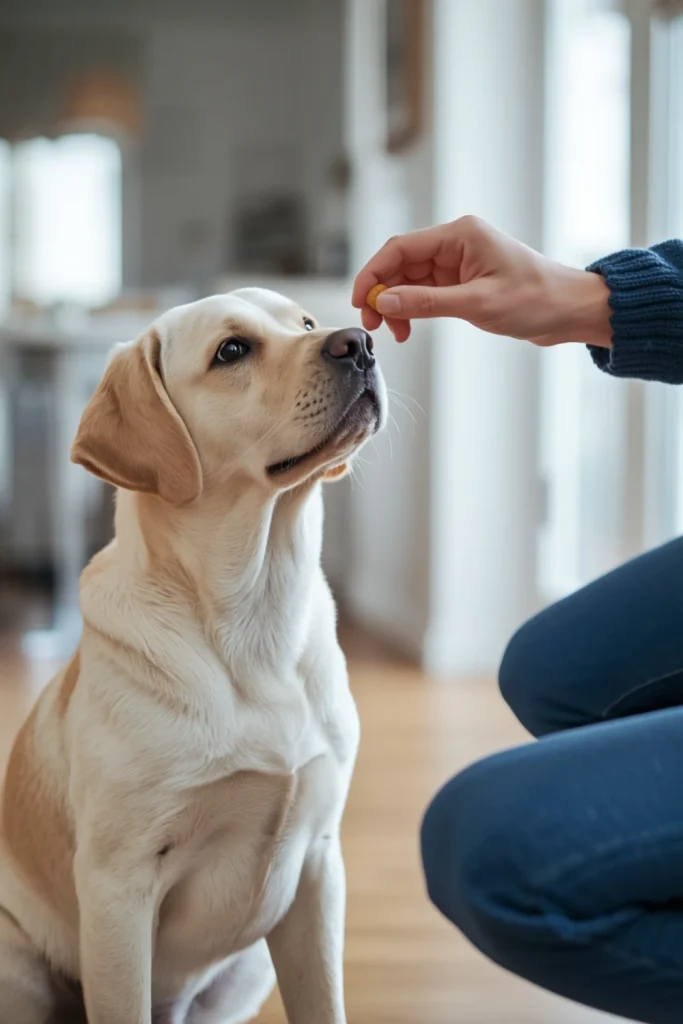
The sit command is one of the most useful beginner skills because it can encourage polite behavior in everyday situations. Hold a treat near your dog’s nose and slowly move it upward and slightly backward. As your dog naturally lowers their hindquarters, mark the moment with “Yes” and reward them. Once the movement becomes predictable, introduce the word “Sit” just before your dog performs it.
Practice several repetitions during short sessions, allowing breaks between attempts. If your dog jumps toward the treat or backs away, adjust your hand position and make the movement smaller. Do not push your dog’s body into a sitting position. Reward successful attempts and gradually practice in different rooms. The goal is for your dog to sit willingly when asked, not merely follow the food in your hand.
Day 6: Introduce the Come Command
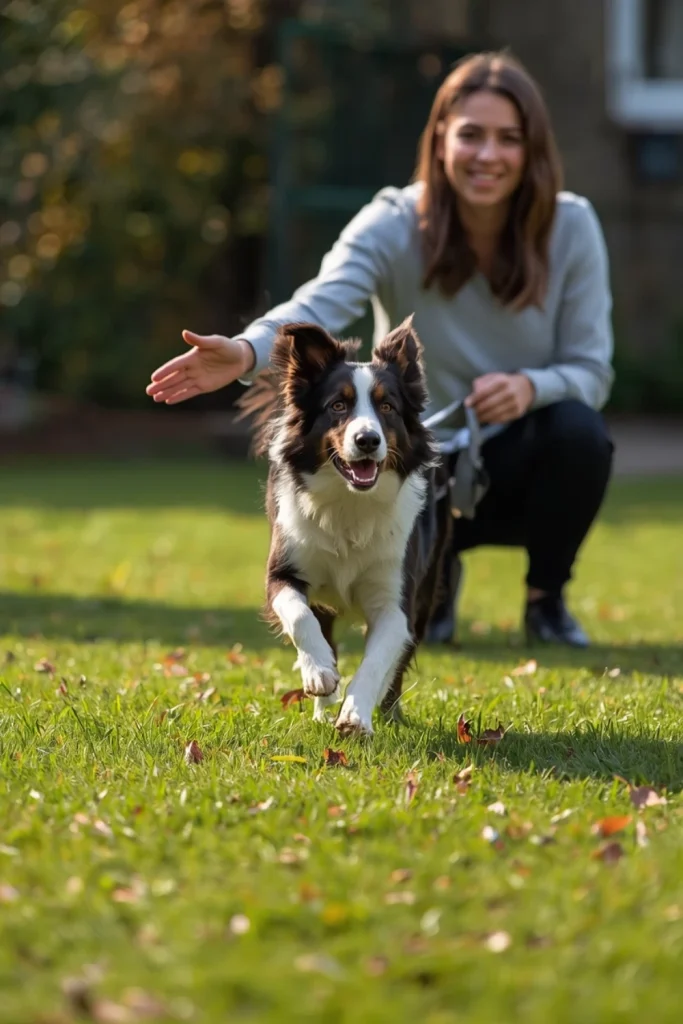
Teaching recall, or coming when called, helps your dog return to you when needed. Begin indoors in a quiet room. Step a short distance away, say your dog’s name followed by “Come,” and use a cheerful voice. When your dog moves toward you, praise them and provide a rewarding treat. You can also crouch slightly or take a few steps backward to make approaching you more inviting.
Keep early practice easy and enjoyable. Never call your dog to you to punish them, and avoid repeatedly shouting the command when they are unlikely to respond. Outdoors, use a long line attached to a suitable harness in a safe area instead of relying on an unreliable recall. Reward every successful return generously. A reliable recall takes ongoing practice and should not be assumed after just a few days.
Day 7: Review the First Week
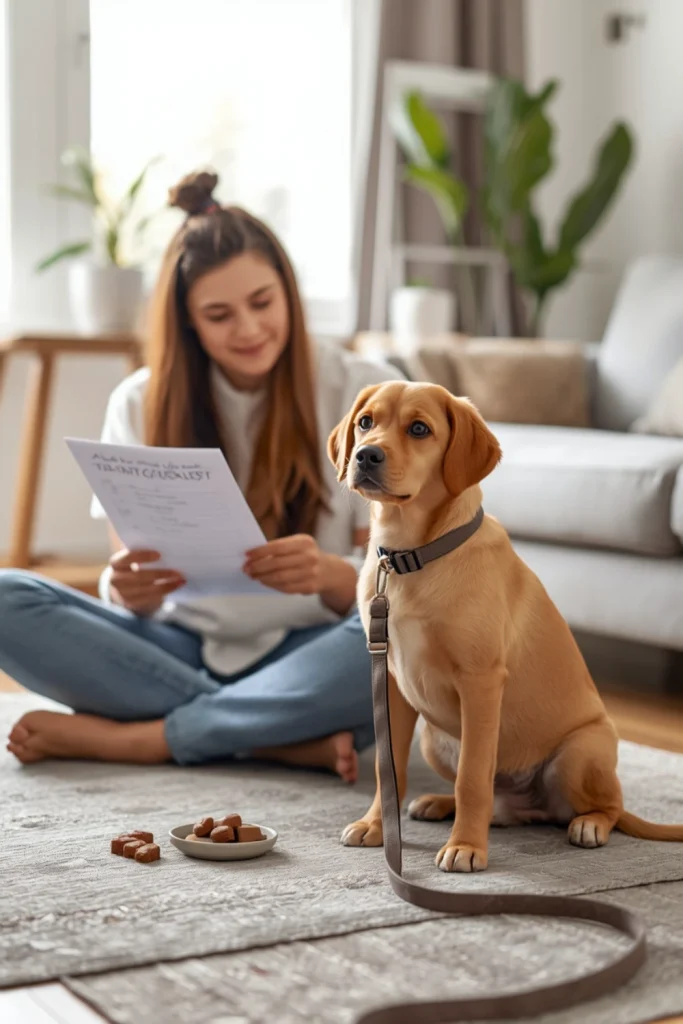
Use the seventh day to review the skills your dog has practiced. Work briefly on name recognition, potty routines, positive reinforcement, sit, and recall. You do not need to test every skill repeatedly. Instead, look for small improvements, such as your dog turning toward you more often or settling more comfortably in the home.
If your dog struggles with a command, return to an easier version and reward small steps toward success. A puppy who is tired, hungry, frightened, or distracted may have difficulty concentrating, so choose an appropriate time for practice. Record what went well and what needs more work. The first week is successful when your dog feels safe and begins understanding your communication, even if some behaviors still require frequent reminders.
Week 2: Strengthen Obedience and Everyday Manners
During the second week, continue the first week’s exercises while introducing simple self-control and household manners. Dogs learn through repetition, so do not abandon earlier skills just because you have moved forward. Practice in short sessions and gradually increase difficulty only when your dog is comfortable and successful.
Day 8: Teach the Down Command
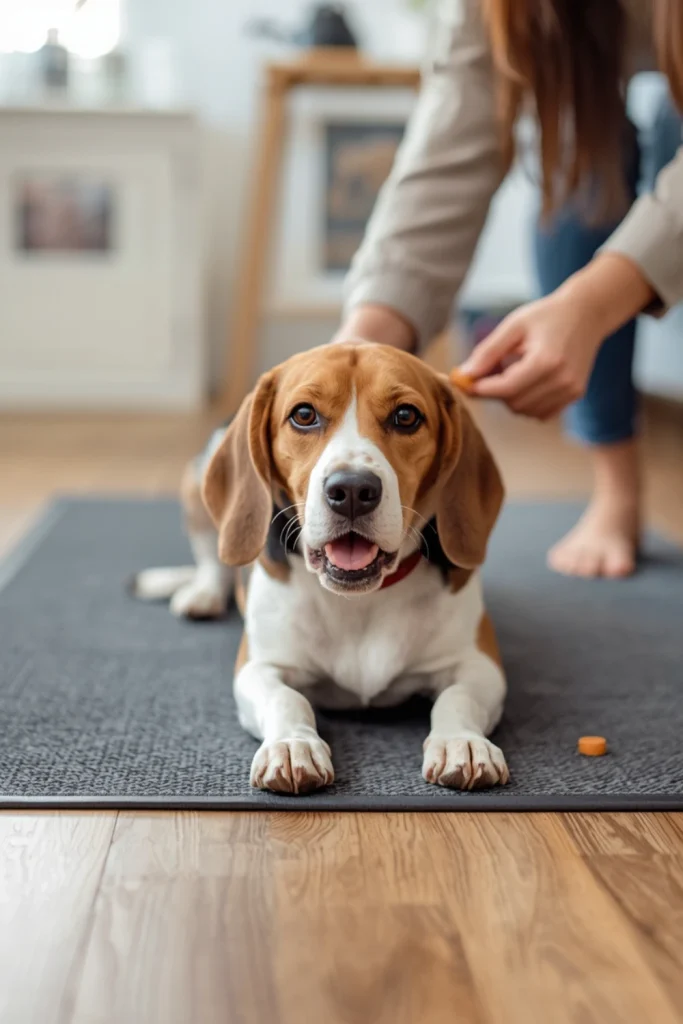
The down command encourages your dog to lie down on cue. Begin with your dog standing or sitting on a comfortable, nonslip surface. Hold a treat near their nose and slowly guide it toward the floor between their front paws. As your dog follows the treat and lowers their body, mark the movement and reward them. Add the word “Down” once your dog begins understanding the motion.
Some dogs find lying down difficult in unfamiliar environments, so be patient and avoid pushing their shoulders or hips. If your dog repeatedly stands up, make the movement easier or practice after a calm walk. Reward even partial progress initially. With regular practice, gradually reduce reliance on hand movements and teach your dog to respond to the verbal cue.
Day 9: Practice Stay for a Few Seconds
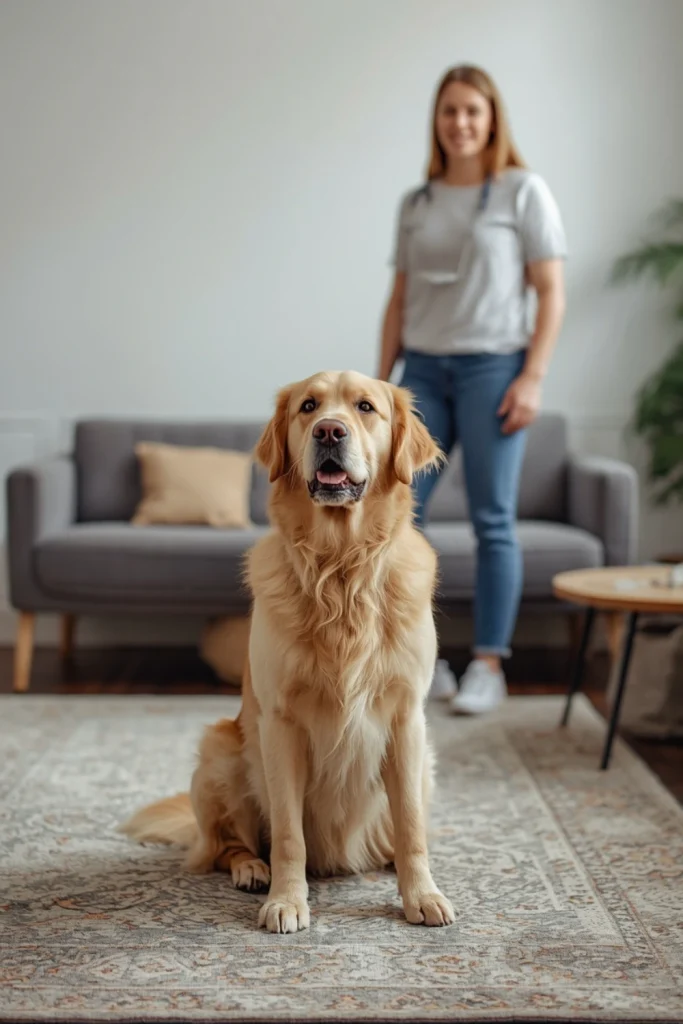
The stay command teaches your dog to remain in one position until released. Ask your dog to sit, then briefly pause before rewarding them. Introduce a release word such as “Free” so your dog learns when the exercise ends. Gradually add the word “Stay” and increase the duration by just one or two seconds at a time, rewarding successful attempts.
Keep your initial expectations modest. If your dog stands up, you may have increased the difficulty too quickly. Return to a shorter duration and practice again. Do not begin by walking far away or leaving the room. Build duration, distance, and distractions separately. A successful stay is one your dog can perform comfortably, not one achieved through intimidation or repeated physical corrections.
Day 10: Teach Leave It
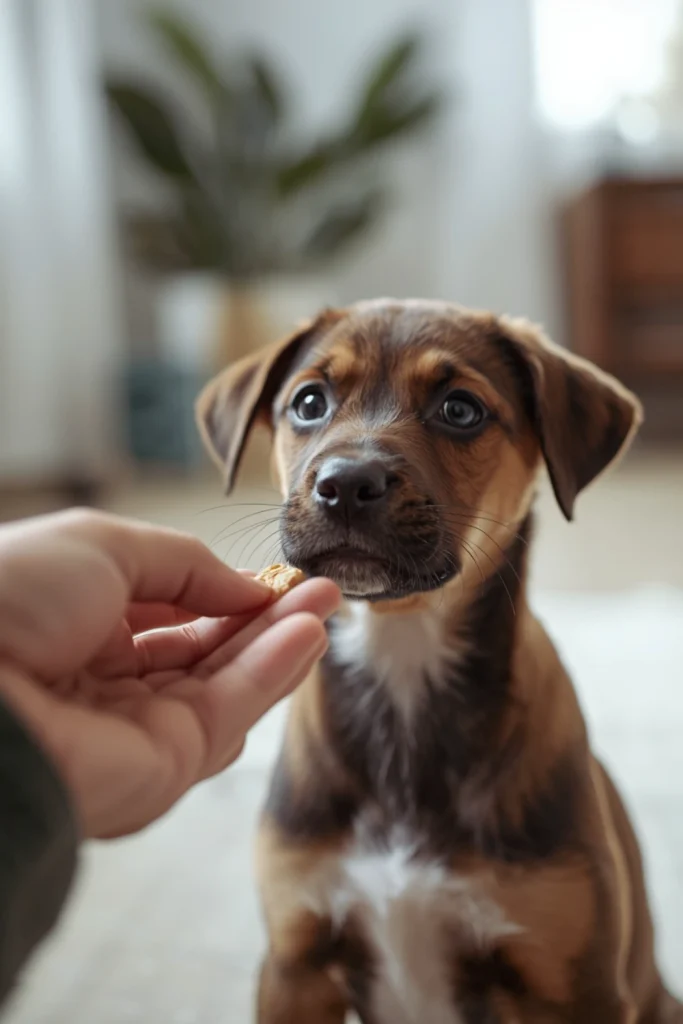
The leave-it command helps your dog disengage from an item you do not want them to approach. Begin with a low-value treat enclosed in your closed hand. Let your dog sniff without opening your hand. When your dog briefly moves away or stops investigating, mark the moment and reward them with a different treat from your other hand. This teaches the dog that ignoring the first item can be worthwhile.
Gradually practice with visible treats and familiar objects, keeping the exercise safe and manageable. Never use leave-it practice to expose your dog to dangerous substances or objects. If your dog already has something hazardous in their mouth, prioritize safety and contact a veterinarian or appropriate emergency service when necessary. Leave-it is a useful prevention skill, but it does not replace supervision or secure storage.
Day 11: Teach Drop It Through Trading
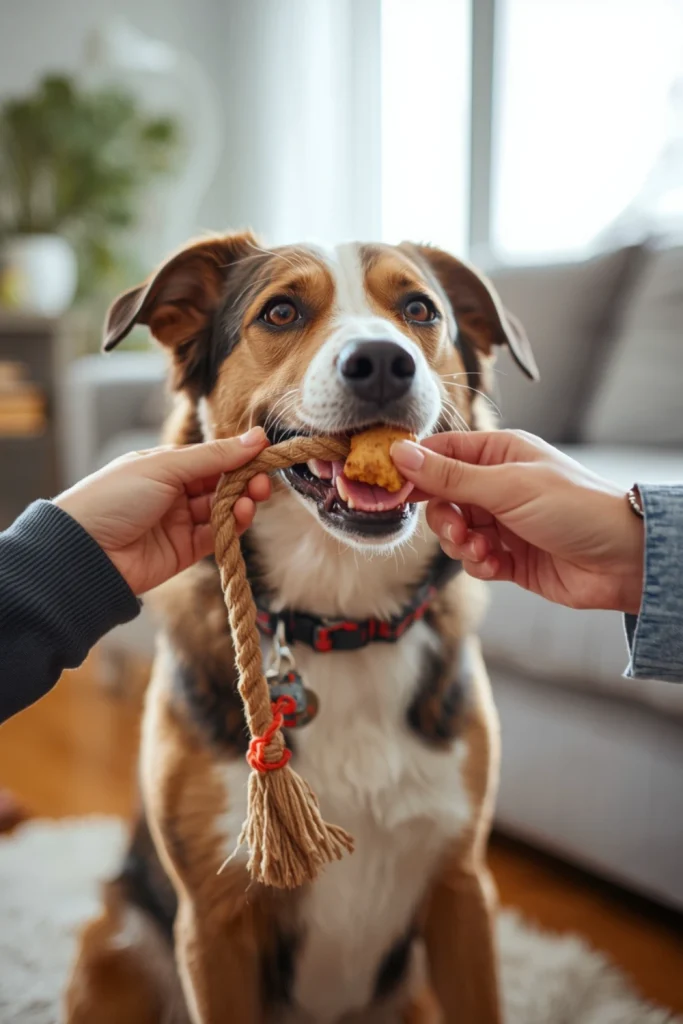
Drop it teaches your dog to release an object willingly. Start with a safe toy that your dog enjoys but does not guard intensely. Offer a tasty alternative near the dog’s nose. When your dog releases the toy, mark the moment, reward them, and often return the toy so releasing it does not always mean losing something enjoyable.
Practice with different safe toys as your dog becomes comfortable. Avoid chasing your dog, forcibly pulling objects from their mouth, or prying open their jaws, because these actions may encourage keep-away behavior or create conflict. If your dog stiffens, growls, or guards objects, do not attempt to take them by force. Seek qualified professional guidance, particularly if children are in the home.
Day 12: Improve Polite Greetings
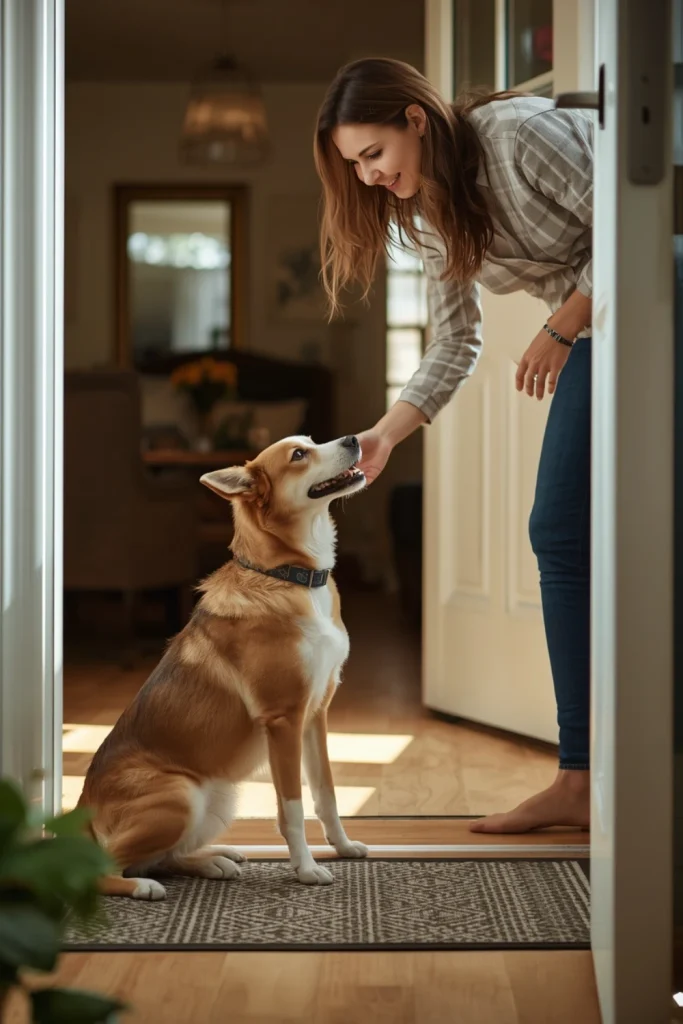
Many dogs jump on people because they are excited and want attention. To encourage polite greetings, reward your dog when they approach with four paws on the floor. Ask a familiar person to approach calmly, and offer attention while your dog remains settled. If your dog begins jumping, the person can briefly pause attention and resume when the dog returns to a calmer behavior.
Do not knee your dog, shout, or push them away as a training strategy. These reactions can increase excitement or accidentally reward jumping with attention. For very enthusiastic dogs, practice behind a baby gate or with a leash held safely by an adult. Reward a sit if your dog can perform it comfortably, but do not insist on sitting when calm standing is an easier starting point.
Day 13: Begin Loose-Leash Walking
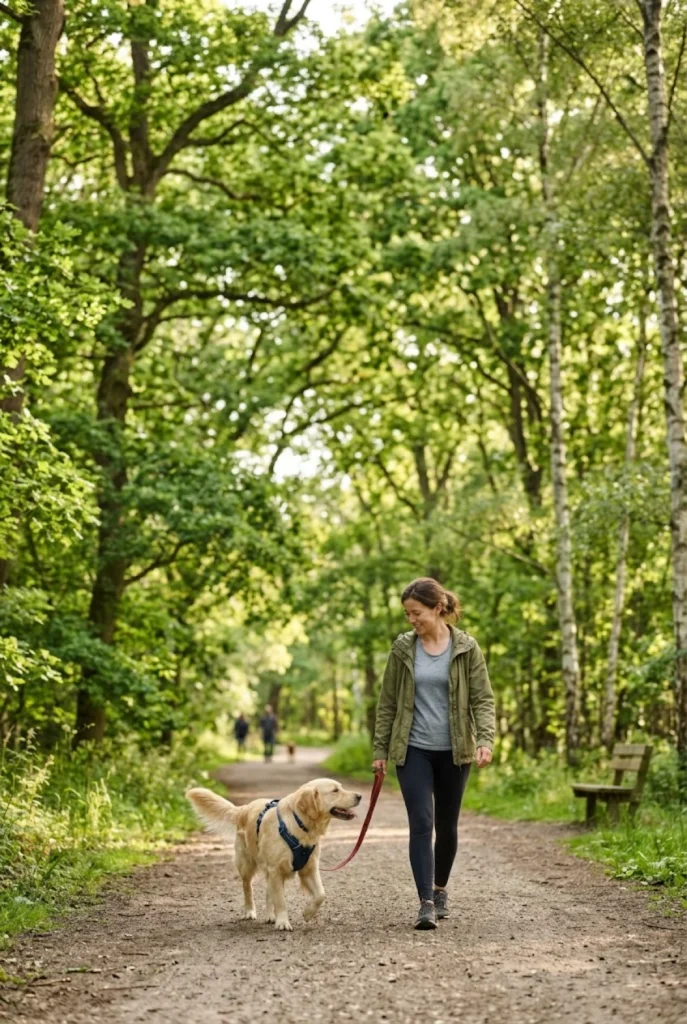
Loose-leash walking helps make daily walks more comfortable for both you and your dog. Begin in a quiet area with a comfortable, properly fitted harness or collar and a suitable leash. Reward your dog for walking near you while the leash remains loose. Take a few steps, offer praise, and pause for rewards before gradually extending the distance.
If your dog pulls, stop safely and wait for the leash to loosen, or change direction when doing so is safe. Avoid jerking the leash or dragging your dog forward. Let your dog sniff and explore during appropriate breaks because walks provide mental enrichment as well as exercise. Practice for short periods before attempting crowded sidewalks or highly distracting locations.
Day 14: Review Basic Commands and Manners
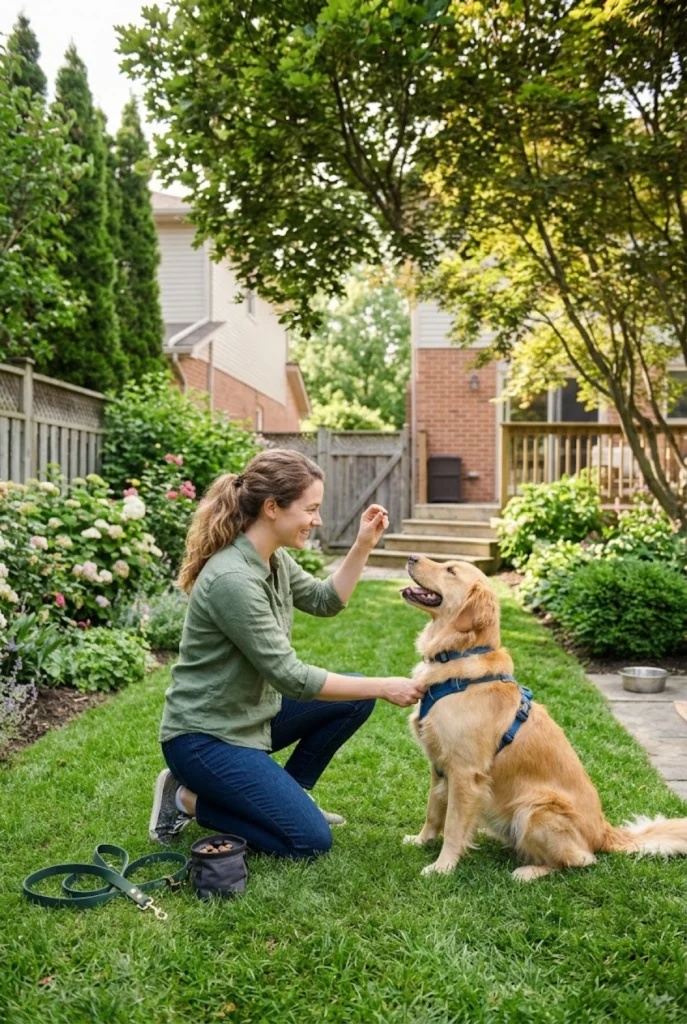
On day fourteen, revisit sit, down, stay, come, leave-it, drop-it, polite greetings, and loose-leash walking. You do not need to practice every skill in one long session. Choose a few short exercises and use everyday moments to reinforce them, such as asking for a sit before placing the food bowl down or rewarding calm behavior at the door.
Observe whether your dog responds more readily in familiar surroundings. If a skill works in the living room but fails outside, that is normal. Dogs do not automatically understand that a command applies in every setting. Reduce distractions, reward more frequently, and build up gradually. Review days should strengthen confidence rather than become difficult examinations.
Week 3: Build Confidence and Practice in Different Environments
Week three introduces more realistic situations. Your dog will begin practicing familiar skills around mild distractions, learning to settle, and becoming comfortable with everyday household experiences. Progress gradually, and remember that confidence is more important than forcing your dog to tolerate something frightening.
Day 15: Teach Your Dog to Settle on a Mat
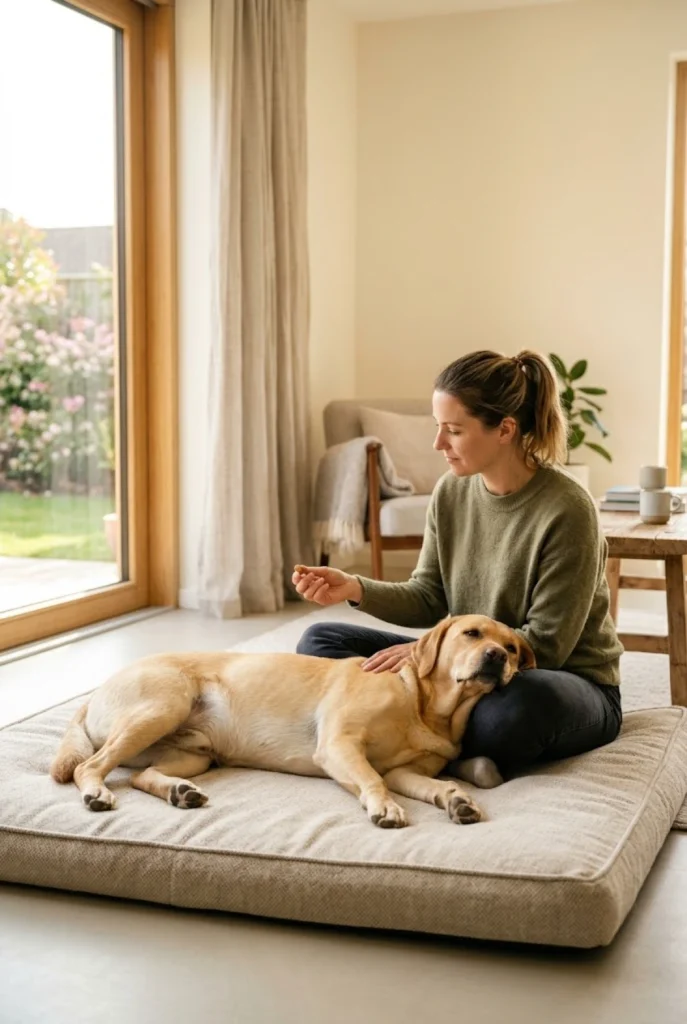
A settle-on-a-mat exercise teaches your dog that a particular spot is a comfortable place to relax. Place a nonslip mat in a quiet area and reward your dog for looking at it, approaching it, or stepping onto it. Once your dog willingly stands on the mat, reward sitting or lying down. Deliver treats calmly and occasionally while your dog remains relaxed.
Gradually increase the time your dog spends on the mat before receiving a reward. You can use this skill while preparing meals, working at your desk, or relaxing in the evening. Keep the mat away from busy walkways, and never use it to force a frightened dog to remain in a stressful situation. A successful settle should help your dog feel comfortable, not trapped.
Day 16: Practice Impulse Control Before Meals
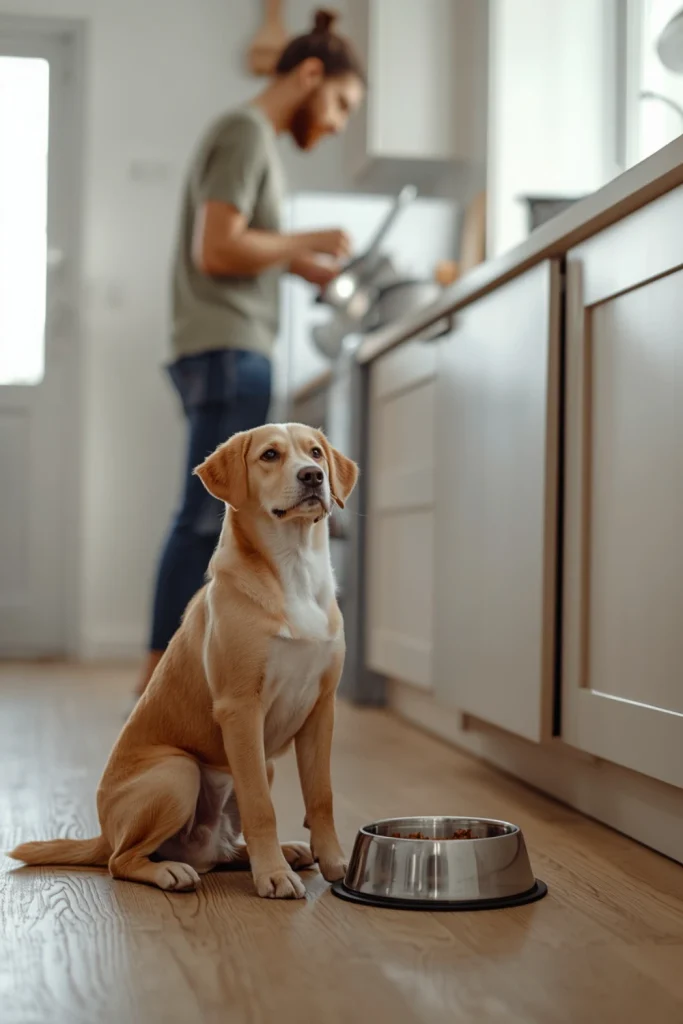
Meal preparation provides a convenient opportunity to teach patience. Ask your dog for a simple behavior, such as sitting or standing calmly, before placing the food bowl down. If your dog rushes forward, lift the bowl safely and wait for a brief moment of calm before trying again. Reward small improvements rather than expecting a young puppy to wait for a long time.
Keep meal-related training short and avoid withholding food as punishment. Your dog should still receive the appropriate amount of food at the normal time. Once your dog understands the routine, gradually practice the same calm behavior before opening doors, clipping on a leash, or offering a favorite toy. These everyday repetitions can help your dog learn that calm behavior often makes good things happen.
Day 17: Teach Wait at Doors
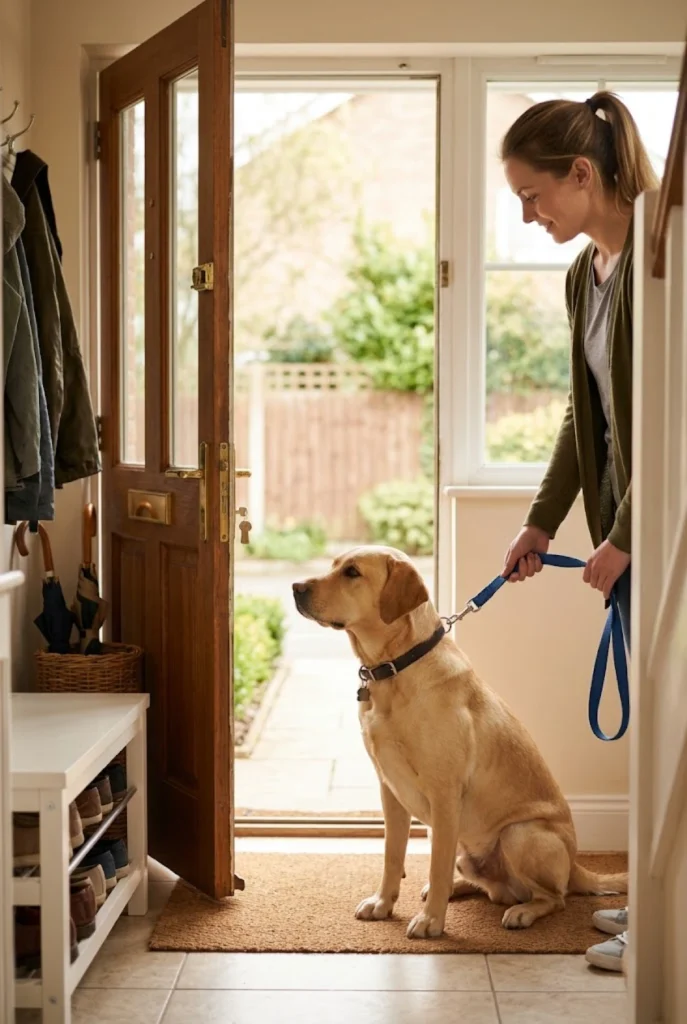
Open doors can create dangerous situations if a dog rushes outside unexpectedly. Begin indoors with a closed door and ask your dog to pause in a comfortable position. Touch the handle and reward your dog for remaining calm. Gradually open the door a small amount, rewarding your dog for waiting rather than pushing through the opening.
Practice only with a secure barrier or leash arrangement appropriate for your home. Never rely on this training alone to prevent a dog from running into traffic. Before going outside, make sure your dog is wearing suitable identification and equipment. When you are ready to leave, use a release cue and guide your dog through the doorway calmly. Short, controlled repetitions are more effective than repeatedly testing your dog’s patience.
Day 18: Introduce Gentle Grooming and Handling
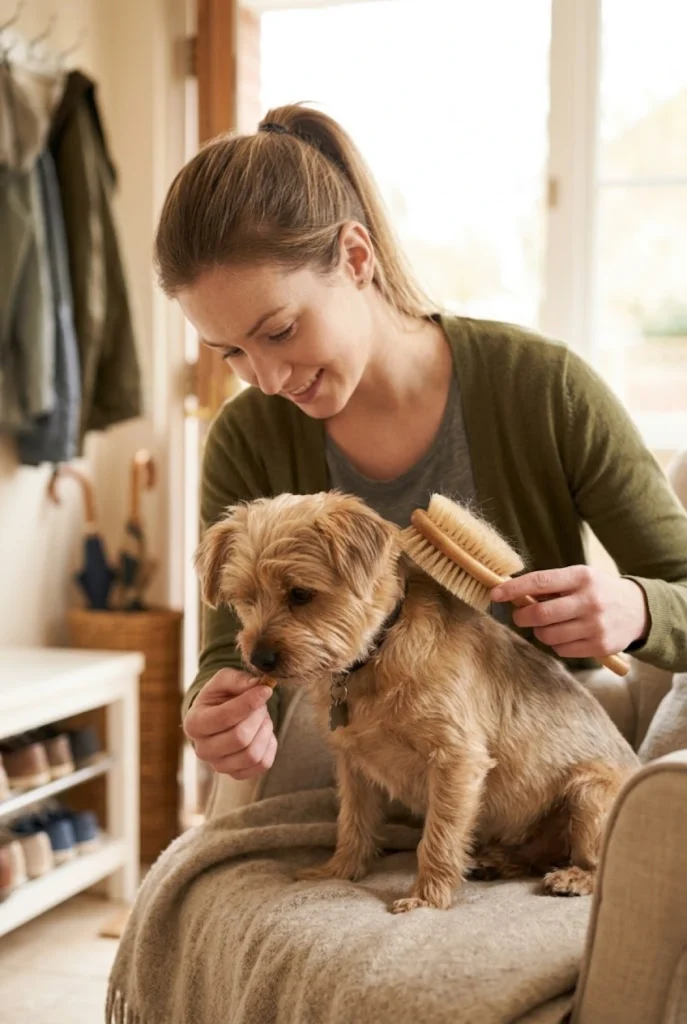
Comfortable handling can make brushing, nail care, ear checks, and veterinary visits easier. Start by briefly touching an area your dog already tolerates, such as the shoulder or side, then offer a treat. Keep your movements gentle and allow your dog to move away. Gradually introduce a brush or other grooming tool by letting your dog investigate it before using it briefly.
Avoid restraining your dog unnecessarily or continuing when they show signs of distress, such as freezing, repeated lip licking, turning away, or trying to escape. Pair handling with rewards and stop before your dog becomes overwhelmed. If your dog reacts defensively or is already fearful of grooming, ask a veterinarian or qualified force-free professional to help develop a safe handling plan.
Day 19: Practice Calm Behavior Around Household Noises
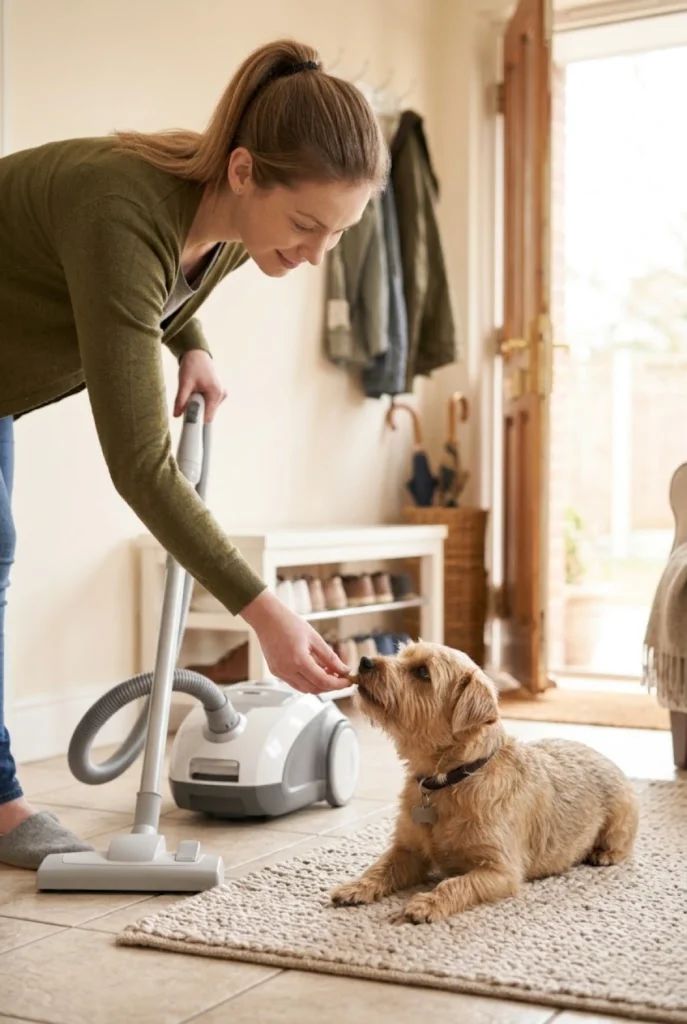
Dogs encounter many everyday sounds, including vacuum cleaners, doorbells, kitchen appliances, and traffic. Some dogs respond confidently, while others may bark, hide, or become startled. Begin with a sound at a low intensity or from a comfortable distance. Pair the sound with something enjoyable, such as treats or a favorite activity, and allow your dog to move away if needed.
Do not deliberately frighten your dog or repeatedly expose them to loud noises in the hope that they will get used to them. If your dog becomes tense, increase the distance or lower the volume. Keep sessions brief and finish while your dog remains comfortable. The goal is to build positive associations gradually, not to eliminate every natural reaction to unexpected sounds.
Day 20: Practice Focus Around Mild Distractions
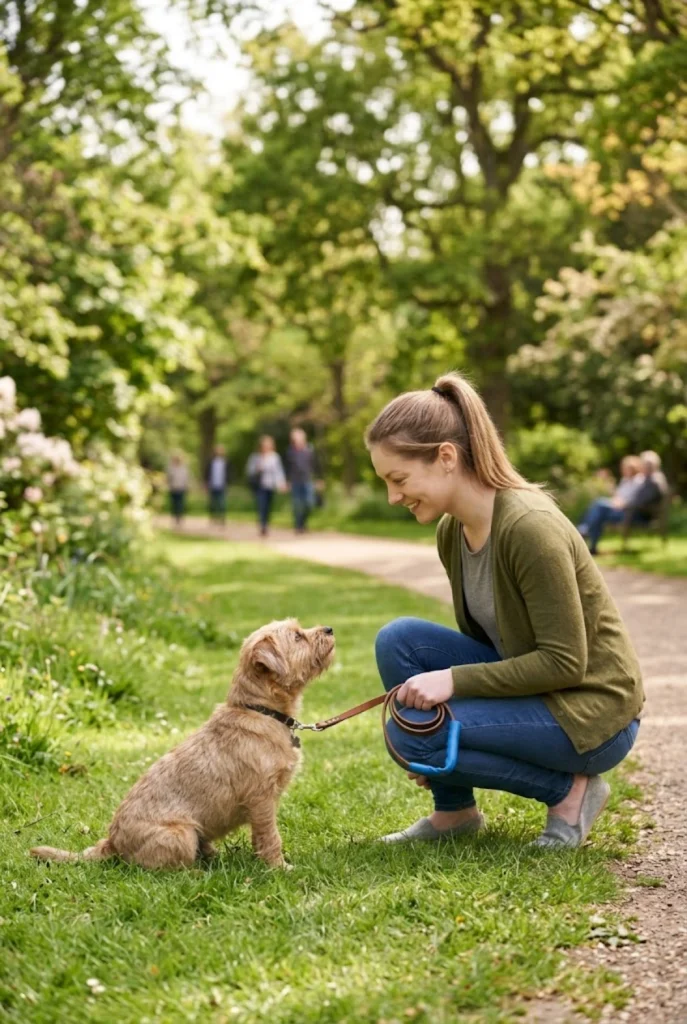
A dog who responds to you in a quiet room may find it harder to concentrate in a garden or park. Start by rewarding your dog for looking toward you when a mild distraction appears at a comfortable distance. Use the dog’s name or a familiar attention cue once, then reward the moment they turn toward you. Keep enough distance that your dog can still eat treats and respond comfortably.
Gradually introduce slightly more challenging surroundings only when your dog succeeds consistently. If your dog becomes fixated, barks repeatedly, or ignores food they normally enjoy, the situation may be too difficult. Move farther away and try again. The ability to focus is not about demanding constant eye contact; it is about helping your dog check in with you when needed.
Day 21: Review Skills and Reward Progress
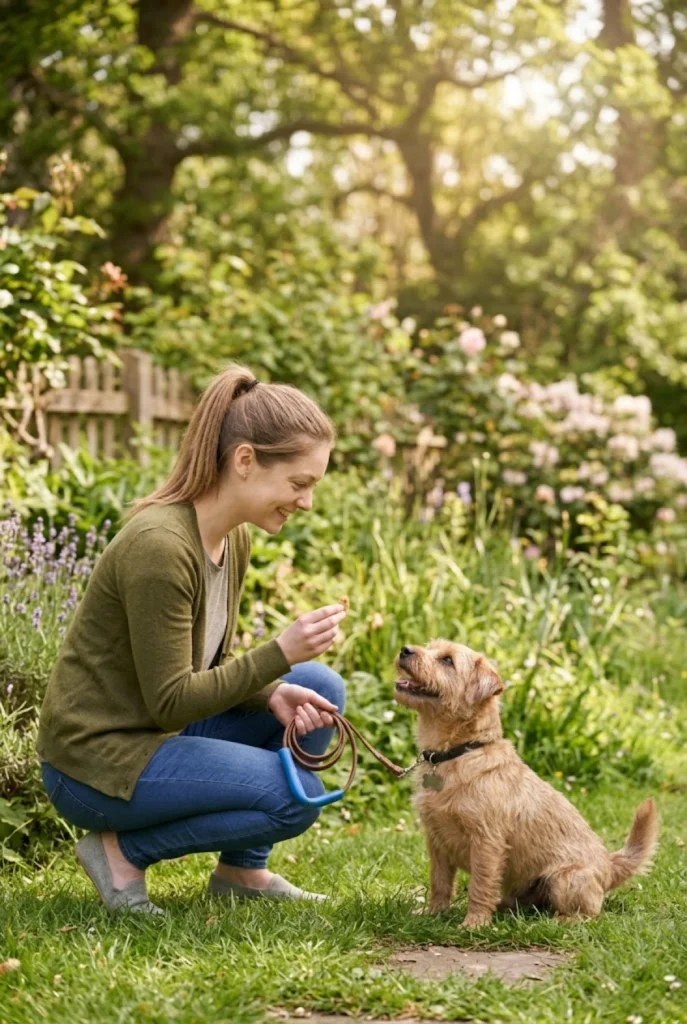
The third week’s review should combine familiar commands with the newer skills your dog has learned. Practice a few repetitions of sit, come, stay, mat settling, wait at doors, and attention around mild distractions. Use familiar environments for easier exercises and introduce only one new challenge at a time. End sessions with a behavior your dog can perform successfully.
Think about the progress your dog has made rather than comparing them with other dogs. One dog may learn loose-leash walking quickly but need extra time to settle alone. Another may be confident with grooming but struggle with outdoor distractions. Adjust the plan to suit your dog’s needs. If progress stalls, simplify the exercise, increase rewards, and allow more rest between sessions.
Week 4: Strengthen Skills for Everyday Life
The final week focuses on making training useful outside formal practice sessions. Continue rewarding good decisions, gradually introduce new settings, and work on the skills your dog finds most challenging. Some dogs may need more than thirty days to develop reliable behavior, and that is perfectly normal.
Day 22: Practice Recall in a Secure Outdoor Area
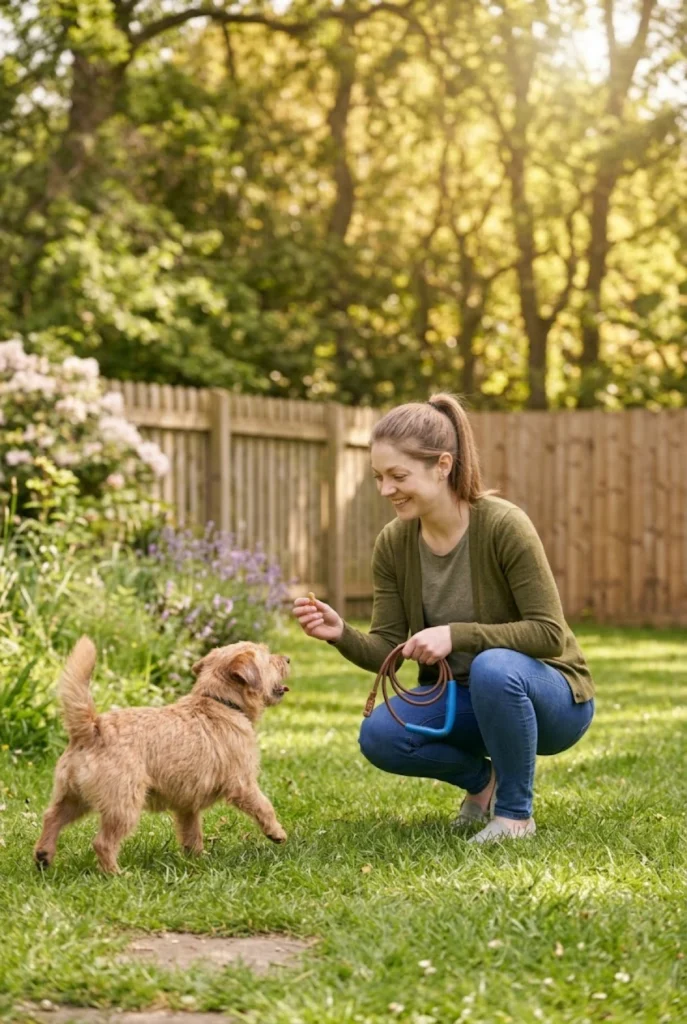
Take your recall training to a quiet, securely enclosed outdoor space. Begin at a short distance and call your dog using the same cheerful cue you practiced indoors. Reward them generously when they return. Let your dog resume safe exploration afterward when appropriate, helping them learn that coming to you does not always mean the fun ends.
Outdoor environments contain many distractions, so do not expect the same response you get in the living room. If your dog struggles, reduce the distance and use higher-value rewards. In an unenclosed area, keep your dog on a suitable leash or long line and follow local leash rules. Never test recall near traffic, wildlife, or other hazards while your dog is still learning.
Day 23: Improve Leash Walking on Quiet Streets
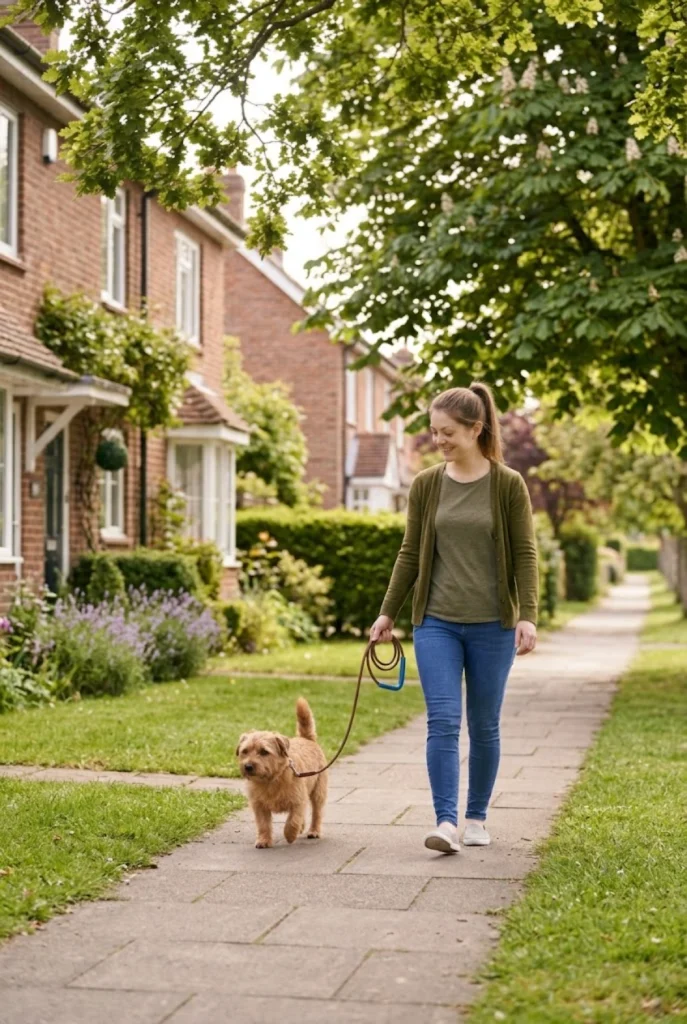
Today, practice walking on a quiet street or low-traffic path where your dog can learn without being overwhelmed. Begin with a few steps of loose-leash walking and reward your dog when they remain near you. Let them pause to sniff in appropriate places, and maintain enough distance from people, vehicles, and other dogs to keep the experience comfortable.
If your dog starts pulling, stop safely or turn in another direction when appropriate. Avoid forcing your dog toward unfamiliar people or animals. Keep the first outdoor sessions short and return to a familiar location if your dog appears stressed. Gradually increasing the difficulty helps your dog transfer leash skills from indoor practice to real-world walks.
Day 24: Teach Your Dog to Relax While You Work
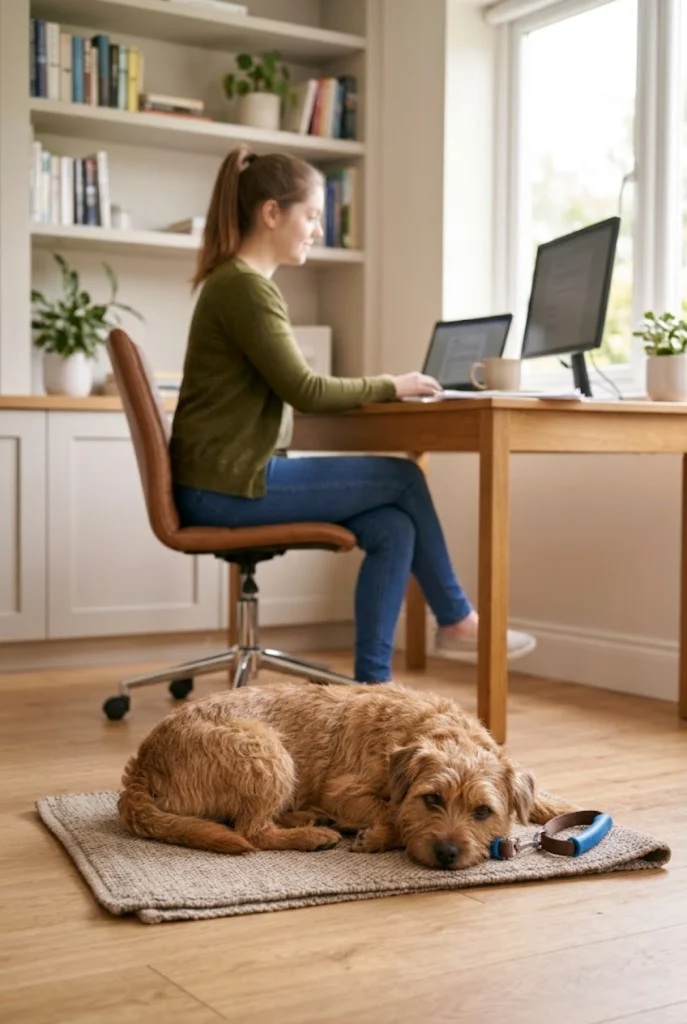
Dogs need to learn that not every moment involves play or attention. Set up a comfortable mat near your workspace and reward your dog for lying down or resting quietly. Provide an appropriate chew or food puzzle when suitable, and schedule regular opportunities for toileting, exercise, and interaction. Begin with short periods and increase the duration gradually.
If your dog repeatedly barks, paws at you, or cannot settle, check whether they need something before assuming they are being disobedient. Puppies may need more frequent potty breaks and naps, while some adult dogs need additional enrichment. A quiet work routine should meet your dog’s physical and emotional needs rather than simply suppressing normal behavior. Rewarding calm moments helps your dog learn how to relax independently.
Day 25: Reduce Attention-Seeking Jumping and Barking
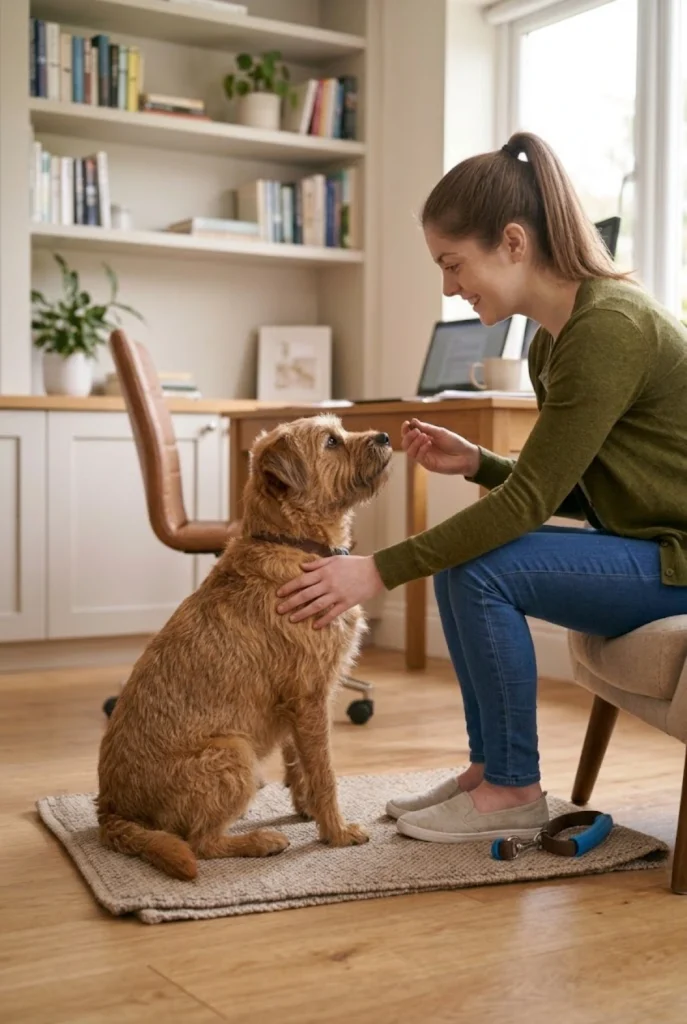
Dogs may bark or jump to request attention, especially when they are excited or have learned that these behaviors make people react. First, identify the reason for the behavior. Provide appropriate exercise, enrichment, toilet breaks, and interaction. Reward your dog for choosing calmer alternatives, such as sitting, touching your hand, or settling on a mat.
Avoid assuming all barking has the same cause. Dogs may bark because they are frightened, frustrated, alerting to a sound, or distressed when left alone. Punishment can make some of these situations worse. If your dog barks at a trigger, increase distance and reward calm observation when possible. Persistent barking, sudden behavioral changes, or signs of distress may require advice from a veterinarian or qualified behavior professional.
Day 26: Build Positive Experiences With Other Dogs
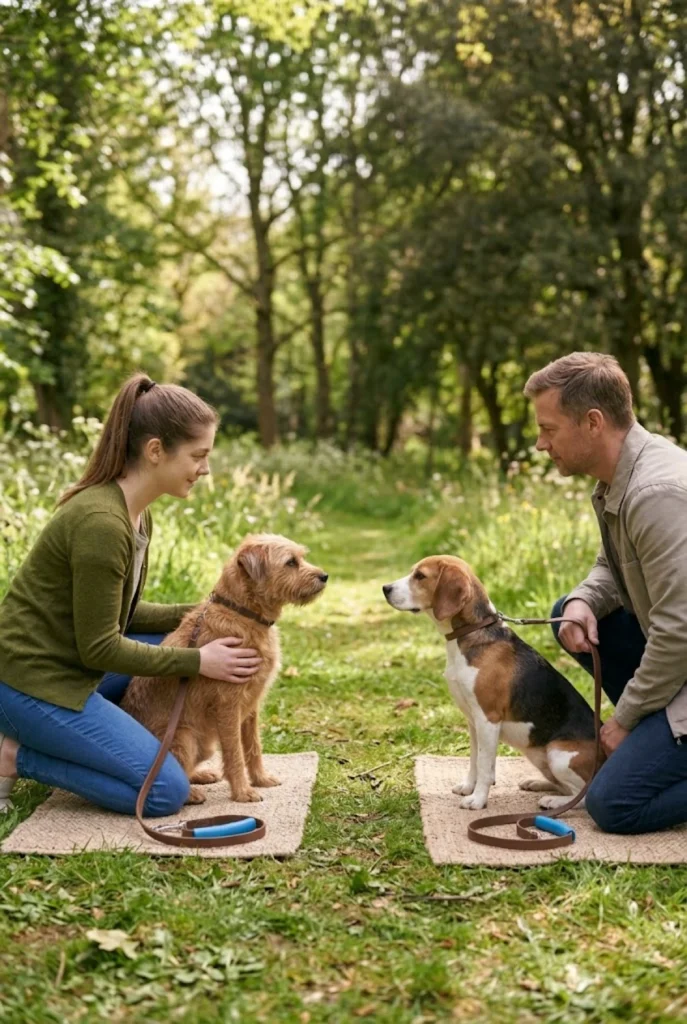
Learning to behave calmly around other dogs is valuable, but socialization does not mean greeting every dog. Begin at a comfortable distance where your dog can notice another dog without becoming overwhelmed. Reward your dog for looking calmly, turning back toward you, or choosing to move away. Keep interactions optional and prioritize relaxed body language.
If you arrange a greeting, choose a calm, healthy, compatible dog and a safe environment. Avoid forcing face-to-face contact, tightening the leash unnecessarily, or allowing dogs to crowd one another. Puppies should follow veterinary guidance regarding vaccination and safe socialization opportunities. If your dog lunges, growls, freezes, or appears frightened around other dogs, increase distance and seek professional guidance rather than forcing closer contact.
Day 27: Introduce Safe Alone-Time Practice
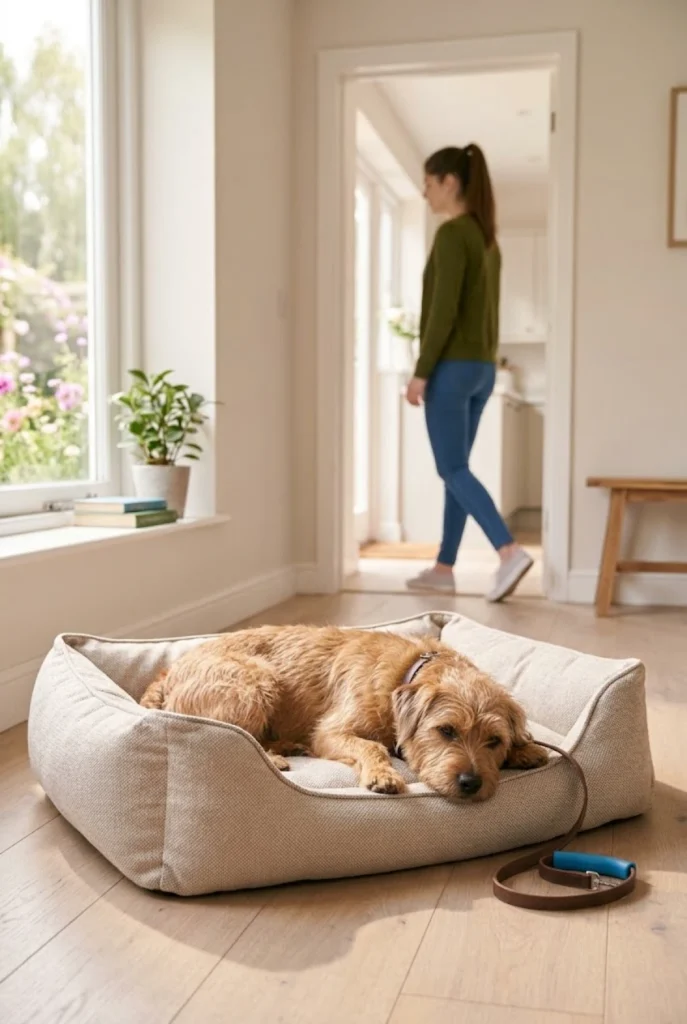
Learning to spend time alone can help dogs adjust to normal household routines. Start with a comfortable resting area and very brief separations that your dog can handle without distress. Reward calm behavior and return before your dog becomes overwhelmed. Gradually vary the duration only when the current step remains comfortable. Provide water, a safe environment, and suitable enrichment when appropriate.
Watch for signs of separation-related distress, such as persistent barking, pacing, drooling, destructive escape attempts, or panic when you prepare to leave. If these occur, do not simply extend the time alone in the hope that your dog will adapt. Reduce the difficulty and consult a veterinarian or qualified behavior professional. Puppies and newly adopted dogs may need gradual practice and reliable care arrangements rather than long periods alone.
Day 28: Practice Training in a New Environment
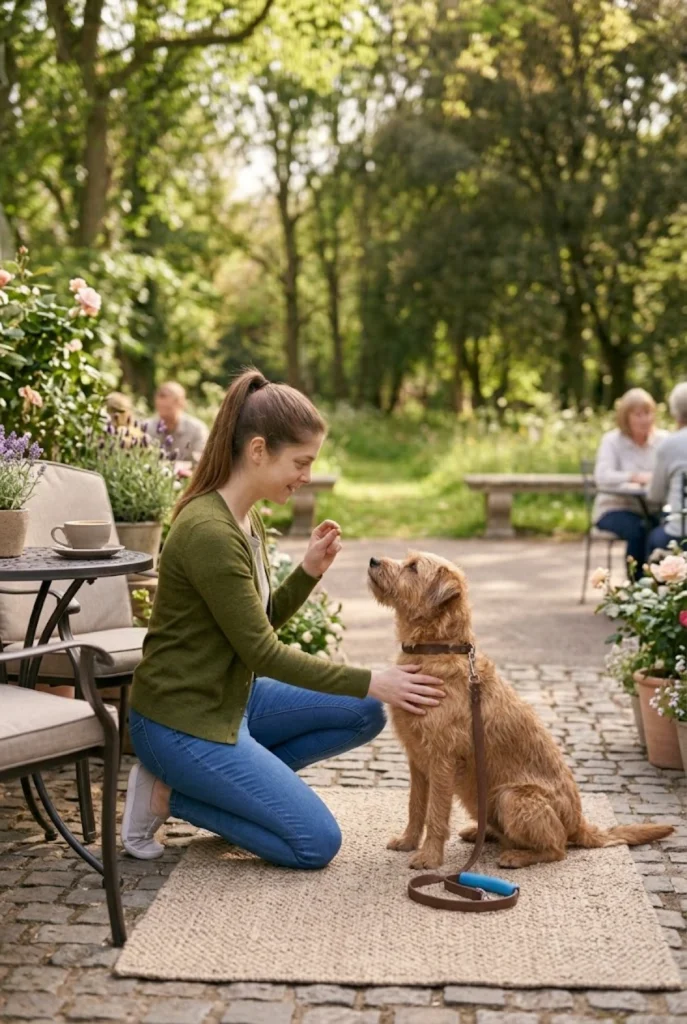
Dogs need help learning that familiar commands apply in different places. Choose a quiet, dog-friendly location where you can control the distance from distractions. Practice simple skills such as responding to their name, sitting, checking in with you, or walking a few steps on a loose leash. Reward frequently because a new environment can make even easy exercises more challenging.
Avoid taking your dog directly into a crowded event or busy dog park just to test their training. Introduce new places gradually and let your dog observe from a comfortable distance. If they struggle to respond, return to an easier setting. Success in a new environment means your dog remains comfortable and can engage with you, even if they need more help than they did at home.
Day 29: Review Your Dog’s Strongest and Weakest Skills
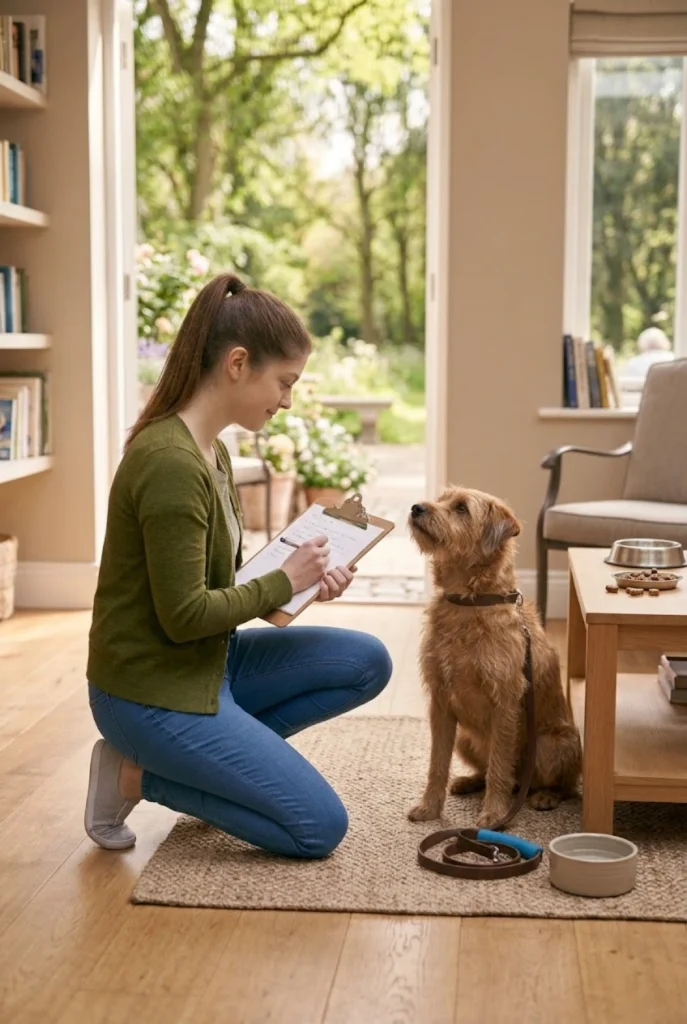
Use day twenty-nine to assess your dog’s progress across the entire 30-Day Dog Training Plan. Choose several essential skills, including name recognition, sit, come, potty routines, loose-leash walking, and settling calmly. Observe what your dog can do reliably and where they still need help. Keep the assessment positive and avoid repeatedly testing a skill after your dog becomes tired or frustrated.
Write down two or three skills that need the most attention over the next month. For example, your dog may respond well to sit and down but struggle with recall around distractions. You can continue recall practice in easier environments before increasing the challenge. Training is a long-term process, so identifying the next steps is more useful than expecting every behavior to be perfect by day twenty-nine.
Day 30: Celebrate Progress and Create a Long-Term Routine
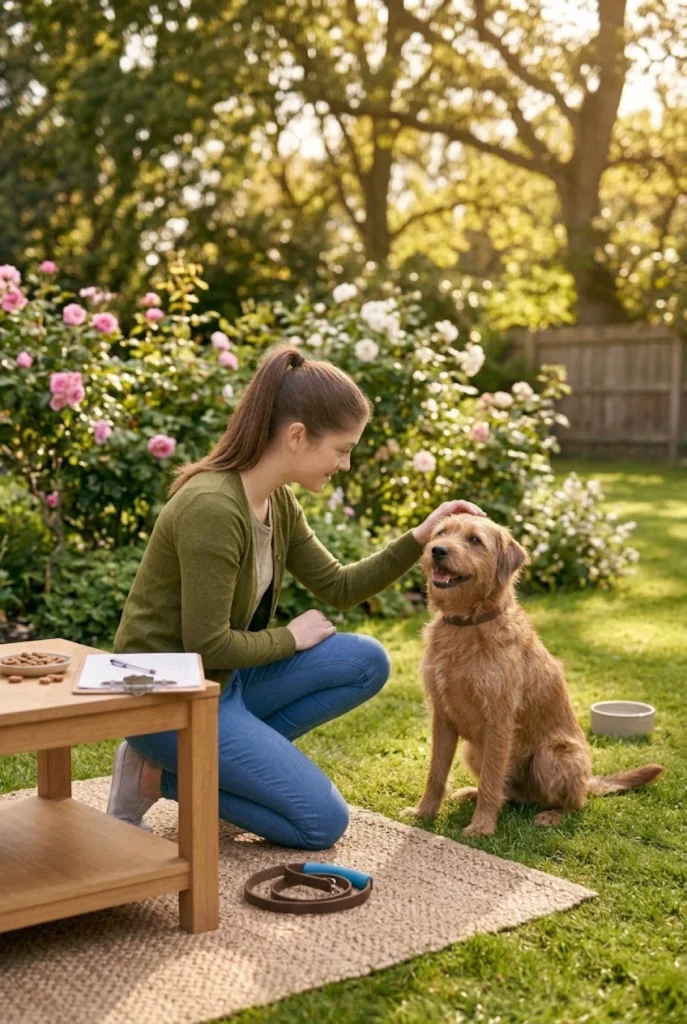
The final day is an opportunity to recognize the habits you and your dog have built. Practice a few familiar commands, enjoy a relaxed walk, and reward your dog for everyday behaviors such as coming when called in a safe setting, settling on a mat, or waiting calmly for a meal. Keep the session enjoyable instead of turning it into a demanding final examination.
Create a sustainable routine for the next thirty days. Continue short training sessions, provide daily enrichment and suitable exercise, maintain potty habits, and reinforce the commands that matter most in your household. If a skill is not reliable yet, keep practicing at an easier level. Your dog does not need to master every behavior in a month to benefit from consistent, reward-based training.
Final Thoughts
The 30-Day Dog Training Plan gives new owners a practical starting point for building essential skills without making training unnecessarily complicated. By dividing learning into manageable daily exercises, you can work on communication, potty training, basic obedience, leash manners, confidence, and calm behavior.
Remember that the real goal is not to finish every exercise perfectly within thirty days. It is to develop a routine that helps your dog feel safe, understand your expectations, and enjoy learning with you. Celebrate small improvements, adjust the difficulty when necessary, and keep practicing the skills that matter most in everyday life. With patience and positive reinforcement, you can continue building a strong relationship with your dog long after the first month ends.