
10 Puppy Walking Skills to Practice Before Long Walks
Long walks with your puppy can become some of the happiest moments of your day, but good walks start with good training. Before expecting your puppy to handle a long neighborhood walk, busy sidewalk, or exciting park, it is important to build the right foundation.
The best Puppy Walking Skills are not complicated. Your puppy needs to learn how to follow you, respond to simple cues, wear walking equipment comfortably, stay focused around distractions, and move with a loose leash. Practicing these skills gradually can make future walks calmer, safer, and much more enjoyable.
1. Teach Your Puppy to Wear a Collar or Harness
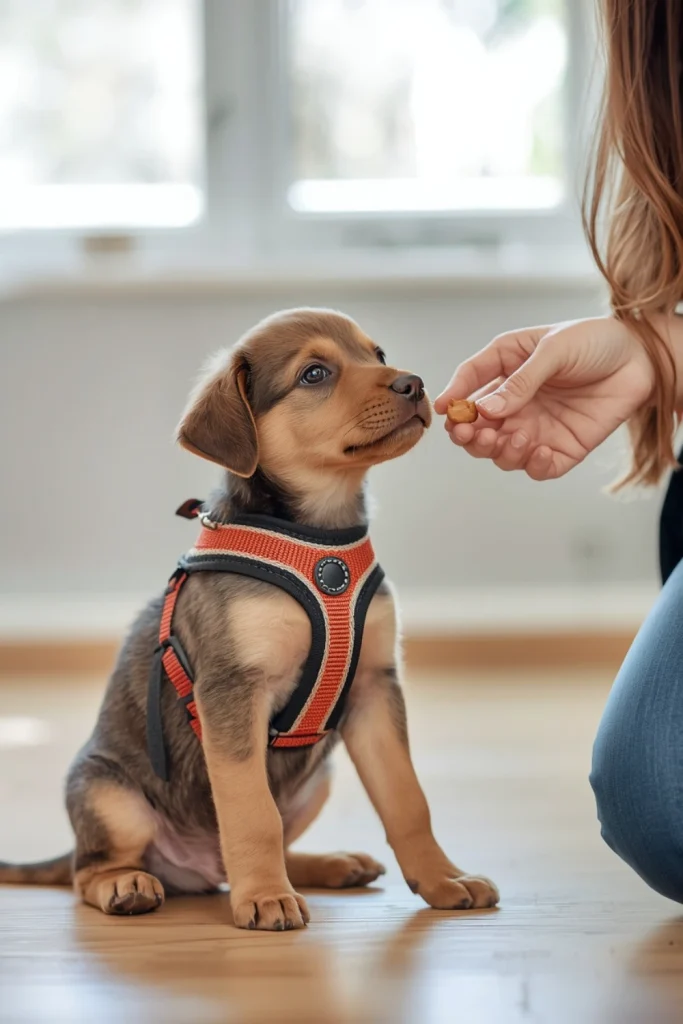
One of the first Puppy Walking Skills to practice is becoming comfortable with walking equipment. Puppies may initially scratch at a collar, bite a harness, or try to remove anything attached to their body. Introducing the equipment gradually can help prevent these reactions from becoming a problem during outdoor walks.
Start by allowing your puppy to investigate the collar or harness before putting it on. Give praise and a small reward when your puppy remains calm while wearing it. Keep the first sessions short, and make sure the equipment fits correctly without rubbing or restricting movement. Once your puppy can comfortably wear it indoors, begin practicing short movements around the home.
2. Practice Walking With a Loose Leash
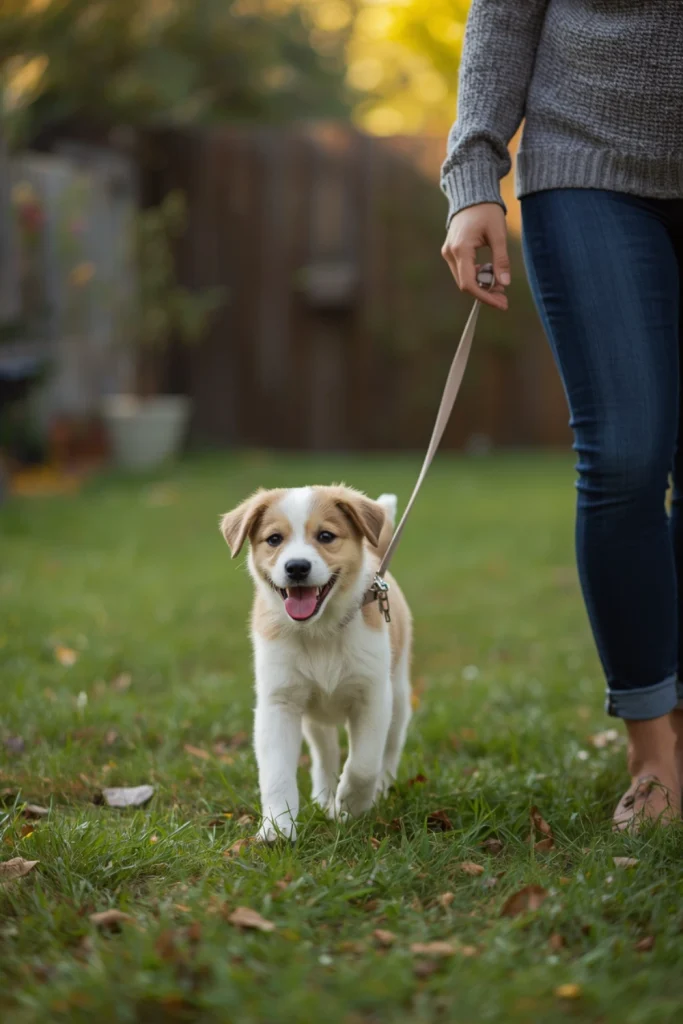
Teaching your puppy not to constantly pull is one of the most important Puppy Walking Skills before attempting longer walks. Start in a quiet room or secure backyard where there are few distractions. Attach the leash and take just a few steps with your puppy.
Whenever your puppy walks near you and the leash remains loose, reward the behavior immediately. If the puppy moves ahead and creates tension, calmly stop and wait for the leash to become loose again. Avoid turning the exercise into a tug-of-war. The goal is to teach your puppy that a relaxed leash allows the walk to continue, while pulling does not make the puppy move faster.
3. Teach Your Puppy to Follow You
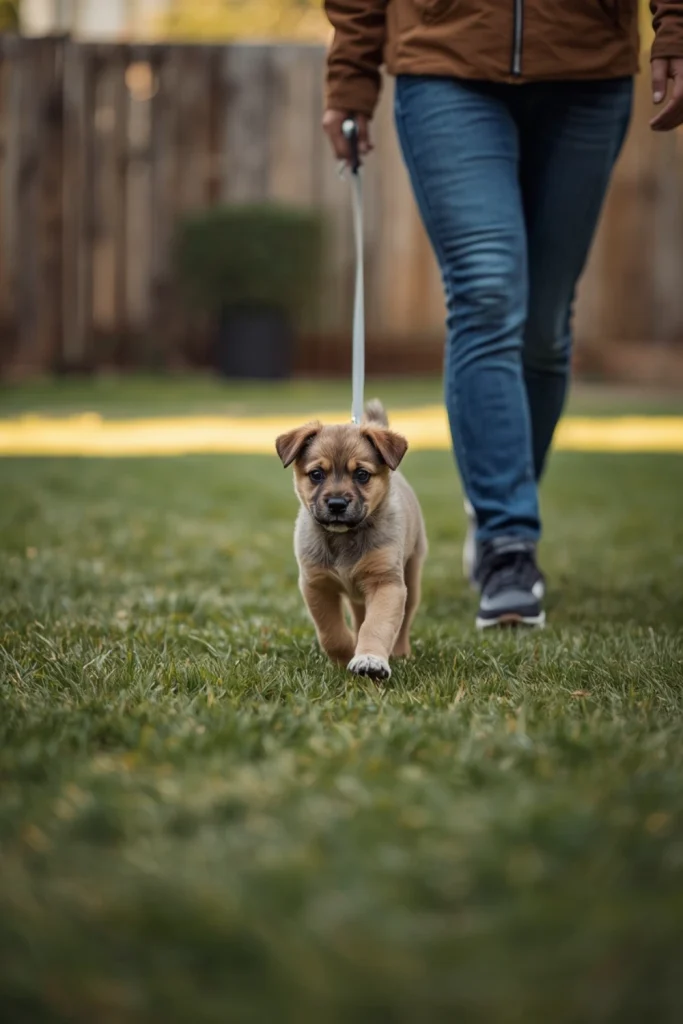
A puppy that understands how to follow its owner is easier to guide during walks. Before introducing busy outdoor environments, practice walking around your home or yard and encourage your puppy to stay aware of where you are going.
Take a few steps away from your puppy and encourage it to follow. Reward the puppy when it catches up and walks beside you. You can make the exercise fun by changing direction gently and praising your puppy for noticing your movement. This helps build a connection between your movements and your puppy’s behavior. Over time, following you can become a natural part of your puppy’s walking routine.
4. Practice Responding to Your Puppy’s Name
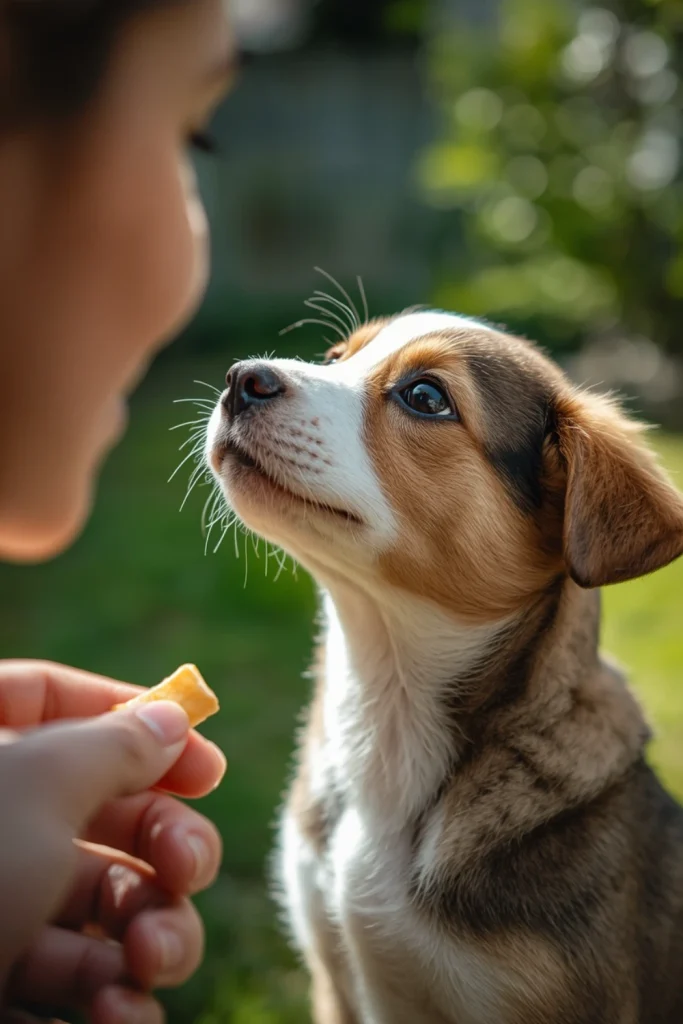
A reliable response to its name is an extremely useful skill for a puppy. During walks, your puppy will encounter many interesting smells, sounds, people, animals, and objects. Being able to get your puppy’s attention can make it much easier to guide the puppy safely.
Start inside your home by saying your puppy’s name in a cheerful, clear voice. When the puppy looks toward you, immediately reward it. Repeat the exercise in different rooms and then move outdoors to a quiet area. Gradually introduce distractions while continuing to reward your puppy for responding. Avoid repeatedly saying the name when your puppy is unlikely to respond. You want the name to become a positive signal that encourages attention.
5. Teach a Reliable “Come” Cue
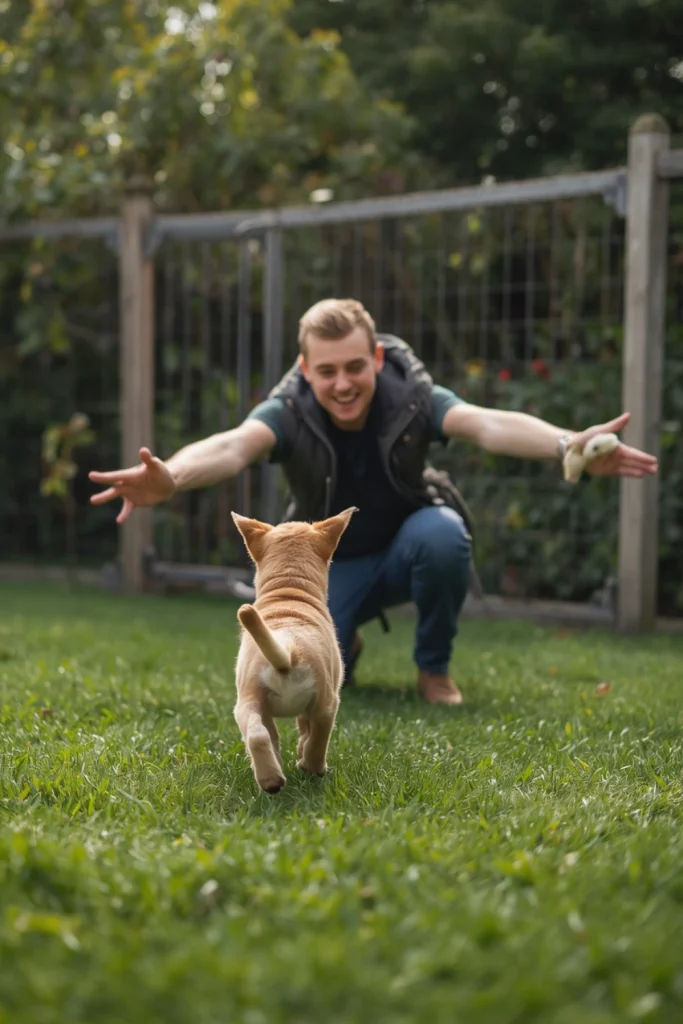
A good recall is another essential part of Puppy Walking Skills. Teaching your puppy to come when called can provide an important layer of safety, especially when practicing in secure areas. Although recall training takes time, starting early gives your puppy a valuable foundation.
Begin indoors or in a securely enclosed space. Say your chosen recall cue in a happy voice and encourage your puppy to move toward you. When the puppy arrives, reward generously with praise, treats, or a favorite toy. Never punish your puppy after calling it to you, even if it took a long time to respond. You want your puppy to learn that coming to you is always a positive experience.
6. Practice “Stop” and “Wait” Skills
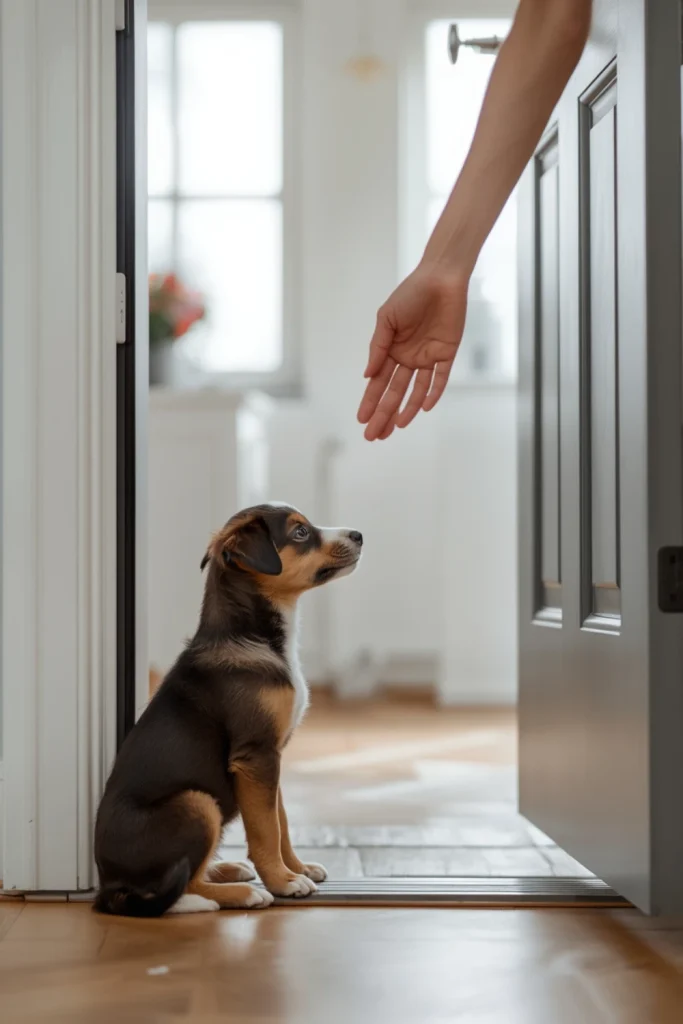
Puppies are naturally curious and may rush toward exciting things. Teaching simple impulse-control cues such as “wait” can help prepare your puppy for real-world walking situations. These skills can be useful around doors, sidewalks, crossings, and other situations where rushing could create a safety concern.
Begin with very easy exercises at home. Ask your puppy to wait for a few seconds before giving permission to move. Gradually increase the waiting time while rewarding calm behavior. Keep the sessions short because puppies have limited attention spans. The purpose is not to make your puppy stay still for long periods but to gradually teach self-control and patience.
7. Practice Walking Past Mild Distractions
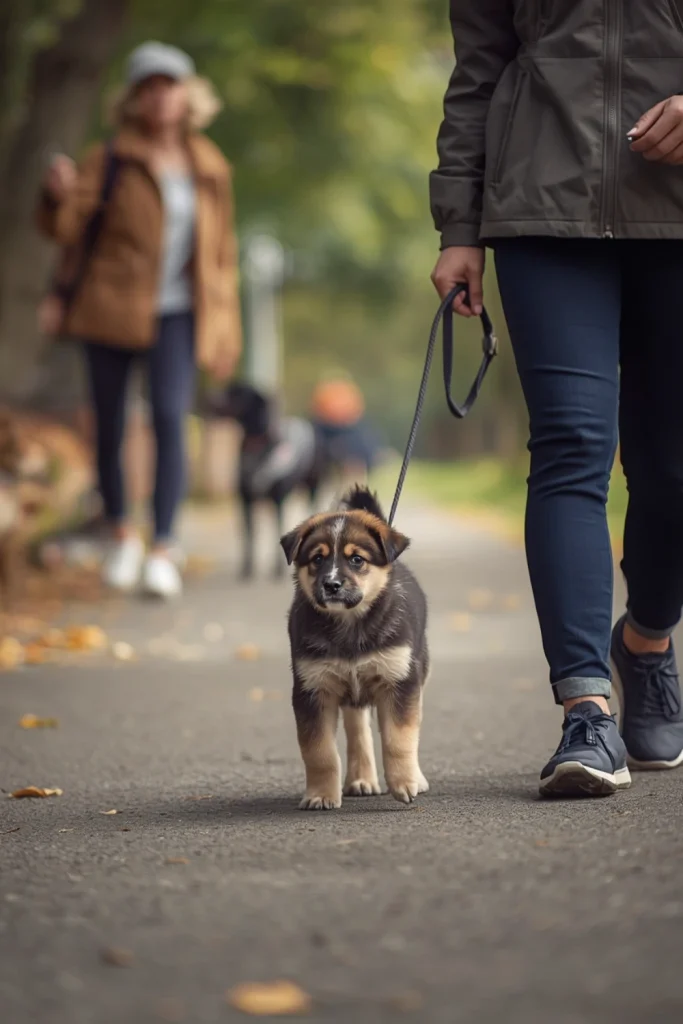
A puppy may behave perfectly inside the house but become distracted as soon as it sees a bird, person, bicycle, another dog, or interesting smell. Preparing your puppy for distractions before attempting long walks can make outdoor training much easier.
Start with mild distractions that your puppy can handle without becoming overly excited. Keep enough distance so your puppy can still focus on you. Reward calm behavior and gradually introduce more challenging situations. If your puppy becomes too excited, move farther away and try again. This gradual approach teaches your puppy that interesting things can exist nearby without requiring pulling, jumping, or rushing toward them.
8. Teach Your Puppy to Walk Past People Calmly
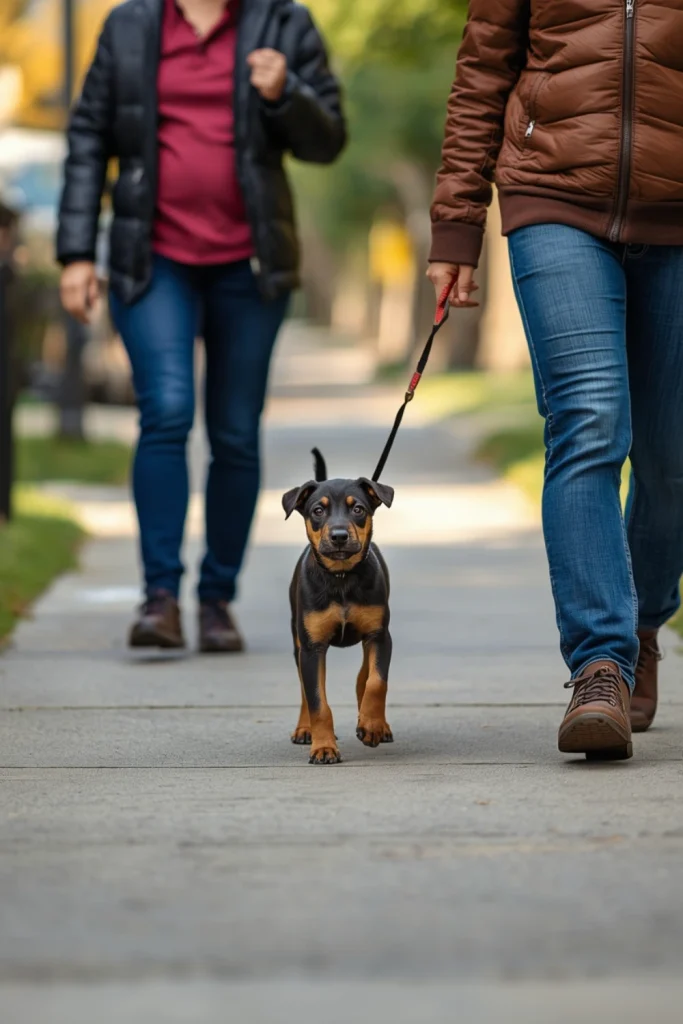
Puppies often become excited when they see people. They may pull toward strangers, jump up, bark, or try to greet everyone they see. While friendly socialization is important, your puppy also needs to learn that it does not have to greet every person during a walk.
Practice with calm people your puppy already knows before working around strangers. Reward your puppy for walking past without pulling. If your puppy wants to approach someone, you can decide when a greeting is appropriate rather than allowing the puppy to drag you toward the person. Teaching this skill early can help create more polite walking habits and make busy public environments easier to manage.
9. Practice Calm Walking Around Other Dogs
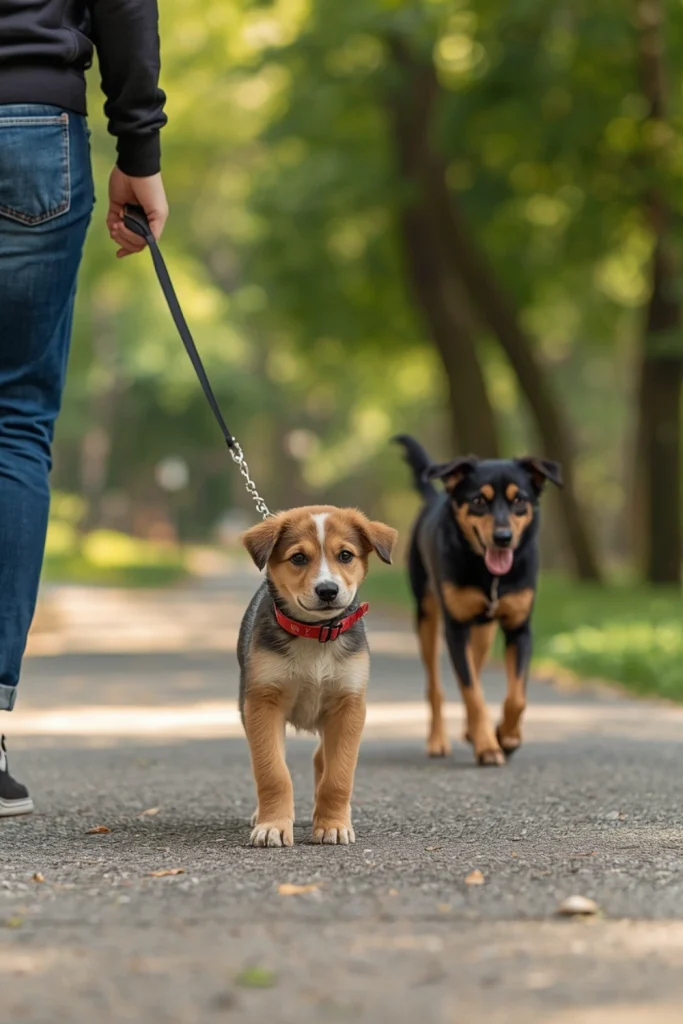
Other dogs can be one of the biggest distractions for puppies. Some puppies become extremely excited and pull toward every dog they see, while others may become nervous or uncomfortable. Learning to remain calm around other dogs is an important part of building reliable Puppy Walking Skills.
Start at a distance where your puppy can notice another dog without becoming overwhelmed. Reward calm behavior and attention toward you. Gradually practice closer to other dogs as long as your puppy remains comfortable. Avoid forcing interactions. Your puppy does not need to greet every dog. Teaching your puppy that calmly passing another dog is a normal part of walking can make future outings much easier.
10. Practice Short Outdoor Walks Before Long Walks
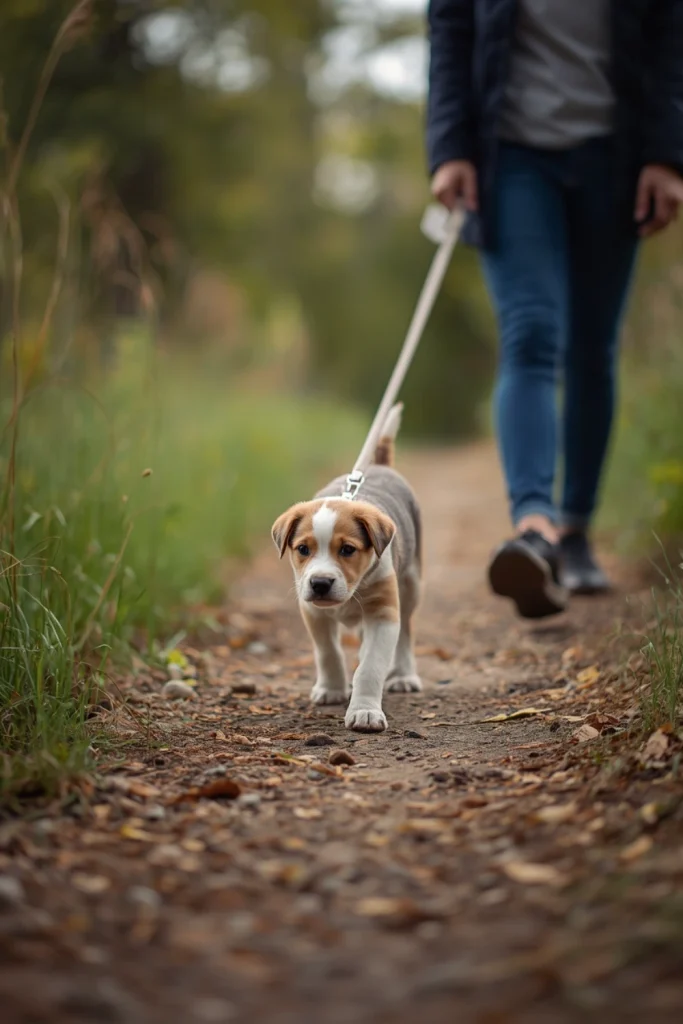
Before taking your puppy on a long walk, build endurance and walking experience gradually. Puppies are still developing physically, and the amount of exercise they can safely handle varies depending on factors such as age, breed, size, health, and individual development. Longer walks should not be introduced simply because your puppy seems energetic.
Start with short, age-appropriate outings and focus on quality rather than distance. Give your puppy opportunities to stop, sniff, observe, and rest. Watch for signs that your puppy is becoming tired or overwhelmed. Your veterinarian can provide guidance about appropriate exercise for your individual puppy. Building walking skills gradually allows your puppy to develop confidence without making every outing physically or mentally exhausting.
Final Thoughts
Building strong Puppy Walking Skills before attempting long walks can make a major difference in your puppy’s future behavior. Start with simple exercises such as wearing a harness, walking with a loose leash, responding to its name, following you, and coming when called. Then gradually introduce people, dogs, smells, and other distractions.
Remember that puppies learn at different speeds. Keep training positive, consistent, and age-appropriate. Short successful sessions can build confidence much faster than overwhelming your puppy with a difficult environment. With patience and regular practice, your puppy can develop the skills needed for calmer, safer, and more enjoyable walks as it grows.