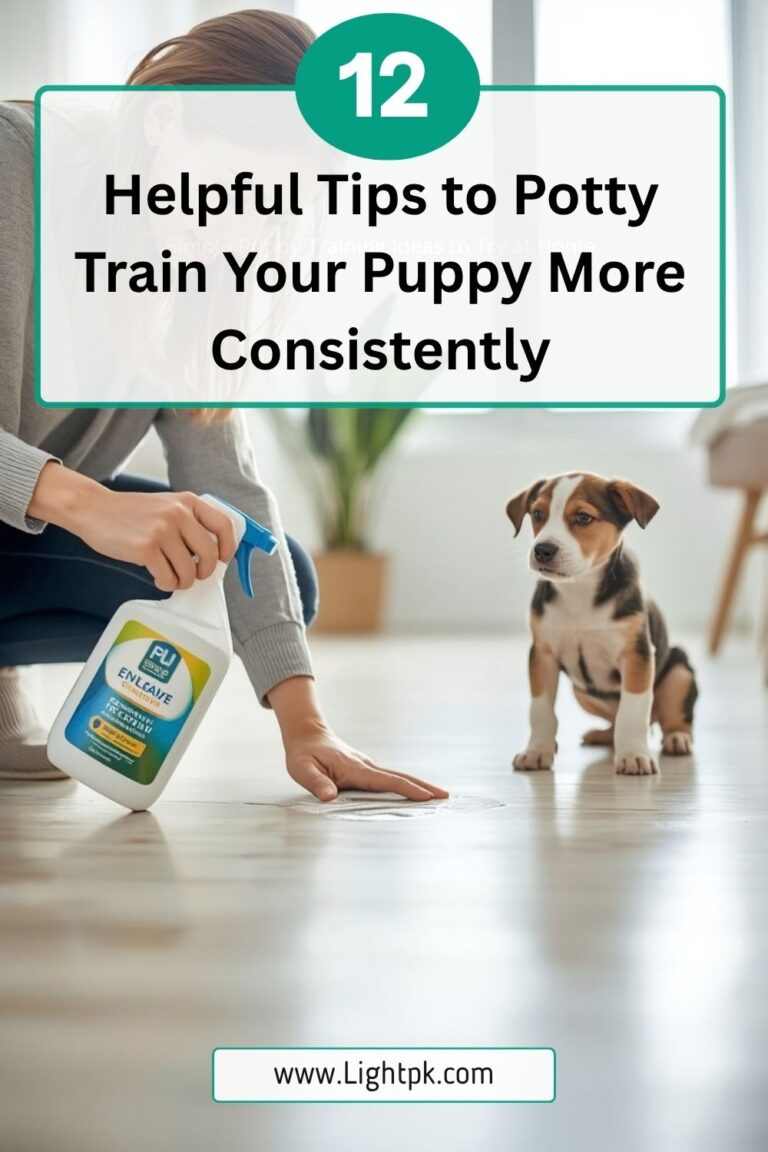
A Simple Puppy Obedience Schedule for Beginners
Bringing home a puppy is an exciting experience, but teaching your new furry friend good manners can sometimes feel overwhelming. From learning to sit and stay to developing reliable recall and walking politely on a leash, puppies need patience, consistency, and a clear routine. The good news is that you do not need hours of training every day to help your puppy succeed.
A simple Puppy Obedience Schedule can make training easier for beginners by breaking important lessons into short, manageable sessions. With a balanced daily routine that includes obedience practice, potty breaks, playtime, meals, and rest, you can help your puppy build confidence, learn essential commands, and develop positive habits that last a lifetime.
1. Start the Morning With a Potty Break
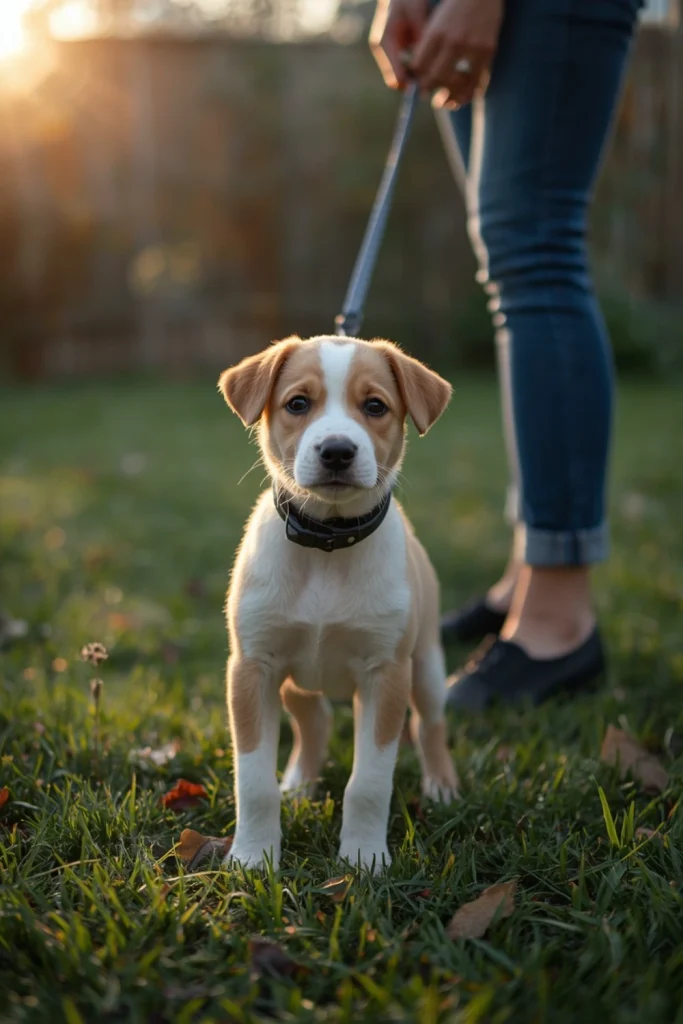
The first activity of the day should usually be a potty break. Young puppies often need to relieve themselves immediately after waking up, so take yours to the designated outdoor toilet area or appropriate indoor potty spot. Use a consistent phrase, such as “go potty,” and calmly reward your puppy after they finish in the correct place.
Morning potty breaks also create an opportunity to introduce the idea of following a routine. Keep the trip calm and focused rather than turning it into an exciting play session. If your puppy does not go, supervise them closely and try again shortly afterward. Avoid punishment for accidents because it can make puppies fearful or encourage them to hide when they need to eliminate.
2. Practice Name Recognition Before Breakfast
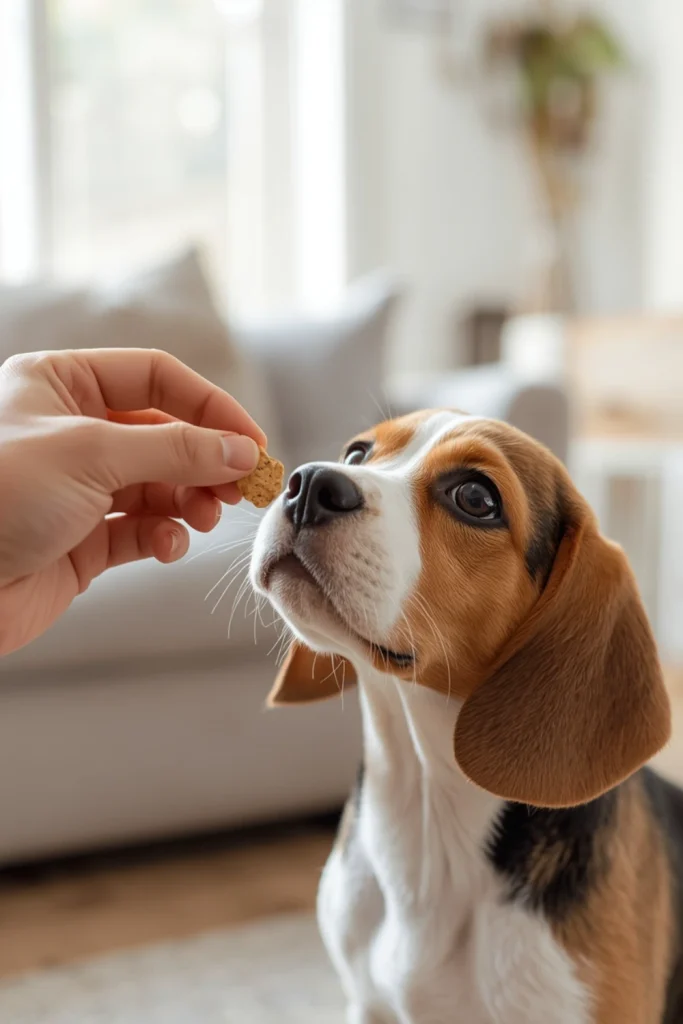
Once your puppy has had a potty break, spend a minute or two practicing name recognition. Say your puppy’s name once in a cheerful voice. When they look toward you, immediately praise them and offer a small treat. If they do not respond, move closer or make a gentle sound to encourage attention instead of repeating their name many times.
Name recognition is one of the most useful foundation skills because it helps your puppy learn to pay attention before you give another cue. Practice in a quiet room first, where there are few distractions. Gradually use the exercise in other safe areas as your puppy improves. Always try to make hearing their name a positive experience, never a signal that something unpleasant is about to happen.
3. Teach the Sit Command
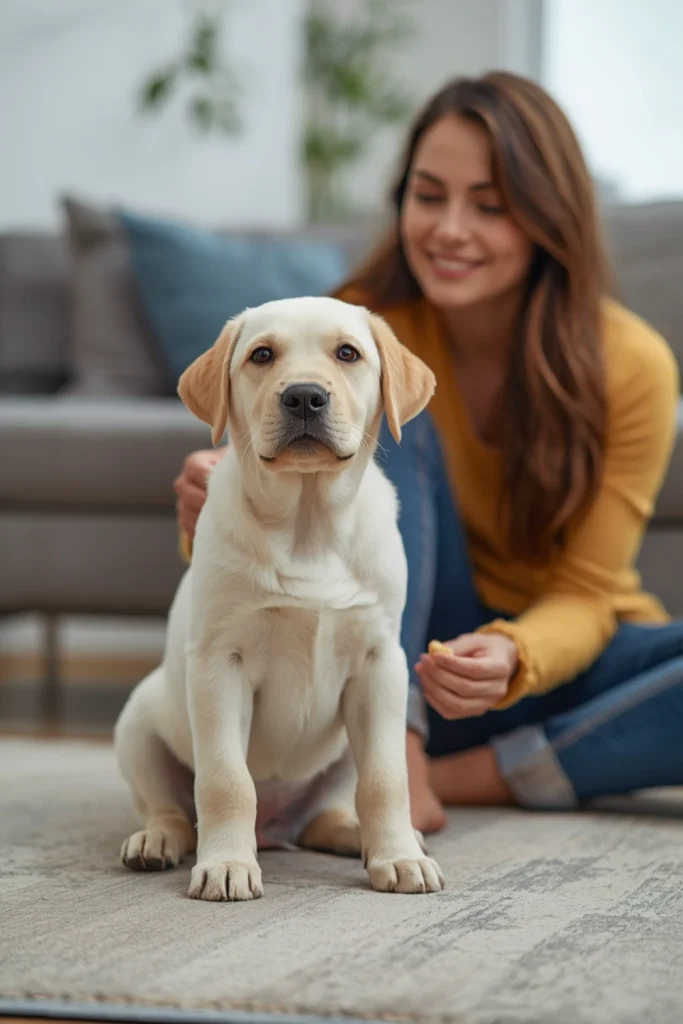
Teaching “sit” is an excellent first obedience exercise because it is simple, practical, and useful in everyday life. Hold a small treat near your puppy’s nose, then slowly move it upward and slightly back toward their head. As your puppy follows the treat, their bottom may naturally lower to the floor. The moment they sit, mark the behavior with a word such as “yes” and reward them.
After several successful repetitions, begin saying “sit” just before making the hand movement. Keep your puppy’s practice sessions short and positive. Do not push their body into position, as this can cause discomfort or confusion. Once your puppy understands the cue, practice sitting before meals, during calm greetings, and before attaching the leash for a walk.
4. Schedule a Short Recall Training Session
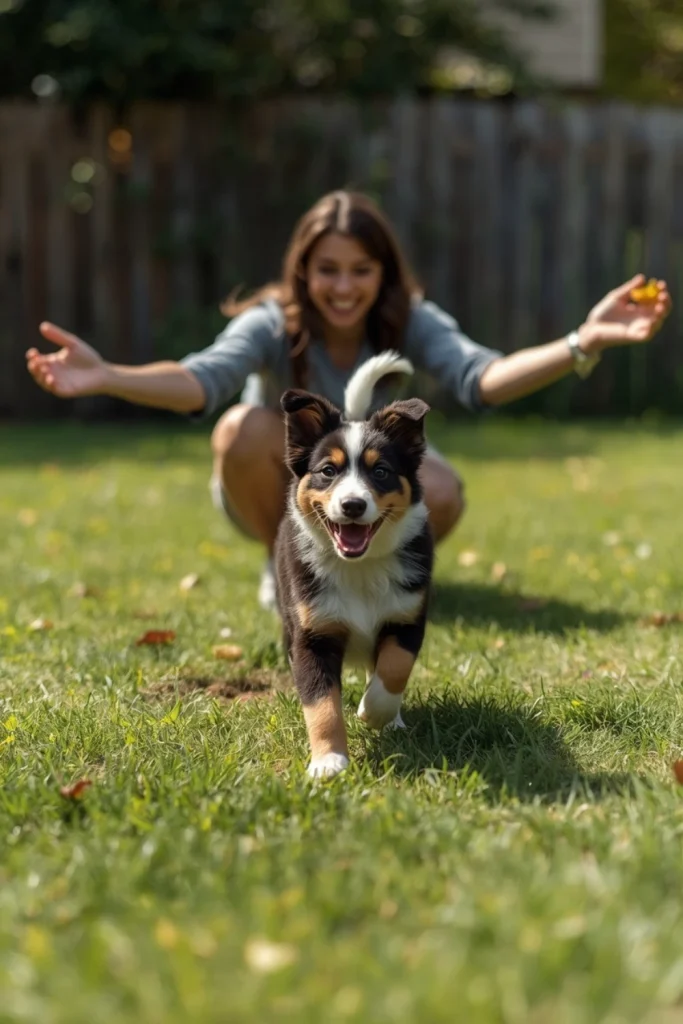
Recall means teaching your puppy to come to you when called. Start in a quiet, secure room or enclosed garden. Move a short distance away, say your puppy’s name followed by “come,” and use an inviting voice or crouch down to encourage them. When your puppy reaches you, reward them with a treat, praise, or a quick game.
Make coming to you rewarding and enjoyable. Avoid calling your puppy only when playtime ends or something unpleasant is about to happen. As your puppy becomes more reliable, practice at different distances and in new, controlled environments. Outdoors, use a secure fenced area or a long training line attached to a harness. Never rely on an unfinished recall around roads, traffic, or other hazards.
5. Use Breakfast as a Training Opportunity
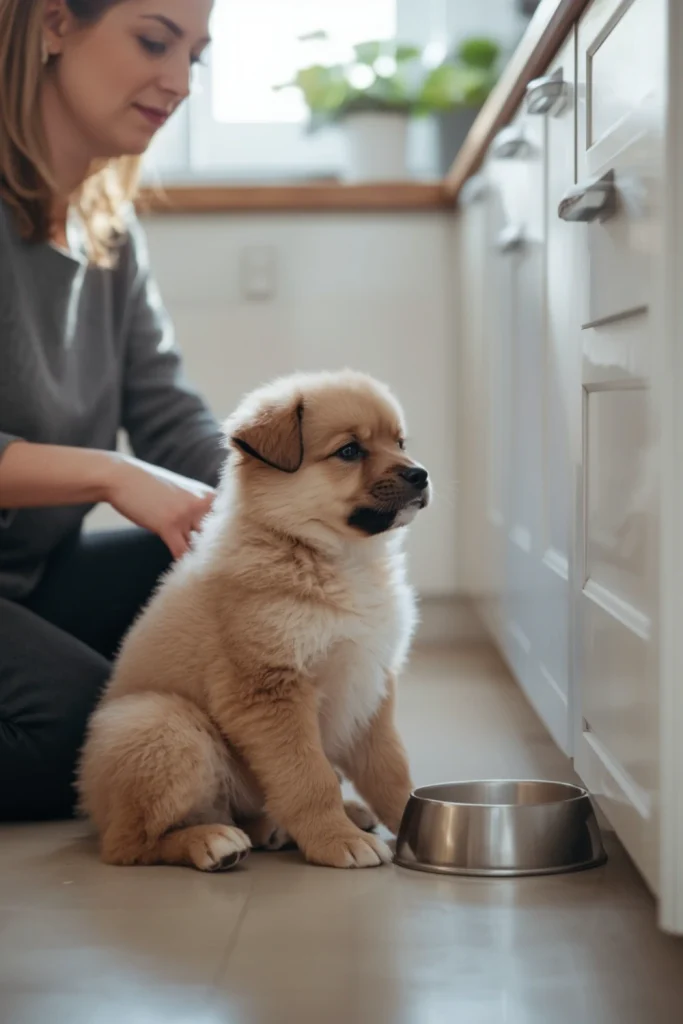
Your puppy’s breakfast can become part of the daily obedience schedule. Before putting the food bowl down, ask for an easy behavior your puppy already understands, such as looking at you or sitting. Reward the behavior by placing the bowl on the floor. If your puppy becomes overly excited, wait for a brief moment of calm before continuing.
This exercise teaches your puppy that polite behavior can make good things happen. Keep the process relaxed and avoid making your puppy wait for a long time, especially if they are very young or hungry. Use part of the puppy’s normal food allowance for simple training when appropriate. Make sure your puppy still receives enough balanced nutrition for healthy growth, and ask your veterinarian about suitable feeding amounts.
6. Introduce the Stay Command Gradually
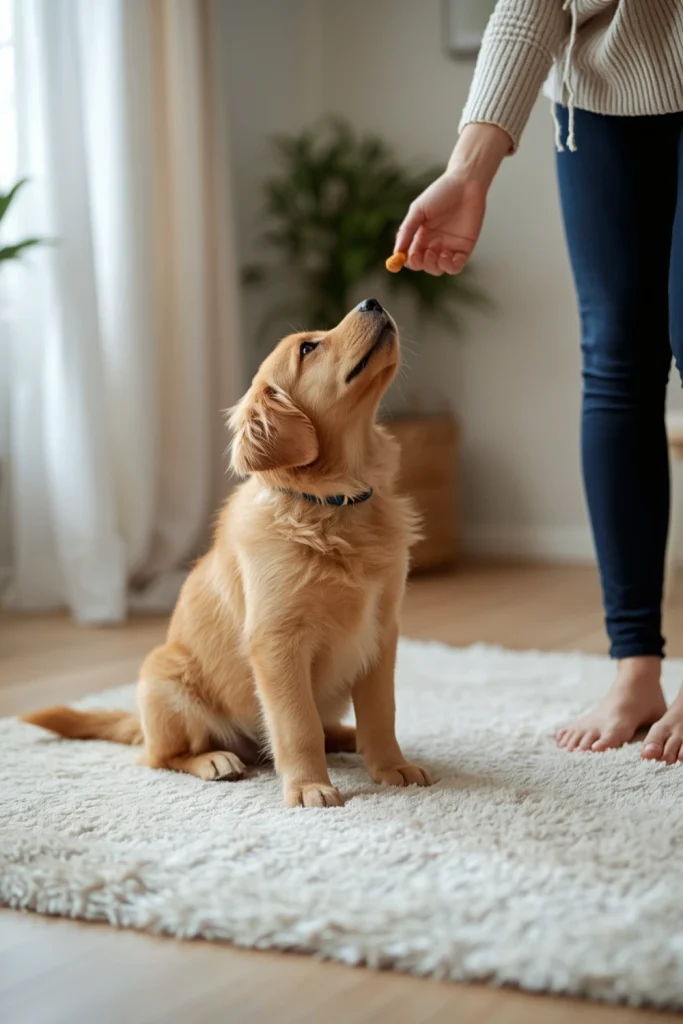
The “stay” command teaches your puppy to remain in one position until released. Begin by asking for a sit. Say “stay,” pause for just one second, and reward your puppy while they remain still. Use a consistent release word such as “okay” to tell your puppy that the exercise has ended.
Build duration slowly. When your puppy succeeds for one second, try two seconds before increasing the challenge. At first, remain close and avoid walking away. If your puppy gets up, calmly reset and make the next attempt easier. Puppies are still developing their ability to control impulses, so patience matters more than perfection. Keep practice brief and stop while your puppy is still interested.
7. Schedule a Calm Leash Introduction
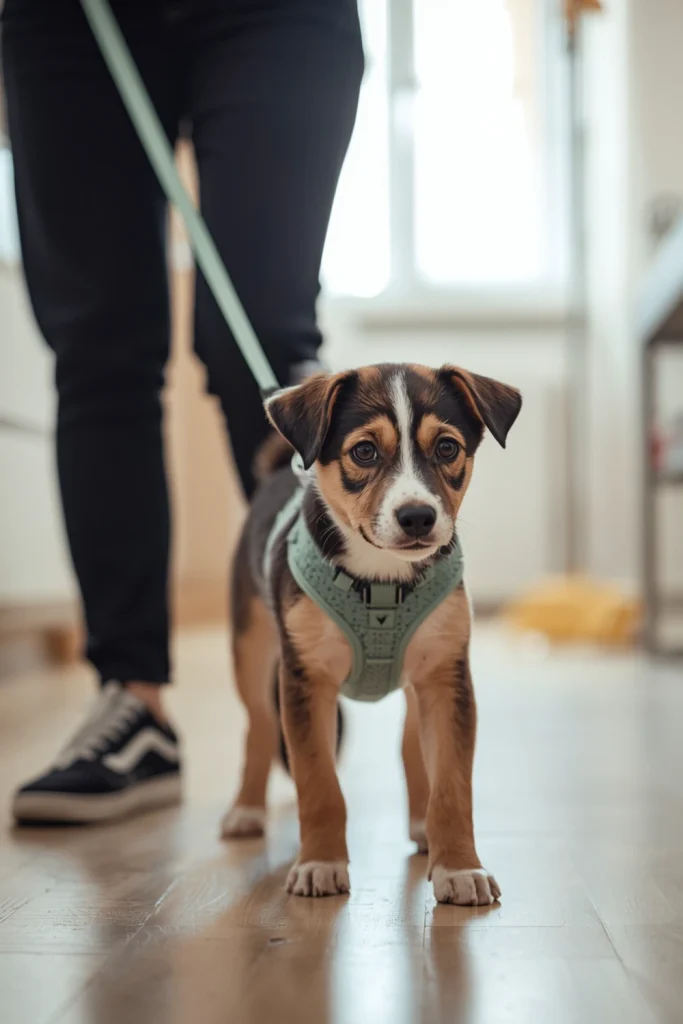
Leash training helps your puppy become comfortable wearing walking equipment and following you without pulling. Begin indoors by letting your puppy sniff a properly fitted harness or collar before putting it on. Reward calm behavior and attach a lightweight leash when your puppy seems comfortable. Allow them to walk a few steps beside you while you offer praise and small rewards.
Do not drag or jerk your puppy to make them move. If they freeze, investigate the leash, or become worried, give them time to adjust. Keep early sessions short and enjoyable. Before walking outdoors, ensure your puppy is appropriately vaccinated and follow your veterinarian’s advice about safe public areas. The aim is to build positive associations with the leash, not to complete a long walk immediately.
8. Practice Leave It With Safe Objects
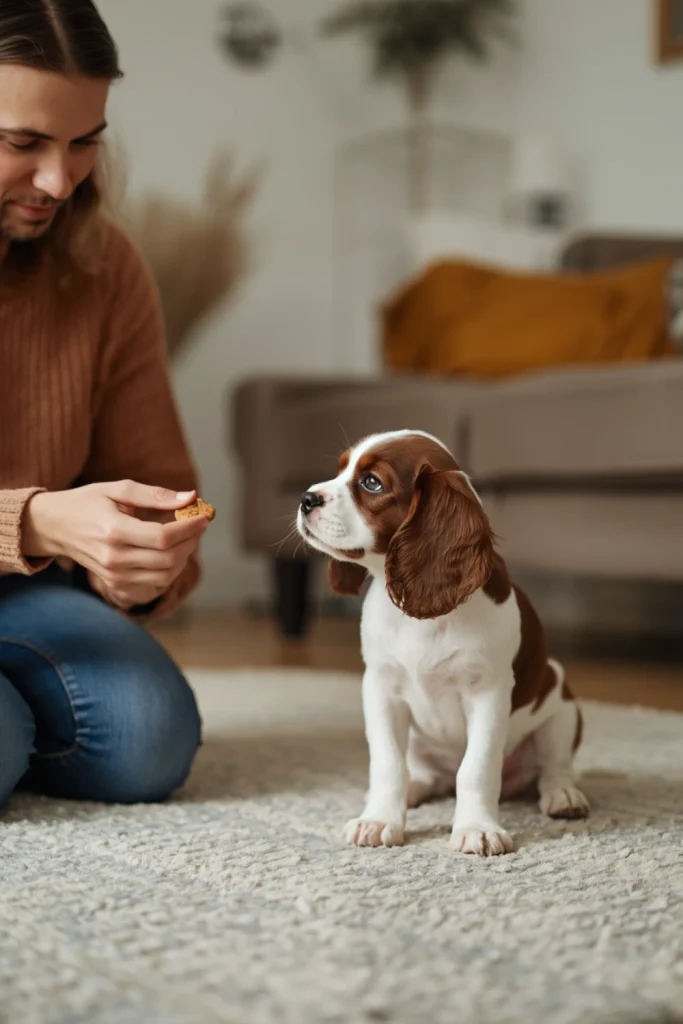
The “leave it” cue teaches your puppy to turn away from something they should not investigate or pick up. Begin with a low-value object or a treat enclosed in your hand. Allow your puppy to sniff without giving them access to the item. The moment they turn away or stop investigating, praise them and reward them with a different treat from your other hand.
Keep the first lessons simple and do not place dangerous objects within reach just to test your puppy. As the behavior improves, practice with safe items at a distance while supervising closely. This skill can help with everyday situations involving dropped food, household objects, and outdoor distractions. However, it does not replace careful supervision or secure storage of hazardous items.
9. Add Short Training Breaks Between Play Sessions
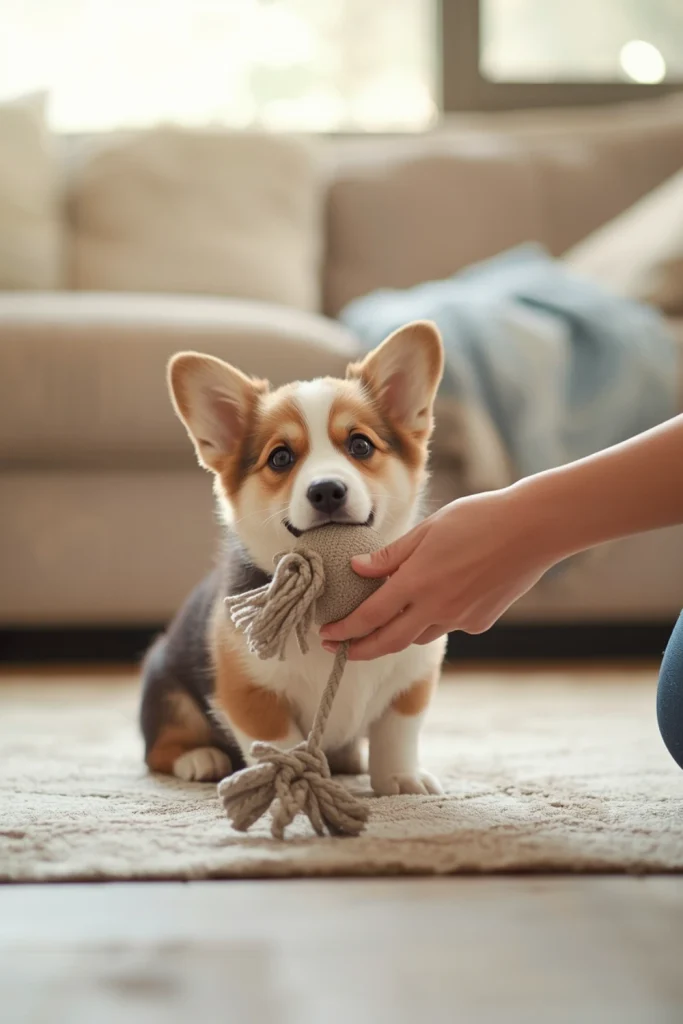
Play is an important part of puppy development, and it can also support obedience learning. During a gentle game with a suitable toy, pause briefly and ask your puppy for a familiar cue such as “sit.” Reward the response and restart the game. This teaches your puppy that listening to you does not mean fun has to end.
Use toys that are appropriate for your puppy’s size and chewing habits, and supervise play to reduce choking or swallowing risks. If your puppy becomes too excited, take a quiet break instead of increasing the intensity. A few brief training moments spread across the day are usually more helpful than expecting a puppy to concentrate for a long period. Balance play with naps and quiet time.
10. Teach Gentle Handling and Calm Touch
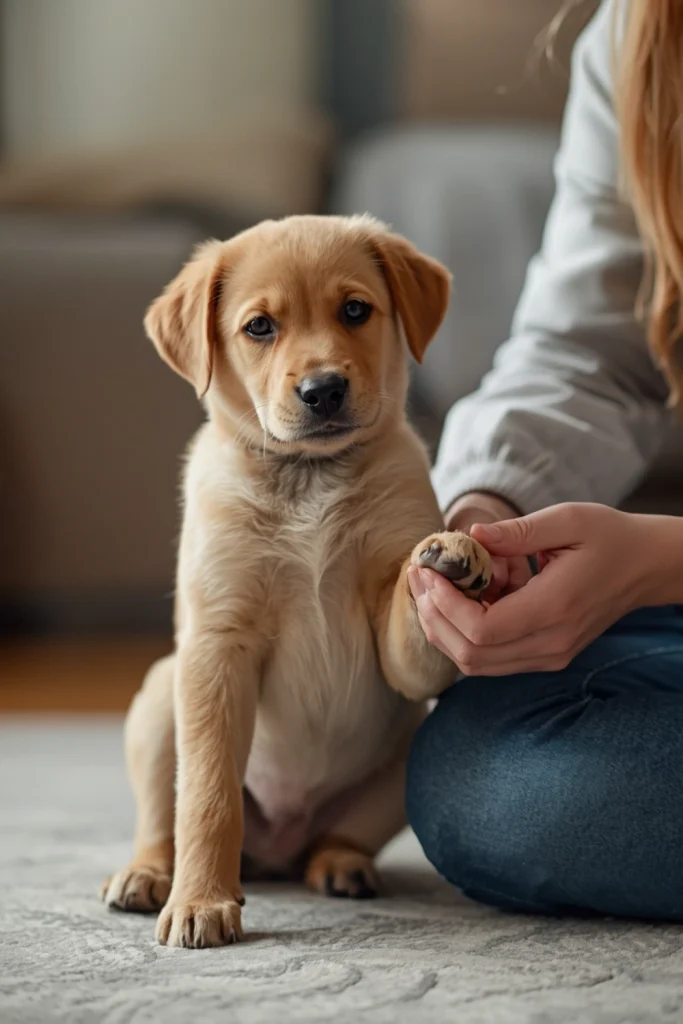
Puppies need to become comfortable with everyday handling, including having their paws examined, ears checked, and coat brushed. Start when your puppy is relaxed. Briefly touch a shoulder or paw, then offer a small reward. Keep the contact gentle and short, and allow your puppy to move away if they are uncomfortable.
Gradually introduce different kinds of handling over several sessions. Pair each experience with rewards instead of restraining your puppy unnecessarily. This can make grooming and routine veterinary examinations less stressful as your puppy grows. If your puppy pulls away, stiffens, growls, or seems frightened, stop and make the next session easier. For persistent fear or handling sensitivity, ask a veterinarian or qualified reward-based trainer for guidance.
11. Practice Calm Greetings With Family Members
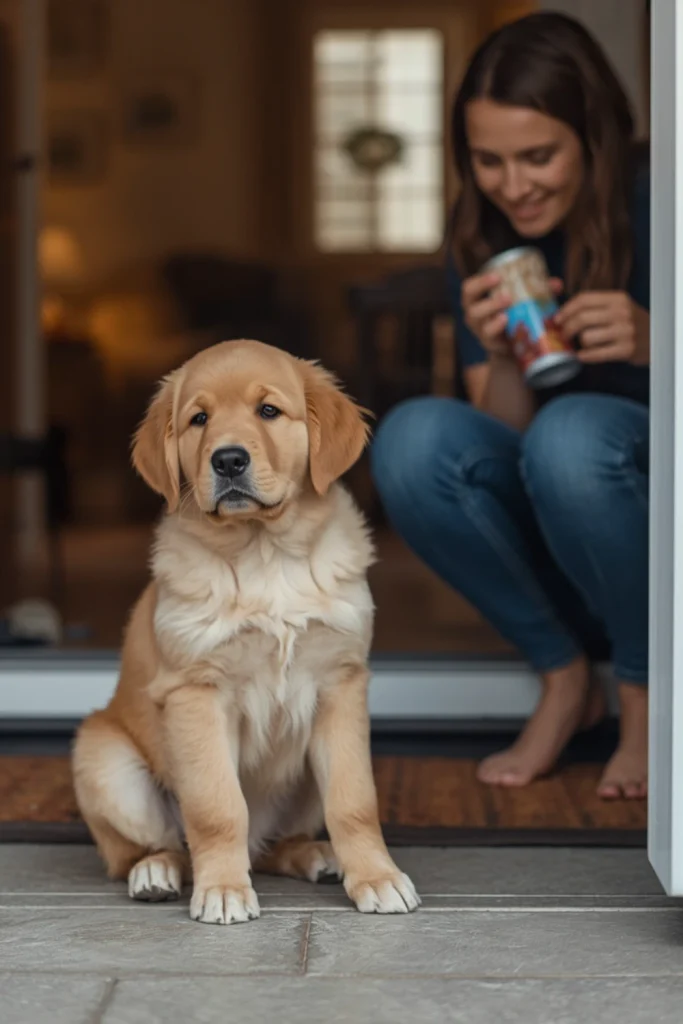
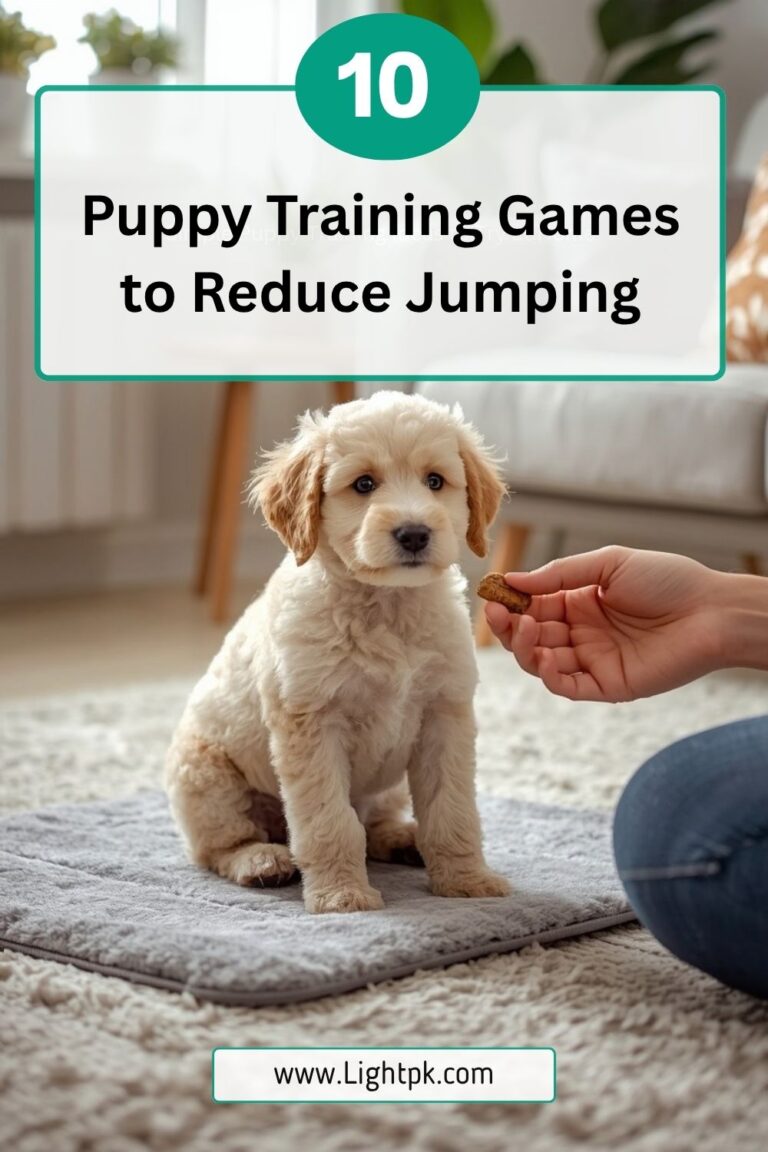
Many puppies become excited when someone approaches, often jumping, barking, or grabbing clothing. You can start teaching polite greetings at home by asking family members to approach calmly while your puppy is on the floor. Reward your puppy for keeping four paws down, sitting, or looking toward the person without jumping.
If your puppy jumps, the person can briefly pause attention and try again when the puppy is calmer. Avoid shouting, pushing, or turning the greeting into a wrestling game, because these reactions may increase excitement. Keep greetings short and give your puppy breaks if they become overwhelmed. Once the behavior improves with familiar people, practice with willing visitors in controlled situations while maintaining safe management.
12. End the Day With Relaxation Training
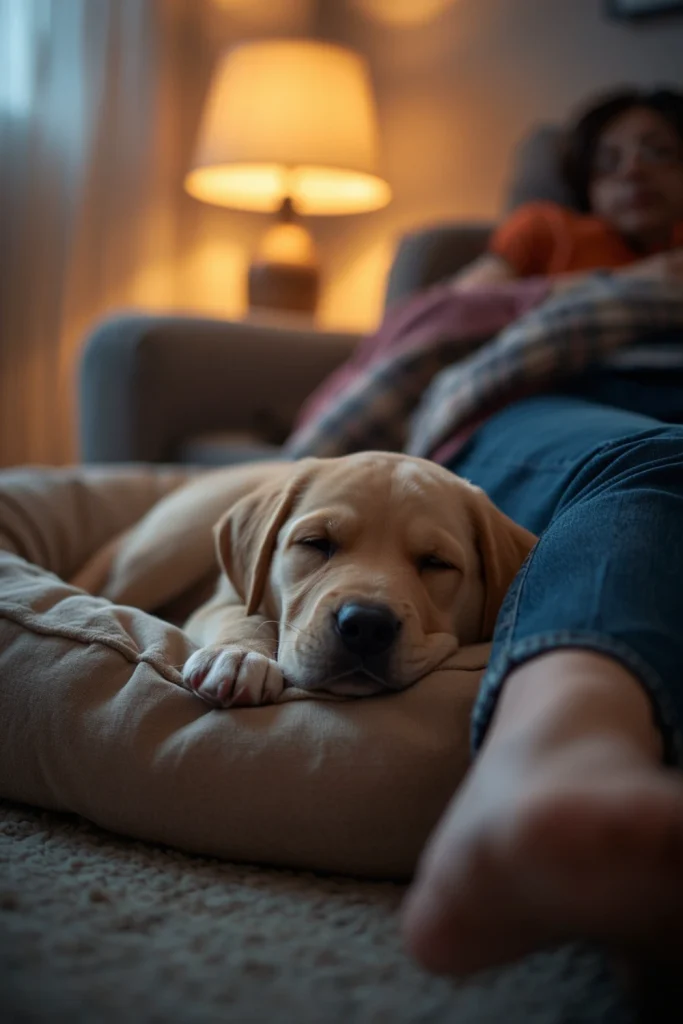
A successful Puppy Obedience Schedule includes learning how to settle, not just learning commands. In the evening, guide your puppy to a comfortable bed or mat after a potty break and some gentle activity. Reward moments when your puppy lies down, relaxes, or chooses to rest independently. Use a calm voice and keep the environment peaceful.
Avoid expecting a young puppy to remain settled for too long without a break. Puppies need substantial sleep, and their exact needs vary by age and individual temperament. If your puppy becomes restless, check whether they need the toilet, food, water, gentle attention, or a quiet place to sleep. Ending the day calmly can help reinforce predictable habits and make the next morning’s training easier.
Conclusion
A simple Puppy Obedience Schedule gives beginners a practical way to teach essential skills while supporting a puppy’s overall development. By combining short training sessions with meals, potty breaks, supervised play, calm handling, and enough rest, you can help your puppy learn what to expect and how to respond to everyday situations.
Start with a few foundation behaviors, reward small improvements, and gradually increase the difficulty as your puppy becomes more confident. Every puppy learns at a different pace, so focus on consistency rather than perfection. With patience, positive reinforcement, and a routine that fits your puppy’s needs, you can build a stronger bond and lay the foundation for a well-mannered adult dog.