
15 Confidence-Building Exercises for Shy Dogs
A shy dog may hide behind your legs, hesitate to explore new places, avoid unfamiliar people, or become nervous around everyday sounds. Although these behaviors can be challenging, your dog does not need to become the most outgoing pet in the neighborhood to live a happy life. With patience, understanding, and the right training activities, you can help your dog feel safer and more confident.
The best Confidence-Building Exercises for Shy dogs are gentle, positive, and designed around each dog’s comfort level. Instead of forcing your dog to face frightening situations, these exercises encourage small successes and reward brave choices. Whether you have a shy puppy, a rescued dog, or an adult pet that struggles with new experiences, these 15 practical activities can help you build trust and support steady progress.
1. Start With Treats and Gentle Encouragement
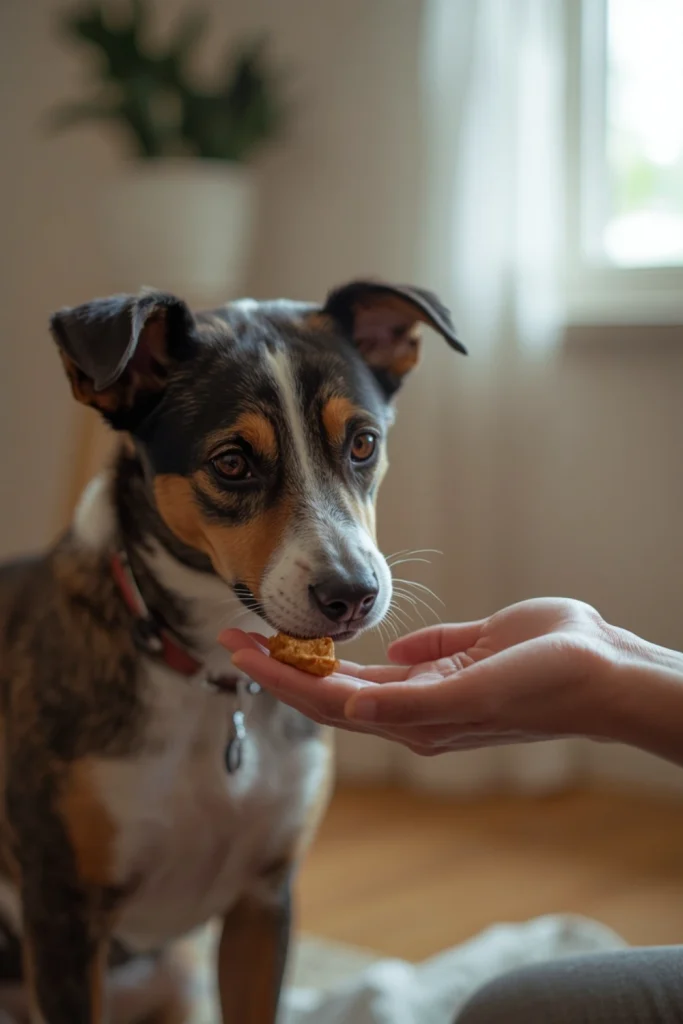
Treat-based training is a simple way to help a shy dog associate your presence with positive experiences. Begin in a quiet room where your dog already feels relatively safe. Sit sideways rather than facing your dog directly, and place a small, tasty treat on the floor at a comfortable distance. Allow your dog to approach when ready instead of reaching toward it or trying to pet it immediately.
Repeat this activity for a few minutes each day, gradually allowing your dog to choose whether to come a little closer. If your dog will not eat, moves away, or appears tense, increase the distance and make the session easier. The goal is not to make your dog accept food from your hand quickly. It is to help your pet learn that being near you is safe and rewarding.
2. Practice Exploring a Safe Room
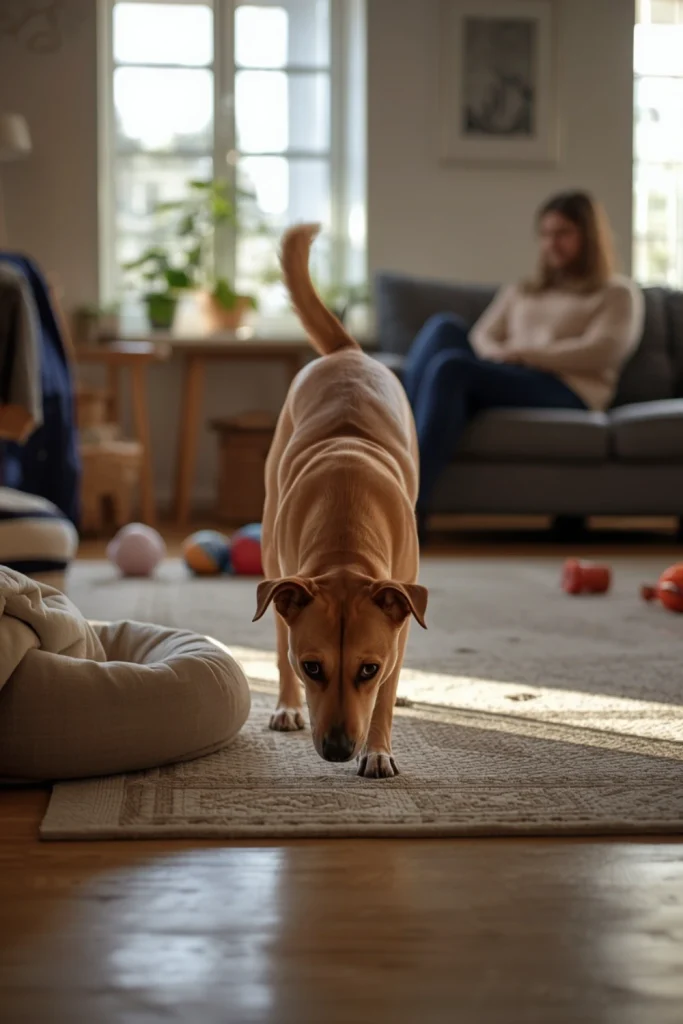
A familiar room can become a training space where your dog learns to explore without pressure. Choose an area with comfortable flooring, a resting place, fresh water, and a few familiar objects. Allow your dog to sniff furniture, investigate toys, and move around freely. Avoid following closely behind or constantly calling your dog, as this can make the experience feel less predictable.
You can encourage exploration by placing a few treats around the room or introducing a familiar toy. Let your dog decide which areas to investigate and when to take a break. As your pet becomes more relaxed, you may notice more sniffing, a looser body posture, or a willingness to move farther away from its resting spot. These small changes are valuable signs of growing comfort.
3. Introduce New Objects Gradually
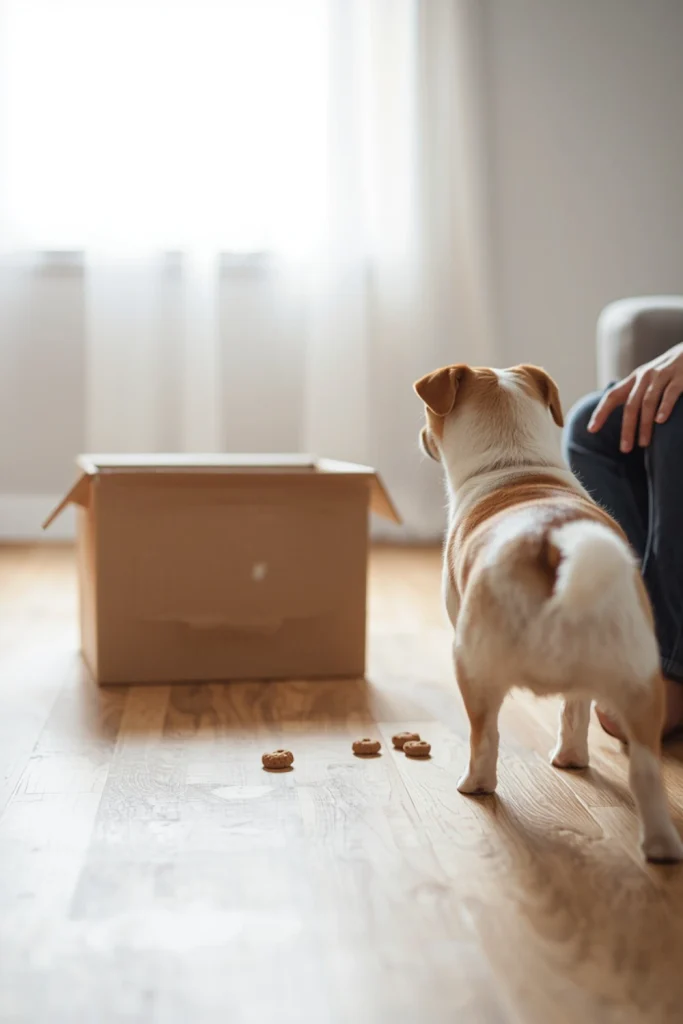
Some shy dogs feel uncertain around ordinary household objects such as cardboard boxes, umbrellas, bags, or plastic containers. To build confidence, introduce one unfamiliar object at a time. Place it far enough away that your dog can look at it without retreating. Reward calm observation with a treat or gentle verbal praise, and avoid moving the object suddenly or placing it directly in your dog’s path.
If your dog chooses to approach and sniff the object, allow the investigation to happen naturally. You can gradually move the object closer during future sessions, but only while your dog remains comfortable. If your pet backs away, freezes, or refuses food, increase the distance. This exercise teaches your dog that new objects can be investigated safely and that moving away is always an available choice.
4. Play the Confidence-Building Find-It Game
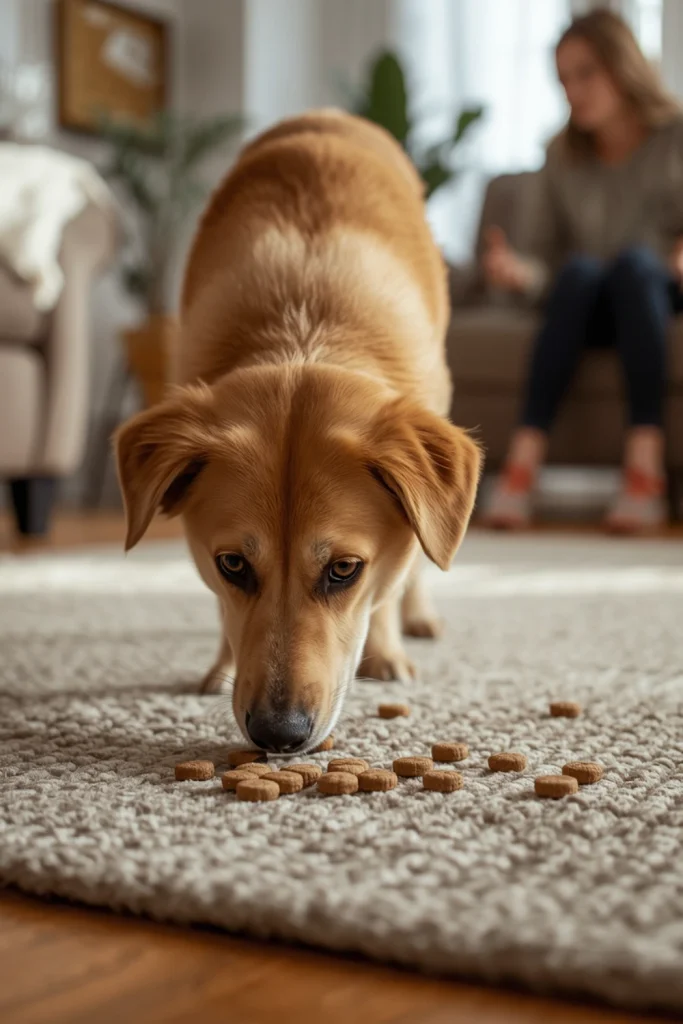
The Find-It game encourages your dog to use its nose, make independent decisions, and discover rewards without needing to interact directly with people. Start by saying “Find it” and tossing a treat onto an open area of the floor. Let your dog locate and eat it at its own pace. Once your dog understands the game, scatter two or three treats in easy-to-find locations.
As your dog becomes more comfortable, hide treats beside a chair, near a dog bed, or around a safe corner of the room. Keep every hiding place accessible and avoid areas that require jumping or squeezing into tight spaces. Sniffing activities provide mental enrichment and can help nervous dogs focus on a rewarding task instead of worrying about their surroundings. End the game while your dog is still interested and relaxed.
5. Teach a Simple Hand-Target Exercise
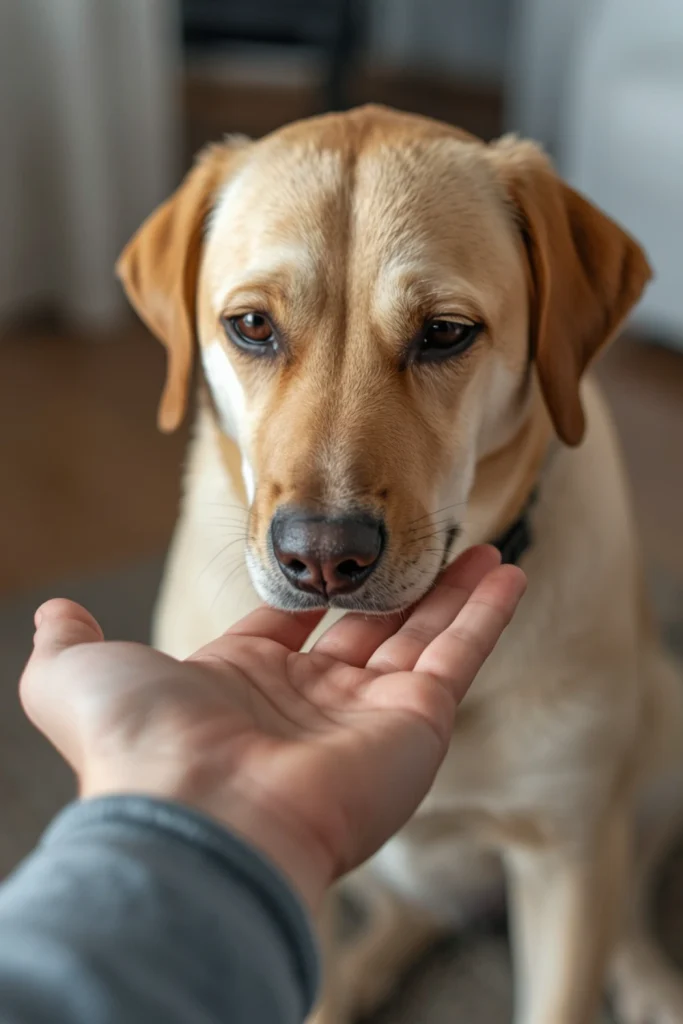
Hand targeting teaches a dog to touch its nose to your open palm. This simple behavior can give a shy dog an easy way to participate in training without requiring close physical contact. Begin by holding your hand a short distance from your dog’s nose, positioned slightly to the side rather than directly over its face. When your dog voluntarily sniffs or touches your palm, mark the behavior with a word such as “Yes” and offer a treat.
Keep your hand low and still, and never push it toward your dog’s face. If your dog does not approach, make the exercise easier by offering the reward for looking toward your hand. Over several short sessions, your dog may begin moving toward the target with greater confidence. Later, hand targeting can help guide your dog through familiar doorways or around simple obstacles without pulling on the leash.
6. Build Confidence With a Mini Obstacle Course
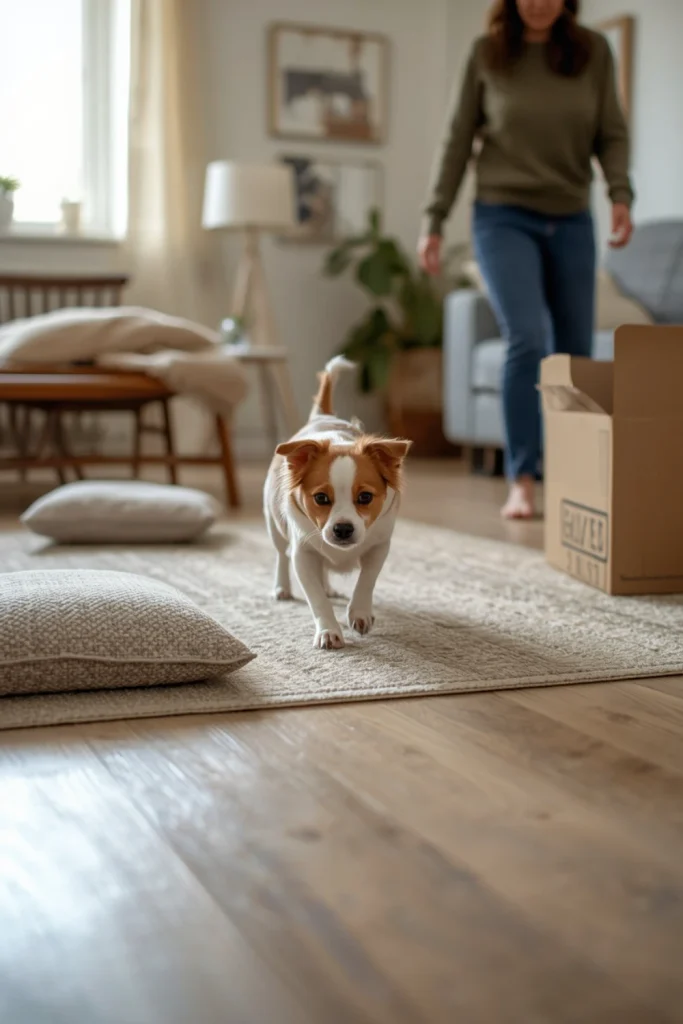
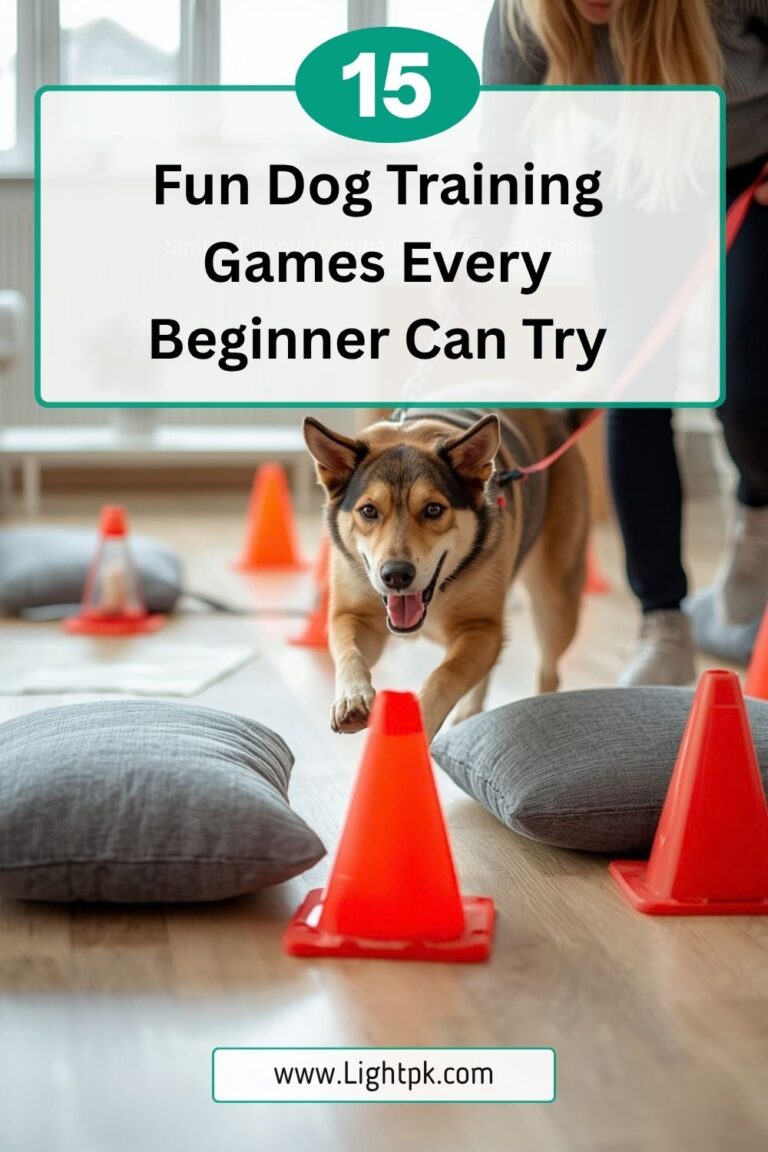
A simple obstacle course can help your dog learn to move through its environment with greater ease. Use safe household items such as cushions, flat mats, open cardboard boxes, and lightweight cones. Arrange them with plenty of space between each item so your dog can walk around them if it feels uncertain. Begin with just one obstacle, such as stepping onto a different-textured mat.
Reward your dog for investigating, walking beside, or voluntarily stepping over an easy obstacle. Never lift your dog onto an object or force it through a narrow space. You can gradually add new items as your pet becomes comfortable, but keep the course low and physically easy. Avoid unstable furniture, slippery surfaces, and anything that requires jumping from a height. The purpose is to encourage exploration and decision-making, not athletic performance.
7. Introduce Different Floor Textures
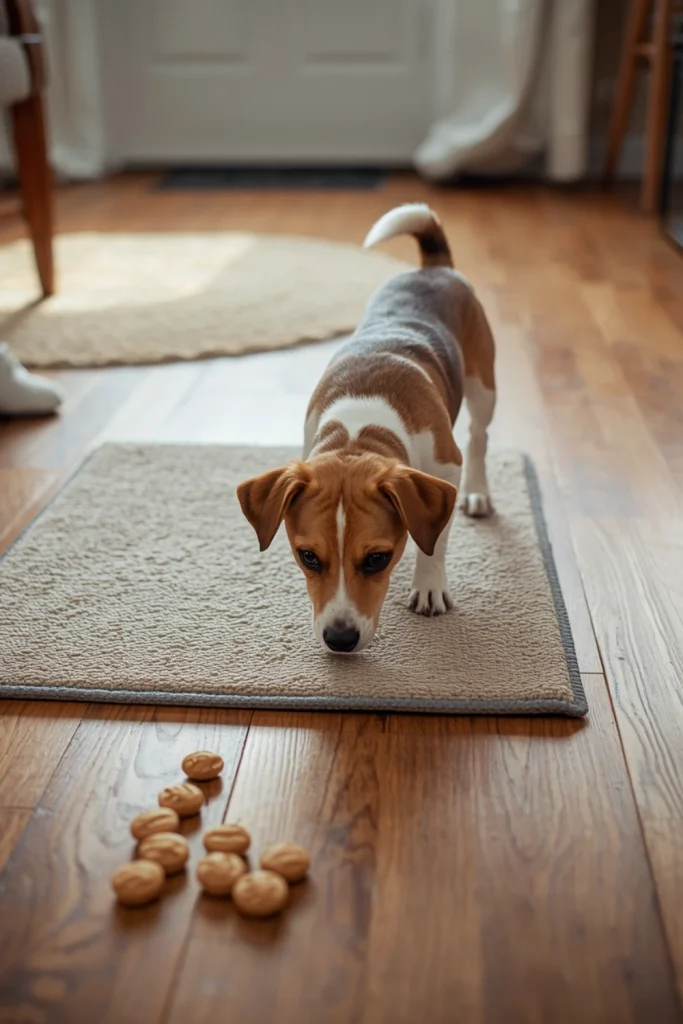
Some dogs hesitate to walk on tiles, wooden floors, rubber mats, grass, or unfamiliar surfaces. If your dog avoids certain textures, start with a material it already accepts and place a new, flat texture beside it. Let your dog inspect the new surface while standing on familiar ground. Reward looking, sniffing, or taking a voluntary step toward the material.
When your dog seems relaxed, scatter a few treats on the edge of the new surface to encourage voluntary exploration. Do not drag your dog across it or block its escape route. Use nonslip materials and avoid rough, hot, cold, or sharp surfaces. With repeated, low-pressure experiences, your dog may become more comfortable encountering different flooring during everyday walks and visits to new places.
8. Practice Calm Observation From a Distance
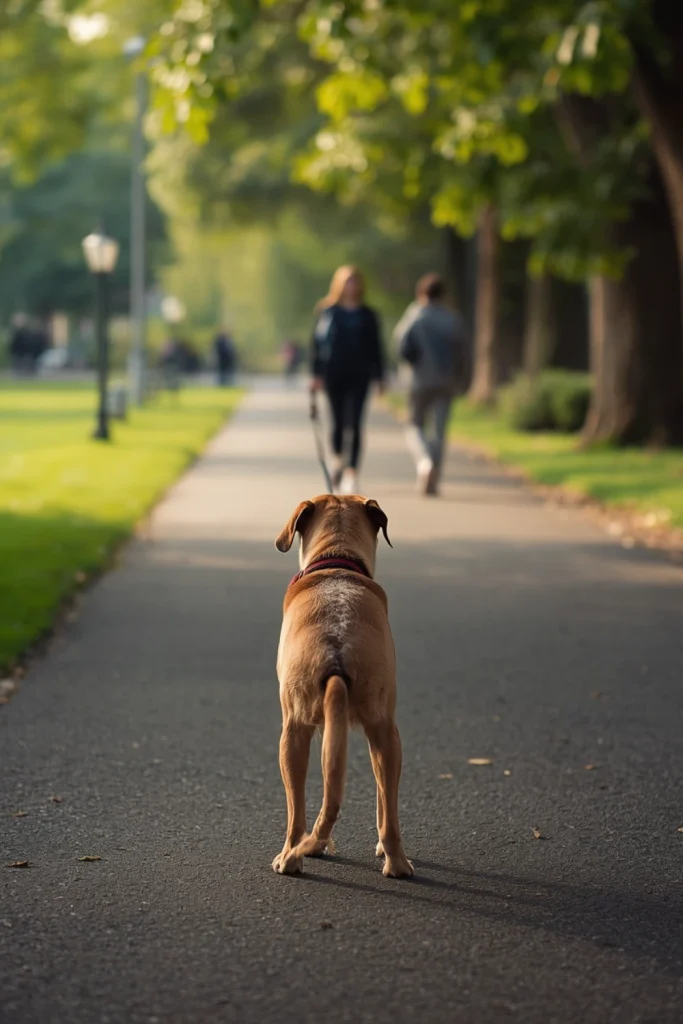
A shy dog may find unfamiliar people, cyclists, children, or other dogs overwhelming when they come too close. Calm observation helps your pet become familiar with these sights while remaining at a manageable distance. Choose a quiet place where you can stand well away from passing activity. Reward your dog for noticing something and then returning its attention to you, sniffing the ground, or remaining relaxed.
Watch your dog’s body language carefully. If your dog can take treats, move naturally, and look away from the trigger, the distance may be suitable. If it stiffens, hides, repeatedly tries to escape, or refuses food, move farther away. Do not ask strangers to approach or touch your dog as part of this exercise. Confidence develops when your dog can observe the world without being forced into interactions it is not ready to handle.
9. Encourage Gentle Play With Familiar Toys
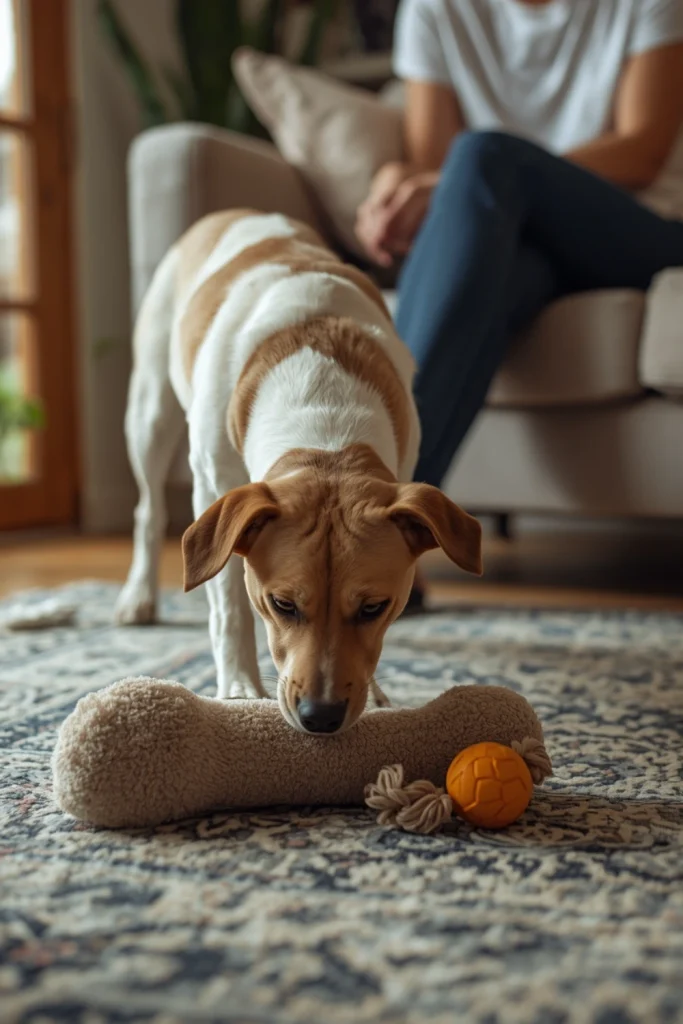
Play can help a shy dog explore its surroundings, express natural behaviors, and develop positive associations with time spent near you. Begin by placing a familiar toy on the floor and allowing your dog to approach it freely. Some dogs prefer soft toys, while others enjoy rubber toys, gentle tug toys, or balls that roll slowly. You do not need to make the game energetic for it to be beneficial.
When your dog shows interest, reward the behavior with praise or a small treat. Try moving the toy a short distance across the floor if your dog enjoys chasing, but stop if the movement causes alarm. Avoid waving toys close to your dog’s face or insisting that it play. Some dogs need several days to become interested in toys, particularly after a stressful transition. Follow your dog’s preferences and let play develop naturally.
10. Teach a Relaxing Mat Exercise
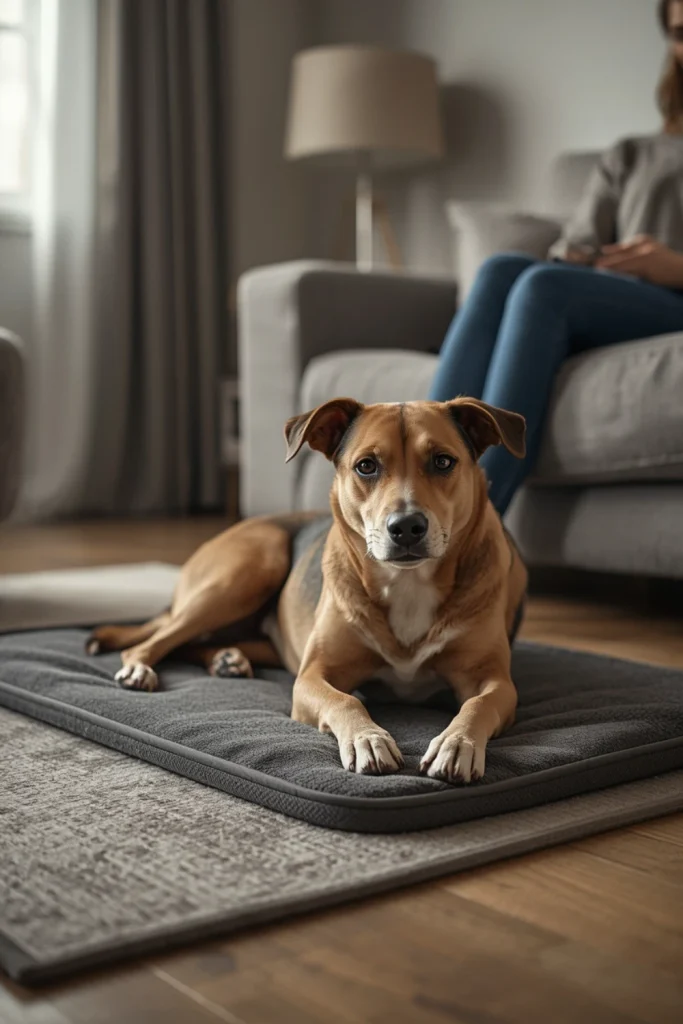
A designated mat can become a familiar resting place where your dog learns that it is safe to relax. Place the mat in a quiet part of your home and allow your dog to investigate it without giving commands. If your dog looks at, sniffs, or steps onto the mat, reward that choice. You can place a treat on the mat initially to make the area inviting, then gradually reward your dog for choosing to return.
Once your dog begins resting there, offer occasional treats for relaxed behavior, such as lying down or placing its head on the mat. Keep the mat available as a comfortable retreat rather than using it as a place where your dog is trapped or forced to stay. A familiar resting spot can be especially useful when visitors arrive or the household becomes busy, provided the dog can leave whenever it needs to.
11. Build Trust Through Simple Training Cues
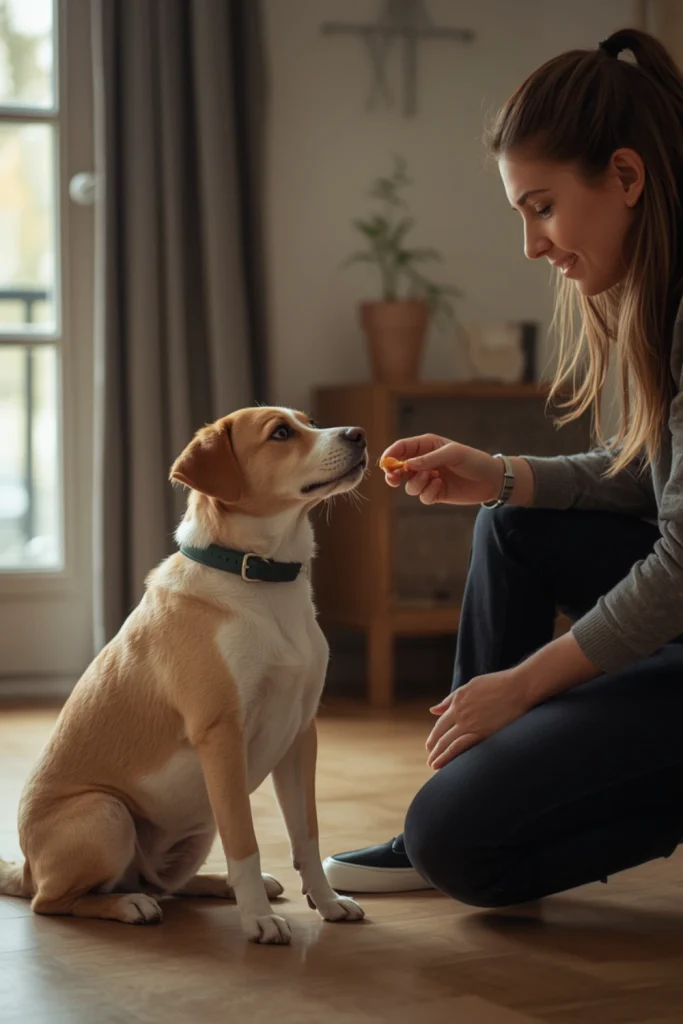
Learning a simple cue such as “sit,” “touch,” or “come” can give a shy dog predictable ways to interact with its owner. Choose one behavior your dog can learn without becoming frustrated. For example, hold a treat near the dog’s nose and slowly move it upward and slightly back to encourage a natural sitting position. Reward the moment your dog sits, even if it happens briefly, and keep your voice calm.
Use short sessions lasting only a few minutes. If your dog does not understand, simplify the task instead of repeating the cue loudly or correcting it. Training should feel like a game in which the dog can succeed. As your pet gains experience, you can practice the same familiar cue in another comfortable room. Mastering an easy behavior can help your dog become more engaged and make new situations feel less unpredictable.
12. Try a Gentle Leash Confidence Walk
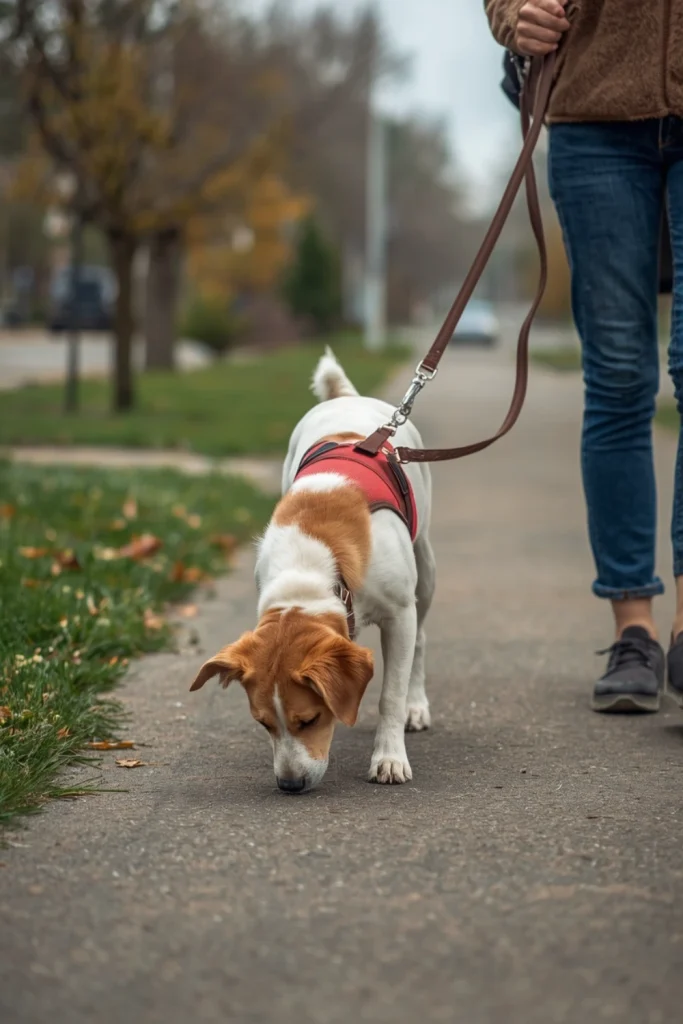
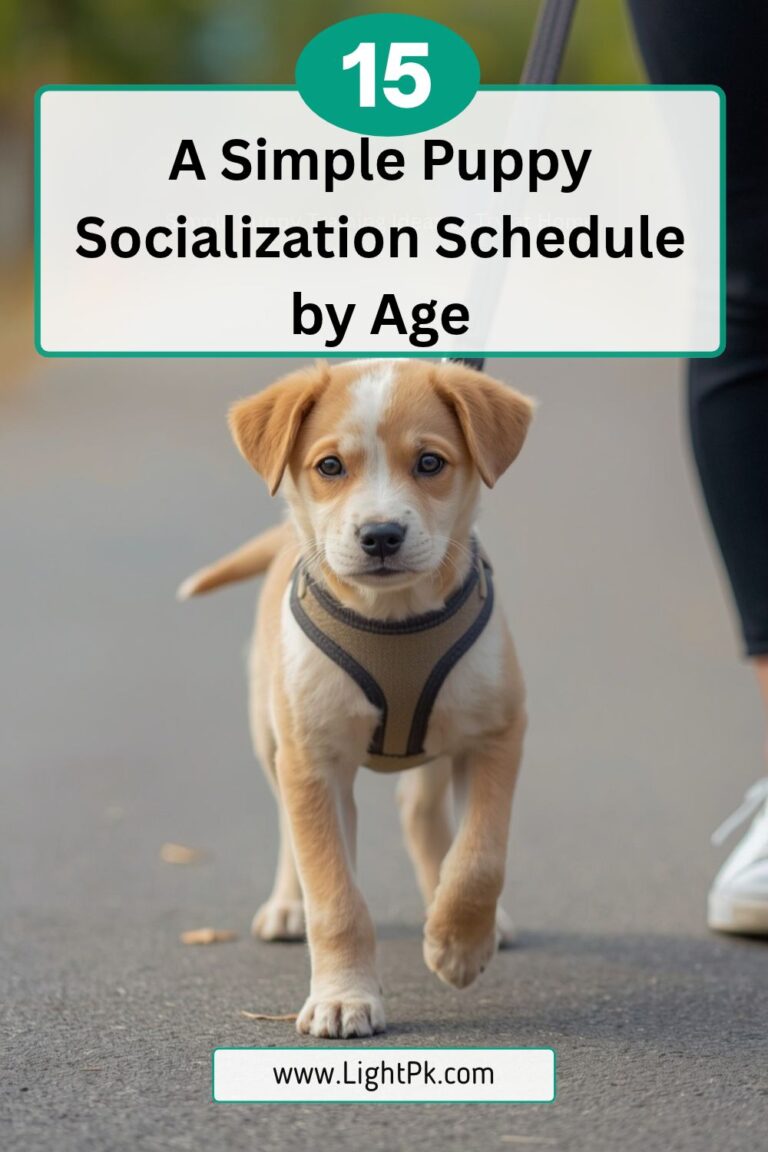
For a shy dog, a walk is not just physical exercise. It is also an opportunity to explore smells, sounds, surfaces, and spaces at a comfortable pace. Begin in a quiet area your dog already knows. Use a secure, well-fitted harness and a suitable leash, and allow plenty of time for sniffing. Reward voluntary check-ins and relaxed exploration rather than expecting your dog to walk quickly or remain close to your side at every moment.
Keep the first walks short enough that your dog returns home without becoming overwhelmed. If a noisy vehicle, unfamiliar person, or another dog appears, create distance instead of forcing your pet to pass closely. Avoid busy markets, crowded parks, and intense dog gatherings until your dog is ready. If your dog becomes frightened, calmly move to a quieter area. Repeated comfortable outings are more useful than one long walk filled with stressful encounters.
13. Use Positive Sound-Exposure Games
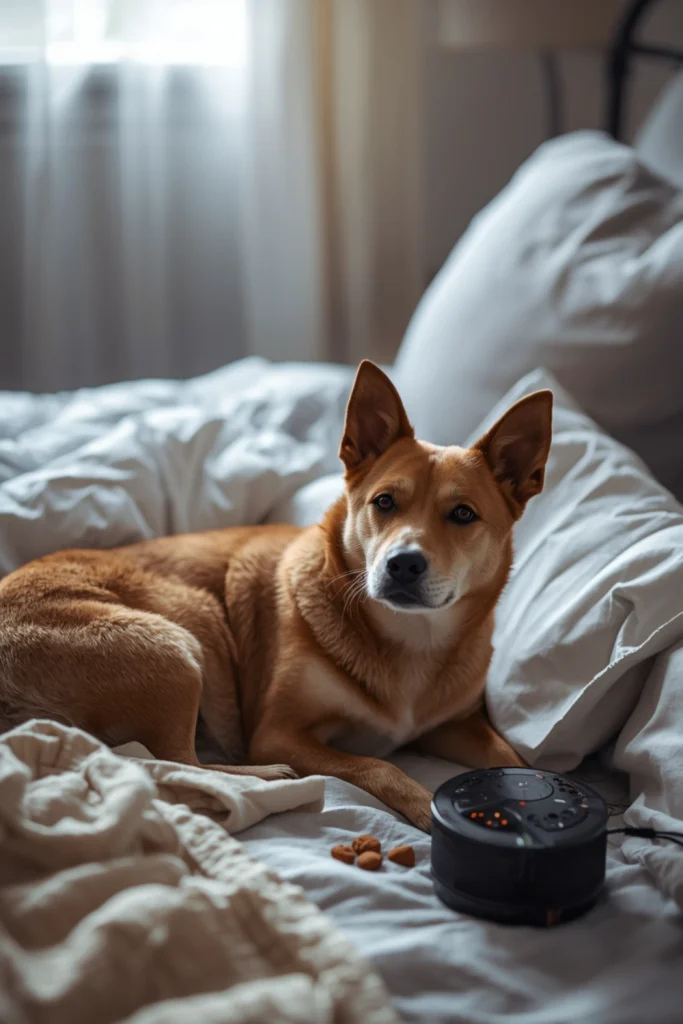
Everyday sounds such as doorbells, vacuum cleaners, traffic, and thunder can make some dogs nervous. To help, begin with a sound played at a very low volume that your dog can notice without showing signs of distress. Pair the sound with something pleasant, such as a favorite treat or a calm food-search game. Keep the session brief and stop while your dog is still comfortable.
Increase the volume only gradually across separate sessions, and reduce it immediately if your dog shows signs of worry. Do not expose your dog to loud noises unexpectedly or use recordings at a volume that makes it hide, shake, or attempt to escape. Some sound sensitivities need a carefully planned behavior-modification program with professional guidance. The goal is to create safe, positive associations, not to make your dog tolerate frightening noises through repeated exposure.
14. Let Your Dog Choose Whether to Meet New People
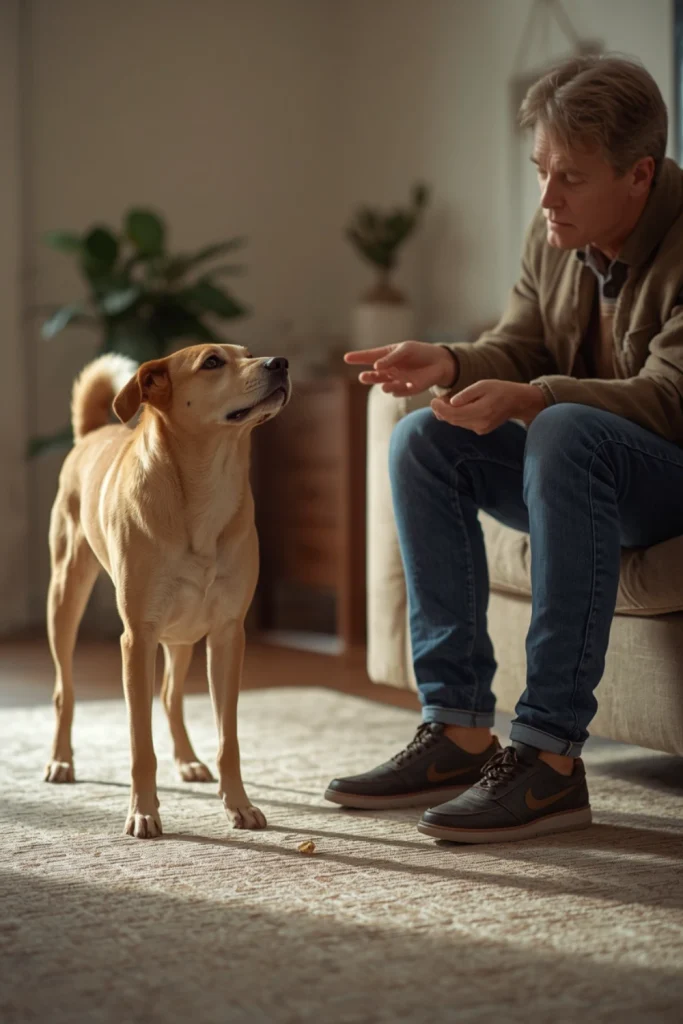
Meeting unfamiliar people can be difficult for a shy dog, especially when someone bends over, reaches out a hand, stares directly, or tries to pet it immediately. Instead, ask visitors to ignore the dog initially and give it plenty of space. A visitor can sit sideways, speak softly, and toss treats onto the floor away from their body so the dog can collect them without approaching.
Let your dog decide whether to move closer. Sniffing a person’s shoes or standing in the same room is progress, even if your dog does not want to be touched. Never corner the dog or encourage someone to lure it close and then reach for it. If the dog retreats, respect that choice. Over time, calm and predictable encounters can help your dog feel more comfortable around people without making social interaction a requirement.
15. Celebrate Small Successes With a Confidence Routine
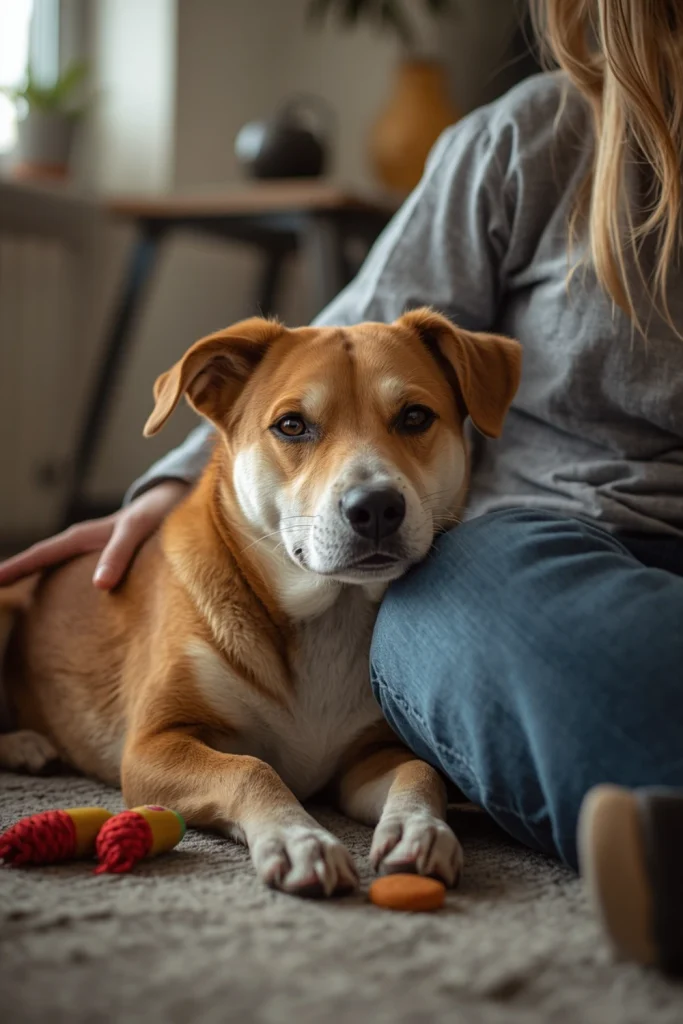
Confidence grows through repeated experiences in which a dog feels safe and has the opportunity to succeed. Create a simple daily routine that includes one easy training exercise, a short sniffing game, and plenty of quiet rest. You might begin with a few treats on a mat in the morning, practice a hand target later, and finish with a short, familiar walk. Choose activities according to your dog’s energy and comfort level.
Keep a brief record of progress, such as approaching a new object, recovering more quickly after a sound, or choosing to explore a room independently. These changes may seem small, but they can show that your dog is becoming more comfortable. If a particular exercise becomes stressful, pause it and return to an easier activity. Celebrate voluntary behavior and curiosity instead of measuring success by how quickly your dog approaches strangers or unfamiliar places.
Conclusion
Helping a shy dog become more confident is a journey built on patience, trust, and small positive experiences. The most effective Confidence-Building Exercises for Shy dogs give them opportunities to explore, learn, and make choices without feeling pressured. From simple treat games and safe-room exploration to calm observation and gentle leash walks, each activity can help your dog become more comfortable with everyday experiences.
Remember that confidence does not mean your dog must love every person, place, or sound. Success may simply mean exploring a room more freely, recovering faster after a surprising noise, or choosing to approach a familiar person. Celebrate these small victories, respect your dog’s boundaries, and keep training enjoyable. With consistent support and realistic expectations, you can help your dog develop greater security and strengthen the bond you share.