12 Dog Barking Training Tips for a Quieter Home
Does your dog bark at every passing car, every knock at the door, or even the smallest sound outside? Constant barking can make a peaceful home feel stressful, especially when you are trying to work, relax, or welcome guests. The good news is that with patience and the right training methods, you can teach your dog to bark less and respond more calmly to everyday situations.
These 12 dog barking training tips will help you understand why your dog barks and how to manage this behavior without shouting or punishment. Whether you have an excitable puppy or an adult dog that barks at everything, consistent training, positive reinforcement, and a better daily routine can help create a quieter and happier home.
1. Identify What Triggers Your Dog’s Barking

Before you begin training, spend a few days observing when and where your dog barks. Does your dog react to people walking past the window, delivery drivers, other dogs, or noises outside? Perhaps barking happens when you leave the house or when your dog wants attention. Identifying these triggers helps you understand what your dog is communicating instead of treating every bark as the same problem.
Keep a simple record of the situation, the trigger, and your dog’s response. For example, you might notice that your dog barks most intensely when someone approaches the front gate. You can then begin training at a distance where your dog notices the person but can still respond to you. This approach makes it easier to teach calmer reactions without overwhelming your dog.
2. Teach Your Dog the “Quiet” Command

Teaching the “quiet” command can help your dog learn to stop barking when you give a consistent verbal cue. Begin in a calm environment where distractions are limited. If your dog barks briefly at a familiar sound, wait for a natural pause. The moment your dog stops barking, even for a second, say “quiet” in a calm voice and reward the silence with a small treat or gentle praise.
Practise this exercise in short sessions and gradually introduce more distractions as your dog improves. Avoid shouting the command repeatedly because your dog may interpret your raised voice as joining in with the noise. If your dog struggles to stop barking, increase the distance from the trigger or make the situation easier. Rewarding small moments of silence helps your dog understand exactly which behavior earns a reward.
3. Reward Calm Behavior Before Barking Starts
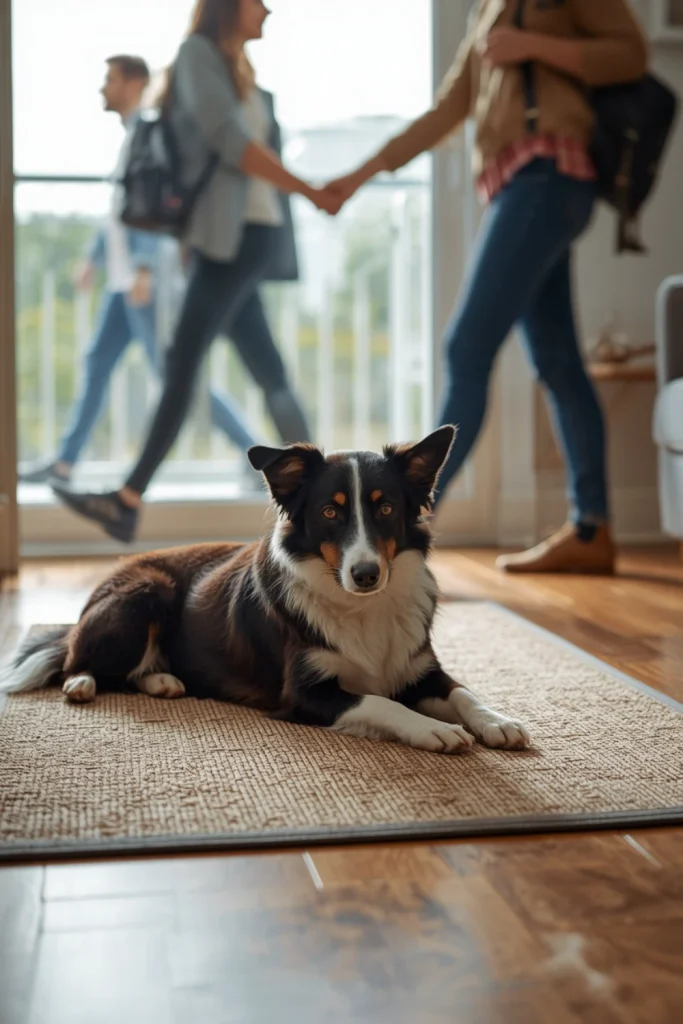
One of the most effective dog barking training tips is to reward your dog for staying calm before a barking episode begins. Many owners only pay attention when their dog makes noise, unintentionally giving barking more attention. Instead, notice the moments when your dog hears a sound, sees a person, or notices another dog without reacting. Quietly praise this behavior and offer a small reward.
For example, if your dog watches someone pass the window without barking, immediately reward that calm response. Over time, your dog can learn that remaining relaxed brings positive outcomes. Start with situations your dog can handle comfortably and gradually practise around more challenging triggers. Keep treats handy during training so you can reward the behavior as soon as it happens. Consistent rewards help make calm responses a familiar habit.
4. Reduce Your Dog’s Exposure to Barking Triggers

Training becomes easier when you reduce unnecessary exposure to situations that cause repeated barking. If your dog barks at every passerby, close the curtains, use privacy film on lower windows, or move furniture away from the viewing area. If outside noises trigger barking, consider using a fan or quiet background sound to soften sudden disturbances. These changes do not replace training, but they can prevent your dog from practising the same unwanted behavior all day.
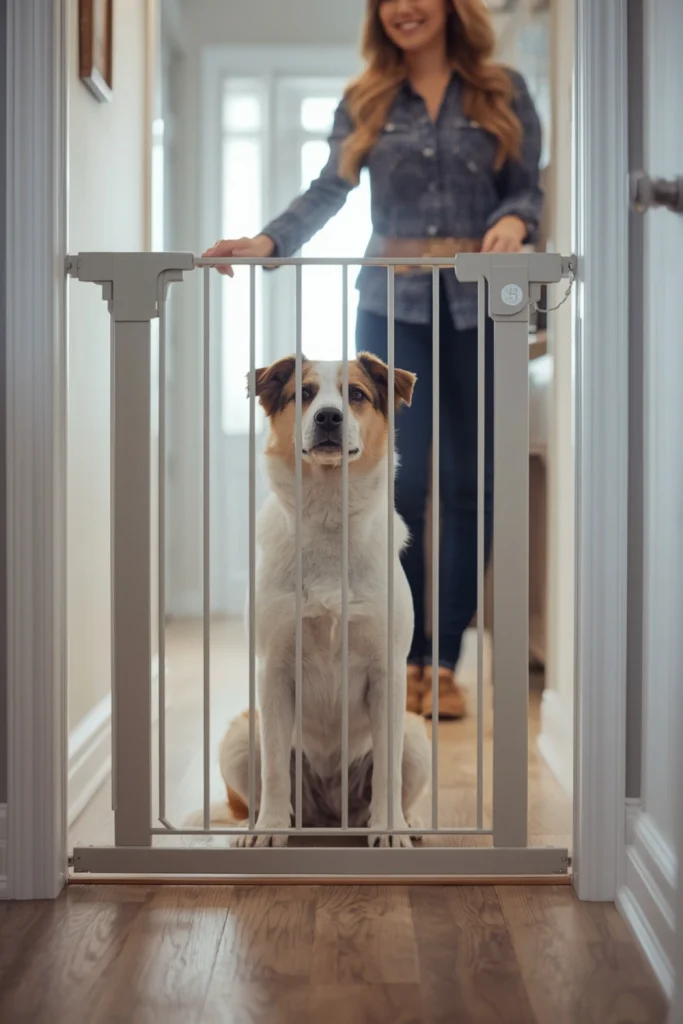
Think about your dog’s daily environment and make small adjustments where possible. A dog that repeatedly rushes to the front door may benefit from a baby gate that creates some distance from visitors. If your dog barks at other dogs during walks, choose quieter routes or walk at less busy times while you practise training. By managing triggers, you give your dog more opportunities to remain calm and learn new responses successfully.
5. Give Your Dog Enough Daily Exercise
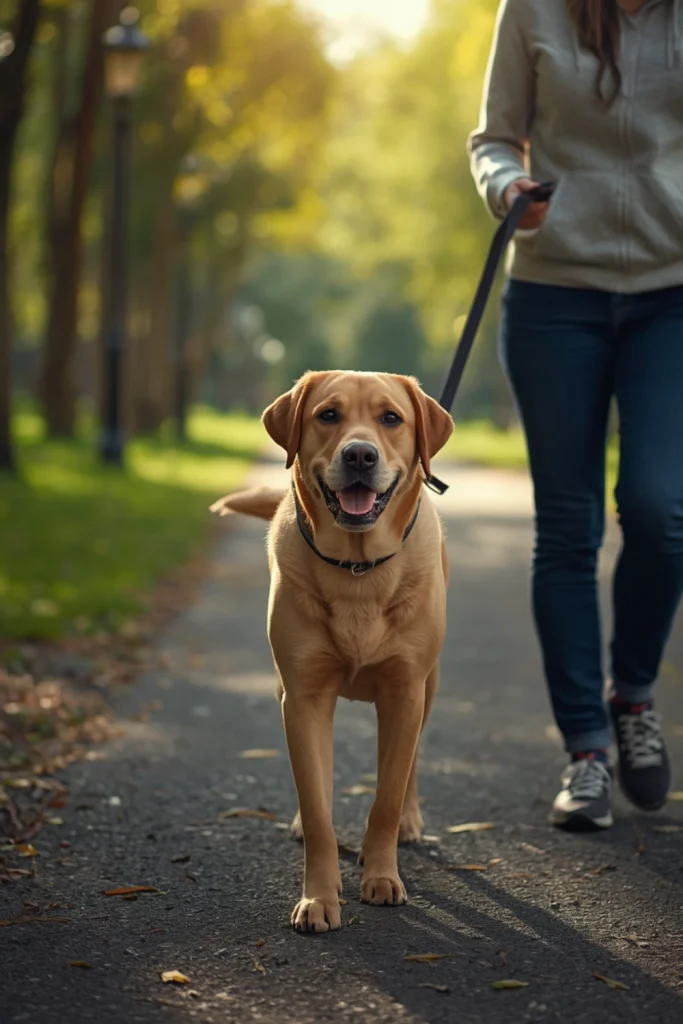
Dogs with too little physical activity may become restless, frustrated, or more reactive to everyday sounds. Appropriate exercise helps release energy and supports better behavior at home. Depending on your dog’s age, breed, health, and fitness, daily activities might include walks, supervised play, sniffing opportunities, or games of fetch. A dog that has regular opportunities to move and explore may find it easier to relax when nothing exciting is happening.
However, exercise alone will not solve every barking problem. A dog that barks because of fear, separation-related distress, or strong reactions to other animals may need a more targeted training plan. Choose activities that suit your dog’s individual needs rather than trying to exhaust them. Avoid excessive exercise for puppies or dogs with health limitations, and consult your veterinarian if you are unsure how much activity is appropriate.
6. Use Mental Stimulation to Reduce Boredom

Physical exercise is important, but dogs also need opportunities to use their minds. Boredom can contribute to attention-seeking barking, especially when dogs spend long periods alone or have few activities available. Add puzzle feeders, food-dispensing toys, scent games, and short training sessions to your dog’s routine. These activities encourage problem-solving and provide a productive way to spend energy.
You can also hide a few pieces of your dog’s regular food around a safe room and encourage them to find each piece using their nose. Begin with easy hiding places and gradually make the game more challenging. Supervise food puzzles and choose toys that are appropriate for your dog’s size and chewing habits. Mental enrichment will not eliminate every cause of barking, but it can help create a more satisfying daily routine and reduce barking linked to boredom.
7. Teach Your Dog to Settle on a Mat

Teaching your dog to settle on a mat gives them a clear alternative to rushing around and barking at every sound. Choose a comfortable mat or dog bed and place it in a quiet area. Reward your dog for looking at the mat, stepping onto it, sitting down, and eventually lying comfortably. Keep your sessions short, using treats and calm praise to make the mat a positive place to relax.
Once your dog understands the exercise, practise while mild distractions occur nearby. For example, ask your dog to settle on the mat while a family member walks across the room. Gradually introduce more realistic situations, such as a quiet knock or the sound of someone moving near the door. If barking starts, make the exercise easier rather than forcing your dog to remain in place. The aim is to build a reliable relaxation habit, not to suppress signs of fear or distress.
8. Train Your Dog to Greet Visitors Calmly
Doorbells and arriving visitors are common barking triggers. Your dog may become excited, protective, or uncertain when someone approaches the entrance. Start by practising with a familiar household member. Have the person knock softly while you reward your dog for remaining calm or responding to a simple cue. Keep the practice easy enough that your dog can still focus on you, and gradually increase the intensity of the knock.
When real visitors arrive, manage the situation before opening the door. Use a leash, baby gate, or separate comfortable room if necessary to keep everyone safe. Ask guests to avoid leaning over an excited dog or immediately reaching toward them. Reward your dog for calm behavior and allow greetings only when your dog can approach safely. If your dog is frightened of visitors, provide distance and choice rather than forcing interaction. Repeated, controlled practice can make arrivals less overwhelming.
9. Avoid Shouting or Punishing Your Dog for Barking

Shouting at a barking dog may seem like a quick solution, but it can increase excitement or anxiety. Your dog may interpret your loud voice as part of the commotion, making the situation noisier rather than quieter. Punishment can also make a frightened dog feel less secure, especially when barking is triggered by unfamiliar people, animals, or sounds. A more effective approach is to remain calm, manage the trigger, and reward an appropriate response.
Instead of yelling, use a consistent cue such as “quiet” after teaching it in easier situations. Redirect your dog toward a simple activity, ask for a familiar behavior, or increase the distance from whatever is causing the reaction. If your dog cannot respond because they are too excited or frightened, reduce the difficulty and try again later. Avoid shock collars and other aversive methods, which can cause distress and may worsen the underlying problem. Patient, reward-based training helps build understanding without undermining trust.
10. Help Your Dog Stay Calm Around Other Dogs
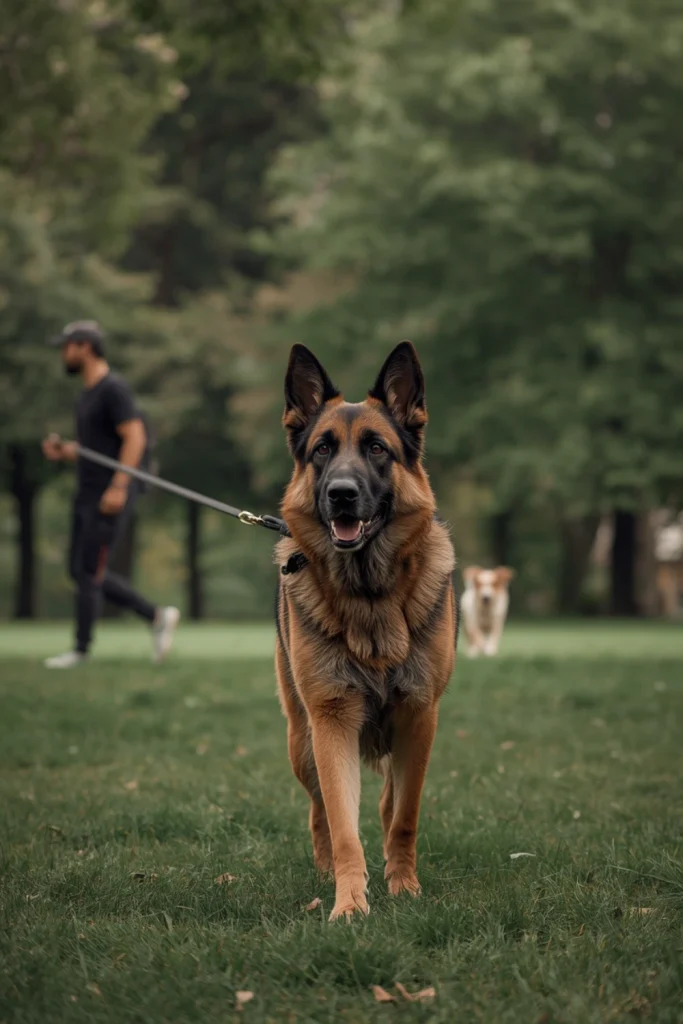
Some dogs bark at other dogs because they feel frightened, frustrated by the leash, or overly excited about meeting them. Pulling closer while barking can increase tension, so begin training at a distance where your dog can notice another dog without immediately reacting. Reward your dog for looking at the other dog and then turning their attention back to you. Keep the leash secure but relaxed whenever possible.
Gradually practise in different locations while maintaining enough distance for your dog to remain comfortable. Do not force greetings or take your dog directly toward another dog to prove that there is nothing to fear. If your dog starts barking intensely, calmly create more space and allow them to settle before continuing. Dogs with a history of aggression or severe reactivity may need support from a qualified, reward-based trainer or veterinary behavior professional. Safe, gradual practice is more effective than overwhelming your dog.
11. Build a Consistent Daily Routine
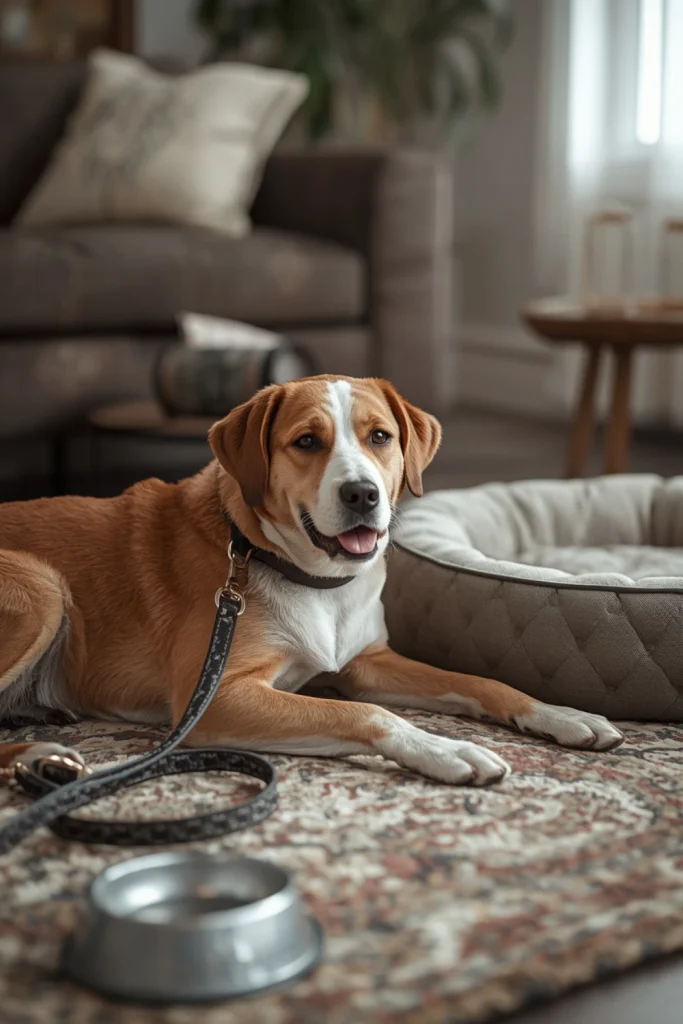
A predictable routine can help reduce barking linked to boredom, uncertainty, and attention seeking. Try to keep walks, meals, playtime, training, and rest periods reasonably consistent. When your dog knows what to expect, they may find it easier to relax instead of constantly seeking activity or reacting to every small change. Include quiet periods in the routine so your dog learns that resting is a normal part of the day.
Make sure every family member follows the same basic rules. If barking sometimes earns food, play, or attention, your dog may keep repeating it because the outcome is unpredictable. Instead, reward appropriate ways of asking for attention, such as sitting quietly or bringing a toy. Avoid responding to demand barking with immediate excitement. If you suspect your dog is barking because of distress when left alone, do not simply ignore prolonged barking; seek guidance for gradual alone-time training and appropriate support.
12. Seek Professional Help for Persistent Barking

Some barking problems need more than basic home training. If your dog barks persistently when left alone, reacts intensely to strangers, guards windows or doorways, or seems unable to settle, the behavior may be related to anxiety, fear, frustration, or another underlying issue. A sudden increase in barking can also occur because of pain, hearing changes, or other medical concerns. Understanding the cause is essential before choosing the right intervention.
Start by discussing sudden or unusual changes with your veterinarian, especially if your dog also shows signs of discomfort or changes in appetite, sleep, or activity. For ongoing behavior problems, look for a qualified trainer who uses reward-based methods and has experience with barking and reactivity. A veterinary behavior professional may be helpful for severe anxiety or complex cases. Keep notes or short videos of the barking episodes when safe to record them. This information can help professionals identify triggers and create a realistic training plan.
Final Thoughts
A quieter home begins with understanding your dog’s needs and teaching better ways to respond to everyday situations. The most useful dog barking training tips combine trigger management, positive reinforcement, mental stimulation, consistent routines, and patient practice. Instead of trying to silence every bark, focus on helping your dog feel more comfortable and respond appropriately.
Start with one or two techniques that match your dog’s biggest barking triggers, and practise them regularly. Reward small improvements, keep training sessions manageable, and avoid punishment that may increase anxiety. If barking persists or appears connected to fear, pain, or separation-related distress, seek professional guidance. With time and consistency, you can help your dog develop calmer habits and make your home more peaceful for everyone.