
The Ultimate Puppy Training Checklist for New Owners
Bringing a new puppy home is an exciting adventure filled with adorable moments, playful energy, and plenty of new experiences. However, raising a well-behaved puppy takes more than love and attention. From potty training and basic commands to socialization and healthy daily routines, there are many important skills your puppy needs to learn during the first months at home.
This Puppy Training Checklist makes the process easier by breaking essential training tasks into simple, manageable steps. Whether you are welcoming your first puppy or helping a new furry family member adjust to your home, this guide will show you what to teach, what to practice, and how to build good habits from the beginning. With patience, consistency, and positive reinforcement, you can help your puppy grow into a confident, happy, and well-mannered dog.
1. Prepare a Safe and Comfortable Puppy Environment
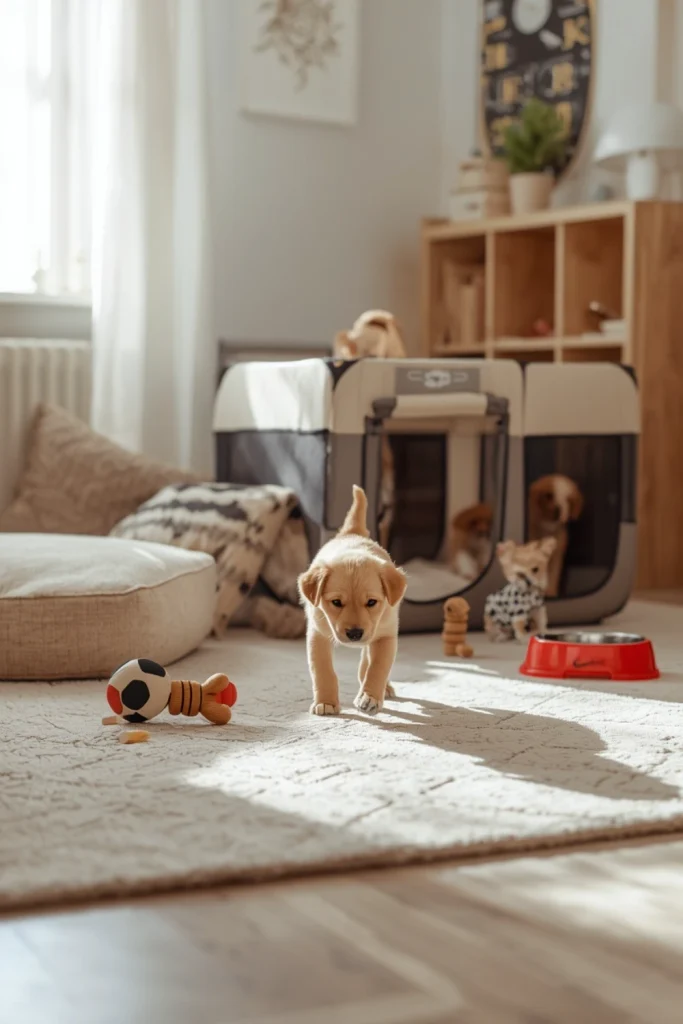
Before beginning formal training, prepare a safe space where your puppy can rest, play, and explore without constant supervision becoming difficult. Remove electrical cords, cleaning products, medications, small objects, toxic plants, and anything your puppy could swallow. Use baby gates or a puppy pen to limit access to areas that have not been puppy-proofed. Provide a comfortable bed, fresh water, appropriate toys, and a quiet place to sleep.
Walk through your home at your puppy’s level to identify potential hazards. Keep shoes, laundry, food, and household chemicals out of reach. Check fences and gates before allowing outdoor access, and supervise your puppy around stairs and unfamiliar surfaces. A well-prepared environment prevents many avoidable problems and makes it easier to reward good behavior instead of constantly correcting unwanted choices.
2. Establish a Consistent Daily Routine
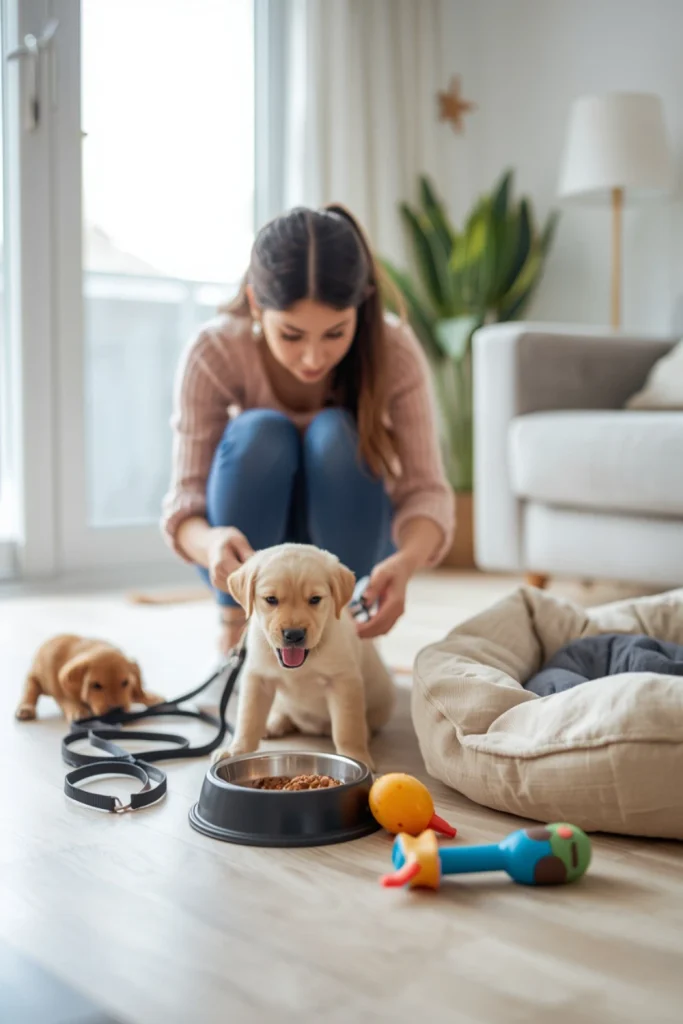
Puppies benefit from predictable routines because they help them understand when to eat, play, rest, train, and go outside. Create a schedule that fits your household while providing frequent potty opportunities and enough sleep. Young puppies often need to eliminate after waking, eating, drinking, or playing, so plan around these activities rather than expecting them to follow an adult dog’s schedule.
Consistency also helps you recognize patterns in your puppy’s behavior. If your puppy becomes restless at a particular time, they may need a toilet break, interaction, or rest. Keep feeding and bedtime routines reasonably regular, but remain flexible when your puppy’s needs change. A daily routine should support your puppy’s well-being rather than become a rigid timetable that ignores signs of tiredness or discomfort.
3. Teach Your Puppy to Recognize Their Name
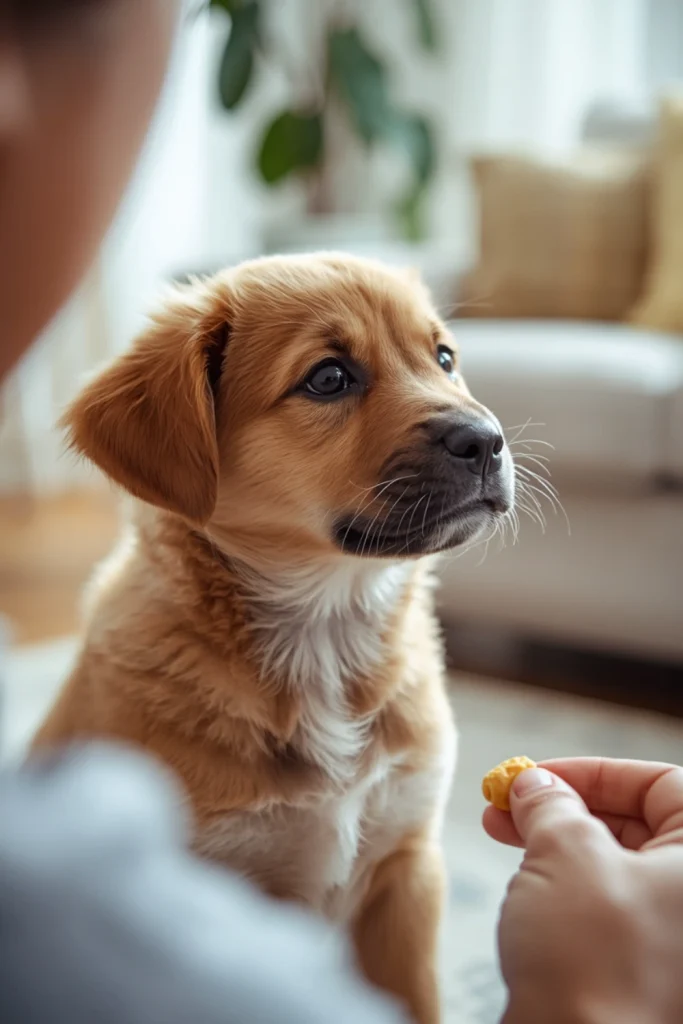
Name recognition is one of the first skills to include in your Puppy Training Checklist. Choose a name that is easy to say and use it in a friendly tone when your puppy is relaxed and able to pay attention. Say the name once, and when your puppy looks toward you, immediately reward them with a tiny treat or praise. Repeat the exercise in several short sessions throughout the day.
Avoid using your puppy’s name mainly when scolding them, because you want the sound to predict positive experiences. If your puppy does not respond, reduce distractions and try again when they are more attentive. Once they respond consistently indoors, practice in different rooms and quiet outdoor settings. Name recognition is a foundation for future attention and recall exercises, but it should be reinforced regularly.
4. Begin Potty Training From the First Day
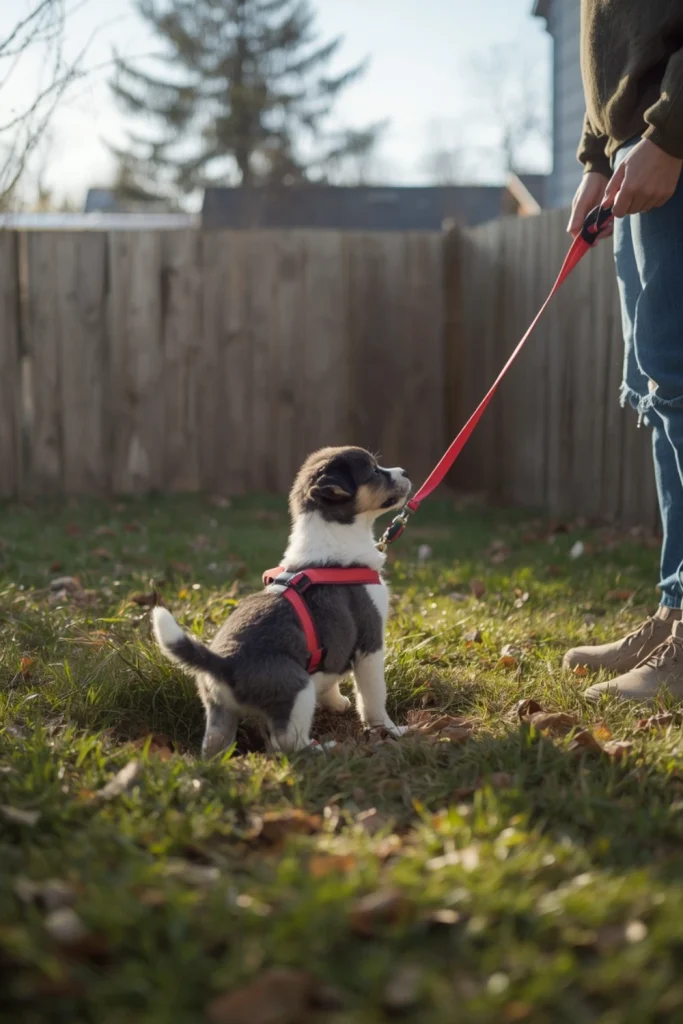
Potty training is one of the most important tasks for new puppy owners. Take your puppy to a designated toilet area after waking, eating, drinking, playing, and before bedtime. Very young puppies may need opportunities every 30–60 minutes while awake, depending on their age and individual needs. Watch for signs such as sniffing the floor, circling, wandering away, or suddenly becoming restless.
Reward your puppy immediately after they finish eliminating in the correct location. Use a consistent cue if you find it helpful, and remain patient while they learn. If an accident happens indoors, clean the area with an enzymatic cleaner and review whether your puppy needed a break sooner. Never punish accidents or rub your puppy’s nose in the mess. Calm supervision and timely rewards teach the desired habit more effectively.
5. Introduce Crate Training Gradually
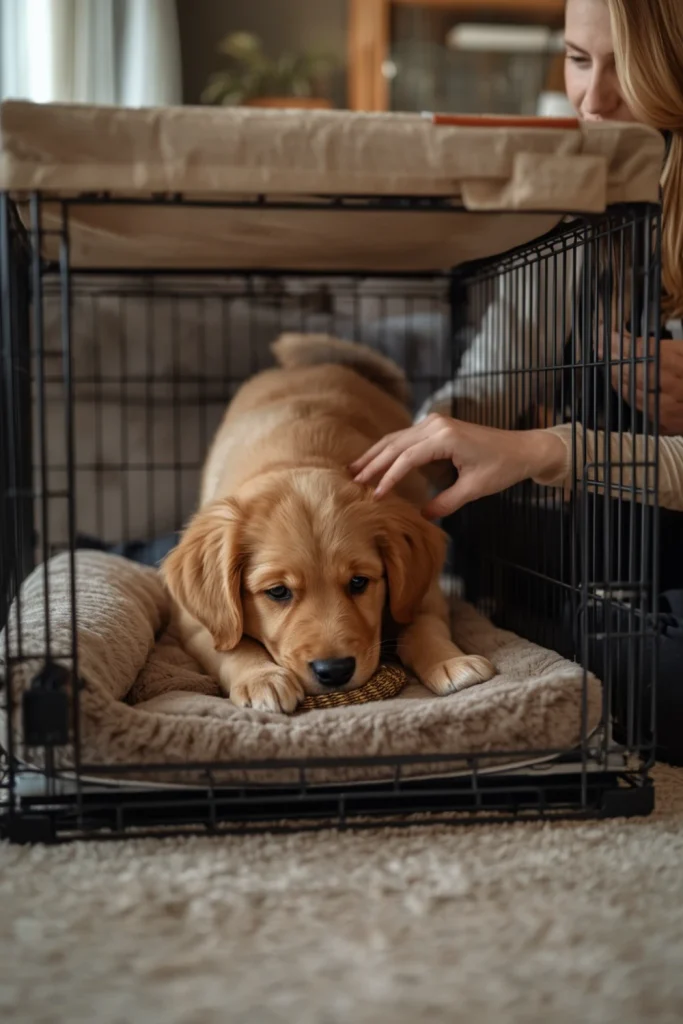
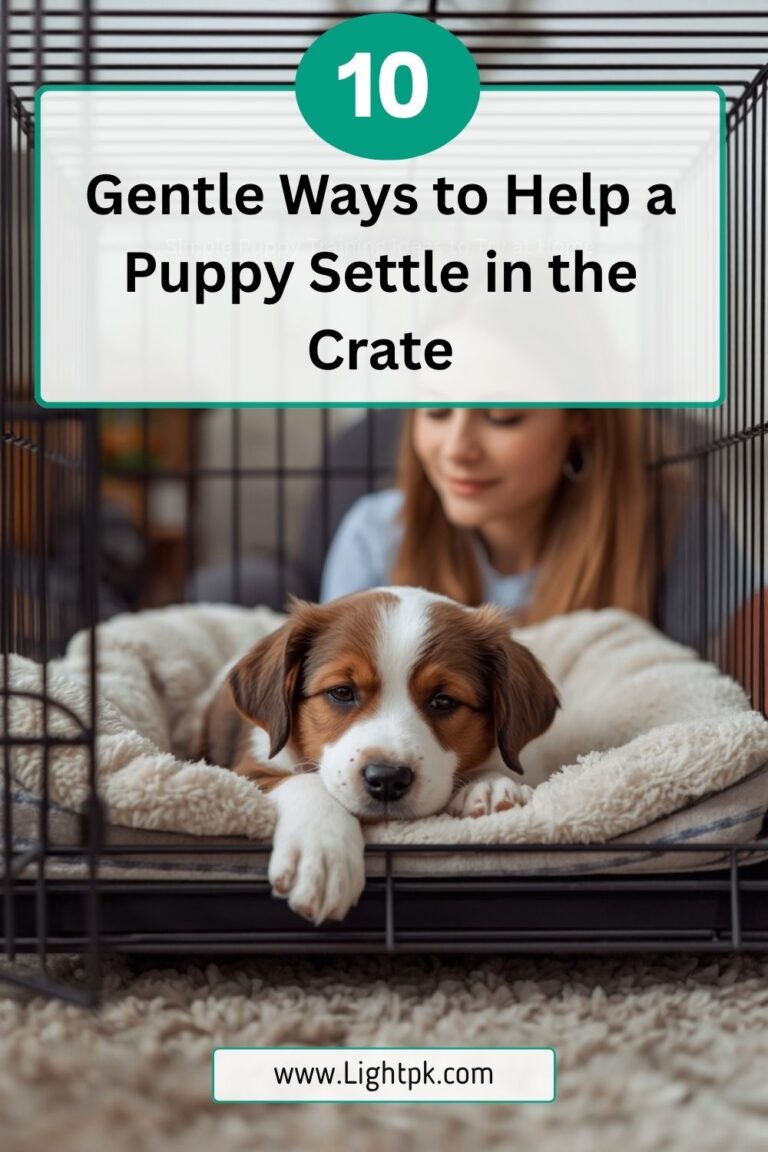
A crate can provide a comfortable resting place when introduced patiently and used appropriately. Choose a crate large enough for your puppy to stand, turn around, and lie down comfortably. Make the space inviting with suitable bedding if your puppy does not chew it, and reward them for approaching or entering voluntarily. You can toss a treat inside or offer a safe food toy during a brief, positive session.
Start with the door open and let your puppy explore at their own pace. Gradually practice closing the door for very short periods while you remain nearby, then increase duration only when your puppy stays comfortable. Never use the crate as punishment or leave a young puppy confined for longer than they can reasonably manage. If your puppy panics, cries persistently, or attempts to escape, reduce the difficulty and seek professional advice if needed.
6. Create Healthy Sleep and Rest Habits
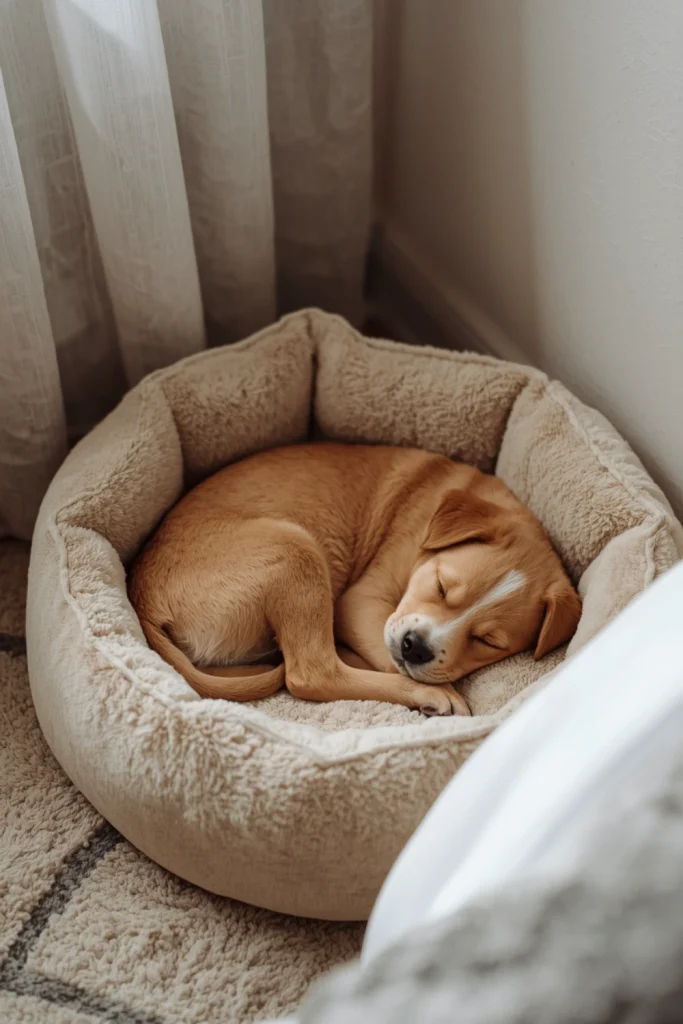
Puppies need substantial sleep to support healthy development, learning, and emotional regulation. Many young puppies sleep around 18–20 hours across a full day, although individual needs vary with age, activity, and health. Create a quiet resting area where your puppy can sleep without being disturbed by constant handling, loud television, or children trying to play.
Include naps in your daily routine, especially after play and short training sessions. An overtired puppy may become unusually mouthy, restless, or difficult to settle. Instead of assuming every burst of energy requires more exercise, offer a quiet break and an opportunity to rest. Keep bedtime routines predictable, provide a suitable final potty break, and respond to nighttime needs calmly while helping your puppy gradually adjust to the household’s sleeping arrangements.
7. Introduce Positive Reinforcement Training
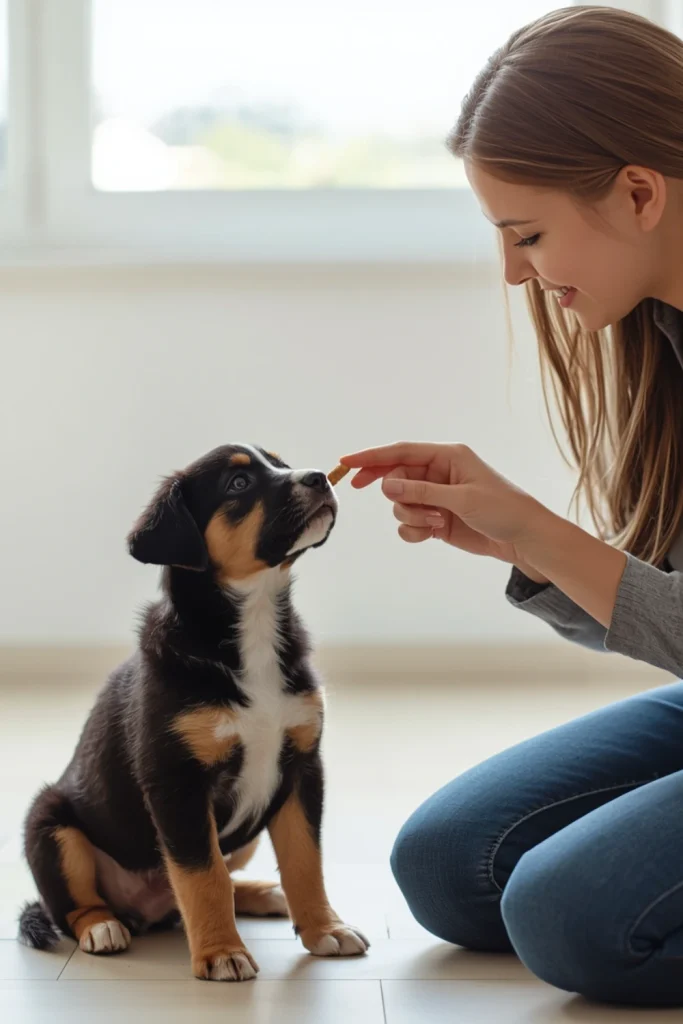
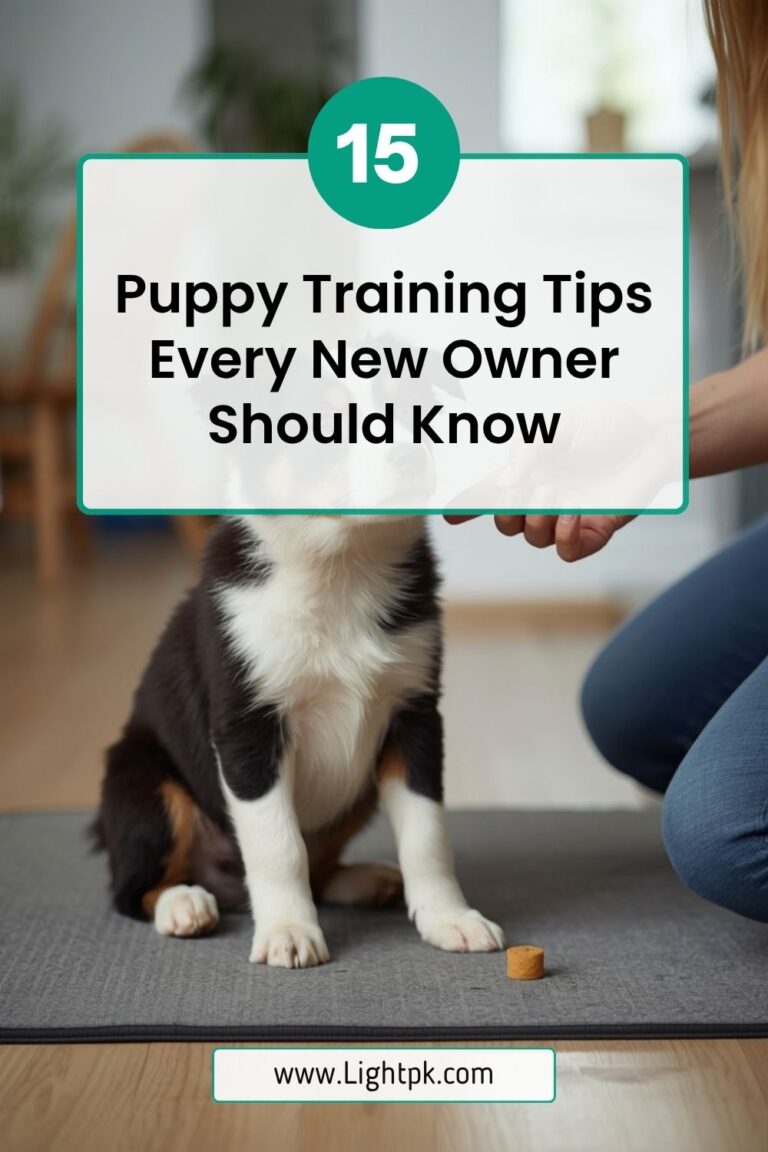
Positive reinforcement means rewarding your puppy when they perform a behavior you want to encourage. Rewards can include small treats, praise, toys, or an opportunity to do something enjoyable. For example, reward your puppy for looking at you, sitting calmly, approaching when called, or choosing an appropriate toy instead of chewing a shoe.
Deliver the reward promptly so your puppy can connect the behavior with the positive outcome. You can use a consistent marker word such as “Yes” immediately before giving the reward. Keep food rewards small and account for them in your puppy’s daily diet. Avoid shouting, intimidating your puppy, or physically forcing them into positions. A reward-based approach helps make training clear, encourages voluntary participation, and supports a trusting relationship.
8. Teach the Sit Command
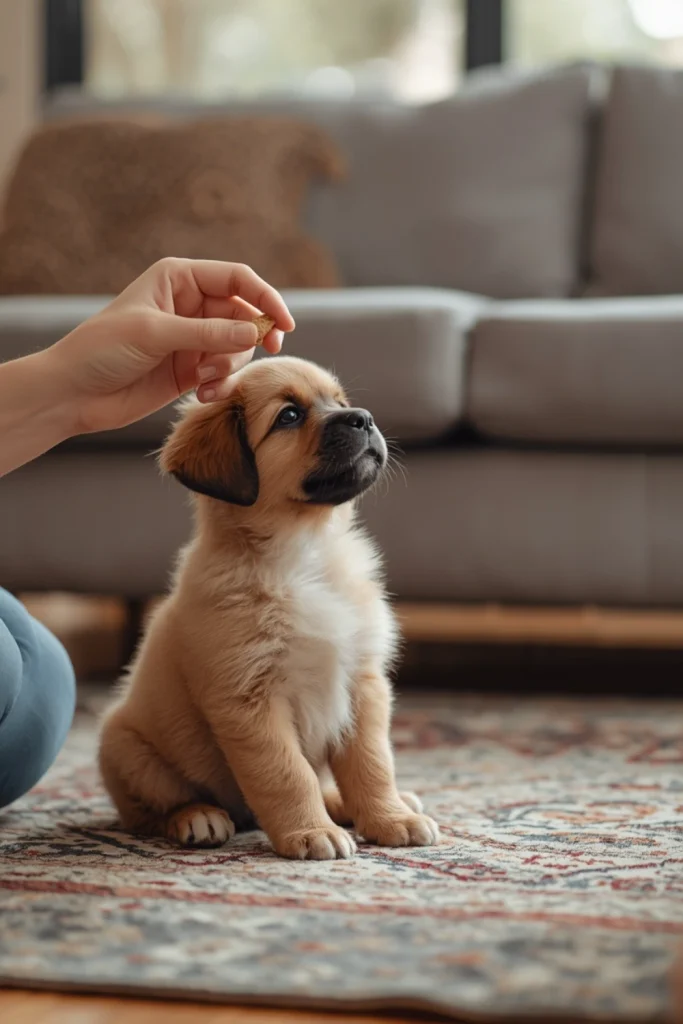
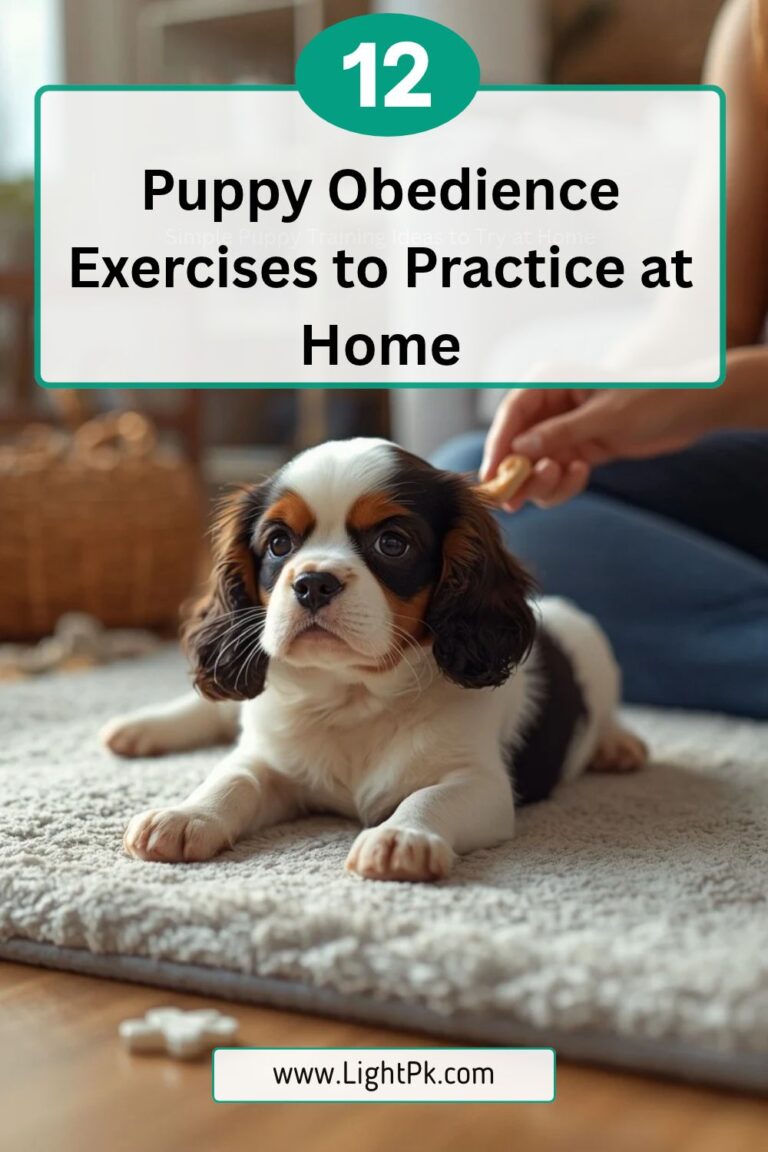
Sit is a useful beginner command that can help your puppy learn polite behavior in everyday situations. Hold a small treat near your puppy’s nose and move it gently upward and slightly backward. As the puppy follows the treat, their hindquarters may lower naturally. Mark the moment they sit and reward them immediately. Once the movement becomes predictable, introduce the verbal cue “Sit” before guiding the behavior.
Practice a few repetitions at a time and give your puppy breaks between sessions. If they jump toward your hand or back away, adjust your position and make the movement easier. Never push your puppy down physically. As the skill improves, practice before meals, during quiet play, or before clipping on the leash. Rewarding successful attempts will help your puppy learn that sitting calmly can lead to good things.
9. Teach the Down Command
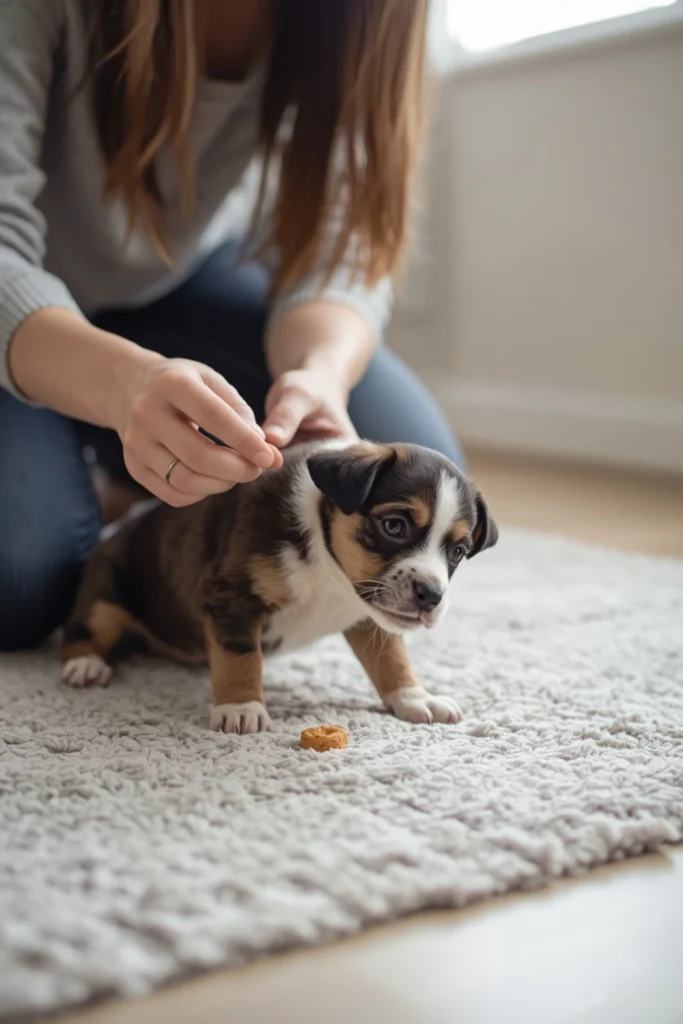
The down command encourages your puppy to lie down when asked. Begin with your puppy standing or sitting on a comfortable, nonslip surface. Hold a treat near their nose and guide it slowly toward the floor between their front paws. As the puppy follows the treat and lowers their body, mark the behavior and reward them. Add the verbal cue “Down” when your puppy begins understanding the movement.
Some puppies find this position difficult or prefer to remain standing while investigating the treat. Be patient and reward small steps toward the desired position. Avoid pushing your puppy’s shoulders or back down. Practice when your puppy is calm rather than highly excited, and keep sessions short. Over time, reduce reliance on the food lure so your puppy learns to respond to the verbal cue or a consistent hand signal.
10. Practice the Come Command
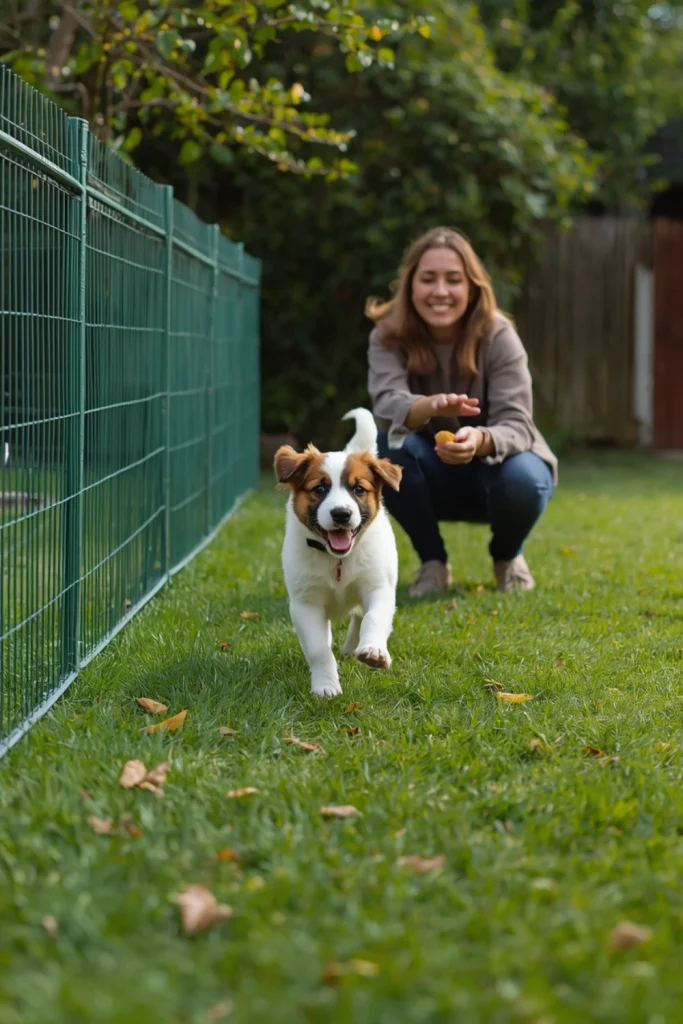
Recall training teaches your puppy to return when called and is an important safety skill. Start indoors with a short distance between you and your puppy. Say their name followed by “Come” in a cheerful voice, then encourage them toward you by crouching or stepping backward. When your puppy reaches you, reward them with a treat, praise, or a brief game.
Make returning to you consistently rewarding, and never call your puppy to you for punishment. As your puppy improves, practice in a secure enclosed area with mild distractions. Outdoors in an unenclosed space, use a suitable leash or long line and follow local leash rules. Do not assume that a young puppy will return reliably near traffic, wildlife, or unfamiliar dogs. Recall takes ongoing practice throughout adolescence and adulthood.
11. Introduce the Stay Command
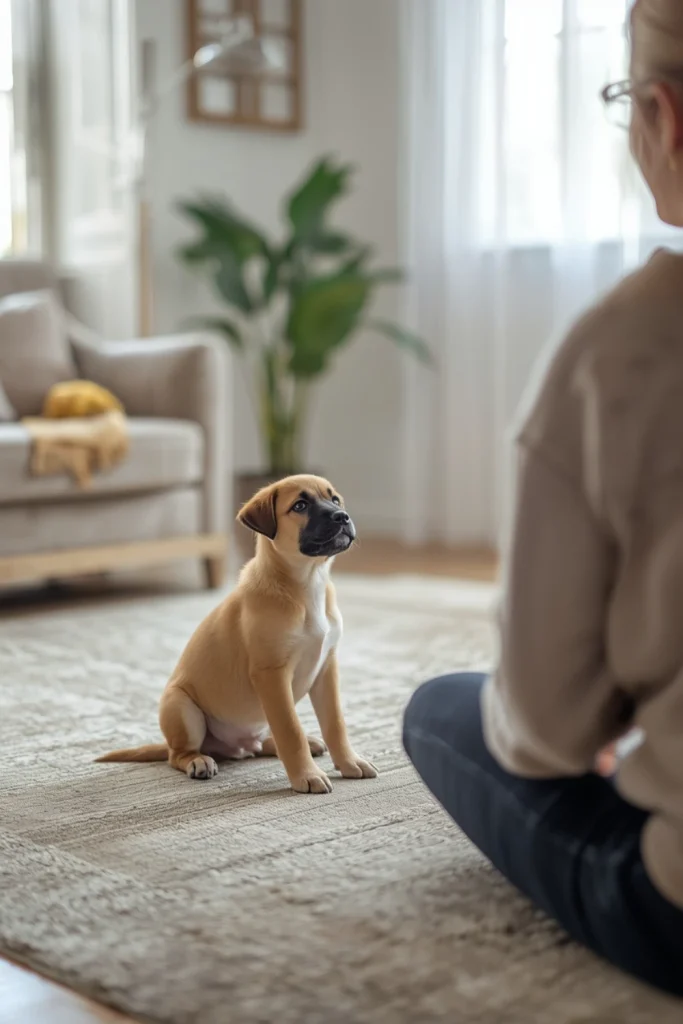
Stay teaches your puppy to remain in a position until you release them. Begin by asking your puppy to sit, then pause for just a second before rewarding them. Introduce the cue “Stay” as your puppy starts understanding the exercise. Use a release word such as “Free” to signal when they can move again. Gradually increase the duration while keeping the exercise easy enough to succeed.
Avoid walking far away or expecting your puppy to wait for a long time during the first sessions. If your puppy gets up, shorten the duration and try again. Build duration, distance, and distractions separately rather than increasing all three together. Stay can become useful before meals, at doorways, and during calm household activities, but it should always be practiced with appropriate supervision.
12. Teach Leave It and Drop It
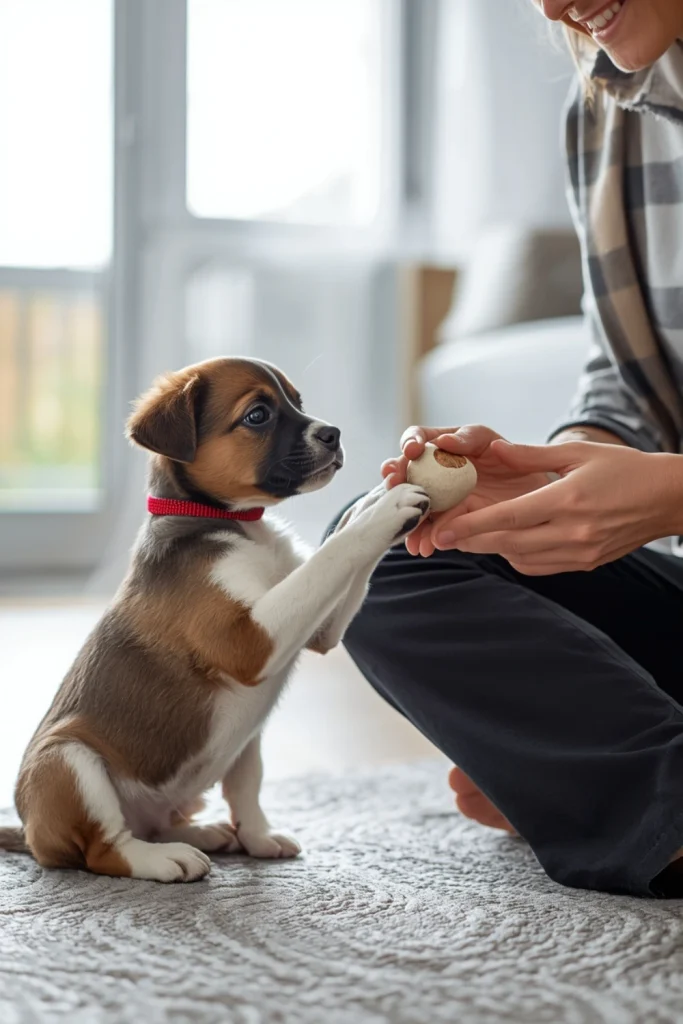
Leave it and drop it are two useful but different skills. Leave it teaches your puppy to turn away from an item they should not approach, while drop it teaches them to release something already in their mouth. Start leave-it practice with a treat enclosed in your hand and reward your puppy for turning away. For drop-it practice, offer a safe toy and trade it for a tasty reward when your puppy releases it.
Use calm, reward-based exchanges and avoid chasing your puppy or forcibly removing objects from their mouth. These actions can encourage keep-away behavior or create conflict. Keep dangerous items secured and supervise your puppy around household objects. If your puppy growls, stiffens, or guards food or toys, do not force the exchange. Seek help from a qualified, reward-based professional to address resource guarding safely.
13. Introduce Leash and Harness Training
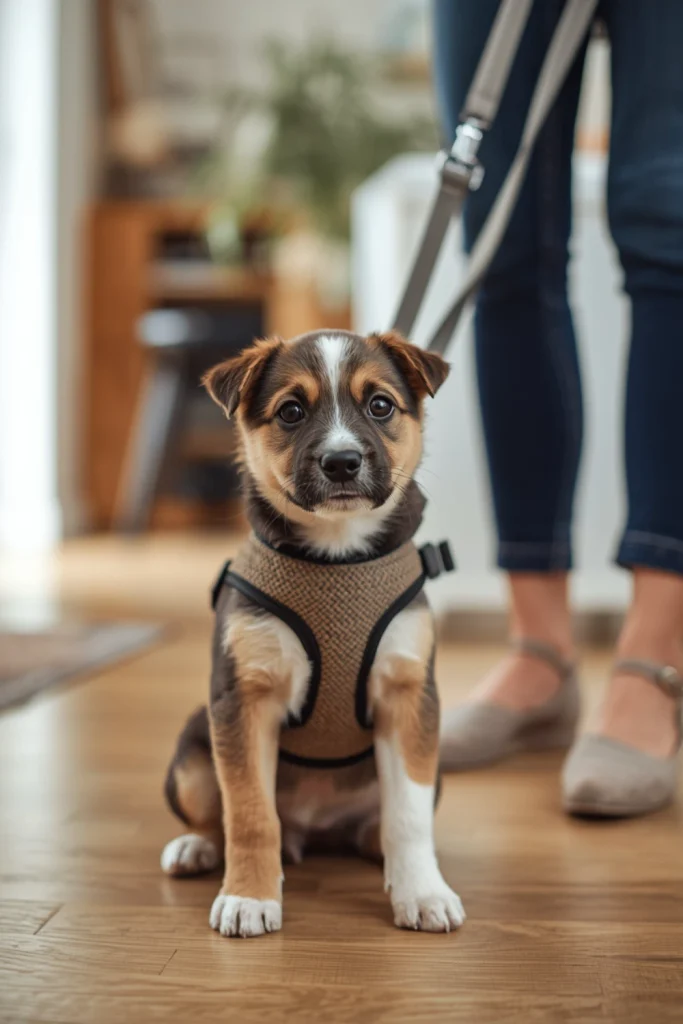
Leash training begins before your puppy is ready for long outdoor walks. Let your puppy investigate a properly fitted harness, rewarding calm behavior as you introduce it gradually. Once your puppy is comfortable wearing it, attach a lightweight leash under supervision and allow them to walk around a safe indoor space while you hold the other end.
Reward your puppy for moving near you and following gentle changes in direction. Never drag them forward or jerk the leash to force movement. Some puppies need time to become comfortable with the sensation of wearing equipment. Once your puppy is ready, practice in a quiet, safe outdoor area after discussing vaccination and disease risks with your veterinarian. Keep early outings manageable and focus on positive experiences rather than distance.
14. Encourage Polite Greetings and Prevent Jumping
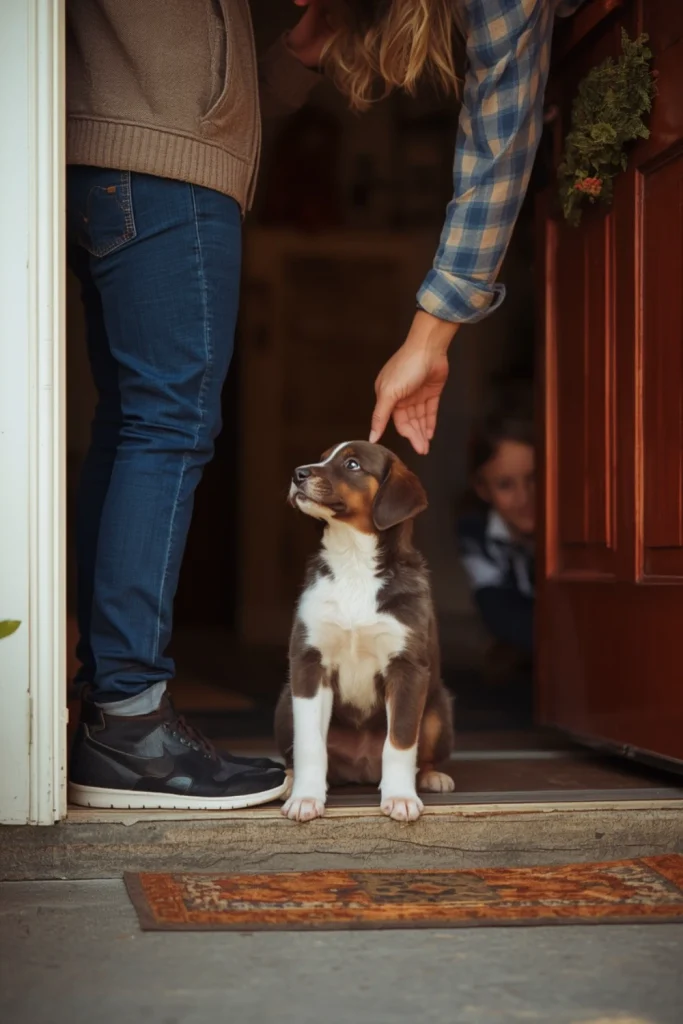
Puppies often jump up because they are excited to greet people and want attention. Teach an alternative behavior by rewarding your puppy when all four paws remain on the floor. Ask family members to approach calmly and give attention when your puppy is settled. If jumping begins, briefly pause the greeting and reward the calmer behavior when it returns.
Avoid shouting, kneeing, or pushing your puppy away, as these reactions may increase excitement or accidentally provide attention. Use a baby gate or a leash held by an adult when extra management is needed. Practice with familiar people before introducing more challenging greetings. Your puppy does not have to sit perfectly every time; calm standing can also be rewarded. Consistent responses from everyone in the household will make the lesson clearer.
15. Start Gentle Socialization
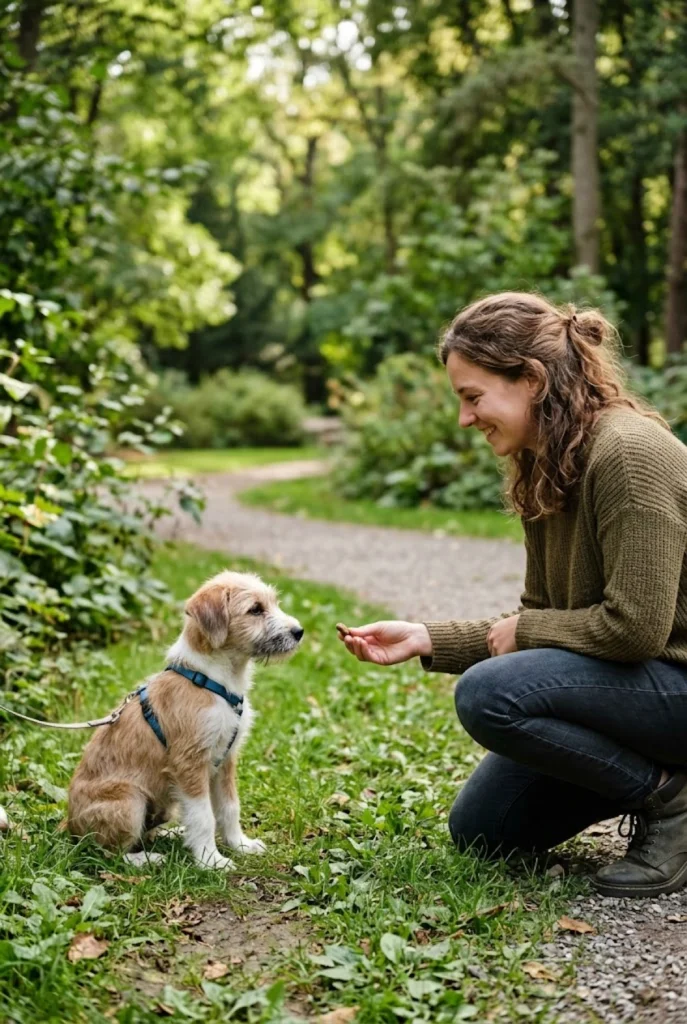
Socialization helps puppies become more comfortable with the people, sounds, surfaces, environments, and animals they may encounter throughout life. Introduce new experiences gradually and pair them with pleasant rewards. Your puppy might observe people walking at a distance, hear everyday household sounds at a comfortable volume, or explore different safe surfaces under supervision.
Good socialization does not mean forcing your puppy to greet every person or dog. Let your puppy approach voluntarily and move away whenever they need space. Watch for signs of fear, such as hiding, freezing, repeated attempts to escape, or refusing normally appealing treats. Ask your veterinarian about safe socialization opportunities based on vaccination status and local risks. Positive, manageable experiences are more valuable than overwhelming your puppy with too much novelty.
16. Teach Appropriate Chewing Habits
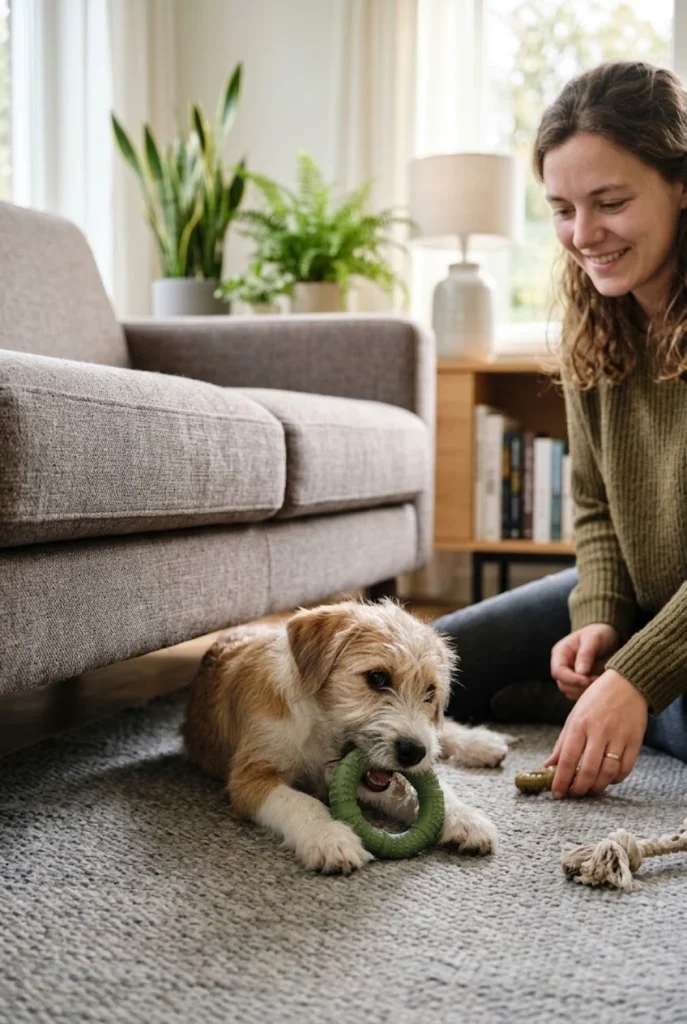
Chewing is a normal puppy behavior that helps exploration and may increase during teething. Rather than trying to stop chewing entirely, provide safe, age-appropriate chew toys and make unsuitable objects inaccessible. When your puppy chooses an appropriate toy, praise them and allow them to enjoy it. Rotate toys occasionally to maintain interest and offer suitable enrichment throughout the day.
If your puppy starts chewing furniture, shoes, or clothing, calmly redirect them to an appropriate alternative. Check whether they need a potty break, rest, play, or additional mental stimulation. Avoid giving items that splinter easily or pose choking risks, and supervise chewing according to the product’s safety guidance. If your puppy swallows a foreign object or develops signs of pain, contact a veterinarian promptly rather than waiting for the behavior to resolve.
17. Reduce Puppy Biting During Play
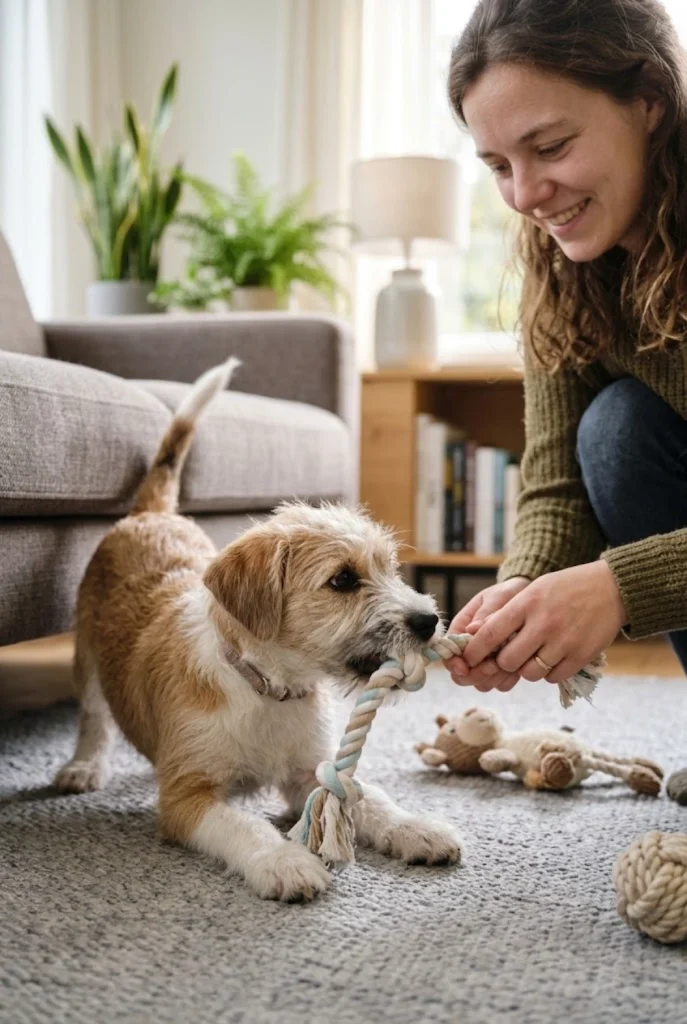
Puppies commonly use their mouths during play and exploration, but they need to learn how to interact gently with people. Keep suitable toys within reach and redirect biting hands or clothing toward an appropriate toy. Reward gentle play and pause the interaction briefly if your puppy becomes too excited. Resume when they are calmer and able to engage appropriately.
Avoid hitting your puppy’s muzzle, holding their mouth shut, or yelling. These responses can increase fear or excitement and may damage trust. Ensure your puppy gets sufficient sleep, as overtired puppies often become more mouthy. If biting is intense, persistent, associated with stiff body language, or appears to involve fear or aggression rather than ordinary play, consult a veterinarian or qualified behavior professional for individualized guidance.
18. Practice Calm Behavior Around Everyday Noises
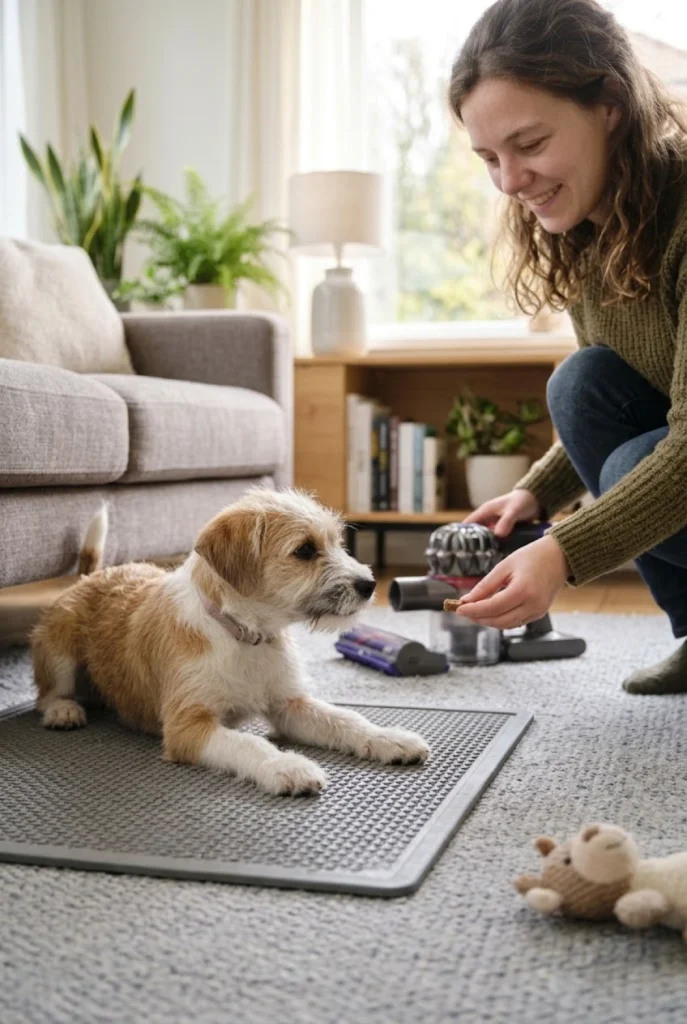
Everyday sounds such as doorbells, vacuum cleaners, traffic, and kitchen appliances can surprise a young puppy. Introduce unfamiliar sounds at a low intensity or from a comfortable distance, then reward calm observation. For example, a family member can make a quiet household sound while another person offers treats if the puppy remains relaxed.
Do not deliberately frighten your puppy or repeatedly expose them to a sound that causes distress. If they hide, freeze, bark anxiously, or try to escape, reduce the intensity or move farther away. Gradual exposure paired with positive experiences can build confidence over time. Some puppies are naturally more sensitive than others, so adapt the pace to their comfort. Persistent or severe noise fears may require professional guidance.
19. Build Confidence With New Places and Surfaces
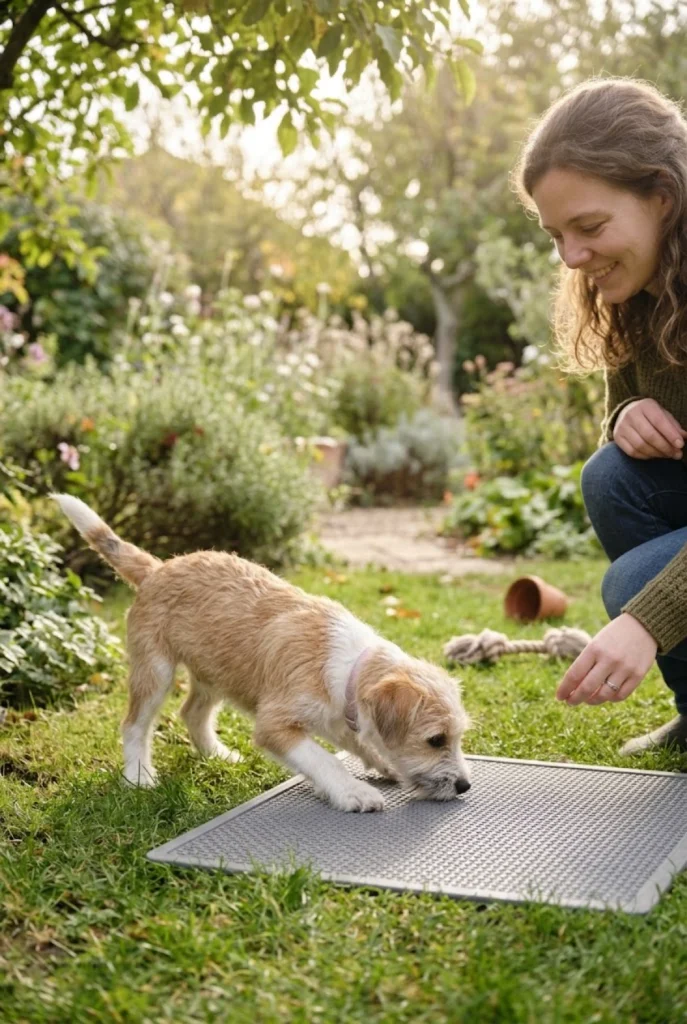
Puppies benefit from learning that different environments can be safe and enjoyable. Under appropriate supervision, allow your puppy to investigate surfaces such as grass, clean paving, rugs, and stable flooring. Introduce new rooms, quiet outdoor locations, and everyday objects gradually. Reward voluntary exploration and let your puppy decide how quickly to approach something unfamiliar.
Avoid placing your puppy on unstable, slippery, hot, or otherwise unsafe surfaces. Do not pull them toward objects they fear. Instead, create distance, offer encouragement, and reward small steps such as looking at the object or moving closer voluntarily. Keep health precautions in mind when choosing public areas before vaccination is complete. Confidence develops through repeated experiences in which your puppy feels safe and has the freedom to move away.
20. Practice Gentle Grooming and Handling
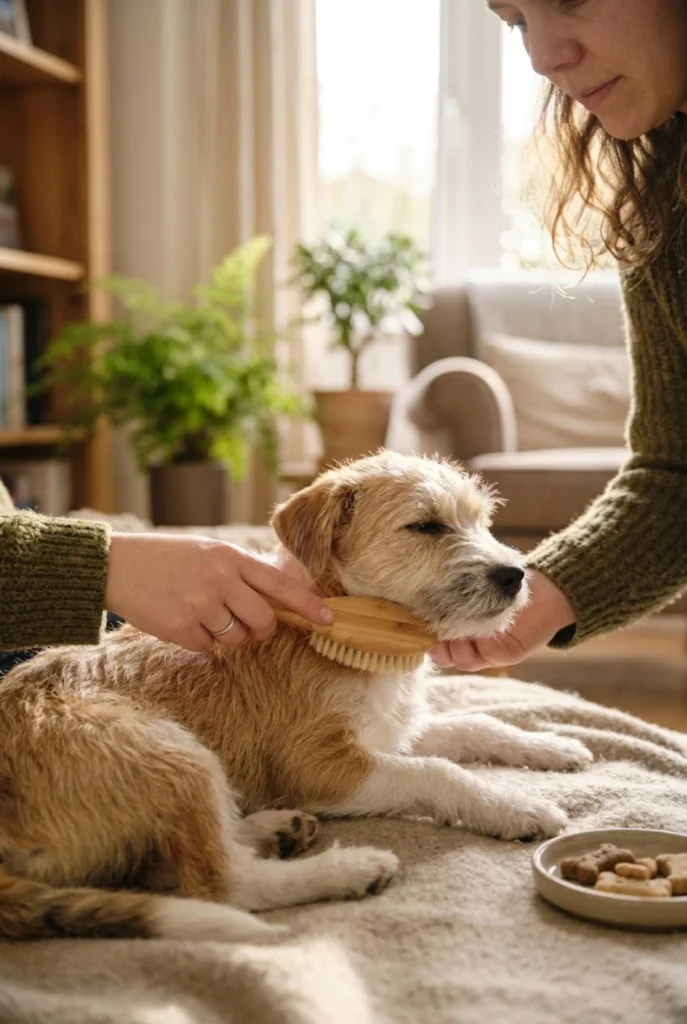
Regular, gentle handling can prepare your puppy for brushing, nail care, ear checks, and veterinary examinations. Begin by briefly touching an area your puppy comfortably accepts, then reward them. Introduce grooming tools slowly by allowing your puppy to sniff them before using them for a short period. Gradually increase handling only while your puppy remains relaxed.
Avoid restraining your puppy unnecessarily or continuing when they show discomfort. Turning away, freezing, trying to escape, or repeated lip licking can indicate that the interaction is becoming difficult. Make grooming sessions brief and rewarding, and consult a veterinarian or qualified force-free professional if your puppy reacts with fear or defensive behavior. Building positive associations early can make future care less stressful for both of you.
21. Teach Your Puppy to Settle on a Mat
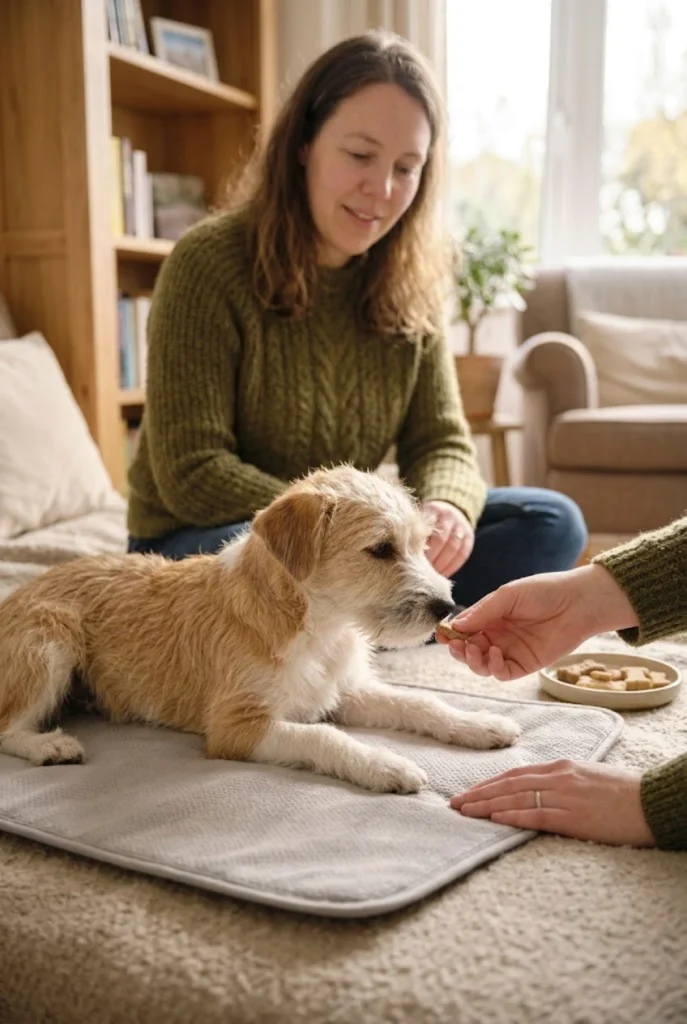
A settle-on-a-mat exercise helps your puppy learn that relaxing is a rewarding activity. Place a comfortable mat in a quiet location and reward your puppy for approaching it, stepping onto it, or lying down. Deliver treats calmly while your puppy remains on the mat, and allow them to leave when they wish during the early stages.
Gradually reward longer periods of relaxed behavior. You can practice while preparing food, reading, or working at home. Avoid using the mat to trap your puppy in a stressful situation or demanding a long stay before they understand the exercise. A comfortable resting spot can become a useful part of your daily routine, especially when your puppy needs help settling after play.
22. Introduce Safe Alone-Time Training
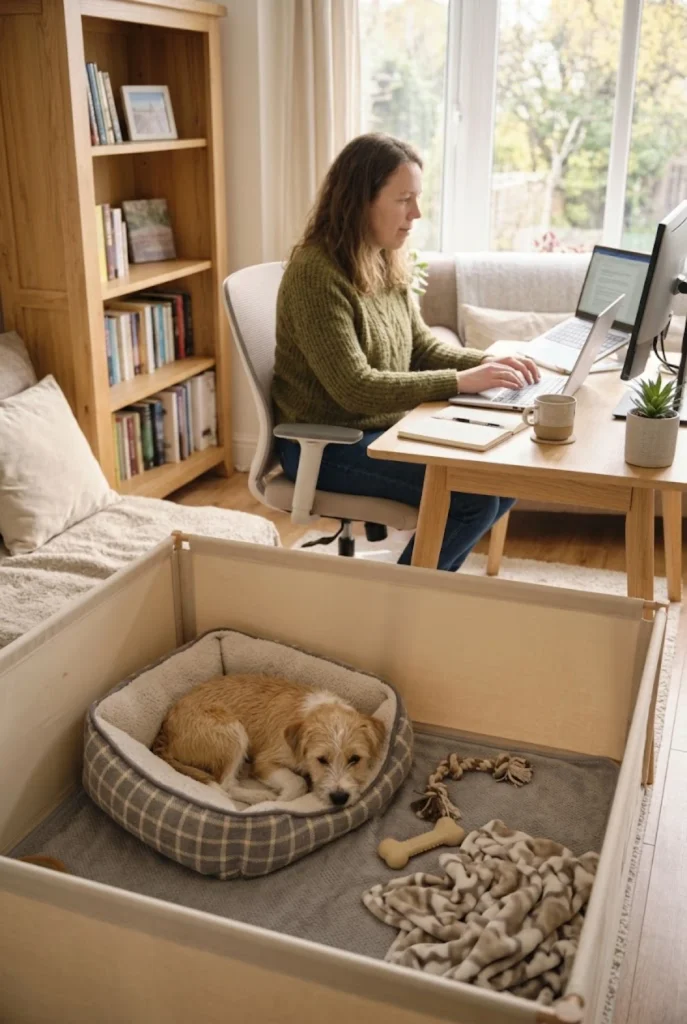
Puppies need to learn gradually that brief periods without direct attention can be safe. Begin by allowing your puppy to relax in a comfortable, puppy-proofed area while you remain nearby. Reward calm behavior, then briefly step away and return before your puppy becomes distressed. Increase the duration gradually only when your puppy remains comfortable.
Watch for signs of separation-related distress, including persistent barking, pacing, drooling, destructive escape attempts, or panic when you leave. Do not simply leave a distressed puppy alone for increasingly long periods in the hope they will get used to it. Reduce the difficulty and seek help from a veterinarian or qualified behavior professional when necessary. Young puppies also need frequent toilet breaks, interaction, and rest, so plan alone time around their developmental needs.
23. Introduce Food Bowl and Resource Manners
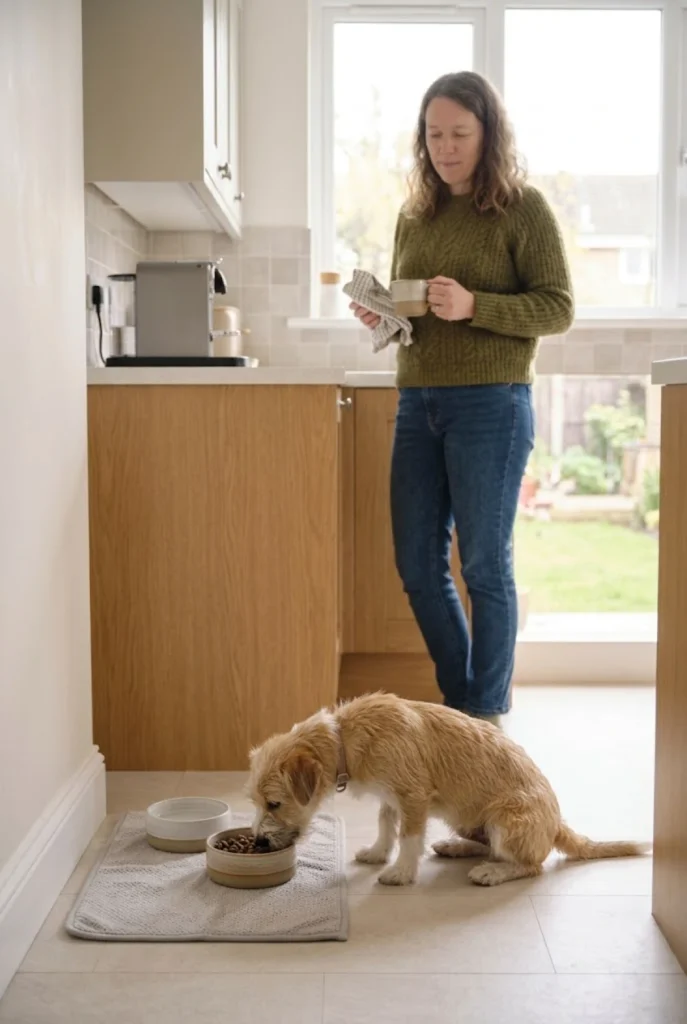
Teach your puppy that people approaching during mealtimes predict positive experiences rather than competition. Feed them in a quiet place where they can eat undisturbed. You can occasionally walk past at a comfortable distance and toss an additional suitable treat toward the bowl, provided your puppy remains relaxed. The aim is to build positive associations, not to test their tolerance by repeatedly taking food away.
Avoid putting your hands into the bowl, disturbing your puppy while eating, or allowing children to approach them during meals. If your puppy stiffens, growls, snaps, or guards food or toys, give them space and seek guidance from a qualified professional. Resource guarding can worsen when dogs are repeatedly challenged. Safe management and positive, individualized training are preferable to confrontation.
24. Introduce Appropriate Play and Enrichment
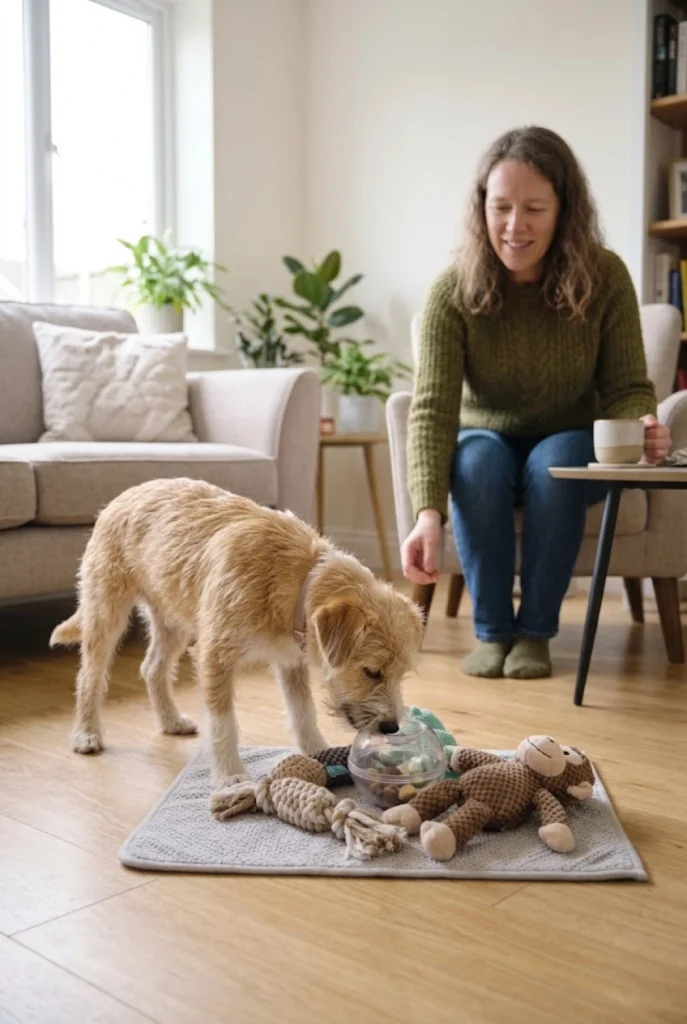
Play is an important part of a puppy’s development because it provides exercise, mental stimulation, and opportunities to practice communication. Offer age-appropriate toys, gentle games of tug with clear rules, simple treat-finding activities, and supervised exploration. Rotate toys to maintain interest and choose activities suited to your puppy’s size, physical ability, and temperament.
Balance active play with rest. Too much excitement can make it harder for a young puppy to settle, while too little enrichment may contribute to boredom and unwanted behaviors. Avoid activities involving excessive jumping, forced running, or rough handling that could injure a growing puppy. Supervise toys and food puzzles, and remove anything damaged or small enough to swallow. The best activities are safe, enjoyable, and easy to adapt to your puppy’s needs.
25. Teach Calm Behavior Around Other Dogs
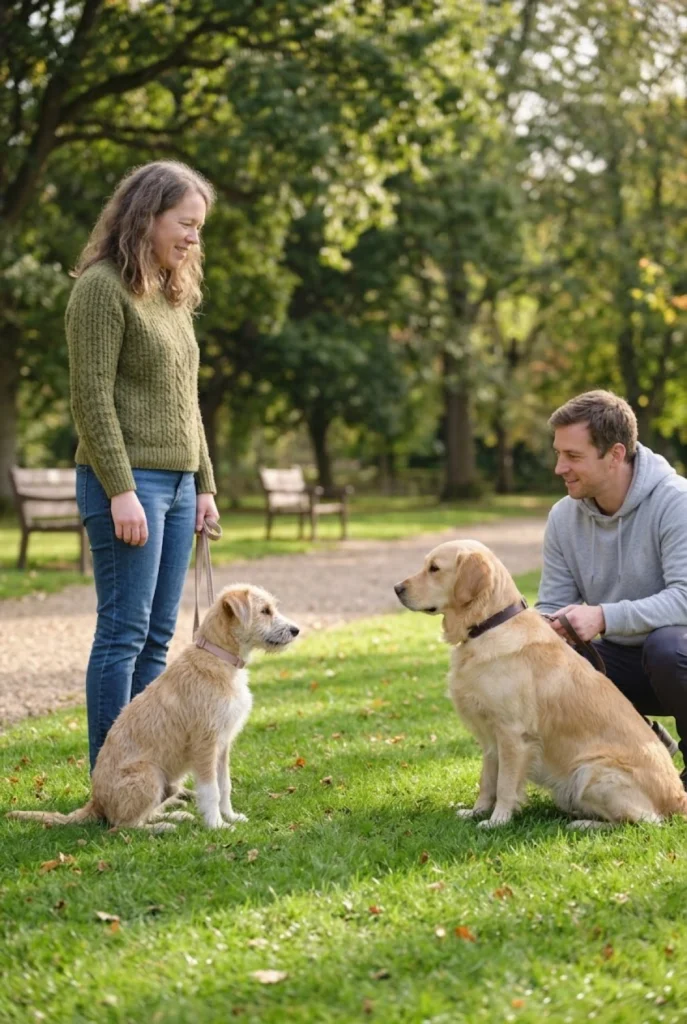
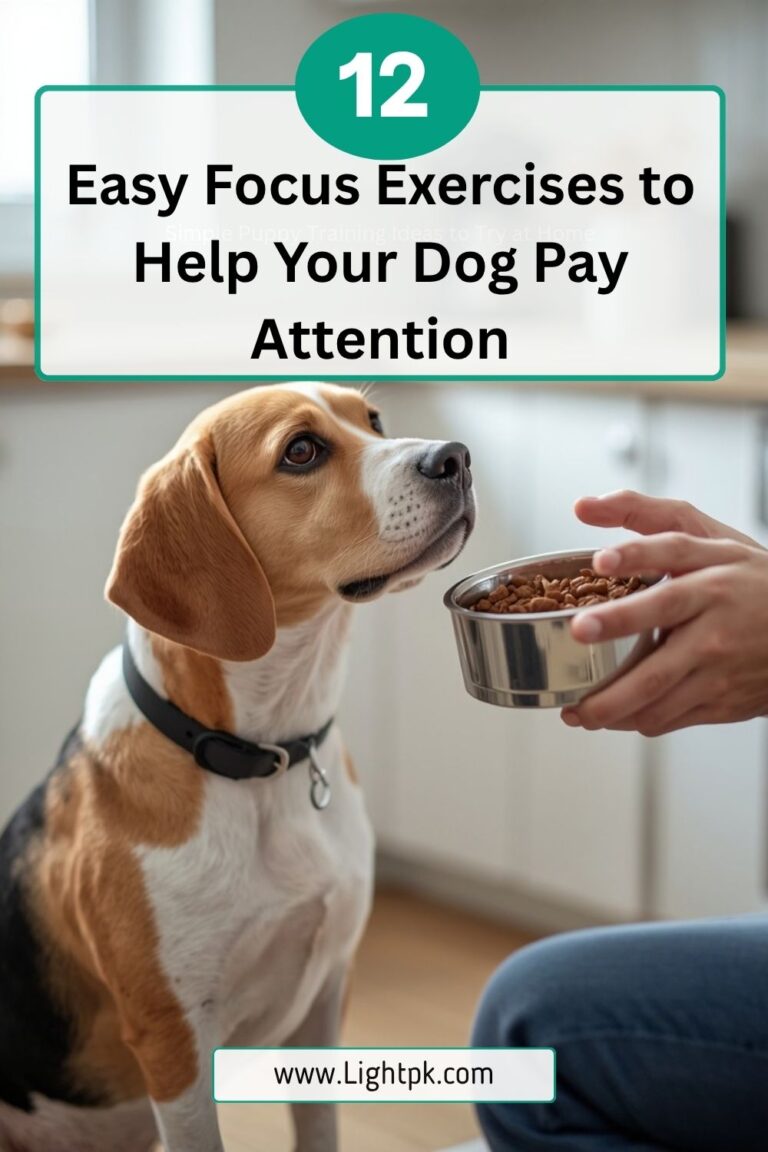
Your puppy does not need to greet every dog they see. Instead, teach them to observe other dogs calmly from a comfortable distance and check in with you. Reward relaxed behavior, such as looking at another dog and then turning back toward you. If you arrange a greeting, choose a suitable, healthy dog and a safe environment where both animals can move away freely.
Watch both dogs’ body language throughout the interaction. Stiff posture, persistent attempts to escape, freezing, or escalating barking are signs to increase distance. Avoid forcing face-to-face contact or allowing uncontrolled greetings on a tight leash. Follow your veterinarian’s advice regarding safe socialization before your puppy’s vaccinations are complete. Calm observation and positive experiences are valuable forms of social learning, even when direct interaction is not appropriate.
26. Practice Waiting Before Doors and Meals
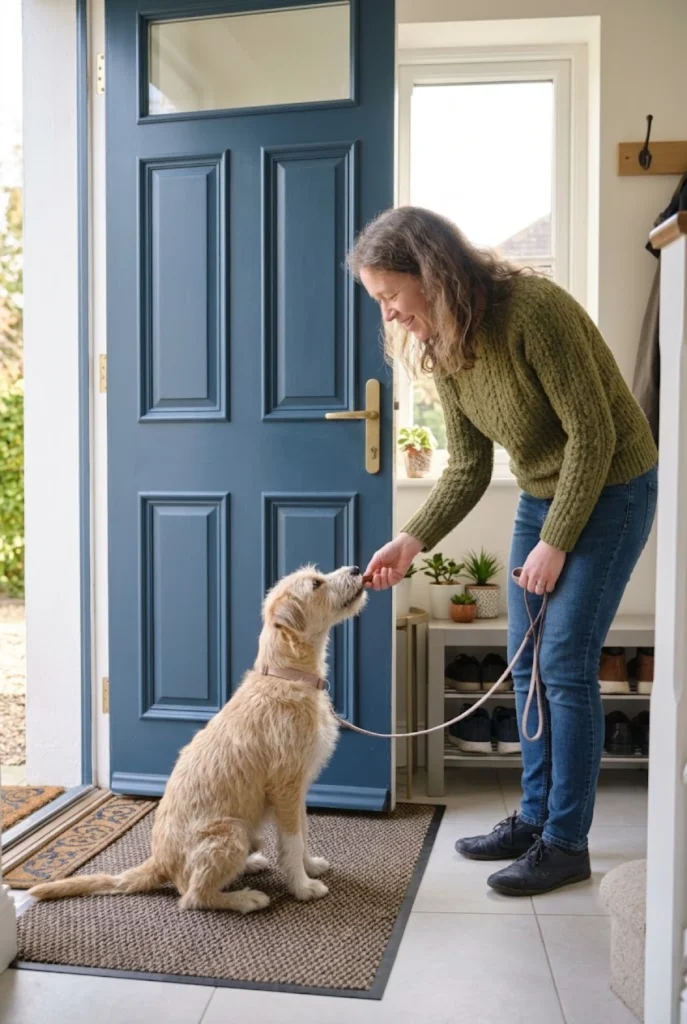
Waiting teaches your puppy to pause briefly before exciting activities. Ask for a simple behavior, such as standing calmly or sitting, before placing the food bowl down or opening an interior door. Reward even a short pause at first, and gradually build the duration as your puppy becomes more comfortable with the exercise.
For exterior doors, use a secure leash or barrier and supervise closely. A trained pause is helpful but cannot guarantee that your puppy will not run outside. Make sure gates and doors are secure, and teach a release cue so your puppy understands when moving forward is allowed. Keep the exercise positive and practical. The goal is to establish a habit of checking in and waiting briefly, not to demand long periods of self-control from a young puppy.
27. Schedule Veterinary Care and Health Checks
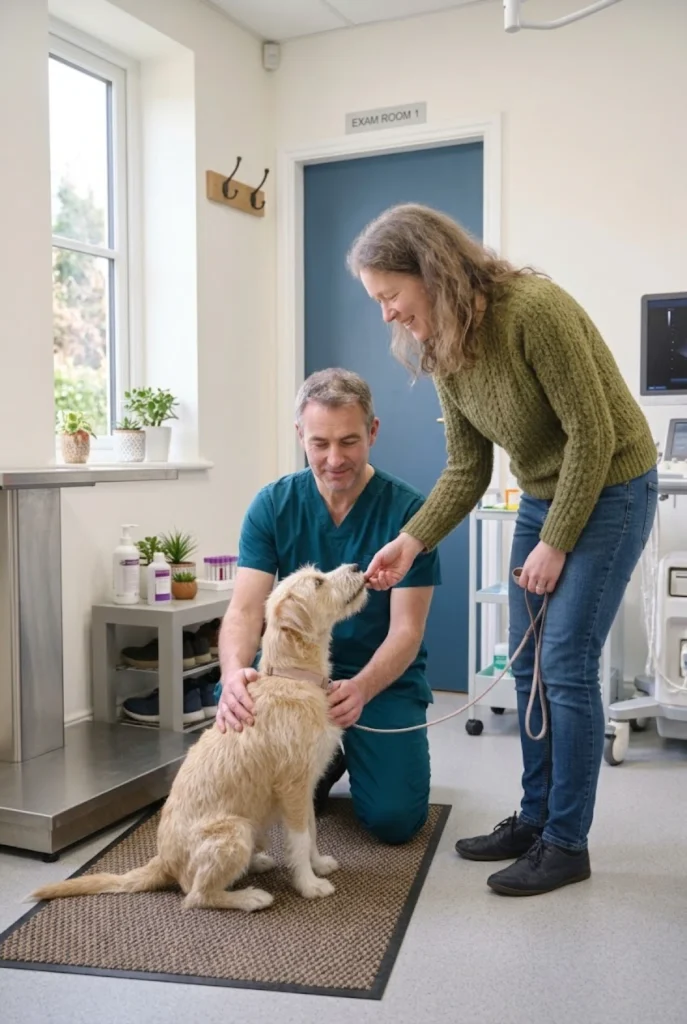
A complete Puppy Training Checklist should include health care because discomfort and illness can affect behavior and learning. Arrange a veterinary appointment soon after bringing your puppy home, following the advice of your breeder, rescue organization, or adoption provider. Discuss vaccinations, parasite prevention, nutrition, dental care, microchipping where available, and the timing of future appointments.
Make veterinary visits more comfortable by pairing gentle handling, treats, and calm travel experiences with positive rewards. Keep records of vaccinations and other recommended care, and ask your veterinarian about safe exercise and socialization opportunities. If your puppy suddenly becomes withdrawn, refuses food, seems painful, or develops persistent vomiting or diarrhea, contact your veterinarian rather than assuming the problem is behavioral. A healthy puppy is better positioned to learn and enjoy everyday activities.
28. Make Car Travel and Transport More Comfortable
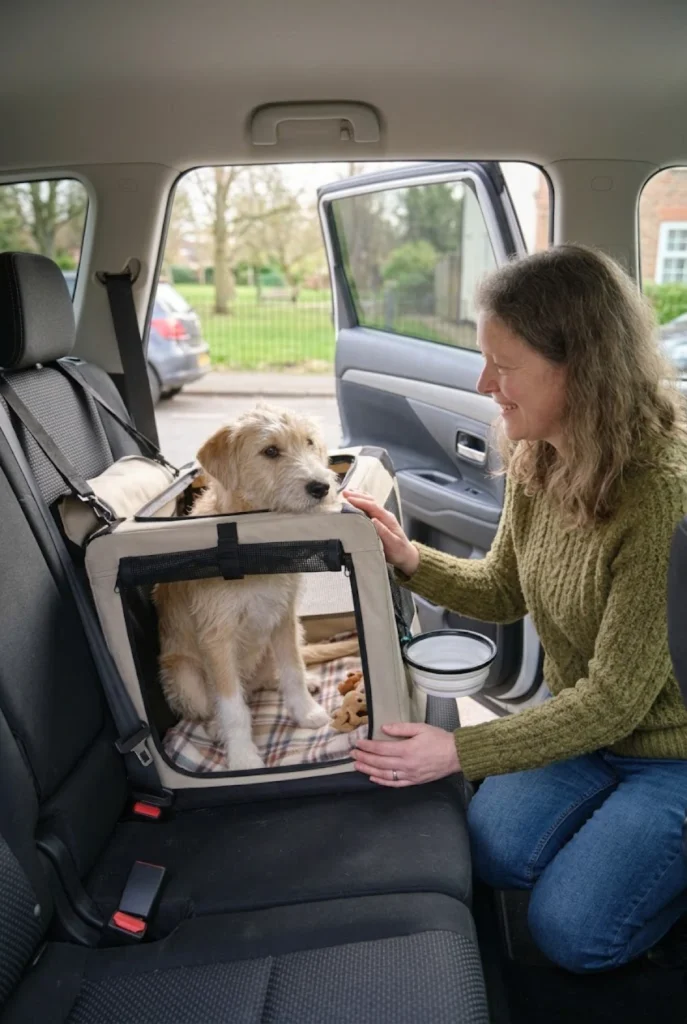
Early, positive experiences with transportation can help prepare your puppy for veterinary visits and future family trips. Begin by letting your puppy investigate a stationary vehicle while it is safely parked. Reward calm exploration, then gradually introduce brief periods inside the vehicle before attempting short trips if your puppy remains comfortable.
Always secure your puppy using an appropriate, crash-tested travel restraint or a properly secured travel crate. Never allow a puppy to roam freely in a moving vehicle or sit on the driver’s lap. Keep early journeys short, provide appropriate ventilation, and avoid leaving your puppy unattended in a hot or cold car. If your puppy becomes nauseated, panicked, or unusually distressed during travel, consult your veterinarian about suitable ways to make the experience safer and more comfortable.
29. Review Your Puppy Training Checklist Weekly
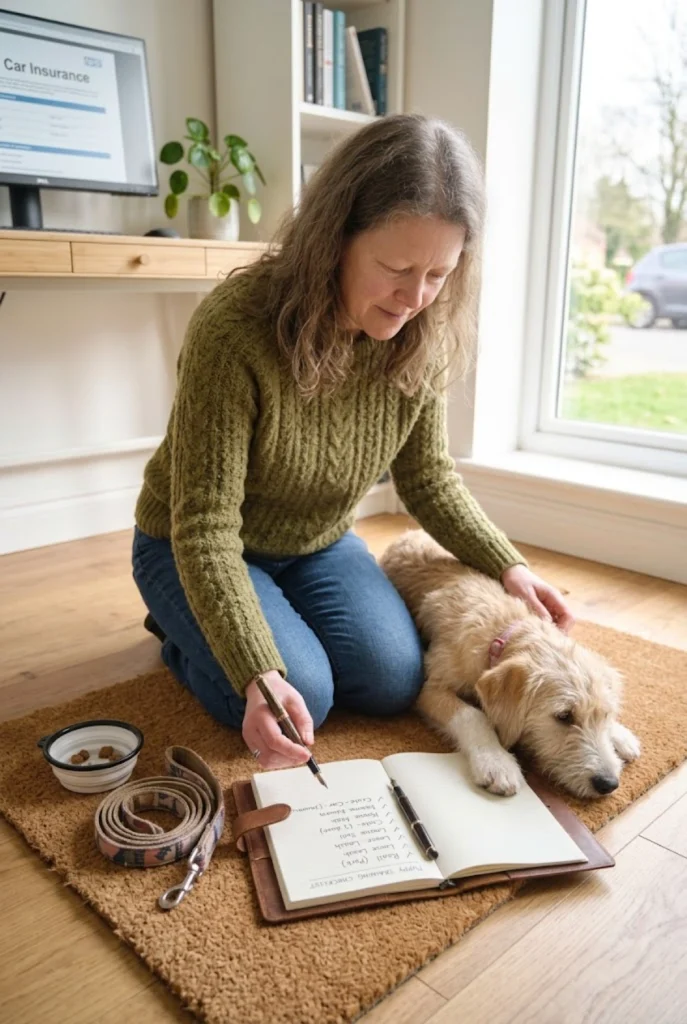
A weekly review helps you identify which skills are improving and which need more practice. Look at potty habits, name recognition, basic commands, leash comfort, settling, and socialization experiences. Record small successes, such as responding to their name in a new room or remaining calm while a familiar person approaches. These details help you plan useful next steps.
If a behavior is inconsistent, return to an easier environment and reward small improvements. Do not move forward simply because a particular week has ended. Some puppies need more repetition with potty training, while others may need extra time becoming comfortable with grooming or new sounds. Adjust the checklist to your puppy’s needs and continue revisiting essential skills throughout adolescence and adulthood.
30. Celebrate Progress and Build a Long-Term Training Routine
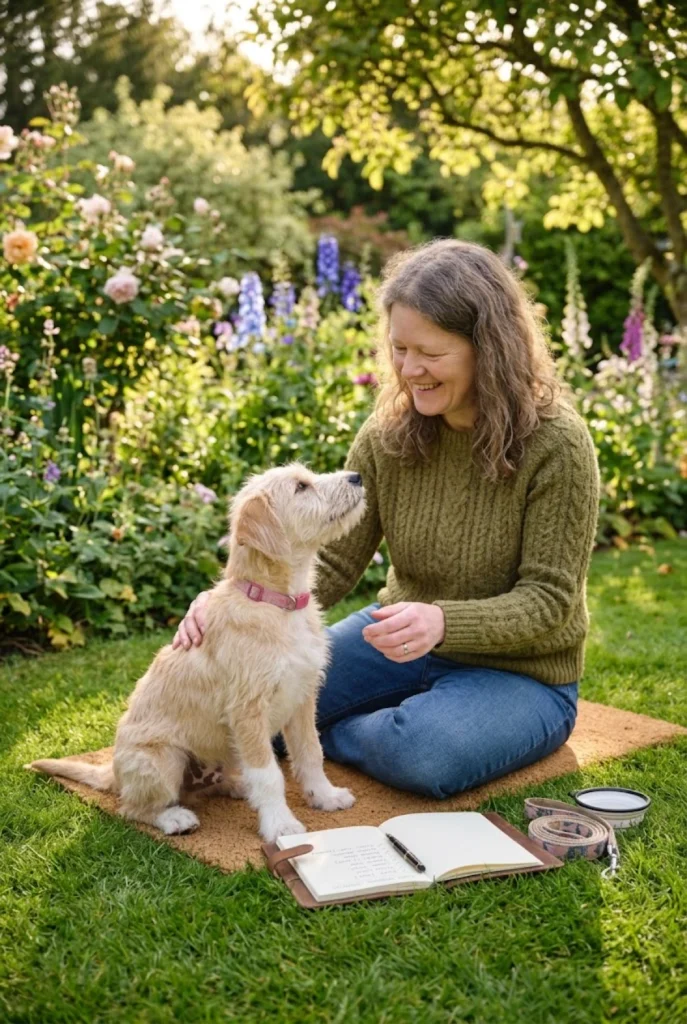
Celebrate your puppy’s progress at the end of each training stage, whether that means fewer potty accidents, calmer greetings, or a more reliable response to their name. Enjoy a gentle play session or a relaxed walk appropriate for your puppy’s age and health. Keep rewards meaningful and avoid turning progress checks into stressful tests.
Create a sustainable routine that includes short training sessions, suitable exercise, enrichment, rest, veterinary care, and ongoing socialization. Continue practicing recall in safe environments and reinforce good leash habits as your puppy grows. Training does not end when every box is checked. Your puppy’s needs will change over time, and continued positive reinforcement will help maintain the skills you have worked hard to build.
Final Thoughts
The Ultimate Puppy Training Checklist for New Owners provides a practical foundation for raising a confident, well-mannered companion. From potty training and basic commands to socialization, grooming, and safe everyday habits, each task helps you understand what your puppy needs to learn and how you can support that process.
Remember that progress matters more than perfection. Some puppies learn quickly, while others need additional time, repetition, and encouragement. Keep training positive, make adjustments when necessary, and celebrate small achievements along the way. By building consistent habits and continuing to practice as your puppy grows, you can develop a stronger bond and make everyday life more enjoyable for both of you.