
10 Safe Grooming Tips for Tangled Dog Fur
Tangled dog fur can quickly turn into an uncomfortable problem for your furry friend. Whether your dog has long, curly, thick, or double-layered fur, small knots can develop around the ears, legs, belly, tail, and other areas. If these tangles are not handled properly, they can become tight mats that pull on the skin, trap dirt, and make everyday movement uncomfortable. Regular grooming and gentle brushing can help prevent these problems while keeping your dog’s coat healthy and beautiful.
The good news is that you do not need to be a professional groomer to care for your dog’s tangled fur. With the right tools, patience, and safe grooming techniques, you can manage loose knots at home and make grooming a more enjoyable experience. These 10 Safe Grooming Tips will help you remove tangles carefully, protect your dog’s sensitive skin, and develop a simple grooming routine that keeps your pet comfortable.
1. Choose the Right Brush for Your Dog’s Coat
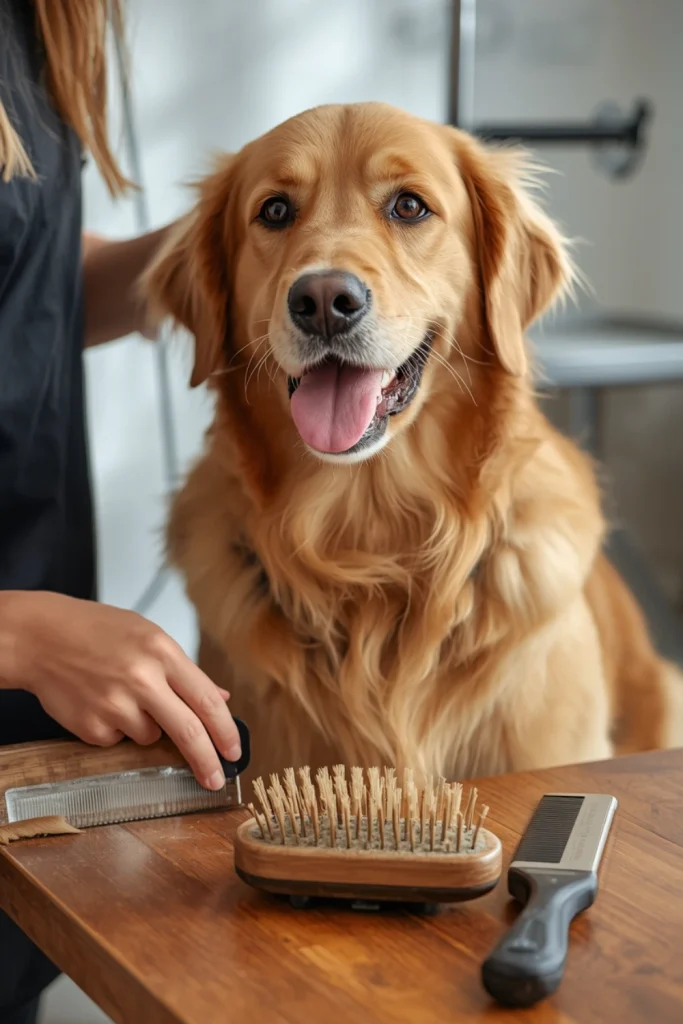
Choosing the correct grooming brush is one of the most important Safe Grooming Tips for managing tangled dog fur. Different coat types require different grooming tools. A slicker brush can help remove loose hair and small tangles from many long-haired and curly-coated dogs. A wide-tooth metal comb is useful for checking whether knots remain close to the skin. Dogs with short coats may need a softer grooming brush rather than a tool designed for thick or long fur. Always select a brush appropriate for your dog’s breed and coat texture.
Before beginning, introduce the brush slowly and allow your dog to smell and inspect it. Use gentle movements and avoid pressing the bristles directly against the skin. If your dog has a sensitive coat, start with a soft brush and gradually introduce other tools when needed. Using the right equipment makes grooming easier, reduces unnecessary pulling, and helps prevent discomfort during the process.
2. Brush Your Dog Regularly to Prevent Knots
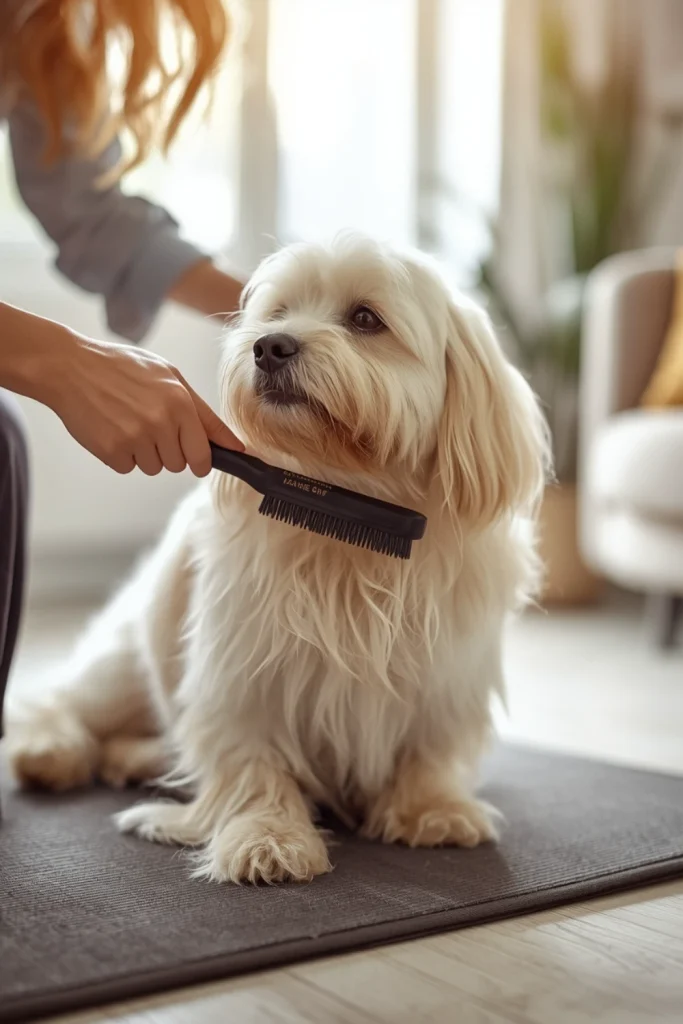
Regular brushing is one of the easiest ways to prevent tangled dog fur from becoming a serious grooming problem. Loose hairs can collect within the coat and combine with surrounding strands to create small knots. Brushing helps remove loose fur before it becomes trapped and gives you an opportunity to identify early tangles. Long-haired dogs may need daily brushing, while some short-haired breeds can maintain healthy coats with less frequent grooming. The ideal schedule depends on your dog’s coat type, shedding level, and lifestyle.
Create a consistent brushing routine that fits your dog’s needs. Choose a quiet location and brush small sections instead of trying to complete the entire coat quickly. Pay particular attention to areas behind the ears, beneath the legs, around the neck, and near the tail. These locations often develop knots because of friction and movement. Regular brushing also helps distribute natural oils through the coat, supporting a cleaner and healthier appearance.
3. Use a Detangling Spray Designed for Dogs
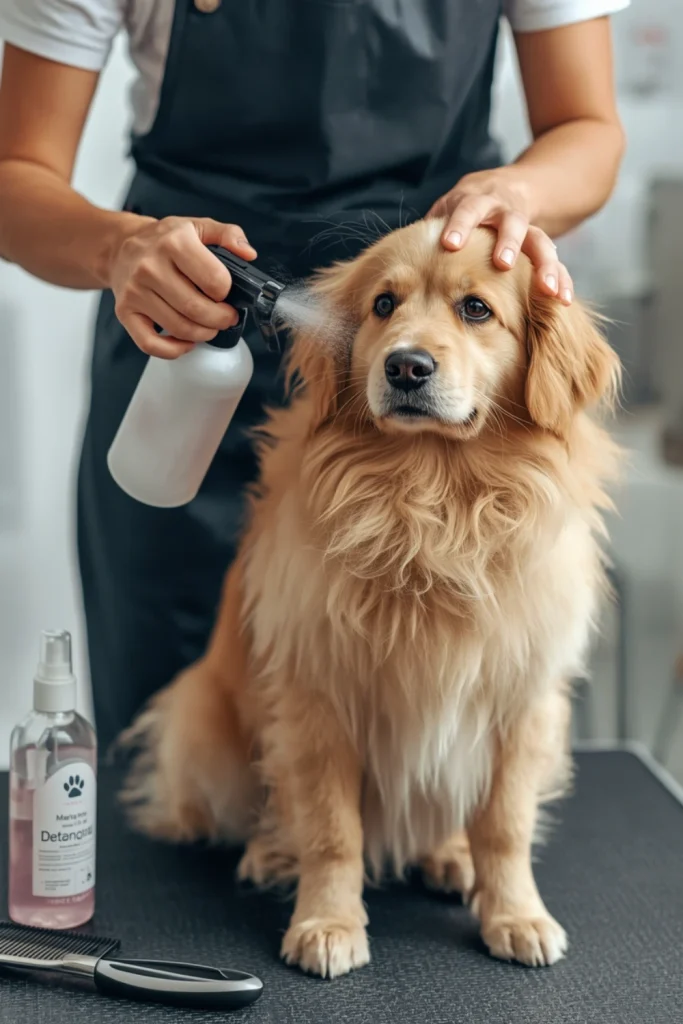
A dog-specific detangling spray can make grooming easier by helping separate tangled hairs and reducing friction during brushing. These products are designed to condition the coat and make small knots easier to manage. Choose a product specifically formulated for dogs rather than using human hair products, which may contain ingredients or fragrances unsuitable for your pet. Read the label carefully and follow the manufacturer’s directions before applying anything to your dog’s coat.
To use a detangling spray, apply the recommended amount to the tangled section and allow it to work according to the product instructions. Gently separate the hairs using your fingers before introducing a suitable brush or comb. Avoid spraying directly into your dog’s eyes, nose, mouth, or ears. If your dog has sensitive skin, allergies, or an existing skin problem, consult a veterinarian before trying a new grooming product. A suitable detangling spray can help make routine grooming more comfortable.
4. Work Through Tangles Slowly With Your Fingers
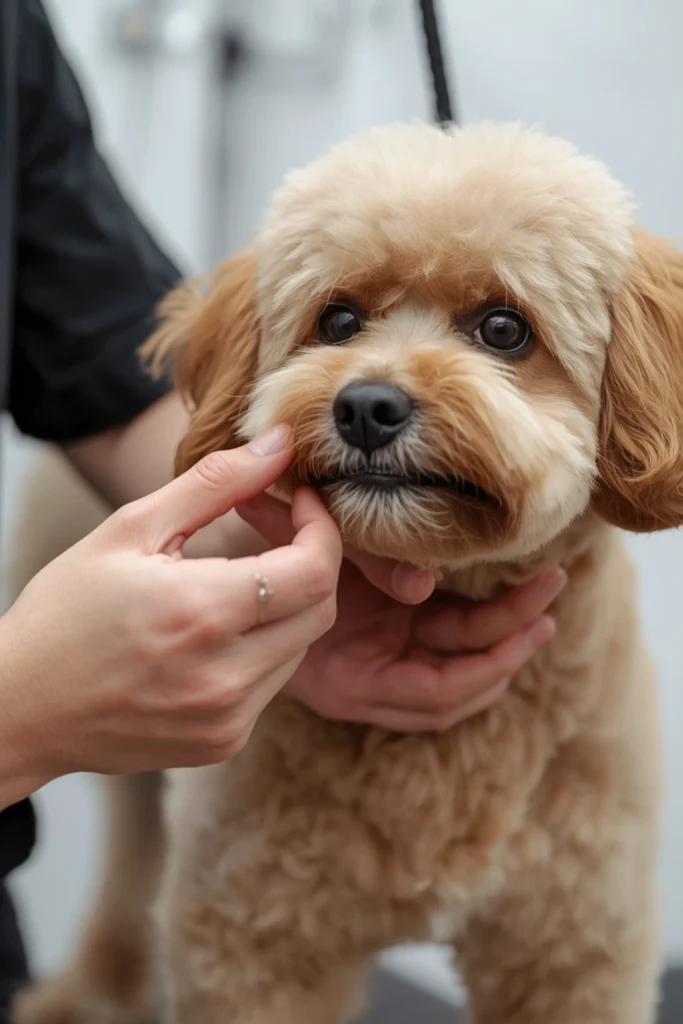
Using your fingers to loosen small tangles is a gentle technique that can help prevent unnecessary pulling. Before using a brush or comb, locate the knot and carefully separate the surrounding hairs with your fingertips. Hold the fur near the base to reduce tension on the dog’s skin. Then use your fingers to divide the tangled section into smaller parts. This approach is especially helpful for loose knots that have not yet developed into tight mats.
Patience is important when using this technique. Never pull sharply, twist the fur aggressively, or force your fingers through a difficult knot. If your dog shows signs of discomfort, stop and allow it to relax before continuing. Small tangles may gradually loosen with gentle handling, but tightly matted fur should not be forced apart. If the knot is close to the skin or cannot be loosened safely, professional grooming is the better option.
5. Use a Wide-Tooth Comb for Gentle Detangling
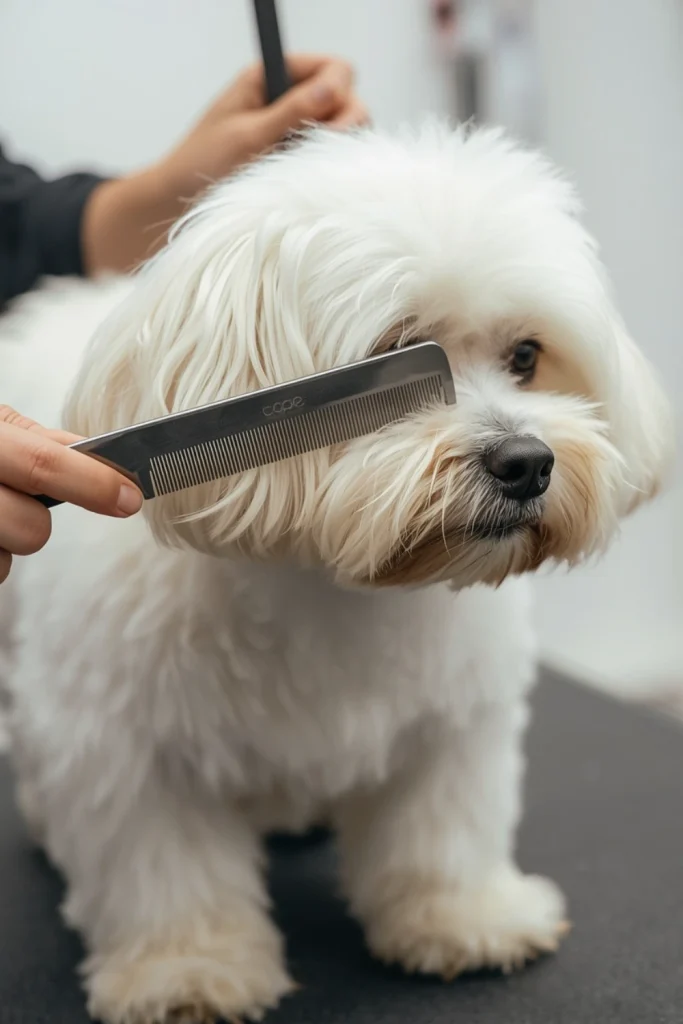
A wide-tooth comb is a useful grooming tool for checking and managing small tangles in many long-haired dogs. Its wider spacing allows it to move through suitable sections of fur without immediately pulling on every strand. After gently loosening a knot with your fingers, position the comb near the ends of the hair and work through the section gradually. Avoid starting with force at the roots because this can pull against the skin and make your dog uncomfortable.
Use short, controlled movements and hold the coat close to the base whenever possible to reduce tension. If the comb becomes stuck, stop instead of pulling harder. Separate the hair further with your fingers or apply a suitable dog detangling product according to its instructions. A wide-tooth comb is also useful for checking your dog’s coat after brushing because it can reveal small knots that a brush may have missed. Never force a comb through tight mats.
6. Pay Special Attention to Sensitive Areas
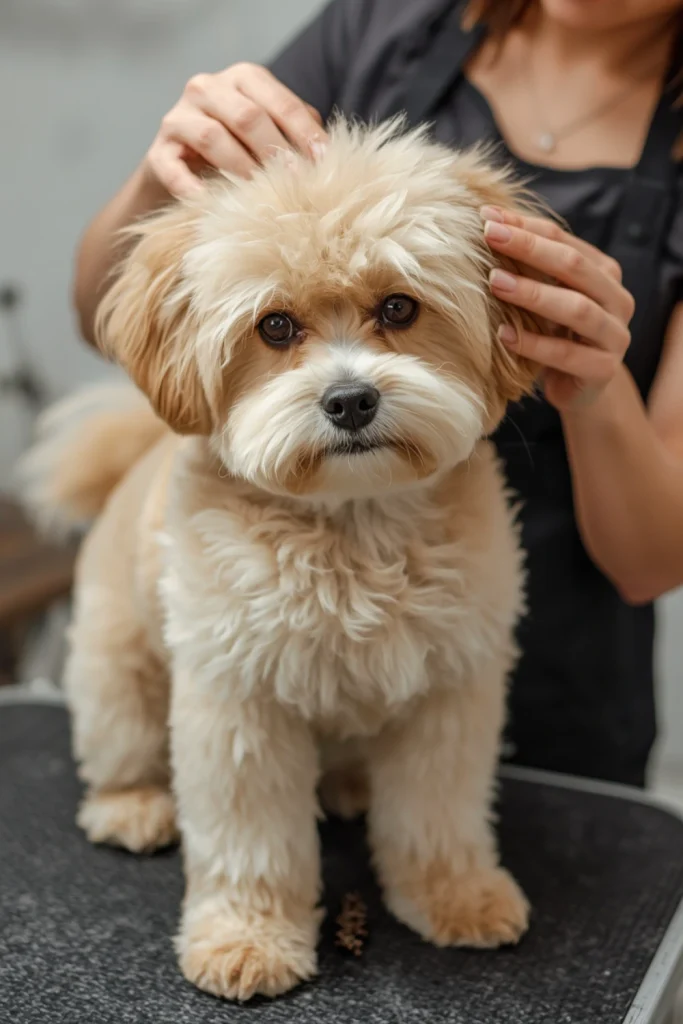
Certain areas of a dog’s body are more likely to develop tangles and require extra care during grooming. Behind the ears, beneath the front legs, around the collar, near the tail, and between the back legs are common places where knots develop. These areas experience regular friction from movement, sleeping positions, collars, and contact with furniture. Because the skin can be sensitive in these locations, use a gentle approach and avoid aggressive brushing.
Begin by examining the coat carefully and identifying small knots before they become larger mats. Use your fingers to separate loose hairs and choose a suitable soft brush or comb for the area. Keep your movements slow and give your dog breaks if necessary. Avoid inserting grooming tools into ear openings or pulling tangled hair close to delicate skin. If you notice redness, swelling, wounds, unpleasant smells, or painful mats, contact your veterinarian rather than attempting to remove them yourself.
7. Keep Your Dog’s Coat Dry Before Brushing
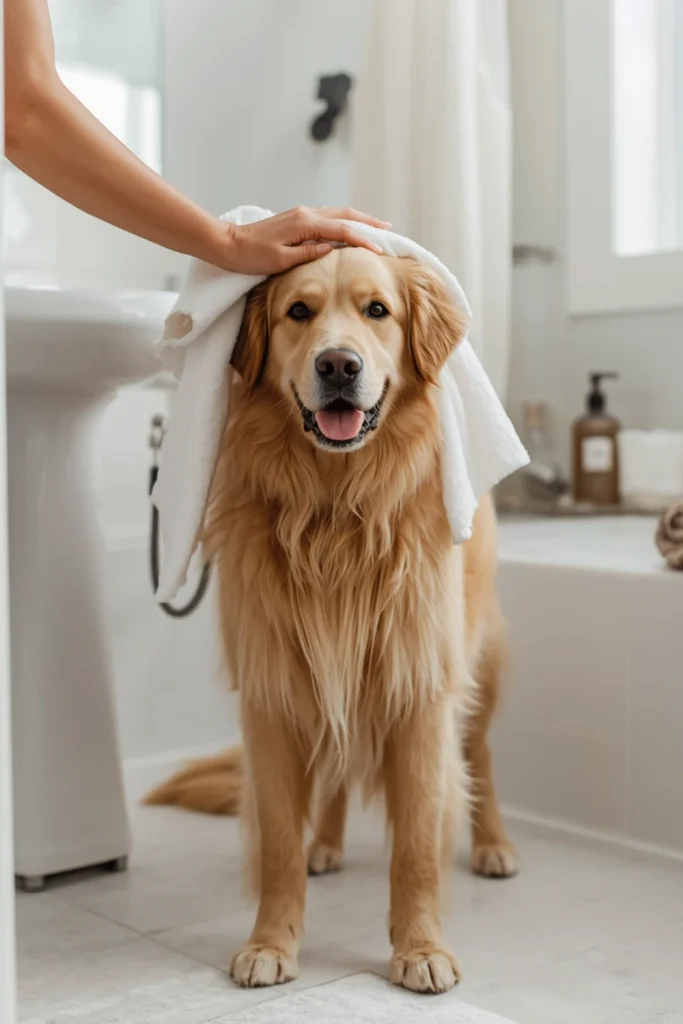
Moisture can make some types of tangled fur more difficult to manage, particularly when loose hairs stick together. Brushing a wet, knotted coat without using an appropriate technique may increase pulling and make certain tangles tighter. For many dogs, it is easier to identify and manage loose knots when the coat is dry. After swimming, walking in the rain, or playing in wet grass, gently towel-dry your dog and check the coat for areas where hairs have become twisted together.
Use a clean, absorbent towel and gently press it against the fur instead of rubbing aggressively. If your dog requires bathing, choose a suitable dog shampoo and follow the product instructions. Some coat types benefit from conditioner or professional drying techniques. Never use excessive heat or direct hot airflow against your dog’s skin. If the coat is heavily matted, consult a professional groomer before bathing because water can make some mats tighter and more difficult to remove.
8. Avoid Cutting Knots With Regular Scissors
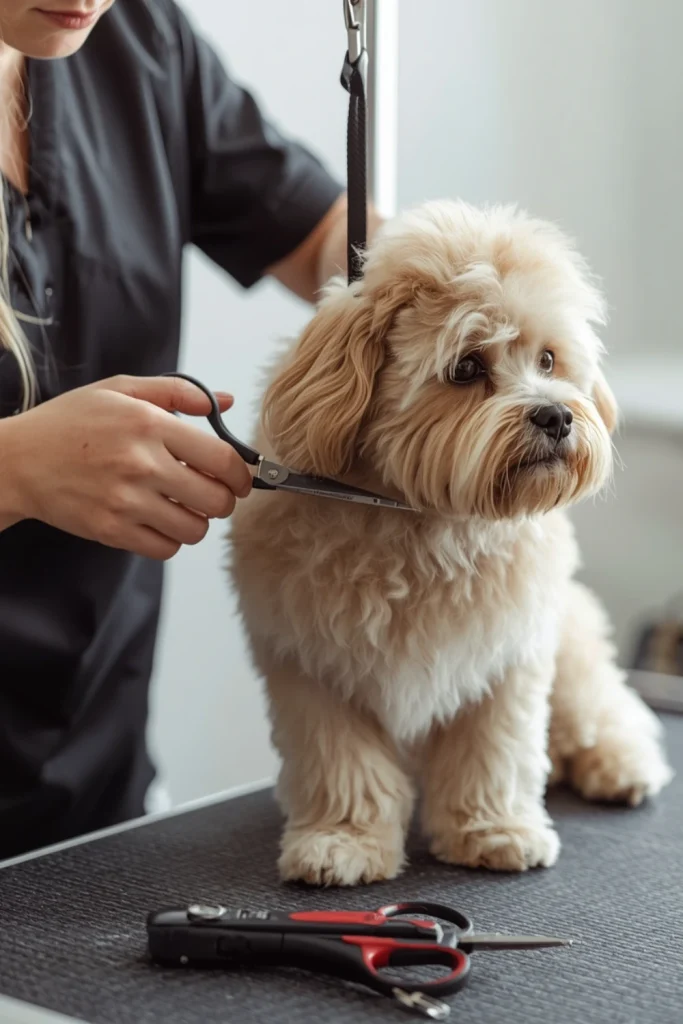
Cutting tangled dog fur with ordinary household scissors can be dangerous because mats often sit much closer to the skin than they appear. A dog’s skin can be pulled into a tight mat, making it difficult to distinguish hair from skin. Even a small movement from the dog can cause accidental cuts. For this reason, never insert scissors beneath a knot or attempt to cut close to the skin without professional training and appropriate equipment.
If you discover a tight mat that cannot be loosened with gentle finger work, contact an experienced professional groomer. They can assess the coat and decide whether safe clipping is necessary. Severe matting may require a veterinarian’s assistance, particularly if the skin underneath is irritated, infected, or painful. Although removing a difficult knot at home may seem like a quick solution, protecting your dog’s skin is much more important than preserving a particular hairstyle.
9. Reward Your Dog During Grooming Sessions
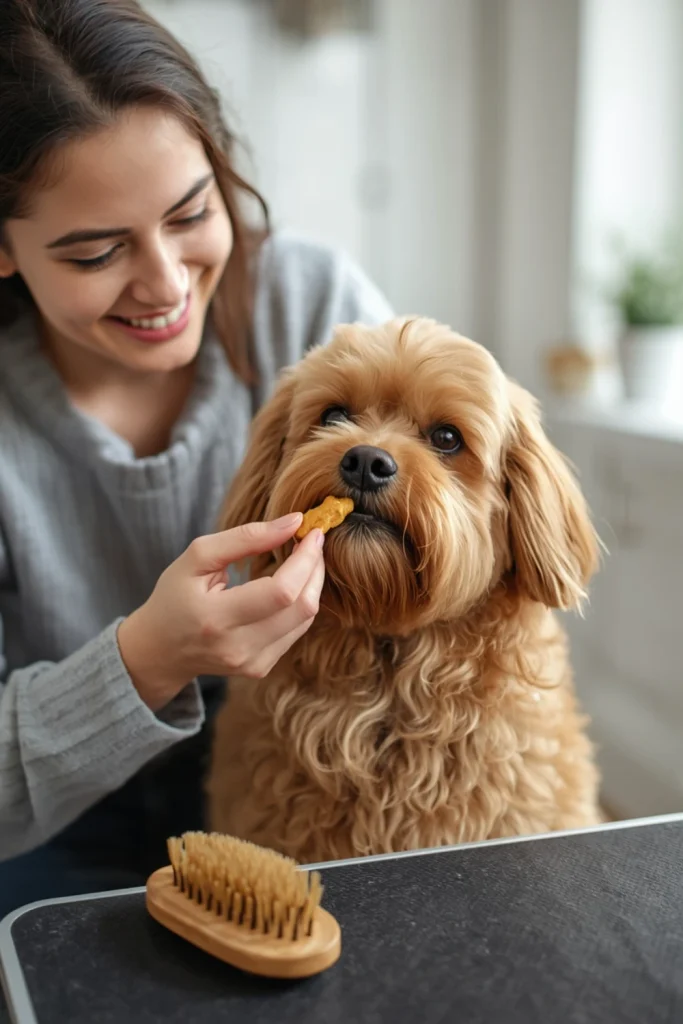
Positive reinforcement can make grooming a more enjoyable experience for dogs that feel nervous about brushing or detangling. Some dogs dislike having their ears, legs, tails, or sensitive areas touched. Instead of forcing them to remain still, introduce grooming gradually and reward calm behavior with praise, affection, or small dog-safe treats. Start with short sessions and allow your pet to become familiar with the grooming tools before attempting more complicated tasks.
During grooming, take regular breaks and observe your dog’s body language. Signs of discomfort may include pulling away, repeatedly turning its head, trembling, growling, or trying to leave. Stop when your dog becomes distressed and try again later with a gentler approach. Rewarding relaxed behavior can help build trust over time. A calm grooming routine is not only easier for the owner but also helps the dog develop a more positive association with regular coat care.
10. Schedule Professional Grooming for Severe Mats
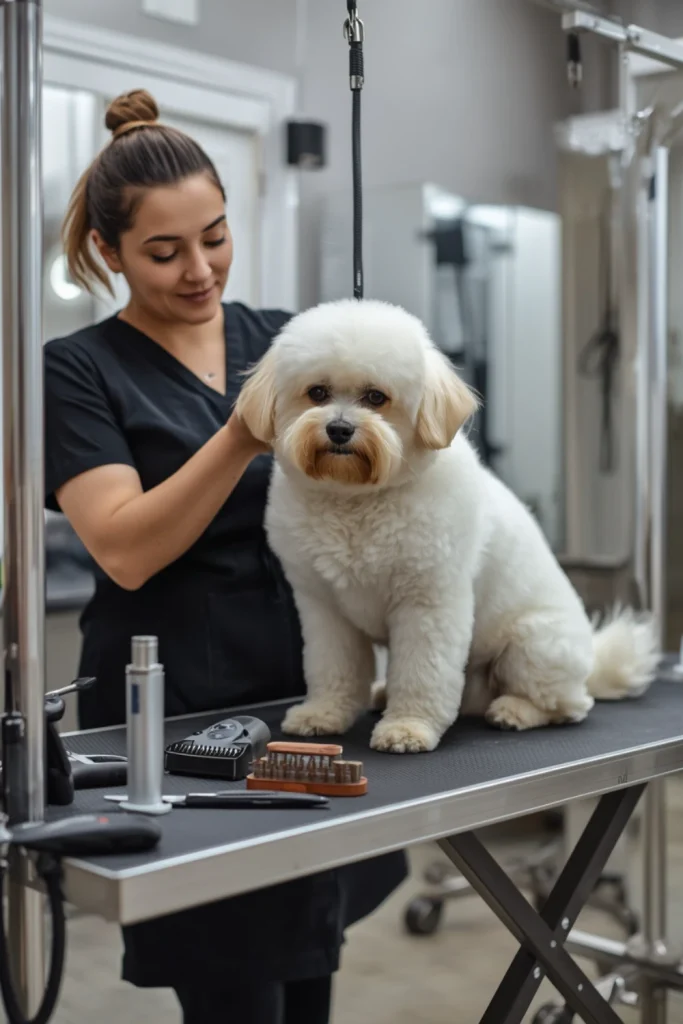
Some tangles are too difficult or dangerous to remove at home. Tight mats can form close to the skin and may cause discomfort, irritation, or hidden skin problems. If your dog’s coat contains large mats, especially around the ears, belly, legs, or tail, arrange an appointment with an experienced professional groomer. A professional can assess the condition of the coat, select suitable tools, and determine whether clipping is safer than attempting to brush out the tangled hair.
Professional grooming is particularly helpful for long-haired, curly-coated, and high-maintenance breeds that require regular coat care. Ask your groomer how often your dog should receive professional attention and which tools are best for maintaining its coat between appointments. If the mats are painful, the skin looks damaged, or your dog has a skin infection, consult a veterinarian first. Regular professional care can help prevent severe matting and support your dog’s comfort and overall hygiene.
Final Thoughts
Tangled dog fur can be uncomfortable for your pet, but the right grooming routine can help prevent small knots from becoming serious mats. Choosing suitable brushes, brushing regularly, using dog-safe detangling products, and working patiently through loose tangles are simple ways to maintain a healthy coat.
Remember that every dog has different grooming needs. What works for a long-haired dog may not be suitable for a short-haired or sensitive-coated breed. Pay attention to your dog’s comfort, avoid aggressive brushing, and never attempt to cut tight mats with ordinary scissors. When tangles become difficult to manage, professional grooming is the safest choice.
By following these 10 Safe Grooming Tips, you can make coat maintenance easier, support your dog’s comfort, and build a positive grooming routine that benefits your furry friend every day.