
15 Indoor Winter Activities for Dogs
Winter can turn your dog’s favorite outdoor adventures into short walks and chilly potty breaks. Snow, freezing temperatures, icy sidewalks, and heavy rain may keep your furry friend indoors more often than usual. But staying inside does not have to mean spending the entire day sleeping on the couch. With a little creativity, you can make winter days exciting, comfortable, and full of fun for your dog.
The best indoor winter activities help your dog stay mentally stimulated, physically active, and emotionally connected with you. From exciting scent games to simple training exercises, there are plenty of ways to transform an ordinary room into a playful winter retreat. These activities are easy to adapt for puppies, adult dogs, and many senior dogs, making them perfect for different homes and lifestyles.
1. Play an Indoor Hide-and-Seek Game
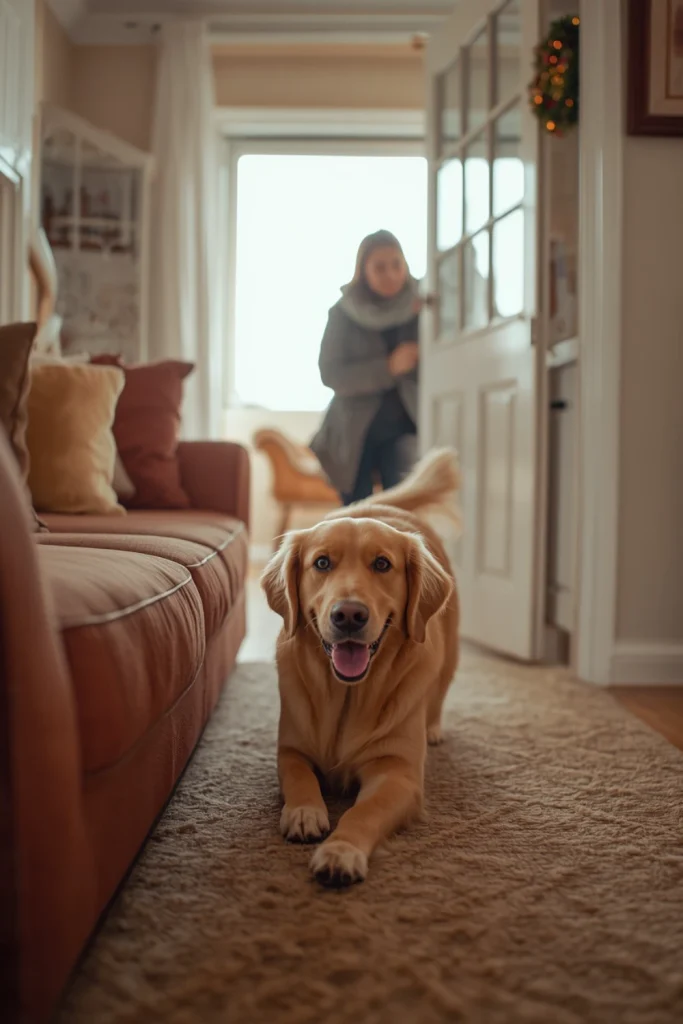
Hide-and-seek is one of the easiest and most entertaining indoor winter activities for dogs. It encourages your dog to use its nose, listen carefully, and search for a familiar person. Begin by asking your dog to stay, or have another family member gently hold your dog while you hide behind a door, sofa, or curtain. Call your dog’s name in a cheerful voice and reward it when it finds you.
Start with simple hiding places so your dog can understand the game. As your dog becomes more confident, choose slightly more challenging locations. Keep the game safe by avoiding narrow spaces, unstable furniture, and places where your dog could become trapped. This activity is especially useful when you want to combine mental stimulation with light indoor movement.
2. Organize a Treat Treasure Hunt
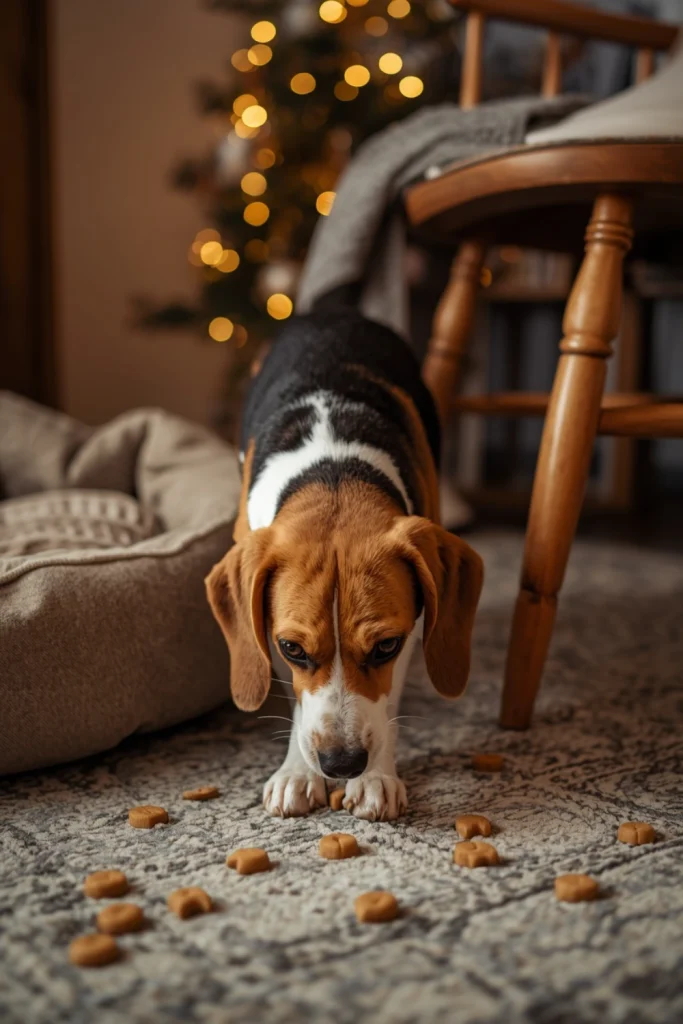
A treat treasure hunt is a wonderful way to make your dog work for small rewards. Dogs naturally enjoy using their noses, and searching for hidden treats gives them a satisfying mental challenge. Start by placing a few dog-safe treats in easy-to-find locations around one room. Let your dog watch you hide them before giving the cue to search.
Once your dog understands the game, hide treats behind furniture legs, beside a dog bed, or near safe household objects. Keep treats away from electrical cords, cleaning products, and areas where your dog might swallow something dangerous. Use small portions to avoid overfeeding, especially if you plan several training or play sessions throughout the day.
3. Teach Your Dog a New Trick
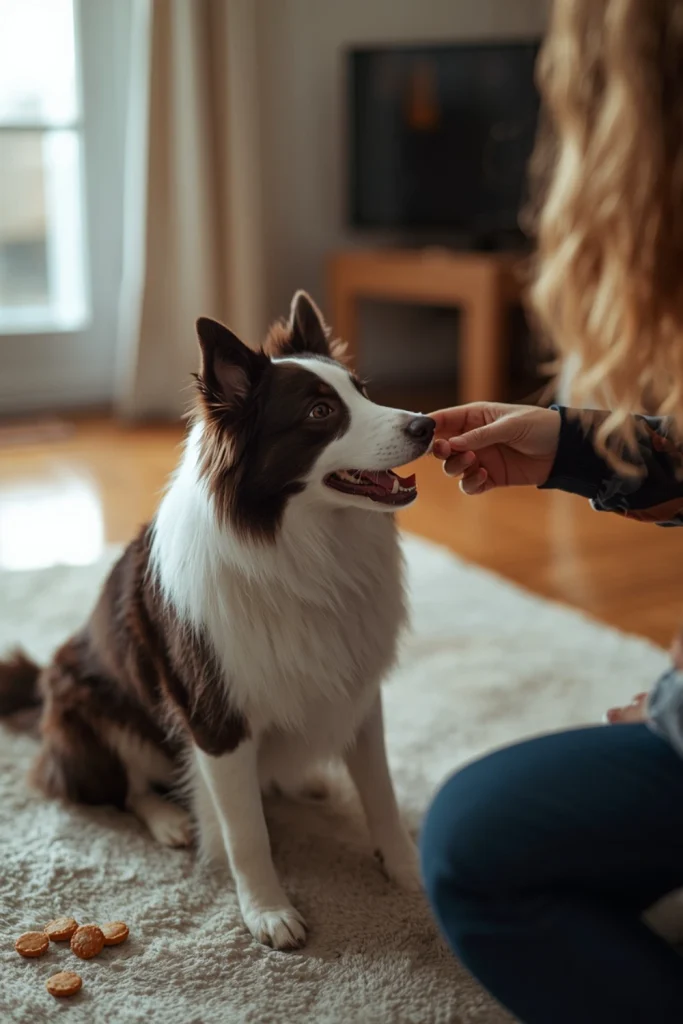
Winter is an excellent time to introduce your dog to a new trick or improve a skill it already knows. Training provides mental exercise and strengthens communication between you and your pet. Choose a simple behavior such as touching your hand with its nose, spinning in a circle, giving a paw, or walking backward a few steps.
Keep training sessions short and positive. Use praise, small treats, or a favorite toy to reward progress. Avoid repeating commands too quickly if your dog seems confused. Break complicated tricks into smaller steps and celebrate each successful attempt. A few five-minute sessions throughout the day can be more effective than one long lesson that leaves your dog tired or frustrated.
4. Enjoy a Gentle Game of Tug-of-War
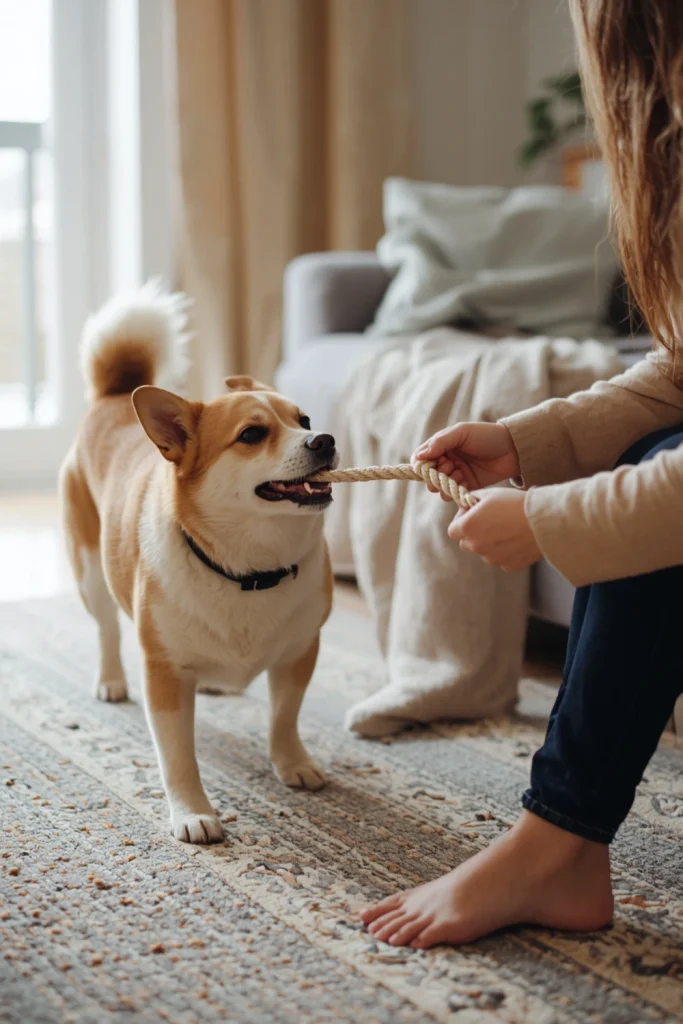
Tug-of-war can provide a fun burst of physical activity when outdoor play is limited. Choose a sturdy dog tug toy that is appropriate for your dog’s size. Invite your dog to hold one end while you gently hold the other. Keep movements controlled and allow your dog to pull naturally without lifting it off the ground or twisting its neck.
Teach a simple release cue such as “drop it” and reward your dog for letting go. This makes the game more structured and helps prevent excitement from becoming overwhelming. Play on a non-slip surface and avoid rough tugging with puppies, dogs recovering from injuries, or pets with dental or neck problems unless your veterinarian approves.
5. Make a Simple Food Puzzle
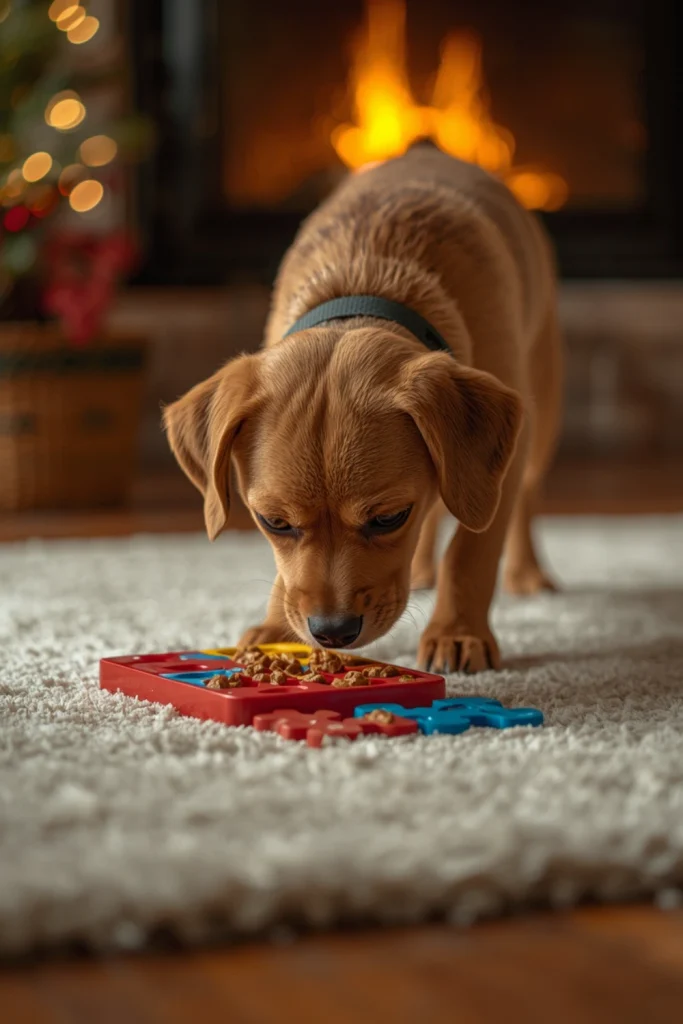
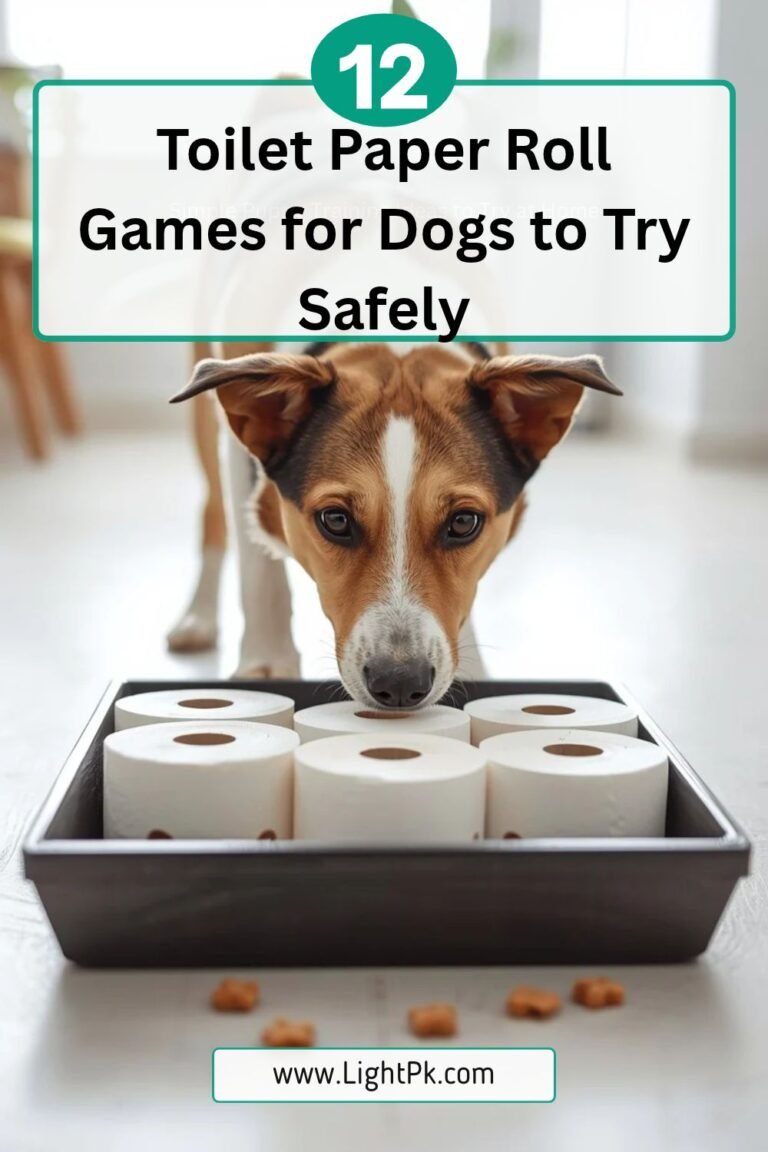
Food puzzles turn an ordinary snack into an engaging activity. Instead of placing all your dog’s food in a bowl, use a suitable puzzle feeder or treat-dispensing toy. Your dog will need to move, sniff, or manipulate the toy to discover the food inside. This can make mealtime more interesting and encourage slower eating for some dogs.
Choose a puzzle that matches your dog’s experience and chewing habits. Begin with an easy design and supervise your dog while it uses the toy. Remove any puzzle that becomes damaged or has pieces your dog could swallow. You can also use a veterinarian-approved food puzzle filled with part of your dog’s regular meal to keep calorie intake balanced.
6. Build a Mini Indoor Obstacle Course
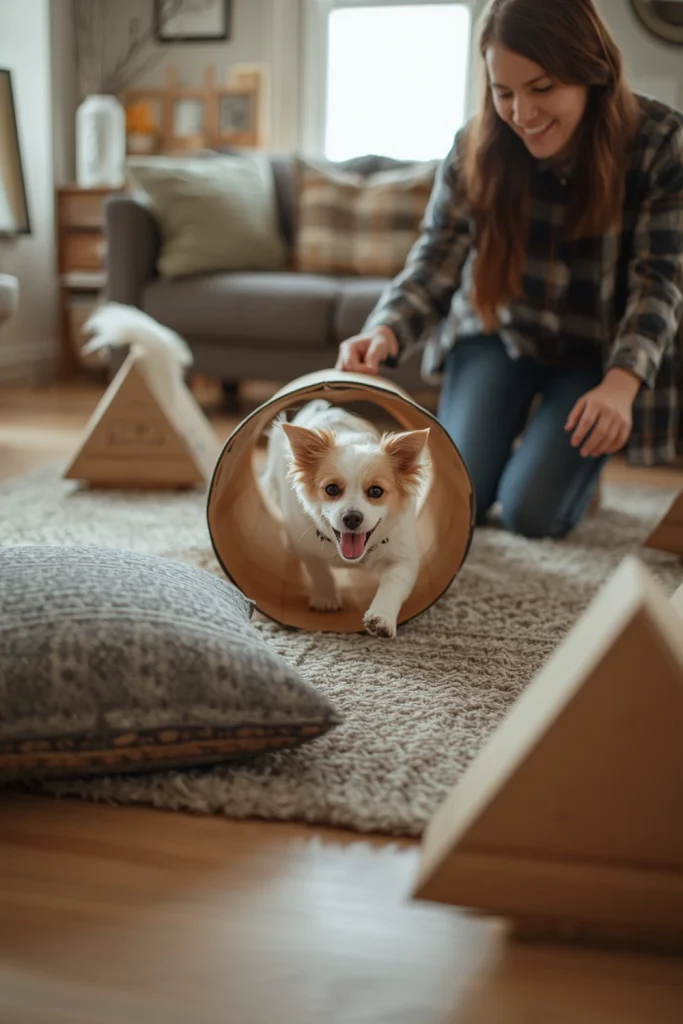
An indoor obstacle course can turn a quiet winter afternoon into an exciting adventure. Use safe household items such as cushions, sturdy cardboard boxes, and low tunnels to create a simple course. Encourage your dog to walk around objects, step over low obstacles, or move through an open tunnel while following your guidance.
Keep the course gentle and appropriate for your dog’s physical ability. Avoid high jumps, slippery surfaces, unstable furniture, or obstacles that require sharp turns. For puppies and senior dogs, make the course especially simple. Reward your dog for calmly exploring each section instead of rushing. The goal is enjoyable movement and confidence, not speed or athletic performance.
7. Introduce a Snuffle Mat
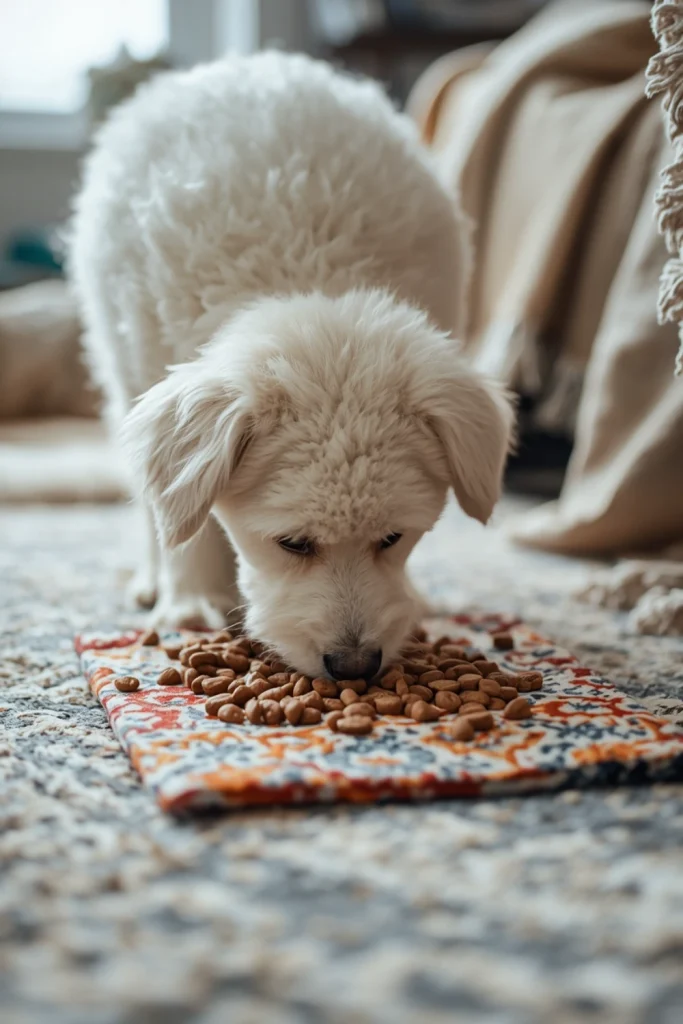
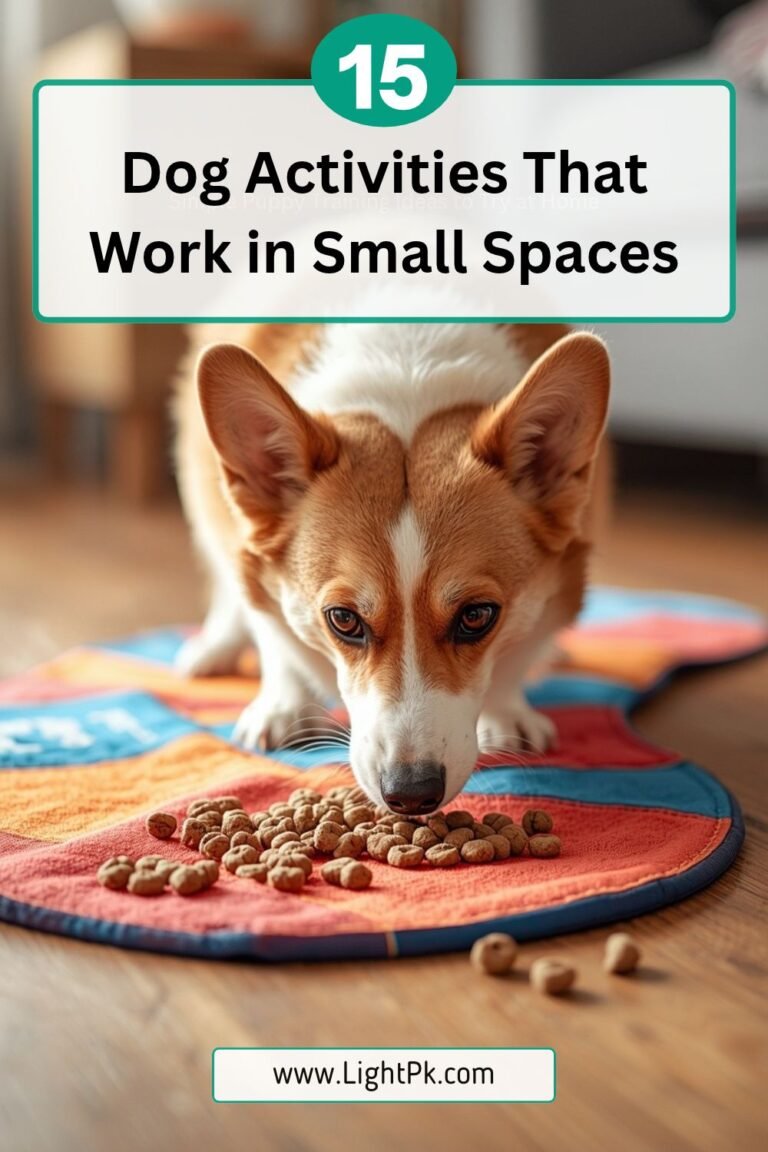
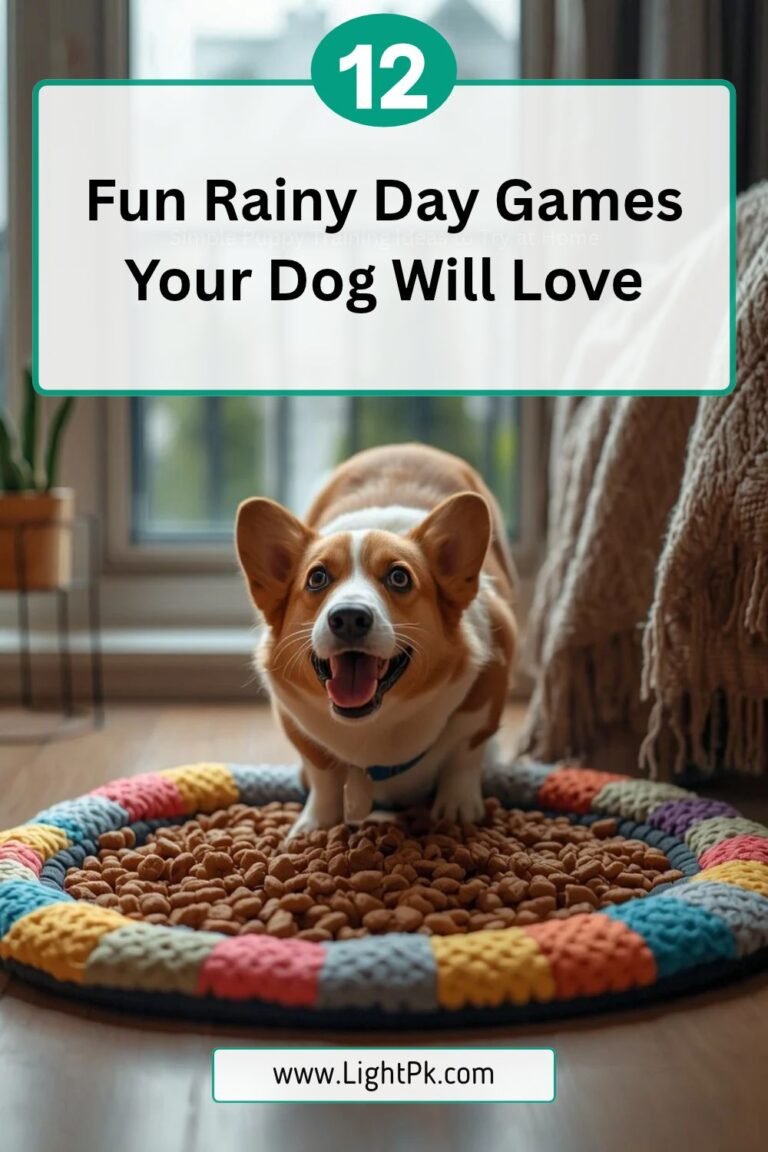
A snuffle mat is designed to encourage dogs to search for food hidden among fabric folds. It provides an enjoyable scent-based challenge and can be particularly useful on days when cold weather makes outdoor sniffing walks shorter. Sprinkle a small amount of your dog’s regular kibble across the mat and let it search at its own pace.
This activity is suitable for many dogs, but supervision is important. Some enthusiastic chewers may try to pull apart the fabric instead of searching for food. Choose a durable mat and remove it when the activity is finished. Wash it regularly according to the manufacturer’s instructions to keep it clean and fresh.
8. Practice Calm Indoor Massage and Relaxation
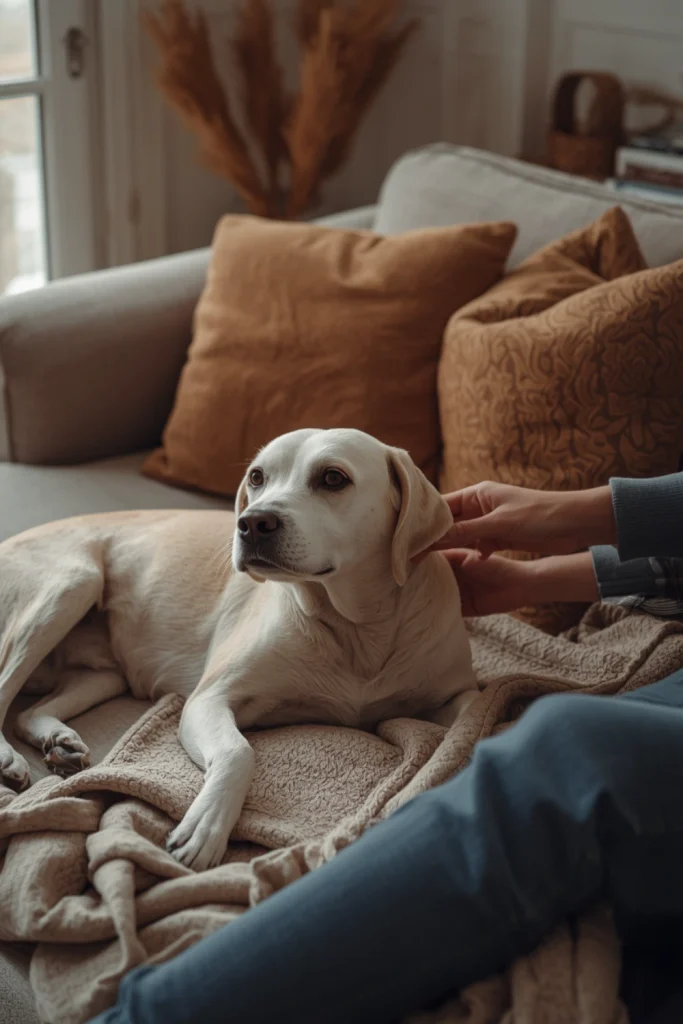
Not every winter activity needs to involve running or searching. Some dogs enjoy quiet relaxation with their favorite person. A gentle massage or calm petting session can help create a peaceful routine after playtime. Begin by sitting beside your dog and softly stroking areas it enjoys, such as the shoulders or back.
Watch your dog’s body language throughout the session. Relaxed muscles, soft eyes, and a comfortable position may indicate enjoyment, while moving away, stiffening, or licking its lips repeatedly can signal discomfort. Never force physical contact. A calm bonding session can be especially helpful for dogs that become overstimulated by busy indoor games.
9. Play the Cup-and-Treat Guessing Game
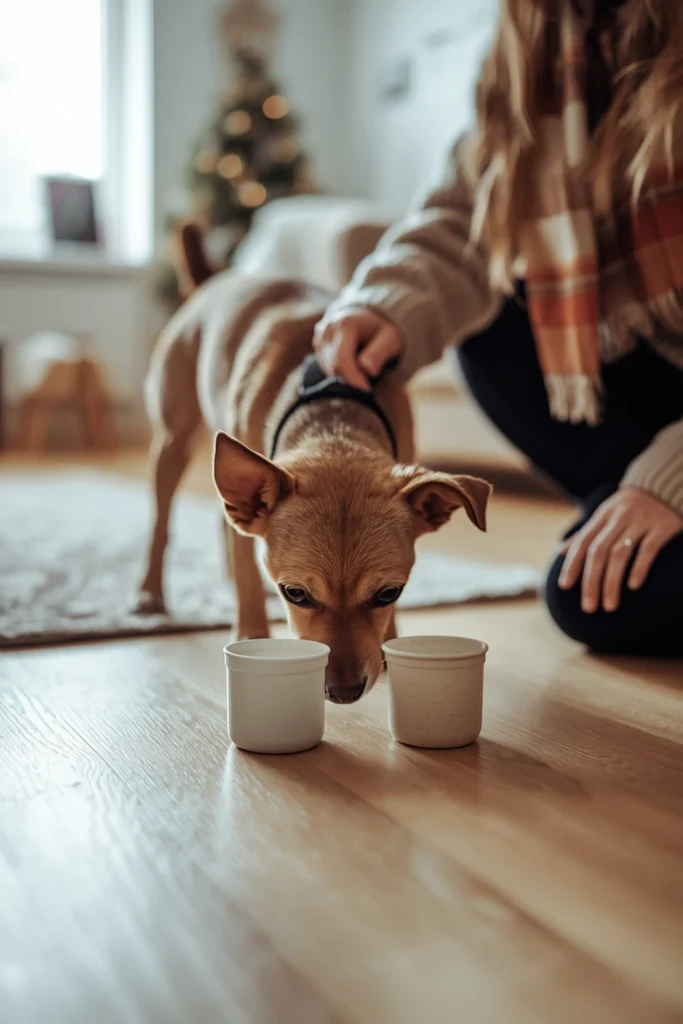
The cup game is a simple way to challenge your dog’s attention and sense of smell. Place a small treat under one of two or three lightweight, dog-safe cups. Let your dog watch where you hide it, then encourage it to identify the correct cup. Reward your dog when it finds the treat.
Start with only two cups and keep them far enough apart for easy movement. Use cups that cannot break into sharp pieces and do not allow your dog to chew them. If your dog becomes frustrated, make the game easier by leaving the treat partly visible. The purpose is to build confidence and curiosity, not to trick or confuse your pet.
10. Practice Indoor Toy Retrieval
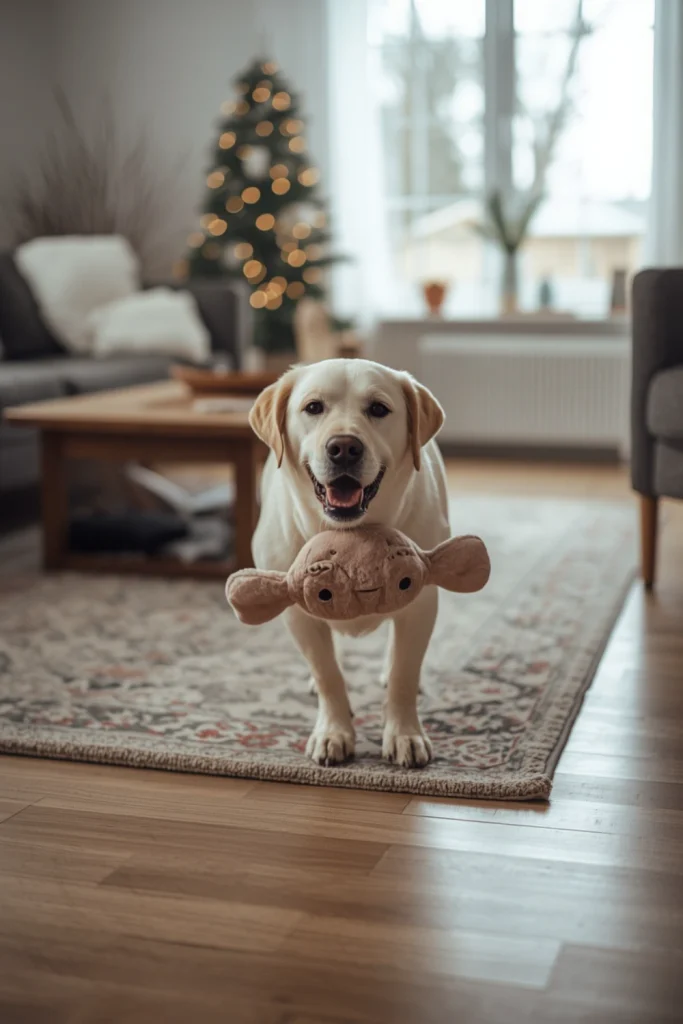
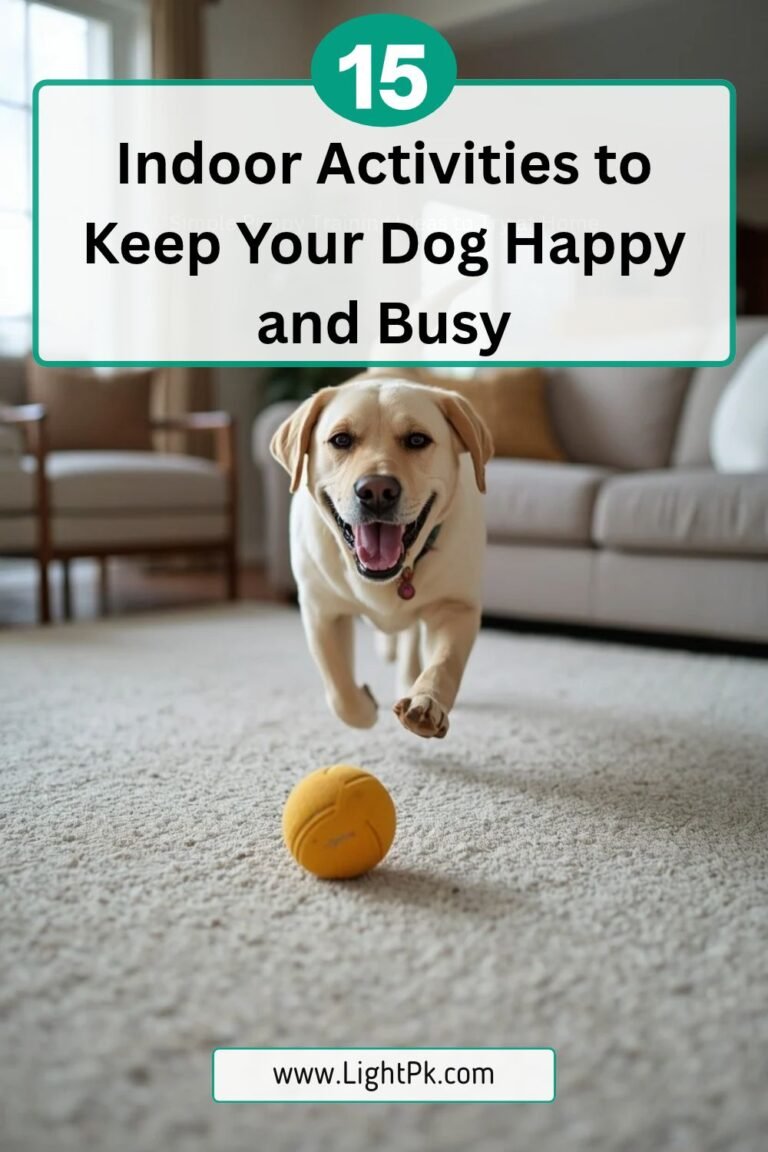
If your dog loves fetching, you can adapt the game for a smaller indoor space. Use a soft ball or plush toy and choose a clear area away from glass, sharp corners, and fragile decorations. Roll or toss the toy a short distance, then encourage your dog to bring it back.
Indoor retrieval should be slower and more controlled than outdoor fetch. Avoid throwing toys down stairs or across slippery floors. A soft toy can reduce the risk of damage to household objects, but always check that it is safe for your dog’s chewing style. If your dog prefers carrying toys rather than returning them, make that part of the fun.
11. Create a Cardboard Box Discovery Game
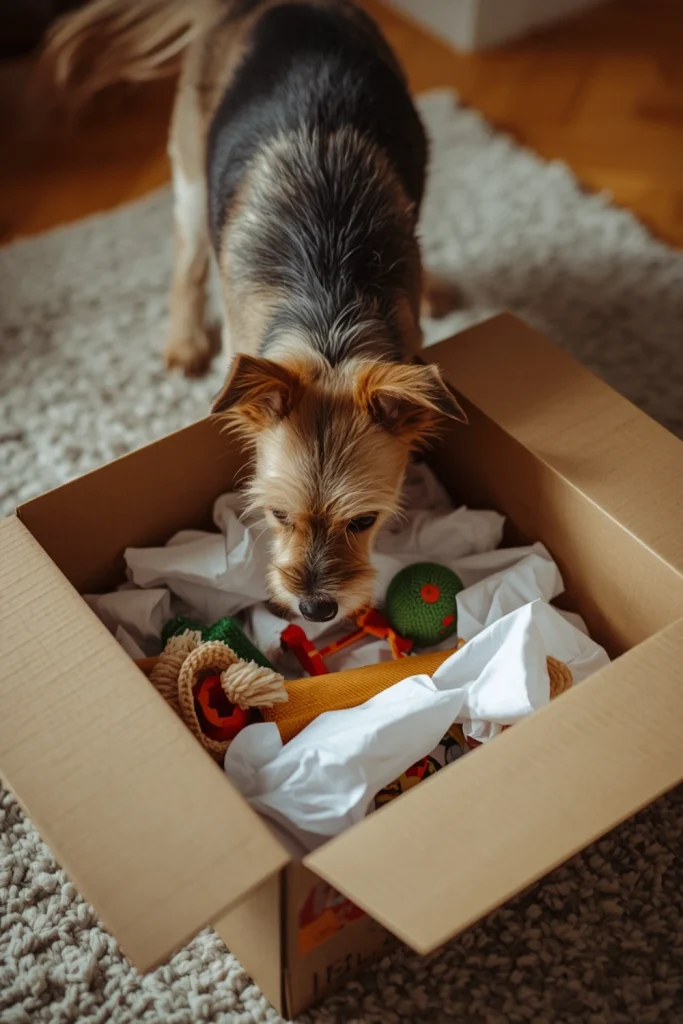
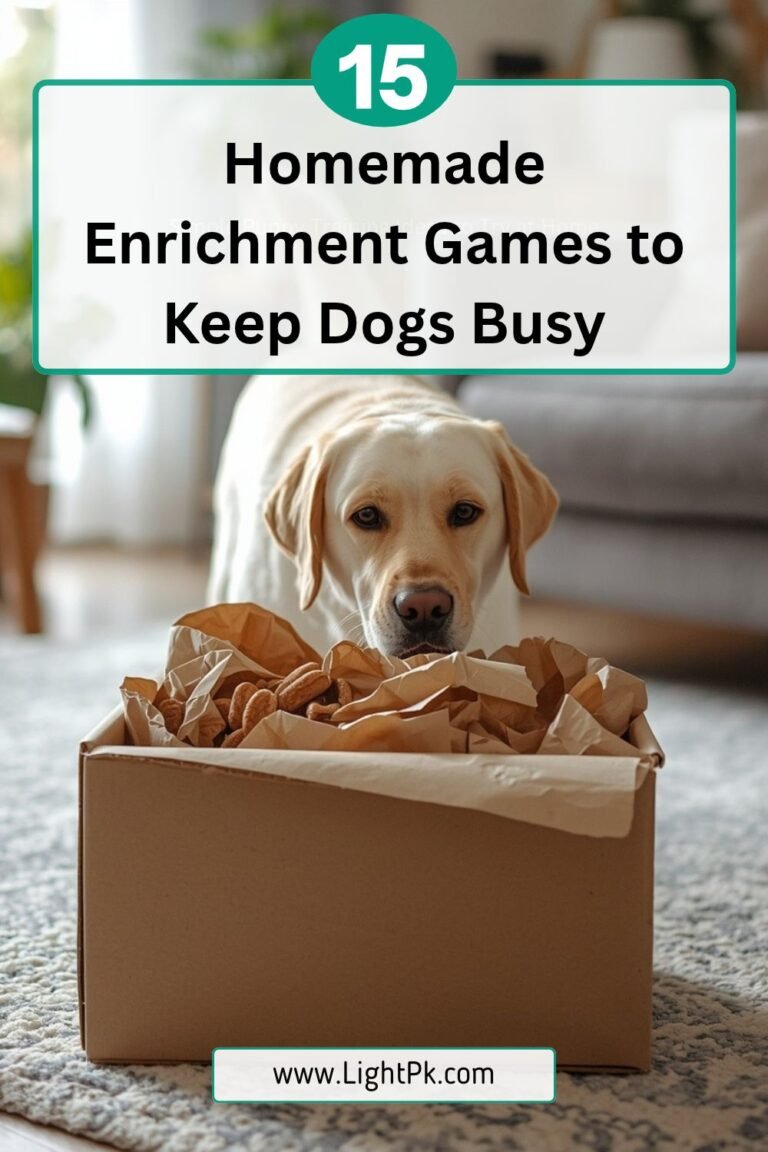
A clean cardboard box can become an inexpensive source of indoor enrichment. Place a few crumpled sheets of plain paper or safe dog toys inside a sturdy box. Add a small number of treats if your dog enjoys food-based games. Let your dog investigate the box, sniff around, and discover what is hidden.
Choose a box without staples, sharp edges, tape, or plastic packaging. Supervise closely to prevent your dog from eating cardboard or paper. Some dogs enjoy gently tearing cardboard, but this should only happen under supervision and with materials that are safe for them. Remove the box when the game ends and keep the area tidy.
12. Try a Short Indoor Scent Trail
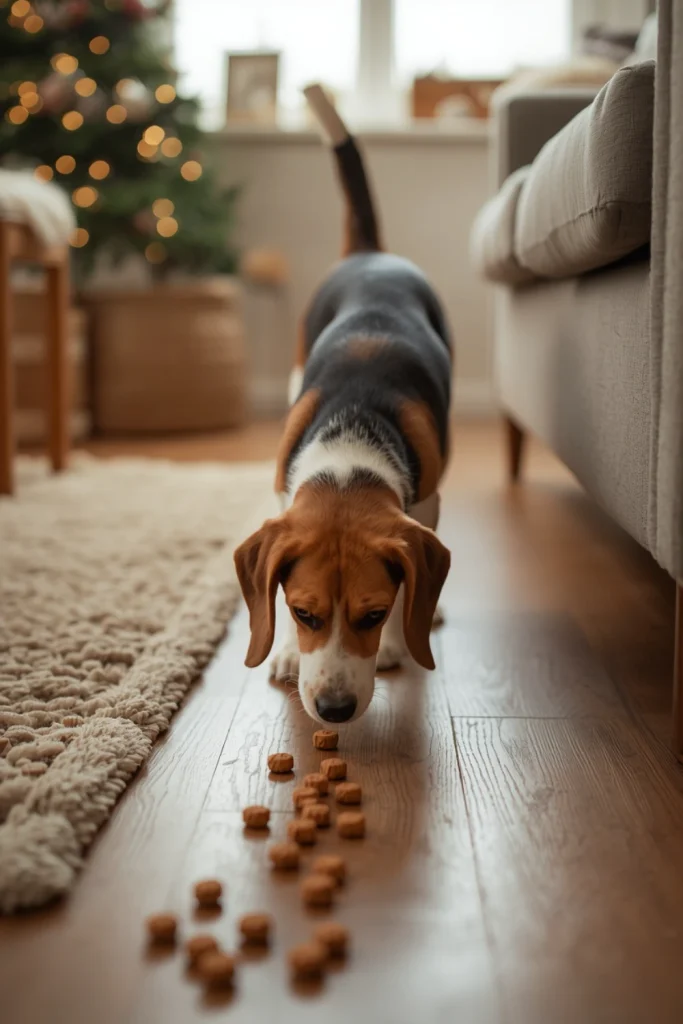
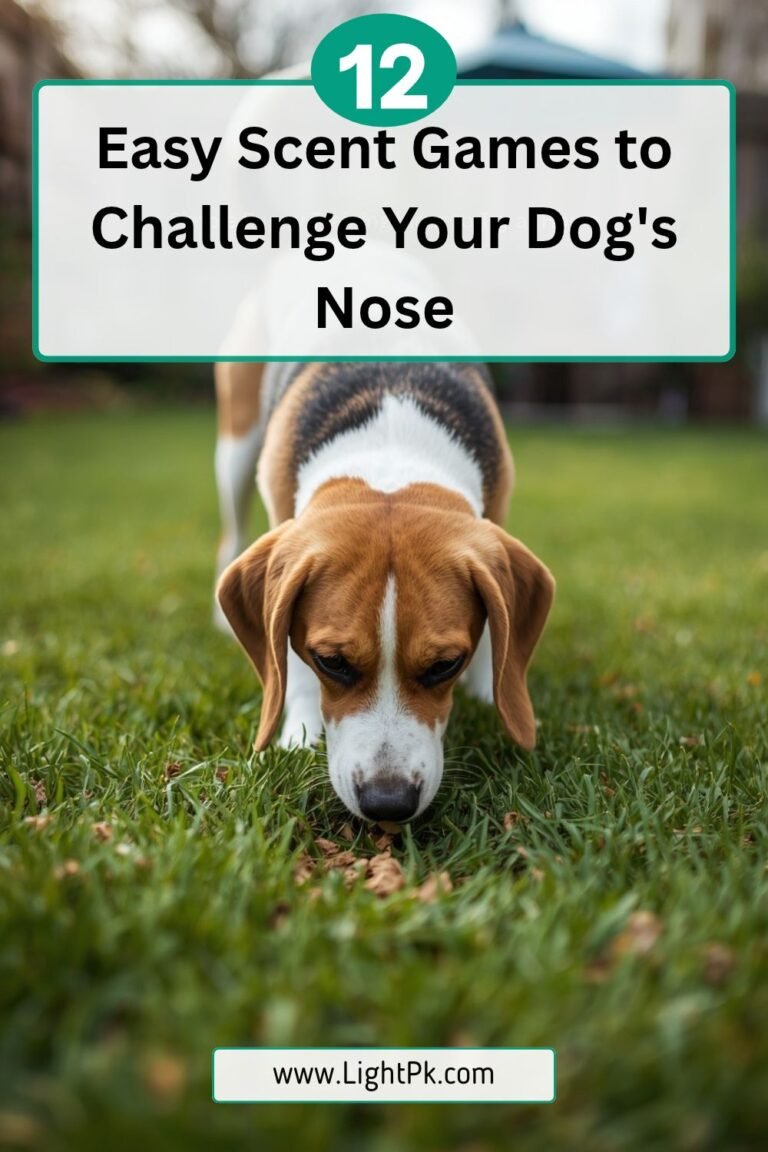
Scent trails are a natural and rewarding activity for dogs. Use a few pieces of your dog’s regular kibble or small treats to create a short trail across a safe room. Begin with visible pieces and gradually make the trail more challenging by placing food beside furniture or near a dog-safe object.
Keep the trail away from areas where your dog could slip, climb, or become trapped. You can make the activity more interesting by ending the trail near a favorite toy or a comfortable resting spot. Scent work encourages concentration and allows dogs to use an important natural ability without needing a large outdoor space.
13. Prepare a Dog-Friendly Homemade Treat
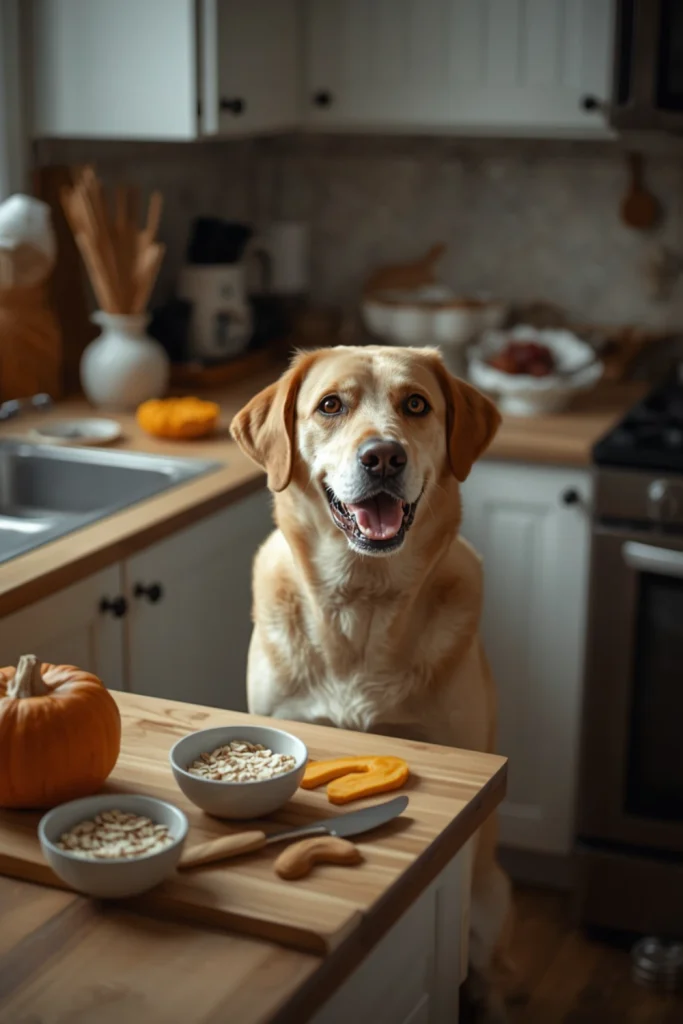
Making simple dog treats can become a fun winter activity for both you and your pet. Choose a recipe made with dog-safe ingredients, such as plain pumpkin, oats, or ingredients recommended by your veterinarian. Avoid harmful foods including chocolate, grapes, raisins, onions, and products containing xylitol.
Your dog can participate by practicing a calm sit while you prepare the ingredients or by enjoying a small taste of an approved ingredient. Keep your pet away from hot ovens, sharp utensils, and unsafe kitchen surfaces. Once the treats are ready and fully cooled, offer a small portion and store the rest according to the recipe’s instructions.
14. Set Up a Cozy Toy Rotation
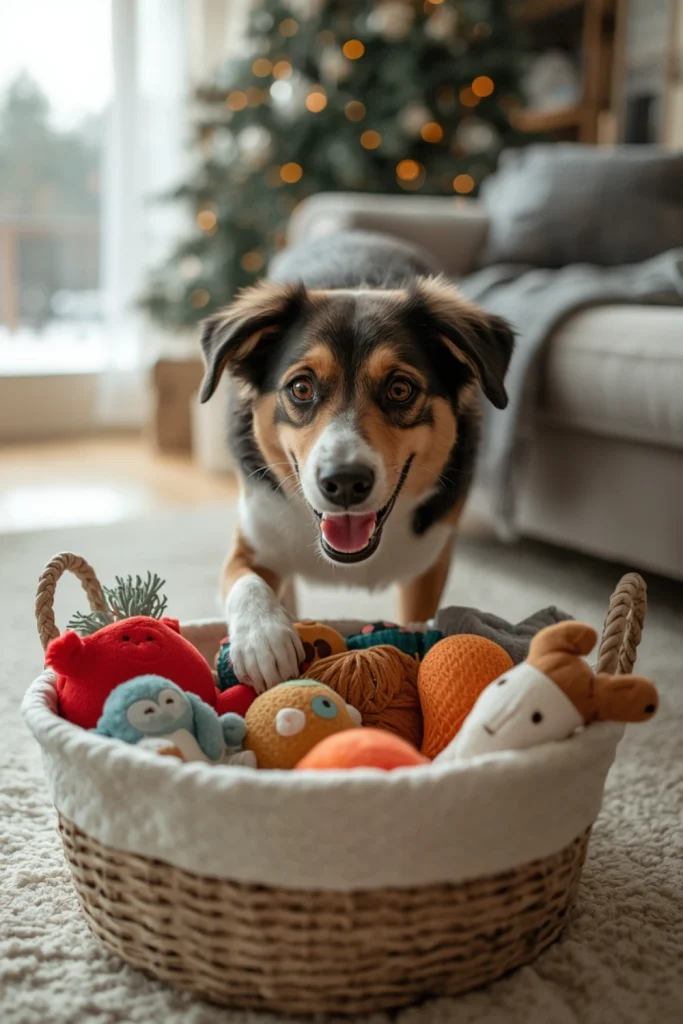
Many dogs become excited when they discover a toy they have not seen for a while. Toy rotation is a simple way to make familiar playthings feel new again. Keep a selection of safe toys available and store the others in a clean container. Every few days, exchange a few toys to create a small surprise.
Choose toys that suit your dog’s size and chewing habits. Inspect them regularly for loose parts, damaged fabric, or pieces that could be swallowed. Avoid leaving unsafe toys within reach when your dog is unsupervised. A thoughtful rotation can encourage independent play and reduce boredom during long winter days.
15. Enjoy a Winter Window-Watching Session
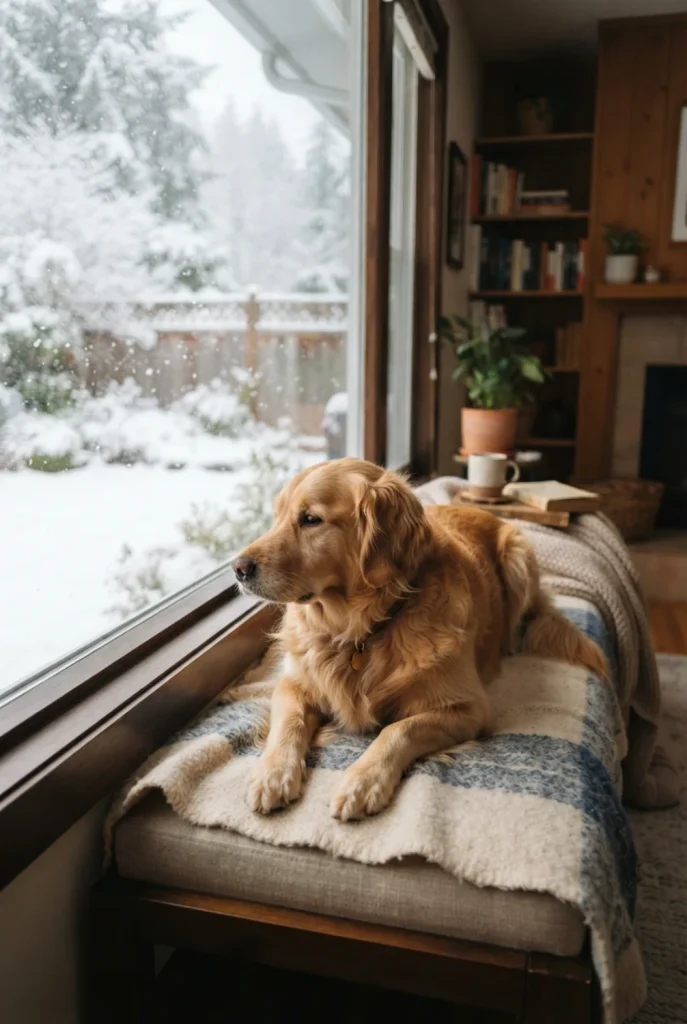
Sometimes the simplest indoor activity is watching the world outside together. Set up a comfortable place near a secure window where your dog can observe falling snow, passing birds, or people walking by. Provide a soft bed or blanket so your dog can relax while enjoying the view.
Window watching should be a calm experience rather than a source of frustration. If your dog becomes anxious, barks repeatedly, or reacts strongly to outdoor movement, close the curtains or move to a quieter room. You can pair the session with gentle praise or a chew approved for your dog. This peaceful activity offers companionship and a change of scenery without exposing your pet to harsh weather.
Final Thoughts
Cold weather does not have to stop your dog from enjoying a fun and enriching day. With these 15 indoor winter activities, you can create exciting opportunities for play, learning, and bonding without leaving the comfort of your home. From hide-and-seek and treat hunts to gentle training and cozy window watching, even simple activities can make winter more enjoyable.
Try introducing one or two new games each day and observe which activities your dog enjoys most. Keep sessions safe, positive, and appropriate for your dog’s age and abilities. A little creativity and attention can turn a cold winter day into a memorable experience for both you and your furry companion.