12 Tips for Managing Dog Fur Mats at Home
Dog fur mats can be a frustrating problem for pet owners, especially when loose hair, dirt, and moisture become trapped in a dog’s coat. These tangled patches can develop behind the ears, under the legs, around the neck, near the tail, and across other areas of the body. If left untreated, small tangles can turn into tight mats that pull on the skin and make your dog uncomfortable. Fortunately, with regular grooming and the right techniques, you can manage many minor tangles at home.
Keeping your dog’s coat healthy does not have to be difficult or expensive. You can use simple grooming tools, gentle brushing techniques, and consistent care habits to prevent loose knots from becoming serious mats. Whether you have a long-haired dog, a curly-coated breed, or a fluffy puppy, these 12 practical tips for Managing Dog Fur Mats will help you maintain a cleaner, healthier coat while keeping your furry friend comfortable and happy.
1. Brush Your Dog’s Coat Regularly
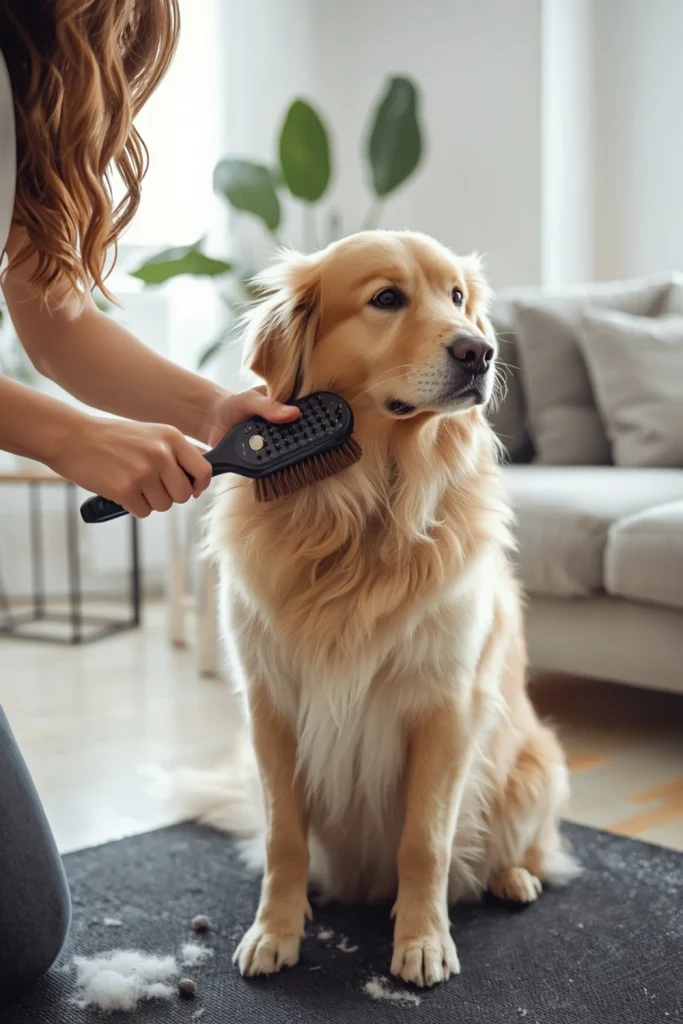
Regular brushing is one of the most effective ways to manage dog fur mats at home. Loose hair can become trapped within your dog’s coat and gradually form knots when it is not removed. Brushing helps collect shedding hair before it becomes tangled with healthy strands. Long-haired and curly-coated dogs may need daily brushing, while some short-haired breeds require less frequent attention. The correct schedule depends on your dog’s coat texture, shedding level, and daily activities.
Make brushing a regular part of your dog’s care routine rather than waiting until visible mats develop. Divide the coat into small sections and brush gently using a tool designed for your dog’s fur type. Pay extra attention to areas behind the ears, beneath the legs, around the neck, and near the tail. Regular brushing also gives you an opportunity to notice small knots, dirt, or skin irritation before these problems become more difficult to manage.
2. Choose the Right Grooming Tools
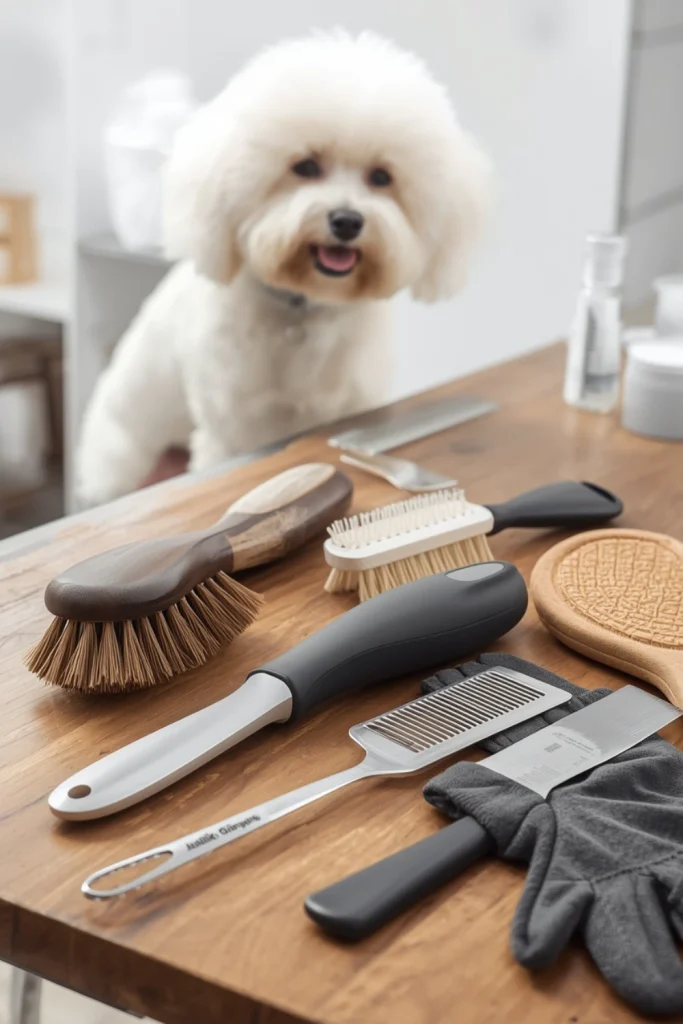
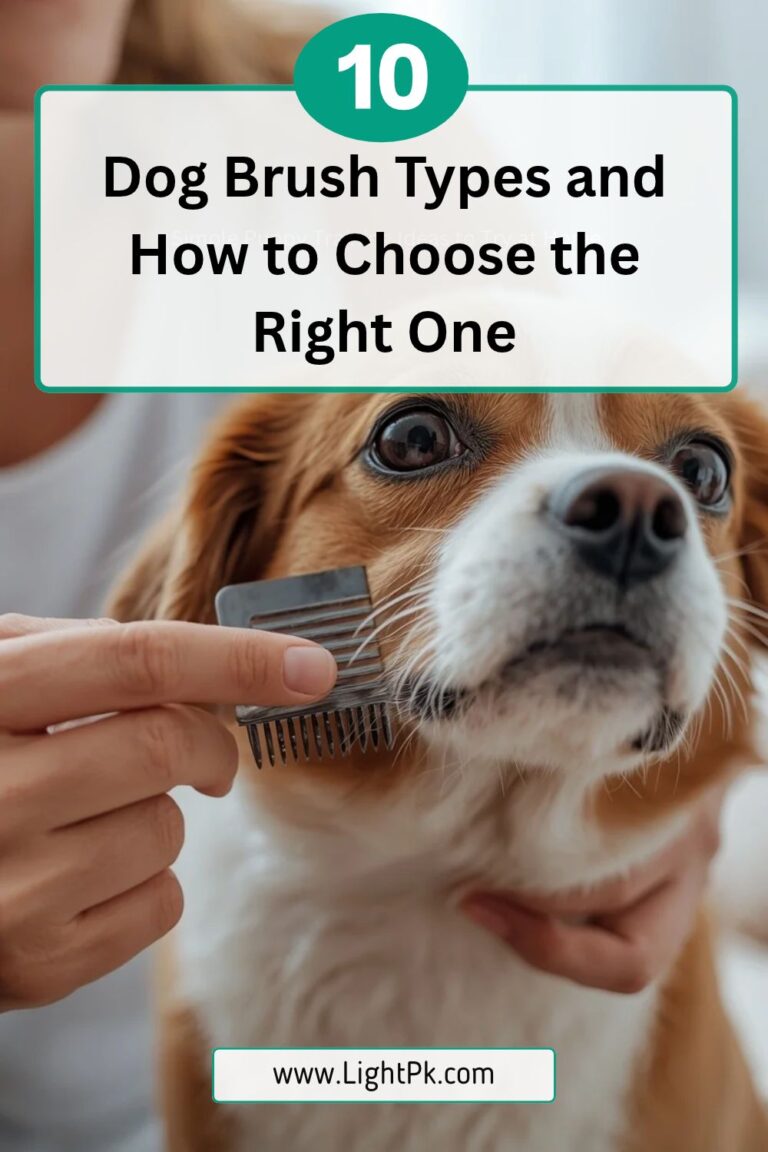
Using appropriate grooming tools makes managing dog fur mats easier and helps reduce unnecessary pulling. Different coat types require different brushes and combs. A slicker brush can help remove loose hair and small tangles from many long-haired dogs. A wide-tooth metal comb is useful for checking knots and gently separating suitable sections of fur. Dogs with short coats may benefit from softer brushes that remove loose surface hair without irritating the skin.
Before purchasing grooming equipment, consider your dog’s coat length, thickness, and texture. Avoid choosing a brush simply because it looks effective or is popular among other pet owners. A tool that works well for a curly-coated dog may not be suitable for a short-haired breed. Introduce new grooming tools gradually and use gentle pressure. If you are unsure which brush to select, ask a professional groomer or veterinarian for advice.
3. Identify Small Mats Before They Become Larger
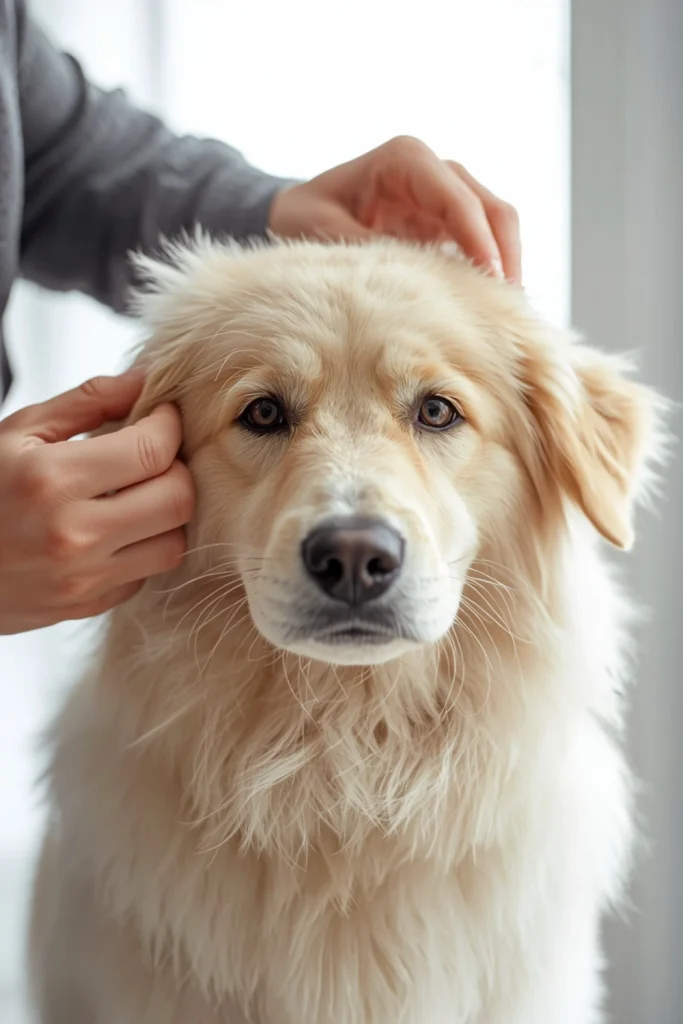
Finding small mats early can prevent them from becoming tight and uncomfortable. Dog fur often begins to tangle in small sections that may not be immediately visible. Run your fingers gently through your dog’s coat and inspect areas where friction is common. Behind the ears, beneath the front legs, around the collar, and near the tail are frequent locations for developing knots. Early identification allows you to manage minor tangles before they become difficult to remove.
Check your dog’s coat during regular brushing sessions and after activities that may introduce dirt or moisture. If you find a loose knot, examine its size and how close it is to the skin before attempting to remove it. Small tangles may be manageable with gentle finger separation and an appropriate comb. However, tight mats that pull on the skin should be handled by an experienced professional. Regular inspections help you maintain better control over your dog’s coat condition.
4. Use a Dog-Safe Detangling Spray
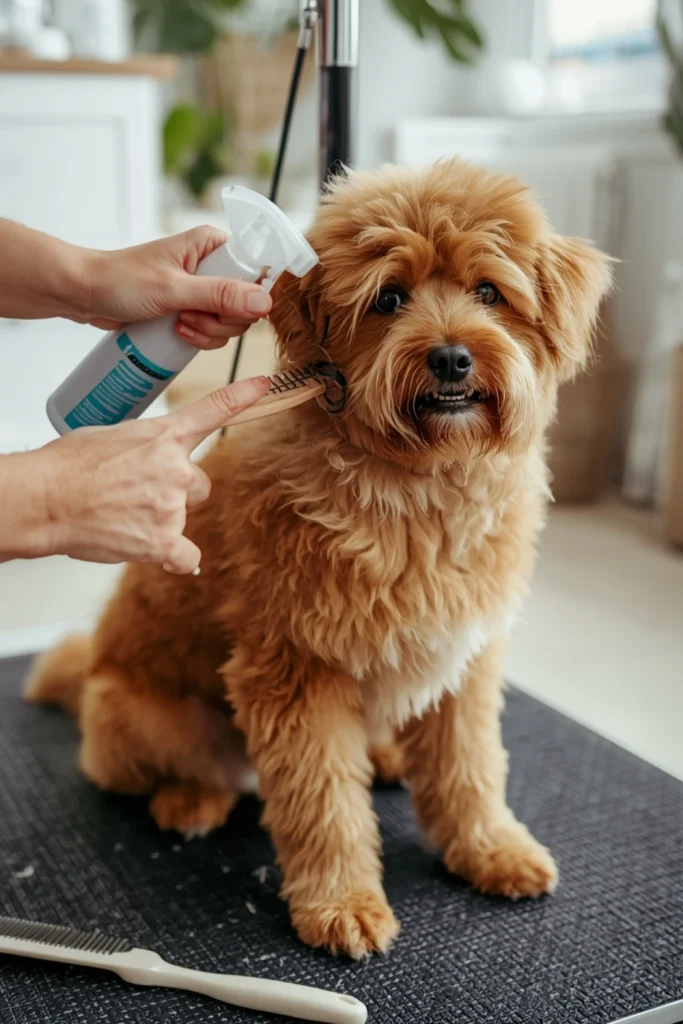
A dog-specific detangling spray can make managing loose mats easier by reducing friction between tangled hairs. These products are designed to help separate the coat and make small knots easier to work through. Choose a spray specifically formulated for dogs rather than using human hair products. Human detanglers may contain ingredients or fragrances that are unsuitable for your pet. Always read the product label and follow the recommended application instructions.
Apply the product to the affected section as directed and allow it to work for the recommended time. Gently separate loose hairs using your fingers before introducing a suitable grooming brush or comb. Avoid spraying near your dog’s eyes, nose, mouth, or inside the ears. If your dog has sensitive skin or an existing skin condition, consult your veterinarian before introducing a new grooming product. Remember that detangling sprays can help with minor knots but cannot safely solve every case of severe matting.
5. Gently Separate Loose Mats With Your Fingers
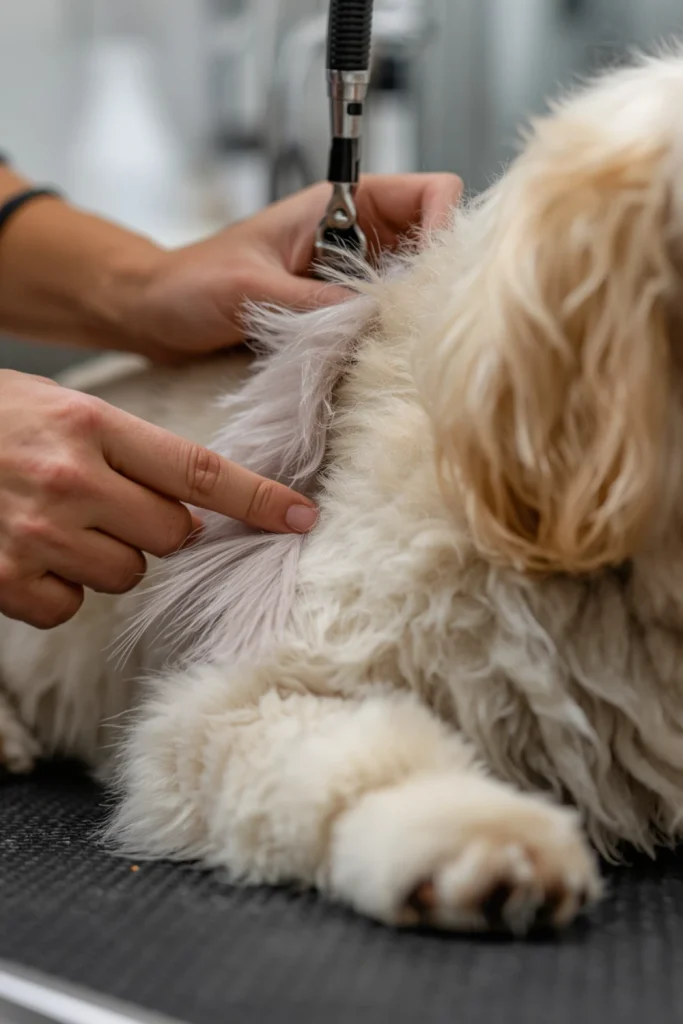
Using your fingers is a helpful first step when dealing with small, loose mats. Before reaching for a brush, locate the tangled section and carefully examine how tightly the hairs are connected. Hold the coat near the base to reduce tension on your dog’s skin. Then use your fingertips to gently separate the outer hairs and divide the knot into smaller sections. This approach can make manageable tangles easier to work through without applying excessive pressure.
Work slowly and give your dog breaks whenever necessary. Never pull sharply, twist the fur, or force your fingers through a tight mat. If your dog reacts with discomfort, stop the grooming session and reassess the situation. Some mats are too close to the skin or too tightly tangled to remove safely at home. In these situations, professional grooming is a better option. Gentle handling helps protect your dog’s skin and creates a more positive grooming experience.
6. Pay Extra Attention to High-Friction Areas
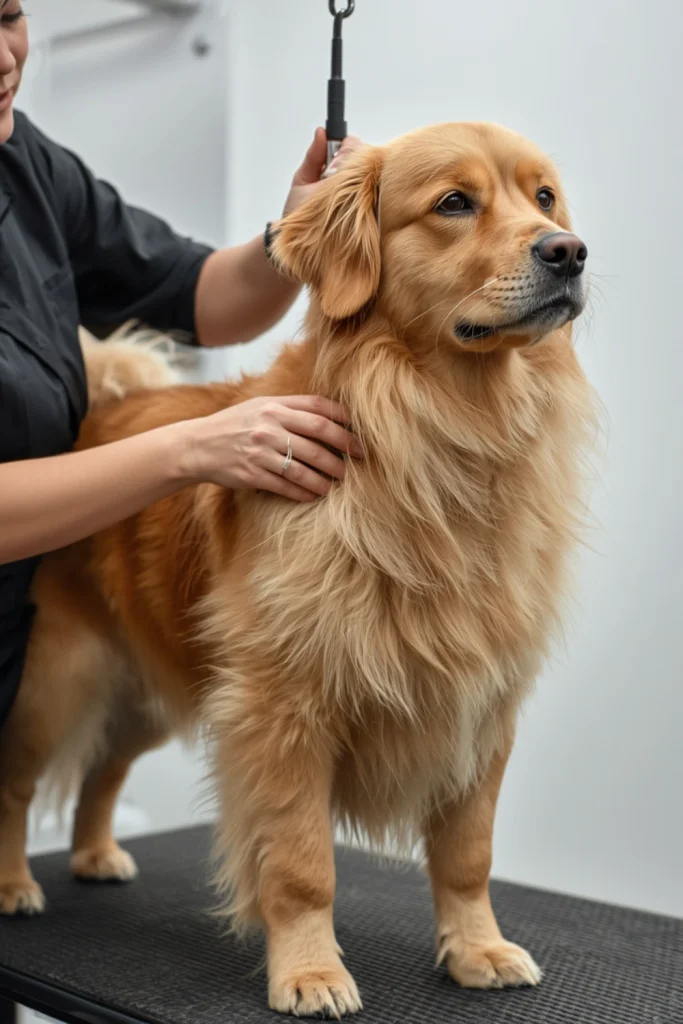
Some parts of your dog’s body develop mats more frequently because of constant movement and contact with other surfaces. Behind the ears, under the front legs, around the collar, between the back legs, and near the tail are common problem areas. Fur in these locations can rub against itself, bedding, collars, or harnesses. Over time, loose hair and friction can cause small tangles to develop into larger mats.
During grooming, carefully inspect these areas instead of focusing only on the visible outer coat. Use your fingers to check for knots and select a suitable brush for each location. Be especially gentle around the ears, belly, and legs because the skin can be sensitive. Avoid pulling on tangled hair or inserting tools into ear openings. If you discover painful mats, redness, or irritated skin, seek veterinary advice before attempting further grooming.
7. Keep Your Dog’s Coat Clean and Properly Dried
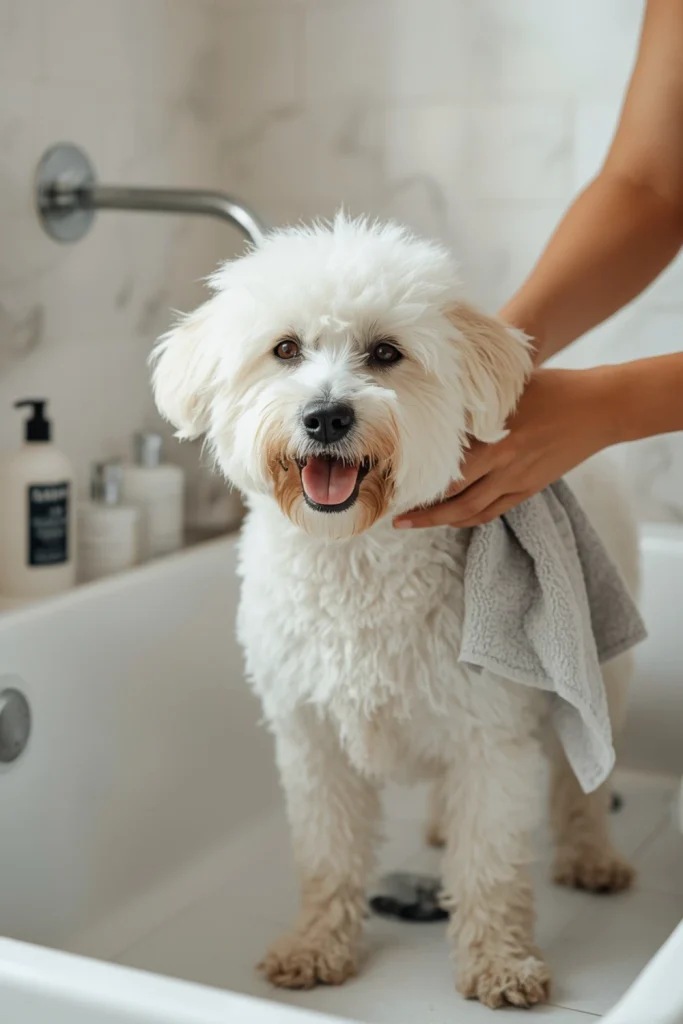
Dirt and moisture can contribute to tangled fur, especially in dogs with long or curly coats. After outdoor activities, mud, grass, dust, and small debris may become trapped in the coat. When this material combines with loose hair, it can make tangles more difficult to manage. Regular coat cleaning helps remove unwanted debris and supports a healthier grooming routine. However, bathing alone does not prevent matting, and heavily tangled fur should be assessed before bathing.
After bathing or swimming, gently remove excess moisture using a soft absorbent towel. Avoid rubbing the coat aggressively because this can increase tangling. Use suitable dog shampoo and follow the product instructions. If your dog needs drying with a dryer, choose an appropriate pet-safe setting and keep airflow moving rather than concentrating heat on one area. Make sure the coat is properly dried before completing the grooming process. For severe mats, seek professional advice before bathing.
8. Use a Wide-Tooth Comb for Small Tangles
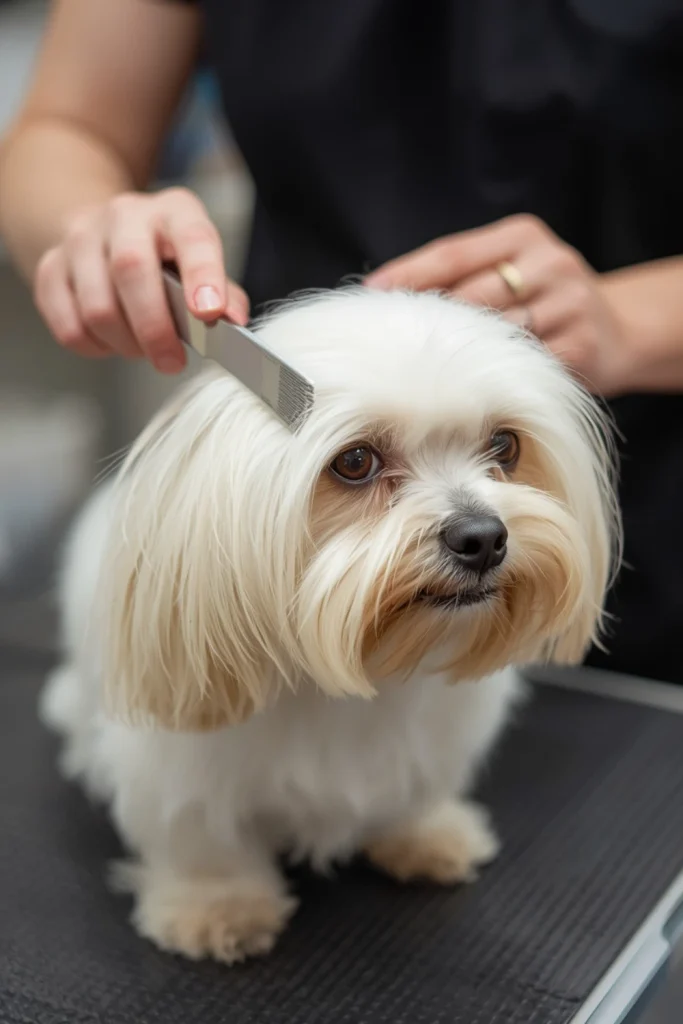
A wide-tooth comb can be a useful tool for managing minor tangles in long-haired and curly-coated dogs. Its wider spacing allows you to work through suitable sections of fur without immediately pulling on every strand. After loosening a small knot with your fingers, position the comb near the ends of the hair and work gradually toward the base. This technique helps reduce unnecessary tension and makes it easier to identify remaining knots.
Always use short, gentle movements and hold the coat near its base whenever possible. If the comb becomes stuck, stop instead of pulling harder. You can try separating the hairs further with your fingers or applying an appropriate dog-safe detangling product. A wide-tooth comb is also useful for checking the coat after brushing because it can reveal knots that are hidden beneath the surface. Never force a comb through a tight mat, especially when it sits close to your dog’s skin.
9. Avoid Cutting Tight Mats With Household Scissors
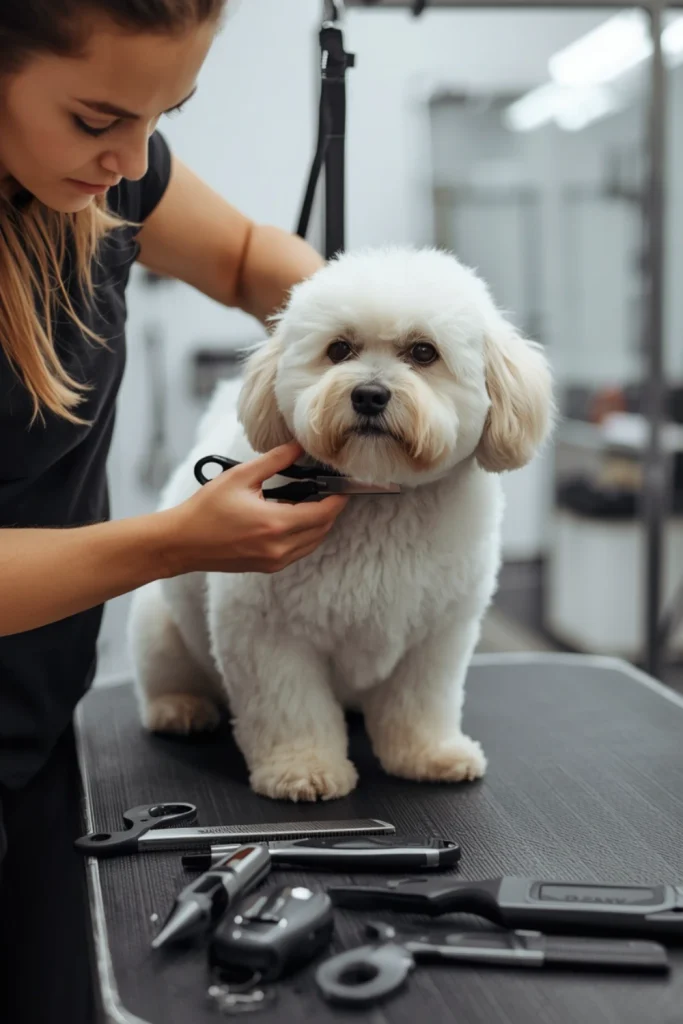
Cutting mats with ordinary household scissors can cause serious injuries because tangled fur often sits closer to the skin than it appears. When a mat becomes tight, the skin may be pulled into the tangled hair, making it difficult to distinguish between the two. Even a small movement from your dog can cause accidental cuts. For this reason, never slide scissors underneath a mat or attempt to cut close to the skin without professional training and suitable equipment.
If you find a large or tightly tangled mat, contact an experienced professional groomer. A professional can examine the coat and determine whether clipping is necessary. Severe matting may require veterinary assistance, especially if the skin underneath is irritated, painful, or infected. Although cutting a mat at home may seem like a quick solution, protecting your dog’s skin is much more important. Safe grooming means understanding when a problem requires professional attention.
10. Keep Your Dog Comfortable During Grooming
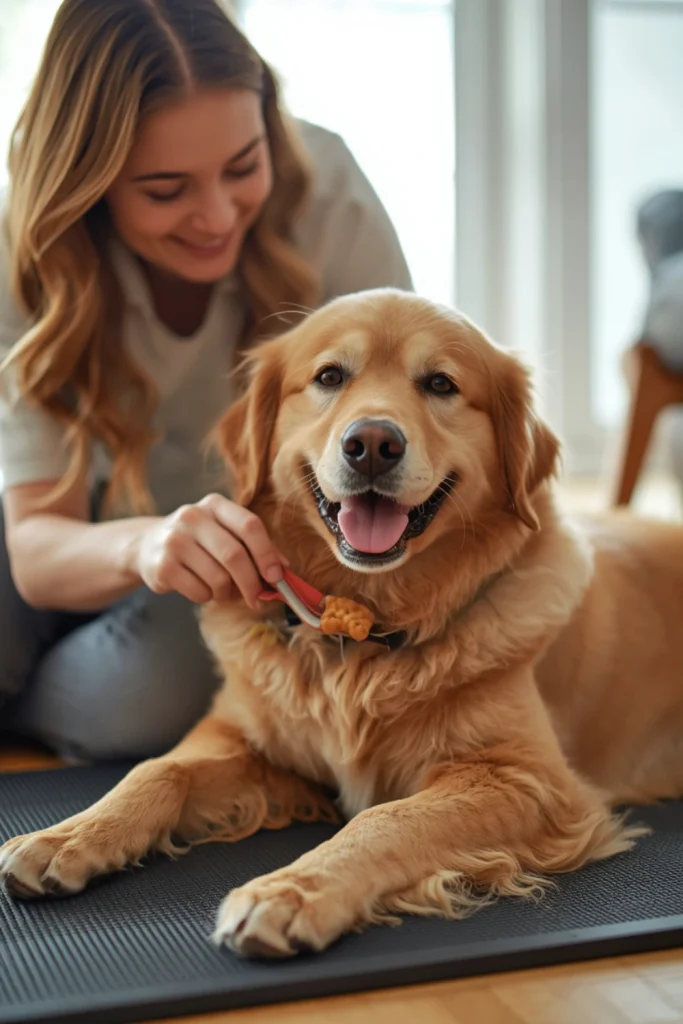
A comfortable dog is more likely to cooperate during grooming sessions. Some dogs enjoy being brushed, while others become nervous when their ears, legs, belly, or tail are handled. If your pet is uncomfortable, trying to remove mats quickly can make the experience stressful. Choose a quiet location, introduce grooming tools gradually, and allow your dog to become familiar with the process. A comfortable non-slip surface can also help your pet feel more secure.
Keep grooming sessions short, especially when working through several tangled areas. Reward calm behavior with praise, affection, or small dog-safe treats. Watch your dog’s body language and stop if it shows signs of distress, pain, or fear. Never force your dog to remain still when it is clearly uncomfortable. Building trust through gentle handling and positive reinforcement can make regular coat maintenance easier for both you and your pet.
11. Establish a Regular Professional Grooming Schedule
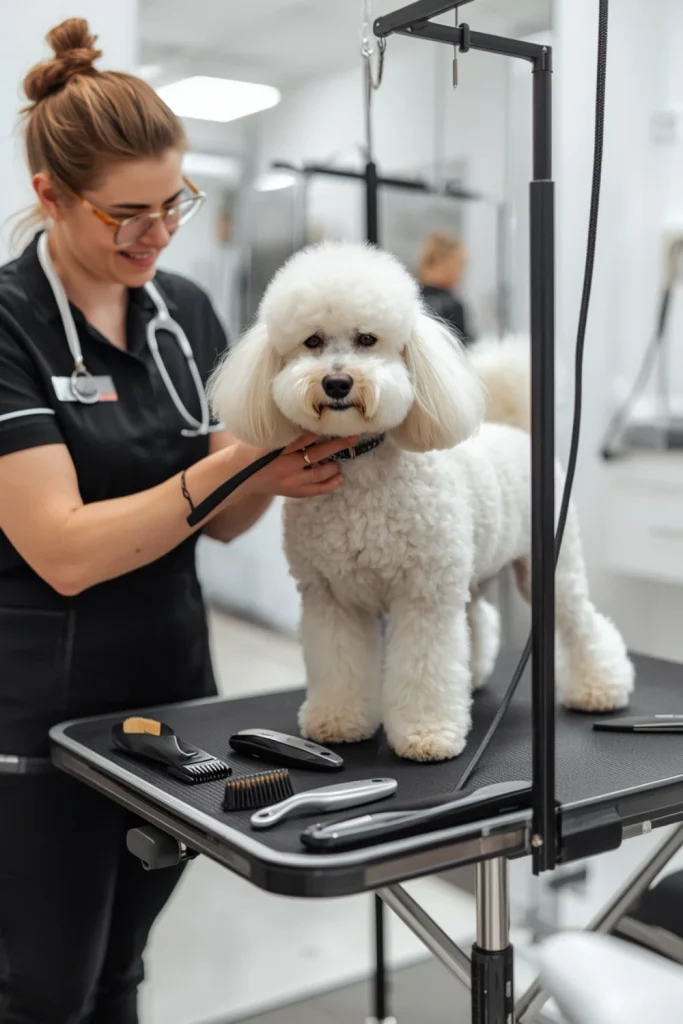
Home grooming is helpful for managing loose hair and minor tangles, but some dogs need professional grooming to maintain their coats properly. Long-haired and curly-coated breeds may require regular trimming, coat maintenance, and specialized brushing techniques. A professional groomer can identify developing mats, recommend suitable products, and show you how to care for your dog’s coat between appointments. The ideal grooming schedule depends on breed, coat growth, lifestyle, and individual needs.
Ask your groomer how frequently your dog should receive professional attention and which grooming tools are appropriate for home use. If your dog has severe mats, painful skin, or signs of infection, consult a veterinarian rather than treating the problem as an ordinary grooming issue. Regular professional care can help prevent serious matting and make home maintenance more manageable. Combining professional grooming with regular brushing is a practical way to support a healthy coat.
12. Prevent Future Mats With Consistent Coat Care
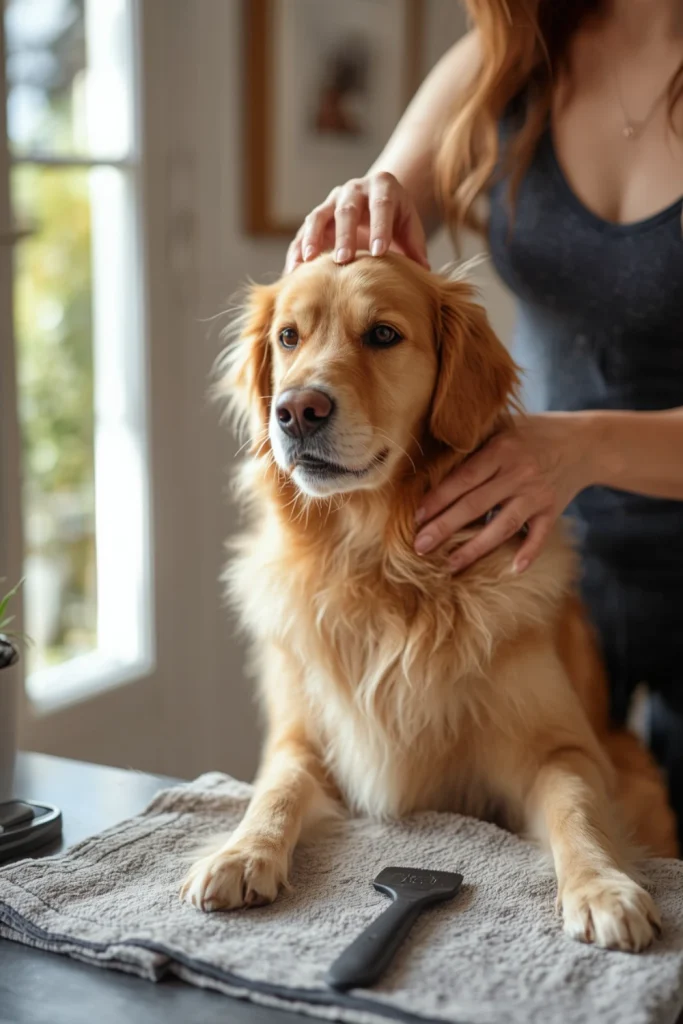
Preventing future mats is easier than dealing with large tangles after they develop. Create a simple grooming routine that includes regular brushing, coat inspections, and appropriate cleaning. Make sure your dog receives attention in areas where knots commonly form, such as behind the ears, beneath the legs, and around the collar. Washing your dog’s bedding regularly and removing dirt after outdoor activities can also help maintain a cleaner coat.
Your dog’s grooming needs may change with the seasons, age, and coat condition. Some dogs shed more heavily during seasonal coat changes, while others develop tangles because of changes in their activity levels. Adjust your grooming routine when necessary and seek professional advice if you notice repeated matting. Keep grooming tools clean and store them in an accessible location so regular coat care becomes easier. Consistent attention helps prevent small knots from developing into uncomfortable mats.
Final Thoughts
Managing dog fur mats at home becomes easier when you understand why tangles develop and how to prevent them. Regular brushing, suitable grooming tools, dog-safe detangling products, and gentle handling can help maintain your dog’s coat and reduce the risk of serious matting. Paying attention to areas behind the ears, under the legs, around the collar, and near the tail can also help you identify small knots early.
Remember that every dog has different grooming requirements. Some breeds need daily brushing, while others require less frequent maintenance. Never force a brush through a tight mat or attempt to cut tangled fur close to the skin with ordinary scissors. When matting becomes severe or painful, professional grooming and veterinary advice are the safest choices.
By following these 12 practical tips for Managing Dog Fur Mats, you can create a healthier grooming routine, reduce uncomfortable tangles, and help your furry friend enjoy a cleaner, more comfortable coat.