15 Easy Dog Grooming Tips You Can Do at Home
Keeping your dog clean, fresh, and healthy doesn’t have to mean spending money on expensive grooming appointments. With a few basic tools and a little patience, you can take care of many grooming needs right from the comfort of your home. From brushing your dog’s coat to cleaning its ears and trimming its nails, simple grooming habits can make a big difference in your pet’s daily comfort.
Learning the right Dog Grooming Tips can help you build a stronger bond with your furry friend while maintaining its appearance and overall hygiene. Whether you have a playful puppy, a long-haired dog, or a short-haired companion, these easy at-home grooming ideas will help you create a simple routine. Let’s explore 15 practical ways to keep your dog looking and feeling its best.
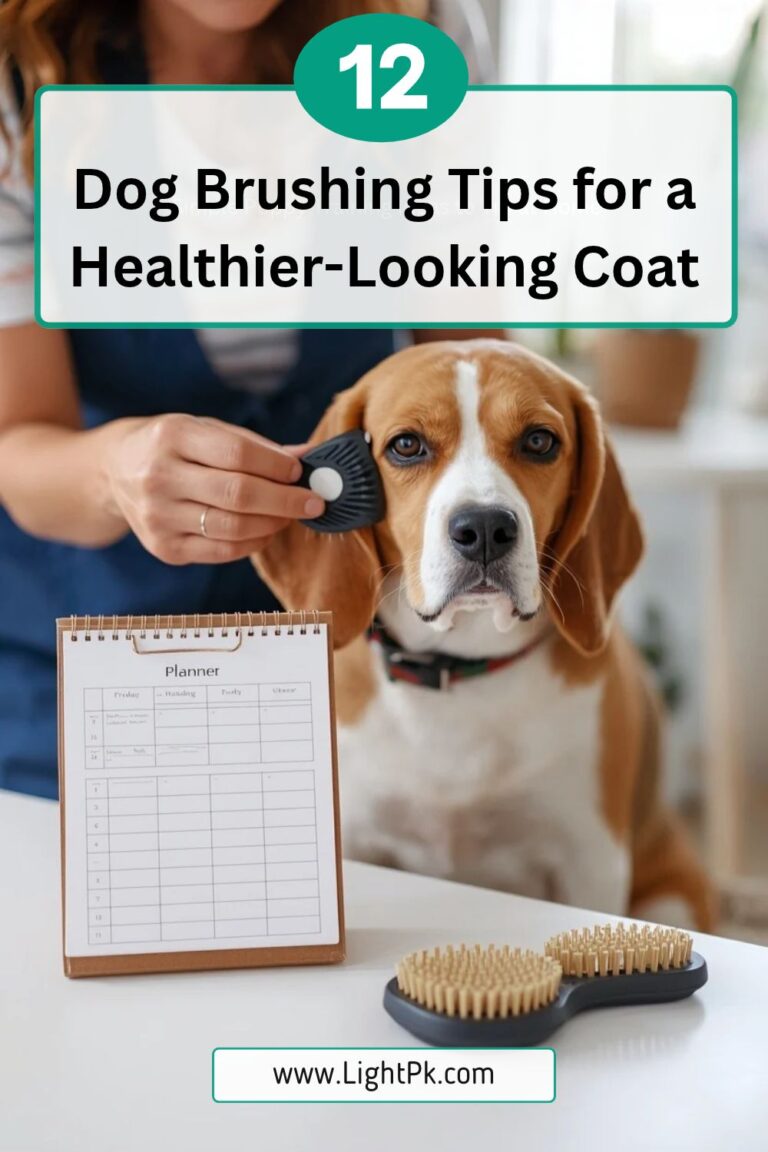
1. Brush Your Dog’s Coat Regularly
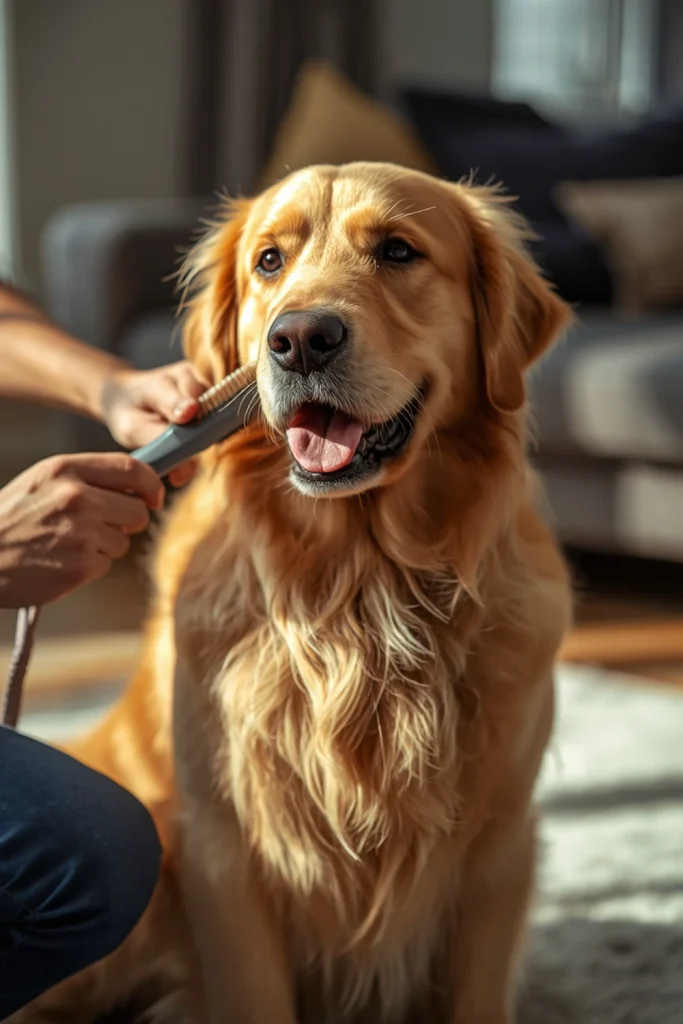
Regular brushing is one of the most important dog grooming tips every pet owner should follow. Brushing helps remove loose hair, dust, dirt, and small pieces of debris that become trapped in your dog’s coat. It also distributes natural skin oils throughout the fur, helping maintain a healthy shine. Dogs with long, curly, or thick coats may need daily brushing, while short-haired breeds can often manage with a few sessions each week. A consistent brushing routine also makes it easier to notice unusual skin changes, parasites, or small injuries.
Choose a brush that matches your dog’s coat type and use gentle movements to avoid pulling the hair. Pay extra attention to areas behind the ears, under the legs, around the neck, and near the tail because tangles commonly develop there. If your dog becomes uncomfortable, take a short break and offer praise or a treat. Make brushing a relaxing activity rather than a stressful chore. Regular brushing can also reduce loose hair around your home and help your dog become more comfortable with everyday grooming.
2. Bathe Your Dog With the Right Shampoo
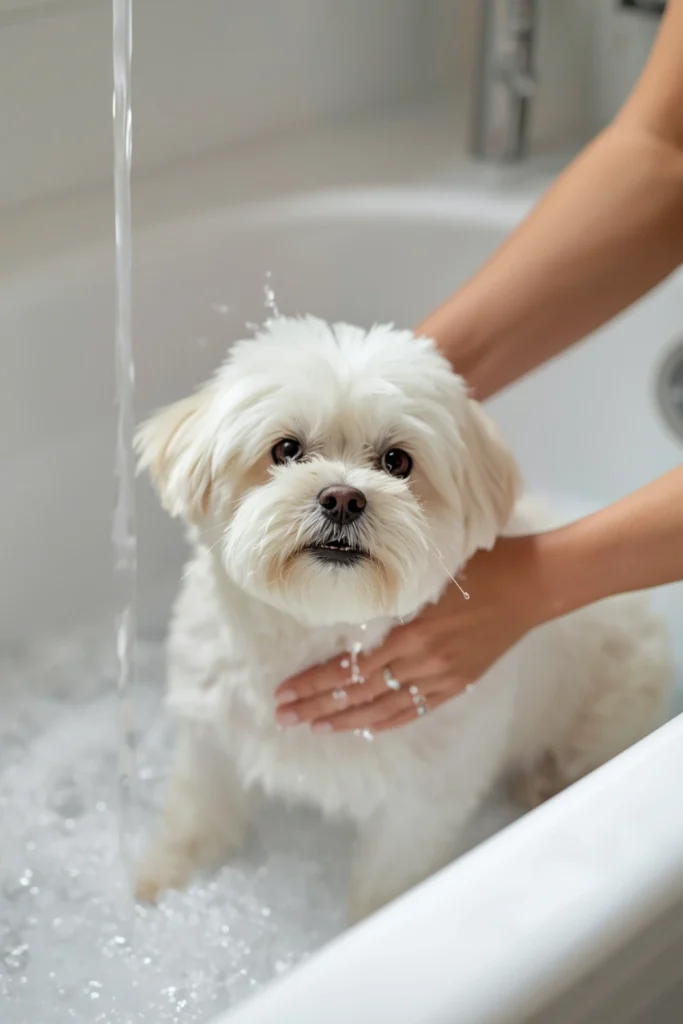
Bathing is an essential part of maintaining your dog’s cleanliness, but using the correct shampoo is extremely important. Dogs have different skin needs from humans, so regular human shampoo and household soaps should not be used on their coats. These products may cause dryness, irritation, and itching. Always select a gentle shampoo specifically formulated for dogs. Some products are designed for sensitive skin, while others help maintain particular coat types. If your dog experiences frequent itching, allergies, or skin problems, consult a veterinarian before choosing a shampoo.
Before bathing, brush your dog to remove loose hair and small tangles. Use lukewarm water and gently wet the coat, avoiding direct contact with the eyes and inside the ears. Apply a suitable amount of dog shampoo and massage it gently into the fur. Rinse thoroughly because leftover shampoo can irritate the skin. After bathing, use a clean towel to remove excess moisture. Keep your dog in a comfortable, warm environment until its coat is completely dry. A calm bathing routine can make future grooming sessions much easier.
3. Trim Your Dog’s Nails Carefully
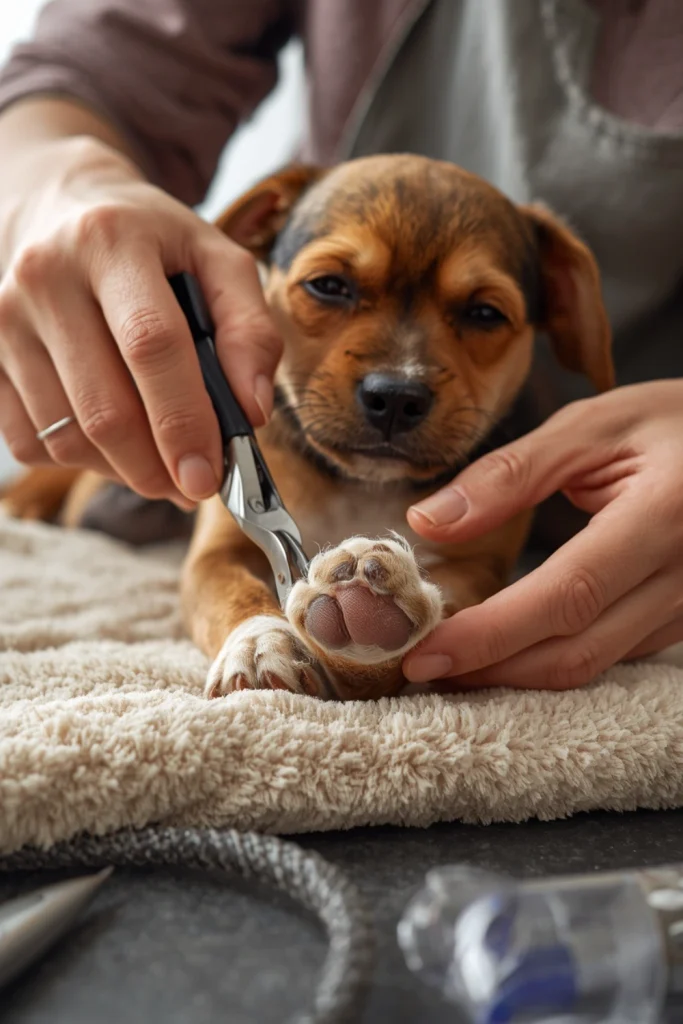
Long nails can make walking uncomfortable and affect how your dog stands and moves. When nails become excessively long, they may put pressure on the toes, catch on carpets, or break during everyday activities. Regular nail inspections help prevent these problems and support comfortable movement. Some active dogs naturally wear down their nails while walking on suitable outdoor surfaces, but indoor dogs may need more frequent trimming. Check your dog’s nails weekly so you can identify when they are becoming too long.
Use nail clippers or a nail grinder designed specifically for dogs. Trim only a small amount at a time, particularly if your dog has dark nails because the quick can be difficult to identify. The quick contains blood vessels and nerves, so cutting it can cause pain and bleeding. If you are unfamiliar with nail trimming, ask a professional groomer or veterinarian to demonstrate the correct technique. Keep styptic powder nearby in case of accidental minor bleeding. Never force your dog to continue if it becomes frightened or uncomfortable.
4. Clean Your Dog’s Ears Regularly
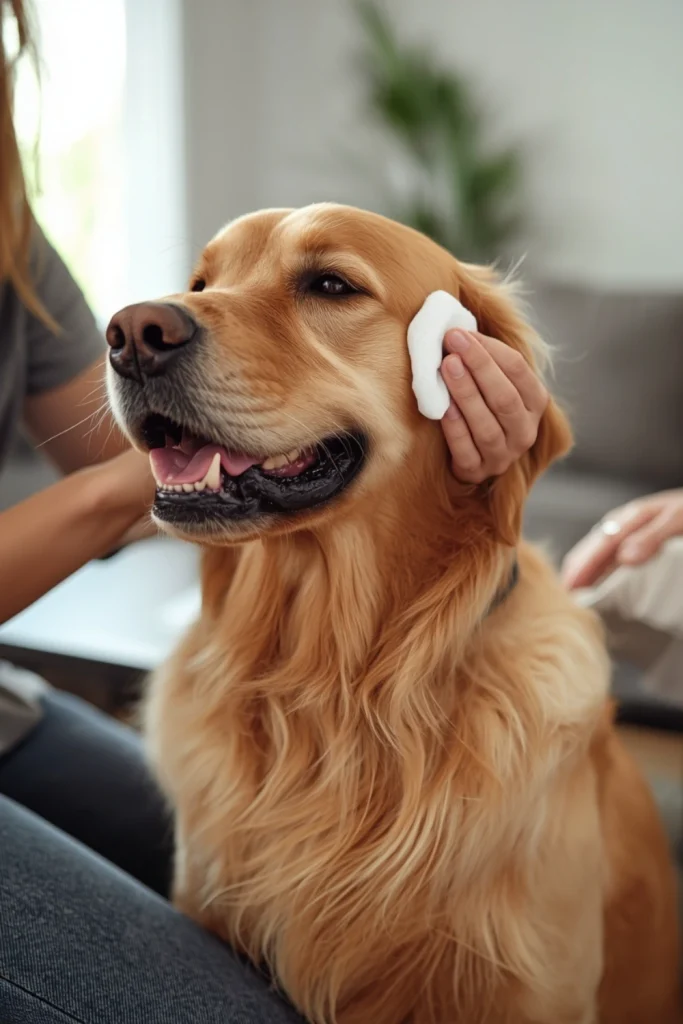
Ear care is an important part of a complete dog grooming routine. Dirt, wax, moisture, and debris can collect around your dog’s ears, particularly in breeds with long, floppy ears. Regular inspections help you notice unusual smells, redness, swelling, or excessive discharge. These symptoms may indicate an ear infection or another medical problem. Dogs that frequently swim or have floppy ears may need closer monitoring because moisture can remain trapped around the ear area. However, every dog’s cleaning needs are different.
Use a veterinarian-approved dog ear-cleaning solution and a soft cotton pad or gauze to clean the visible outer ear. Never push cotton swabs or other objects deep into the ear canal because this can cause injury. Avoid cleaning healthy ears too frequently, as excessive cleaning may create irritation. If your dog repeatedly scratches its ears, shakes its head, or shows signs of pain, contact your veterinarian. Regular ear inspections can help you recognize problems early and maintain your pet’s comfort without unnecessary cleaning.
5. Brush Your Dog’s Teeth for Better Oral Health
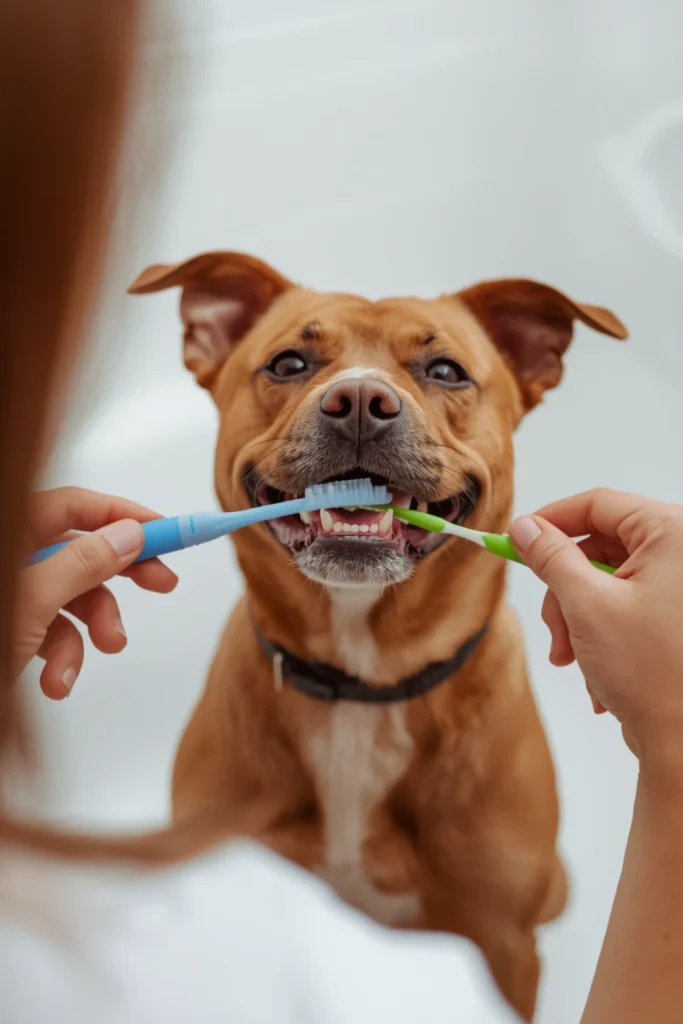
Dental care is often forgotten when discussing dog grooming tips, but it plays an important role in your pet’s overall health. Food particles and plaque can accumulate on your dog’s teeth, eventually contributing to tartar buildup, bad breath, and gum inflammation. Without proper dental care, these problems may become painful and require professional treatment. Regular toothbrushing helps remove plaque before it hardens and supports healthier teeth and gums. Ideally, you should brush your dog’s teeth daily or follow a consistent routine recommended by your veterinarian.
Choose a toothbrush and toothpaste specifically designed for dogs. Never use ordinary human toothpaste because some ingredients, including xylitol in certain products, can be dangerous to pets. Begin slowly by allowing your dog to smell and taste a small amount of pet toothpaste. Gently lift the lips and brush the outer surfaces of the teeth using small circular movements. Keep the first few sessions short and reward your dog afterward. If you notice bleeding gums, loose teeth, difficulty chewing, or persistent bad breath, arrange a veterinary dental examination.
6. Keep Your Dog’s Eyes Clean
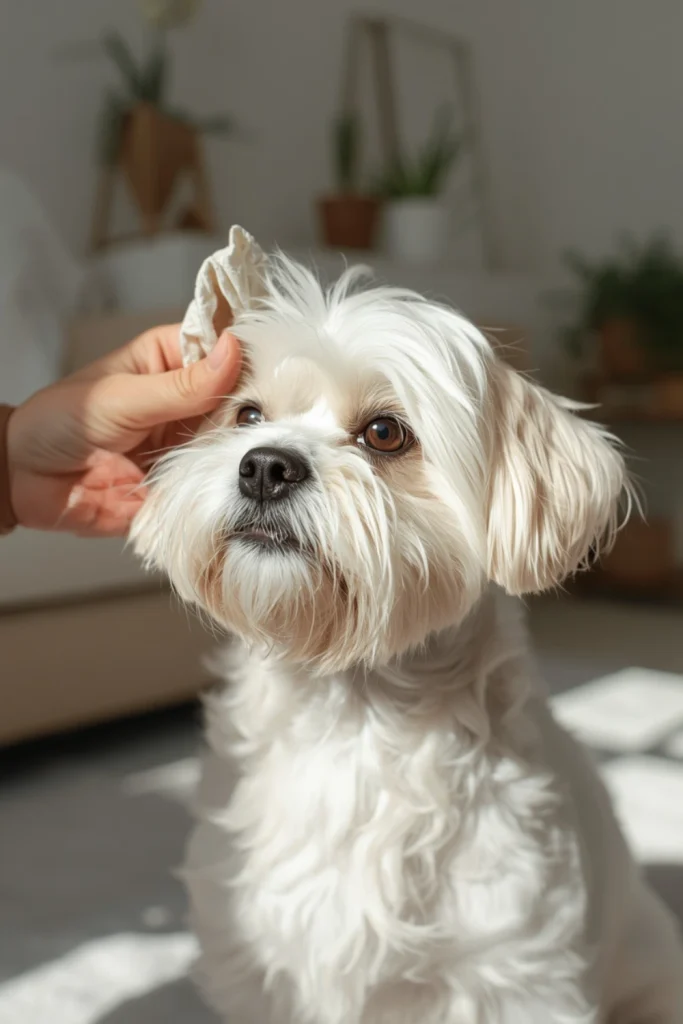
Your dog’s eyes should be checked regularly as part of its grooming routine. Some dogs naturally develop small amounts of tear discharge, which can collect around the corners of their eyes. If this moisture remains on the surrounding fur, it may create visible tear stains, particularly in white or light-colored breeds. Dogs with short faces or prominent eyes may require more frequent attention. Gentle cleaning helps remove visible dirt and discharge while keeping the area around the eyes fresh and comfortable.
Use a clean, soft cloth or a pet-safe eye-cleaning wipe to remove visible discharge. Moisten the cloth with clean lukewarm water and gently wipe around the outside of each eye. Use a separate clean section for each eye to avoid transferring dirt or bacteria. Never apply household cleaning products or human eye medication without veterinary advice. If your dog develops persistent discharge, redness, swelling, cloudiness, or excessive blinking, contact your veterinarian. Eye problems can sometimes become serious, so avoid treating unusual symptoms as ordinary tear stains.
7. Check and Clean Your Dog’s Paws
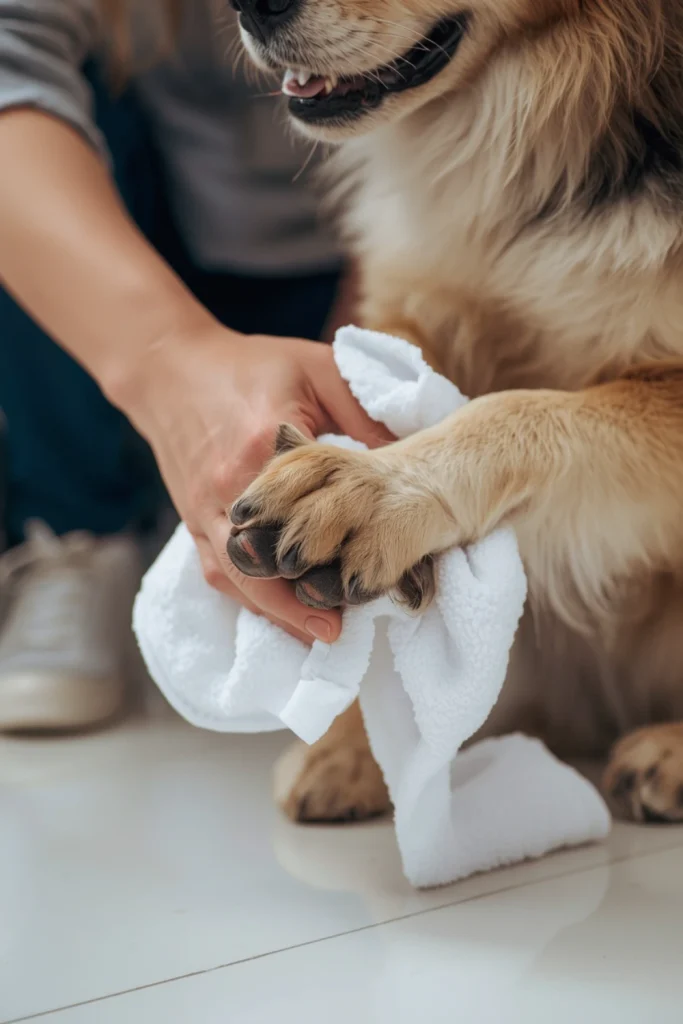
Your dog’s paws come into contact with different surfaces every day, including grass, pavement, mud, and dusty sidewalks. Dirt, small stones, and other objects can become trapped between the toes and paw pads. If these materials remain there, they may cause irritation or discomfort. Checking your dog’s paws regularly is an easy way to notice cuts, swelling, cracked pads, or other problems. This is especially important after long walks, outdoor adventures, and playtime in unfamiliar places.
Use a soft damp cloth or pet-safe paw wipes to clean your dog’s feet after outdoor activities. Gently separate the toes and inspect the spaces between the pads for dried mud, small stones, or tangled hair. Dry the paws thoroughly because moisture trapped between the toes may contribute to irritation. If you notice a deep cut, bleeding, swelling, or persistent licking, contact your veterinarian. Avoid applying harsh disinfectants or household cleaning products to your dog’s paws. Clean paws can help maintain better hygiene and make your home cleaner, too.
8. Remove Tangles and Mats Gently
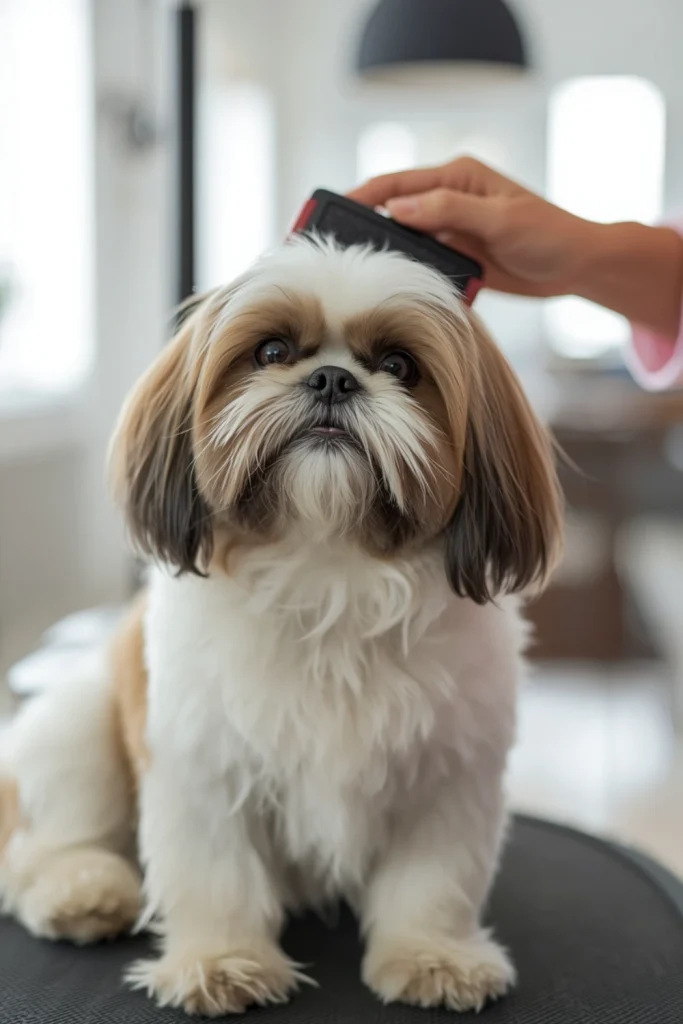
Tangles and mats are common grooming problems, particularly in dogs with long, curly, or thick coats. They develop when loose hair becomes trapped and twists together. If left untreated, small tangles can become tight mats that pull against the skin and cause discomfort. Common areas where mats develop include behind the ears, under the legs, around the collar, and near the tail. Regular brushing is the best prevention, but checking these areas carefully during grooming is equally important.
When you discover a small tangle, use your fingers or a suitable detangling tool to loosen it carefully. Hold the hair near the skin to reduce pulling and work slowly from the ends toward the roots. Never pull aggressively or cut mats close to your dog’s skin with ordinary scissors because accidental injuries can happen easily. Severe or tightly packed mats should be handled by an experienced professional groomer. Keeping your dog’s coat free from tangles makes regular brushing easier and helps prevent unnecessary discomfort.
9. Maintain Your Dog’s Coat at a Healthy Length
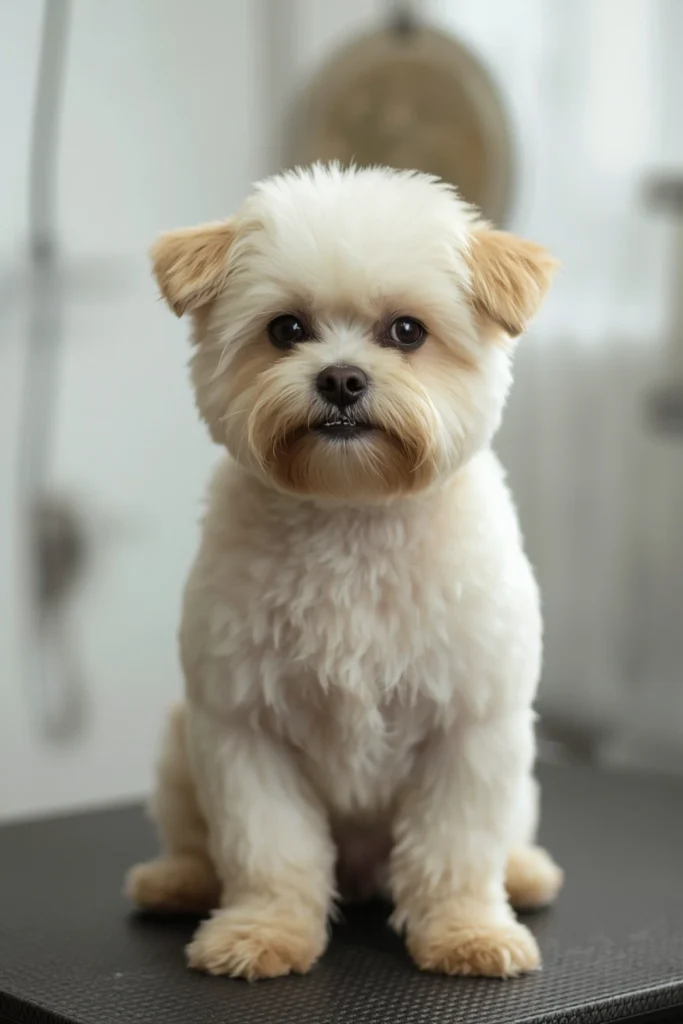
Maintaining an appropriate coat length can make grooming easier and help your dog remain comfortable. However, different breeds have different coat requirements. Some dogs have continuously growing hair that needs regular trimming, while others have double coats that provide natural insulation and protection. Before cutting your dog’s fur, learn about its specific coat type and grooming needs. Cutting a coat too short without understanding its purpose may remove important protection from the skin and affect your dog’s comfort.
If your dog needs a small trim, use grooming tools designed for pets and work slowly in areas where the coat is easy to manage. Avoid cutting close to the skin or trimming sensitive areas without proper experience. Never assume that shaving a thick-coated dog will automatically keep it cooler during summer. Dogs with double coats often need their natural coats maintained rather than shaved. If you are unsure about the correct haircut for your dog’s breed, consult a qualified groomer. Proper coat maintenance helps keep your pet clean and comfortable throughout the year.
10. Use Dog-Safe Grooming Products
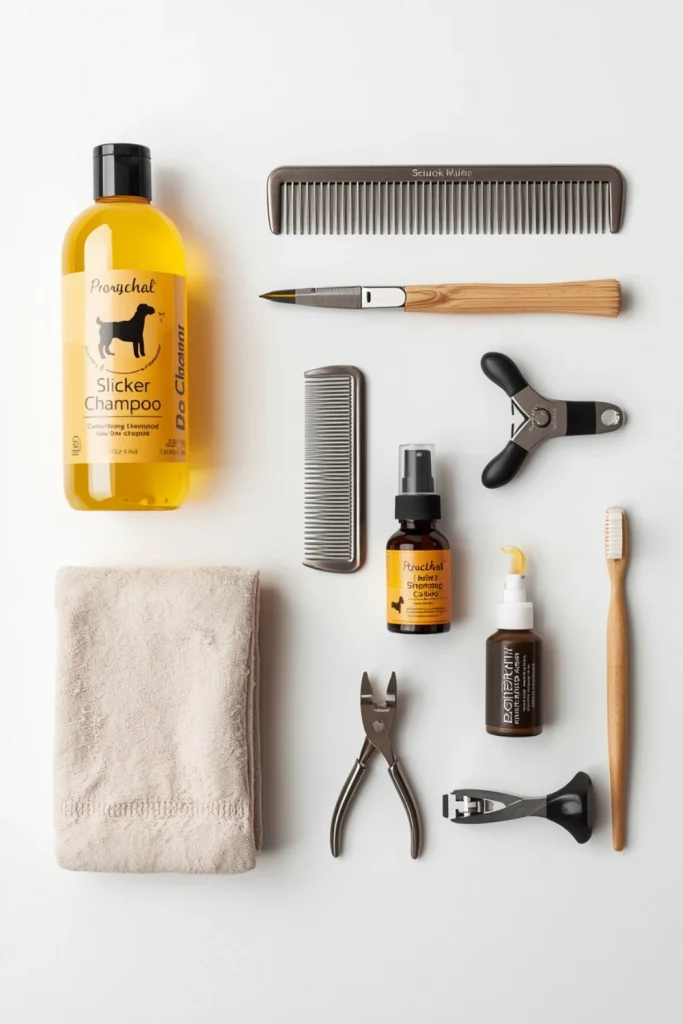
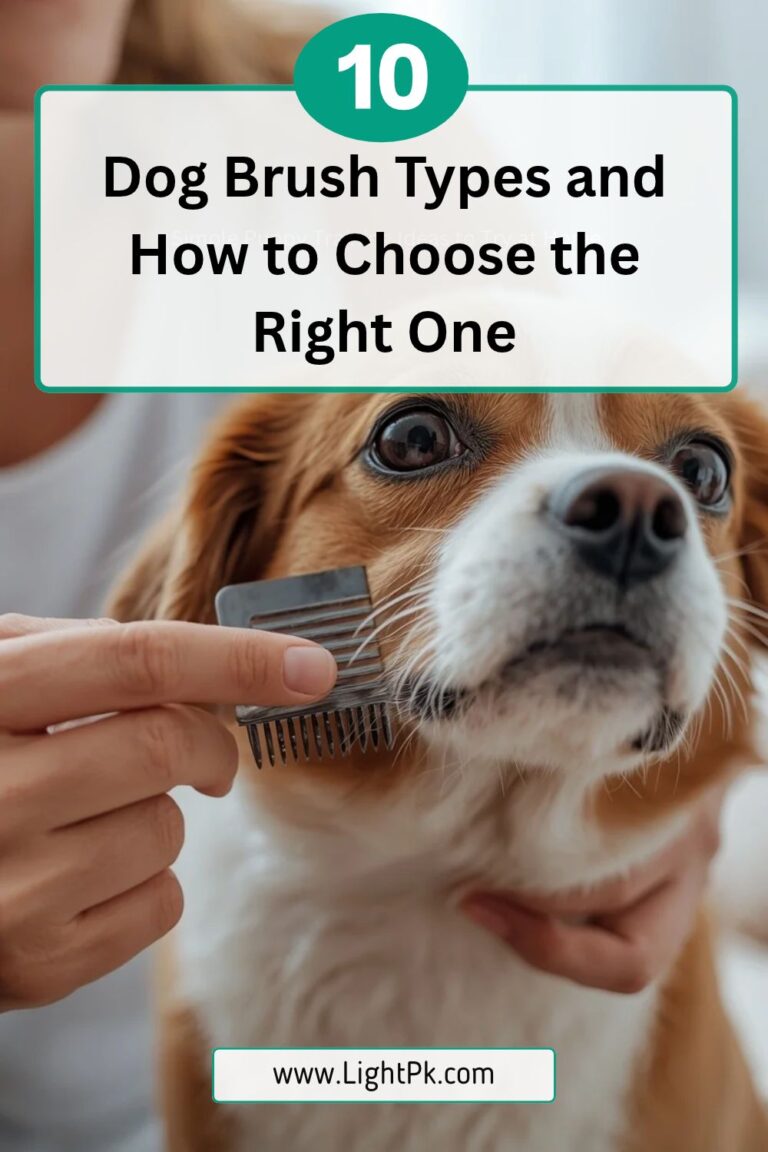
Choosing suitable grooming products is essential for maintaining your dog’s skin and coat health. Different dogs have different skin types, coat textures, and grooming requirements. A product that works well for one dog may irritate another. Before purchasing shampoo, conditioner, cleaning wipes, sprays, or other grooming supplies, check that they are specifically formulated for dogs. Avoid strongly fragranced products if your dog has sensitive skin. If your pet has allergies, persistent itching, or a medical skin condition, ask your veterinarian for appropriate recommendations.
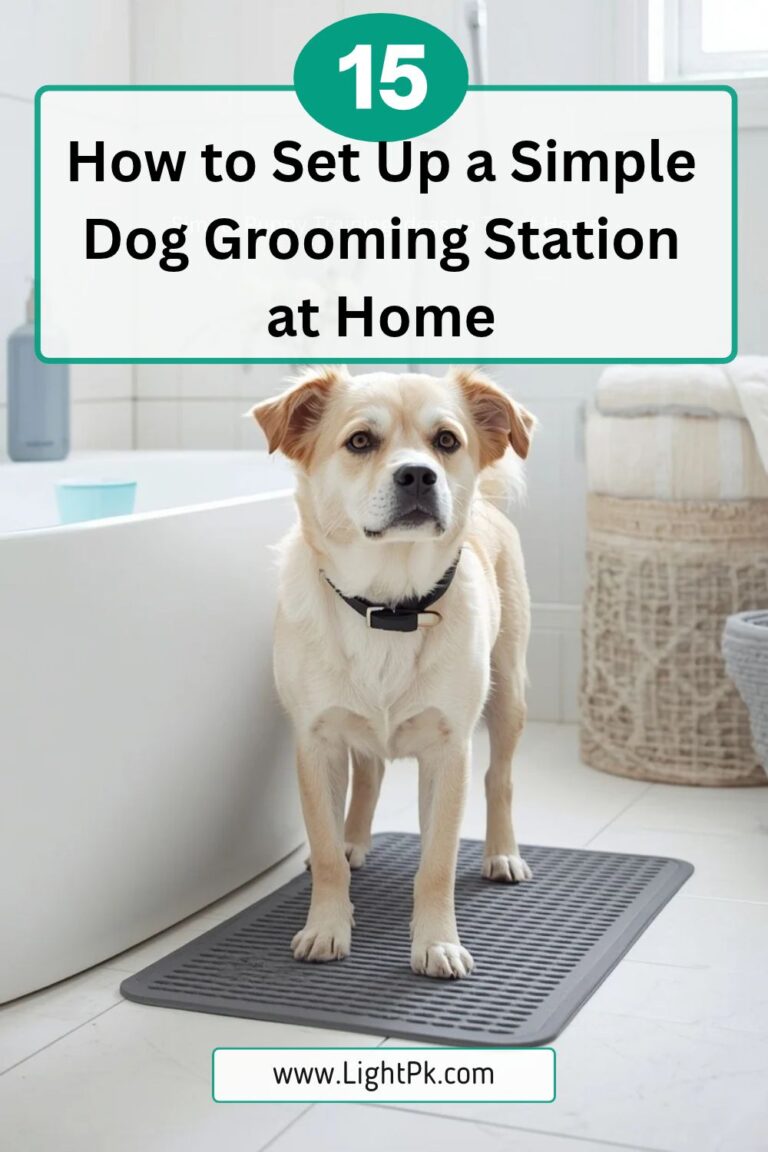
Keep your grooming supplies organized in one clean location so you can easily find everything during grooming sessions. Useful essentials include a suitable brush, comb, dog shampoo, nail clippers, soft towels, dog toothbrush, pet toothpaste, and veterinarian-approved ear cleaner. Check your equipment regularly for damage, rust, or dirt. Wash reusable brushes and combs after use to remove loose hair and debris. Using clean, suitable tools makes grooming safer and more convenient. You do not need an expensive collection of equipment to maintain your dog’s basic hygiene at home.
11. Give Your Dog a Gentle Massage During Grooming
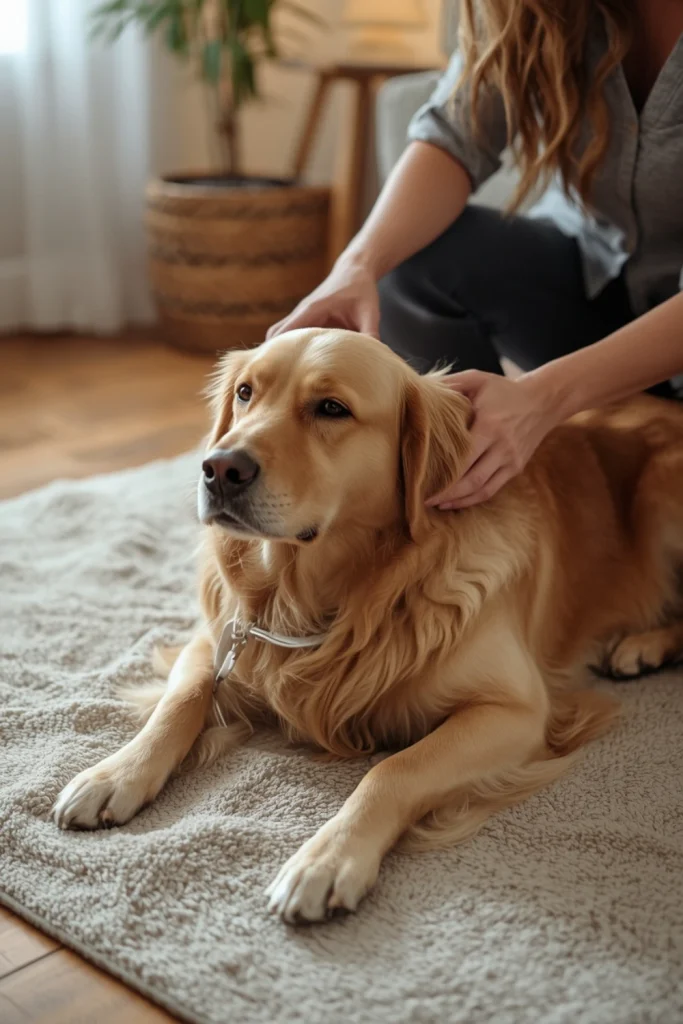
A gentle massage can make grooming sessions more relaxing and enjoyable for your dog. Some pets become nervous when someone touches their paws, ears, legs, or other sensitive areas. Gentle handling helps dogs become familiar with everyday grooming activities and builds trust over time. Start by touching areas your dog already enjoys, such as the shoulders, chest, and back. Use slow, gentle movements and observe your dog’s body language throughout the process. A relaxed environment can make grooming easier for both you and your pet.
Avoid applying pressure to joints, the stomach, or any area that appears painful. If your dog moves away, stiffens, growls, or shows signs of discomfort, stop and give it space. You can combine gentle massage with brushing to help your pet remain calm during grooming. Short sessions followed by praise and treats can gradually improve your dog’s comfort. Remember that massage is not a replacement for veterinary treatment. If your dog shows signs of pain, stiffness, or unusual sensitivity, arrange a professional examination.
12. Check Your Dog’s Skin for Problems
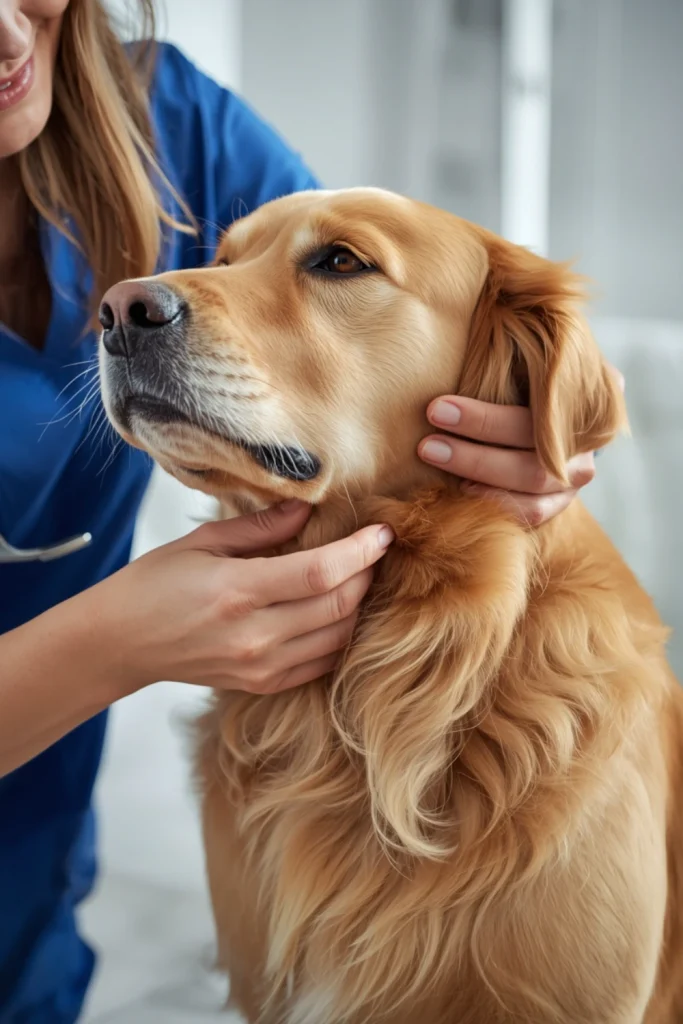
Grooming provides an excellent opportunity to examine your dog’s skin and look for unusual changes. While brushing or bathing your pet, check for redness, bumps, dry patches, scabs, swelling, or areas of hair loss. These changes may sometimes indicate allergies, parasites, infections, or other skin conditions. Regular inspections help you recognize possible problems before they become more uncomfortable for your dog. Pay particular attention to areas hidden beneath thick fur, around the neck, and between the legs.
Part your dog’s hair gently using your fingers or a comb to inspect the skin underneath. Look for fleas, ticks, excessive dandruff, or unusual odors. Do not attempt to remove suspicious growths or treat unexplained skin problems using household remedies. If you find a tick, use an appropriate tick-removal tool and follow veterinary guidance. Contact your veterinarian if your dog has persistent itching, open sores, spreading redness, or noticeable changes in its skin. Regular skin inspections are an important part of responsible dog ownership.
13. Make Grooming a Positive Daily Habit
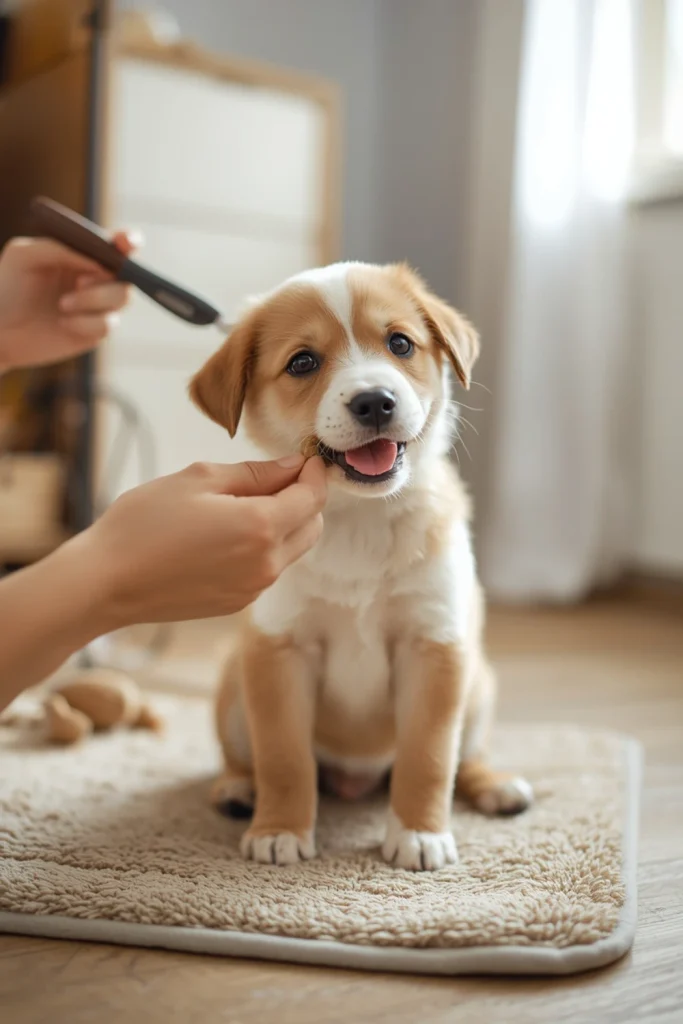
One of the easiest ways to improve your dog’s grooming experience is to make it a positive and predictable activity. Some dogs become nervous when they hear nail clippers, see a brush, or enter the bathroom. Instead of completing every grooming task in one long session, divide the process into smaller activities. You might brush your dog for a few minutes in the morning and check its paws after an evening walk. This approach helps prevent stress and makes grooming easier to manage.
Reward your dog with praise, affection, or small treats whenever it cooperates. Puppies should be introduced to grooming tools gradually so they become comfortable with brushing, bathing, and gentle handling as they grow. Adult dogs can also learn to enjoy grooming through patient practice. Choose a quiet location and avoid rushing when your dog becomes restless. A consistent routine builds confidence, improves cooperation, and makes at-home grooming a pleasant part of everyday life. Always respect your dog’s limits and allow breaks when necessary.
14. Dry Your Dog Properly After Bathing
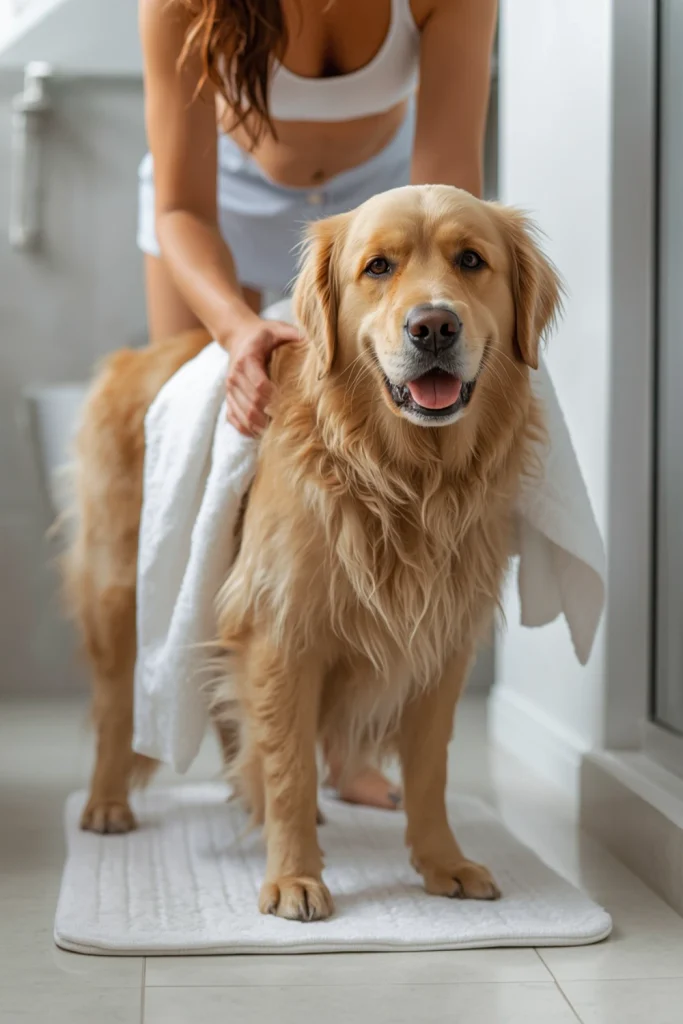
Drying your dog properly after a bath is just as important as washing its coat. Leaving excess moisture in thick fur, around the paws, or inside skin folds can cause discomfort and may contribute to irritation. Some dogs naturally shake themselves after bathing, but they still need help removing remaining water. Use a soft, absorbent towel and gently press it against the coat rather than rubbing aggressively. Pay particular attention to areas where moisture tends to collect, especially in long-haired breeds.
For dogs with thick or long coats, a pet-safe dryer on a low, comfortable setting may help speed up the drying process. Keep the dryer at a safe distance, avoid excessive heat, and introduce the sound gradually if your dog is nervous. Never direct hot air toward the eyes, ears, or sensitive skin. Make sure your dog’s coat is completely dry before allowing it to rest in a cold or damp environment. Proper drying helps prevent discomfort and makes your pet feel fresh after every bath.
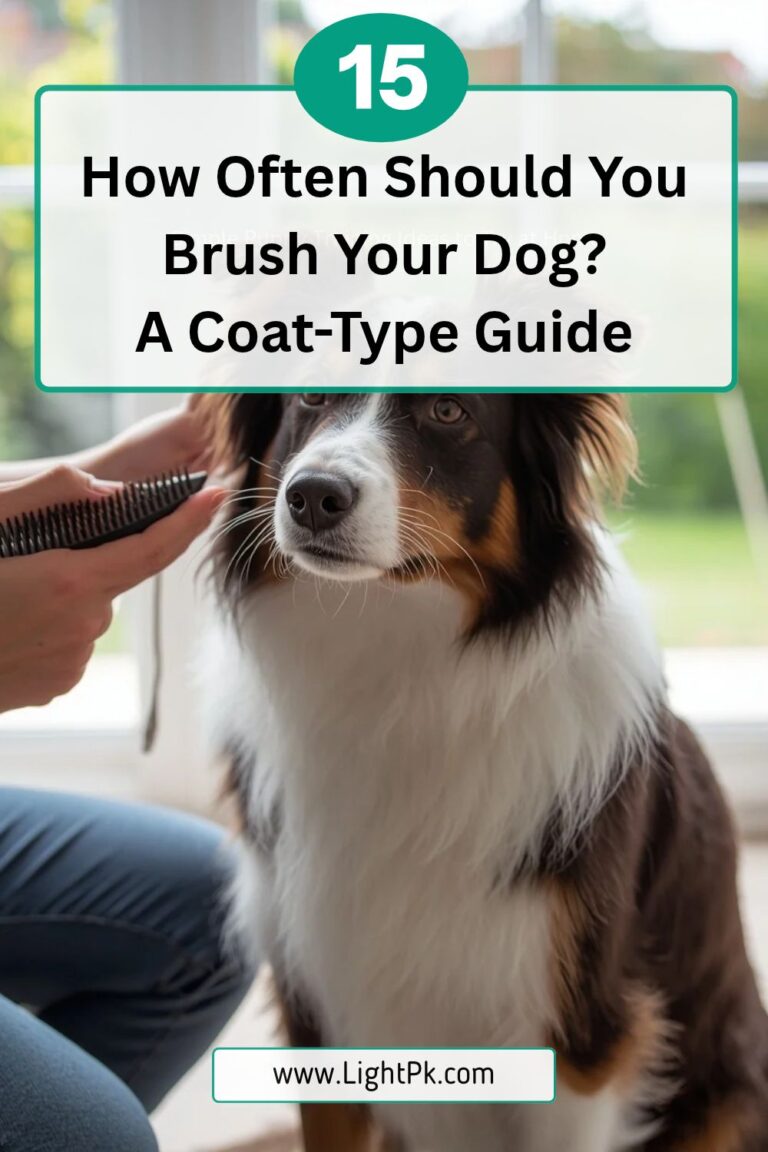
15. Create a Regular Dog Grooming Schedule
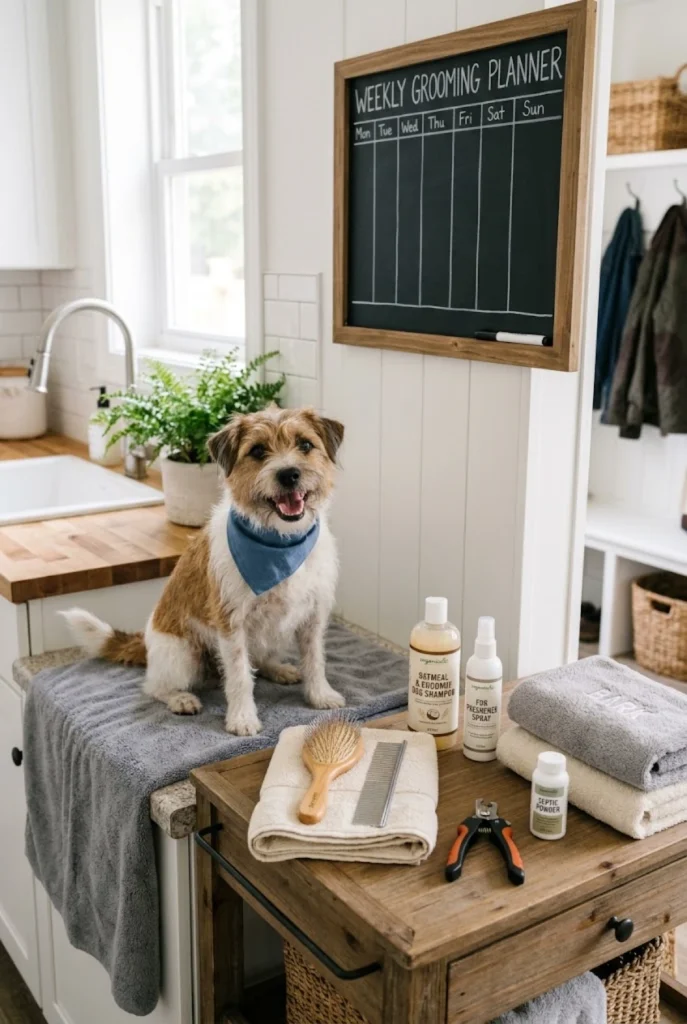
Creating a regular grooming schedule is one of the most effective dog grooming tips for maintaining your pet’s cleanliness and comfort. Without a routine, it is easy to forget important activities such as brushing, nail checks, ear inspections, and bathing. A simple weekly plan helps you stay organized and ensures your dog receives consistent care. Your schedule should depend on your dog’s breed, coat type, activity level, age, and individual needs rather than following the same routine for every pet.
For example, you might brush your dog’s coat several times a week, inspect its paws after walks, check its ears regularly, and brush its teeth daily. Nail trimming and bathing should be scheduled according to your dog’s needs. Write important grooming dates on a calendar or use reminders on your phone. Remember that grooming is not only about appearance; it is also an opportunity to monitor your dog’s health. A consistent routine can prevent common grooming problems and help your furry friend feel comfortable throughout the year.
Final Thoughts
Taking care of your dog’s grooming needs at home does not have to be difficult or expensive. With the right tools, gentle handling, and a consistent schedule, you can keep your furry friend clean, comfortable, and looking healthy. From brushing the coat and trimming nails to cleaning ears and maintaining dental hygiene, small grooming activities can make a meaningful difference in your dog’s everyday life.
The best Dog Grooming Tips are the ones that match your pet’s individual needs. Start with simple activities, reward good behavior, and give your dog plenty of time to become comfortable with each task. Remember to check your pet’s skin, paws, ears, and coat regularly, and seek professional help whenever necessary. A little attention every day can help your dog enjoy a healthier, happier, and more comfortable life.