The Complete Dog Hygiene Checklist for New Owners
Bringing a new dog home is an exciting experience, but becoming a responsible dog owner also means learning how to keep your furry companion clean, healthy, and comfortable. From regular brushing and bathing to dental care, ear cleaning, and nail trimming, good hygiene plays an important role in your dog’s overall well-being.
If you are a first-time dog owner, knowing where to begin can feel overwhelming. The good news is that maintaining your dog’s hygiene does not have to be complicated. With a simple routine and the right supplies, you can prevent common hygiene problems and help your dog feel fresh every day. This Complete Dog Hygiene Checklist covers the essential cleaning and grooming habits every new dog owner should know.
1. Create a Daily Dog Hygiene Routine
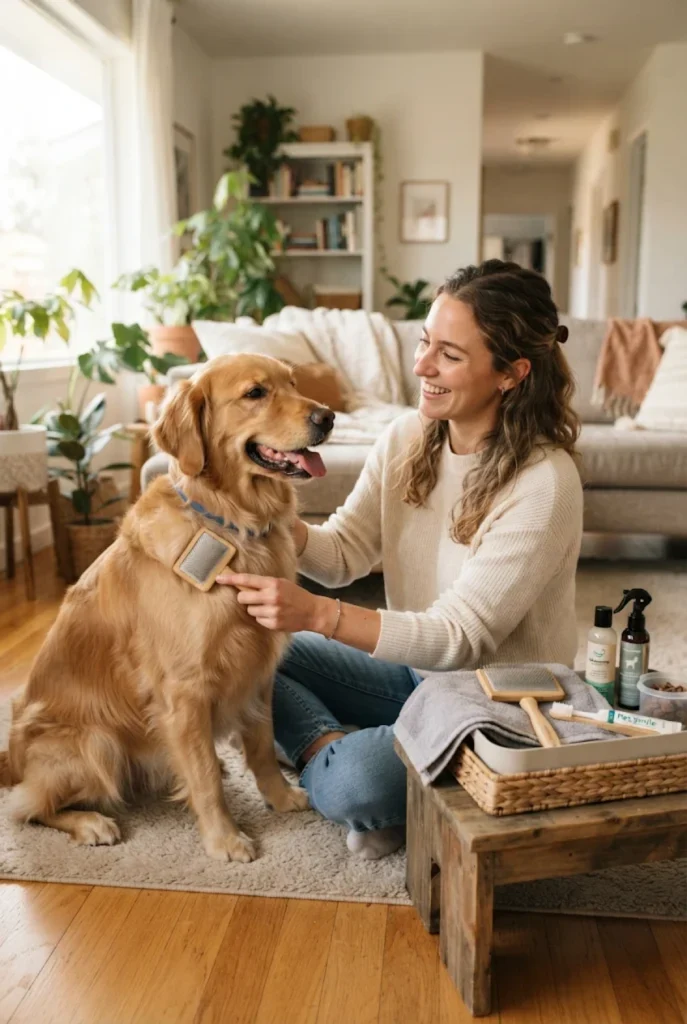
A daily hygiene routine helps you keep track of your dog’s cleanliness and notice small problems before they become serious. Start by checking your dog’s coat, paws, eyes, ears, and general appearance. Look for dirt, unusual odors, excessive scratching, redness, or anything that seems different from normal. These simple checks only take a few minutes but can make a big difference in your dog’s comfort.
Try to perform these checks at approximately the same time every day. For example, you can inspect your dog’s paws after walks and brush the coat in the evening. Consistency helps your dog become comfortable with handling and makes grooming easier as your relationship develops. A predictable routine is one of the most important parts of a Complete Dog Hygiene Checklist.
2. Brush Your Dog’s Coat Regularly

Brushing is one of the easiest ways to maintain your dog’s hygiene. It removes loose hair, dust, dirt, and small debris while helping distribute natural oils throughout the coat. Regular brushing also reduces shedding around your home and allows you to notice skin irritation, fleas, ticks, or tangled fur before they become bigger problems.
The correct brushing frequency depends on your dog’s coat type. Long-haired dogs may need daily brushing, while short-haired breeds often require brushing once or twice a week. Dogs with thick double coats may need more frequent attention during shedding seasons. Choose a brush designed for your dog’s coat and use gentle movements to avoid irritating the skin.
3. Bathe Your Dog When Necessary
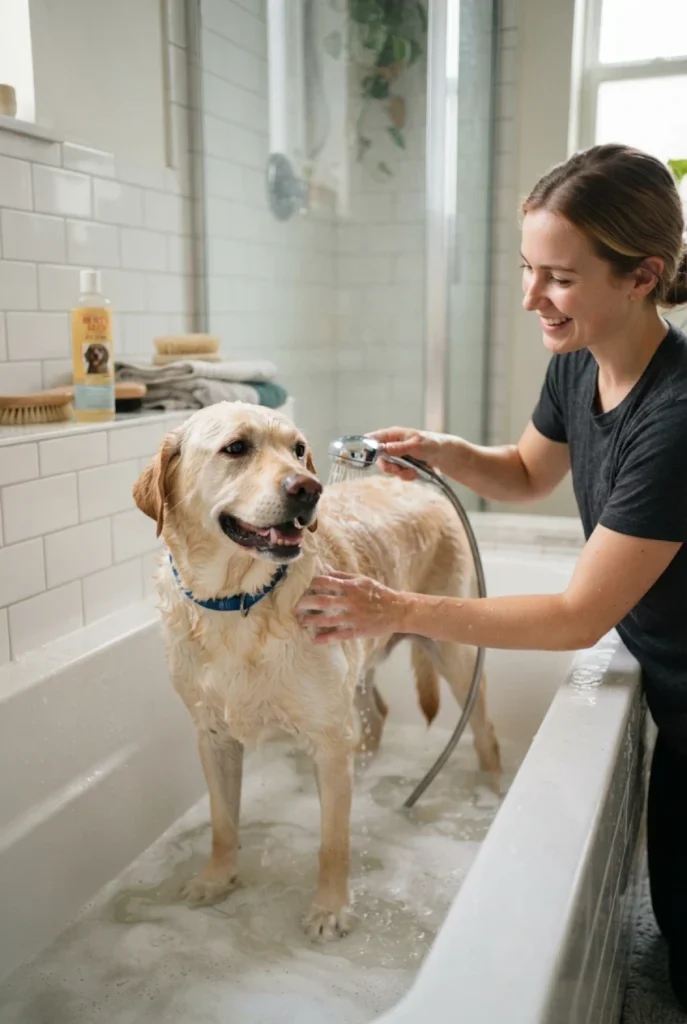
Bathing helps remove dirt, unpleasant odors, excess oils, and allergens from your dog’s coat. However, dogs do not usually need daily baths. Bathing too frequently can remove protective natural oils and cause dry or irritated skin. The ideal bathing schedule depends on your dog’s breed, coat, activity level, and skin condition.
Many healthy dogs can be bathed every four to eight weeks, although some need more frequent or less frequent baths. Use a shampoo specifically formulated for dogs because human shampoos may have an unsuitable pH balance. Wet the coat thoroughly, apply shampoo gently, and rinse carefully to remove all residue. Pay special attention to areas where shampoo can collect, such as underneath the legs and around the belly.
4. Keep Your Dog’s Teeth Clean
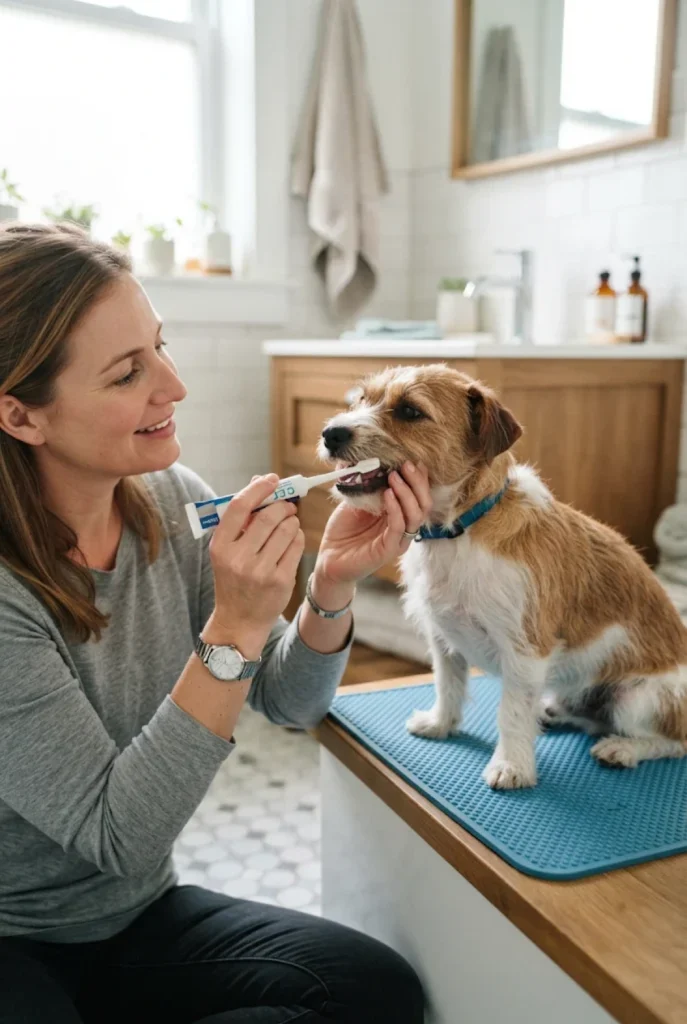
Dental hygiene is an essential part of responsible dog ownership. Food particles and bacteria can accumulate on your dog’s teeth, leading to plaque, tartar, unpleasant breath, and gum disease. Without proper dental care, oral problems may become painful and can affect your dog’s ability to eat comfortably.
Ideally, brush your dog’s teeth every day using a toothbrush and toothpaste made specifically for dogs. Never use human toothpaste because some ingredients, including xylitol in certain products, can be dangerous to dogs. Introduce brushing slowly by allowing your dog to taste the toothpaste before gently touching the teeth. Regular veterinary dental examinations are also important for maintaining healthy gums and teeth.
5. Clean Your Dog’s Ears Carefully
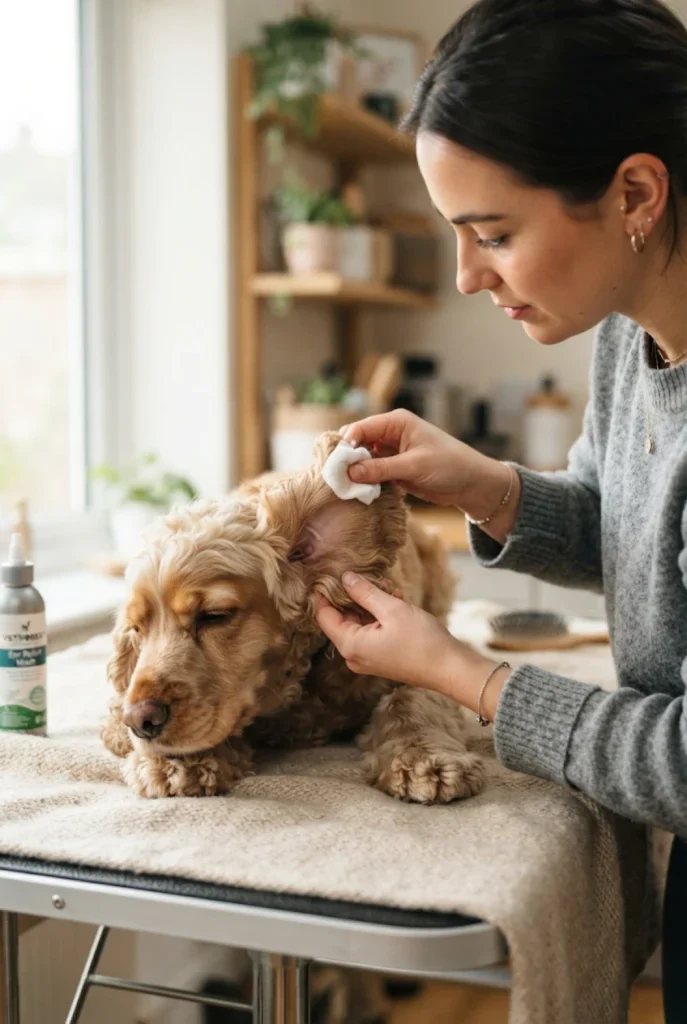
Your dog’s ears can collect dirt, moisture, wax, and debris. Some breeds, especially dogs with long floppy ears, may need more frequent ear inspections because their ears can retain moisture. Regular checks help you identify unpleasant smells, redness, unusual discharge, or excessive scratching that may indicate an ear problem.
Clean your dog’s ears only when necessary and use a veterinarian-approved ear-cleaning solution. Apply the solution according to its instructions and gently massage the base of the ear if recommended. Wipe away loosened debris from the visible outer ear with a soft cotton pad. Never insert cotton swabs or other objects deep into the ear canal. If your dog shows pain, swelling, or unusual discharge, contact your veterinarian rather than attempting to treat the problem yourself.
6. Trim Your Dog’s Nails Regularly
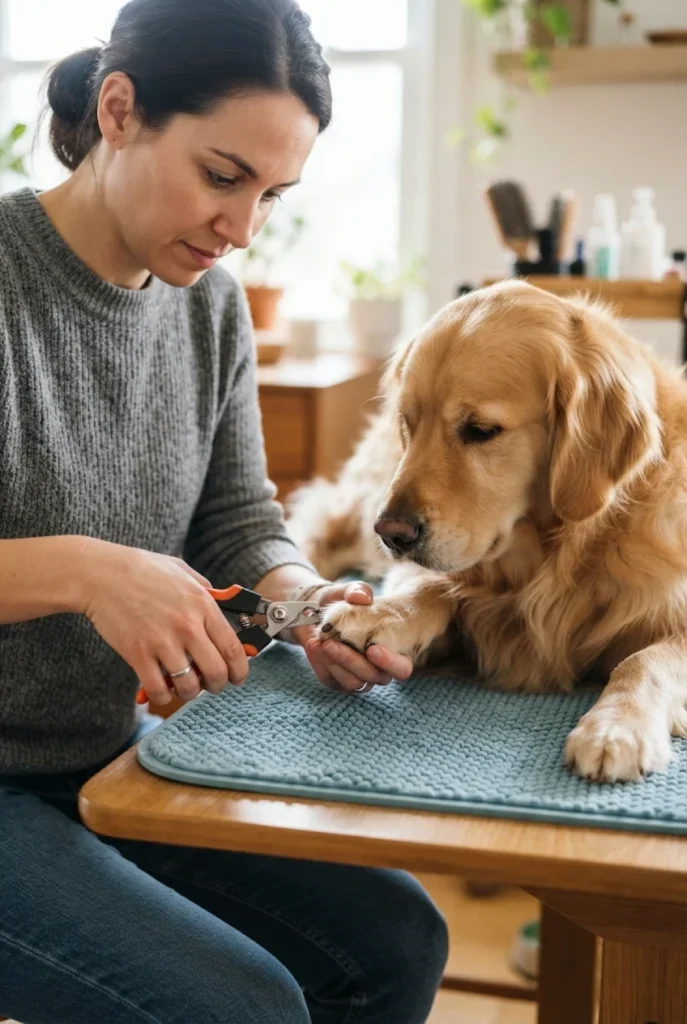
Long nails can make walking uncomfortable and may affect your dog’s natural posture. They can also break, split, or become caught in carpets and other household materials. Regular nail maintenance keeps your dog’s paws comfortable and helps prevent painful injuries. Some active dogs naturally wear down their nails through walking, but many still need regular trimming.
Check your dog’s nails every one or two weeks and trim them when they become too long. Use nail clippers designed for dogs or a suitable nail grinder. Avoid cutting into the quick, which contains blood vessels and nerves. If your dog has dark nails and you cannot easily identify the quick, remove very small amounts at a time. Ask a professional groomer or veterinarian to demonstrate safe trimming if you are a beginner.
7. Clean Your Dog’s Paws After Walks
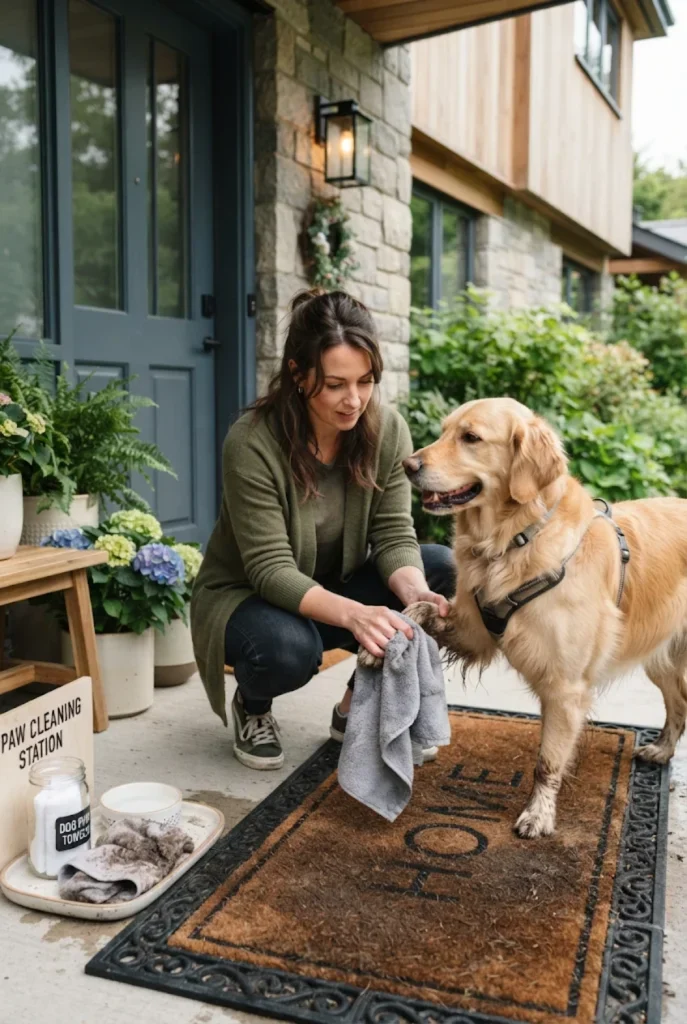
Your dog’s paws come into contact with grass, soil, mud, dust, chemicals, and other outdoor substances. Cleaning them after walks helps prevent dirt from spreading around your home and reduces the chance of your dog licking unwanted substances from its feet. It also gives you an opportunity to inspect the paws for cuts, swelling, and irritation.
Use a soft damp cloth or a pet-safe paw cleaner to remove dirt from the pads and between the toes. Dry the paws thoroughly, especially after rainy walks or outdoor activities. Check for small stones, grass seeds, and other trapped debris. During winter, wash away road salt when necessary, while hot weather requires extra attention to possible paw-pad burns from hot surfaces.
8. Maintain Clean and Healthy Eyes
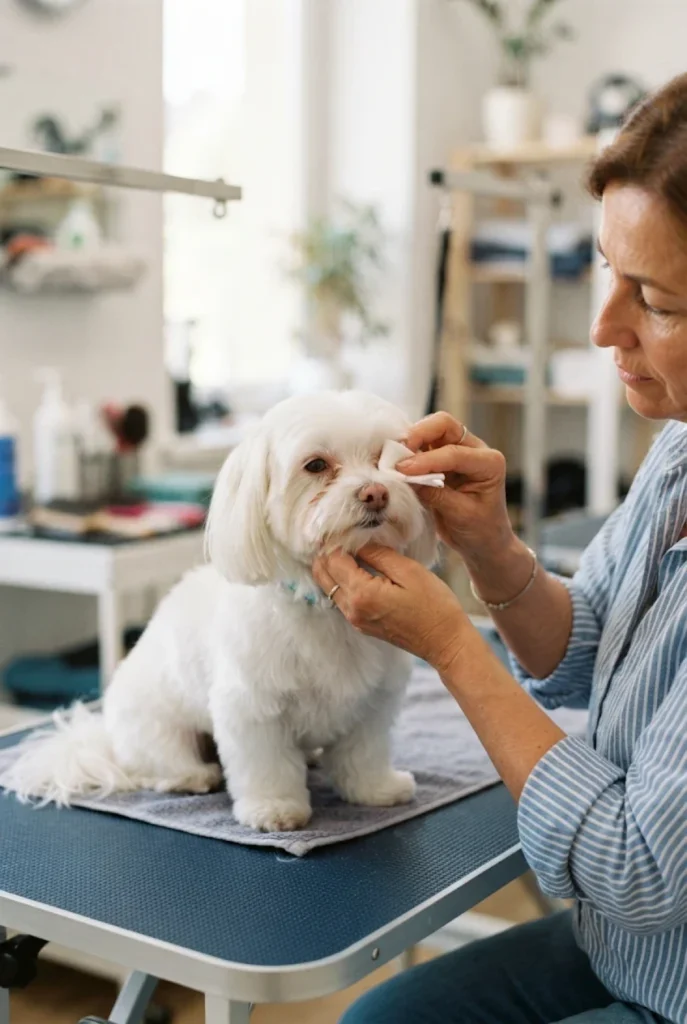
Your dog’s eyes should be checked regularly for dirt, excessive tearing, redness, swelling, or unusual discharge. Some breeds naturally produce more tears, which can leave visible stains around the eyes. Keeping the surrounding fur clean helps prevent dirt from accumulating and keeps your dog’s face looking fresh.
Use a clean, soft, damp cloth to gently wipe away dirt around the eyes. Always use a separate clean section of the cloth for each eye to reduce the chance of spreading bacteria. Avoid touching the eyeball directly or using ordinary household cleaning products. If you notice yellow or green discharge, persistent redness, cloudiness, squinting, or frequent rubbing, arrange a veterinary examination.
9. Keep Your Dog’s Bedding Clean
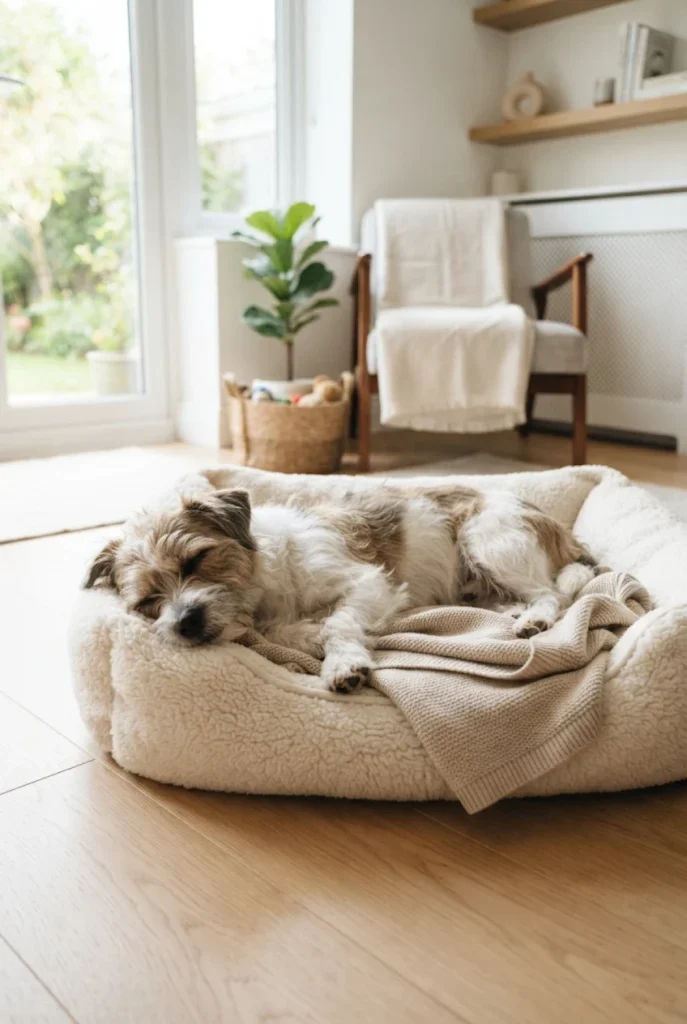
Your dog spends many hours resting on its bed, blankets, and favorite sleeping areas. These surfaces can collect loose hair, dirt, saliva, dust, and outdoor debris. If bedding is not cleaned regularly, it may develop unpleasant odors and become a suitable environment for certain pests and allergens.
Wash your dog’s blankets and removable bed covers regularly according to the manufacturer’s instructions. Many owners find that weekly washing works well, although muddy or heavily soiled bedding should be cleaned sooner. Use a mild, pet-safe detergent and make sure everything is completely dry before allowing your dog to sleep on it again. Vacuum around the sleeping area to remove loose hair and accumulated dust.
10. Wash Food and Water Bowls Daily
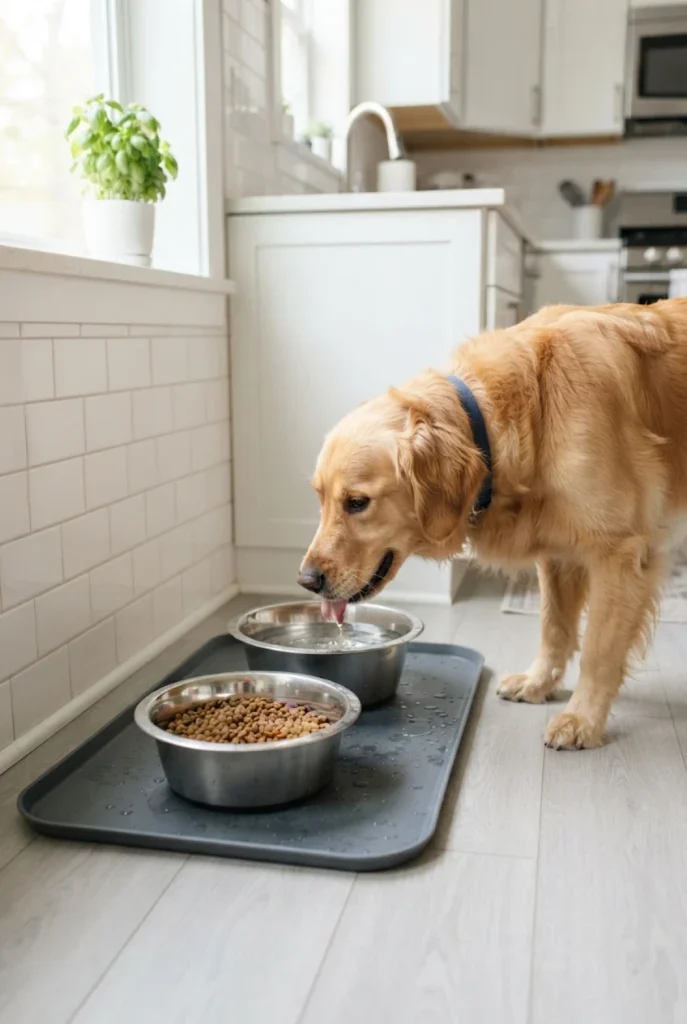
Food and water bowls can collect saliva, food residue, bacteria, and dirt. If bowls are left unwashed, these materials may accumulate and create an unhygienic feeding environment. Clean feeding equipment is especially important for puppies, senior dogs, and pets that eat wet food because food residue can remain on the bowl’s surface.
Wash food bowls after meals, particularly when serving wet or fresh food. Water bowls should be cleaned and refilled with fresh water daily, or more often if they become dirty. Stainless steel and suitable dishwasher-safe bowls are convenient options because they are generally easy to clean. Avoid leaving leftover wet food in the bowl for extended periods, especially in warm weather.
11. Check Your Dog for Fleas and Ticks

Fleas and ticks can cause discomfort, itching, skin irritation, and other health problems. Dogs that spend time outdoors, visit parks, or interact with other animals may be exposed to these parasites. Regular inspections help you identify possible infestations early and take appropriate action before the problem becomes more difficult to manage.
Check common hiding places, including around the ears, neck, belly, armpits, and between the toes. A flea comb can help you inspect your dog’s coat more carefully. Follow a veterinarian-recommended parasite prevention schedule based on your dog’s age, weight, lifestyle, and local risks. Never use a flea or tick treatment intended for another animal without veterinary guidance.
12. Keep Your Dog’s Private Areas Clean

Your dog’s sanitary areas can sometimes collect dirt, urine, fecal residue, or tangled hair. Dogs with long coats may need additional attention because fur around the rear and genital area can trap debris. Keeping these areas clean supports comfort and helps prevent unpleasant odors and skin irritation.
Check the area regularly and gently clean visible dirt with a soft, damp cloth or pet-safe wipes. Never use strong soaps, perfumes, disinfectants, or human hygiene products on sensitive skin. If long fur becomes heavily soiled, a professional groomer can provide a safe sanitary trim. Persistent discharge, swelling, difficulty urinating, or repeated scooting should be discussed with a veterinarian.
13. Maintain a Clean and Healthy Coat During Shedding Season
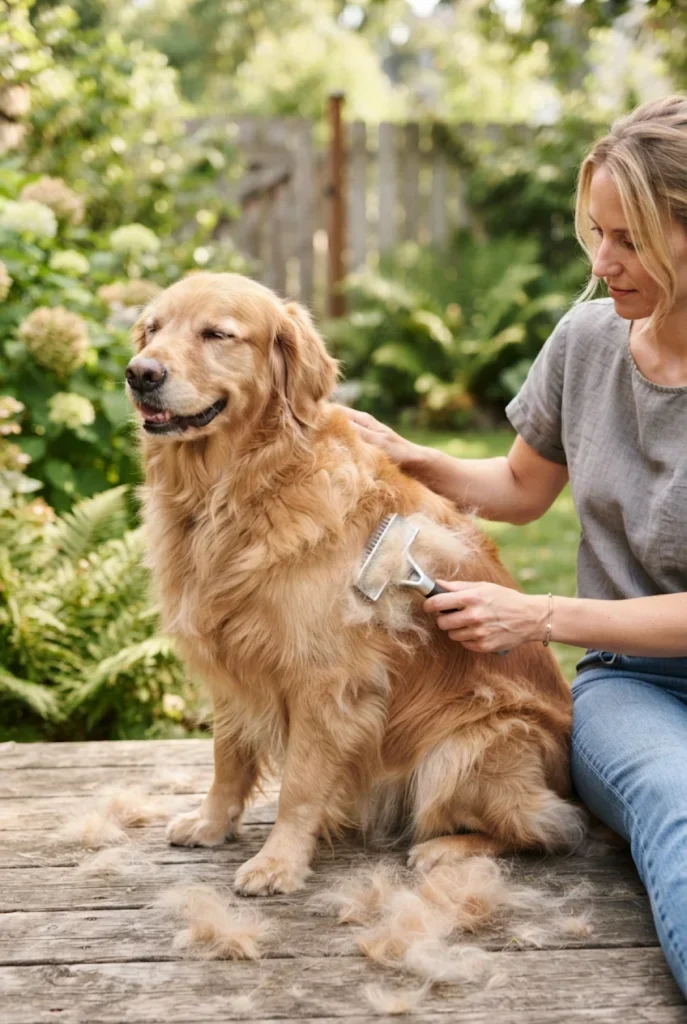
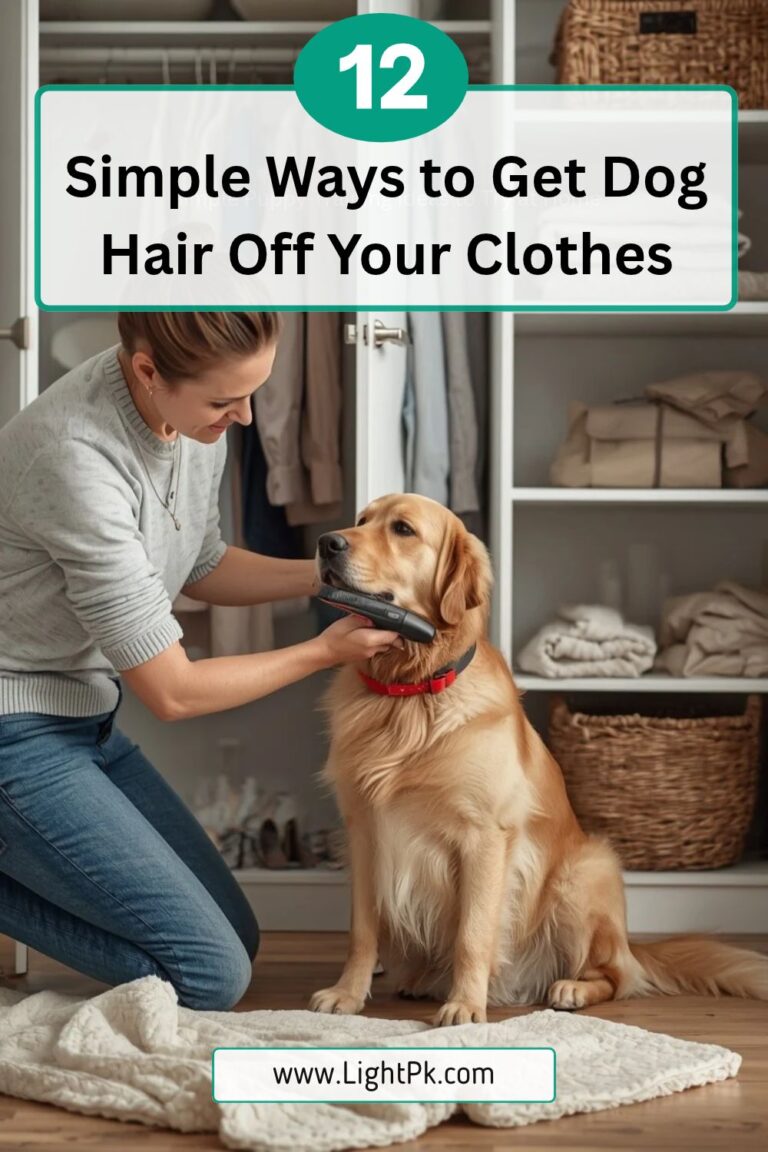
Many dogs shed throughout the year, while others experience heavier shedding during seasonal changes. Loose hair can collect on furniture, clothing, carpets, and bedding. Regular grooming helps remove excess fur and makes it easier to maintain a clean home. It also allows you to check for skin problems hidden underneath thick coats.
Choose grooming tools suitable for your dog’s coat type and avoid excessive brushing that may irritate the skin. During heavier shedding periods, increase brushing frequency when appropriate. Provide a balanced diet and fresh drinking water to support healthy skin and coat condition. If your dog develops bald patches, severe itching, sores, or sudden unusual hair loss, consult your veterinarian.
14. Clean Your Dog’s Collar, Harness, and Leash
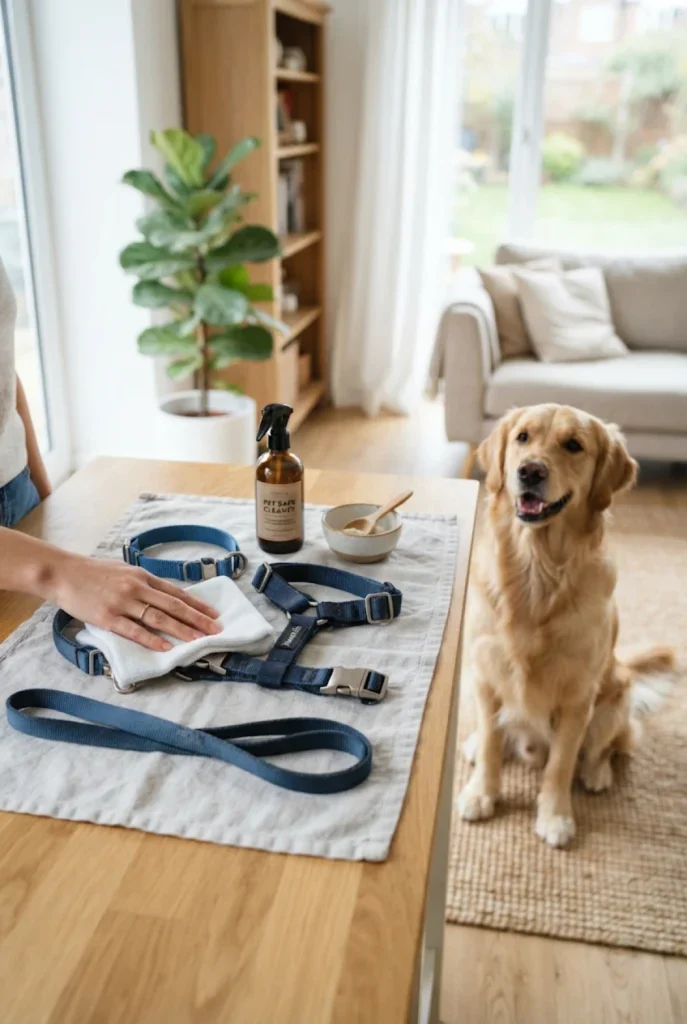
Your dog’s collar, harness, and leash are used frequently and can collect sweat, dirt, moisture, saliva, and outdoor debris. These accessories may develop unpleasant odors if they are not cleaned regularly. Dirty collars can also rub against the skin and contribute to irritation, particularly when they remain damp for long periods.
Inspect these items regularly for dirt, damage, loose stitching, and worn buckles. Wash fabric accessories according to their care instructions and allow them to dry completely before putting them back on your dog. Wipe suitable leather or synthetic materials with an appropriate cleaner. Check that the collar fits comfortably, leaving enough room for two fingers between the collar and your dog’s neck.
Final Thoughts
Maintaining your dog’s hygiene is one of the most important responsibilities of being a new pet owner. Regular brushing, appropriate bathing, dental care, ear cleaning, nail trimming, and paw maintenance help keep your furry companion comfortable and healthy. Small daily habits can prevent many common hygiene problems and make grooming less stressful over time.
Remember that every dog has different hygiene requirements depending on its breed, coat type, age, activity level, and health condition. Some dogs need frequent brushing, while others require occasional grooming. The key is to understand your dog’s individual needs and create a routine that works for both of you.
Use this Complete Dog Hygiene Checklist as a starting point for your daily, weekly, and monthly dog care routine. Be patient, choose appropriate pet-safe products, and consult your veterinarian whenever you notice unusual changes. With consistency, love, and proper care, you can help your dog stay clean, comfortable, and happy for years to come.