10 Easy Ways to Clean Your Dog’s Paws After Walks
Every walk brings your dog new adventures, fresh smells, and exciting places to explore. Whether your furry friend enjoys running through grassy parks, walking along neighborhood sidewalks, or playing in muddy gardens, their paws collect dirt, dust, sand, and outdoor debris along the way. Although these adventures are important for your dog’s happiness and health, dirty paws can quickly make your home messy.
Learning how to Clean Your Dog’s Paws After walks is an easy way to improve your pet’s everyday hygiene and comfort. You do not need expensive grooming products or complicated equipment to keep your dog’s feet clean. A few simple supplies, gentle cleaning techniques, and a consistent routine can make the process quick and stress-free. In this guide, you will discover 10 easy ways to clean your dog’s paws after walks, prevent dirt buildup, and keep your furry friend comfortable throughout the year.
1. Use a Soft Microfiber Towel to Remove Loose Dirt
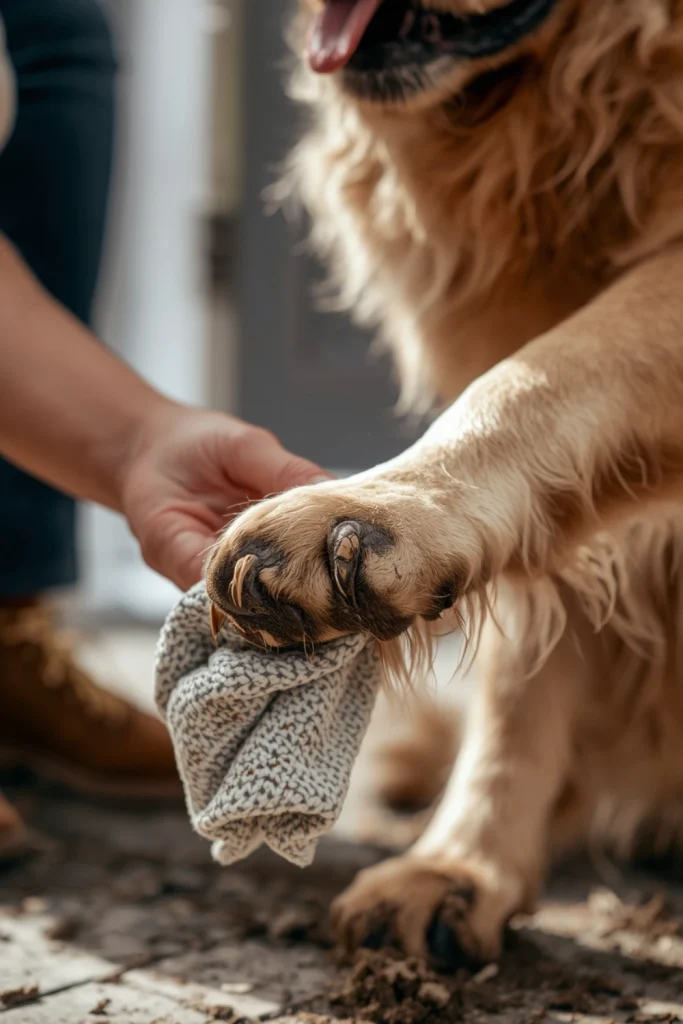
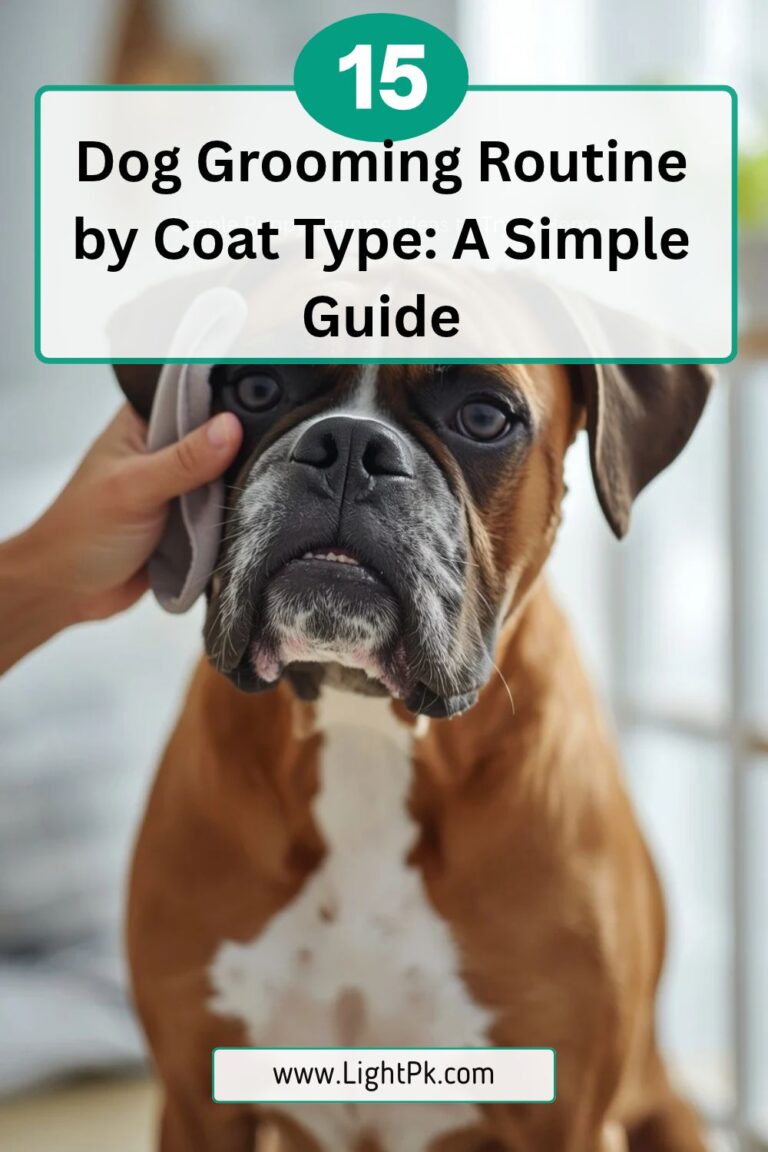
One of the easiest ways to clean your dog’s paws after walks is to use a soft microfiber towel. This simple household item can remove loose dust, dry soil, grass, and small particles without requiring water or special cleaning products. Keep a dedicated dog towel near your entrance so you can quickly wipe your pet’s feet before allowing them into the main living area. Start with one paw and gently wipe the bottom, sides, and surrounding fur.
Microfiber towels are useful because they absorb moisture and collect dirt effectively. However, avoid rubbing too hard, especially if your dog has sensitive paw pads or irritated skin. If you notice dried mud or stubborn dirt, dampen the towel slightly with lukewarm water. After cleaning, inspect the paw pads to make sure no small stones or other debris remain trapped between the toes.
2. Wash Dirty Paws With Lukewarm Water
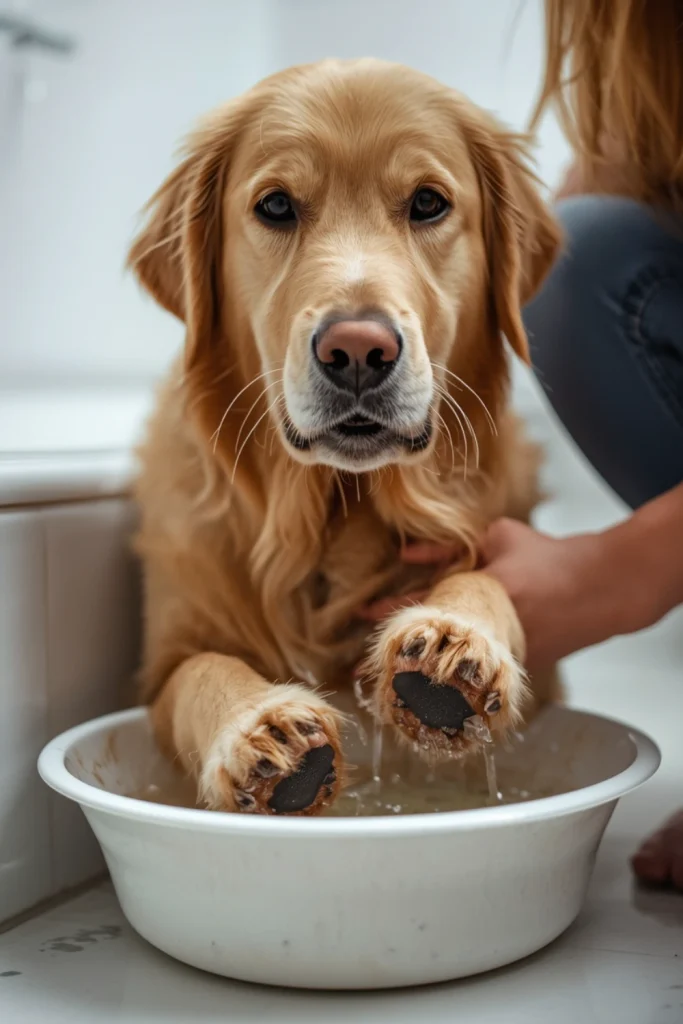
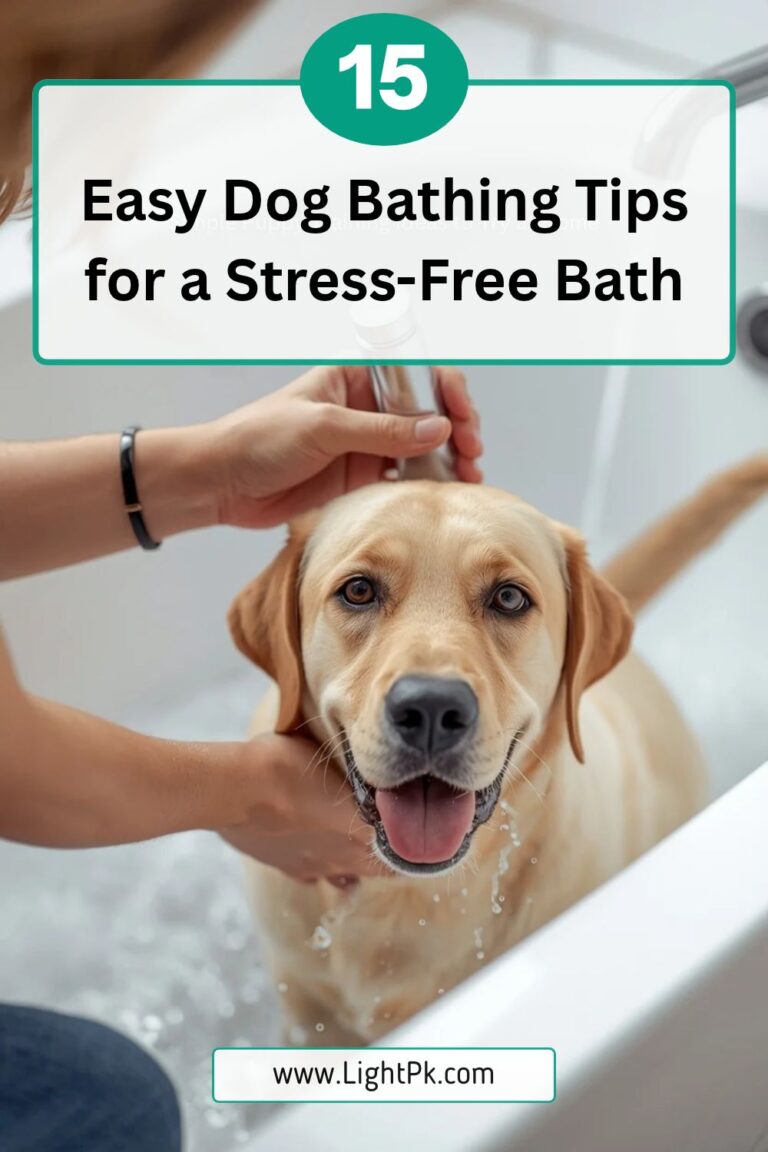
When your dog returns from a particularly muddy or dusty walk, a soft towel may not be enough to remove all the dirt. Washing the paws with lukewarm water is a simple and effective solution. Fill a shallow container with clean water or use a gentle stream from a tap. Carefully rinse each paw, paying attention to the bottom of the pads and the spaces between the toes. Allow the dirt to loosen naturally instead of scrubbing aggressively.
Always check the water temperature before using it on your dog. Water that is too hot or too cold can make the experience uncomfortable. You do not need to soak your dog’s feet for a long time. Once the visible dirt has been removed, use a clean towel to dry every paw thoroughly. Fresh water is usually sufficient for everyday outdoor dirt, so special soaps are not necessary after every walk.
3. Clean Between Your Dog’s Toes Carefully
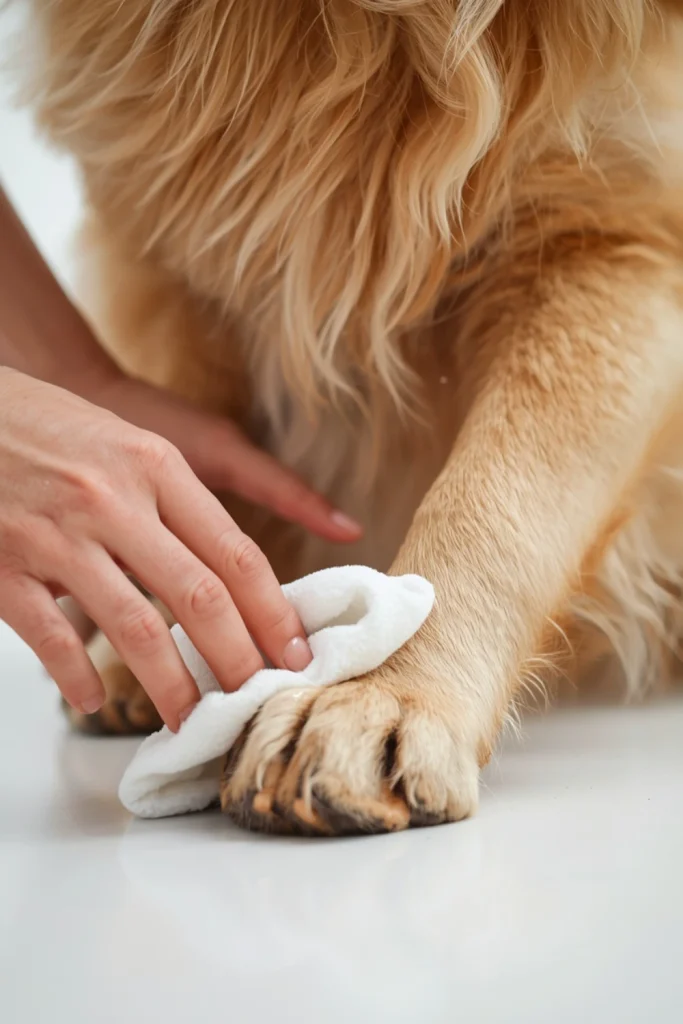
The spaces between your dog’s toes are easy to overlook during everyday cleaning. However, these small areas can collect dirt, sand, grass seeds, tiny stones, and other outdoor particles. If debris remains trapped, it may cause irritation or discomfort. After returning from a walk, gently separate the toes and inspect the spaces between them. Use a soft damp cloth to remove visible dirt without pulling the skin or applying unnecessary pressure.
Dogs with long or thick fur around their feet may need additional attention because outdoor debris can become tangled in the hair. If you find a loose piece of grass or dirt, remove it gently. Never forcefully pull an embedded object from the skin. If your dog shows pain, swelling, or persistent irritation, stop cleaning and contact your veterinarian for advice.
4. Use Pet-Safe Grooming Wipes for Quick Cleaning
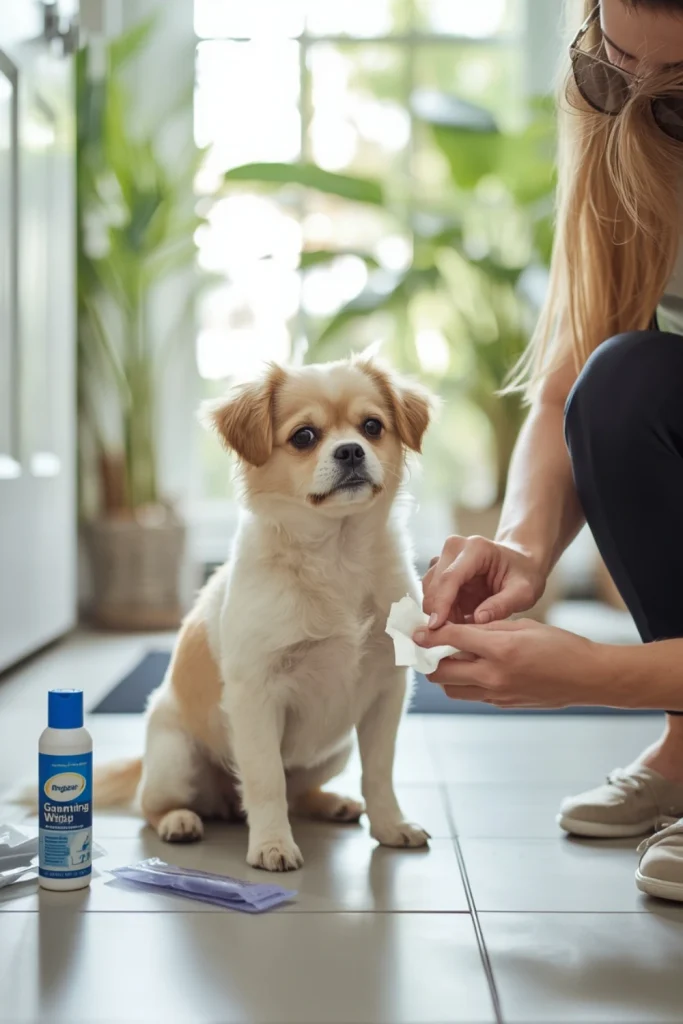
Pet-safe grooming wipes are a convenient option when you want to clean your dog’s paws quickly after a short walk. They are easy to store near your front door, carry inside a walking bag, or keep in your car for outdoor adventures. A suitable dog grooming wipe can help remove light dust, surface dirt, and everyday outdoor residue from the paw pads and surrounding fur. Gently wipe one paw at a time and use a fresh section of the wipe for particularly dirty areas.
Always choose wipes specifically formulated for dogs and follow the manufacturer’s instructions. Avoid ordinary household disinfectant wipes, alcohol-based wipes, and strongly fragranced products because they may irritate sensitive skin. Grooming wipes are useful for light cleaning, but they should not replace proper rinsing when your dog’s paws are covered with thick mud, chemicals, or other potentially harmful substances.
5. Try a Dog Paw Cleaning Cup for Muddy Feet
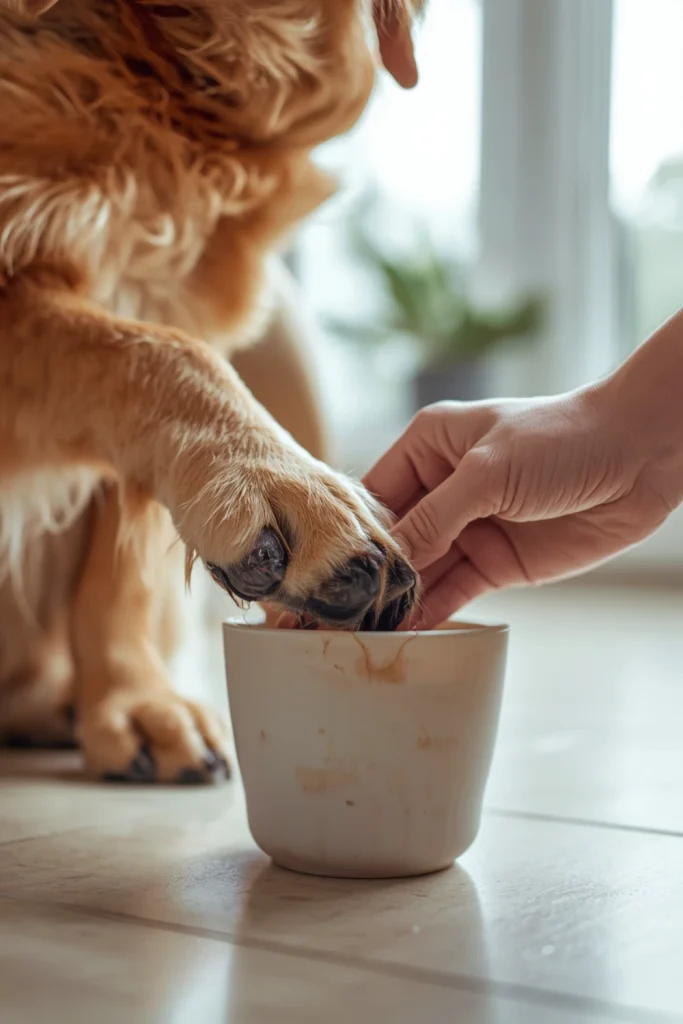
A dog paw cleaning cup can make cleaning muddy feet easier, especially if your dog frequently explores parks, gardens, and outdoor trails. These cups usually contain soft silicone bristles that help loosen dirt when water is added. You gently place your dog’s paw inside the appropriately sized cup and move the device carefully according to its instructions. The soft bristles help remove mud and surface debris from different areas of the paw.
Before purchasing one, check that the cup is suitable for your dog’s paw size. It should never feel too tight or uncomfortable. Introduce the cleaner slowly so your dog can become familiar with the sensation. After use, rinse the cup thoroughly, remove trapped dirt, and allow it to dry completely. A paw cleaner cup is optional, but it can be a useful addition to your regular dog grooming supplies.
6. Remove Mud Gently Before Washing
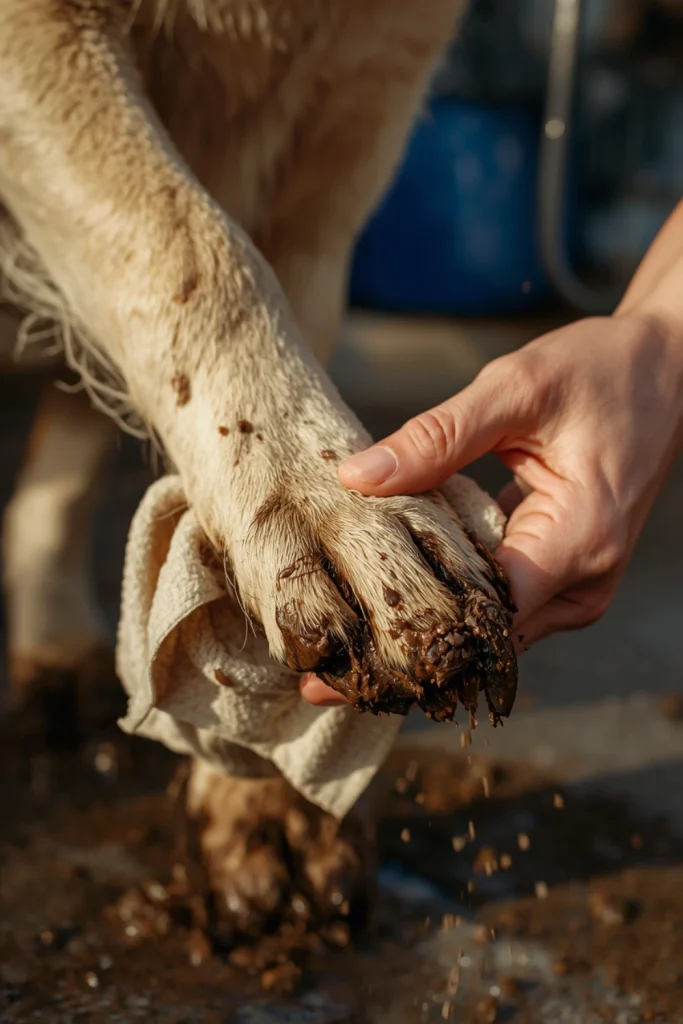
Walking through muddy parks and wet gardens can leave thick layers of soil around your dog’s feet. Trying to wash away all the mud immediately may spread dirt around the cleaning area. A better approach is to remove large pieces of loose mud first. Use your fingers or a soft towel to gently lift away mud that is not stuck to the skin. Pay attention to the fur around the toes and the underside of the paws.
Once the loose mud has been removed, rinse the remaining dirt with lukewarm water. Avoid scraping dried mud with sharp objects or pulling tangled fur because these actions can hurt your dog. If mud contains oil, chemicals, or an unknown substance, prevent your dog from licking its paws and seek veterinary guidance about safe cleaning. Finish by drying every paw carefully with a clean towel.
7. Use a Soft Brush to Remove Stubborn Dirt
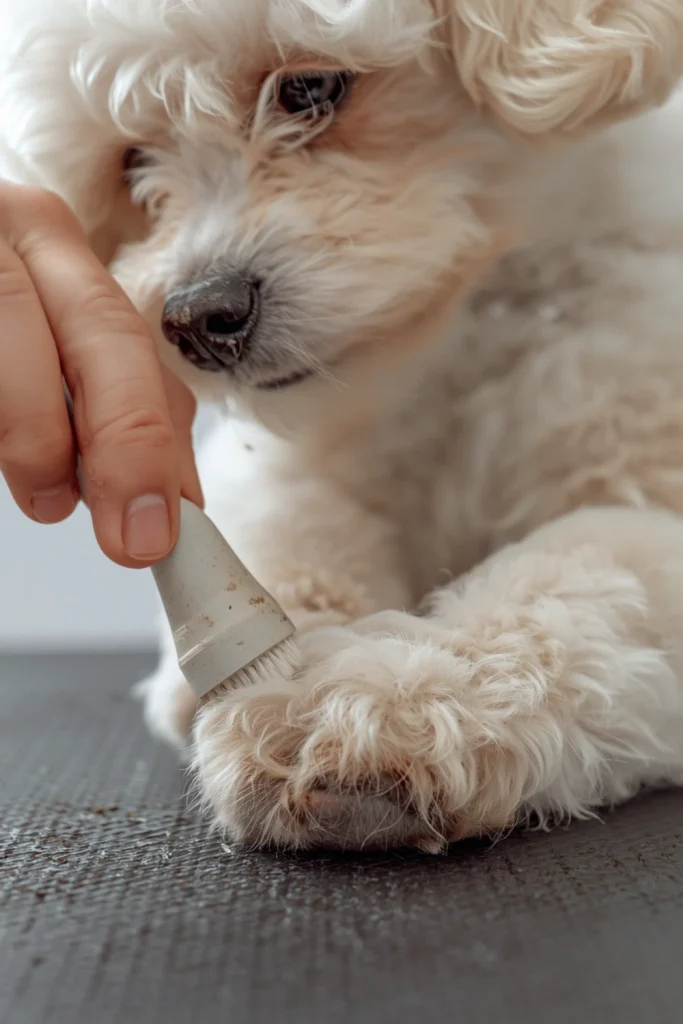
Sometimes small particles become trapped in the fur around your dog’s feet, making them difficult to remove with a towel alone. A soft pet grooming brush can help loosen dry dirt, dust, and small pieces of grass from the surrounding hair. Choose a brush designed for your dog’s coat type and use gentle movements. Brush in the natural direction of hair growth rather than pushing the bristles forcefully against the skin.
A soft brush is particularly helpful for long-haired breeds that collect debris during outdoor activities. However, avoid brushing directly over cuts, inflamed skin, or painful areas. If you notice tangled fur that cannot be removed easily, do not pull it. A professional groomer can help with difficult tangles and excess paw hair. Once brushing is finished, inspect the paw pads and use a damp cloth if additional cleaning is needed.
8. Dry Your Dog’s Paws Completely After Cleaning
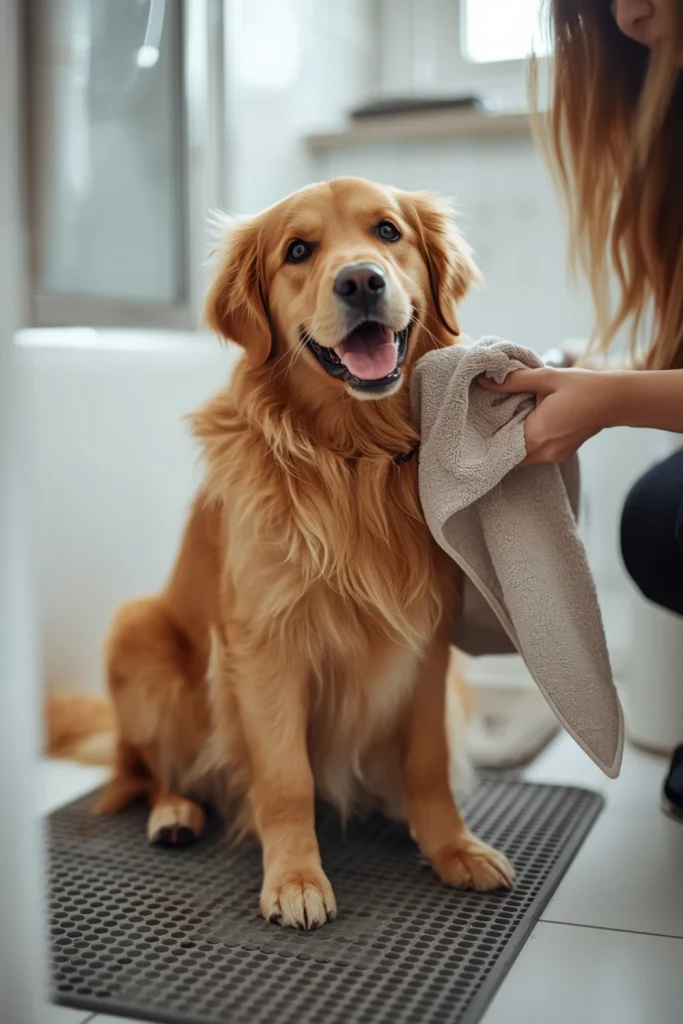
Drying is an important part of cleaning your dog’s paws after walks. Even after rinsing away all visible dirt, moisture can remain around the paw pads, between the toes, and in the surrounding fur. Use a clean, absorbent towel to gently pat each foot until it feels dry. Give extra attention to long-haired breeds because their fur can hold water for longer periods.
Avoid rubbing the paws aggressively or using excessive heat to speed up the process. If you use a pet hair dryer, select a suitable low-heat setting, keep it at a safe distance, and stop if your dog becomes uncomfortable. Proper drying helps prevent prolonged moisture around the feet and makes your dog more comfortable before resting on its bed or walking around the house.
9. Inspect Your Dog’s Paw Pads for Injuries
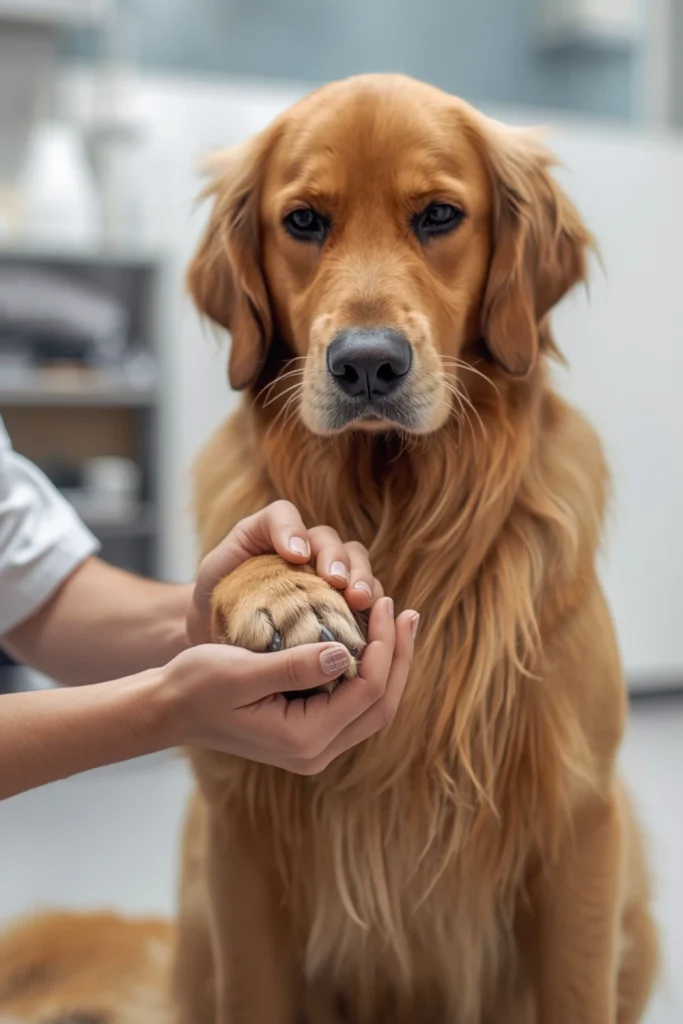
Cleaning time is also a perfect opportunity to check your dog’s paws for possible injuries. Outdoor walks expose feet to rough pavement, sharp stones, broken branches, hot surfaces, and other hazards. Before finishing the cleaning process, look carefully at the paw pads, nails, and spaces between the toes. Check for unusual redness, cracks, swelling, bleeding, or small objects that may have become trapped during the walk.
Pay attention to your dog’s behavior as well. Frequent licking, limping, pulling away, or showing discomfort when a paw is touched may indicate a problem. Do not ignore these signs or attempt to treat a serious injury with ordinary household products. If you notice persistent pain, deep cuts, discharge, or swelling, contact your veterinarian. Regular inspections help you recognize changes in paw health early.
10. Reward Your Dog and Make Cleaning a Daily Habit
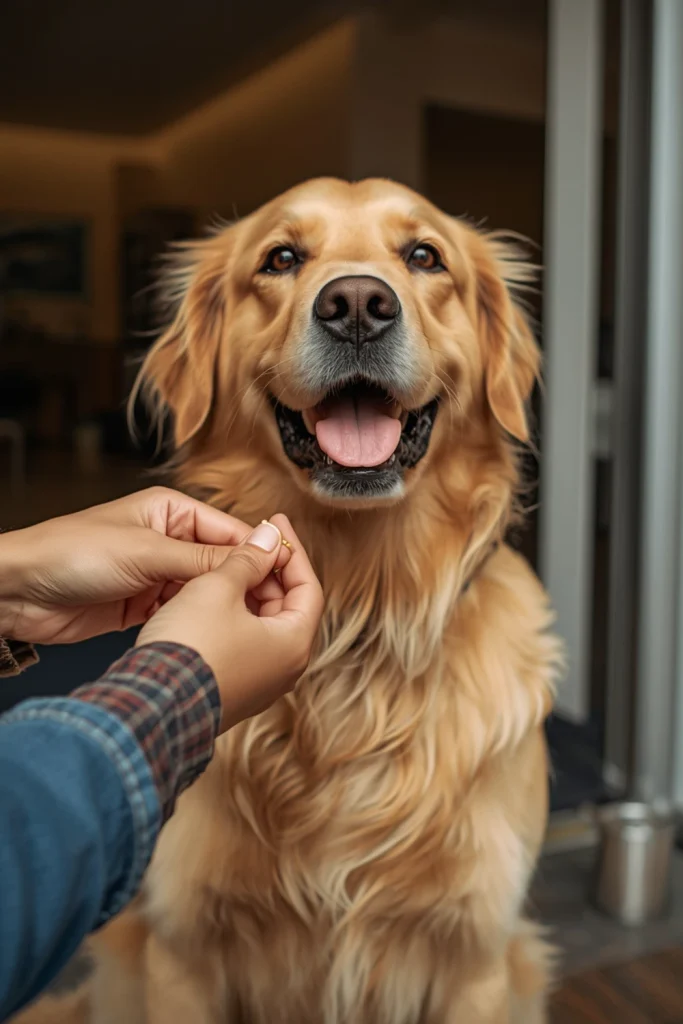
Some dogs enjoy having their paws touched, while others may feel nervous when someone handles their feet. Positive reinforcement can make cleaning much easier. Offer a small dog-safe treat, gentle praise, or affection when your dog calmly allows you to inspect or clean its paws. Start with short sessions and gradually introduce additional steps as your pet becomes more comfortable. Never punish your dog for moving away or showing signs of fear.
Try to make paw cleaning the final step of every outdoor walk. Use the same comfortable cleaning area and follow a familiar process so your dog understands what to expect. Over time, this routine can become a normal part of returning home. Consistency, patience, and rewards help create a positive experience while keeping your dog’s paws clean and comfortable.
Final Thoughts
Learning how to clean your dog’s paws after walks does not have to be difficult or time-consuming. With simple supplies such as microfiber towels, lukewarm water, pet-safe wipes, and a gentle grooming brush, you can remove everyday dirt and help keep your dog’s feet comfortable.
The most important thing is consistency. Inspect your dog’s paws after outdoor activities, clean away visible dirt, pay attention to the spaces between the toes, and always dry the feet thoroughly. Use positive reinforcement to make cleaning a pleasant experience, especially for puppies and dogs that are not comfortable having their paws handled.
Remember that paw cleaning is also an opportunity to check for injuries, swelling, irritation, and trapped objects. If you notice anything unusual or your dog appears to be in pain, consult your veterinarian. A few minutes of gentle attention after every walk can become a valuable part of your dog’s everyday care routine.