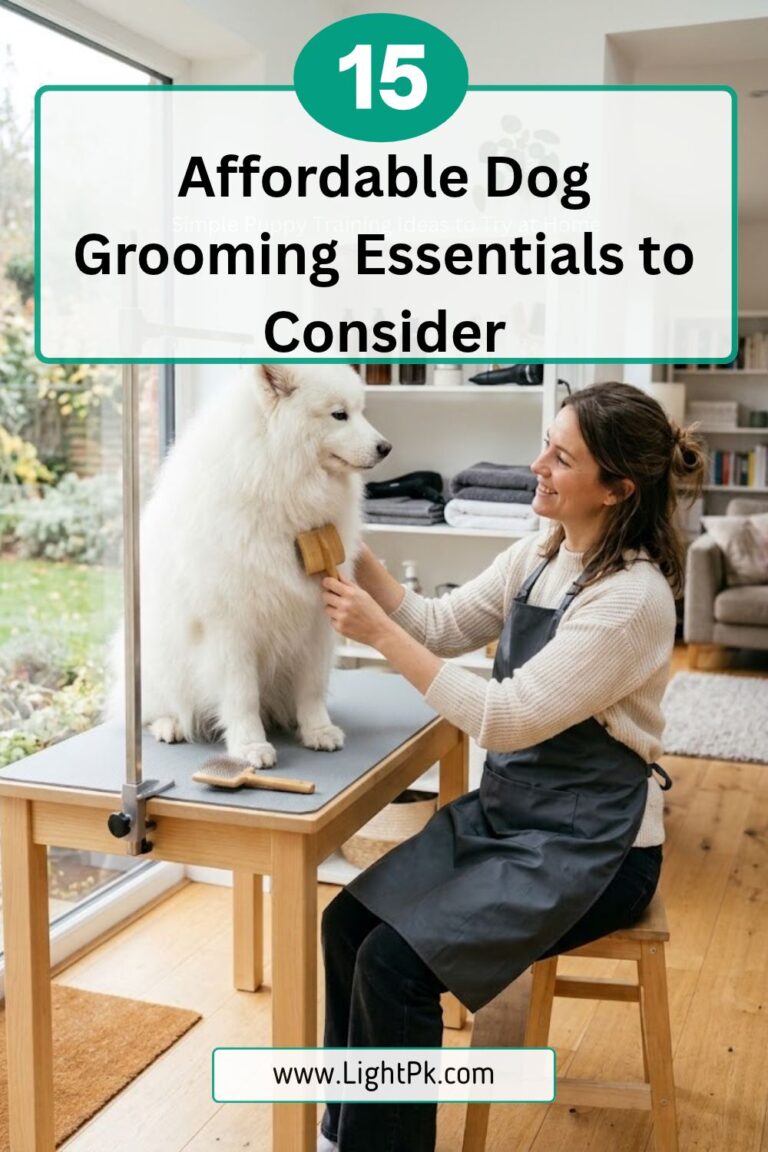
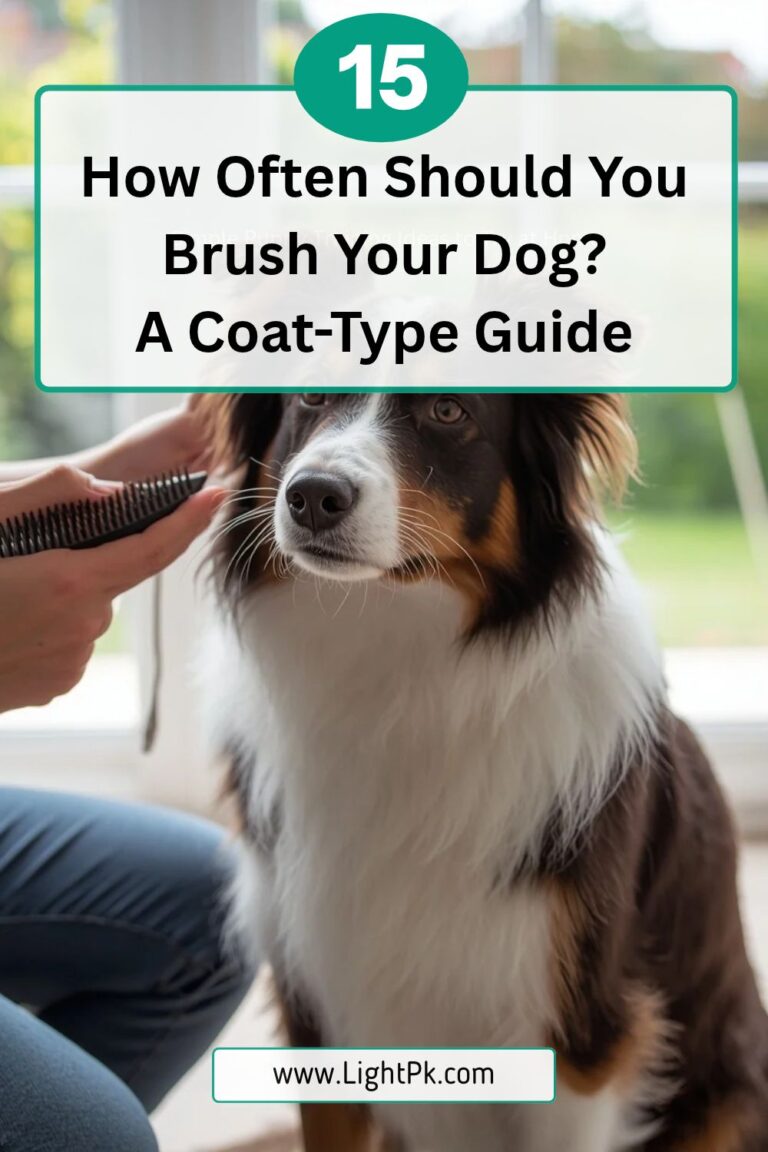
Dog Grooming Schedules: What Different Coat Types Need
Every dog deserves a healthy, clean, and comfortable coat, but not every dog needs the same grooming routine. Some dogs require daily brushing to prevent tangles, while others need only occasional brushing and regular baths. Understanding your dog’s coat type is the first step toward creating a grooming schedule that keeps its fur healthy and manageable.
If you are a dog owner wondering how often to brush, bathe, trim, or groom your pet, you are in the right place. These Dog Grooming Schedules explain what different coat types need, how to build a simple weekly and monthly routine, and how to avoid common grooming mistakes. Whether your dog has short, long, curly, double, or wiry fur, you will learn how to create a practical grooming plan that fits its needs.
1. Understand Your Dog’s Coat Type Before Creating a Schedule

Before creating a grooming schedule, identify your dog’s coat type. Different coats have different grooming requirements because their texture, thickness, and growth patterns affect how easily they collect dirt, develop tangles, or shed loose hair. Short-haired breeds generally need less brushing than long-haired breeds, while curly-coated dogs often require frequent brushing to prevent mats. Double-coated dogs have an insulating undercoat that needs special attention, particularly during seasonal shedding.
Understanding your dog’s coat helps you choose the right brush, bathing frequency, and trimming routine. For example, a Poodle’s curly coat needs a different approach from a Labrador Retriever’s smooth coat. Similarly, a Shih Tzu requires more frequent maintenance than a short-haired Beagle. Rather than following one grooming schedule for every dog, consider your pet’s breed, coat condition, lifestyle, and individual needs. A suitable routine makes grooming easier and keeps your dog’s skin and fur in better condition.
2. Create a Daily Grooming Routine for Your Dog
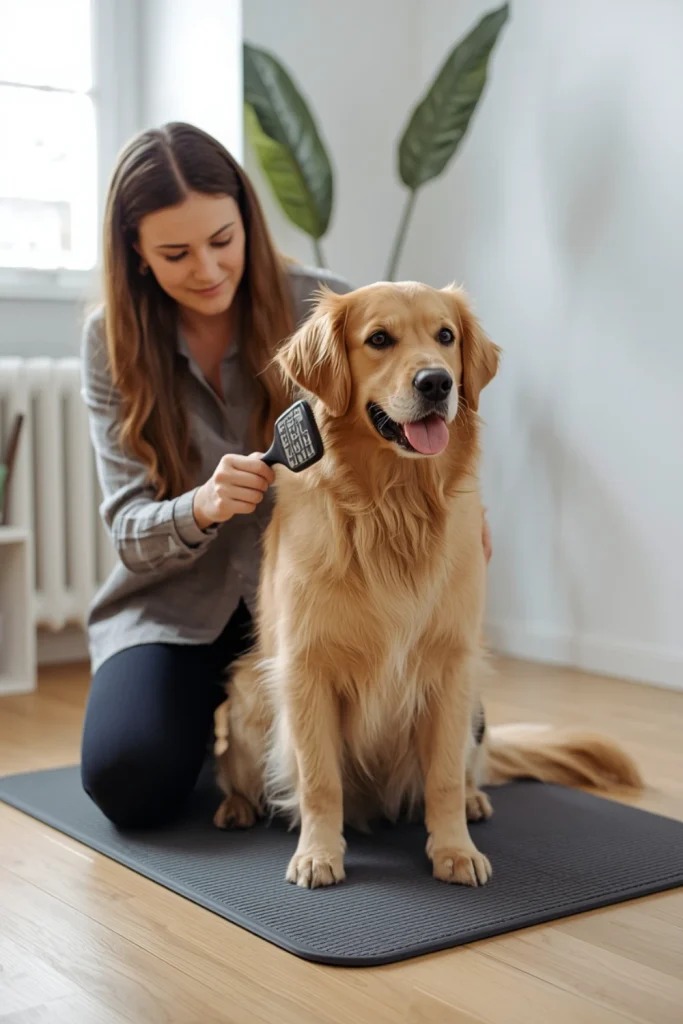
A simple daily grooming routine helps you notice small problems before they become difficult to manage. You do not need to spend hours grooming your dog every day. A few minutes of brushing, checking the coat, and inspecting the paws can make a meaningful difference. Dogs with long or curly coats may need daily brushing, while short-haired breeds may only need a quick coat inspection and occasional brushing. Focus on areas where dirt and loose hair commonly collect.
Daily grooming is also an excellent opportunity to check your dog’s skin, ears, paws, and nails. Look for redness, unusual lumps, scratches, parasites, or areas of tangled fur. Remove loose dirt with a soft brush or grooming cloth when necessary. If your dog enjoys the experience, use gentle praise and rewards to make grooming enjoyable. Consistent daily attention can strengthen your bond while helping you understand your dog’s normal coat condition and grooming requirements.
3. Weekly Grooming Schedule for Short-Haired Dogs
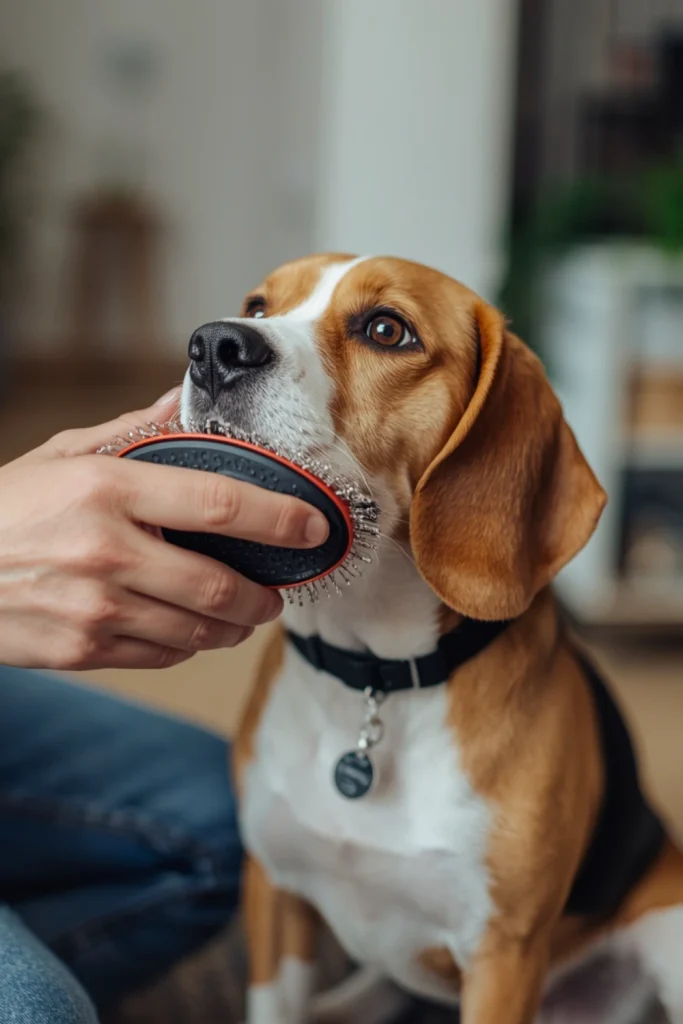
Short-haired dogs, including Beagles, Boxers, Dachshunds, and many Labrador Retrievers, generally require less coat maintenance than long-haired breeds. Their fur is usually easier to brush, and it does not develop long tangles as easily. However, short-haired dogs still shed, collect dirt, and benefit from regular brushing. A weekly grooming schedule can include brushing once or twice, checking the skin, cleaning visible dirt, and inspecting the ears and paws.
Use a soft-bristle brush or rubber grooming mitt to remove loose hair and distribute natural skin oils. During heavier shedding periods, you may need to brush more frequently. Check the coat for dry patches, redness, fleas, or unusual bumps while grooming. Short-haired dogs may not need frequent professional haircuts, but regular nail trimming, dental care, and occasional bathing remain important. Keeping a consistent weekly routine helps maintain a clean, shiny coat without unnecessary grooming.
4. Grooming Schedule for Long-Haired Dogs
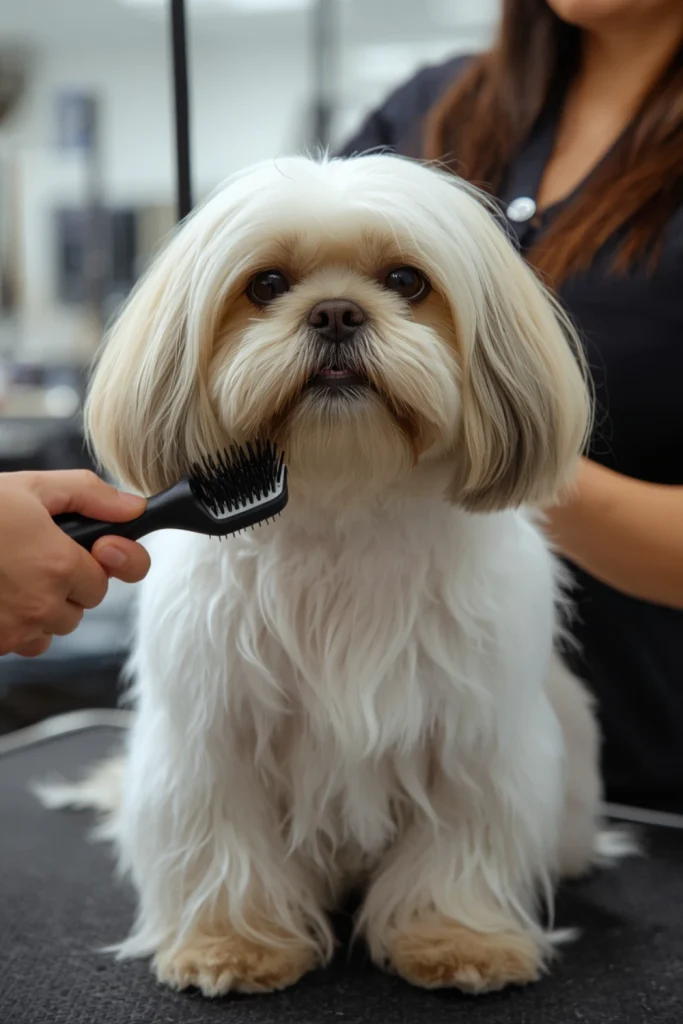
Long-haired dogs need more frequent grooming because their fur can easily become tangled, especially around the ears, legs, tail, and belly. Breeds such as Shih Tzus, Yorkshire Terriers, Afghan Hounds, and Maltese dogs often require daily brushing to keep their coats smooth and manageable. If you skip brushing for several days, small tangles can become tight mats that pull on the skin and cause discomfort. A gentle slicker brush and a suitable metal comb are useful tools for maintaining long coats.
Your weekly grooming schedule should include a thorough brushing session, inspection of the skin, and attention to areas that commonly develop mats. Depending on the breed and hairstyle, professional grooming may be needed every four to eight weeks. Dogs with continuously growing hair may need regular trimming around the face, feet, and sanitary areas. Regular bathing also helps keep long coats clean, but always dry the fur completely to prevent moisture from remaining trapped close to the skin.
5. Grooming Schedule for Curly-Coated Dogs
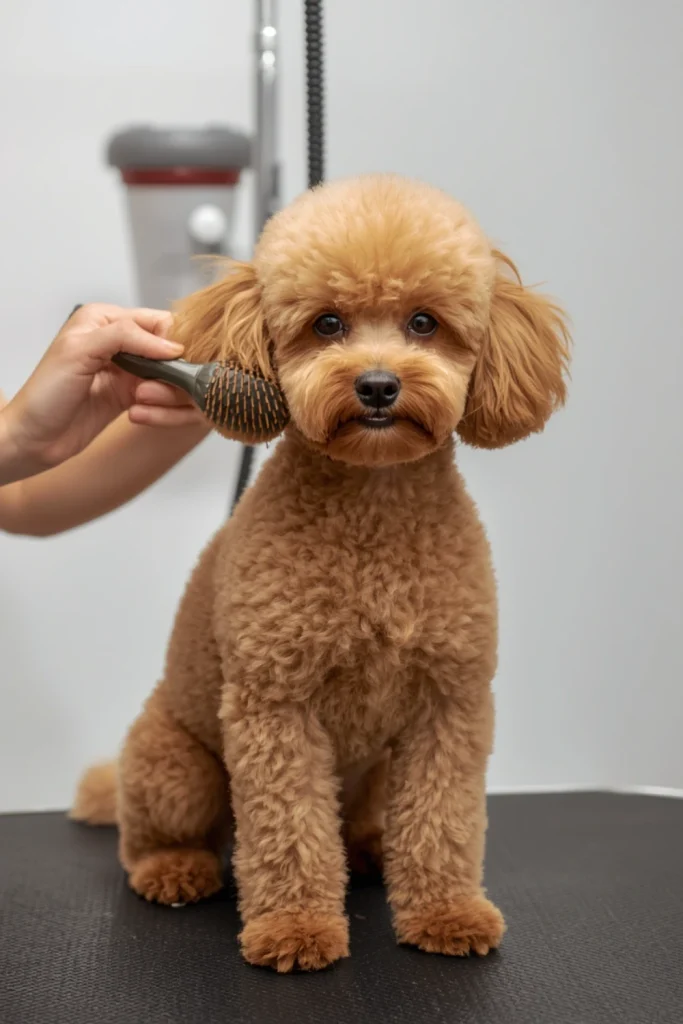
Curly-coated dogs, including Poodles and many Poodle mixes, require consistent grooming because their curls can trap loose hair and form mats. Unlike some short-coated breeds, curly-haired dogs may not shed loose fur as visibly. Instead, loose hair can remain caught within the curls, creating tangles close to the skin. Daily or near-daily brushing is often helpful, especially for dogs with dense curls or longer hairstyles. A slicker brush and metal comb can help you work through the coat carefully.
A practical grooming schedule should include regular brushing, routine bathing, thorough drying, and professional coat trimming. Many curly-coated dogs benefit from professional grooming every four to eight weeks, depending on coat length and growth rate. After bathing, make sure the coat is dried properly because damp curls can become tangled. Never cut out tight mats with household scissors, as this can accidentally injure your dog. If the coat becomes severely tangled, consult an experienced professional groomer.
6. Grooming Schedule for Double-Coated Dogs
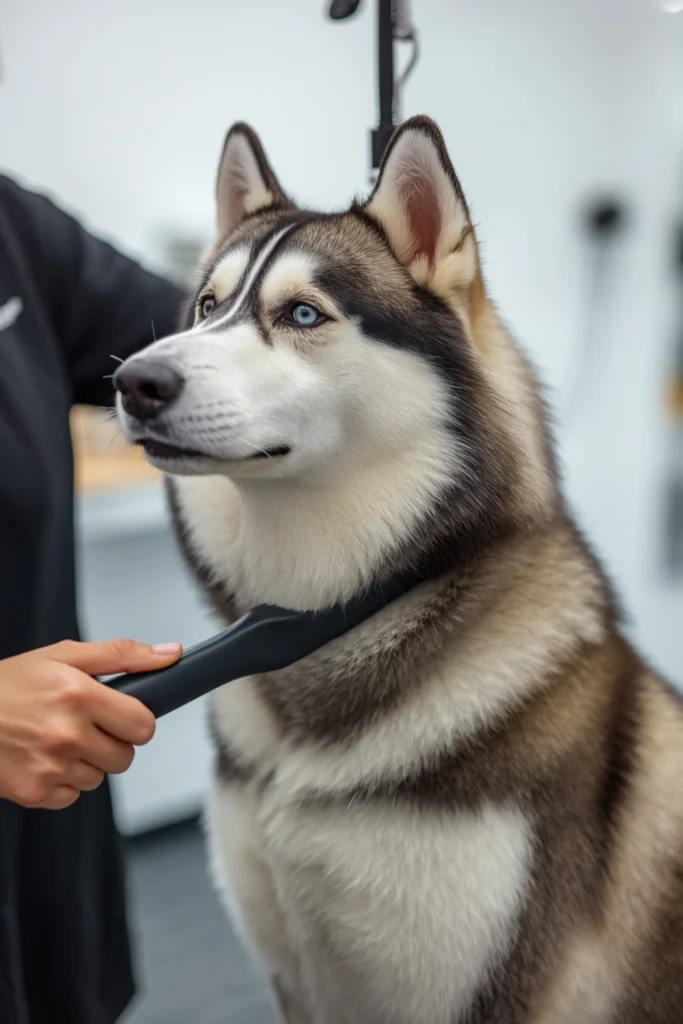
Double-coated dogs have two layers of fur: a soft insulating undercoat and a protective outer coat. Breeds such as Siberian Huskies, German Shepherds, Golden Retrievers, and Samoyeds have this type of coat. The undercoat helps regulate body temperature and provides protection against different weather conditions. These dogs generally benefit from brushing several times a week, with more frequent attention during seasonal shedding periods. Use an appropriate undercoat rake or deshedding tool designed for your dog’s coat.
Your grooming routine should focus on removing loose undercoat without damaging the protective outer fur. Pay attention to the neck, chest, hindquarters, and areas behind the ears, where loose hair can collect. Bathing should be occasional and based on your dog’s lifestyle and coat condition. Always dry the coat thoroughly, especially the dense undercoat. Avoid shaving a double-coated dog simply to reduce shedding or help it stay cool. Consult a professional groomer or veterinarian before making major changes to this type of coat.
7. Grooming Schedule for Wiry-Coated Dogs
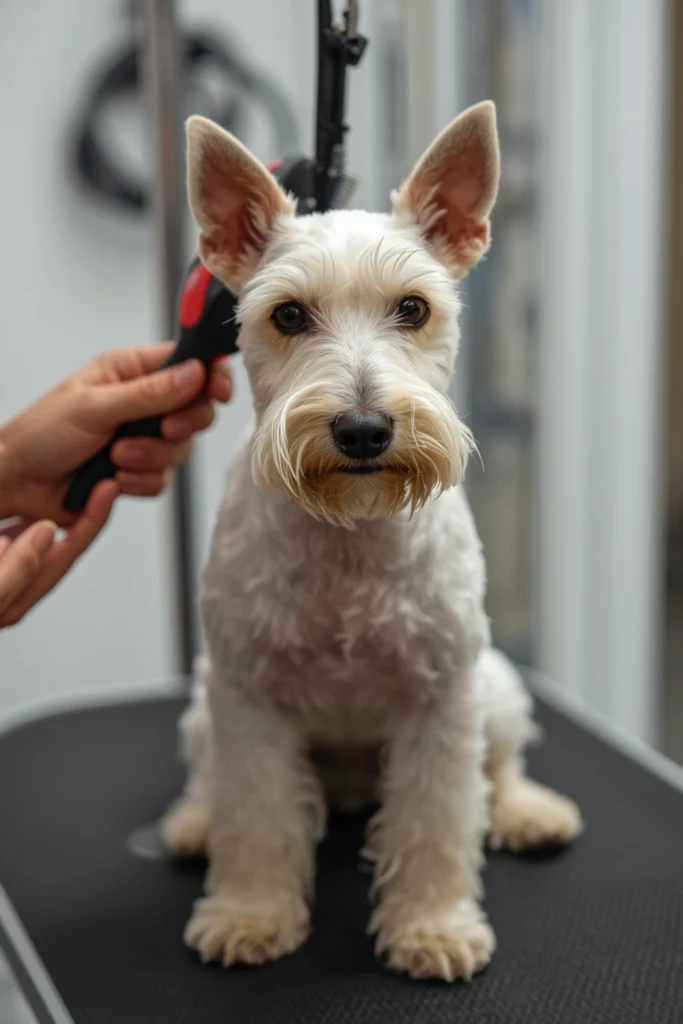
Wiry-coated dogs have a rough outer coat that can look slightly stiff or textured. Breeds such as Wire Fox Terriers, Scottish Terriers, and some Jack Russell Terriers have this coat type. Their grooming requirements differ from those of silky or curly-haired dogs. Regular brushing helps remove dirt and loose hair while keeping the coat tidy. A suitable slicker brush or comb can help manage the fur, but the grooming technique should be gentle to avoid irritating the skin.
Some wiry-coated breeds also benefit from professional hand-stripping, a technique used to remove mature dead outer hairs while maintaining the coat’s natural texture. The frequency depends on the breed, coat condition, and desired appearance. Many owners arrange professional grooming every six to twelve weeks, although individual requirements vary. Avoid shaving or clipping a wiry coat without understanding how it may affect its texture and appearance. An experienced groomer can recommend the best maintenance routine for your particular dog.
8. Grooming Schedule for Silky-Coated Dogs
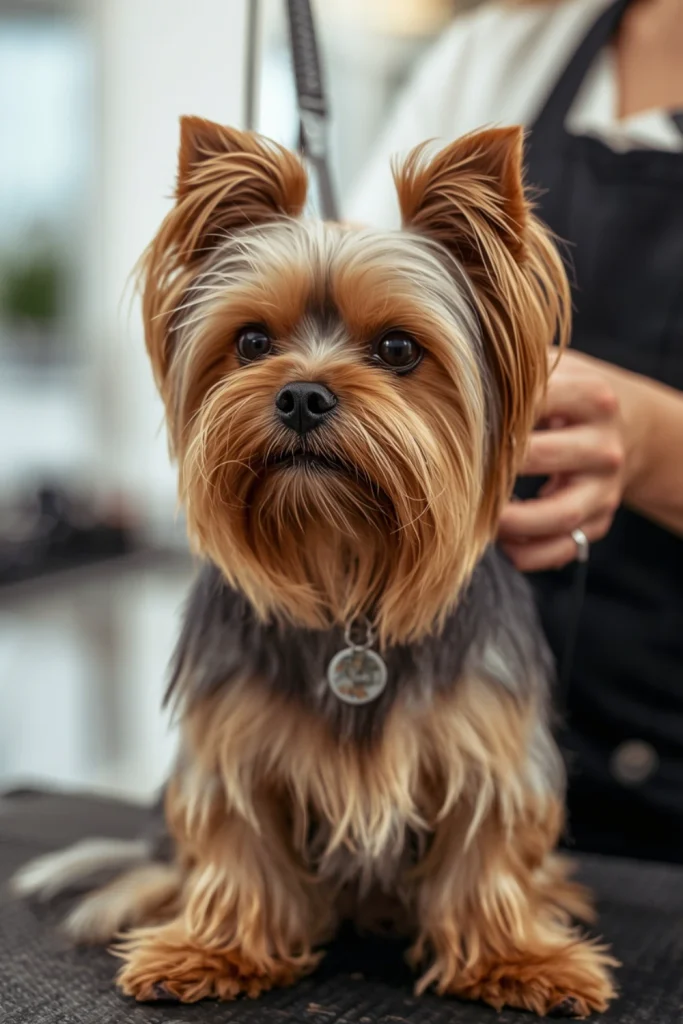
Silky-coated dogs have fine, smooth hair that can become tangled or break if handled roughly. Yorkshire Terriers, Maltese dogs, and some other small breeds have coats that require regular attention to remain clean and manageable. Their hair can collect dirt and develop knots around the legs, belly, ears, and tail. Daily or frequent brushing is helpful for dogs with longer coats. Use a soft slicker brush and a suitable comb, working slowly to avoid pulling the hair.
A weekly routine should include checking for tangles, inspecting the skin, and cleaning the areas around the eyes and mouth when needed. Bathing frequency depends on coat condition and lifestyle, while professional trimming may be needed every four to eight weeks. If your dog wears a longer hairstyle, careful brushing becomes particularly important. Use dog-specific grooming products that suit its skin and coat. Gentle handling helps reduce breakage and keeps silky fur looking healthy.
9. How Often Should You Bathe Different Coat Types?
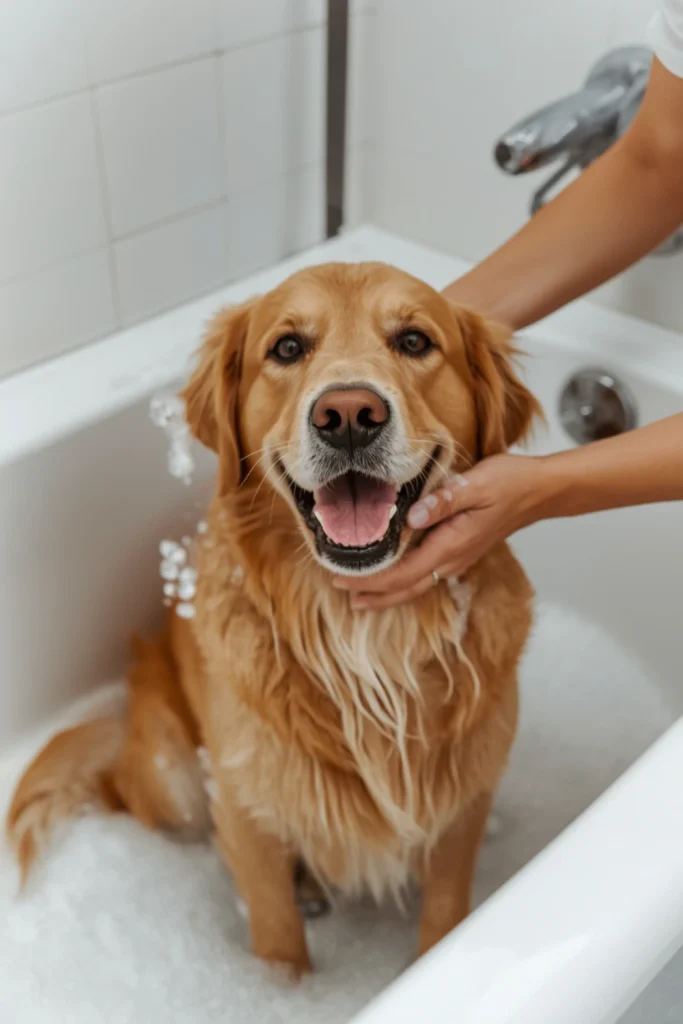
Bathing frequency depends on your dog’s coat type, skin condition, activity level, and lifestyle. Short-haired dogs that stay mostly indoors may need baths less frequently than active dogs that regularly play outside. Long-haired and curly-coated dogs may require more structured bathing routines to prevent dirt from accumulating in their coats. However, bathing too frequently can remove natural oils and cause dry or irritated skin. Use a dog-specific shampoo that suits your pet’s coat and skin condition.
Instead of following a fixed bathing schedule for every dog, check whether your pet is dirty, has an unpleasant odor, or needs a bath according to its grooming requirements. Some dogs may need bathing every few weeks, while others can go longer between baths. Dogs with skin conditions may require special veterinary shampoos and a specific bathing schedule. Always rinse thoroughly to remove shampoo residue and dry your dog appropriately after bathing.
10. Create a Weekly Brushing Schedule
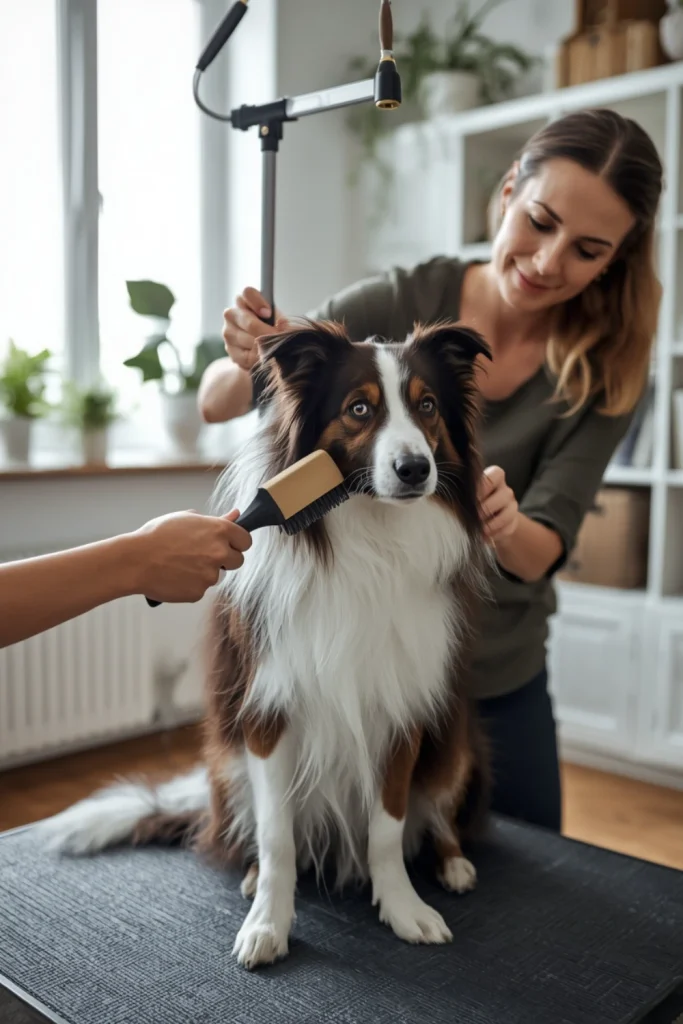
A weekly brushing schedule helps you manage your dog’s coat without making grooming feel like a difficult task. For short-haired dogs, one or two brushing sessions each week may be sufficient. Long-haired and curly-coated breeds generally need much more frequent attention, sometimes daily brushing. Double-coated dogs often benefit from several sessions throughout the week. Choose brushing days according to your dog’s needs and use the appropriate brush for its coat type.
You can divide brushing into shorter sessions rather than trying to groom your dog for a long time at once. For example, spend one session focusing on the back and sides, another on the legs and belly, and another checking the tail and areas behind the ears. This approach can be helpful for dogs that become restless during grooming. Always brush gently and reward calm behavior. A consistent weekly plan helps prevent loose hair and small tangles from becoming bigger problems.
11. Follow a Monthly Dog Grooming Schedule
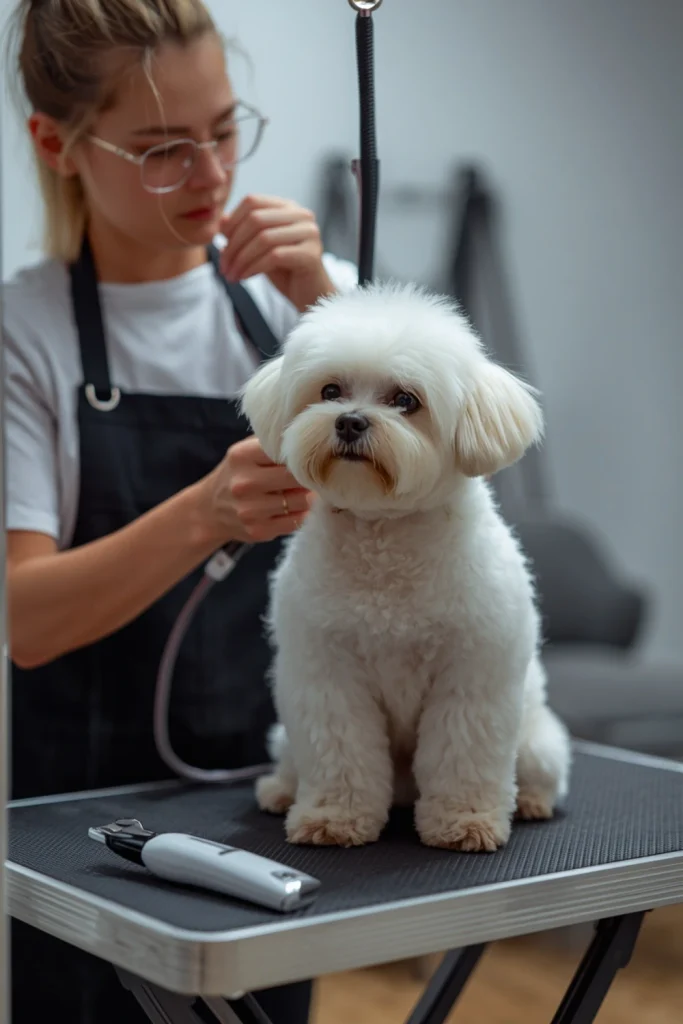
A monthly grooming schedule helps you organize tasks that do not necessarily need to be completed every day. Depending on your dog’s coat, this may include bathing, trimming, checking nail length, cleaning grooming tools, and assessing the condition of the fur. Dogs with continuously growing coats may require professional grooming more often, while short-haired dogs may only need occasional professional maintenance. The important thing is to understand which tasks your dog actually needs.
Use the beginning of each month to review your dog’s grooming condition and plan any necessary appointments. Check whether the coat needs trimming, whether the nails need attention, and whether your dog has developed tangles or dry skin. You can also wash brushes, combs, and grooming accessories to keep them clean. Remember that nail trimming and bathing should follow your dog’s individual needs rather than a strict calendar. A monthly review makes it easier to stay organized and avoid overlooking important grooming tasks.
12. Adjust Grooming During Seasonal Shedding

Some dogs shed more heavily during seasonal changes, especially breeds with thick double coats. During these periods, you may notice more loose fur on furniture, clothing, and floors. Increasing brushing frequency can help collect loose hair before it spreads throughout your home. Use a suitable deshedding tool or undercoat rake, depending on your dog’s coat type. Avoid excessive brushing or applying too much pressure, as this can irritate the skin.
Your grooming schedule may need to become more frequent during spring and autumn, although shedding patterns vary depending on breed, climate, and indoor living conditions. Check your dog’s skin while removing loose fur, and look for redness, unusual bald patches, or excessive scratching. If shedding becomes sudden, severe, or is accompanied by skin changes, consult your veterinarian. Regular brushing, proper nutrition, and suitable bathing habits can support coat health throughout the year.
13. Grooming Schedule for Puppies

Puppies need a gentle grooming routine that helps them become comfortable with being handled. Even when a puppy has a short coat, introducing brushing, bathing, nail inspections, and ear checks early can make future grooming easier. Start with short sessions and a soft brush appropriate for your puppy’s coat. Allow your puppy to sniff the grooming tools and reward calm behavior. Avoid expecting a young puppy to sit still for a long grooming session.
As your puppy grows, gradually introduce other grooming activities, such as checking the paws, inspecting the ears, and getting used to the sound of grooming equipment. Bathing should be done when necessary using a suitable puppy shampoo, while professional grooming can be introduced gradually when appropriate for the breed. Make grooming a positive experience rather than something your puppy fears. If your puppy has skin problems or unusual coat changes, seek veterinary advice.
14. Grooming Schedule for Senior Dogs
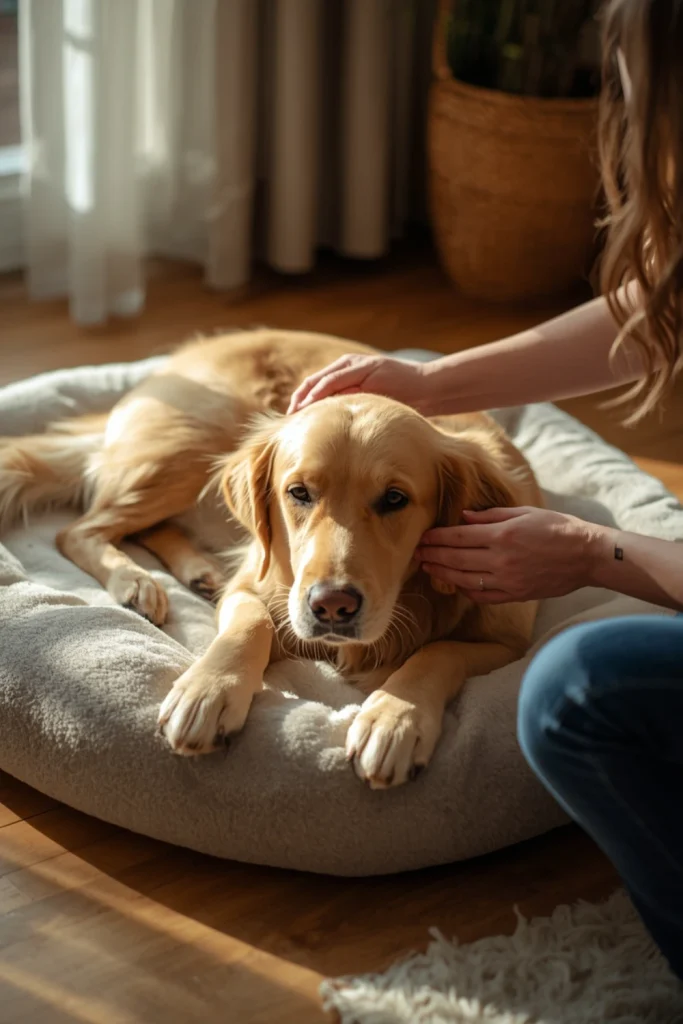
Senior dogs may need adjustments to their grooming routines because of changes in mobility, skin sensitivity, coat condition, and general health. Some older dogs develop dry skin, thinning fur, or stiffness that makes standing for long periods uncomfortable. Instead of following the same routine used when your dog was younger, choose shorter grooming sessions and use gentle brushes. A comfortable non-slip surface can help prevent slipping during brushing and nail care.
Pay extra attention to areas that are difficult for older dogs to reach, including the back, hindquarters, and paws. Check for lumps, skin irritation, and unusual changes while grooming. If your senior dog has arthritis or other mobility limitations, ask your veterinarian about comfortable grooming positions. Professional grooming may also be helpful when handling your dog at home becomes difficult. The goal is to maintain cleanliness and comfort without causing unnecessary stress or physical strain.
15. Pay Attention to Areas That Develop Tangles Easily
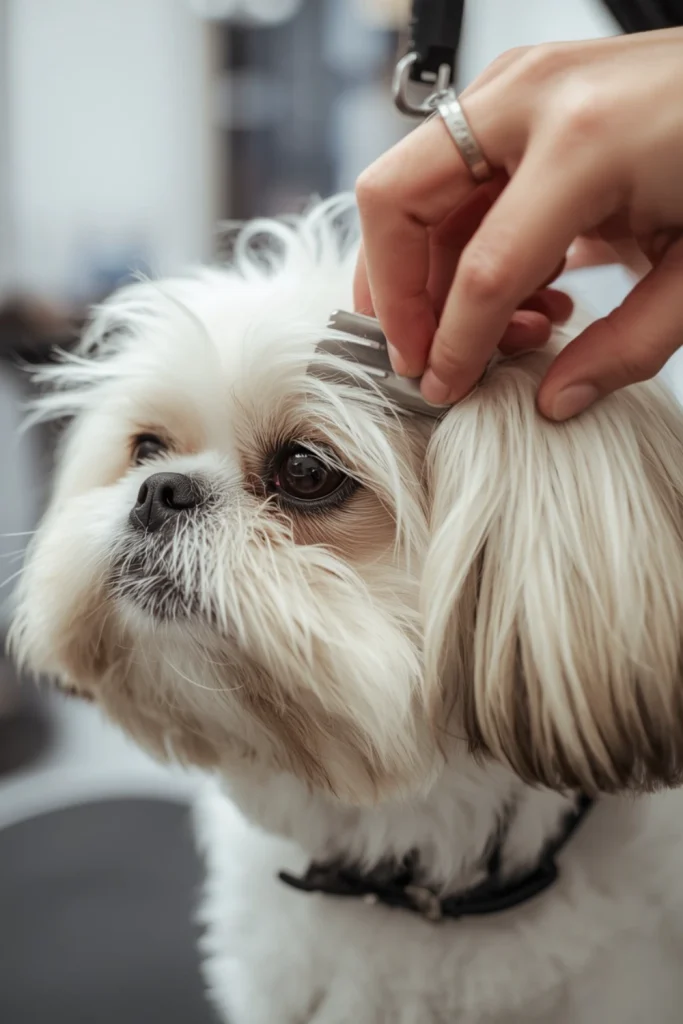
Certain areas of a dog’s body are more likely to develop tangles and mats than others. These include behind the ears, under the legs, around the collar, beneath the belly, and near the tail. Long-haired and curly-coated breeds are particularly vulnerable, but tangles can develop in other coat types too. Check these areas regularly instead of focusing only on the dog’s back and sides. A metal comb can help you identify small knots that are difficult to see.
When you find a small tangle, use a suitable detangling spray and gently work through the fur with your fingers or an appropriate comb. Never pull aggressively because this can hurt your dog and damage its coat. Tight mats close to the skin should be handled by an experienced groomer. Avoid using scissors to cut mats at home because the skin can be trapped inside them. Regular inspection helps prevent minor tangles from becoming painful grooming problems.
Final Thoughts
Creating the right dog grooming schedule is one of the best ways to keep your pet’s coat healthy, clean, and comfortable. Every dog has different grooming requirements, and understanding its coat type makes it easier to choose the right brushing routine, bathing frequency, and professional grooming schedule.
Short-haired dogs generally need less brushing, while long-haired and curly-coated breeds require more frequent attention to prevent tangles and mats. Double-coated dogs need special care during seasonal shedding, and wiry-coated breeds may benefit from professional hand-stripping. Remember to include nail trimming, ear inspections, paw care, and regular skin checks in your overall grooming routine.
Most importantly, make grooming a positive experience. Use suitable tools, gentle techniques, and rewards to help your dog feel comfortable. Adjust your routine as your dog grows older, changes its lifestyle, or experiences seasonal coat changes.
With a little consistency and patience, you can develop Dog Grooming Schedules that meet your pet’s individual needs and support a healthier, happier life.