
12 Winter Paw Care Tips Every Dog Owner Needs
Winter can be a wonderful season for dogs. Snowy walks, fresh outdoor air, and playful adventures make cold-weather days exciting for our furry friends. However, freezing temperatures, icy sidewalks, road salt, and wet surfaces can create challenges for sensitive dog paws. Without proper care, winter conditions may lead to dryness, irritation, cracked paw pads, and discomfort.
Following simple Winter Paw Care Tips can help protect your dog’s feet and make cold-weather walks safer and more enjoyable. You do not need an expensive grooming routine to keep your dog’s paws healthy. With the right preparation, gentle cleaning, and regular inspections, you can protect those little paws throughout the winter season. In this guide, you will discover 12 practical ways to care for your dog’s paws during cold weather.
1. Check Your Dog’s Paws Before Every Winter Walk
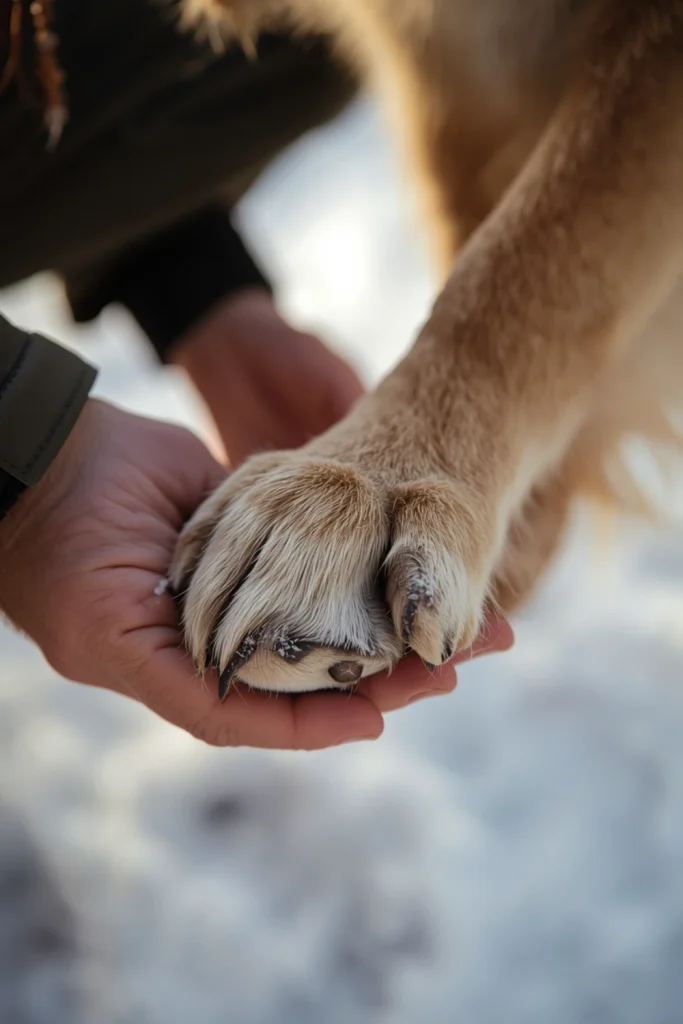
One of the most important Winter Paw Care Tips is to inspect your dog’s feet before going outside. Cold weather can make existing dryness, small cuts, or cracked paw pads more uncomfortable. Before putting on your dog’s winter gear, gently examine all four paws. Look for redness, swelling, damaged nails, peeling skin, and any unusual changes around the paw pads. Checking the spaces between the toes is equally important because dirt and small objects can become trapped there.
Regular inspections help you recognize problems early and decide whether your dog is comfortable enough for an outdoor walk. If you notice bleeding, painful cracks, or signs of infection, avoid unnecessary outdoor activity and contact your veterinarian. Starting every winter walk with a quick paw inspection takes only a few moments but can make a meaningful difference in your dog’s comfort and safety.
2. Keep Your Dog’s Paws Clean After Snowy Walks
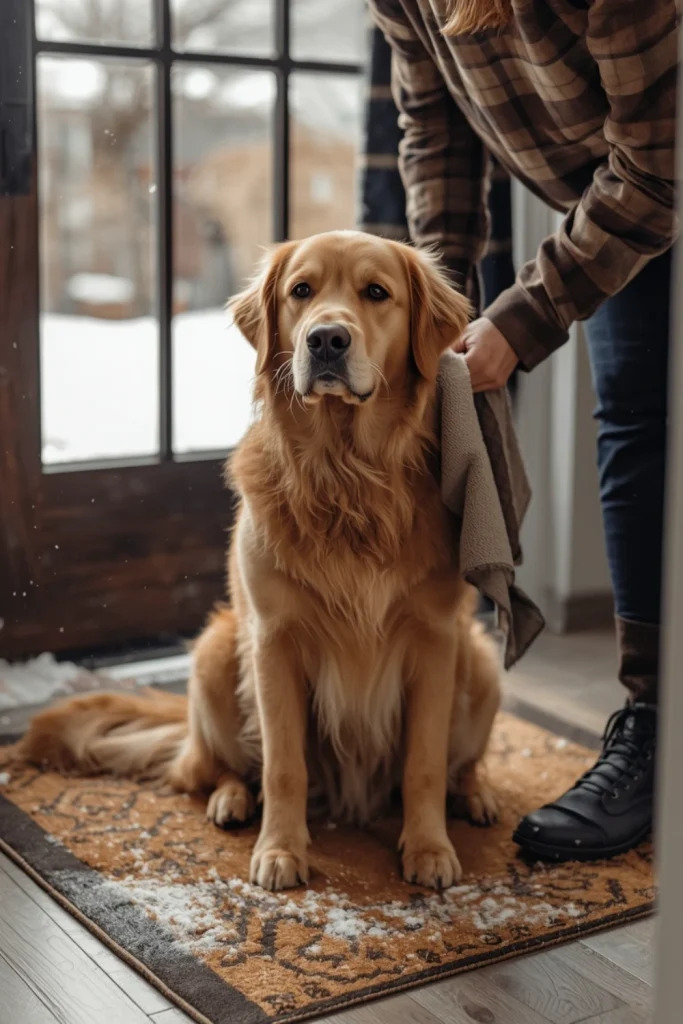
Snowy walks can leave ice, dirt, road salt, and other outdoor materials around your dog’s feet. After returning home, gently inspect each paw and remove any visible snow or debris. Use a soft microfiber towel or a clean cloth to wipe the paw pads and surrounding fur. If the paws are particularly dirty, rinse them with clean lukewarm water to remove unwanted substances.
Pay special attention to the spaces between the toes because small pieces of snow and ice can become trapped in these areas. Cleaning is particularly important if your dog has walked on treated sidewalks or roads. Some de-icing products may irritate the skin or cause problems if swallowed during paw licking. Always dry the feet thoroughly after cleaning to prevent prolonged moisture.
3. Protect Paw Pads From Road Salt and De-Icing Chemicals
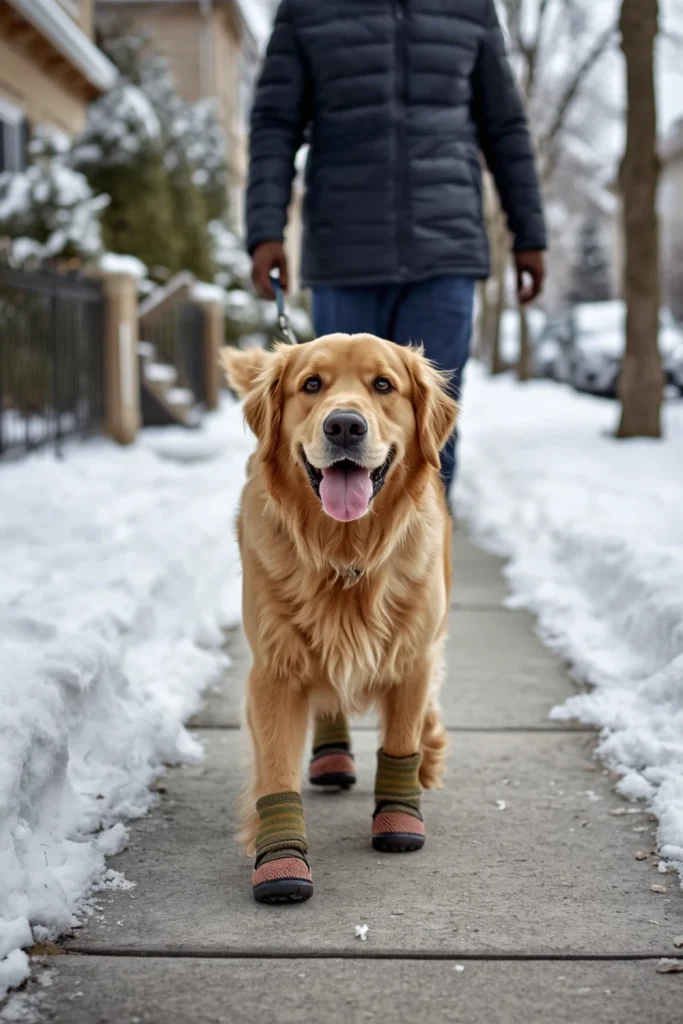
During winter, many roads and sidewalks are treated with salt and chemical de-icers to reduce ice buildup. Although these products help people walk and drive more safely, they may irritate your dog’s paw pads. Some substances can also cause problems if your dog licks contaminated paws. Whenever possible, choose walking routes that avoid heavily treated surfaces and prefer clean paths or grassy areas.
If your dog must walk across salted sidewalks, consider using properly fitted dog boots or another suitable protective product. After the walk, rinse the paws with clean water and dry them carefully. If you suspect your dog has swallowed de-icing chemicals or is showing unusual symptoms, contact a veterinarian or animal poison service immediately. Never assume all products labeled as pet-friendly are completely risk-free.
4. Apply Dog-Safe Paw Balm When Needed
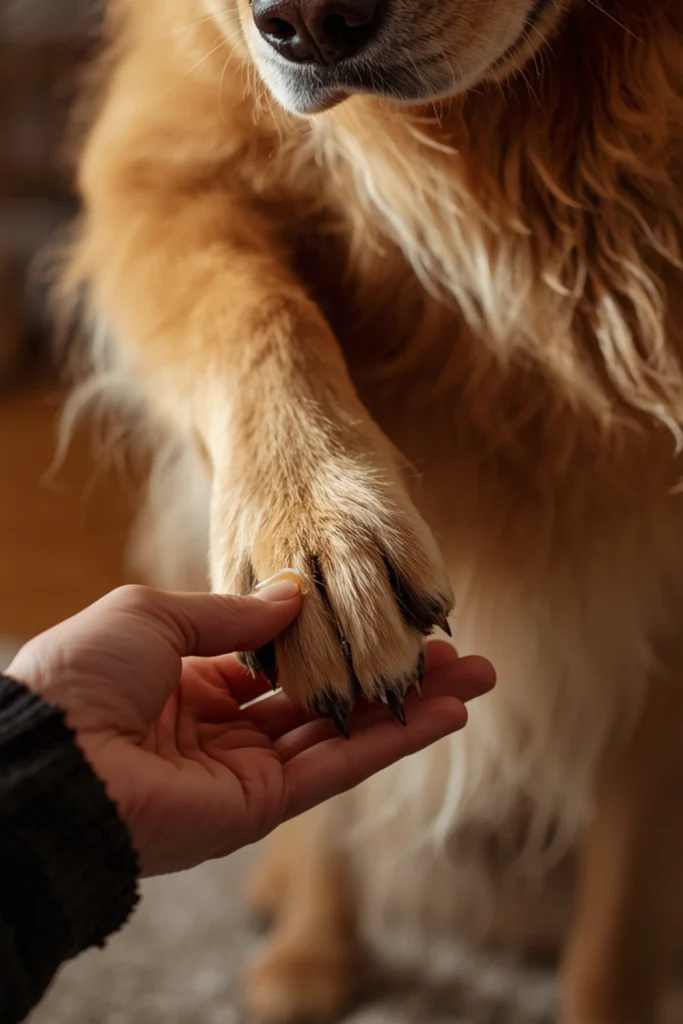
Cold air and dry winter conditions may leave some dogs with rough or dry paw pads. A dog-specific paw balm can help moisturize the skin and support its natural protective barrier. Before applying any product, make sure your dog’s paws are clean and completely dry. Use a small amount and gently spread it across the paw pads according to the manufacturer’s directions.
Choose a product formulated specifically for dogs and check its ingredients carefully. Dogs frequently lick their feet, so avoid using ordinary human lotions, scented creams, or products containing potentially harmful ingredients. Paw balm is not a treatment for deep cracks, burns, or infections. If your dog’s pads are painful, bleeding, or persistently irritated, consult your veterinarian before applying a product.
5. Use Dog Boots for Extra Winter Protection
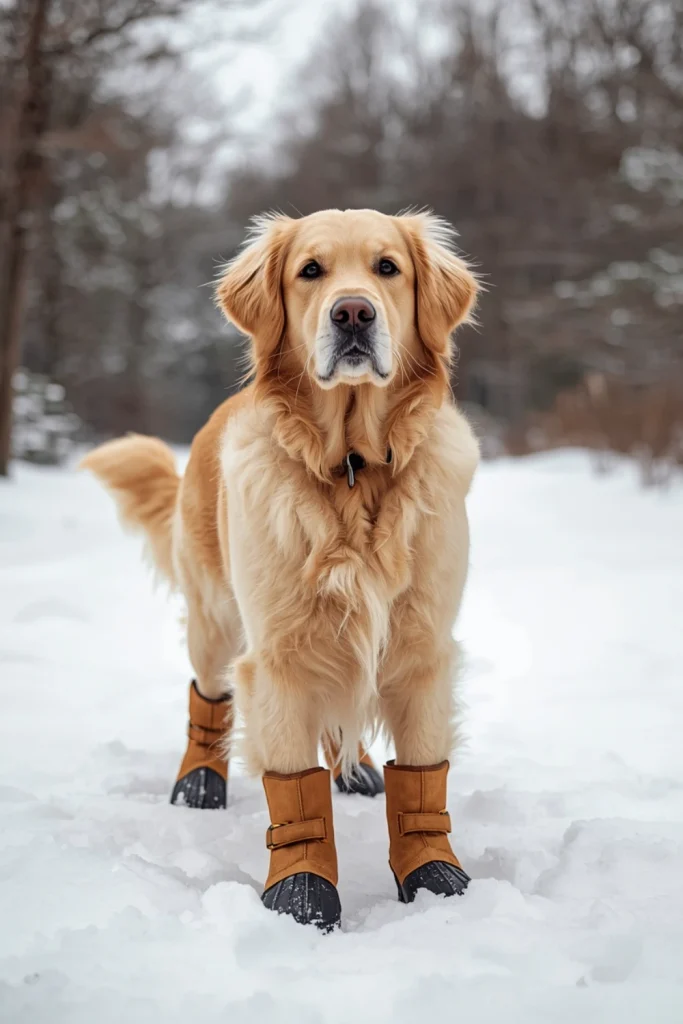
Dog boots can provide an additional layer of protection when walking through snow, ice, and areas treated with road salt. They help reduce direct contact between paw pads and harsh outdoor surfaces. Boots can be particularly useful for dogs that frequently walk on frozen sidewalks or explore snowy trails. Choose a comfortable pair that fits properly without squeezing the toes or restricting natural movement.
Introduce boots gradually instead of expecting your dog to wear them for a long walk immediately. Allow your pet to walk around indoors for a few minutes and reward calm behavior. Check the boots regularly to make sure they are not rubbing against the skin or becoming too tight. After outdoor activities, remove them and inspect the paws for moisture, redness, or irritation.
6. Trim Excess Hair Around Your Dog’s Paws
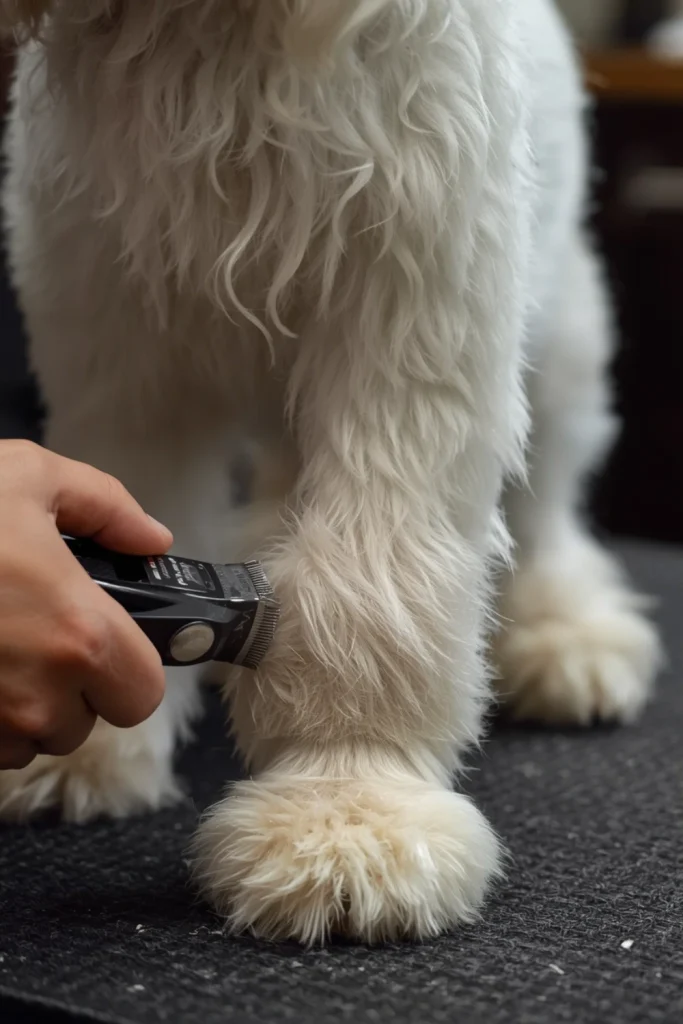
Dogs with long or fluffy coats may collect snow around the hair between their toes. When snow sticks to this fur, it can form uncomfortable ice balls that make walking difficult. Keeping excessive paw hair neatly maintained may help reduce snow buildup and make cleaning easier. It also allows you to inspect the paw pads more clearly after outdoor activities.
However, trimming should be done carefully because the skin around the toes is sensitive. Avoid cutting too close to the paw pads or using sharp scissors if your dog moves unexpectedly. If you are unsure how to maintain the hair safely, ask a professional groomer for assistance. You do not need to remove all the natural fur; the goal is simply to keep excess hair manageable.
7. Dry Your Dog’s Paws Thoroughly After Every Walk
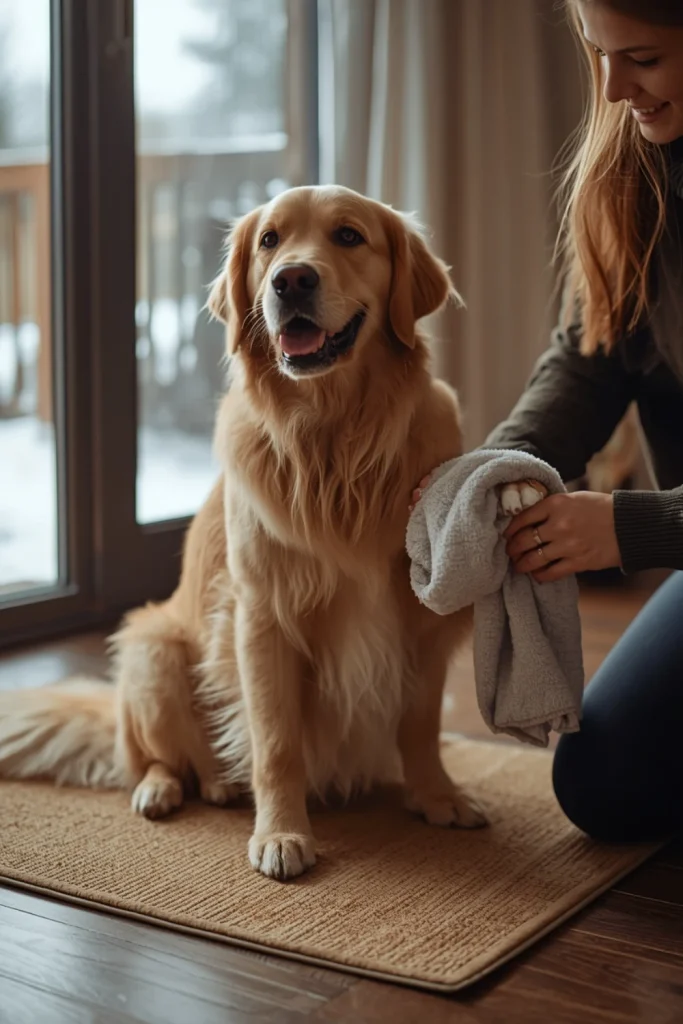
Drying is an essential part of winter paw care because wet feet can become uncomfortable in cold weather. Snow and melted ice may leave moisture around the paw pads, between the toes, and in the surrounding fur. After cleaning your dog’s paws, use a soft absorbent towel to gently pat each foot until it is completely dry. Avoid rubbing aggressively because this can irritate sensitive skin.
Pay extra attention to long-haired dogs because their foot fur can hold moisture for longer periods. If you use a pet hair dryer, select a suitable low-heat setting and maintain a comfortable distance. Never use excessive heat on your dog’s feet. Proper drying helps your dog feel comfortable indoors and reduces the amount of moisture remaining around the paw pads.
8. Avoid Long Walks During Extremely Cold Weather
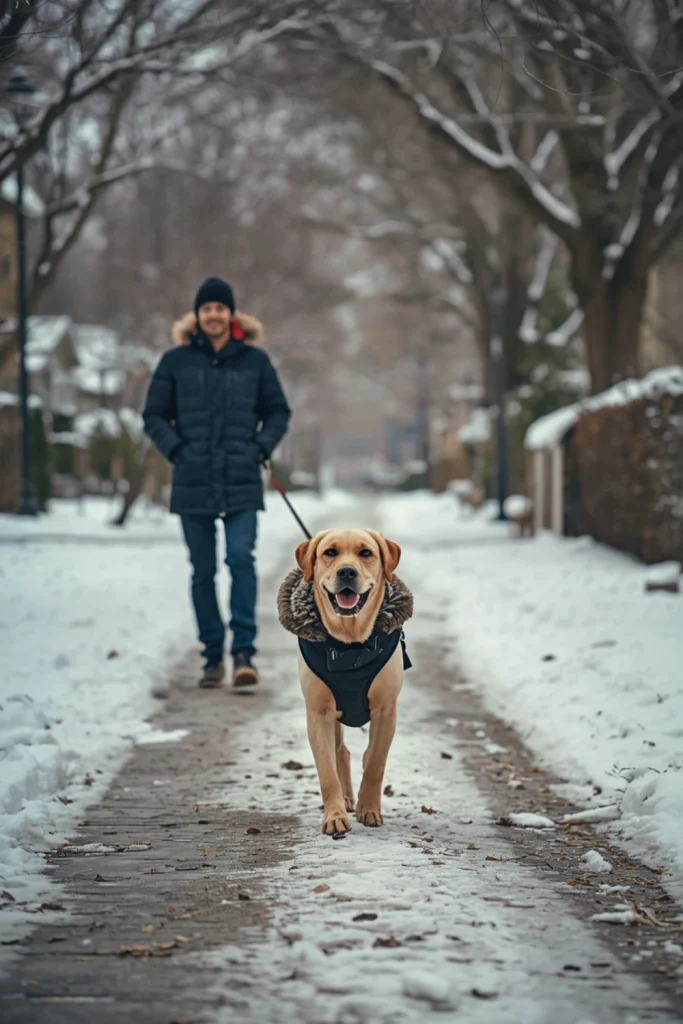
Long walks may become uncomfortable for dogs when temperatures drop significantly. Frozen surfaces, icy wind, and deep snow can place additional stress on sensitive paws. Instead of following your usual walking schedule, consider shorter outdoor trips during particularly cold weather. Watch your dog’s behavior and return home if it starts lifting its feet repeatedly, limping, shivering, or trying to avoid walking.
Every dog has different cold-weather tolerance depending on its size, coat, age, health, and breed. Small dogs, puppies, senior dogs, and dogs with short coats may need extra protection. You can maintain daily activity by combining shorter outdoor walks with indoor games and gentle training exercises. Always prioritize your dog’s comfort rather than forcing it to remain outside for a specific amount of time.
9. Choose Safe Walking Surfaces for Your Dog
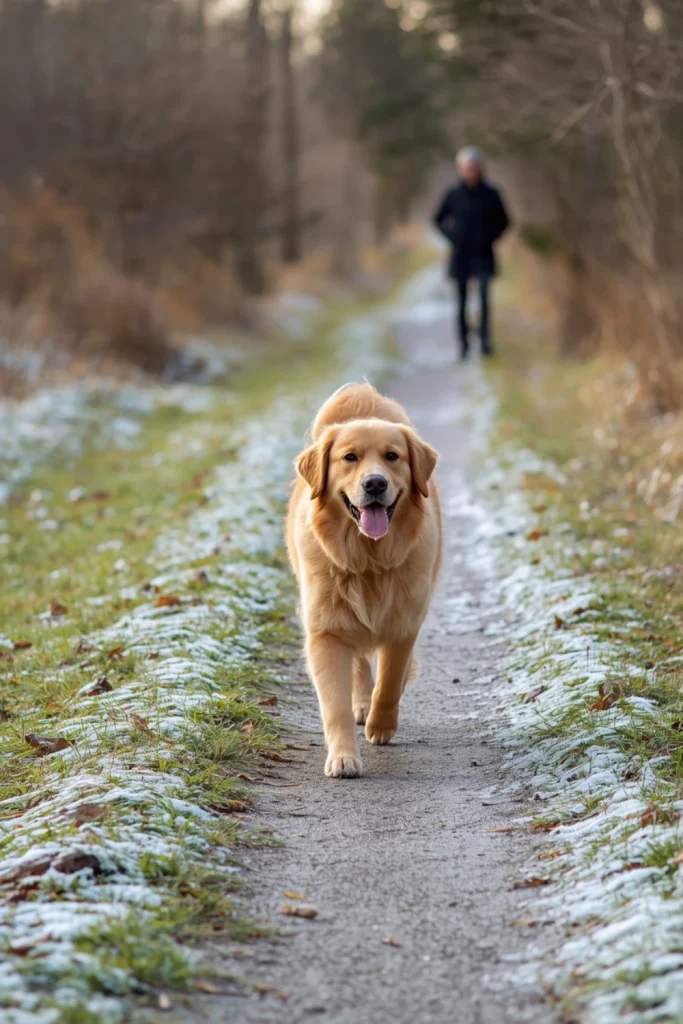
The surface your dog walks on can make a significant difference during winter. Icy sidewalks, frozen roads, and rough snow-covered paths may increase the risk of slips, paw irritation, and small injuries. Whenever possible, choose walking routes with stable surfaces and avoid areas where ice has accumulated. Clean grassy paths may be more comfortable than heavily salted pavement, although snow and hidden debris should still be considered.
Before allowing your dog to explore a new area, look for sharp objects, broken branches, and other hazards hidden beneath the snow. Avoid walking over frozen ponds or slippery surfaces, even if they appear safe. A familiar route with good footing is often a better choice than an unfamiliar shortcut. Selecting suitable walking surfaces helps protect both your dog’s paws and overall winter walking safety.
10. Check for Ice Balls Between Your Dog’s Toes
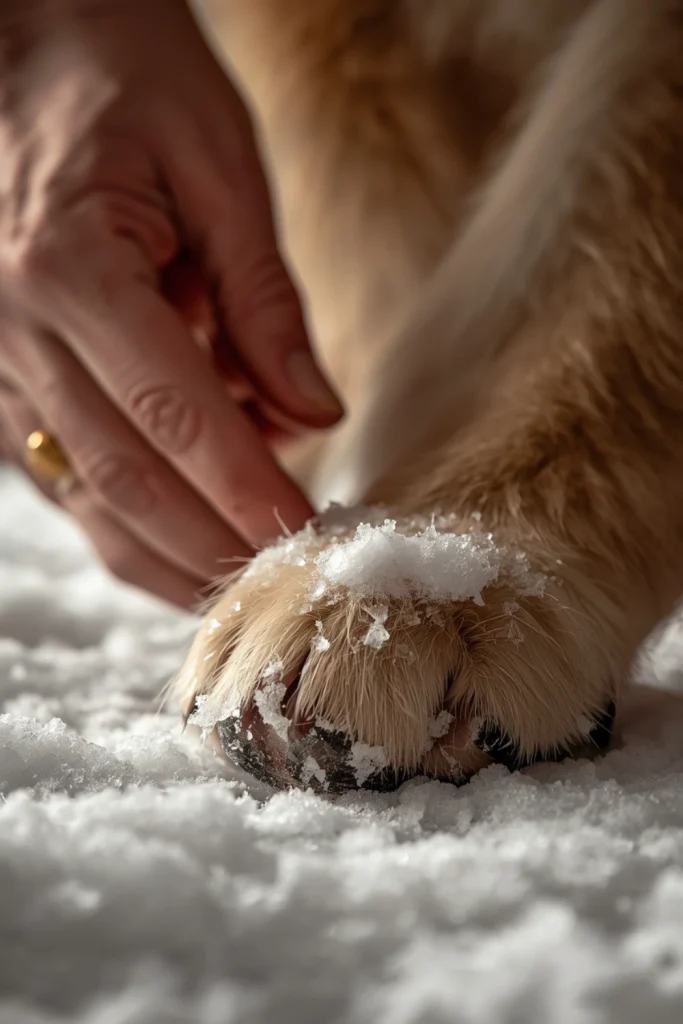
Snow can collect between your dog’s toes and surrounding paw hair during winter walks. As the snow melts and freezes again, it may form small ice balls that pull on the fur and create discomfort. Dogs with long or thick hair around their feet may be particularly likely to experience this problem. After every snowy walk, inspect the spaces between the toes and gently remove loose snow.
Never pull frozen ice from the fur or use sharp objects to break it apart. Instead, allow the ice to soften naturally with comfortably lukewarm water. Once the material loosens, remove it gently and dry the paw completely. If the skin underneath appears red, swollen, or painful, stop cleaning and seek veterinary advice.
11. Keep Your Dog’s Nails Properly Trimmed
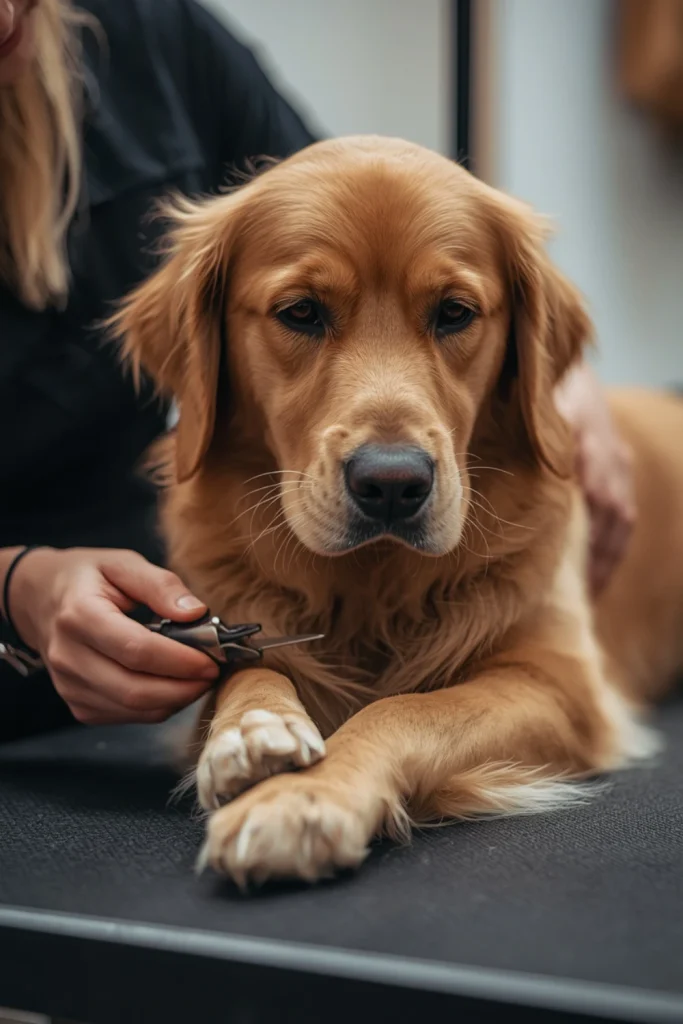
Long nails can make walking uncomfortable and may affect how your dog places its feet on slippery winter surfaces. When nails become too long, they can change the natural position of the toes and increase pressure on the paw pads. Regular nail maintenance is therefore an important part of overall paw care, especially during seasons when dogs may spend less time walking on rough surfaces that naturally wear down their nails.
Use suitable dog nail clippers or a pet nail grinder and work carefully. Avoid cutting too close to the quick, which is the sensitive part containing blood vessels and nerves. If your dog has dark nails or becomes nervous during nail trimming, ask a professional groomer or veterinarian for assistance. Keeping nails at a comfortable length supports better movement and makes winter walks more manageable.
12. Create a Consistent Winter Paw Care Routine
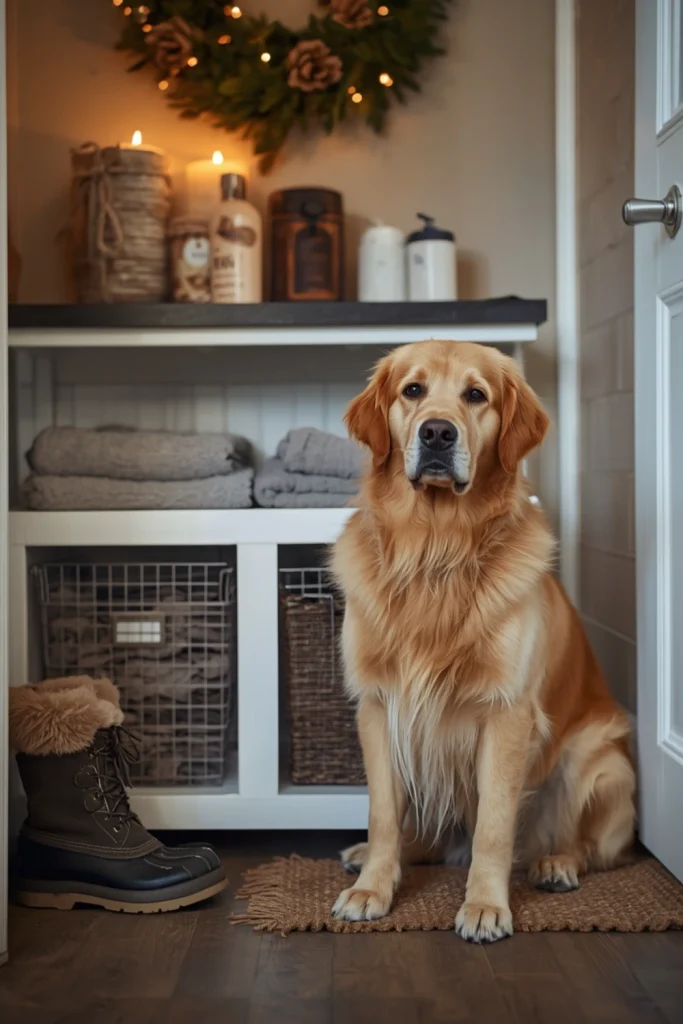
One of the best ways to protect your dog’s feet throughout winter is to follow a consistent daily routine. Before going outside, inspect the paws and make sure the nails and surrounding fur are in good condition. Choose appropriate walking surfaces and use protective boots when necessary. After returning home, remove snow, salt, and dirt, then dry every paw carefully.
Keep your winter grooming supplies together in a convenient place. A small basket containing microfiber towels, dog-safe paw balm, grooming wipes, and a paw-cleaning bowl can make the process easier. Reward your dog for cooperating and keep cleaning sessions gentle. With regular attention, winter paw care can become a normal part of your dog’s daily schedule rather than an additional chore.
Final Thoughts
Winter can be an enjoyable season for dogs when their comfort and safety come first. Snowy adventures, outdoor walks, and fresh winter air are wonderful, but cold temperatures, ice, road salt, and dry weather can affect sensitive paw pads.
Following these 12 Winter Paw Care Tips can help you protect your dog’s feet throughout the colder months. Remember to inspect the paws before walks, choose safe walking surfaces, remove snow and salt afterward, and dry every paw carefully. Dog boots and dog-safe paw balm may provide additional protection when needed.
Most importantly, pay attention to your dog’s behavior. If you notice limping, excessive licking, cracked pads, swelling, or signs of frostbite, seek veterinary advice. A few minutes of daily attention can help your furry friend enjoy winter walks more comfortably and safely.