15 Grooming Tips for Long Haired Dogs
Long-haired dogs are beautiful, elegant, and full of personality, but their gorgeous coats require regular attention and proper care. From preventing painful tangles to controlling shedding and keeping their fur clean, grooming plays an important role in maintaining your dog’s comfort and overall health. Without a consistent grooming routine, long hair can quickly become tangled, dirty, and difficult to manage.
Whether you have a Golden Retriever, Shih Tzu, Yorkshire Terrier, Afghan Hound, or another long-haired breed, learning the right Grooming Tips for Long-Haired Dogs can make everyday coat care much easier. You do not need to visit a professional groomer every week to maintain a beautiful coat. With suitable grooming tools, gentle brushing techniques, regular bathing, and a little patience, you can keep your furry friend looking and feeling their best.
1. Brush Your Dog’s Coat Every Day
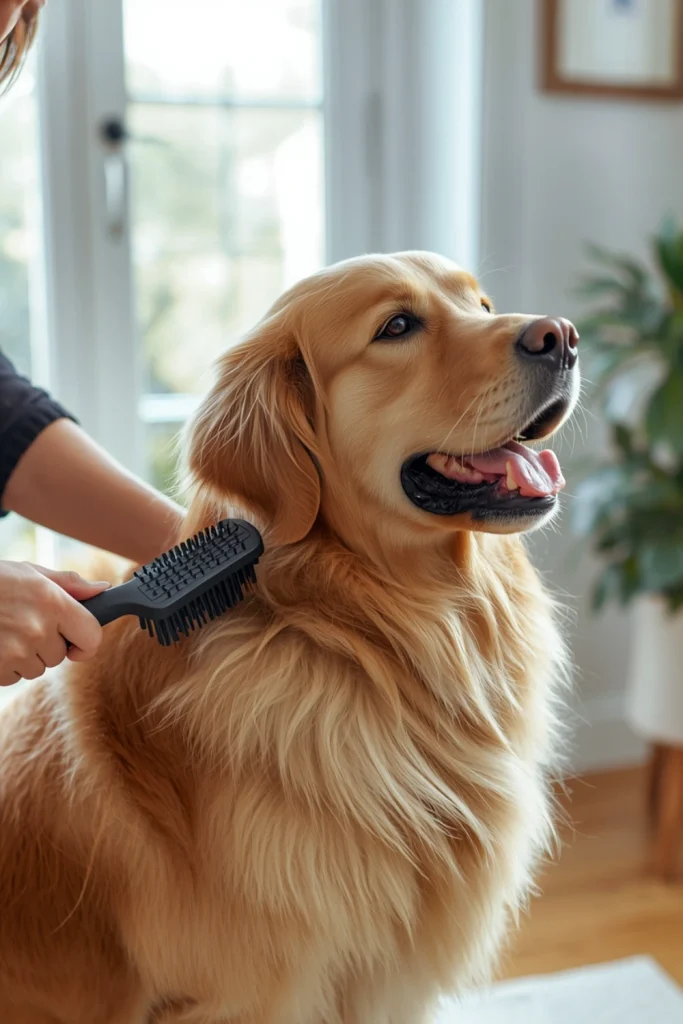
Daily brushing is one of the most important Grooming Tips for Long-Haired Dogs. Long coats can easily collect loose hair, dirt, grass, and small pieces of debris during everyday activities. When loose hair remains trapped in the coat, it can form knots and eventually develop into painful mats. Brushing your dog regularly helps remove these materials before they become difficult to manage. It also helps distribute natural skin oils throughout the fur, keeping the coat looking smooth and healthy.
Try to brush your dog for a few minutes every day rather than waiting until the coat becomes tangled. Pay attention to areas behind the ears, underneath the legs, around the chest, and near the tail because these places often develop knots. Use gentle movements and avoid pulling through tangled hair. If your dog has a particularly thick or curly coat, you may need a longer grooming session to reach all the layers properly.
2. Choose the Right Grooming Brush
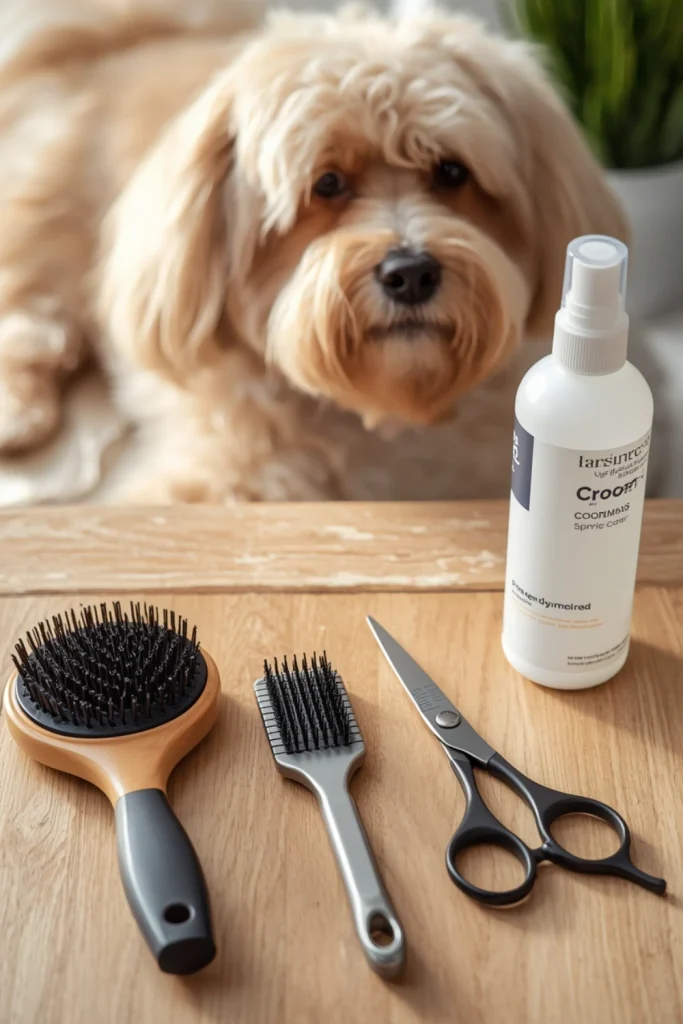
Choosing the correct brush makes a significant difference when caring for a long-haired dog. Different coat types require different grooming tools. A slicker brush is useful for removing loose hair and helping prevent tangles, while a pin brush can gently smooth longer coats. A stainless steel comb is particularly helpful for checking whether the hair has been brushed completely, especially in areas where mats commonly develop. Using the wrong tool may cause discomfort or fail to remove loose hair from deeper layers.
Before purchasing grooming equipment, consider your dog’s breed, coat texture, and skin sensitivity. Dogs with silky coats may benefit from a pin brush and metal comb, while dogs with thick or curly coats may need a slicker brush designed for their particular hair type. Avoid tools with damaged pins or sharp edges. If you are uncertain which brush is appropriate, ask a professional groomer to demonstrate the correct equipment and technique for your dog’s coat.
3. Remove Tangles Before They Become Mats
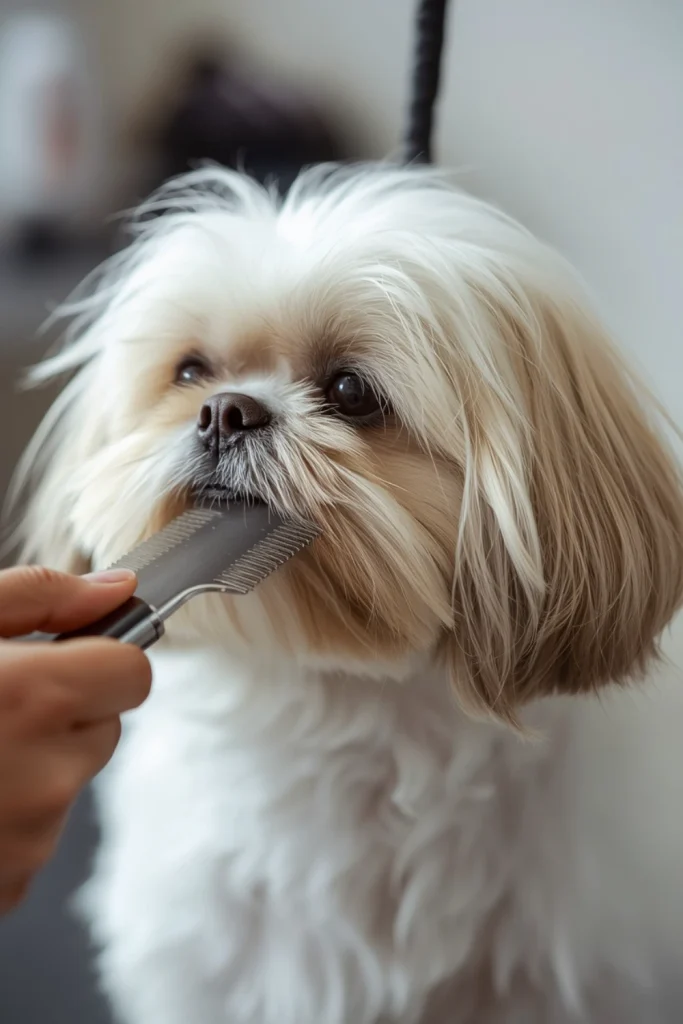
Tangles are common in long-haired dogs, particularly in areas where the fur rubs against itself or clothing, collars, and harnesses. If small knots are ignored, they can become tightly packed mats that pull on the skin and cause discomfort. Check your dog’s coat regularly, especially behind the ears, under the front legs, around the belly, and near the tail. Removing small tangles early is much easier and more comfortable than dealing with large mats later.
When you find a knot, hold the hair close to the skin to reduce pulling and gently work through the tangle using your fingers or an appropriate detangling comb. You can use a dog-safe detangling product if recommended for your dog’s coat. Never pull aggressively or cut close to the skin with ordinary scissors. Mats can hide folds of skin, making accidental cuts possible. For tight or extensive matting, seek help from a professional groomer or veterinarian.
4. Use a Detangling Spray for Difficult Knots
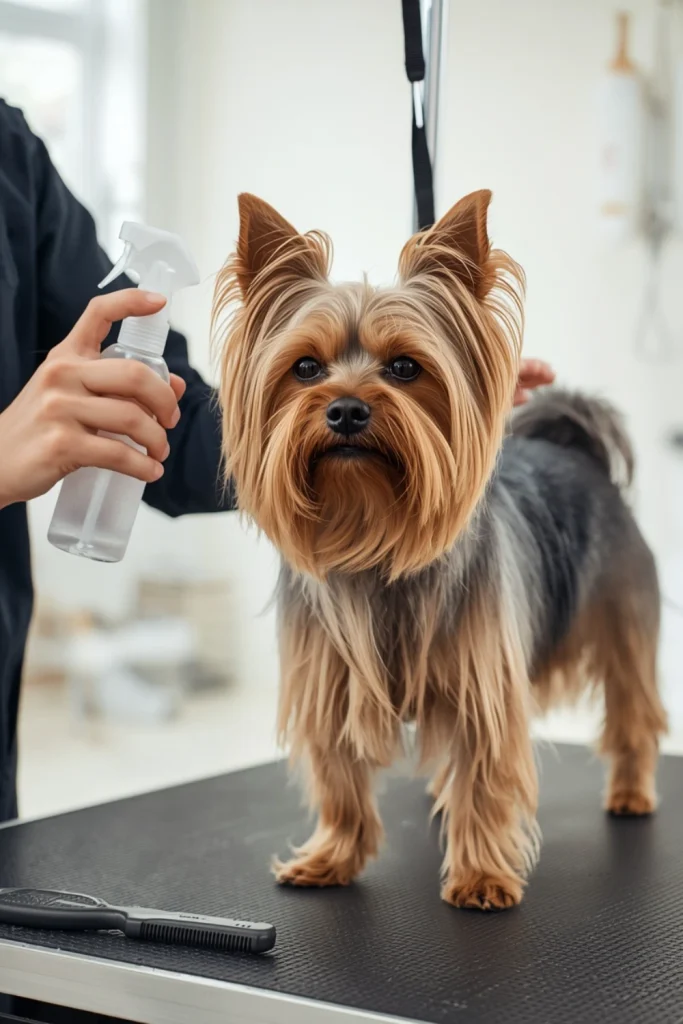
A suitable dog-safe detangling spray can make grooming easier when your dog’s coat develops small knots. These products are designed to help reduce friction between hair strands, allowing a comb or brush to move more smoothly through the coat. They can be particularly useful for long, silky, or curly-haired breeds that are more likely to develop tangles. Always choose a product specifically formulated for dogs rather than using human hair products.
Follow the manufacturer’s instructions when applying detangling spray. Use an appropriate amount and avoid spraying directly into your dog’s eyes, nose, ears, or mouth. Allow the product to work as directed before gently brushing the affected area. Remember that detangling spray is not a replacement for regular brushing or professional mat removal. If the hair is tightly matted close to the skin, do not force a comb through it. Professional grooming is often the safest option.
5. Bathe Your Dog With a Suitable Dog Shampoo
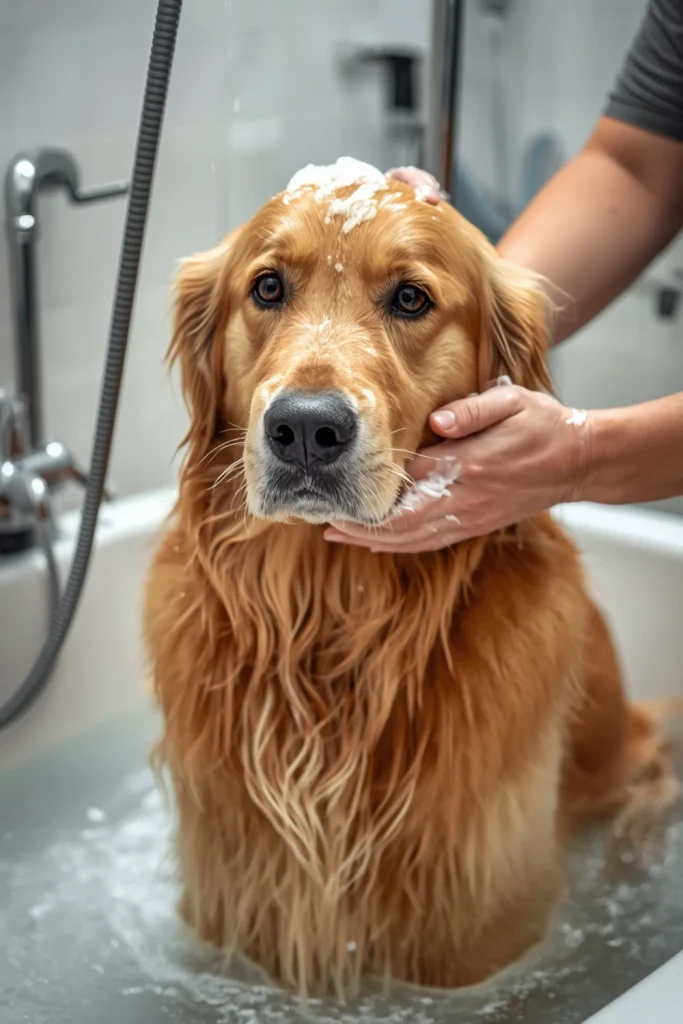
Regular bathing helps remove dirt, unpleasant odors, and debris from a long-haired dog’s coat. However, bathing frequency depends on your dog’s breed, lifestyle, skin condition, and grooming requirements. Some dogs need more frequent baths because they spend time outdoors, while others can go longer between bathing sessions. Always use a shampoo specifically designed for dogs. Human shampoos may have a different formulation and can irritate or dry out your pet’s skin.
Before bathing, gently brush your dog’s coat to remove loose hair and small tangles. Use lukewarm water and wet the coat thoroughly before applying shampoo according to the product instructions. Massage gently instead of rubbing the hair aggressively, which can create additional tangles. Rinse thoroughly to remove all shampoo residue, as leftover product may irritate the skin. If your dog has allergies or a skin condition, ask your veterinarian which shampoo is appropriate.
6. Dry Your Dog’s Coat Completely After Bathing
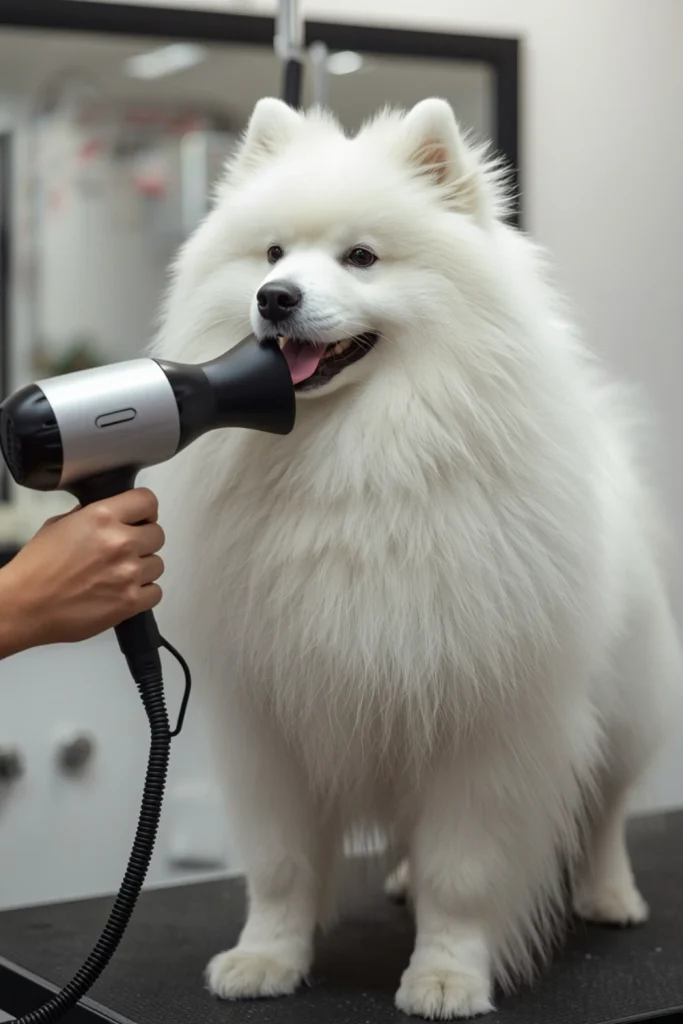
Proper drying is an important part of grooming long-haired dogs. Thick coats can hold moisture close to the skin long after the surface hair appears dry. If moisture remains trapped, it may contribute to unpleasant odors, skin irritation, and other problems. After bathing, gently squeeze excess water from the coat using a clean towel. Avoid rubbing vigorously because this can create knots and make the hair harder to brush.
A pet-specific dryer can help dry thick coats more effectively, but it should be used carefully. Choose an appropriate low-heat or cool setting, keep the airflow moving, and avoid directing it toward your dog’s eyes and ears. Monitor your pet for signs of discomfort and stop if the dryer causes anxiety. Brush the coat gently while drying when appropriate for the coat type. Make sure the fur is completely dry, including underneath the legs, around the belly, and near the skin.
7. Pay Extra Attention to Areas Behind the Ears
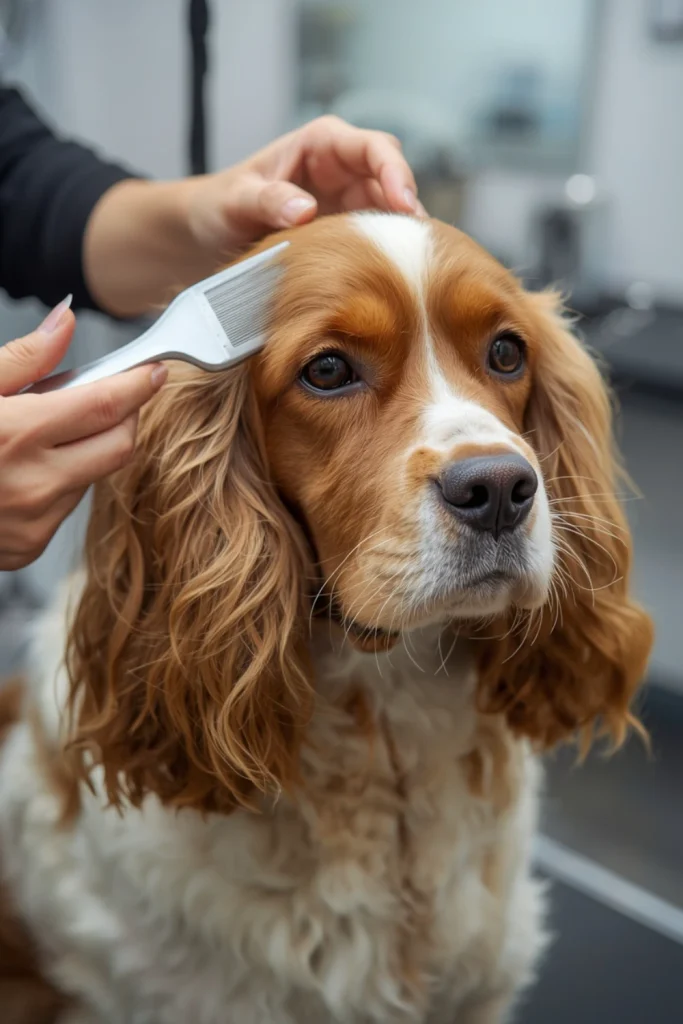
The hair behind a dog’s ears is one of the most common places for tangles and mats to develop. This area is particularly vulnerable because the fur can rub against itself whenever your dog moves its head. Collars, harnesses, and regular sleeping positions may also contribute to knots. Dogs with long, silky ears, such as Cocker Spaniels, often need extra attention around this area to keep their coats manageable.
Gently lift the ear hair and inspect the area underneath before brushing. Use a suitable comb or soft grooming brush to remove loose hair and small knots. Work slowly and hold the hair near its base to minimize pulling. Never pull on the ear or insert grooming tools into the ear canal. Check the ears for redness, unusual discharge, unpleasant odors, or excessive scratching. These symptoms may indicate an ear problem that needs veterinary attention rather than additional grooming.
8. Keep the Hair Around the Eyes Clean
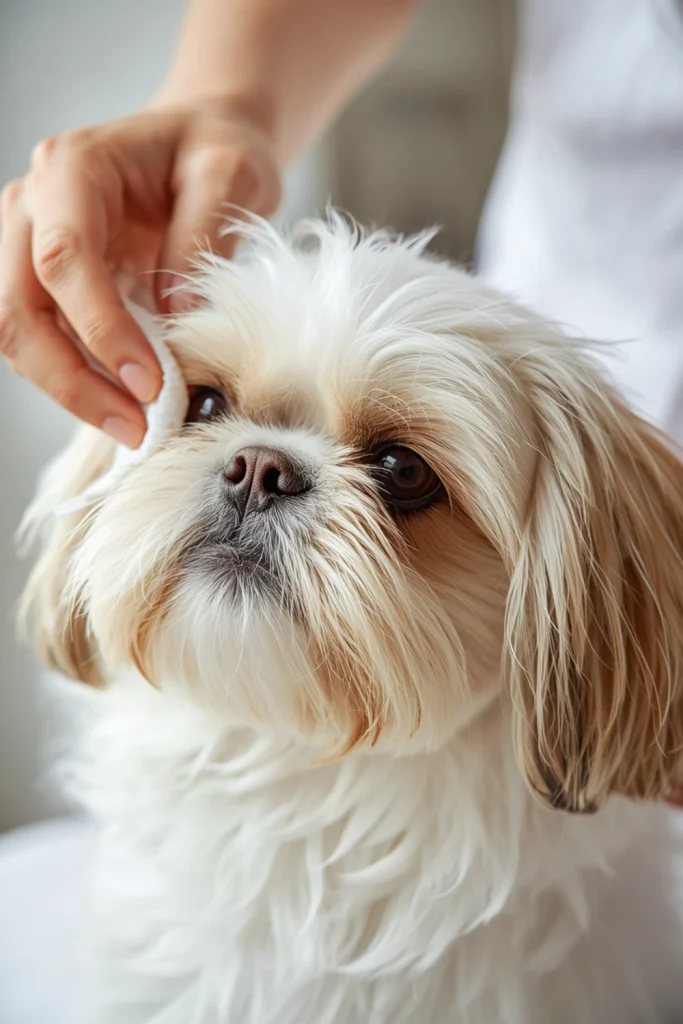
Long hair around the eyes can collect moisture, dust, and eye discharge. In some breeds, the hair may grow forward and interfere with comfortable vision. Regularly checking this area helps keep your dog’s face clean and prevents debris from accumulating around the eyes. Use a clean, soft cloth or a suitable pet-safe eye-cleaning product recommended by your veterinarian to gently clean the surrounding fur.
Always be careful when grooming near the eyes because this area is extremely sensitive. Never use sharp scissors close to your dog’s eyeballs, and avoid getting shampoo or cleaning products into the eyes. If hair regularly covers your dog’s vision, consider having a professional groomer trim it safely. Excessive tearing, redness, swelling, squinting, or unusual discharge should be discussed with your veterinarian because these may indicate an eye condition.
9. Trim the Hair Around the Paws and Feet
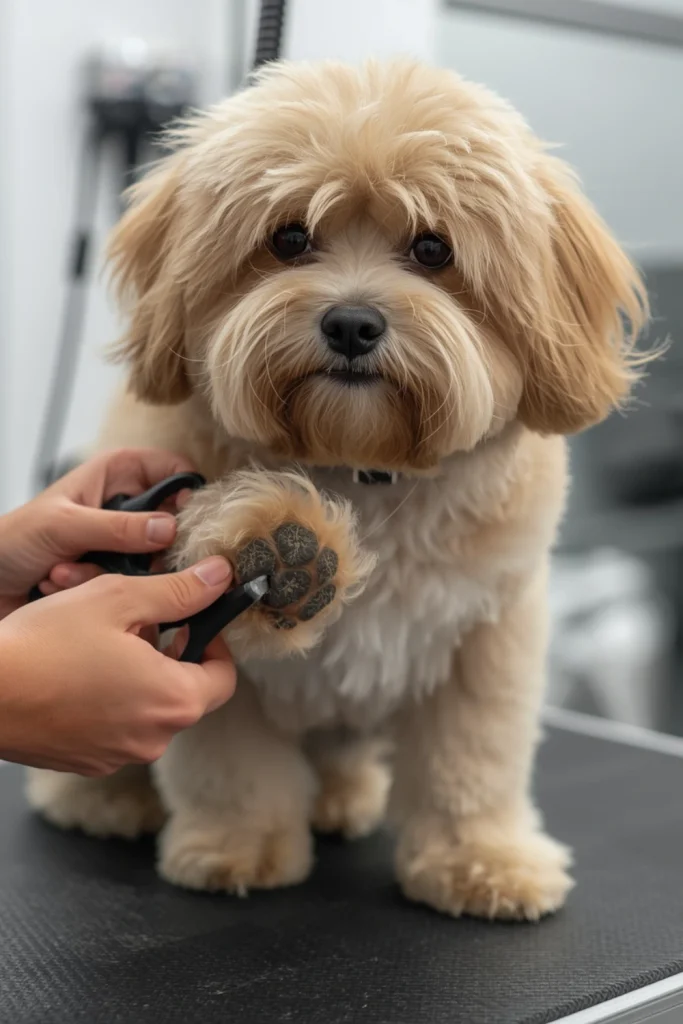
Long hair around the paws can collect mud, grass, dirt, and small pieces of debris during walks. Excessive hair may also make it harder for your dog to maintain good footing on smooth indoor surfaces. Regularly inspect the fur between and around the paws to check whether it has become too long or tangled. Keeping the area tidy can make everyday cleaning easier and help prevent debris from becoming trapped in the coat.
If paw hair needs trimming, use appropriate pet grooming equipment and proceed carefully. The skin around the toes and paw pads is delicate, so avoid cutting too close to the skin. Never force your dog to remain still if it is uncomfortable with paw handling. A professional groomer can safely tidy the feet, particularly if your dog has thick hair between the pads. Also inspect the paw pads for cuts, swelling, redness, or foreign objects.
10. Clean Your Dog’s Ears Regularly
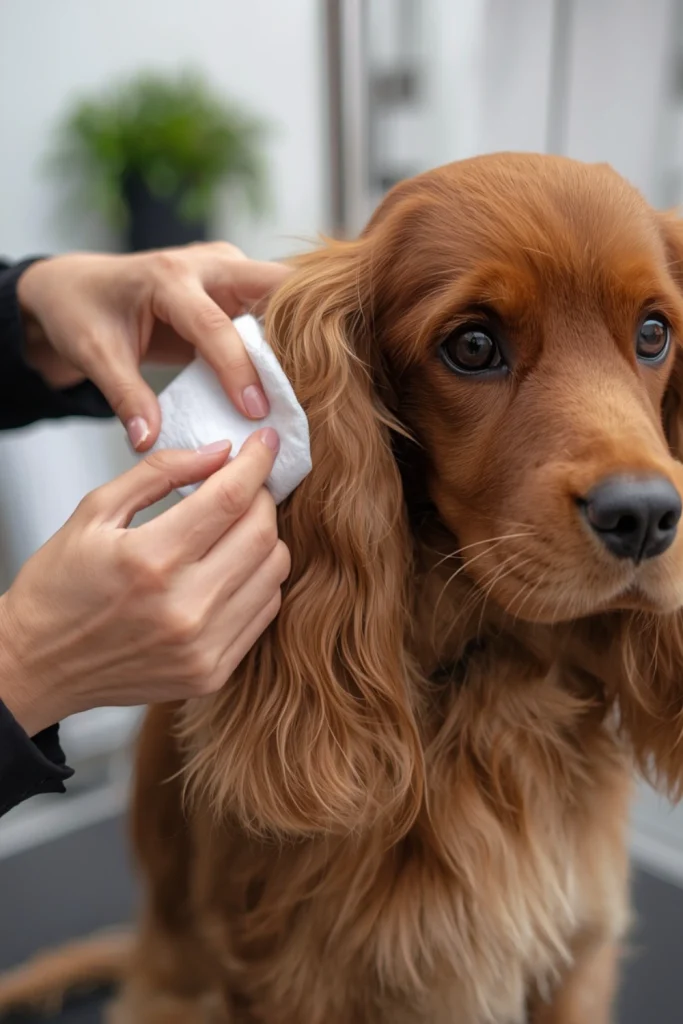
Long-haired dogs with floppy ears may need regular ear checks because their ear shape and surrounding hair can trap moisture and debris. Cleaning the outer ear area when necessary can help maintain hygiene. Check your dog’s ears during grooming sessions for visible dirt, redness, unusual discharge, swelling, or unpleasant odors. Regular inspection helps you notice changes early, especially in breeds with long, heavy ears.
Use only a veterinarian-approved ear-cleaning solution and follow the product instructions. Gently clean the visible outer ear area with an appropriate cotton pad or gauze. Never insert cotton swabs, fingers, or other objects deep into the ear canal. Excessive cleaning can also irritate the ear, so follow veterinary guidance on frequency. If your dog shakes its head repeatedly, scratches its ears, or shows signs of pain, arrange a veterinary examination instead of attempting to treat the problem yourself.
11. Keep Your Dog’s Nails Properly Trimmed
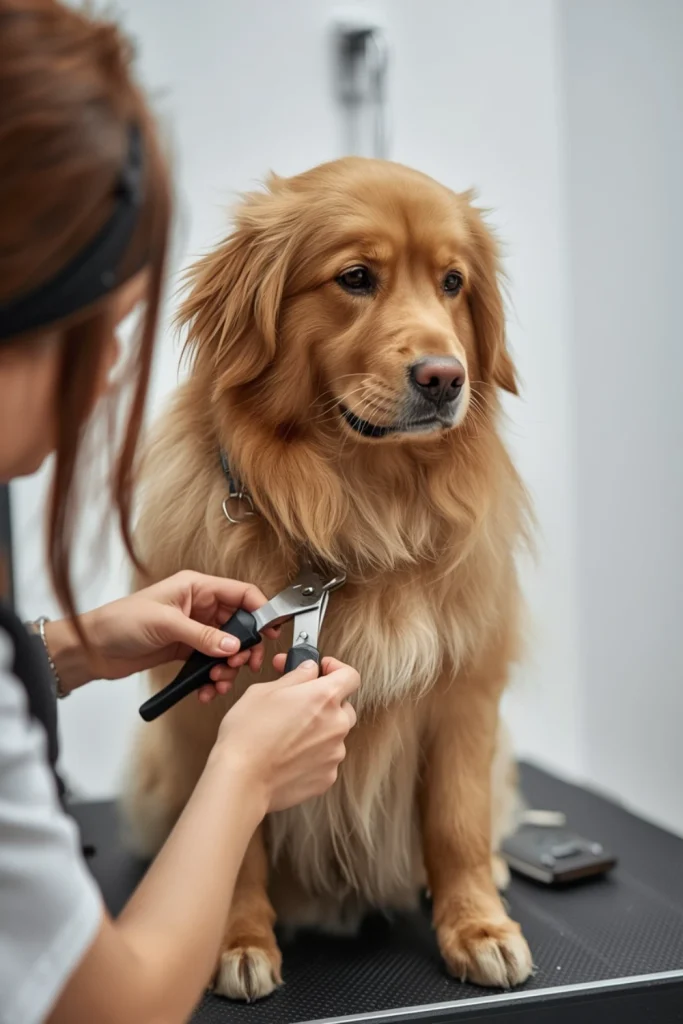
Nail care is another essential part of a complete grooming routine. Long nails can make walking uncomfortable and may affect how your dog places its paws on the ground. Dogs with long coats sometimes hide their nails beneath the surrounding hair, making regular inspection especially important. Check your pet’s nails during grooming sessions and look for signs that they are becoming excessively long or starting to curve.
Use nail clippers or a grinder specifically designed for dogs, and learn how to identify the quick, which contains blood vessels and nerves. Cutting too close can cause pain and bleeding. If your dog has dark nails or becomes nervous during trimming, a professional groomer or veterinarian can help. Trim gradually rather than attempting to remove too much nail at once. Regular nail maintenance supports comfortable movement and helps prevent nail-related injuries.
12. Brush the Undercoat to Reduce Loose Hair
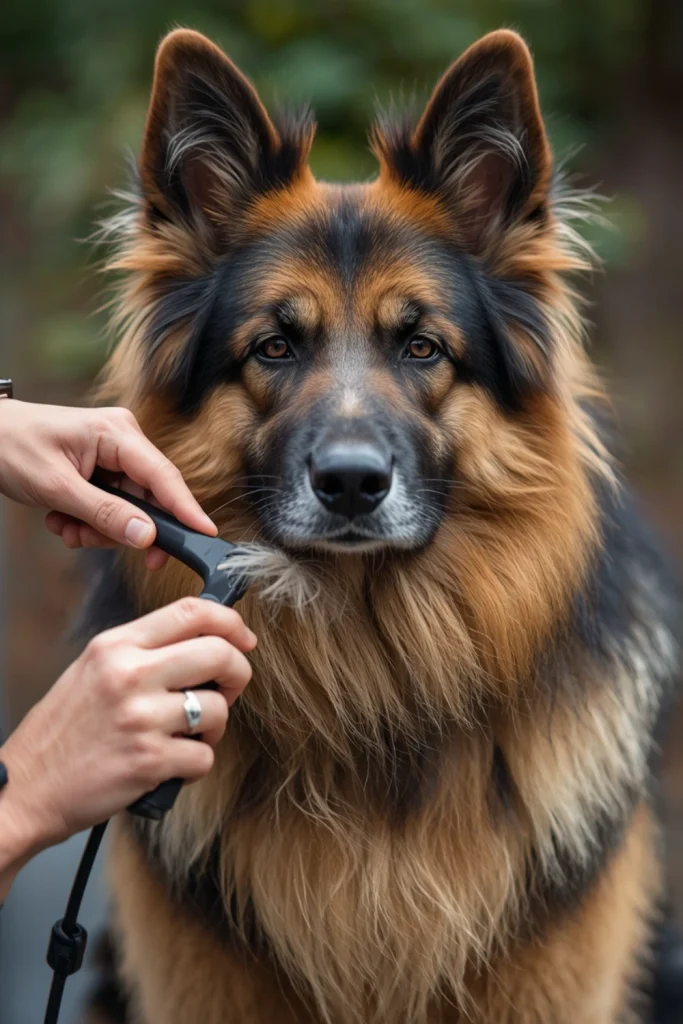
Some long-haired breeds have a double coat consisting of a protective outer layer and a softer undercoat. The undercoat can hold loose hair, especially during seasonal shedding periods. Regular brushing with an appropriate undercoat rake or deshedding tool can help remove loose undercoat hair before it collects in the surrounding fur. German Shepherds, Golden Retrievers, and other double-coated breeds may benefit from a grooming routine designed for their particular coat structure.
Always choose an undercoat tool suitable for your dog’s breed and use it according to the manufacturer’s directions. Avoid aggressive brushing or repeatedly working over the same area because this can damage healthy hair and irritate the skin. Double-coated dogs generally should not be shaved simply to reduce shedding, as their coat plays an important role in insulation and protection. If you are unsure how to manage your dog’s undercoat, ask an experienced groomer for guidance.
13. Maintain a Healthy Grooming Schedule
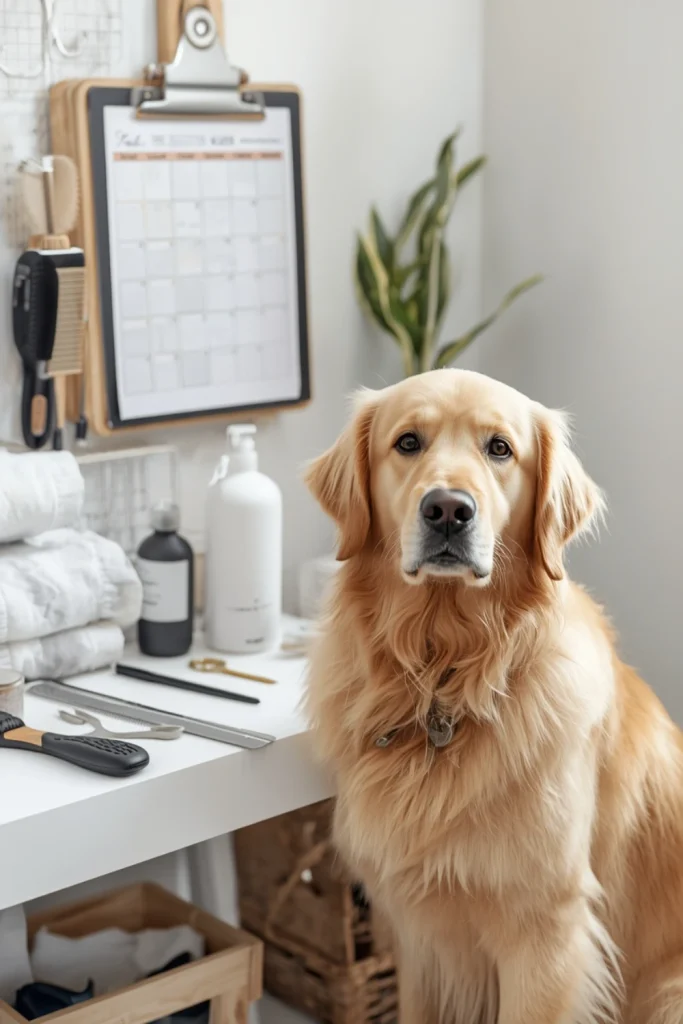
A consistent grooming schedule makes it easier to maintain your dog’s coat without allowing small problems to become serious. Instead of waiting until your dog looks dirty or develops tangles, divide grooming tasks throughout the week. For example, you can brush daily, check the ears several times a week, inspect the paws regularly, and schedule baths according to your dog’s needs. This approach prevents grooming from becoming an overwhelming task.
Your schedule should reflect your dog’s breed, coat type, lifestyle, and health requirements. A dog that enjoys outdoor adventures may need more frequent cleaning than a pet that spends most of its time indoors. Keep a simple grooming checklist to track brushing, bathing, nail care, and professional grooming appointments. If you notice repeated matting despite regular brushing, review your technique and consider getting advice from a professional groomer.
14. Visit a Professional Dog Groomer When Needed
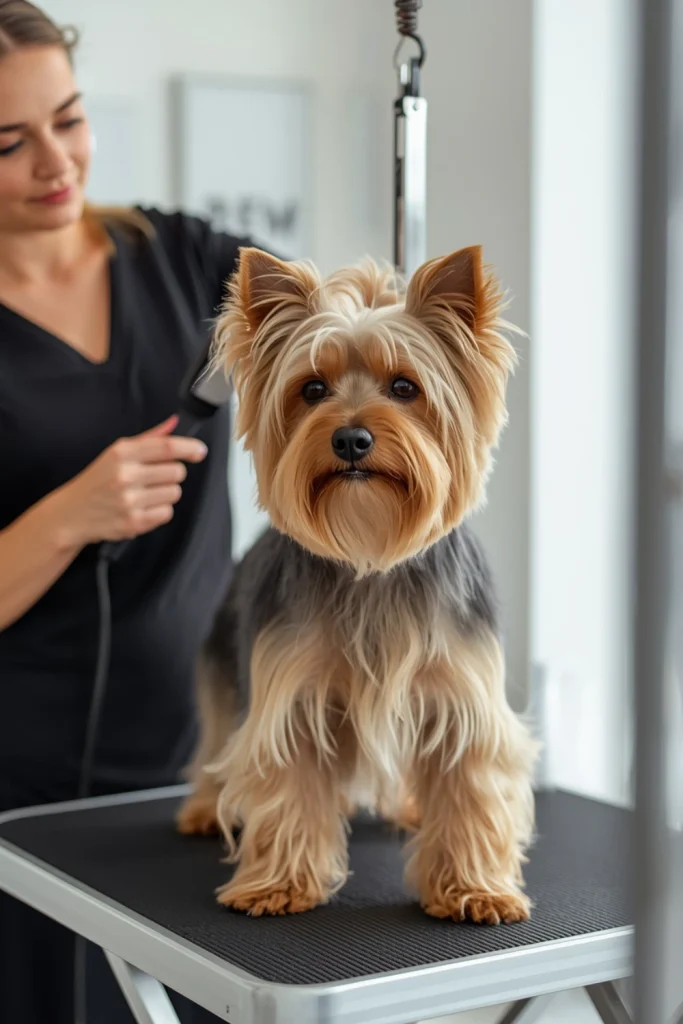
Home grooming is important, but some grooming tasks are easier and safer when performed by an experienced professional. Professional groomers have specialized tools and training to manage difficult tangles, trim long coats, tidy sensitive areas, and maintain breed-appropriate styles. Dogs with thick, curly, or extremely long coats may particularly benefit from regular professional grooming appointments. A groomer can also help you understand which brushing techniques and tools are suitable for your pet.
Choose a groomer who has experience with your dog’s breed and uses gentle handling practices. Before booking an appointment, discuss your dog’s coat condition, preferred haircut, skin sensitivities, and any previous grooming difficulties. Ask about the grooming process and how they handle nervous dogs. If your pet has painful matting, skin wounds, or suspected infections, consult a veterinarian first. Professional grooming should support your home care routine rather than replace it.
15. Make Grooming a Positive and Relaxing Experience
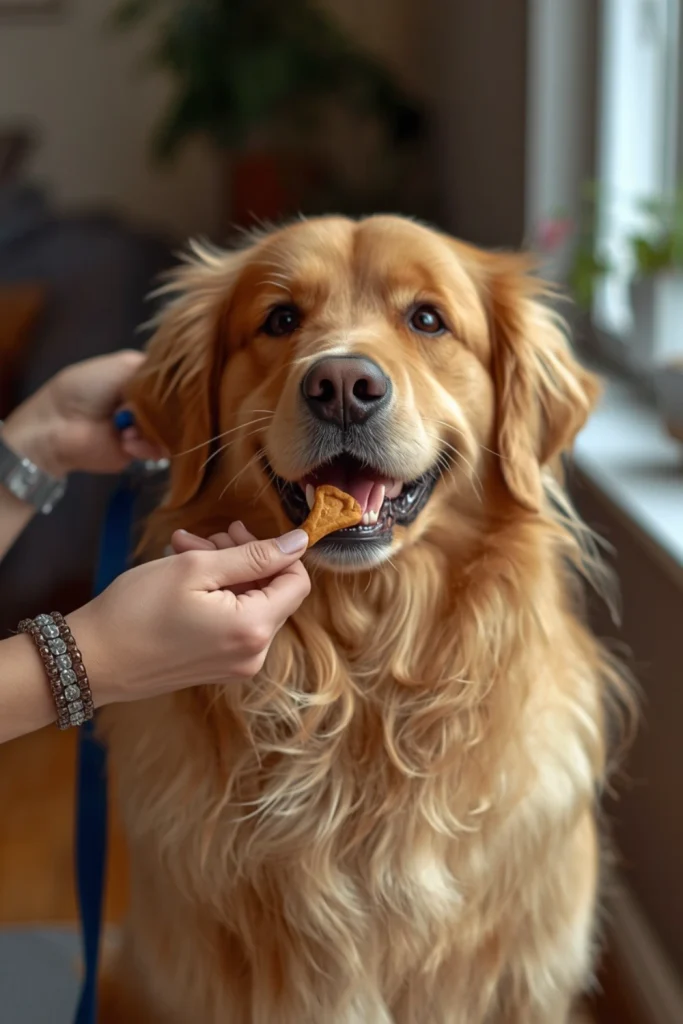
Grooming should be a comfortable experience rather than something your dog fears. Some dogs naturally enjoy being brushed, while others need time to become familiar with grooming tools and handling. Introduce each activity gradually and reward calm behavior with praise, affection, or suitable treats. If your dog becomes nervous, take a break and return to grooming later. Short, positive sessions are often more effective than forcing your pet to complete an entire grooming routine at once.
Choose a quiet area with a comfortable surface where your dog can relax. Avoid sudden movements, loud equipment, and rough handling. Speak gently and pay attention to your dog’s body language throughout the session. Over time, regular positive experiences can help your dog become more cooperative with brushing, bathing, nail trimming, and other grooming activities. This approach also strengthens the relationship between you and your pet while making long-term coat maintenance much easier.
Final Thoughts
Grooming a long-haired dog requires patience, consistency, and the right equipment. Regular brushing, proper bathing, careful drying, and routine inspections can help prevent painful mats and keep your dog’s coat looking beautiful. The most important Grooming Tips for Long-Haired Dogs include brushing daily, choosing suitable grooming tools, removing tangles early, and paying attention to sensitive areas such as the ears, paws, and belly.
Remember that every breed has different grooming requirements. A Golden Retriever may need a different brushing routine from a Shih Tzu or Yorkshire Terrier. Observe your dog’s coat condition and adjust your grooming schedule accordingly. Make grooming a positive experience with gentle handling, praise, and rewards. With consistent care, you can maintain a healthier coat, improve your dog’s comfort, and build a stronger bond with your furry companion.