
15 Easy Dog Bathing Tips for a Stress-Free Bath
Bath time is an important part of keeping your dog clean, healthy, and comfortable. However, not every dog enjoys getting wet. Some dogs become nervous when they hear running water, while others try to escape as soon as they see a bathtub. For new dog owners, making bath time peaceful can sometimes feel like a difficult task.
The good news is that bathing your dog does not have to be stressful. With the right preparation, gentle handling, and a few simple techniques, you can turn bath time into a positive experience. These 15 easy dog bathing tips will help you keep your furry friend clean, protect their skin and coat, and make every bath more comfortable for both of you.
1. Choose the Right Time for Bathing Your Dog
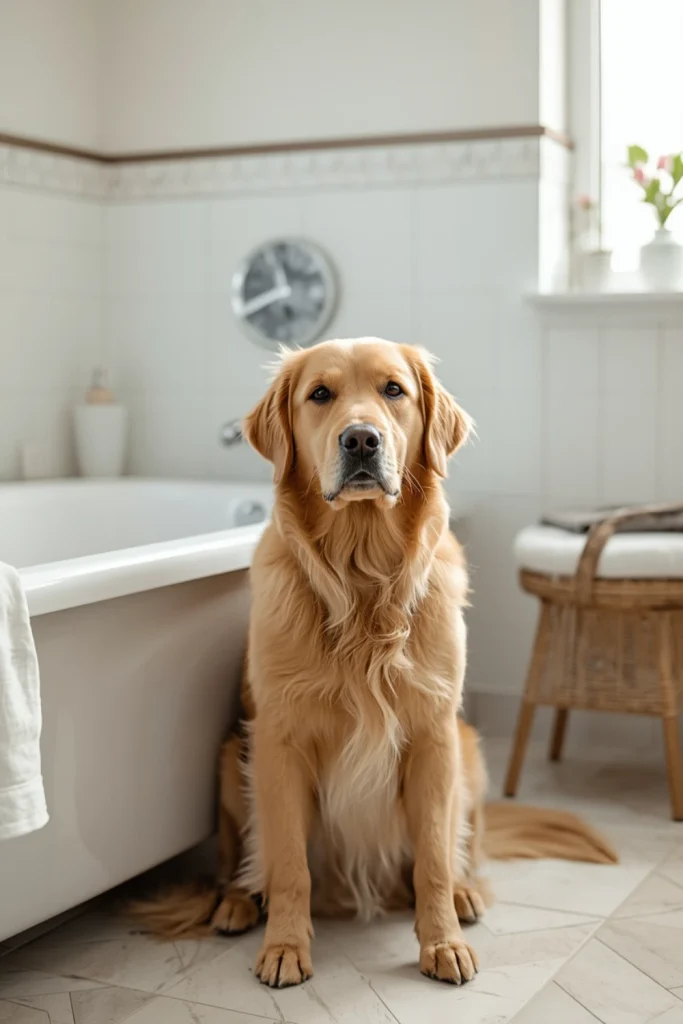
One of the easiest dog bathing tips is choosing a time when your dog is relaxed. Avoid bathing your pet immediately after an exciting walk, during playtime, or when they are already feeling anxious. A calm environment helps your dog feel more comfortable and makes the bathing process easier.
Choose a time when your dog is not hungry, overly energetic, or tired. You can take your dog for a gentle walk before bath time to help release some energy. However, allow your pet to relax afterward. When your dog feels comfortable, they are more likely to cooperate during bathing.
2. Brush Your Dog Before Starting the Bath
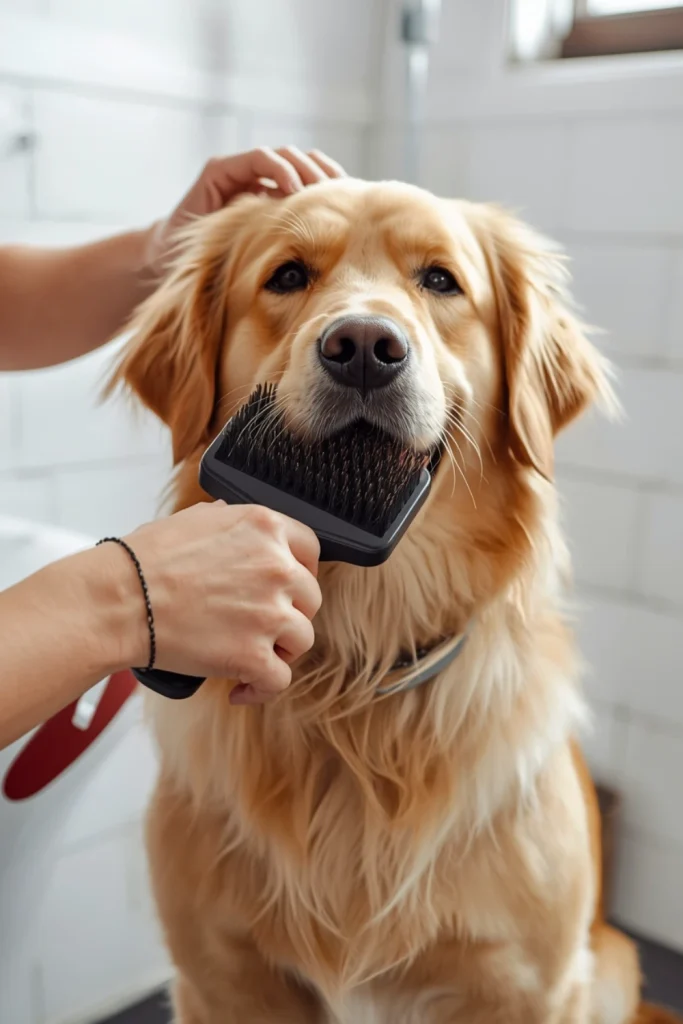
Brushing your dog’s coat before bathing is an important grooming step. Loose hair, dirt, and small tangles can become more difficult to remove when the coat gets wet. Brushing helps remove loose fur and prevents minor knots from becoming tighter during bathing.
Use a suitable brush depending on your dog’s coat type. Slicker brushes work well for many long-haired and curly-coated dogs, while bristle brushes can be useful for some short-haired breeds. Always brush gently and avoid pulling tangled hair. If your dog has severe mats close to the skin, consider getting help from a professional groomer.
3. Use Dog-Friendly Shampoo
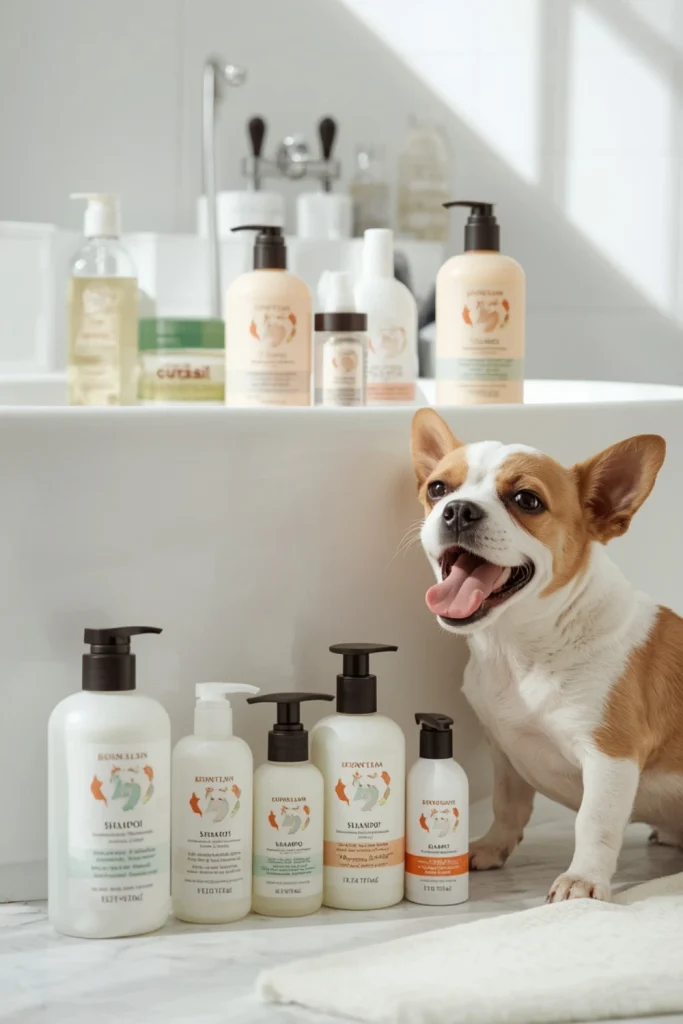
Never assume that human shampoo is suitable for your dog. Human skin has a different pH balance from canine skin, so human shampoos may cause dryness, irritation, or discomfort. Choose a shampoo specifically formulated for dogs and appropriate for your pet’s coat and skin condition.
If your dog has sensitive skin, look for a gentle, fragrance-free dog shampoo. Avoid products containing ingredients that may irritate your pet. Dogs with persistent itching, allergies, or skin problems may need a veterinarian-recommended shampoo. Always read product instructions before use and never apply medicated products without appropriate guidance.
4. Prepare Everything Before Bath Time
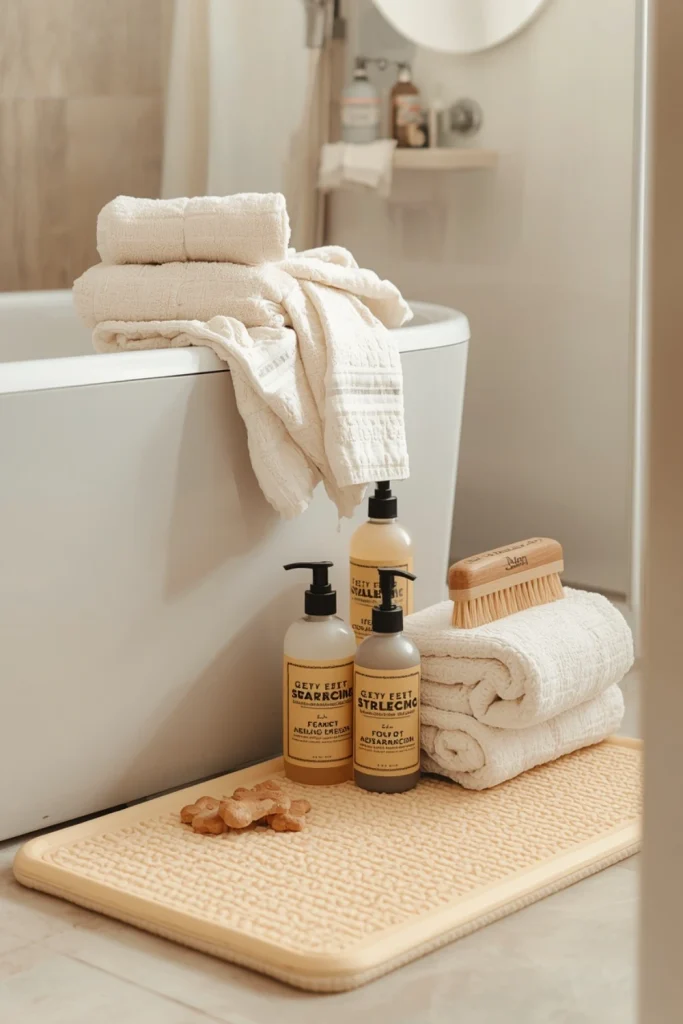
One common mistake new dog owners make is starting a bath without preparing the necessary supplies. Leaving your wet dog unattended while searching for shampoo or towels can make the experience stressful. Preparing everything in advance helps you complete the bath smoothly.
Keep dog shampoo, a few soft towels, a non-slip mat, a cup or gentle shower attachment, and a brush nearby. You may also keep some small dog treats within reach. Having everything ready allows you to focus on your pet instead of searching for supplies halfway through the bath.
5. Make the Bathroom Comfortable and Safe
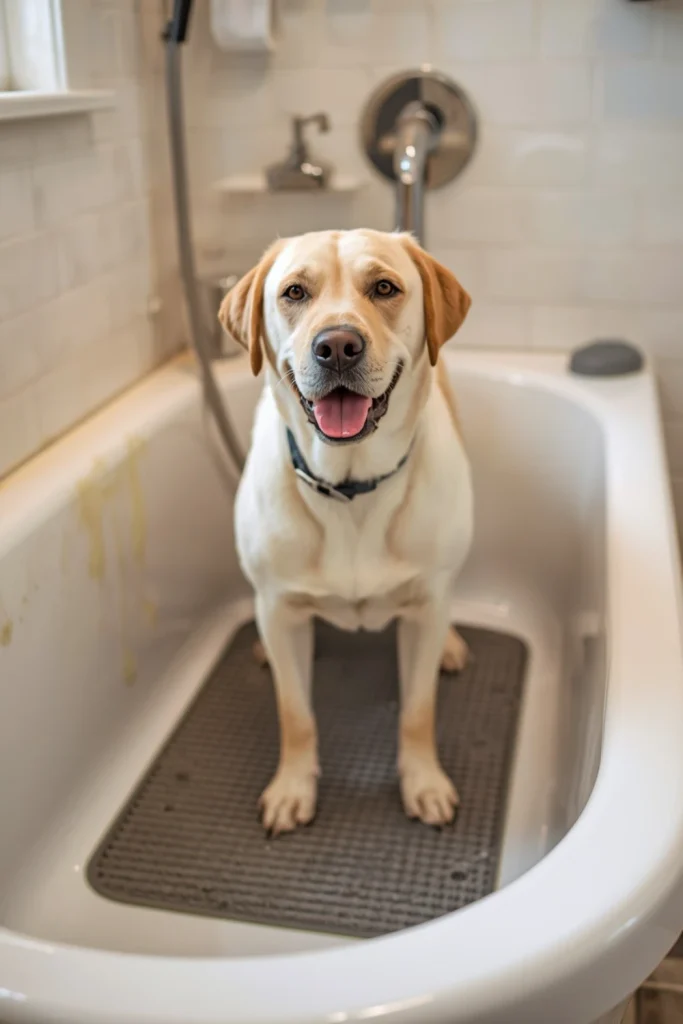
Your dog’s bathing area should feel safe, quiet, and comfortable. A slippery bathtub can make dogs nervous because they may struggle to maintain their balance. Placing a non-slip rubber mat on the bottom of the tub helps your pet stand more confidently.
Make sure the room is comfortably warm and free from unnecessary distractions. Remove electrical appliances and keep cleaning products out of your dog’s reach. Check that the bathing area has enough space for your dog to stand and turn around. A comfortable environment can make a noticeable difference in your dog’s bathing experience.
6. Use Lukewarm Water Instead of Hot or Cold Water
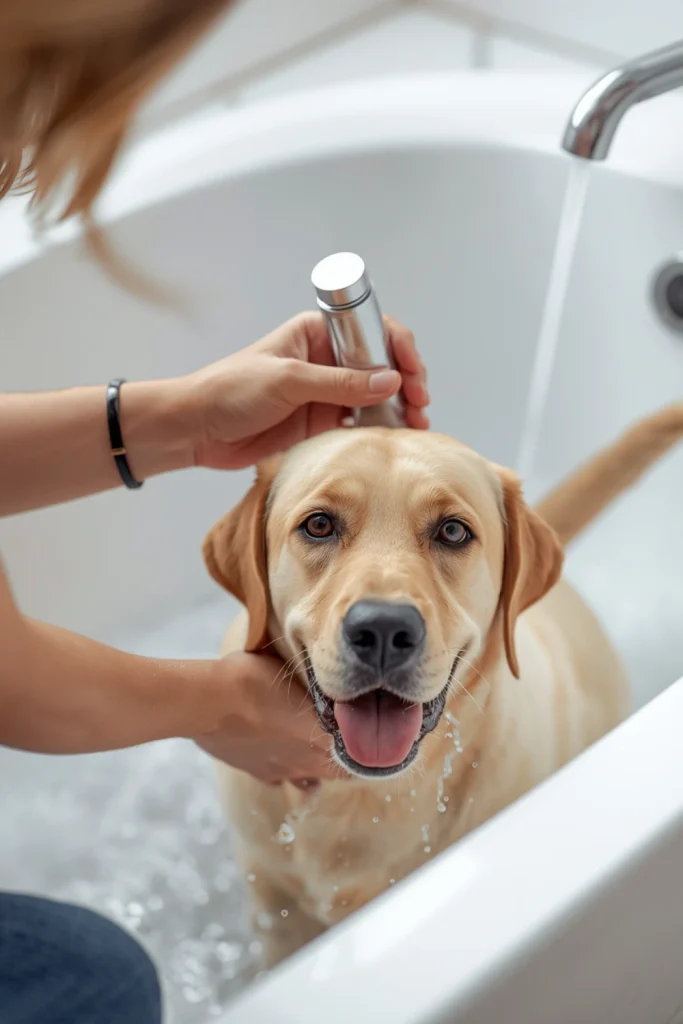
Water temperature is another important part of stress-free dog bathing. Water that is too hot can irritate your dog’s sensitive skin, while very cold water may make your pet uncomfortable. Lukewarm water is generally the most comfortable choice for most dogs.
Before wetting your dog, test the water temperature with your hand. It should feel comfortably warm rather than hot. Start with a gentle stream of water and gradually wet your dog’s body. Avoid suddenly pouring water over your pet’s head because unexpected splashing can frighten nervous dogs.
7. Introduce Your Dog to Water Slowly
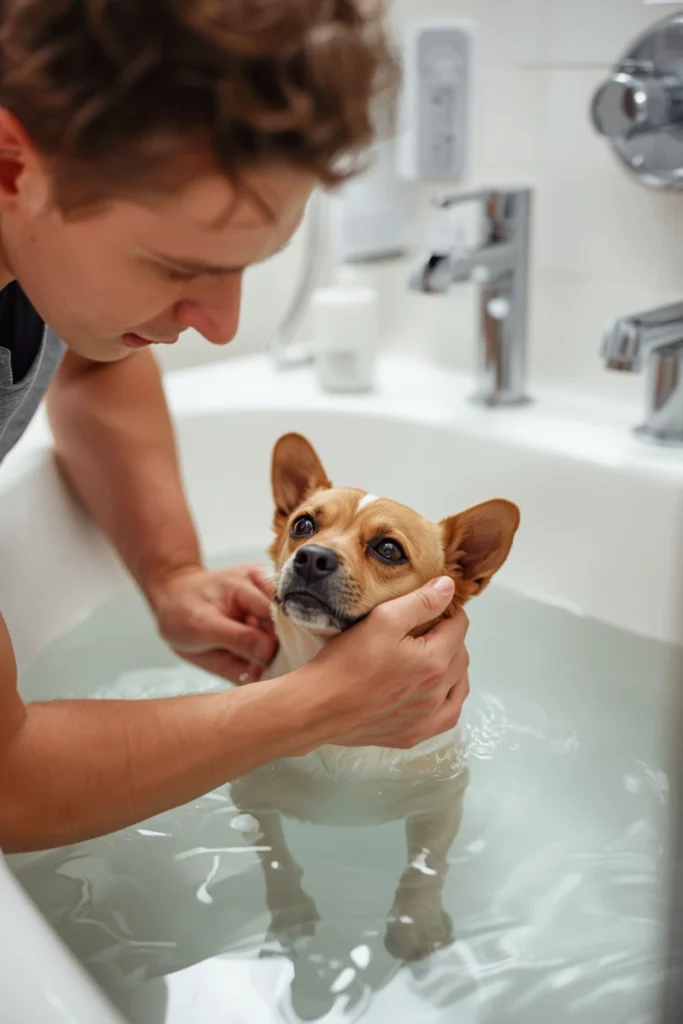
Some dogs are naturally comfortable around water, while others become nervous when they hear a shower or see a bathtub. If your dog dislikes bathing, introducing water slowly can help build confidence. Never force your pet into the bathtub or suddenly spray them with water.
Begin by allowing your dog to explore the bathing area while it is dry. Reward calm behavior with treats and praise. Once your dog becomes comfortable, introduce a small amount of lukewarm water to their paws and legs. Gradually increase the amount of water as your pet becomes more relaxed.
8. Wet Your Dog’s Body Gently
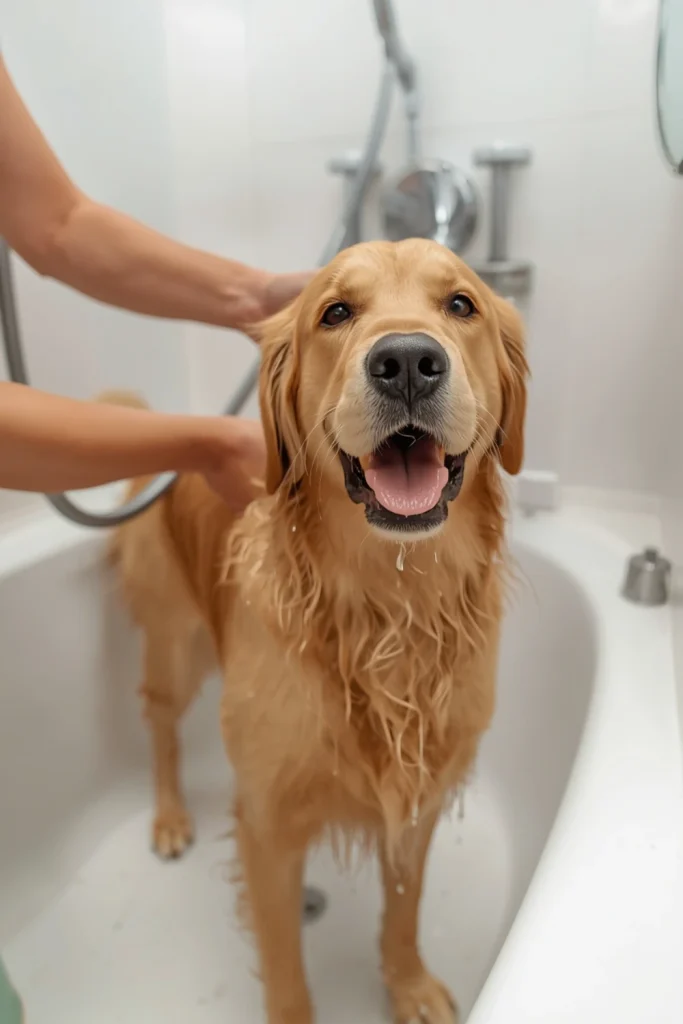
When your dog is ready for a bath, start by gently wetting the body. Begin around the legs and move toward the back, sides, and chest. Using a gentle shower attachment or a small cup can help you control the water flow and prevent unnecessary splashing.
Avoid spraying water directly into your dog’s face, ears, or nose. These areas are sensitive and may cause discomfort if water enters them. Speak softly throughout the process and observe your dog’s reactions. If your dog becomes uncomfortable, slow down and give them a short break before continuing.
9. Apply Shampoo Carefully and Massage Gently
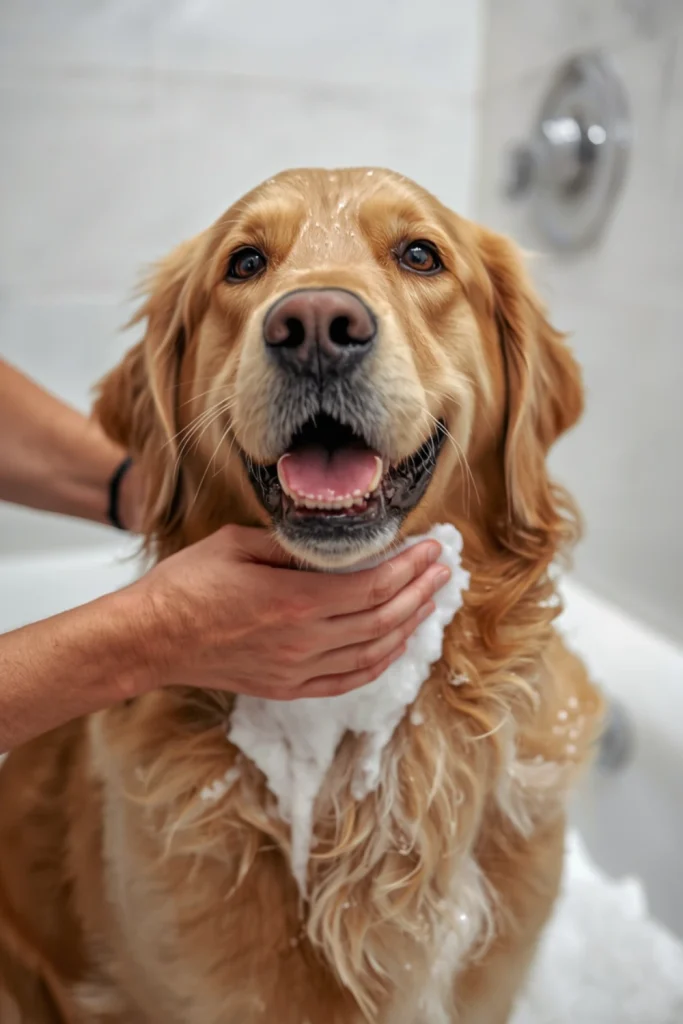
Once your dog’s coat is completely wet, apply an appropriate amount of dog shampoo according to the product instructions. Work the shampoo gently into the coat using your fingertips. Start with the neck and shoulders, then move toward the back, chest, legs, and tail.
Avoid rubbing too aggressively because rough handling can irritate your dog’s skin and make bath time uncomfortable. Pay attention to areas where dirt commonly collects, such as the paws and underside. Keep shampoo away from the eyes, nose, and inside of the ears. Gentle massage can help make bathing a more pleasant experience.
10. Protect Your Dog’s Eyes and Ears
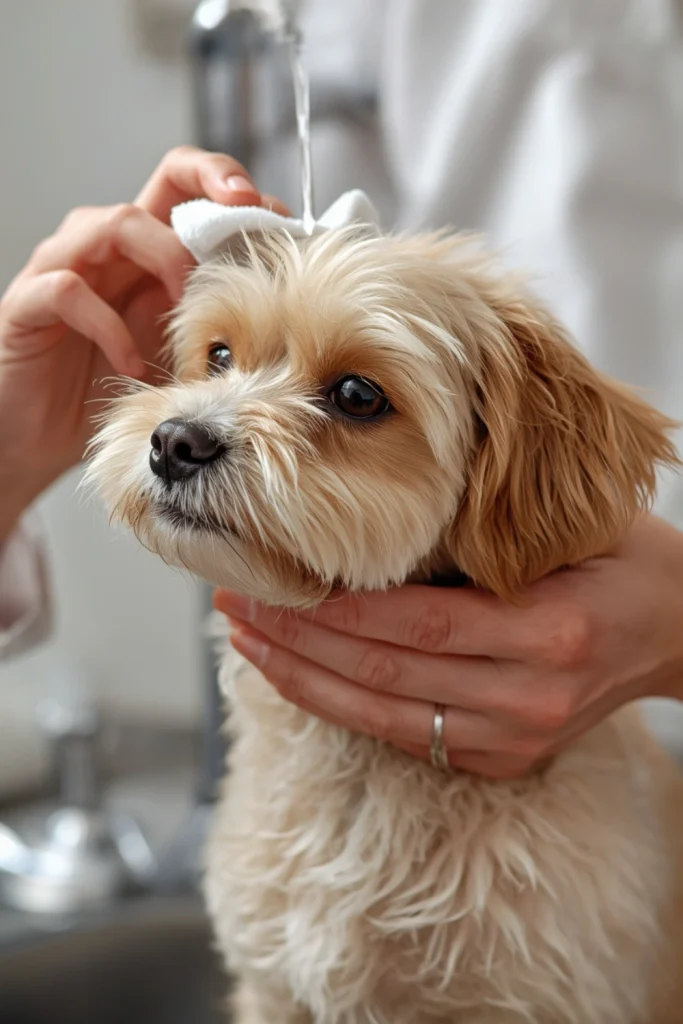
Your dog’s eyes and ears need extra attention during bathing. Shampoo entering the eyes can cause irritation, while moisture trapped inside the ears may contribute to ear problems. Being careful around these sensitive areas helps prevent unnecessary discomfort.
Use a damp washcloth to clean your dog’s face instead of pouring water directly over it. Gently wipe around the eyes and muzzle without getting soap into them. Keep water away from the ear canals. If your dog’s ears need cleaning, use a veterinarian-approved ear-cleaning product separately and follow professional instructions.
11. Rinse the Coat Thoroughly
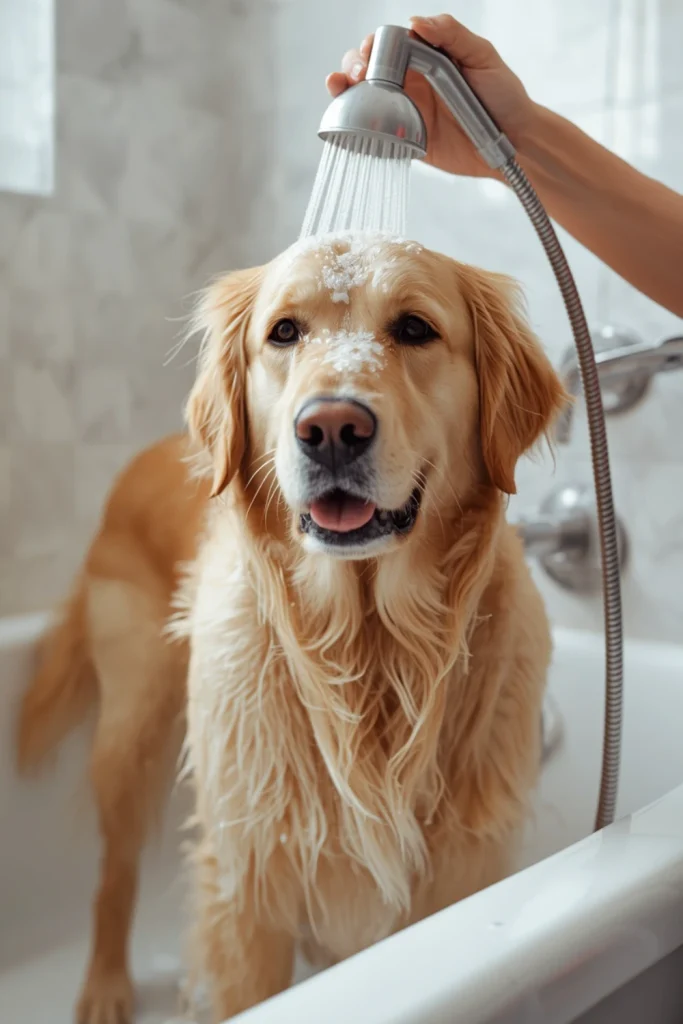
Rinsing is one of the most important dog bathing tips because leftover shampoo can irritate your dog’s skin. Even when the coat looks clean, shampoo residue may remain close to the skin, particularly in thick or long-haired breeds.
Use lukewarm water and rinse the entire body carefully. Pay attention to the belly, legs, paws, chest, and areas underneath the tail. Continue rinsing until the water runs clear and you can no longer feel shampoo in the coat. Take your time because proper rinsing helps keep your dog’s skin comfortable after bathing.
12. Dry Your Dog With a Soft Towel
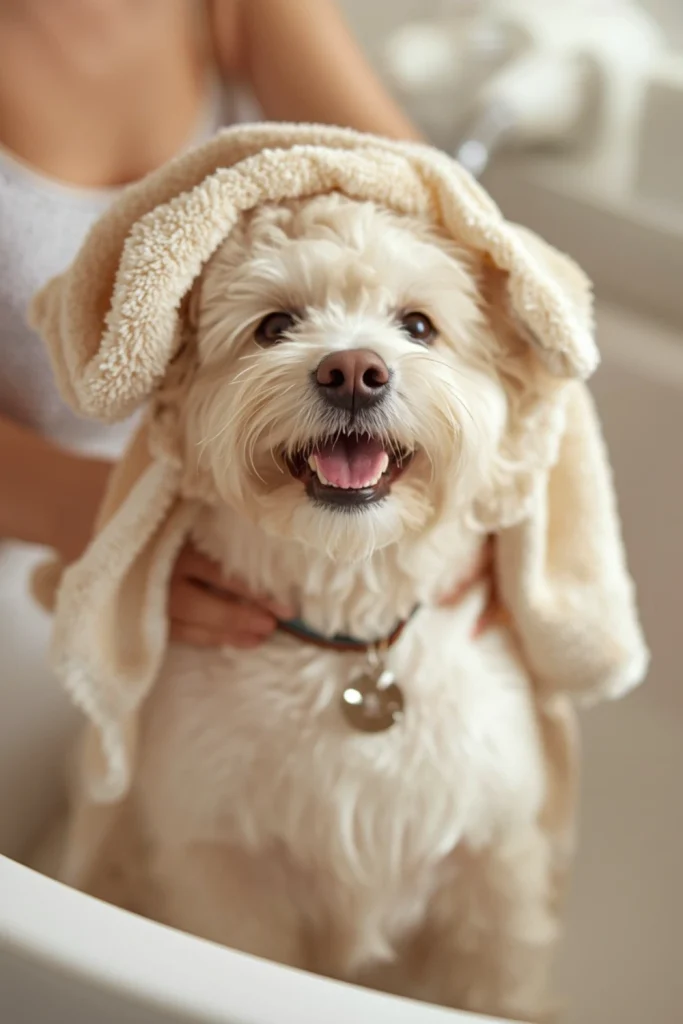
After rinsing, gently remove excess water from your dog’s coat using a clean, absorbent towel. Begin with the back and sides before carefully drying the legs, belly, and paws. Avoid rubbing too aggressively because rough towel movements can create tangles in long-haired dogs.
Some dogs enjoy towel drying, while others become nervous when wrapped in a towel. Use calm movements and allow your pet to stand comfortably. For thick-coated breeds, you may need more than one towel to absorb moisture effectively. Make sure your dog stays in a warm, comfortable area until completely dry.
13. Use a Hair Dryer Carefully When Needed
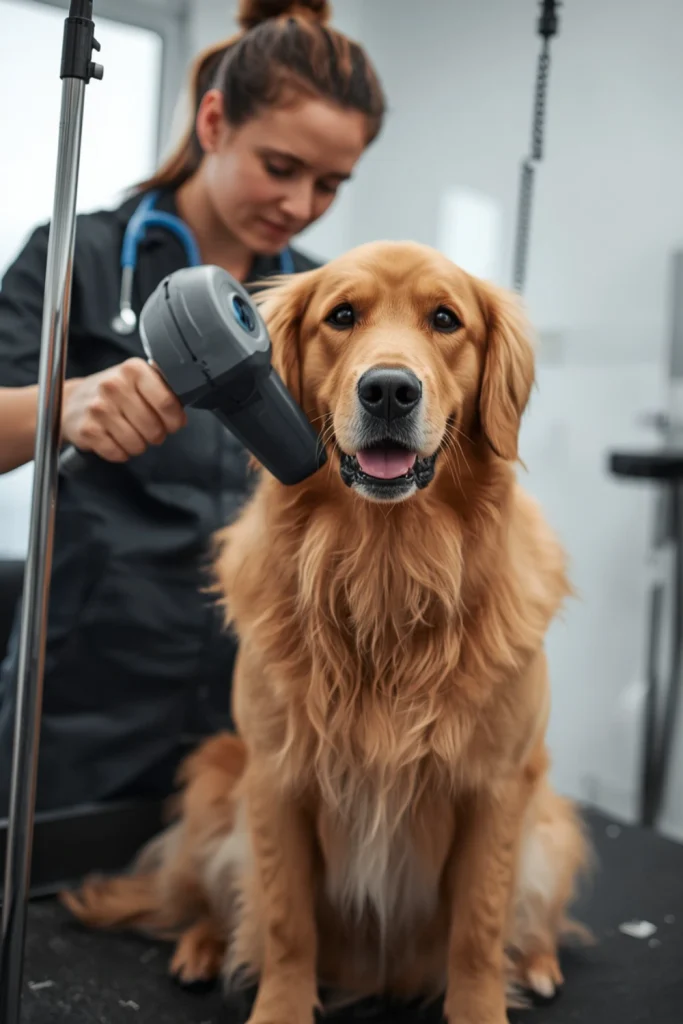
Some dogs have thick coats that take a long time to dry naturally. A pet-safe hair dryer can help speed up the drying process, especially for long-haired and double-coated breeds. However, not every dog feels comfortable around the noise and airflow of a dryer.
If you use a dryer, choose a low-heat or cool setting designed for pet grooming. Keep it at a safe distance and continuously move the airflow to prevent overheating one area. Never direct hot air toward your dog’s face, ears, or sensitive skin. If your dog becomes frightened, stop and use towels instead.
14. Reward Your Dog After Every Bath
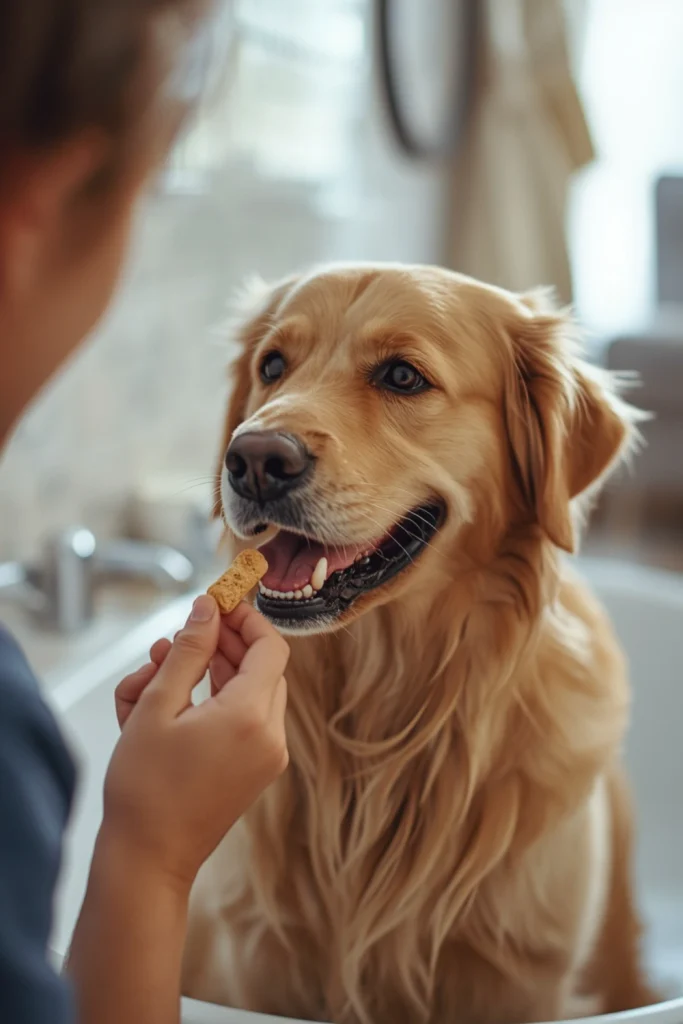
Positive reinforcement can help your dog develop a better attitude toward bathing. If your pet receives praise, attention, and tasty treats after a bath, they may begin connecting bath time with enjoyable experiences.
Give your dog a small treat after completing the bath and praise them for remaining calm. You can also offer a favorite toy or spend a few minutes playing together once they are dry. If your dog is nervous, reward small achievements throughout the process rather than waiting until the end. Consistent positive experiences can gradually improve cooperation.
15. Follow a Suitable Bathing Schedule
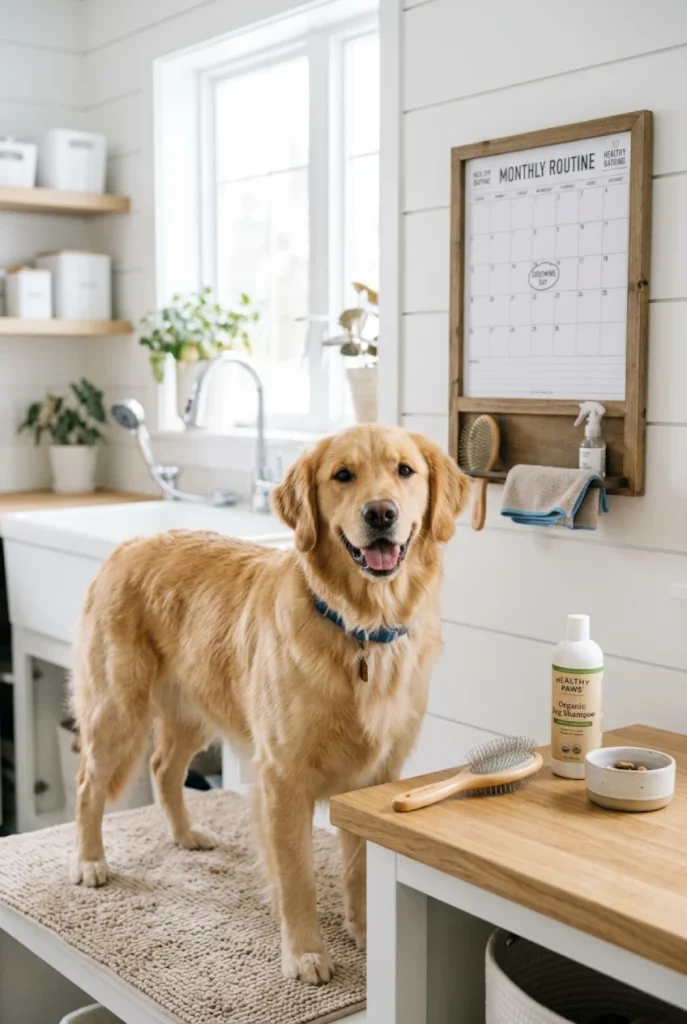
Bathing your dog too frequently can remove natural oils from the skin and lead to dryness. On the other hand, waiting too long between baths may allow dirt, unpleasant odors, and loose debris to build up. Finding a suitable bathing schedule is important for maintaining a healthy coat.
The ideal bathing frequency depends on your dog’s breed, coat type, lifestyle, and skin condition. Some dogs need baths more often because they spend time outdoors, while others require less frequent bathing. Follow your veterinarian’s advice if your dog has allergies or skin problems. Regular brushing between baths can also help maintain a clean and healthy coat.
Final Thoughts
Bathing your dog is more than just keeping their coat clean. It is an opportunity to support their hygiene, check their skin condition, and build a stronger relationship with your furry friend. With the right preparation, gentle handling, suitable shampoo, and proper drying techniques, bath time can become a much more comfortable experience.
Remember that every dog is different. Some pets enjoy water, while others need extra patience and encouragement. Follow these 15 easy dog bathing tips, maintain a suitable grooming routine, and reward your dog for good behavior. With consistency and care, you can make every bath safer, easier, and less stressful.