
15 Grooming Tips for Large Dogs
Large dogs are wonderful companions, but keeping them clean, comfortable, and healthy can sometimes feel like a big responsibility. Their size, coat type, thick fur, large paws, and grooming needs often require extra time, patience, and the right techniques. Whether you have a Golden Retriever, German Shepherd, Labrador, Great Dane, Saint Bernard, or another large breed, a consistent grooming routine can make a noticeable difference.
The good news is that grooming your large dog does not have to be difficult or expensive. With the right tools, gentle handling, and a little preparation, you can make grooming a positive experience for both of you. These 15 practical Grooming Tips for Large Dogs will help you manage shedding, prevent tangles, maintain healthy skin, clean your dog’s ears, trim their nails, and keep their coat looking its best.
1. Choose the Right Grooming Tools for Your Large Dog
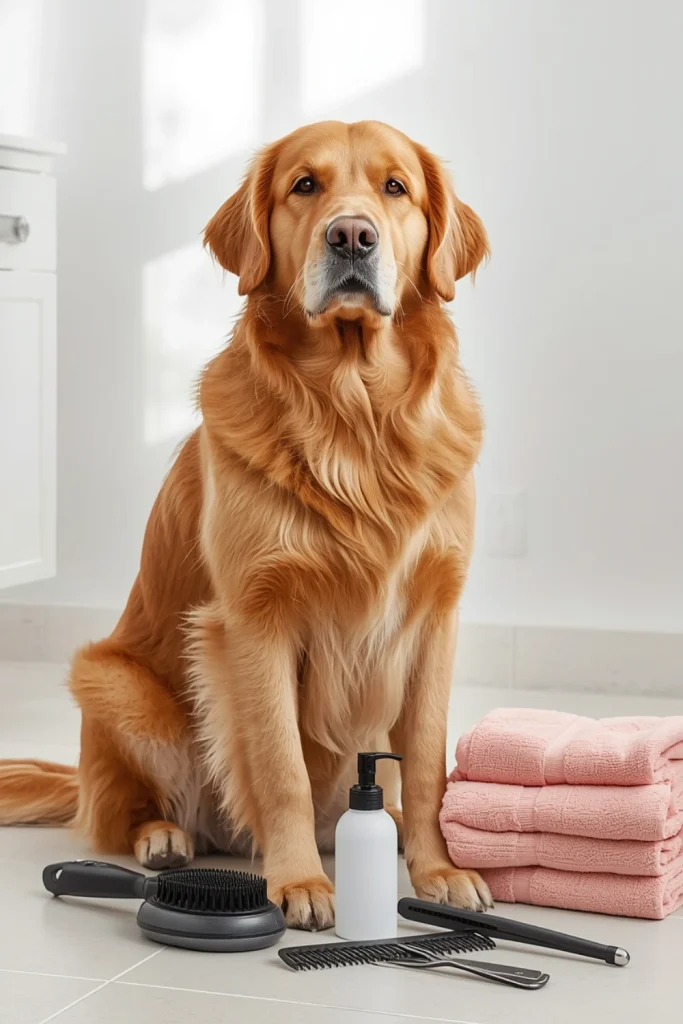
Selecting the right grooming tools is one of the most important steps in caring for a large dog. A small brush may not cover enough surface area, while an unsuitable comb can pull on the coat and cause discomfort. Choose tools according to your dog’s coat type, length, and thickness. A slicker brush can work well for many medium- and long-coated breeds, while an undercoat rake may help remove loose hair from double-coated dogs. A wide-tooth comb is useful for checking areas where tangles commonly develop.
Investing in durable, comfortable tools can make grooming faster and easier. Look for brushes with ergonomic handles because grooming a large dog can take several minutes, and uncomfortable tools may strain your hands. Keep a separate collection of grooming supplies, including dog shampoo, towels, nail clippers, a comb, and ear-cleaning products recommended for dogs. Avoid using human grooming products because their ingredients may irritate canine skin. Before using a new tool, introduce it slowly and allow your dog to sniff it. This simple step can help build confidence and make future grooming sessions more comfortable.
2. Brush Your Dog’s Coat Regularly
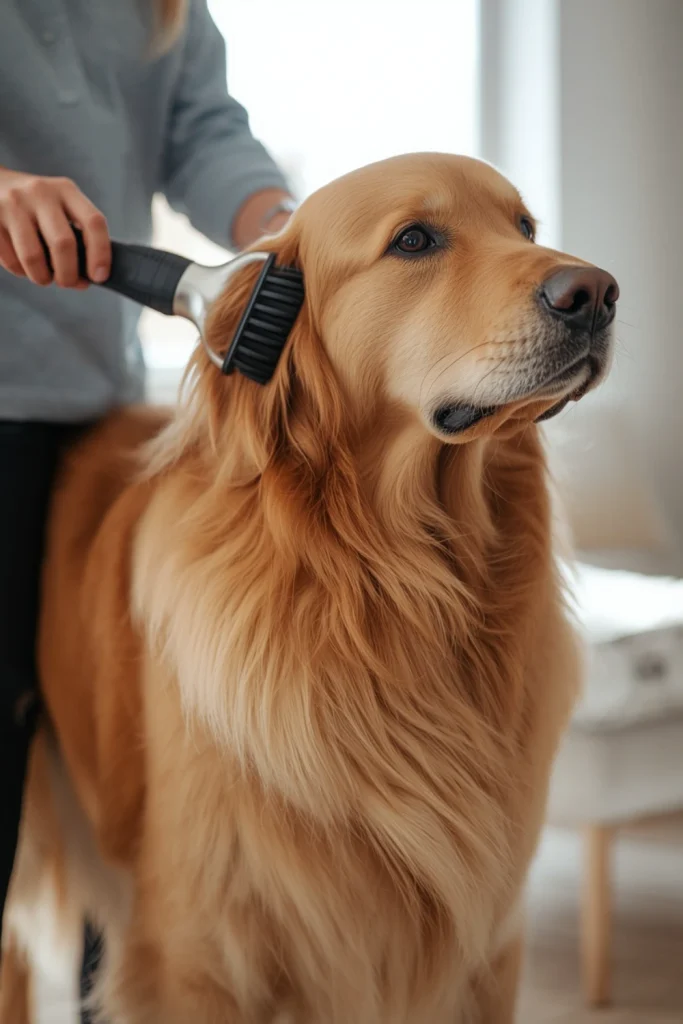
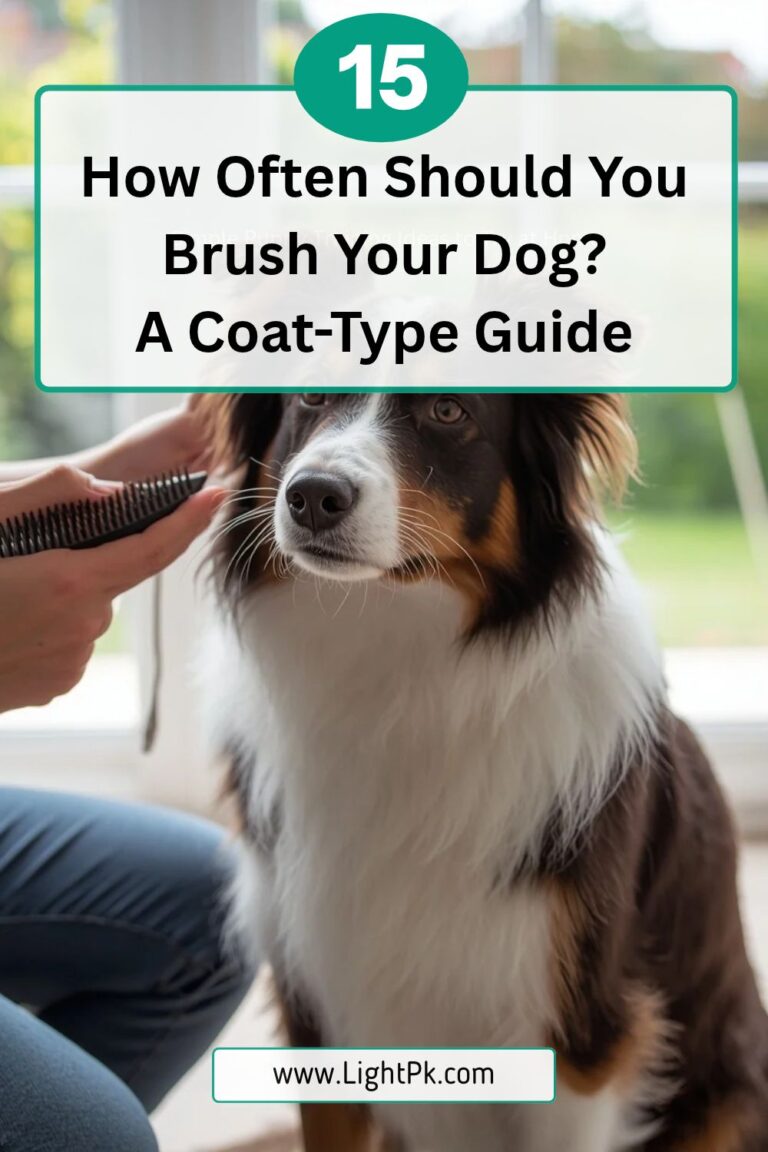
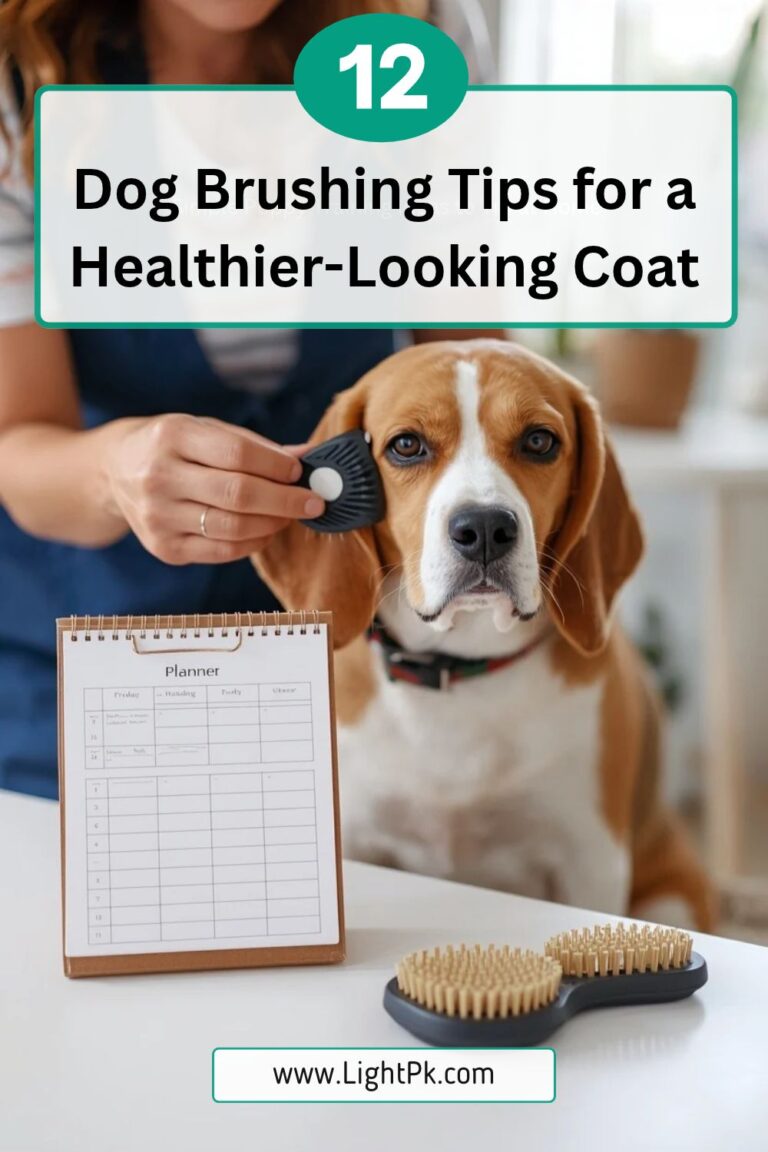
Regular brushing is essential for keeping a large dog’s coat clean, smooth, and healthy. Many large breeds have thick or double coats that collect loose hair, dust, and debris. Without regular brushing, loose fur can become trapped beneath the topcoat and contribute to tangles or mats. Brushing also helps distribute natural skin oils throughout the coat, giving it a healthier appearance. Choose a brushing schedule based on your dog’s coat. Short-haired dogs may need brushing a few times per week, while long-haired and heavy-shedding breeds may benefit from daily attention.
Make brushing a comfortable experience by starting at an easy-to-reach area, such as the back or shoulders. Use gentle strokes and avoid pressing the brush too hard against the skin. Work through the coat in manageable sections instead of trying to brush the entire dog at once. Pay particular attention to the chest, behind the ears, under the legs, and around the tail because these areas can develop tangles. If your dog becomes restless, take a short break and reward calm behavior. Consistent brushing is more effective than waiting until the coat becomes heavily tangled.
3. Understand Your Dog’s Coat Type
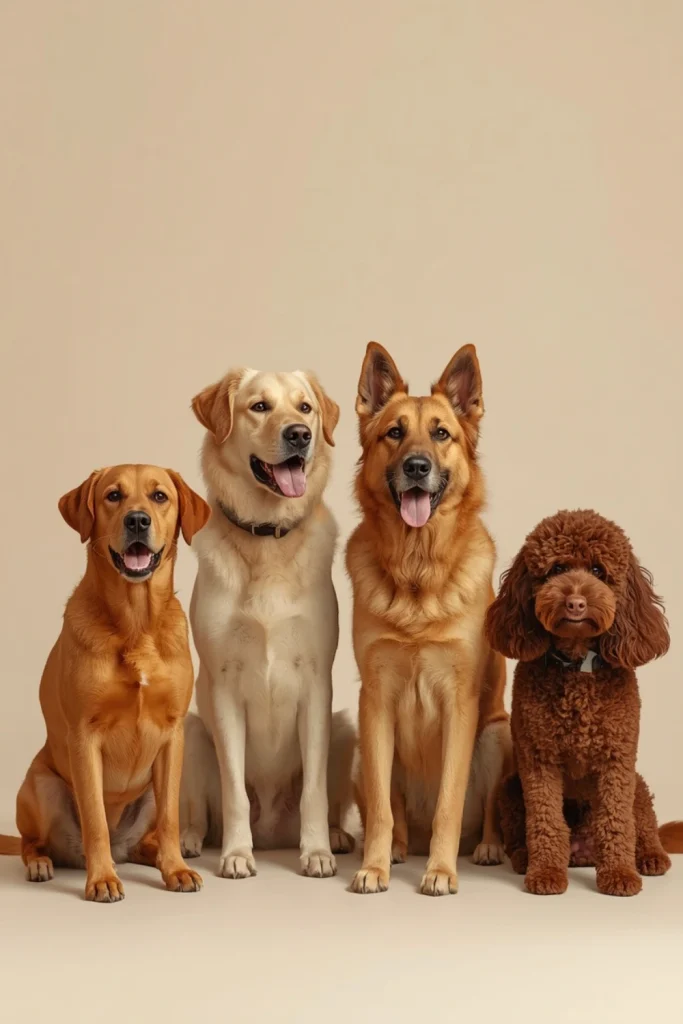
Not every large dog needs the same grooming routine. Understanding your dog’s coat type helps you choose suitable brushes, bathing products, and grooming techniques. Large breeds may have short coats, long coats, curly coats, or thick double coats. A Labrador Retriever, for example, has a short double coat that can shed heavily, while a German Shepherd has a dense coat that needs regular brushing. A Poodle’s curly coat requires a different approach because curls can trap loose hair and develop mats if neglected.
Before creating a grooming schedule, learn about your dog’s specific coat requirements. Short-haired dogs usually need less detangling, but they still benefit from regular brushing and skin checks. Long-haired dogs often require more frequent brushing, especially around the legs, chest, and tail. Double-coated breeds need careful attention to their undercoat, particularly during seasonal shedding. Curly-coated dogs may need professional grooming to maintain a manageable coat length. Avoid shaving double-coated breeds simply because they shed. Their coat provides insulation and protection, and shaving may interfere with its normal function. When uncertain, ask a professional groomer or veterinarian for breed-appropriate advice.
4. Bathe Your Large Dog When Necessary

Bathing helps remove dirt, unpleasant odors, and accumulated debris from your dog’s coat. However, large dogs do not need frequent baths unless they become especially dirty or have a specific skin-care requirement. Bathing too often can remove natural oils and leave the skin dry or irritated. The ideal bathing frequency depends on coat type, lifestyle, activity level, and skin condition. Dogs that spend a lot of time outdoors may need baths more frequently than dogs that mostly stay indoors. Your veterinarian can recommend a suitable bathing routine if your dog has sensitive skin or a medical skin condition.
Before bathing, brush your dog to remove loose fur and small tangles. Use lukewarm water and a shampoo formulated specifically for dogs. Wet the coat thoroughly, apply shampoo gently, and avoid getting products into the eyes, nose, and ears. Rinse carefully because leftover shampoo can cause itching and irritation. Large dogs may need more water and time for a complete rinse, so work patiently in sections. If your dog is uncomfortable with the bathtub or shower, use a non-slip surface and offer treats for calm behavior. A positive bathing experience can make future grooming sessions much easier.
5. Dry Your Dog’s Coat Thoroughly

Drying is an important part of grooming, especially for large dogs with thick or double coats. A dog’s outer fur may appear dry while moisture remains trapped close to the skin. This can lead to an uncomfortable damp coat and may contribute to skin irritation or odor. Dogs with dense fur, such as Saint Bernards, Newfoundlands, and German Shepherds, may need additional drying time after a bath. Do not rush this stage. Use absorbent towels to remove as much water as possible before considering a pet-safe dryer.
For dogs that tolerate dryers, choose a pet-specific dryer or a suitable low-heat setting and keep the airflow moving. Avoid directing hot air toward one spot because it can irritate or burn the skin. Keep the dryer at a comfortable distance and watch your dog’s body language. If your dog becomes frightened, stop and allow them to relax before continuing. For dogs that dislike dryers, use several dry towels and allow them to finish drying in a warm, well-ventilated area. Check underneath the legs, around the chest, and behind the ears to make sure these areas are completely dry.
6. Pay Extra Attention to Your Dog’s Paws

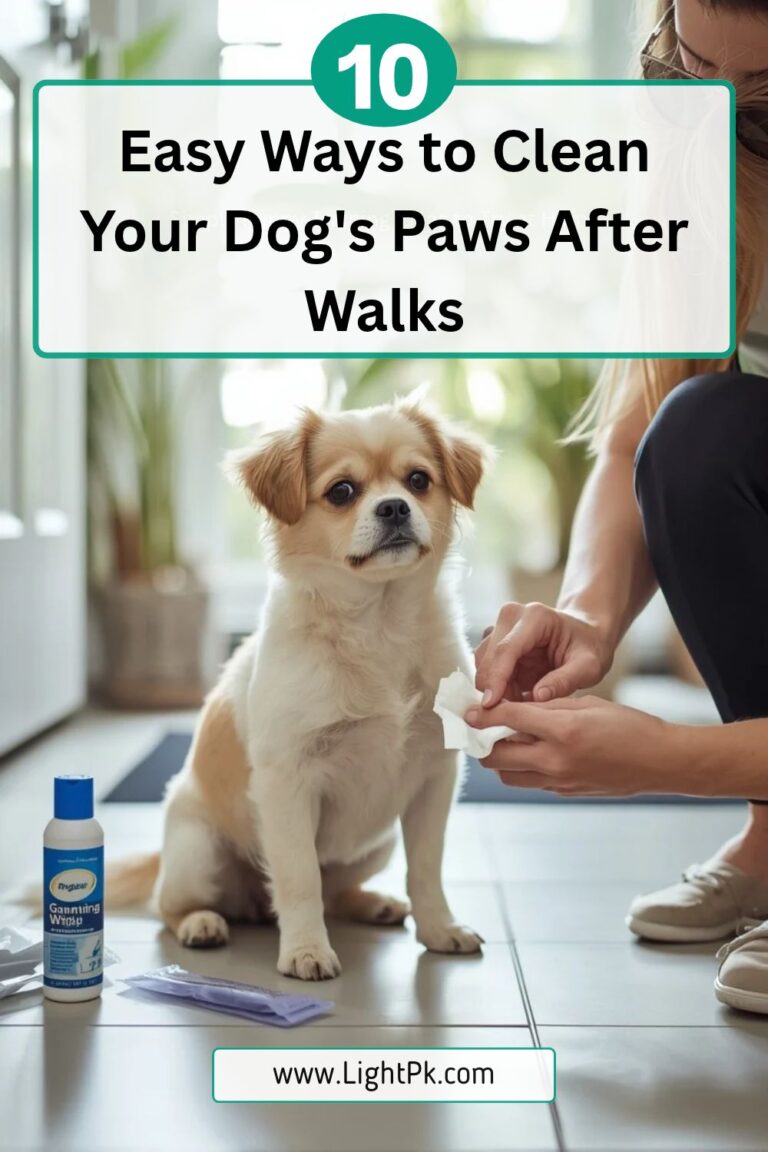
Large dogs use their paws for running, walking, playing, and supporting their body weight, so paw care should be part of every grooming routine. Dirt, small stones, mud, grass, and other debris can collect between the paw pads and toes. Check your dog’s paws regularly, especially after outdoor activities. Look for redness, swelling, cuts, cracked pads, foreign objects, or signs that your dog is licking one foot more than usual. Cleaning the paws helps maintain comfort and makes it easier to notice small problems before they become more serious.
Use a soft, damp cloth or a dog-safe paw-cleaning product to remove dirt. Gently separate the toes to check between the pads, but never force your dog’s feet apart if they are uncomfortable. After cleaning, dry the paws thoroughly, including the spaces between the toes. In winter, wipe away road salt and other outdoor residues after walks. During hot weather, avoid walking your dog on extremely hot surfaces because they can burn paw pads. If you notice deep cracks, bleeding, persistent swelling, or limping, contact your veterinarian rather than attempting to treat the problem with ordinary grooming products.
7. Trim Your Dog’s Nails Carefully
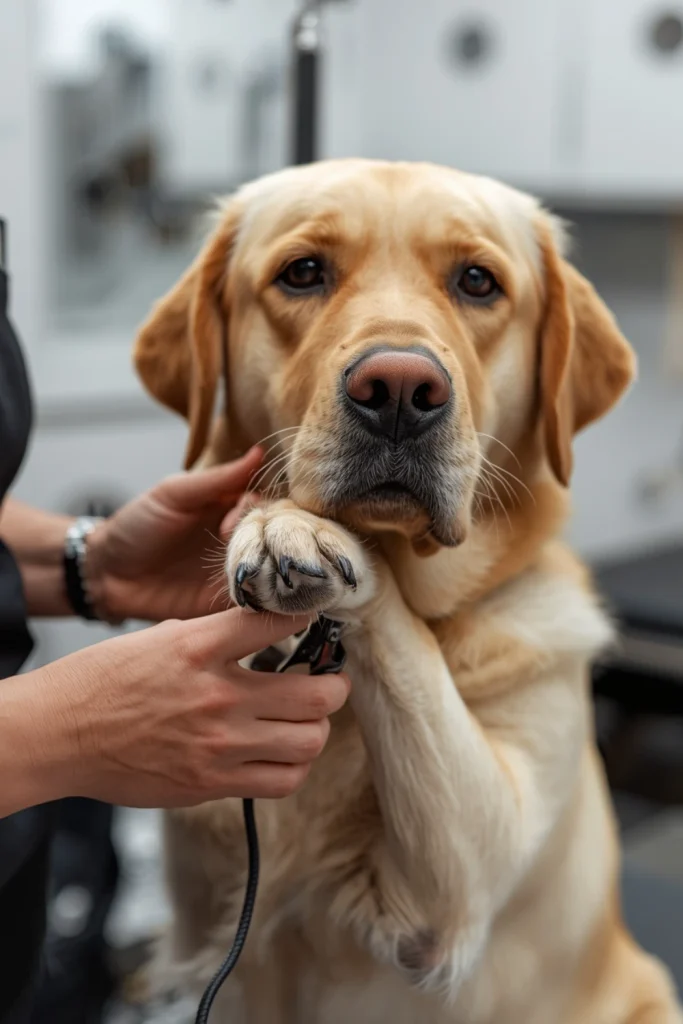
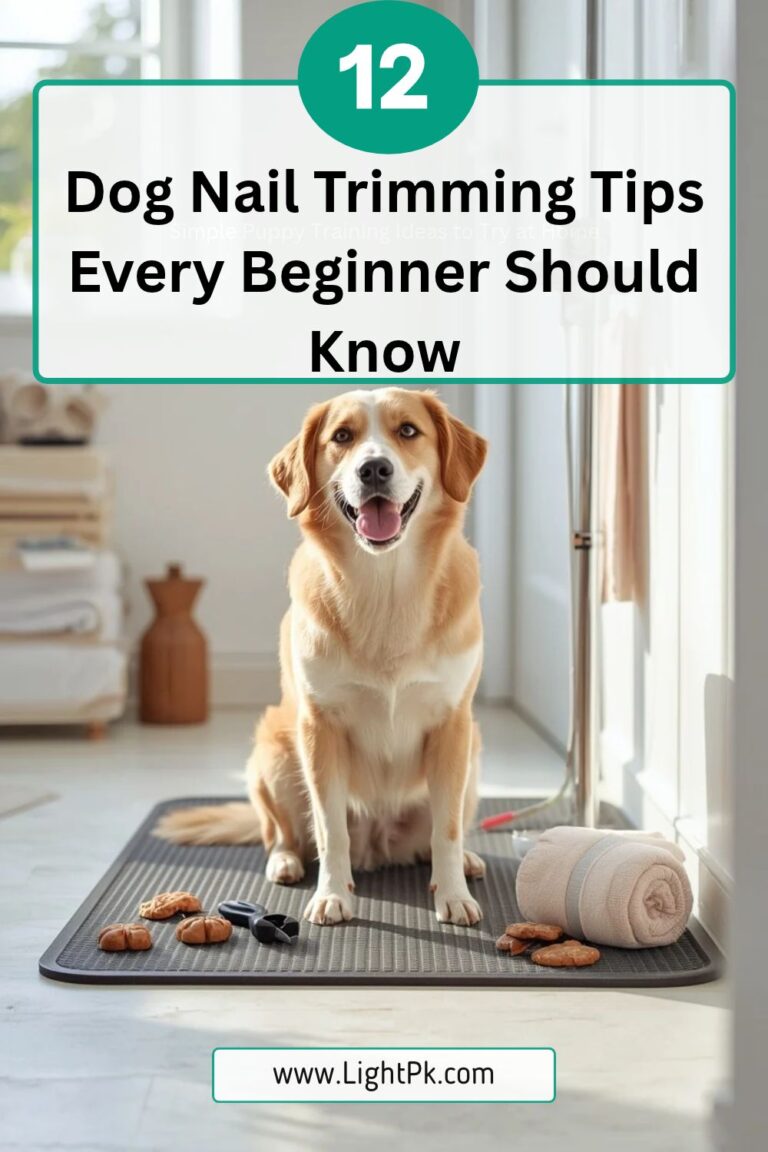
Nail trimming is an important part of grooming because excessively long nails can make walking uncomfortable and may affect how your dog places its feet. Large dogs sometimes wear down their nails naturally through regular walks on suitable surfaces, but this does not always happen evenly. Check the nails regularly and listen for clicking sounds when your dog walks on a hard floor. If the nails touch the ground excessively or begin curling, they may need trimming. Keeping nails at a comfortable length supports better movement and helps prevent accidental breaks.
Choose sturdy nail clippers or a pet nail grinder that is suitable for your dog’s size. Introduce the equipment gradually, especially if your dog is nervous about having its paws handled. Trim small amounts at a time and avoid cutting into the quick, which contains blood vessels and nerves. Dark nails can make the quick difficult to see, so take extra care and ask a professional groomer or veterinarian to demonstrate the correct technique if you are unsure. Keep styptic powder nearby in case of accidental minor bleeding. If your dog struggles, stop rather than forcing the procedure.
8. Clean Your Dog’s Ears Gently
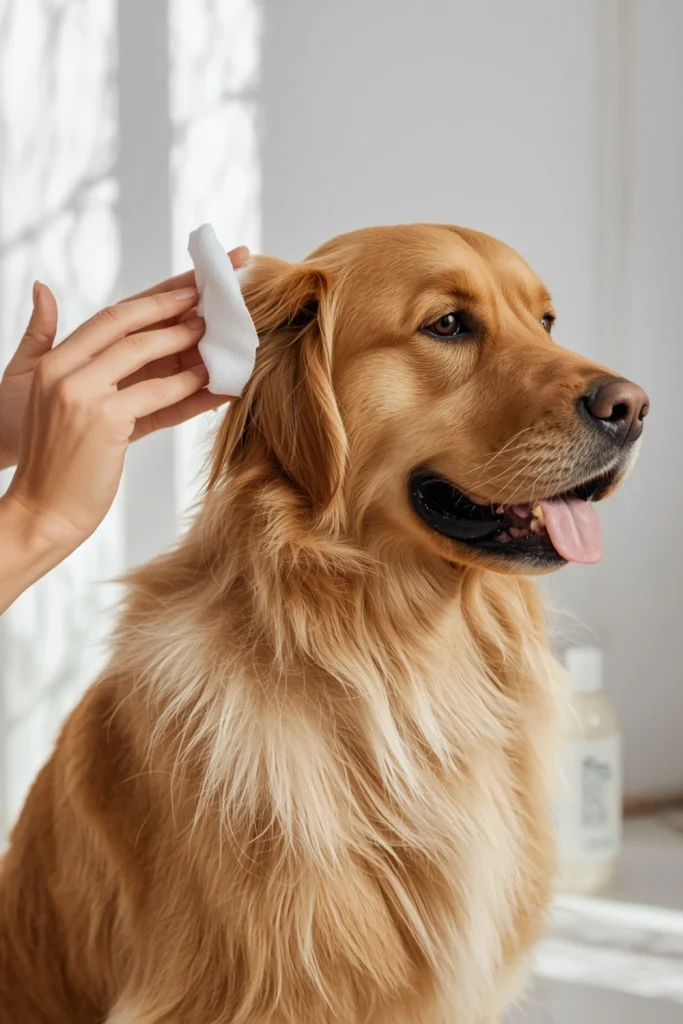
Ear care is often overlooked when grooming large dogs, but it is an important part of maintaining overall hygiene. Some dogs have floppy ears that reduce airflow, while others have hairy ears or spend a lot of time swimming and playing outdoors. These factors can make regular ear checks especially useful. Look for unusual redness, swelling, excessive wax, unpleasant odor, discharge, or frequent head shaking. Healthy ears generally should not have a strong smell or cause discomfort when touched gently.
Use an ear-cleaning solution specifically designed for dogs and follow the product instructions or your veterinarian’s advice. Apply the recommended amount to the ear canal, gently massage the base of the ear, and allow your dog to shake its head if appropriate. Wipe away loosened debris from the visible outer ear with a soft cotton pad or gauze. Never insert cotton swabs, fingers, or other objects deep into the ear canal because they can cause injury. If you notice pain, discharge, a strong odor, or persistent scratching, seek veterinary care instead of repeatedly cleaning the ear.
9. Keep Your Dog’s Teeth Clean
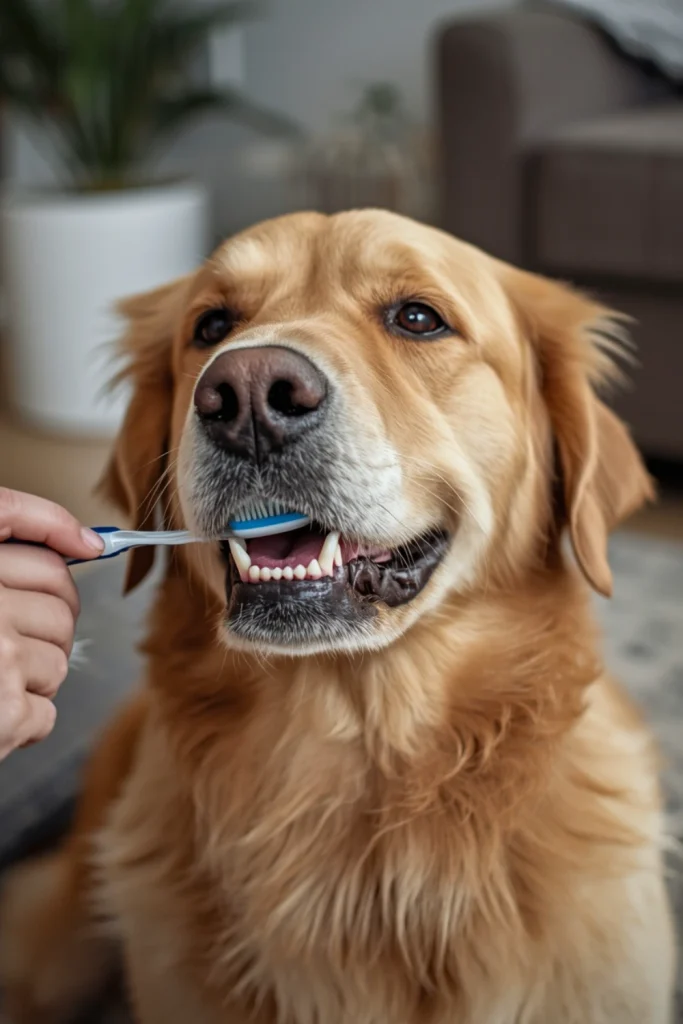
Dental care should be included in a complete grooming routine because a clean coat does not necessarily mean a healthy mouth. Large dogs can develop plaque, tartar, gum inflammation, and unpleasant breath just like smaller breeds. Regular toothbrushing helps remove food particles and reduce plaque buildup before it hardens. It is best to introduce dental care gradually, particularly if your dog is not accustomed to having its mouth handled. Begin by allowing your dog to sniff the toothbrush and taste a small amount of dog-safe toothpaste.
Use a toothbrush and toothpaste designed specifically for dogs. Human toothpaste is not suitable because some ingredients, including xylitol in certain products, can be dangerous to pets. Gently lift the lips and brush the outer surfaces of the teeth using small, soft movements. Do not force your dog’s mouth open if it becomes uncomfortable. Aim to build a consistent routine, ideally brushing daily when possible. Dental chews approved for dogs may provide additional support, but they should not replace brushing. If your dog has bleeding gums, loose teeth, difficulty eating, or persistent bad breath, arrange a veterinary dental examination.
10. Check for Mats and Tangles Regularly
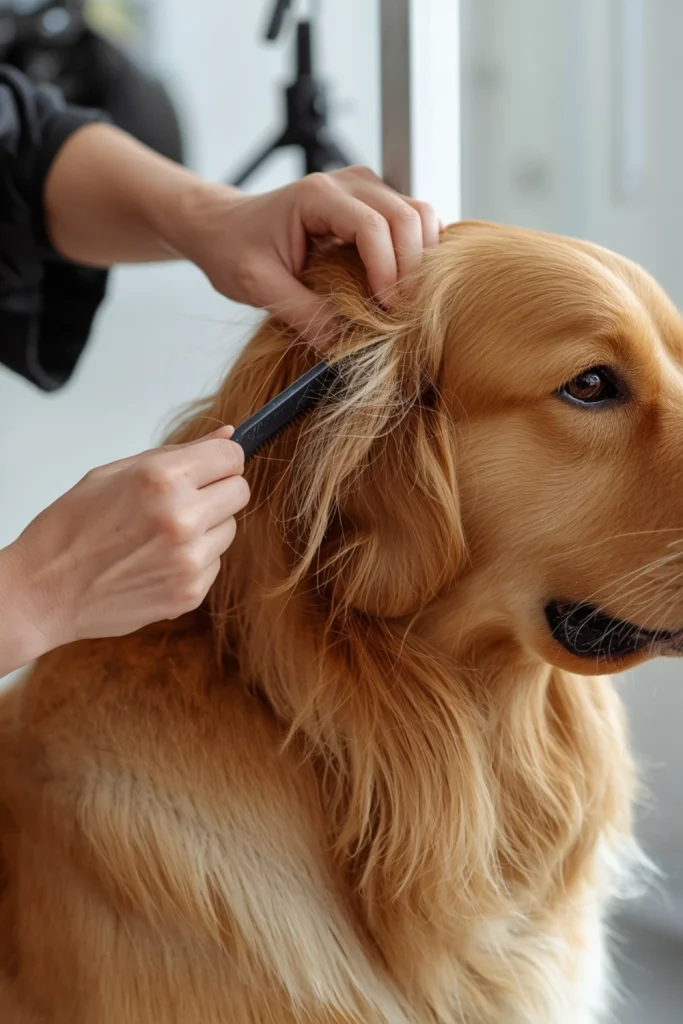
Mats and tangles are common grooming problems in large dogs with long, thick, or curly coats. They often develop in areas where hair rubs together or becomes trapped, including behind the ears, under the collar, around the legs, beneath the tail, and along the chest. Small tangles may seem harmless at first, but they can become tight and pull on the skin if ignored. Severe matting can cause discomfort, hide skin problems, and make ordinary brushing difficult. Regular coat inspections help you find problem areas before they become serious.
Use your fingers and a suitable comb to gently check the coat in sections. If you find a small loose tangle, work slowly from the ends of the hair toward the skin while supporting the coat to reduce pulling. A dog-safe detangling spray may help with manageable knots. Never use ordinary scissors to cut close to the skin because it can be difficult to see where the skin ends and the mat begins. Tight or extensive mats should be handled by an experienced professional groomer or veterinarian. Preventing mats through consistent brushing is safer, easier, and more comfortable than removing them later.
11. Manage Heavy Shedding With a Consistent Routine
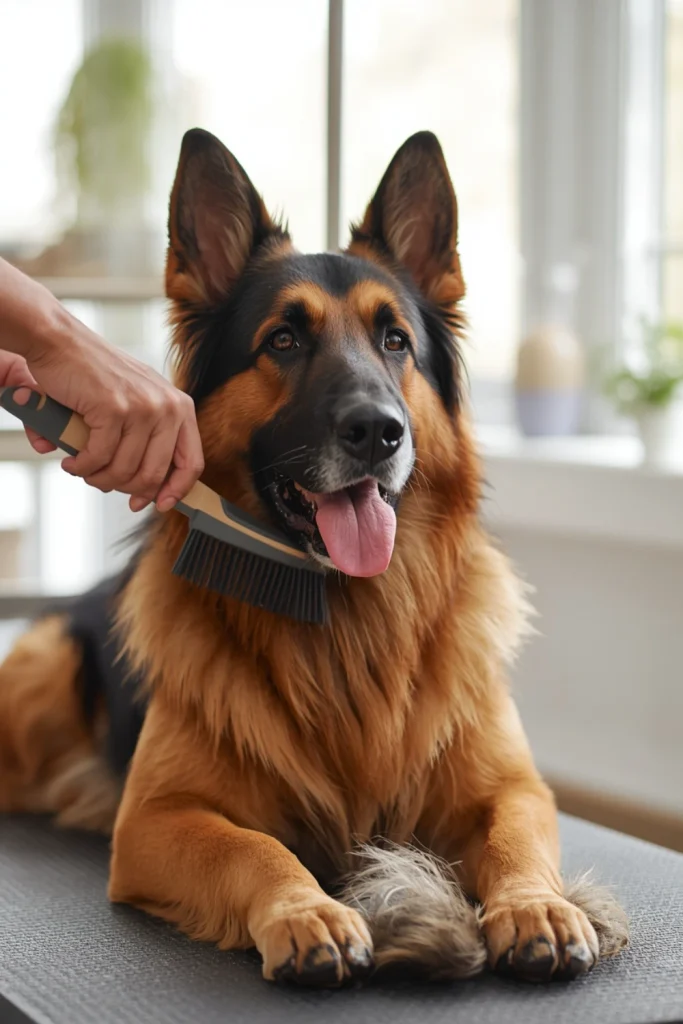
Shedding is normal for many large dog breeds, especially those with thick double coats. German Shepherds, Huskies, Golden Retrievers, and similar breeds may leave noticeable amounts of loose hair around the home. Seasonal changes can increase shedding, although some dogs shed throughout the year. You cannot completely stop normal shedding, but a suitable grooming routine can help control loose fur and keep your dog’s coat more manageable. Regular brushing is one of the simplest ways to remove loose hair before it collects on furniture, carpets, and clothing.
Choose a brush or undercoat tool designed for your dog’s coat type. Use it according to the manufacturer’s instructions and avoid excessive pressure or repeated aggressive scraping, which can irritate the skin. During heavy shedding periods, you may need to brush more frequently, sometimes daily, depending on the breed and coat condition. A balanced diet and access to fresh water also support healthy skin and fur, but supplements should only be used with veterinary guidance. If shedding suddenly becomes excessive or is accompanied by bald patches, itching, redness, or sores, consult your veterinarian to investigate possible underlying causes.
12. Groom Your Dog’s Face and Around the Eyes Carefully
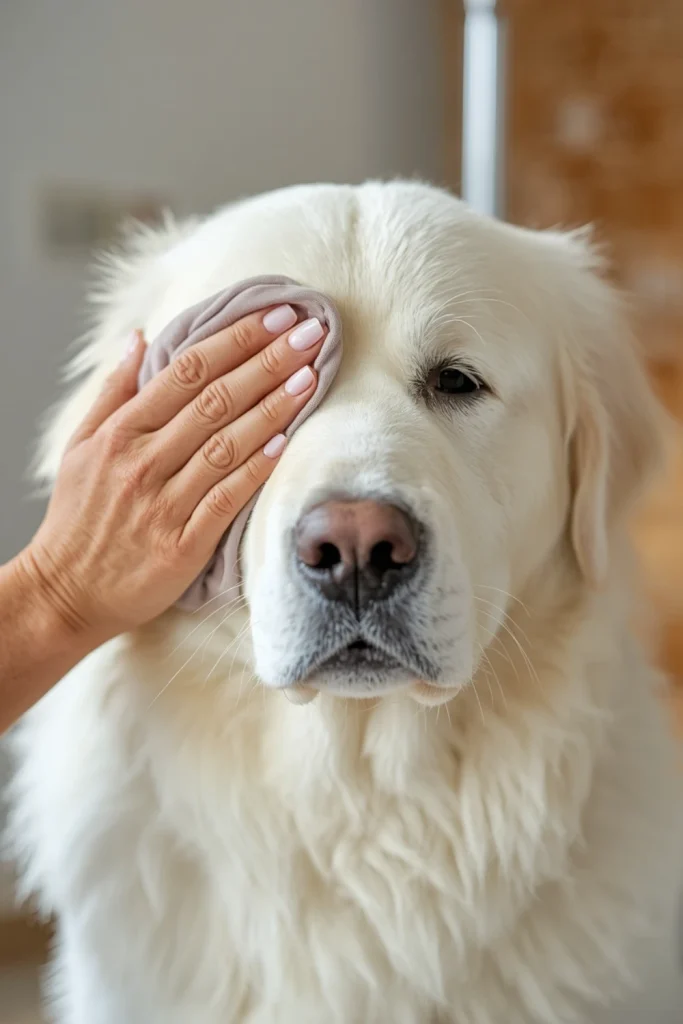
A dog’s face needs gentle attention during grooming because the skin around the eyes, nose, and mouth can be sensitive. Some large breeds have longer facial hair that collects food particles, dust, or moisture. Dogs with lighter-colored coats may also develop visible tear staining. Regularly checking the face helps you notice discharge, redness, irritation, or other changes that may need veterinary attention. A clean face can improve comfort and prevent dirt from accumulating around sensitive areas.
Use a clean, soft, damp cloth or a pet-safe eye-cleaning product recommended by your veterinarian to gently wipe away dirt around the eyes. Always use a separate clean area of the cloth for each eye to reduce the risk of transferring debris. Avoid touching the eyeball or applying ordinary household products near the eyes. For facial hair, use a suitable comb and work slowly without pulling. If your dog has persistent eye discharge, squinting, swelling, or redness, seek veterinary advice instead of relying on grooming alone. Never trim hair close to the eyes unless you have the proper experience and equipment.
13. Make Grooming Comfortable for Your Large Dog
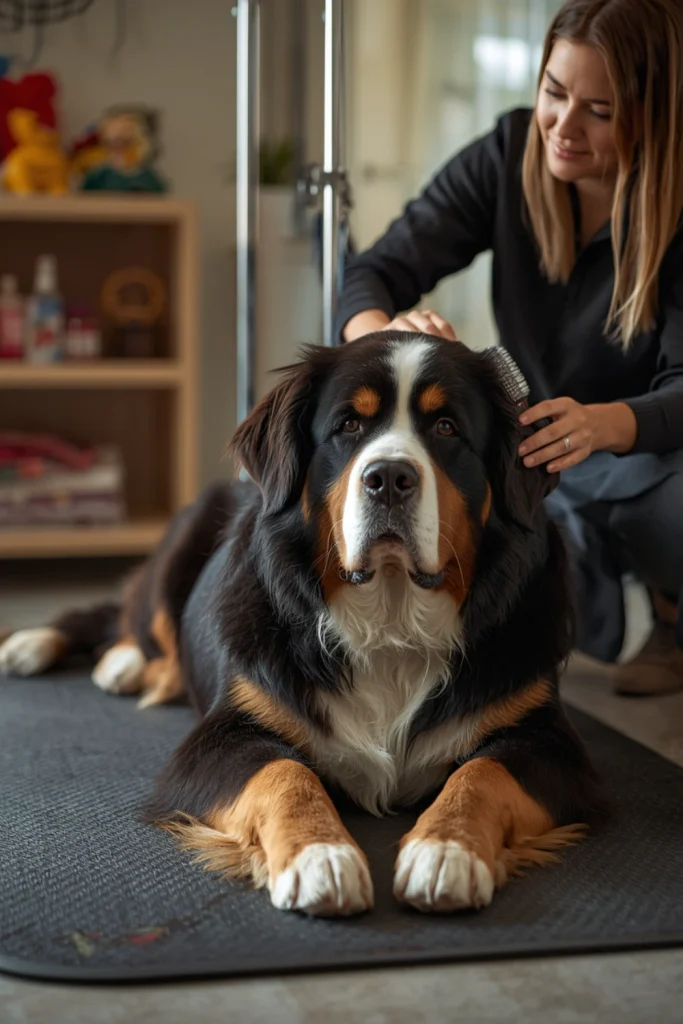
Because large dogs are heavier and take up more space, grooming can sometimes become physically uncomfortable for both the dog and the owner. Trying to hold a large dog in an awkward position for too long may create stress and make the experience unpleasant. Choose a stable, non-slip surface where your dog can stand or lie comfortably. Make sure the grooming area has enough room for your dog to move without bumping into furniture or equipment. Keep essential supplies within reach so you do not need to leave your dog unattended.
Pay attention to your dog’s body language throughout the session. Panting when it is not hot, repeated attempts to move away, trembling, lip licking, or a tense body may indicate stress. Take breaks and reward calm behavior with praise or suitable treats. Avoid shouting, forcing, or punishing your dog for being uncomfortable. If your dog is elderly, has joint problems, or struggles to stand for long periods, use shorter sessions and ask your veterinarian about suitable handling adjustments. A comfortable setup can make grooming safer and help your dog develop a more positive association with the routine.
14. Consider Professional Grooming When Needed
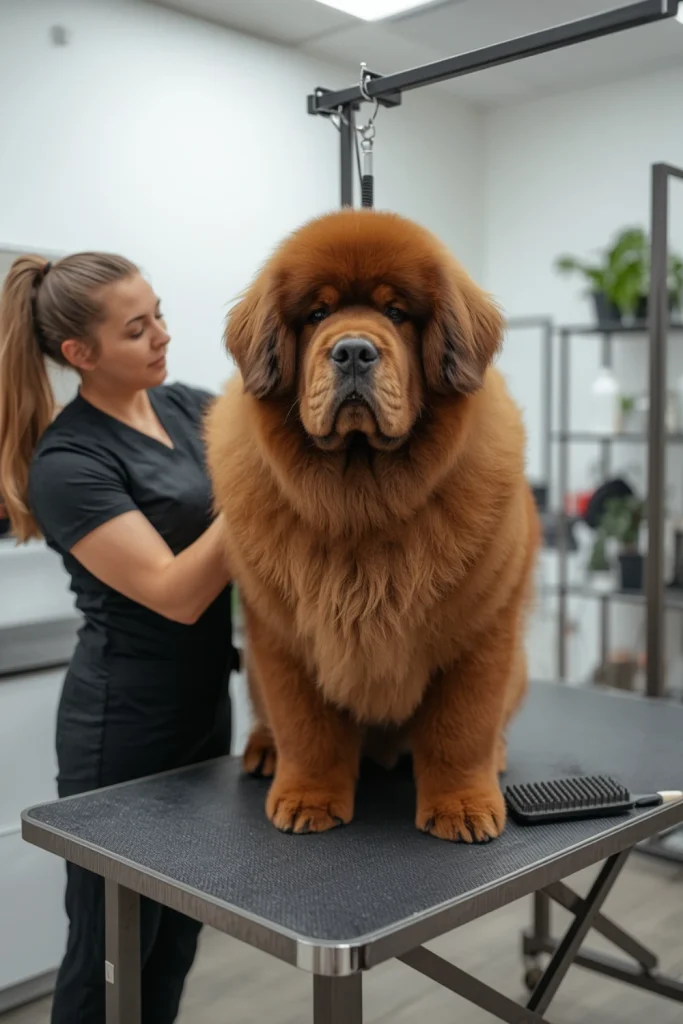
Home grooming is useful for everyday care, but some large dogs benefit from occasional professional grooming. A trained groomer has suitable equipment, experience with different coat types, and the ability to handle challenging grooming tasks safely. Professional services may include bathing, drying, brushing, nail trimming, ear-area cleaning, sanitary trimming, and coat maintenance. Dogs with thick double coats, long hair, or coats that develop mats may need additional help to remain comfortable and clean.
Choose a groomer who has experience working with large breeds and uses gentle handling techniques. Before booking an appointment, explain your dog’s coat type, temperament, medical concerns, and any previous grooming difficulties. Ask how the groomer manages nervous dogs and whether the grooming environment is suitable for your pet. You can also discuss which services are necessary and which are optional. Professional grooming does not mean you should stop caring for your dog’s coat at home. Regular brushing, paw checks, dental care, and ear inspections remain important between appointments. Combining home care with professional support can help maintain a healthier coat.
15. Create a Regular Grooming Schedule
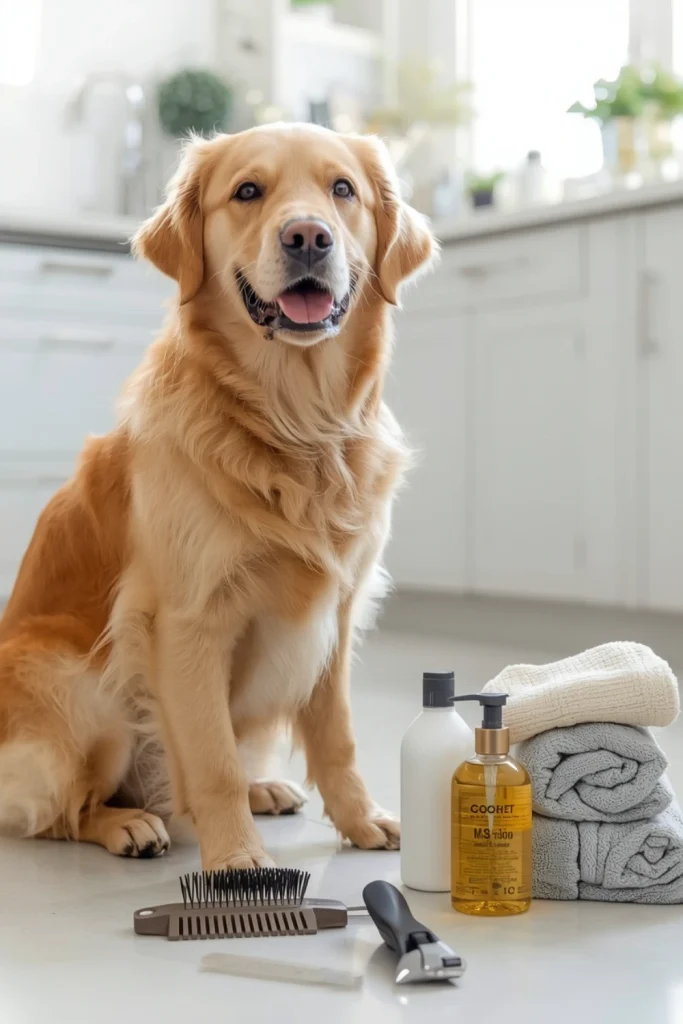
A consistent grooming schedule helps prevent common problems and makes large-dog care easier to manage. Instead of waiting until your dog looks dirty or develops tangles, divide grooming tasks into small activities throughout the week. For example, you might brush the coat several times a week, inspect the paws after walks, and check the ears and eyes regularly. Bathing, nail trimming, and other tasks can be scheduled according to your dog’s individual needs. The right routine will depend on breed, coat type, activity level, age, and health.
Keep a simple grooming checklist to track completed tasks and notice changes in your dog’s coat or skin. You can also record when your dog last had a bath, nail trim, or professional grooming appointment. A schedule makes it less likely that important tasks will be forgotten, especially when you have a busy routine. Remember that grooming should be flexible. If your dog becomes dirty after outdoor play, clean the affected areas when necessary. If you notice irritation or discomfort, adjust the routine and seek professional advice. A realistic schedule is easier to maintain than an overly complicated one.
Final Thoughts
Keeping a large dog clean and comfortable does not have to be overwhelming. With the right tools, regular brushing, gentle bathing, careful nail trimming, and proper attention to paws, ears, teeth, and skin, you can build a grooming routine that supports your dog’s well-being.
The most important part of grooming is consistency. Rather than waiting for your dog’s coat to become tangled or dirty, make time for small grooming tasks throughout the week. Pay attention to your dog’s comfort, use products designed for dogs, and ask a professional groomer or veterinarian for help whenever a task becomes difficult.
These 15 Grooming Tips for Large Dogs can help you maintain a healthier coat, manage shedding, reduce grooming-related stress, and make everyday care easier. Remember that every dog is different, so adjust your routine to suit your pet’s individual needs. A little patience and regular attention can go a long way toward keeping your large dog happy, comfortable, and looking great.