
12 Puppy Toothbrushing Tips to Start Early
A healthy smile starts early! Just like puppies need proper nutrition, regular grooming, and daily exercise, they also need good dental care. Introducing toothbrushing while your puppy is young can help establish healthy habits that last throughout adulthood. Although puppy teeth eventually fall out, caring for your puppy’s mouth from an early age helps it become comfortable with dental hygiene.
If you are a first-time dog owner, teaching your puppy to accept a toothbrush may seem challenging. However, with patience, gentle handling, and positive rewards, the process can become an enjoyable part of your daily routine. These 12 Puppy Toothbrushing Tips will help you introduce brushing gradually, choose the right supplies, and build a simple dental care routine for a healthier, happier dog.
1. Start Toothbrushing When Your Puppy Is Young

One of the best puppy toothbrushing tips is to introduce dental care as early as possible. Puppies are naturally curious and often become comfortable with new experiences when they are introduced gradually. Starting when your puppy is young allows it to become familiar with having its mouth, lips, and teeth handled. You do not need to begin with a complete brushing session. Start by gently touching the outside of your puppy’s mouth and rewarding calm behavior.
As your puppy becomes more comfortable, gradually introduce your fingers, a soft finger brush, or a puppy-sized toothbrush. Keep early sessions short and enjoyable. Remember that puppy teeth are temporary, but developing a positive attitude toward toothbrushing is a valuable lifelong habit. Early introduction can make dental care much easier when your dog grows older and its permanent teeth appear.
2. Choose a Puppy-Sized Toothbrush
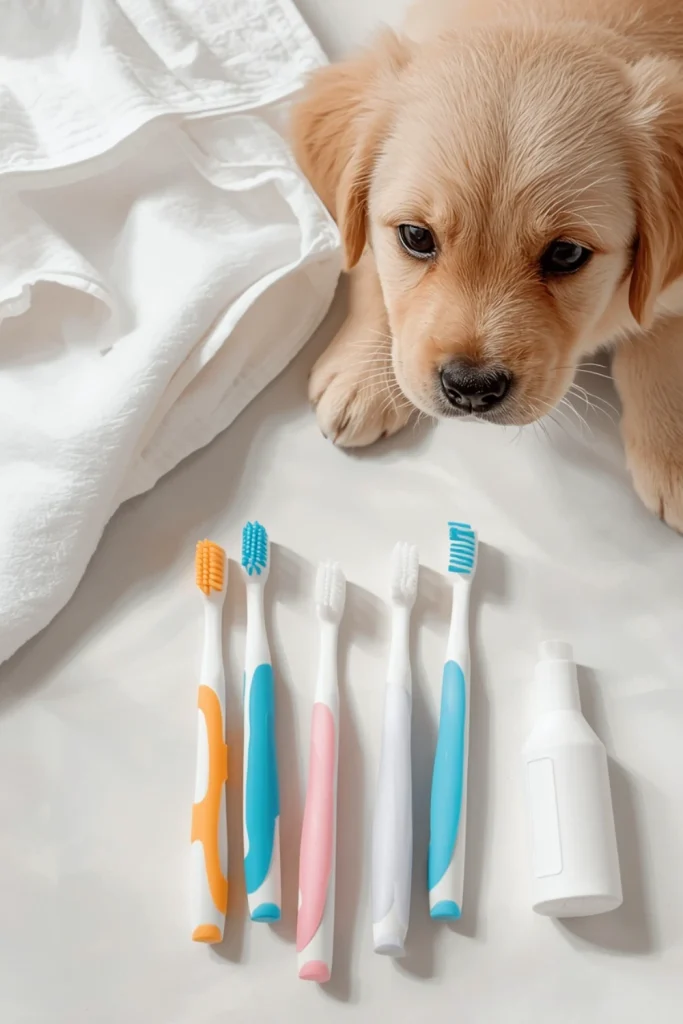
Choosing the right toothbrush is an important step in creating a successful dental care routine. A puppy’s mouth is smaller and more delicate than an adult dog’s mouth, so using an appropriately sized toothbrush makes brushing easier and more comfortable. Look for a toothbrush specifically designed for puppies or small dogs. It should have a small brush head, soft bristles, and a comfortable handle that allows you to reach different areas of your puppy’s mouth without applying too much pressure.
Avoid using an adult human toothbrush with large or hard bristles because it may be uncomfortable for your puppy. You can also consider a soft finger toothbrush if your puppy is still learning to accept dental care. However, make sure it fits securely and use gentle movements. The right toothbrush should make the experience comfortable rather than frightening. If you are unsure which type to purchase, ask your veterinarian for a recommendation based on your puppy’s size and age.
3. Use Toothpaste Made Specifically for Dogs
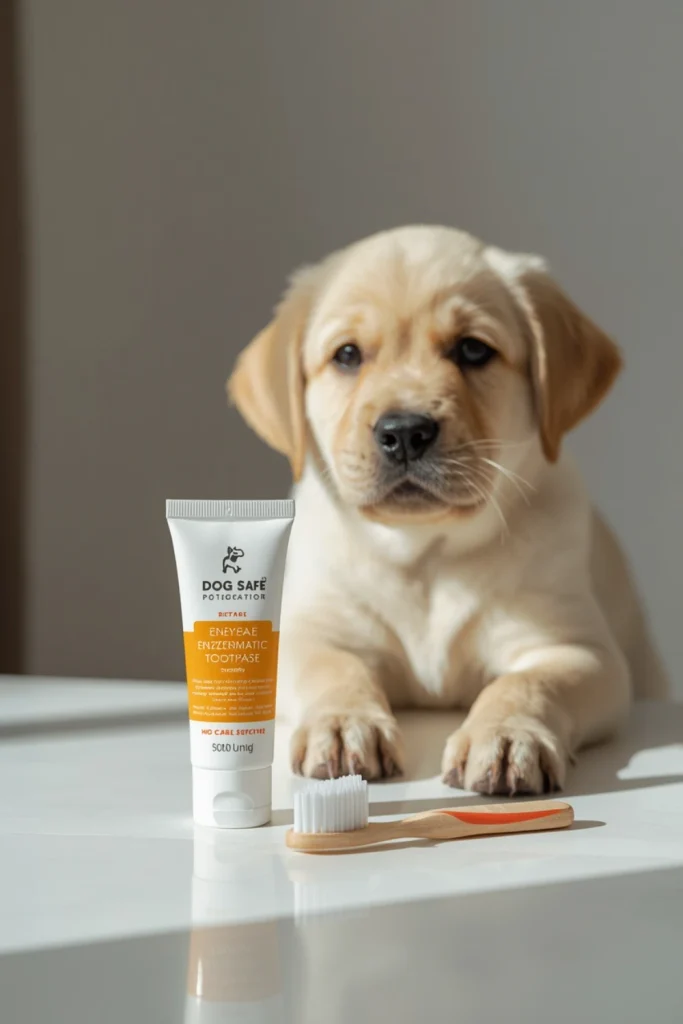
Toothpaste selection is just as important as choosing the right toothbrush. Always use toothpaste specifically formulated for dogs. Puppy-safe dog toothpaste is designed for canine dental care and is available in different flavors, including poultry, beef, and other appealing options. A pleasant flavor may encourage your puppy to accept brushing more easily. Start by placing a tiny amount on your finger and allowing your puppy to smell and taste it before introducing the toothbrush.
Never use regular human toothpaste on your puppy. Many human toothpaste products contain ingredients that are not suitable for dogs, including fluoride in amounts that may be harmful if swallowed. Some products also contain xylitol, an artificial sweetener that is extremely toxic to dogs. Puppies generally cannot rinse and spit toothpaste out like humans, so they may swallow it. Choose a dog-specific formula, check the label for age suitability, and follow your veterinarian’s recommendations.
4. Let Your Puppy Taste the Toothpaste First
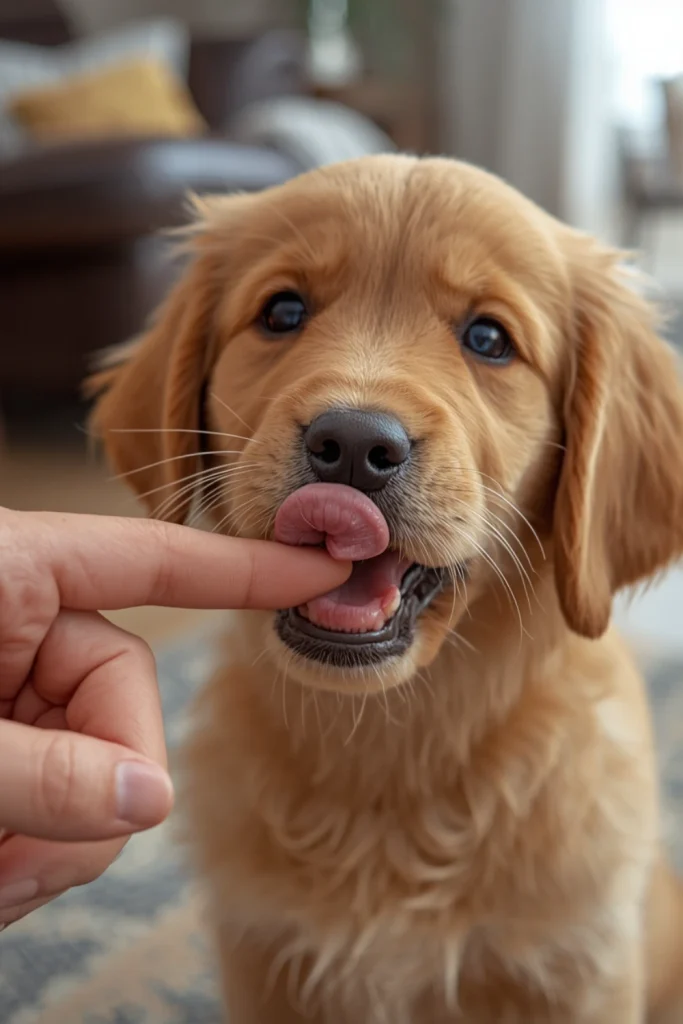
Before using a toothbrush, give your puppy an opportunity to become familiar with the taste and smell of its new toothpaste. Place a very small amount of dog-safe toothpaste on your clean fingertip and allow your puppy to lick it gently. This simple activity helps introduce the flavor without creating pressure. Puppies are naturally curious about new tastes, and many become interested in toothpaste when it has a pleasant flavor. Keep the first few experiences short and reward your puppy for showing interest.
Do not immediately attempt to open your puppy’s mouth or brush every tooth. Allow it to explore the toothpaste at its own pace. If your puppy dislikes the flavor, consider asking your veterinarian about another dog-safe option. Some puppies prefer poultry-flavored toothpaste, while others may respond better to different flavors. The goal is to create a positive association with dental products before introducing the actual brushing process. A little patience at this stage can make future sessions much easier.
5. Get Your Puppy Comfortable With Mouth Handling

Many puppies are initially uncomfortable when someone touches their mouths. Therefore, spend a few days helping your puppy become familiar with gentle mouth handling before starting regular brushing. Begin by touching the sides of its face and gently rubbing its cheeks. Gradually lift the lips for a second or two to expose the teeth. Use a calm voice and offer praise whenever your puppy remains relaxed. These small exercises help your puppy understand that mouth handling is a normal part of grooming.
Keep these practice sessions short and avoid forcing your puppy to open its mouth. If it pulls away, give it time to relax before trying again. You can practice while your puppy is sitting beside you or resting comfortably after playtime. Always reward calm behavior with affection or a small treat. Building trust is essential because dental care requires you to work around a sensitive area. A puppy that feels safe is more likely to cooperate during future brushing sessions.
6. Introduce the Toothbrush Gradually
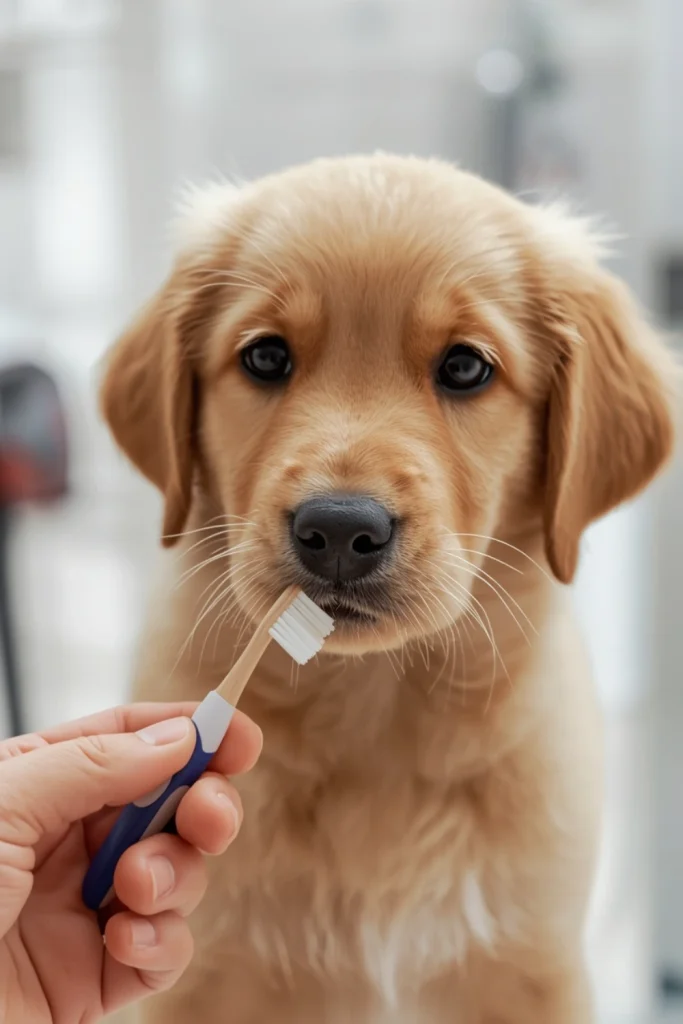
Once your puppy is comfortable with mouth handling, introduce the toothbrush without immediately trying to clean its teeth. Allow your puppy to sniff the toothbrush and inspect it while you hold it gently. You can place a small amount of dog-safe toothpaste on the bristles to make the toothbrush more interesting. Let your puppy lick the toothpaste and become familiar with the texture. This helps reduce the fear that some puppies experience when they see an unfamiliar grooming tool.
During the next few sessions, gently touch the toothbrush against the outside of your puppy’s lips or teeth for a moment. Do not rush into brushing the entire mouth. Gradually increase the amount of contact as your puppy becomes more comfortable. Keep your movements slow and avoid sudden actions around the face. If your puppy starts chewing the toothbrush, calmly redirect its attention rather than allowing it to damage the bristles. A gradual introduction creates a much better foundation for daily brushing.
7. Begin With the Front Teeth
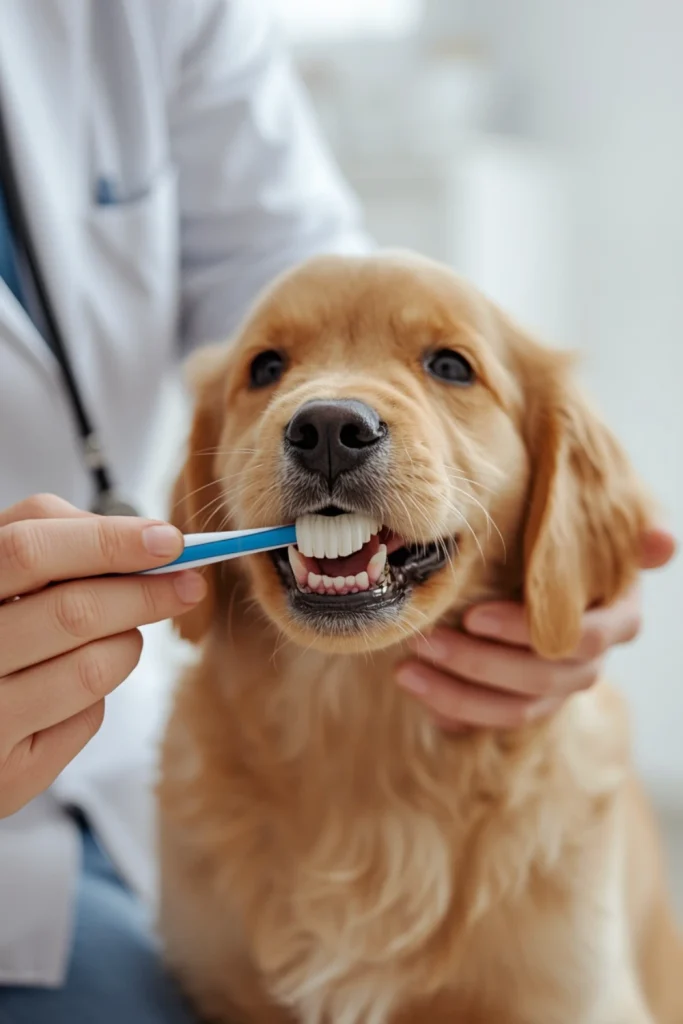
When your puppy is ready for its first brushing experience, begin with the front teeth. These teeth are generally easier to reach than the back teeth, making them a convenient starting point for beginners. Gently lift your puppy’s lip and use a soft toothbrush with a small amount of dog toothpaste. Brush a few teeth using light circular movements. Avoid applying excessive pressure because puppy gums can be sensitive, particularly during teething.
You do not need to clean every tooth during the first session. Even a few seconds of gentle brushing can help your puppy become familiar with the sensation. Praise your puppy and stop while it is still comfortable. As it becomes more cooperative, gradually increase the number of teeth you brush. Starting with the front teeth allows you to build confidence and develop a routine without overwhelming your puppy. Always make sure your puppy remains relaxed throughout the process.
8. Brush the Back Teeth and Gumline Gently
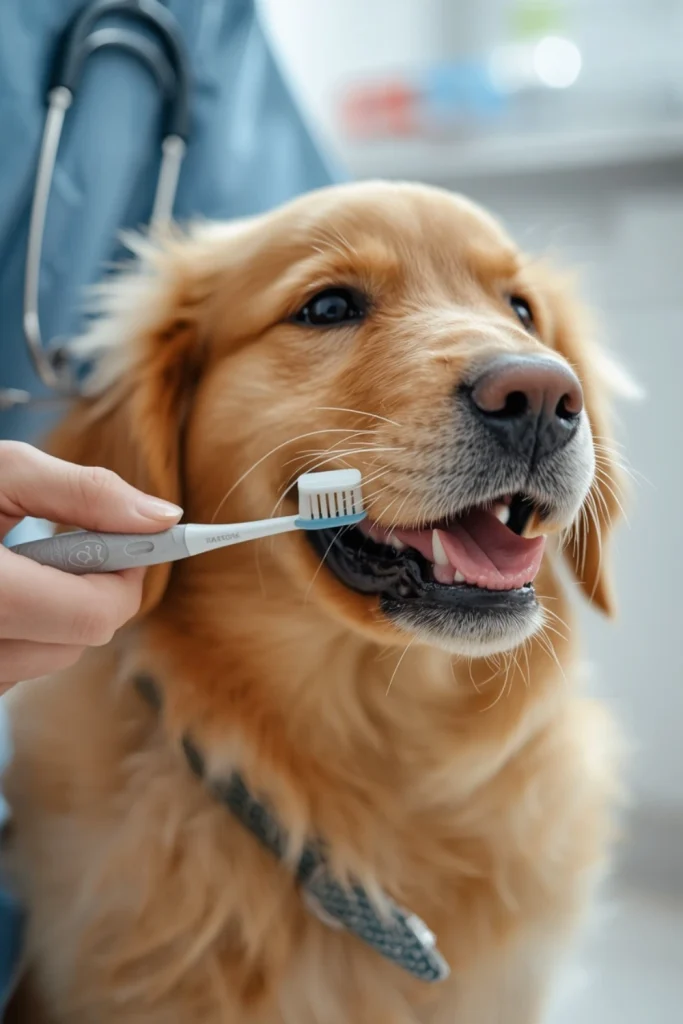
Once your puppy accepts brushing around the front teeth, gradually introduce the side and back teeth. These areas are important because plaque can accumulate along the gumline and around the chewing surfaces. Gently lift the lips and position the toothbrush so you can reach the outer surfaces of the back teeth. Use small, controlled movements rather than scrubbing quickly. Focus especially on the areas where the teeth meet the gums, using only light pressure.
Do not force your puppy’s mouth open or push the toothbrush too far inside. Start with one side and allow your puppy to take breaks if needed. Over time, work toward brushing the outer surfaces of all teeth. Your veterinarian can demonstrate the correct technique if you are unsure how to reach particular areas safely. Remember that gentle, consistent brushing is more beneficial than an uncomfortable session that makes your puppy afraid of dental care.
9. Make Toothbrushing a Daily Habit
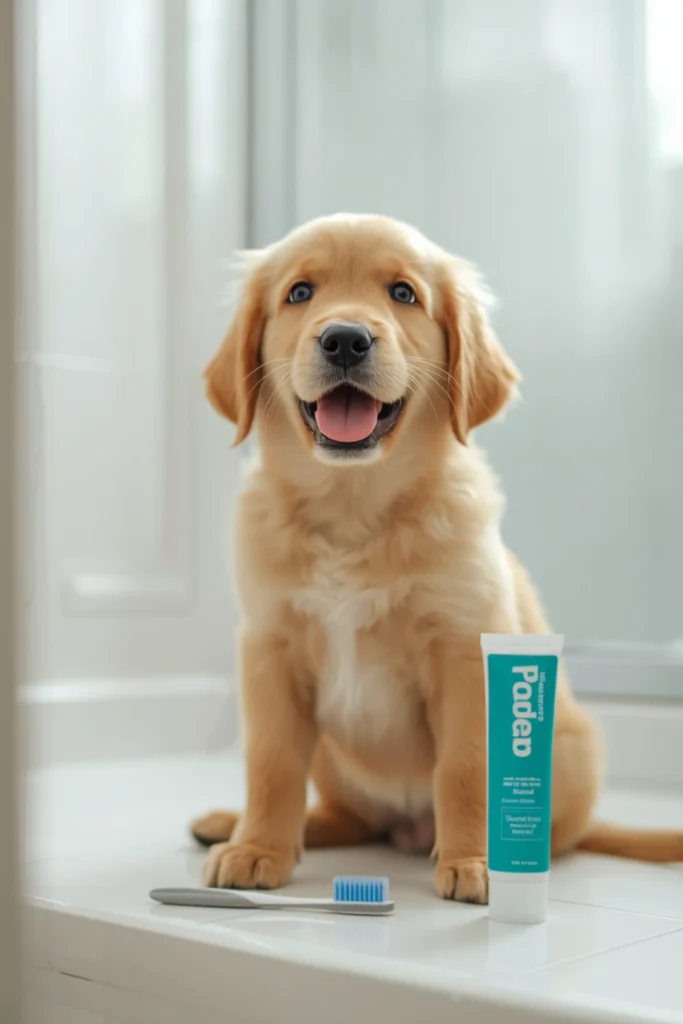
Consistency is one of the most important parts of successful puppy dental care. Once your puppy becomes comfortable with brushing, aim to brush its teeth daily. Plaque can accumulate on tooth surfaces, and regular brushing helps remove it before it hardens into tartar. A predictable routine also helps your puppy understand what to expect. Choose a convenient time, such as after an evening walk or before bedtime, when your puppy is calm and less distracted.
If daily brushing is not immediately possible, begin with shorter sessions and gradually build consistency. Do not make the experience stressful by trying to complete everything perfectly. Even a few carefully brushed teeth are a useful starting point while your puppy is learning. Set a reminder if you sometimes forget your grooming responsibilities. Daily toothbrushing, combined with regular veterinary dental examinations, supports better oral hygiene and helps establish a healthy habit that can continue into adulthood.
10. Use Positive Reinforcement During Every Session
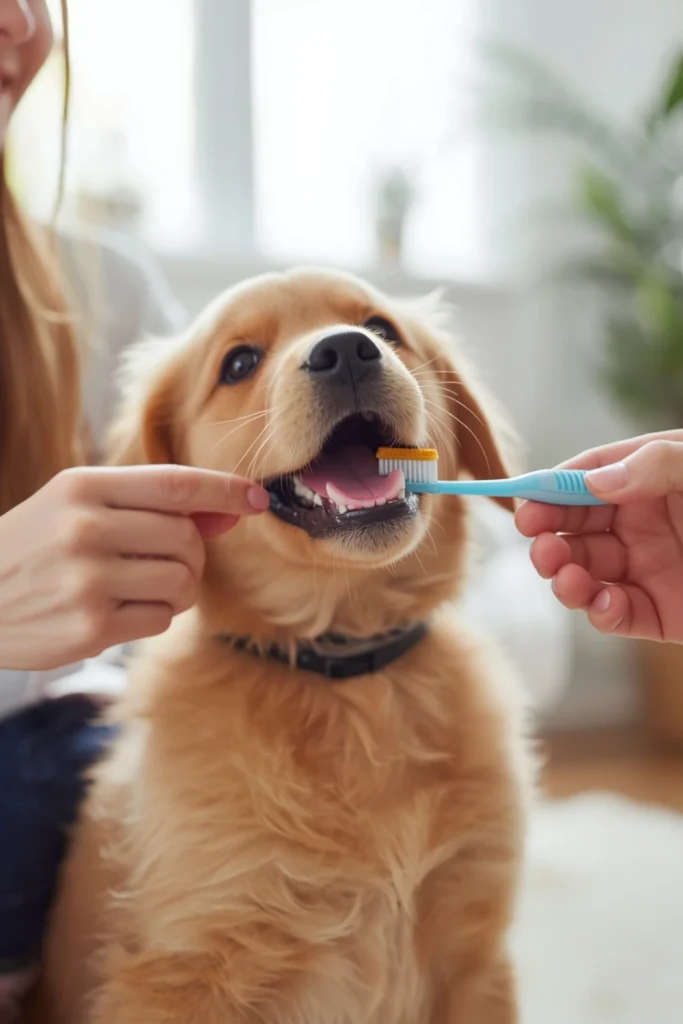
Positive reinforcement can turn toothbrushing into a rewarding experience for your puppy. Whenever your puppy allows you to touch its mouth, inspect its teeth, or use the toothbrush, offer gentle praise and a small reward. You can use an age-appropriate training treat, a favorite toy, or affectionate attention. These rewards help your puppy associate dental care with something enjoyable. Over time, this positive connection may make it easier to complete longer brushing sessions.
Avoid scolding your puppy if it moves away, resists the toothbrush, or becomes distracted. Puppies learn at different speeds, and some need more time than others. If your puppy seems uncomfortable, stop and return to an easier step during the next session. Rewarding small improvements is often more effective than expecting immediate cooperation. Keep treats small so they do not interfere with your puppy’s balanced diet. A calm and encouraging approach helps build trust while making dental hygiene a regular part of everyday life.
11. Make Toothbrushing Comfortable During Teething

Teething is a natural stage of puppy development, but it can make dental care more challenging. As baby teeth loosen and permanent teeth begin to appear, your puppy’s gums may become sensitive. Some puppies may chew more frequently, drool slightly, or show less interest in having their mouths handled. During this period, use a very soft toothbrush and gentle movements. If your puppy appears uncomfortable, shorten the brushing session rather than forcing it.
Pay attention to changes in your puppy’s behavior and mouth. You may notice baby teeth falling out as permanent teeth emerge, which is a normal part of development. However, persistent bleeding, significant swelling, severe pain, or difficulty eating should be discussed with your veterinarian. You can also ask about suitable puppy teething toys to provide safe chewing opportunities. Maintaining gentle dental care during teething helps your puppy remain familiar with brushing while respecting its changing oral health needs.
12. Schedule Regular Veterinary Dental Checkups

Home toothbrushing is important, but it should not replace professional veterinary dental examinations. Your veterinarian can check your puppy’s teeth, gums, bite alignment, and overall oral health. These examinations help identify problems such as retained baby teeth, unusual tooth development, gum irritation, or other dental concerns. Your veterinarian can also explain when your puppy should transition to adult dental care and recommend products suitable for its age and breed.
Make dental health part of your puppy’s regular veterinary visits, especially during the period when baby teeth are replaced by permanent teeth. If you notice persistent bad breath, bleeding gums, difficulty chewing, loose teeth outside the normal teething process, or unusual swelling, arrange an examination. Early attention can help prevent minor concerns from becoming more serious. Combining daily home brushing with professional guidance gives your puppy a stronger foundation for a lifetime of healthier teeth and gums.
Final Thoughts
Starting your puppy’s dental care early is one of the best habits you can develop as a responsible dog owner. Although baby teeth are temporary, introducing toothbrushing during puppyhood helps your dog become familiar with regular dental hygiene. With the right toothbrush, dog-safe toothpaste, gentle handling, and positive reinforcement, you can make brushing a comfortable part of everyday life.
Remember that every puppy learns at a different speed. Some puppies accept a toothbrush quickly, while others need several days or even weeks of gradual practice. Avoid rushing the process, never use human toothpaste, and pay attention to your puppy’s comfort during every session.
Follow these Puppy Toothbrushing Tips, provide suitable chew toys, and schedule regular veterinary dental examinations. If you notice unusual breath, bleeding gums, difficulty chewing, or retained baby teeth, seek professional advice. A little attention during puppyhood can help establish healthy habits that support your dog’s oral health throughout adulthood.