How Often Should You Bathe Your Dog? A Simple Guide
Giving your dog a bath is an important part of keeping them clean, comfortable, and healthy. However, many dog owners are unsure how often they should reach for the shampoo. Some dogs seem to get dirty after every outdoor adventure, while others stay fresh for weeks without needing a bath.
The truth is that there is no single bathing schedule that works for every dog. Your dog’s coat type, skin condition, lifestyle, age, and activity level all play a role. In this simple guide, you will learn how often to bathe your dog, how to recognize when a bath is needed, and how to create a safe bathing routine that keeps your dog’s skin and coat healthy.
1. Consider Your Dog’s Coat Type
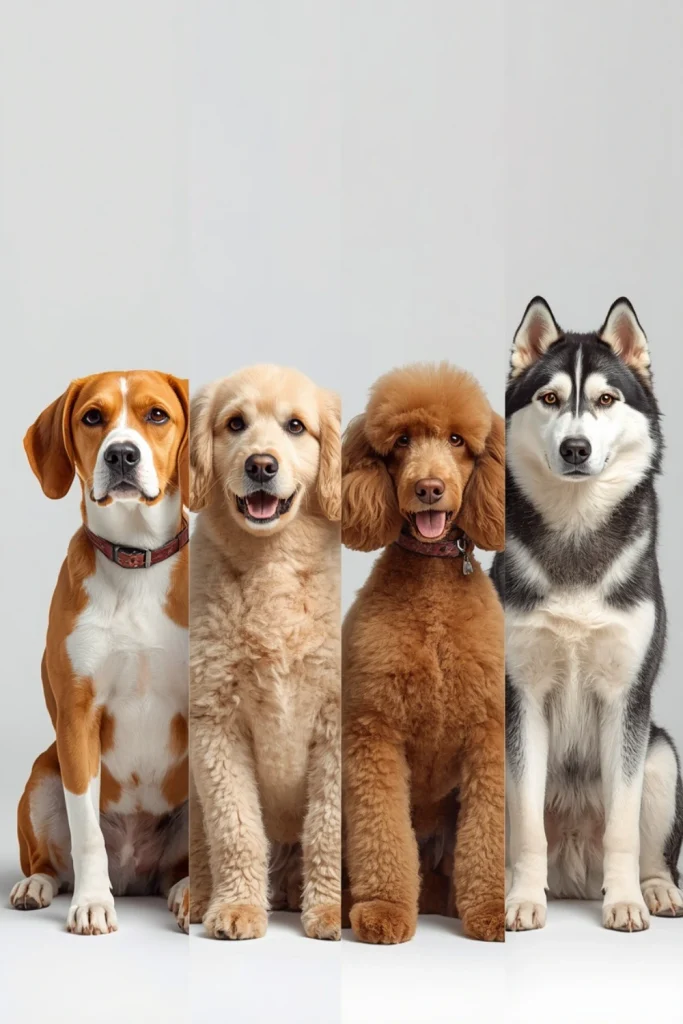
Your dog’s coat type is one of the most important factors when deciding how often to bathe them. Short-haired dogs with smooth coats may stay relatively clean and often need less frequent bathing. Dogs with long, thick, curly, or double coats may collect more dirt and loose hair, making regular grooming especially important.
For example, a short-haired Beagle may need a bath less frequently than a long-haired dog that regularly collects dirt and debris in its coat. However, coat length alone does not determine bathing frequency. Oil production, skin health, and lifestyle matter too. Learn how your dog’s coat behaves and choose a bathing schedule that keeps it clean without drying out the skin.
2. Adjust Bathing Frequency to Your Dog’s Lifestyle
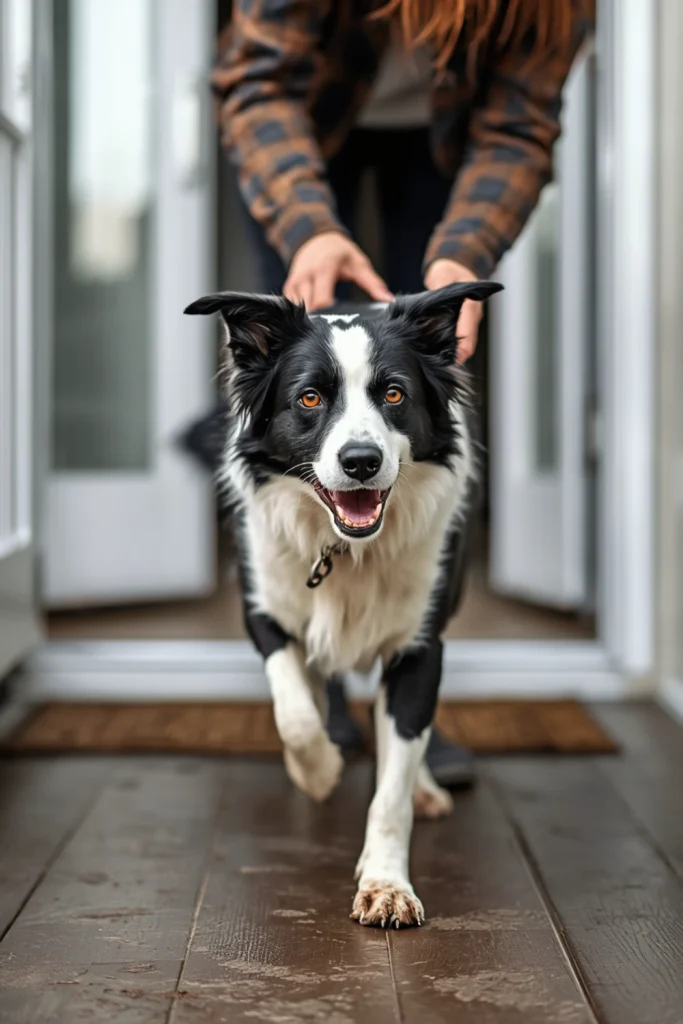
A dog’s daily routine can make a big difference in how quickly their coat becomes dirty. Dogs that enjoy hiking, running through fields, swimming, digging, or playing in muddy parks may need baths more frequently than dogs that spend most of their time indoors. Outdoor activities expose the coat to dirt, dust, grass, and other materials that can create unpleasant smells.
If your dog is very active, check their coat and paws after outdoor adventures. Sometimes wiping the body with a damp cloth or rinsing muddy paws is enough, so a full bath is not always necessary. Reserve shampoo baths for situations when the coat genuinely needs cleaning. This approach helps keep your dog fresh without exposing the skin to unnecessary washing.
3. Understand Your Dog’s Skin Type
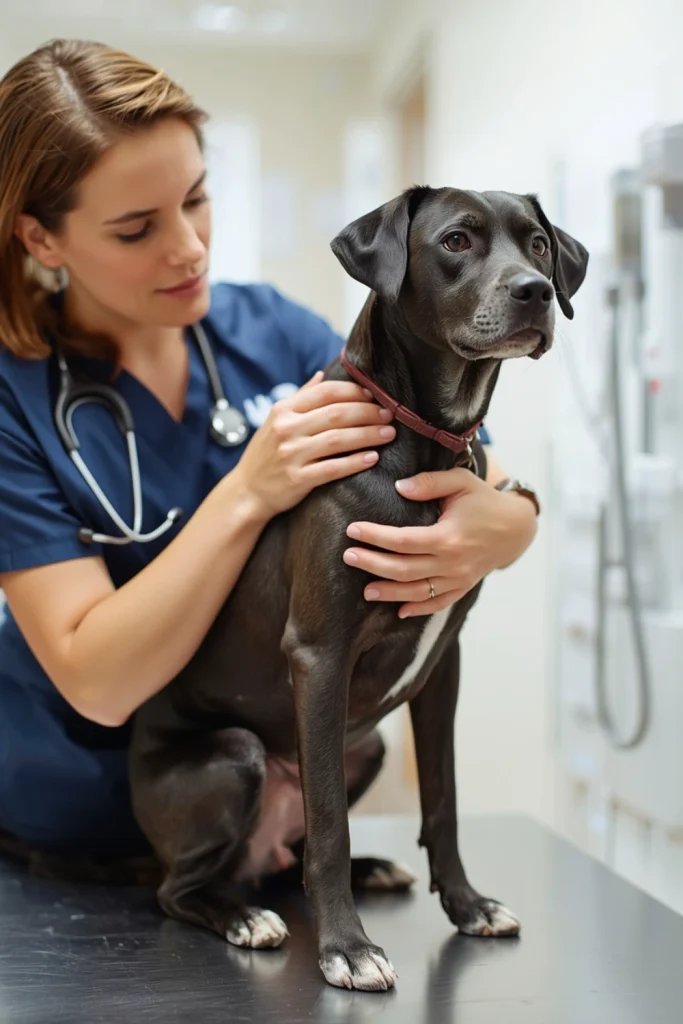
Just like people, dogs can have different skin types. Some have normal skin, while others experience dryness, oiliness, sensitivity, or irritation. Dogs with dry or sensitive skin may become uncomfortable if they are bathed too frequently or exposed to harsh cleaning products. Dogs with oily skin may develop a greasy coat and unpleasant odor sooner.
Choose a gentle dog shampoo that suits your pet’s skin condition. If your dog frequently scratches, develops redness, has flaky skin, or experiences recurring irritation, speak with a veterinarian before changing the bathing schedule. Skin problems can have many causes, including allergies, parasites, and infections. More frequent bathing is not always the solution, and the right treatment depends on the underlying issue.
4. Bathe Short-Haired Dogs When Needed
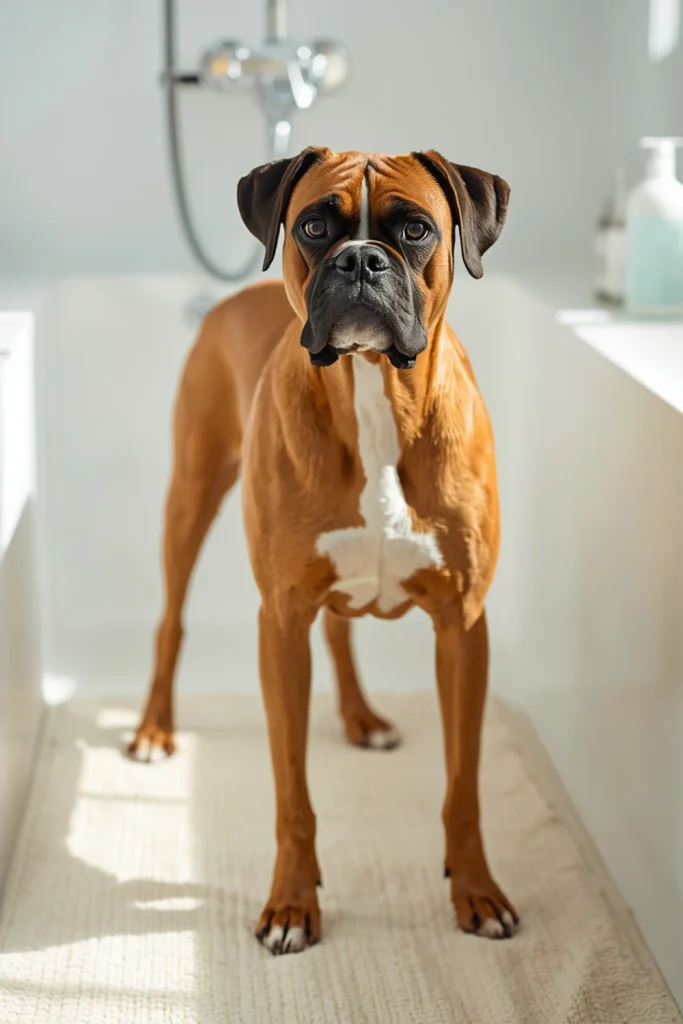
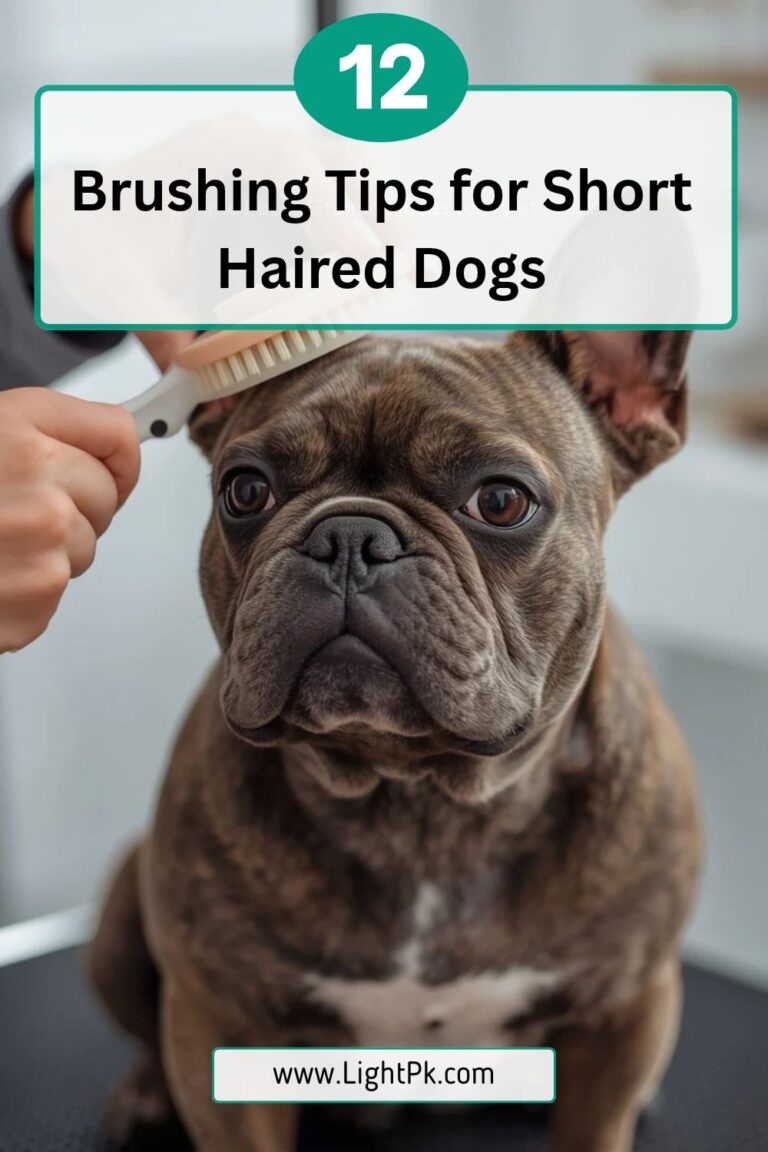
Short-haired dogs are often easier to maintain because dirt and loose hair are usually simpler to remove with brushing or wiping. Breeds such as Beagles, Boxers, and Dalmatians may not need frequent shampoo baths if they live mostly indoors and have healthy skin. Their coats can often stay in good condition with regular brushing and occasional cleaning.
A bath every several weeks may be suitable for some short-haired dogs, but the exact timing depends on their lifestyle and skin condition. If your dog gets dirty after playing outside, clean the affected area first. Avoid bathing too often simply because short hair makes the process easy. A healthy coat does not need constant shampooing to remain clean.
5. Give Long-Haired Dogs Extra Grooming Attention
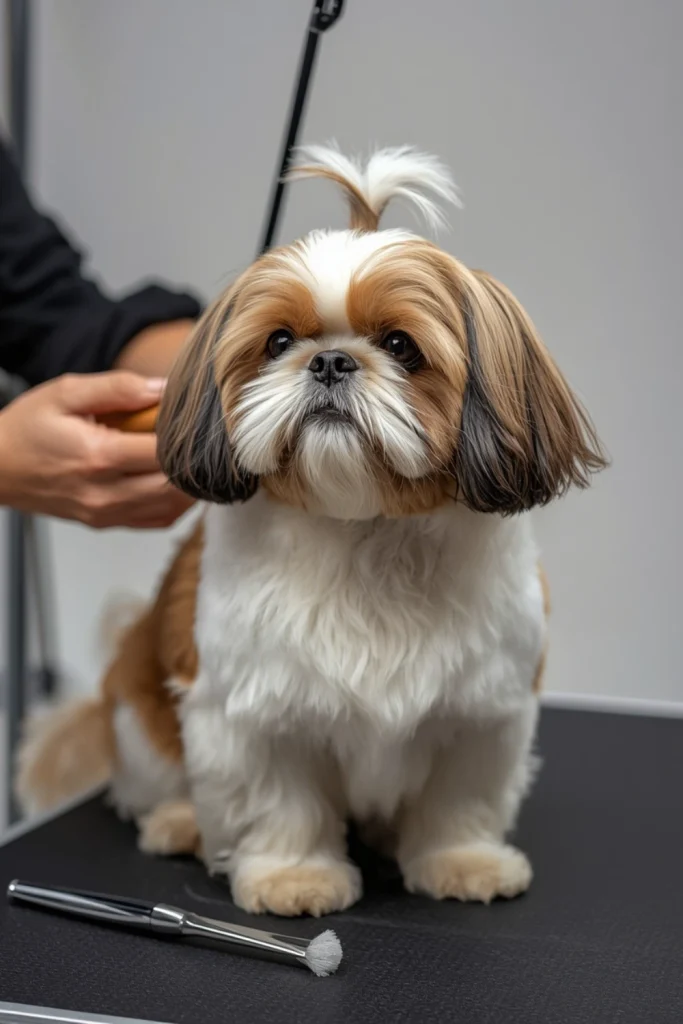
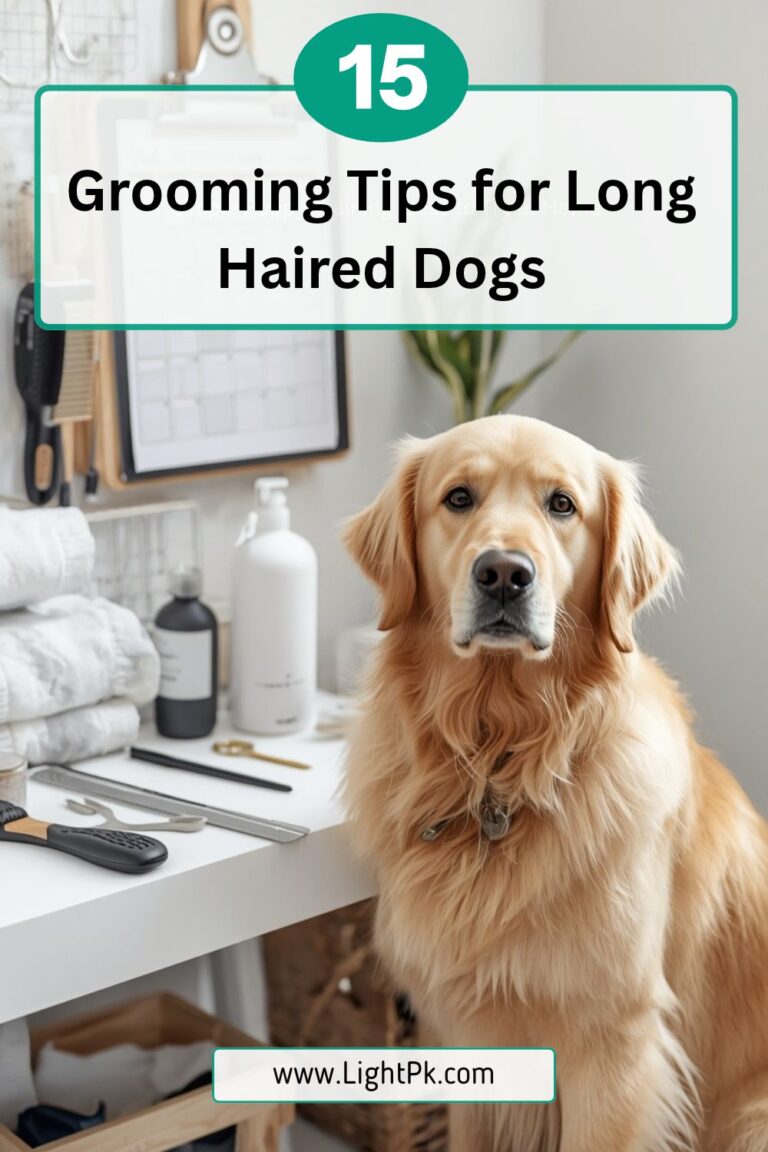
Long-haired dogs can collect dirt, dust, leaves, and small pieces of debris more easily than many short-haired breeds. Their coats may also develop tangles and mats when loose hair is not removed regularly. Breeds such as Shih Tzus, Yorkshire Terriers, and Afghan Hounds often need consistent brushing in addition to occasional baths.
Do not assume that a long-haired dog needs a shampoo bath every few days. Frequent brushing is usually more important for preventing tangles between baths. Brush the coat gently before bathing because water can tighten existing knots and make them harder to remove. If the coat contains severe mats, ask a professional groomer for help rather than pulling painfully at the hair.
6. Follow a Different Routine for Double-Coated Dogs
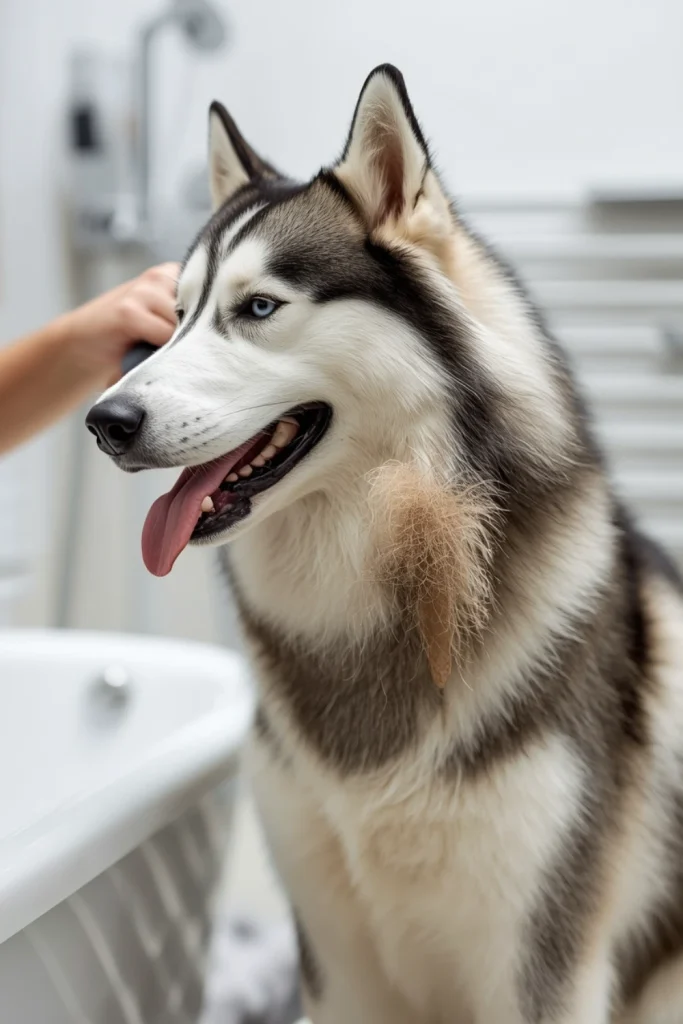
Double-coated breeds have two layers of fur: a soft insulating undercoat and a protective outer coat. Examples include Huskies, German Shepherds, Golden Retrievers, and many other working breeds. Their coats help regulate temperature and protect the skin, so proper grooming is essential.
These dogs generally benefit from regular brushing to remove loose undercoat and prevent buildup. Bathing should be based on dirt, odor, coat condition, and veterinary or grooming advice rather than a fixed weekly routine. When bathing a double-coated dog, rinse thoroughly and dry the coat carefully. Trapped moisture in a thick undercoat can cause discomfort and may contribute to skin problems.
7. Bathe Dogs With Oily Coats as Needed
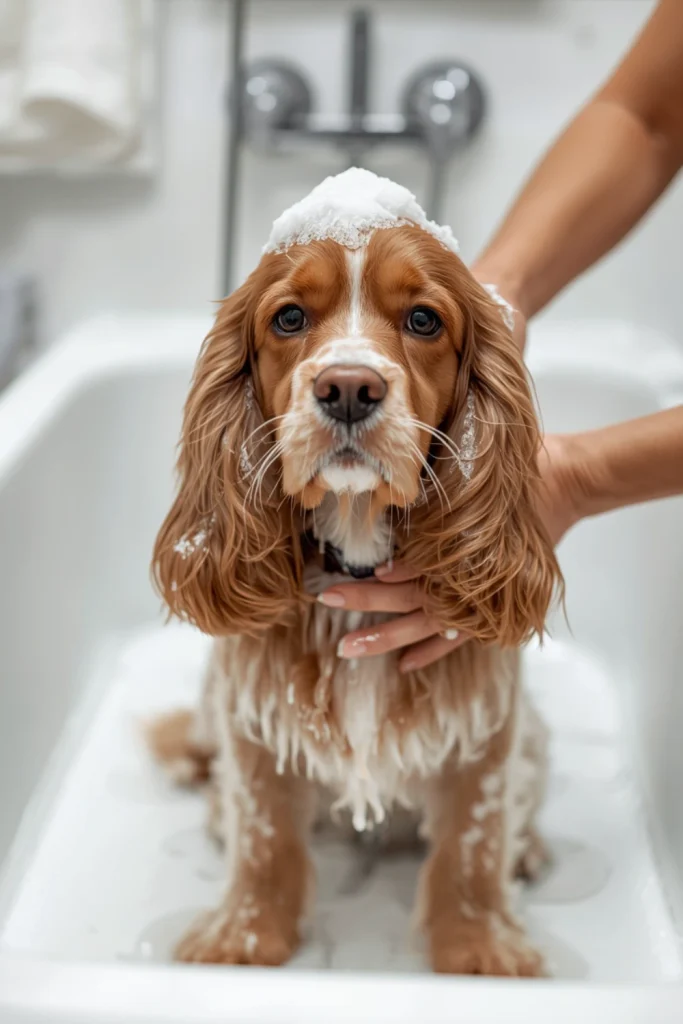
Some dogs naturally produce more skin oil than others. Their coats may become greasy, attract dirt, or develop a noticeable odor more quickly. Breeds with oily skin or certain coat characteristics may require a different grooming routine from dogs with dry coats.
If your dog’s coat becomes oily soon after bathing, do not immediately start washing more often. First, make sure you are using an appropriate dog shampoo and rinsing it completely. Persistent greasiness, strong odor, or skin changes may indicate an underlying condition. A veterinarian can help determine whether a special bathing schedule or medicated shampoo is necessary.
8. Be Careful When Bathing Dogs With Dry or Sensitive Skin
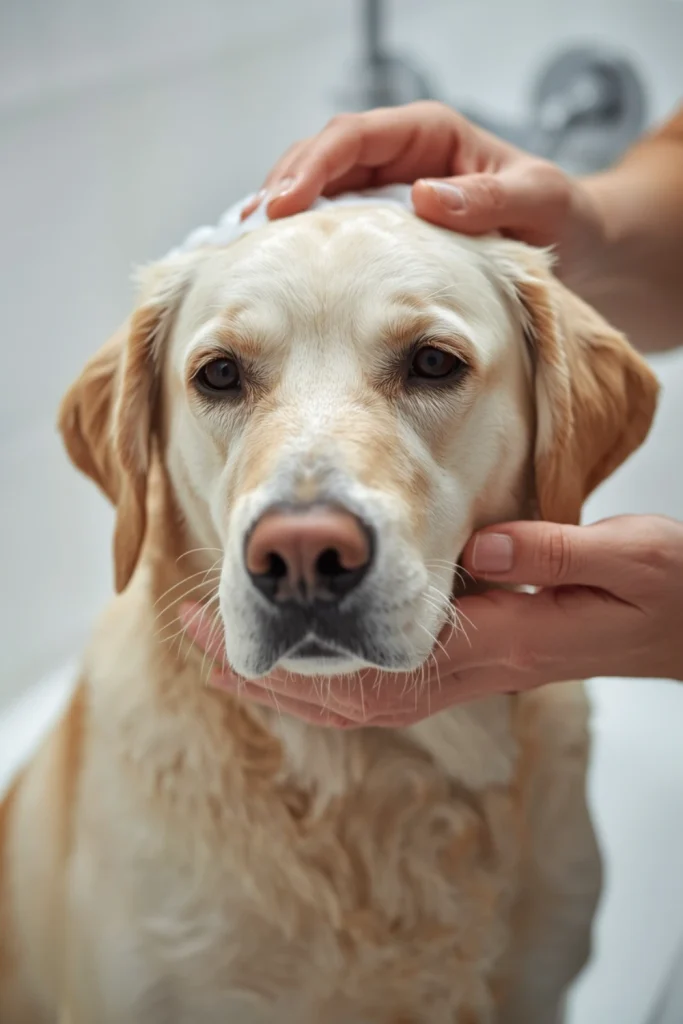
Dogs with dry or sensitive skin may not tolerate frequent shampoo baths. Repeated washing with unsuitable products can remove natural oils and make the skin feel tight, flaky, or irritated. If your dog already has dry skin, choose a gentle dog shampoo recommended for sensitive skin and follow veterinary advice about bathing frequency.
Watch for signs such as excessive scratching, redness, dandruff-like flakes, or unusual discomfort after bathing. These symptoms should not automatically be treated by adding more conditioner or shampoo. Your dog may have allergies, parasites, or another skin problem that needs professional attention. A veterinarian can recommend a suitable product and schedule based on your dog’s specific condition.
9. Consider Your Dog’s Age
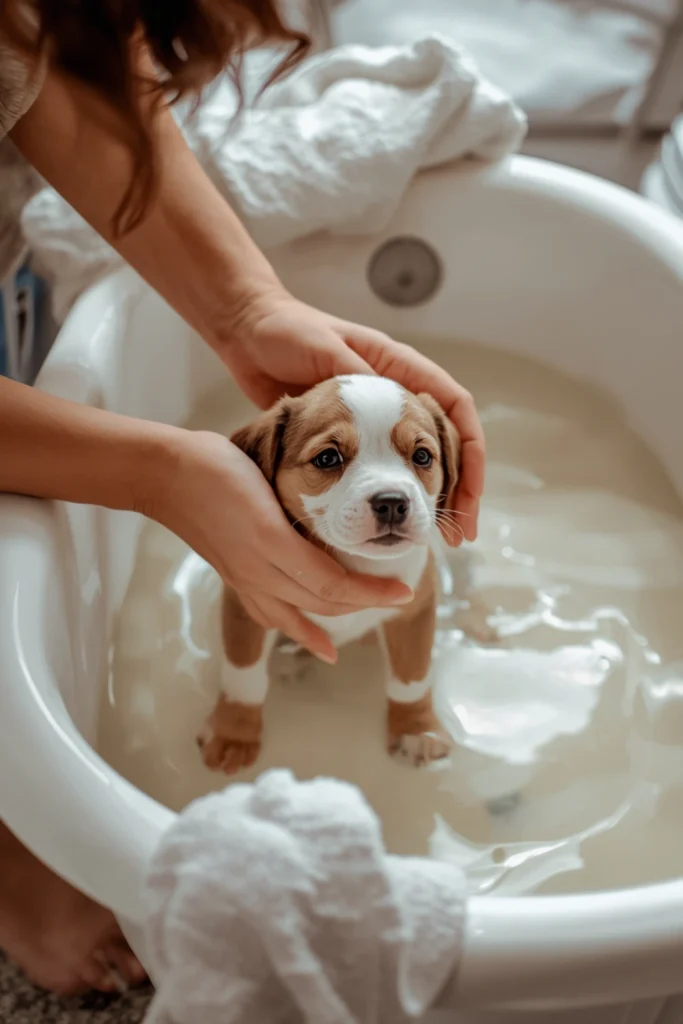
A puppy, adult dog, and senior dog may have different bathing needs. Puppies can become cold more easily and may feel nervous during their first baths. Use a puppy-safe shampoo when needed, keep the experience short, and make sure the water is comfortably warm. Follow veterinary guidance about bathing very young puppies.
Older dogs may have sensitive skin, joint stiffness, or difficulty standing for long periods. Make bath time more comfortable by using a non-slip surface, supporting your dog gently, and avoiding unnecessary handling. If your senior dog has mobility problems or a medical condition, ask your veterinarian whether a modified bathing routine or professional grooming support would be helpful.
10. Bathe Your Dog After Certain Outdoor Activities
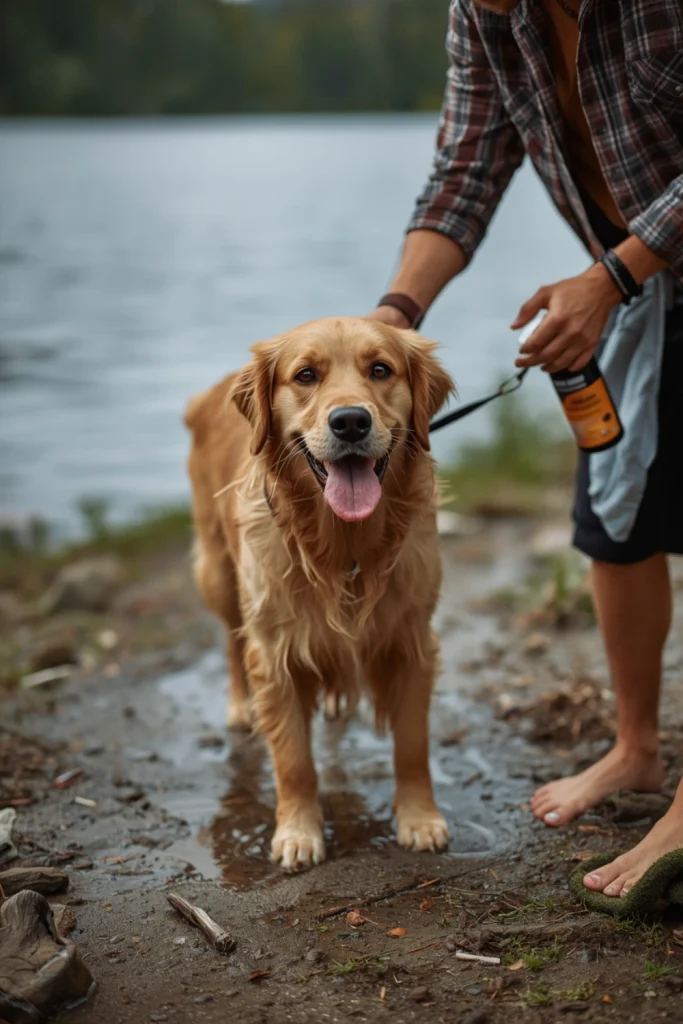
Some outdoor activities leave more dirt on a dog’s coat than everyday walks. Swimming in a lake, playing in muddy areas, rolling in grass, and exploring dusty trails can make a bath necessary sooner than usual. Saltwater, mud, and other residues may also irritate the skin if they remain on the coat.
After these activities, inspect your dog before deciding what kind of cleaning is needed. A quick rinse with clean water may remove ordinary dirt or salt residue. Use dog shampoo when the coat is particularly dirty or has an unpleasant smell. If your dog comes into contact with an unknown chemical, toxic substance, or irritating material, contact a veterinarian promptly for safe cleaning instructions.
11. Do Not Bathe Your Dog Just Because It Smells Slightly
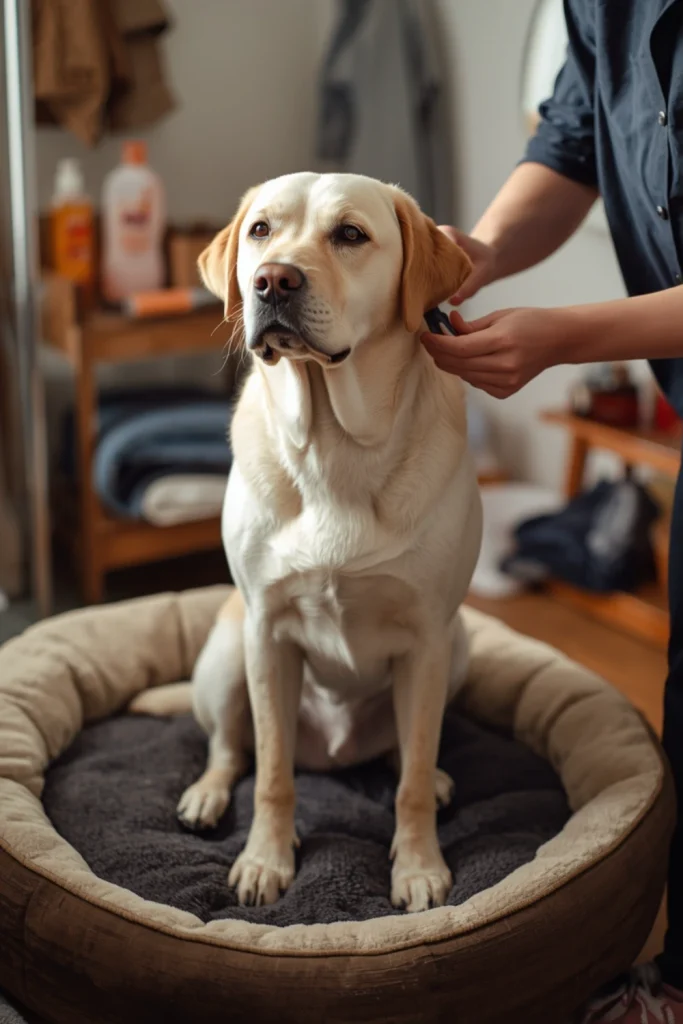
A mild natural dog smell does not always mean your pet needs a bath. Dogs have their own natural scent, and bathing too frequently to remove every trace of it can dry out their skin. Regular brushing, cleaning bedding, washing collars, and keeping the ears and paws clean can help manage everyday odors.
However, a sudden or strong unpleasant smell deserves attention. Odor coming from the ears, mouth, skin folds, paws, or rear end may have a cause that shampoo cannot fix. Skin infections, ear problems, dental disease, and anal gland issues can all produce unusual smells. If the odor continues after normal cleaning or comes with other symptoms, arrange a veterinary checkup.
12. Use Dog Shampoo Instead of Human Shampoo
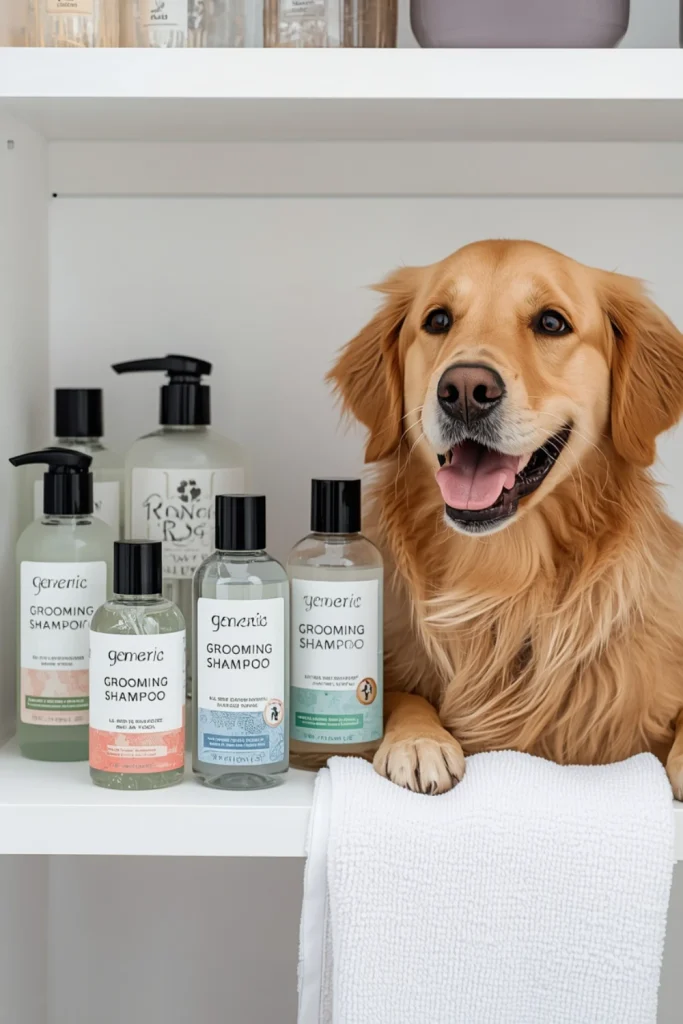
Human shampoos are designed for human skin and hair, which have different characteristics from a dog’s skin and coat. Using ordinary human shampoo can cause dryness or irritation in some dogs. Even gentle or baby shampoos are not automatically suitable for pets.
Choose a product specifically formulated for dogs and read its label before use. Follow the recommended instructions and avoid products containing ingredients that are unsuitable for your pet. If your dog has a skin condition, ask your veterinarian whether a medicated or prescription shampoo is needed. Never use a product simply because it smells pleasant or is advertised as natural; suitability and safety matter more than fragrance.
13. Brush Your Dog Before Bathing
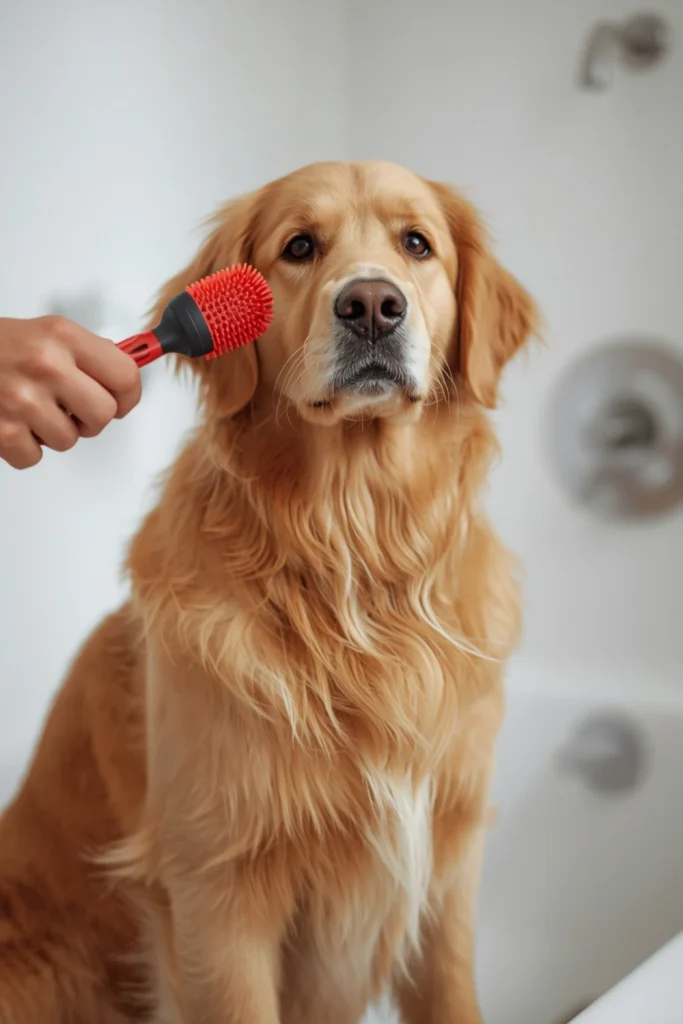
Brushing before a bath helps remove loose hair, dust, and small pieces of debris from the coat. It also helps identify tangles that might become more difficult to manage when wet. This is especially important for dogs with long, curly, or thick coats.
Use a brush suitable for your dog’s coat type and work gently from the ends of longer hair toward the roots when appropriate. Do not pull hard on knots or brush irritated skin. If you find tight mats close to the skin, consult a professional groomer. A little preparation before bathing can make the process easier, more comfortable, and more effective for both you and your dog.
14. Rinse Your Dog Thoroughly After Shampooing
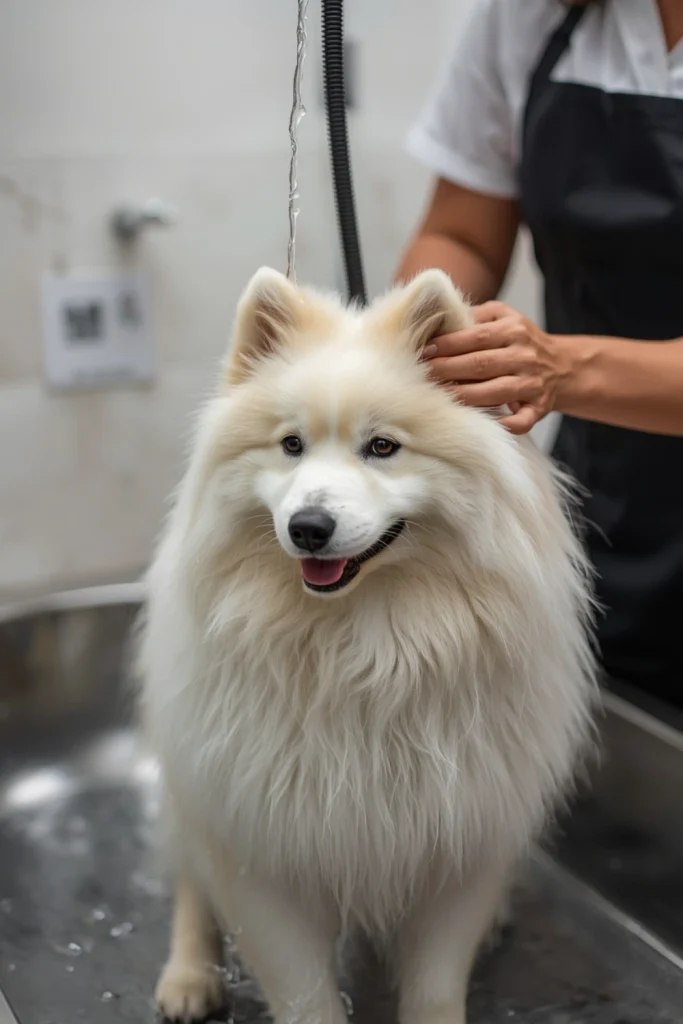
Rinsing is one of the most important steps in a dog’s bathing routine. Shampoo left behind on the coat can cause itching, dryness, or irritation. Thick coats may hold more product than owners expect, so take extra time to rinse areas around the belly, legs, chest, neck, and tail.
Use clean, comfortably warm water and continue rinsing until the coat feels free of shampoo residue. Be careful around the eyes, nose, and ears, and avoid directing water into the ear canals. If your dog has a thick undercoat, gently separate the fur so water can reach the skin. A thorough rinse helps keep bath time comfortable and reduces the chance of product buildup.
15. Dry Your Dog Properly After Every Bath
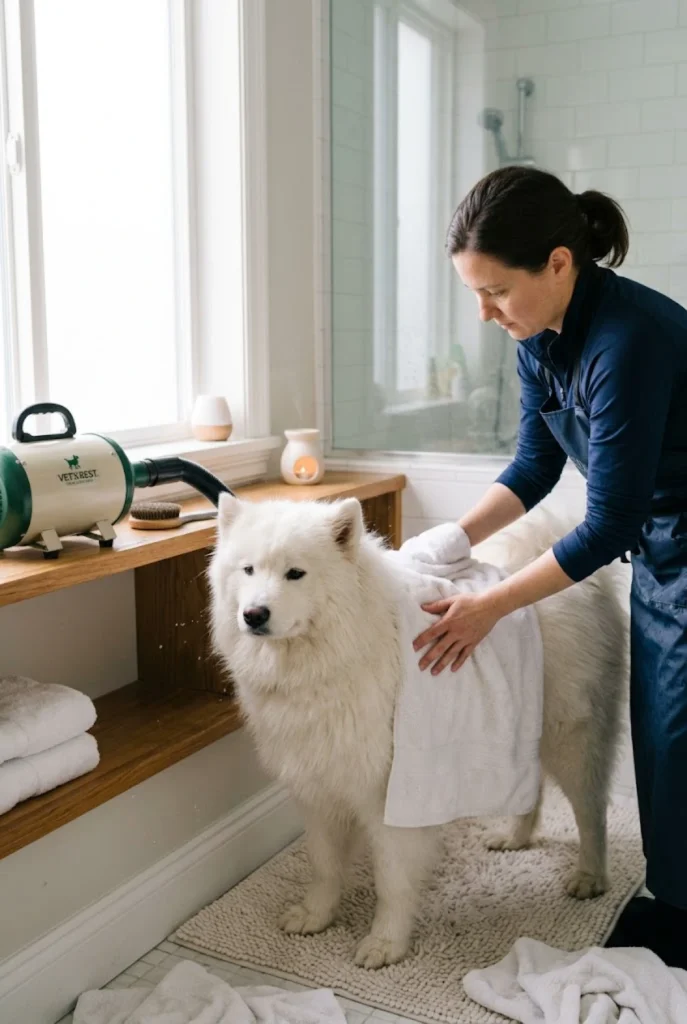
Drying your dog properly is just as important as washing them. Use a soft, absorbent towel to remove excess water without rubbing too harshly. Dogs with short coats may dry relatively quickly, while thick or long coats can hold moisture for much longer.
If you use a pet dryer, choose a suitable low-heat setting and keep it at a comfortable distance. Never direct hot air toward one area for too long. Make sure the coat is dry enough, especially around the belly, armpits, paws, and areas where fur is dense. If your dog is frightened by dryer noise, use towels and allow them to dry in a warm, comfortable, draft-free area.
16. Avoid Bathing Your Dog Too Frequently
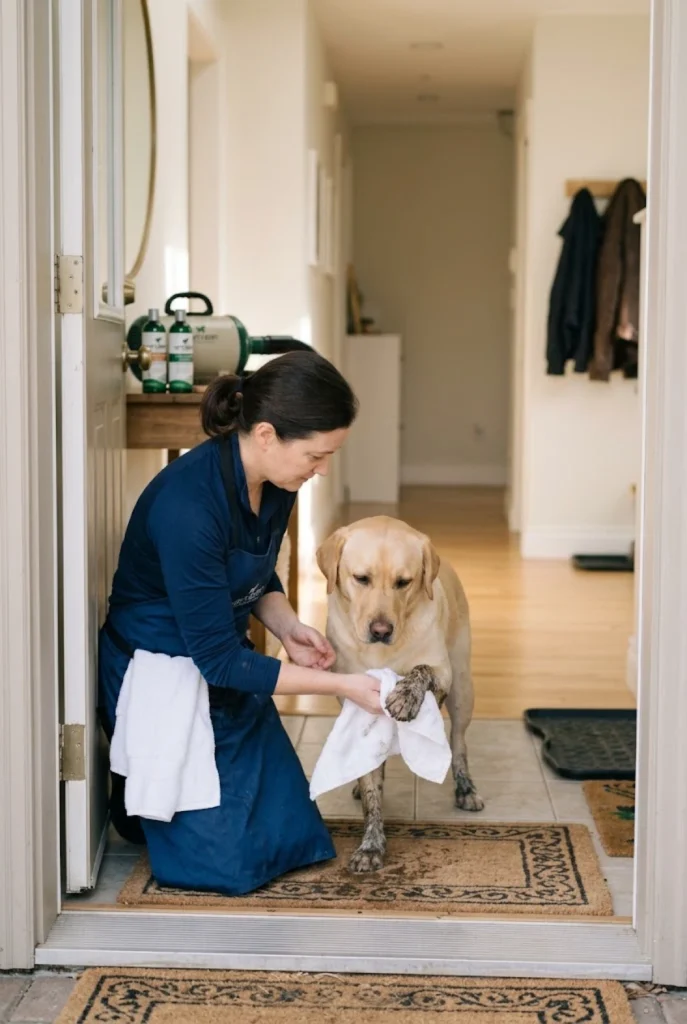
It may seem that frequent bathing is the best way to keep a dog clean, but excessive shampooing can cause problems. Depending on the dog and product, frequent washing may remove natural oils, dry out the skin, and lead to itching or irritation. It can also make some dogs uncomfortable with the bathing process.
Instead of giving a full bath every time your dog gets a little dirty, try brushing, wiping the paws, or cleaning a small affected area. Use a damp cloth for minor dirt and reserve shampoo baths for when they are genuinely needed. If your dog needs frequent baths because of a medical condition, follow the schedule recommended by your veterinarian.
17. Create a Consistent Bathing Schedule
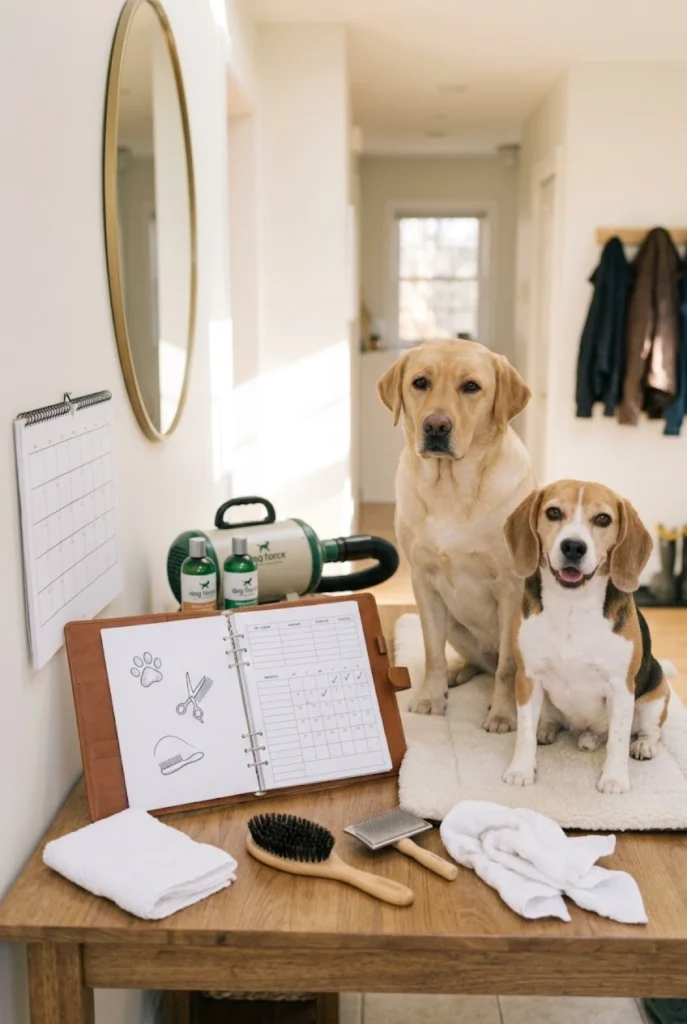
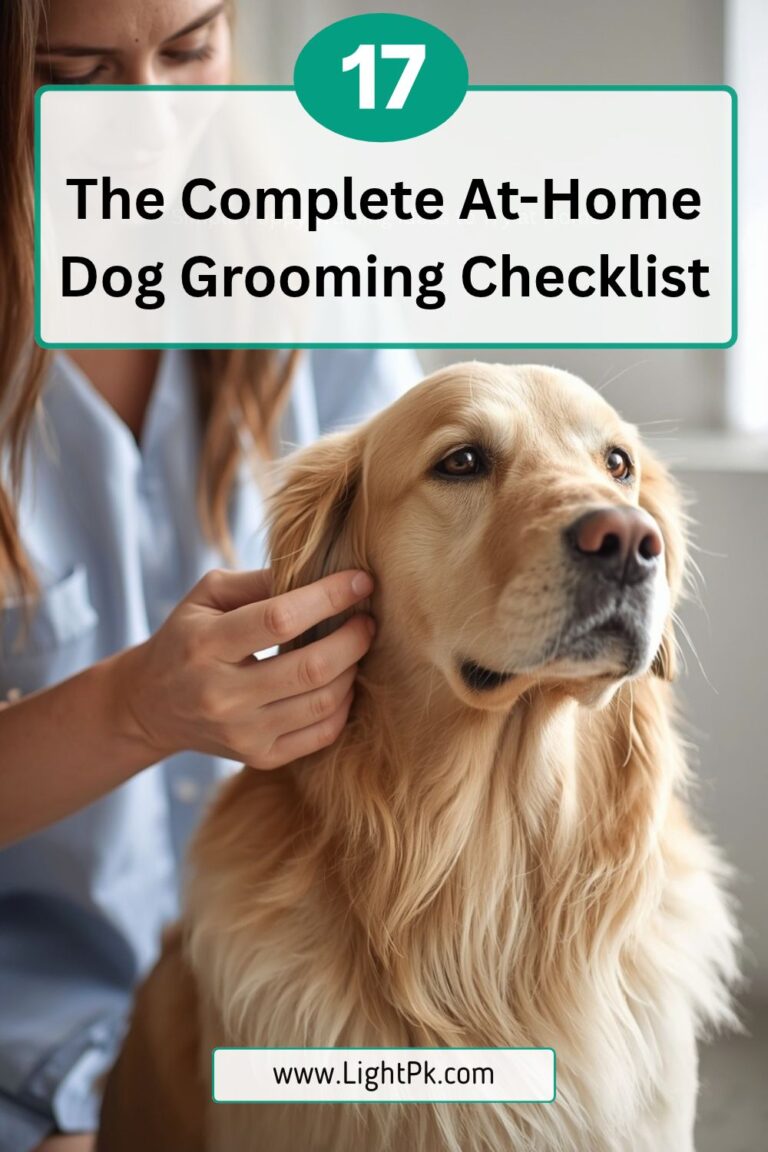
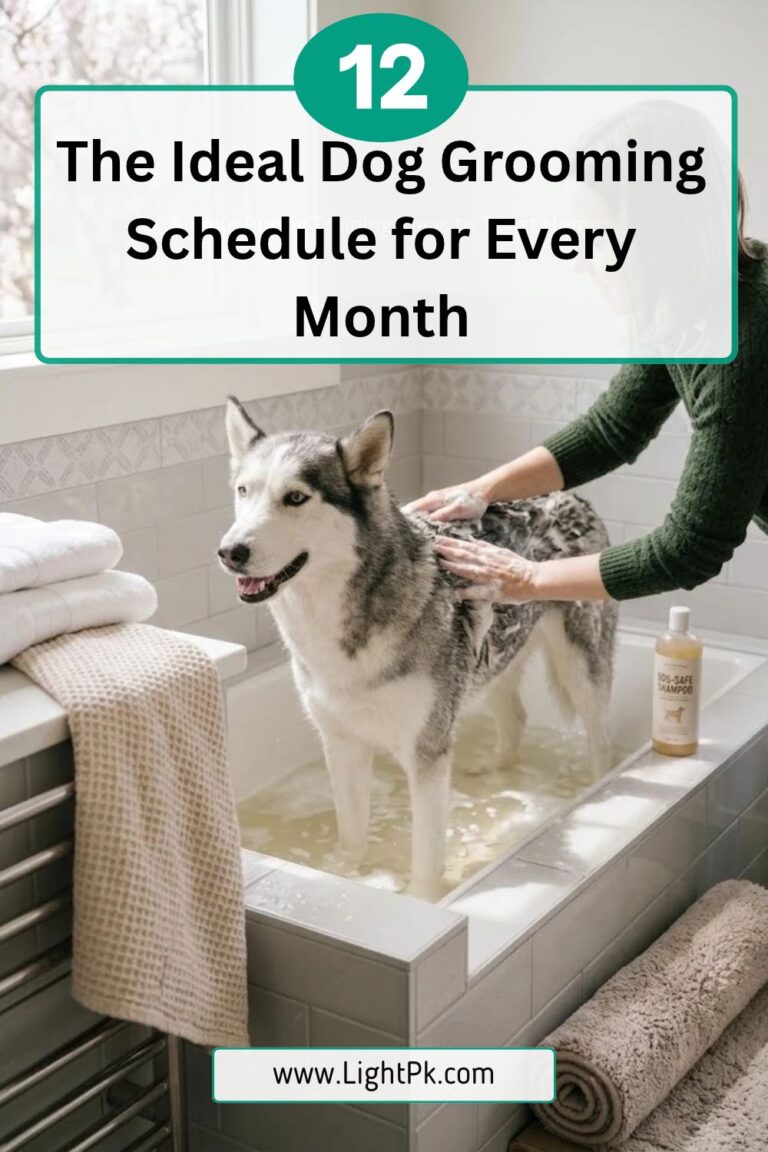
A consistent schedule helps you remember when your dog was last bathed and makes grooming easier to manage. Start with a general interval that suits your dog’s coat and lifestyle, then adjust it according to the condition of the skin and fur. Keep a simple note of bathing dates and any changes you notice afterward.
Your schedule does not need to be complicated. You can combine bath time with regular brushing, nail checks, ear inspections, and paw cleaning. If your dog has a medical skin condition, the bathing schedule may need to be more frequent or less frequent than usual. Follow professional advice rather than relying on a standard calendar routine.
18. Make Bath Time Comfortable and Stress-Free
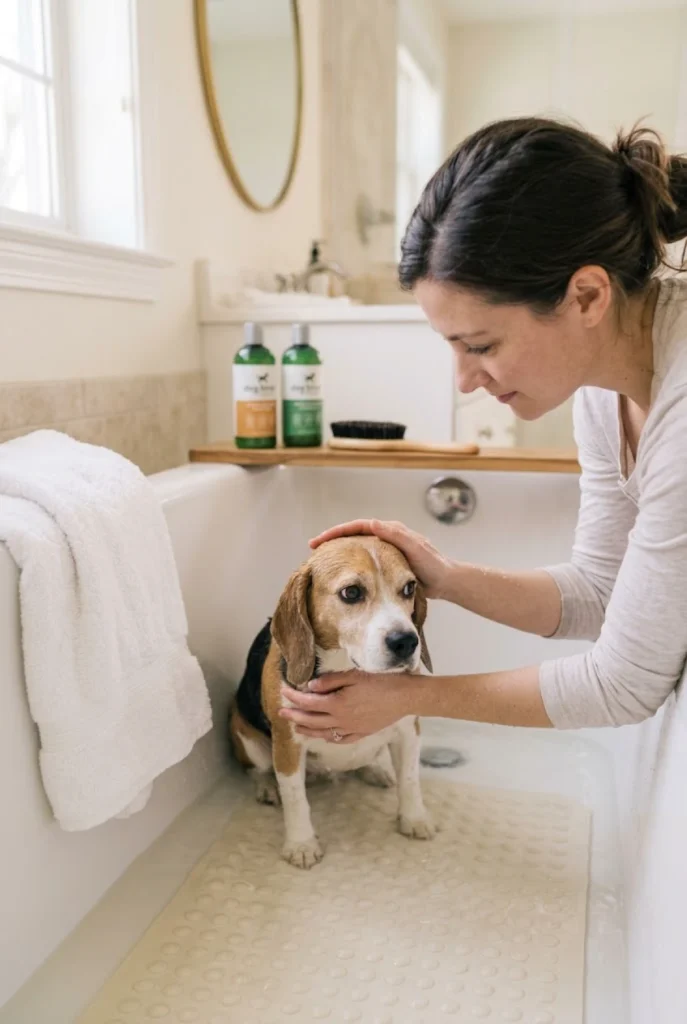
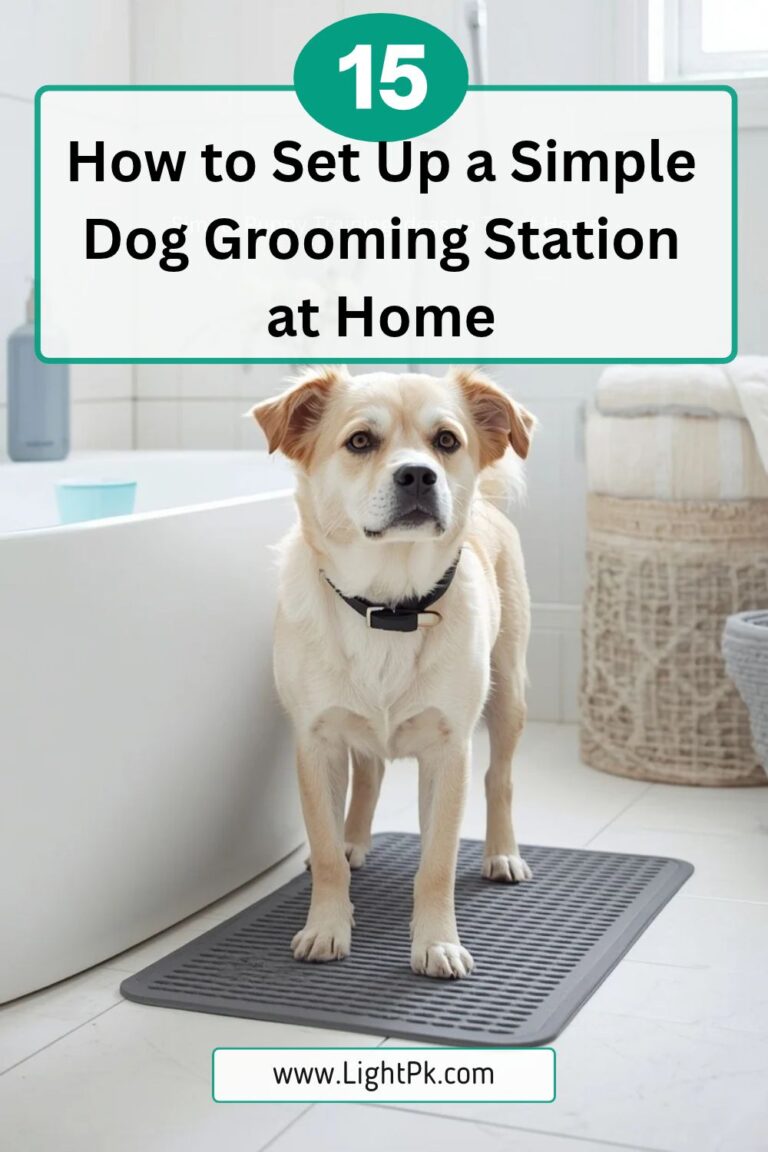
Some dogs enjoy water, while others become nervous as soon as they see the bathtub. A stressful bath can make future grooming sessions harder. Create a calm environment by preparing towels, shampoo, and other supplies before bringing your dog into the bathing area. Use a non-slip mat so your pet feels secure.
Introduce bath time gradually, especially if your dog is inexperienced. Let them explore the bathing area and reward calm behavior with praise or small treats. Use a gentle voice, avoid sudden movements, and never force your dog into water. Keeping the experience positive can help your pet become more comfortable with regular grooming over time.
19. Pay Attention to Your Dog’s Paws and Belly
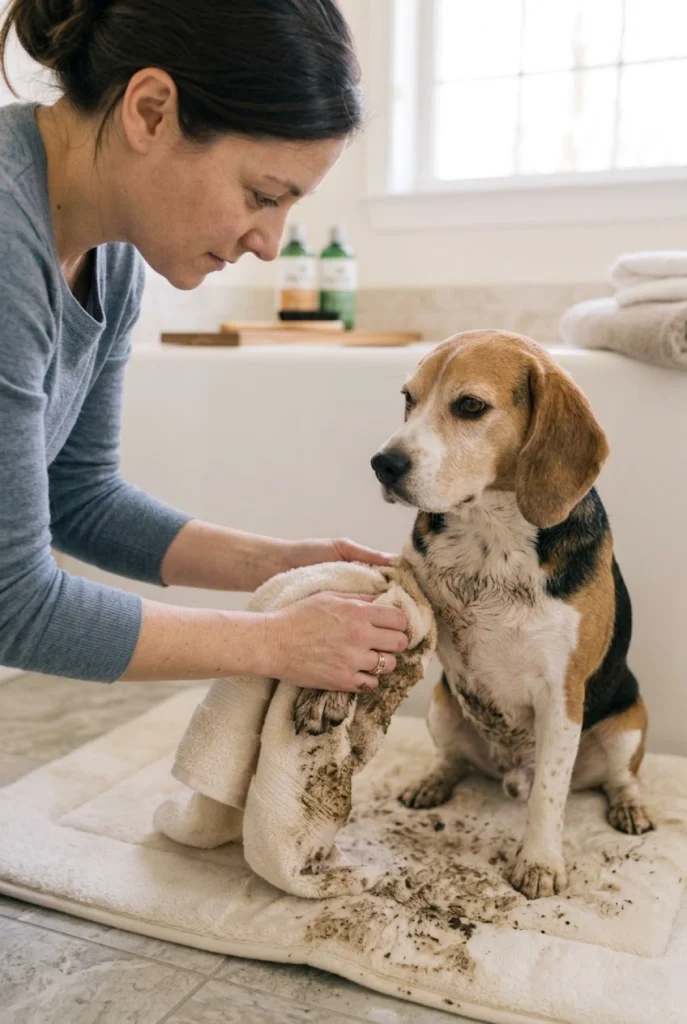
The paws and belly often collect dirt during everyday walks and outdoor play. Mud, dust, grass, and small pieces of debris can stick to these areas even when the rest of the coat looks clean. Checking these areas regularly can help you decide whether a full bath is necessary.
For minor dirt, wipe the paws and belly with a damp cloth or rinse them with clean water. Dry the areas gently afterward, especially between the toes. Check for redness, cuts, swelling, or anything stuck in the fur. If your dog frequently licks their paws or shows signs of discomfort, consult a veterinarian rather than assuming they simply need another bath.
20. Ask Your Veterinarian About Special Bathing Needs
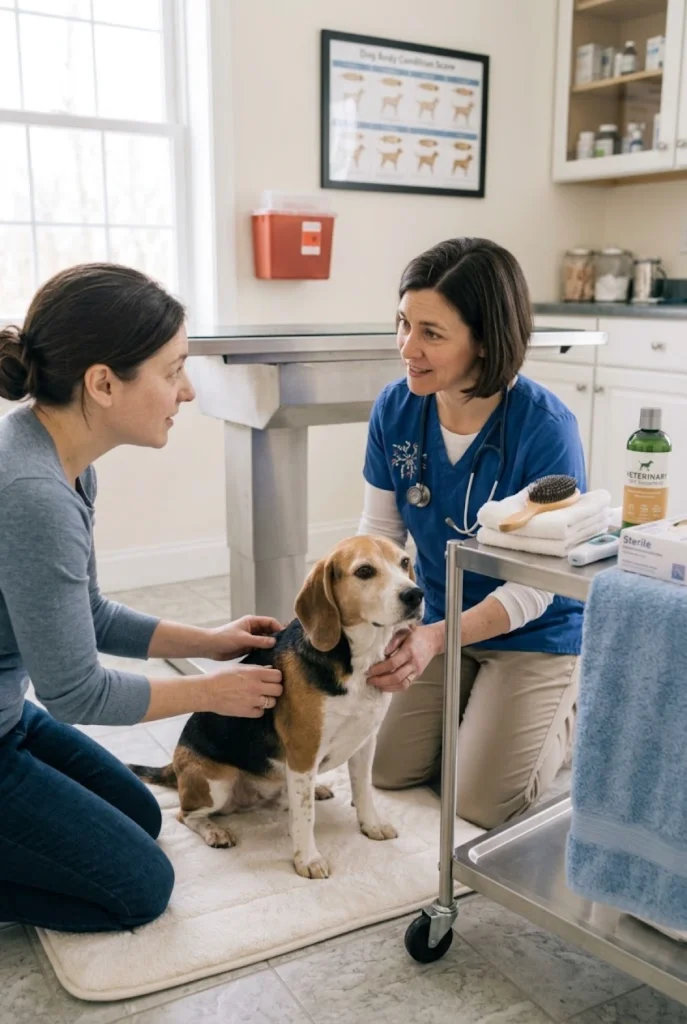
Some dogs need a bathing routine that is different from ordinary grooming recommendations. Dogs with allergies, skin infections, parasites, or other medical conditions may benefit from a specific shampoo and schedule. In these situations, bathing is part of a treatment plan rather than simply a way to remove dirt.
Your veterinarian can recommend the correct product, how often to use it, and how long it should remain on the coat before rinsing. Follow the instructions carefully because medicated shampoos may need a particular contact time. Do not replace prescribed products with ordinary shampoo or change the schedule without professional advice. If symptoms worsen, contact your veterinarian for further guidance.
Final Thoughts
Understanding how often to bathe your dog helps you keep their coat clean without overdoing it. For many healthy dogs, a bath every four to eight weeks can be a useful starting point, but the right schedule depends on coat type, skin condition, age, and daily activities. Some dogs need more frequent cleaning, while others stay comfortable for longer between baths.
Pay attention to your dog’s skin and coat, use a shampoo made for dogs, brush before bathing, rinse thoroughly, and dry your pet carefully. If your dog has ongoing itching, unusual odor, redness, or another skin problem, consult a veterinarian for personalized advice. A simple, consistent grooming routine can help your dog stay comfortable, fresh, and healthy throughout the year.