
15 Dog Behavior Training Ideas for Everyday Problems
Does your dog bark at every little sound, jump on guests, pull hard on the leash, or chew things around the house? Everyday behavior problems can make life stressful for both dogs and their owners. The good news is that with patience, consistency, and positive reinforcement, many unwanted behaviors can improve over time.
These Dog Behavior Training Ideas will help you understand common dog behavior problems and teach your pet better habits through simple, practical exercises. Whether you have a playful puppy or an adult dog that needs extra guidance, these methods can help you build a calmer home, improve communication, and strengthen your bond with your furry companion.
1. Teach Your Dog to Stop Jumping on People
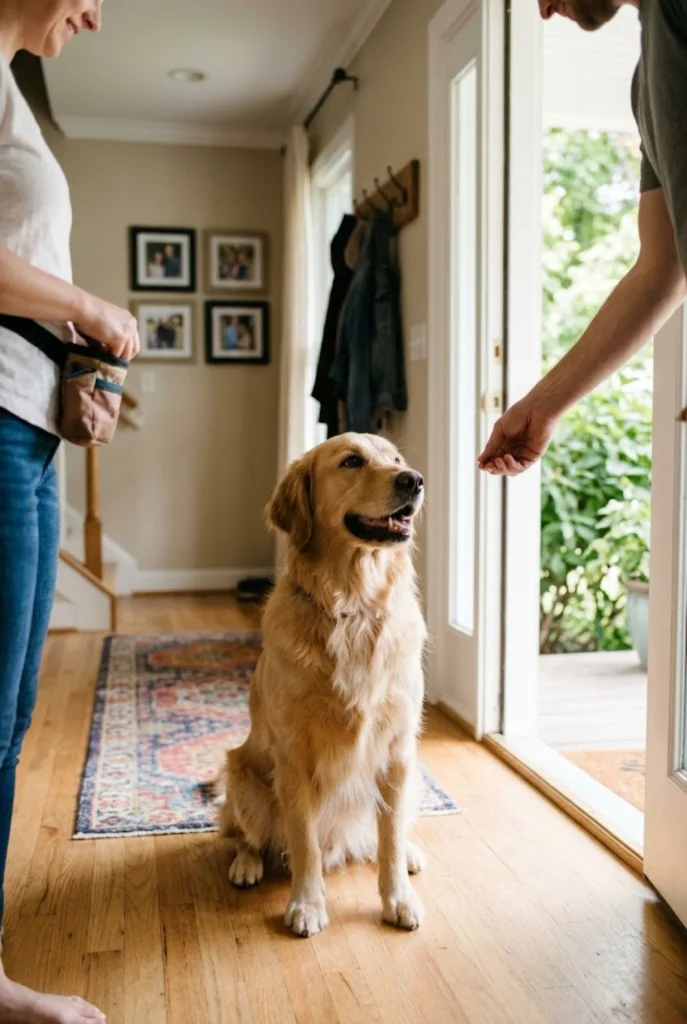
Jumping on people is one of the most common everyday dog behavior problems. Dogs often jump because they are excited, want attention, or have learned that jumping makes people talk to them or touch them. Even pushing a dog away can feel like attention and accidentally encourage the behavior. To begin training, ask your dog to sit before greeting family members or visitors. Keep your greetings calm, and reward your dog when all four paws remain on the floor. Practice this routine with familiar people before expecting your dog to behave politely around guests.
Consistency is essential when teaching your dog not to jump. Everyone in the household should follow the same rule: attention comes when the dog is calm, not when the dog jumps. If your dog becomes too excited, briefly pause the greeting and try again when your pet settles. You can also keep your dog on a leash during planned visitor greetings for better control. Avoid shouting or kneeing your dog, as these reactions can increase excitement or cause fear. With regular practice, your dog can learn that keeping paws on the ground is the best way to receive attention.
2. Reduce Excessive Barking at Home
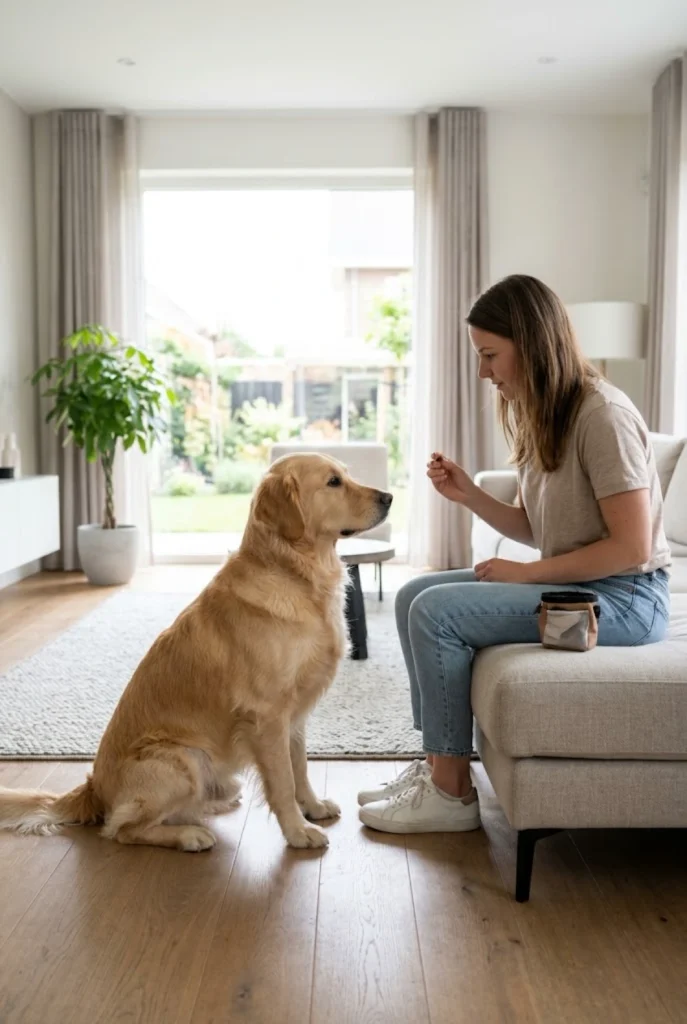
Barking is a natural way for dogs to communicate, but excessive barking can become frustrating for the whole household. Your dog may bark at people passing the window, noises outside, other animals, or simply because they want attention. Start by observing when the barking happens and identifying its likely trigger. If your dog barks at people through the window, close the curtains or move your pet to a quieter area while training begins. Reward your dog for remaining calm when a sound occurs. The goal is not to stop all barking but to help your dog respond more appropriately.
Once you understand the trigger, teach a simple alternative behavior such as coming to you, going to a mat, or looking at you when a noise occurs. Begin with mild distractions and offer a small treat when your dog stays quiet for a moment. Gradually increase the difficulty as your dog improves. Make sure your pet receives sufficient exercise, mental stimulation, and rest, because boredom and frustration may contribute to excessive vocalization. Avoid yelling “quiet” repeatedly over loud barking; your dog may interpret your raised voice as joining in. If barking suddenly increases or seems linked to distress, pain, or fear, consult a veterinarian or qualified behavior professional.
3. Stop Pulling on the Leash During Walks
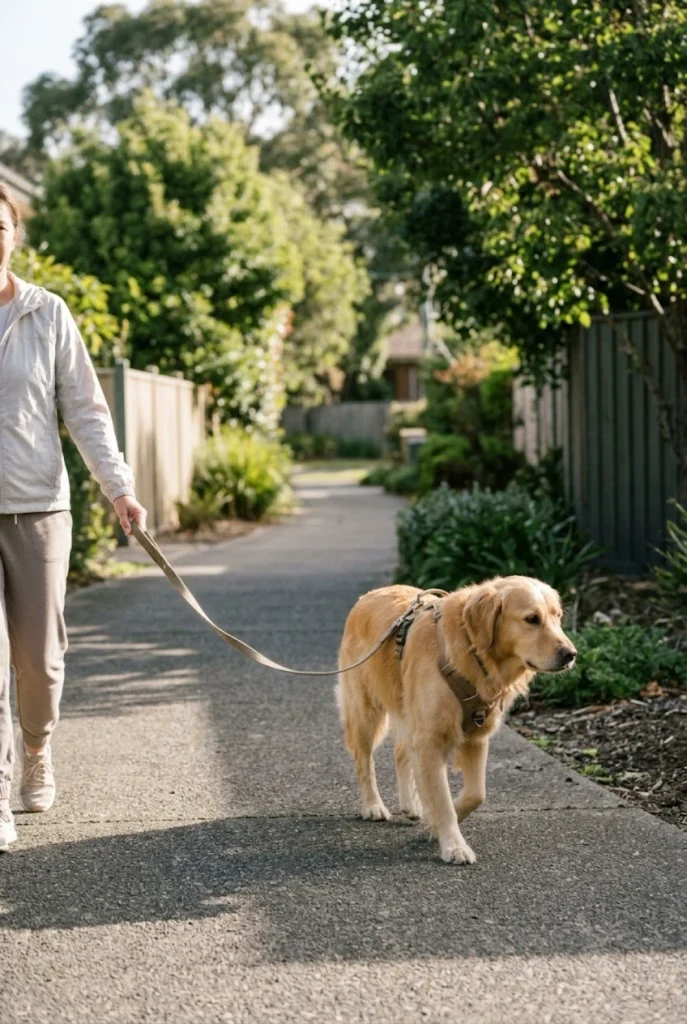
Leash pulling can turn an enjoyable walk into an exhausting experience. Dogs may pull because they want to reach interesting smells, greet other dogs, or move faster than their owners. Instead of pulling back continuously, teach your dog that walking near you makes forward movement possible. Start in a quiet area with a comfortable, properly fitted harness or collar and a standard leash. Reward your dog whenever the leash is loose and your pet walks beside you. Keep early sessions short, allowing your dog to sniff and explore as a reward for walking calmly.
When your dog begins pulling, stop moving forward if it is safe to do so. Wait for your dog to turn back, loosen the leash, or reconnect with you before continuing. You can also change direction gently to encourage your dog to pay attention. Avoid jerking the leash or using equipment that causes pain, because discomfort can increase stress and make walks less pleasant. Practice indoors, in the yard, and on quiet streets before moving to busy areas. With patience and repeated rewards, your dog can learn that a relaxed leash makes walks more rewarding and enjoyable for both of you.
4. Prevent Chewing on Furniture and Household Items
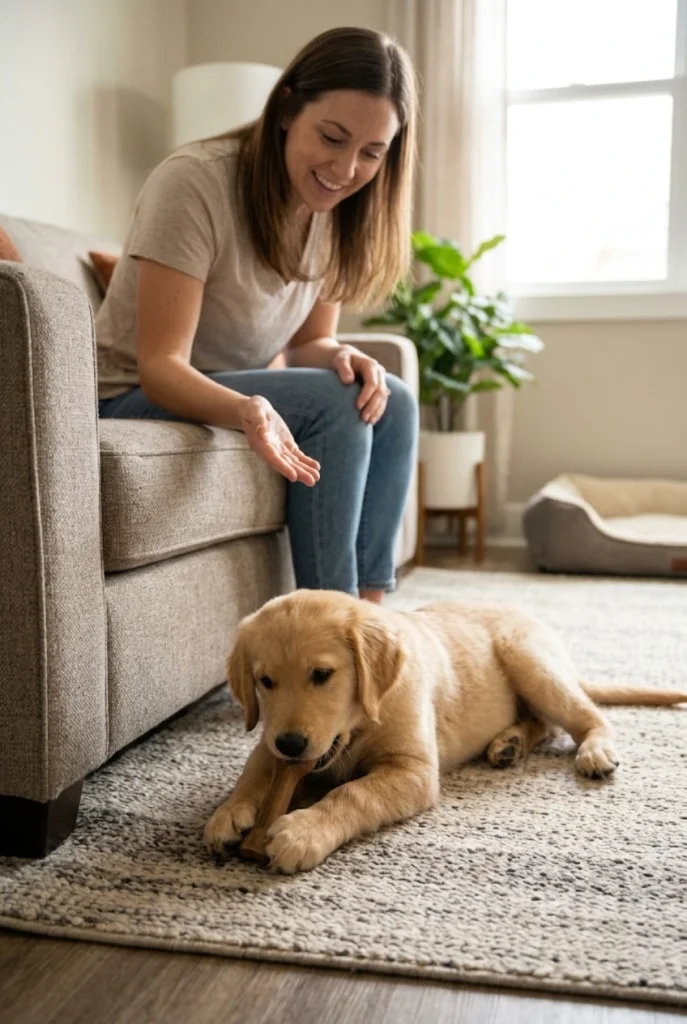
Chewing is a normal dog behavior, especially for puppies that are exploring the world or experiencing teething discomfort. However, chewing shoes, furniture, cushions, and electrical cords can be dangerous and expensive. Begin by making your home safer and removing tempting objects from your dog’s reach. Provide suitable chew toys with textures and sizes appropriate for your pet. When your dog chooses an approved toy, praise the behavior and offer a reward. If you notice chewing on an inappropriate item, calmly redirect your dog to a safe alternative rather than chasing or frightening them.
Prevention and routine are important parts of successful chewing training. Use baby gates or a safe, comfortable area when you cannot supervise your dog. Rotate suitable toys to maintain interest, and provide age-appropriate exercise, sniffing activities, and short training sessions. If your dog repeatedly chews furniture when left alone, consider whether anxiety, boredom, or distress might be contributing to the problem. Do not punish your dog for damage discovered after the event, because your pet is unlikely to connect the punishment with the earlier action. Persistent destructive behavior, particularly alongside signs of panic when alone, may require advice from a veterinarian or qualified behavior professional.
5. Teach Your Dog to Come When Called
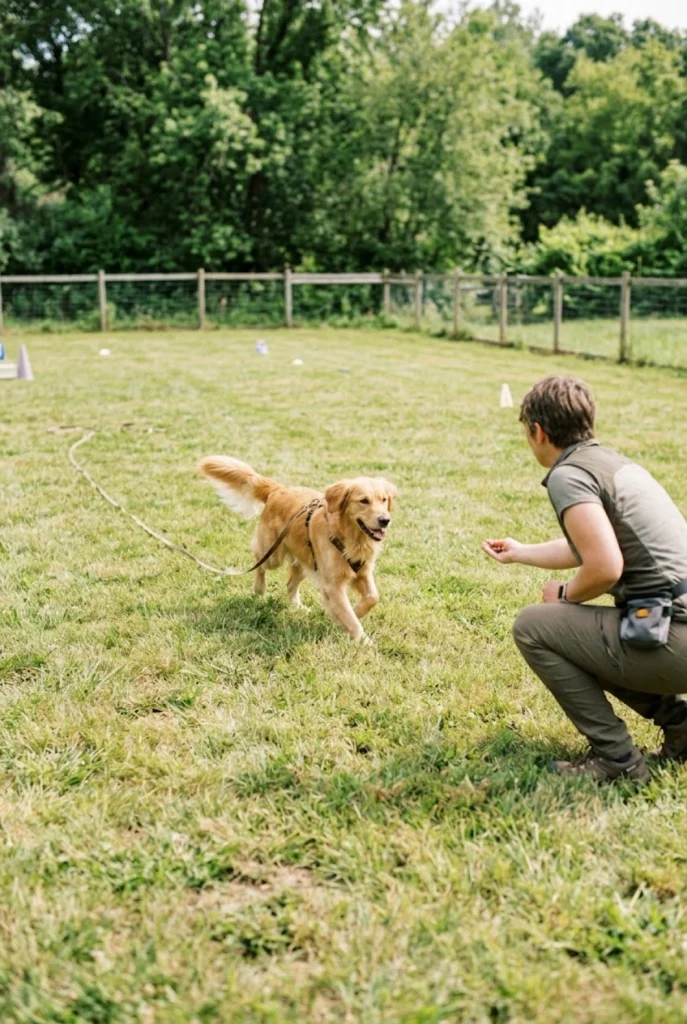
A reliable recall helps keep your dog safer and makes daily life easier. Some dogs ignore their names because outdoor smells, moving animals, or other distractions are more exciting than returning to their owners. Begin training indoors when your dog is nearby and the environment is quiet. Say your dog’s name followed by a cheerful recall cue such as “come.” When your dog approaches, reward them immediately with a treat, praise, or a favorite toy. Make returning to you enjoyable, and avoid using the recall cue for unpleasant experiences every time, such as ending play or giving medication.
Gradually practice in different rooms, the yard, and other secure areas while increasing distractions slowly. In open spaces, use a long training line attached to a suitable harness until your dog’s recall is dependable. Never assume that a dog is safe off-leash near traffic, wildlife, or unfamiliar dogs simply because they respond well at home. If your dog does not come, avoid repeating the cue angrily or chasing them, which may turn the situation into a game. Instead, reduce the difficulty, use a more appealing reward, and practice again. Consistent positive experiences can make returning to you a habit your dog is happy to repeat.
6. Help Your Dog Stay Calm When Guests Arrive
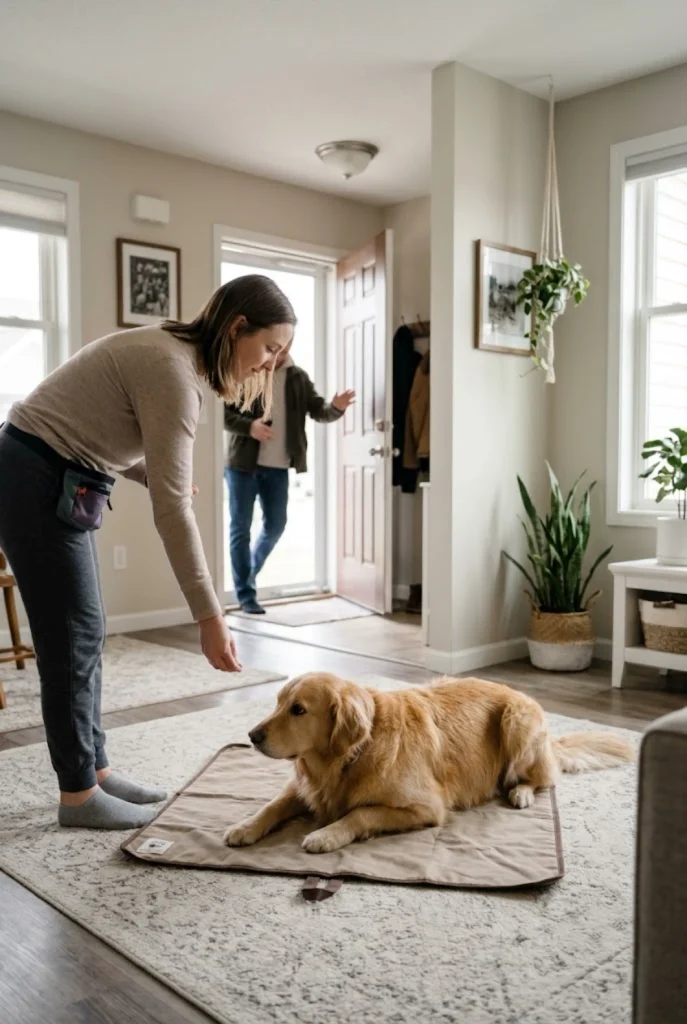
Doorbells, knocking, and unfamiliar visitors can cause intense excitement or anxiety in some dogs. Your pet may rush toward the door, bark, jump, or struggle to settle. Before guests arrive, prepare a comfortable area with a bed, treats, water, and an activity your dog enjoys. Practice the sound of a doorbell at a low intensity, then reward your dog for remaining calm or moving toward a designated mat. You can gradually increase the difficulty as your dog becomes more comfortable. Training before real visitors arrive helps your pet learn the routine without being overwhelmed.
When guests come in, manage the environment instead of expecting your dog to behave perfectly immediately. Use a leash, baby gate, or separate room when needed, especially if your dog is large, highly excitable, fearful, or unfamiliar with visitors. Reward calm behavior and allow greetings only when everyone is comfortable. Ask visitors not to lean over, grab, or force contact with your dog. Some dogs need distance rather than direct interaction, and that should be respected. If your dog growls, lunges, snaps, or shows serious fear, avoid forcing greetings and seek professional guidance. A safe, predictable routine is more valuable than making every dog greet every guest.
7. Reduce Begging for Food at the Table
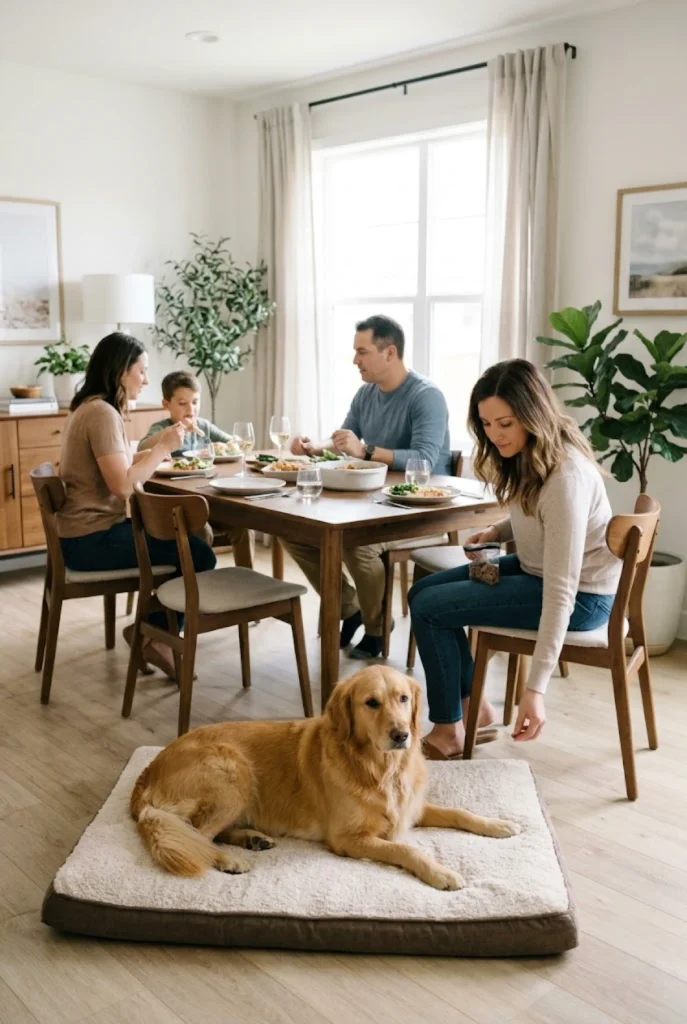
Begging during meals can develop when a dog receives food from the table or gets attention whenever it approaches someone who is eating. Even occasional treats can teach your dog that begging sometimes works, making the habit difficult to change. Start by establishing a clear meal-time routine. Before sitting down, guide your dog to a bed, mat, or designated resting area. Reward your pet for staying there calmly, initially for just a few seconds at a time. Gradually increase the duration, offering an appropriate chew toy or food puzzle if it helps your dog settle.
Everyone in the household must follow the same rule. Giving a small piece of food “just this once” can reinforce the behavior and make future begging more persistent. If your dog leaves the mat, calmly guide them back and reward the return. Keep training realistic at first by practicing during short snacks before moving to longer family meals. Make sure your dog receives an appropriate diet and regular feeding schedule, and avoid sharing foods that may be unsafe for dogs. If your dog suddenly becomes unusually hungry or shows a major change in eating habits, discuss it with a veterinarian. Teaching a calm alternative makes mealtimes more comfortable for everyone.
8. Improve Your Dog’s Behavior Around Other Dogs
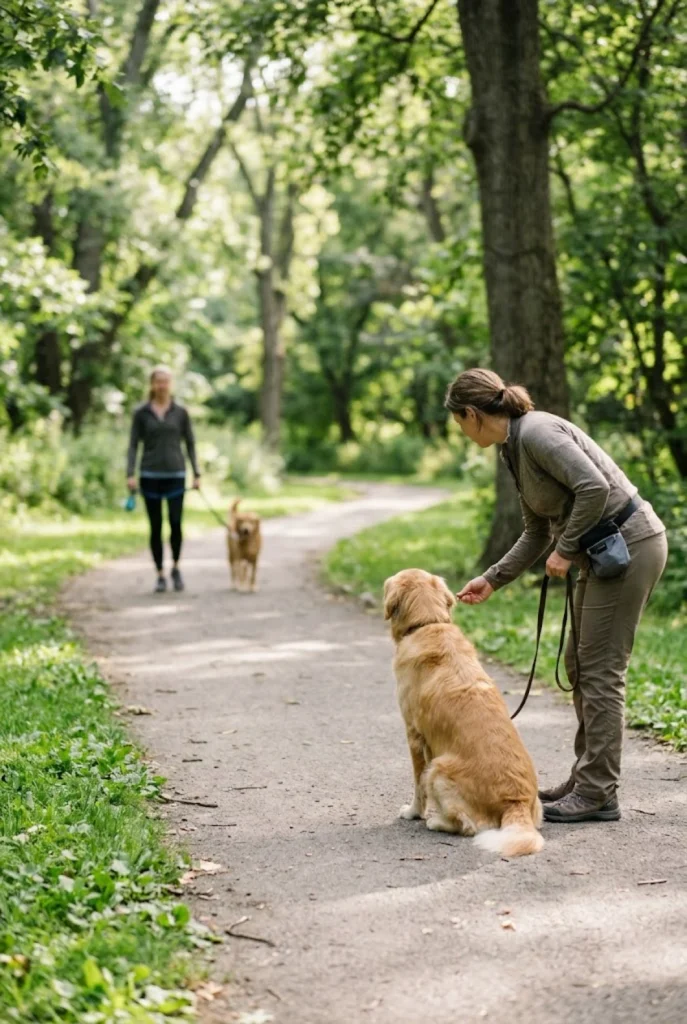
Some dogs become overly excited, bark, lunge, or pull when they see another dog. These reactions can result from frustration, fear, previous negative experiences, or a strong desire to greet. Start by finding a distance at which your dog can notice another dog without becoming overwhelmed. Reward your pet for looking at the other dog and then turning attention back toward you. If your dog is unable to take treats, respond to their name, or relax, move farther away. Creating more space is often a useful training step, not a failure.
Avoid forcing face-to-face greetings or taking your dog into crowded dog parks to “get used to it.” Repeated overwhelming experiences can make reactivity worse. Instead, practice in controlled environments where you can maintain distance and reward calm observation. Choose quiet walking routes and use secure equipment suited to your dog’s size and strength. Do not punish growling or other warning signals; these may communicate discomfort. If your dog has a history of biting, serious lunging, or intense fear, work with a qualified reward-based trainer or veterinary behavior professional. The goal does not need to be greeting every dog. Calmly passing another dog without conflict is an excellent everyday skill.
9. Teach Your Dog to Settle on a Bed or Mat
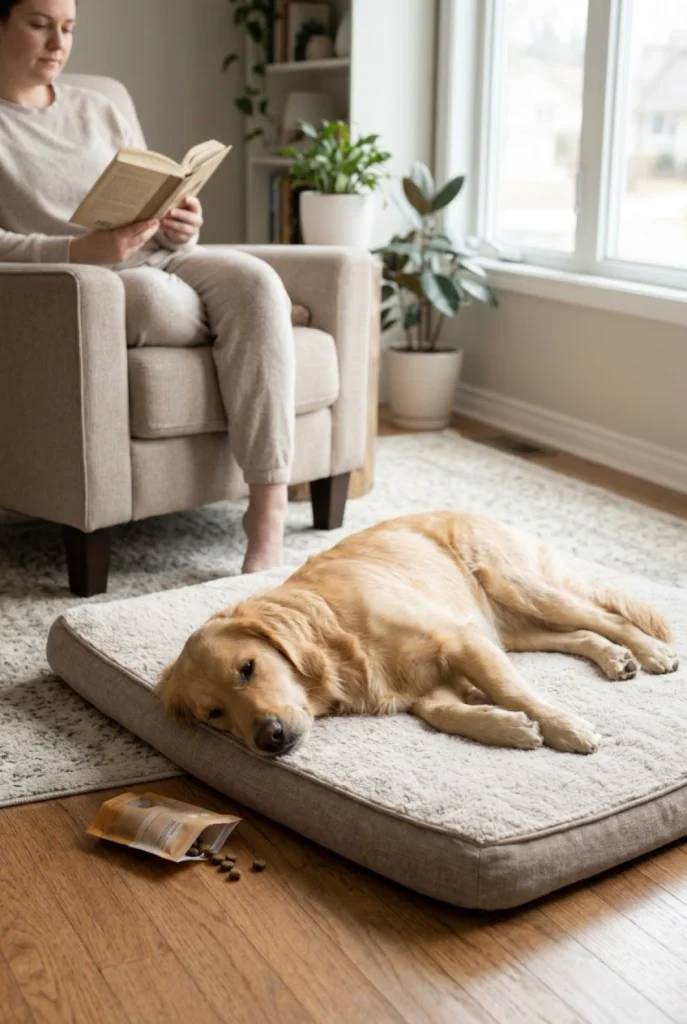
Some dogs struggle to relax indoors. They may follow their owners constantly, pace around the room, demand attention, or become excited whenever someone moves. Teaching a settle behavior gives your dog a clear place to rest while the household carries on with normal activities. Choose a comfortable mat or bed in a quiet location. Reward your dog for approaching it, stepping onto it, and eventually lying down. At first, deliver treats frequently while your dog remains relaxed. Keep your voice calm and avoid turning the exercise into an energetic game.
As your dog understands the behavior, gradually increase the time between rewards and practice while you sit, stand, or move around nearby. Keep sessions short enough that your dog can succeed. Provide regular opportunities for exercise, sniffing, play, and bathroom breaks so the mat does not become a substitute for meeting basic needs. Never use the bed as punishment or force your dog to stay there when frightened. Some dogs need extra help learning to relax, particularly if they are anxious or uncomfortable. If your dog cannot settle even in a quiet environment or shows persistent pacing and distress, seek veterinary advice to rule out pain or other underlying problems.
10. Manage Puppy Biting and Mouthing
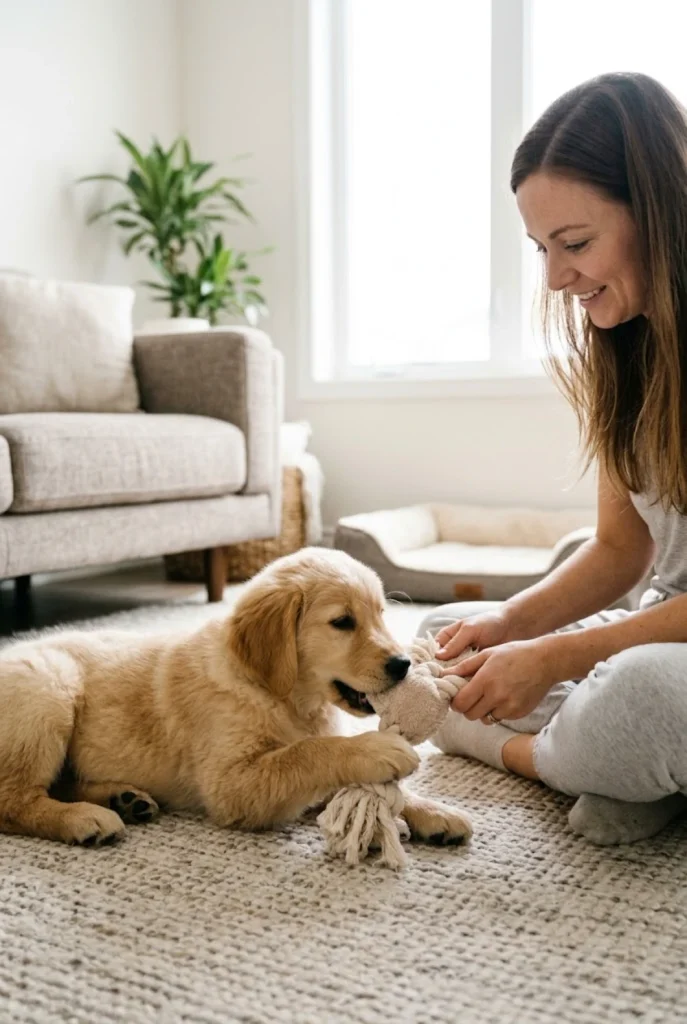
Puppies often use their mouths to explore, play, and interact with people. Mouthing may become more noticeable during teething or when a puppy is overtired or overstimulated. Although this behavior is common, it is important to teach your puppy that human skin and clothing are not appropriate chew toys. Keep suitable toys nearby during play and redirect biting toward a toy when your puppy becomes mouthy. Reward gentle interactions, and keep play sessions short enough to prevent excessive excitement. Avoid shouting, hitting, or holding the puppy’s mouth shut, as these reactions may create fear or increase rough behavior.
If your puppy repeatedly bites hands or clothing, calmly pause the interaction for a brief moment and give your puppy an opportunity to settle. Resume play when your puppy is calmer, using a toy to create an appropriate outlet for chewing. Make sure your puppy gets enough sleep, since overtired puppies often struggle with impulse control. Children should be supervised closely around puppies and taught to avoid rough hand play. If biting is unusually intense, causes injuries, or appears aggressive rather than playful, seek advice from a qualified professional. Patience and consistent redirection help puppies develop softer mouths and more appropriate ways to interact with people.
11. Help Your Dog Feel Comfortable When Home Alone
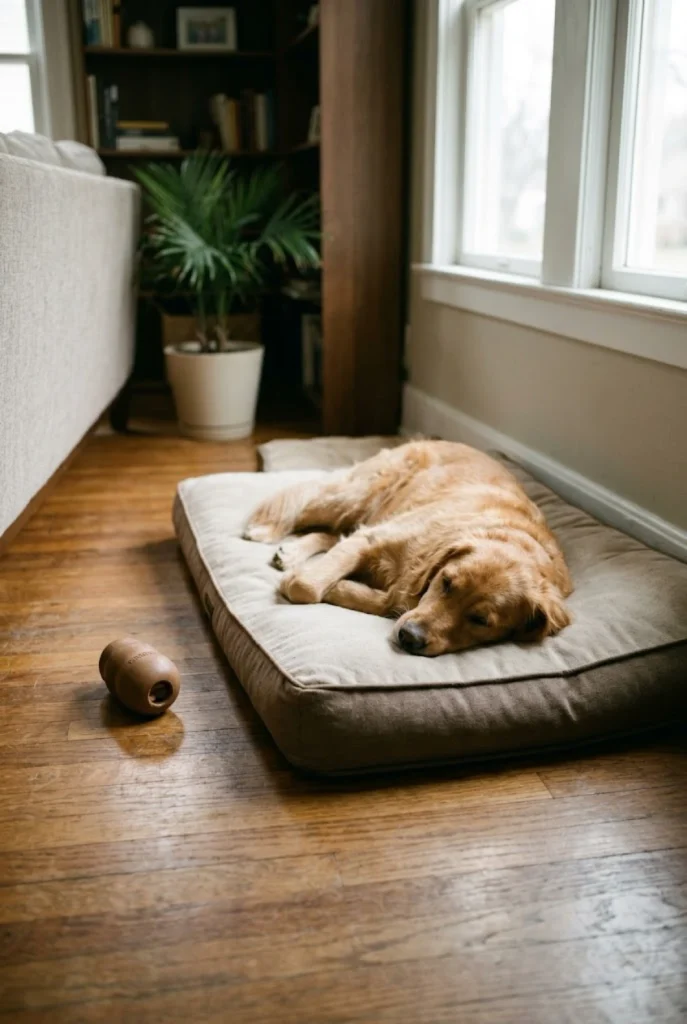
Some dogs become distressed when left alone, while others bark, chew, or scratch doors because they are bored or have not learned to spend time independently. Begin by teaching your dog that short periods of separation are safe and predictable. Make sure your pet has had a bathroom break and appropriate activity before practicing. Start with a comfortable resting area and briefly step away while your dog remains relaxed. Return before your dog becomes distressed, then gradually build up the duration. Provide a safe food puzzle or chew if your dog enjoys it and can use it safely without supervision.
Avoid suddenly leaving your dog alone for many hours as a way to force independence. For dogs experiencing separation-related distress, this can make the problem worse. Look for signs such as persistent vocalizing, frantic attempts to escape, drooling, destruction around exits, or an inability to eat when alone. A camera can help you understand what happens after you leave, if you have access to one. Increase alone time at a pace your dog can tolerate, and consider help from a veterinarian or qualified behavior professional when distress is significant. Some dogs need a structured treatment plan rather than ordinary obedience exercises. The aim is to help your dog feel safe, not simply to stop visible behavior.
12. Teach Your Dog to Wait Before Going Through Doors
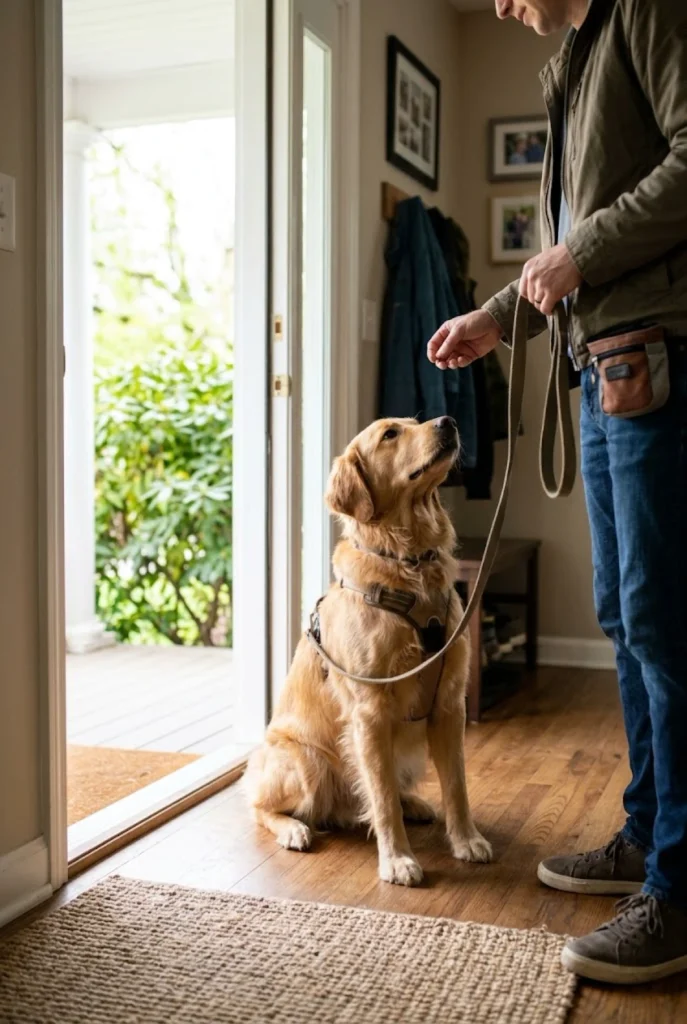
Rushing through doors can be dangerous, especially when the door opens onto a street, driveway, or shared hallway. Dogs may dash outside because they are excited, curious, or eager to explore. Teaching a wait cue helps your dog pause while you manage the door. Begin with an interior door in a quiet environment. Ask your dog to wait, move your hand toward the handle, and reward your pet for remaining in place. If your dog moves forward, calmly reset the exercise with an easier step. Open the door only a little at first, rewarding your dog for staying behind the threshold.
Practice the same routine at different doors once your dog understands the basic exercise. Keep your dog on a leash near exterior doors until the behavior is reliable, and use barriers where necessary. The cue should not be your only safety measure because dogs can become distracted or frightened unexpectedly. Make the exercise gradual and rewarding rather than relying on shouting or physical corrections. You can also teach your dog to sit before receiving permission to walk through the door. Over time, your pet learns that waiting is part of the normal routine and that calm behavior opens the way to new experiences.
13. Stop Digging in the Yard
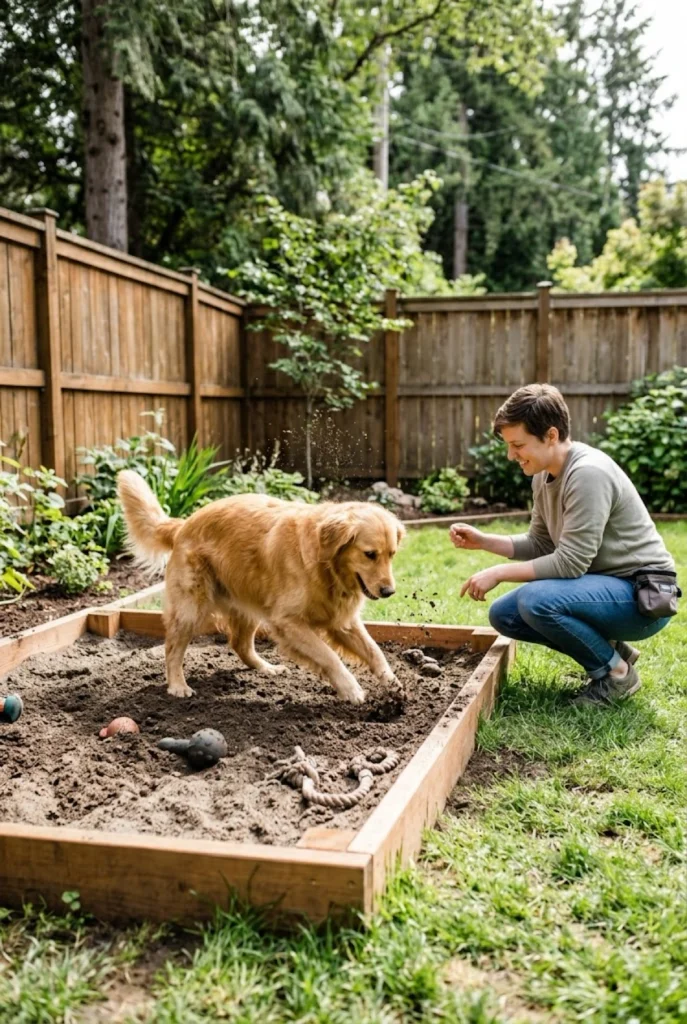
Digging is a natural behavior that can occur when dogs are exploring scents, looking for a cool resting place, releasing energy, or following their instincts. Some dogs dig because they are bored, while others enjoy digging simply because it feels rewarding. Begin by identifying where and when your dog digs. Provide appropriate exercise, sniffing games, and interactive play to meet your pet’s needs. Protect garden beds and block access to dangerous areas while training. If digging occurs mainly during hot weather, make sure your dog has shade, water, and a comfortable cool place to rest.
Rather than trying to eliminate every opportunity to dig, consider creating an approved digging area if your space allows. Choose a safe section of the yard, loosen the soil, and hide dog-safe toys or treats for your dog to discover. Praise your pet for digging in that location and gently redirect digging from other areas. Check the area for sharp objects, toxic plants, and anything your dog might swallow. Never leave a dog unsupervised in an area where digging could lead to escape or injury. If your dog digs frantically near fences or exits, consider whether anxiety or an attempt to escape is involved and seek professional guidance if needed.
14. Reduce Fear of Noises and Sudden Sounds
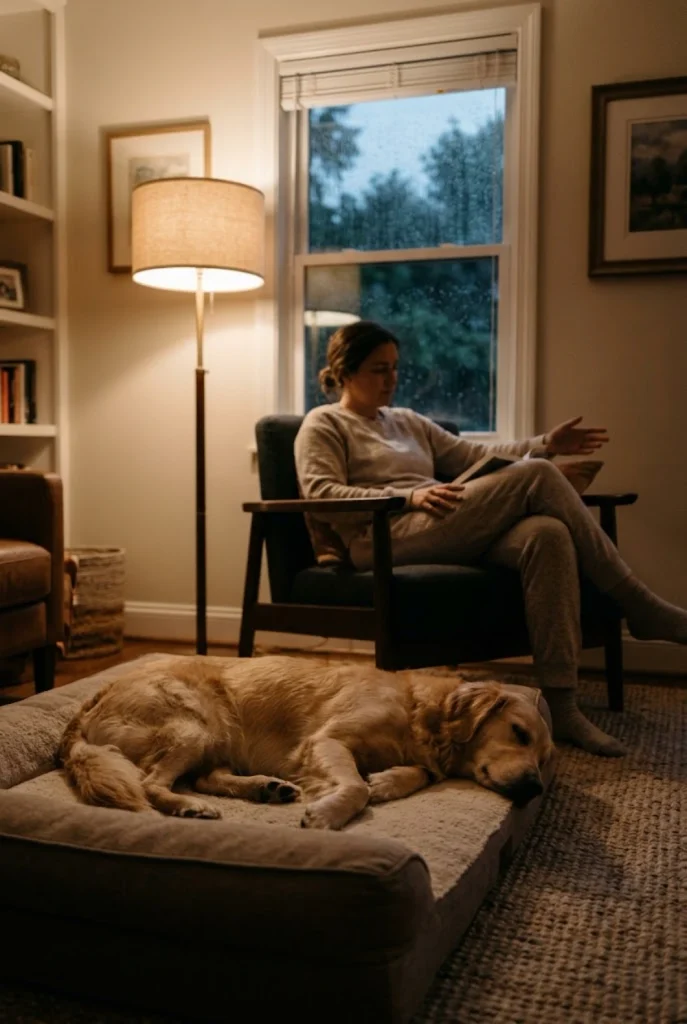
Thunder, fireworks, vacuum cleaners, traffic, and other loud sounds can frighten dogs. A scared dog may hide, tremble, bark, pace, or attempt to escape. Start by creating a safe resting space where your dog can retreat without being disturbed. Close windows and curtains when necessary, and use gentle background noise to reduce the impact of outside sounds. Let your dog choose whether to stay near you or rest in a quieter area. Calm reassurance is appropriate; you do not need to ignore a frightened dog to prevent fear from being reinforced.
For sounds that can be practiced safely, gradual desensitization may help. Play a recording at a very low volume while your dog is relaxed and pair it with treats or a favorite activity. Increase the volume slowly over multiple sessions only if your dog remains comfortable. If your dog shows fear, reduce the intensity or stop and try again another time. Never expose your dog to a loud sound at full volume to make them “get used to it.” Severe noise sensitivity may require veterinary support and an individualized behavior plan. Early attention to fear can improve comfort and reduce the risk of panic-related escape or injury.
15. Improve Impulse Control With Simple Daily Exercises
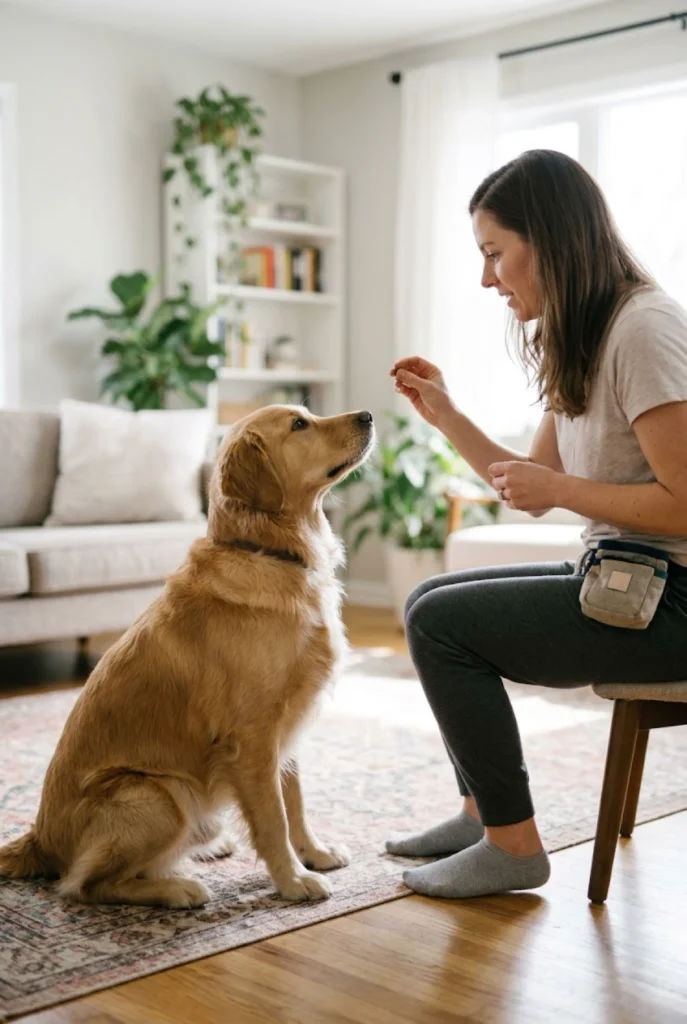
Impulse control helps dogs pause and make better choices when they feel excited. Everyday examples include waiting before meals, staying calm while a leash is attached, leaving an item alone when asked, or sitting before greeting a familiar person. Begin with an easy exercise your dog can perform successfully. Ask for a brief sit or wait, then reward your dog immediately. Keep the challenge small and gradually add a little more time or mild distraction. The purpose is to teach your dog how to pause, not to demand perfect obedience in every situation.
You can include these exercises in ordinary routines rather than setting aside long training sessions. Ask your dog to wait briefly while you prepare a meal, reward calm behavior when you pick up the leash, or practice “leave it” with a safe object. Make sure your dog is not repeatedly frustrated by tasks that are too difficult. If your pet becomes excited or stops responding, lower the difficulty and reward a simpler behavior. Impulse control develops through repetition and appropriate expectations, not through harsh punishment. Short, successful sessions help your dog learn that patience and calm choices lead to good things.
Conclusion
Everyday behavior challenges can be frustrating, but they do not mean your dog is bad or incapable of learning. Barking, jumping, leash pulling, chewing, and difficulty settling can often improve when you understand the cause, manage the environment, and teach a more appropriate response.
These Dog Behavior Training Ideas offer a practical starting point for building better habits at home and outdoors. Focus on one behavior at a time, reward small successes, and keep training sessions positive and consistent. If a problem involves severe fear, aggression, or persistent distress, seek professional guidance rather than trying to manage it alone. With patience and a thoughtful approach, you can help your dog feel more comfortable, behave more safely, and enjoy a stronger relationship with your family.