10 Ways to Train Your Dog Without Relying on Treats
Training your dog does not always require a pocket full of treats. Although food rewards can be helpful, dogs can also learn through praise, play, affection, toys, and everyday experiences. The key is discovering what motivates your dog and using that motivation to encourage good behavior. With patience, consistency, and the right approach, you can build reliable habits without depending on food rewards for every command.
Learning how to Train Your Dog Without Relying on treats can make everyday training more flexible and enjoyable. Whether you are teaching your puppy basic commands, improving leash manners, or helping an adult dog develop better habits, reward-based training can work without food being the main reward. This guide explores ten practical methods you can use at home, outdoors, and during daily routines to strengthen your dog’s behavior and your relationship.
1. Use Verbal Praise to Reinforce Good Behavior
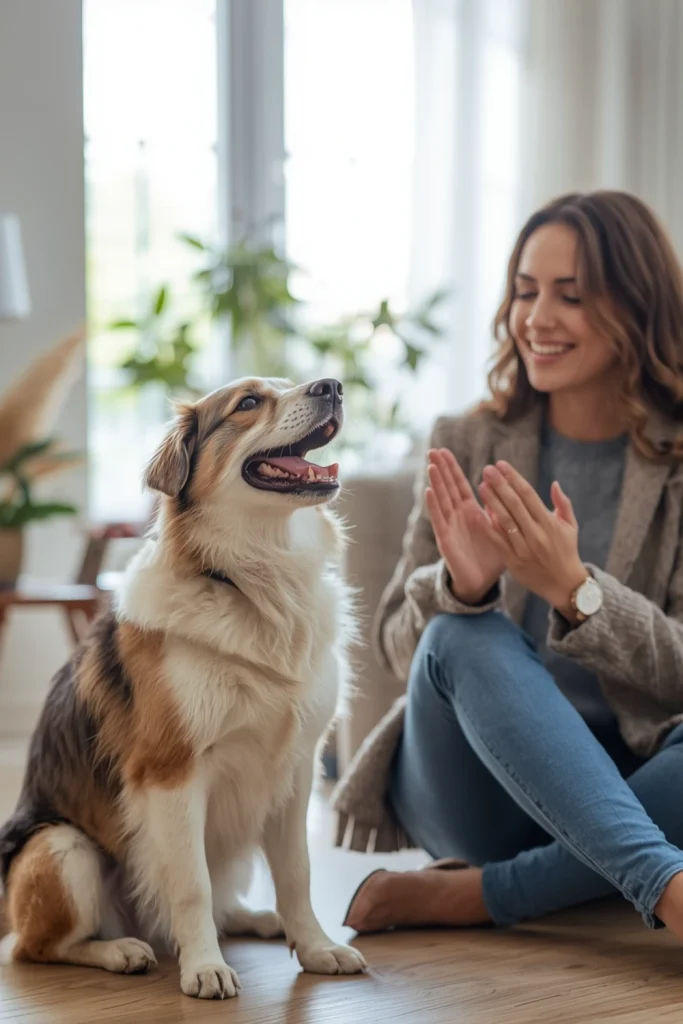
Verbal praise is one of the easiest ways to train your dog without relying on treats. Dogs can learn to associate a cheerful voice with positive experiences, especially when you praise them immediately after they perform the desired behavior. For example, when your dog sits after hearing the word “sit,” respond with a happy “Good dog!” or “Well done!” The timing matters because your dog needs to understand which action earned your approval. Use a warm, natural voice rather than shouting or becoming overly excited. Some dogs prefer gentle praise, while others respond enthusiastically to energetic encouragement.
To make verbal praise effective, choose a few consistent phrases and use them regularly during training. You can say “good,” “yes,” or “excellent” whenever your dog gets something right. If you are teaching recall, praise your dog as soon as it reaches you. If you are working on loose-leash walking, calmly acknowledge your dog whenever it walks beside you without pulling. Remember that praise should match your dog’s personality. A nervous dog may appreciate quiet encouragement, while a playful dog may enjoy an excited response. Combine praise with other rewards when necessary, and gradually discover which words motivate your dog most effectively.
2. Reward Your Dog With Playtime
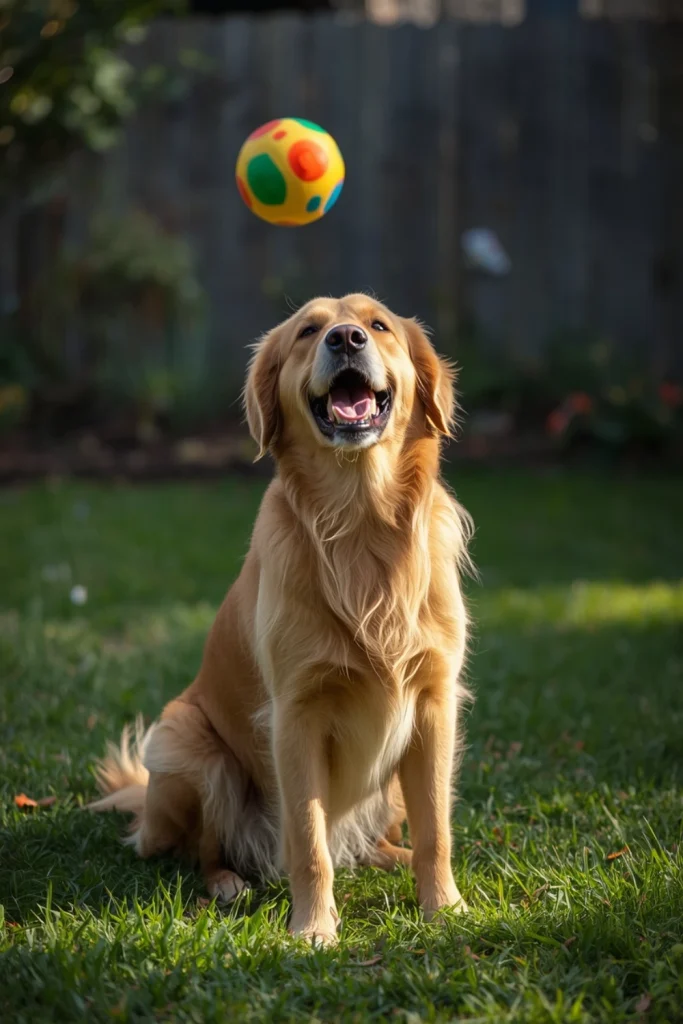
Play is a powerful motivator for many dogs, particularly puppies and energetic breeds. Instead of offering food after every successful command, you can reward your dog with a short game of tug, fetch, or another favorite activity. For instance, ask your dog to sit before throwing a ball. When it follows the command, immediately release the ball for a brief game. This teaches your dog that listening to you makes enjoyable activities happen. Play-based rewards also help keep training sessions interesting, allowing you to practice commands without turning every exercise into a food-based activity.
Choose games that suit your dog’s age, physical ability, and temperament. Some dogs love chasing a ball, while others prefer tug toys or searching for a favorite object. Keep play sessions controlled so your dog can settle down and return to learning when the game ends. You can introduce a cue such as “play” to begin and “all done” to finish. If your dog becomes overly excited, pause the activity and reward calm behavior before continuing. For dogs that are not interested in food outside the home, a favorite game can be especially useful for practicing recall, attention, and impulse control in suitable environments.
3. Use Affection and Gentle Petting as Rewards
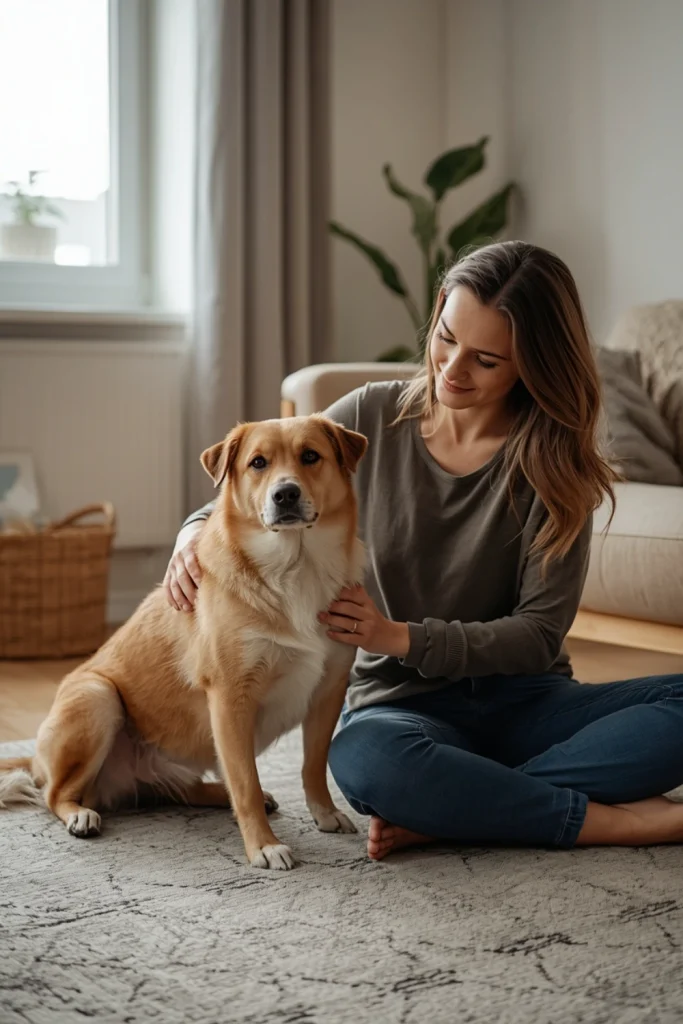
Many dogs enjoy physical affection, making gentle petting a possible alternative to treats during training. A calm stroke on the chest, a gentle scratch behind the ears, or a brief cuddle can reinforce a behavior when your dog genuinely enjoys that contact. For example, when your dog settles on its bed instead of jumping onto visitors, offer quiet praise and gentle affection if the dog welcomes it. This approach is particularly useful during calm training exercises, such as teaching your dog to relax, wait patiently, or remain settled while family members move around the home.
However, not every dog finds petting rewarding in every situation. Some dogs prefer space, particularly when they are excited, frightened, or concentrating on an unfamiliar environment. Watch your dog’s body language carefully. A relaxed posture, leaning toward your hand, or voluntarily staying close may indicate enjoyment. Turning away, stiffening, licking the lips repeatedly, or moving away may mean your dog needs space. Never force physical contact as a reward. Instead, allow your dog to choose whether to engage. When affection is genuinely appreciated, it can strengthen your bond while reinforcing calm behavior without adding extra calories to your dog’s daily routine.
4. Turn Everyday Activities Into Rewards
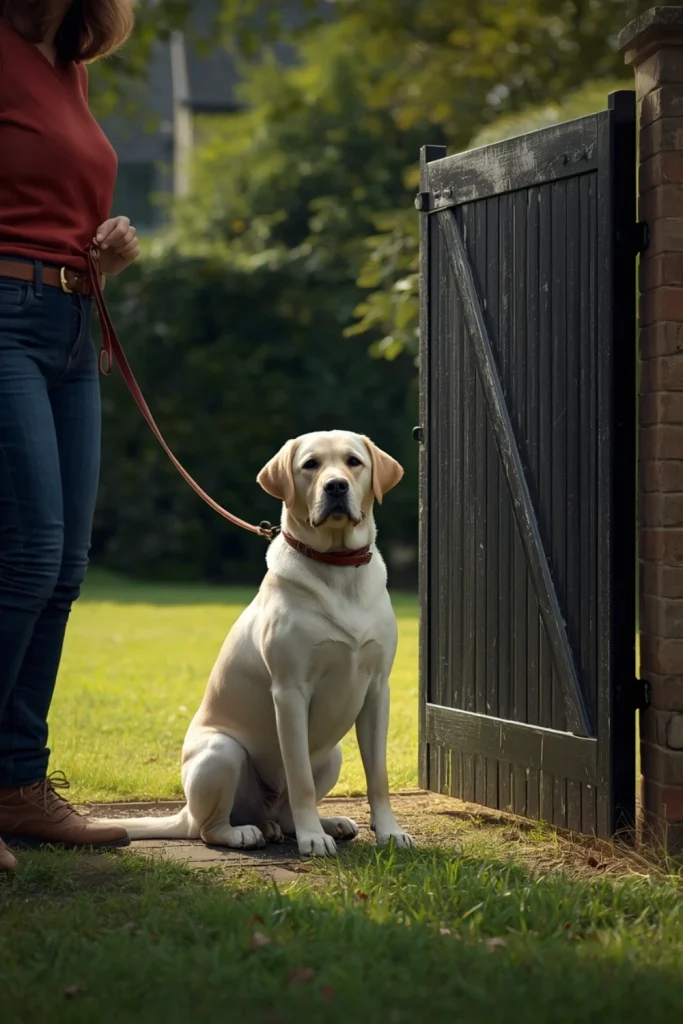
One of the most practical ways to train your dog without relying on treats is to use activities your dog already enjoys. Going outside, sniffing a tree, greeting a familiar person, or entering the garden can become rewards for good behavior. This method uses the environment as motivation. For example, ask your dog to sit before opening the front door. When your dog sits calmly, open the door and allow it to proceed safely. Your dog learns that polite behavior helps it gain access to something enjoyable.
You can apply this approach throughout the day without setting aside a separate training session. Ask your dog to wait briefly before going for a walk, then release it when it remains calm. Request a short pause before allowing it to investigate an interesting scent. If your dog wants to greet a friendly person, reinforce a four-paws-on-the-ground greeting rather than allowing jumping. Make sure the reward follows the desired behavior promptly. For safety, maintain control near roads, unfamiliar animals, and crowded spaces. Everyday rewards are particularly valuable because they help your dog practice manners in real situations rather than learning commands only in the living room.
5. Teach Your Dog With Clicker Training and a Reward Marker
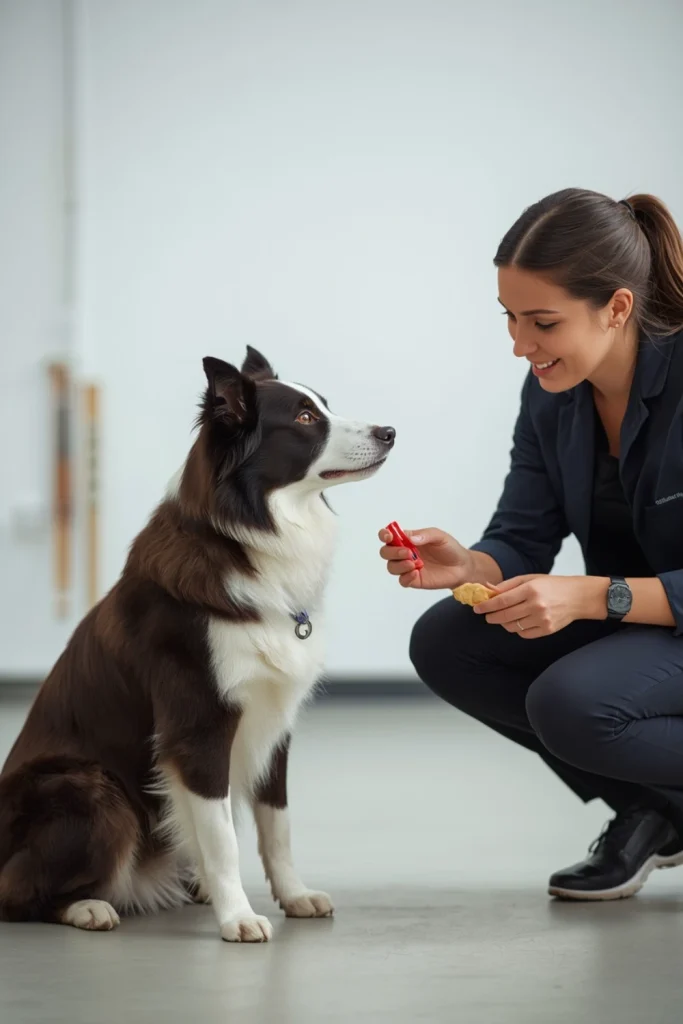
Clicker training is often associated with treats, but the clicker itself is a marker rather than a reward. It makes a distinct sound that tells your dog exactly when it has performed the desired behavior. You can use a verbal marker such as “yes” instead if you prefer not to carry a clicker. The important part is teaching your dog that the sound predicts something positive. Initially, pairing the marker with an effective reward helps establish this association. Once the marker has meaning, you can use it to identify the correct moment during training, while varying the rewards that follow.
For example, when teaching your dog to lie down, mark the moment its elbows touch the floor. Follow the marker with an appropriate reward, such as a favorite toy, a short game, praise, or permission to explore. At first, reward frequently so your dog understands the exercise. As the behavior becomes familiar, gradually introduce different rewards and occasionally use the marker before releasing your dog to an enjoyable activity. Do not assume that the click or word “yes” is automatically rewarding on its own. Its value comes from the positive association you build. Clear marking, immediate feedback, and consistent practice help your dog understand which actions you want repeated.
6. Use Toys as Training Rewards
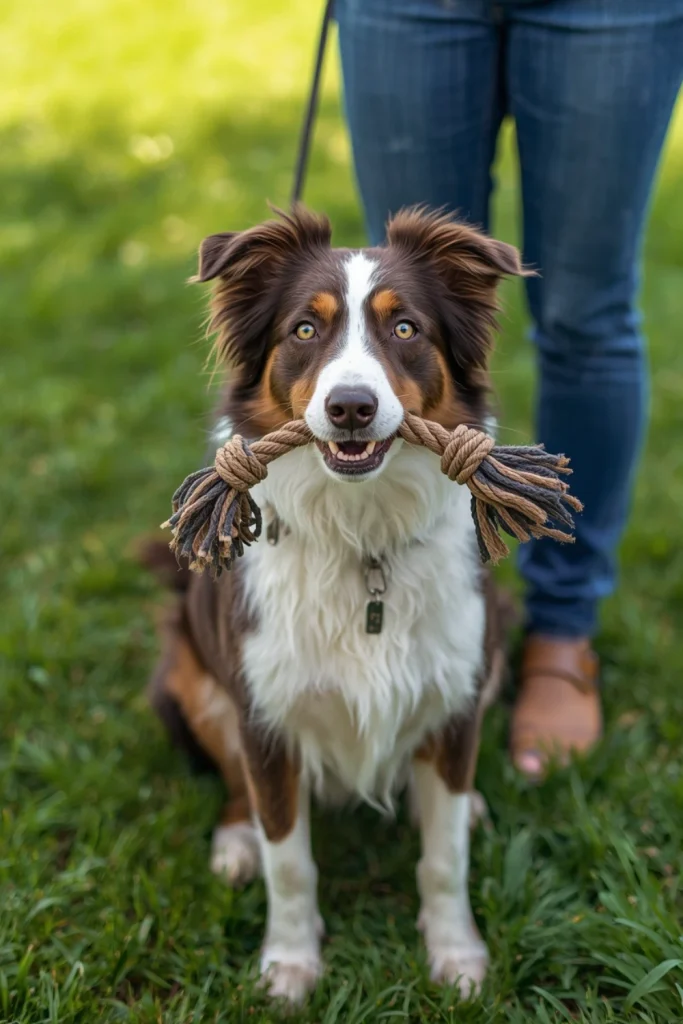
Toys can be excellent rewards for dogs that enjoy chasing, carrying, chewing, or tugging. A favorite toy gives your dog something exciting to work toward while allowing you to practice commands without offering food each time. Start by identifying which toys your dog finds most interesting. Some dogs prefer a soft plush toy, while others enjoy a durable tug toy or a ball. Keep a special training toy available during practice so it remains interesting. When your dog responds correctly to a cue, offer a brief play session and then calmly return to training.
You can use toys to teach commands such as “sit,” “stay,” “come,” and “drop it.” For example, hold a toy close to your body while asking your dog to sit. When your dog follows the cue, use a release word and invite it to play. During recall practice, reward your dog for returning to you by starting a short game. You can also teach your dog to release a toy in exchange for another toy, making the exercise cooperative rather than confrontational. Choose safe toys that are appropriate for your dog’s size and chewing habits. Supervise play, avoid toys that can easily break into dangerous pieces, and finish the session before your dog becomes too excited to concentrate.
7. Practice Short, Rewarding Training Sessions
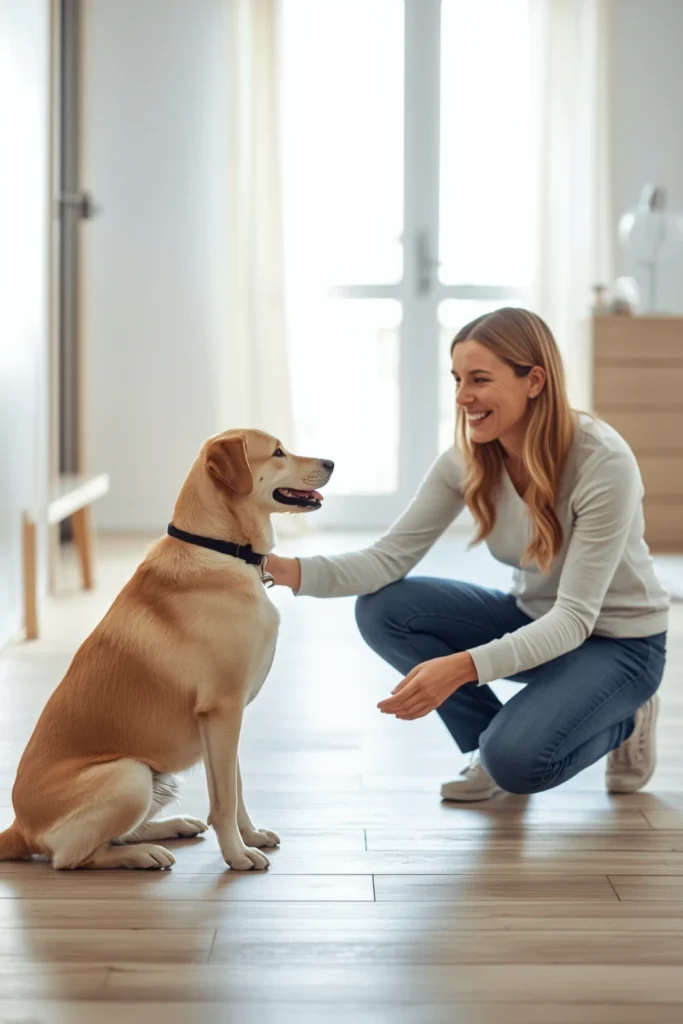
Short training sessions can help dogs learn more effectively than long, repetitive lessons. Dogs vary in attention span, age, energy level, and ability to concentrate, so it is important to adjust the length of practice to suit your individual pet. Start with a few minutes of focused training and stop while your dog is still interested. You can practice one familiar command, introduce a new skill, or combine several simple exercises. Use praise, play, or access to an enjoyable activity to make the experience worthwhile. A successful session should leave your dog feeling comfortable and ready to participate again.
Consistency matters more than the length of each session. Practicing for three to five minutes several times a day may be easier to maintain than one lengthy lesson. For example, ask your dog to sit before meals, practice waiting before opening a door, or work on recall during a quiet play session. If your dog starts looking away, wandering off, or repeatedly failing to respond, the exercise may be too difficult or the environment may be distracting. Make the task easier, offer a more suitable reward, or take a break. End with a familiar behavior your dog can perform successfully, then finish with praise or a favorite activity. This keeps training positive and encourages future participation.
8. Use Calm Attention to Reinforce Polite Behavior
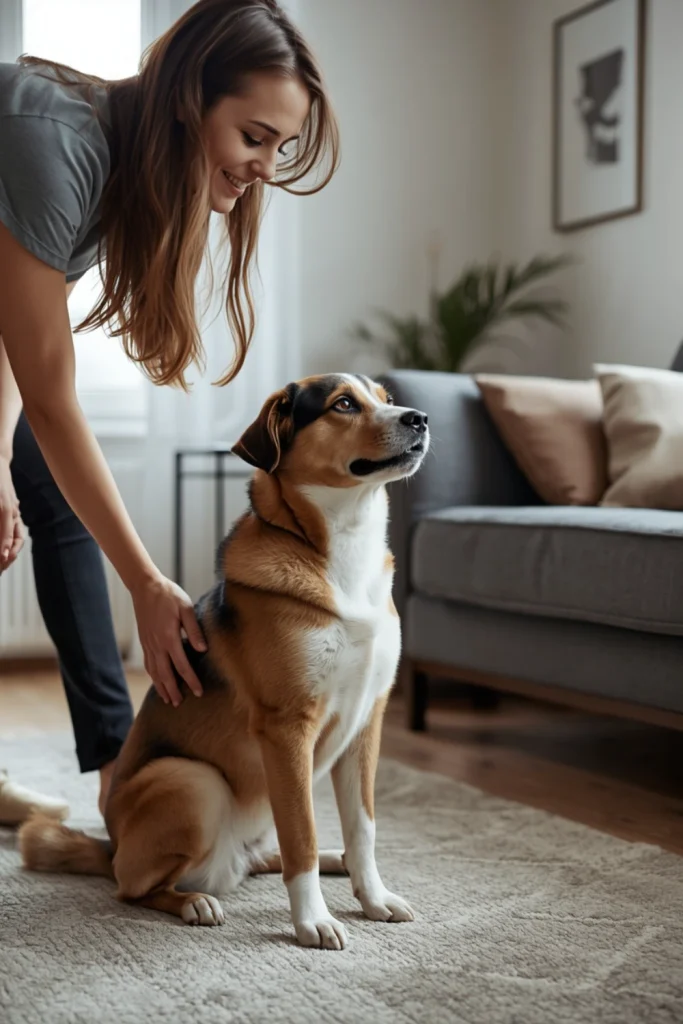
Dogs often seek attention from their owners, even when that attention comes in the form of talking, touching, or making eye contact. You can use this motivation to encourage polite behavior throughout the day. For example, if your dog jumps up to greet you, turn slightly away and avoid rewarding the jumping with enthusiastic attention. As soon as your dog returns to the floor and remains calm, turn back, offer praise, and give attention if the dog welcomes it. This helps teach your dog that keeping its paws on the ground is a better way to receive interaction.
The same principle can help with attention-seeking barking, pawing, or nudging. First, determine whether your dog needs something important, such as a toilet break, exercise, or reassurance. Do not ignore distress or genuine needs in an attempt to stop unwanted behavior. When the behavior is simply an attempt to obtain attention, reward an appropriate alternative, such as sitting quietly or bringing a toy. Everyone in the household should follow the same rules so the dog receives consistent feedback. Avoid yelling, pushing, or physically intimidating your dog, as these responses can increase excitement or fear. Calm, predictable interactions help your dog understand how to communicate appropriately and receive the attention it enjoys.
9. Teach Impulse Control Through Everyday Practice
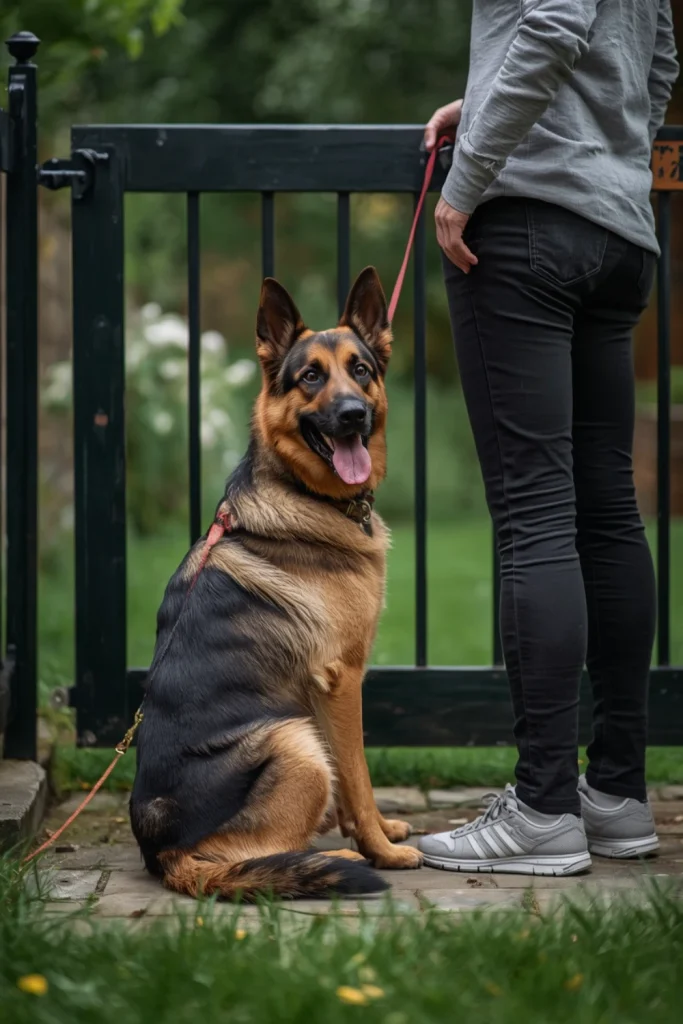
Impulse control means helping your dog pause and make a better choice instead of immediately reacting to excitement. It is an important part of everyday manners and can be taught through small, manageable exercises. Begin in a quiet environment with simple activities. Ask your dog to sit before you put on its leash, or practice waiting briefly before placing a toy on the floor. Reward calm waiting with permission to continue the activity. This shows your dog that patience can lead to enjoyable outcomes without requiring a food reward every time.
As your dog improves, gradually practice around slightly more distracting situations. For example, teach your dog to wait while you open a door, then release it when it remains calm. Ask for a brief pause before beginning a game of fetch. If your dog gets up or becomes excited, calmly make the exercise easier instead of scolding it. Increase waiting time in small steps, and avoid expecting a beginner to remain still for long periods. Impulse control should be taught with safety and comfort in mind, not as a test of obedience. Never use waiting exercises to delay a necessary toilet break or prevent a frightened dog from moving away from something uncomfortable. Consistent practice can improve patience, focus, and cooperation in daily life.
10. Build a Strong Bond Through Consistency and Trust
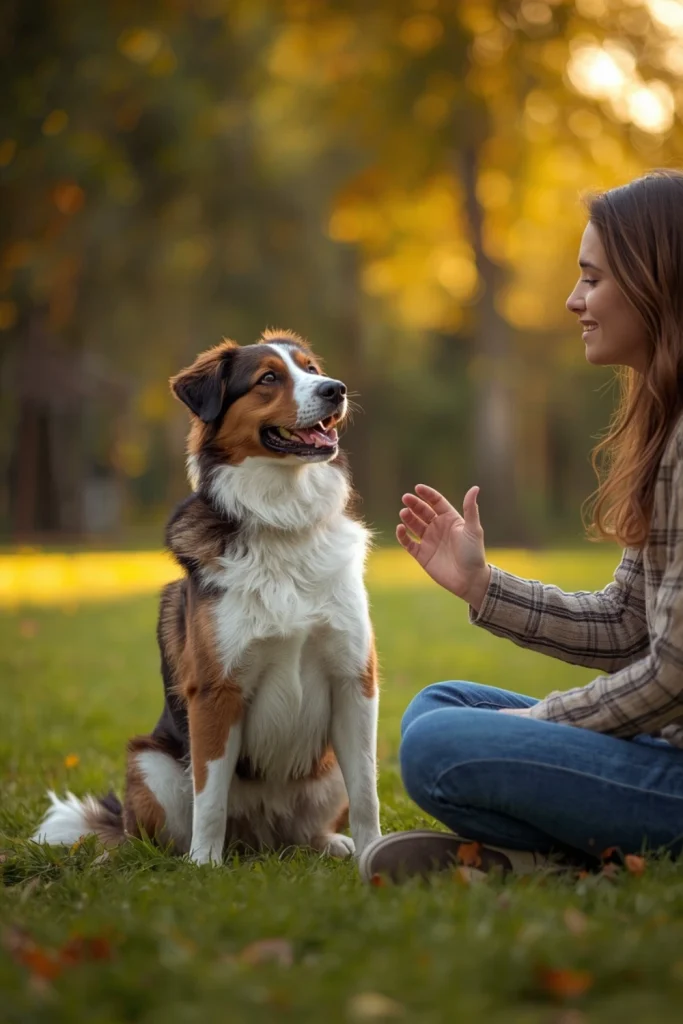
A strong relationship is one of the most valuable foundations for successful dog training. Dogs are more likely to engage in training when their owners communicate clearly, respond predictably, and make learning a positive experience. Use consistent cues for familiar behaviors and give your dog enough time to respond. If you say “come” in one situation and use several different words in another, your dog may struggle to understand what you expect. Keep commands simple, avoid repeating them endlessly, and reward the correct response with something your dog values, such as praise, play, or access to a favorite activity.
Trust also develops when you respect your dog’s limits and avoid harsh training methods. If your dog is frightened, overwhelmed, or unable to concentrate, reduce the difficulty and create a more comfortable learning environment. Practice in quiet places before moving to busy parks or unfamiliar streets. Celebrate small improvements, such as looking toward you when called or walking a few steps without pulling. Over time, you can gradually reduce the frequency of special rewards while continuing to reinforce good behavior in different ways. Training should be a cooperative process in which your dog learns what works, feels safe making choices, and understands that you are a reliable source of guidance.
Conclusion
Learning to Train Your Dog Without Relying on treats is about discovering new ways to motivate your dog while building trust and communication. Verbal praise, playtime, toys, gentle affection, everyday activities, and consistent routines can all support positive training. The best approach depends on your dog’s personality, preferences, and level of training.
Start with simple commands in a quiet environment, reward successful responses with something your dog enjoys, and gradually introduce more challenging situations. Remember that removing treats should never mean removing encouragement or making training unpleasant. Food can remain a useful reward whenever necessary, and other rewards can become increasingly important as your dog’s skills develop. With patience, consistency, and a flexible approach, you can help your dog become a confident, well-mannered companion while making training an enjoyable part of everyday life.