15 Dog Socialization Ideas for Everyday Life
A well-socialized dog is often more confident, relaxed, and comfortable in the world around them. From meeting new people to walking past other dogs, everyday experiences can help your furry companion learn how to respond calmly to unfamiliar sights, sounds, places, and situations. The good news is that you do not need to plan complicated outings to make a difference. Small, positive experiences at home and outdoors can become valuable learning opportunities.
These Dog Socialization Ideas for everyday life will help you introduce your dog to new experiences at a comfortable pace while building trust and confidence. Whether you have a young puppy, an adopted adult dog, or a shy companion who needs extra reassurance, you can use these practical activities to encourage calm behavior, positive associations, and better manners. The goal is not to make your dog greet everyone, but to help them feel safe and comfortable around the world.
1. Introduce Your Dog to Different Types of People
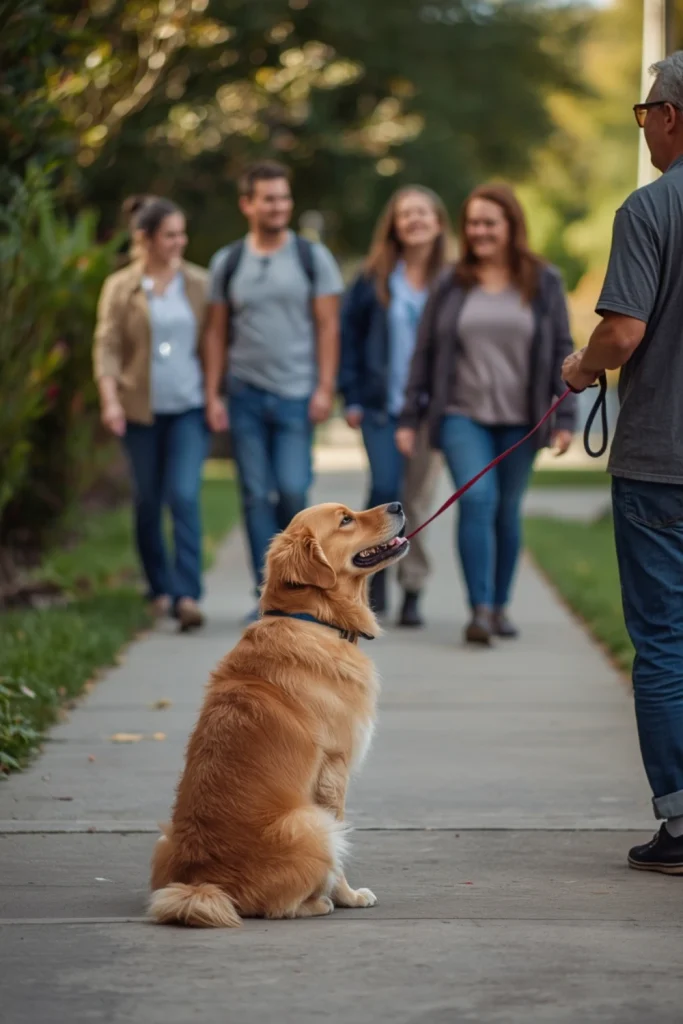
One of the most useful Dog Socialization Ideas for everyday life is helping your dog become comfortable around different people. During calm walks or outdoor visits, allow your dog to observe adults, children, people wearing hats, cyclists, and individuals using mobility aids from a comfortable distance. Reward relaxed behavior with small treats and gentle praise. Your dog does not need to approach or greet everyone they see. Simply watching people pass without barking, lunging, or becoming frightened is valuable progress. Keep early experiences short, positive, and easy enough for your dog to succeed.
As your dog becomes more confident, gradually introduce slightly closer encounters when appropriate. Ask friendly people to ignore your dog initially rather than reaching out to pet them immediately. If your dog chooses to approach with a relaxed body, the person can offer a treat without leaning over or forcing contact. Watch for signs of discomfort, such as turning away, tucked tails, lip licking, or repeated yawning. If these signals appear, create more space. Respecting your dog’s boundaries helps build trust and teaches them that meeting people can be a safe, pressure-free experience.
2. Practice Calm Observation During Daily Walks
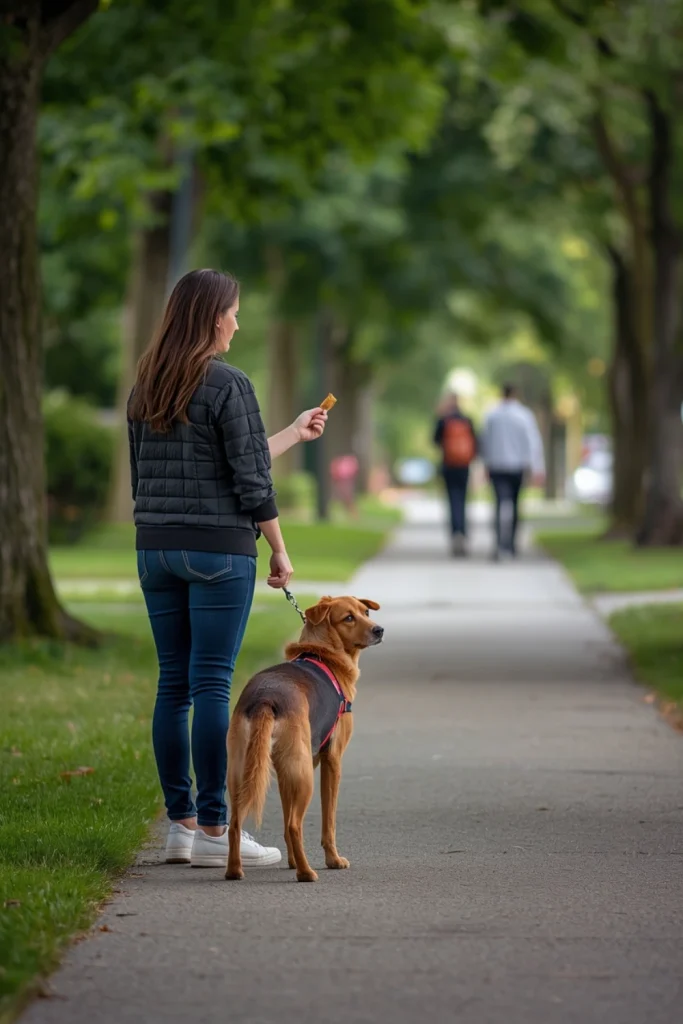
Daily walks provide countless opportunities to practice socialization without arranging special meetings. Instead of focusing only on distance or exercise, occasionally pause in a quiet area and allow your dog to observe the surroundings. They might see joggers, children playing at a distance, delivery workers, or neighbors walking their pets. Reward your dog when they watch these activities calmly or voluntarily look back at you. This simple exercise helps your dog learn that new sights can be ordinary parts of life rather than reasons to become excited or anxious.
Choose locations where you can easily move away if your dog becomes uncomfortable. A quiet street may be better than a busy shopping district when starting out. Keep the leash relaxed whenever it is safe to do so, and avoid pulling your dog toward unfamiliar people or animals. If your companion starts staring intensely, barking, or refusing treats, increase the distance until they can relax again. Short observation sessions can gradually build confidence and improve your dog’s ability to handle everyday environments.
3. Arrange Safe Meetings With Friendly Dogs
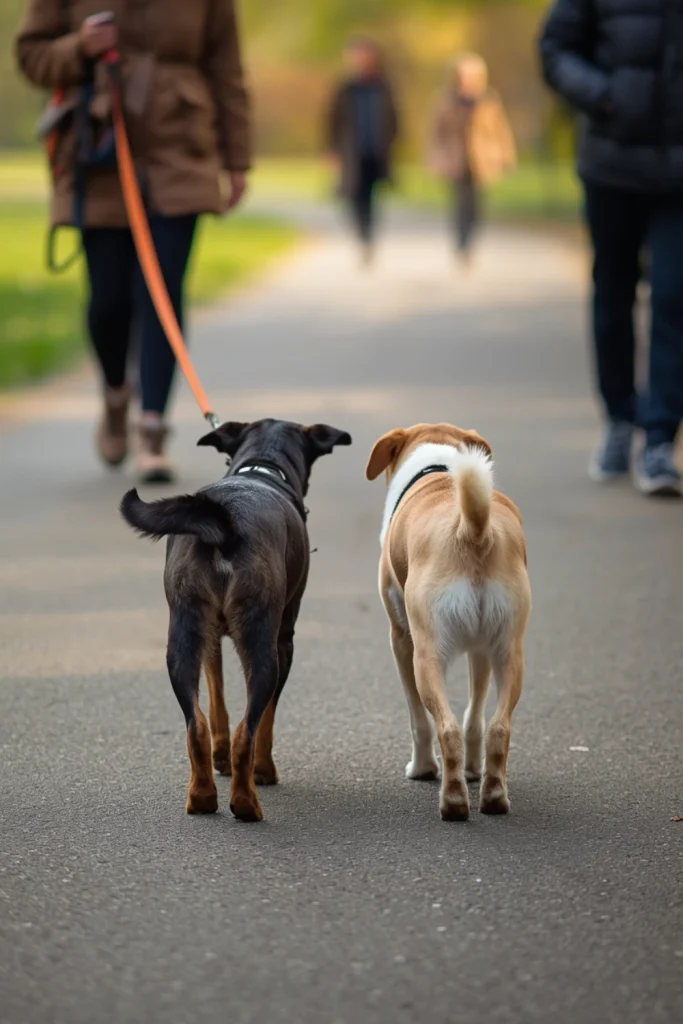
Meeting other dogs can be an important part of socialization, but successful interactions depend on choosing suitable companions. Start with a calm, healthy, well-mannered dog whose owner understands canine body language. If both dogs are comfortable, begin with a parallel walk at a distance instead of immediately allowing face-to-face contact. Walking in the same direction can reduce social pressure and give the dogs time to become familiar with each other’s presence. Reward your dog for checking in with you, remaining relaxed, and responding to simple cues during the walk.
If both dogs show loose, relaxed body language, you may gradually allow a brief greeting on loose leashes in a spacious area. Avoid tightening the leash or holding the dogs nose-to-nose. Keep the first interaction short and end it while both dogs are still comfortable. Not every dog wants to play with every other dog, and that is perfectly normal. The goal is to develop calm, safe behavior around other dogs rather than making your companion greet every animal they encounter. Always separate dogs if either shows persistent fear, stiffness, growling, or attempts to escape.
4. Make Household Sounds Part of Everyday Learning
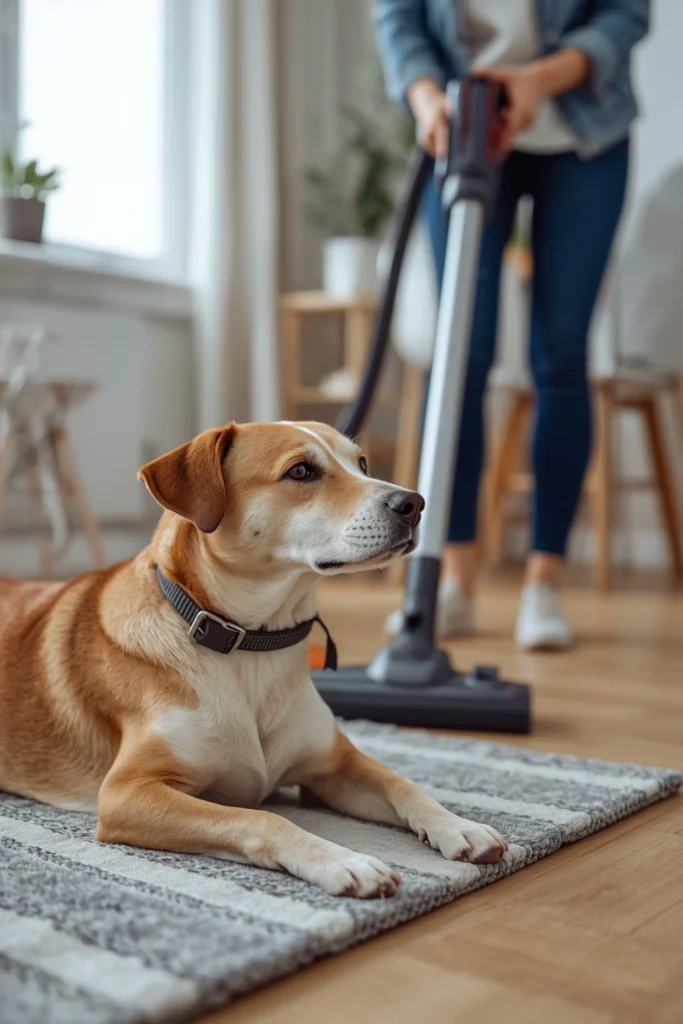
Vacuum cleaners, doorbells, hair dryers, kitchen appliances, and washing machines can surprise dogs that are unfamiliar with them. Gradual exposure to everyday household sounds can help your dog feel more comfortable at home and in other environments. Start by introducing a sound at a low intensity or from a distance where your dog remains relaxed. Pair the sound with something pleasant, such as a favorite treat, a food puzzle, or a calm game. Allow your dog to move away if they want to, and never force them to investigate a noisy object.
Over time, you can gradually increase the sound’s volume or move a little closer, provided your dog continues to show comfortable behavior. For example, let your dog enjoy a treat in another room while the vacuum cleaner runs briefly at a distance. Stop if they tremble, hide, bark intensely, or refuse food. Avoid deliberately frightening your dog to make them get used to noise. The aim is to build a positive association through gradual exposure, not to overwhelm them. These small exercises can make ordinary household activities less stressful.
5. Explore Different Walking Surfaces
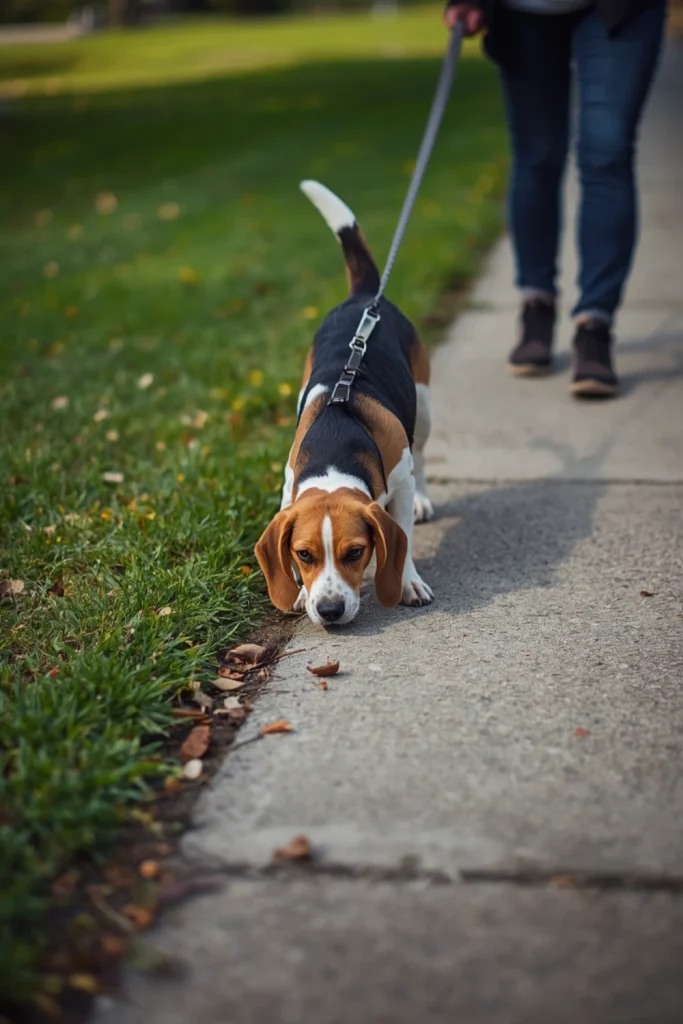
Walking on different surfaces is an easy way to introduce your dog to unfamiliar physical experiences. During ordinary outings, let your dog explore safe grass, pavement, packed dirt, rubber walking paths, and other stable surfaces. Different textures can help dogs become more adaptable when visiting new neighborhoods, parks, or pet-friendly locations. Start with surfaces your dog already enjoys, then offer opportunities to investigate something slightly unfamiliar. Reward voluntary exploration and allow your companion to move at their own pace rather than pulling them forward.
Safety should always come first. Avoid hot pavement, sharp stones, broken glass, slippery flooring, and surfaces treated with chemicals. Some dogs may hesitate before stepping onto metal grates, wooden bridges, or unusual textures, so do not drag them across. Instead, stand nearby, offer encouragement, and reward even a small step toward the new surface. If your dog chooses not to continue, try again another day. Gradual, voluntary exploration helps build confidence while teaching your dog that unfamiliar surroundings can be approached safely.
6. Socialize Your Dog With Passing Bicycles and Joggers
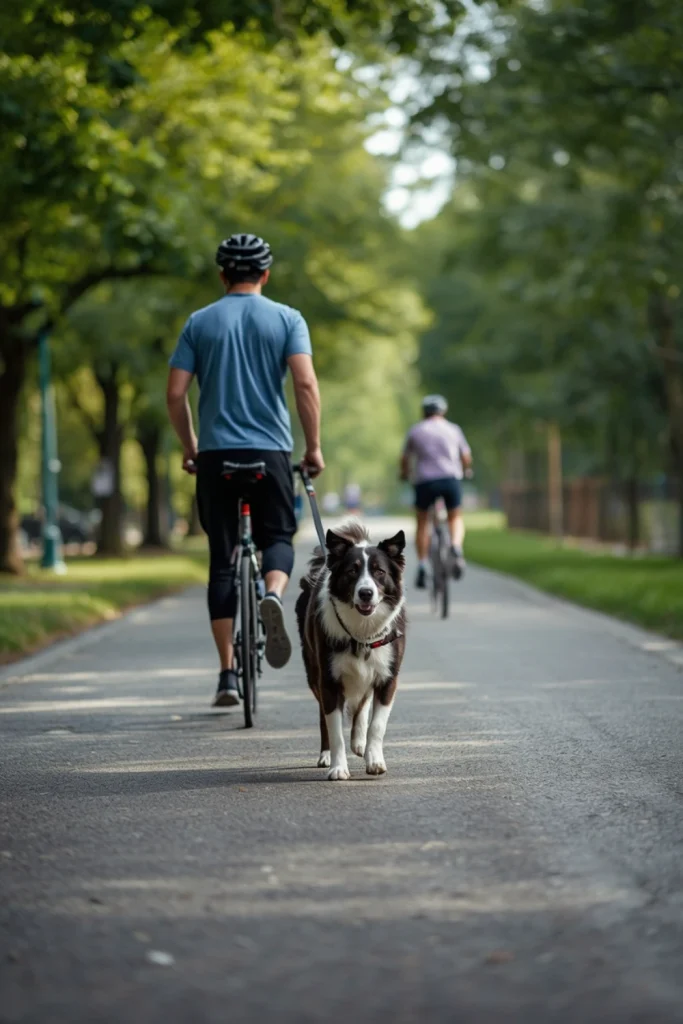
Bicycles, scooters, and joggers are common sights on walking trails and sidewalks. Dogs that have not encountered them calmly may bark, chase, jump, or become frightened when they move quickly past. Begin socialization in an open area where you can observe these activities from a safe distance. Reward your dog for noticing a cyclist or jogger and then returning their attention to you. This teaches them that moving objects can pass without requiring a reaction. Use a secure leash and avoid narrow paths where you cannot create enough distance.
As your dog becomes comfortable, gradually practice in locations where bicycles and joggers pass a little closer. Do not begin by standing directly beside a busy cycle lane. If your dog tries to chase, move away and reward calm attention rather than allowing the behavior to continue. Teach a simple cue such as “look at me” or “let’s go” so you can guide your dog past distractions. Consistent, low-pressure practice can make neighborhood walks safer and more pleasant for everyone, including cyclists and pedestrians.
7. Invite Visitors to Follow a Calm Greeting Routine
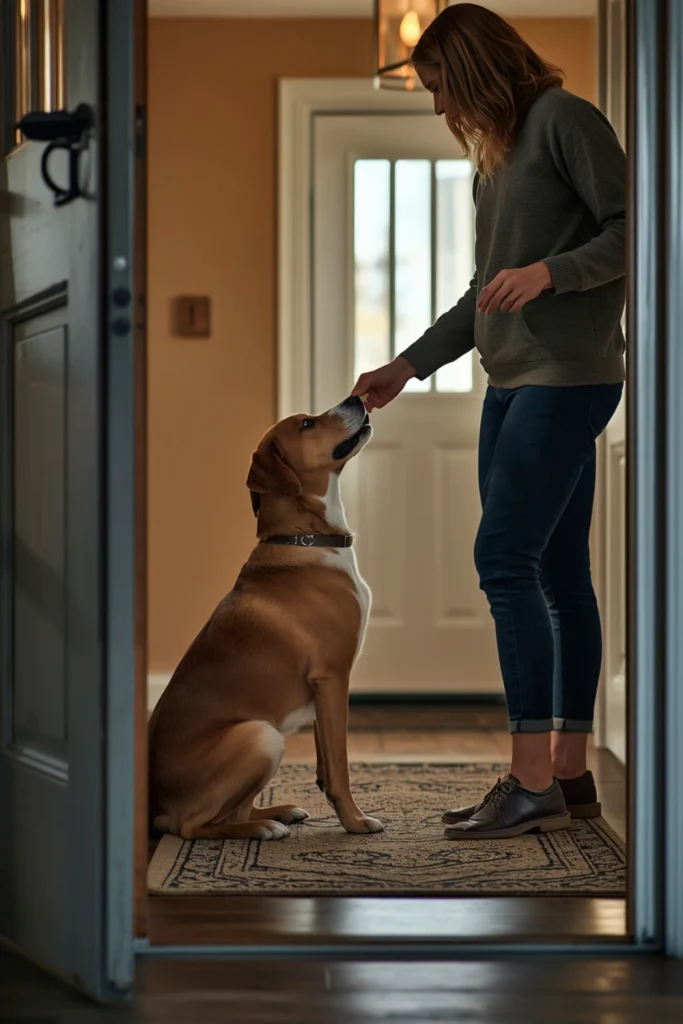
Visitors arriving at the front door can trigger barking, jumping, hiding, or overexcitement. You can use these everyday moments to help your dog learn a predictable greeting routine. Before guests arrive, prepare treats and choose a comfortable place where your dog can settle. When the doorbell rings, reward your dog for responding to a familiar cue or moving toward their mat. If needed, use a baby gate or keep your dog on a secure leash to create space. Guests should enter calmly and avoid immediately reaching for the dog.
Once your dog has settled, allow them to observe the visitor without pressure. Ask guests to avoid direct staring, bending over, or touching your dog’s head. If your dog approaches willingly with relaxed body language, the guest can offer a treat or allow a brief greeting. Dogs that are nervous may feel safer remaining behind a gate or in a quiet room with a chew toy. There is no requirement for every visitor to interact with your dog. A calm greeting routine helps your companion learn that guests can enter the home without becoming an overwhelming experience.
8. Practice Car Rides and Vehicle Sounds Gradually
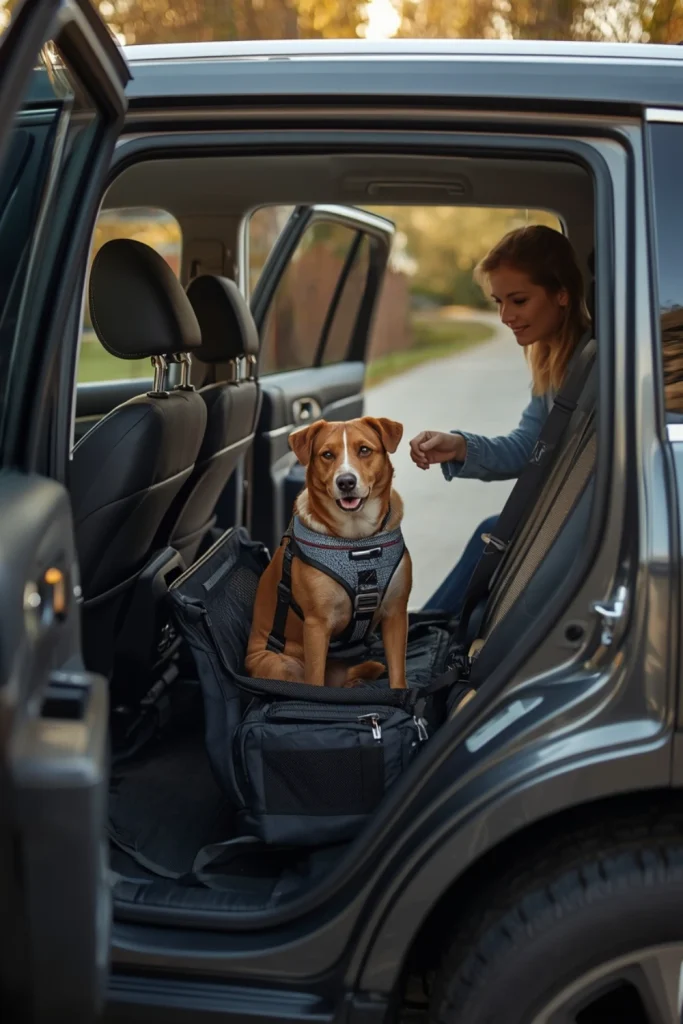
Car travel can expose dogs to unfamiliar sounds, motion, smells, and environments. Some dogs enjoy rides immediately, while others become anxious before the vehicle even starts. Begin by allowing your dog to investigate a parked car with the doors open, provided the setting is safe. Reward voluntary approaches and calm behavior. You can then introduce brief periods sitting inside the stationary vehicle before moving on to short journeys. Keep the experience positive and avoid using a long, stressful trip as your dog’s first introduction to travel.
Always secure your dog using a suitable crash-tested travel harness or a properly secured carrier. Never allow a dog to ride loose in a moving vehicle or place them in a position where they can interfere with the driver. Begin with short trips to quiet, pleasant destinations rather than locations associated only with unpleasant experiences. If your dog drools excessively, vomits, pants heavily, or panics, consult your veterinarian about motion sickness or anxiety. Gradual training and appropriate safety equipment can make car travel more comfortable and help your dog adapt to new destinations.
9. Introduce Your Dog to Friendly Neighbors
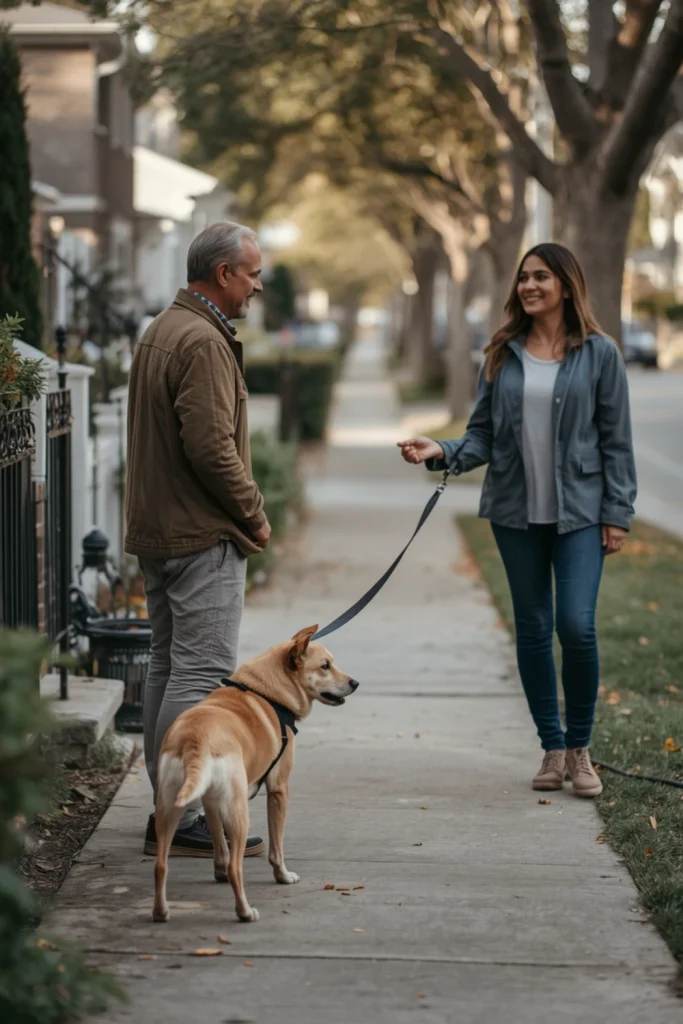
Neighbors are a natural part of everyday life, making them useful partners in socialization. If your dog is comfortable around people, arrange brief, relaxed encounters with a neighbor who is willing to follow your instructions. Begin with the neighbor standing at a comfortable distance while your dog observes. Reward calm behavior and allow your dog to decide whether to approach. Familiarity often develops through repeated, uneventful encounters rather than one long meeting. Seeing the same person at a mailbox, driveway, or sidewalk can help your dog recognize them over time.
Keep interactions short and avoid allowing strangers to crowd your dog or immediately reach toward their face. If your dog is shy, the neighbor can toss a treat gently onto the ground rather than offering it directly from their hand. This gives your companion an opportunity to enjoy something positive without feeling pressured to make contact. If your dog prefers to observe from farther away, respect that choice. The purpose is to make familiar community members less surprising, not to make your dog affectionate toward everyone. Calm neutrality is a perfectly acceptable socialization goal.
10. Build Confidence Around Children at a Safe Distance
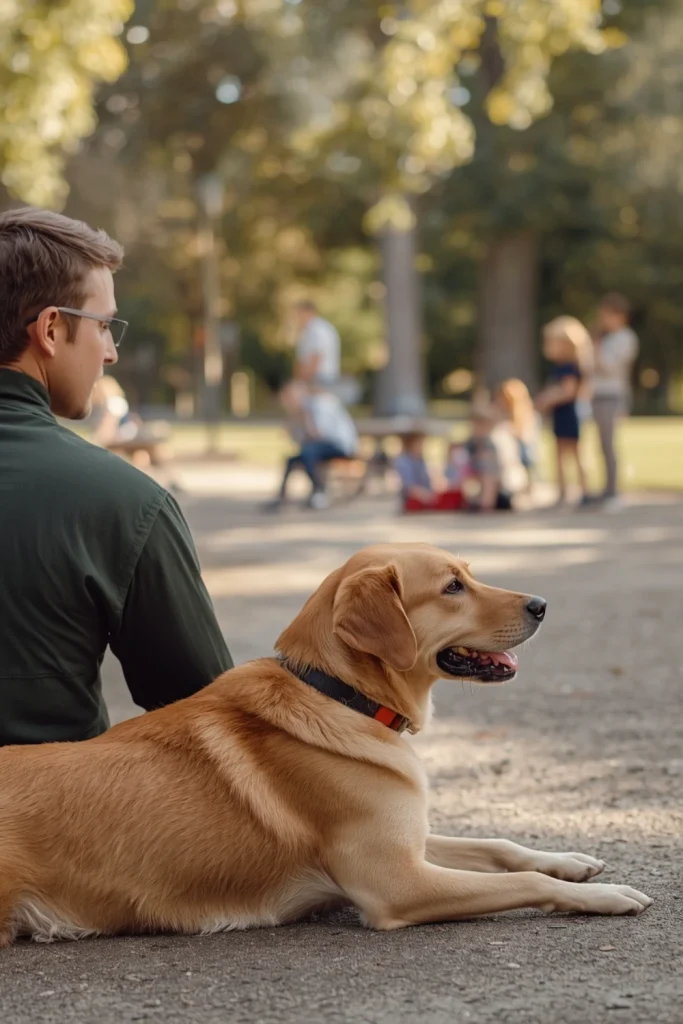
Children often move unpredictably, run, shout, and make sudden gestures, which can be confusing for dogs. Carefully managed exposure can help a dog remain calm around children, but safety must always be the priority. Start by letting your dog observe children playing from a distance where the dog remains relaxed. Reward calm watching and voluntary attention toward you. Do not allow children to rush toward, hug, climb on, chase, or corner your dog. Even a friendly dog can react defensively if startled or handled roughly.
Any interaction between a dog and a young child should be closely supervised by a responsible adult who can intervene immediately. Give the dog a clear escape route and a quiet place where children are not allowed to follow. Teach children to respect the dog’s space, avoid disturbing them while eating or sleeping, and ask an adult before approaching. If your dog looks away repeatedly, freezes, hides, or tries to move away, end the interaction and increase distance. Socialization is successful when both the child and the dog remain safe and comfortable.
11. Visit Quiet, Dog-Friendly Outdoor Places
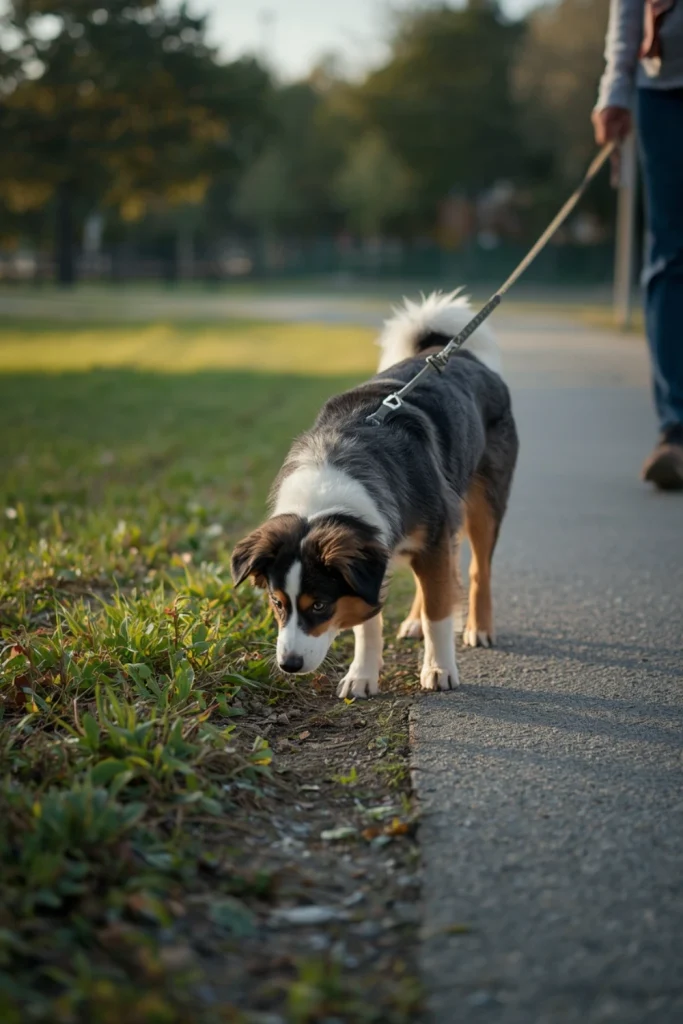
Exploring new locations gives your dog opportunities to experience different smells, sounds, people, and surroundings. Choose a quiet park, an open walking trail, or another dog-friendly outdoor space where pets are permitted. Start with a short visit at a less crowded time so your companion can investigate without feeling overwhelmed. Allow plenty of sniffing, offer water when needed, and reward calm check-ins. A successful outing does not have to involve lots of walking or meeting other dogs. Sometimes simply exploring a new patch of grass is enough.
As your dog becomes comfortable, you can gradually introduce more variety by visiting different paths, outdoor seating areas, or quiet public spaces. Check local rules before entering and keep your dog under control at all times. Avoid crowded dog parks if your dog is fearful, reactive, or not ready for close interactions. Do not assume every dog-friendly location is suitable for every dog. Watch for signs of fatigue, stress, or overstimulation, and leave before your companion becomes overwhelmed. Thoughtful outings can turn ordinary weekends into useful opportunities for confidence-building.
12. Introduce Grooming and Gentle Handling at Home
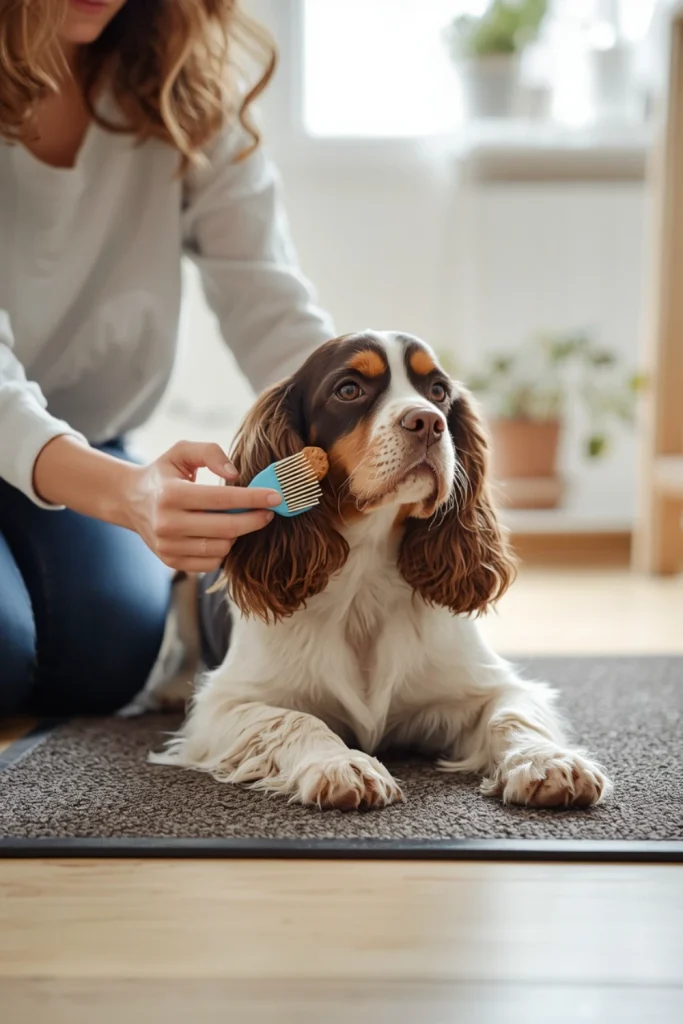
Everyday handling is an important but sometimes overlooked part of socialization. Dogs may need to tolerate brushing, paw inspections, ear checks, nail care, and gentle handling during veterinary visits. Begin in a quiet room when your dog is relaxed. Briefly touch an area your dog is comfortable with, then reward them. For example, touch a shoulder, give a treat, and stop. Gradually work toward other areas over multiple sessions. Keep the process gentle and allow your dog to move away rather than restraining them unnecessarily.
Pair grooming tools with positive experiences before using them for longer periods. Let your dog sniff a brush, reward them, and gently brush once or twice before ending the session. Handle paws briefly before progressing to longer checks. If your dog pulls away, stiffens, growls, or shows discomfort, stop and make the exercise easier. Pain can also cause sensitivity, so discuss sudden handling difficulties with a veterinarian. Teaching cooperative handling can improve everyday care and make professional grooming and medical examinations less stressful.
13. Help Your Dog Become Comfortable With Different Sounds Outdoors
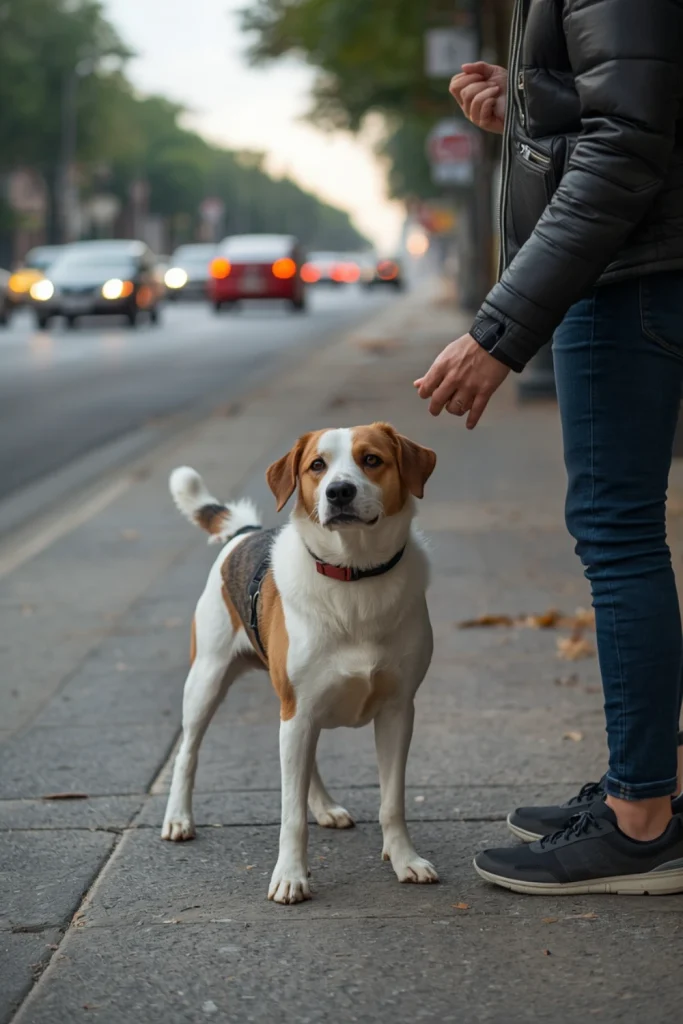
Outdoor environments contain many sounds that dogs may find unfamiliar, including traffic, distant sirens, construction, school bells, thunder, and public transport. Rather than taking your dog directly into the noisiest environment, begin at a distance where they can hear the sounds without showing signs of distress. Pair each experience with treats, sniffing opportunities, or a familiar game. Your dog should be able to notice the sound, recover quickly, and continue enjoying the activity. This approach helps build positive associations without forcing your companion to tolerate overwhelming noise.
Gradually change the location or intensity only when your dog is comfortable with the current level. For example, start on a quiet street before walking closer to a busier road. Keep your dog on a secure leash and maintain enough space to move away if needed. Never intentionally expose a frightened dog to loud sounds in the hope that they will simply get used to them. If noise sensitivity is severe or worsening, ask a veterinarian or qualified behavior professional for guidance. Safe, gradual exposure is more helpful than repeated frightening experiences.
14. Use Food Puzzles and Sniffing Games in New Environments
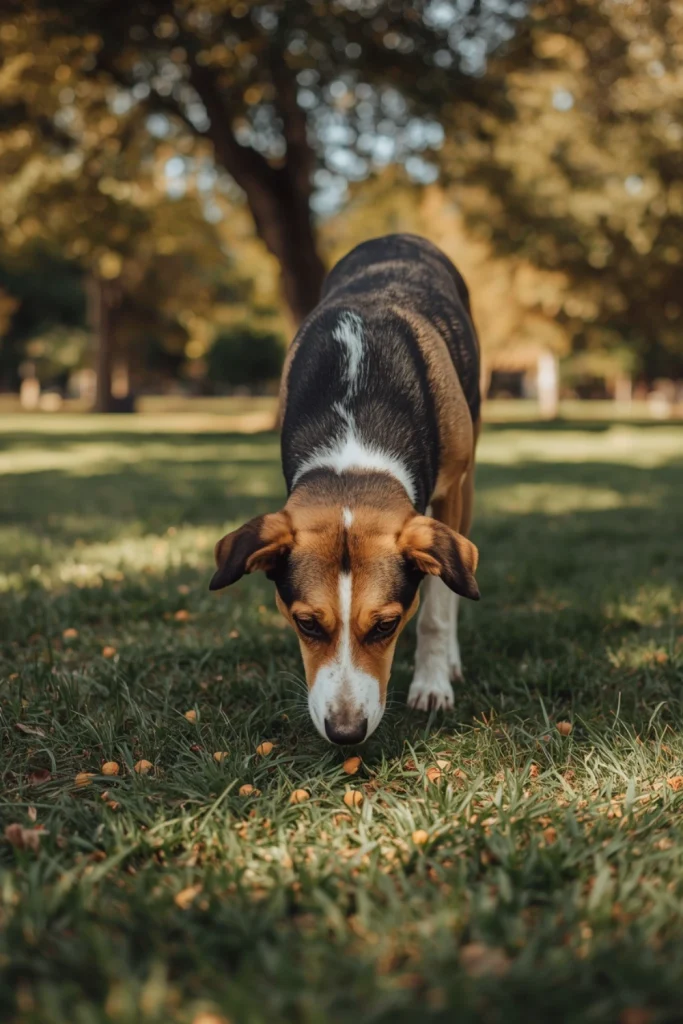
Socialization is not limited to meeting people and animals. Helping your dog explore unfamiliar places through scent can build confidence and encourage relaxed behavior. Bring a few familiar treats to a quiet garden, an empty picnic area, or another safe location where dogs are permitted. Scatter a small number of treats on clean grass and invite your dog to find them. Sniffing gives dogs a natural activity that can help them settle while they become familiar with new smells and surroundings.
You can also bring a familiar food puzzle or snuffle mat to a calm outdoor setting, provided it is practical and hygienic to use there. Start somewhere quiet before trying the activity in a slightly more distracting location. Keep food away from areas with rubbish, chemicals, or unknown substances, and be mindful of other animals nearby. If your dog cannot focus on the game, the environment may be too challenging. Move to a quieter spot rather than insisting they continue. Combining exploration with familiar activities can make new places feel more manageable and enjoyable.
15. Practice Calmness Around Other Animals and Everyday Wildlife
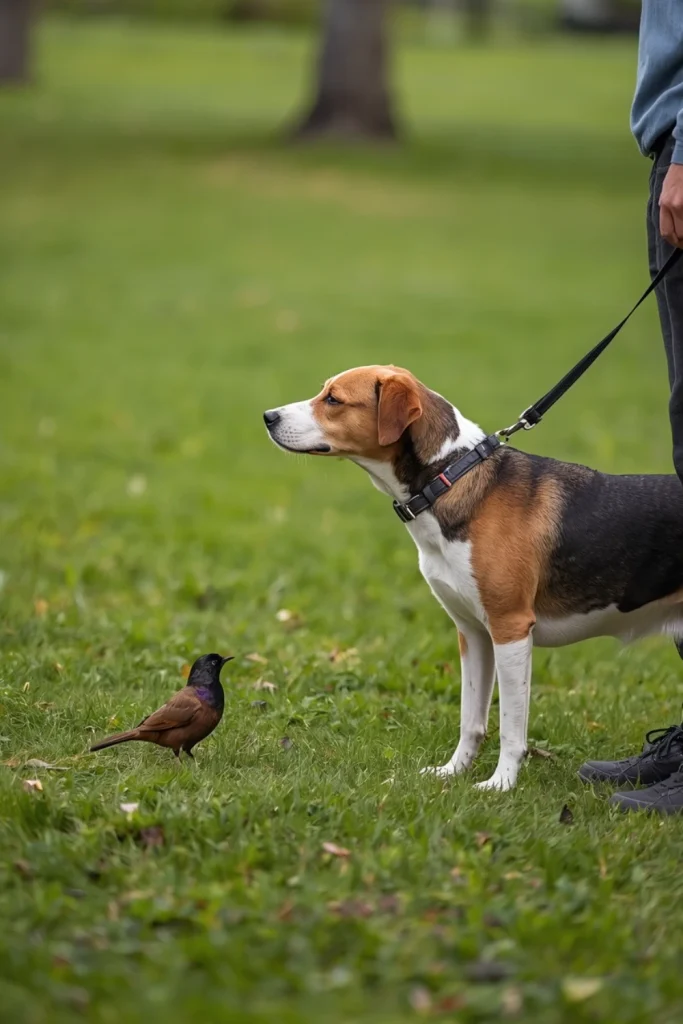
Depending on where you live, your dog may encounter cats, birds, squirrels, livestock, or other animals during ordinary outings. Teaching your dog to notice these animals without chasing or approaching them can improve safety and make walks more manageable. Start at a distance where your dog can see the animal while still responding to you. Reward calm observation, looking away voluntarily, and returning attention to your side. Use a secure leash and maintain enough distance to prevent chasing or unwanted contact.
Never allow your dog to pursue wildlife or approach unfamiliar livestock, even if the dog appears friendly. Cats and other animals may become frightened or defend themselves, while chasing can put your dog at risk near roads or fences. If your dog becomes intensely focused, stiffens, lunges, or ignores familiar cues, calmly increase the distance. For dogs with strong chasing instincts, a qualified trainer can help you develop reliable management and attention skills. The goal is not to make your dog interact with every animal, but to teach safe, calm behavior when animals are nearby.
Conclusion
The most effective Dog Socialization Ideas for everyday life are simple, positive, and tailored to your dog’s individual needs. From calmly observing people on walks to exploring new surfaces, practicing household handling, and learning to remain relaxed around other animals, each small experience can help your companion become more comfortable with the world.
Remember that successful socialization is not about making your dog interact with everyone. It is about building confidence, respecting boundaries, and teaching your dog that unfamiliar situations can be approached safely. Keep sessions manageable, reward calm behavior, and give your companion time to learn. With patience and consistency, ordinary moments can become valuable opportunities to strengthen your bond and support a happier, more confident dog.