10 Puppy Socialization Mistakes New Owners Should Avoid
Bringing a new puppy home is an exciting experience, but raising a confident, friendly, and well-adjusted dog takes more than love and good food. During puppyhood, dogs begin learning about people, animals, sounds, places, and everyday experiences. The way owners introduce these experiences can influence how their puppies respond to the world as they grow. Avoiding common mistakes early can make socialization safer, easier, and more enjoyable for everyone.
Understanding the most common Puppy Socialization Mistakes can help you give your puppy the right start. Socialization is not about forcing a puppy to meet every person or animal. Instead, it means creating positive, age-appropriate experiences that help your puppy feel safe and comfortable. With patience, consistency, and gentle guidance, you can help your puppy develop confidence without overwhelming them.
1. Introducing Too Many New Experiences at Once
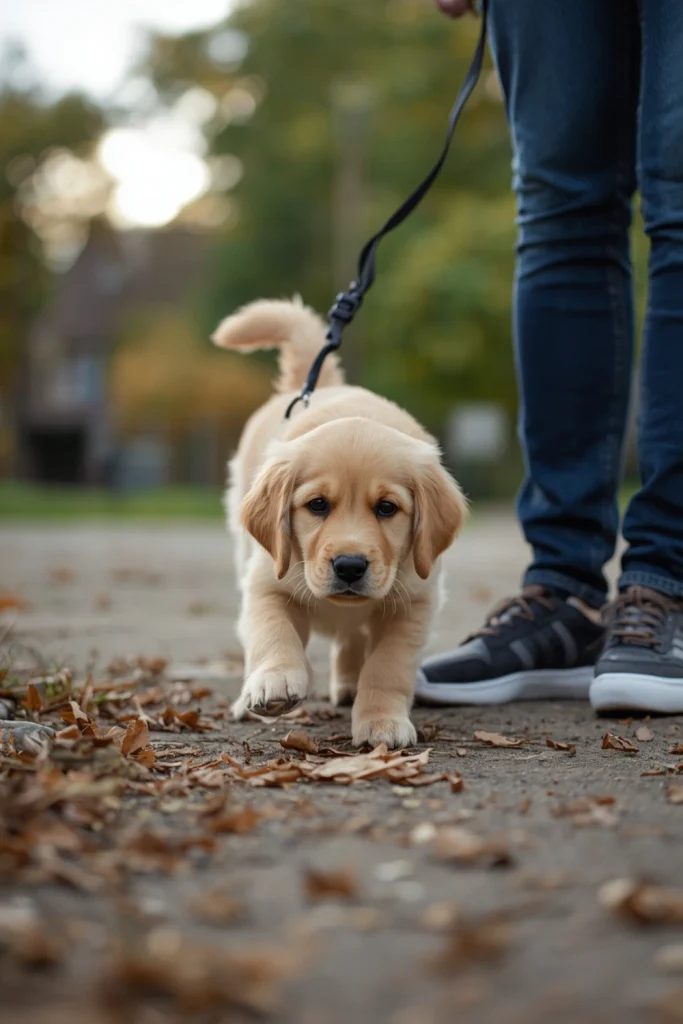
One of the most common Puppy Socialization Mistakes is overwhelming a young dog with too many new experiences in a short period. New owners may take their puppy to a busy park, shopping area, family gathering, or crowded street because they want the dog to become comfortable with the world quickly. However, a puppy can become frightened when unfamiliar people, loud noises, new smells, and unexpected movements occur simultaneously.
Instead of building confidence, overwhelming experiences may teach a puppy that unfamiliar environments are stressful. Puppies need enough time to observe, sniff, explore, and process what is happening around them. If your puppy begins hiding, trembling, repeatedly trying to escape, or refusing treats they normally enjoy, the experience may be too intense. Move to a quieter area and give your puppy an opportunity to relax.
How to avoid this mistake: Introduce one or two new experiences at a time. Begin in a quiet environment and gradually increase the level of activity as your puppy becomes comfortable. For example, let your puppy observe a few people from a comfortable distance before attending a larger gathering. Keep early sessions short and end while your puppy is still relaxed.
Remember that successful socialization is measured by your puppy’s comfort, not by how many places you visit. A calm five-minute experience can be more valuable than an hour spent in an overwhelming environment. Allow your puppy to set the pace and repeat positive experiences before making them more challenging.
2. Forcing Your Puppy to Meet Strangers
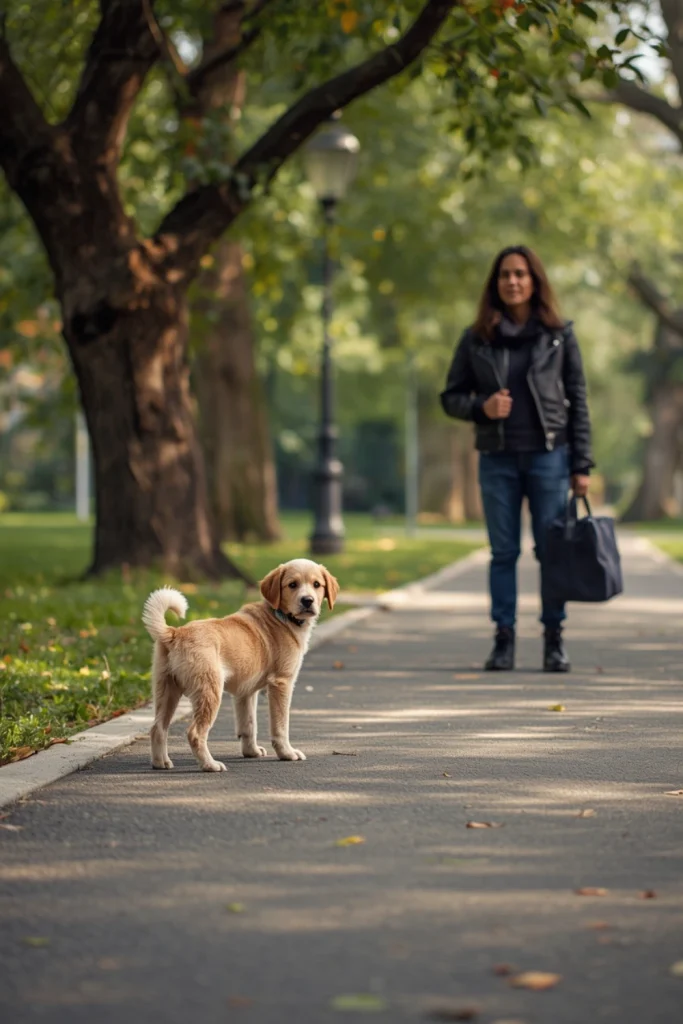
Many new owners believe that puppies should greet every person they encounter. They may encourage strangers to approach, bend over the puppy, reach toward its face, or pick it up without allowing the puppy to decide whether the interaction feels comfortable. Although these actions are often well-intentioned, forcing greetings can make a puppy feel trapped and may increase fear around unfamiliar people.
Puppies communicate discomfort through body language. Turning the head away, moving behind the owner, lowering the body, licking the lips, yawning when not tired, or trying to move away can indicate stress. Some puppies become very still rather than visibly struggling. Owners should avoid interpreting silence or stillness as proof that the puppy enjoys being handled. Giving a puppy space helps build trust.
How to avoid this mistake: Allow your puppy to observe strangers without requiring direct contact. Ask people to remain calm, avoid leaning over the puppy, and let the puppy approach voluntarily if interested. You can reward your puppy for looking at a person calmly, even if the puppy never chooses to say hello. This teaches that strangers can be present without creating pressure.
When someone wants to pet your puppy, politely explain that you are practising calm socialization. If your puppy approaches with loose body language, the person can briefly pet a comfortable area, such as the chest or side, rather than immediately reaching over the head. Pause after a moment and see whether the puppy chooses to continue the interaction.
3. Ignoring Your Puppy’s Body Language
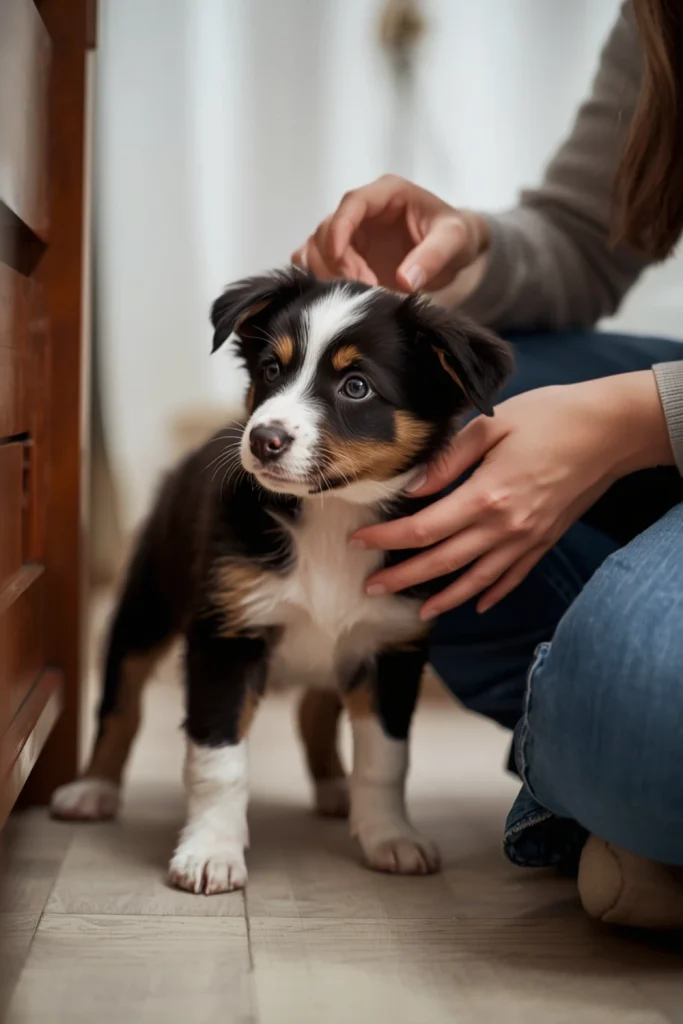
Another important mistake is focusing on training goals while ignoring the signals a puppy uses to communicate discomfort. New owners may believe their puppy is being stubborn, shy, or disobedient when it refuses to approach a person, walk across a surface, or investigate a noisy object. In reality, the puppy may be uncertain or frightened. Ignoring these signals can make the situation harder for the puppy to handle.
Learning canine body language helps owners recognize when an experience is enjoyable, neutral, or stressful. A relaxed puppy may have a loose body, natural movement, soft facial expression, and the freedom to explore. A worried puppy may crouch, tuck its tail, turn away, pin its ears back, pant when it is not hot, or repeatedly attempt to escape. No single signal explains every situation, so observe the puppy’s overall behaviour and surroundings.
How to avoid this mistake: Watch your puppy throughout every socialization session. If the puppy seems uncomfortable, reduce the intensity of the experience, increase distance, or move somewhere quieter. Avoid pulling the puppy toward the object or person it fears. Give it the choice to observe from a safe distance, and reward small signs of curiosity or calm behaviour.
It is also helpful to learn your puppy’s normal behaviour at home. Knowing how your puppy usually moves, plays, eats, and responds to familiar people makes changes easier to recognize. If fear appears intense, persistent, or progressively worse, seek guidance from a veterinarian or a qualified, reward-based dog behaviour professional.
4. Waiting Until All Vaccinations Are Complete Before Socializing
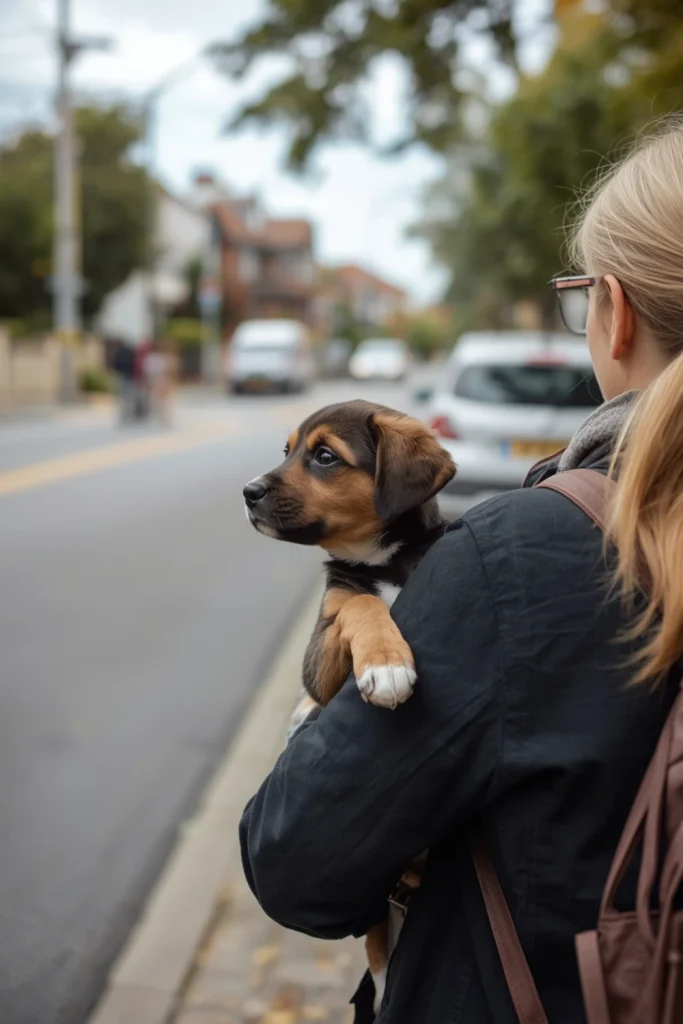
Some owners avoid all socialization outside the home until their puppy has completed the entire vaccination series. Protecting a puppy from infectious diseases is essential, but completely isolating a puppy during its early developmental period may mean missing valuable opportunities to learn about the world. The correct approach is to balance disease prevention with safe, controlled socialization.
The risk of infectious diseases varies by location, local outbreaks, the puppy’s age, vaccination history, and the environments being visited. Public dog parks, areas with heavy dog traffic, and places contaminated by unknown dogs may carry greater risks. At the same time, puppies can begin learning through safe experiences that do not require contact with potentially infected animals or contaminated ground.
How to avoid this mistake: Ask your veterinarian which socialization activities are appropriate for your puppy’s age and vaccination status. Depending on local risks, options may include observing the world while being carried, sitting in a clean private garden, meeting healthy and appropriately vaccinated dogs you know, or attending a well-managed puppy class that follows veterinary hygiene recommendations.
You can also introduce household sounds, gentle handling, car rides, different surfaces, and visitors in a controlled environment. These activities allow your puppy to learn without unnecessary exposure. Avoid assuming that every outdoor area is safe simply because it looks clean. Your veterinarian can help you make a practical plan that protects your puppy’s health while supporting early learning.
5. Allowing Unsafe Interactions With Other Dogs
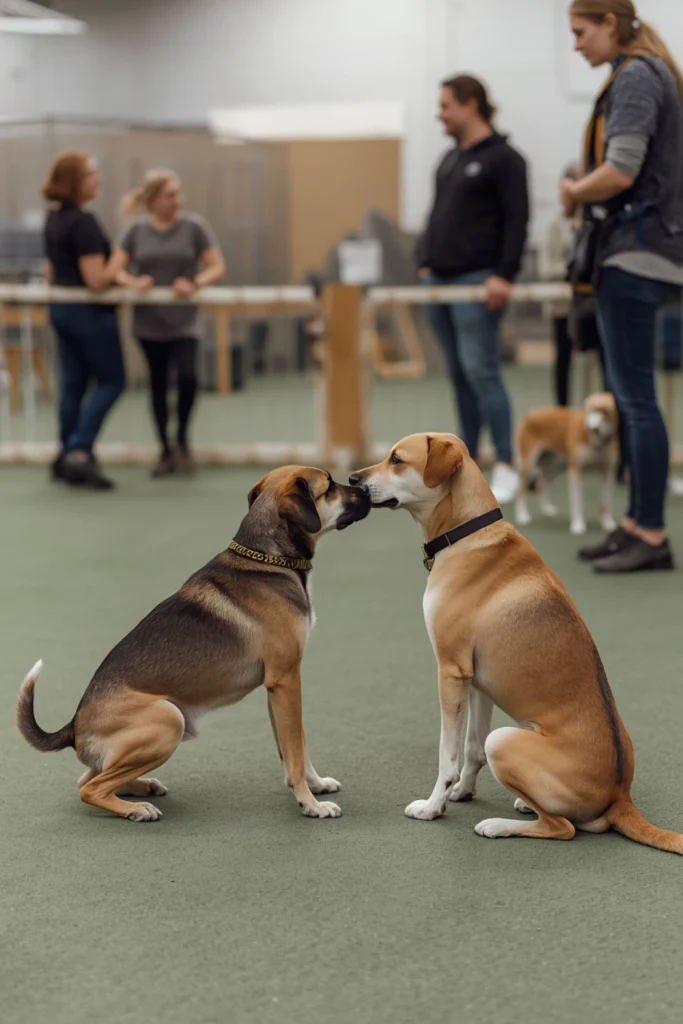
Meeting other dogs can be an important part of puppy socialization, but not every dog is an appropriate companion. Some owners allow their puppies to approach unfamiliar dogs at parks or on walks without checking the other dog’s temperament, health, or comfort level. A large, overly excited, fearful, or poorly controlled dog may frighten or injure a puppy, even if the interaction begins without obvious aggression.
Puppies also need to learn appropriate social boundaries. Healthy dog interactions are not simply about running, wrestling, and playing as intensely as possible. Dogs communicate through movement, facial expressions, posture, pauses, and attempts to create distance. If one dog repeatedly tries to escape while the other continues chasing, the interaction may no longer be enjoyable. A puppy that is frequently overwhelmed may become fearful of future dog encounters.
How to avoid this mistake: Choose calm, friendly, healthy dogs with suitable temperaments and appropriate vaccination protection. Start with brief interactions in a secure, controlled environment. Observe both dogs closely and give them breaks. If either dog repeatedly moves away, hides, freezes, growls, or shows signs of escalating discomfort, calmly separate them and allow them to settle.
Do not assume that two dogs will automatically become friends because they are young or belong to different breeds. Some puppies prefer watching other dogs before interacting, and that is perfectly acceptable. Reward your puppy for remaining calm around dogs at a distance. The goal is to help your puppy feel safe and learn appropriate social behaviour, not to make every encounter a play session.
6. Using Punishment When Your Puppy Feels Afraid
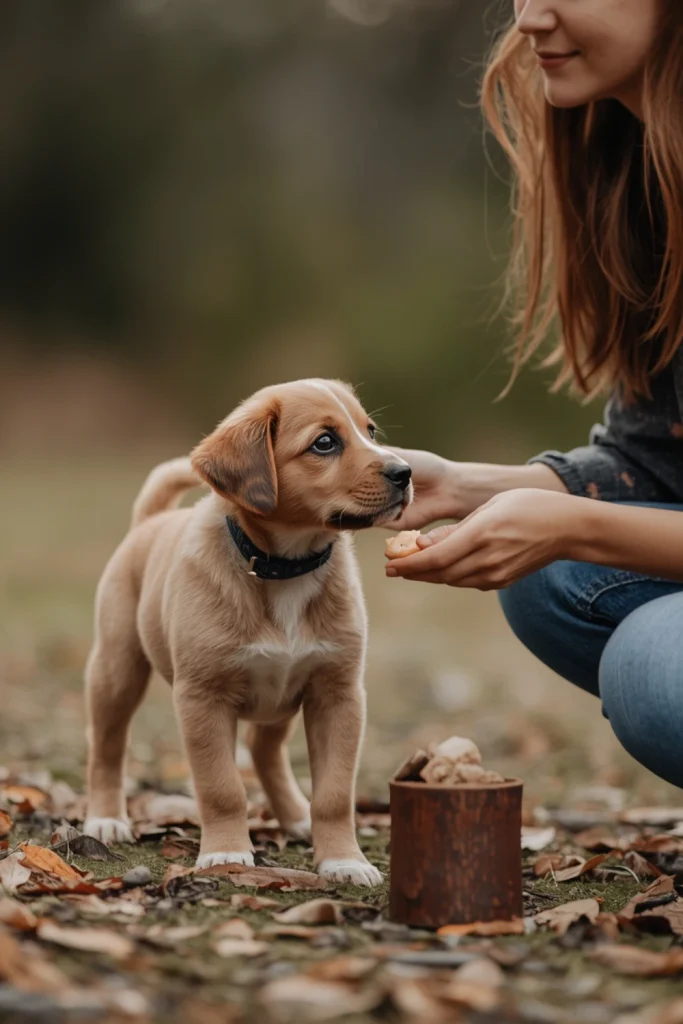
Punishing a puppy for barking, hiding, trembling, growling, or refusing to approach something unfamiliar is a serious socialization mistake. These behaviours may be signs of fear or uncertainty rather than deliberate disobedience. Shouting, leash jerks, physical corrections, or forcing the puppy toward the frightening object can increase stress and weaken the puppy’s trust in its owner.
Fear is an emotional response, and punishment does not teach a puppy that a frightening experience is safe. Instead, the puppy may associate the unfamiliar person, animal, or environment with additional discomfort. Punishing a growl can also suppress an important warning signal without resolving the underlying fear. This may make future interactions less predictable because the puppy has fewer safe ways to communicate that it needs space.
How to avoid this mistake: Stay calm and avoid adding pressure. If your puppy becomes frightened by a passing cyclist, loud vehicle, or unfamiliar person, increase the distance until the puppy can observe without becoming overwhelmed. Speak gently if that helps your puppy, and reward calm observation with a treat your puppy enjoys. Do not insist that the puppy approach the trigger.
Reward-based training can help your puppy develop more positive associations with unfamiliar experiences. For example, when your puppy notices a distant person and remains relaxed, offer a small treat. Over time, the puppy may begin to associate the presence of people with pleasant outcomes. Progress should be gradual, and persistent or severe fear is best addressed with professional guidance.
7. Neglecting Everyday Sounds and Household Experiences
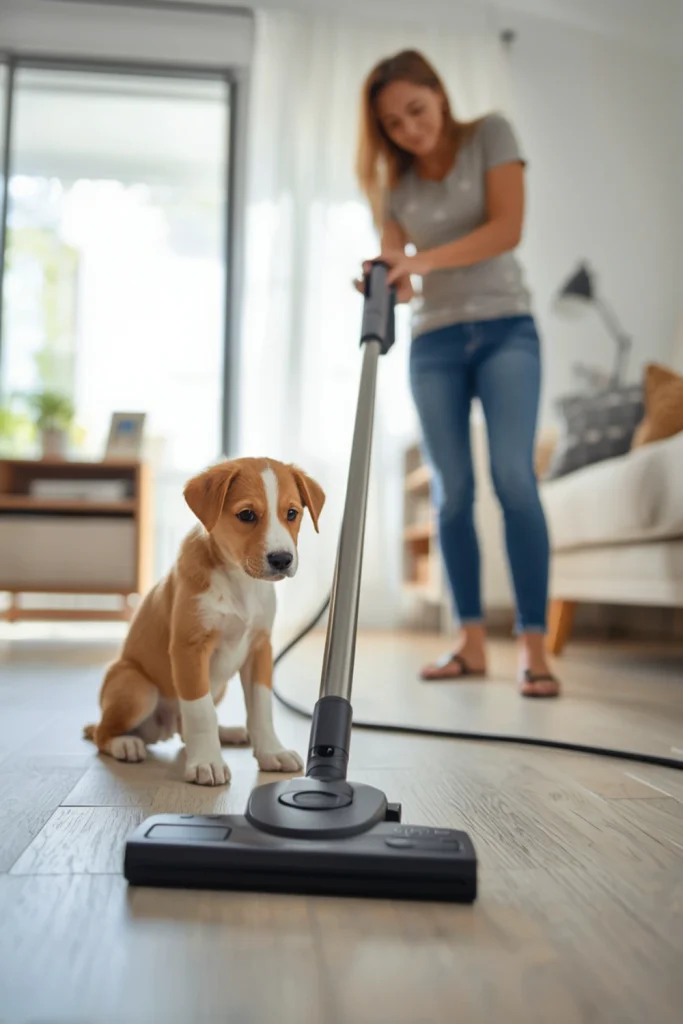
Socialization is not limited to meeting people and other dogs. Puppies also need gradual exposure to ordinary sounds and experiences they may encounter throughout life. Vacuum cleaners, doorbells, kitchen appliances, traffic, thunder, bicycles, television sounds, and household visitors can all seem unfamiliar to a young dog. Owners who overlook these experiences may discover that their puppy reacts strongly when ordinary activities occur.
Sudden, loud, or unpredictable sounds can be especially frightening. A puppy that is sleeping when a blender starts nearby may develop a negative association with the sound. Similarly, an unexpected door slam or dropped metal object may cause a strong startle response. Although puppies cannot be protected from every surprise, owners can make many everyday experiences easier through careful preparation and positive exposure.
How to avoid this mistake: Introduce household sounds at a low intensity and allow your puppy to remain at a comfortable distance. For example, let the puppy hear a vacuum cleaner running in another room before bringing it closer over several sessions. Pair quiet sounds with treats, play, or another positive activity if your puppy remains relaxed. Never place a noisy object directly beside a frightened puppy.
You can also practise gentle exposure to different surfaces, such as carpet, tile, grass, and safe rubber mats. Let your puppy investigate new objects at its own pace. Gradual exposure helps your puppy become familiar with the variety of sights, sounds, and sensations that make up everyday life without turning learning into a stressful challenge.
8. Making Every Socialization Session Too Long
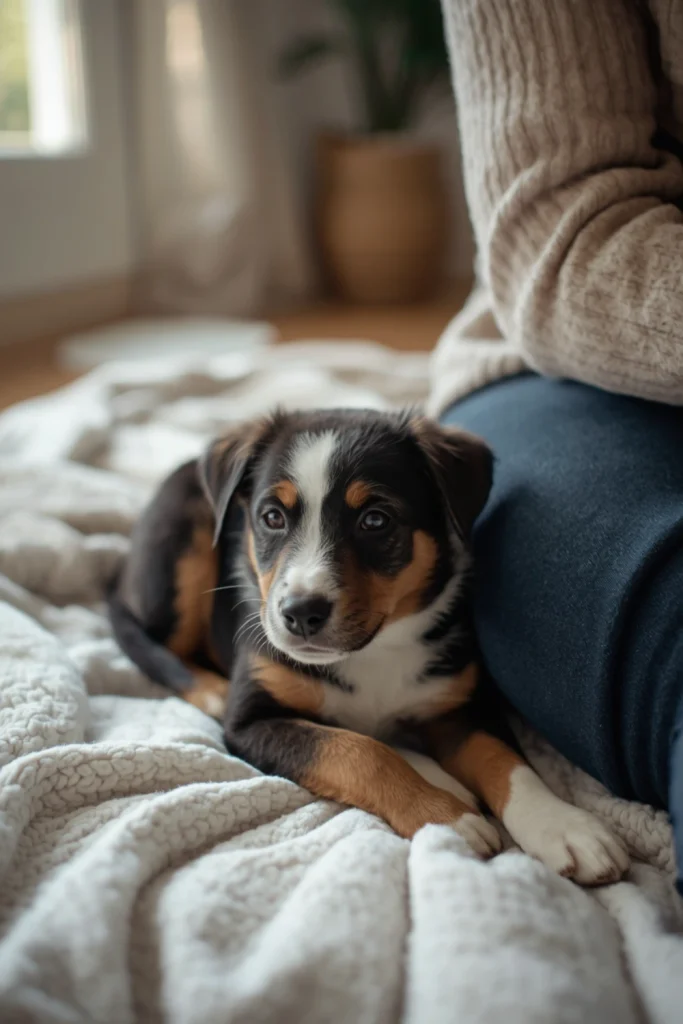
Long socialization sessions may seem productive, but puppies have limited attention spans and need plenty of rest. Taking a puppy on a lengthy walk through a busy area or keeping it at a crowded gathering for several hours can lead to tiredness, frustration, and overstimulation. When puppies become exhausted, they may bark more, nip, pull on the leash, hide, or struggle to respond to familiar cues.
Fatigue can also make it harder for puppies to process new information. A puppy that was initially curious may become increasingly sensitive as the session continues. Owners sometimes mistake this change for stubbornness or poor behaviour and continue training, which adds more pressure. In reality, the puppy may simply need a break, sleep, water, or a quieter environment.
How to avoid this mistake: Keep early socialization sessions short and flexible. Depending on your puppy’s age, temperament, and the difficulty of the experience, even a few minutes of calm observation may be useful. End the session before your puppy becomes overwhelmed. There is no universal duration that works for every puppy, so use behaviour rather than the clock as your guide.
Provide regular opportunities for rest, quiet play, meals, and sleep throughout the day. If your puppy begins losing interest, repeatedly seeking distance, or struggling to settle, reduce the demands. A series of brief, positive sessions is often more useful than one long outing. Consistency over time helps puppies build familiarity without excessive pressure.
9. Expecting Your Puppy to Be Friendly With Everyone
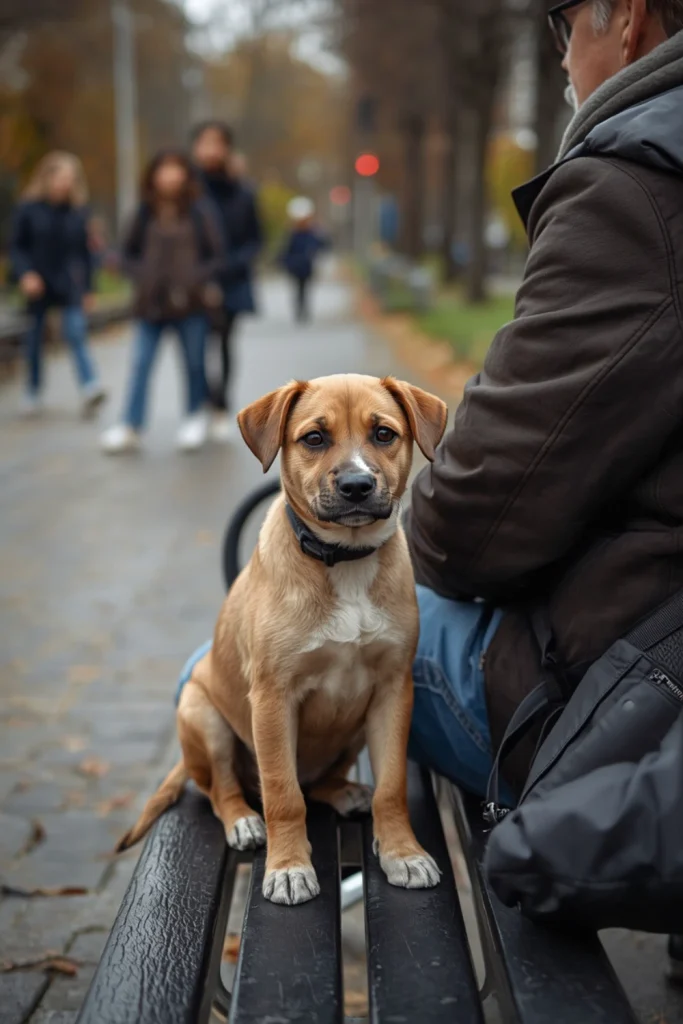
A common misunderstanding is that a well-socialized puppy should love every person, dog, and environment. This expectation can cause owners to pressure their puppies into repeated greetings and interactions they do not enjoy. However, confidence does not mean unlimited friendliness. A socially comfortable dog can remain calm around unfamiliar people without needing to approach them or accept physical contact.
Some puppies are naturally more reserved than others. Breed tendencies, genetics, early experiences, health, and individual temperament can influence how a puppy responds to new situations. A shy puppy may need more time and distance than a confident one. Comparing puppies or expecting identical behaviour can lead owners to move too quickly and overlook what their individual dog needs.
How to avoid this mistake: Set realistic goals based on your puppy’s personality. Aim for calm observation, comfortable movement, recovery after a mild surprise, and the ability to disengage from unfamiliar situations. Reward your puppy for checking in with you, exploring voluntarily, or remaining relaxed near people and dogs. Do not force greetings simply to prove that socialization is working.
Respecting your puppy’s preferences also teaches useful life skills. A dog that can quietly watch other dogs from the pavement or remain settled while visitors enter the house is developing valuable social behaviour, even without direct contact. Confidence grows when puppies learn that they can observe, make choices, and rely on their owners for support.
10. Being Inconsistent With Socialization and Training
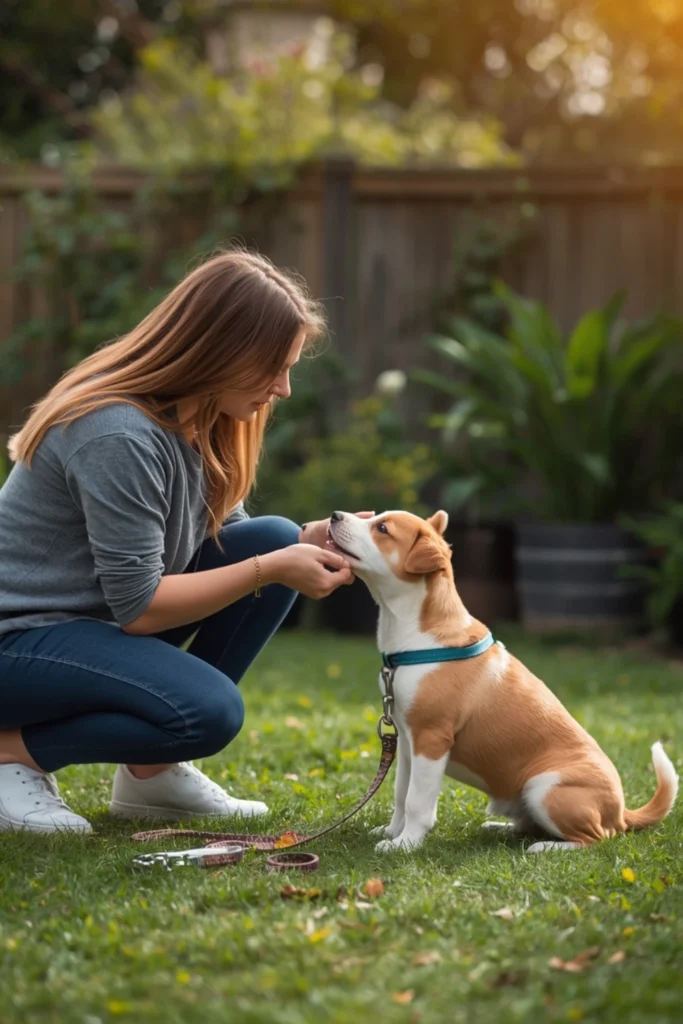
Socialization is not a single event that can be completed in one weekend. One of the most overlooked Puppy Socialization Mistakes is introducing new experiences occasionally without following a consistent, thoughtful approach. A puppy might have a positive experience with visitors one day but become overwhelmed by a crowded gathering the next. Without gradual repetition, it may struggle to apply what it has learned to different situations.
Consistency does not mean repeating exactly the same activity every day. Instead, it means creating regular opportunities for safe learning and adjusting the difficulty according to your puppy’s comfort. For example, a puppy that is comfortable watching people from across the street might next observe them from a slightly closer distance. Small changes help develop flexible coping skills without overwhelming the puppy.
How to avoid this mistake: Create a simple weekly socialization plan. Include a variety of people, everyday sounds, safe surfaces, handling exercises, calm dog observations, and different environments. Keep a brief record of what your puppy experienced and how it responded. This helps you notice progress, identify difficult situations, and avoid repeating activities that create unnecessary stress.
Be patient when progress is uneven. A puppy may become more cautious during a developmental stage, after a frightening experience, or when tired or unwell. Return to easier activities when needed, and reward relaxed behaviour consistently. If your puppy develops persistent fear, consult a veterinarian or qualified reward-based behaviour professional rather than trying to solve every difficulty through repeated exposure alone.
Conclusion
Avoiding common Puppy Socialization Mistakes can help you raise a dog that feels safer and more comfortable in everyday situations. The most important principles are simple: introduce new experiences gradually, respect your puppy’s body language, choose suitable social partners, avoid punishment, and balance learning with rest. Focus on positive experiences rather than trying to expose your puppy to everything as quickly as possible.
Remember that every puppy is an individual. Some puppies approach unfamiliar people confidently, while others need extra time and space. Both can make progress when their owners provide patient, consistent guidance. Celebrate small improvements, keep experiences manageable, and seek professional advice when necessary. By putting your puppy’s emotional comfort first, you can build a stronger relationship and give your dog a positive foundation for lifelong learning.