15 Helpful Training Tips for Newly Adopted Dogs
Bringing a newly adopted dog into your home is the beginning of a special journey. Your new companion may need time to understand your routines, trust your family, and feel comfortable in unfamiliar surroundings. With patience, kindness, and consistent training, you can help your dog settle in and develop the skills needed for a happy life together.
The best training tips for newly adopted dogs focus on building trust before expecting perfect behavior. Whether you have welcomed a playful puppy, an adult rescue dog, or a shy companion from a shelter, small daily lessons can make a meaningful difference. These 15 practical tips will help you establish good habits, encourage confidence, and build a lasting bond with your new best friend.
1. Give Your Newly Adopted Dog Time to Settle In

One of the most important training tips for newly adopted dogs is to allow them time to adjust before introducing too many expectations. Your dog may be dealing with unfamiliar smells, sounds, people, and routines. Even a friendly dog can feel overwhelmed after a major change. Set up a quiet resting area with a comfortable bed, fresh water, and a few suitable toys. Let your dog explore at their own pace, and avoid forcing interactions or introducing visitors all at once.
During the first several days, focus on simple routines rather than a long list of commands. Take your dog outside regularly, offer meals at consistent times, and reward calm behavior. Watch for signs of stress, such as pacing, hiding, excessive panting, or refusing food. Adjustment timelines vary, so avoid assuming your dog should feel settled within a fixed number of days. If distress is severe or persistent, consult a veterinarian or qualified behavior professional.
2. Build Trust Through Positive Reinforcement
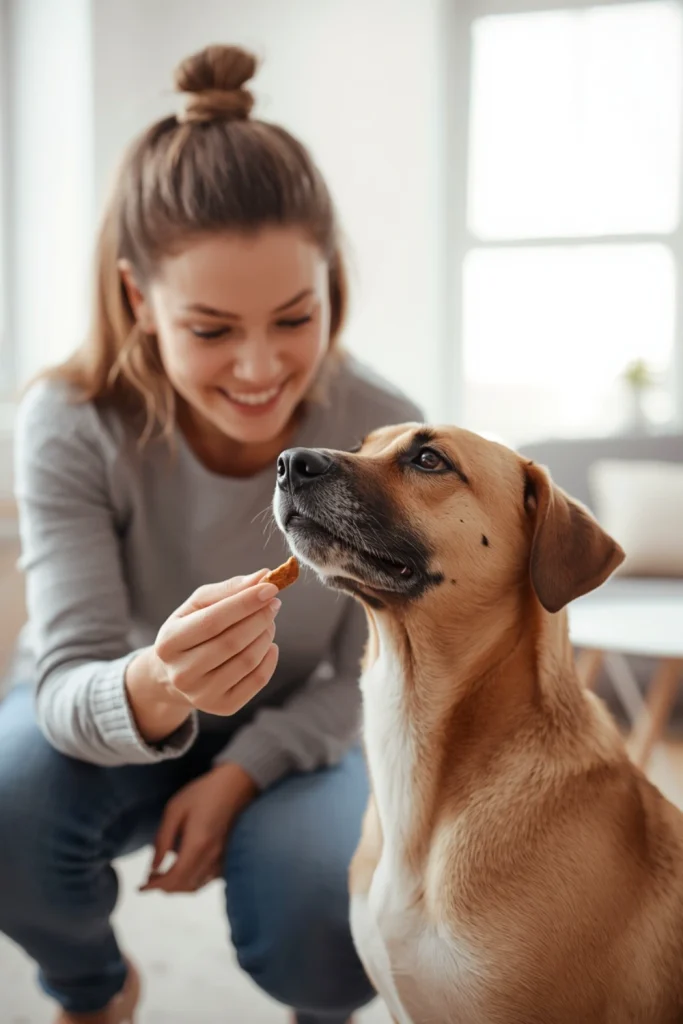
Trust is the foundation of effective dog training. Positive reinforcement means rewarding a behavior you want to encourage so your dog is more likely to repeat it. When your dog approaches you calmly, responds to their name, or rests quietly on their bed, offer a small treat, gentle praise, or a favorite toy. These everyday rewards help your dog learn that good things happen when they interact with you and follow familiar routines.
Avoid shouting, intimidation, or physical punishment, particularly while your dog is still adjusting to your home. Punishment can increase fear and may make it harder for you to recognize the reason behind a behavior. Instead, manage the environment and reward a suitable alternative. If your dog jumps up, for example, encourage four paws on the floor and reward that position. Keep your reactions consistent so your dog receives a clear message about which behaviors work.
3. Establish a Consistent Daily Routine
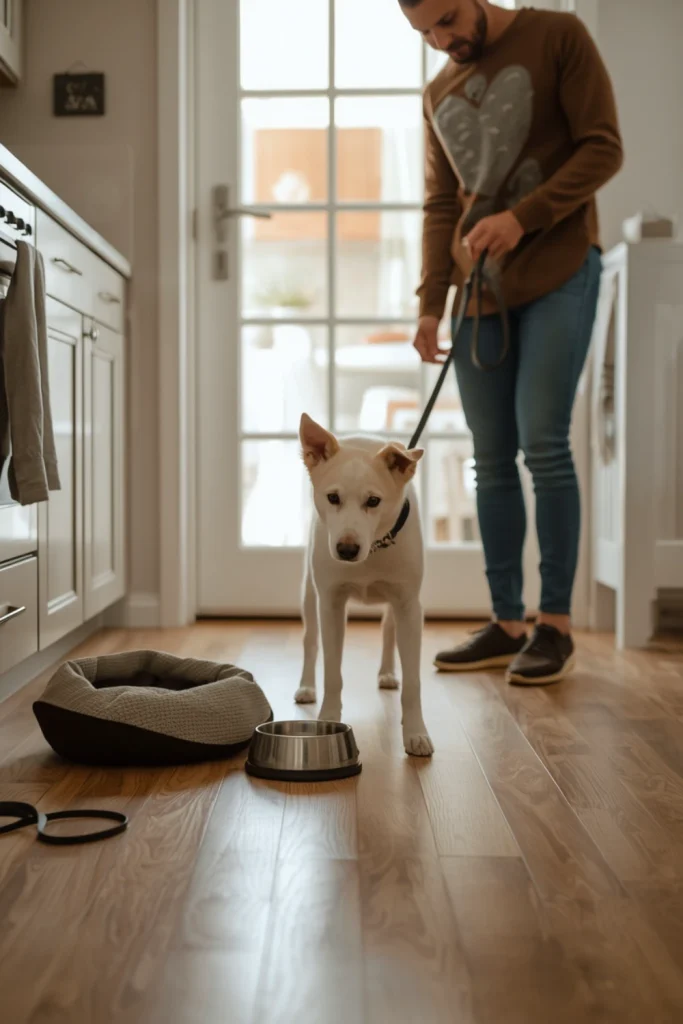
A predictable routine can help an adopted dog feel more secure. Try to provide meals, bathroom breaks, walks, training sessions, and bedtime at reasonably consistent times. Your dog will gradually begin to recognize what happens throughout the day, making transitions less confusing. A routine also helps you notice changes in appetite, energy, bathroom habits, and behavior that may need attention.
Start with a schedule that fits your household instead of creating a complicated plan that is difficult to maintain. For example, take your dog outside after waking up, after meals, after naps, and before bedtime. Add short training sessions when your dog is alert and comfortable. If your schedule must change, introduce changes gradually where possible. Consistency does not mean every minute must be identical; it means your dog can rely on predictable care and clear expectations.
4. Teach Your Dog to Respond to Their Name
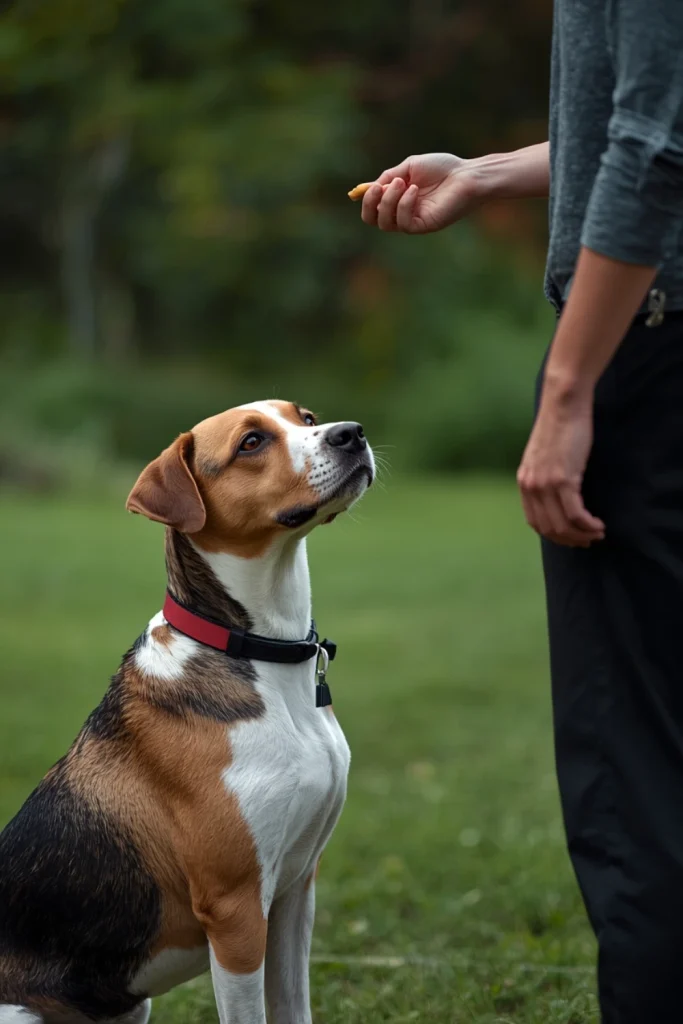
Learning their name helps your dog pay attention to you during everyday activities and creates a useful foundation for future training. Begin in a quiet room with minimal distractions. Say your dog’s name once in a cheerful, friendly voice. The moment your dog looks toward you, mark the response with a word such as “yes” and give a small reward. Repeat a few times, then stop before your dog becomes bored or distracted.
Practice in different rooms as your dog improves, and gradually introduce mild distractions. Avoid repeatedly calling your dog’s name when you know they cannot respond, as this can make the sound less meaningful. Never use the name primarily to scold your dog. You want it to predict positive attention, not something frightening. If your dog has recently been renamed, be patient; they may need time to learn that the new sound refers to them.
5. Start House Training With Patience
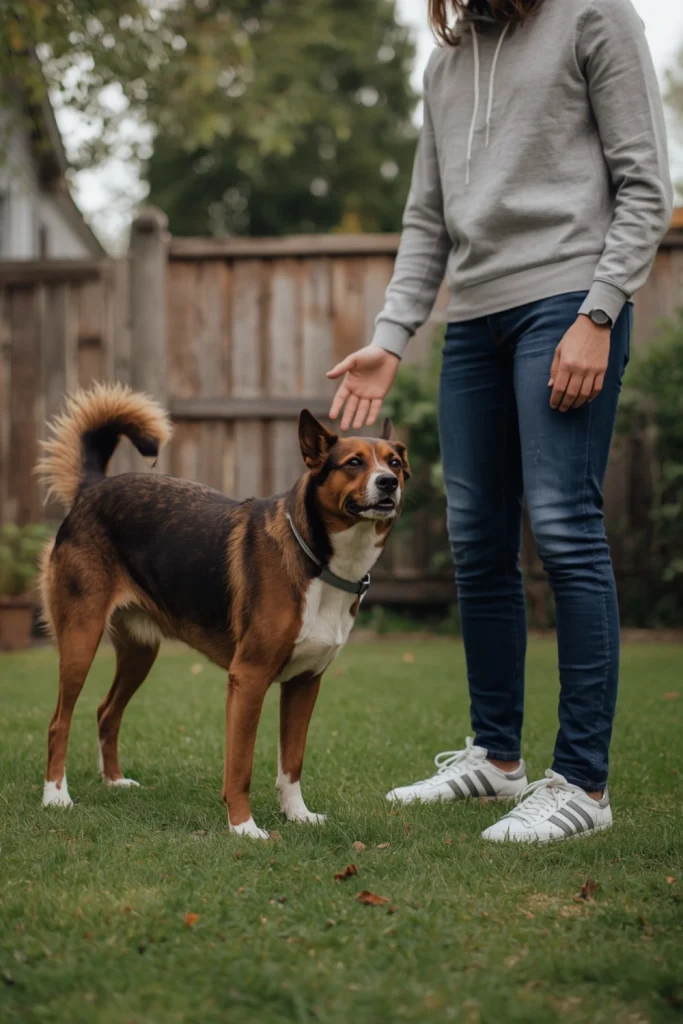
House training is often a priority for newly adopted dogs, but your dog may not understand your home’s bathroom rules yet. Take them to the same outdoor area at regular intervals, especially after waking, eating, drinking, playing, and napping. Give them time to sniff and explore, then reward them immediately after they finish in the appropriate place. Prompt rewards help your dog connect the action with the desired location.
Supervise your dog indoors and look for signs that they need to go out, such as sniffing the floor, circling, or moving toward a door. If an accident happens, clean it thoroughly with an appropriate enzymatic cleaner and avoid punishment. Scolding after the fact does not teach your dog where to go and can encourage hiding. If accidents continue despite a consistent routine, consider whether stress, a change in diet, or a medical issue may be involved. A veterinarian can help rule out health problems.
6. Teach Basic Commands One at a Time
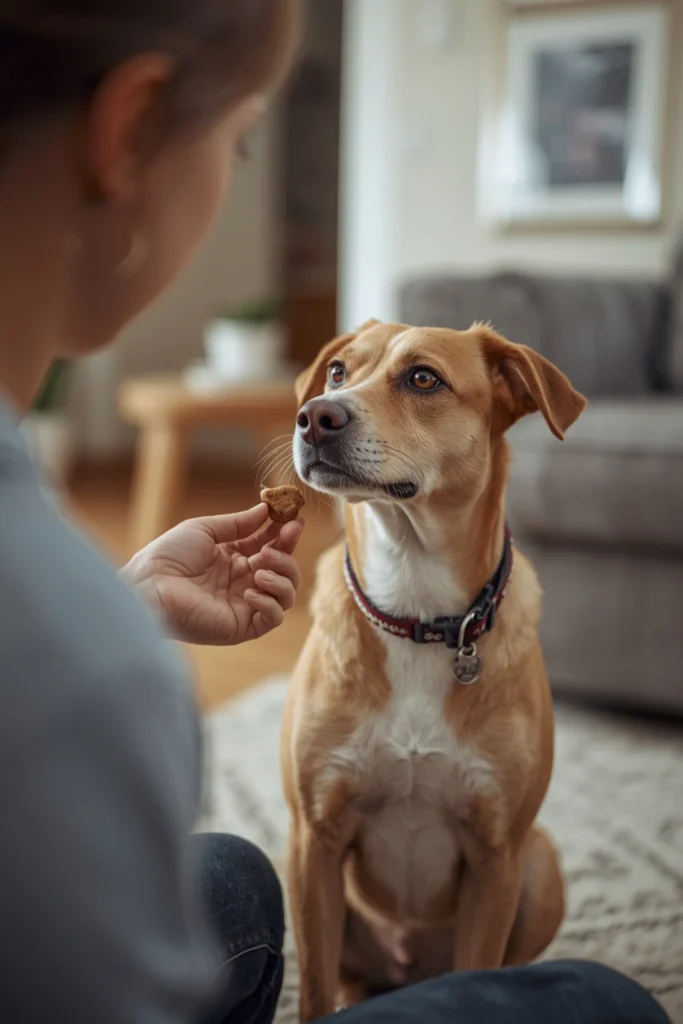
Basic commands such as “sit,” “stay,” “come,” and “down” help you communicate clearly with your dog. However, teaching all these skills at once can become confusing, particularly when your dog is still adjusting to a new environment. Choose one simple command to begin with and practice it for a few minutes each day. For example, reward your dog for sitting naturally, then gradually introduce a verbal cue as they begin to understand the action.
Once your dog responds reliably in a quiet setting, practice the same command in other familiar areas. Use rewards your dog genuinely enjoys, and keep your voice calm and encouraging. If your dog struggles, make the exercise easier rather than repeating the command louder or faster. Some dogs may already know basic cues but respond to different words or hand signals. Observe what your dog understands and build on their existing skills instead of assuming they need to start from scratch.
7. Introduce Leash Training Gradually
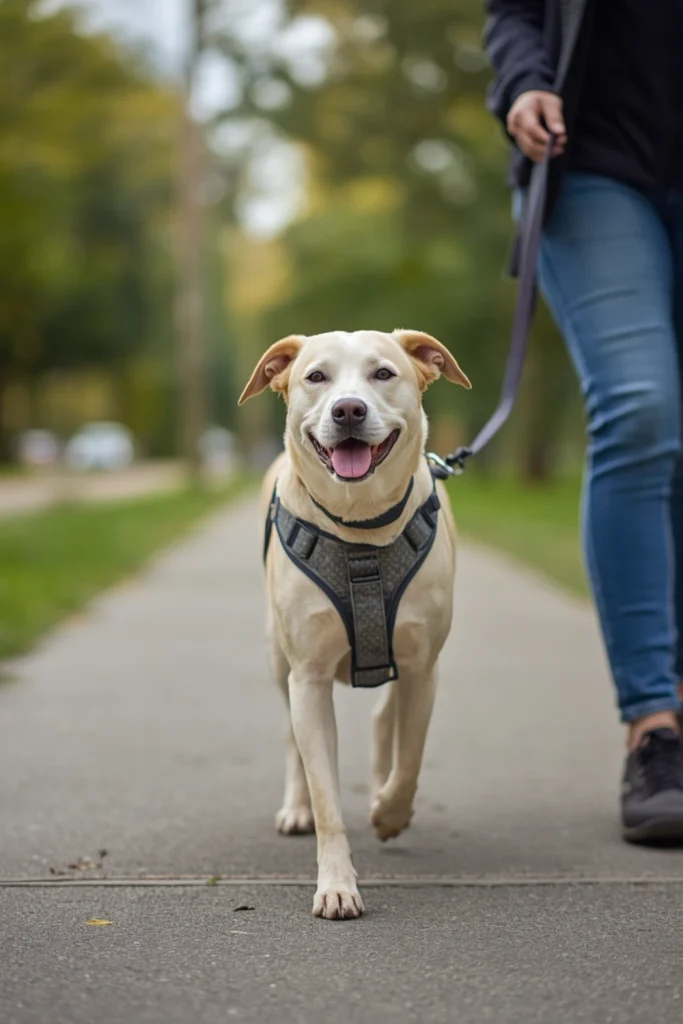
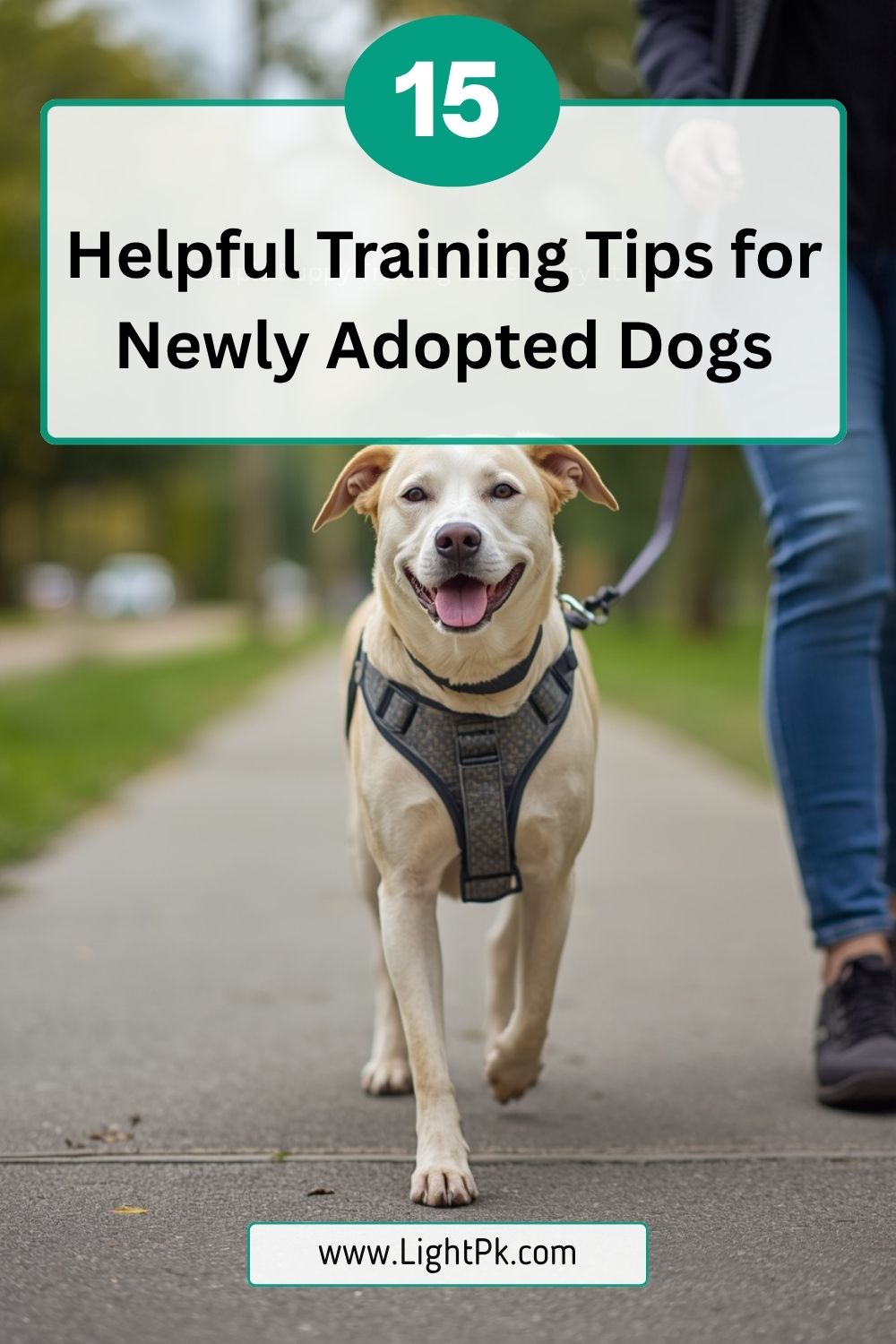
Walking on a leash may be unfamiliar to an adopted dog, especially if they have spent time in a shelter or have not received regular walks. Start by allowing your dog to inspect the leash and harness indoors. Reward calm behavior when you attach the equipment, then practice walking a few steps in a quiet area. Choose a comfortable, properly fitted harness or collar and a secure leash appropriate for your dog’s size and needs. Avoid forcing your dog forward if they appear frightened.
Once your dog is comfortable indoors, move to a quiet outdoor space with fewer distractions. Reward them when they walk near you with a relaxed leash. If they pull, pause and encourage them to return to your side before continuing, provided the situation is safe. Keep early walks short and focused on confidence rather than distance. Busy streets, crowded parks, and encounters with unfamiliar dogs can wait until your companion is more comfortable with the basics.
8. Help Your Dog Learn to Come When Called
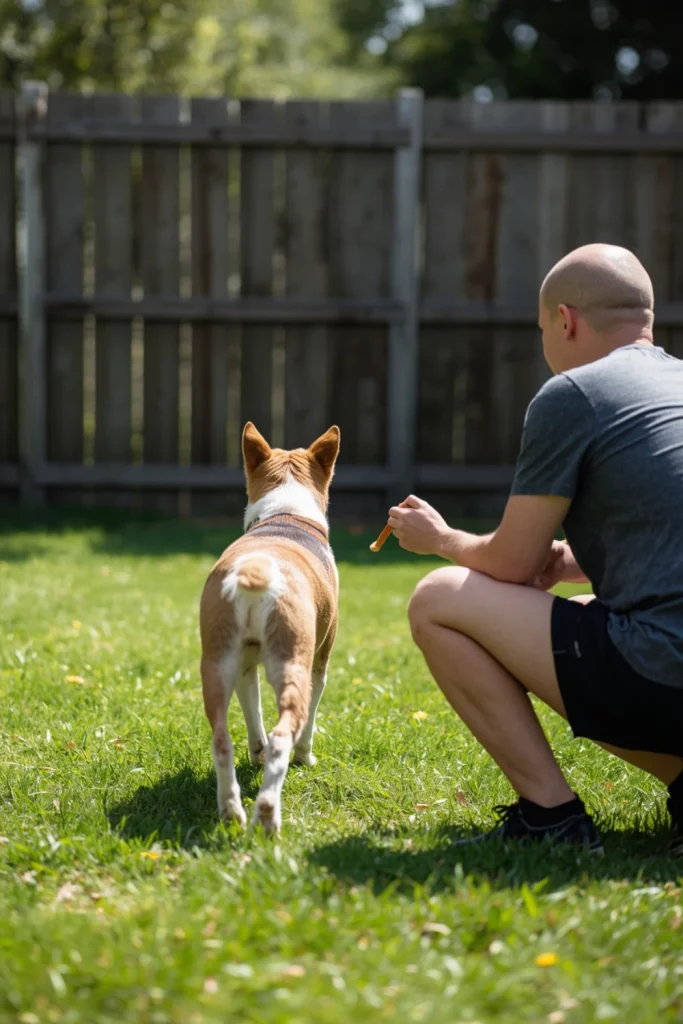
Recall, or coming when called, is an important skill that can help you manage your dog safely. Begin indoors when there are few distractions. Say your dog’s name followed by a cheerful cue such as “come,” then take a step back or crouch slightly to encourage them to approach. Reward them generously when they reach you. Keep the first exercises easy, and never call your dog to you simply to do something unpleasant if you can avoid it.
As your dog becomes more reliable, practice in different rooms and then in a securely fenced area. Use a long training line outdoors when appropriate, and never assume recall is dependable around traffic or other hazards. Make coming to you a rewarding experience by mixing treats, praise, play, and affection according to your dog’s preferences. If your dog does not respond, reduce the distance or distractions and try again. Reliable recall develops through repetition and positive experiences, not through a single training session.
9. Socialize Your Dog at a Comfortable Pace
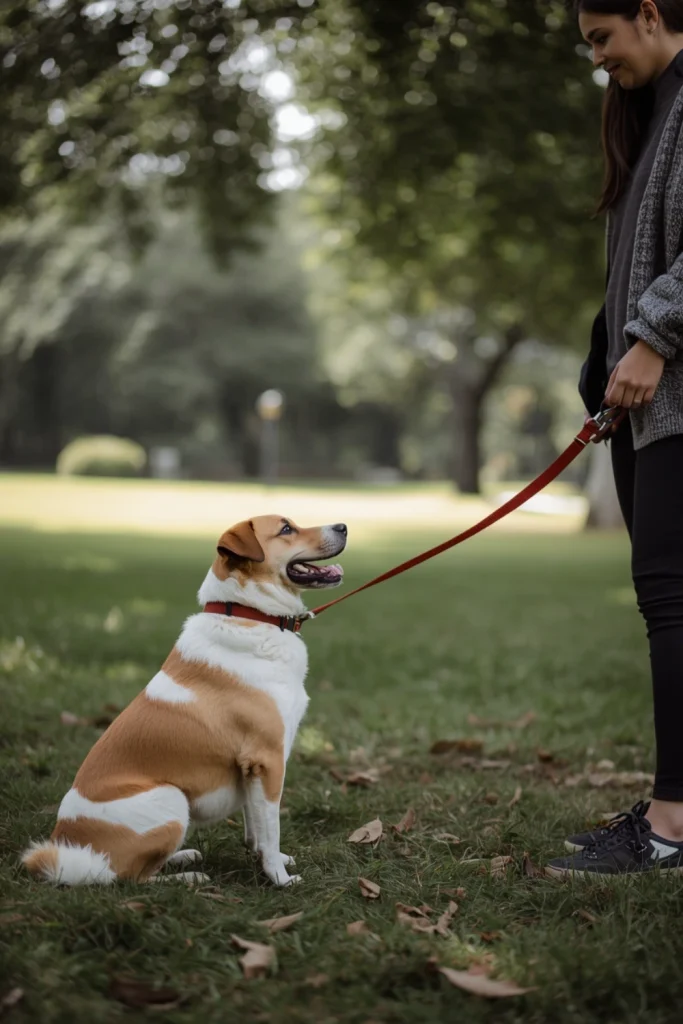
Socialization is about helping your dog feel comfortable around different people, environments, sounds, surfaces, and everyday experiences. It does not mean introducing your dog to everyone or allowing every unfamiliar dog to approach. Start by observing how your companion reacts to ordinary activities from a comfortable distance. Reward calm observation and give your dog the freedom to move away if they feel uncertain. For some dogs, watching people from across a quiet park is a useful first step.
Gradually introduce new experiences according to your dog’s comfort level. Avoid crowded dog parks or busy events if your dog is nervous, easily overwhelmed, or showing signs of fear. Forced greetings can make uncomfortable dogs more anxious rather than more social. If your dog freezes, hides, growls, or tries to escape, increase the distance and reassess the situation. For dogs with a history of fear or reactivity, a qualified, reward-based trainer or veterinary behavior professional can help create a suitable socialization plan.
10. Prevent Chewing Problems by Offering Appropriate Toys
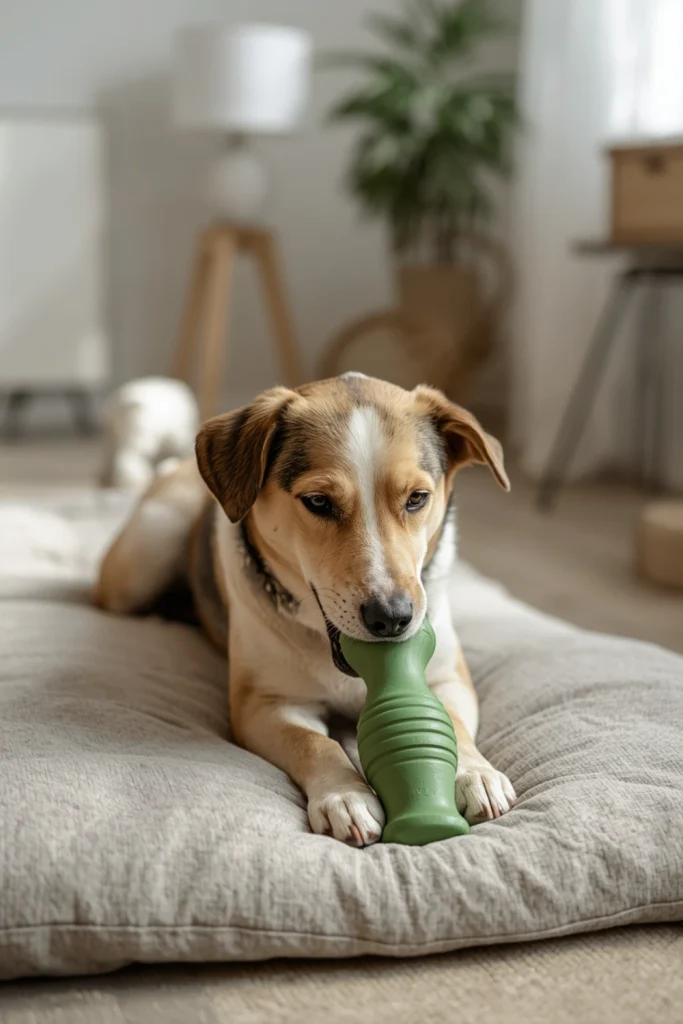
Chewing is a natural behavior for dogs, but it can become a problem when your companion chooses shoes, furniture, cables, or other household items. Make suitable chew toys available and rotate them to maintain interest. Choose toys designed for your dog’s size, chewing strength, and age. Supervise your dog with new toys and remove any item that begins to break apart or becomes small enough to swallow. No toy is completely indestructible, so regular checks are important.
If you catch your dog chewing an inappropriate item, stay calm and redirect them toward an acceptable toy. When they begin chewing the correct item, offer praise or a small reward. Prevent access to tempting objects by storing shoes, securing cables, and using barriers where necessary. Avoid chasing your dog around the house, as this may turn stealing objects into a game. If your dog repeatedly swallows non-food items or chews obsessively, consult your veterinarian to discuss possible medical or behavioral causes.
11. Teach Your Dog to Relax in a Safe Space
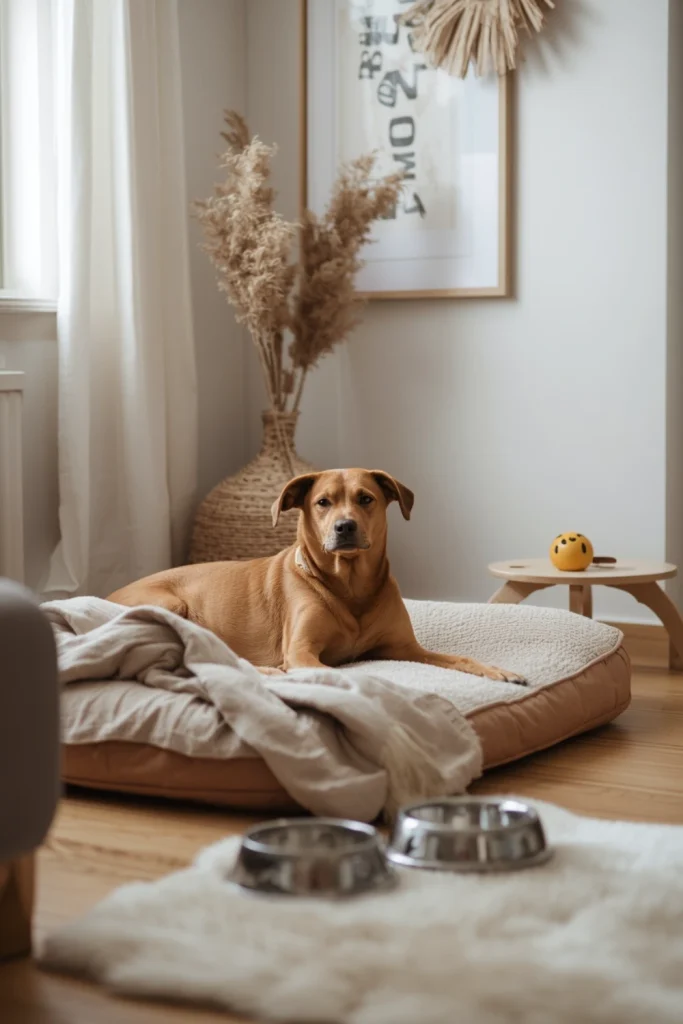
Every dog benefits from having a comfortable place where they can rest without being disturbed. This might be a dog bed in a quiet corner, an open crate, or a gated area with suitable bedding and water. Introduce the space gradually by placing treats or toys nearby and rewarding your dog for choosing to investigate it. Let them enter and leave freely at first. A safe space should feel comforting, not like a place where they are sent as punishment.
Build positive associations by offering a chew toy or a few treats while your dog relaxes there. Encourage family members, particularly children, to leave the dog alone when they are resting. If you use a crate, introduce it gradually and never force your dog inside or leave them distressed for long periods. Some dogs prefer an open bed or pen instead. Pay attention to your companion’s behavior and choose an arrangement that supports relaxation and gives them a reliable place to retreat.
12. Practice Short, Positive Training Sessions
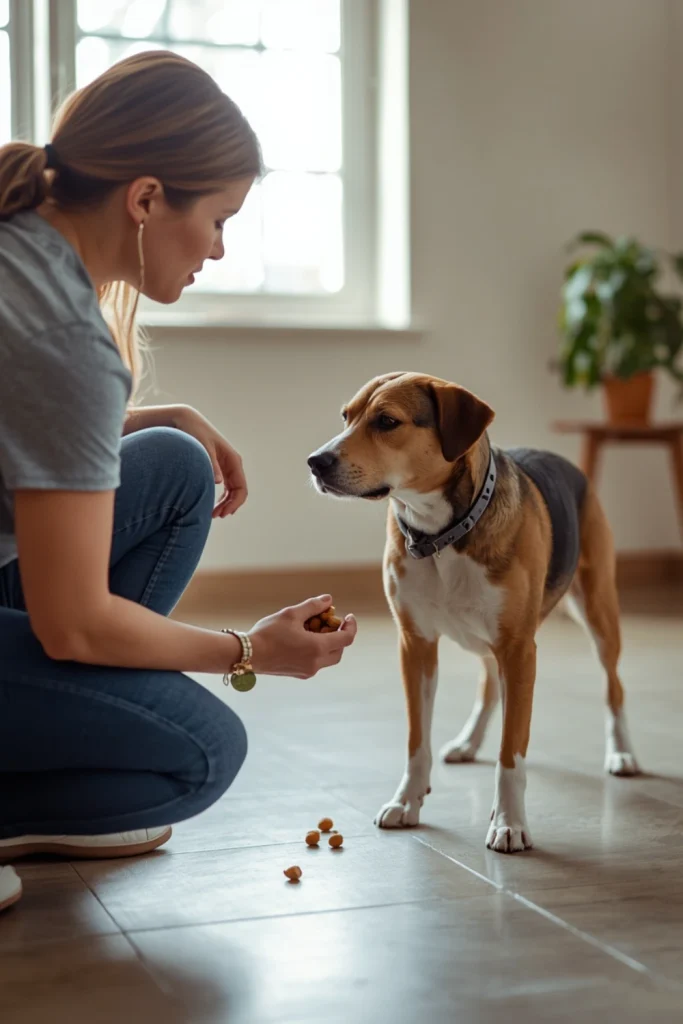
Short training sessions are often more effective than long lessons, especially when a newly adopted dog is still adjusting. Start with a few minutes of practice and stop while your dog is still interested. You can repeat a brief session later in the day rather than expecting your dog to concentrate for a long period. Focus on one skill at a time, such as responding to their name, sitting, or settling on a bed. Frequent, manageable practice helps build familiarity without creating unnecessary pressure.
Pay attention to your dog’s body language during training. If they turn away, sniff the ground repeatedly, become restless, or stop accepting rewards, they may need a break or an easier exercise. End on a simple success whenever possible, then allow time for rest or play. Training can also happen naturally throughout the day: reward calm greetings, encourage waiting before opening a door, or practice a recall over a short distance indoors. These everyday moments make learning practical and consistent.
13. Teach Gentle Greetings and Good Manners
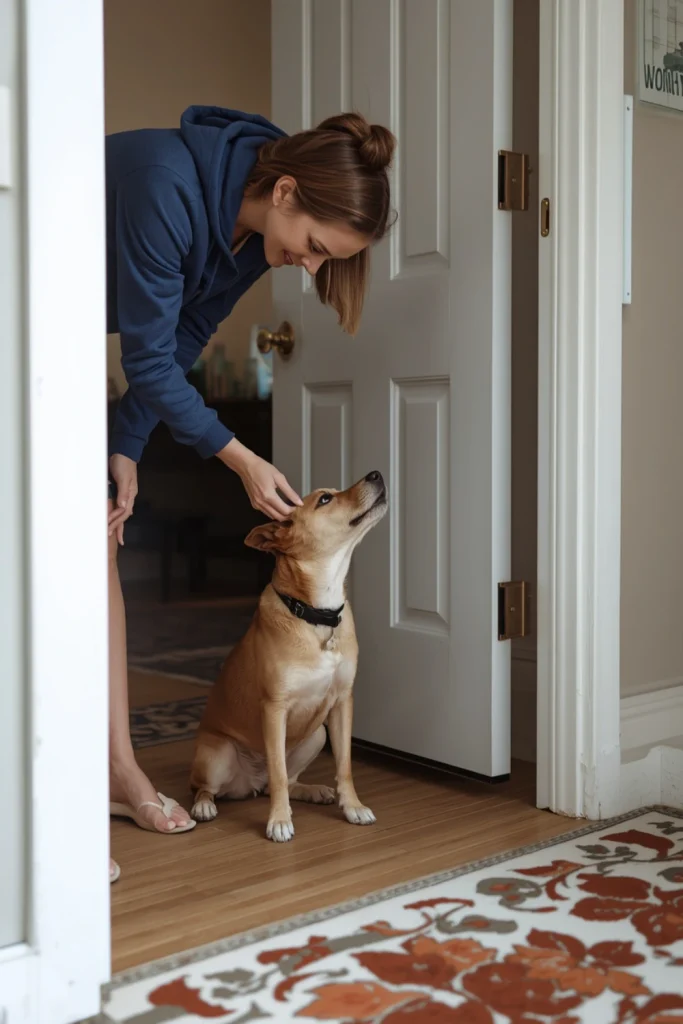
Some adopted dogs greet people by jumping, barking, or rushing toward the door. These behaviors may come from excitement, uncertainty, or a lack of practice with household greetings. Decide what you would like your dog to do instead, such as standing with four paws on the floor or sitting at a comfortable distance. Practice first with familiar family members in a quiet setting. Reward your dog when they remain calm, and keep greetings brief enough that your companion can succeed.
As your dog improves, introduce other visitors gradually. Ask guests to avoid leaning over the dog, grabbing them, or encouraging jumping. If your dog becomes overly excited, use a baby gate or leash to manage the greeting while you reward calmer behavior. Never force contact with visitors, especially if your dog is shy. Teach children to approach respectfully and let the dog choose whether to interact. Consistent greetings help your dog learn that calm behavior brings attention and that they do not need to jump or rush to be noticed.
14. Help Your Dog Become Comfortable With Grooming and Handling
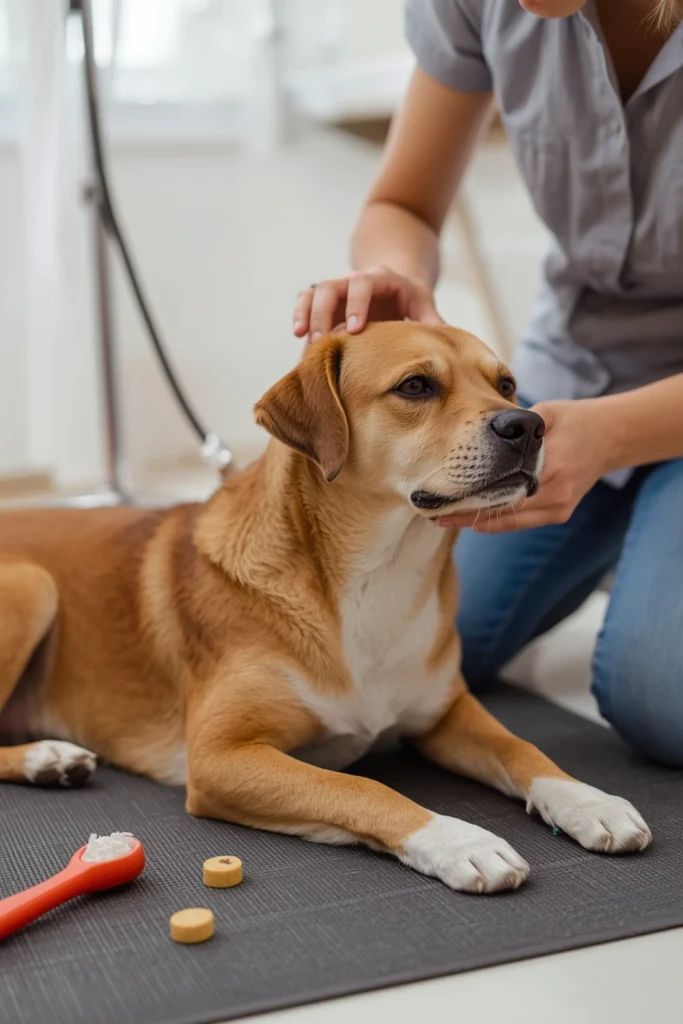
Routine handling can include brushing, checking paws, looking at ears, examining the coat, and preparing for nail care. Some adopted dogs are comfortable with these activities, while others may have had unpleasant experiences or simply be unfamiliar with them. Begin with brief, gentle contact in an area your dog appears comfortable having touched. Reward relaxed behavior, then stop before your dog becomes worried. Never assume that a dog who tolerates one kind of handling will automatically accept every other kind.
Gradually introduce grooming tools by allowing your dog to sniff them before you use them. Touch a paw briefly, offer a reward, and release it rather than holding on for too long. Watch for signs of discomfort, such as pulling away, stiffening, lip licking, or growling. Give your dog space and slow down if needed. For nail trimming, severe matting, or handling that causes significant fear, ask a veterinarian or experienced reward-based groomer for guidance. Teaching cooperation gradually can make future care safer and less stressful.
15. Build Independence and Prevent Separation Problems

A newly adopted dog may want to follow you everywhere because you are still becoming a source of security. Help your dog learn that brief periods of separation are normal by rewarding them for relaxing on their bed while you move around the home. Begin with very short, easy moments and return before your dog becomes distressed. Provide a comfortable resting area and suitable enrichment, such as a safe food puzzle or chew, when appropriate for your dog.
Increase the duration gradually only when your dog remains comfortable. Avoid leaving a worried dog alone for long periods in the hope they will simply get used to it. Signs of separation-related distress may include persistent barking, pacing, destructive behavior near exits, drooling, or attempts to escape. If you notice these signs, seek veterinary advice and consider working with a qualified behavior professional. A gradual plan tailored to your dog is more effective and humane than forcing them to tolerate overwhelming absences.
Conclusion
Helping a newly adopted dog settle into your home is about much more than teaching commands. It means creating a safe environment, building trust, establishing consistent routines, and learning to understand your companion’s needs. These training tips for newly adopted dogs can help you encourage good habits while giving your dog the time and support needed to adjust.
Remember that every dog has a different background and learning pace. Celebrate small improvements, reward desirable behavior, and approach setbacks with patience. With positive reinforcement, manageable daily practice, and professional support when needed, you can build a stronger relationship and help your new companion become a confident member of your family.