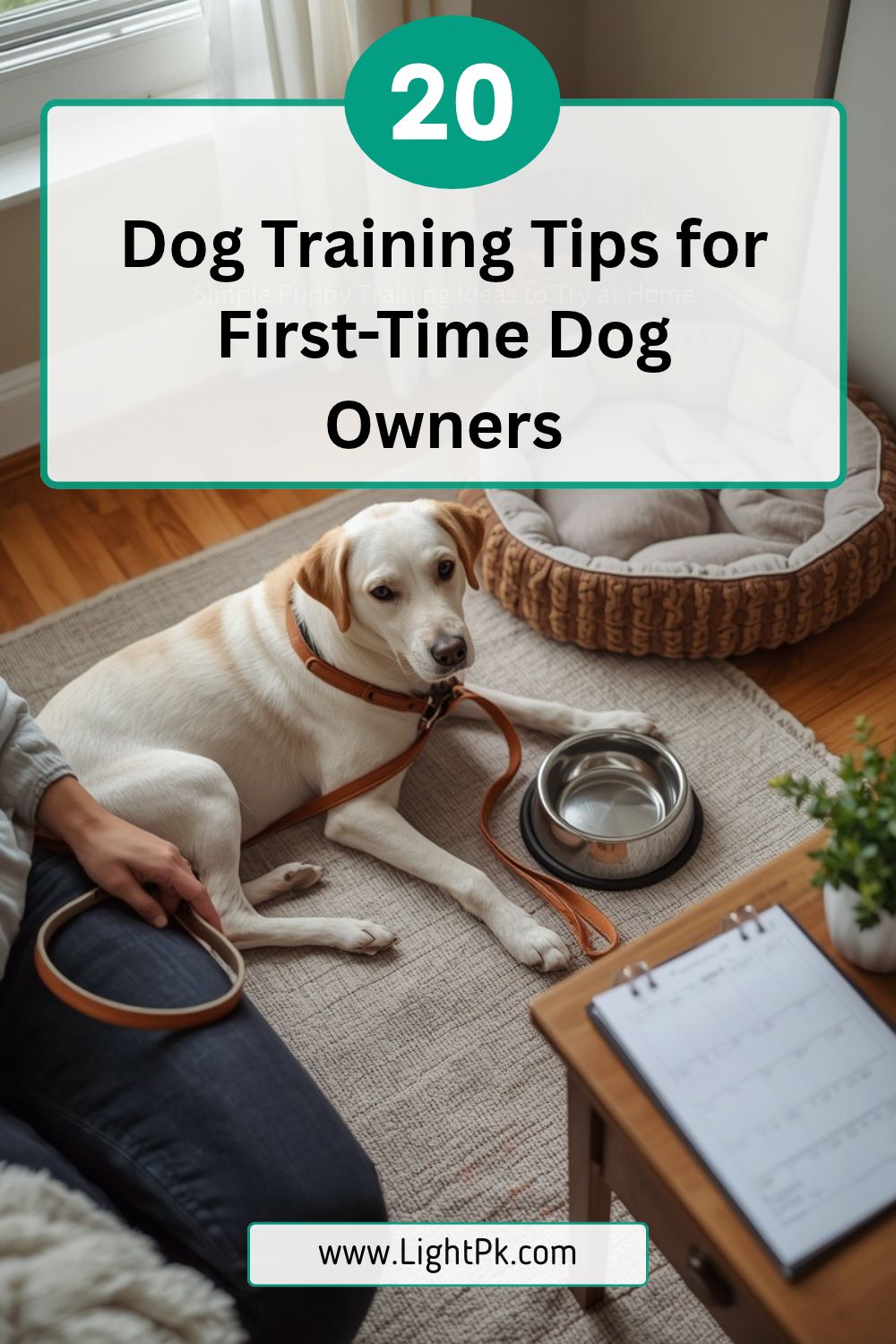
20 Dog Training Tips for First-Time Dog Owners
Bringing home your first dog is an exciting experience filled with new adventures, funny moments, and plenty of opportunities to build a lifelong friendship. But being a first-time dog owner also comes with questions. How do you teach your dog to listen? How can you prevent unwanted behaviors? And what should you do when your puppy refuses to follow a command? The good news is that you do not need to be a professional trainer to help your dog learn good habits.
The best Dog Training Tips for First-Time owners focus on patience, consistency, positive reinforcement, and understanding canine behavior. Whether you have adopted a puppy or welcomed an adult dog into your home, simple training exercises can help you develop better communication and a stronger bond. This guide covers 20 practical dog training tips to help you get started, avoid common mistakes, and raise a confident, well-mannered companion.
1. Start Training From the First Day
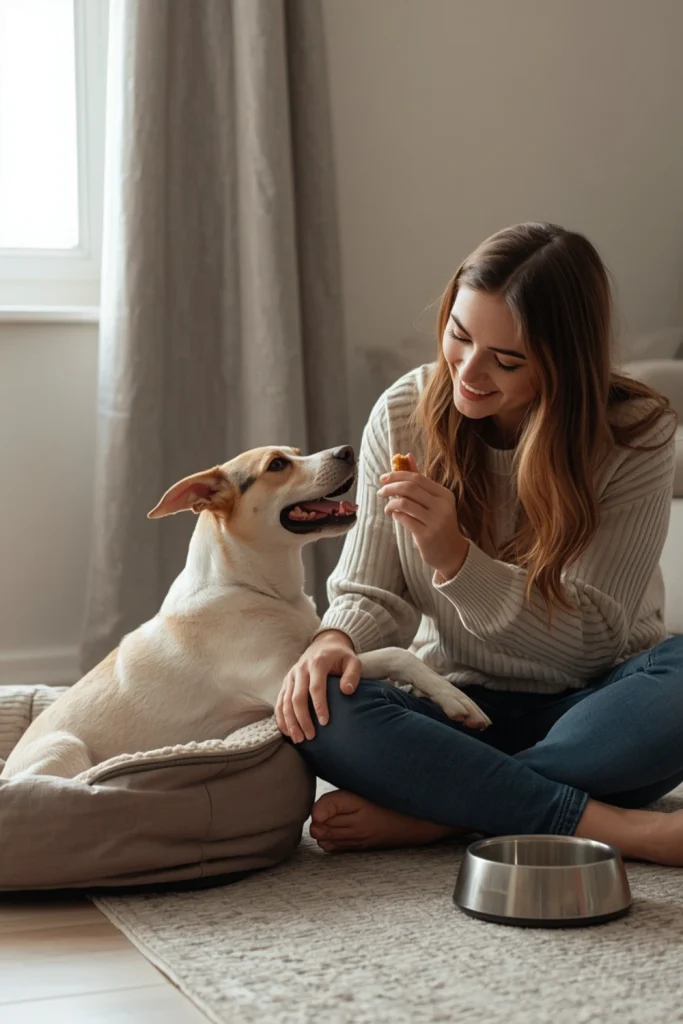
One of the most valuable dog training tips for first-time owners is to begin teaching good habits as soon as your dog arrives home. You do not need to start with complicated commands. Instead, help your dog learn where to sleep, where to eat, where to eliminate, and which household areas are accessible. Use a calm voice and reward behaviors you want to encourage. Give your dog time to explore the new environment without overwhelming them with too many activities or visitors during the first few days.
Remember that training begins through everyday interactions, not just formal practice sessions. When your dog sits calmly before receiving food or follows you into a designated resting area, reward that behavior. Establishing predictable routines from the beginning helps your dog understand what to expect. Puppies may need extra supervision, while adopted adult dogs may need time to adjust to unfamiliar surroundings. Be patient and let your dog settle at a comfortable pace.
2. Use Positive Reinforcement Consistently
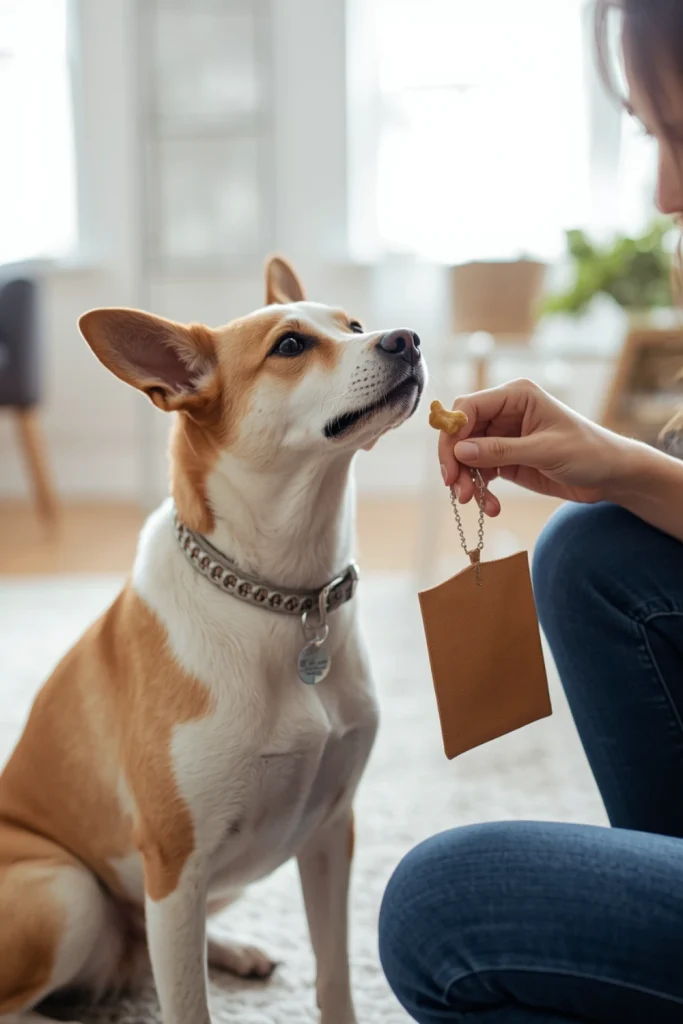
Positive reinforcement is a training method that rewards desirable behavior so your dog is more likely to repeat it. Rewards can include small treats, praise, a favorite toy, or an opportunity to enjoy something your dog likes. For example, when your dog sits instead of jumping on you, immediately say “Yes” and offer a treat. This helps your dog understand which action earned the reward. Clear timing is important because delayed rewards may make it harder for your dog to connect the behavior with the outcome.
Consistency makes positive reinforcement more effective. If you reward your dog for sitting calmly on some occasions but encourage jumping at other times, your dog may struggle to understand what you expect. Ask family members to use similar cues and reward the same desirable behaviors. Choose rewards that motivate your individual dog, and keep treats small enough for repeated practice. Avoid hitting, frightening, or shouting at your dog as a training strategy. Reward-based methods can support learning while helping maintain trust and emotional safety.
3. Teach Your Dog to Respond to Their Name
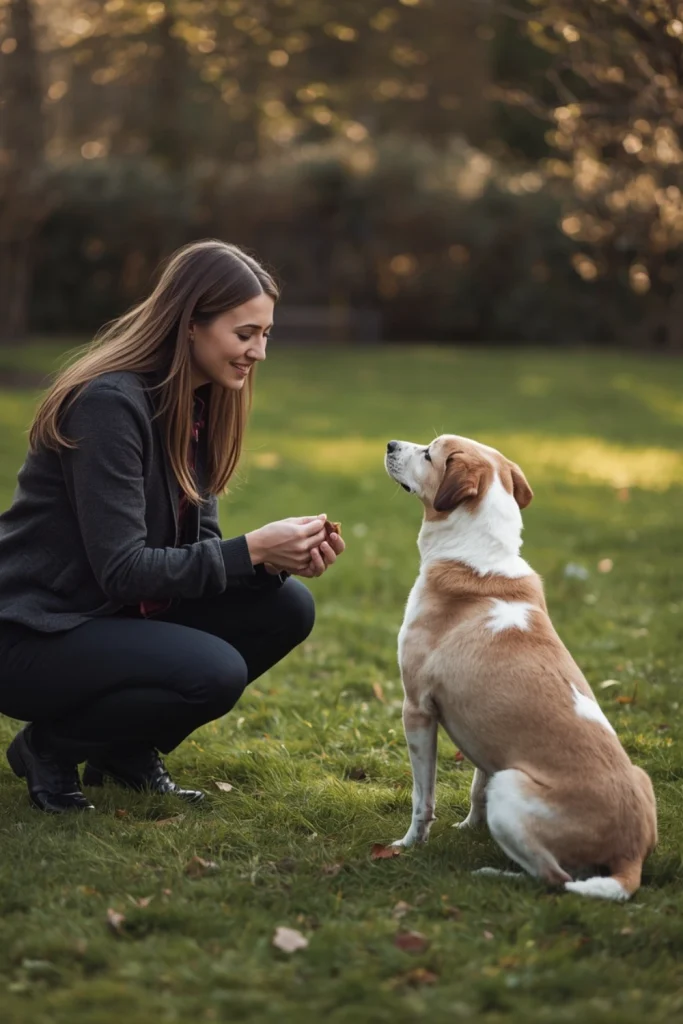
Your dog’s name is one of the first useful skills to teach because it helps you get their attention before giving another cue. Start in a quiet room with minimal distractions. Say your dog’s name once in a friendly voice. When your dog turns toward you, immediately mark the response with “Yes” and provide a reward. Repeat the exercise in short sessions, giving your dog time to move around between repetitions. Avoid using the name only when correcting unwanted behavior, because you want it to predict positive attention.
Once your dog responds reliably indoors, practice in different parts of your home and then in quiet outdoor locations. Gradually introduce mild distractions as your dog becomes more successful. If your dog ignores their name, avoid repeating it continuously. Instead, move closer, reduce distractions, or make the exercise easier. Never assume that a dog who fails to respond is deliberately disobedient; the environment may simply be too challenging. A reliable name response creates a useful foundation for recall, leash walking, and other everyday training activities.
4. Establish a Predictable Daily Routine
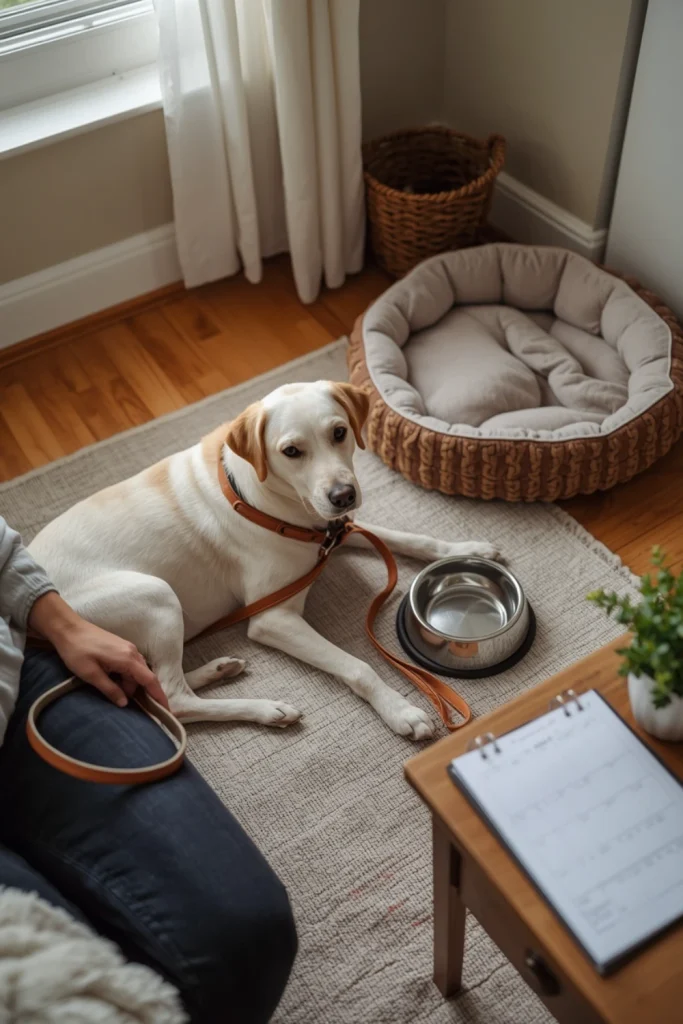
Dogs often feel more secure when important activities happen in a reasonably predictable order. Create a daily routine that includes bathroom breaks, meals, walks, training, playtime, and rest. You do not have to follow an exact schedule every minute, but consistency helps your dog learn what to expect. For example, taking your dog outside after waking up and after meals can support house training. Scheduling regular walks and enrichment activities can also reduce boredom and make it easier for your dog to settle indoors.
Adjust your routine to your dog’s age, health, and individual needs. Young puppies generally require more frequent bathroom opportunities and supervision than healthy adult dogs. Senior dogs may benefit from shorter, more frequent outings. Avoid assuming that every dog needs the same amount of exercise or rest. Observe your dog’s energy level, appetite, and behavior to determine whether your schedule is working. A suitable routine supports learning, but flexibility is important when weather, work, or other responsibilities change your plans.
5. Make Potty Training a Priority
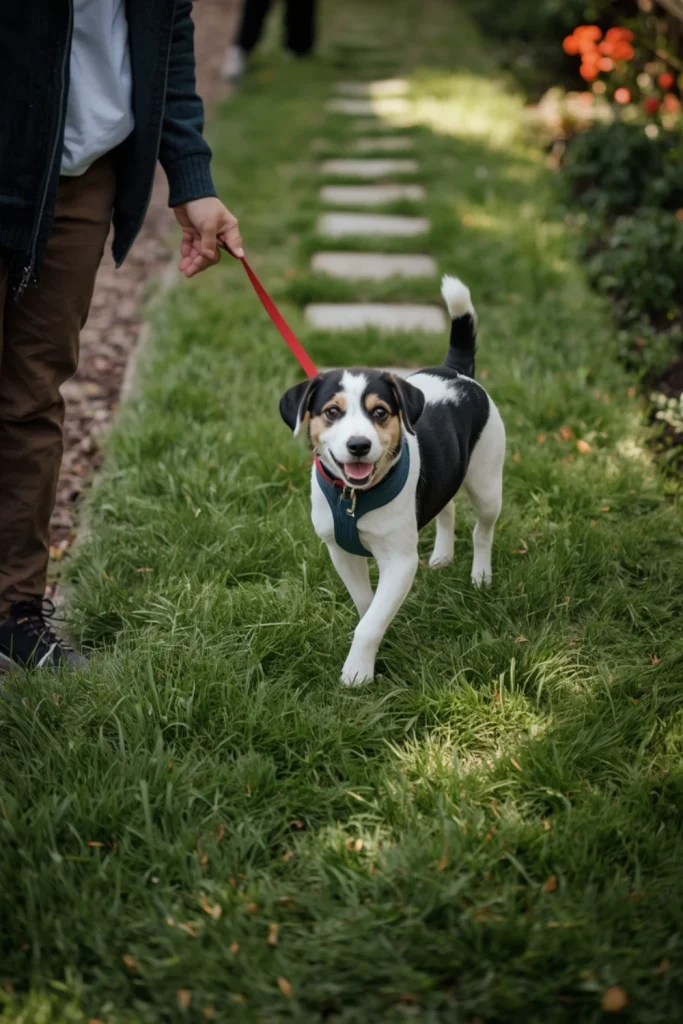
Potty training is one of the most important early responsibilities for a new dog owner. Take your dog to the designated bathroom area after waking up, after meals, after play, and before bedtime. Puppies may need additional trips because their bladder control is still developing. When your dog eliminates in the correct place, reward them immediately with praise or a small treat. Use the same outdoor location when practical, as familiar smells may help your dog understand the purpose of the trip.
Supervision is equally important. Watch for signs such as sniffing the floor, circling, restlessness, or suddenly leaving a play session. If an accident happens indoors, clean the area thoroughly with an appropriate enzymatic cleaner and continue with your routine. Avoid punishing your dog, as this may create fear without teaching the correct location. If your dog was previously house-trained but suddenly starts having accidents, consult a veterinarian to check for possible medical causes. Patience and consistent opportunities help establish reliable bathroom habits.
6. Teach Basic Commands One at a Time
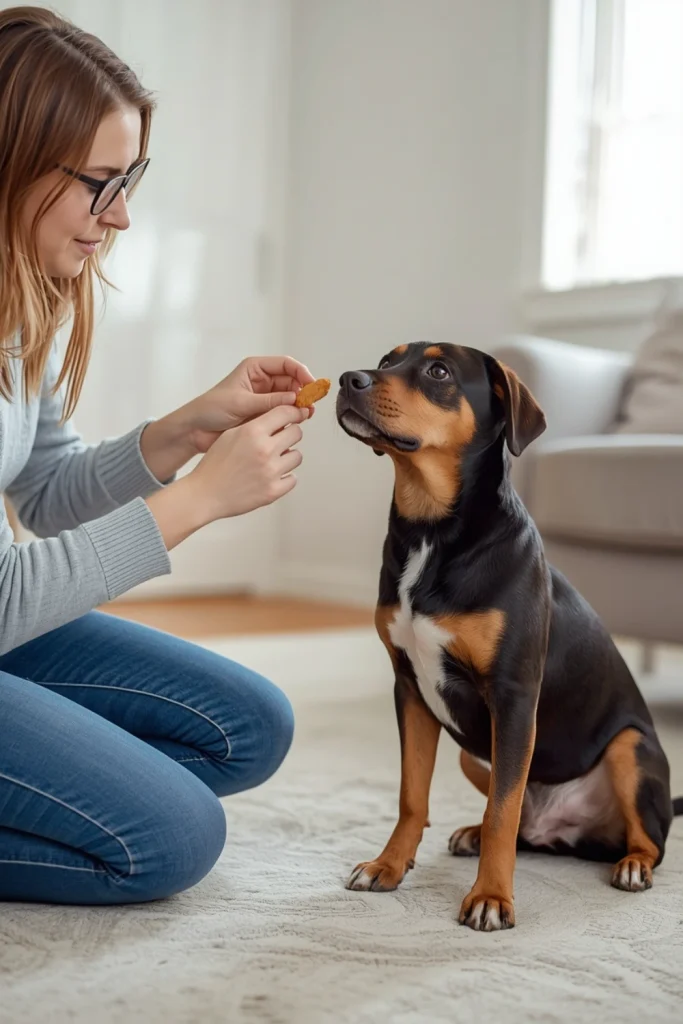
Basic cues such as sit, down, come, stay, and leave it can make daily life safer and easier. Begin with one cue at a time in a quiet location. For example, to teach sit, hold a treat near your dog’s nose and move it slowly upward so your dog naturally lowers their hindquarters. Mark the moment they sit and reward them. Add the verbal cue when your dog begins understanding the movement. Keep the exercise easy and avoid physically forcing your dog into a position.
Once your dog understands a cue, practice it in different rooms and gradually introduce mild distractions. Do not teach five new commands in one long session, especially when your dog is still learning. A few successful repetitions are more valuable than repeatedly practicing until your dog becomes tired or frustrated. Use clear, consistent words and reward correct responses promptly. If your dog struggles, simplify the movement or return to an easier step. Learning basic commands gradually provides a foundation for more advanced skills later.
7. Keep Training Sessions Short and Fun
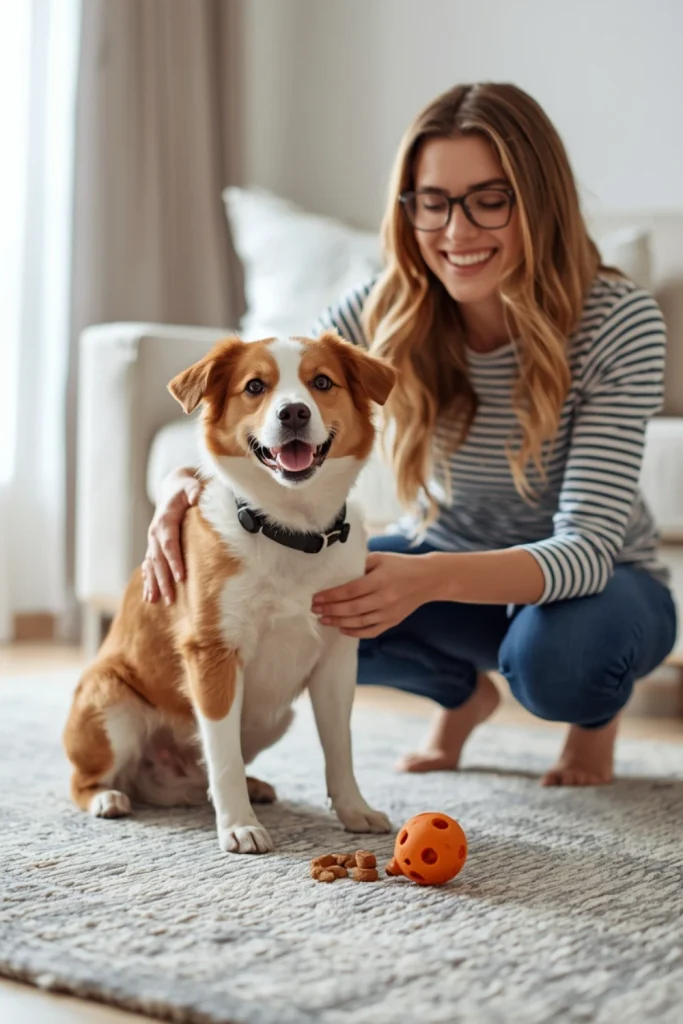
Long training sessions can be tiring for dogs, especially puppies and beginners. Start with approximately three to five minutes of focused practice and see how your dog responds. You can repeat short sessions throughout the day rather than trying to teach everything at once. End while your dog is still interested, and include easy exercises that allow them to succeed. If your dog begins sniffing excessively, wandering away, or struggling to respond, take a break rather than forcing them to continue.
Make training enjoyable by using different rewards, practicing simple games, and celebrating small improvements. You can teach a cue during ordinary activities, such as asking your dog to sit before placing down their food bowl. Keep expectations realistic and remember that a successful session does not require perfect behavior. Dogs can also have difficult days when they are tired, distracted, or adjusting to a new environment. A positive, manageable training experience encourages your dog to participate willingly and helps you build a routine you can maintain.
8. Teach Your Dog to Walk on a Loose Leash
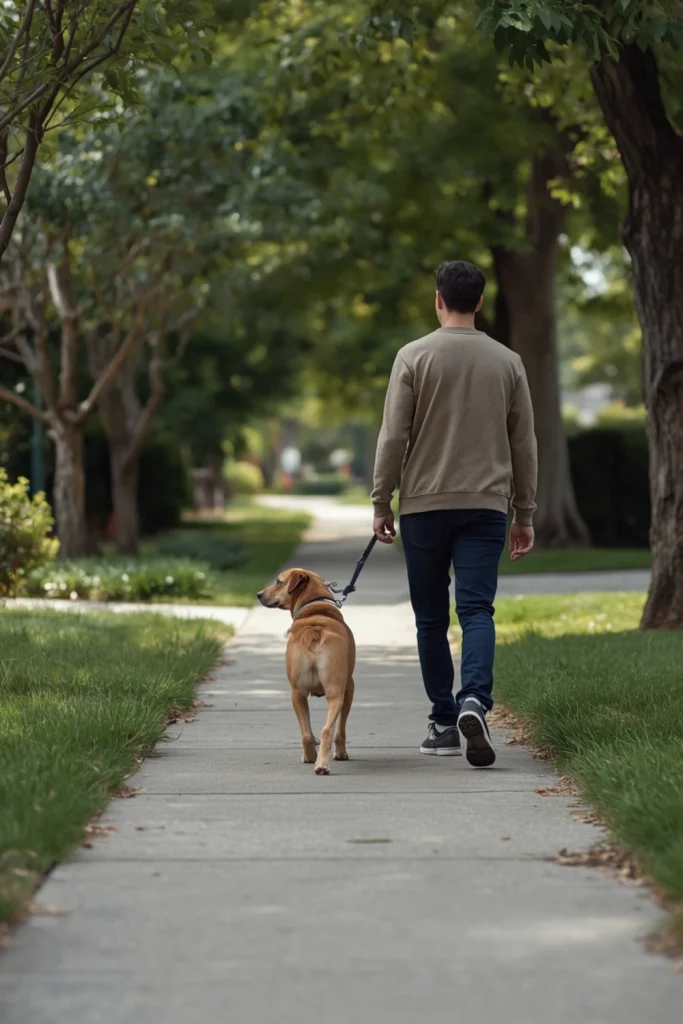
Walking politely on a leash is an essential skill for dogs of all sizes. Start in a quiet area where your dog can focus without too many competing distractions. Reward your dog whenever they walk near you with the leash hanging loosely. Deliver treats close to your leg to encourage the position you want. Begin with a few steps at a time and gradually increase the distance as your dog becomes more comfortable. Use a properly fitted collar or harness that allows safe, comfortable movement.
If your dog pulls toward an interesting smell or person, avoid jerking the leash. Stop safely or change direction when appropriate, then reward your dog for returning to a comfortable walking position. Allowing planned sniffing breaks can make walks more rewarding because dogs use their noses to explore the world. Practice consistently rather than expecting your dog to master leash manners immediately. If your dog lunges, panics, or reacts strongly to other dogs, create more distance and consider working with a qualified reward-based trainer.
9. Socialize Your Dog Gradually
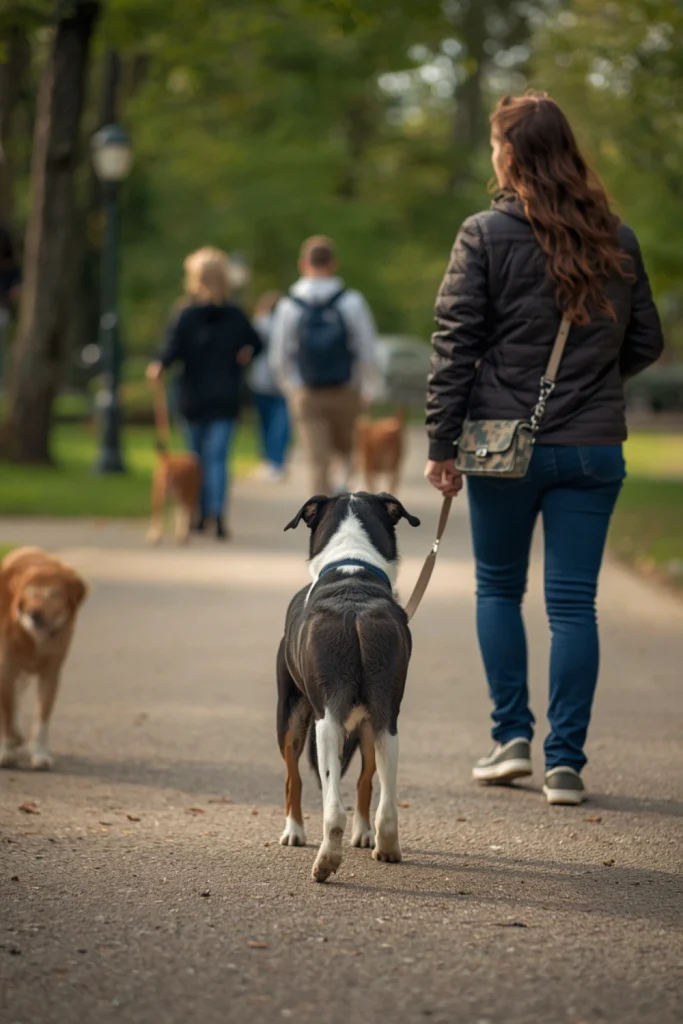
Socialization helps dogs become more comfortable with people, sounds, surfaces, places, and everyday experiences. It does not mean forcing your dog to greet every stranger or play with every dog. Instead, give your dog safe opportunities to observe different environments at a comfortable distance. Reward calm curiosity and allow your dog to move away when they feel unsure. Puppies benefit from appropriate, safe exposure during their development, while adult dogs can continue learning through gradual positive experiences.
Start with manageable situations, such as watching people walk by from a quiet park bench or hearing household sounds at a low intensity. Avoid crowded environments if your dog seems overwhelmed. Watch for signs of stress, including a tucked tail, freezing, hiding, or refusing treats. Give your dog more space when these signs appear. Positive experiences are more valuable than a large number of difficult encounters. If your dog shows persistent fear or reactivity, ask a qualified trainer or veterinary behavior professional to help you plan suitable socialization activities.
10. Teach a Reliable Recall
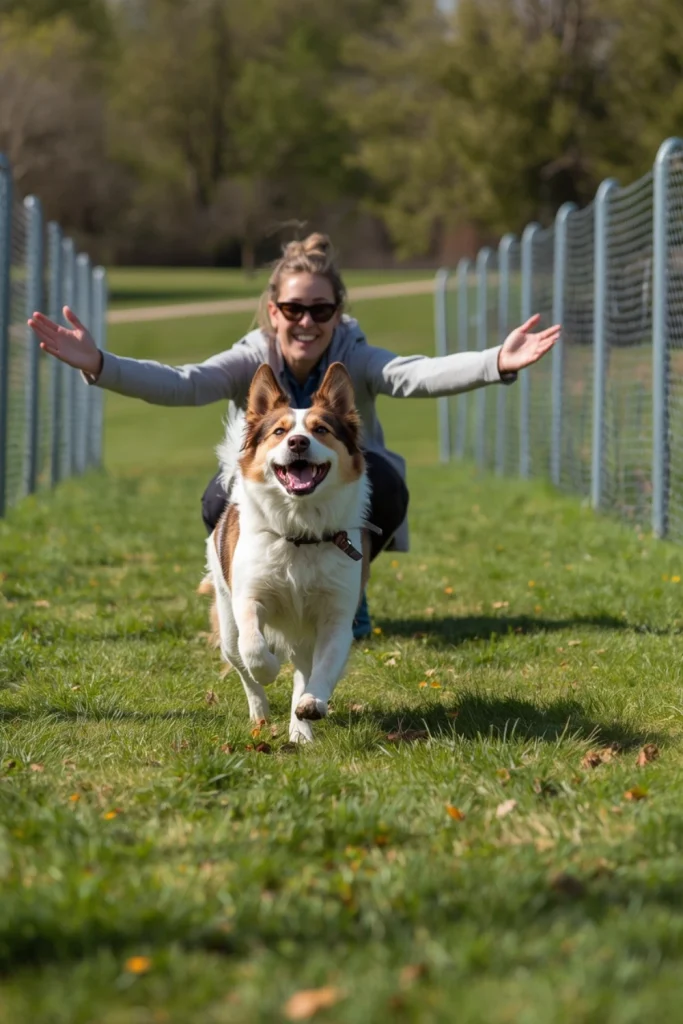
Recall means teaching your dog to return when you call them. This skill is important for safety and everyday communication, even if your dog is always kept on a leash outside unsecured areas. Begin indoors by saying your dog’s name followed by “Come” in an enthusiastic, friendly voice. Move a short distance away and reward your dog generously when they approach. Practice from different positions, and make returning to you a rewarding experience rather than something that always ends playtime.
As your dog improves, practice in a secure, fenced area with mild distractions. You can use a long line attached to a suitable harness when appropriate to provide additional control. Never test recall by allowing your dog to run loose near roads, unfamiliar animals, or open gates. If your dog does not respond, avoid repeating the cue many times. Make the exercise easier and reward successful returns. Occasionally release your dog to resume a safe activity after they come back, helping them learn that responding to you can lead to more enjoyable experiences.
11. Prevent Jumping on People
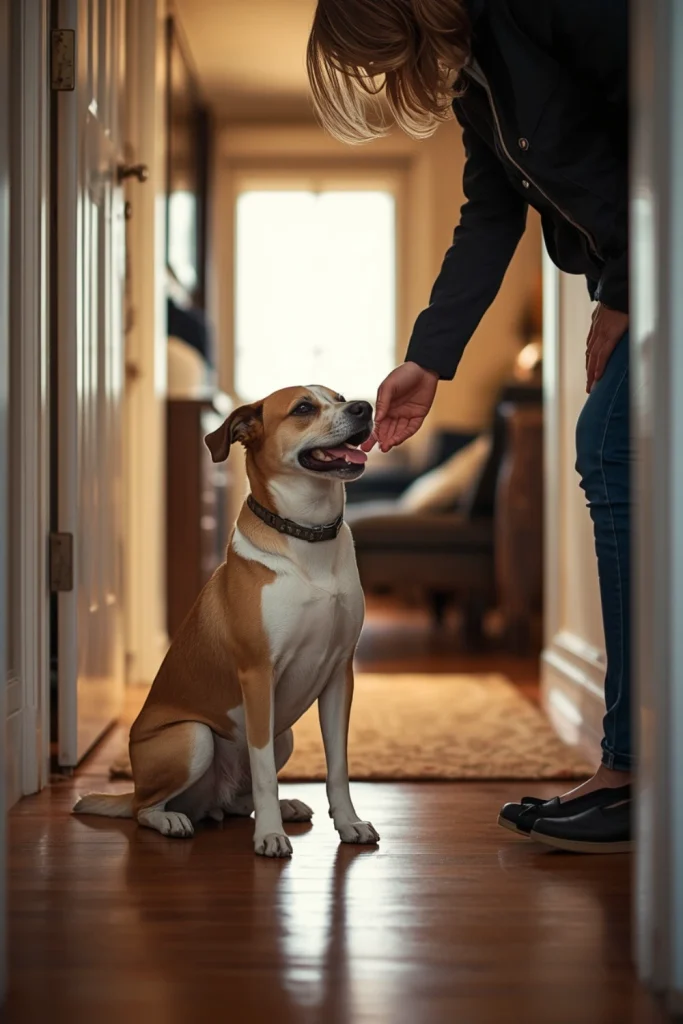
Dogs often jump because they are excited, seeking attention, or trying to greet someone face-to-face. Although this behavior may seem harmless when a puppy is small, it can become difficult when the dog grows. Teach an alternative greeting by rewarding your dog for keeping all four paws on the floor or sitting calmly. When you arrive home, remain quiet until your dog begins settling, then offer attention for the behavior you prefer. Ask visitors to follow the same approach.
Avoid pushing your dog away or shouting when they jump, because some dogs interpret this reaction as attention or play. If your dog becomes too excited, use a leash or barrier to manage the greeting safely while you practice. Reward calm behavior before your dog reaches the point of jumping. Make the training consistent across family members and visitors. If your dog has difficulty controlling their excitement, practice greetings with one calm person at a time and gradually introduce more challenging situations.
12. Teach Your Dog to Stay Calm When Left Alone
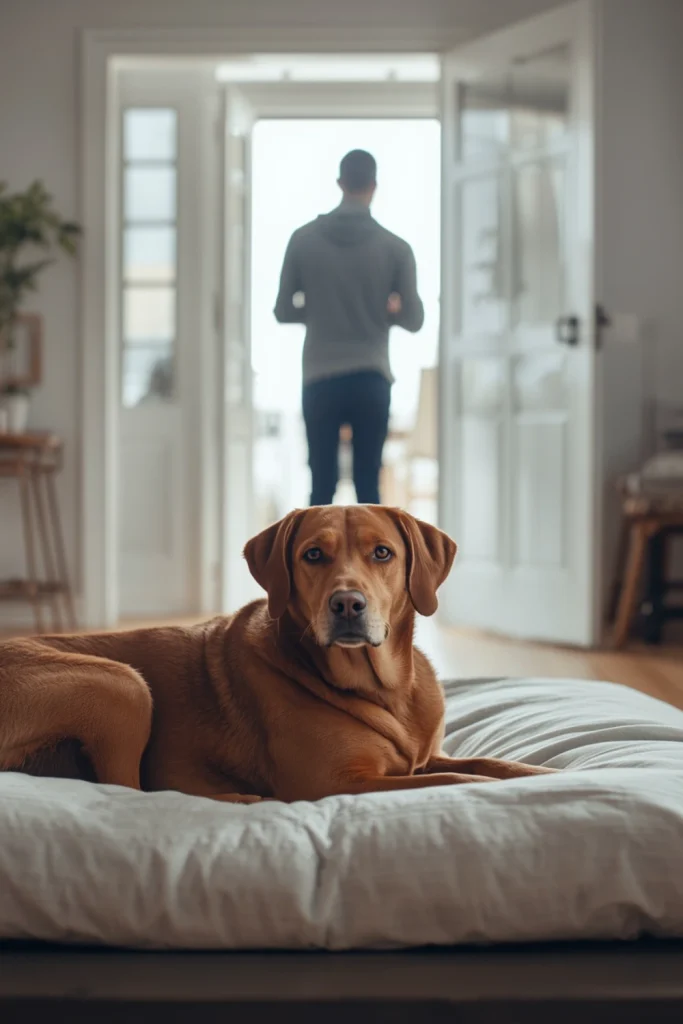
Learning to spend time alone comfortably is an important life skill. Some dogs settle naturally, while others become worried when their owners leave. Begin by rewarding your dog for relaxing on a bed while you move around the home. Briefly step into another room and return before your dog becomes distressed. Gradually increase the time only when your dog remains comfortable. Provide a safe environment and make sure your dog has had appropriate opportunities for exercise and bathroom breaks.
Watch for signs of separation-related distress, such as persistent howling, frantic scratching, destructive behavior near exits, or panic when you prepare to leave. These behaviors are not always caused by boredom, and simply ignoring them may make the problem worse. If your dog becomes distressed, shorten the practice and seek veterinary or qualified behavioral guidance when needed. Food puzzles may help some dogs during brief absences, but they are not a complete solution for separation anxiety. Progress should be based on your dog’s comfort rather than a fixed schedule.
13. Provide Mental Stimulation Every Day
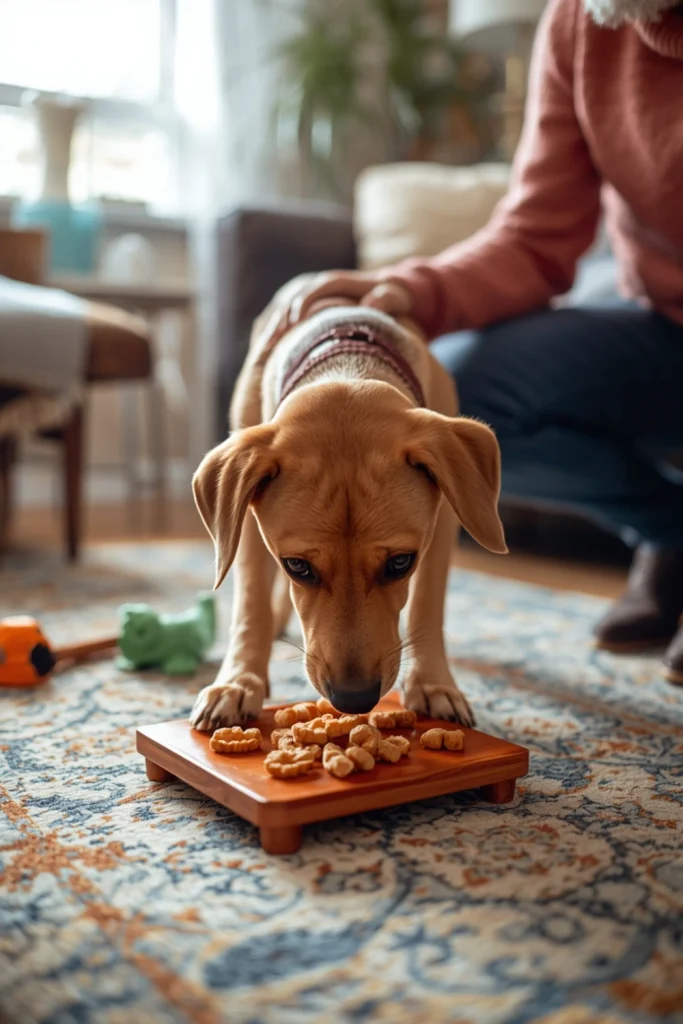
Dogs need opportunities to think, explore, and solve simple problems, not just physical exercise. Mental enrichment can include food puzzles, treat searches, sniffing games, toy-based activities, and short obedience sessions. For example, hide a few pieces of your dog’s regular food in easy-to-find places and encourage them to search. Start simply so your dog can understand the activity and build confidence before you make it more challenging.
Rotate activities to keep your dog interested and choose toys that are safe for their chewing habits and size. Supervise new puzzles and remove damaged items that could be swallowed. You can also use part of your dog’s daily food allowance for training rather than offering every meal in a bowl. Mental stimulation should complement walks, play, social contact, and rest. If your dog becomes frustrated, simplify the puzzle or help them succeed. The goal is to provide enjoyable enrichment rather than creating a difficult challenge.
14. Teach Your Dog to Leave Unwanted Items Alone
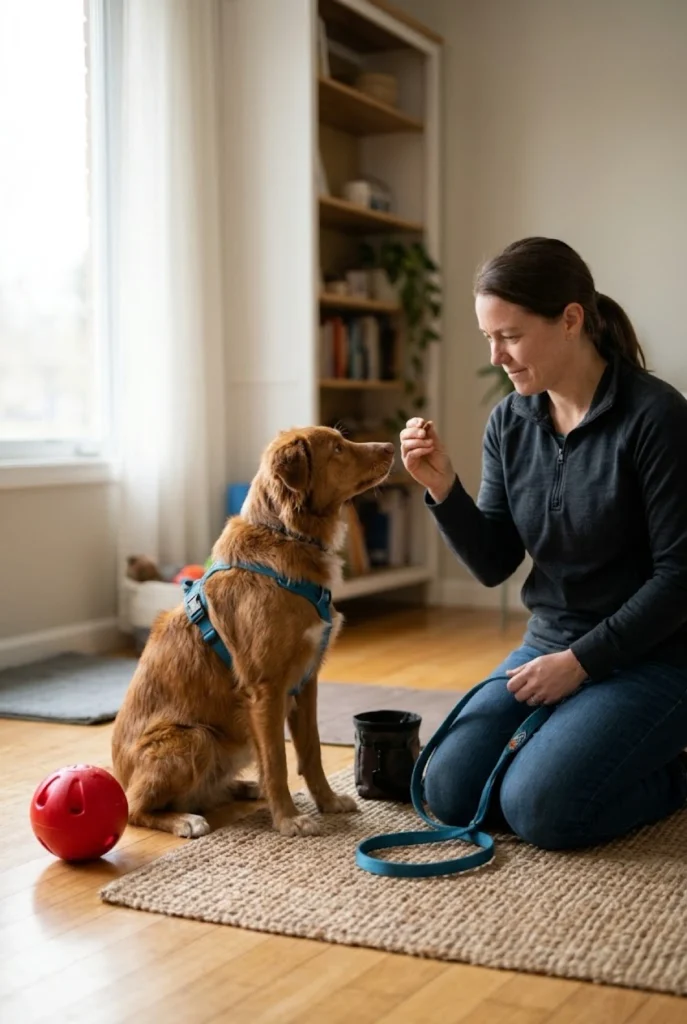
The “Leave it” cue helps your dog turn away from items they should not investigate or pick up. Begin with a treat enclosed in your closed hand. Allow your dog to sniff it, and wait for a brief pause or a moment when they turn away. Mark that behavior and reward them with a different treat from your other hand. Repeat until your dog begins understanding that moving away from the item can earn a reward. Keep the first sessions calm and easy.
Once your dog understands the exercise, practice with safe objects placed on the floor while maintaining control of the situation. Introduce the verbal cue before your dog approaches the item. Reward your dog for turning toward you instead. This skill can help around dropped food, tissues, and other everyday distractions, but it is not a substitute for keeping dangerous items out of reach. If your dog guards objects or may bite when approached, do not try to grab items from their mouth; seek professional guidance for safe management.
15. Make Crate Training a Positive Experience
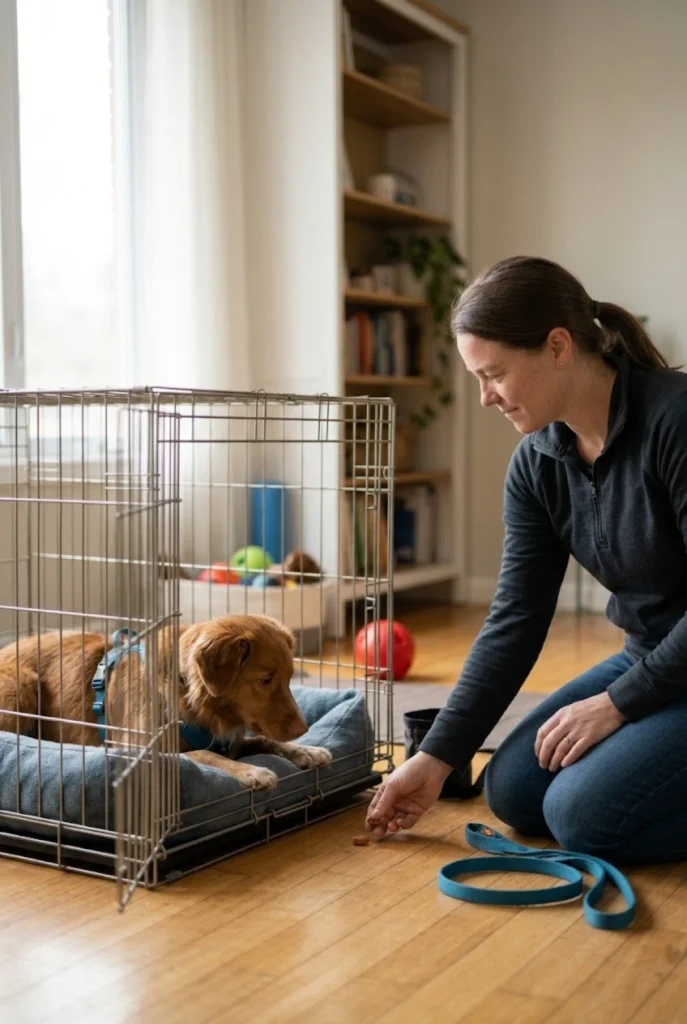
A crate can provide a safe resting area for some dogs when introduced gradually and used appropriately. Choose a crate large enough for your dog to stand, turn around, and lie down comfortably. Begin by leaving the door open and placing treats or meals inside so your dog can explore voluntarily. Allow your dog to enter and leave freely at first. Avoid forcing them inside or using the crate as punishment, because the goal is to build a positive association.
When your dog is comfortable entering the crate, briefly close the door while you remain nearby, then open it before your dog becomes worried. Increase the duration gradually according to your dog’s response. Puppies and adult dogs differ in their ability to remain confined, and a crate should never be used to justify excessive confinement. If your dog panics, bites the bars, or attempts to escape, stop increasing the difficulty and seek advice if needed. Some dogs may require a different safe resting arrangement.
16. Help Your Dog Learn to Settle Indoors
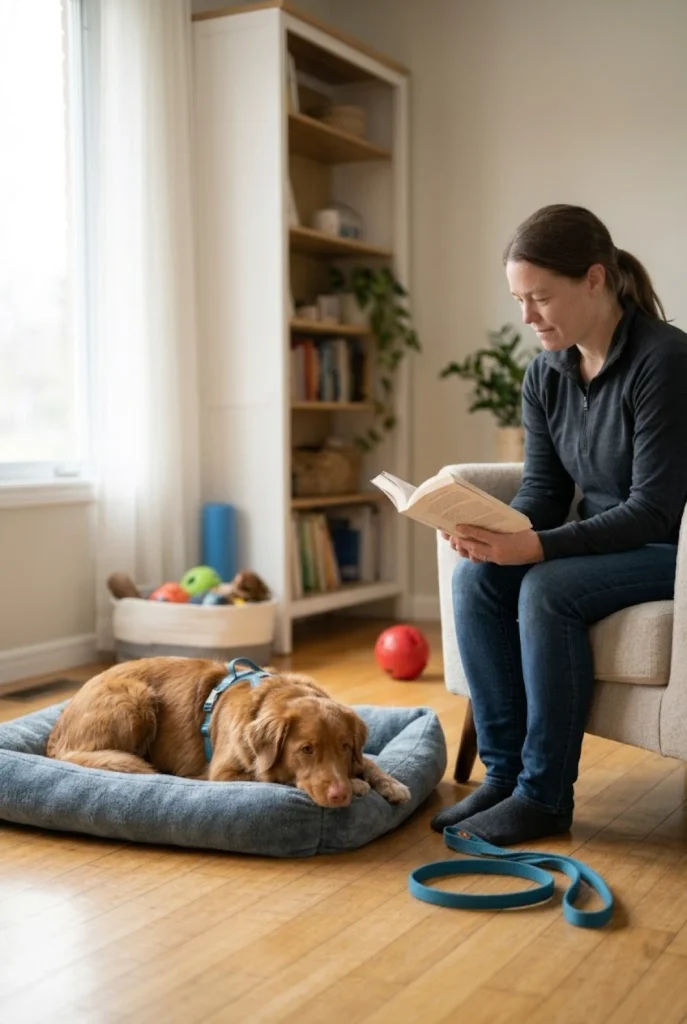
Teaching your dog to relax is just as important as teaching active commands. Some dogs struggle to settle because they are excited, overstimulated, or unsure what to do when nothing is happening. Start by rewarding calm behaviors you naturally observe, such as lying on a mat or resting quietly near you. You can also encourage your dog to go to a comfortable bed and reward them for remaining relaxed for a few seconds. Gradually increase the duration as your dog becomes more comfortable.
Choose an appropriate time for practice, ideally when your dog has had a chance to relieve themselves and enjoy suitable activity. Provide a quiet resting area and avoid constantly calling your dog over or starting a new game every time they become still. Some dogs need help learning that quiet time is part of their routine. If your dog remains unusually restless despite adequate exercise and enrichment, consider possible discomfort, stress, or health concerns and consult your veterinarian if appropriate.
17. Teach Bite Inhibition and Appropriate Play
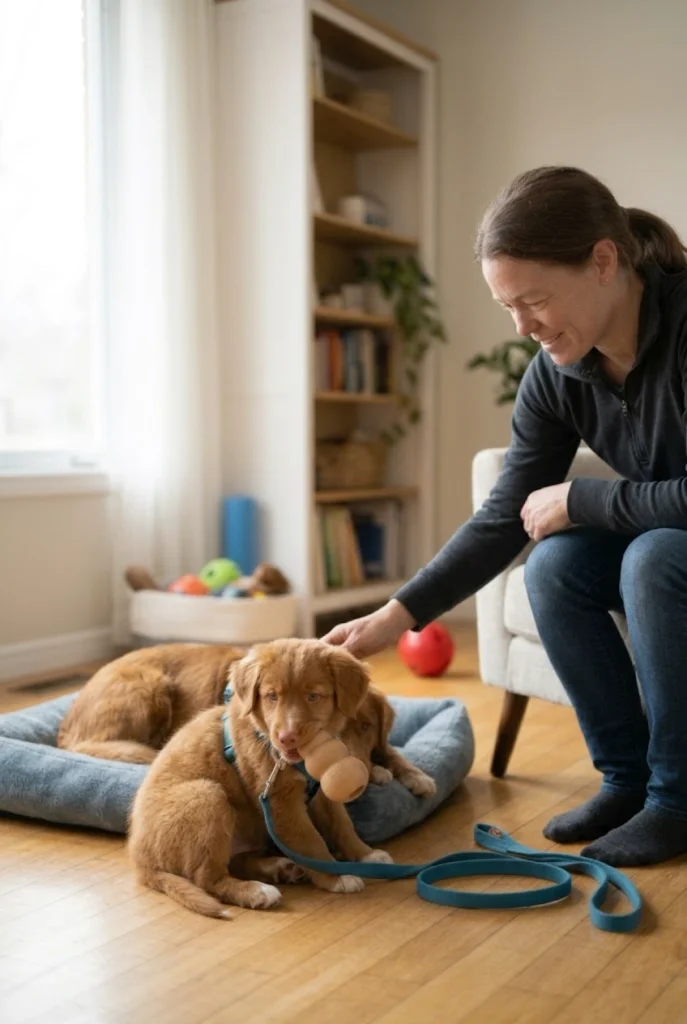
Puppies often explore the world with their mouths, and some use their teeth during play. Teaching appropriate play helps them learn how to interact gently with people. Keep suitable chew toys nearby and redirect biting toward a toy when your puppy becomes mouthy. Reward gentle interaction and take a brief, calm break if play becomes too rough. Avoid waving your hands near the puppy’s face or encouraging games that involve biting skin or clothing.
Puppy mouthing is common, but it should be managed consistently rather than punished harshly. Make sure your puppy receives sufficient sleep, enrichment, and suitable play because tired or overstimulated puppies may bite more frequently. If a puppy repeatedly bites hard, becomes difficult to interrupt, or shows concerning guarding or aggressive behavior, seek advice from a qualified professional. Adult dogs that bite require careful assessment and a safety-focused plan. Teaching appropriate play is about setting clear boundaries while providing safe alternatives for normal canine behavior.
18. Practice Calm Behavior Around Other Dogs
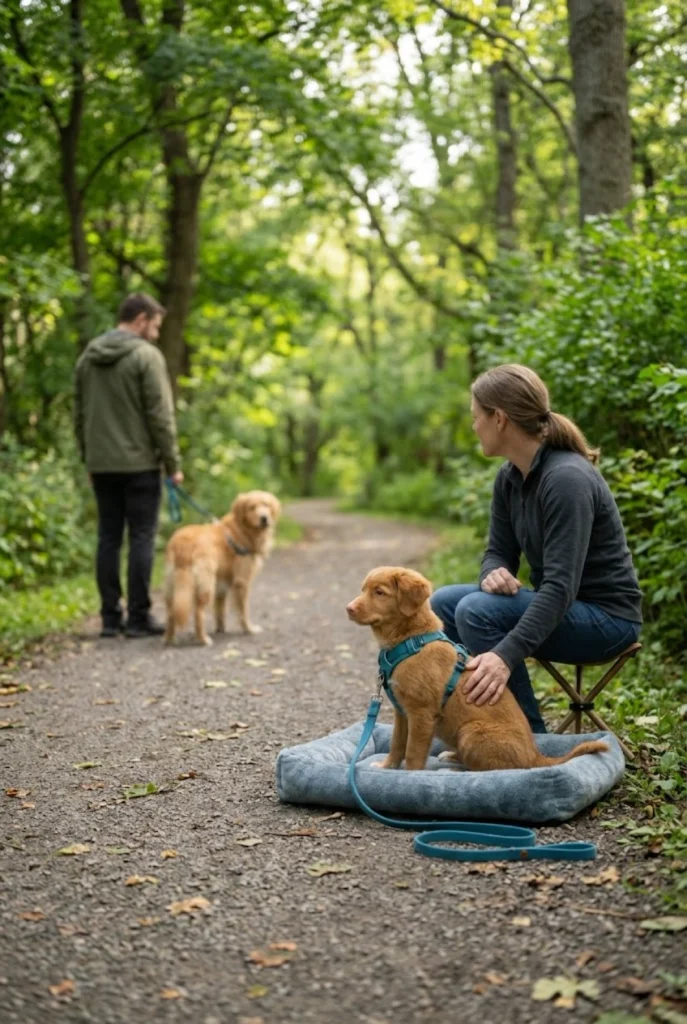
Seeing another dog can cause excitement, curiosity, fear, or frustration. Teach your dog to remain comfortable by starting at a distance where they can notice another dog without becoming overwhelmed. Reward your dog for calmly observing, looking back toward you, or responding to a familiar cue. Keep the leash loose when safe, and avoid forcing your dog to approach another animal. Not every dog wants to greet unfamiliar dogs, and polite distance is a valuable social skill.
As your dog becomes more comfortable, practice in different quiet environments while maintaining enough space for success. If your dog barks, lunges, freezes, or refuses normally valued treats, move farther away. Avoid punishing these reactions because they may be signs of fear or excessive excitement. For intense or persistent reactivity, seek a qualified reward-based trainer or veterinary behavior professional. A gradual plan can help you manage triggers while teaching your dog safer responses. The goal is not necessarily to make your dog play with every dog, but to help them pass others more calmly.
19. Use Consistent Cues and Household Rules
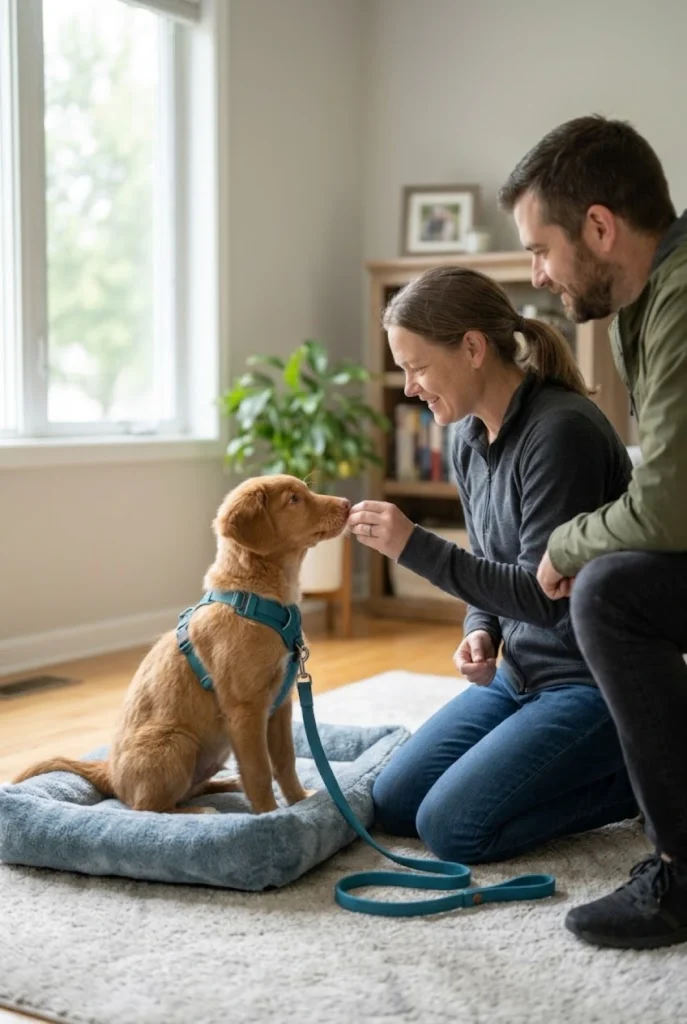
Dogs learn more easily when the people around them communicate clearly. Decide which words you will use for important behaviors, such as “Sit,” “Come,” “Bed,” and “Leave it.” Encourage family members to use the same cues and reward the same behaviors. If one person says “Down” to mean lie on the floor while another uses it to mean get off the sofa, your dog may become confused. Consistency is especially useful during early training.
Household rules should also be clear. Decide whether your dog is allowed on furniture, where they will sleep, and which rooms are accessible. Different families may choose different rules, but everyone should follow the same approach. Reward your dog for following the agreed expectations and provide an appropriate alternative when necessary. For example, if the dog should not jump onto a particular sofa, reward them for settling on their own bed instead. Clear communication reduces mixed messages and makes daily routines easier to manage.
20. Be Patient and Celebrate Small Improvements
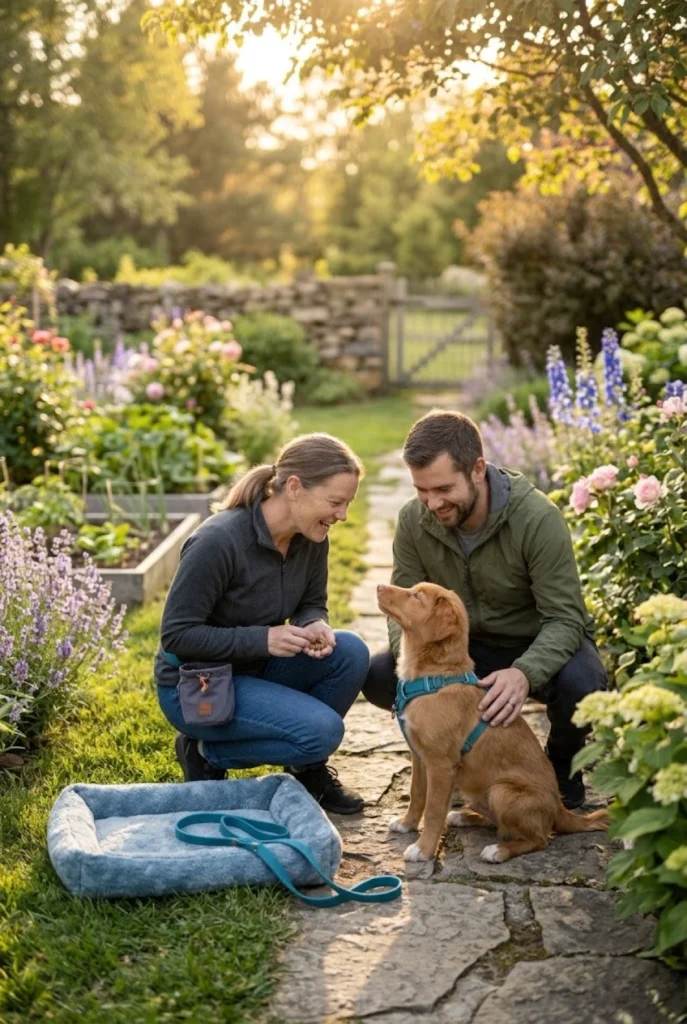
Every dog learns at a different pace, depending on age, previous experiences, temperament, health, and environment. A puppy may learn to sit quickly but need more time for recall, while an adopted adult dog may already know some commands but struggle with unfamiliar situations. Avoid comparing your dog’s progress with videos of perfectly trained dogs online. Focus instead on small improvements, such as responding to their name more often or remaining calm for a few extra seconds.
If a training exercise stops working, reduce the difficulty and return to a step your dog understands. Take breaks when either of you becomes frustrated, and finish sessions with a familiar, successful activity whenever possible. Keep a simple record of what you practice and which rewards work best. Progress may not always be linear, but regular, positive practice can build useful skills over time. Patience is not the same as ignoring unwanted behavior; it means teaching the desired alternative in a clear and manageable way.
Final Thoughts
Becoming a confident dog owner takes time, but you do not need to know everything on the first day. The most effective Dog Training Tips for First-Time owners focus on consistency, patience, positive reinforcement, and understanding what their dogs need to feel safe and succeed.
Start with basic commands, establish a predictable routine, reward desirable behavior, and introduce new experiences gradually. Remember that training is not limited to scheduled sessions. Everyday moments, such as walking politely, waiting for food, or settling on a bed, are opportunities to reinforce good habits.
Every dog has a unique personality and learning pace. Celebrate small improvements, adjust your approach when necessary, and ask for professional guidance when a problem becomes difficult to manage. With regular practice and a positive relationship, you can help your dog develop useful skills and become a happier, more confident companion.