Dog Grooming Routine by Coat Type: A Simple Guide
Every dog has a different coat, and every coat needs the right kind of care. Some dogs have short, smooth fur that only needs occasional brushing, while others have long, thick, curly, or double coats that require more attention. Following the wrong grooming routine can lead to tangles, uncomfortable skin, excessive shedding, and unnecessary stress for your furry friend.
The best way to keep your dog looking healthy and feeling comfortable is to build a grooming schedule that matches its coat type. This Dog Grooming Routine by Coat Type guide explains how to brush, bathe, dry, and maintain different dog coats using simple techniques. Whether you have a short-haired puppy or a fluffy long-haired companion, these practical tips can help make grooming easier at home.
1. Grooming Routine for Short-Haired Dogs
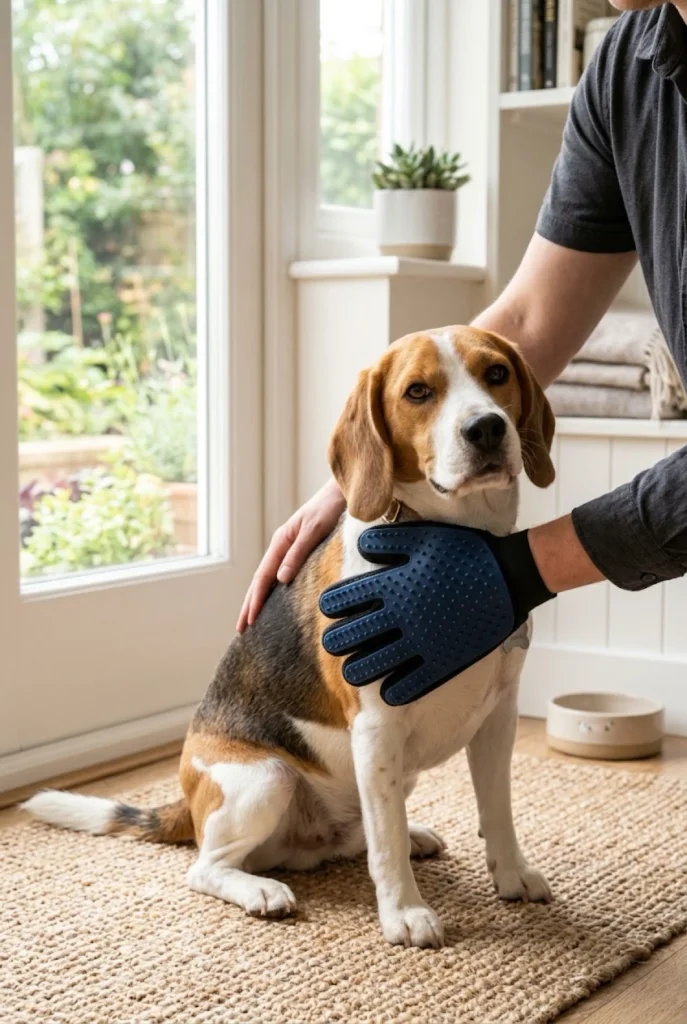
Short-haired dogs usually have smooth, close-fitting coats that are relatively easy to maintain. Breeds such as Beagles, Boxers, and many short-haired mixed-breed dogs generally benefit from brushing once or twice a week. Use a soft-bristle brush or rubber grooming mitt to remove loose hair, dust, and surface dirt. Brush gently in the direction of hair growth, paying attention to areas where loose fur collects, such as the back, chest, and sides.
Bathing is usually necessary only when your dog becomes dirty or develops an unpleasant smell. Use a mild dog shampoo and rinse thoroughly to avoid leaving residue on the skin. After bathing, dry your dog with a clean towel and check for redness, bumps, or unusual irritation. Even though short coats require less maintenance, regular grooming helps distribute natural oils and keeps the skin healthy.
2. Grooming Routine for Long-Haired Dogs
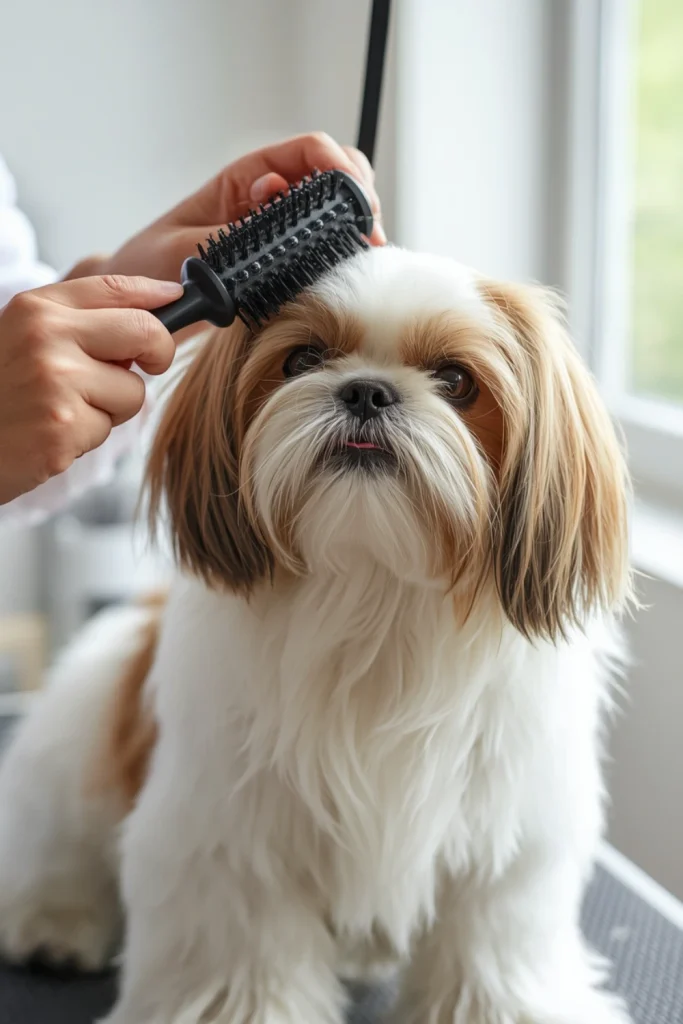
Long-haired dogs need more frequent grooming because their coats can easily collect dirt, debris, and loose hair. Breeds such as Yorkshire Terriers, Afghan Hounds, and Shih Tzus often need daily brushing or several careful brushing sessions each week. Use a suitable pin brush or slicker brush, depending on the coat texture. Work in small sections, starting near the ends of the hair and gently moving toward the roots to reduce pulling.
Pay special attention to areas behind the ears, beneath the legs, around the collar, and under the tail because tangles often develop in these places. A wide-tooth comb can help check whether the coat is completely free of knots. Bathe your dog when needed with a gentle dog shampoo and conditioner suitable for its coat. Dry long hair thoroughly and avoid leaving damp areas that may irritate the skin.
3. Grooming Routine for Double-Coated Dogs
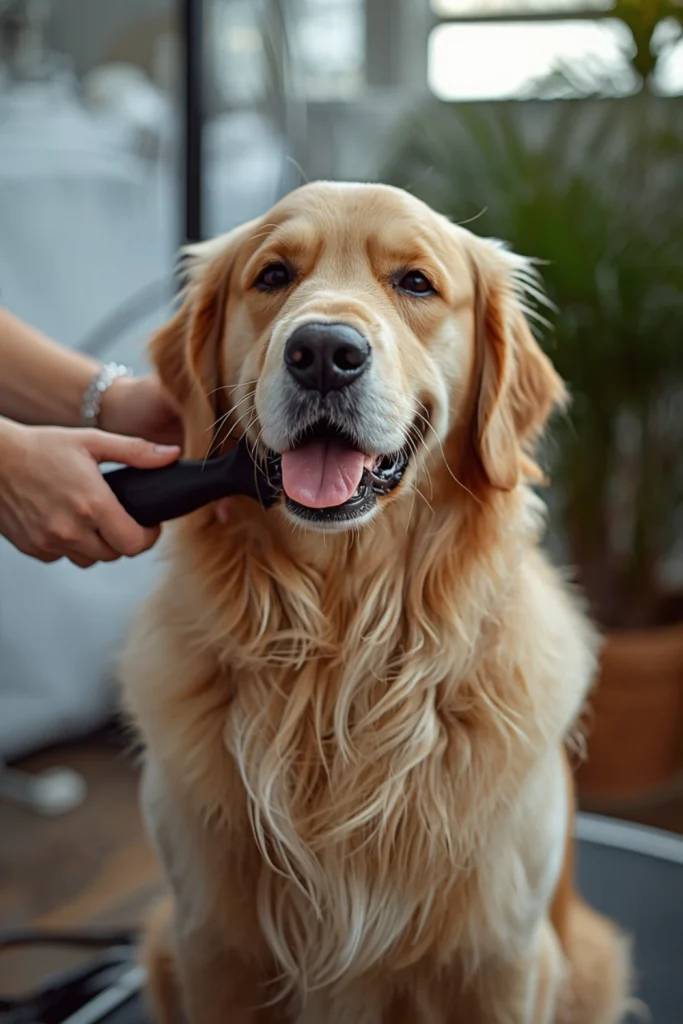
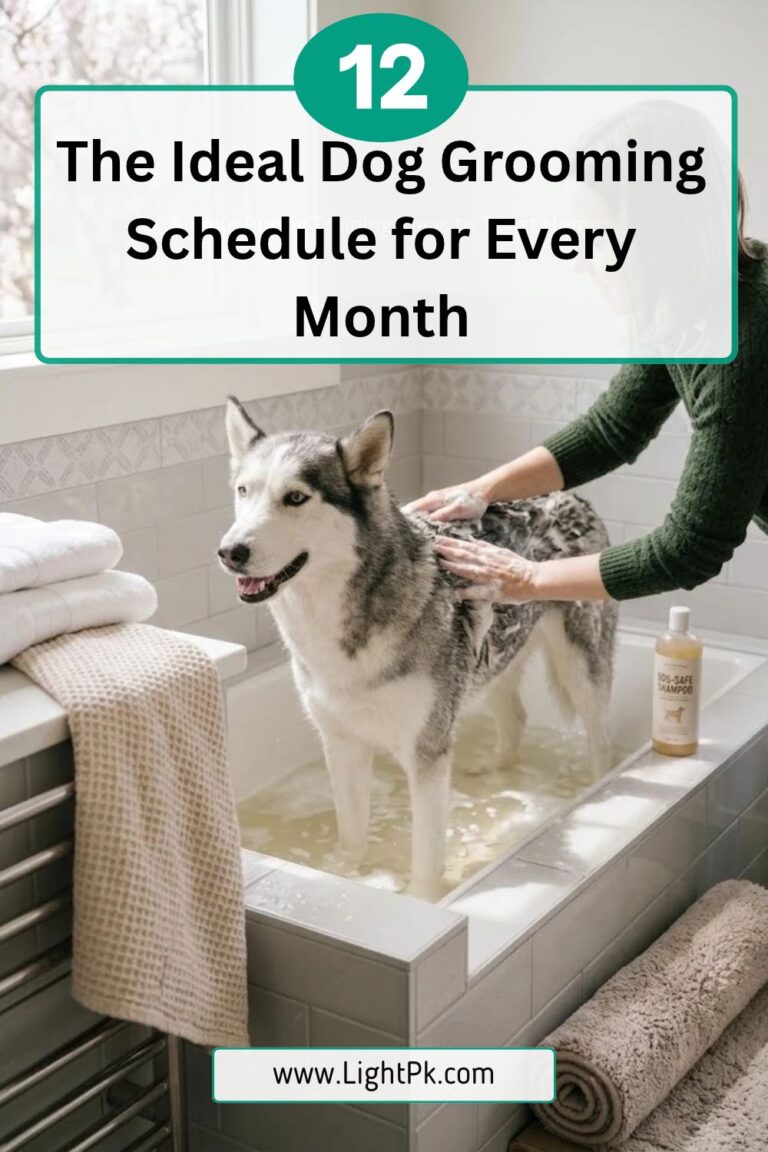
Double-coated dogs have two layers of fur: a soft, dense undercoat and a protective outer coat. Breeds such as Golden Retrievers, German Shepherds, and Siberian Huskies commonly have this coat structure. Brush them several times a week using an undercoat rake or a suitable slicker brush. During seasonal shedding periods, more frequent brushing may be helpful to remove loose undercoat and prevent excessive hair around the home.
Bathing should be occasional and based on your dog’s activity level and coat condition. Always rinse carefully because thick coats can hold shampoo residue close to the skin. Dry the coat thoroughly, particularly around the undercoat, using towels and a pet-safe dryer on a comfortable low setting if needed. Avoid shaving a double-coated dog unless a veterinarian recommends it for a medical reason. The coat provides protection, and shaving can interfere with its normal function.
4. Grooming Routine for Curly-Coated Dogs
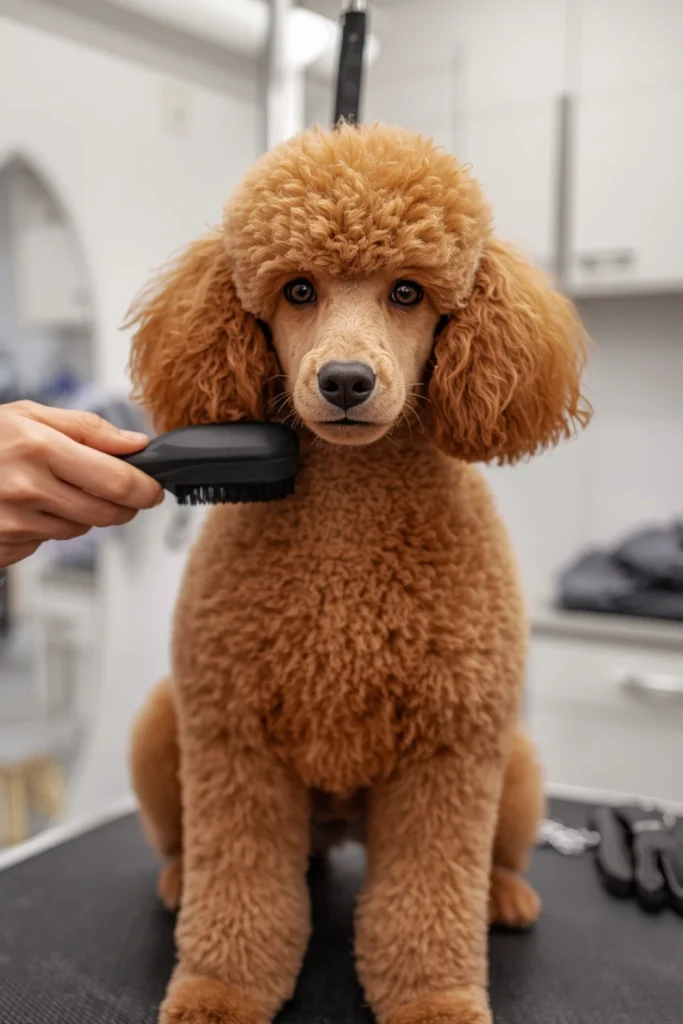
Curly-coated dogs often need consistent brushing because their curls can trap loose hair and form knots. Poodles and many Poodle mixes are common examples. Depending on curl density and coat length, brushing may be needed daily or every other day. A slicker brush and metal comb can help separate curls and identify tangles close to the skin. Work slowly in small sections instead of pulling through the entire coat at once.
Curly coats also benefit from regular bathing and thorough drying. Use a gentle dog shampoo and a suitable conditioner if recommended for the coat. After washing, gently remove excess water with a towel and dry the coat carefully while brushing it into shape. Many curly-coated dogs need professional trimming every four to eight weeks, depending on their hairstyle and coat growth. Regular maintenance helps prevent mats that can become uncomfortable or difficult to remove.
5. Grooming Routine for Wavy-Coated Dogs
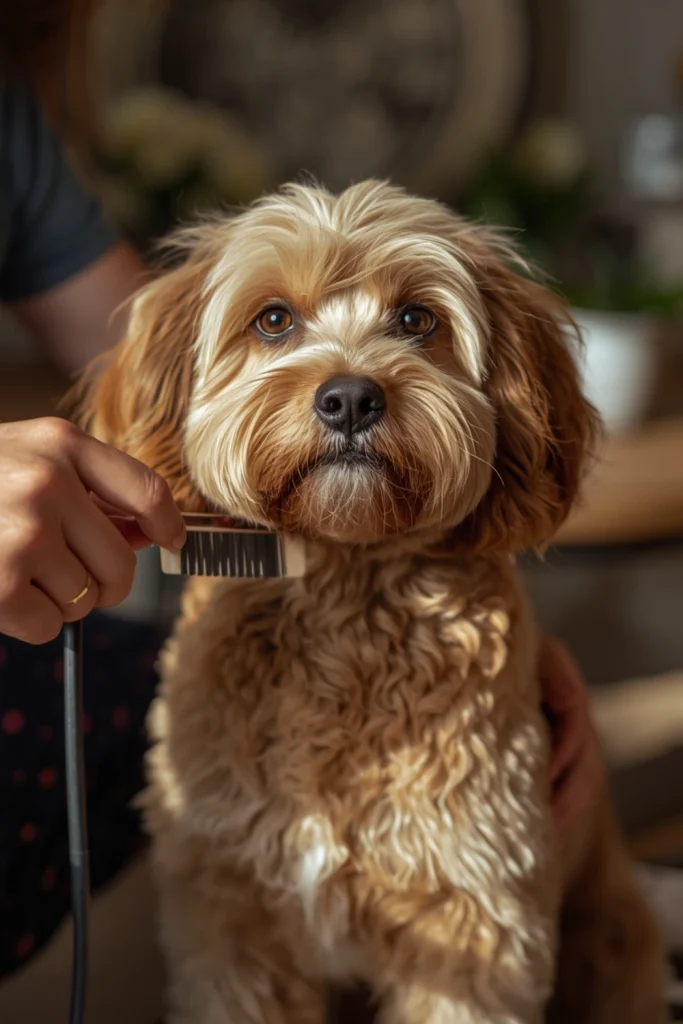
Wavy coats fall between straight and curly textures. They may look soft and relaxed, but their waves can hide small tangles, especially when the hair becomes longer. Dogs such as some Cockapoos and other mixed breeds may have wavy coats. Brush these dogs three or four times a week, adjusting the schedule according to coat length and thickness. A slicker brush followed by a metal comb can help remove loose hair and check for hidden knots.
Bathing should be done when the coat becomes dirty or needs freshening. Use a dog-specific shampoo and rinse carefully to prevent residue from collecting in the waves. After bathing, towel-dry gently and use a pet-safe dryer if necessary, keeping the airflow comfortable. Avoid brushing aggressively when the coat is wet because wet hair can be more vulnerable to breakage. Regular trimming around the eyes, paws, and sanitary areas can also help maintain a neat appearance.
6. Grooming Routine for Wire-Haired Dogs
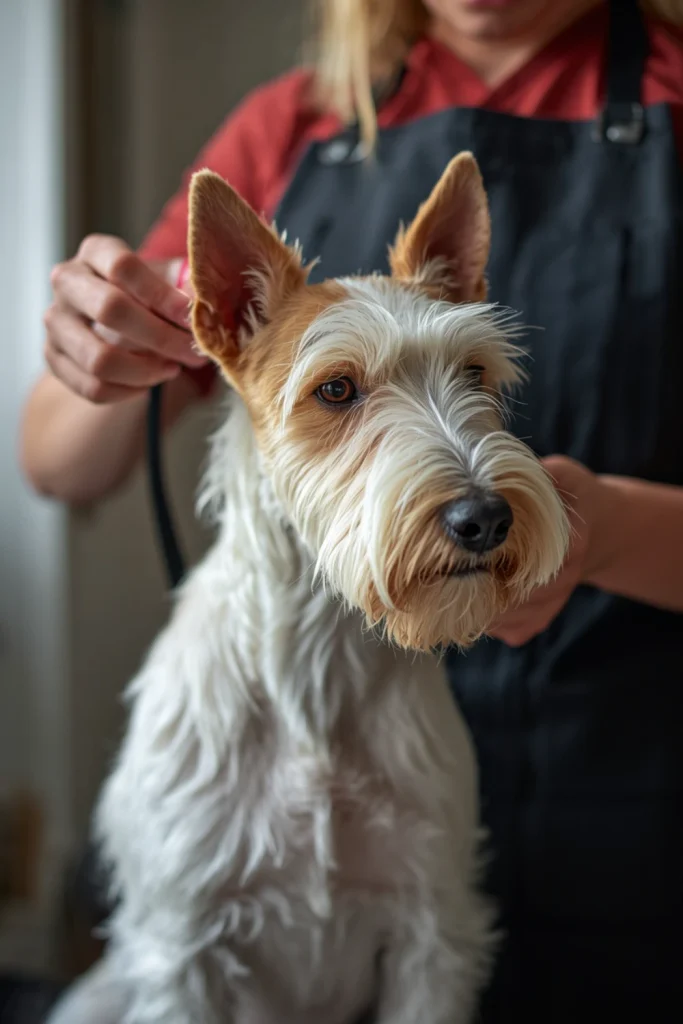
Wire-haired dogs have a rough, firm outer coat that may feel coarse to the touch. Breeds such as Wire Fox Terriers and some Schnauzers have this type of fur. Brush the coat several times a week using a firm slicker brush or a tool recommended for wire coats. Pay attention to the beard, eyebrows, legs, and areas where dirt can collect. Regular brushing helps remove loose debris and keeps the coat looking tidy.
Some wire-haired coats require hand-stripping to remove mature dead hairs while maintaining the correct texture. This technique is different from ordinary clipping and is best learned from an experienced groomer. Not every wire-haired dog needs hand-stripping, so ask a professional what is appropriate for your pet. Bathe only when needed with a gentle dog shampoo, and dry the coat thoroughly. Avoid using harsh tools or pulling healthy hairs because this can cause discomfort and skin irritation.
7. Grooming Routine for Silky-Coated Dogs
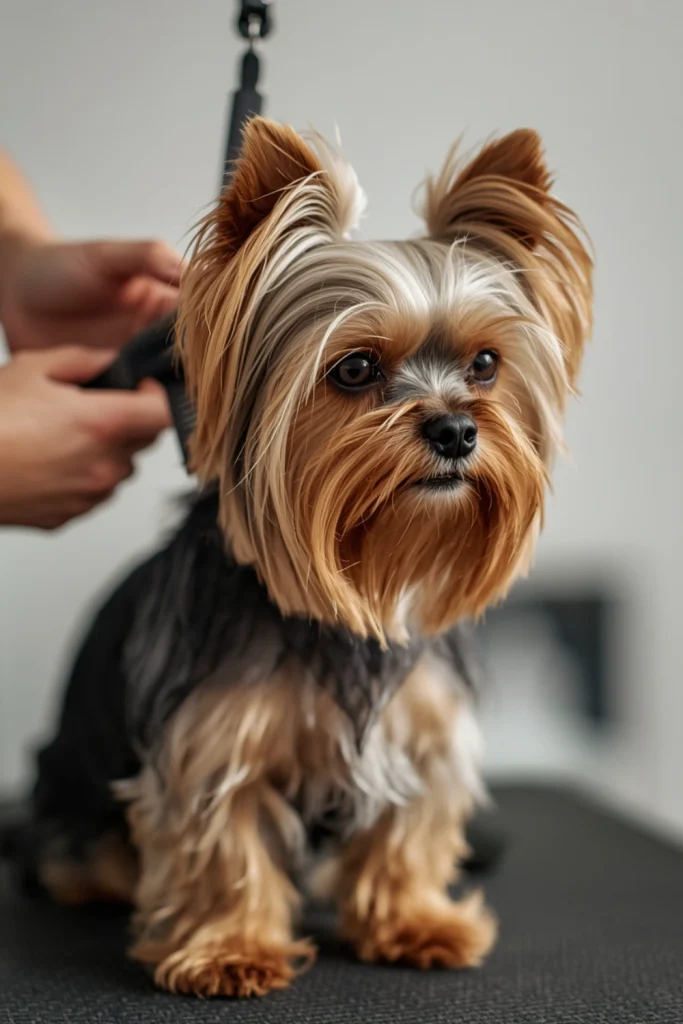
Silky coats are usually fine, smooth, and flowing. Yorkshire Terriers and some other small breeds have this type of hair. Their coats can become tangled quickly, especially around the ears, legs, belly, and areas touched by collars or harnesses. Brush daily or as frequently as needed using a soft pin brush and a metal comb. Separate the hair into small sections and work gently to avoid pulling delicate strands.
Silky-coated dogs may benefit from regular bathing with a gentle shampoo and a suitable conditioner. Rinse thoroughly and pat the coat with a towel rather than rubbing it roughly. Use a pet-safe dryer on a low, comfortable setting while gently combing the hair if needed. Keep hair around the eyes clean and arrange regular trims to prevent it from interfering with vision. If you prefer a shorter hairstyle, ask a groomer to recommend a practical cut that suits your dog’s lifestyle.
8. Grooming Routine for Hairless and Nearly Hairless Dogs
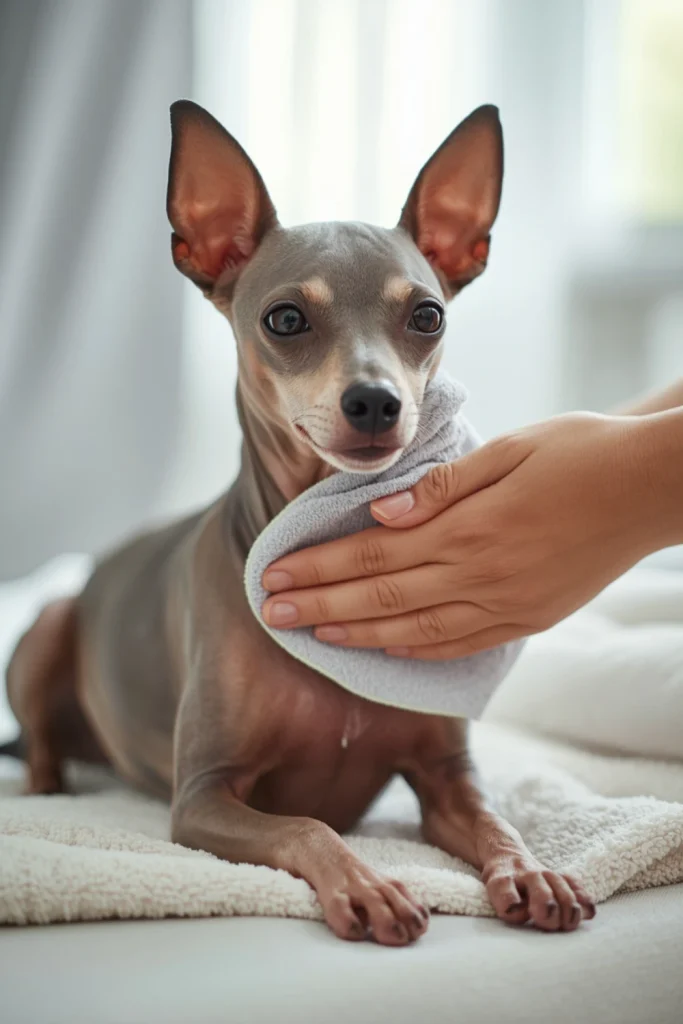
Hairless dogs may not need traditional brushing, but their exposed skin still requires regular care. Breeds such as the Chinese Crested can have large areas of bare skin that collect dirt and natural oils. Gently wipe the skin with a soft, damp cloth when necessary and use only products designed for dogs. Check folds and exposed areas for redness, dryness, pimples, or irritation. Avoid harsh soaps, scented human products, and excessive scrubbing.
Bathing frequency depends on the dog’s skin condition and activity level. A mild dog shampoo may be suitable, but frequent washing can dry out sensitive skin. Ask your veterinarian whether a dog-safe moisturizer is appropriate if the skin becomes dry. Hairless dogs also need protection from environmental conditions, including strong sunlight and cold weather. Use veterinarian-approved sun protection when needed, and provide suitable clothing in cold temperatures. Skin checks should be part of every grooming session.
9. Grooming Routine for Thick and Dense Coats
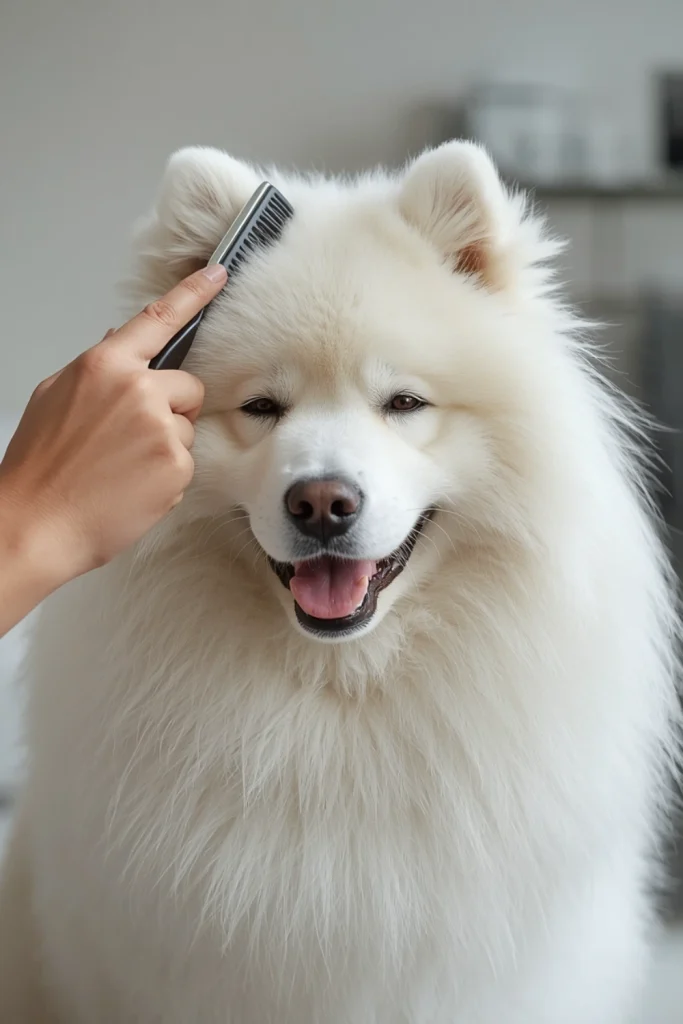
Some dogs have thick, dense coats that require extra attention even when their fur is not especially long. These coats can trap loose hair, dirt, and moisture close to the skin. Use a suitable slicker brush, pin brush, or undercoat rake according to the coat structure. Brush several times a week and divide the coat into manageable sections. Check behind the ears, around the neck, under the belly, and near the legs for hidden tangles.
Bathing a dense-coated dog requires patience because shampoo and water may not reach every layer evenly. Wet the coat thoroughly, apply a dog-safe shampoo, and rinse until the water runs clear. Dry the dog carefully, making sure the undercoat is not left damp. A pet-safe dryer can help, but use a comfortable setting and avoid directing hot air toward the skin. If the coat becomes heavily matted, seek professional help rather than cutting close to the skin at home.
10. Grooming Routine for Smooth and Sleek Coats
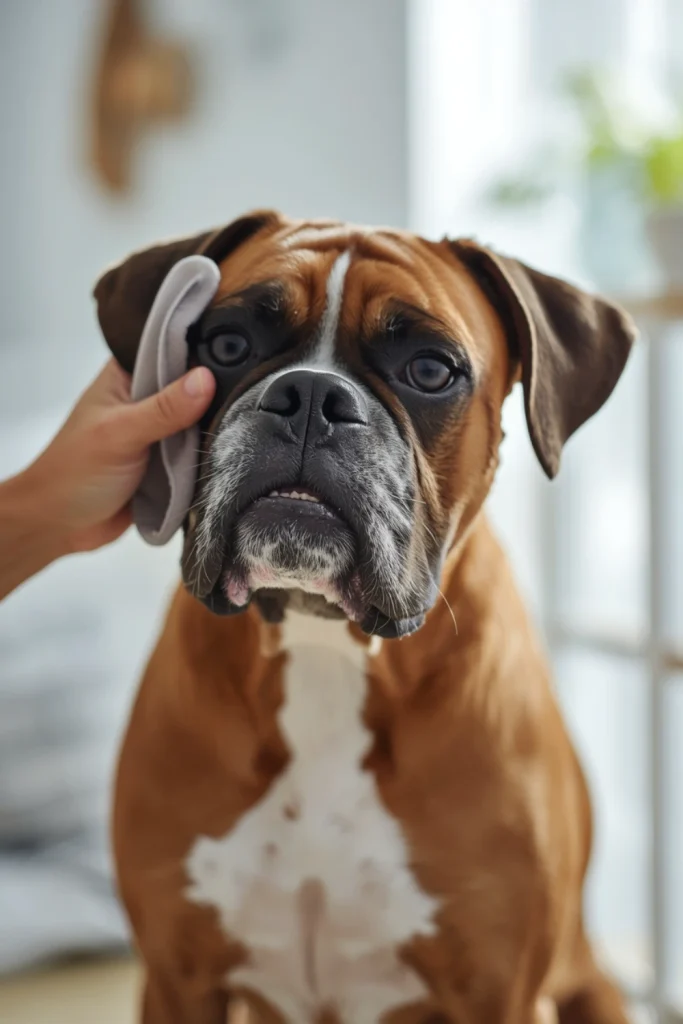
Smooth-coated dogs have short, close-fitting hair that usually lies flat against the body. They often need less grooming than long-haired breeds, but regular care still matters. Use a rubber grooming mitt or soft-bristle brush once or twice a week to remove loose hair and spread natural oils. Brush gently over the back, sides, chest, and legs. A quick wipe with a clean grooming cloth can help remove surface dust between bathing sessions.
Bath your dog when it becomes dirty or develops an unpleasant odor. Choose a gentle shampoo made specifically for dogs, and avoid bathing too frequently unless advised by a veterinarian. After washing, rinse thoroughly and dry with a soft towel. Check the skin for unusual bumps, redness, flakes, or signs of parasites while grooming. Smooth coats may make skin changes easier to notice, so use brushing time as an opportunity to check your dog’s overall condition.
11. Grooming Routine for Feathered Coats
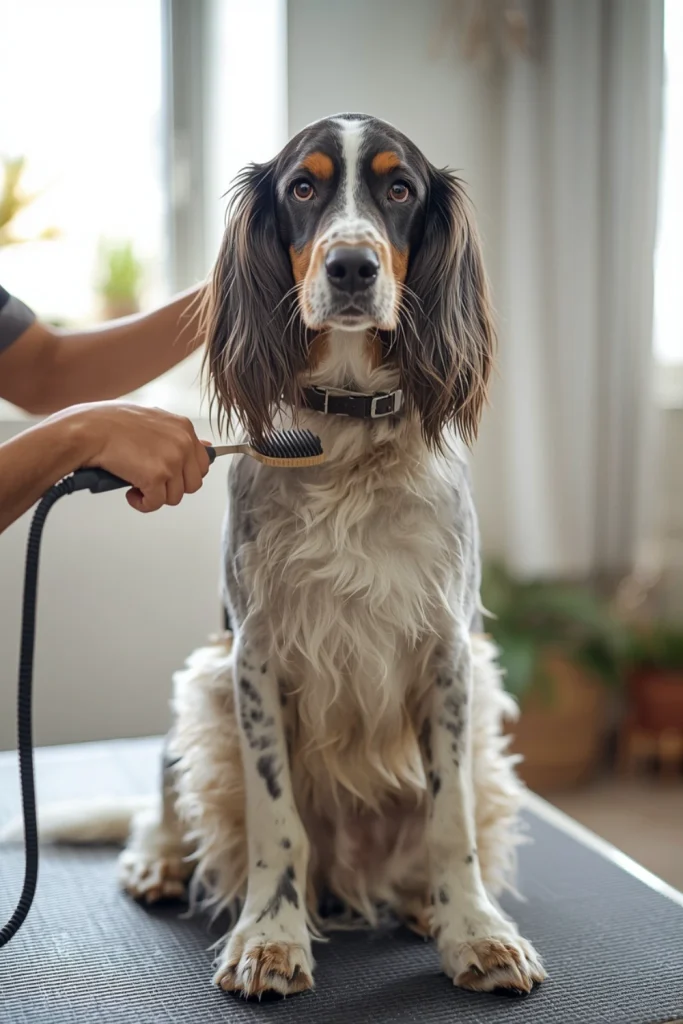
Feathered coats have longer sections of hair around areas such as the ears, legs, chest, tail, and underside. Golden Retrievers, English Setters, and some spaniels may have feathering. These longer sections can collect grass, leaves, mud, and small knots during walks. Brush several times a week using a pin brush or slicker brush, followed by a metal comb. Carefully check the feathering after outdoor activities and remove loose debris before it becomes tangled.
Bathing should be based on the dog’s activity level and coat condition. Use a gentle shampoo and conditioner if appropriate, then rinse thoroughly. Pat the coat dry and comb through the feathered areas while drying gently. Avoid pulling on knots, especially behind the ears and around the legs. Regularly check paw feathering because long hair between or around the toes can collect dirt. A groomer can help keep these areas neat without removing more coat than necessary.
12. Grooming Routine for Corded Coats
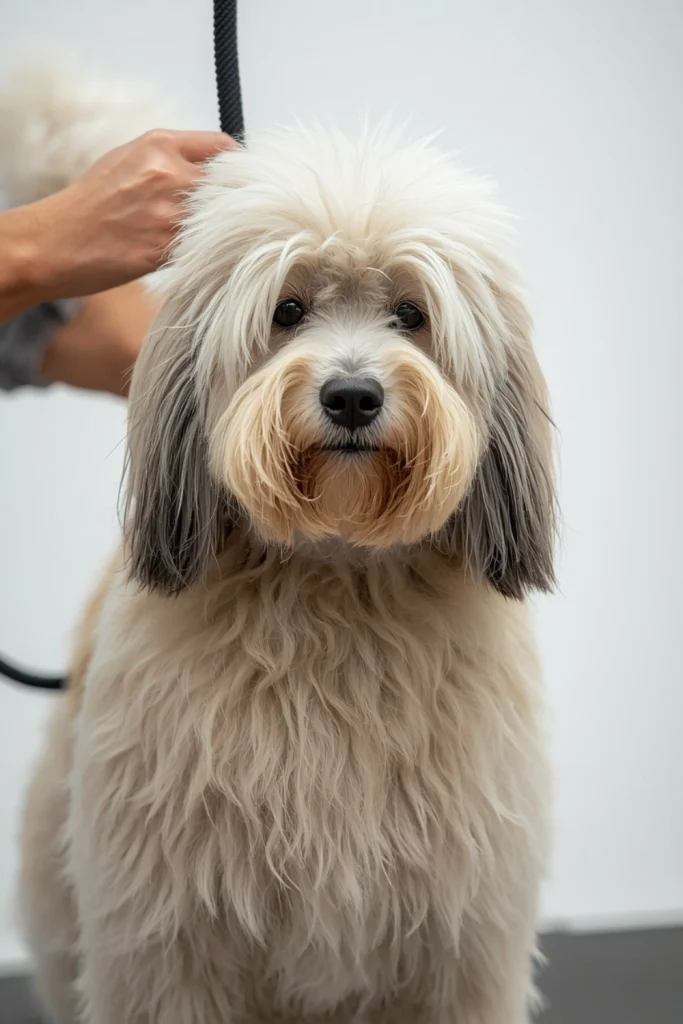
Corded coats form natural rope-like sections of hair and need a specialized maintenance routine. Some Pulis and Komondors develop this coat structure. Rather than brushing the cords like ordinary fur, owners need to keep the sections separated and clean according to professional guidance. New tangles may form as the coat grows, so regular checking is important. Gently separate developing sections with your fingers when appropriate, taking care not to pull or damage the hair.
Bathing corded coats can be more challenging because the hair holds water and takes a long time to dry. A professional groomer familiar with corded breeds can demonstrate suitable washing and drying methods. Rinse carefully to remove all shampoo, then allow enough time for the cords to dry completely. Damp cords can develop unpleasant odors and skin problems. Avoid leaving a corded dog wet for extended periods. If you are new to this coat type, arrange professional guidance before attempting a full grooming routine.
13. Grooming Routine for Puppy Coats
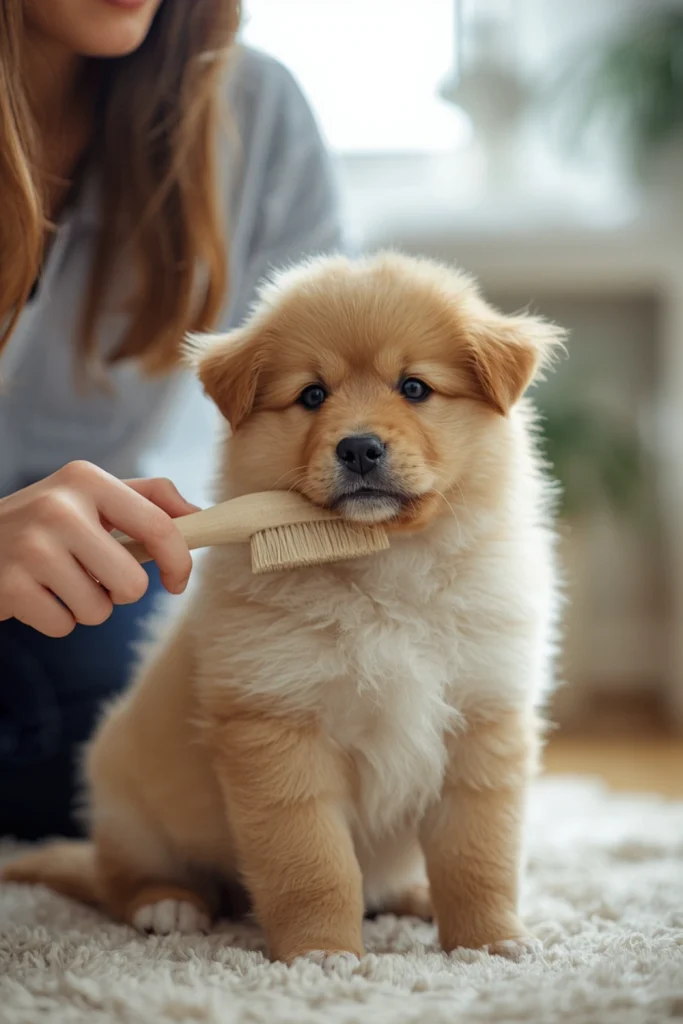
Puppy coats are often softer, finer, and more delicate than adult coats. Young dogs may also be unfamiliar with brushes, bathing, nail trimming, and ear checks. Start with short, positive grooming sessions so your puppy can become comfortable with handling. Use a soft puppy-appropriate brush and gently touch different areas of the body. Offer praise and small rewards to create a calm association with grooming. Keep early sessions brief and stop if your puppy becomes overwhelmed.
Bathing should be done only when necessary using a mild shampoo formulated for puppies or recommended by your veterinarian. Keep water comfortably warm, avoid getting shampoo in the eyes and ears, and rinse carefully. Dry your puppy with a soft towel and keep it warm until completely comfortable. As the adult coat develops, grooming needs may change. Ask your veterinarian or groomer what coat type your puppy is likely to have and how to adjust the routine as it grows.
14. Grooming Routine for Senior Dogs
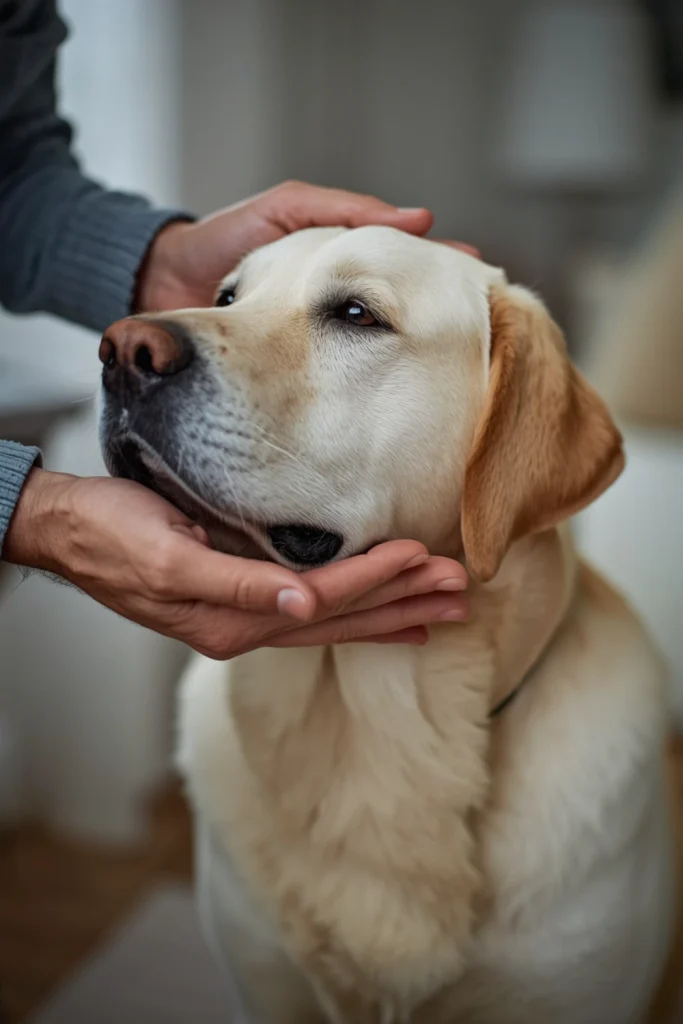
Senior dogs may need a gentler grooming routine because their skin can become more delicate and their joints may feel stiff. They may also have difficulty standing for long periods. Use a soft brush and work slowly, choosing a comfortable position that does not place pressure on painful areas. Brush in short sessions and check for mats, skin changes, lumps, or areas where your dog reacts to touch. If grooming causes discomfort, stop and discuss the problem with your veterinarian.
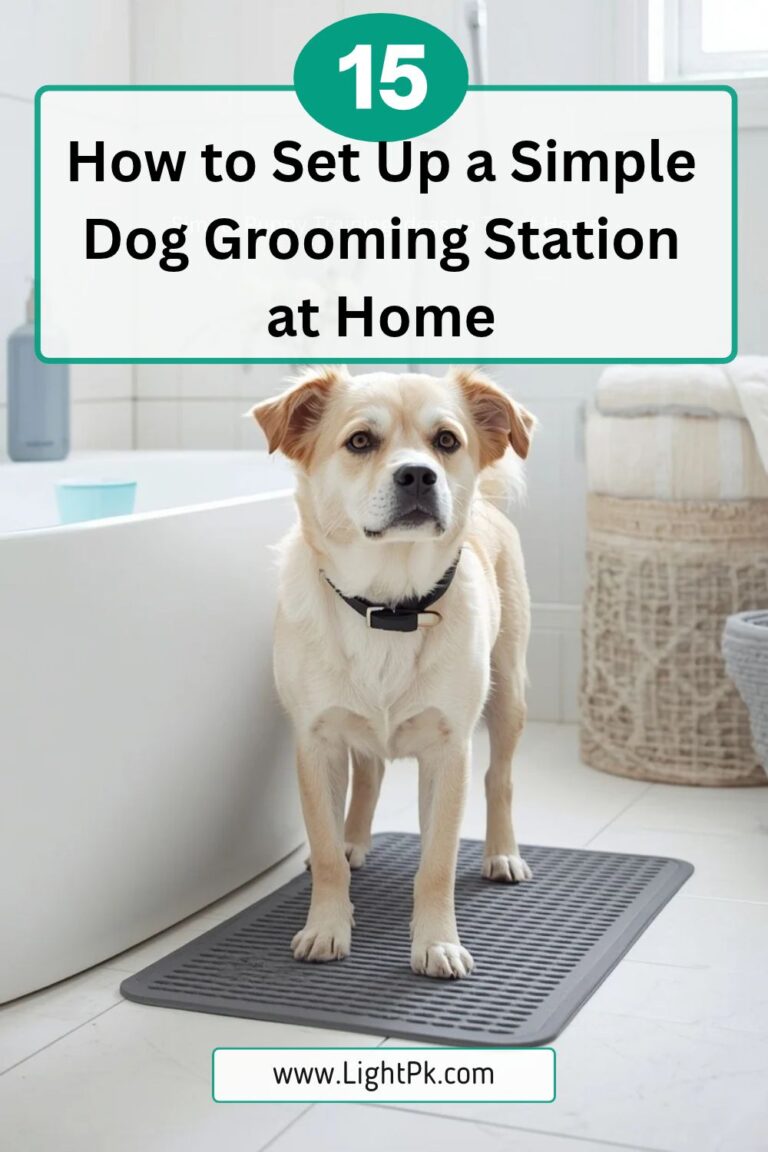
Bathing should be planned carefully to prevent stress and chilling. Use a non-slip surface, lukewarm water, and a mild dog shampoo. Keep the session short and dry your dog thoroughly with soft towels. If your senior dog cannot comfortably stand in a bathtub, consider a suitable low-entry bathing arrangement or professional grooming service. Regular nail checks are especially important because less active dogs may not naturally wear their nails down as much as younger dogs.
15. Create a Weekly Grooming Schedule for Your Dog
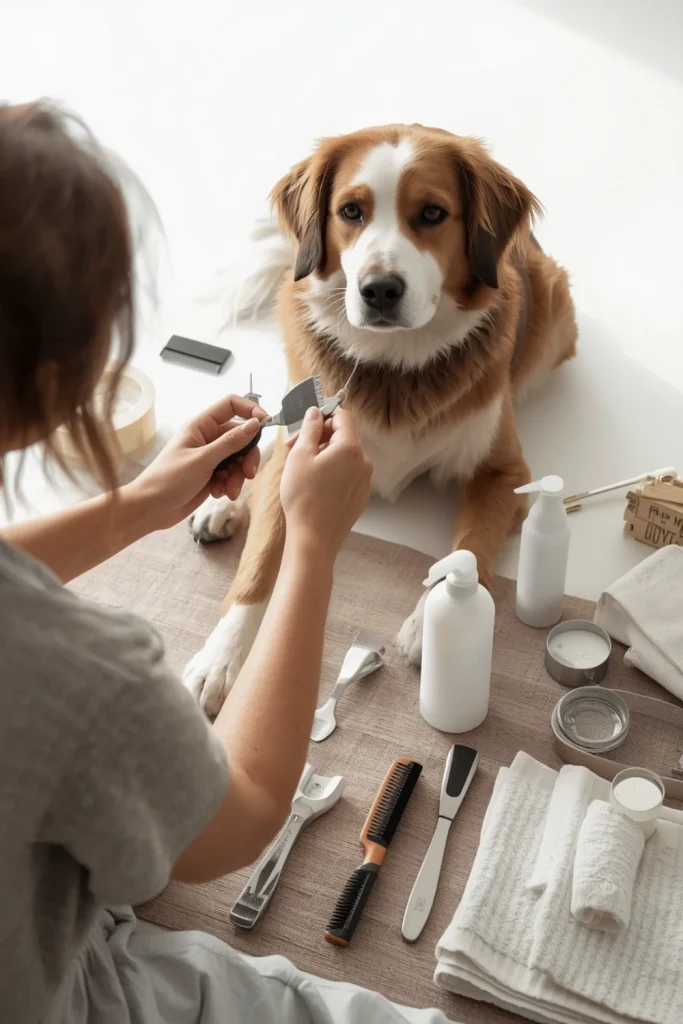
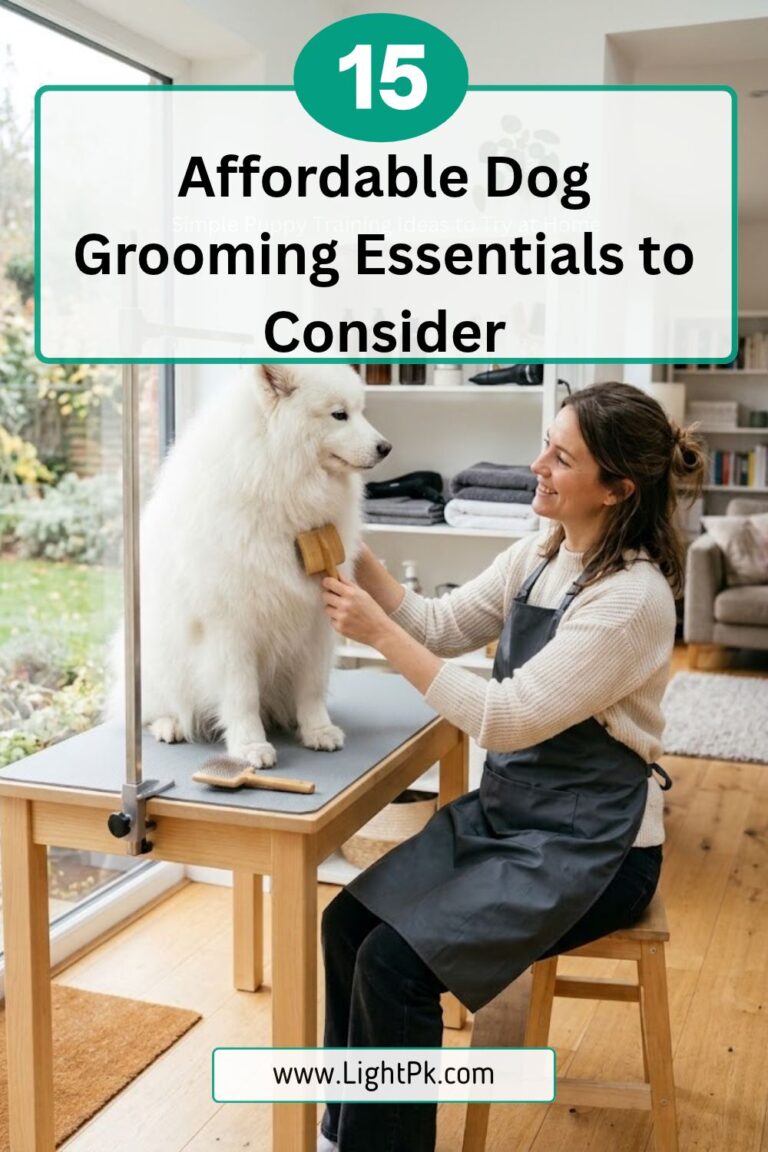
A weekly grooming schedule helps you remember small tasks before they become bigger problems. Begin by identifying your dog’s coat type and deciding how often it needs brushing. Short coats may need one or two sessions each week, while long or curly coats may require daily attention. Set aside time to check the ears, eyes, paws, nails, and skin. Keep grooming supplies in one convenient place so you can complete simple care tasks without searching for equipment.
Your schedule should also include bathing when needed, cleaning grooming tools, and arranging professional trims where appropriate. Avoid following a rigid timetable if your dog’s coat or skin condition changes. A muddy walk, seasonal shedding, or a new skin concern may require adjustments. Keep a simple grooming checklist and record any unusual changes you notice. A consistent but flexible routine makes grooming easier for both you and your dog while supporting long-term coat and skin health.
Final Thoughts
Building the right Dog Grooming Routine by Coat Type can make a noticeable difference in your dog’s comfort, appearance, and overall care. Short-haired dogs need simple brushing, while long, curly, double, and corded coats require more specialized attention. Understanding your dog’s coat helps you choose the right tools, set a realistic schedule, and avoid common grooming problems.
Start with small, gentle grooming sessions and adjust your routine as your dog grows or its coat changes. Pay attention to the skin, nails, ears, and paws rather than focusing only on appearance. With patience, suitable grooming products, and regular care, you can make grooming a positive part of your dog’s everyday life.