
The Ideal Dog Grooming Schedule for Every Month
Keeping your dog clean, comfortable, and healthy does not have to be difficult. The secret is following a simple grooming routine throughout the year instead of waiting until your dog’s coat becomes tangled, dirty, or difficult to manage. Regular brushing, bathing, nail care, and skin checks can make a big difference in your pet’s daily comfort.
The Ideal Dog Grooming Schedule depends on your dog’s coat type, age, lifestyle, and individual needs. Some dogs require daily brushing, while others need only a few sessions each week. Seasonal changes can also affect shedding, skin condition, and bathing needs. This monthly guide will help you organize your dog’s grooming tasks, build healthy habits, and keep your furry companion looking and feeling its best all year.
Why Your Dog Needs a Monthly Grooming Schedule
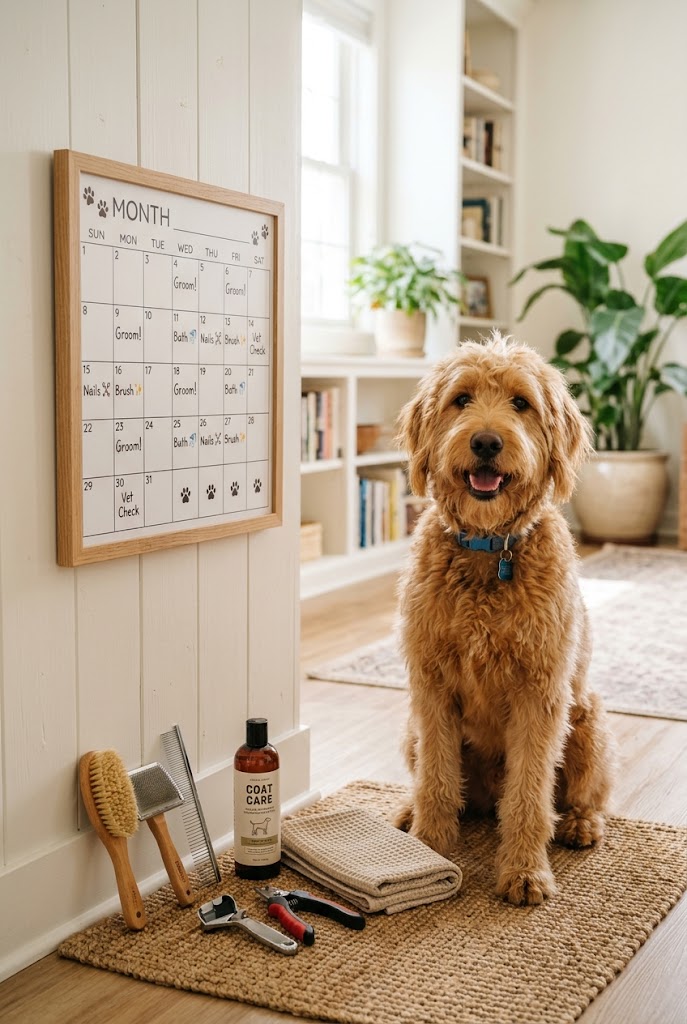
A monthly grooming schedule helps you stay consistent with your dog’s care. Instead of trying to complete every grooming task at once, you can divide responsibilities into manageable weekly and monthly activities. Regular brushing removes loose hair, helps prevent mats, and gives you an opportunity to notice changes in your dog’s skin. Nail checks, ear inspections, and paw care also become easier when they are part of a regular routine.
Every dog is different, so a monthly plan should be flexible rather than fixed. A long-haired dog may need daily brushing, while a short-haired dog may only need brushing once or twice a week. Dogs that spend more time outdoors may also need extra cleaning. Adjust your schedule according to your dog’s coat, activity level, weather, and veterinary recommendations.
January: Start the Year With a Complete Grooming Check
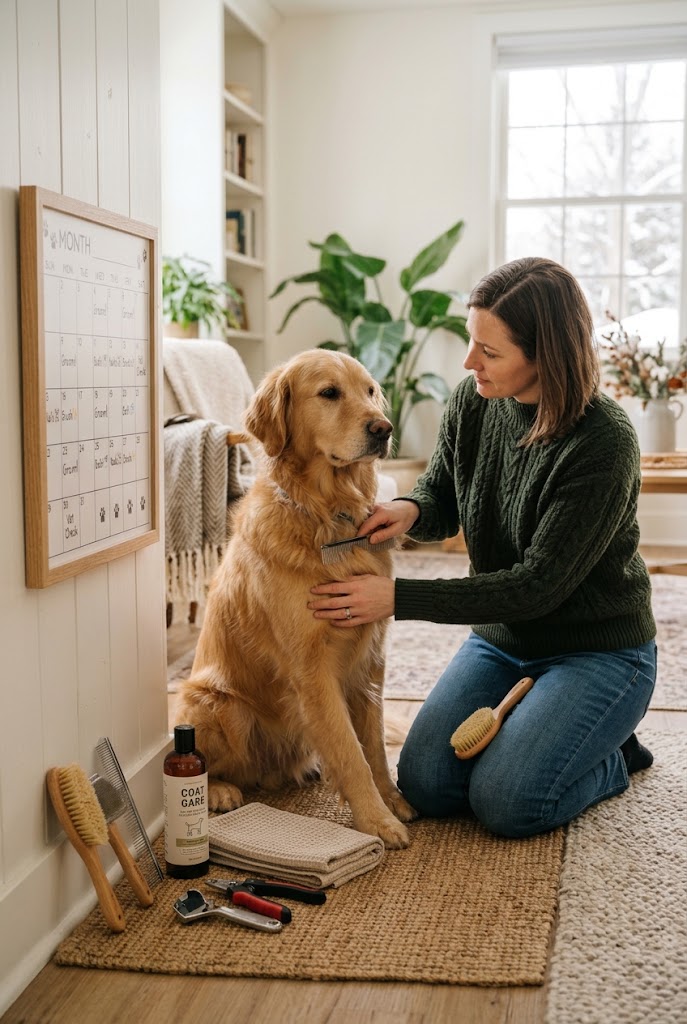
January is a good time to establish a fresh grooming routine and examine your dog’s overall coat condition. Begin by checking for tangles, dry skin, excessive shedding, dirty ears, and overgrown nails. Brush your dog using a tool suitable for its coat type. During colder weather, some dogs spend more time indoors, but their coats still collect loose hair and dust. Keep brushing sessions gentle and comfortable, especially if your dog has sensitive skin.
Give your grooming supplies a quick inspection at the beginning of the year. Wash brushes and combs, replace damaged tools, and check shampoo labels to make sure products are suitable for dogs. Arrange a professional grooming appointment if your dog needs a haircut or has difficult mats. January is also a useful time to create a simple grooming checklist and decide how often each task should be completed.
February: Focus on Brushing and Skin Health
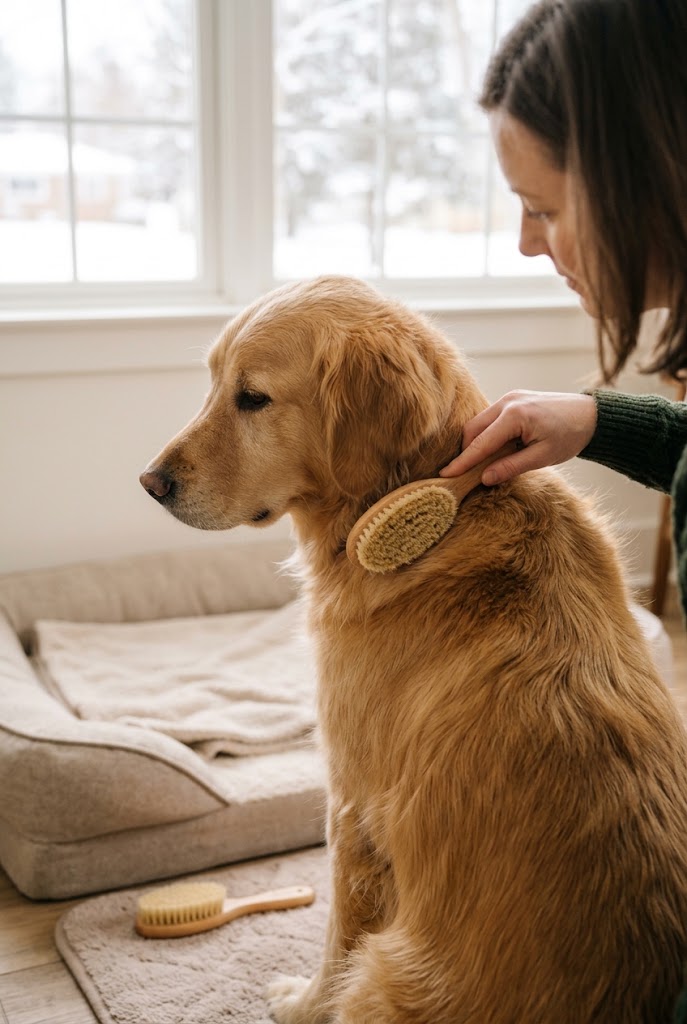
February is an excellent month to pay extra attention to brushing and skin condition. Cold weather, indoor heating, and dry air may contribute to dry or flaky skin in some dogs. Brush your dog regularly to remove loose hair and distribute natural oils through the coat. Use a soft brush for delicate coats and an appropriate undercoat tool for dogs with thick double coats. Avoid brushing too aggressively because excessive pressure can irritate the skin.
During each grooming session, check for redness, bumps, unusual hair loss, dandruff, or areas your dog does not want touched. These signs may indicate irritation or another health concern. Do not apply human moisturizers or scented products without veterinary guidance. If your dog develops persistent itching or dry skin, speak with a veterinarian. February is also a good time to clean your dog’s bedding because dirt and loose hair can collect there.
March: Prepare for Seasonal Shedding
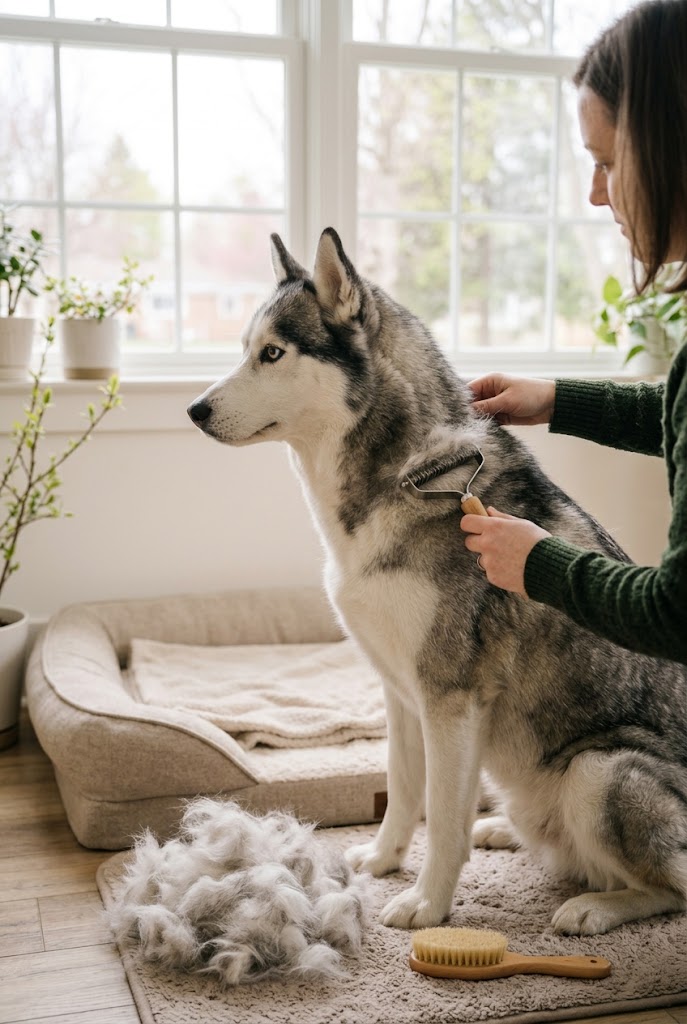
March can bring changing temperatures and increased shedding for many dogs, especially those with double coats. Begin checking your dog’s shedding pattern and increase brushing if loose hair becomes more noticeable. An undercoat rake or suitable deshedding brush may help remove loose undercoat from appropriate breeds. Work in small sections and follow the direction of hair growth. Never scrape or press a grooming tool harshly against the skin.
Pay attention to areas where loose hair and tangles often collect, including behind the ears, around the neck, beneath the legs, and near the tail. Clean grooming tools after each session to prevent old hair and dirt from building up. Shedding levels differ between individual dogs, so avoid assuming every dog needs the same treatment. If hair loss appears patchy or is accompanied by itching, redness, or sores, consult your veterinarian.
April: Refresh Your Dog’s Bathing Routine
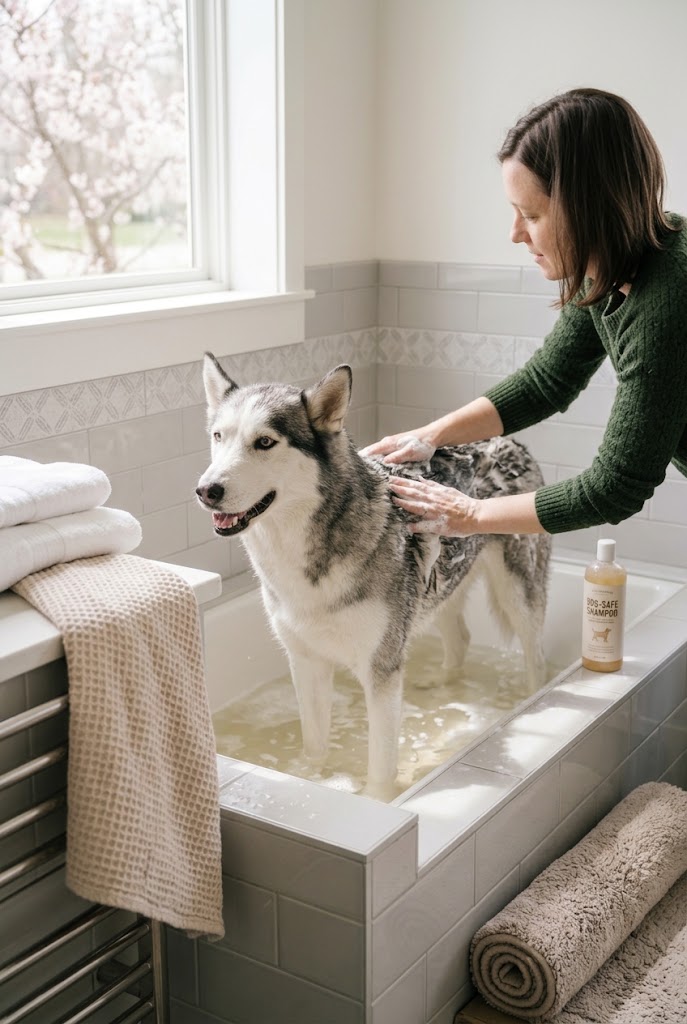
April is a useful time to review your dog’s bathing routine as outdoor activities may increase with warmer weather. Dogs that enjoy walks, gardens, and outdoor play can collect mud, dust, and pollen in their coats. Bathe your dog when it becomes dirty or according to its individual skin and coat needs. Use a mild dog-specific shampoo and rinse thoroughly to prevent product residue from irritating the skin.
Do not assume that warmer weather means your dog needs frequent baths. Excessive bathing can dry out the skin, especially when unsuitable products are used. After bathing, dry your dog with a clean towel and make sure thick or long coats are completely dry. Check the paws, belly, and areas around the ears for trapped dirt. If your dog has allergies or a diagnosed skin condition, follow your veterinarian’s bathing recommendations.
May: Give Extra Attention to Paw and Nail Care
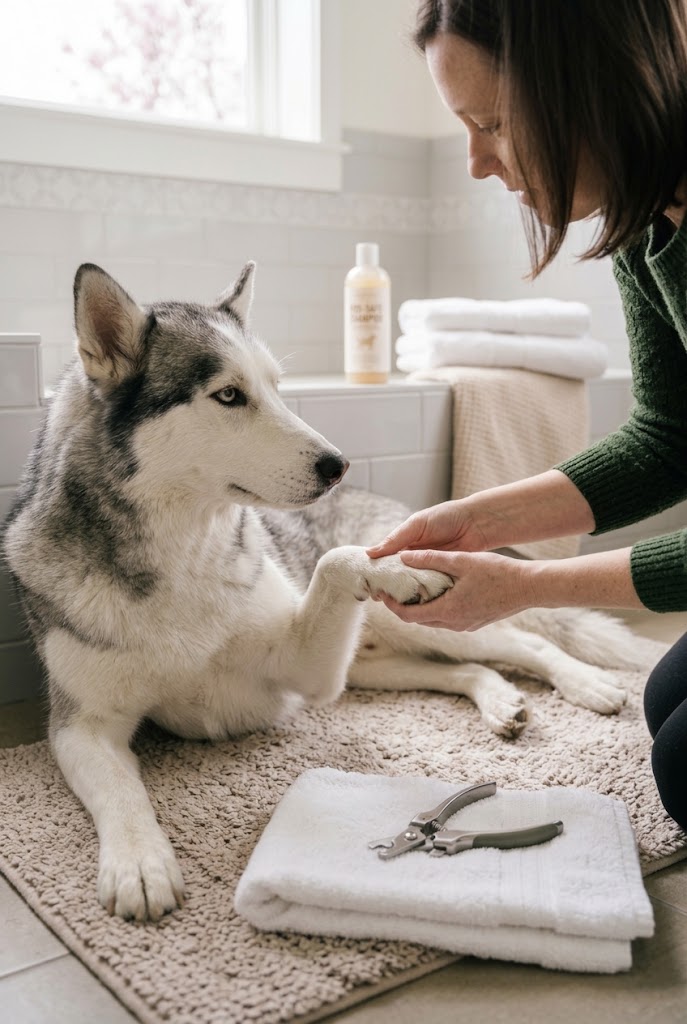
May is a good month to make paw and nail care a regular part of your dog’s grooming routine. Warmer weather often means more walks, outdoor play, and contact with rough surfaces. Check your dog’s paws for dirt, small stones, cracks, redness, or damaged nails after outdoor activities. Gently clean the paws with a damp cloth when needed and dry between the toes to prevent trapped moisture.
Check nail length regularly because overgrown nails can affect walking comfort and posture. Use dog nail clippers or a pet nail grinder only if you know how to use them safely. Trim small amounts at a time and avoid cutting into the quick, which contains blood vessels and nerves. If your dog’s nails are dark, your dog struggles during trimming, or you are unsure about the process, ask a professional groomer or veterinarian for help.
June: Manage Heat and Maintain a Comfortable Coat
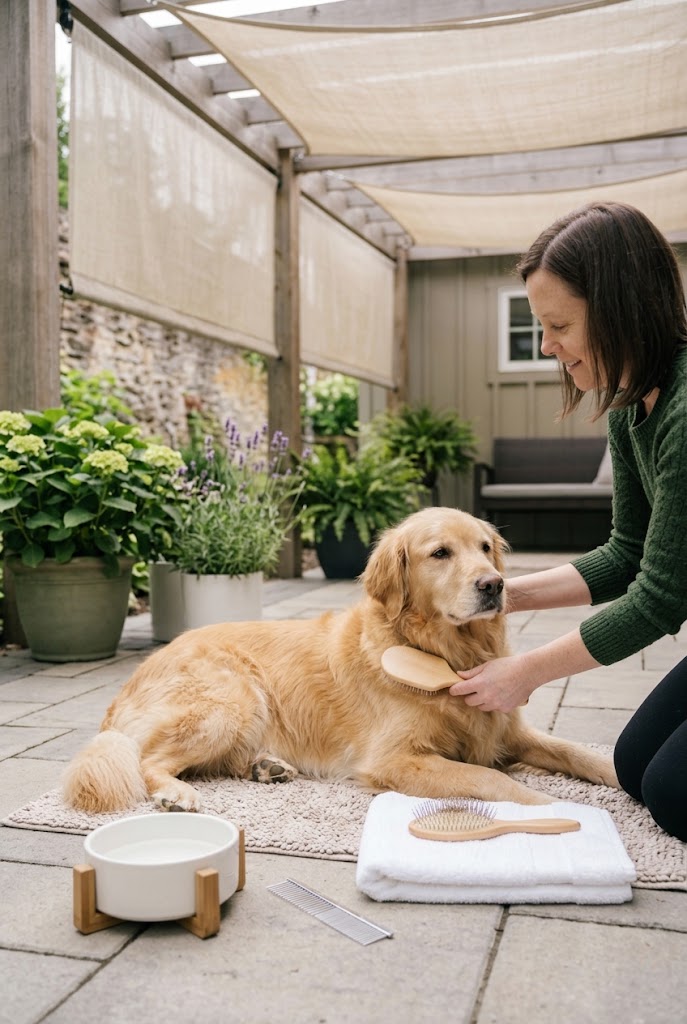
June may bring warmer temperatures, making comfort an important part of your grooming routine. Brush your dog regularly to remove loose hair and prevent tangles that can trap dirt and moisture. For dogs with thick coats, use suitable grooming tools to manage shedding without damaging the protective coat. Keep grooming sessions in a cool, well-ventilated area and avoid leaving your dog in direct sunlight during long grooming activities.
Never shave a double-coated dog simply because the weather is hot. Its coat can provide protection from sunlight and environmental conditions. If your dog needs a shorter style, consult an experienced groomer who understands the breed and coat structure. Provide fresh drinking water, access to shade, and comfortable resting areas. Grooming alone cannot prevent heat-related illness, so watch for excessive panting, weakness, or unusual behavior and seek veterinary help if these signs appear.
July: Check Ears, Skin, and Outdoor Dirt
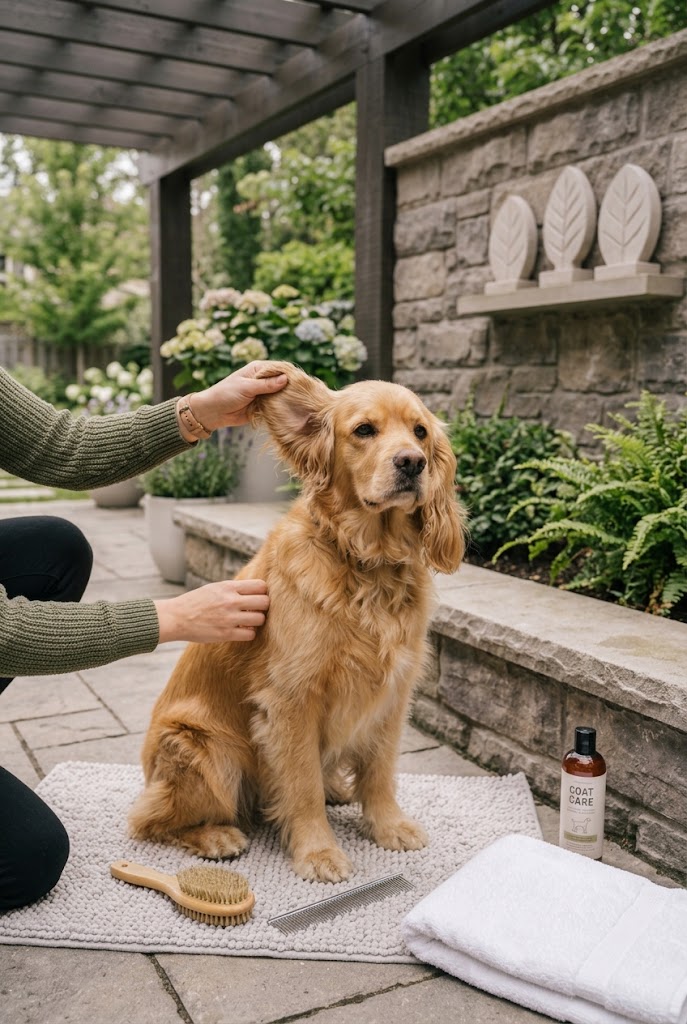
July is a good time to pay attention to areas that may become dirty during summer activities. Dogs that swim, play in gardens, or walk through dusty areas can collect moisture and debris around their ears and paws. Inspect the outer ears regularly for dirt, redness, swelling, or unpleasant odors. Clean only the areas recommended by your veterinarian using an appropriate dog ear-cleaning product. Never insert cotton swabs or other objects deep into the ear canal.
Check the skin beneath the coat, especially around the belly, armpits, neck, and tail. Look for unusual bumps, scratches, ticks, or signs of irritation. Do not use ordinary grooming products to treat a suspected infection or parasite problem. If you notice persistent scratching, discharge, a bad smell, or painful swelling, contact your veterinarian. July grooming should focus on gentle cleaning, regular brushing, and checking your dog after outdoor adventures.
August: Prevent Mats and Tangles
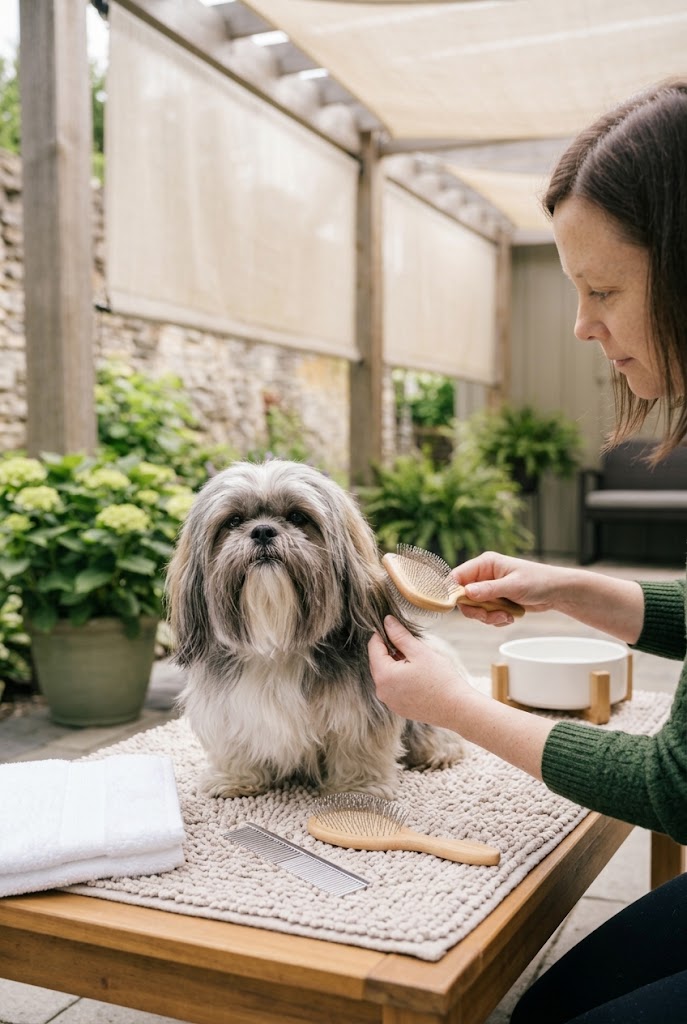
August is an ideal time to check whether your dog’s coat needs more frequent brushing. Long-haired, curly-coated, and wavy-coated dogs can develop knots when loose hair mixes with dirt and moisture. Brush in small sections and use a suitable slicker brush or pin brush. Follow with a metal comb to check for hidden tangles near the skin. Give extra attention to areas behind the ears, beneath the legs, around the collar, and under the tail.
Never pull hard when you find a knot. Work gently from the ends toward the roots if the tangle is loose and manageable. Tight mats close to the skin can cause pain and may require professional removal. Avoid using scissors near the skin because it can be difficult to see where the mat ends and the skin begins. If your dog has repeated matting, discuss a practical coat length and brushing schedule with a professional groomer.
September: Review Your Dog’s Coat as Seasons Change
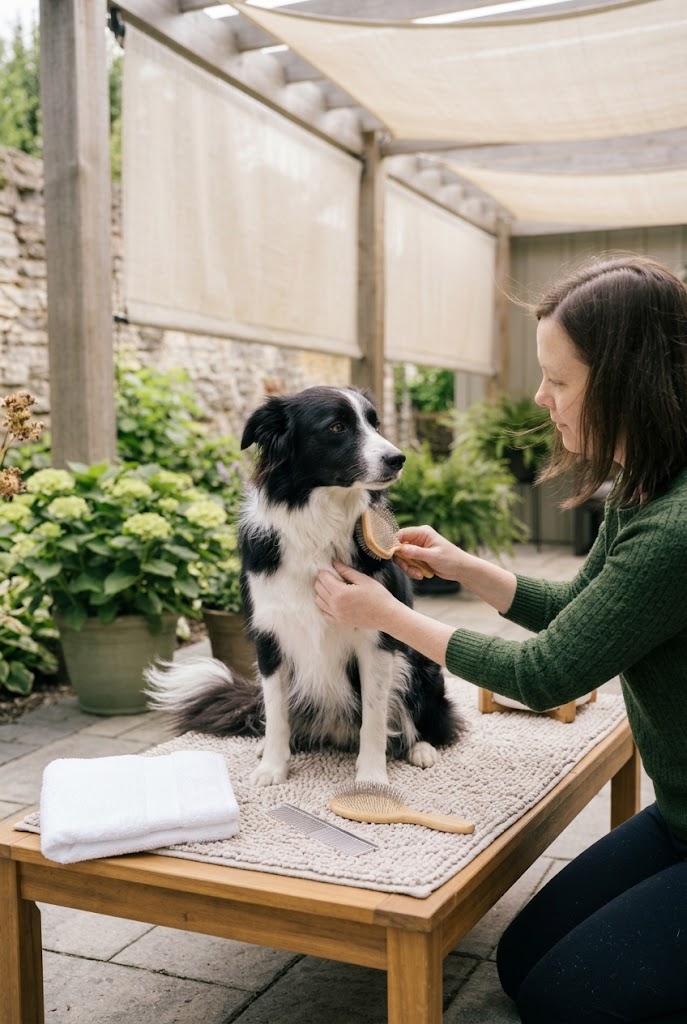
September is a useful month to review your dog’s coat condition as temperatures and seasonal routines begin to change. Some dogs may experience another period of shedding, while others may show little difference. Continue brushing according to coat type and check for loose hair, tangles, and dry areas. If your dog has spent more time outdoors during summer, a gentle bath may help remove accumulated dirt when bathing is appropriate.
This month is also a good opportunity to review your grooming schedule. If brushing has become difficult or your dog is developing regular mats, consider adjusting the frequency or asking a groomer for advice. Check the length of hair around the eyes and paws, and make sure your dog can move comfortably. Keep an eye on skin changes rather than assuming every problem is caused by seasonal shedding. Persistent irritation or unusual hair loss should be discussed with a veterinarian.
October: Schedule a Coat Trim and Grooming Refresh
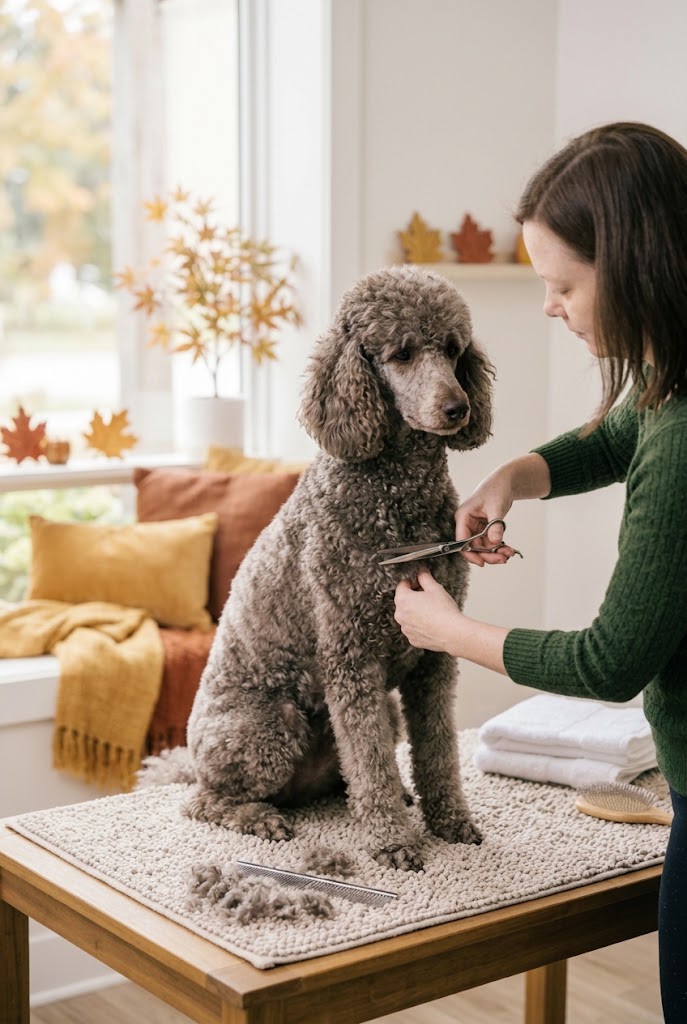
October can be a good time to arrange a professional grooming appointment if your dog’s coat needs trimming before colder weather. Long-haired breeds may need hair around the eyes, paws, and sanitary areas maintained for cleanliness and comfort. A professional groomer can recommend a suitable style that matches your dog’s coat and lifestyle. Avoid requesting an extremely short cut simply because it seems easier to maintain, especially for breeds with protective coats.
At home, continue regular brushing and check the coat for knots that may become harder to manage as hair grows. Clean brushes, combs, and grooming surfaces after use. Review your dog’s shampoo and conditioner supplies, replacing products that are expired or unsuitable. If your dog becomes anxious during professional grooming, discuss gentle handling methods with the groomer. A calm appointment and a practical trim can make future maintenance easier.
November: Maintain Cleanliness During Cooler Weather
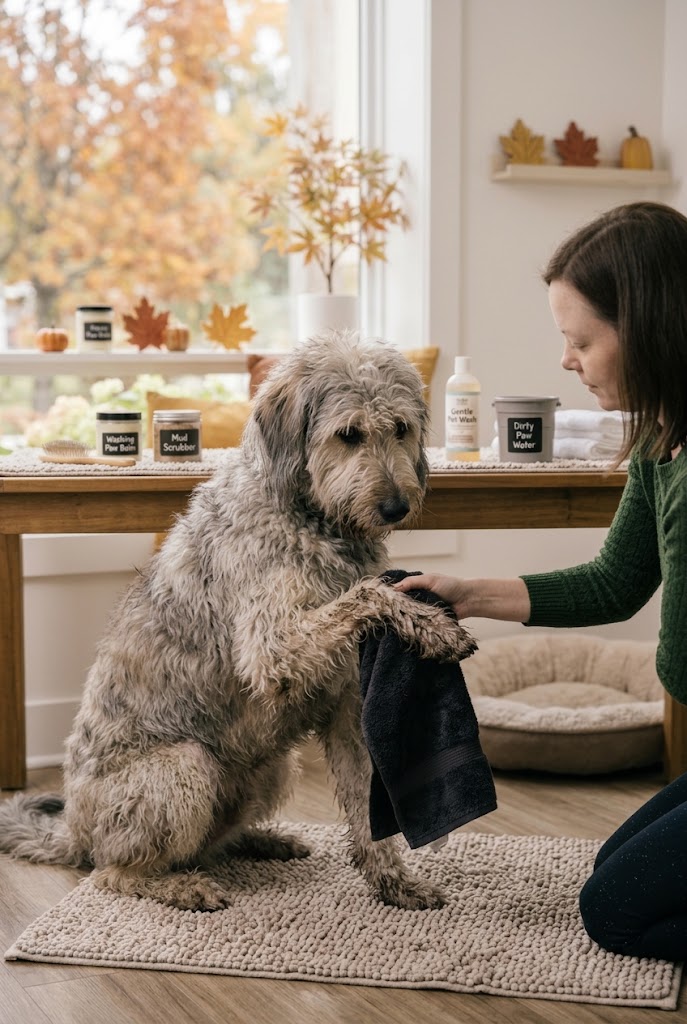
November often brings cooler temperatures and more indoor time for many dogs. Continue brushing regularly because loose hair and dirt can collect even when your dog spends less time outside. Long and thick coats should be checked carefully for hidden tangles. After wet walks, clean muddy paws and dry the belly and lower legs before your dog settles on its bed. Keep grooming sessions short and comfortable if the weather is cold.
Bathing should be based on your dog’s actual needs rather than the calendar. If a bath is necessary, use lukewarm water, a suitable dog shampoo, and a warm room. Dry the coat thoroughly before allowing your dog to go outside in cold weather. Wash blankets and bedding regularly to reduce accumulated dirt and loose hair. November is also a good time to check whether your dog’s nails need trimming and whether the grooming tools are still in good condition.
December: Finish the Year With a Complete Grooming Review
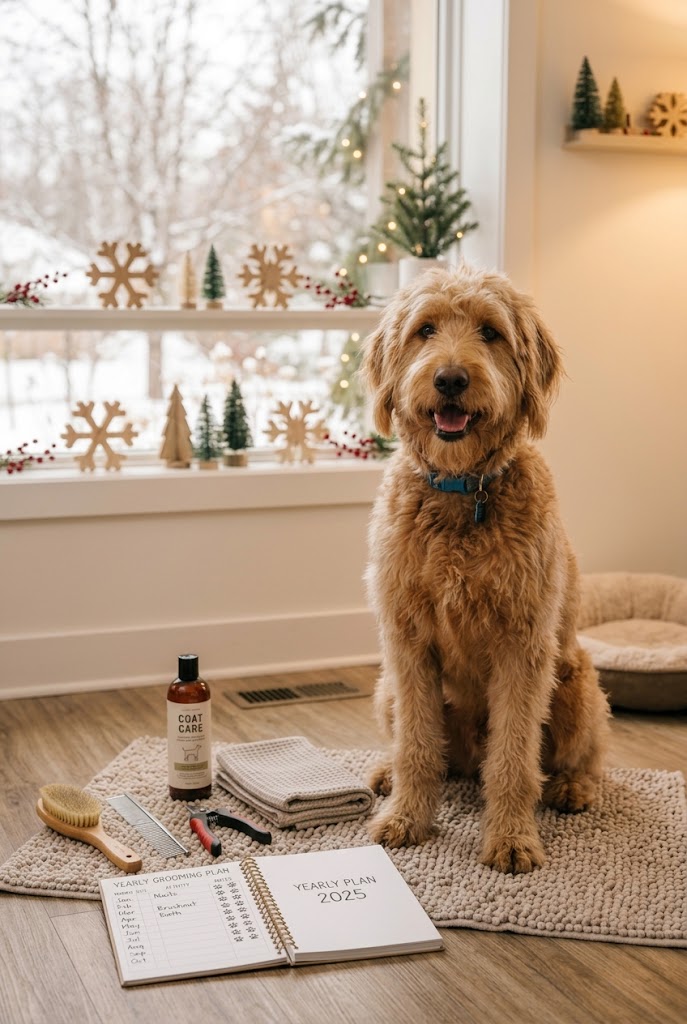
December is a good time to review your dog’s grooming needs and complete any routine maintenance before the year ends. Brush the coat carefully, check for mats, inspect the paws, and examine the ears and skin. If your dog needs a professional trim, arrange it early enough to avoid a rushed appointment. Keep your dog comfortable during grooming sessions and avoid trying unfamiliar products or complicated techniques without proper guidance.
Review the grooming notes you have made throughout the year. Think about which brushing schedule worked best, how often your dog needed a bath, and whether any coat or skin problems appeared. Clean and organize your grooming supplies, and replace worn brushes or damaged tools. Use this information to plan next year’s routine. A little preparation helps you maintain consistency and recognize changes in your dog’s grooming needs.
Final Thoughts
Following the Ideal Dog Grooming Schedule throughout the year makes it easier to keep your dog clean, comfortable, and well cared for. Each month offers an opportunity to focus on a different part of grooming, from winter skin checks and spring shedding to summer paw care and autumn coat maintenance. A simple schedule can help you remember important tasks without making grooming feel overwhelming.
Remember that every dog has individual needs. Adjust brushing, bathing, and trimming according to coat type, age, lifestyle, and health. Keep grooming sessions gentle, use suitable products, and seek professional help when a task becomes difficult. With patience and consistency, grooming can become a positive routine that supports your dog’s comfort and well-being throughout the year.