10 Tips for Choosing and Using Dog Shampoo
Keeping your dog’s coat clean, soft, and healthy starts with choosing the right shampoo. However, with so many dog shampoos available, finding the best option can feel confusing. Some products are designed for sensitive skin, others help with dry coats, and some are made specifically for puppies or dogs with thick, long fur. Using the wrong shampoo may cause dryness, irritation, or other skin problems, so understanding your dog’s grooming needs is important.
The good news is that choosing and using dog shampoo does not have to be complicated. With a little knowledge and the right bathing routine, you can keep your furry friend fresh, comfortable, and looking its best. In this guide, you will discover 10 practical tips for selecting suitable dog shampoo, bathing your pet safely, and maintaining a healthy coat between baths.
1. Choose a Shampoo Specifically Made for Dogs
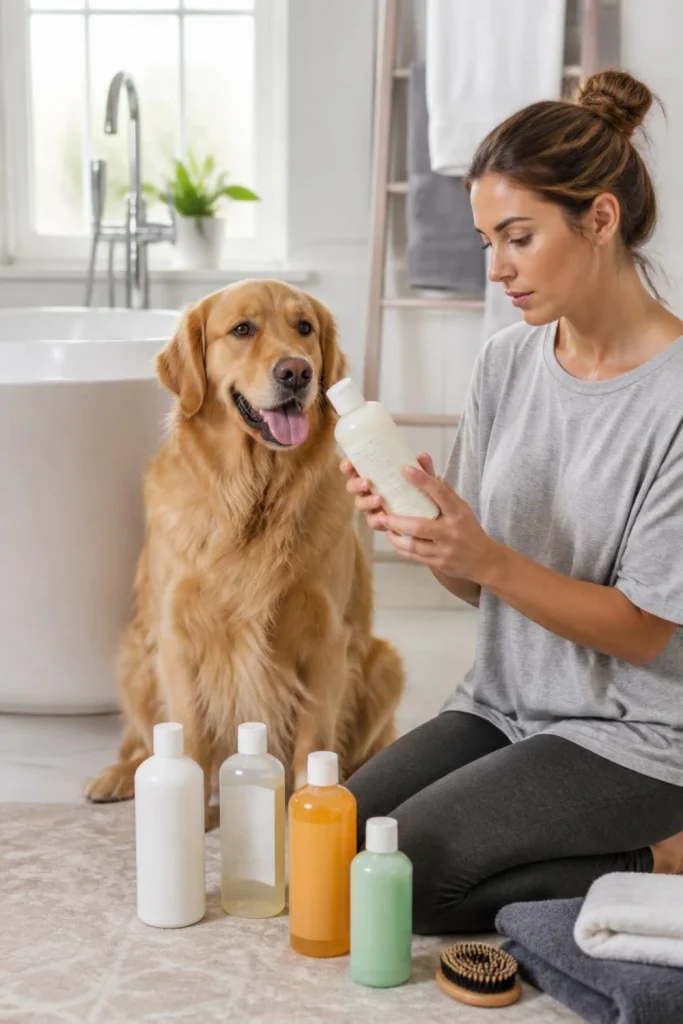
The first step in choosing and using dog shampoo is selecting a product specifically formulated for canine skin and coats. Human shampoos, including baby shampoos, are not ideal substitutes because dogs have different skin characteristics and grooming requirements. Regular use of unsuitable products may remove natural oils and contribute to dryness or irritation. Dog shampoos are developed to clean canine coats while taking their skin needs into consideration.
When shopping, read the product label carefully and check that the shampoo is intended for dogs. Look for clear usage instructions, ingredient information, and any age or breed restrictions. Avoid products that make unrealistic promises or do not clearly identify their intended use. If your dog has a history of skin sensitivity, ask your veterinarian for recommendations before trying a new formula. Choosing an appropriate product is the foundation of a safe and comfortable bathing routine.
2. Select Shampoo According to Your Dog’s Skin Type
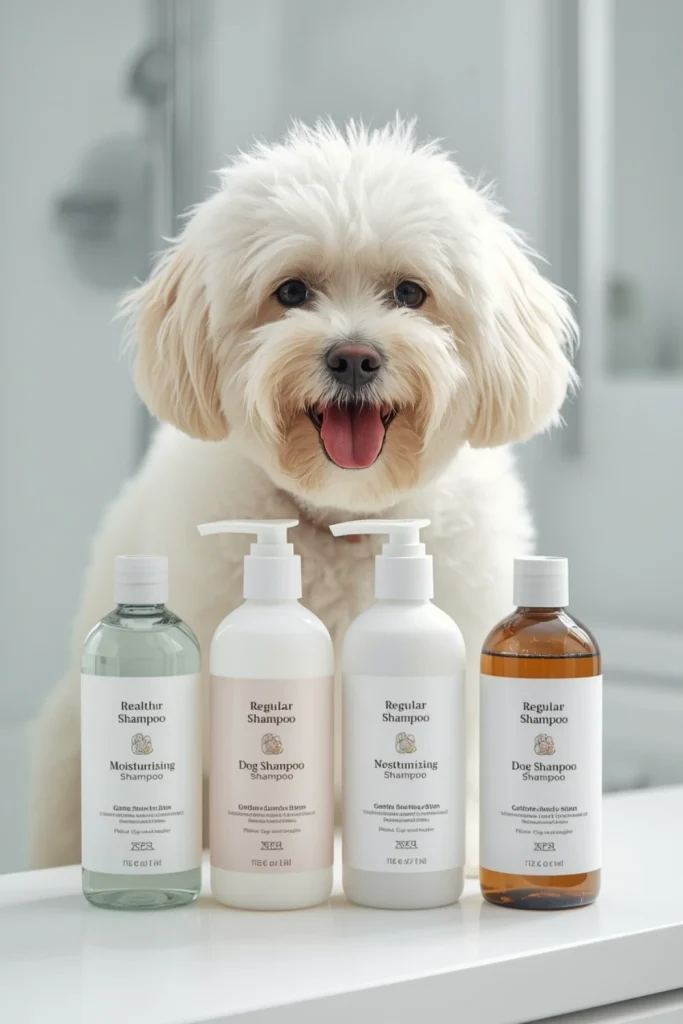
Every dog has different skin and coat requirements, so it is important to choose shampoo according to your pet’s individual needs. Some dogs have naturally dry skin, while others develop oily coats or experience occasional sensitivity. If your dog has normal skin, a gentle everyday dog shampoo may be suitable. For dogs with dry skin, look for a moisturizing formula designed for canine use. Dogs with sensitive skin may benefit from a mild, fragrance-free product, provided it is appropriate for their condition.
Before purchasing shampoo, observe your dog’s skin and coat. Look for signs such as excessive dryness, flaking, redness, or unusual itching. These symptoms may indicate that your dog needs veterinary attention rather than a different cosmetic shampoo. Avoid experimenting with several products in a short period because frequent changes can make it difficult to identify the source of irritation. When in doubt, ask your veterinarian which formula is appropriate for your dog’s skin.
3. Check the Ingredients Before Buying Dog Shampoo
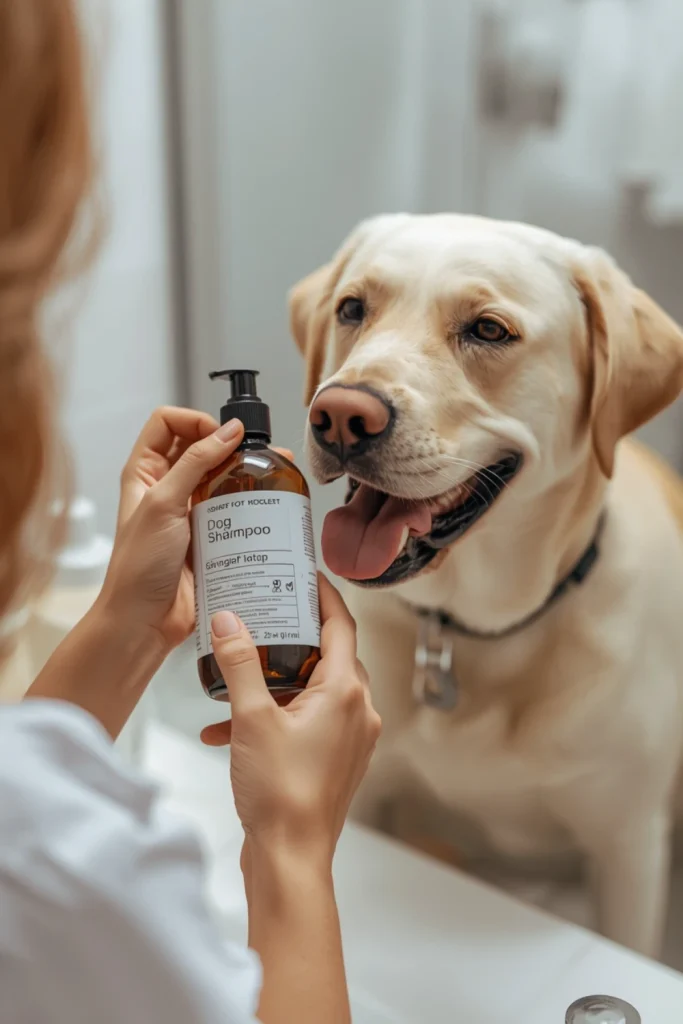
Reading the ingredient list is an important part of choosing the right dog shampoo. Different formulas contain different cleansing agents, moisturizers, preservatives, and fragrances. Some ingredients are included to help clean the coat, while others support moisture and make brushing easier. If your dog has sensitive skin, selecting a simple formula without unnecessary fragrances may be helpful. However, even natural ingredients can cause reactions in individual dogs, so do not assume that a product is automatically safe just because it is marketed as natural or organic.
Look for products with clearly listed ingredients and instructions. Avoid shampoos containing ingredients that your veterinarian has advised you to avoid. Essential oils, concentrated botanical extracts, and strong fragrances are not automatically safe for dogs. Never use homemade mixtures containing essential oils or other concentrated substances without veterinary guidance. If your dog has experienced an allergic reaction to a grooming product before, discuss the ingredient list with your veterinarian before purchasing another shampoo. Careful label reading can help you make a more informed decision.
4. Choose a Separate Shampoo for Puppies
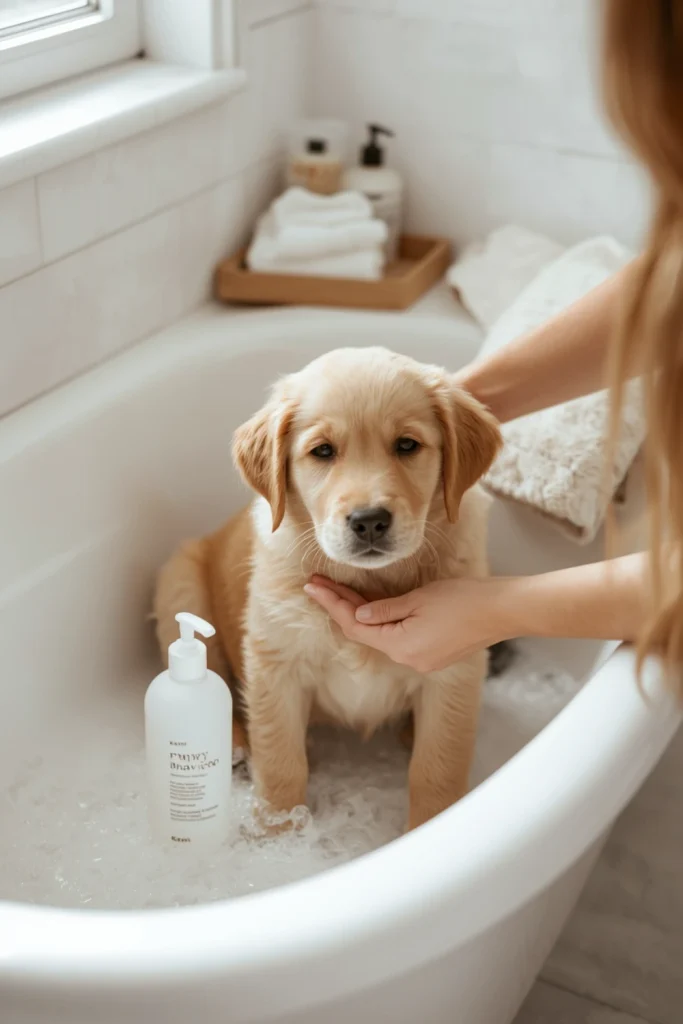
Puppies have delicate skin and developing coats, which means they may need a shampoo specifically formulated for their age. Adult dog shampoos are not necessarily appropriate for very young puppies. A puppy-specific formula is generally designed to provide gentle cleansing while taking their delicate skin into consideration. Before purchasing a product, check the recommended minimum age on its label and make sure it is suitable for your puppy’s breed and coat.
Bathing frequency is also important when caring for young dogs. Puppies do not need frequent baths unless they become particularly dirty or their veterinarian recommends one. Use lukewarm water, keep the bathing experience short, and avoid getting shampoo into the eyes, nose, and ears. Rinse thoroughly and dry your puppy gently with a soft towel. If your puppy has skin irritation, fleas, or an unusual odor, consult a veterinarian before using a specialized shampoo.
5. Consider Your Dog’s Coat Type
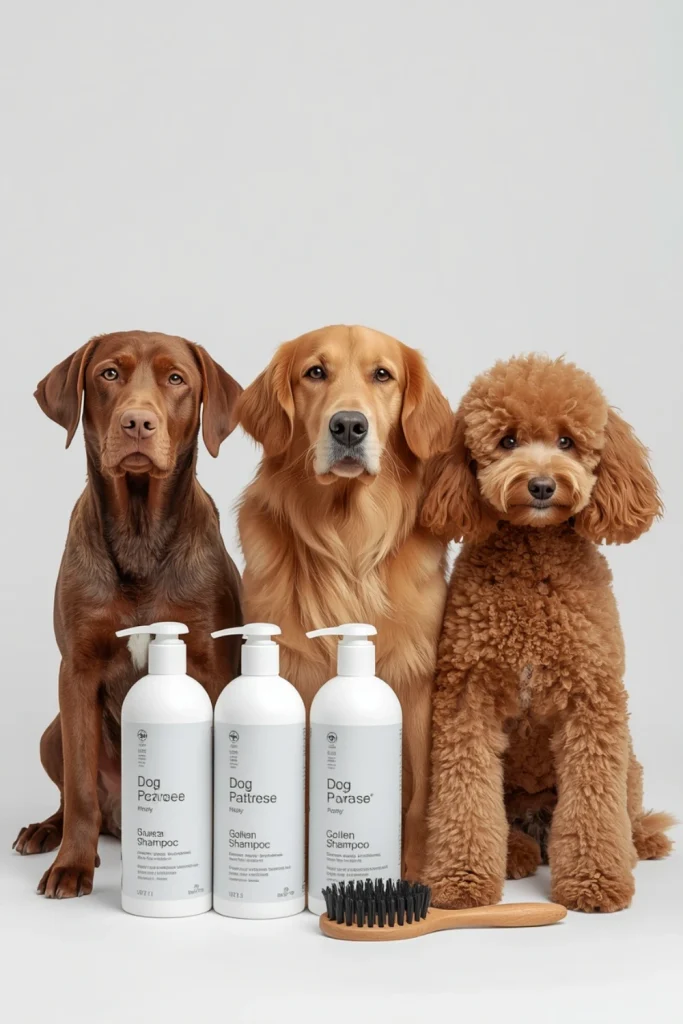
Your dog’s coat type plays an important role in selecting the right shampoo. Short-haired dogs often need a simple, gentle cleansing formula that removes dirt without leaving the skin feeling dry. Long-haired dogs may benefit from dog shampoos designed to support coat manageability and make brushing easier. Curly-coated breeds may require products that help maintain softness, while double-coated dogs need appropriate cleansing without excessive stripping of their natural oils.
Before choosing a shampoo, consider your dog’s coat length, thickness, texture, and grooming requirements. A product that works well for a short-haired breed may not provide the same results for a long-haired dog. Avoid choosing shampoo based only on the breed name printed on the bottle. Your dog’s individual coat condition matters more than marketing claims. If you are unsure which formula to use, ask a professional groomer or veterinarian for recommendations based on your pet’s specific needs.
6. Avoid Strong Fragrances and Unnecessary Chemicals
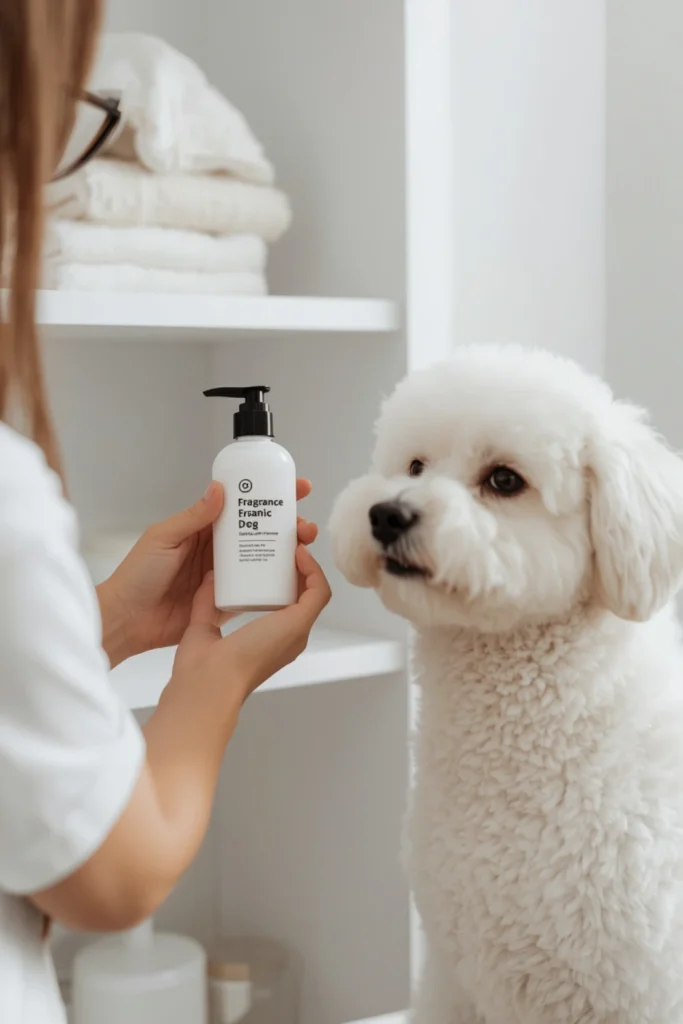
Many dog shampoos are advertised with strong floral, fruity, or perfume-like fragrances. Although these scents may seem attractive to pet owners, heavily fragranced products are not always suitable for dogs with sensitive skin. Strong fragrances and certain additives may irritate some pets, especially those that already experience dryness or itching. A mild, appropriately formulated dog shampoo is often a sensible option when your pet does not need a specialized product.
Pay attention to how your dog responds after using a new shampoo. If you notice unusual scratching, redness, excessive licking, or discomfort, stop using the product and seek veterinary advice. Avoid assuming that a shampoo is safe simply because its packaging describes it as chemical-free, herbal, or natural. All ingredients have chemical properties, and natural substances can also cause irritation. Focus on clear ingredient information, appropriate formulation, and your dog’s individual tolerance rather than attractive fragrance claims.
7. Brush Your Dog Before Applying Shampoo
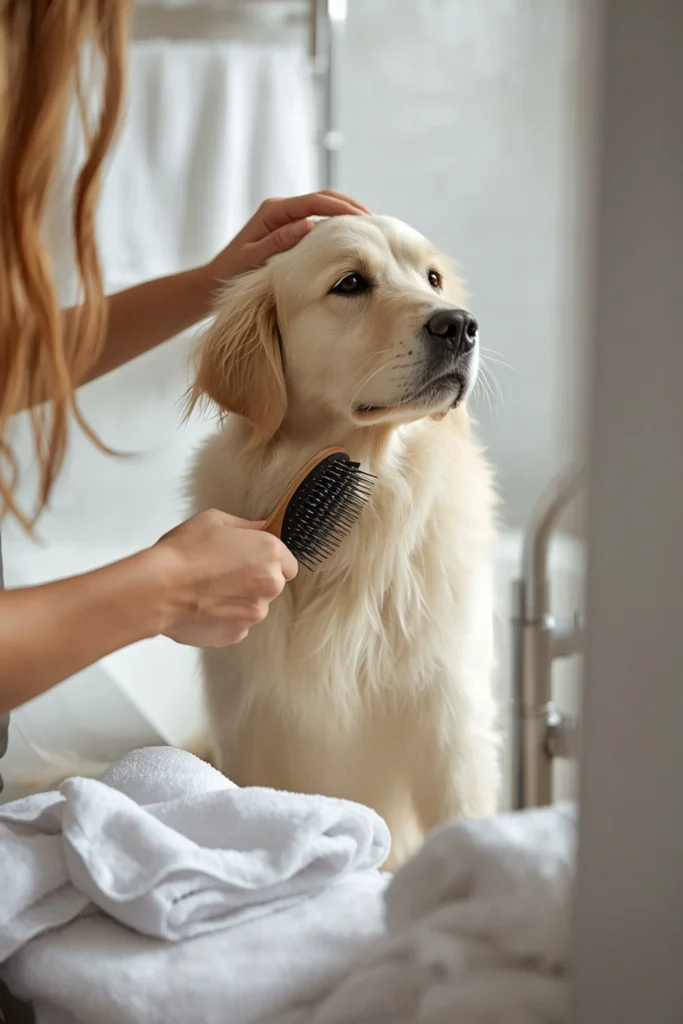
Brushing your dog before bathing helps remove loose hair, surface dirt, and manageable tangles. This preparation is especially important for dogs with long, thick, or curly coats. Loose hair can become more difficult to manage when wet, and water may tighten existing mats. A suitable brush or comb can help remove loose fur and make the bathing process easier. It also gives you an opportunity to inspect your dog’s skin for irritation, scratches, or unusual bumps.
Use a brush designed for your dog’s coat type and work gently through small sections. Pay particular attention to areas behind the ears, beneath the legs, around the neck, and near the tail. Never force a brush through a tight mat or pull sharply on tangled fur. Severe mats should be assessed by a professional groomer before bathing. Once the coat is prepared, you can begin washing your dog with a suitable shampoo and a more manageable coat.
8. Use the Correct Amount of Dog Shampoo
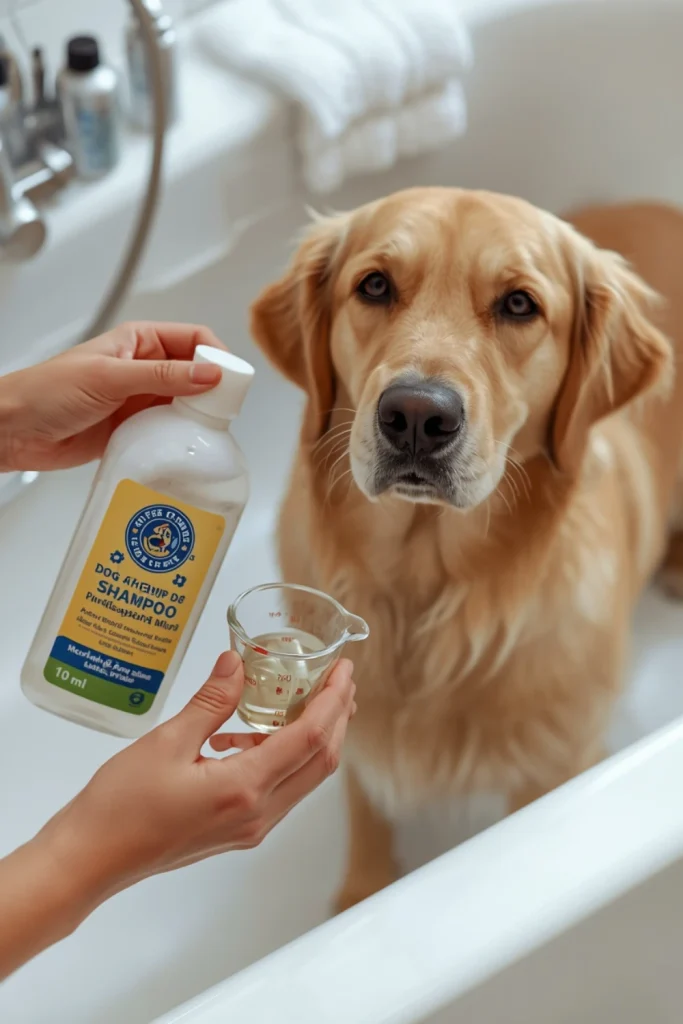
Using too much shampoo does not necessarily make your dog cleaner. Excessive product can be difficult to rinse out and may leave residue on the coat. On the other hand, using too little shampoo may not provide enough coverage for a heavily soiled coat. The correct amount depends on the product instructions, your dog’s size, and the length and thickness of its fur. Always follow the manufacturer’s recommended dilution and application directions.
Some dog shampoos are concentrated and must be diluted with water before application, while others are ready to use. Never guess the dilution ratio or mix different grooming products together. If you are using a concentrated formula, measure the amount carefully. Apply the shampoo evenly and gently massage it into the coat without scrubbing aggressively. Paying attention to the recommended quantity helps make bathing more effective and reduces unnecessary product buildup on your dog’s skin and fur.
9. Rinse Your Dog Thoroughly After Shampooing
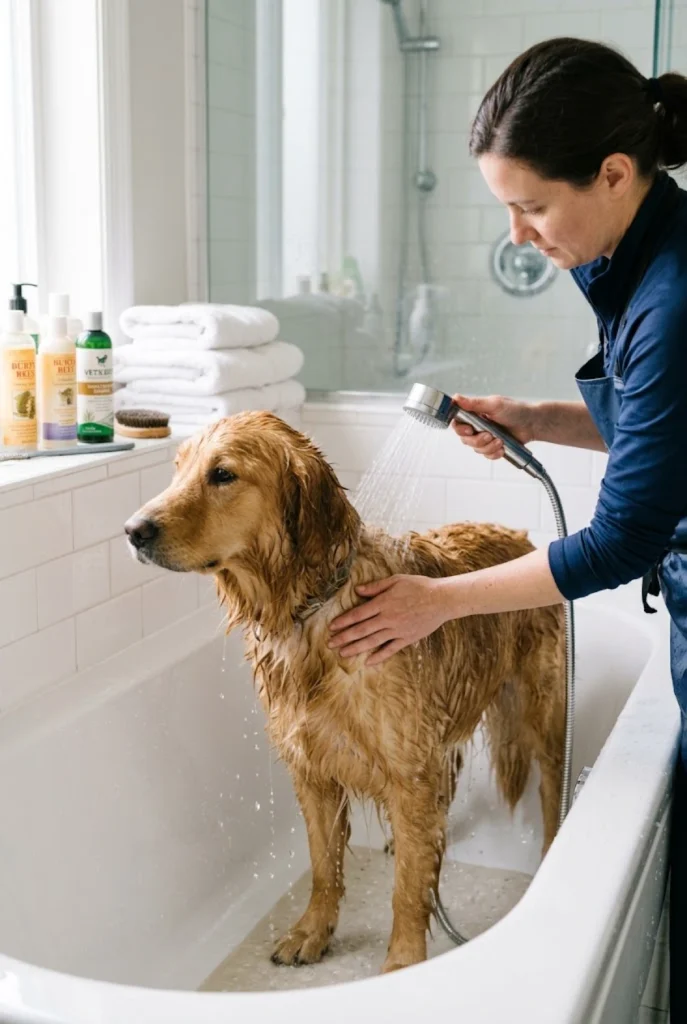
Rinsing is one of the most important parts of using dog shampoo correctly. Shampoo left behind on the skin or coat can contribute to itching, dryness, or irritation. This is particularly important for dogs with thick, long, or double-layered coats because product can become trapped beneath the outer fur. After applying shampoo, use lukewarm water to rinse the entire coat carefully until no visible foam or slippery residue remains.
Pay attention to areas such as the belly, chest, legs, neck, and beneath the tail. These locations can be easy to overlook during bathing. Keep water away from the inside of your dog’s ears and avoid directing a strong stream toward its face. Use a gentle flow and take enough time to rinse properly. Once bathing is complete, gently remove excess water with a clean towel and dry the coat appropriately. Thorough rinsing helps keep your dog’s skin comfortable after bathing.
10. Establish a Healthy Bathing Schedule
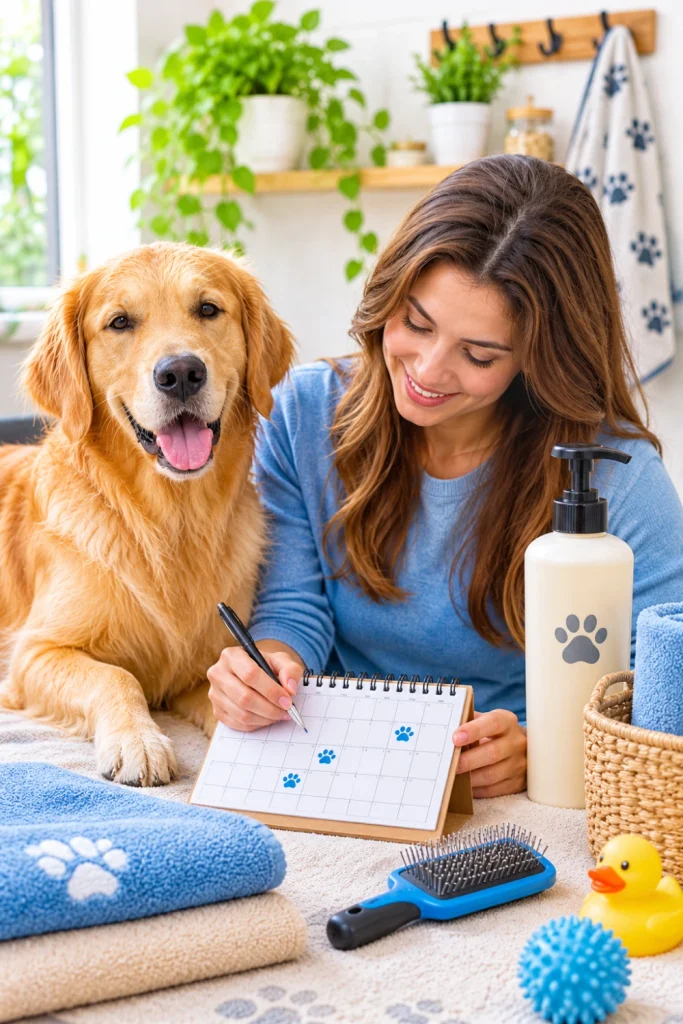
Creating a suitable bathing schedule is essential for maintaining your dog’s skin and coat health. Bathing too frequently may remove natural oils and contribute to dryness, especially if you use products that are not appropriate for your dog’s skin. However, waiting too long between baths can allow dirt, excess oil, and unpleasant odors to build up. The ideal bathing frequency depends on your dog’s breed, coat type, lifestyle, skin condition, and activity level.
Some dogs need more frequent baths because they spend considerable time outdoors or become dirty quickly. Others can remain comfortable with less frequent bathing. Follow your veterinarian’s recommendations if your dog has allergies or a skin condition that requires a specific bathing routine. Keep a simple record of bathing dates and notice how your dog’s skin responds. Adjust the schedule when necessary rather than following a strict timetable that may not suit your pet.
Final Thoughts
Choosing and using dog shampoo correctly is an important part of maintaining your pet’s hygiene and coat health. The right product should match your dog’s age, skin condition, coat type, and individual grooming requirements. Reading ingredient labels, selecting dog-specific formulas, brushing before bathing, using the recommended amount, and rinsing thoroughly can make a significant difference.
Remember that every dog is different. A shampoo that works well for one pet may not be suitable for another. Pay attention to your dog’s skin and coat after every bath, and consult a veterinarian if you notice persistent itching, redness, dryness, or unusual odors. By following these 10 practical tips, you can develop a comfortable bathing routine and help your furry friend enjoy a cleaner, healthier coat.