
20 Dog Grooming Tips Every Beginner Should Know
Dog grooming is about much more than keeping your furry friend looking clean and beautiful. Regular grooming helps maintain a healthy coat, supports good hygiene, and gives you an opportunity to notice changes in your dog’s skin, ears, paws, and overall condition. Whether you have recently welcomed a puppy or adopted an adult dog, learning a few basic grooming skills can make everyday care easier.
If you are a first-time dog owner, grooming may seem challenging at first. You might not know which brush to use, how often to bathe your dog, or how to trim nails safely. The good news is that you do not need to become a professional groomer to care for your pet at home. With patience, the right tools, and a consistent routine, these Dog Grooming Tips Every Beginner should know can help you build a comfortable grooming routine for your dog.
1. Choose the Right Grooming Tools for Your Dog
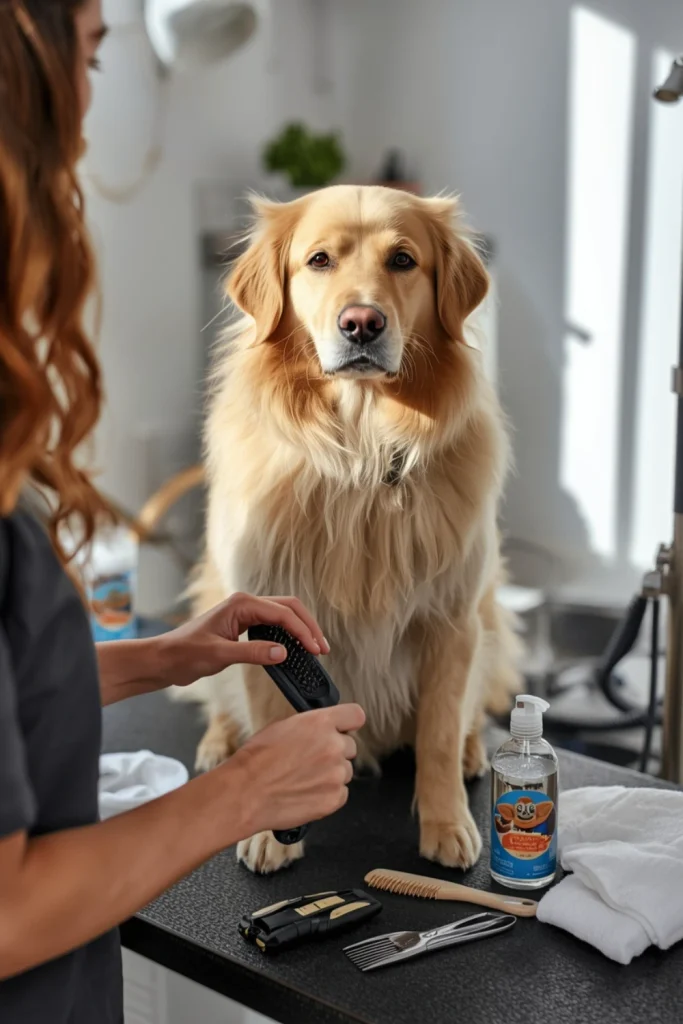
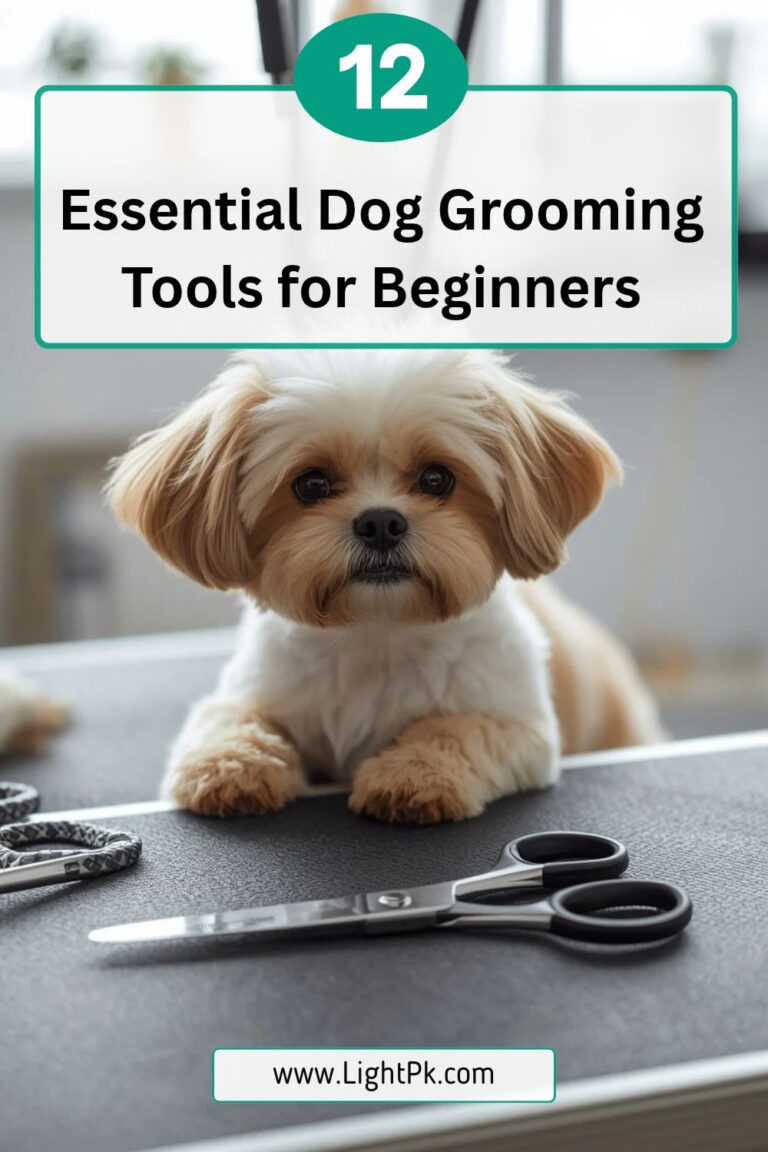
One of the most useful Dog Grooming Tips Every Beginner should know is to choose grooming tools according to your dog’s coat type. A short-haired dog may only need a soft-bristle brush or grooming mitt, while a long-haired dog may benefit from a slicker brush and a suitable comb. Curly-coated dogs often need tools that can reach through their coat without irritating the skin. Before purchasing anything, learn about your dog’s coat and ask a professional groomer for recommendations if you are unsure.
Start with a small collection of basic supplies, including a suitable brush, dog shampoo, towels, a comb, nail clippers or a grinder designed for dogs, and a pet toothbrush. You do not need to buy every grooming product available. Choose comfortable, good-quality tools that are easy to handle and appropriate for your dog’s size. Using the correct equipment can make grooming safer, quicker, and more comfortable.
2. Brush Your Dog’s Coat Regularly
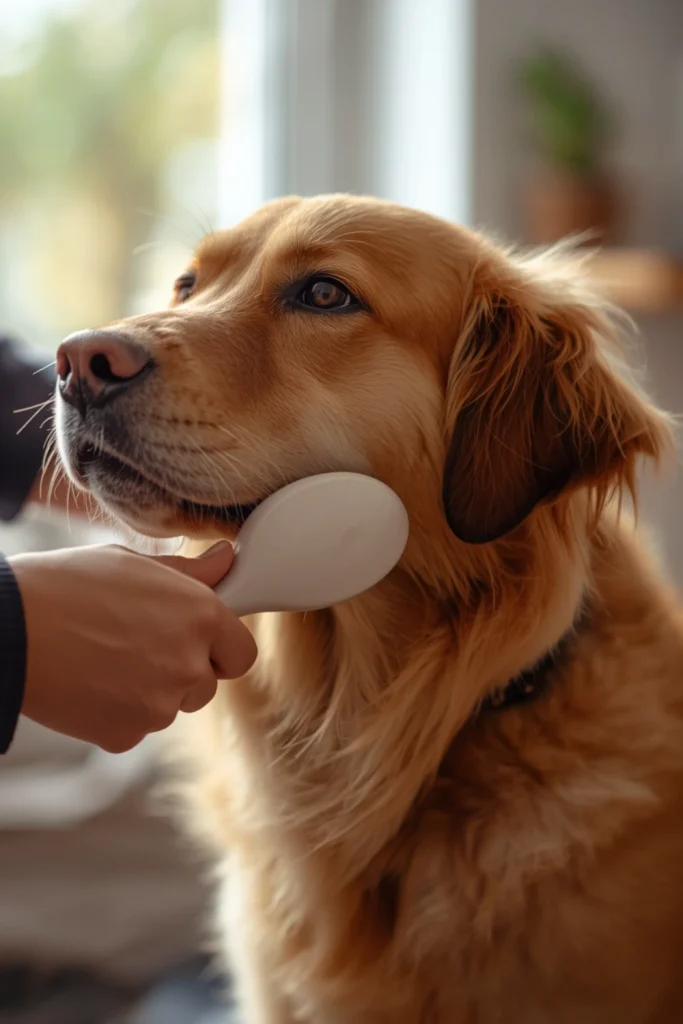
Brushing is one of the easiest ways to maintain your dog’s coat between baths. It helps remove loose fur, dirt, and small tangles while spreading natural oils through the coat. The ideal brushing frequency depends on your dog’s coat. Some short-haired dogs may need brushing once or twice a week, while long-haired or curly-coated dogs may require daily attention. Regular brushing can also help reduce loose hair around your home, especially during seasonal shedding periods.
Make brushing a calm and comfortable experience. Begin with a few gentle strokes in an area your dog enjoys being touched. Work in the direction of hair growth and avoid pressing the brush too firmly against the skin. If your dog becomes uncomfortable, take a short break and try again later. Never pull forcefully at a knot because this can hurt your pet. If a tangle is tight or close to the skin, ask a professional groomer for help.
3. Understand Your Dog’s Coat Type
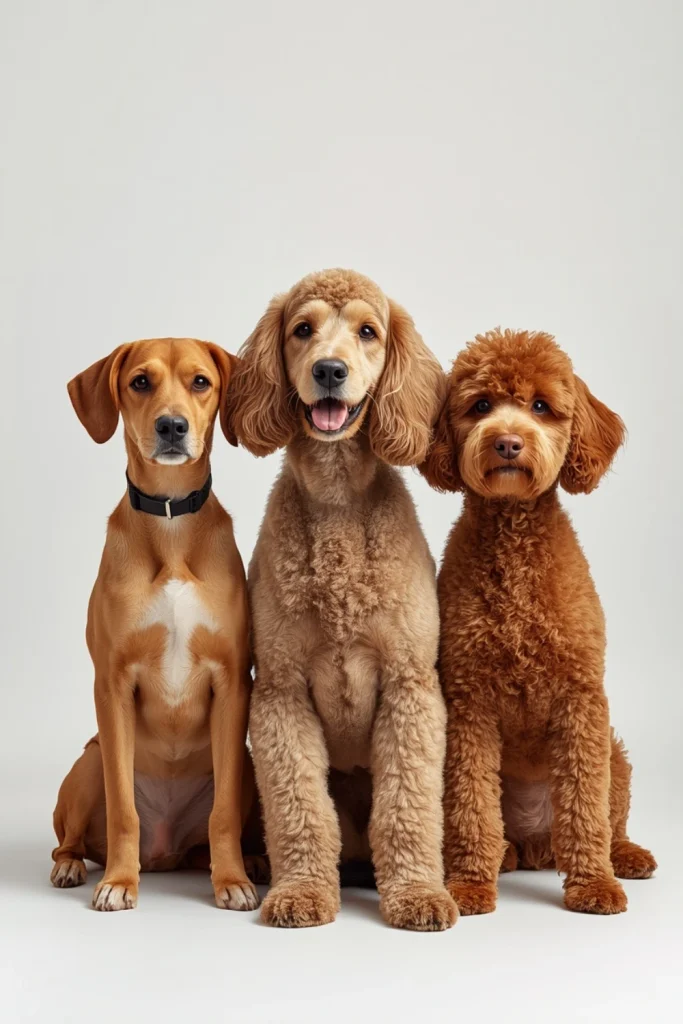
Every dog has a different coat, and understanding its needs will help you create a suitable grooming routine. Short coats are often easier to maintain but can still benefit from regular brushing. Long coats may collect dirt and develop tangles, while curly coats can become matted if they are not brushed carefully. Double-coated breeds have an undercoat that may shed heavily during certain seasons. Each coat type needs suitable tools and a grooming schedule.
Avoid assuming that every dog should be groomed in exactly the same way. For example, shaving a double-coated dog is not automatically the best solution for warm weather. A dog’s coat can provide protection, and inappropriate clipping may affect how it functions. If you are unsure how to care for a particular coat, consult a qualified groomer who has experience with your dog’s breed or coat type.
4. Bathe Your Dog Only When Needed
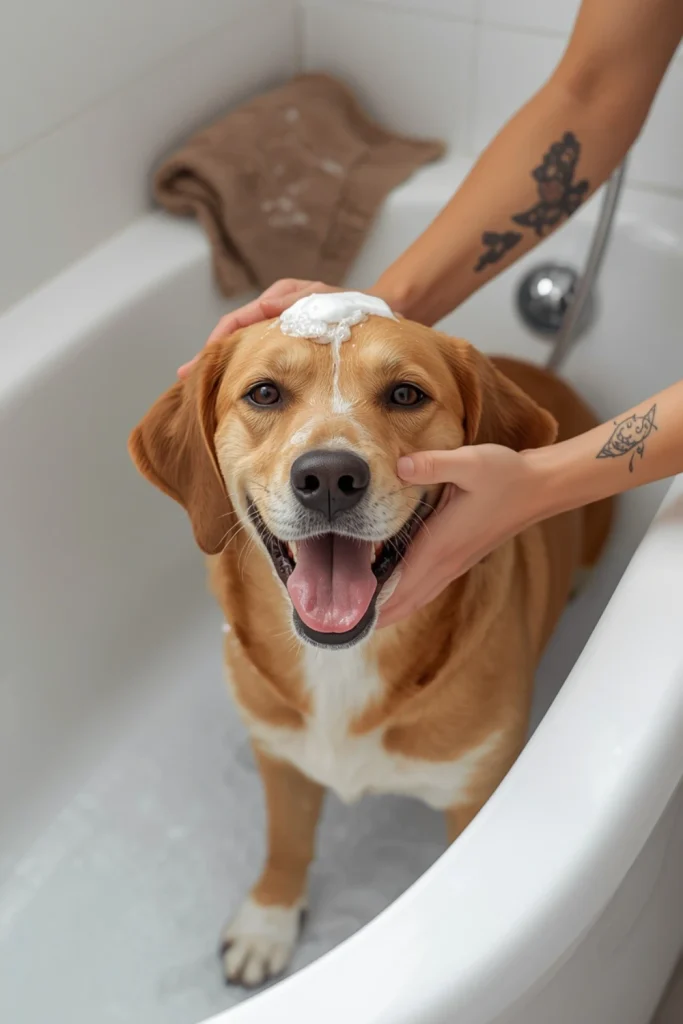
Bathing helps remove dirt, odors, and buildup from your dog’s coat, but frequent bathing is not necessary for every dog. The right bathing schedule depends on coat type, activity level, skin condition, and advice from your veterinarian. Dogs that spend lots of time outdoors may need baths more often than dogs that mostly stay indoors. However, bathing too frequently can remove natural oils and may contribute to dry or irritated skin in some dogs.
Use lukewarm water and a shampoo specifically formulated for dogs. Human shampoos and household cleaning products are not suitable substitutes because they may irritate your dog’s skin. Wet the coat thoroughly, apply shampoo according to its directions, and rinse carefully until no residue remains. Avoid getting shampoo into the eyes and ears. If your dog has persistent itching, redness, or unusual skin problems, speak with a veterinarian before changing its bathing routine.
5. Make Bath Time Calm and Positive
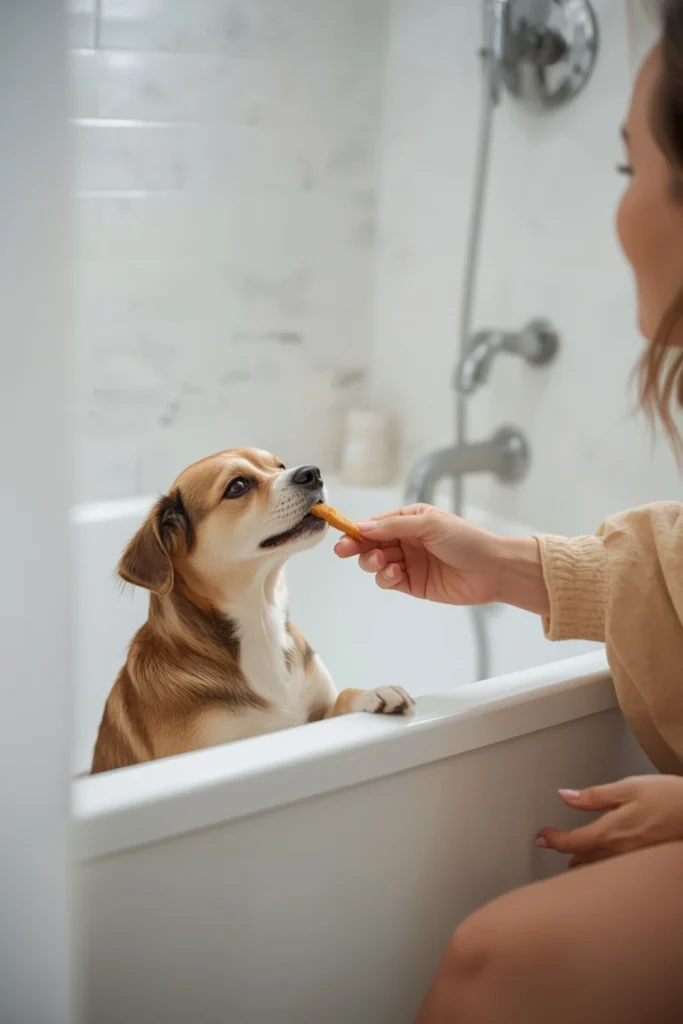
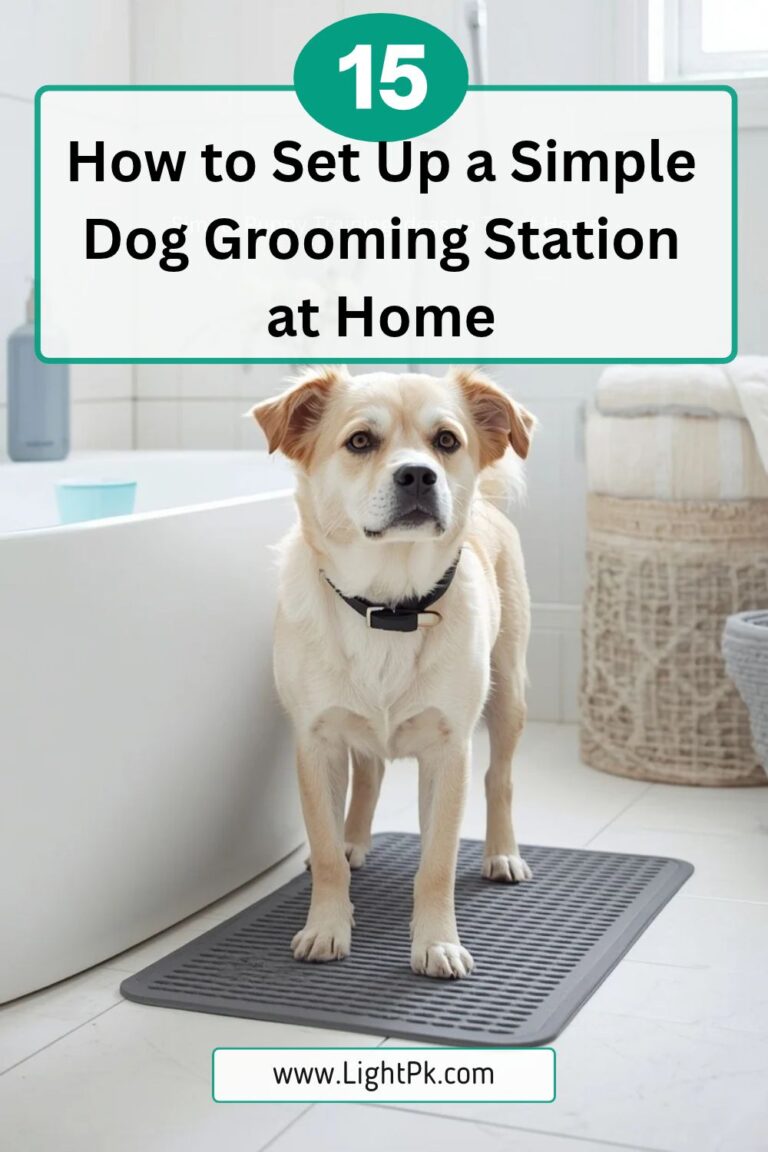
Some dogs enjoy water, while others feel nervous when they hear running taps or enter a bathtub. If your dog dislikes bathing, avoid forcing it into a stressful situation. Introduce the bathing area gradually and allow your pet to explore it without water first. You can reward calm behavior with small treats and gentle praise. A non-slip bath mat can also help your dog feel more secure and reduce the chance of slipping.
Keep bath time organized by preparing shampoo, towels, and other supplies before bringing your dog into the bathing area. Use a calm voice and gentle movements throughout the process. Keep the water at a comfortable temperature and avoid spraying your dog’s face directly. For particularly nervous dogs, shorter grooming sessions may work better than one long bath. If fear is severe, a veterinarian or qualified behavior professional can help you develop a suitable plan.
6. Dry Your Dog’s Coat Properly After Bathing
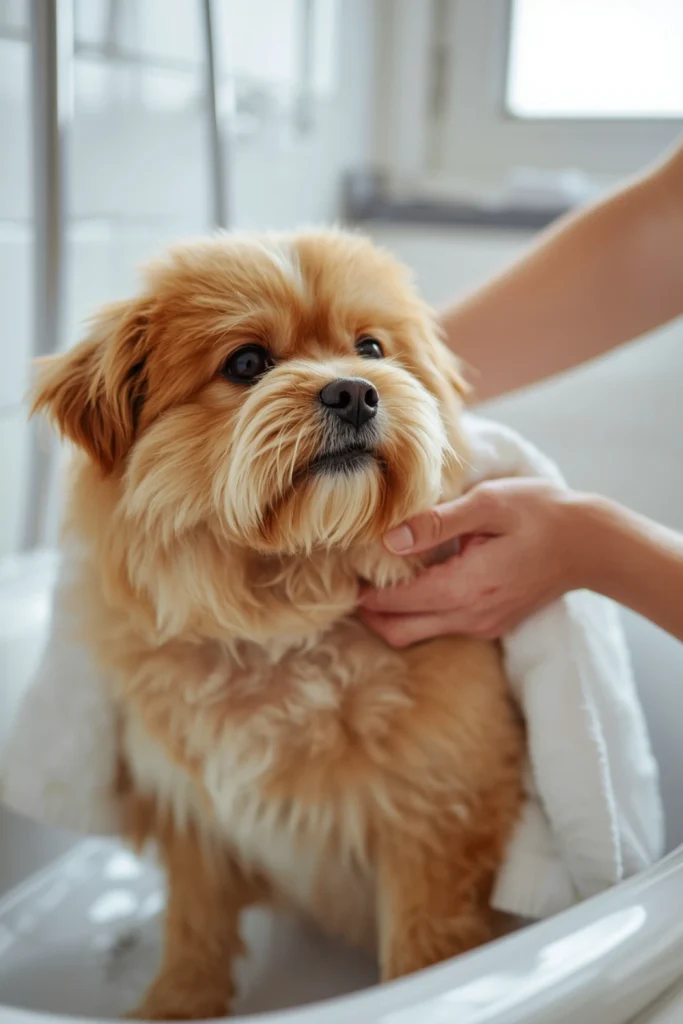
Drying is an important part of bathing because a damp coat can become uncomfortable and may develop an unpleasant smell if moisture remains trapped. Start by gently squeezing excess water from the coat with your hands, then use a clean, absorbent towel. Avoid rubbing aggressively, especially if your dog has long hair that can tangle easily. Pat the coat gently and replace the towel if it becomes too wet.
Some dogs can air-dry comfortably in a warm, well-ventilated room, while others may need additional drying. If you use a pet dryer, choose a suitable low-heat setting and keep it at a safe distance. Never direct hot air toward one spot or leave a dryer running unattended. Make sure your dog is comfortable with the noise before using it. Pay attention to areas where moisture may remain, such as beneath the legs and around the chest.
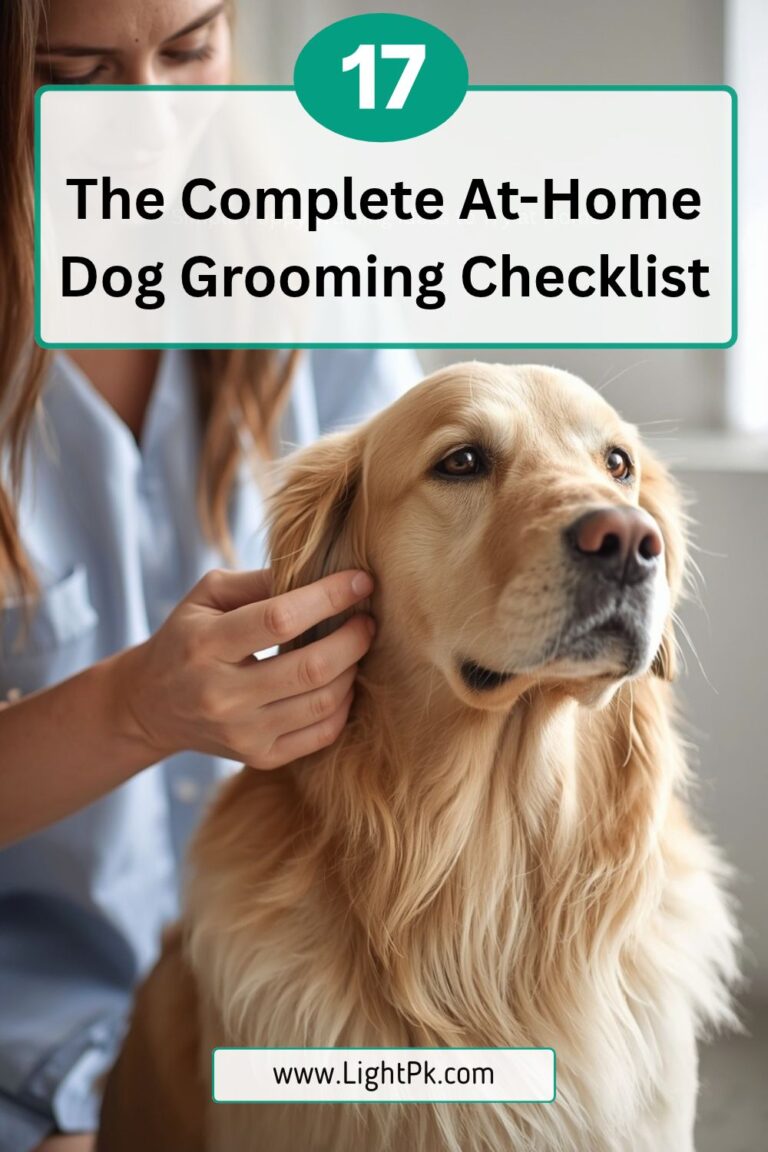
7. Check Your Dog’s Ears Regularly
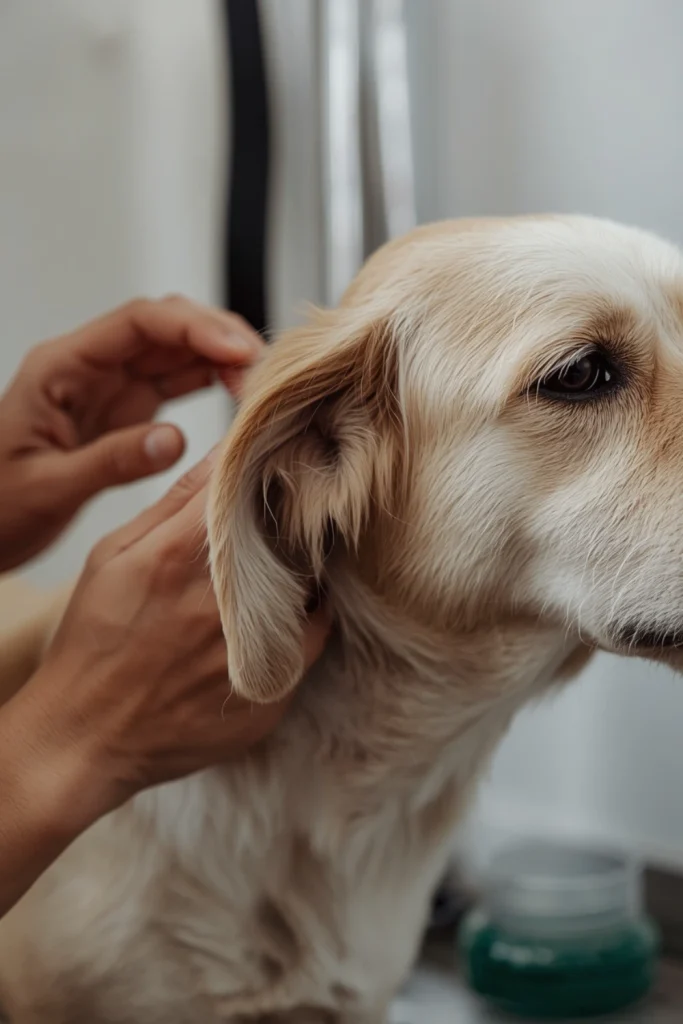
Ear care is an important part of a complete grooming routine. Some dogs, particularly those with floppy ears or heavy ear hair, may need more frequent checks than others. Look for visible dirt, unusual discharge, redness, swelling, or an unpleasant smell. Regular observation helps you notice changes early, but healthy ears do not necessarily need frequent cleaning. Over-cleaning can irritate the ear canal and may cause problems.
If cleaning is recommended, use a veterinarian-approved dog ear cleaner and follow the product directions. Gently wipe only the visible parts of the ear with a suitable cotton pad or soft gauze. Never push cotton swabs or other objects deep into the ear canal. If your dog repeatedly shakes its head, scratches its ears, shows pain, or has discharge or a strong odor, arrange a veterinary examination instead of trying to treat the problem yourself.
8. Keep Your Dog’s Nails at a Comfortable Length
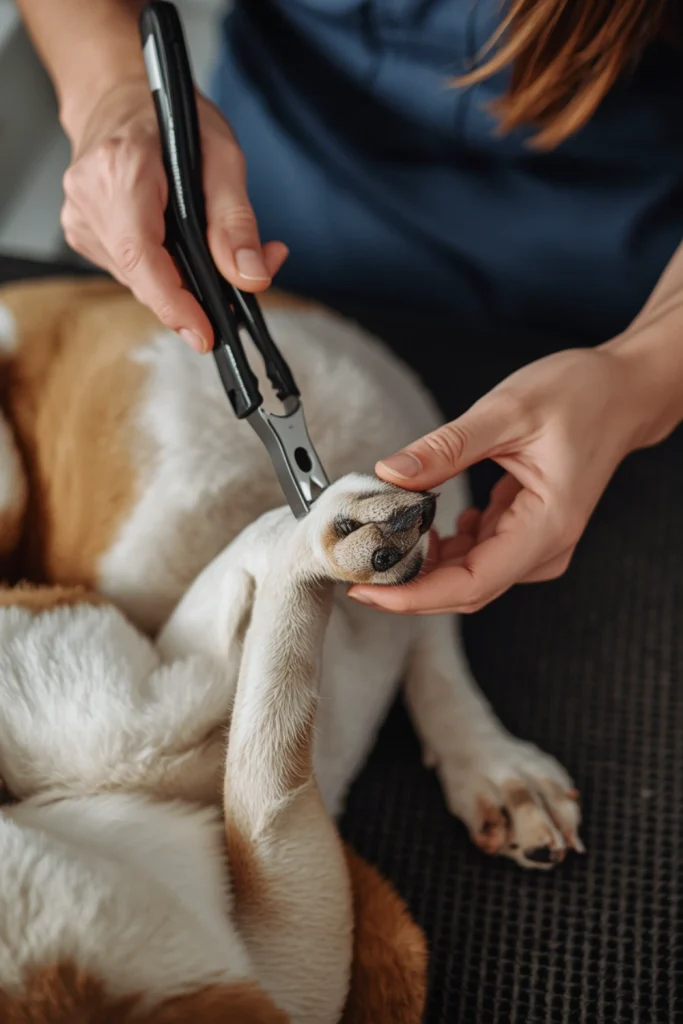
Long nails can make walking uncomfortable and may affect how your dog places its paws on the ground. Regular nail checks help you decide when trimming is needed. Some active dogs naturally wear down their nails on suitable walking surfaces, while others need more frequent trimming. Check all paws, including the dewclaws if your dog has them, because these nails may not touch the ground and can become overgrown.
Use nail clippers or a grinder designed specifically for dogs. Trim only small amounts at a time and learn where the quick is located. The quick contains blood vessels and nerves, so cutting into it can cause pain and bleeding. If your dog has dark nails and you cannot clearly identify the quick, ask a groomer or veterinarian to demonstrate safe trimming. Never rush the process. If your dog is nervous, introduce the tool gradually and reward calm behavior.
9. Build a Regular Dental Care Routine
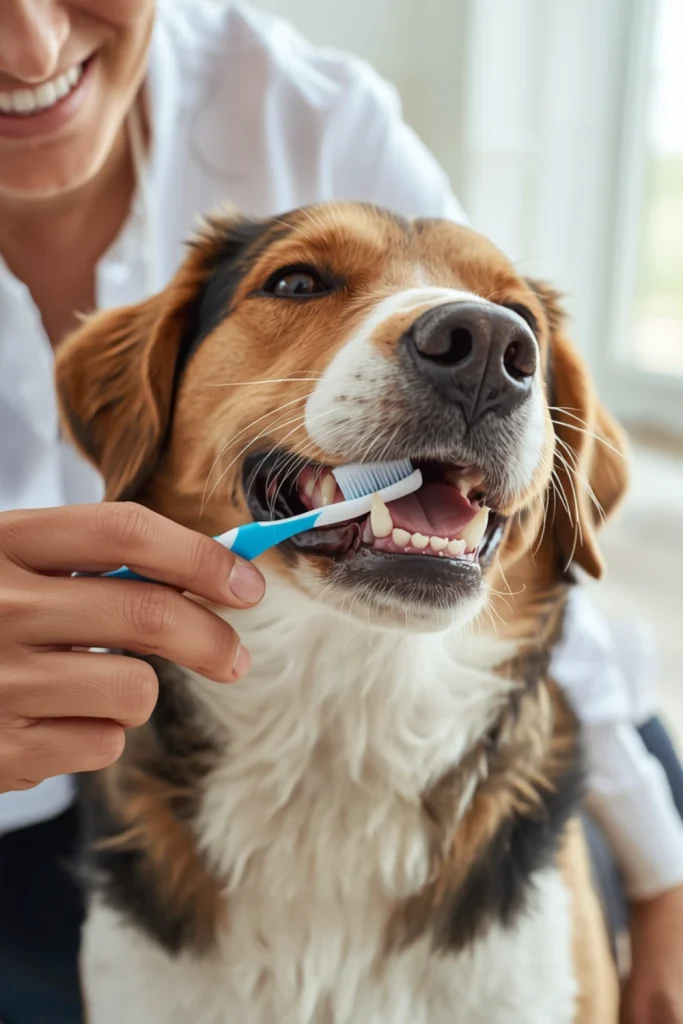
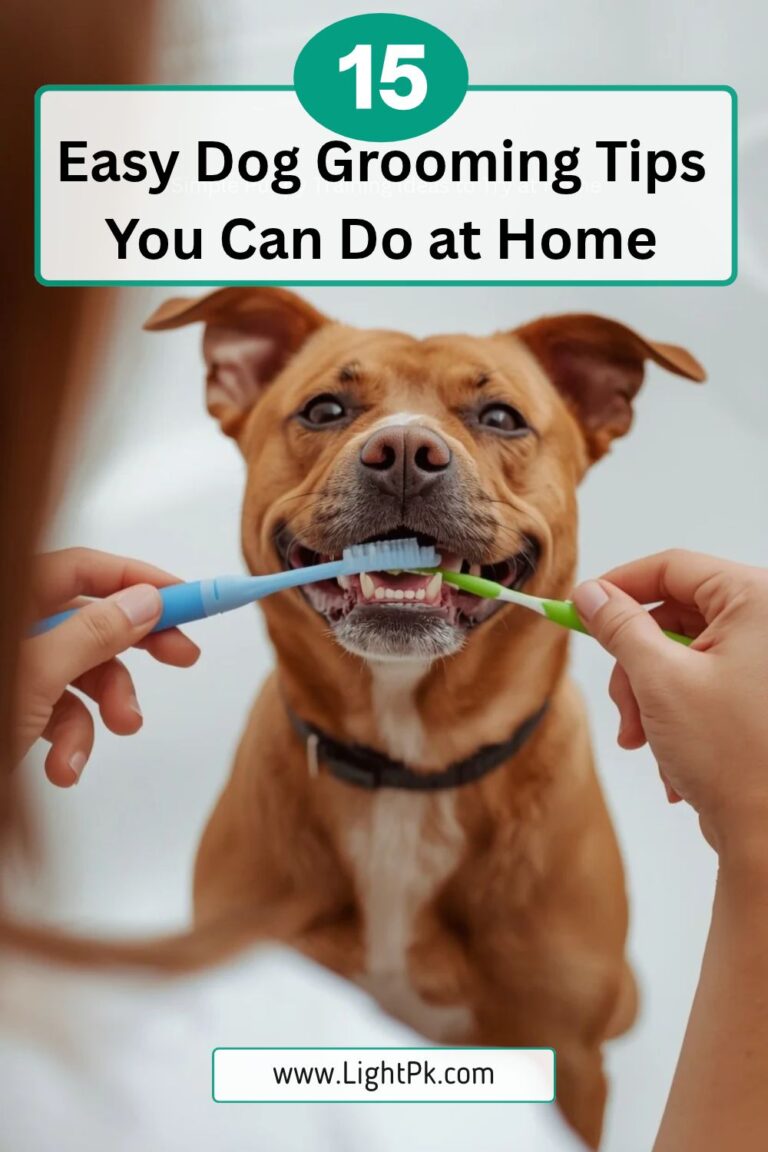
Dental hygiene is often overlooked when beginners think about dog grooming, but it is an important part of everyday care. Food particles and plaque can build up on teeth, contributing to bad breath and dental problems. Brushing your dog’s teeth regularly with a pet toothbrush and dog-specific toothpaste can help maintain oral hygiene. Never use human toothpaste because some ingredients may be unsafe for dogs.
Introduce toothbrushing gradually. Begin by letting your dog smell the toothbrush and taste a small amount of dog toothpaste. Once your pet is comfortable, gently lift the lips and brush a few teeth at a time. Gradually increase the duration as your dog becomes more relaxed. Dental chews and veterinarian-approved oral care products may provide additional support, but they do not replace professional dental examinations. Contact your veterinarian if you notice bleeding gums, loose teeth, swelling, or difficulty eating.
10. Clean Your Dog’s Paws After Outdoor Activities
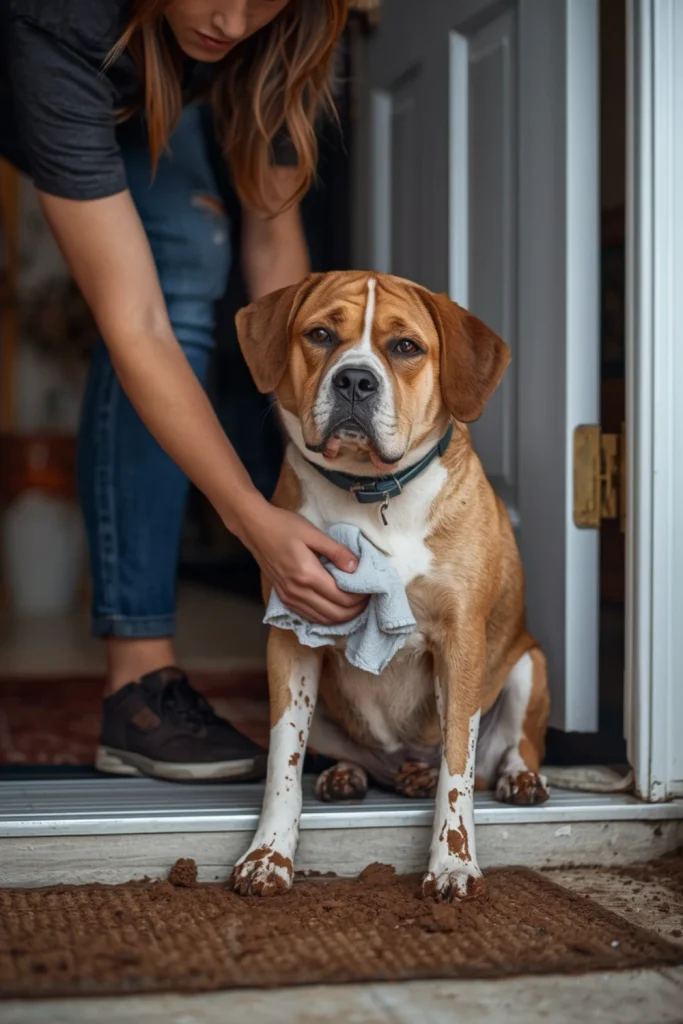
Your dog’s paws come into contact with dirt, dust, mud, grass, and other outdoor materials every day. Cleaning them after walks can help keep your home cleaner and gives you an opportunity to check for small injuries or trapped debris. Pay attention to the spaces between the toes, paw pads, and the area around the nails. If your dog walks on rough surfaces, inspect its paws more carefully for cracks, cuts, or irritation.
Use a soft, damp cloth or a pet-safe paw-cleaning product when necessary. Avoid harsh household cleaners, strong fragrances, and products that are not intended for dogs. Dry the paws gently after cleaning, particularly between the toes. During cold or hot weather, check for signs of discomfort after walks because extreme surfaces may irritate paw pads. If you notice swelling, persistent licking, limping, or a wound, consult your veterinarian.
11. Check Your Dog’s Eyes Gently
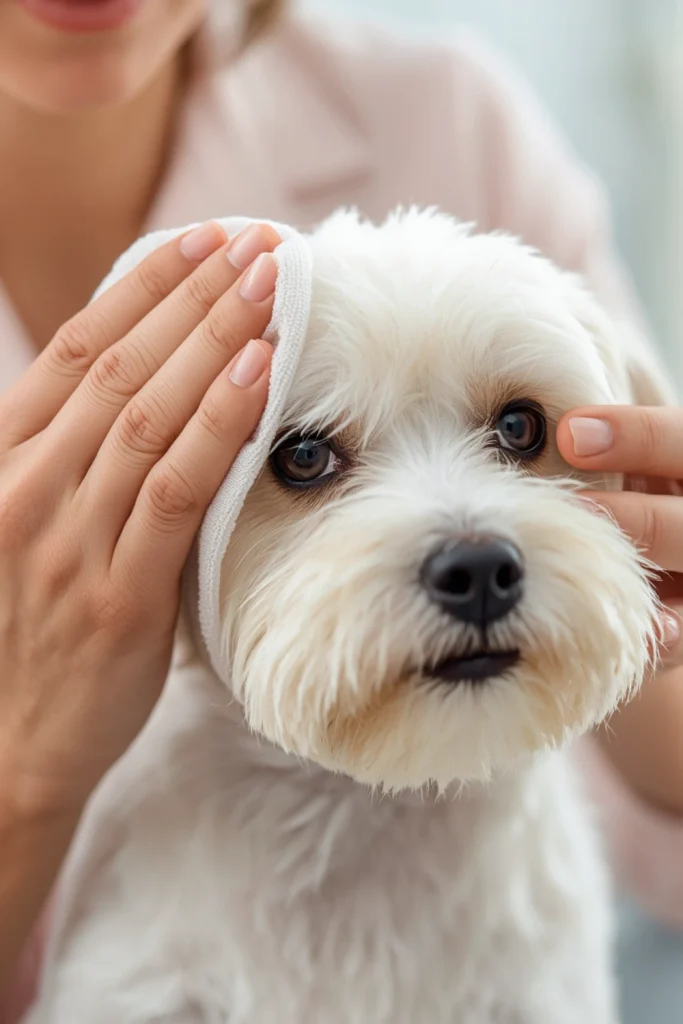
A dog’s eyes should be checked during routine grooming so you can notice visible changes. Some dogs naturally develop small amounts of tear staining or eye discharge, especially around the inner corners. However, excessive discharge, redness, swelling, cloudiness, or frequent rubbing may indicate a problem that needs veterinary attention. Breeds with prominent eyes or facial folds may need more frequent observation.
To clean ordinary dirt around the eyes, use a clean, soft, damp cloth or a product specifically recommended for the eye area. Wipe gently around the outside of the eye without touching the eyeball. Use a separate clean section of cloth for each eye to avoid transferring dirt. Never use household cleaning products, alcohol, or unapproved solutions near your dog’s eyes. If your dog squints, keeps an eye closed, or appears to be in pain, seek veterinary care promptly.
12. Learn How to Handle Tangles and Mats
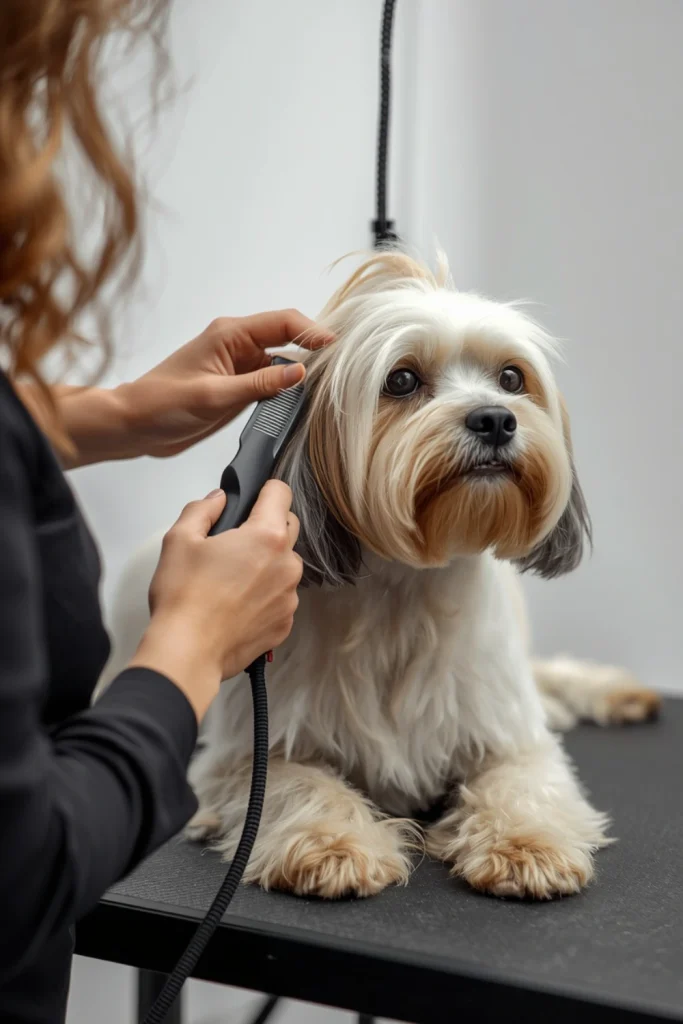
Tangles can develop when loose hair becomes trapped in the coat. They are especially common in long-haired and curly-coated dogs, particularly around the ears, collar area, legs, tail, and places where the coat rubs together. Small tangles may be manageable with a suitable comb or detangling product made for dogs. Regular brushing is the best way to reduce the chance of mats becoming difficult to remove.
Never pull hard on a knot or try to cut a tight mat close to the skin with household scissors. A dog’s skin can become caught in the mat, making accidental cuts possible. If the mat is large, tight, or close to the skin, contact a professional groomer. Severe matting can cause discomfort and may hide skin problems. Ask your groomer to show you how to prevent recurring tangles and which brush or comb is best for your dog’s coat.
13. Choose Dog-Safe Grooming Products
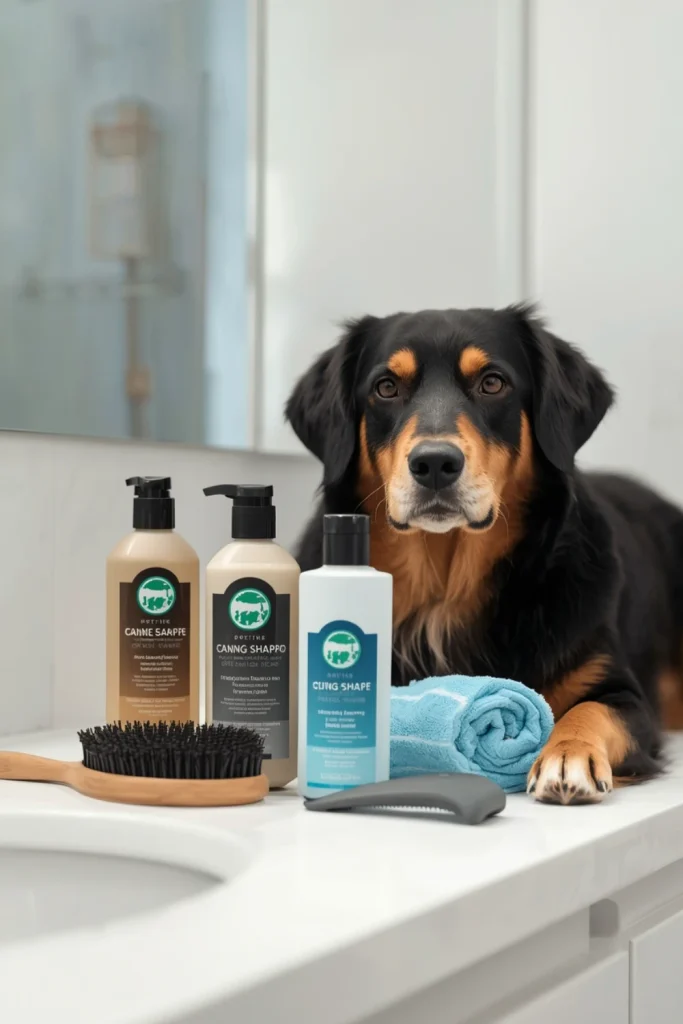
Beginners sometimes assume that any shampoo, soap, conditioner, or cleaning product can be used on a dog. This is not a safe approach. Dogs have different skin and coat needs from humans, so products should be formulated for canine use. Choose a mild dog shampoo suitable for your pet’s coat and skin. If your dog has allergies, sensitive skin, or a diagnosed skin condition, ask your veterinarian which products are appropriate.
Read product labels and follow the instructions carefully. Avoid using products with unclear ingredients or strong fragrances that may irritate your dog. Do not apply flea treatments, medicated shampoos, conditioners, or essential-oil products unless they are appropriate for your dog and used according to professional advice. Keep grooming products stored safely away from pets and children. Using fewer suitable products is often better than experimenting with many different items.
14. Groom Your Dog in Short, Regular Sessions
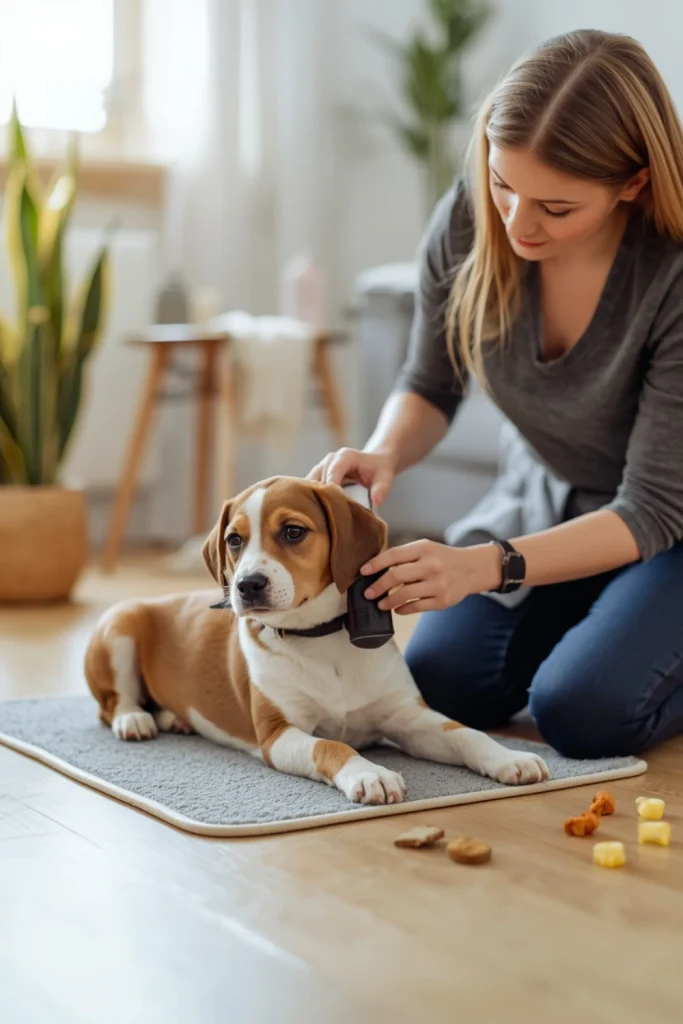
Long grooming sessions can be tiring or stressful, especially for puppies and dogs that are not used to being handled. Instead of trying to complete everything at once, divide grooming into smaller sessions. You might brush the coat one day, check the paws another day, and practice handling the ears or teeth during a separate session. Short sessions can help your dog become familiar with the process without feeling overwhelmed.
Choose a quiet area where your dog feels safe and comfortable. Keep the first sessions simple and finish before your pet becomes frustrated. Use treats, praise, and gentle handling to build positive associations. As your dog becomes more confident, you can gradually increase the time spent grooming. If your pet shows signs of fear, discomfort, or pain, stop and consider whether the technique or tool needs to change.
15. Start Grooming Training When Your Dog Is Young
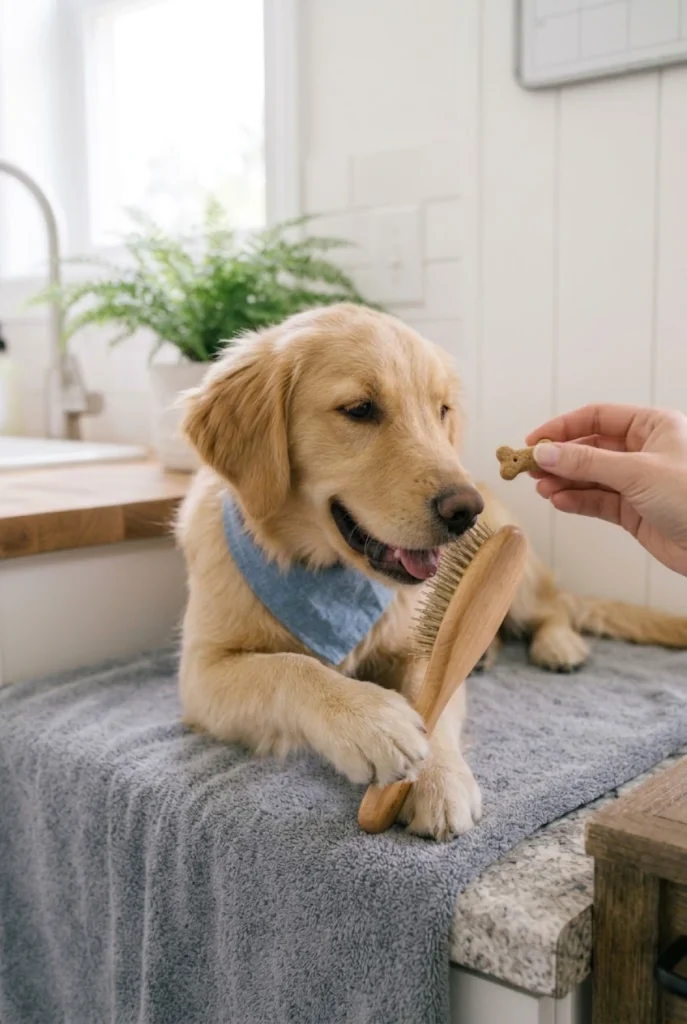
Puppies benefit from gentle introductions to grooming because early positive experiences can make future care easier. Start by allowing your puppy to explore grooming tools while they are switched off or not being used. Reward calm behavior when you gently touch the paws, ears, tail, and body. These small exercises help your puppy become familiar with ordinary handling and reduce the surprise of future grooming sessions.
Do not expect a young puppy to tolerate a complete grooming routine immediately. Keep early experiences brief and enjoyable. Avoid restraining your puppy unnecessarily or forcing it to remain still when it is frightened. If you adopt an adult dog that has never experienced grooming, use the same gradual approach. Some dogs may need extra time, and professional guidance can help when handling or grooming causes significant anxiety.
16. Be Careful When Trimming Hair Around Sensitive Areas
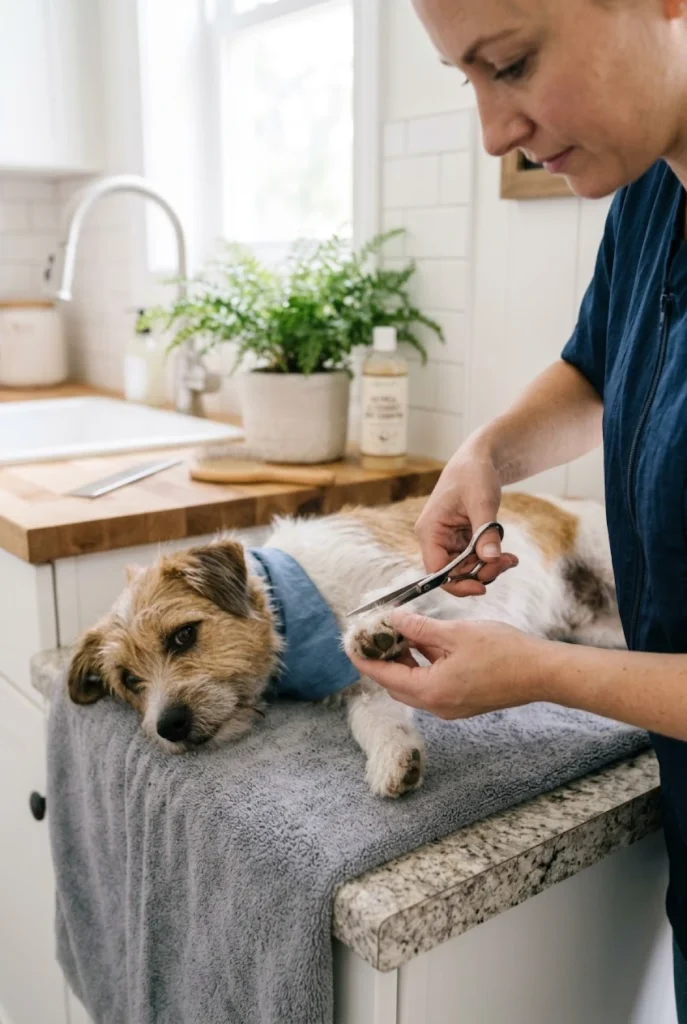
Some dogs need occasional trimming around the eyes, paws, sanitary area, or other places where hair can collect dirt. These areas are sensitive, so beginners should be especially careful. Use only suitable grooming tools and avoid moving sharp scissors close to the skin, eyes, or other delicate parts of the body. If your dog moves suddenly, an accidental injury can happen very quickly.
If you are unfamiliar with trimming sensitive areas, it is safer to leave the task to a professional groomer. You can still keep the area clean by gently wiping away visible dirt with a suitable damp cloth when appropriate. Never pull hair or cut mats close to the skin. Ask a groomer to demonstrate safe techniques and explain which areas should be maintained at home and which are better handled professionally.
17. Inspect Your Dog’s Skin During Grooming
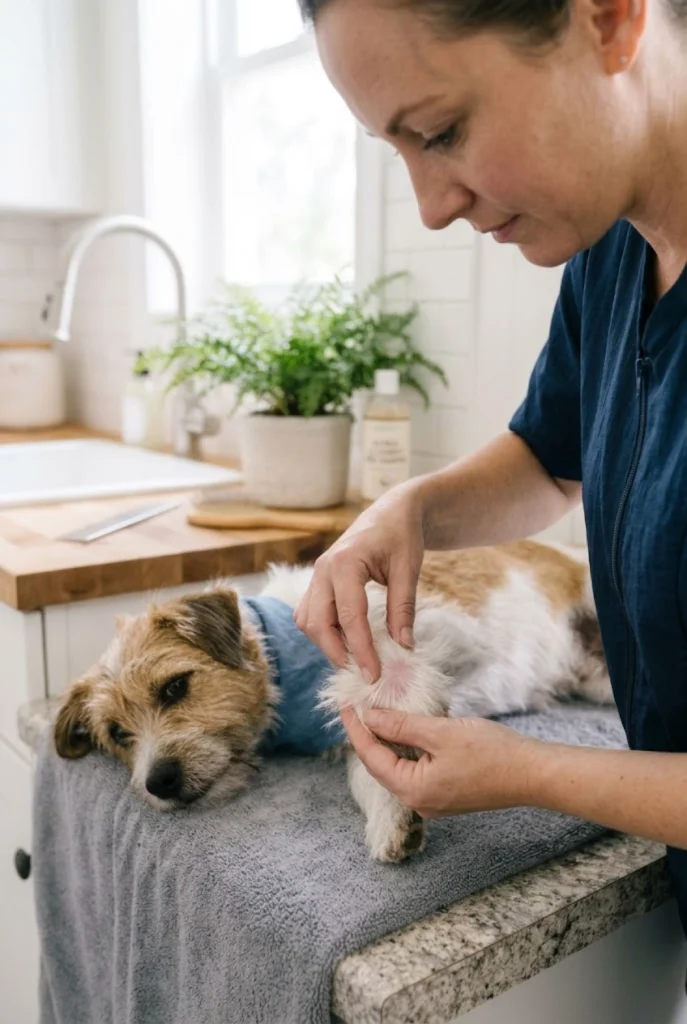
Grooming gives you an opportunity to observe your dog’s skin beneath the coat. Look for unusual redness, dry patches, scabs, swelling, bald spots, parasites, or areas that your dog repeatedly scratches or licks. Finding a change does not automatically mean something serious is wrong, but noticing it early can help you decide whether veterinary advice is needed. Dogs with thick coats may require careful brushing to make the skin easier to observe.
Be gentle when checking the skin and avoid scratching or pressing irritated areas. Do not apply human creams, antiseptics, or medication without veterinary guidance. If you find a tick or other parasite, use an appropriate removal method and ask your veterinarian for advice about prevention. Persistent itching, hair loss, sores, unusual odors, or painful skin should be examined by a veterinarian rather than treated through grooming products alone.
18. Keep Grooming Tools Clean and Organized
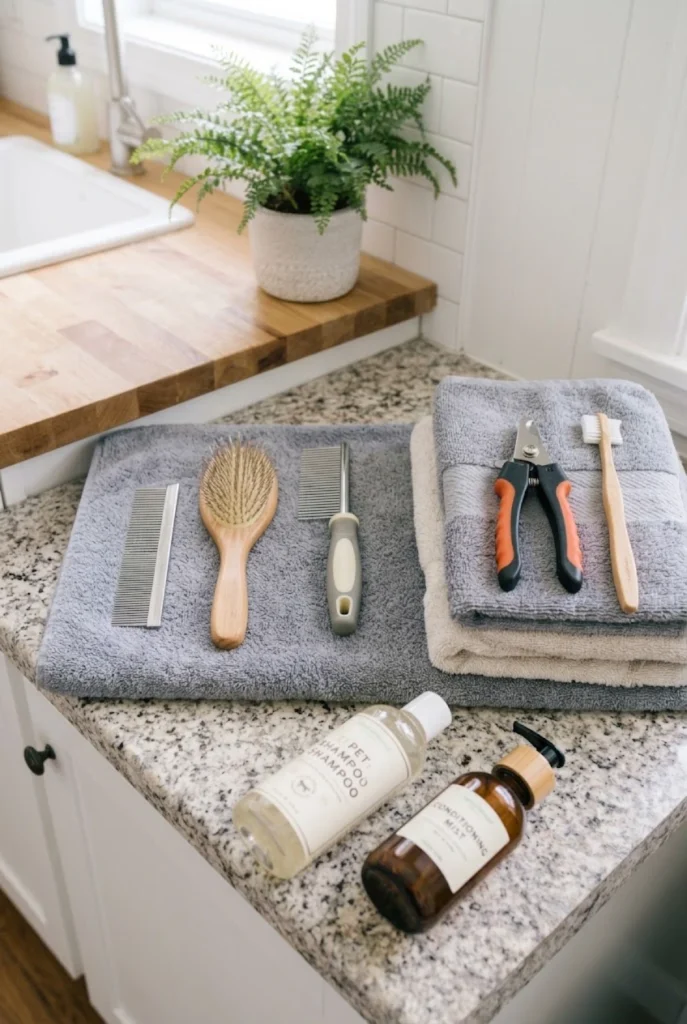
Clean grooming tools help make each session more hygienic and comfortable. Brushes and combs collect loose hair, dust, and dirt, so remove trapped fur after use. Wash reusable tools according to their care instructions and allow them to dry completely before storing them. Nail clippers and other equipment should also be kept clean and checked regularly for damage or dull edges.
Create a dedicated storage area for your dog’s grooming supplies. Keep shampoos, brushes, towels, nail tools, and dental products together so you can find them easily. Store sharp equipment and cleaning products out of your dog’s reach. Replace damaged brushes, broken combs, or tools with rough edges that could scratch the skin. A clean and organized grooming kit saves time and helps you maintain a more consistent routine.
19. Know When to Visit a Professional Groomer
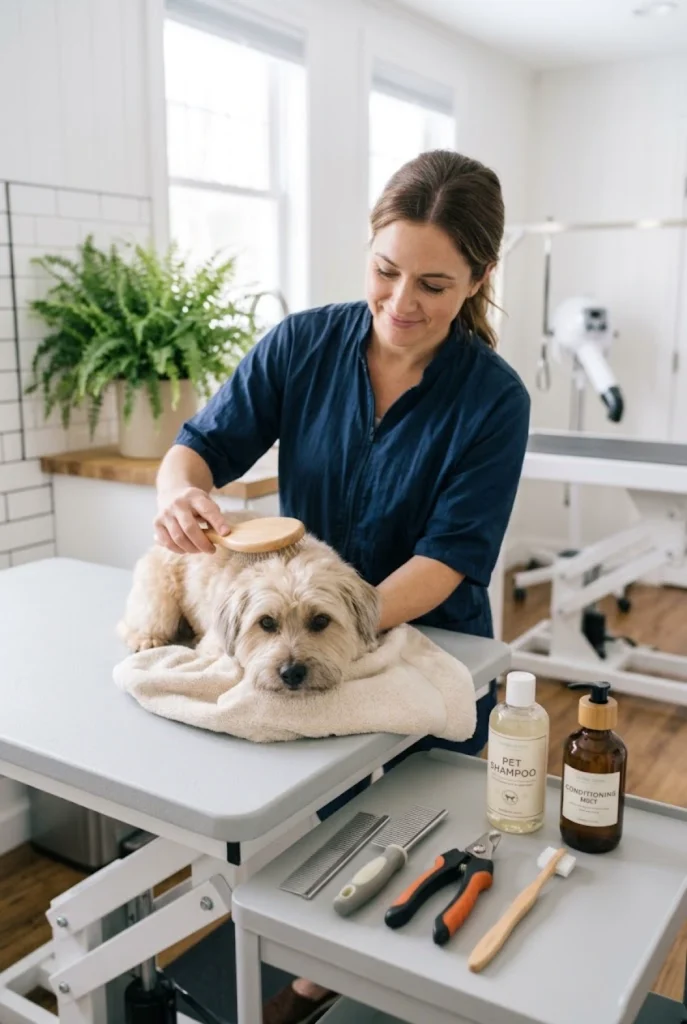
Home grooming is useful for everyday maintenance, but some tasks are best handled by an experienced professional. Dogs with complicated coat types, severe mats, difficult nail trims, or strong grooming anxiety may need help from a qualified groomer. Professional groomers have suitable equipment and experience working with different breeds. They can also show you how to brush your dog correctly and maintain its coat between appointments.
Choose a groomer who handles dogs gently, explains the services being provided, and keeps the grooming environment clean. Ask about their experience with your dog’s breed or coat type. Let them know about any health concerns, sensitivities, or previous grooming difficulties. If your dog appears to have a skin infection, painful ears, eye problems, or another medical concern, consult a veterinarian rather than relying on a grooming appointment for treatment.
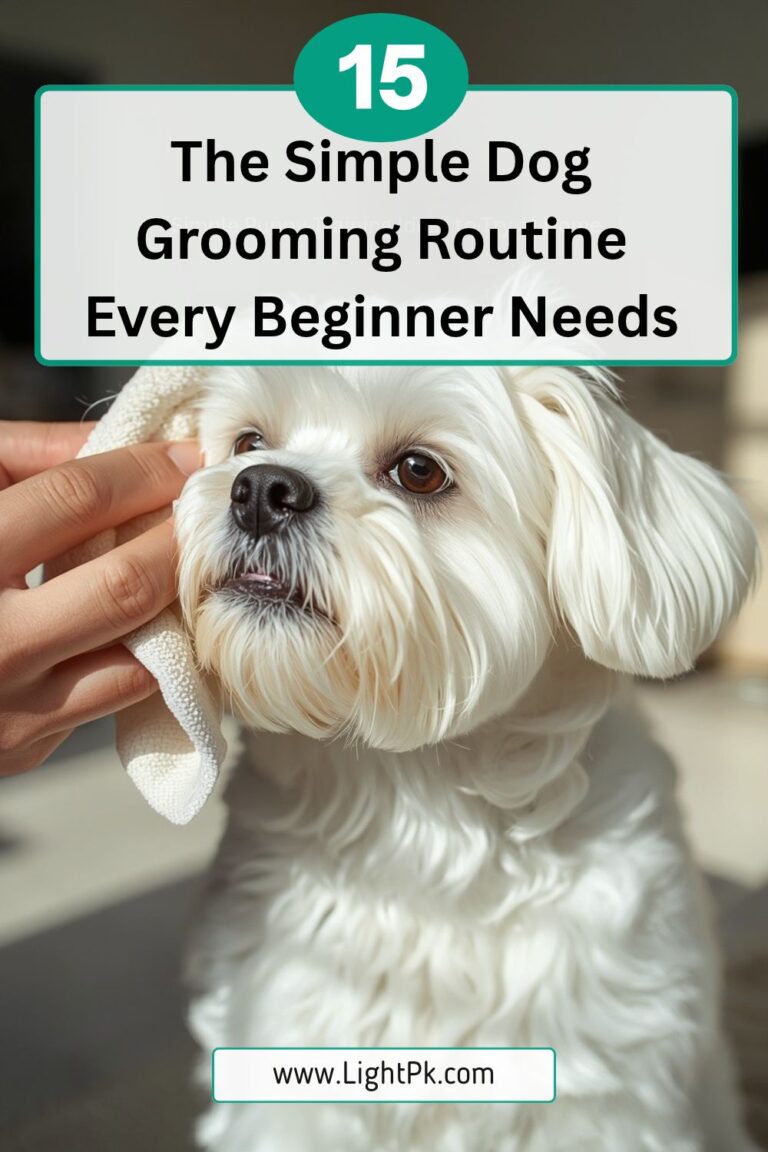
20. Create a Consistent Dog Grooming Schedule
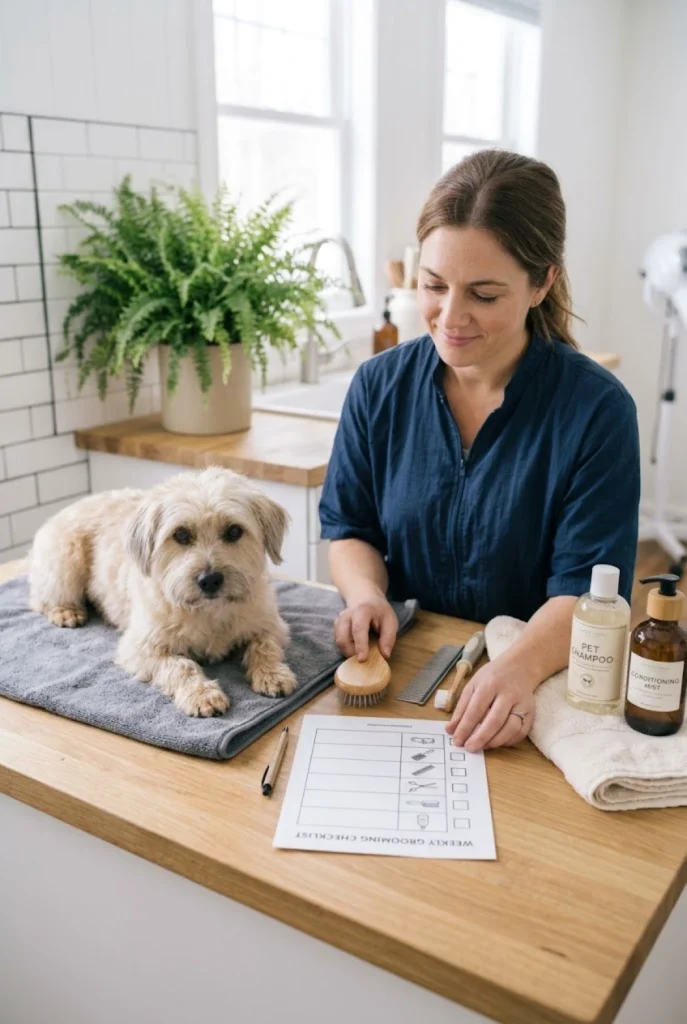
A simple grooming schedule can help beginners remember important tasks without making the process overwhelming. Write down the activities your dog needs, such as brushing, bathing, nail checks, ear observations, dental care, and paw cleaning. The frequency will depend on your dog’s coat, activity level, and individual needs. A long-haired dog may need daily brushing, while another dog may only need occasional coat maintenance.
Keep your schedule flexible because grooming needs can change with the seasons, weather, and your dog’s lifestyle. Check your dog’s coat and skin regularly rather than following a calendar blindly. For example, a muddy outdoor walk may require paw cleaning even if it is not part of your usual schedule. A consistent routine helps you notice changes and makes grooming a normal part of your dog’s life.
Final Thoughts
Learning how to groom your dog does not have to be difficult. The key is to understand your dog’s coat, choose suitable tools, and introduce grooming in a gentle and consistent way. Regular brushing, careful bathing, nail checks, dental care, and simple hygiene practices can help your pet stay comfortable and well cared for.
These 20 Dog Grooming Tips Every Beginner Should Know provide a practical starting point for building a routine at home. Remember that every dog is different, so adjust your approach according to your pet’s coat, age, comfort, and health. Be patient, reward positive behavior, and ask a professional groomer or veterinarian for help whenever a task feels difficult or unsafe. With time and practice, grooming can become a positive part of your dog’s everyday care.