12 Dog Shedding Season Tips Every Owner Should Know
Is your home covered in dog hair whenever the seasons change? Finding loose fur on your sofa, carpets, clothes, and floors can become frustrating, especially when your furry friend starts shedding more than usual. Seasonal shedding is a natural process, but with the right grooming habits, you can keep your dog’s coat healthy and your home much cleaner.
Every dog owner should understand how to care for a pet during seasonal coat changes. Following the right Dog Shedding Season Tips can help remove loose hair, maintain healthy skin, and make grooming more comfortable for your dog. From choosing the correct brush to adjusting your bathing routine, these 12 practical tips will help you manage seasonal shedding at home.
1. Increase Brushing During Shedding Season
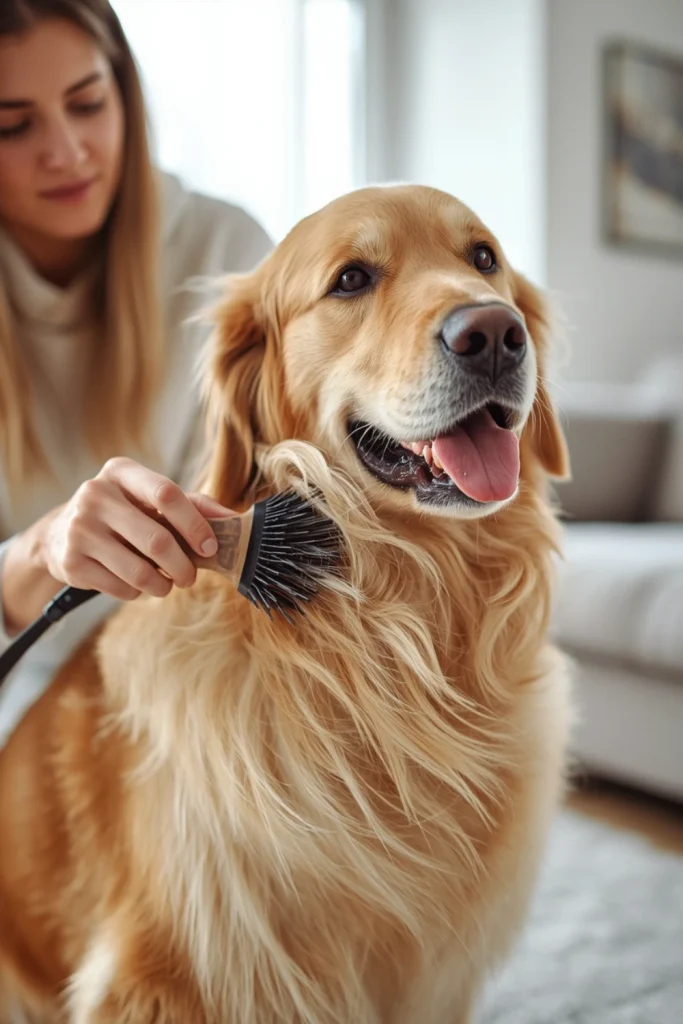
One of the best ways to manage seasonal shedding is to increase brushing when your dog starts losing more hair. Regular brushing removes loose undercoat fur before it spreads across your furniture, carpets, and clothing. It also helps remove dirt and distribute natural oils throughout the coat, supporting healthy skin and a shiny appearance. Dogs with thick or double coats may benefit from more frequent grooming during seasonal changes.
Adjust brushing frequency according to your dog’s breed and coat type. Some dogs need daily brushing during heavier shedding periods, while others may only require several sessions each week. Use gentle strokes and avoid pulling tangled hair. Keep grooming sessions comfortable and reward your dog with praise so it develops a positive association with brushing.
2. Choose the Right Deshedding Brush
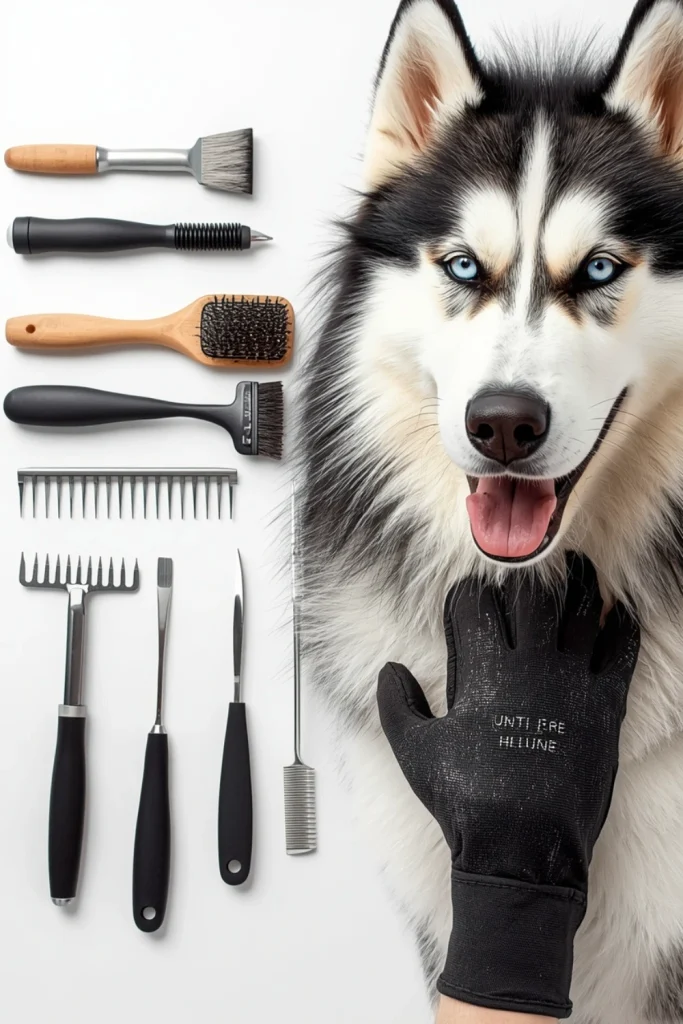
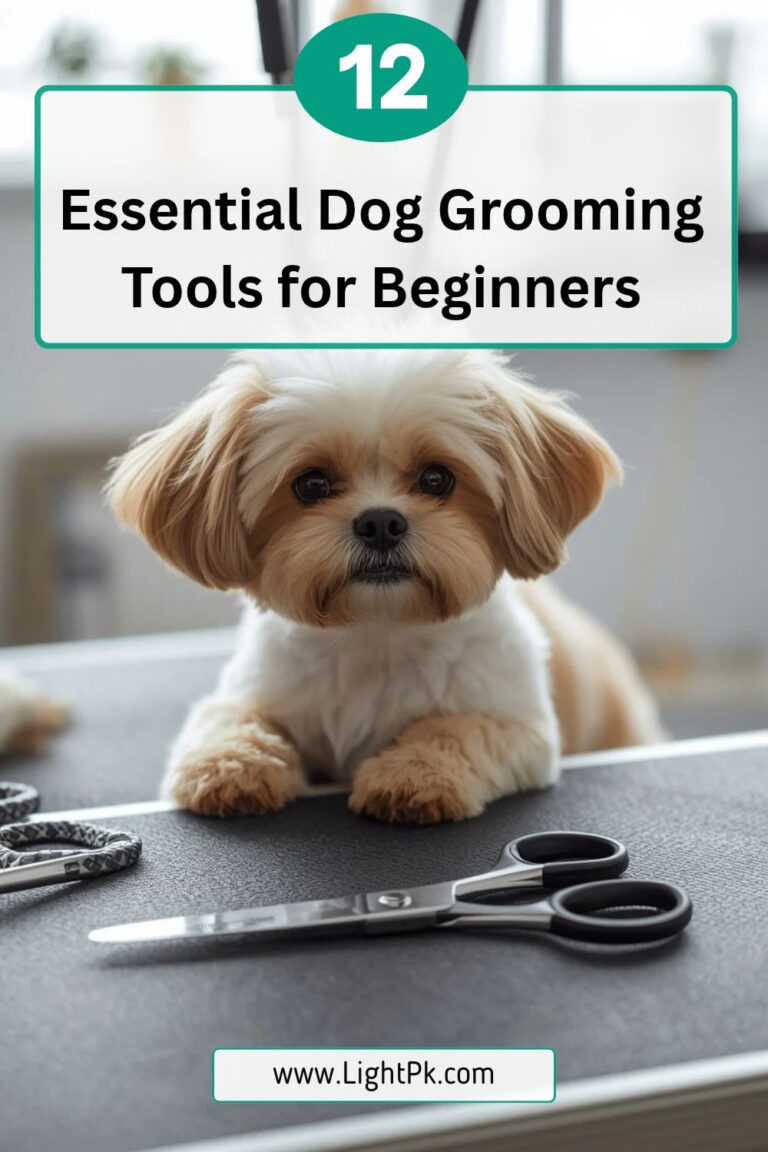
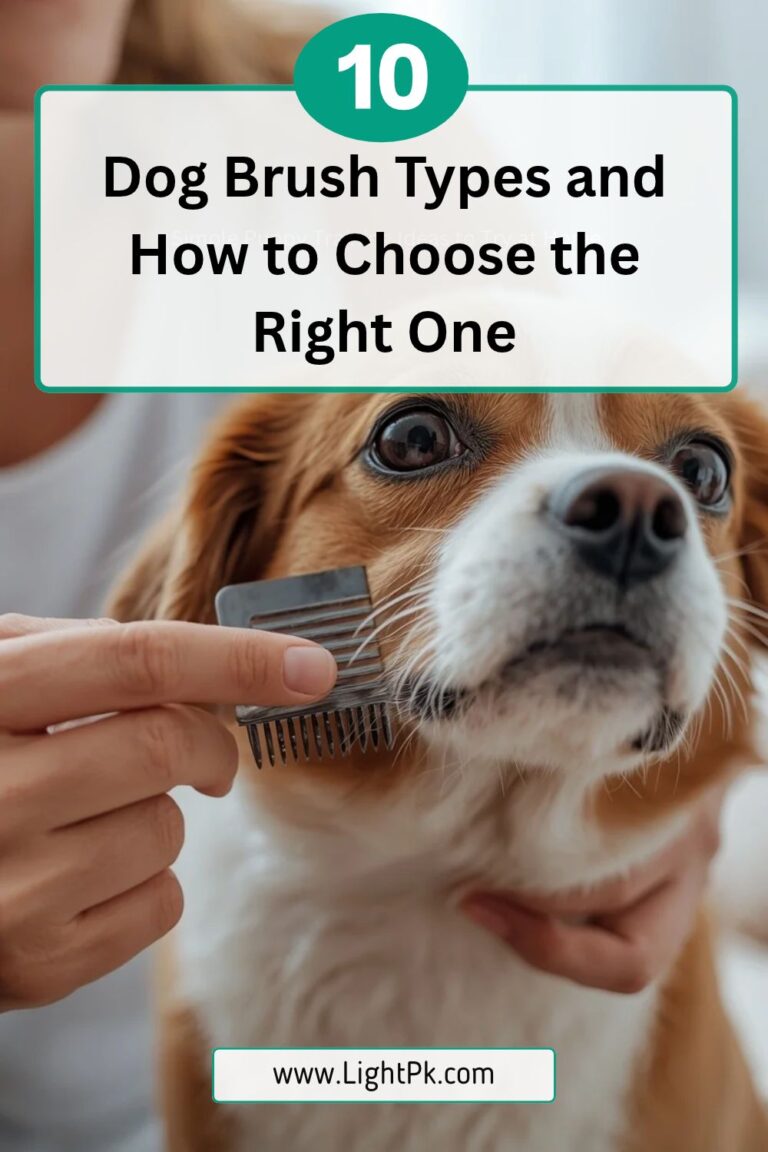
Choosing the correct brush can make seasonal grooming much easier. Different grooming tools are designed for different coat structures. Undercoat rakes can help remove loose undercoat hair from suitable double-coated breeds, while slicker brushes are useful for many medium- and long-haired coats. Soft bristle brushes and grooming gloves may be more appropriate for certain short-haired dogs. The right tool helps remove loose hair without unnecessary pulling or irritation.
Before purchasing a deshedding brush, consider your dog’s hair length, coat thickness, and skin sensitivity. Read the manufacturer’s instructions and introduce the tool gradually. Avoid using sharp tools aggressively or repeatedly brushing the same area. If you are unsure which grooming equipment is appropriate, ask an experienced groomer or veterinarian for recommendations based on your dog’s individual coat.
3. Understand Your Dog’s Seasonal Shedding Pattern
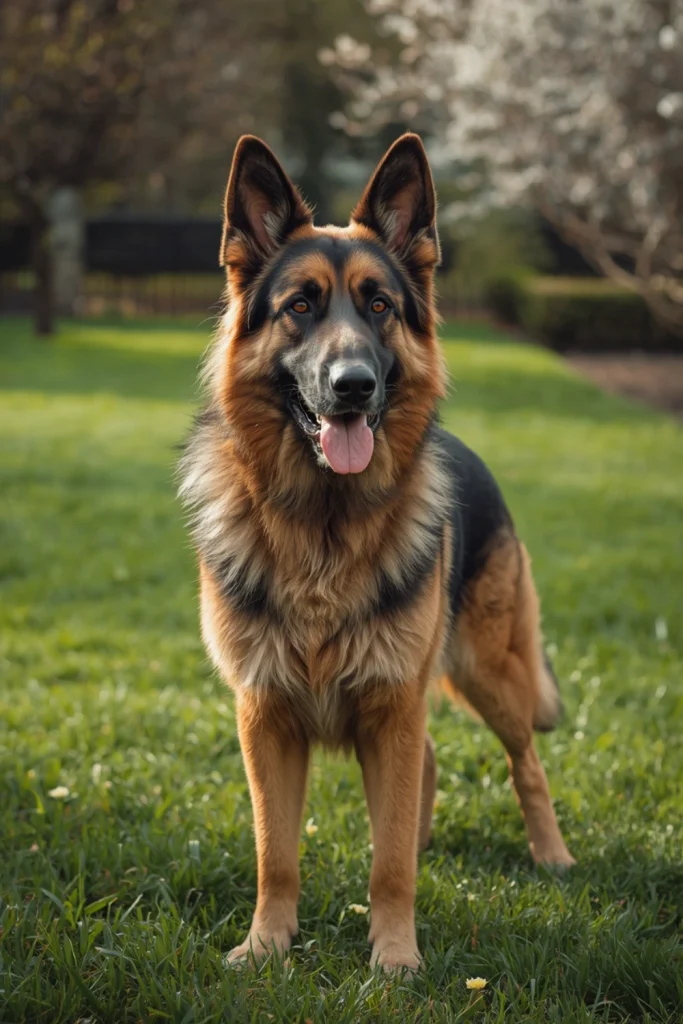
Understanding when and how your dog sheds can help you prepare for seasonal coat changes. Many double-coated breeds release more undercoat during spring and autumn. In spring, they may lose some of their thicker winter coat, while autumn changes can accompany preparation for colder weather. Knowing your dog’s normal pattern helps you adjust brushing frequency before loose hair becomes difficult to manage.
Observe your dog’s coat throughout the year and notice when shedding becomes heavier. You can keep simple notes about seasonal changes, grooming frequency, and coat condition. Remember that indoor living, artificial lighting, and temperature-controlled environments can influence shedding patterns. If your dog suddenly begins losing large amounts of hair outside its usual pattern, consult a veterinarian to rule out potential health problems.
4. Give Your Dog a Healthy and Balanced Diet
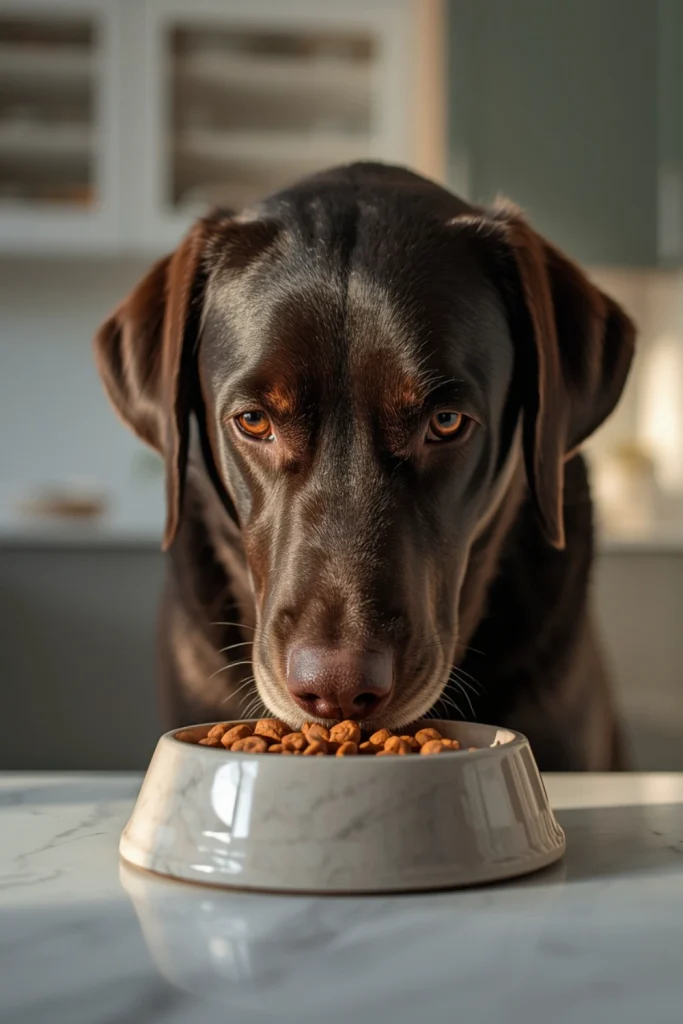
Proper nutrition is important throughout the year, especially when your dog’s coat is changing. A complete and balanced diet provides protein, essential fatty acids, vitamins, and minerals that support normal hair growth and healthy skin. Since hair is primarily made of protein, appropriate protein intake is important for maintaining coat condition. Poor nutrition may contribute to dry skin, a dull coat, and abnormal hair loss.
Choose dog food that meets your pet’s age, breed size, and activity requirements. Avoid making frequent dietary changes simply because shedding increases during spring or autumn. Normal seasonal shedding is not necessarily a sign that your dog needs a different food. If you notice poor coat quality or persistent skin problems, consult your veterinarian about possible nutritional adjustments.
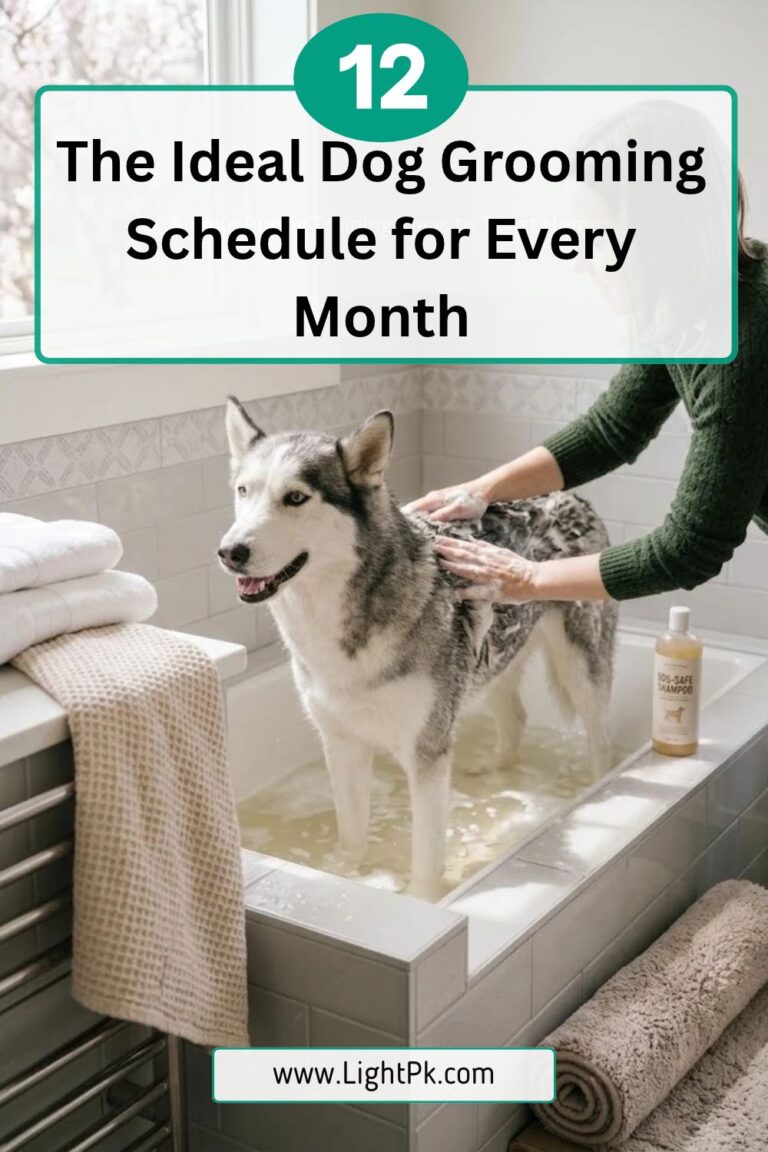
5. Bathe Your Dog With a Suitable Dog Shampoo
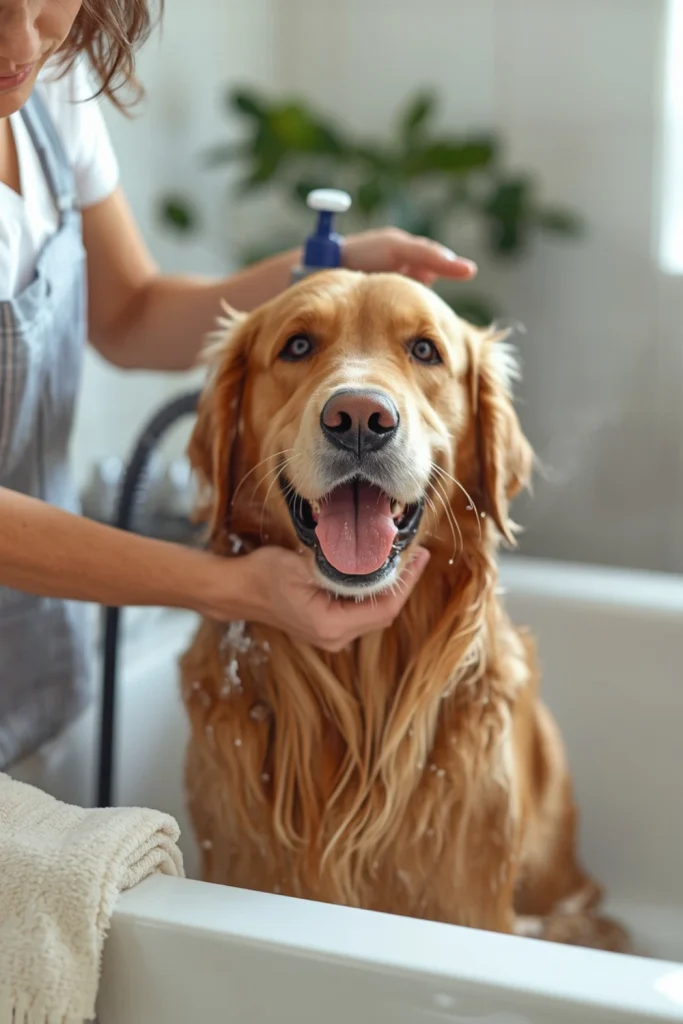
Bathing can help remove loose fur, dirt, and debris that collect in your dog’s coat during shedding season. A suitable dog shampoo cleans the coat and can make it easier to remove loose hair during brushing. Bathing may be particularly helpful for dogs that spend time outdoors or have thick coats that collect dirt. However, bathing does not stop the natural hair-growth cycle or eliminate seasonal shedding.
Use a gentle shampoo specifically formulated for dogs and rinse the coat thoroughly. Avoid bathing too frequently because excessive washing can remove natural skin oils and cause dryness. Your dog’s ideal bathing schedule depends on its breed, lifestyle, coat condition, and skin sensitivity. If your pet has allergies or a skin condition, ask your veterinarian about appropriate bathing products and frequency.
6. Keep Your Dog Properly Hydrated
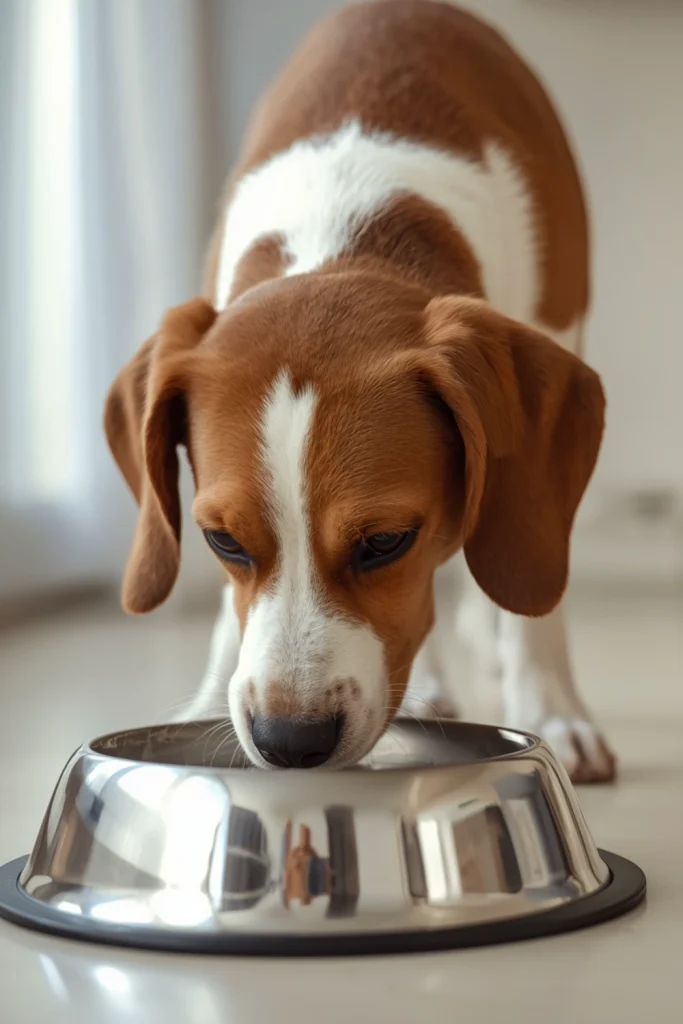
Fresh drinking water is essential for your dog’s overall health, including normal skin function. Although proper hydration does not directly stop seasonal shedding, it supports the body’s normal processes and helps maintain general well-being. During warmer spring weather, dogs may need more opportunities to drink, particularly after outdoor walks and playtime. Make sure your pet always has access to clean drinking water.
Place water bowls in convenient locations and replace the water regularly. Wash the bowls to prevent dirt and residue from collecting. During hot weather, pay particular attention to your dog’s water intake and provide a cool resting area. If you notice a sudden increase or decrease in thirst, contact your veterinarian because unusual drinking patterns may indicate an underlying health concern.
7. Use a Deshedding Tool Carefully
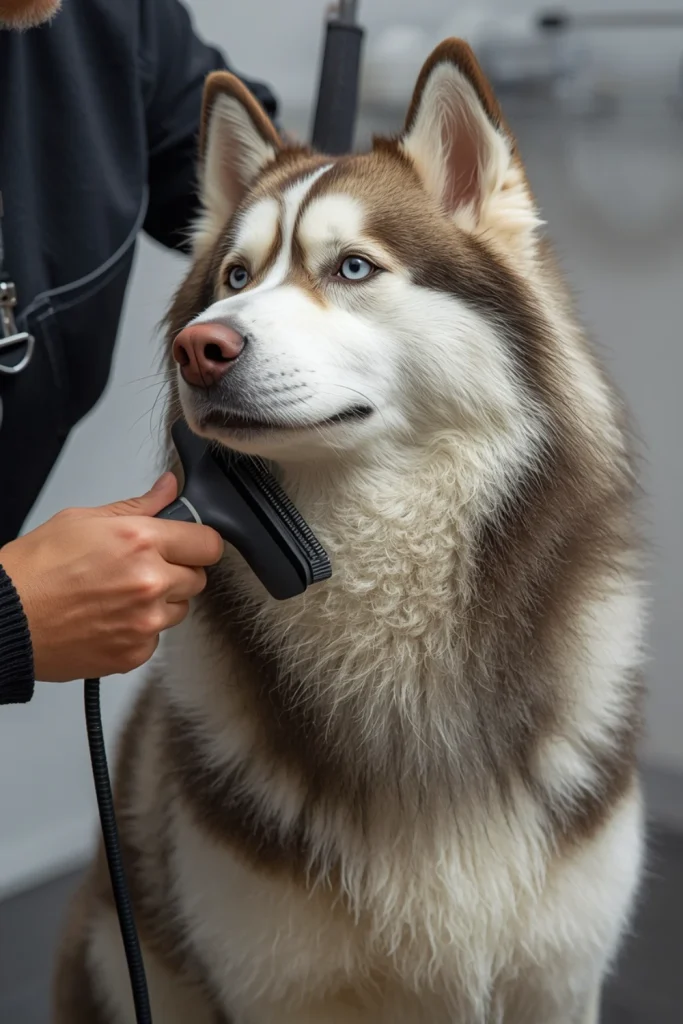
A suitable deshedding tool can help remove loose undercoat hair from certain breeds during seasonal coat changes. It is particularly useful for dogs with thick double coats that release large amounts of loose fur. When used correctly, the tool can collect hair before it falls around your home. This makes seasonal grooming sessions more manageable and helps keep your dog’s coat free from excessive loose undercoat.
However, deshedding tools should never be used aggressively. Excessive pressure or repeated brushing over one area can irritate the skin and damage the coat. Select a tool specifically designed for your dog’s coat type and follow its instructions. Dogs with fine, curly, or single-layer coats may need a different grooming method. If you are unsure, consult a professional groomer.
8. Keep Your Dog’s Bedding Clean
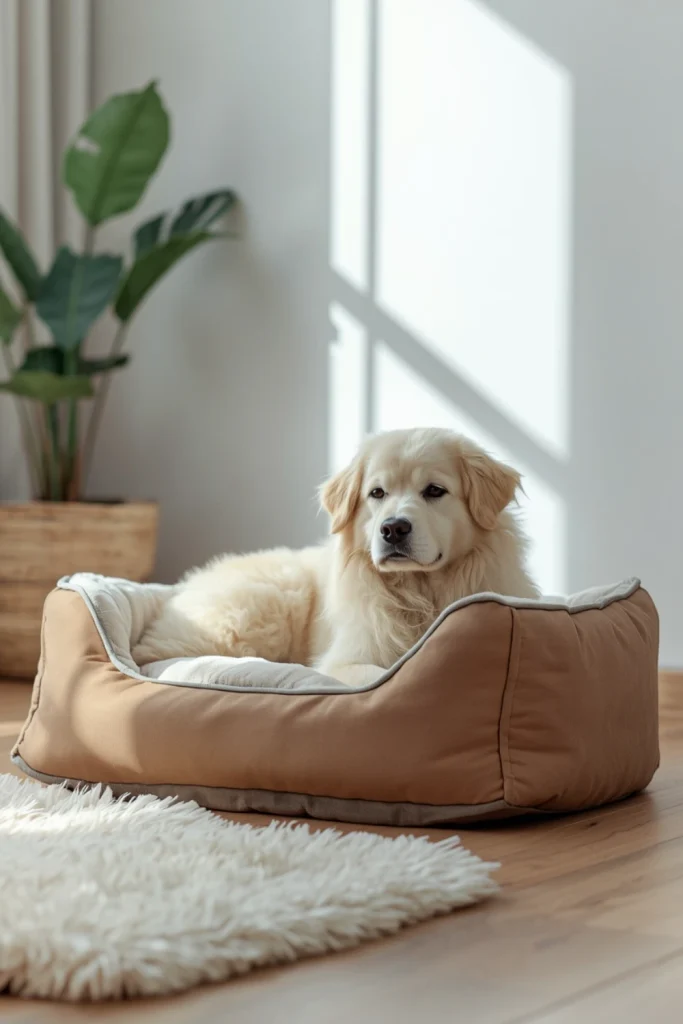
Your dog’s bed can collect a considerable amount of loose hair during shedding season. Since dogs spend many hours resting in the same place, fur gradually builds up on blankets, cushions, and bedding. Washing these items regularly helps remove accumulated hair, dirt, and dust. It also keeps your dog’s resting area fresh and comfortable throughout the year.
Choose bedding with removable covers that can be washed according to the manufacturer’s instructions. Vacuum the bed between washes to remove loose fur and dust. If your dog spends a lot of time on the sofa, consider using washable furniture covers as well. These simple cleaning habits prevent loose hair from spreading throughout your home and make seasonal shedding easier to manage.
9. Brush Your Dog Before and After Bathing
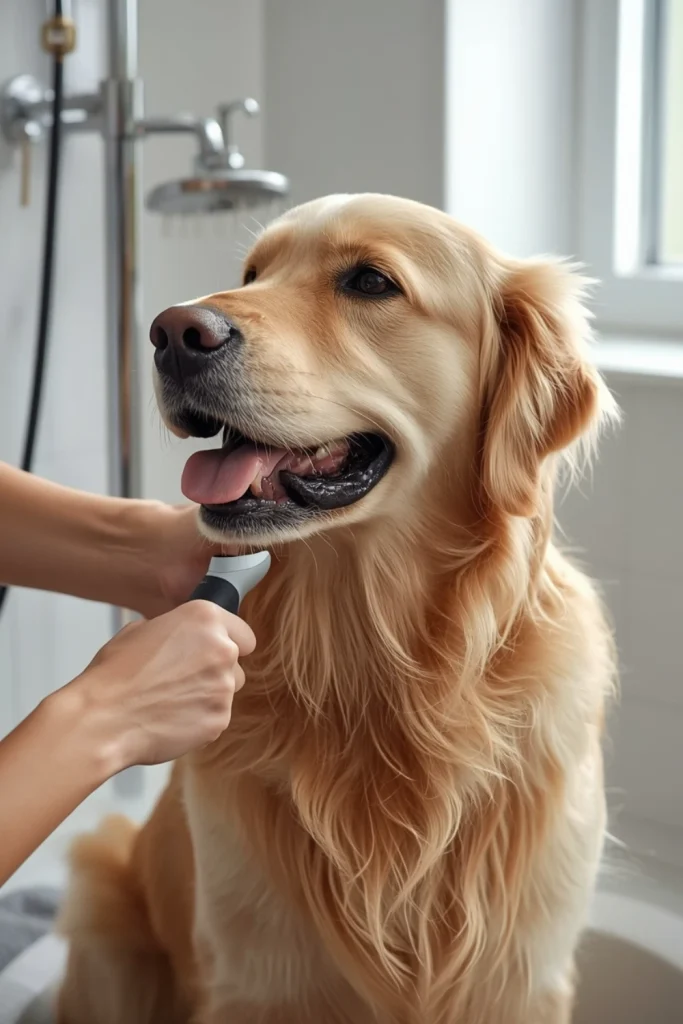
Brushing before bathing is a useful way to prepare your dog’s coat for seasonal grooming. It helps remove loose hair, dirt, and small tangles before water is introduced. This is particularly important for long-haired and double-coated breeds because loose fur can become trapped in the coat. Removing tangles beforehand also makes bathing easier and helps you clean the coat more effectively.
After bathing, allow your dog’s coat to dry appropriately before brushing again. Some coats can be gently brushed while slightly damp with suitable tools, while others should be completely dry first. Avoid pulling tangled hair or brushing aggressively. For thick double coats, make sure the fur dries thoroughly to prevent moisture from remaining close to the skin.
10. Keep Your Home Clean During Shedding Season

Keeping your home clean becomes especially important when your dog experiences seasonal shedding. Loose hair can collect on carpets, rugs, sofas, curtains, and clothing. Regular vacuuming helps remove accumulated fur before it spreads into other rooms. Focus on the areas where your dog spends most of its time, such as favorite sleeping corners, furniture, and places near windows.
Use a vacuum cleaner with suitable pet-hair attachments to clean upholstery and carpets more effectively. Washable furniture covers, rubber cleaning gloves, and lint rollers can also help remove loose hair from different surfaces. You do not need to clean everything several times a day. Establishing a manageable cleaning schedule can make your home more comfortable throughout heavier shedding periods.
11. Maintain Healthy Skin and Check for Irritation
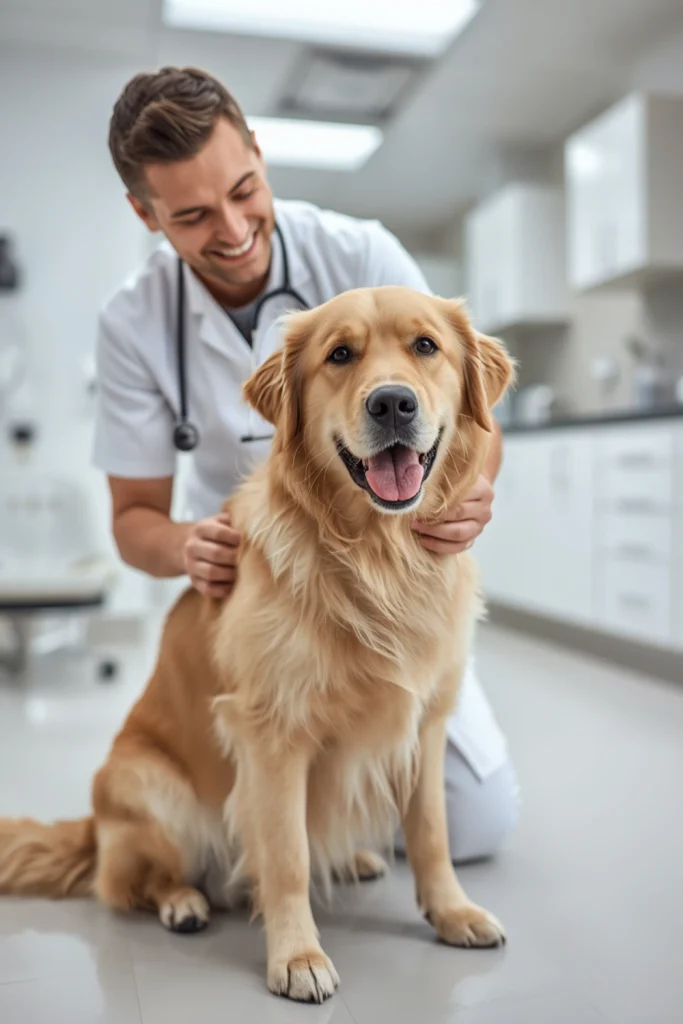
Healthy skin is essential for maintaining a healthy coat during seasonal changes. While some loose hair is completely normal, problems such as allergies, parasites, infections, and skin irritation can contribute to abnormal hair loss. During grooming, gently check the skin underneath your dog’s fur. Look for redness, unusual bumps, flaky areas, scabs, bald patches, or signs of persistent scratching.
If you notice concerning changes, do not assume they are simply part of shedding season. Avoid applying human skincare products or using medicated treatments without professional advice. Contact your veterinarian for an examination and appropriate recommendations. Identifying skin problems early can help prevent discomfort and protect your dog’s coat throughout the year.
12. Schedule Regular Veterinary Checkups
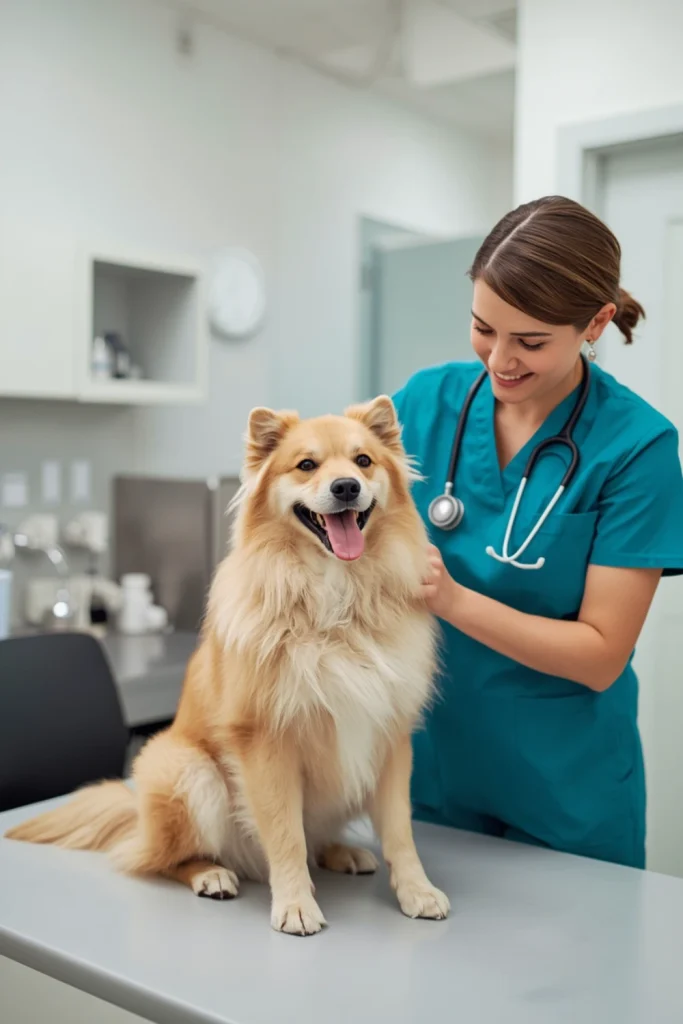
Regular veterinary checkups are important during every season, particularly if you notice unusual changes in your dog’s coat. Excessive shedding can sometimes be associated with nutritional deficiencies, allergies, parasites, skin infections, or hormonal conditions. A veterinarian can help determine whether your dog’s hair loss is part of its normal seasonal cycle or whether an underlying health issue needs attention.
Monitor your dog’s skin and coat between appointments. Pay attention to sudden hair loss, bald patches, persistent itching, unusual odors, and changes in behavior. If you notice these symptoms, arrange a veterinary appointment rather than trying random home remedies. Professional guidance helps ensure that your dog receives appropriate treatment and maintains good overall health.
Final Thoughts
Seasonal shedding is a natural part of life for many dogs, but it does not have to make your home difficult to maintain. Following these 12 Dog Shedding Season Tips can help you remove loose hair, maintain healthy skin, and keep your dog’s coat in good condition throughout the year.
Regular brushing, suitable grooming tools, balanced nutrition, appropriate bathing, and clean bedding are some of the most effective ways to manage seasonal shedding. Remember that every dog is different, so adjust your grooming routine according to its breed, coat type, and individual needs.
Most importantly, pay attention to changes in your dog’s skin and overall health. If you notice sudden hair loss, bald patches, persistent itching, or irritation, consult your veterinarian. With patience and consistent care, you can make shedding season more comfortable for your dog and easier for your entire household.