12 Dog Brushing Tips for a Healthier-Looking Coat
A healthy, shiny coat is one of the easiest ways to recognize that your dog is receiving good everyday care. Regular brushing does more than make your furry friend look neat. It helps remove loose hair, prevent painful tangles, distribute natural oils, and give you an opportunity to check your dog’s skin. Whether your dog has short, long, curly, or double-layered fur, the right brushing routine can make coat care much easier.
However, brushing every dog in the same way is not a good idea. Different coat types need different brushes, techniques, and schedules. Some dogs need only a quick weekly session, while others benefit from daily brushing. These Dog Brushing Tips will help you choose suitable tools, brush gently, prevent mats, and create a comfortable grooming routine your dog can enjoy.
1. Choose the Right Brush for Your Dog’s Coat
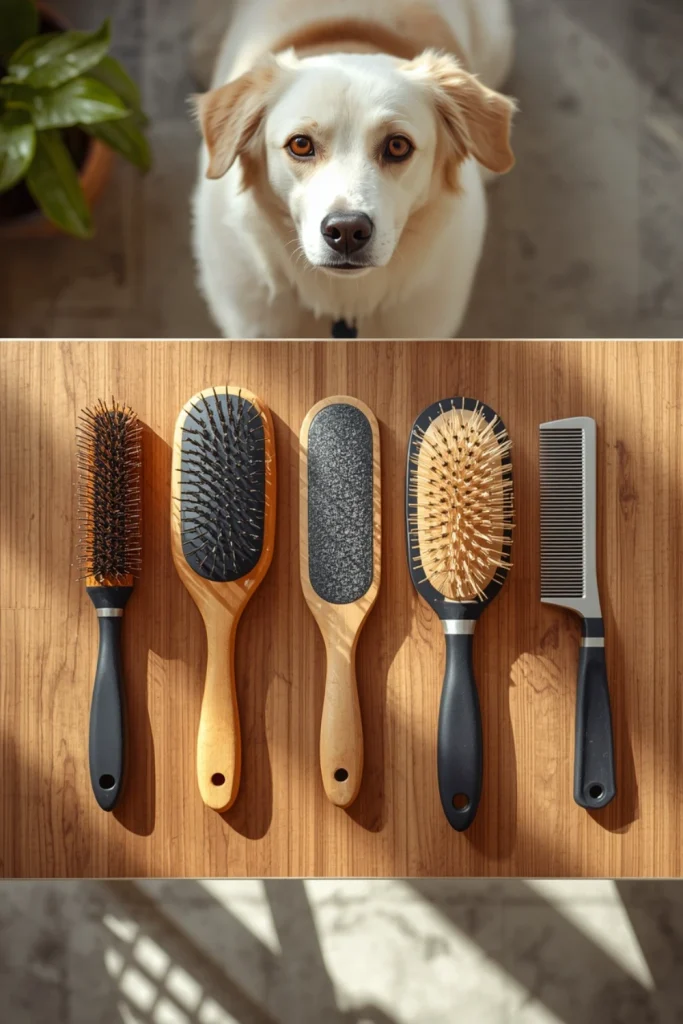
Choosing a suitable brush is the first step toward an effective grooming routine. Different coat types need different tools. A soft-bristle brush or rubber grooming mitt may work well for many short-haired dogs, while long-haired breeds often benefit from a pin brush or slicker brush. Dogs with thick double coats may need an appropriate undercoat rake to help remove loose undercoat without damaging the outer coat.
Before buying a grooming tool, consider your dog’s hair length, thickness, and texture. A brush that works well for a Labrador may not be suitable for a Poodle or a long-haired Shih Tzu. Ask a professional groomer for advice if you are unsure. Always choose a tool that feels gentle against your dog’s skin, and stop using it if it causes scratching, discomfort, or excessive pulling.
2. Brush According to Your Dog’s Coat Type
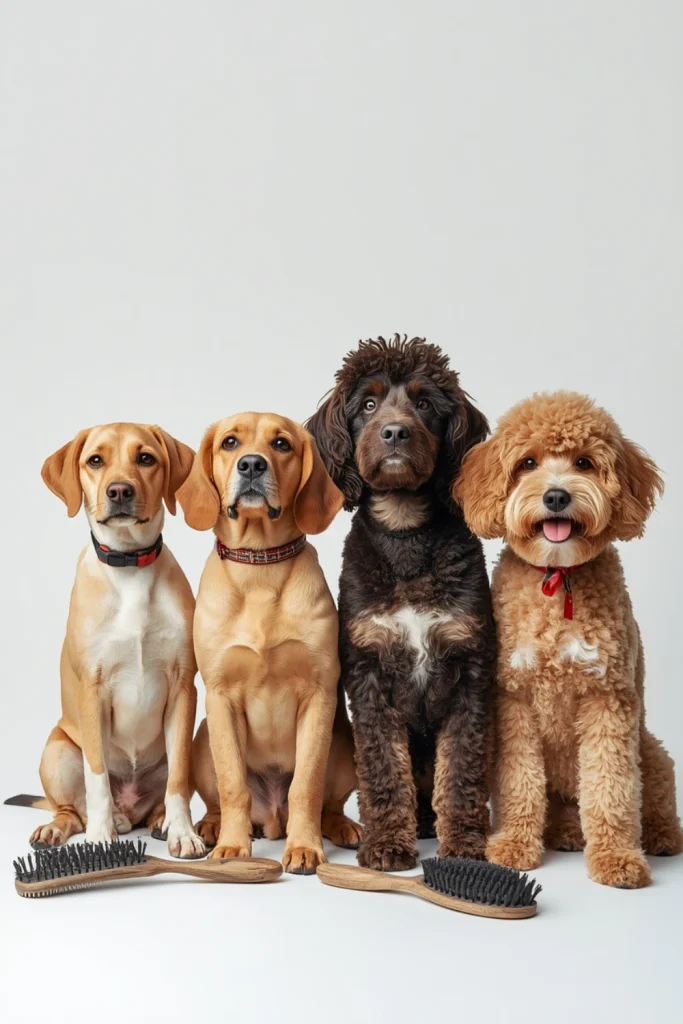
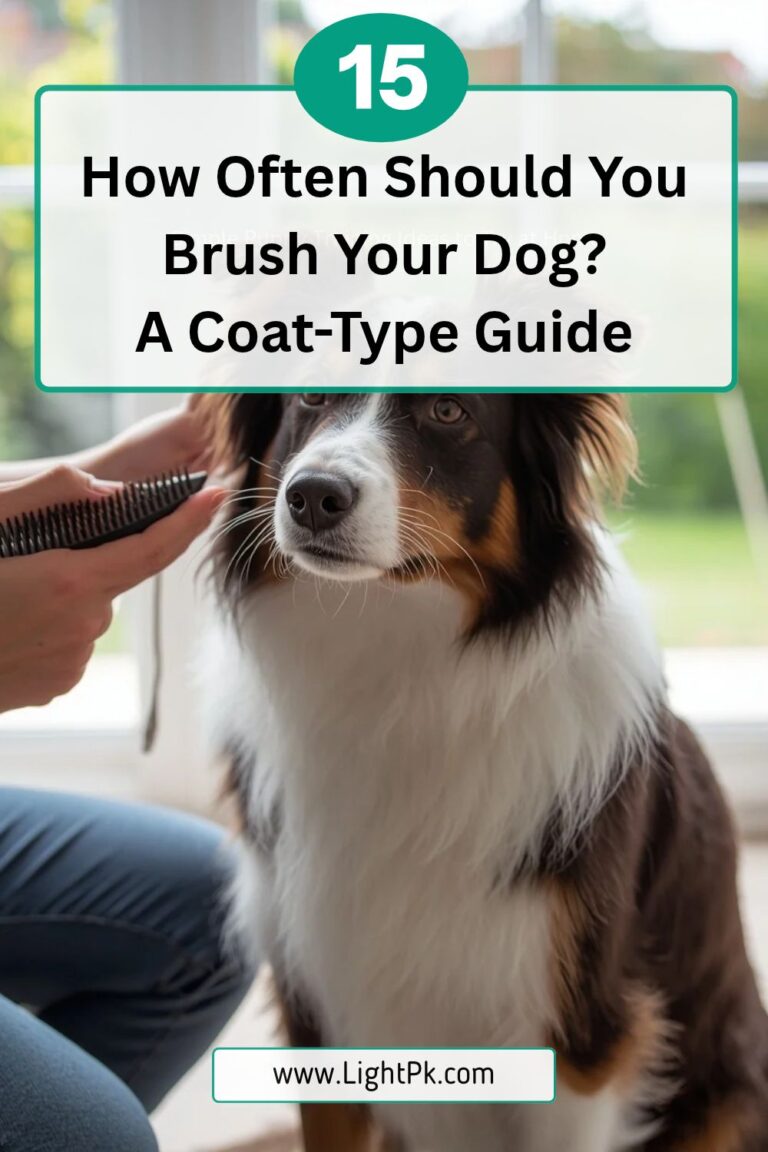
Every dog has a different coat structure, so brushing frequency and technique should match its needs. Short-haired dogs may only need brushing once or twice a week to remove loose hair and surface dirt. Long-haired dogs often require daily attention because their fur can become tangled quickly. Curly and wavy coats may need frequent brushing to prevent knots, while double-coated breeds benefit from careful undercoat maintenance.
Learn how your dog’s fur behaves before creating a schedule. If your dog develops tangles behind the ears or beneath the legs, those areas may need extra attention. Avoid brushing a delicate coat with a rough tool or using an undercoat rake on a dog that does not have a suitable undercoat. A coat-specific routine is more comfortable and effective than following a general schedule designed for every breed.
3. Create a Consistent Brushing Schedule
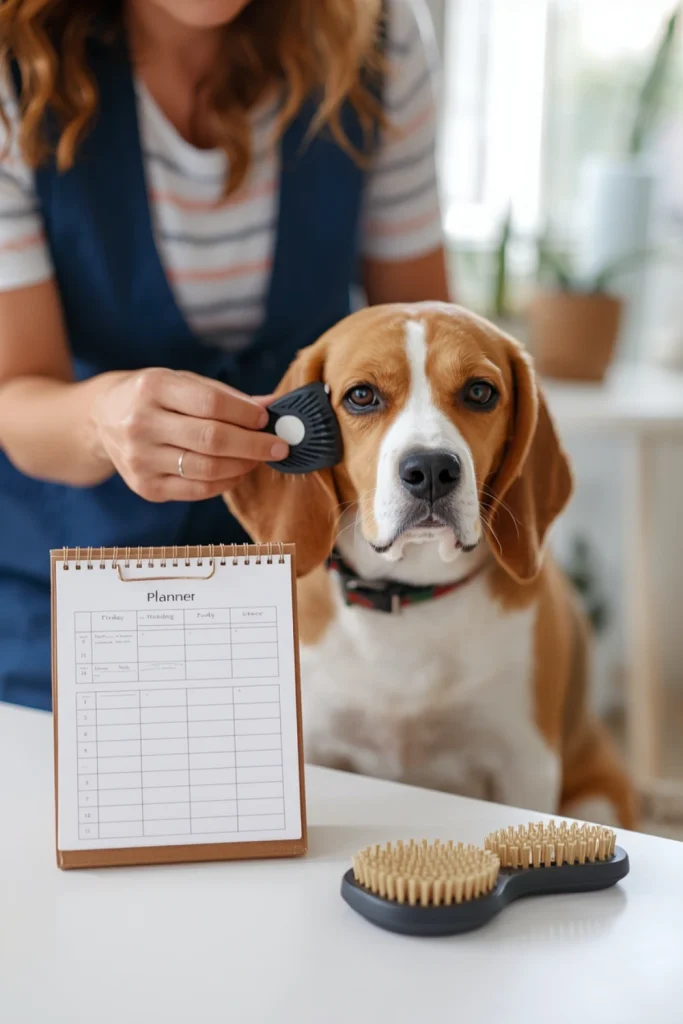
Consistency is one of the most helpful Dog Brushing Tips for maintaining a healthy-looking coat. Instead of waiting until your dog’s fur looks messy, create a schedule that suits its coat type. Short-haired dogs may need one or two brushing sessions per week, while long-haired and curly-coated dogs often require daily brushing or frequent maintenance. Double-coated dogs may need several sessions each week, with extra care during seasonal shedding.
Choose a convenient time when your dog is relaxed, such as after a walk or a quiet play session. Keep sessions short at first and gradually increase the time as your dog becomes comfortable. You can divide a longer grooming routine into smaller sessions if your dog becomes restless. A consistent schedule helps prevent mats, reduces loose hair, and makes coat maintenance easier for both you and your pet.
4. Brush Gently in the Direction of Hair Growth
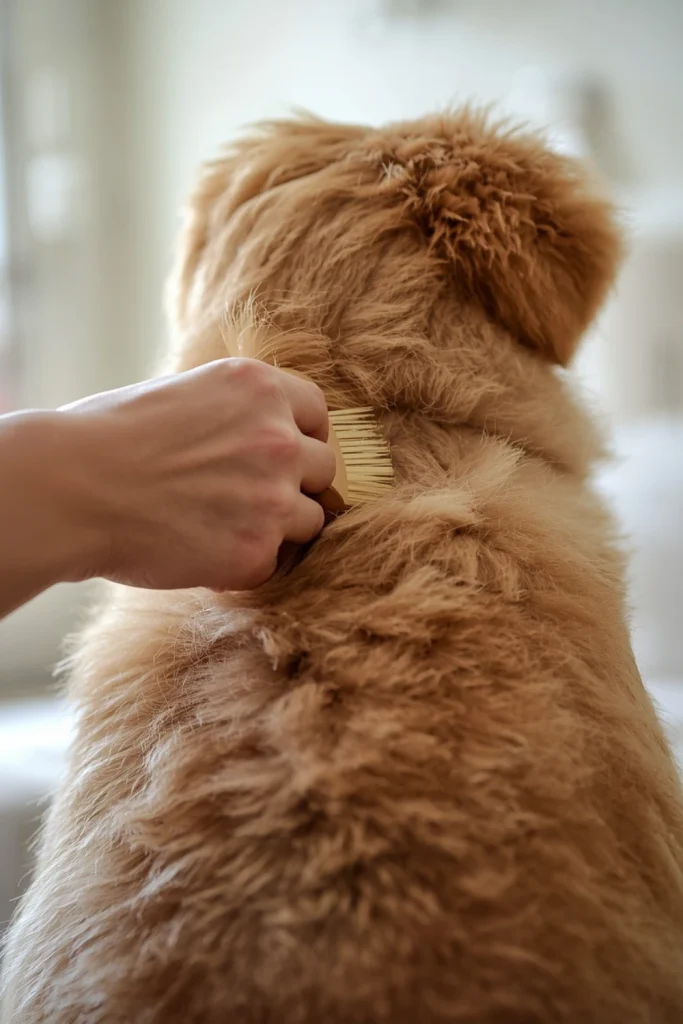
Gentle brushing helps protect your dog’s skin and makes grooming more comfortable. Begin by brushing in the direction of hair growth using light, steady strokes. Avoid pressing the brush hard against the body or repeatedly scraping the same area. Sensitive areas such as the belly, legs, ears, and tail should be handled carefully. If your dog moves away or reacts to a particular spot, check whether the hair is tangled or the skin is uncomfortable.
Use your free hand to support longer sections of fur when necessary, especially when working through loose knots. Do not pull the coat forcefully because this can cause pain and make your dog afraid of brushing. If you encounter a tight mat, stop and assess it rather than dragging the brush through it. Gentle handling helps build trust and creates a more positive grooming experience over time.
5. Divide Long Coats Into Small Sections
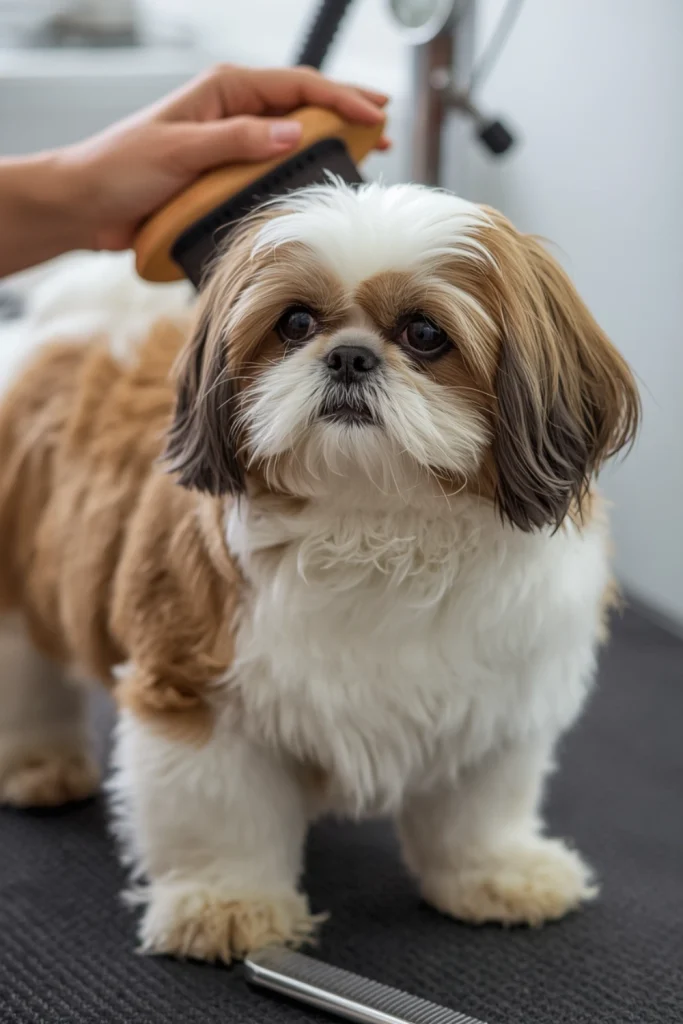
Brushing a long or thick coat all at once can make it difficult to find hidden tangles. Dividing the fur into smaller sections gives you better control and helps ensure that you do not miss areas close to the skin. Start with one section at a time, gently brushing through the hair before moving to the next area. A pin brush or slicker brush may be suitable, depending on your dog’s coat texture and sensitivity.
Work systematically across the back, sides, chest, legs, and tail. Pay extra attention to places where friction can create knots, such as behind the ears, beneath the collar, and under the front legs. After brushing each section, use a suitable metal comb to check for remaining tangles. If the comb cannot move through the hair comfortably, do not force it. Carefully address the knot or seek professional grooming help.
6. Remove Tangles Before They Become Mats
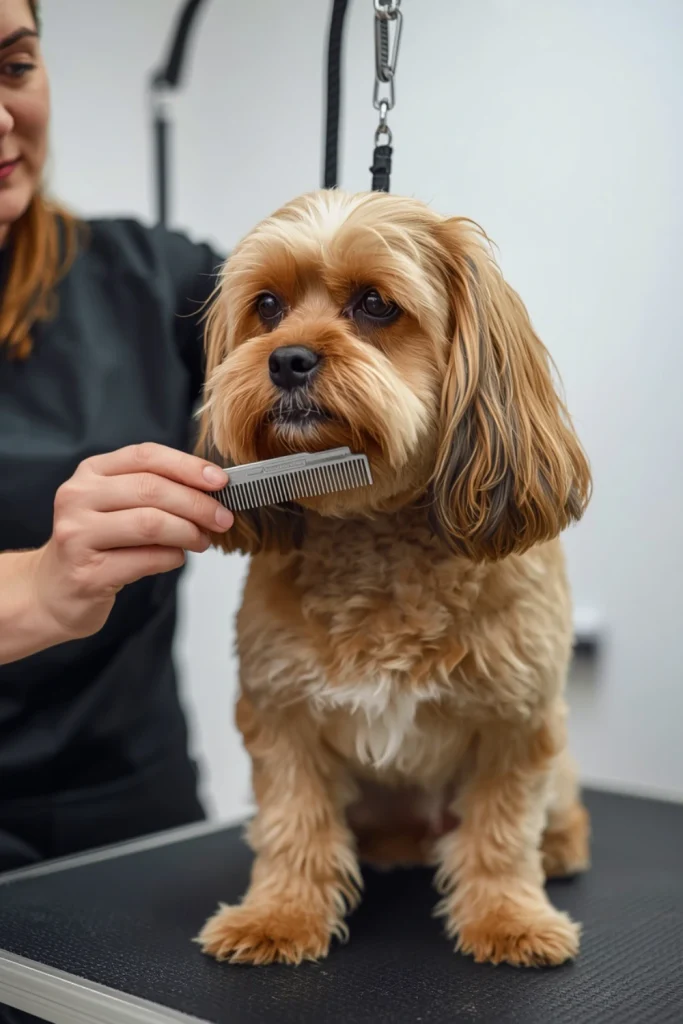
Small tangles are easier to manage than large, tight mats. Regularly check your dog’s coat for knots, especially if it has long, curly, or wavy hair. Tangles commonly develop behind the ears, beneath the legs, around the collar, near the tail, and on the belly. Gently work through loose knots with a suitable comb or detangling tool. Start near the ends of the hair and gradually move toward the roots without pulling the skin.
Never try to brush through a tight mat by using extra force. Mats can pull on the skin and cause significant discomfort. Avoid cutting them out with scissors close to the body because the skin may be trapped inside the tangled hair. If a mat is difficult to loosen, contact a professional groomer. Preventing mats through regular brushing is safer and more comfortable than trying to remove severe tangles later.
7. Pay Special Attention to Sensitive Areas
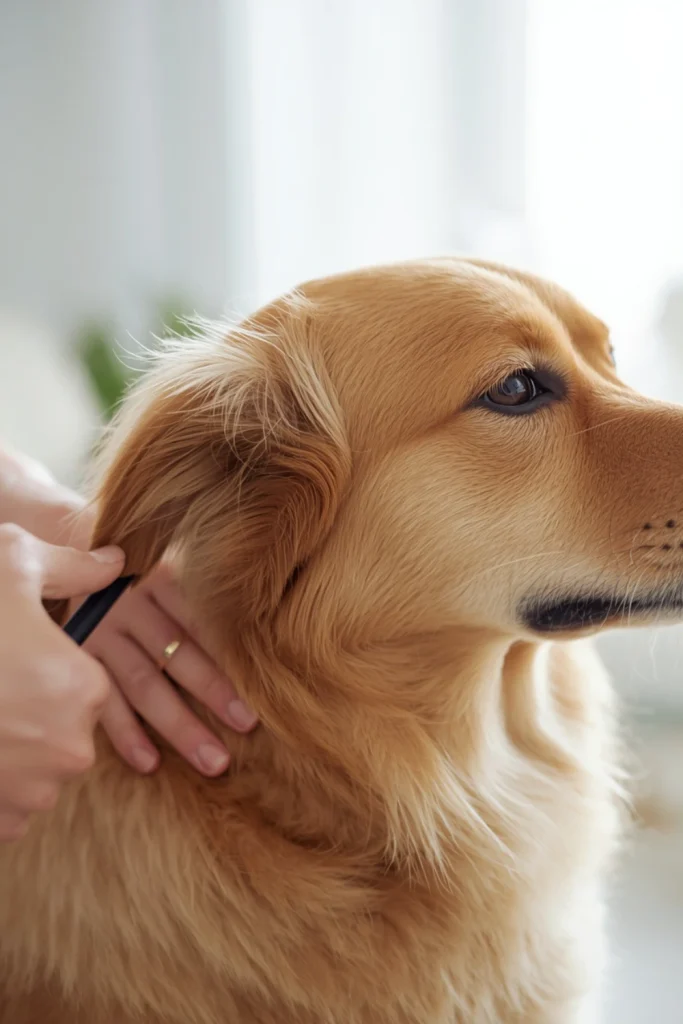
Some parts of a dog’s body are more sensitive than others and need extra care during brushing. The areas behind the ears, beneath the front legs, around the belly, near the tail, and between the legs can develop tangles or collect dirt. Dogs may also react more strongly when these areas are touched. Use a soft brush or suitable comb, keep your movements gentle, and avoid pulling the fur.
Introduce sensitive-area brushing gradually if your dog is uncomfortable. Start with a few light strokes and reward calm behavior. Check the skin as you work, looking for redness, small bumps, scratches, or signs of irritation. If your dog consistently reacts with pain or refuses to let you touch a particular area, stop brushing there and seek veterinary advice. Discomfort may be caused by a skin problem, injury, or another condition that needs attention.
8. Use an Undercoat Brush Carefully During Shedding Season
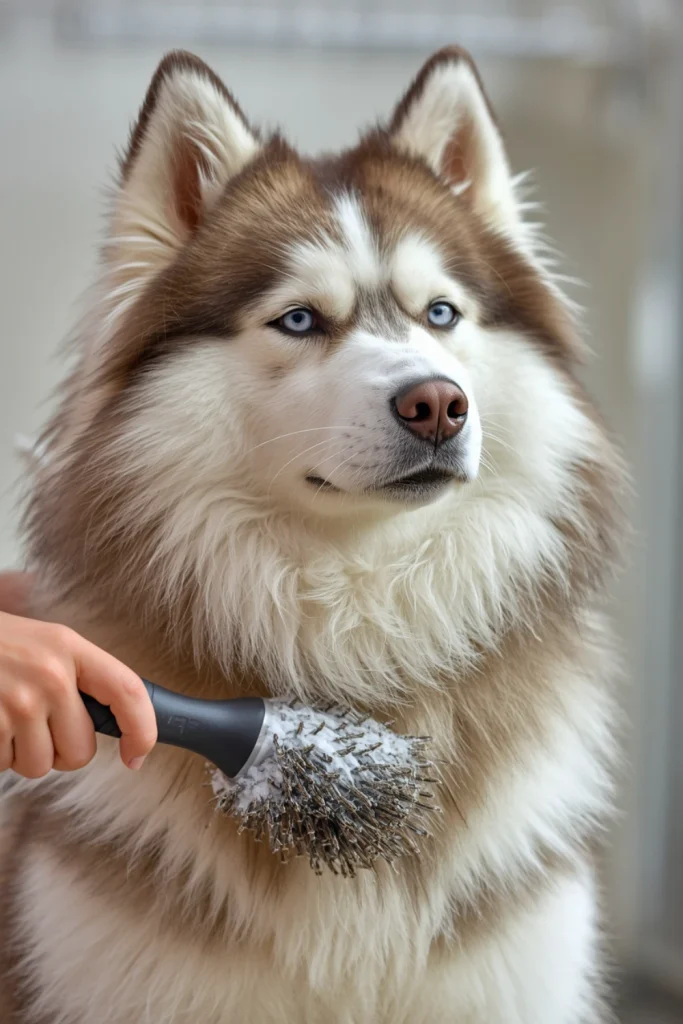
Dogs with double coats often shed more heavily during certain seasons. Breeds such as Golden Retrievers, German Shepherds, and Siberian Huskies have a dense undercoat beneath their outer coat. A suitable undercoat rake or deshedding tool can help remove loose undercoat, but it must be used carefully. Brush in small sections and follow the product instructions to avoid damaging healthy hair or irritating the skin.
Do not use an undercoat tool every day unless a professional has advised that frequency for your dog’s coat. Excessive brushing or aggressive deshedding can cause coat damage and discomfort. Never shave a double-coated dog simply to reduce shedding, as its coat helps provide protection. If shedding seems unusually heavy, creates bald patches, or comes with redness and itching, contact your veterinarian to check for an underlying issue.
9. Make Brushing a Positive Experience
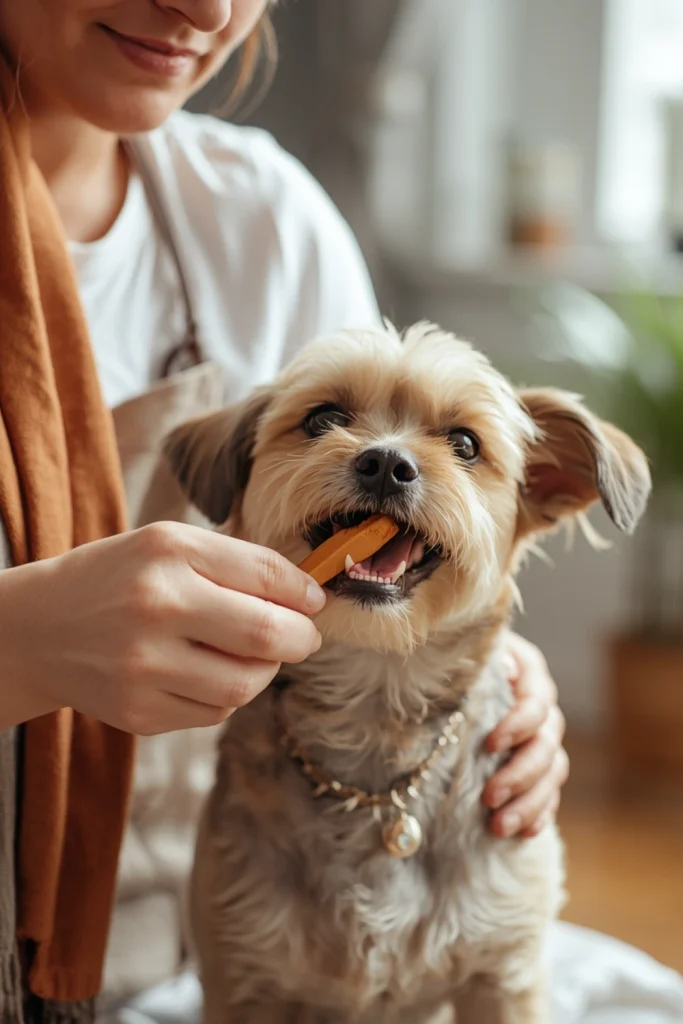
Some dogs enjoy brushing immediately, while others need time to become comfortable with grooming tools. Make the experience positive by allowing your dog to sniff the brush before using it. Begin with a few gentle strokes on an area your dog enjoys being touched. Offer praise and small treats for calm behavior. Gradually increase the length of each session as your dog becomes more relaxed.
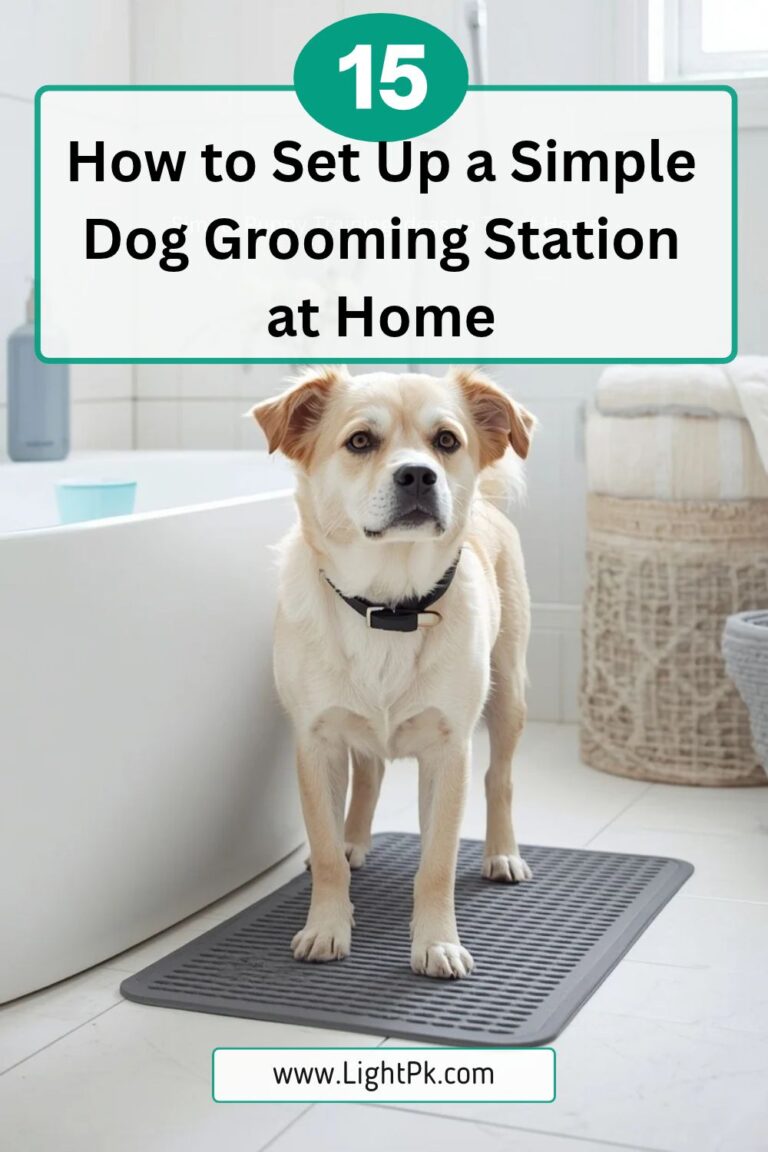
Choose a quiet space without distractions and use a non-slip surface if your dog is standing during grooming. Avoid chasing your dog with a brush or forcing it to remain in one position for too long. Watch for signs of stress, such as trembling, repeatedly moving away, growling, or excessive lip licking. Take breaks when needed. If your dog has severe grooming anxiety, ask a veterinarian or qualified groomer for guidance on gentle handling.
10. Keep Your Dog’s Brush Clean
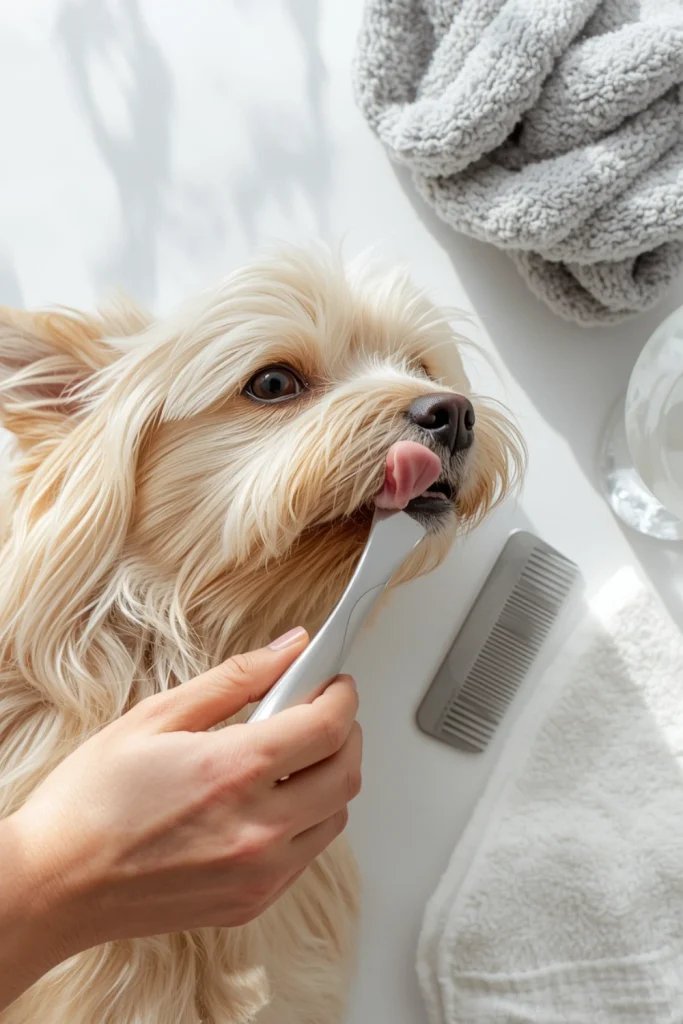
Cleaning grooming tools is an easy step that many owners forget. Brushes collect loose hair, dust, skin flakes, and debris during every session. If they are not cleaned regularly, this material can build up between the bristles and make brushing less effective. Remove trapped hair after each use and wash the brush when necessary according to the manufacturer’s instructions. Allow it to dry completely before storing it.
A clean brush also helps you maintain a more hygienic grooming routine. Check the bristles, pins, and handles for damage because broken or sharp parts may scratch your dog’s skin. Replace tools that have become worn or uncomfortable. Keep grooming supplies in a dry, clean storage area away from dirt and moisture. If you use brushes for more than one dog, clean them between pets to avoid transferring loose hair and debris.
11. Check Your Dog’s Skin While Brushing
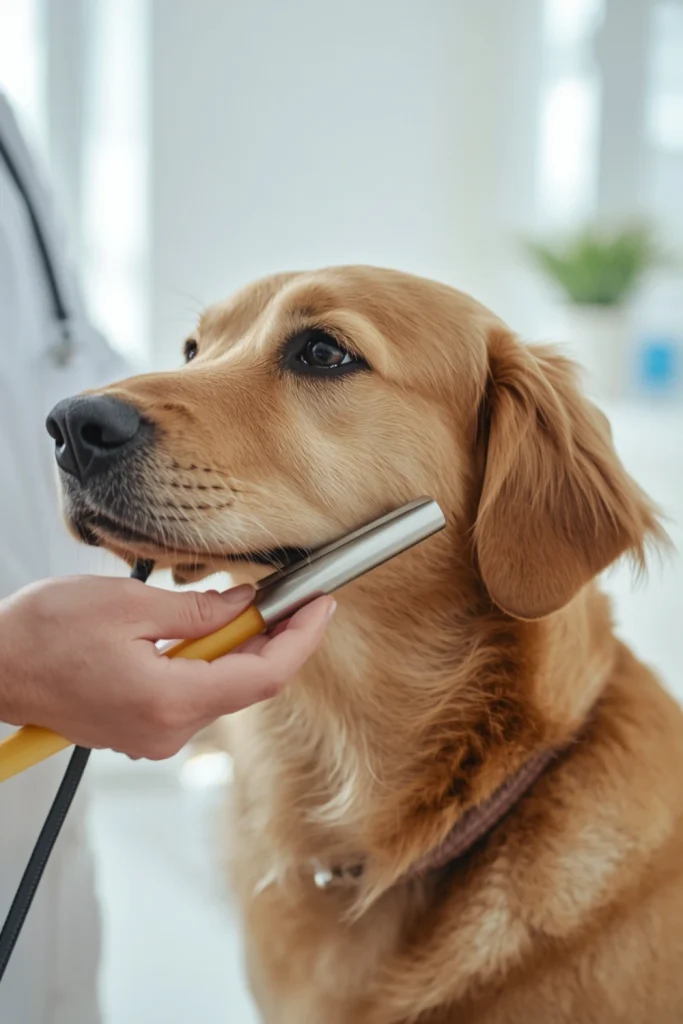
Brushing is a convenient opportunity to check your dog’s skin because it allows you to move the coat aside and examine areas that are usually hidden. Look for redness, flaky patches, unusual bumps, small wounds, parasites, or areas where the hair appears thinner than normal. Notice whether your dog scratches frequently or reacts when you touch a particular spot. Becoming familiar with your dog’s normal skin condition makes unusual changes easier to recognize.
Do not assume every skin problem can be solved by changing brushes or shampoo. Persistent itching, sores, swelling, unpleasant odors, and unusual hair loss may require veterinary attention. Avoid applying human creams, oils, or medicated products without professional advice. If you discover a tick or another parasite, use an appropriate removal method and discuss parasite prevention with your veterinarian. Regular skin checks are a useful part of grooming, but they do not replace a veterinary examination.
12. Finish Brushing With a Gentle Coat Check
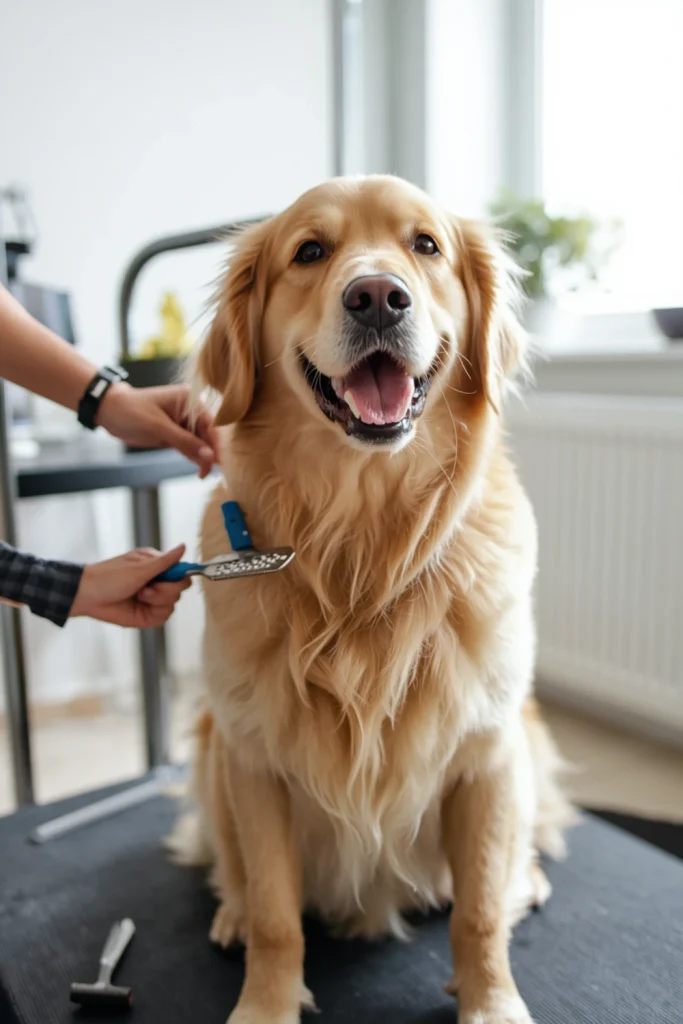
After brushing, take a few moments to check the entire coat. Run a suitable metal comb through areas where tangles commonly develop, such as behind the ears, beneath the legs, and around the tail. Look for loose hair, hidden knots, and debris that may have been missed. Your dog should feel comfortable throughout the process, so avoid repeatedly combing the same area or pulling through resistant tangles.
Finish with a gentle stroke using your hand or a soft brush if appropriate for the coat. Praise your dog and allow it to relax after the session. Make a note of any unusual skin changes, difficult tangles, or areas that need extra attention next time. A final coat check helps you develop a consistent routine and makes it easier to notice whether your brushing technique or schedule needs adjustment.
Final Thoughts
Following the right Dog Brushing Tips can make a big difference in your dog’s coat condition and everyday comfort. Choosing a suitable brush, creating a consistent schedule, using gentle techniques, and checking for tangles are simple habits that help keep fur looking neat and healthy. Regular brushing also gives you a chance to notice changes in your dog’s skin before they become more difficult to manage.
Remember that every coat is different. A short-haired dog may need only occasional brushing, while a long-haired or curly-coated companion may need daily attention. Be patient, reward calm behavior, and avoid forcing the brush through difficult knots. With the right tools and a comfortable routine, brushing can become an enjoyable part of caring for your dog.