
12 Steps to Help Your Dog Get Comfortable With Grooming
Grooming is an essential part of keeping your dog healthy, clean, and happy. However, not every dog enjoys being brushed, bathed, having its nails trimmed, or getting its ears cleaned. Some dogs become nervous as soon as they see grooming tools, while others struggle because they are unfamiliar with being handled. The good news is that you can make grooming a much more comfortable experience with patience, consistency, and positive training.
Learning how to Help Your Dog Get Comfortable with grooming does not require complicated techniques or expensive equipment. Small steps, gentle handling, and rewarding good behavior can gradually build your dog’s confidence. Whether you have a young puppy, an adult dog, or a recently adopted pet, these 12 practical steps will help you create a calm grooming routine that your dog can learn to enjoy.
1. Start Grooming Training Slowly and Gradually
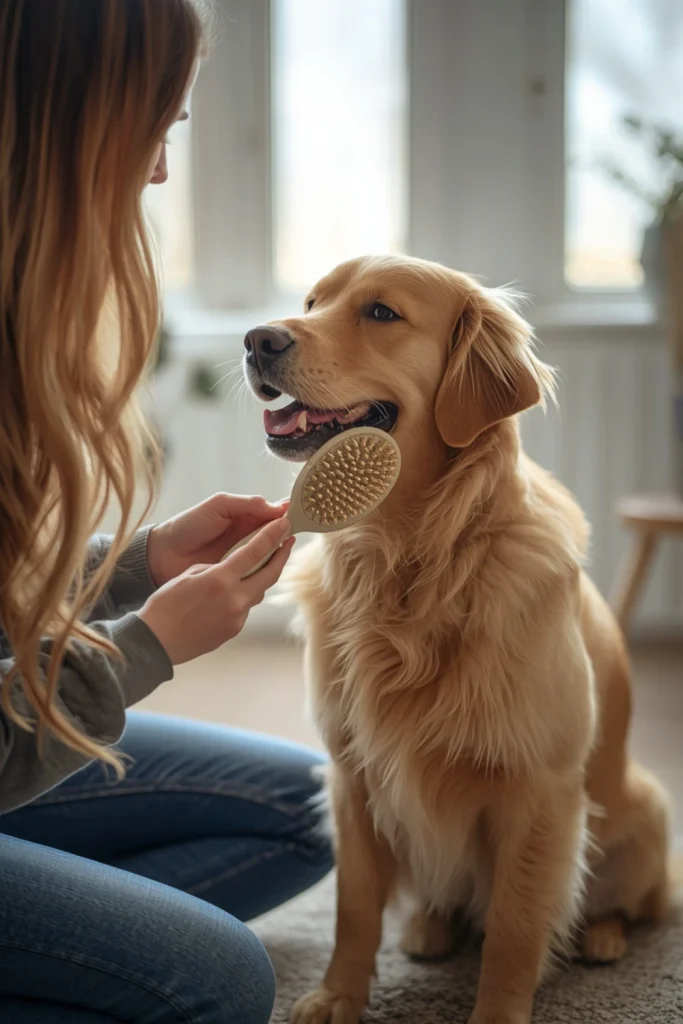
One of the best ways to Help Your Dog Get Comfortable with grooming is to introduce grooming activities slowly. Avoid trying to complete an entire grooming session when your dog is unfamiliar with the process. Start with simple activities, such as allowing your dog to sit beside you while you hold a brush. Let your pet investigate the grooming tools without pressure. This helps reduce fear and makes the experience feel less unfamiliar.
Begin with short training sessions lasting just two to five minutes. Gently touch your dog’s back, shoulders, and sides before introducing other grooming activities. If your dog remains relaxed, offer praise and a small treat. Gradually increase the time and introduce additional grooming steps. Remember that every dog learns differently, so avoid rushing the process. Consistent, gentle practice can help your pet develop a positive association with grooming.
2. Choose a Quiet and Comfortable Grooming Area
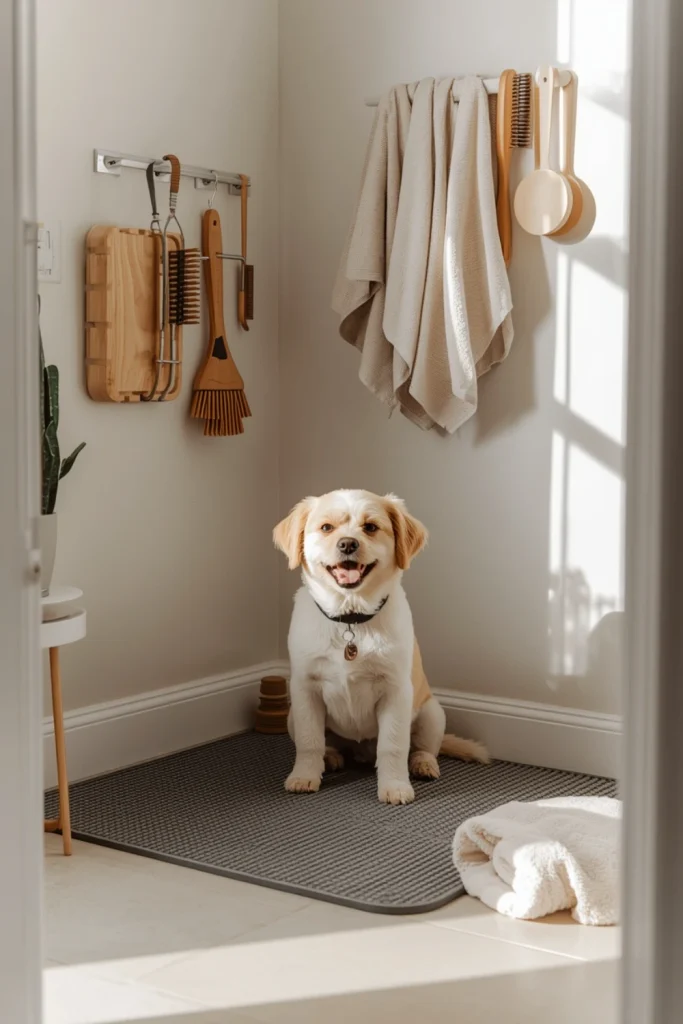
The environment where you groom your dog can make a significant difference in its behavior. A noisy, crowded, or unfamiliar location may increase anxiety, especially for dogs that are already nervous. Choose a quiet area of your home where your dog feels safe. A familiar bathroom, laundry room, or comfortable corner can work well. Keep the surroundings organized and remove unnecessary distractions. A peaceful environment allows your dog to focus on the grooming activity without becoming overwhelmed.
Make sure the grooming area has enough space for your dog to stand, sit, or change positions comfortably. Place a non-slip mat underneath your pet to prevent slipping, especially during brushing or bathing. Good lighting also helps you see what you are doing and avoid accidental discomfort. Keep grooming supplies within reach so you do not need to leave your dog unattended. Over time, your dog may begin recognizing this comfortable space as a safe place for regular grooming.
3. Introduce Grooming Tools Before Using Them
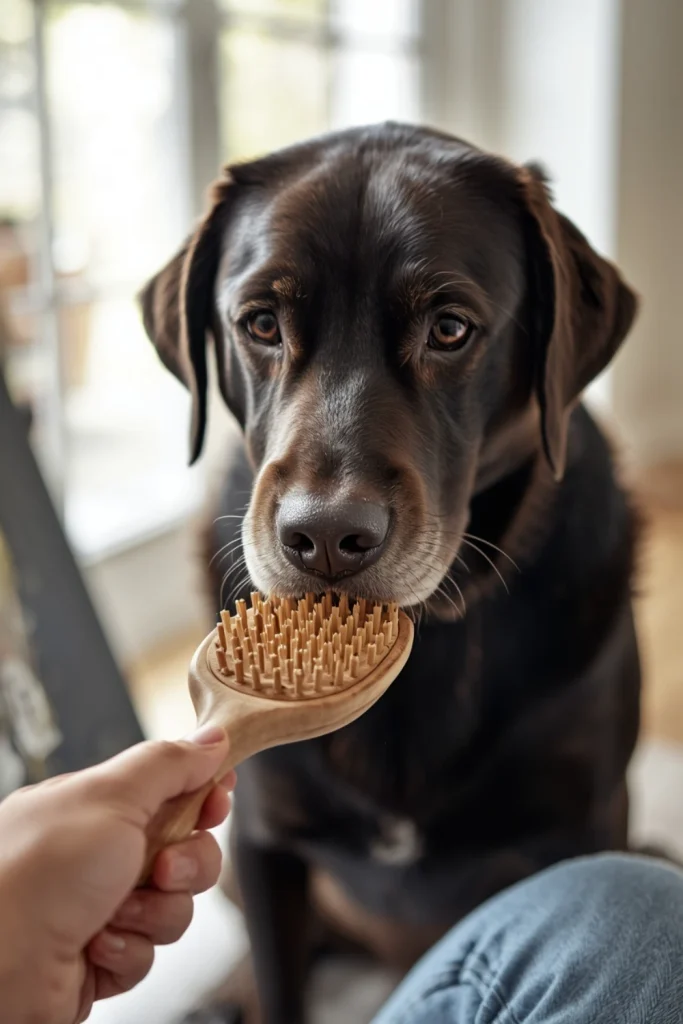
Many dogs become frightened when they suddenly see brushes, nail clippers, scissors, or electric grooming tools. These objects may look unfamiliar and create unnecessary stress. Before using any grooming tool, allow your dog to investigate it naturally. Place the brush or comb on the floor and let your pet sniff it. Do not move the tool toward your dog immediately. Give your pet enough time to understand that the object is not dangerous.
Once your dog becomes comfortable seeing the grooming tools, introduce gentle contact. Hold the brush near your dog’s shoulder and reward calm behavior. You can also show your dog nail clippers without trimming anything. If you plan to use electric clippers, introduce the sound from a comfortable distance before bringing the tool closer. Gradual exposure helps your dog become familiar with grooming equipment and reduces the possibility of fear during future sessions.
4. Use Positive Reinforcement During Every Session
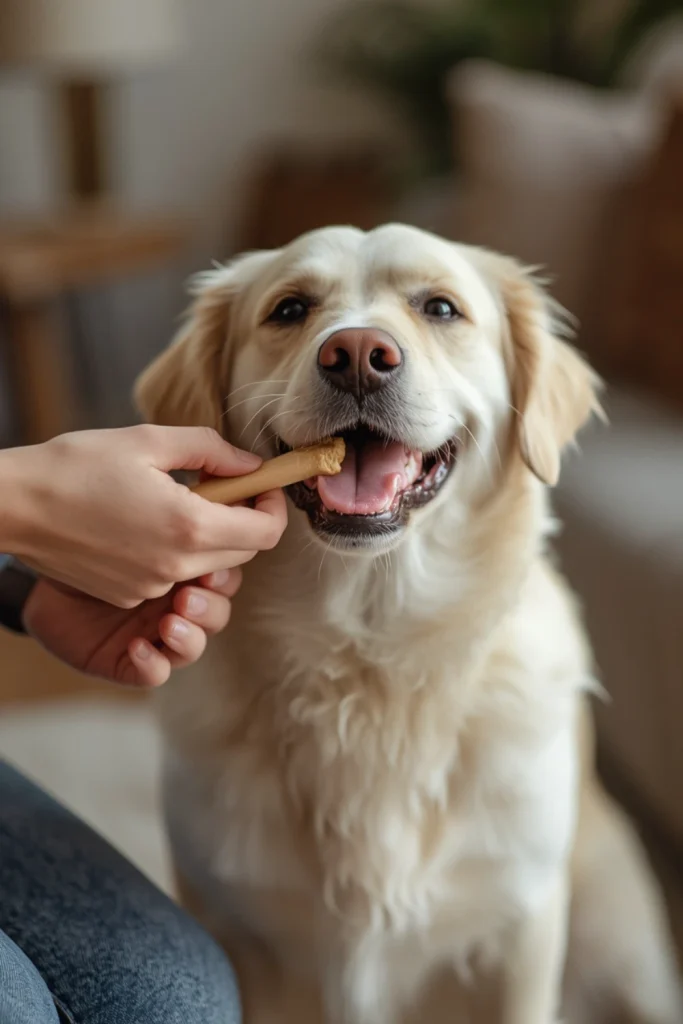
Positive reinforcement is one of the most effective methods for helping dogs become comfortable with grooming. Instead of punishing nervous behavior or forcing your pet to cooperate, reward small signs of progress. Give your dog a tasty treat when it calmly approaches a brush, allows gentle touching, or remains relaxed during a short grooming activity. Praise and rewards help your pet connect grooming with something enjoyable.
You do not need to wait until the entire grooming session is finished before rewarding your dog. Give treats throughout the process whenever your pet shows relaxed behavior. For example, reward your dog after brushing one small section of its coat or allowing you to touch one paw. Use small treats to avoid overfeeding, and consider your dog’s dietary needs. With regular practice, your pet can gradually develop a positive attitude toward grooming activities.
5. Get Your Dog Comfortable With Being Touched
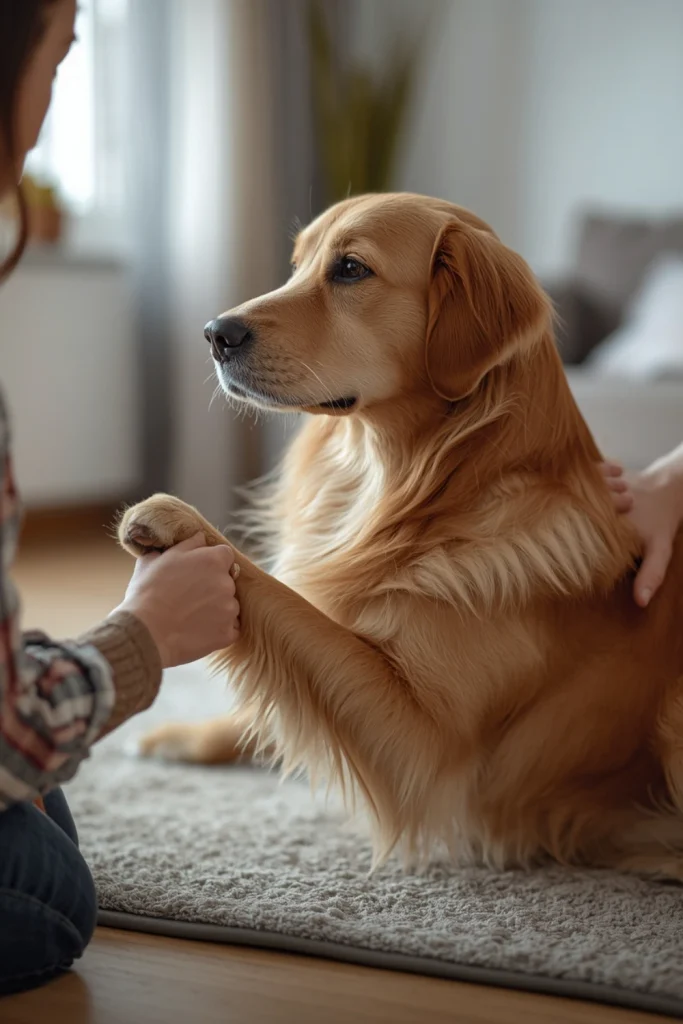
Many grooming activities require touching different parts of your dog’s body. If your pet is uncomfortable with physical handling, brushing, nail trimming, and ear cleaning may become difficult. Start by gently touching areas your dog already enjoys, such as the shoulders, back, and chest. Use slow movements and watch your dog’s reaction. When your pet remains relaxed, gradually introduce gentle touches around the legs, paws, ears, and tail.
Practice handling different body areas during ordinary daily interactions rather than only during grooming sessions. For example, briefly touch your dog’s paw before giving a treat or gently lift one ear while offering praise. Never grab sensitive areas or hold your dog tightly when it tries to move away. If your pet becomes uncomfortable, return to an easier activity. Gradually building trust through gentle handling can make future grooming sessions easier and less stressful.
6. Make Brushing a Positive Daily Habit
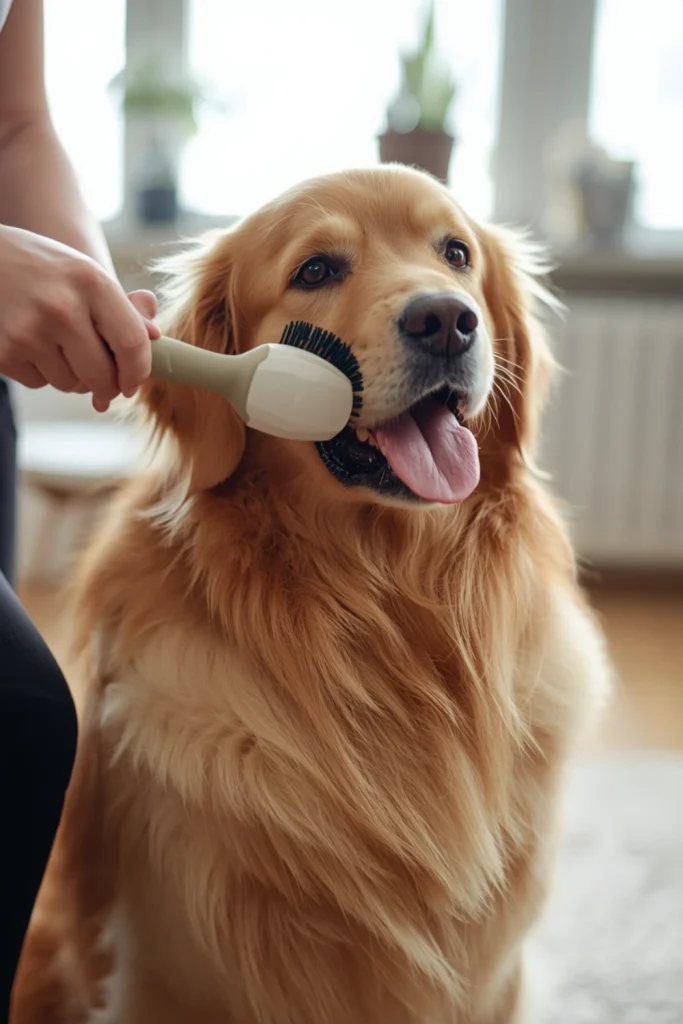
Regular brushing helps maintain your dog’s coat while teaching your pet that grooming does not have to be uncomfortable. Begin with a soft brush that is appropriate for your dog’s coat type. Allow your dog to sniff the brush before using it. Start brushing a small, comfortable area, such as the back or shoulders. Use gentle strokes and avoid pulling on the hair. If your dog remains calm, gradually brush additional sections.
Try to make brushing a regular part of your dog’s routine. Short daily sessions are often more manageable than one long grooming session, especially for nervous pets. Choose a time when your dog is relaxed rather than overly excited or tired. Check the coat for tangles and work through minor knots carefully without pulling. If you encounter severe mats, seek professional grooming assistance. Consistent brushing can help your dog become familiar with the sensation and develop a more relaxed response.
7. Introduce Bathing With Patience
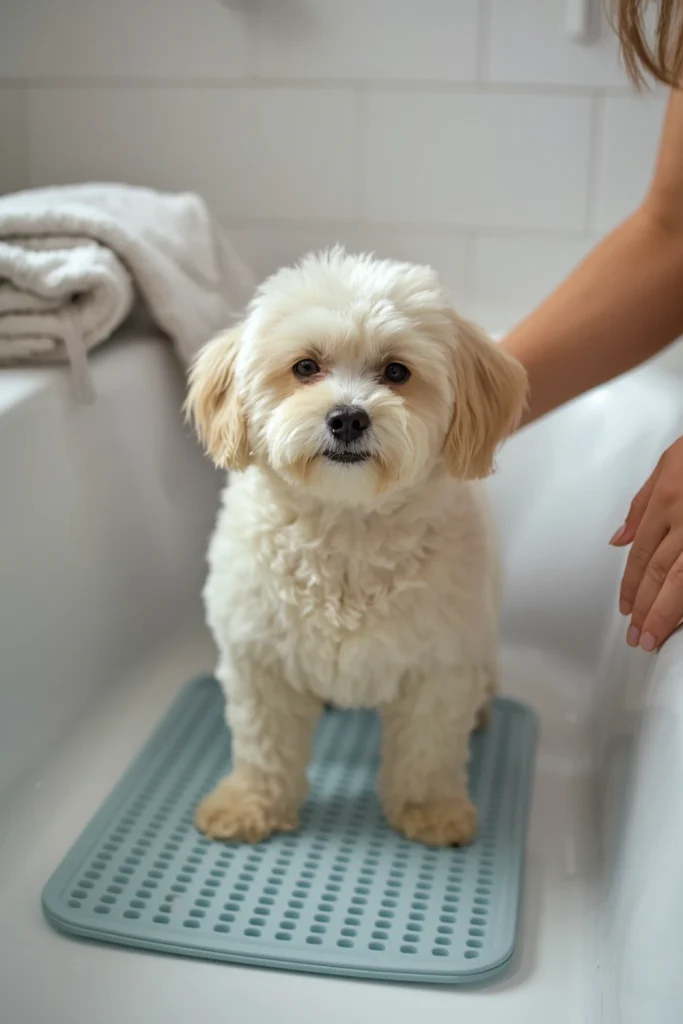
Bath time can be frightening for dogs that dislike water, unfamiliar sounds, or slippery surfaces. To make bathing easier, introduce your pet to the bathing area before turning on the water. Let your dog explore the empty bathtub or bathing space while receiving treats and praise. Place a non-slip mat on the floor to help your pet feel secure. Avoid immediately placing your dog under running water because the sudden noise may increase anxiety.
When your dog becomes comfortable in the bathing area, introduce small amounts of lukewarm water. Start by gently wetting the paws and gradually move toward the body if your pet remains relaxed. Use a dog-specific shampoo that is appropriate for its coat and skin. Keep water away from the eyes and avoid spraying directly into the ears. Make the first few bathing experiences short and positive. If your dog becomes extremely distressed, stop and work on gradual water introduction separately.
8. Teach Your Dog to Accept Paw Handling and Nail Trimming
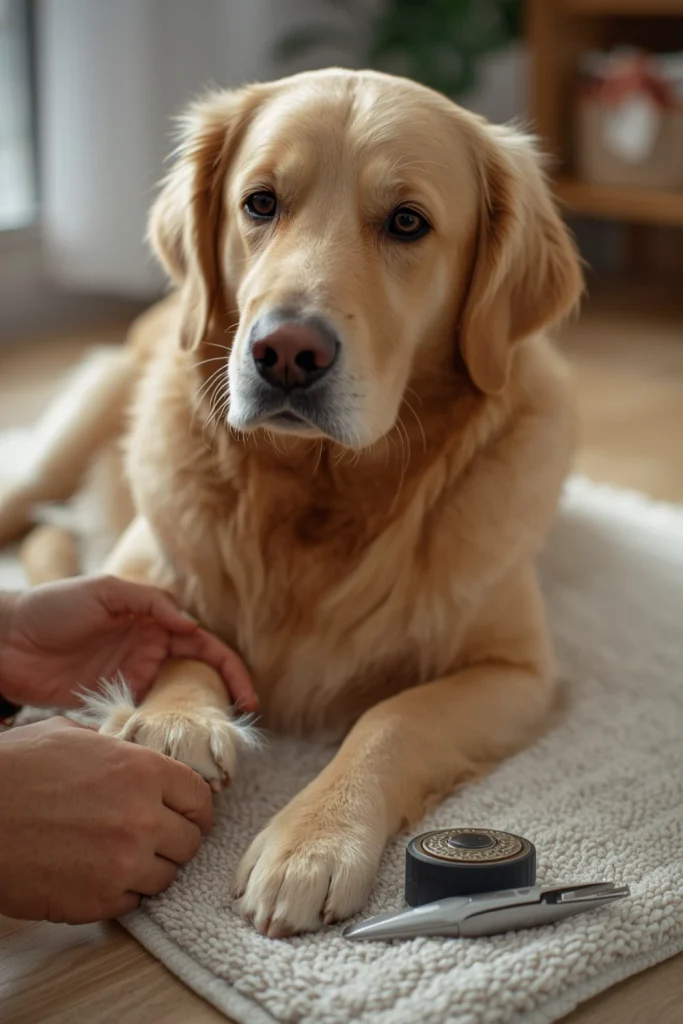
Nail trimming is one of the grooming activities that many dogs find uncomfortable. Some pets dislike having their paws held, while others become frightened by the sound of nail clippers or grinders. Before trimming your dog’s nails, spend time teaching it to accept gentle paw handling. Briefly touch one paw, reward your pet, and release it. Gradually progress to holding the paw for a few seconds and gently touching individual toes.
Introduce nail clippers or a nail grinder separately so your dog can become familiar with their appearance and sound. When your pet is comfortable, trim only a tiny amount from one nail at a time. Avoid cutting into the quick, which is the sensitive area containing blood vessels and nerves. If you are unsure where the quick is, ask a veterinarian or professional groomer for guidance. Never force a frightened dog through nail trimming. Professional help is a safer option when your pet struggles or has dark nails that are difficult to assess.
9. Get Your Dog Used to Grooming Sounds
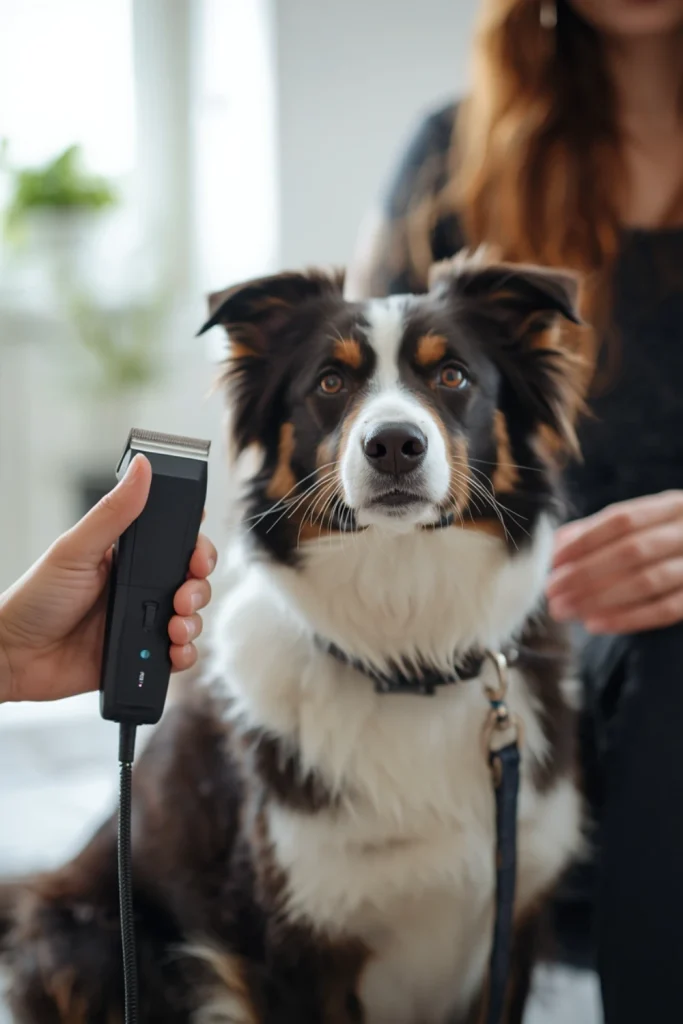
Some dogs become nervous when they hear electric clippers, hair dryers, or other grooming equipment. These sounds can be unfamiliar and may feel threatening to sensitive pets. To reduce fear, introduce grooming sounds gradually. Start by showing your dog the equipment while it is switched off. Reward calm behavior and allow your pet to investigate from a comfortable distance. Avoid placing noisy equipment close to your dog’s face or ears.
Once your dog is comfortable with the equipment, briefly switch it on at a distance where the sound does not cause distress. Give your pet a treat and turn it off again. Gradually decrease the distance over several sessions if your dog remains relaxed. Never use loud equipment suddenly or force your pet to stay near a frightening sound. For hair drying, use a pet-safe dryer on an appropriate low setting and avoid directing hot air toward the skin. Patience and gradual exposure can make noisy grooming activities easier.
10. Keep Grooming Sessions Short and Comfortable
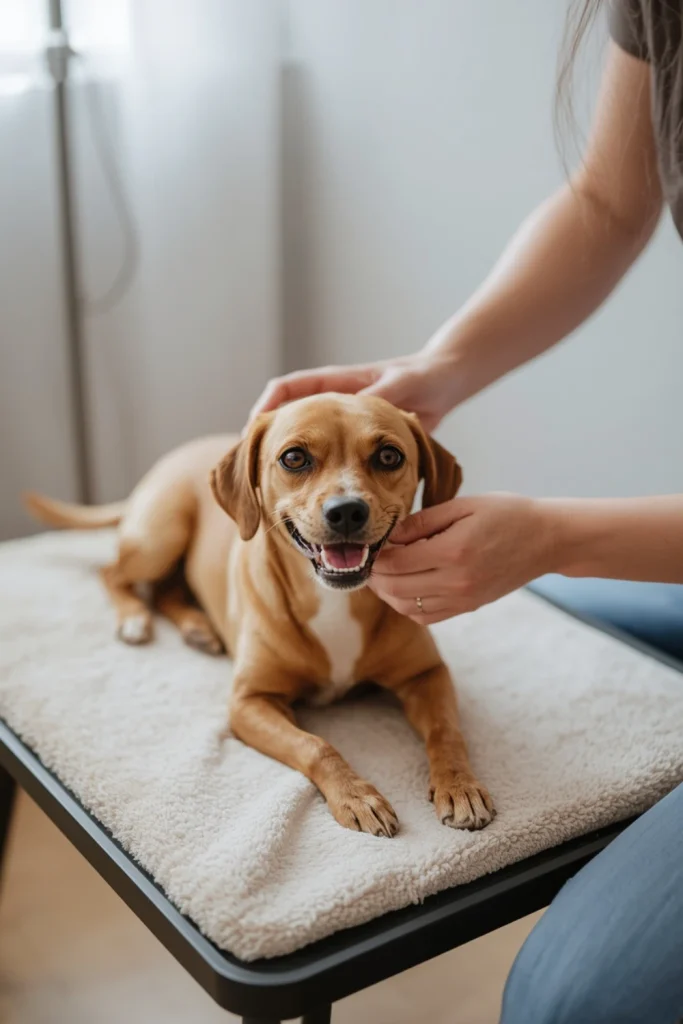
Long grooming sessions can overwhelm dogs, particularly those that are still learning to accept grooming activities. Instead of trying to complete everything at once, divide the process into smaller activities. Brush your dog’s coat during one session, handle its paws during another, and introduce bathing on a separate occasion. This approach gives your pet time to adjust without feeling trapped or exhausted. Short sessions also make it easier to identify which activities your dog finds difficult.
Pay attention to your dog’s body language throughout the process. Signs of stress may include excessive lip licking, yawning, turning the head away, trembling, panting when it is not hot, or trying to escape. If your dog begins showing these signals, pause and give it space. End sessions on a positive note whenever possible, rewarding calm behavior and allowing your pet to relax. Gradually increase grooming time as your dog becomes more comfortable. Remember that a successful short session is better than a stressful long one.
11. Consider Professional Grooming When Needed
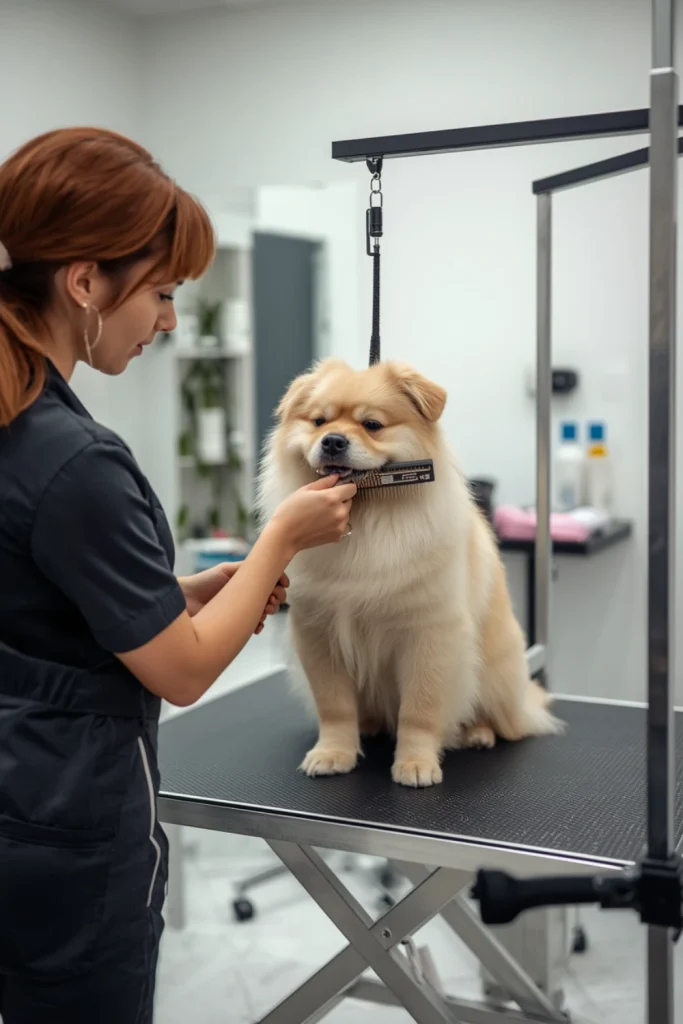
Some grooming activities require special equipment, experience, or professional skills. If your dog has a thick coat, severe tangles, difficult nail care needs, or becomes extremely nervous during grooming, a professional groomer may be helpful. Experienced groomers understand how to handle different coat types and can recommend suitable grooming routines. When choosing a grooming salon, look for a clean environment, trained staff, gentle handling practices, and a willingness to discuss your dog’s individual needs.
Before booking a complete grooming appointment, explain your dog’s fears and previous experiences. Ask whether the groomer offers shorter introductory visits for nervous dogs. You can also discuss which activities should be introduced gradually and whether your dog needs additional breaks. If your pet shows severe fear, aggression, or panic during handling, speak with your veterinarian or a qualified behavior professional before proceeding. Professional grooming should support your dog’s comfort rather than create another stressful experience.
12. Create a Consistent and Rewarding Grooming Routine
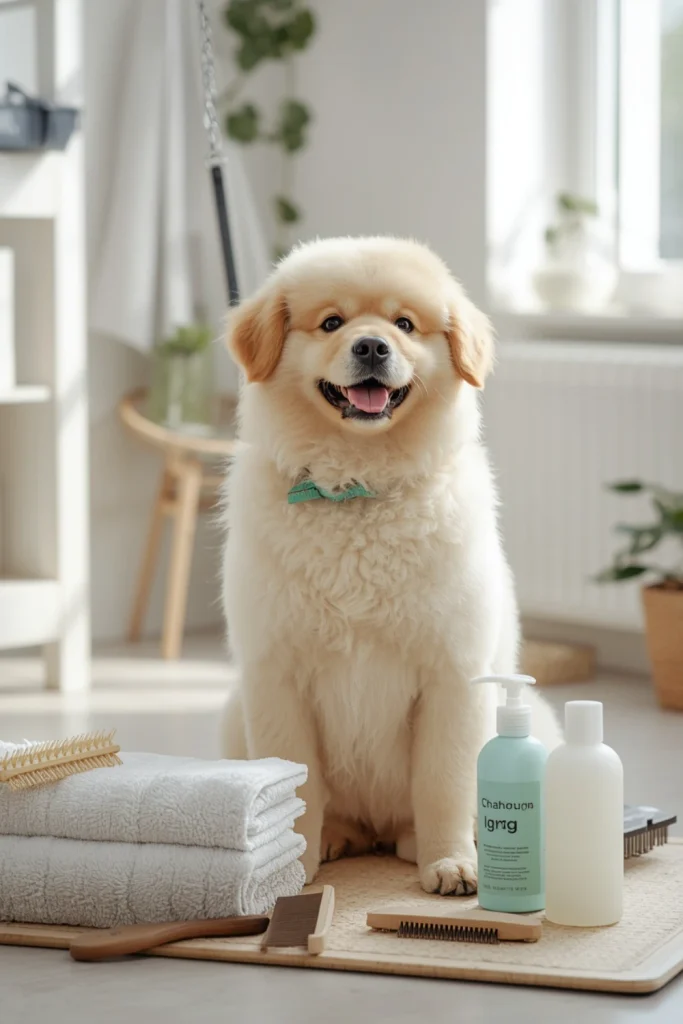
Consistency is essential when teaching your dog to become comfortable with grooming. Dogs learn through repeated experiences, so a predictable routine can help reduce uncertainty. Choose regular days or times for brushing, paw checks, ear checks, and other basic grooming activities. You do not need to complete every task during one session. Instead, create a simple schedule that matches your dog’s coat type, lifestyle, and grooming needs. Regular practice helps your pet understand what to expect.
Make every grooming session as positive as possible. Use gentle movements, suitable grooming equipment, rewards, and plenty of patience. Keep a record of your dog’s progress so you can identify which activities have become easier and which still need additional practice. Some dogs may accept brushing quickly but need more time to become comfortable with nail trimming or bathing. Celebrate small improvements rather than expecting immediate results. A consistent routine builds trust and helps grooming become a normal part of your dog’s everyday care.
Final Thoughts
Helping your dog become comfortable with grooming is a gradual process that requires patience, understanding, and consistency. Whether your pet dislikes brushing, bathing, nail trimming, or grooming tools, small positive experiences can make a meaningful difference over time.
Start with simple activities, choose a comfortable grooming environment, introduce tools slowly, and reward your dog for calm behavior. Pay attention to body language and give your pet breaks whenever necessary. Remember that every dog has a different personality and learning speed.
The goal is not simply to complete grooming tasks but to build trust and make regular care a comfortable experience. By following these 12 steps to Help Your Dog Get Comfortable with grooming, you can develop a positive routine that supports your dog’s hygiene, confidence, and overall well-being.
A little patience today can help create happier and more stress-free grooming experiences for years to come.