12 Easy Clicker Training Exercises for Dogs
Training your dog does not have to be complicated or frustrating. With a small clicker, a few minutes of practice, and a positive attitude, you can teach your furry companion useful skills while making learning fun. Clicker training helps dogs understand exactly which behaviors earn rewards, making it an effective approach for puppies, adult dogs, and even older pets learning something new.
These Clicker Training Exercises can help you teach basic commands, improve attention, encourage polite manners, and strengthen your relationship with your dog. Whether you are starting with a young puppy or helping an adult dog develop better habits, the exercises in this guide offer simple steps you can practice at home. You will also learn how to introduce the clicker, choose suitable rewards, and gradually build reliable behaviors through positive reinforcement.
1. Clicker Training Exercise for Teaching Your Dog to Respond to Its Name
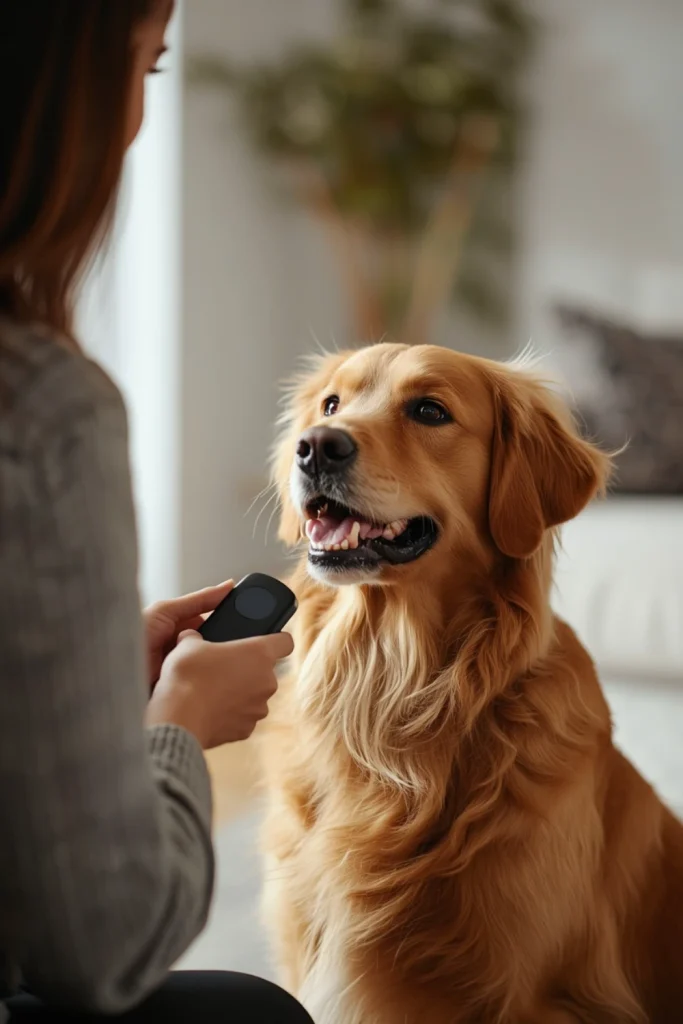
Teaching your dog to respond to its name is one of the easiest Clicker Training Exercises for beginners. Start in a quiet room where your dog feels comfortable and there are few distractions. Wait until your dog is not looking directly at you, then say its name once in a friendly voice. The moment your dog turns its head toward you, click and provide a reward. Repeat the exercise several times, giving your dog a short break if it becomes distracted. Keep your voice cheerful and avoid repeating the name continuously, because you want your dog to learn that responding to the first cue is worthwhile.
As your dog improves, practice the exercise in different rooms and familiar outdoor areas. Gradually introduce mild distractions, such as a toy placed nearby or another family member moving around. Click when your dog responds to its name by looking toward you, then reward the response. If your dog struggles, return to a quieter environment and make the exercise easier. Avoid using your dog’s name primarily for scolding, as this can weaken the positive association. A reliable name response helps you gain your dog’s attention before practicing recall, leash walking, and other important skills.
2. Teach Your Dog to Sit With a Clicker
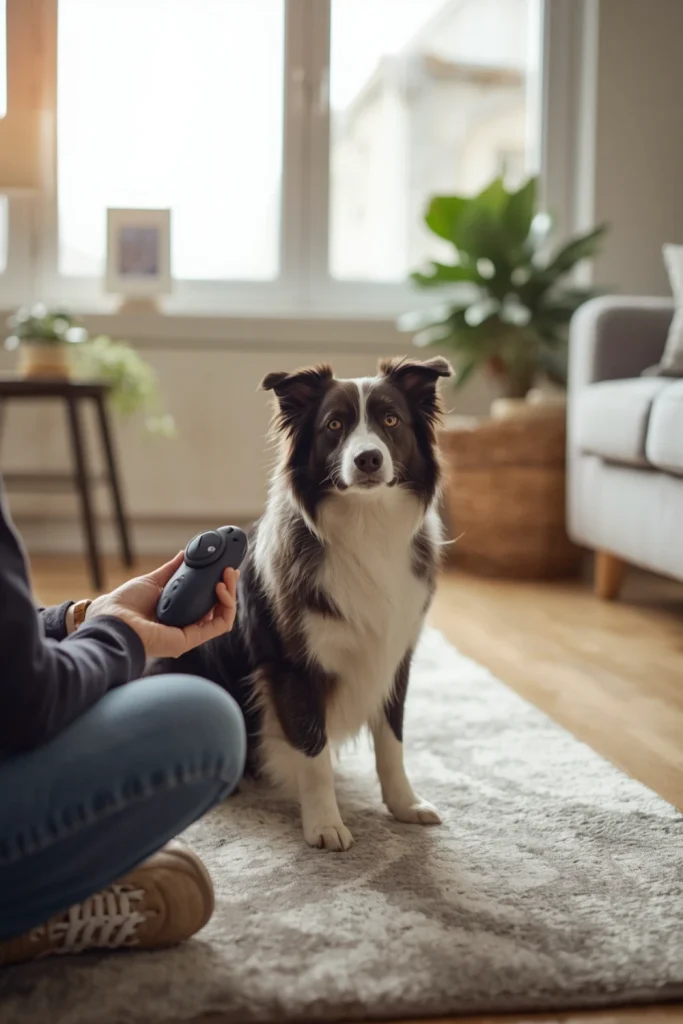
Teaching your dog to sit is a foundational exercise that can make everyday life easier. Begin in a quiet space and let your dog stand comfortably in front of you. Hold your hand naturally and wait for your dog to sit on its own, or use a small hand movement to encourage the position without pushing its body down. The moment your dog’s bottom touches the floor, click and provide a reward. Repeat the process several times, giving your dog time to understand which movement earns the click. Once your dog begins sitting reliably, introduce the verbal cue “sit” just before it performs the action.
Practice the sit command in different situations, such as before attaching the leash, greeting a familiar person, or starting a game. Click when your dog performs the behavior correctly, then reward it. Gradually reduce unnecessary hand movements so your dog learns to respond to the verbal cue. Keep sessions short and avoid repeatedly asking your dog to sit when it is struggling to understand. If your dog seems uncomfortable sitting, particularly if it is older or has mobility concerns, stop and consult a veterinarian if needed. With regular, positive practice, sitting can become a useful habit that supports better manners and impulse control.
3. Use Clicker Training to Teach the Down Command
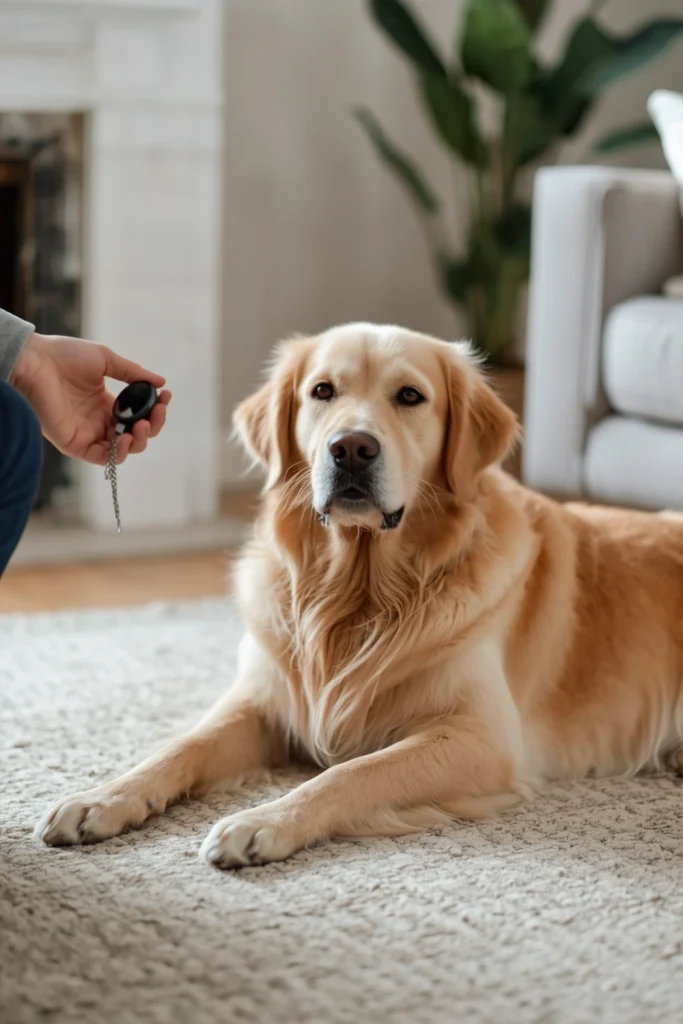
The down command teaches your dog to lie down on the floor, which can be useful for relaxation, polite behavior, and settling in public places. Start when your dog is calm and comfortable. If your dog already knows how to sit, you can begin from that position. Encourage your dog to lower its body naturally, using a gentle hand movement if needed. Click the moment its elbows and body settle onto the floor, then provide a reward. Keep your movements slow and avoid forcing your dog into position. Some dogs learn this exercise quickly, while others need smaller steps before they feel comfortable lying down.
Once your dog begins offering the down position consistently, introduce a verbal cue such as “down” immediately before the action. Click and reward successful responses, then gradually practice on different comfortable surfaces. You can also use the exercise to encourage your dog to settle while you read, work, or watch television. Avoid asking for a long down-stay before your dog understands the basic movement. First, reward the action itself, then gradually teach your dog to remain in position for a few seconds. This step-by-step approach helps make the behavior clear and comfortable without creating unnecessary frustration.
4. Teach Your Dog to Stay in One Place
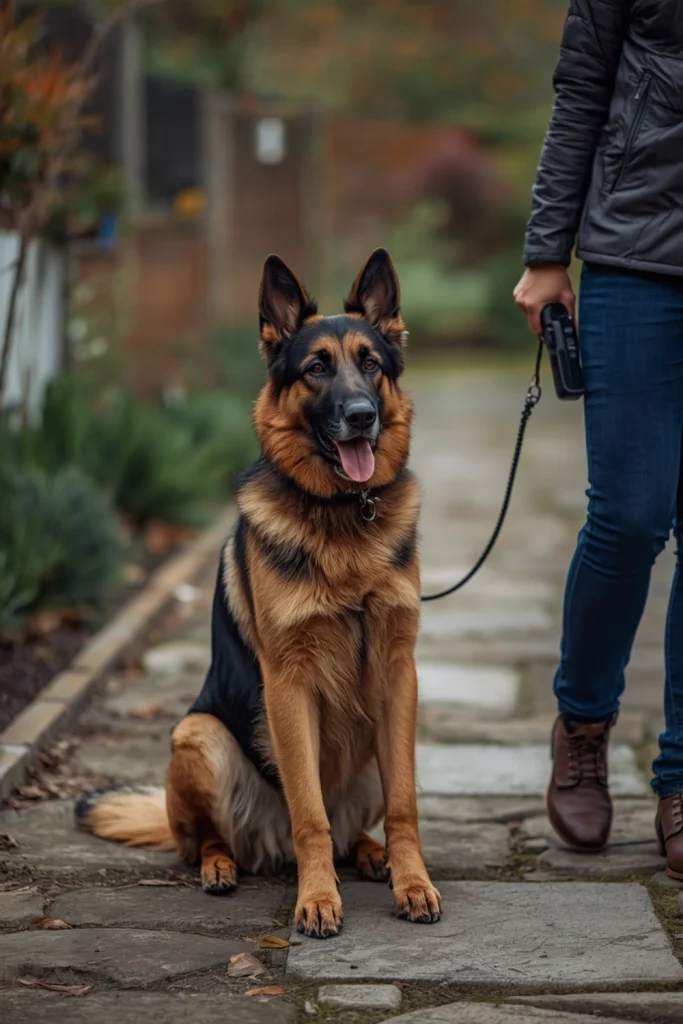
Teaching your dog to stay helps build patience and can improve safety around doors, visitors, and everyday household activities. Begin by asking your dog to sit or lie down in a quiet location. Say “stay” once, pause for just a second, and click if your dog remains in position. Immediately reward your dog, then use a release cue such as “okay” to show that the exercise has ended. Initially, keep the duration very short. Your dog needs to understand that remaining in position, rather than getting up immediately, is the behavior you are reinforcing.
Gradually increase the duration by adding a second or two at a time. Once your dog can remain still briefly, take one small step away and return to reward the behavior. Increase distance and distractions separately rather than making the exercise difficult all at once. If your dog gets up, calmly reset and try an easier version. Avoid calling your dog out of the stay during early practice, because the goal is to teach a clear release cue. Never use a stay command to place your dog in an unsafe situation or prevent it from moving away from something frightening. With consistent practice, this exercise can improve self-control and everyday cooperation.
5. Improve Recall With Clicker Training
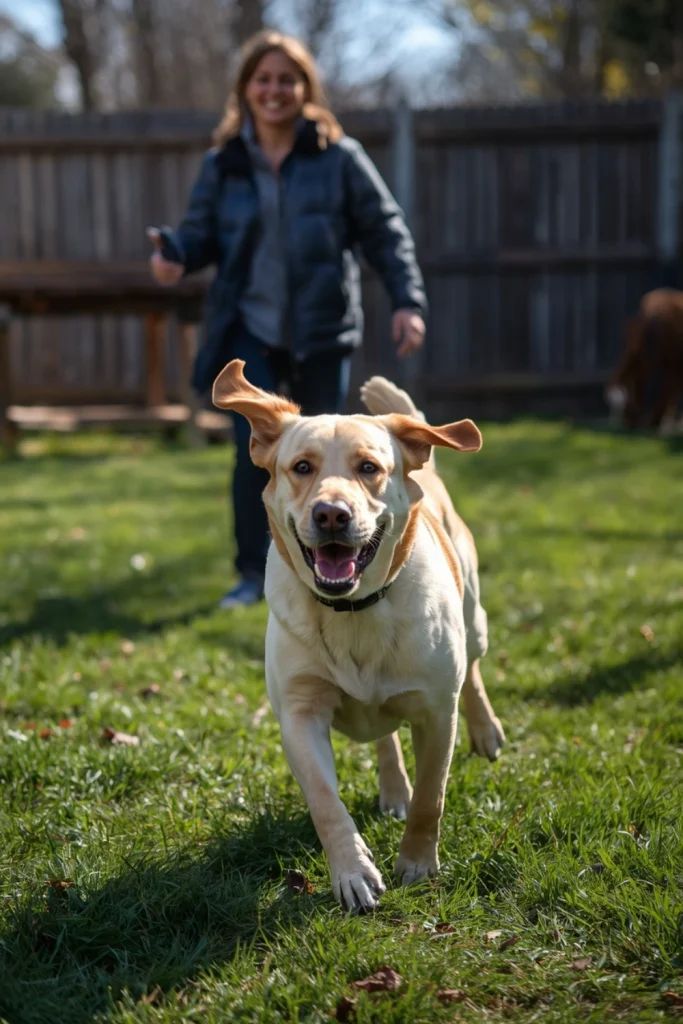
Recall teaches your dog to come to you when called and is one of the most valuable skills for everyday safety. Start indoors in a quiet area where your dog can move freely without encountering hazards. Move a short distance away, say your dog’s name followed by “come,” and encourage it to approach you in a friendly voice. Click as soon as your dog reaches you or arrives at the position you are teaching, then provide a reward. Make returning to you an enjoyable experience by using enthusiastic praise, a favorite toy, or another suitable reward. Avoid calling your dog only when something unpleasant is about to happen.
When your dog responds reliably indoors, practice in a secure fenced area with slightly more distractions. Begin at a short distance and gradually increase the challenge as your dog succeeds. Click when your dog completes the recall, then reward generously. If your dog is distracted or fails to respond, reduce the distance and make the environment easier. Never punish your dog for eventually coming to you, because this can make future recalls less reliable. Keep your dog on a suitable leash or long line in open public areas until its recall is dependable. Clicker training can help you mark the moment your dog returns, building a positive association with coming when called.
6. Encourage Eye Contact and Better Focus
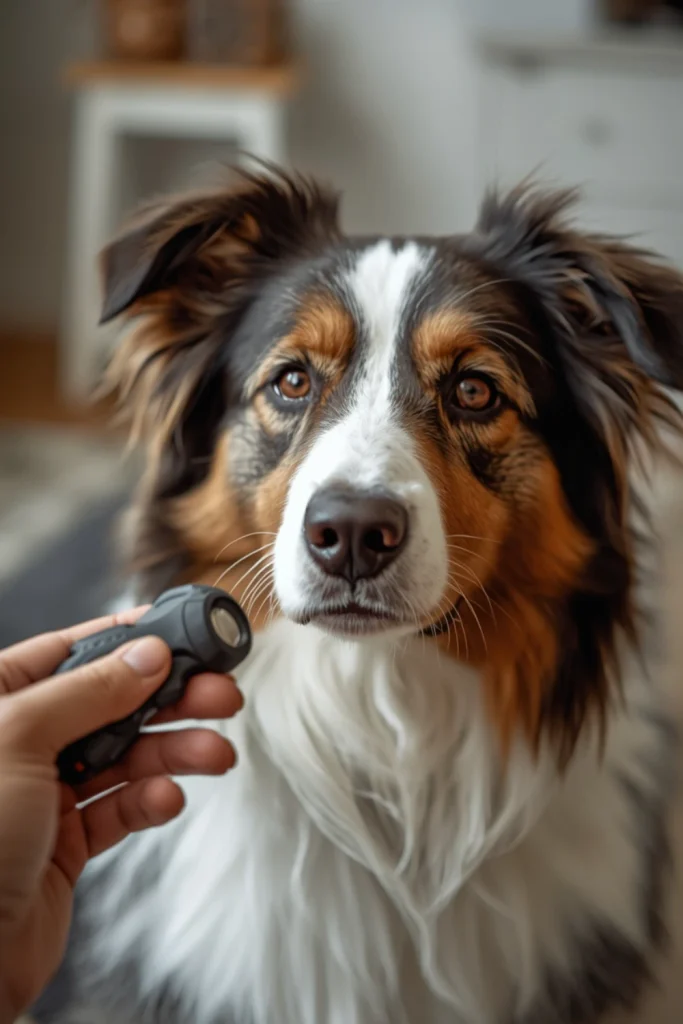
Teaching your dog to look toward you on cue can improve communication and make other training exercises easier. Begin in a quiet room when your dog is relaxed. Stand or sit comfortably and wait for your dog to glance toward your face. The instant eye contact occurs, click and provide a reward. At first, reward even a brief glance rather than expecting your dog to maintain eye contact for a long time. Repeat the exercise in short sessions, allowing your dog to look away naturally between repetitions. This teaches your dog that voluntarily checking in with you is a worthwhile behavior.
Once your dog begins looking toward you consistently, introduce a cue such as “look” or “watch me.” Say the cue, wait briefly, and click when your dog makes eye contact. Gradually practice in different rooms and familiar outdoor settings. Do not force your dog’s face toward yours or demand prolonged staring, as some dogs find intense eye contact uncomfortable. Instead, reward brief, relaxed attention and build duration gradually. This exercise can be particularly helpful before crossing a quiet path, beginning leash training, or practicing around mild distractions. Better focus does not mean your dog must watch you constantly; it means your dog can voluntarily reconnect with you when needed.
7. Teach Loose-Leash Walking
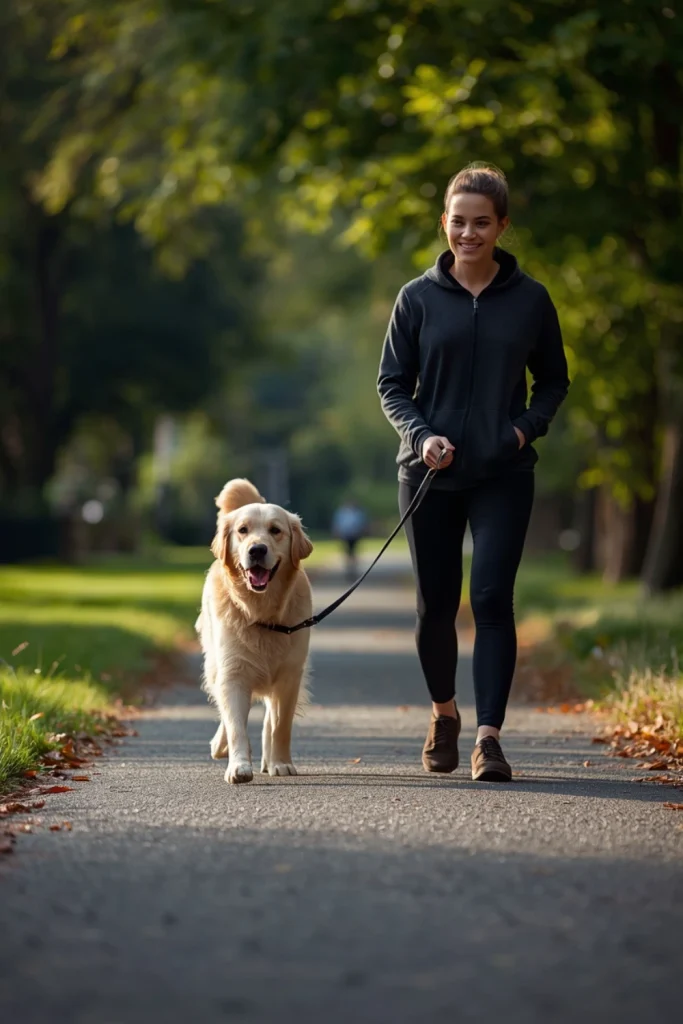
Loose-leash walking helps your dog enjoy walks without constantly pulling you forward. Begin in a quiet area with your dog wearing a properly fitted harness or collar attached to a suitable leash. Start walking at a comfortable pace and watch for moments when your dog walks beside you with the leash loose. Click at that moment and provide a reward. Initially, reward frequently so your dog understands which position you want. Avoid expecting perfect heelwork throughout the walk. The goal is relaxed walking with a loose leash, allowing your dog to move naturally while remaining connected to you.
As your dog improves, practice changing direction, slowing down, and walking past mild distractions. Click whenever your dog voluntarily returns to your side or continues walking without pulling. If the leash becomes tight, pause or gently change direction rather than dragging your dog. Resume walking when the leash becomes loose again. You can also reward calm exploration by allowing your dog to sniff a safe area after several good steps. Keep sessions short, particularly for puppies or dogs new to leash training. If your dog reacts strongly to other dogs or people, increase your distance and seek professional guidance when needed. Consistent clicker training can help make walks more comfortable and enjoyable for both of you.
8. Teach Your Dog to Touch Your Hand
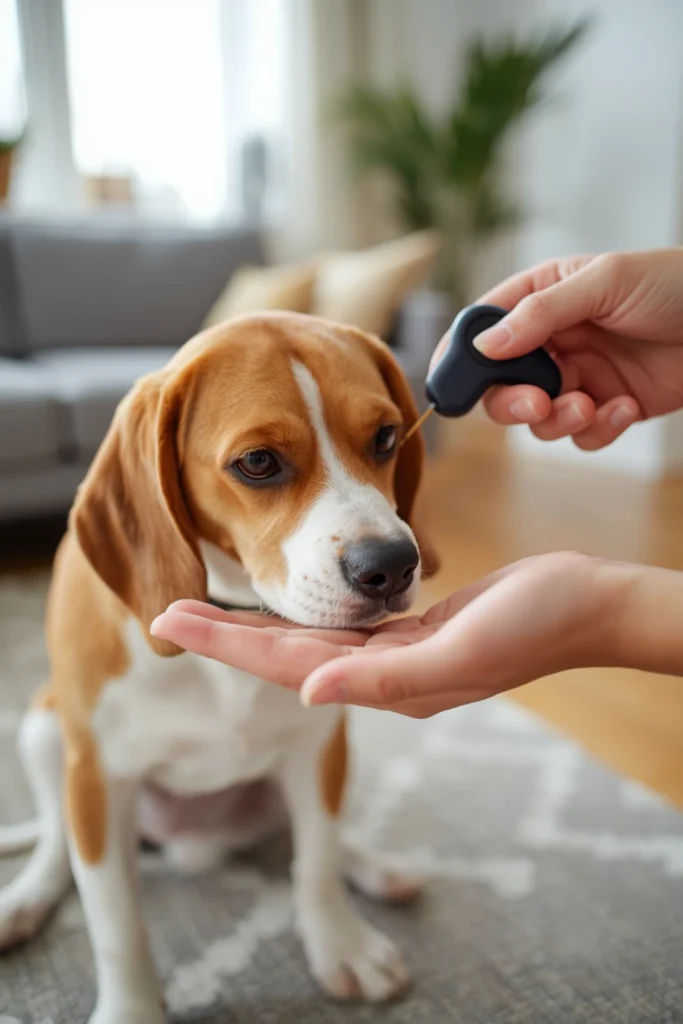
Hand targeting is a simple and versatile clicker training exercise that teaches your dog to touch your open palm with its nose. Begin by presenting your hand a short distance from your dog’s face. Many dogs will naturally investigate the hand out of curiosity. The moment your dog’s nose touches your palm, click and reward. If your dog does not approach, move your hand slightly closer or try again when it is more interested. Avoid pushing your hand toward the dog’s face. Let your dog choose to investigate so the behavior remains voluntary and comfortable.
Once your dog consistently touches your hand, introduce a cue such as “touch.” Present your palm, say the cue, and click when your dog makes contact. Gradually practice with your hand in different positions and at slightly greater distances. Hand targeting can help guide your dog toward a particular location, encourage movement during training, and build engagement without pulling on the leash. It can also be useful for introducing cooperative care exercises, such as teaching a dog to voluntarily approach for handling. Keep sessions positive and avoid using targeting to lure a frightened dog into an uncomfortable situation. With regular practice, this simple behavior can become a useful foundation for more advanced training.
9. Teach Your Dog to Go to Its Bed
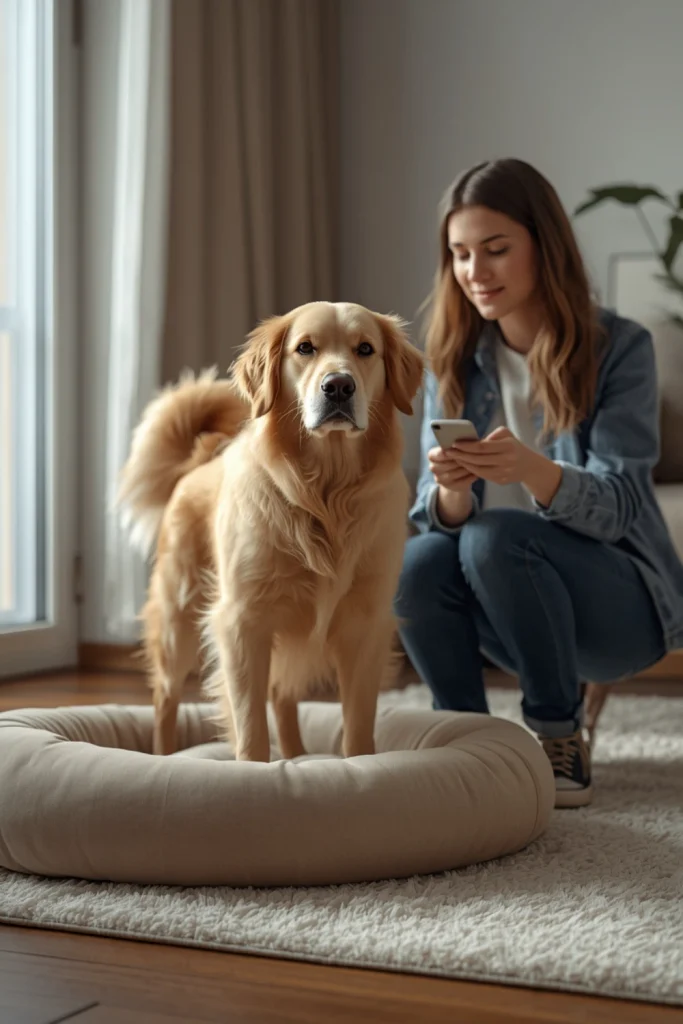
Teaching your dog to go to a designated bed or mat provides a useful way to encourage calm behavior at home. Start by placing a comfortable mat in a quiet area. Allow your dog to investigate it naturally, and click when it looks at the mat, approaches it, or steps onto it. Reward small steps toward the finished behavior rather than expecting your dog to understand the entire exercise immediately. This gradual method is called shaping. Once your dog willingly steps onto the mat, begin clicking when all four paws are on it, then gradually reward standing, sitting, or lying down there.
When your dog regularly goes to the mat, introduce a cue such as “bed” or “place.” Say the cue just before your dog moves toward the mat, then click and reward when it arrives. Gradually encourage your dog to remain there for a few seconds before releasing it. You can use this skill when preparing meals, working at home, or helping your dog settle while visitors arrive. Make sure the bed remains a comfortable and positive place rather than a punishment area. If your dog leaves before the release cue, calmly make the exercise easier. Rewarding voluntary returns to the mat can help build a reliable settling behavior without forcing your dog to remain in place.
10. Reduce Jumping During Greetings
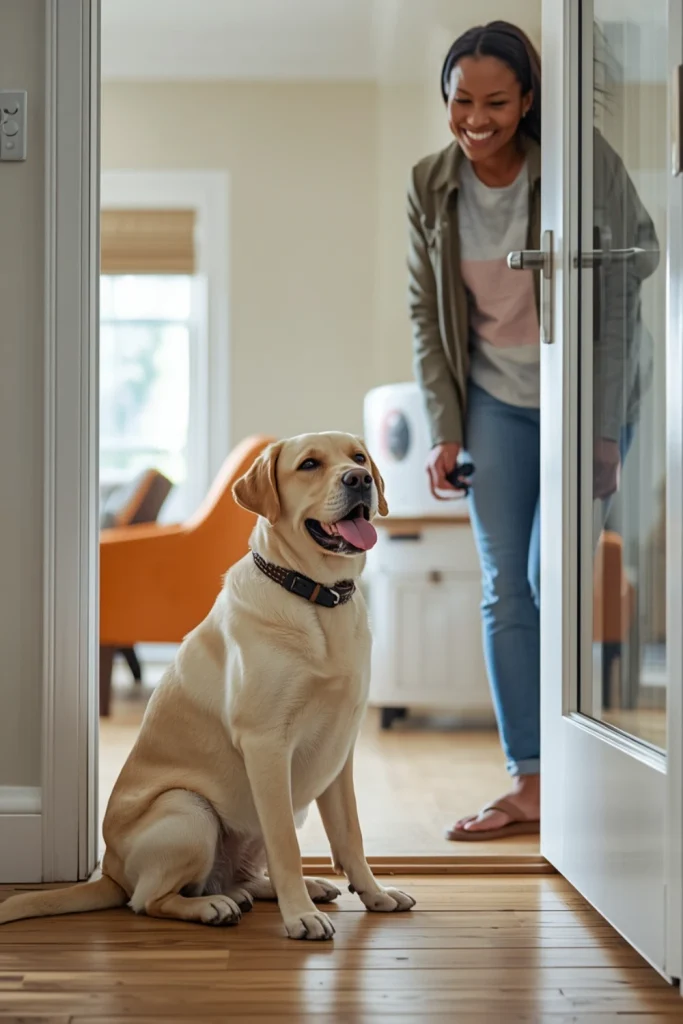
Jumping on people is a common behavior, particularly in excited puppies and energetic adult dogs. Clicker training can help you teach a more polite greeting by reinforcing the behavior you want instead. Begin with a familiar person in a quiet environment. Approach your dog calmly and wait for a moment when all four paws are on the floor. Click and reward that position with attention, praise, or another suitable reward. If your dog jumps, the person can briefly pause the greeting and wait for the dog to settle before trying again. The aim is to make calm behavior more rewarding than jumping.
As your dog begins to understand the exercise, gradually practice with other familiar people. Ask visitors to approach only when your dog can remain relatively calm, and reward the desired greeting promptly. You may also teach your dog to sit before receiving attention, clicking when its bottom touches the floor. Avoid yelling, kneeing the dog, or pushing it away, as these reactions can accidentally make jumping more exciting. If your dog is too excited to succeed, increase the distance and practice from a calmer starting point. Keep greetings controlled, especially around children or older visitors. With repetition and consistent responses from everyone involved, your dog can learn a more comfortable way to greet people.
11. Teach Your Dog to Drop an Object
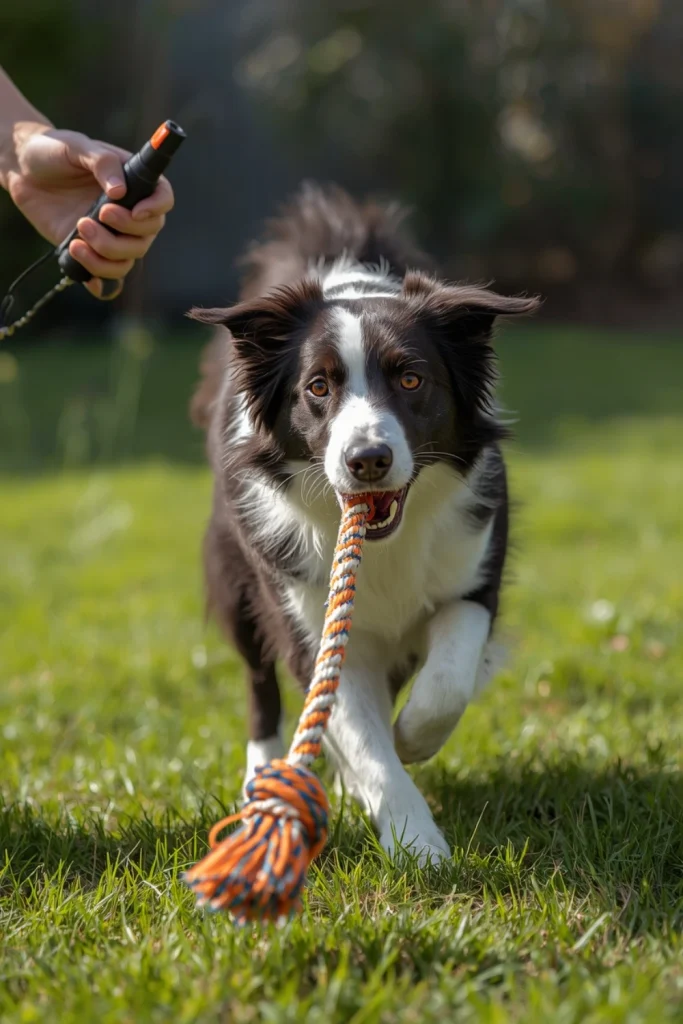
The “drop it” command teaches your dog to release an object safely and willingly. It is especially useful during play, when your dog picks up an unsuitable item, or when you need to exchange a toy. Begin with a low-value toy that your dog enjoys but is not overly possessive about. Offer a second toy or another appropriate reward that encourages your dog to release the first object. The moment your dog opens its mouth and drops the toy, click and provide the agreed reward. When safe, return the original toy so your dog learns that releasing an object does not always mean losing it permanently.
As your dog improves, introduce a verbal cue such as “drop it” just before offering the exchange. Click when the object is released and reward promptly. Gradually practice with different toys, keeping the exercise easy enough for your dog to succeed. Never forcibly pull an object from your dog’s mouth or corner a dog that is guarding something, because this can increase the risk of defensive behavior. If your dog growls, stiffens, or guards objects, consult a qualified reward-based trainer or veterinary behavior professional. For dangerous items, prioritize safety and use an appropriate exchange rather than turning the situation into a confrontation. Consistent practice can make releasing objects a cooperative habit.
12. Teach Your Dog to Settle Calmly
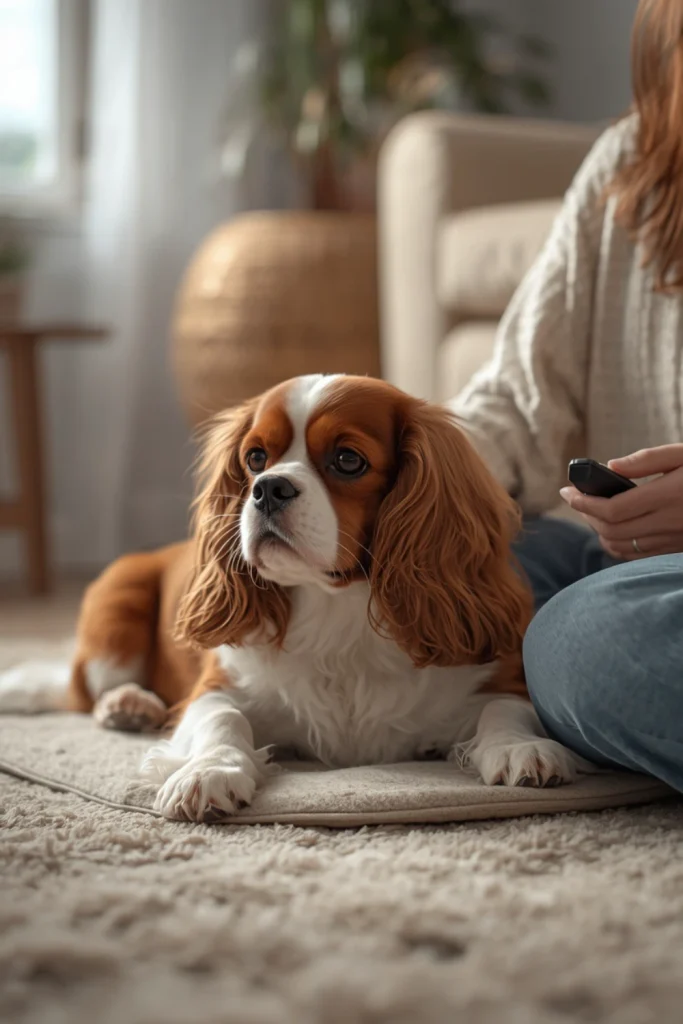
Teaching your dog to settle helps it relax when nothing exciting is happening. This skill can be useful during family activities, while you work at home, or when visiting dog-friendly places. Start when your dog is already relatively calm. Place a comfortable mat nearby and wait for your dog to show a relaxed behavior, such as lying down, resting its head, or loosening its body posture. Click and reward these moments quietly. Avoid creating excitement with loud praise or sudden movements, because the aim is to reinforce calmness. Keep early sessions brief so your dog can learn without becoming restless.
As your dog begins to settle more frequently, introduce a cue such as “relax” or “settle” when it starts to rest. Click and reward calm behavior at appropriate intervals, gradually allowing longer periods between rewards. Practice after a walk or gentle play session, when your dog may find relaxation easier. Do not expect a young puppy or highly excited dog to remain settled for a long time immediately. Make sure your dog has had opportunities for exercise, water, toilet breaks, and mental stimulation. If your dog seems distressed or unable to relax, investigate the cause rather than simply asking for more stillness. Gradual, positive practice can help your dog learn to rest comfortably around everyday household activity.
Conclusion
These twelve Clicker Training Exercises provide a practical starting point for teaching your dog useful skills, improving everyday manners, and strengthening your relationship. From learning to sit and stay to walking politely on a leash and settling calmly, each exercise helps your dog understand which behaviors lead to positive outcomes.
Start with one or two simple exercises, practice in a quiet environment, and reward progress with consistent timing. As your dog becomes more confident, gradually introduce new challenges and practice familiar skills in different locations. Remember that patience, clear communication, and positive reinforcement are essential for lasting progress. With regular practice, clicker training can make learning more enjoyable while helping your dog become a confident, responsive, and well-mannered companion.