
10 Simple Solutions for Dogs That Pull on Walks
Is your peaceful walk turning into a daily tug-of-war? Dogs that pull on walks can make even a short trip around the neighborhood exhausting, frustrating, and difficult to enjoy. The good news is that leash pulling is a common behavior, and with the right approach, you can teach your dog to walk more calmly.
Your dog does not need to be perfect overnight. With patience, consistency, positive reinforcement, and simple training exercises, you can gradually improve your dog’s leash manners. These 10 simple solutions will help you understand why dogs pull on walks and show you practical ways to create calmer, safer, and more enjoyable walks.
1. Start Leash Training in a Quiet Environment
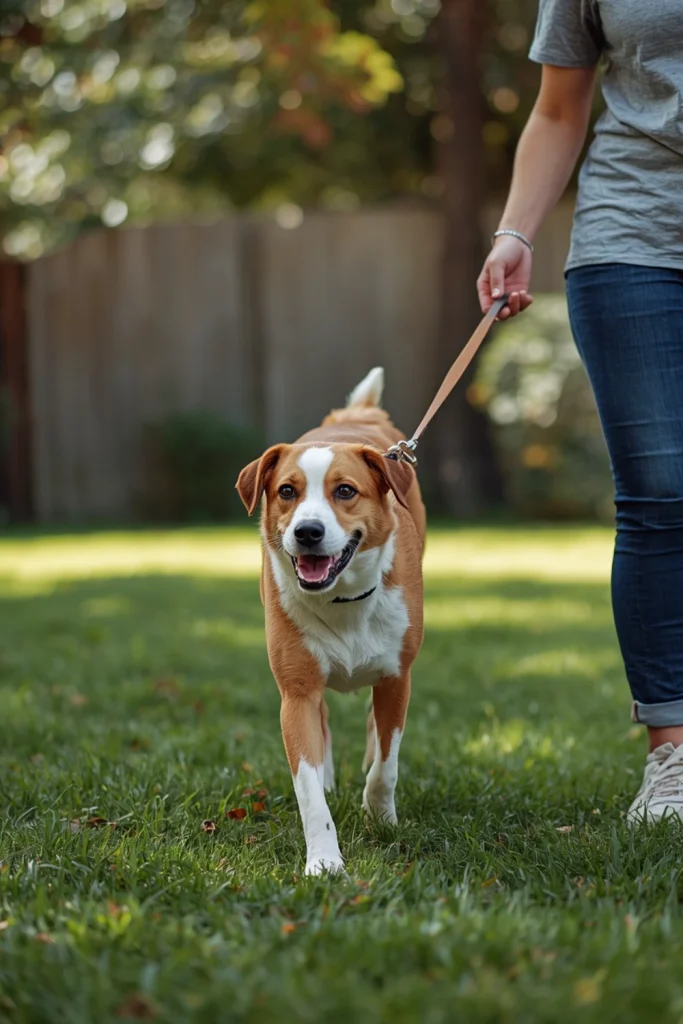
One of the best ways to teach dogs that pull on walks is to begin training somewhere with very few distractions. A busy street, crowded park, or area filled with other dogs can be overwhelming when your dog is still learning basic leash manners. Start inside your home, in your backyard, or in a quiet outdoor space. Put the leash on your dog and practice walking a few steps at a time.
Reward your dog whenever the leash remains loose and your pet stays near you. You do not need to complete a long walk during the first training sessions. The goal is to teach your dog that walking calmly beside you is rewarding. Once your dog understands the basic behavior in a quiet environment, you can slowly move to more challenging locations.
2. Reward Loose-Leash Walking
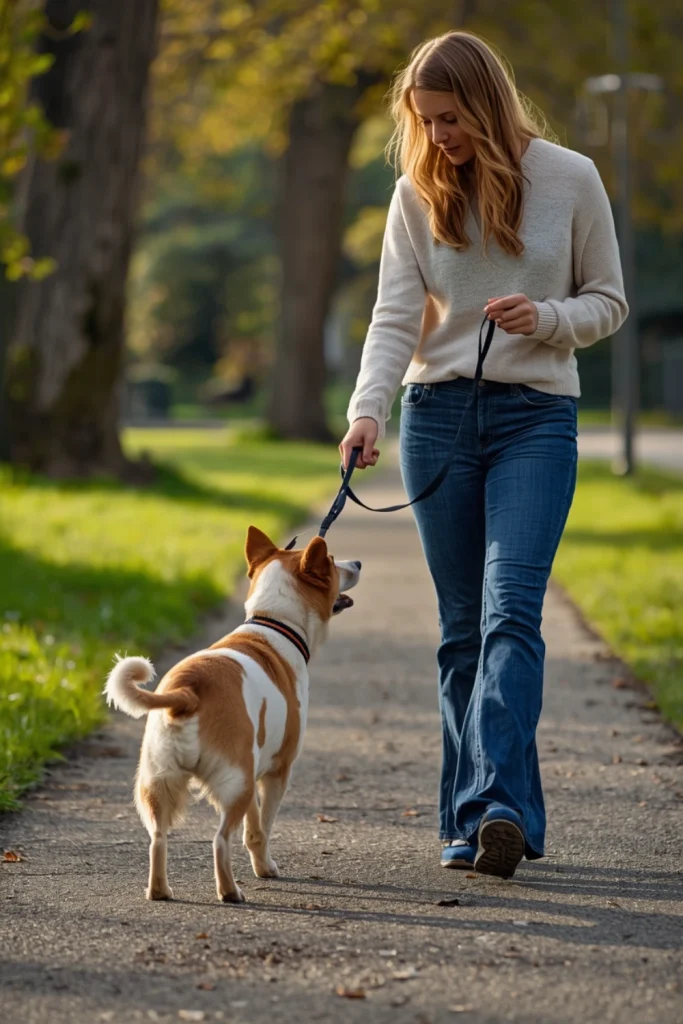
Positive reinforcement is an effective way to change the behavior of dogs that pull on walks. Instead of focusing only on what your dog is doing wrong, reward the behavior you want to see. Whenever your dog walks beside you with a loose leash, offer praise, a small training treat, or another reward your dog enjoys.
At the beginning, reward frequently so your dog clearly understands the connection between calm walking and positive outcomes. As your dog improves, gradually increase the number of steps between rewards. Eventually, your dog will learn that staying close and keeping the leash loose helps the walk continue. This creates a positive training experience and gives your dog a reason to choose better walking behavior.
3. Stop Moving When Your Dog Pulls
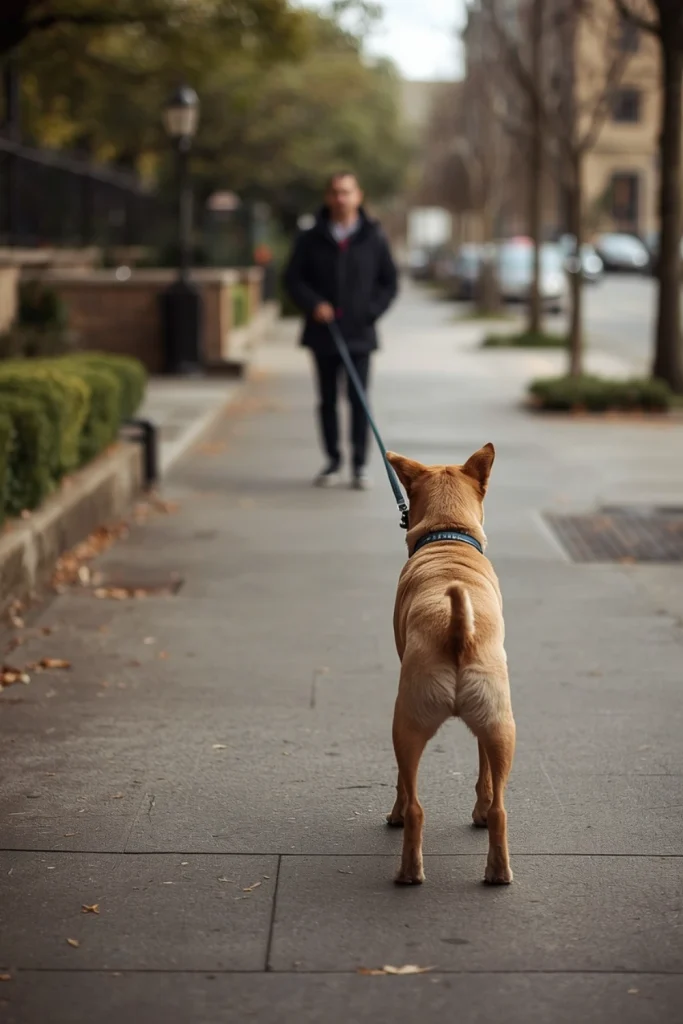
Many dogs continue pulling because they have learned that pulling gets them somewhere. If your dog sees an interesting smell, another dog, a person, or a favorite location, pulling may seem like an effective way to reach it. One simple solution is to stop moving whenever the leash becomes tight.
Remain calm and wait for your dog to release the tension. As soon as your dog returns attention to you or creates slack in the leash, continue walking. Avoid jerking the leash or turning the situation into a physical struggle. With consistent practice, your dog can learn that pulling makes forward movement stop, while calm walking allows the walk to continue.
4. Teach Your Dog to Pay Attention to You
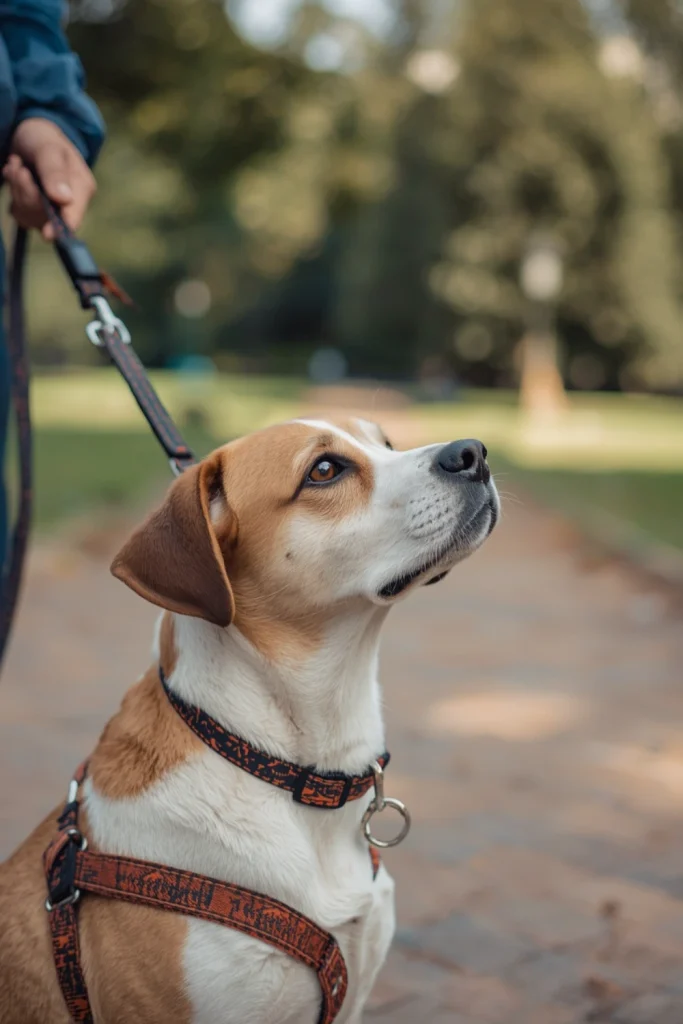
Dogs can easily become distracted during walks. Interesting smells, squirrels, bicycles, children, cars, and other animals can quickly capture their attention. Teaching your dog an attention cue such as its name or “look at me” can help you redirect that focus before pulling becomes intense.
Begin practicing the attention command at home. Say your dog’s name, and when your dog looks toward you, immediately reward it. Repeat this several times before practicing outdoors. Gradually introduce mild distractions and reward your dog for choosing to look back at you. This skill can be particularly useful for dogs that pull on walks because it gives you a simple way to regain their attention before they become overly excited.
5. Use a Comfortable and Properly Fitted Harness
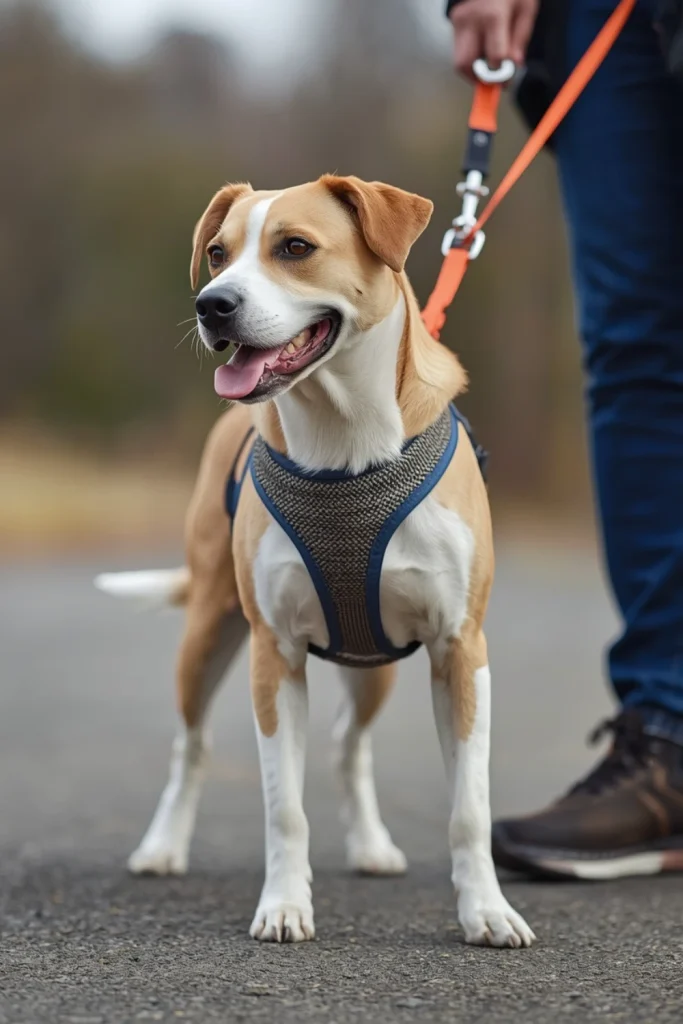
Walking equipment can influence how comfortable and manageable your dog’s walks are. A properly fitted harness may provide better control for some dogs, particularly those that pull strongly or have sensitive necks. The right equipment should allow your dog to move naturally without rubbing, pinching, or restricting movement.
However, equipment alone will not teach dogs that pull on walks to walk calmly. A harness should be used alongside consistent training rather than as a replacement for it. Check the fit regularly and choose equipment appropriate for your dog’s size and individual needs. If you are unsure which type of harness or collar is suitable, ask your veterinarian or a qualified dog trainer for guidance.
6. Practice Direction Changes
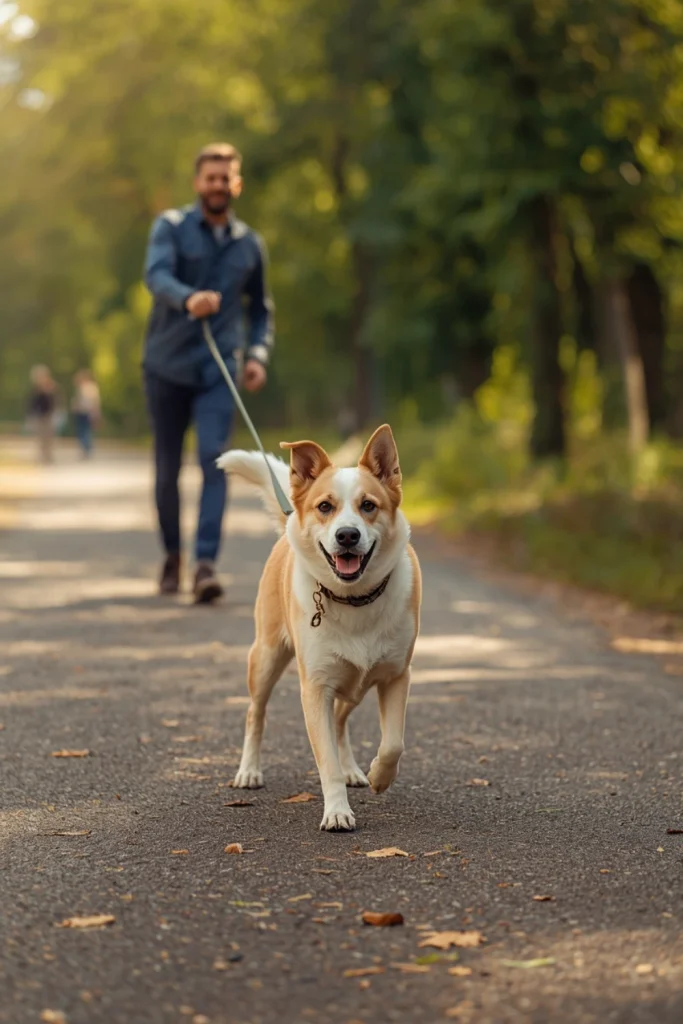
Direction changes can teach your dog to pay attention to your movements instead of constantly deciding where the walk should go. This is especially useful for dogs that pull on walks because it encourages them to follow you rather than dragging you toward distractions.
Begin in a quiet area. Walk forward for several steps, then calmly turn and walk in another direction. When your dog follows you without pulling, offer praise or a reward. Do not yank your dog around or make sudden movements that could frighten your pet. With regular practice, your dog can learn to notice your movement and stay connected to you during walks. Once the exercise becomes easy, gradually practice in locations with more distractions.
7. Give Your Dog Appropriate Exercise and Mental Stimulation
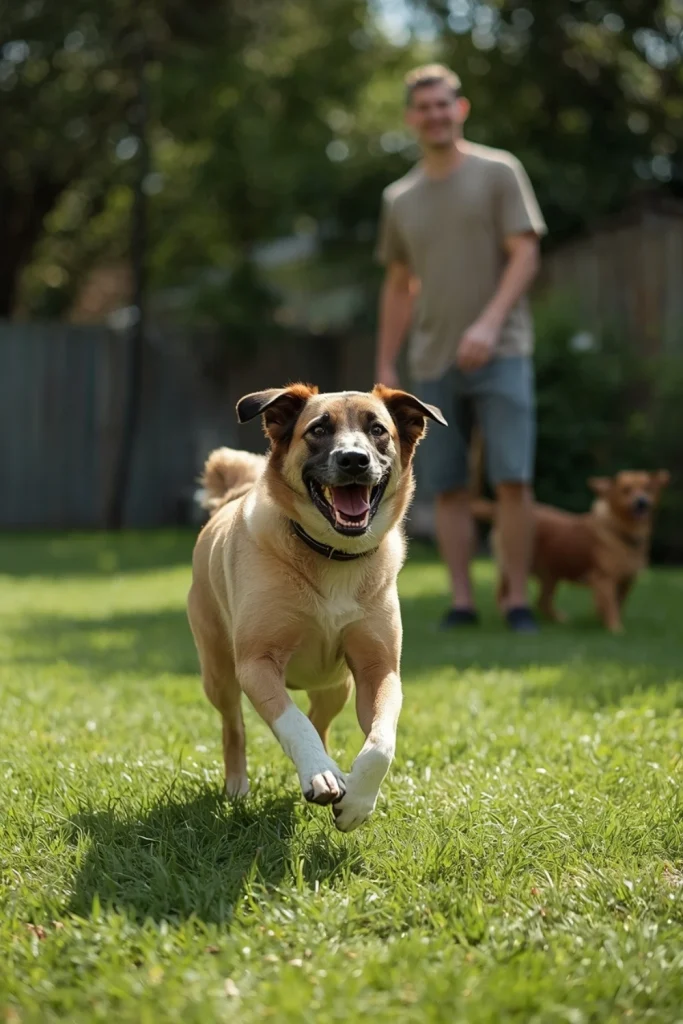
Some dogs pull because they have a lot of energy and excitement. Young dogs, working breeds, and highly active individual dogs may have difficulty concentrating if they have not received enough appropriate physical and mental stimulation. Giving your dog suitable activities can make leash training easier.
Before a focused training session, consider providing age-appropriate play, a short activity, or simple enrichment. Puzzle toys, scent games, basic obedience practice, and supervised play can provide mental stimulation. However, avoid trying to completely exhaust your dog just to make it easier to control on walks. A healthy routine should balance exercise, exploration, training, rest, and relaxation. Meeting your dog’s needs can make calm walking easier to teach.
8. Allow Controlled Sniffing During Walks
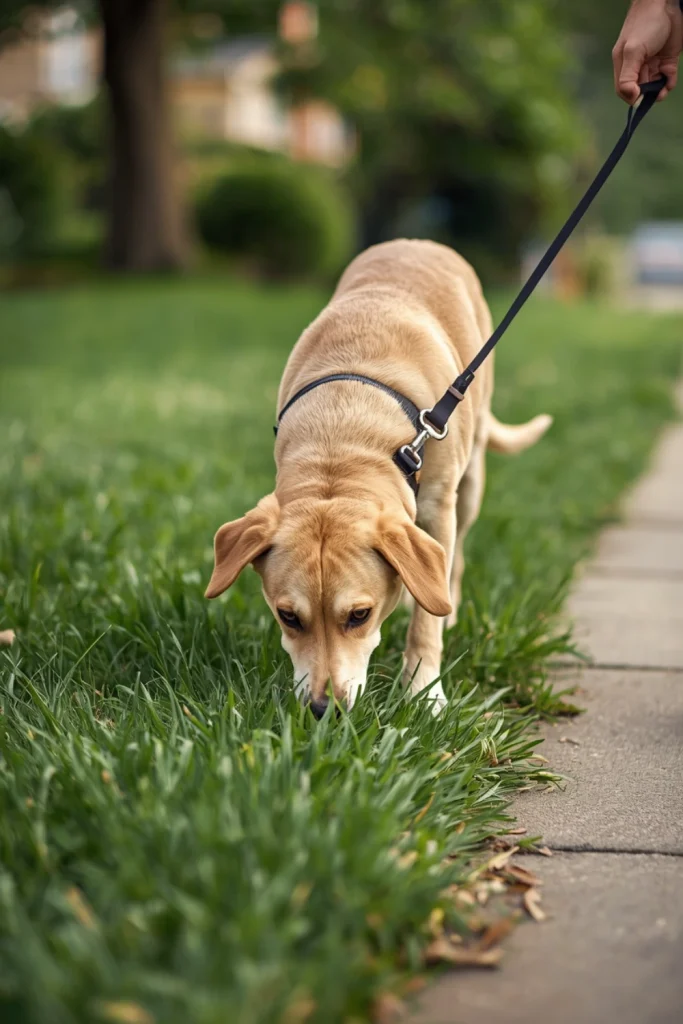
Sniffing is a natural and important behavior for dogs. During a walk, your dog uses its nose to gather information about the environment. Completely preventing sniffing can make walks less enjoyable and may remove an important form of mental stimulation. Instead, teach your dog when it is appropriate to explore.
After your dog walks calmly for a short distance, give it permission to sniff a safe area. You can use a consistent phrase such as “go sniff.” After a short exploration period, call your dog back and continue walking. This creates a useful balance between training and freedom. Your dog learns that calm leash behavior can lead to opportunities to explore, while constantly pulling does not determine where the walk goes.
9. Gradually Increase Distractions
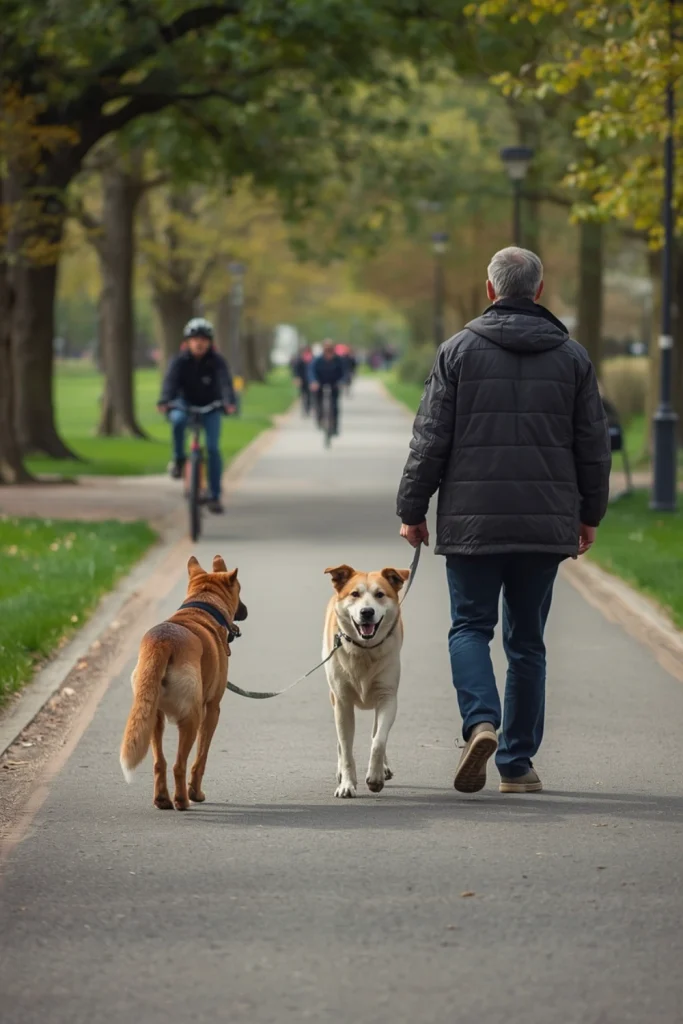
A dog that walks perfectly inside your home may pull immediately when taken to a busy park. This is normal because outdoor environments contain many distractions. Instead of expecting your dog to handle everything at once, gradually increase the difficulty of your training sessions.
Begin with mild distractions and reward your dog for remaining calm. When your dog can successfully walk near those distractions, slowly introduce more challenging situations. If your dog begins pulling, barking, or becoming overly excited, increase the distance from the distraction and make the exercise easier. This gradual approach is particularly helpful for dogs that pull on walks because it allows them to build reliable skills without becoming overwhelmed.
10. Keep Training Consistent and Patient
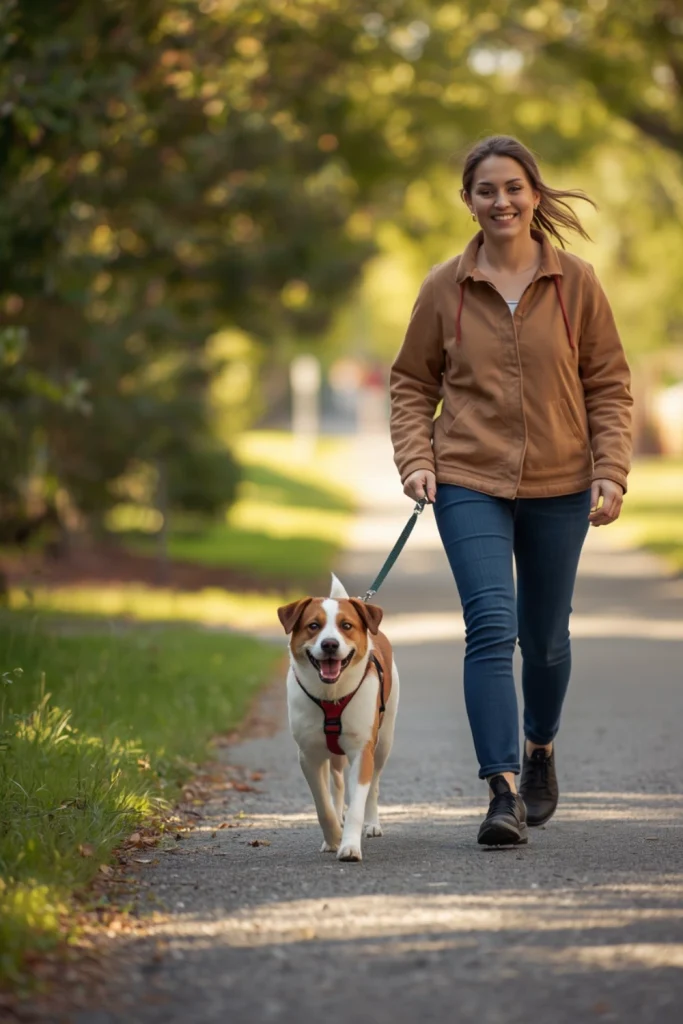
Consistency is one of the most important parts of changing leash behavior. If your dog is allowed to pull sometimes but expected to walk calmly at other times, it may become confused about which behavior is acceptable. Everyone who walks the dog should follow the same basic rules and use similar cues.
Remember that training takes time. Some dogs learn quickly, while others need weeks or months of regular practice. Focus on gradual improvement rather than expecting perfection. If your dog walks calmly for ten steps when it previously managed only two, that is meaningful progress. Avoid yelling, harsh corrections, or physical punishment. Positive, consistent training can help your dog develop better habits while protecting the trust between you and your pet.
Final Thoughts
Training dogs that pull on walks does not have to become a daily battle. The most effective approach is to make calm walking rewarding, prevent pulling from becoming successful, and gradually teach your dog how to handle distractions. Start in a quiet environment, reward loose-leash walking, practice attention skills, and increase difficulty slowly.
Remember that every dog learns differently. Some dogs may improve within a few weeks, while others need longer-term practice. Stay patient and consistent, celebrate small improvements, and avoid harsh training methods. With time and positive guidance, your walks can become calmer, safer, and much more enjoyable for both you and your dog.