
15 Training Tips for Dogs Living in Apartments
Living in an apartment with a dog can be a wonderful experience, even when space is limited. Dogs do not need a large house or a huge backyard to become happy, well-behaved companions. With the right routine, consistent training, and plenty of positive attention, you can teach your dog to feel comfortable indoors, behave politely around neighbors, and enjoy daily walks without creating unnecessary stress.
However, apartment living comes with a few unique challenges. Shared walls can make barking a concern, hallways and elevators require good manners, and limited outdoor space can make potty training more demanding. The good news is that a few simple habits can make a significant difference. These 15 training tips will help you build a practical routine, encourage calm behavior, and create a comfortable home for your dog.
1. Establish a Consistent Daily Routine
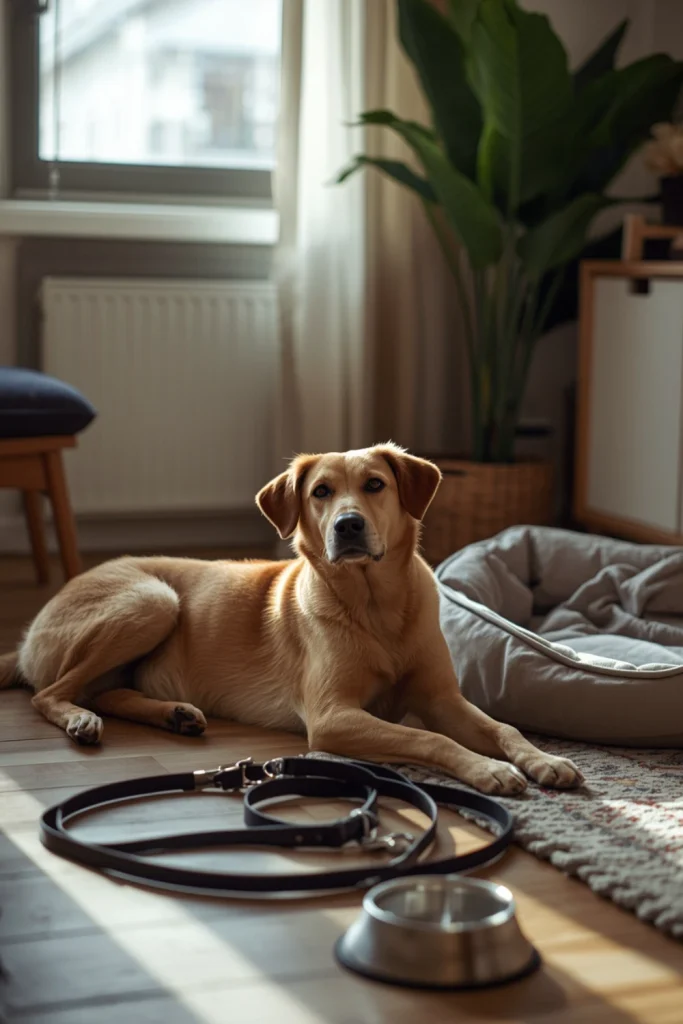
A predictable daily routine is one of the most useful training tips for apartment dogs. Dogs often feel more comfortable when they can anticipate meals, potty breaks, walks, playtime, and rest. Choose a schedule that fits your lifestyle and try to keep important activities at approximately the same times each day. For example, take your dog outside after waking up, provide meals at regular intervals, and schedule short training sessions throughout the day. A consistent routine can make it easier for your dog to understand household expectations.
Your schedule does not have to be identical every day, but it should provide enough structure to prevent long periods of boredom or confusion. Puppies usually need more frequent potty breaks and supervision than adult dogs. Older dogs may need shorter walks or additional opportunities to go outside. Observe your dog’s behavior and adjust the routine when necessary. A reliable schedule supports house training, reduces frustration, and helps your dog settle more comfortably in an apartment.
2. Teach Your Dog to Be Quiet on Cue
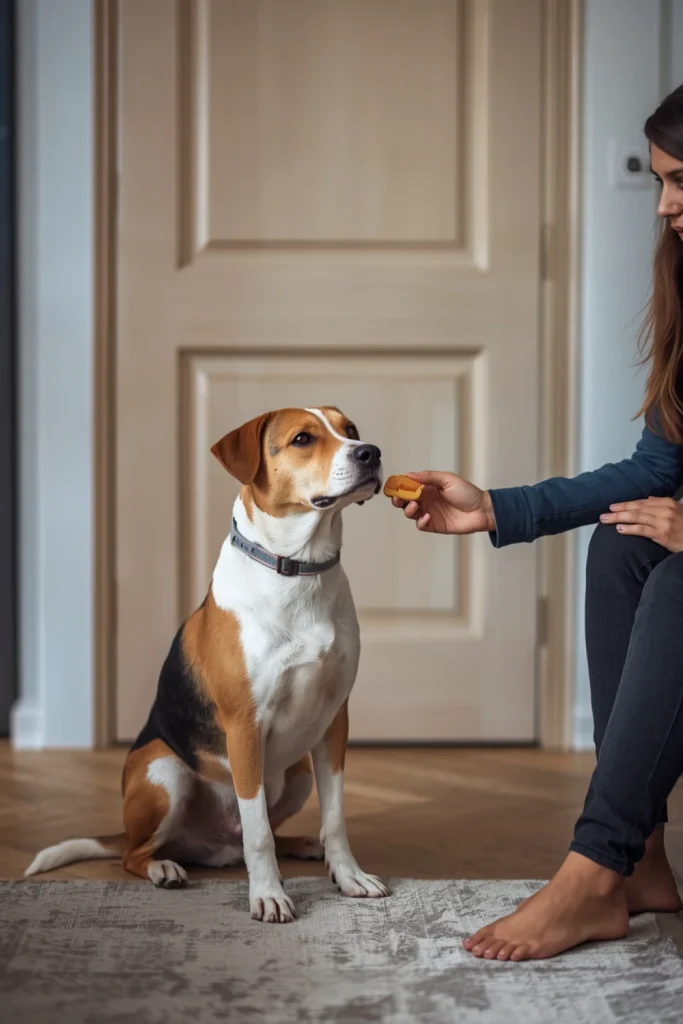
Barking can become a challenge in apartments because neighbors may hear sounds through shared walls and doors. Begin by identifying what usually triggers your dog’s barking. Common triggers include footsteps outside, doorbells, unfamiliar voices, and dogs passing the window. When your dog hears a sound but remains quiet, calmly reward that behavior. If your dog barks, avoid shouting because your voice may sound like additional barking and increase excitement. Instead, wait for a brief pause and reward the quiet moment.
Once your dog can settle after a trigger, introduce a cue such as “Quiet” by saying it calmly during a natural pause. Reward your dog when they stop barking and remain relaxed. Practice with mild sounds before working on more exciting situations. Avoid expecting your dog to stay silent while frightened or distressed. If barking is connected to separation anxiety, fear, or persistent reactivity, identify the underlying cause and seek help from a qualified reward-based trainer or veterinary professional when needed.
3. Create a Dedicated Indoor Resting Area
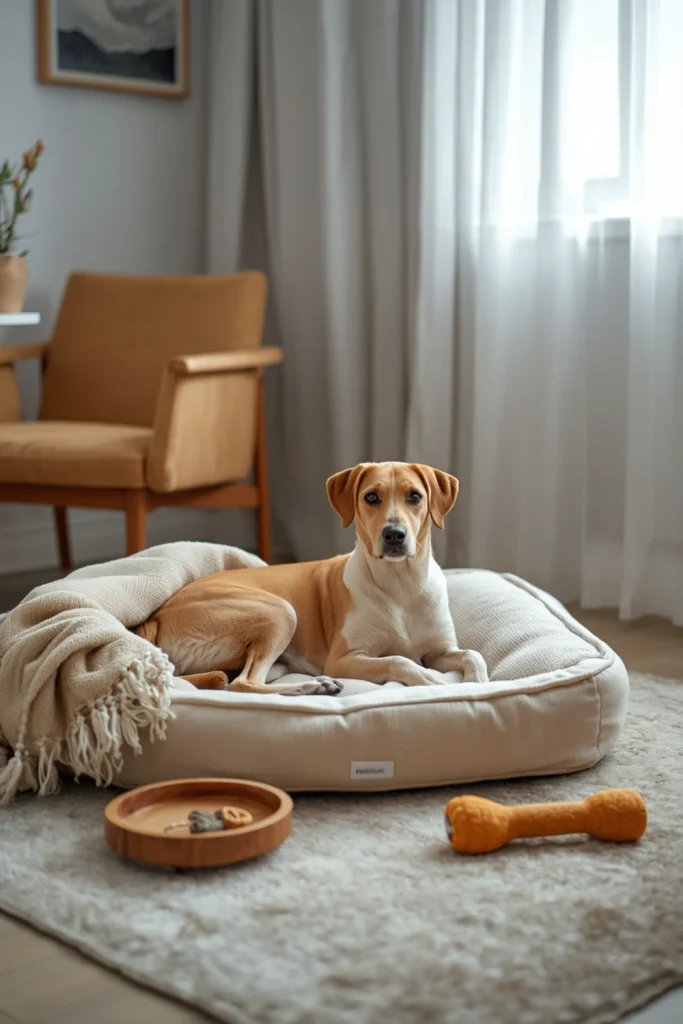
Every apartment dog benefits from having a comfortable place to rest. Choose a quiet corner away from heavy foot traffic, loud appliances, and frequently opened doors. Add a suitable dog bed, familiar blanket, and a safe chew toy if appropriate. Introduce the area gradually by tossing treats onto the bed and rewarding your dog whenever they choose to lie down there. The purpose is to help your dog associate the space with comfort rather than using it as a place for punishment or isolation.
Once your dog begins using the resting area voluntarily, introduce a cue such as “Bed” or “Place.” Reward your dog for walking to the bed, lying down, and remaining relaxed for a few seconds. Gradually increase the time while allowing your dog to leave when released. This skill can be useful during meals, video calls, visitors, and other busy moments. Keep the resting area comfortable and make sure your dog still receives appropriate interaction, exercise, and opportunities to explore.
4. Make Potty Training a Priority
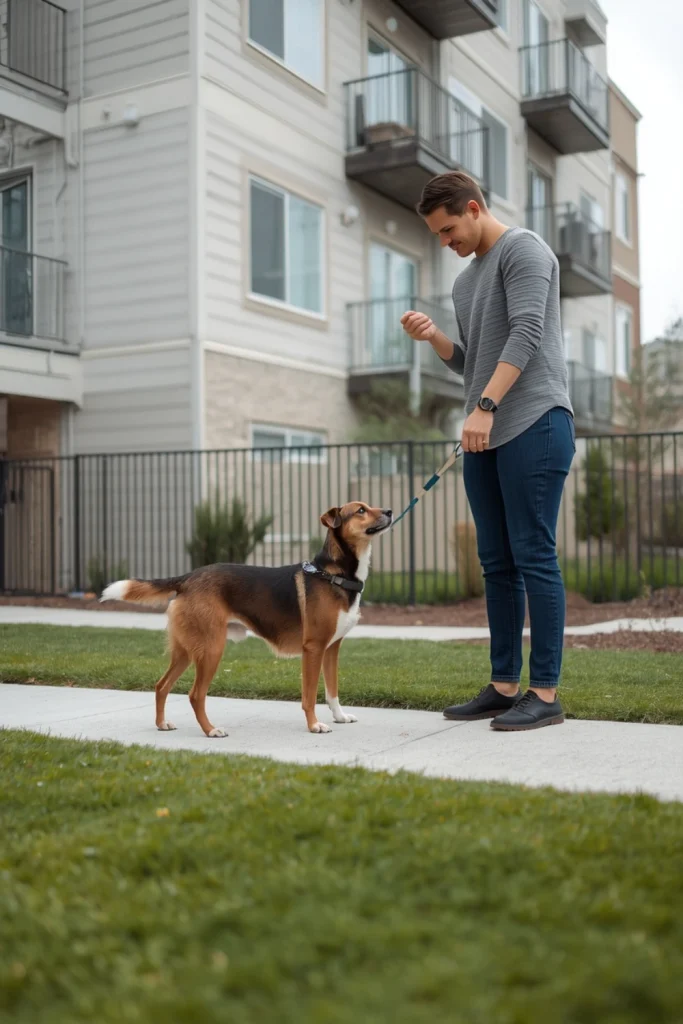
Potty training requires planning when you live in an apartment because reaching an outdoor toilet area may take several minutes. Take your dog outside after waking up, after meals, after play, and before bedtime. Puppies may need additional breaks, especially when they are young or still developing bladder control. Use the same designated outdoor area when possible, and reward your dog immediately after they finish eliminating in the correct place. Quick rewards help your dog connect the behavior with the outcome.
Supervise your dog closely indoors and watch for signs such as sniffing the floor, circling, or suddenly moving away from an activity. If you notice these behaviors, take your dog outside promptly. Clean accidents with an enzymatic cleaner designed for pet messes, and avoid punishing your dog for mistakes. Punishment can make dogs afraid to eliminate near their owners without teaching them where to go. If your dog suddenly begins having accidents after being reliably house-trained, consult a veterinarian to rule out medical causes.
5. Teach Loose-Leash Walking
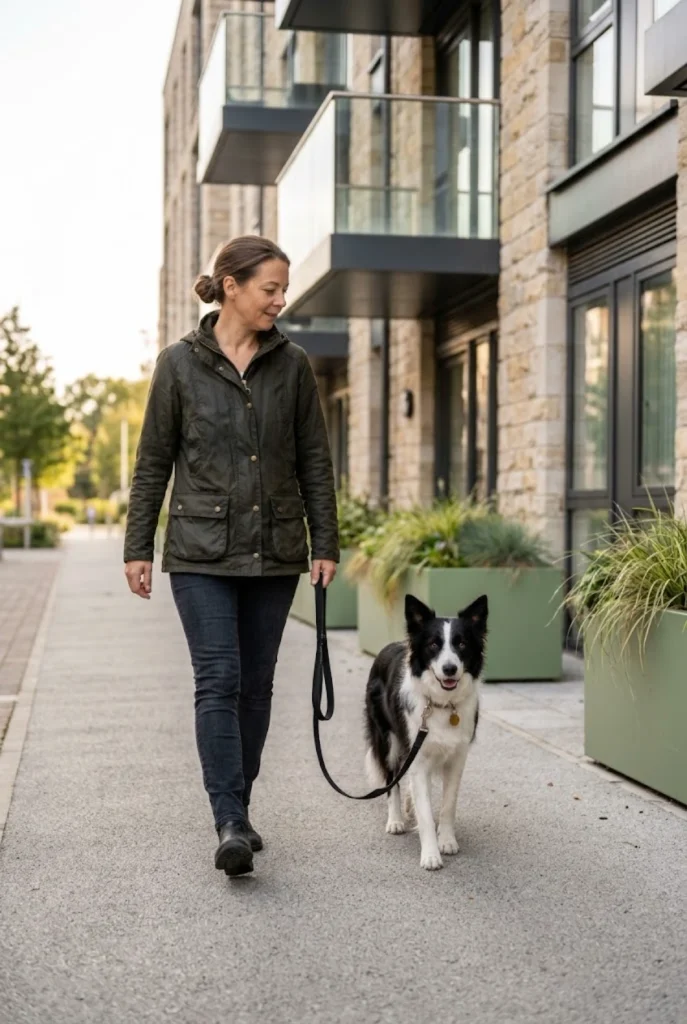
Apartment dogs often need to pass through hallways, entrances, sidewalks, and shared outdoor spaces several times each day. Loose-leash walking makes these trips safer and more comfortable. Start indoors or in a quiet outdoor area by rewarding your dog whenever they walk beside you without pulling. Use small treats and deliver them near your leg so your dog learns that staying close is worthwhile. Begin with just a few steps, then gradually increase the distance as your dog becomes more comfortable.
If your dog pulls toward a smell, person, or another dog, avoid jerking the leash. Instead, stop safely or change direction when appropriate, then reward your dog for returning to a comfortable position beside you. Allow sniffing breaks as part of the walk because exploration is important for canine enrichment. A well-fitted harness may help you manage your dog comfortably, although equipment alone will not teach loose-leash walking. Practice consistently and keep early walks manageable rather than expecting perfect behavior immediately.
6. Help Your Dog Stay Calm Around Hallway Noises
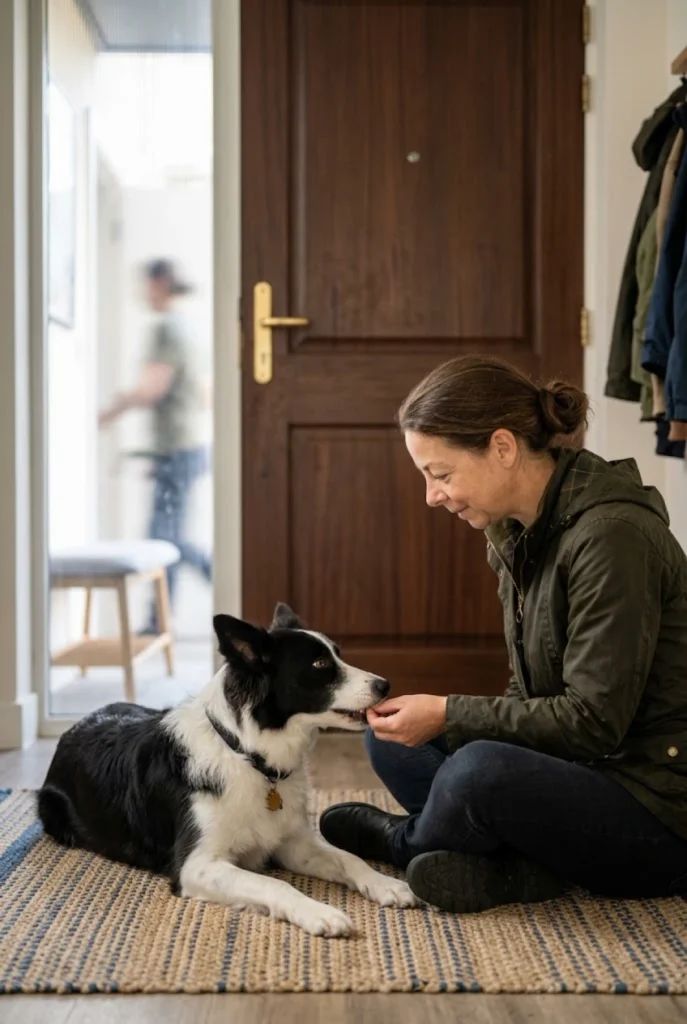
Hallways can be noisy environments for apartment dogs. Footsteps, keys, elevator sounds, and neighboring doors may cause barking or alert behavior. Begin by observing your dog’s reactions and identifying which sounds cause the most concern. When your dog hears a mild noise and remains relaxed, offer a treat or gentle praise. You can also encourage your dog to move toward their resting area if that helps them feel comfortable. Keep the first training sessions short and use sounds that do not overwhelm your dog.
If your dog reacts strongly to hallway activity, do not force them to approach the door or remain near a frightening sound. Instead, increase the distance from the trigger and reward calm behavior at a level they can handle. You can gradually work on the response as your dog becomes more comfortable. Soft background noise may help reduce the contrast between sudden sounds and a quiet apartment, but it should not replace training. Persistent fear, panic, or intense barking may require professional behavioral support.
7. Teach Your Dog to Greet Visitors Politely
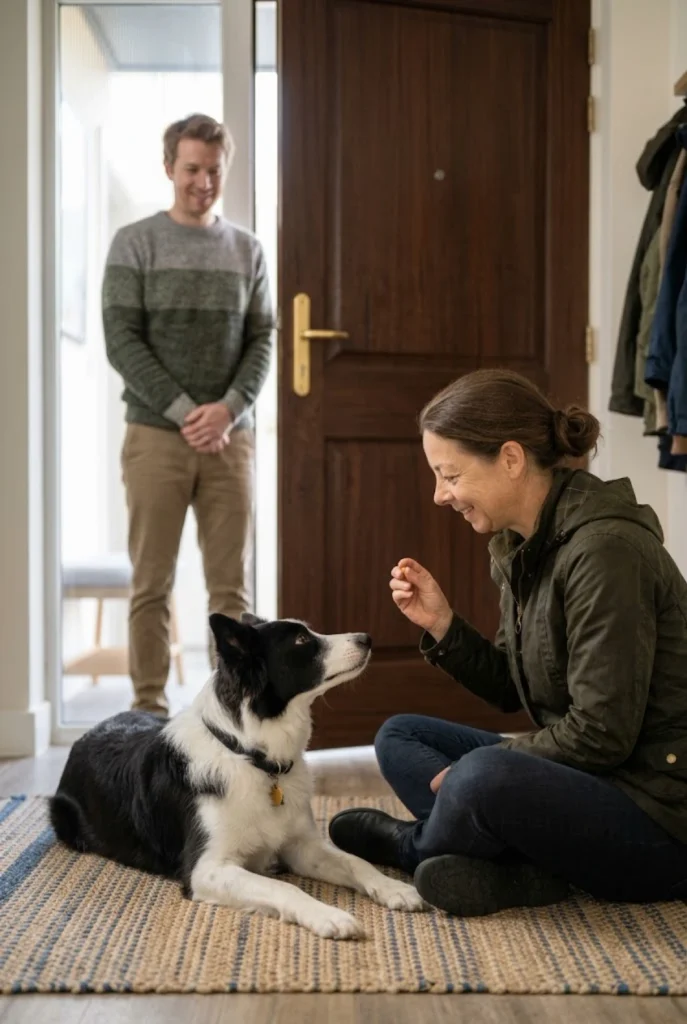
Visitors can be exciting for apartment dogs, especially when they arrive through a narrow entryway. Jumping, barking, and rushing toward the door can make greetings uncomfortable for guests. Begin by teaching your dog to sit or stand calmly at a comfortable distance from the entrance. Ask a family member to practice approaching the door, then reward your dog for remaining calm. If your dog becomes too excited, increase the distance and make the exercise easier. You can use a leash or a secure barrier when necessary to manage the greeting safely.
Once your dog can remain relaxed during practice, introduce real visitors gradually. Ask guests to avoid encouraging jumping and to wait until your dog has settled before greeting them. If your dog is uncomfortable around unfamiliar people, do not force direct contact. Give them a quiet space and allow them to observe from a distance. For dogs that may bite or become highly distressed, use secure management and seek individualized advice from a qualified professional before practicing close greetings.
8. Provide Daily Mental Enrichment
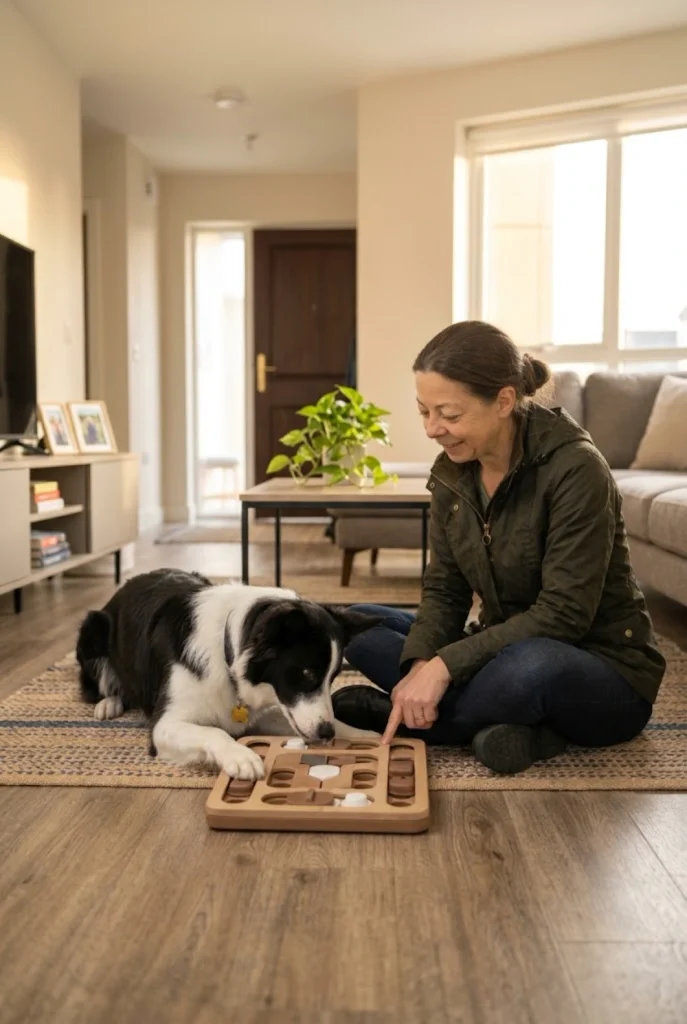
Dogs need mental stimulation as well as physical exercise. Apartment living can offer fewer opportunities for free roaming, so enrichment activities are especially valuable. Try food puzzles, supervised sniffing games, treat searches, and simple training exercises that encourage your dog to solve problems. You can hide a few pieces of your dog’s regular food around a safe room and encourage them to find each piece. Start with easy hiding places so your dog learns the game and remains interested.
Rotate enrichment activities to keep them engaging without filling your apartment with unnecessary equipment. Choose puzzles that match your dog’s experience and supervise toys that could break apart or be swallowed. You can also use part of your dog’s daily food allowance for short training sessions. Mental enrichment should complement walks, play, social interaction, and rest rather than replacing all physical activity. A dog that receives appropriate opportunities to explore and think may find it easier to settle during quiet periods indoors.
9. Teach a Reliable Recall in Safe Areas
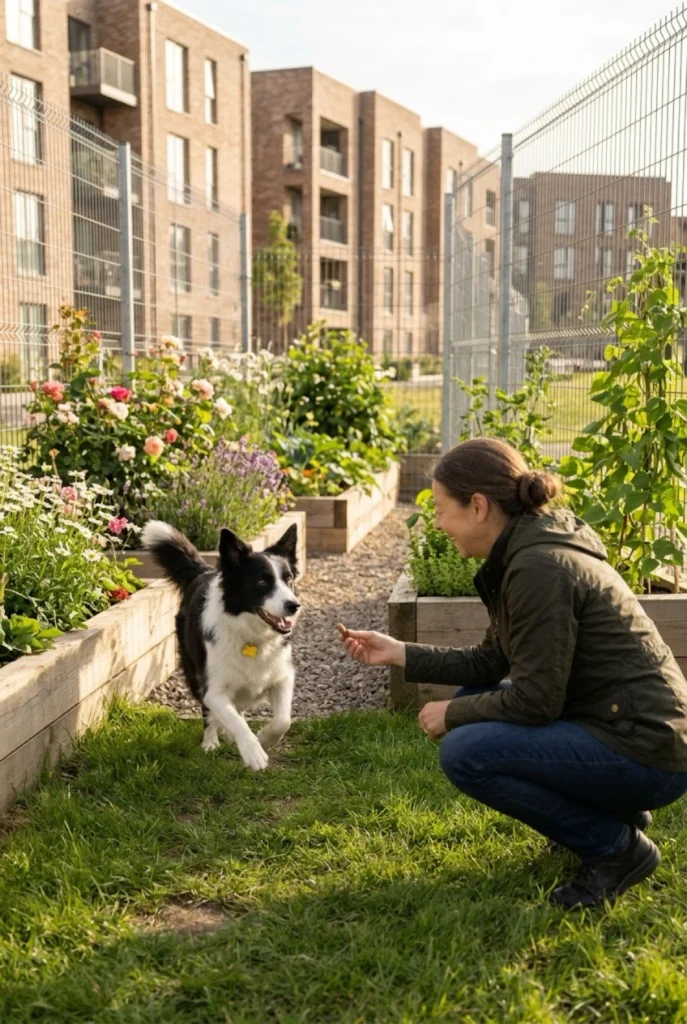
Recall training teaches your dog to return when called. It is useful for apartment dogs because they may encounter distractions near building entrances, in shared gardens, and during walks. Start indoors by calling your dog’s name followed by a cue such as “Come” in a cheerful voice. When your dog approaches, reward them generously. Practice from short distances and avoid calling your dog only when you are about to end a fun activity. You want returning to you to remain a positive and worthwhile experience.
As your dog improves, practice in a secure, enclosed outdoor area with gradually increasing distractions. A long line attached to a suitable harness can provide additional control in appropriate settings. Do not allow your dog off-leash in an unsecured area simply because recall has improved. Roads, open entrances, unfamiliar dogs, and sudden noises can create dangerous situations. Reward successful returns consistently and occasionally release your dog to resume exploring. This helps them learn that coming when called does not always mean the end of their enjoyment.
10. Manage Separation and Alone-Time Training
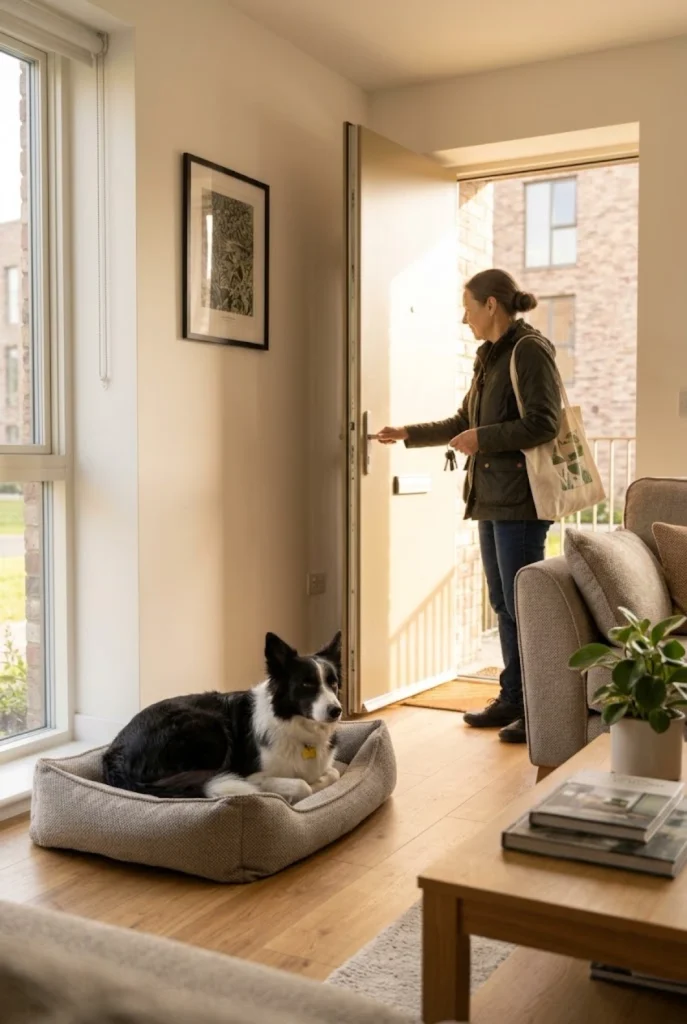
Some dogs become anxious when left alone in an apartment. They may bark, howl, scratch the door, chew household objects, or pace repeatedly. Begin by helping your dog feel comfortable while you remain at home. Provide a safe resting area and reward calm independent behavior while you perform everyday tasks. You can briefly move to another room and return before your dog becomes worried. Gradually increase the duration only when your dog remains comfortable. Avoid suddenly leaving a dog alone for long periods if they have not learned to cope with separation.
For dogs that tolerate brief separations, practice very short departures and observe their behavior when you return. A camera may help you identify signs of distress that occur after you leave. Food puzzles can provide enrichment for some dogs, but they are not a complete solution for separation anxiety. If your dog panics, refuses food, damages doors, or vocalizes persistently when alone, consult a veterinarian or qualified separation-anxiety professional. Severe distress needs an individualized plan rather than simply increasing the length of time the dog is left alone.
11. Teach Your Dog to Settle After Exercise
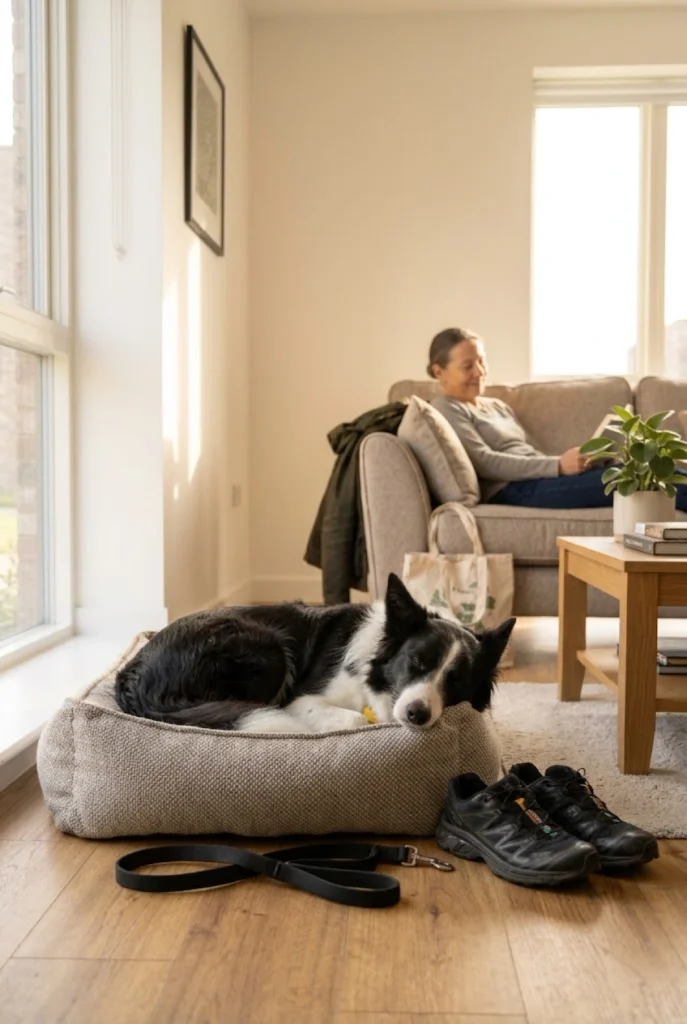
Apartment dogs need to learn that activity and rest are both parts of daily life. After an appropriate walk, sniffing session, or playtime, encourage your dog to settle on a bed or mat. Reward calm behaviors such as lying down, relaxing their body, or resting their head. Keep your own movements quiet and avoid repeatedly exciting your dog once they begin relaxing. Over time, your dog can learn that resting indoors is a normal and rewarding activity rather than a sign that something interesting is missing.
Some dogs become more energetic rather than sleepy after exciting exercise. If your dog struggles to settle, try a calmer activity such as sniffing for treats, chewing an appropriate chew, or practicing a few familiar cues. Avoid relying only on intense exercise to tire your dog out, because some dogs develop greater stamina without learning how to relax. A balanced routine includes suitable physical activity, mental enrichment, predictable rest periods, and opportunities to relieve themselves. If your dog appears persistently restless, consider whether their needs or environment require adjustment.
12. Introduce Elevator and Stairwell Manners
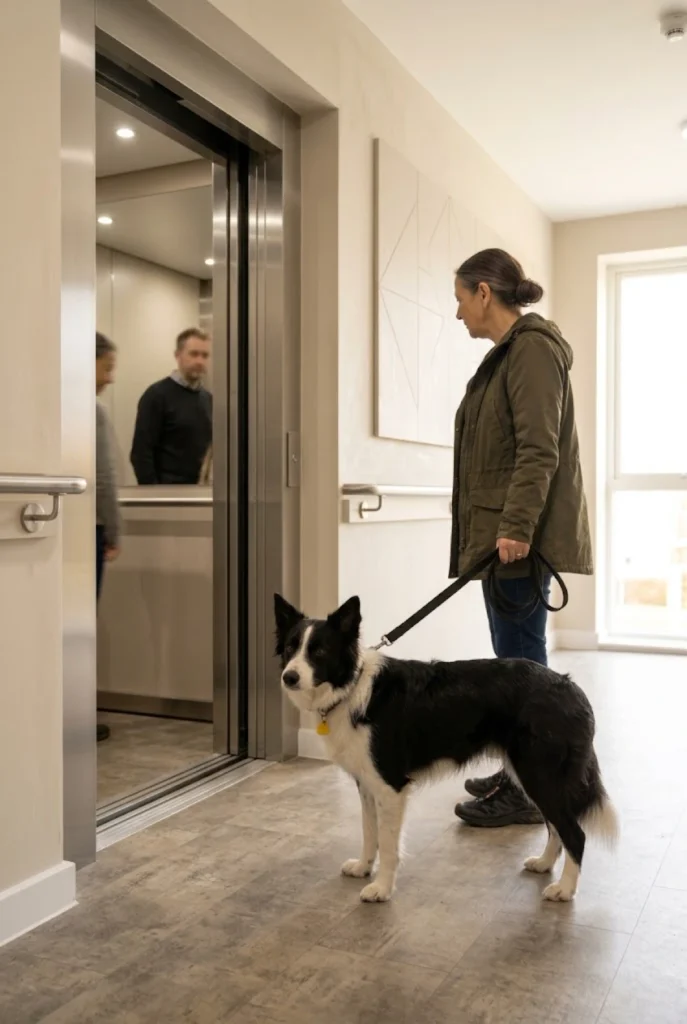
Elevators and shared stairwells require careful management because they bring dogs close to neighbors, strangers, and unfamiliar animals. Begin by rewarding your dog for walking calmly toward the elevator while maintaining a comfortable distance from other people. Practice waiting near the entrance without rushing forward. If the elevator is crowded or another dog is present, wait for the next one when possible. Keeping your dog beside you and maintaining control of the leash helps prevent sudden approaches or uncomfortable encounters.
If your dog is nervous around elevators, introduce the area gradually and allow them to explore at their own pace. Reward relaxed behavior and avoid forcing them into an elevator when they are frightened. For stairs, consider your dog’s age, body size, health, and ability to move safely. Puppies, senior dogs, and dogs with mobility concerns may need special consideration. Use the elevator when stairs could cause discomfort, and consult your veterinarian if you are unsure which option is appropriate for your dog.
13. Socialize Your Dog in a Controlled Way
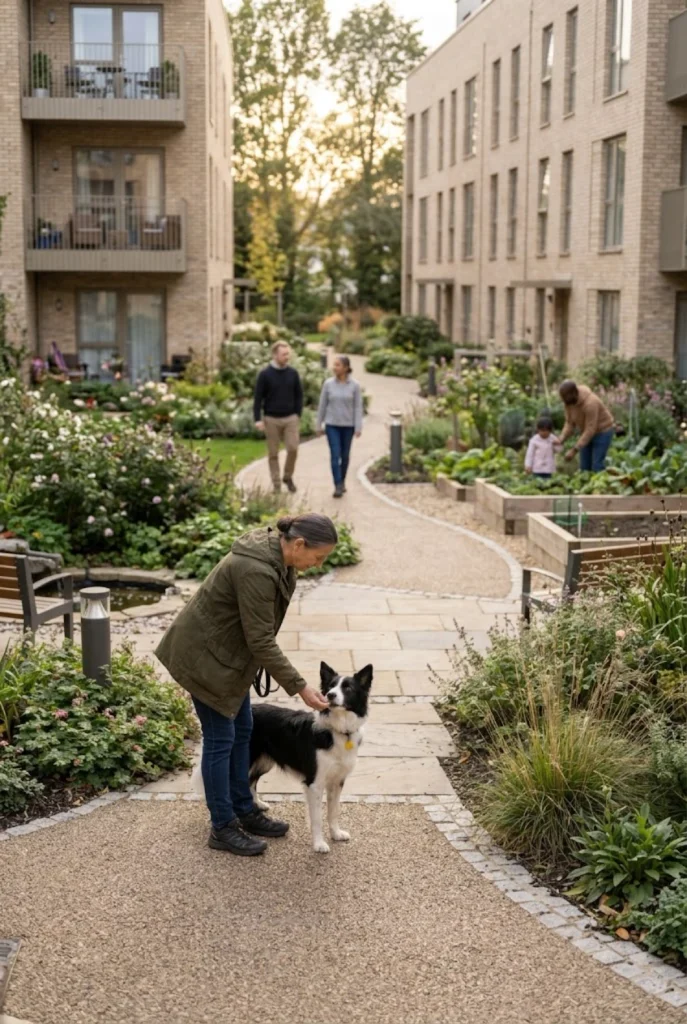
Socialization helps dogs become more comfortable with different people, sounds, surfaces, and environments. For apartment dogs, this may include walking past strollers, hearing elevator chimes, seeing bicycles, and calmly observing neighbors. Introduce new experiences gradually and pair them with pleasant rewards. Allow your dog to observe unfamiliar people and dogs from a distance without requiring direct interaction. Good socialization is about helping your dog feel safe and confident, not making them greet every person or play with every dog they encounter.
Watch your dog’s body language throughout the process. If they turn away, hide behind you, stiffen, or try to escape, give them more space. Avoid taking an uncomfortable dog into a crowded dog park as a shortcut to socialization. Instead, choose quiet locations and short experiences that allow your dog to recover easily. Puppies benefit from safe, age-appropriate exposure during development, while adult dogs can continue learning through patient practice. If fear or reactivity is significant, seek guidance from a qualified reward-based trainer.
14. Use Positive Reinforcement for Good Behavior
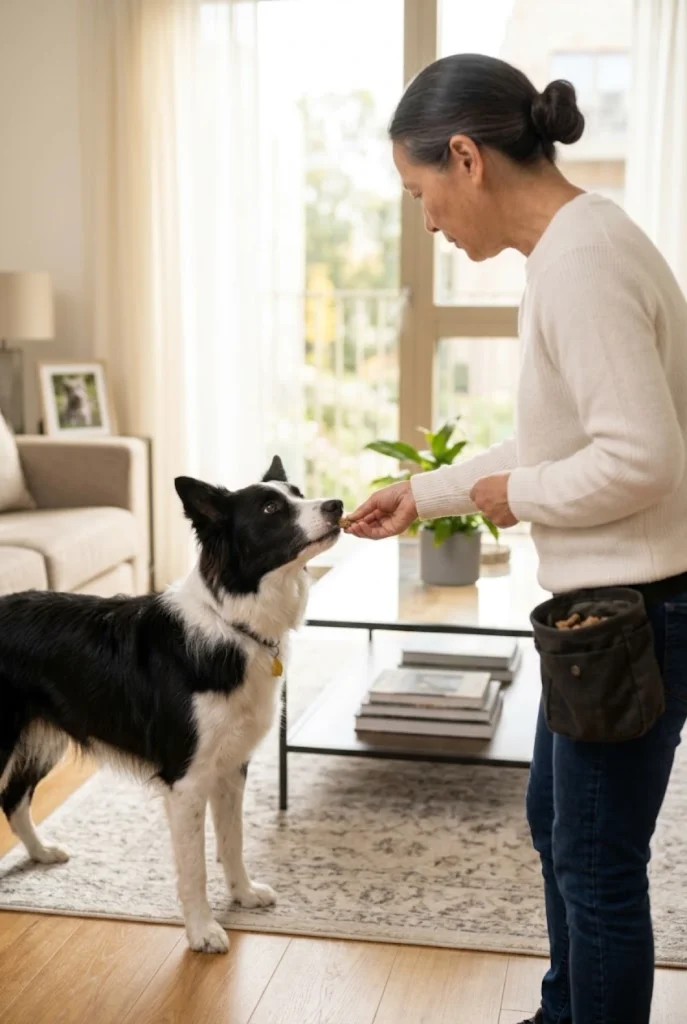
Positive reinforcement means rewarding a behavior you want your dog to repeat. In an apartment, useful behaviors include settling quietly, walking on a loose leash, waiting at the entrance, responding to their name, and relaxing when neighbors pass. When your dog performs one of these behaviors, immediately offer a suitable reward such as a small treat, praise, play, or access to an appropriate activity. Clear timing helps your dog understand which behavior earned the reward.
You do not need to reward every behavior forever, but rewards are particularly helpful when your dog is learning something new or practicing around distractions. Avoid yelling, hitting, or using frightening methods to suppress normal behavior. Punishment can increase stress and may make barking, fear, or reactivity worse. If your dog struggles, look for the reason and adjust the training environment. Consistent, reward-based methods help create a more positive learning experience and support a stronger bond between you and your dog.
15. Choose Apartment-Friendly Activities and Games
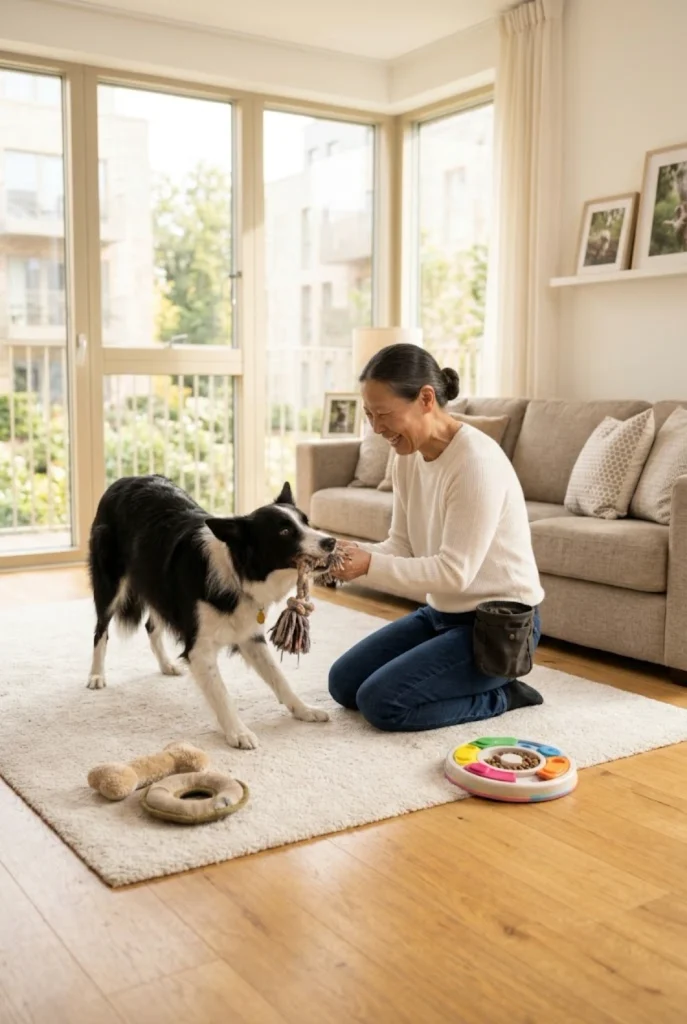
Apartment dogs can enjoy many activities without needing a large yard. Indoor games such as gentle tug, hide-and-seek, treat searches, toy retrieval in a clear space, and short obedience sessions provide variety throughout the day. Choose games that suit your dog’s size, energy level, and temperament. Make sure there is enough space to play safely, and move breakable objects out of the way. Avoid activities that encourage uncontrolled jumping on slippery floors or excessive noise that could disturb neighbors.
You can also combine a short indoor game with an outdoor sniffing walk to create a balanced routine. For example, practice a few cues, play a quiet searching game, and then give your dog time to explore smells outside. Rotate toys and activities to maintain interest without overexciting your dog. If your dog becomes rough, frantic, or unable to settle after a game, pause and switch to a calmer activity. The best apartment-friendly games provide appropriate engagement while respecting the limitations of your living space.
Conclusion
Training a dog for apartment living does not require a large home or a private backyard. It requires patience, a consistent routine, suitable daily activity, and clear communication. By teaching your dog to settle calmly, walk politely, respond to basic cues, and handle everyday noises, you can make shared spaces safer and home life more enjoyable.
Start with a few training tips that address your dog’s biggest needs, then gradually introduce the others. Reward positive behavior, pay attention to signs of stress, and adjust your approach whenever a task becomes too difficult. Every dog learns at a different pace, so focus on steady improvement rather than perfection. With thoughtful training and regular enrichment, apartment living can be a comfortable and rewarding experience for both you and your dog.