
15 Dog Grooming Mistakes Beginners Should Avoid
Dog grooming is an essential part of keeping your furry friend clean, comfortable, and healthy. Regular grooming helps prevent tangled fur, dirty ears, overgrown nails, skin problems, and unpleasant odors. However, if you are new to dog grooming, it is easy to make mistakes that can cause discomfort, stress, or even accidental injuries to your pet.
The good news is that grooming your dog does not have to be difficult or expensive. With the right tools, a little patience, and a proper routine, you can learn to groom your dog safely at home. In this guide, we will explore 15 common Dog Grooming Mistakes Beginners should avoid, along with practical tips to make every grooming session easier, safer, and more enjoyable.
1. Choosing the Wrong Grooming Tools
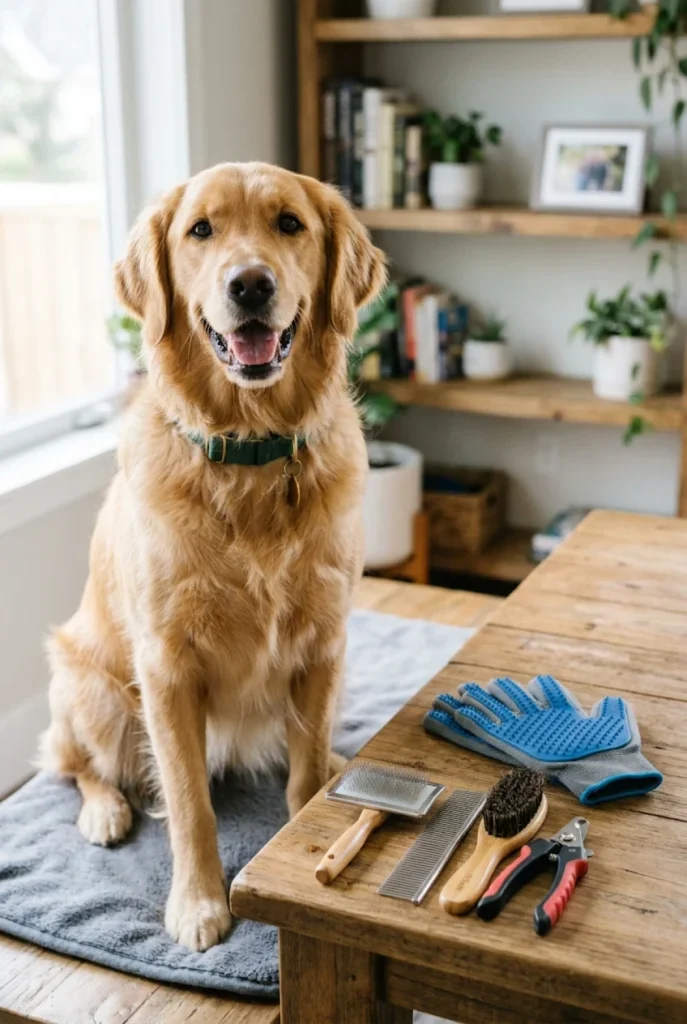
One of the most common Dog Grooming Mistakes Beginners make is choosing the wrong grooming tools. Every dog has different coat characteristics, and a brush designed for a short-haired breed may not work effectively on a thick double coat or long curly fur. Using unsuitable brushes can cause pulling, scratching, and unnecessary discomfort. Beginners sometimes purchase grooming products without checking whether they are appropriate for their dog’s breed and coat type.
Before buying grooming supplies, learn about your dog’s specific needs. A slicker brush may work well for many curly or long-coated dogs, while a soft bristle brush can be suitable for some short-haired breeds. A metal comb is useful for checking tangles, and dog-specific nail clippers help with nail maintenance. Always choose comfortable, good-quality tools and introduce them gradually so your dog becomes familiar with their appearance and feel.
2. Skipping Regular Brushing
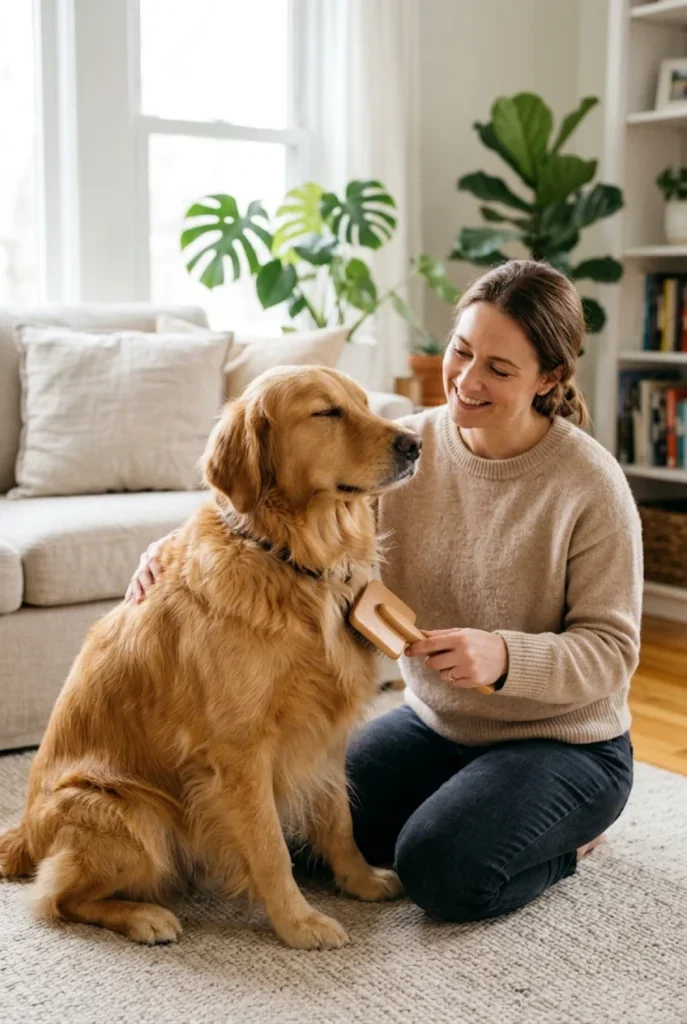
Another major grooming mistake is skipping regular brushing. Many beginners believe brushing is only necessary when a dog’s coat looks dirty or tangled. However, loose hair, dust, and small pieces of debris can accumulate even when the coat appears clean. Without regular brushing, small knots may develop into painful mats, particularly around the ears, legs, tail, and areas where a collar or harness touches the fur.
Create a brushing schedule according to your dog’s coat type. Short-haired dogs may need brushing once or twice a week, while long-haired and curly-coated dogs often require more frequent attention. Use gentle strokes and avoid pulling the brush through difficult knots. Regular brushing also gives you an opportunity to check your dog’s skin for redness, unusual bumps, fleas, or irritation.
3. Using Human Shampoo on Dogs
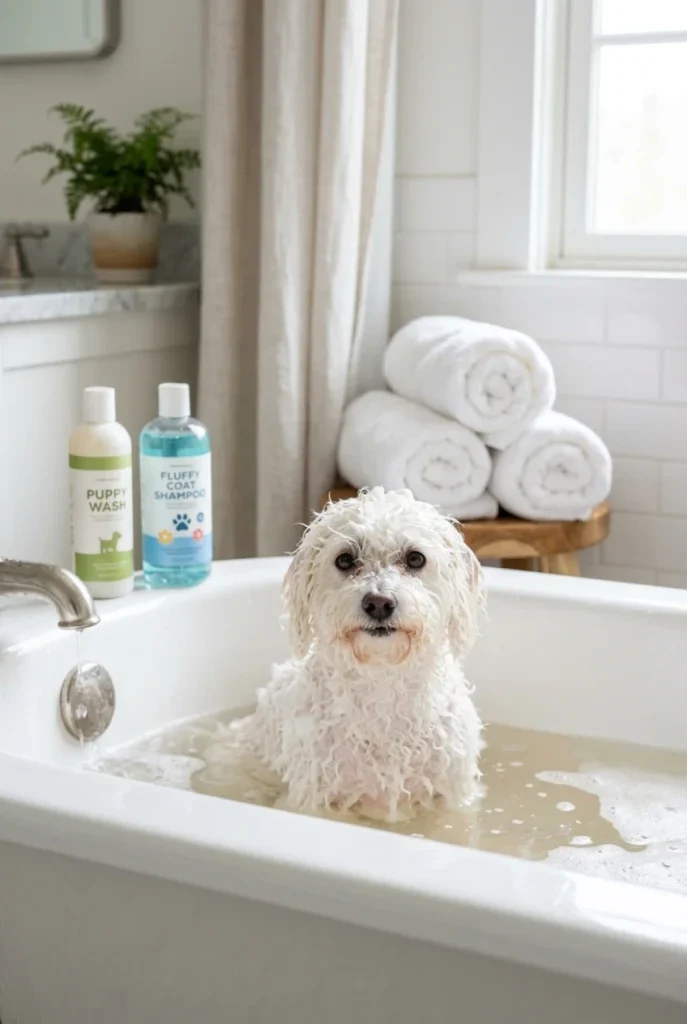
Using human shampoo is another mistake beginners should avoid. Human shampoos are formulated for human skin, which has different characteristics from canine skin. Some products contain fragrances, detergents, and other ingredients that may irritate a dog’s skin or remove natural protective oils. Regular use of unsuitable shampoo can contribute to dryness, itching, and coat problems. Even baby shampoo should not automatically be considered safe for every dog.
Always choose a shampoo specifically formulated for dogs. Consider your pet’s skin condition and coat type when selecting a product. If your dog has allergies, persistent itching, or a diagnosed skin condition, ask your veterinarian which shampoo is appropriate. Avoid using medicated shampoos without professional guidance. A gentle dog shampoo, used according to its instructions, helps clean the coat without unnecessary irritation.
4. Bathing Your Dog Too Frequently
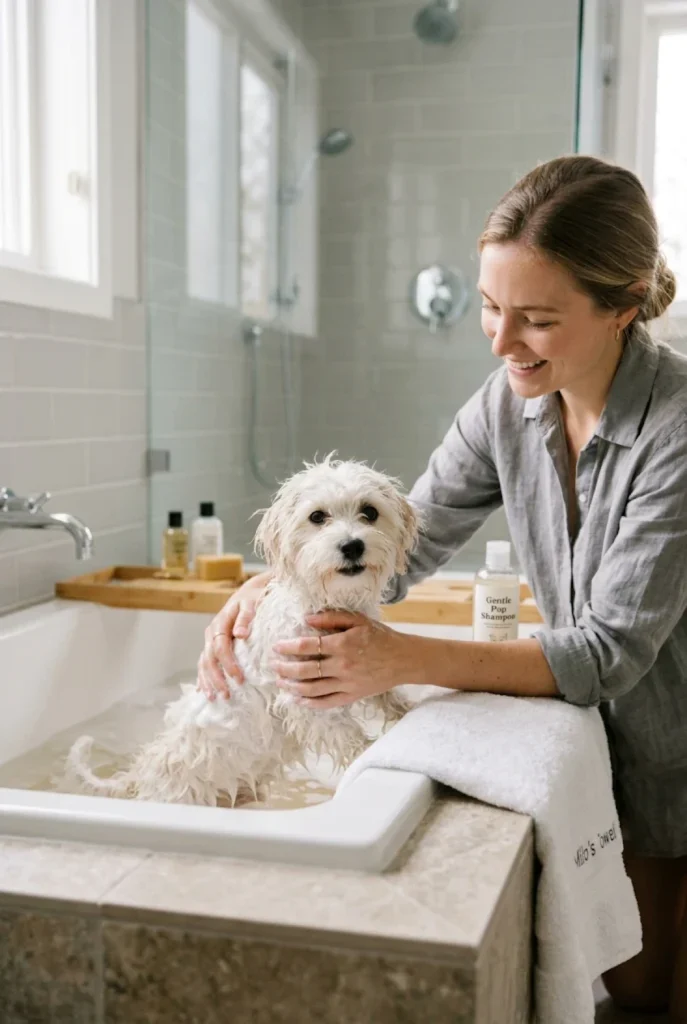
Some beginners assume that bathing their dogs frequently will keep them healthier and cleaner. However, excessive bathing can strip away natural oils that help protect the skin and maintain a healthy coat. Depending on the dog, frequent washing may contribute to dryness, itching, and irritation. Bathing requirements vary according to breed, coat type, lifestyle, activity level, and skin condition, so there is no single bathing schedule suitable for every dog.
Instead of following a strict weekly bathing routine, determine how often your dog genuinely needs a bath. Some dogs require bathing every few weeks, while others can go longer between full washes. Your veterinarian or professional groomer can recommend a suitable schedule. Between baths, use gentle brushing and appropriate pet-safe cleaning products to remove everyday dirt. This helps maintain cleanliness without unnecessary washing.
5. Ignoring Your Dog’s Coat Type
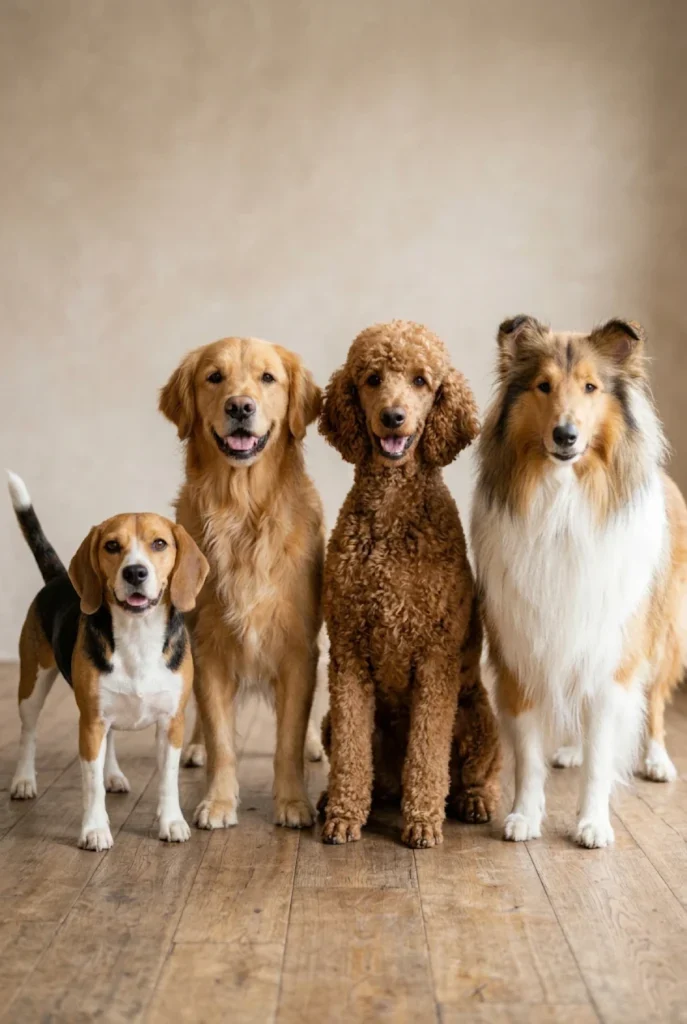
Every dog has a different coat, and ignoring these differences can create grooming problems. Short-haired dogs, long-haired breeds, curly-coated dogs, and double-coated dogs all require different grooming techniques. Beginners sometimes use the same brush, bathing schedule, and trimming methods for every breed. Unfortunately, this approach can lead to ineffective brushing, unnecessary hair damage, and uncomfortable grooming experiences.
Learn whether your dog has a single coat, double coat, curly coat, or long flowing hair. Double-coated breeds often need special attention during shedding seasons, while curly-coated dogs may develop mats without regular brushing and professional maintenance. Some breeds also have specific grooming requirements that should be handled by experienced professionals. Understanding your dog’s coat type makes it easier to select appropriate tools and develop a safe grooming routine.
6. Cutting Your Dog’s Nails Too Short
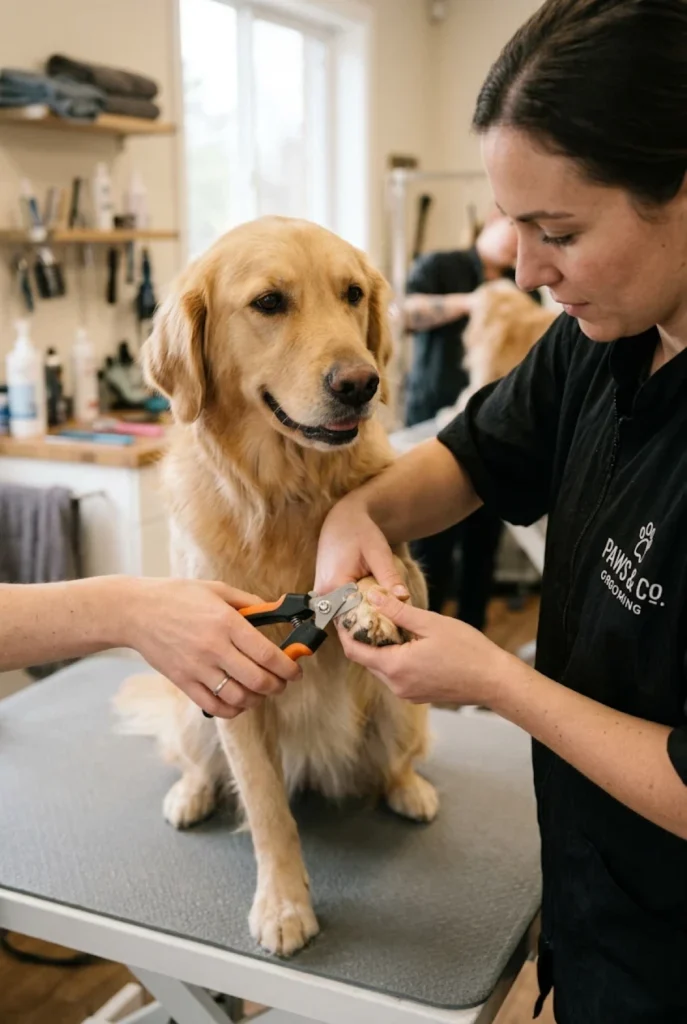
Nail trimming can be challenging for beginners, especially when they do not understand the structure of a dog’s nails. Cutting too close to the quick can cause pain and bleeding. The quick is the sensitive area containing blood vessels and nerves inside the nail. Accidentally cutting it may make your dog fearful of future grooming sessions. Dark-colored nails can make the quick more difficult to identify, increasing the risk of mistakes.
Start by learning how to identify the safe cutting area. Trim only a small amount at a time using appropriate dog nail clippers or a nail grinder. If you are uncertain, ask a professional groomer or veterinarian to demonstrate the technique. Keep styptic powder nearby in case of minor accidental bleeding. Never force your dog to tolerate nail trimming if it becomes frightened or distressed.
7. Forgetting to Clean Your Dog’s Ears
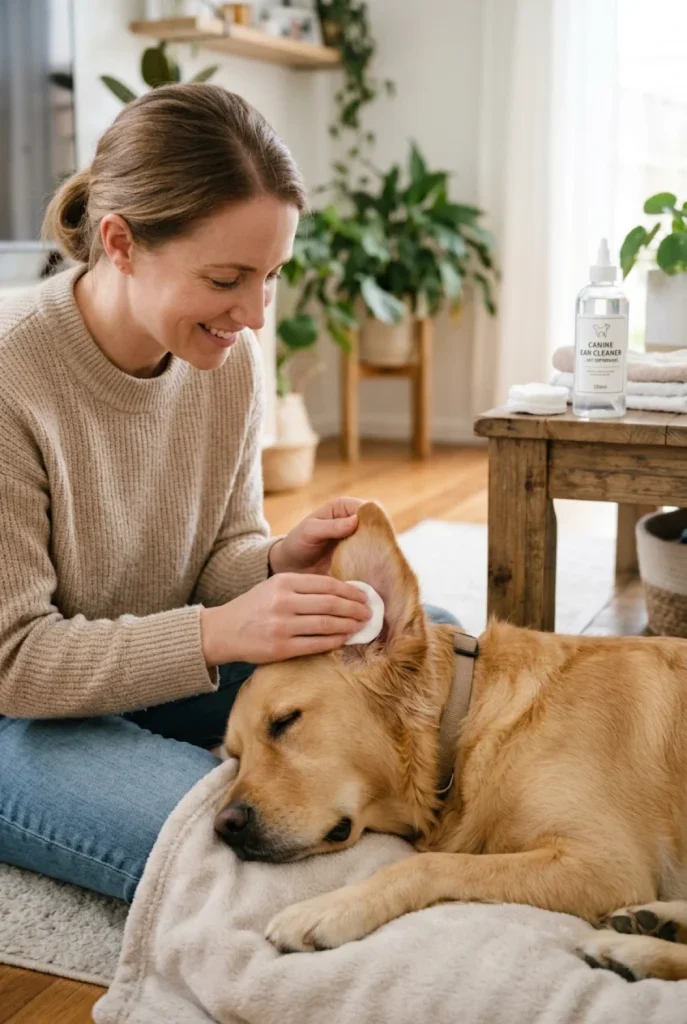
Ear care is an important part of dog grooming, but many beginners overlook it. Dirt, moisture, and wax can accumulate in the ears, particularly in dogs with floppy ears or hairy ear canals. Ignoring ear hygiene may allow problems to go unnoticed. Some dogs are also more prone to ear infections because of their breed, allergies, or other underlying conditions.
Check your dog’s ears regularly for unusual odor, redness, discharge, swelling, or excessive scratching. Use a veterinarian-approved dog ear-cleaning solution when cleaning is necessary. Apply the product according to its instructions and gently wipe the visible outer ear with a soft cotton pad or gauze. Never push cotton swabs deep into the ear canal. If you notice pain, discharge, or a bad smell, consult your veterinarian instead of attempting to treat the problem yourself.
8. Neglecting Dental Hygiene
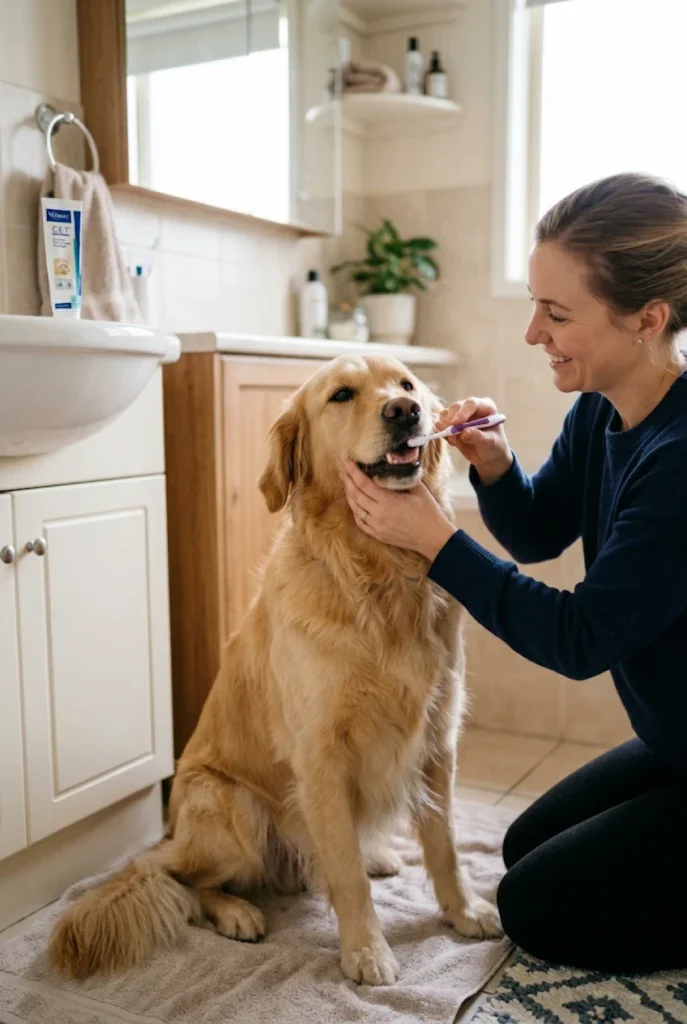
Many beginners concentrate on brushing their dog’s coat and trimming its nails but forget about dental hygiene. A dog’s mouth needs regular attention because plaque can accumulate on teeth and contribute to tartar, unpleasant breath, and gum problems. Poor oral hygiene may eventually lead to painful dental disease. Dental care should therefore be considered an essential part of a complete grooming and wellness routine.
Introduce toothbrushing gradually using a toothbrush and toothpaste specifically designed for dogs. Never use ordinary human toothpaste because some ingredients, including xylitol in certain products, can be dangerous to dogs. Begin with short sessions and reward your pet for remaining calm. If your dog has bleeding gums, loose teeth, severe bad breath, or visible dental discomfort, arrange a veterinary examination.
9. Rushing Through the Grooming Session
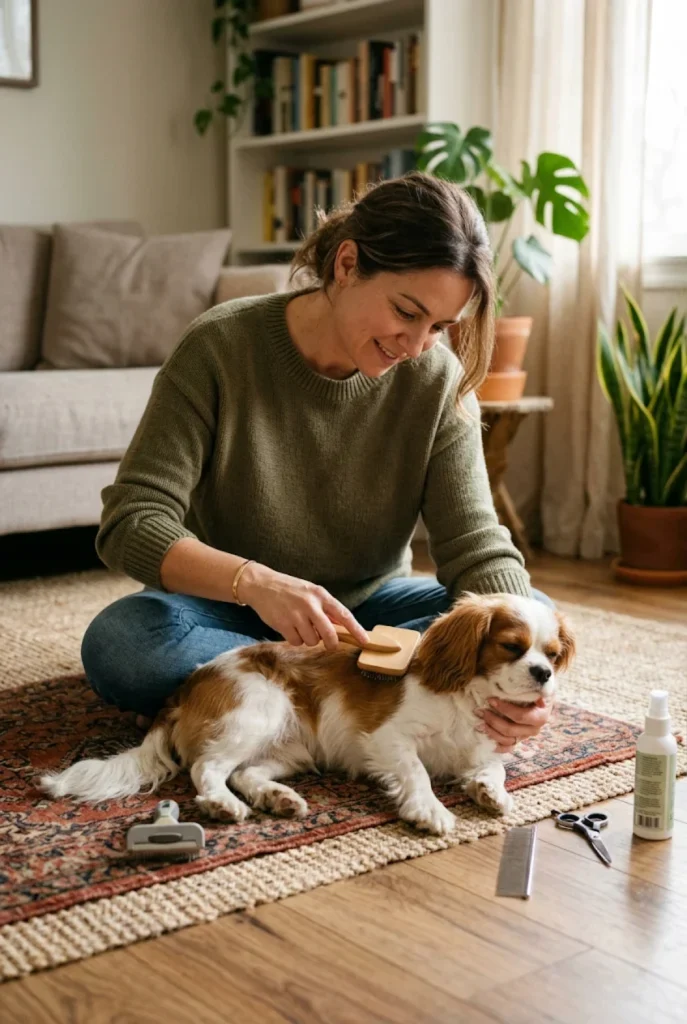
Rushing is one of the most overlooked Dog Grooming Mistakes Beginners make. New dog owners sometimes try to complete brushing, bathing, drying, nail trimming, and ear cleaning in one session. This can overwhelm a dog that is not familiar with grooming. Long sessions may create frustration, fear, and resistance, particularly in puppies, nervous dogs, and recently adopted pets.
Instead, divide grooming into smaller activities. Start with a few minutes of brushing and gradually increase the duration as your dog becomes comfortable. Take breaks whenever your pet appears tired or stressed. Use praise and small rewards to create positive associations. Remember that successful grooming is not about finishing everything quickly. It is about keeping your dog safe, relaxed, and comfortable throughout the process.
10. Using Sharp Scissors Without Proper Experience
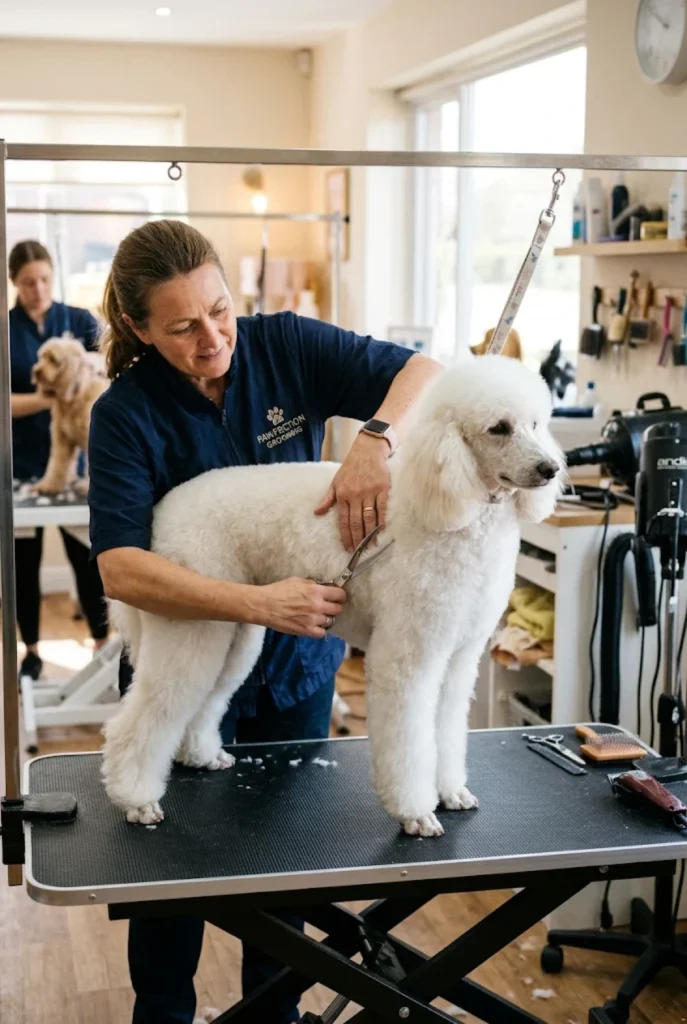
Using scissors without proper experience can be dangerous, especially around sensitive areas such as the face, ears, paws, and armpits. Beginners sometimes try to remove mats or shorten long hair using ordinary household scissors. If the dog suddenly moves, the scissors can accidentally cut its skin. Some mats also sit close to the skin, making them difficult to remove safely without professional tools and experience.
Use appropriate grooming scissors only when you understand the correct technique and your dog is comfortable remaining still. Never cut tightly attached mats with scissors. If the fur is severely tangled, seek assistance from a qualified groomer. Keep sharp tools away from your dog’s eyes and skin folds. For beginners, gentle brushing and professional trimming are often safer than attempting complicated haircuts at home.
11. Forgetting to Dry Your Dog Properly
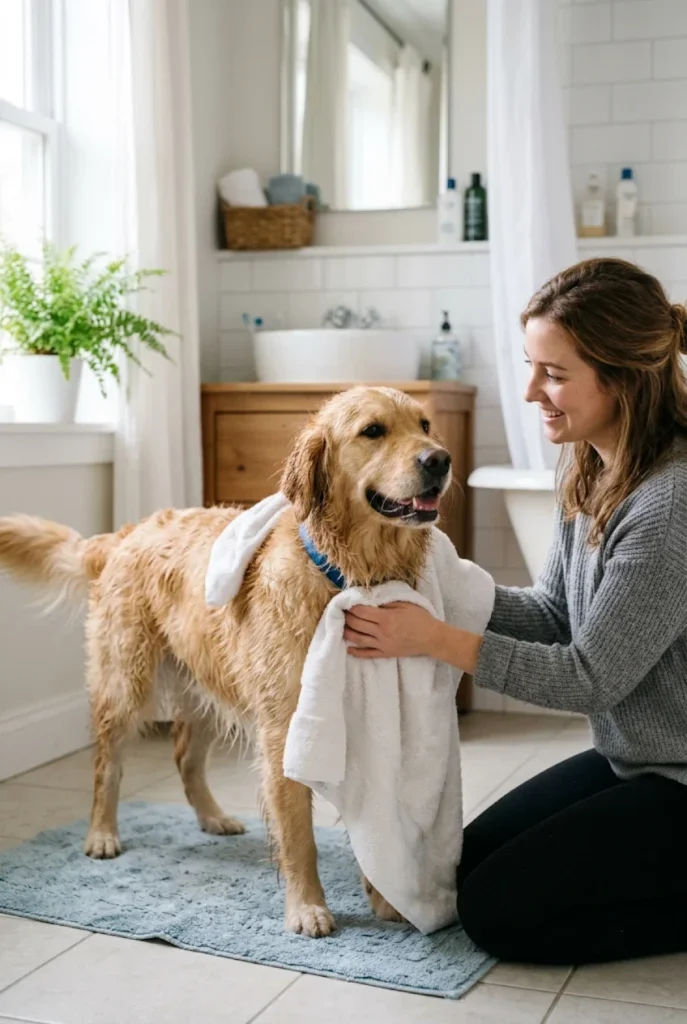
Another common beginner mistake is leaving a dog with a wet coat after bathing. While a short-haired dog may dry relatively quickly, thick and long coats can retain moisture for much longer. Damp fur, particularly when trapped close to the skin, can contribute to discomfort and skin irritation. Dogs with dense coats may also develop tangles when their fur is not dried and brushed appropriately.
After bathing, gently remove excess water using clean, absorbent towels. If you use a pet-safe dryer, choose a suitable low-heat or cool setting and keep the airflow moving rather than concentrating it on one area. Avoid overheating your dog’s skin or blowing air directly into its face and ears. Make sure the coat is thoroughly dry, especially in areas where moisture tends to collect.
12. Ignoring Sensitive Areas During Grooming
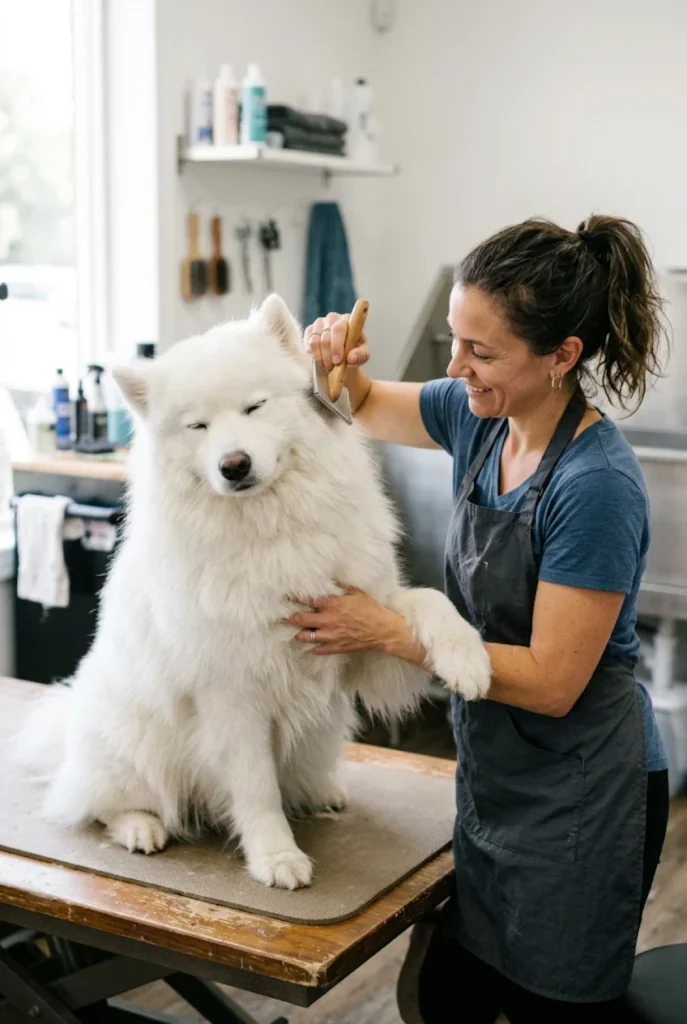
Beginners often focus on visible parts of the coat and forget areas where tangles and dirt commonly accumulate. Behind the ears, under the legs, around the tail, between the toes, and near the collar are places that may require extra attention. These areas can become uncomfortable when loose hair and debris are allowed to build up. Some dogs may also develop mats in areas where their fur experiences regular friction.
During brushing, gently inspect these sensitive areas without pulling or forcing the brush through knots. Use a suitable comb and work carefully through loose tangles. Check paws for dirt, small stones, and debris after outdoor activities. If you discover tight mats, irritated skin, or painful areas, stop and seek professional assistance. Regular inspection helps prevent small grooming problems from becoming more serious.
13. Shaving a Double-Coated Dog Without Understanding Its Coat
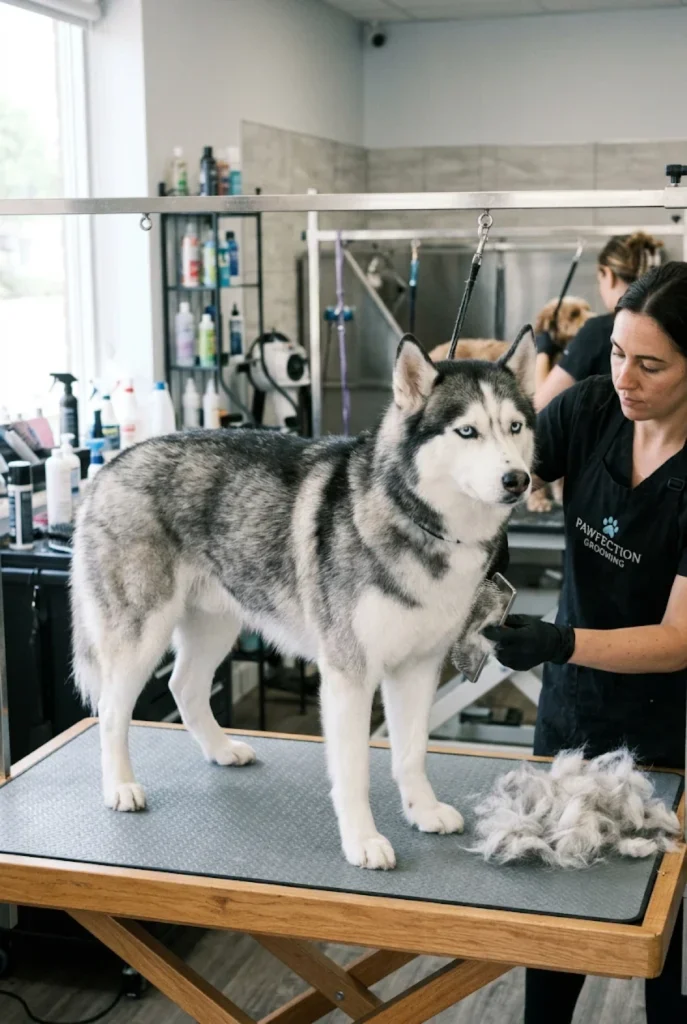
Some beginners believe shaving a thick-coated dog is the best way to keep it cool during hot weather. However, shaving a double-coated breed without a veterinary or professional grooming reason can damage the coat and affect its natural protective functions. A double coat contains an insulating undercoat and protective outer coat. These layers help protect the dog from environmental conditions and provide insulation in different seasons.
Instead of shaving your double-coated dog, maintain its coat through regular brushing and appropriate shedding care. Remove loose undercoat hair using tools suitable for the breed, and keep the dog comfortable with shade, fresh water, and suitable indoor temperatures during hot weather. If your dog has severe matting or a medical reason for clipping, consult a veterinarian or experienced groomer before making changes to its coat.
14. Ignoring Signs of Stress and Discomfort

One of the most important Dog Grooming Mistakes Beginners should avoid is ignoring signs of stress. Dogs cannot explain when something hurts or frightens them, but they communicate through body language. Excessive panting, trembling, hiding, repeated lip licking, yawning, growling, and attempts to escape may indicate that your dog is uncomfortable. Continuing grooming despite these signals can make future sessions increasingly difficult.
Pay attention to your dog’s behavior throughout the process. Introduce brushes, clippers, dryers, and nail tools gradually. Allow your pet to investigate unfamiliar objects before using them. Provide breaks, gentle encouragement, and rewards. If your dog consistently becomes frightened or aggressive during grooming, consider working with a qualified groomer or veterinary professional who can help develop a safer approach. Never punish your dog for showing fear.
15. Not Following a Consistent Grooming Schedule
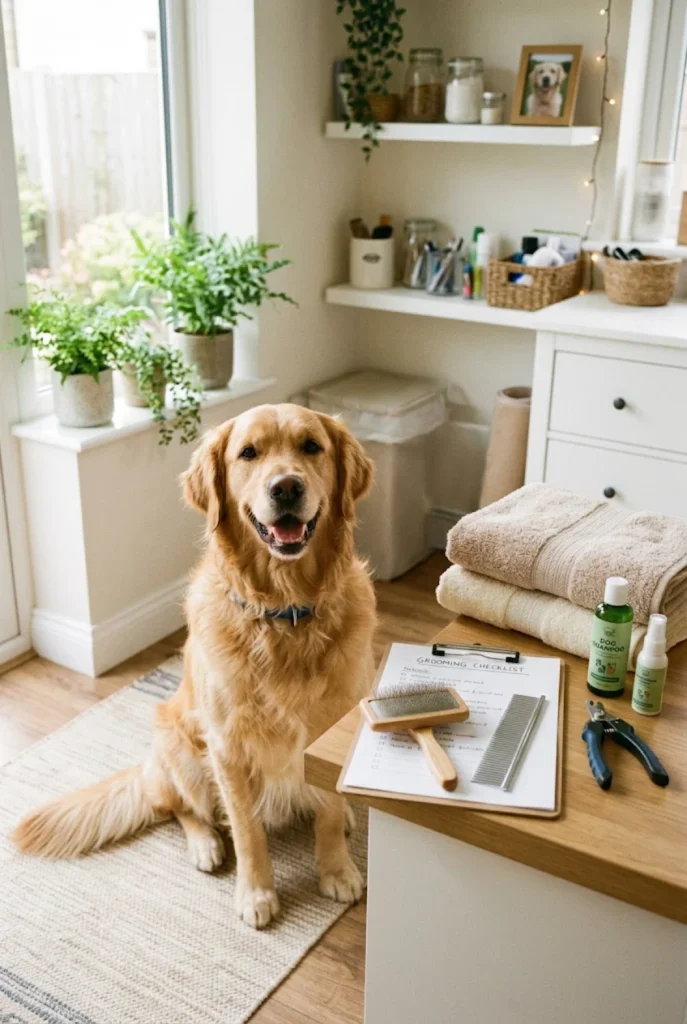
The final mistake beginners should avoid is failing to follow a consistent grooming schedule. Grooming once in a while may seem sufficient, but irregular care allows loose hair, tangles, overgrown nails, and dirt to accumulate. When grooming becomes an occasional activity, dogs may also struggle to become familiar with the tools and handling involved. A consistent routine makes maintenance easier and helps you notice changes in your dog’s appearance and skin condition.
Create a simple weekly and monthly grooming plan that matches your dog’s individual needs. Include brushing, coat inspection, ear checks, nail assessment, dental care, and bathing when appropriate. Some tasks need daily or weekly attention, while others are only necessary occasionally. Keep a small grooming checklist to track completed tasks. Consistency, rather than lengthy grooming sessions, is the key to maintaining a comfortable and healthy dog.
Final Thoughts
Learning how to groom your dog properly takes time, patience, and practice. Avoiding these 15 Dog Grooming Mistakes Beginners commonly make can help protect your pet’s skin, coat, nails, ears, and overall comfort. Small mistakes, such as using the wrong shampoo or brushing too aggressively, can create unnecessary problems, but the right knowledge and tools can make a significant difference.
Remember that every dog is different. Build a grooming routine according to your dog’s breed, coat type, age, and individual needs. Start slowly, use gentle techniques, and reward your pet for positive behavior. Most importantly, never hesitate to contact a professional groomer or veterinarian when a grooming task becomes difficult. With consistent care and a little patience, you can make grooming a healthy and enjoyable experience for your furry companion.