12 Brushing Tips for Short Haired Dogs
Short-haired dogs may seem easier to groom than long-haired breeds, but their coats still need regular attention to stay healthy, clean, and shiny. Although they generally have shorter grooming sessions, they can still experience shedding, loose hair, dry skin, dirt buildup, and other coat-related problems. Regular brushing helps remove dead hair, distribute natural skin oils, and keep your dog’s coat looking its best.
If you are a new dog owner, learning the right Brushing Tips for Short-Haired Dogs can make grooming easier and more enjoyable. You do not need expensive equipment or complicated grooming routines to care for your dog’s coat. With the right brush, gentle techniques, and a consistent schedule, you can keep your furry friend comfortable while building a stronger bond through everyday grooming.
1. Choose the Right Brush for Your Dog’s Coat
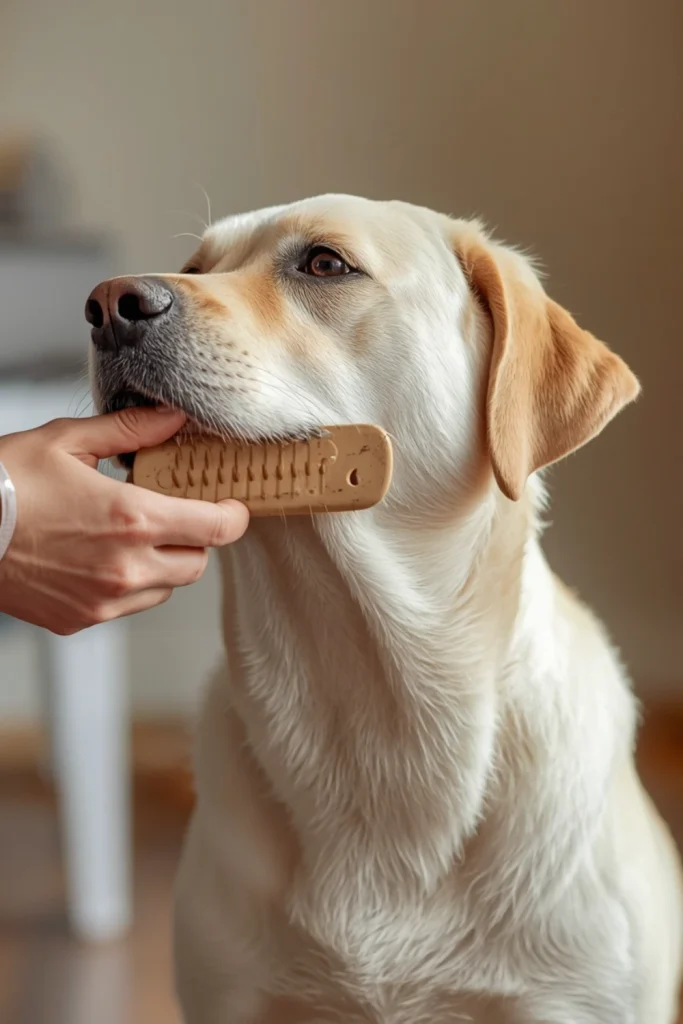
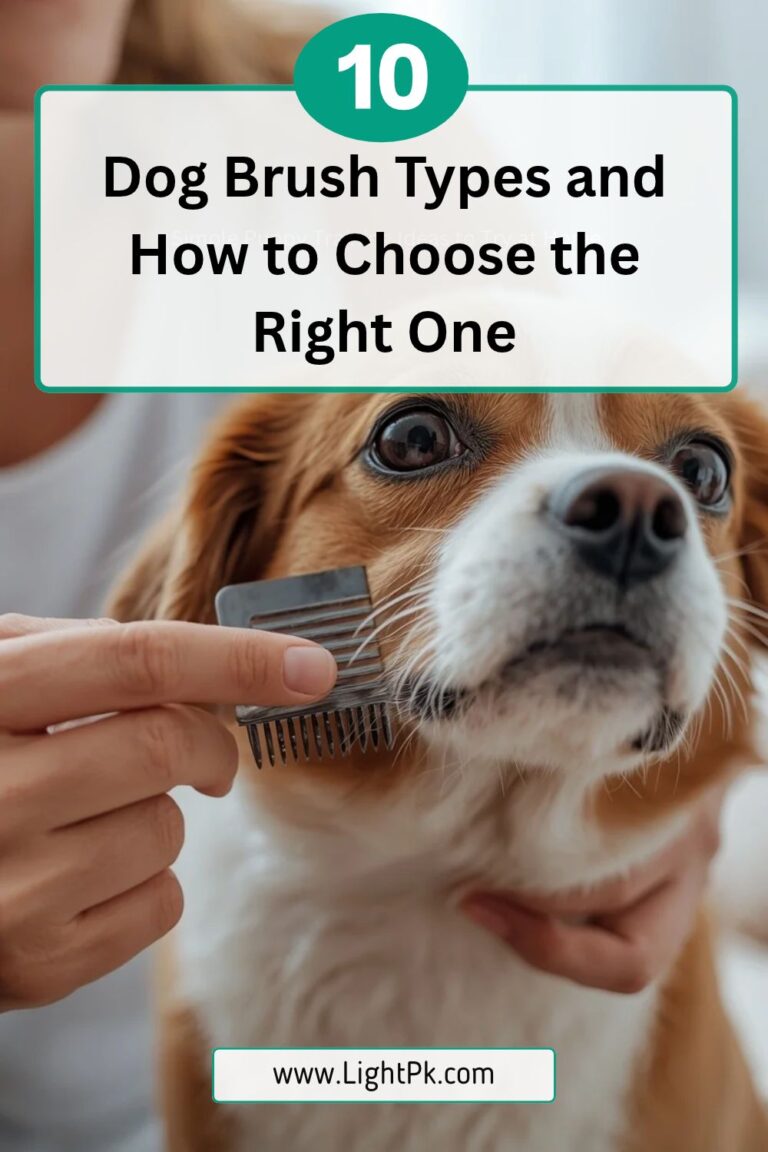
Choosing the right brush is one of the most important Brushing Tips for Short-Haired Dogs. Not every grooming brush works well for every coat type. Short-haired dogs generally benefit from rubber curry brushes, grooming mitts, soft bristle brushes, or specially designed deshedding tools. A rubber brush is particularly useful because its flexible bristles help loosen dead hair while providing a gentle massaging effect. A soft bristle brush can help smooth the coat and remove remaining dust and loose fur.
Before purchasing a grooming tool, consider your dog’s coat thickness, skin sensitivity, and shedding level. Dogs with very short coats may need only a soft rubber brush or grooming glove, while dogs with dense double coats may benefit from a suitable deshedding tool. Avoid brushes with sharp or overly stiff bristles that can irritate your dog’s skin. If you are unsure which brush is appropriate, ask a professional groomer or veterinarian for recommendations.
2. Brush Your Dog Regularly
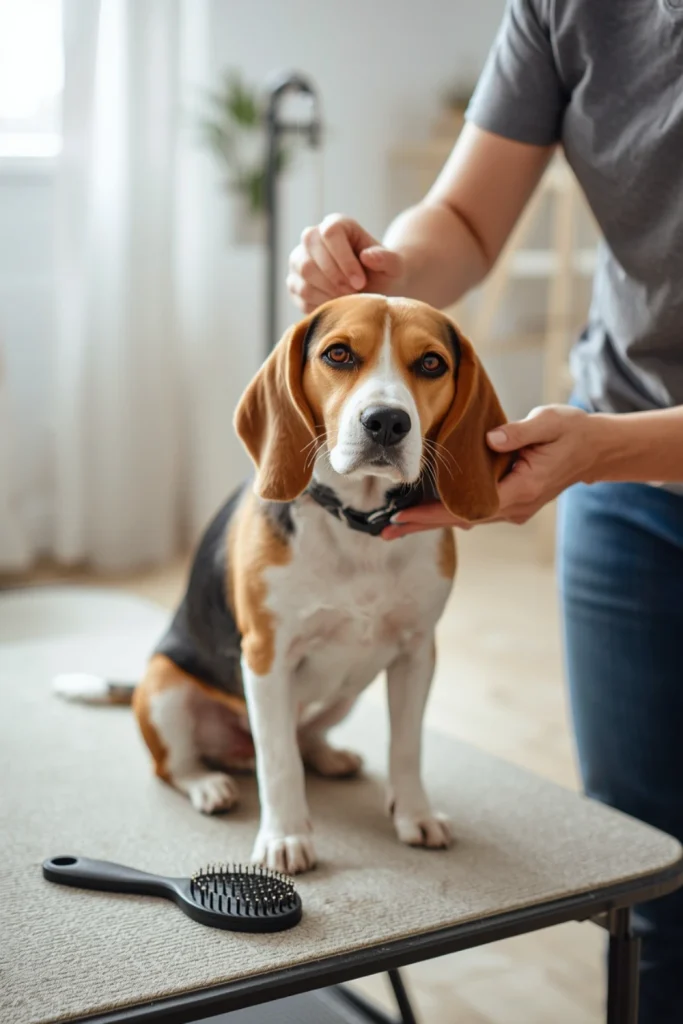
Consistency is essential when caring for a short-haired dog’s coat. Even though short-haired breeds usually require less grooming than long-haired dogs, regular brushing helps control loose hair and keeps dirt from collecting in the coat. For many short-haired dogs, brushing two or three times a week is a reasonable starting point. However, dogs that shed heavily may benefit from more frequent gentle brushing, depending on their individual coat and skin condition.
Creating a regular grooming schedule also helps your dog become comfortable with the process. Choose a convenient time when your pet is relaxed, such as after a walk or play session. Keep brushing sessions short at first, especially if your dog is not familiar with grooming. A few minutes of gentle brushing can make a noticeable difference over time. Pay attention to your dog’s reaction and adjust the frequency according to its comfort and grooming needs.
3. Always Brush in the Direction of Hair Growth
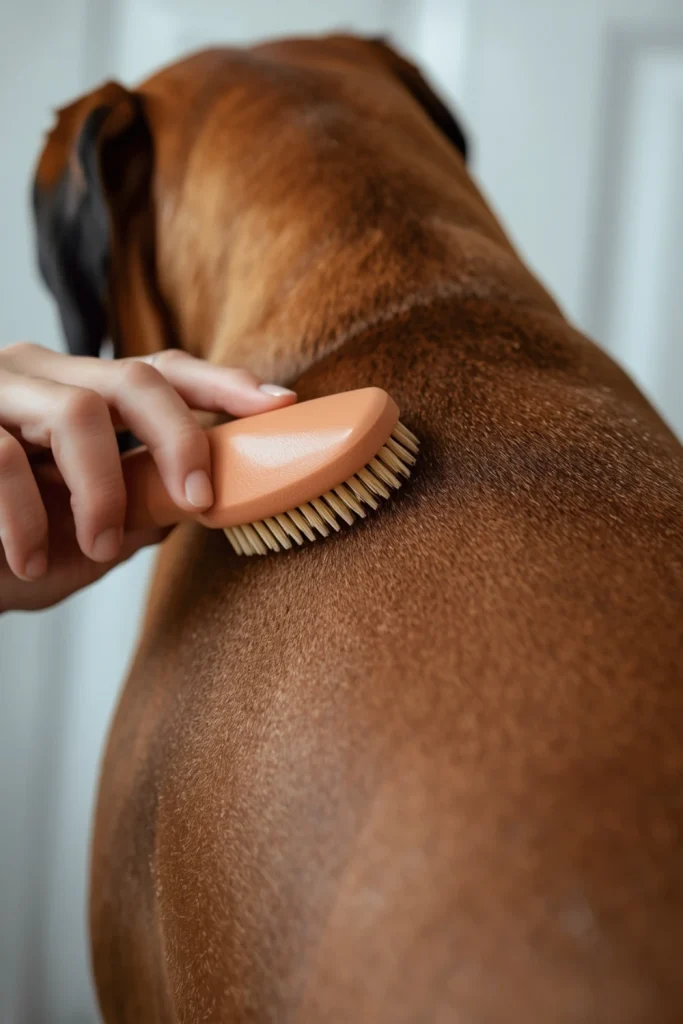
One of the easiest ways to make brushing comfortable is to follow the natural direction of your dog’s hair growth. Begin near the neck and gently move the brush toward the back and tail, following the direction in which the coat naturally lies. Use smooth, controlled strokes instead of pushing the brush forcefully against the fur. This technique helps remove loose hair while keeping the grooming experience gentle and relaxing.
Brushing against the direction of hair growth can sometimes create an uncomfortable pulling sensation, particularly in dogs with sensitive skin. It may also cause some dogs to become nervous about future grooming sessions. If you need to reach an area with loose hair, use small and gentle movements rather than aggressive brushing. Watch your dog’s body language throughout the process. If your pet becomes uncomfortable, pause and allow it to relax before continuing.
4. Use Gentle Pressure During Brushing
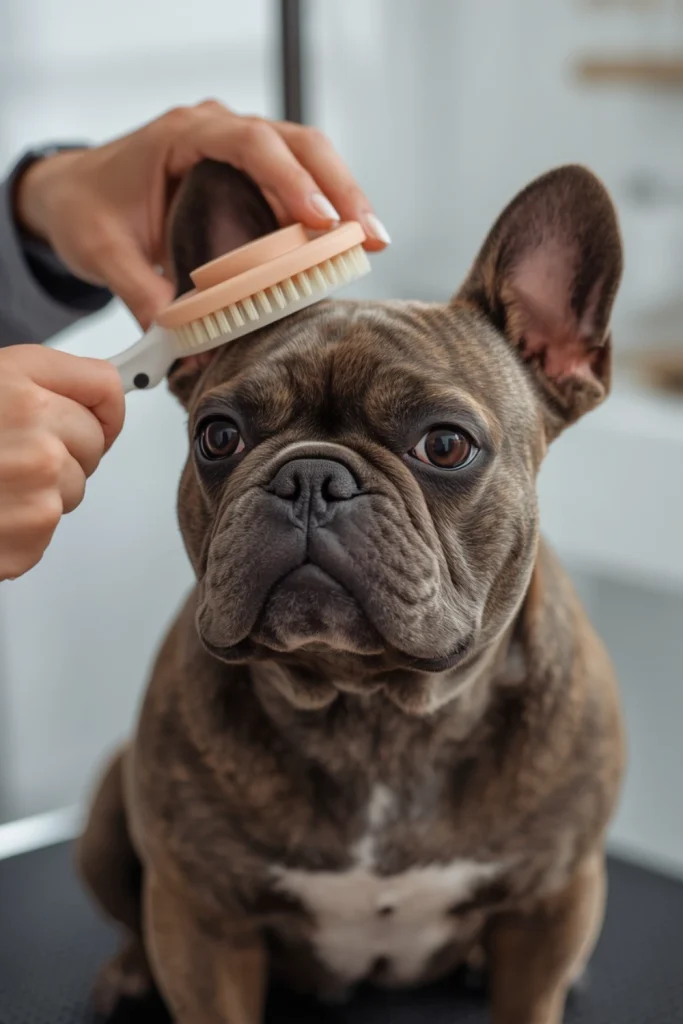
Short-haired dogs often have coats that sit close to the skin, which means excessive brushing pressure can cause irritation. Always use gentle movements and allow the brush to do most of the work. You do not need to press hard to remove loose hair. A soft rubber grooming brush can collect dead fur with light pressure while providing a comfortable massage. Start with a few gentle strokes and gradually cover the entire body.
Pay special attention to areas where your dog’s skin may be more sensitive, including the belly, chest, armpits, and inner legs. These areas should be brushed slowly and carefully. Never scrape the brush against the skin or repeatedly brush the same spot with force. If your dog pulls away, cries, growls, or shows signs of discomfort, stop and check the area. Gentle grooming protects the skin and helps your pet develop a positive association with brushing.
5. Start Brushing Slowly and Make It a Positive Experience
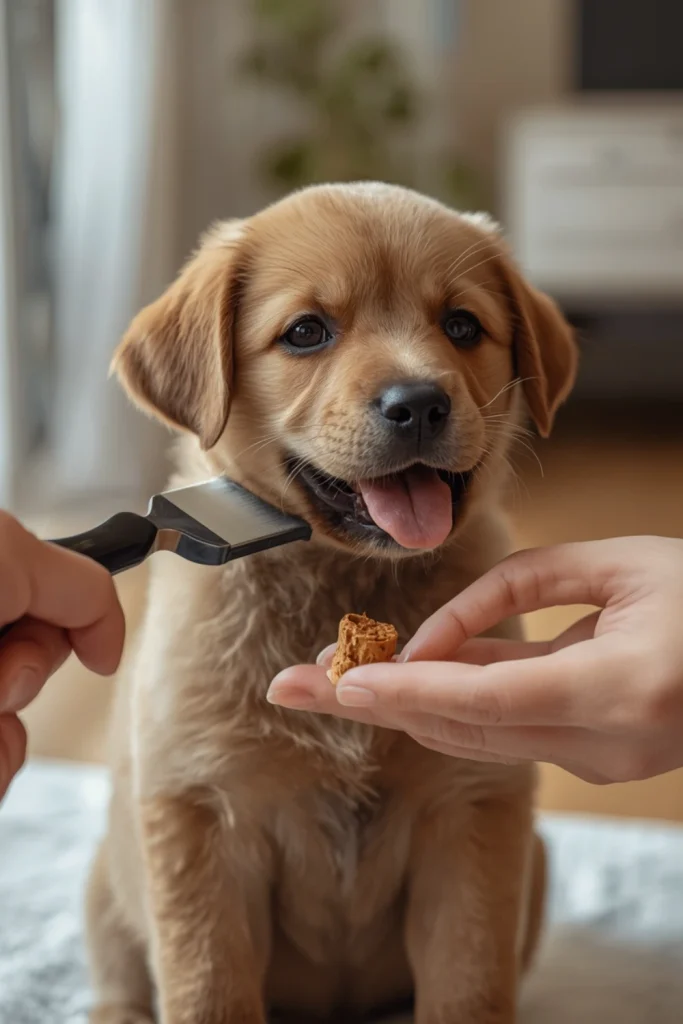
If your dog is unfamiliar with brushing, do not immediately begin a complete grooming session. Introduce the brush gradually so your pet has time to understand that it is not something to fear. Allow your dog to sniff the grooming tool before touching its coat. Start by gently brushing one small area for a few seconds, then offer praise or a small suitable treat. Repeat this process until your dog becomes comfortable with the brush.
Positive reinforcement is especially helpful for puppies and rescue dogs that may have limited grooming experience. Keep the first few sessions short and end them before your dog becomes restless. Avoid forcing your pet to remain in one position if it is clearly uncomfortable. Over time, gradually increase the brushing duration as your dog becomes more confident. A calm introduction can turn grooming into a pleasant bonding activity rather than a stressful experience.
6. Pay Attention to High-Shedding Areas
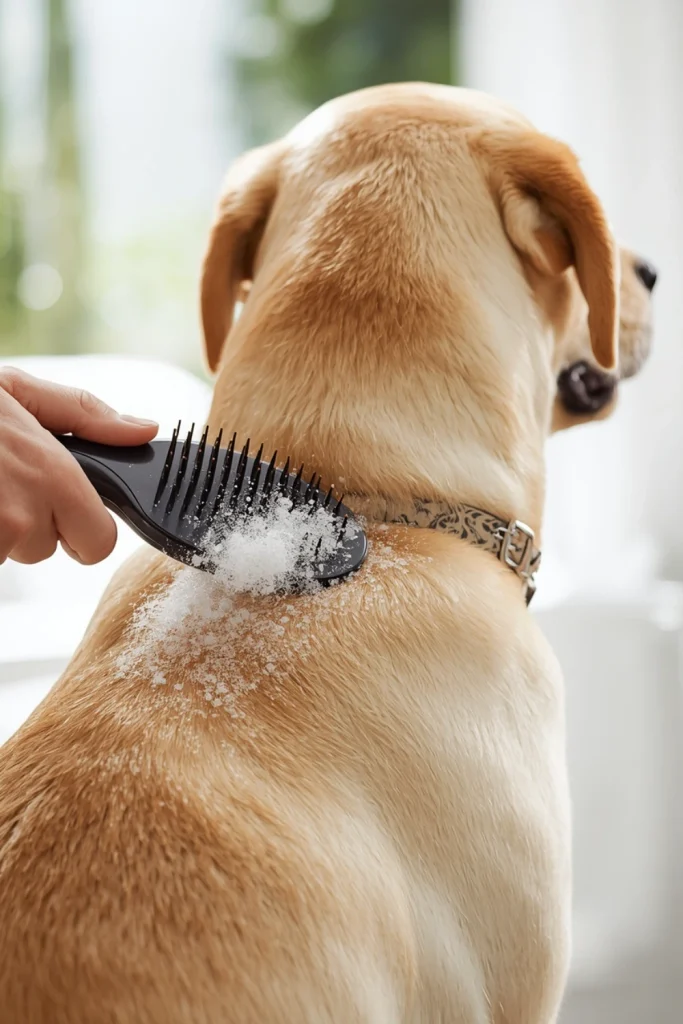
Although short-haired dogs have relatively short coats, many breeds shed throughout the year. Some dogs also experience heavier seasonal shedding when their coat changes with the weather. Areas such as the back, sides, shoulders, and hindquarters can collect noticeable amounts of loose hair. Spend a little extra time brushing these areas using a suitable rubber brush or grooming mitt. Gentle, repeated strokes can help remove loose fur before it spreads around your home.
However, do not assume that more brushing is always better. Excessive brushing can irritate the skin and may remove healthy hair. Instead, adjust your grooming routine according to your dog’s shedding pattern. If you notice sudden excessive hair loss, bald patches, itching, or unusual changes in coat condition, consult your veterinarian. These symptoms may indicate an underlying skin or health problem rather than normal shedding. Regular observation helps you distinguish everyday shedding from changes that need professional attention.
7. Do Not Forget the Belly, Chest, and Legs
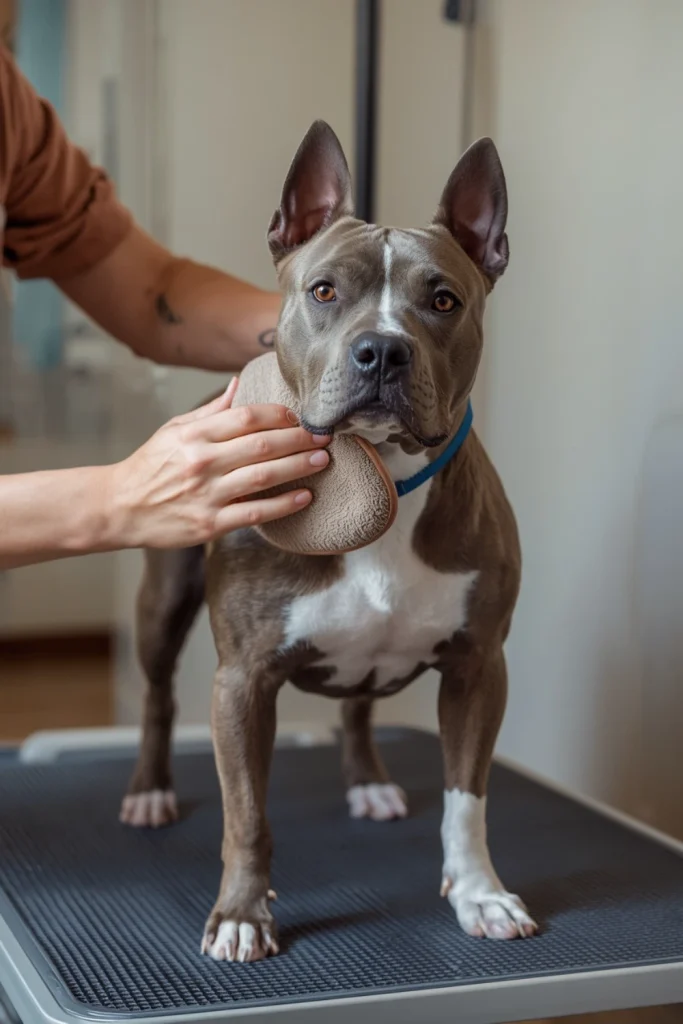
Many dog owners focus mainly on the back and sides when brushing, but the belly, chest, and legs also deserve attention. These areas can collect dust, dirt, grass, and other outdoor debris, especially after walks and playtime. Use a soft grooming mitt or gentle brush to remove loose hair and surface dirt. Move slowly and avoid applying pressure to delicate areas. If your dog is comfortable, gently lift one leg at a time to reach areas that are otherwise difficult to groom.
Some dogs are sensitive about having their belly and legs touched, so introduce brushing to these areas gradually. Reward calm behavior and avoid forcing your pet into an uncomfortable position. Pay attention to the skin around the joints, paws, and underarms. These areas can sometimes develop irritation from moisture, friction, or environmental allergens. If you notice swelling, redness, sores, or persistent licking, speak with your veterinarian rather than trying to solve the problem through additional brushing.
8. Check Your Dog’s Skin While Brushing

Brushing is an excellent opportunity to check your dog’s skin and coat for unusual changes. As you move the brush across the body, look for redness, bumps, scratches, dry patches, swelling, and areas of missing hair. You should also watch for signs of fleas or ticks, particularly if your dog spends time outdoors. Early detection can help you recognize potential problems and arrange appropriate veterinary care before they become more uncomfortable for your pet.
Do not ignore repeated scratching, excessive licking, unpleasant skin odors, or visible irritation. These symptoms can be associated with allergies, parasites, infections, or other skin conditions. Brushing may help remove loose hair, but it is not a treatment for medical skin problems. If you discover anything unusual, avoid brushing directly over painful or damaged areas and consult a veterinarian. Making skin checks part of your regular grooming routine helps you become more familiar with what is normal for your dog.
9. Use a Grooming Mitt for Sensitive Dogs
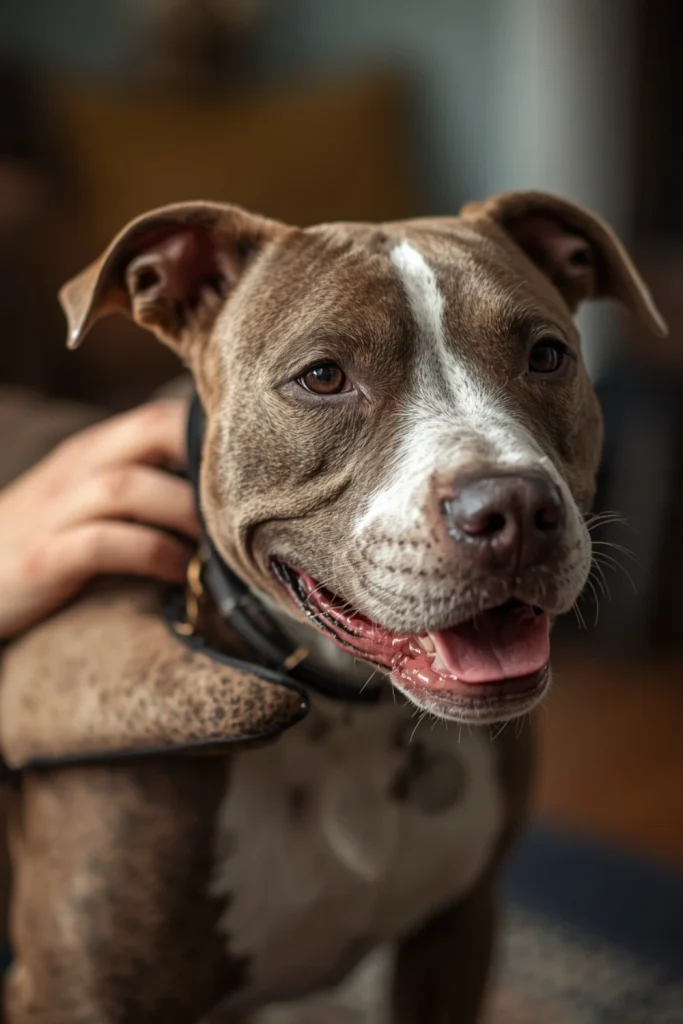
Some short-haired dogs dislike traditional brushes, especially if they have sensitive skin or are nervous about grooming. A rubber grooming mitt can be a comfortable alternative. It fits over your hand and has soft rubber tips that help collect loose hair while you gently stroke your dog’s body. Many dogs find this experience similar to being petted, which makes it easier to introduce regular coat care. Grooming mitts are particularly useful for dogs with very short, smooth coats.
To use a grooming mitt, place it securely on your hand and move it gently over your dog’s back, sides, and other comfortable areas. Rinse or remove collected fur from the mitt when necessary. Make sure the rubber surface is clean and free from rough edges before each session. Although grooming mitts are convenient, they may not remove as much undercoat from some thick-coated breeds as specialized tools. Choose the grooming method that best suits your dog’s individual coat.
10. Clean Your Grooming Tools After Every Session
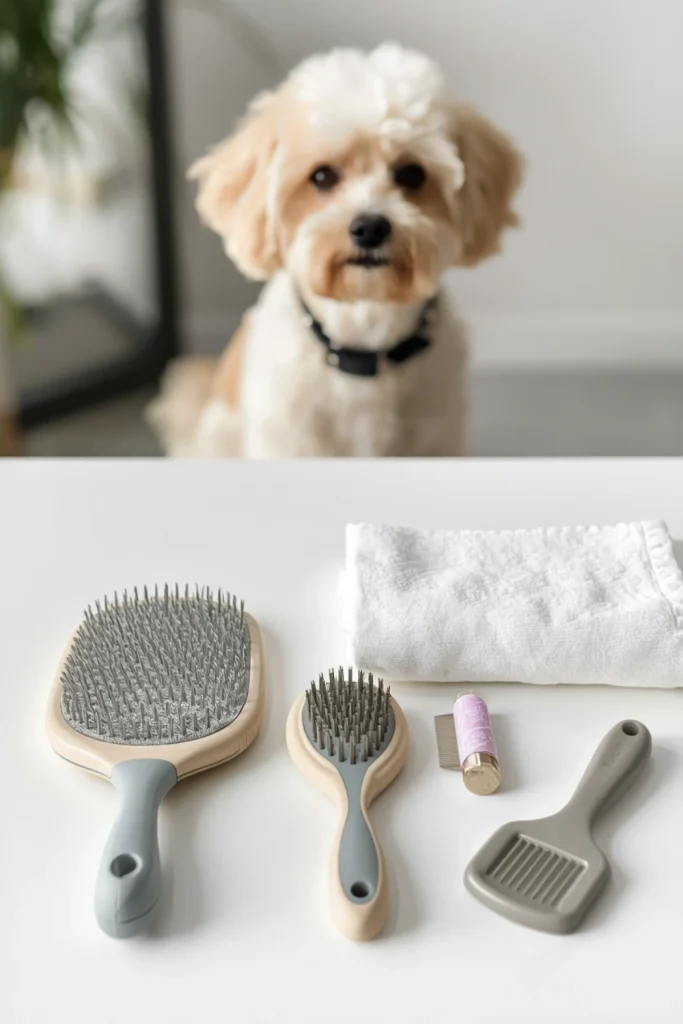
Cleaning your grooming tools is an important part of maintaining good hygiene. Loose hair, dust, dirt, and skin flakes can collect on brushes and grooming mitts after each session. If these materials remain on the tools, they may be transferred back onto your dog’s coat during the next grooming session. After brushing, remove collected fur and wash reusable grooming tools according to the manufacturer’s instructions. Allow them to dry completely before storing them.
It is also important to inspect your brushes regularly for damaged bristles, cracked rubber, sharp edges, or loose parts. A damaged grooming tool may scratch your dog’s skin or make brushing uncomfortable. Store brushes in a clean, dry place away from moisture and excessive dust. If you use the same grooming tools for multiple pets, clean and disinfect them appropriately between animals. Keeping grooming equipment clean helps make every brushing session safer and more comfortable.
11. Adjust Brushing According to the Season
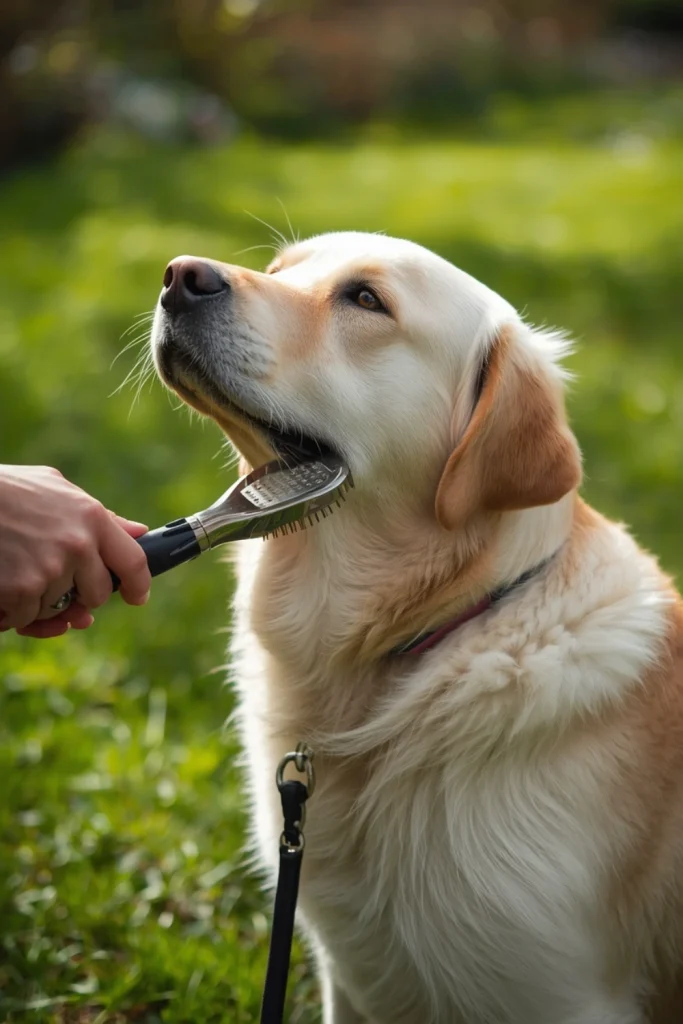
Your dog’s grooming needs may change throughout the year. Some short-haired dogs shed more heavily during seasonal coat changes, while others experience relatively consistent shedding throughout the year. During heavier shedding periods, you may need to brush more frequently to remove loose hair and keep your home cleaner. A gentle rubber brush or appropriate deshedding tool can help manage seasonal shedding without requiring complicated grooming techniques.
Weather conditions can also affect your dog’s skin and coat. During dry weather, some dogs may experience dry or flaky skin, while humid conditions can contribute to skin irritation in susceptible pets. Continue brushing gently and check your dog’s skin regularly. Avoid over-brushing simply because your dog is shedding more. If seasonal changes are accompanied by severe itching, hair loss, or persistent skin irritation, seek veterinary advice to rule out allergies or other conditions.
12. Reward Your Dog After Every Brushing Session
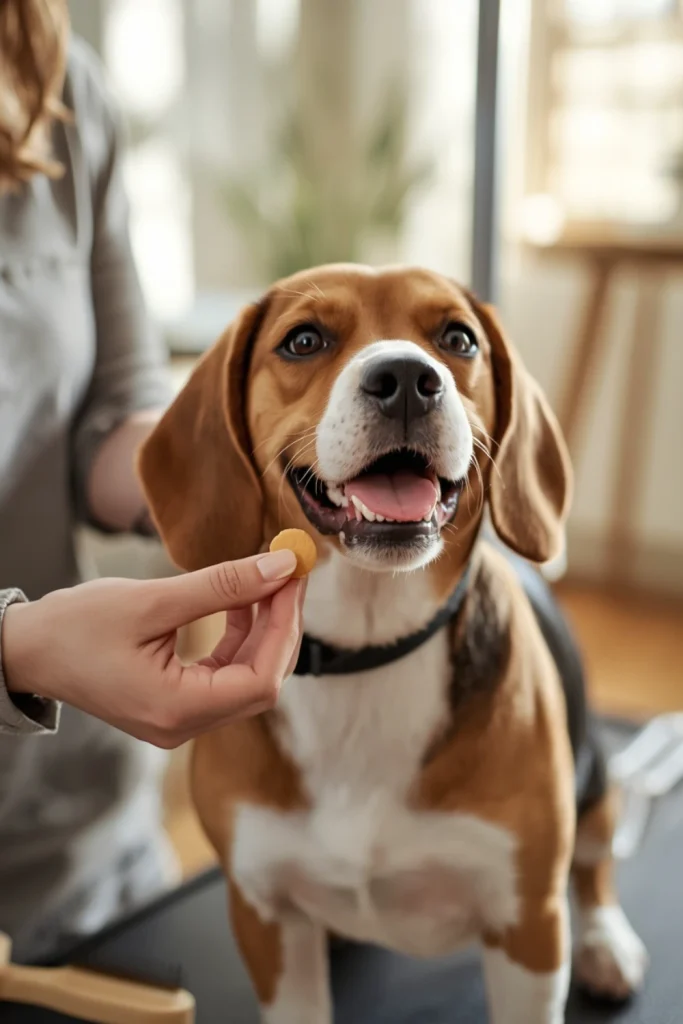
Ending every grooming session with something positive can help your dog develop a good association with brushing. After completing a short session, offer praise, affection, a favorite toy, or a small suitable treat. This teaches your pet that staying calm during grooming leads to pleasant experiences. Positive reinforcement is especially useful for young dogs, nervous pets, and animals that are still learning to accept regular handling.
Remember that rewards should match your dog’s dietary needs and should not replace balanced meals. You can also reward your dog during brushing rather than waiting until the end. If your pet becomes restless, take a break and try again later instead of turning grooming into a struggle. With patience and consistency, your dog may begin to look forward to brushing sessions. This simple habit makes coat maintenance easier and strengthens the relationship between you and your pet.
Final Thoughts
Taking care of a short-haired dog’s coat does not need to be difficult or time-consuming. With the right grooming tools, gentle brushing techniques, and a consistent routine, you can keep your dog’s coat clean, comfortable, and healthy. The most important Brushing Tips for Short-Haired Dogs include choosing an appropriate brush, following the direction of hair growth, avoiding excessive pressure, and checking the skin regularly.
Remember that every dog has different grooming needs. Pay attention to your pet’s coat, shedding patterns, and comfort during each session. Make brushing a positive experience with patience, praise, and rewards. Over time, regular grooming can become an enjoyable bonding activity that helps you maintain your dog’s coat while keeping an eye on its overall skin health.