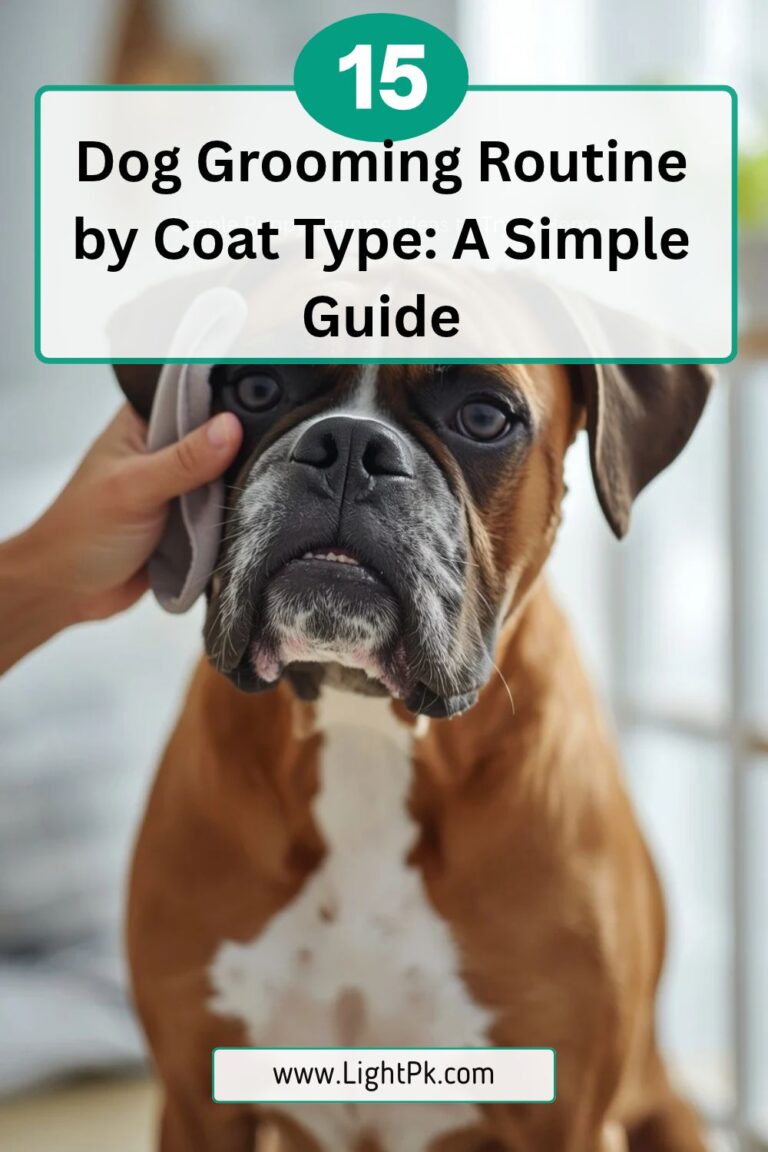
12 Easy Ways to Manage Dog Shedding at Home
Dog shedding is one of the most common challenges dog owners face. Whether you have a short-haired puppy or a long-haired adult dog, finding loose fur on your furniture, carpets, clothes, and floors can quickly become frustrating. Although shedding is a natural process, the good news is that there are several simple ways to keep it under control without spending a fortune on professional grooming.
Learning how to Manage Dog Shedding at home can make your living space cleaner while helping your furry friend maintain a healthy, shiny coat. With the right brushing routine, proper nutrition, regular bathing, and a few simple grooming habits, you can reduce loose hair and make your dog’s daily care much easier.
1. Brush Your Dog’s Coat Regularly
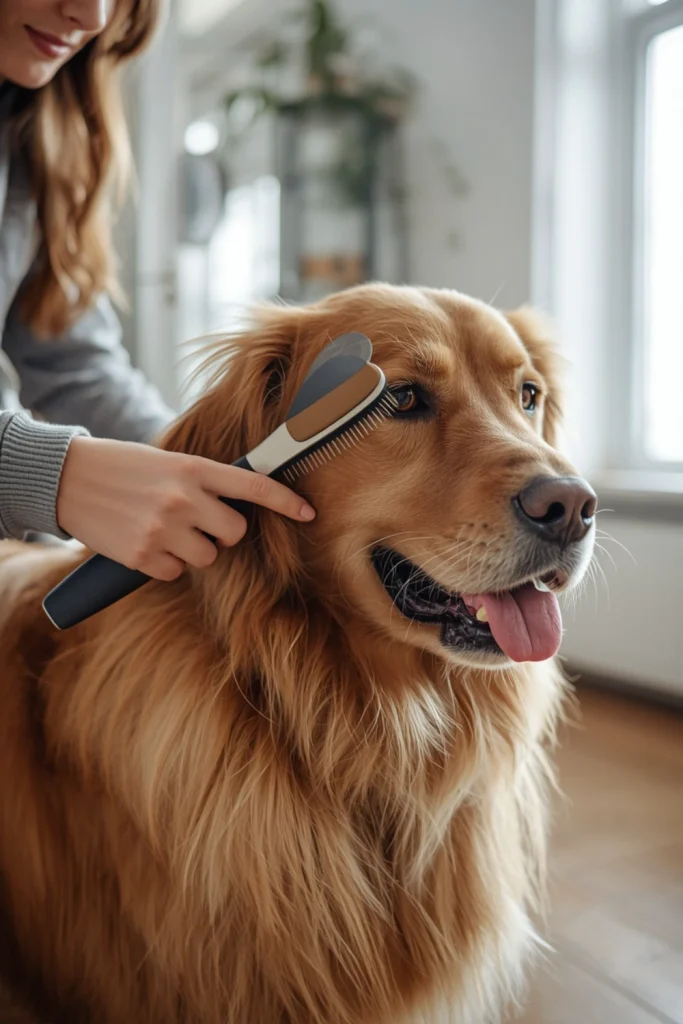
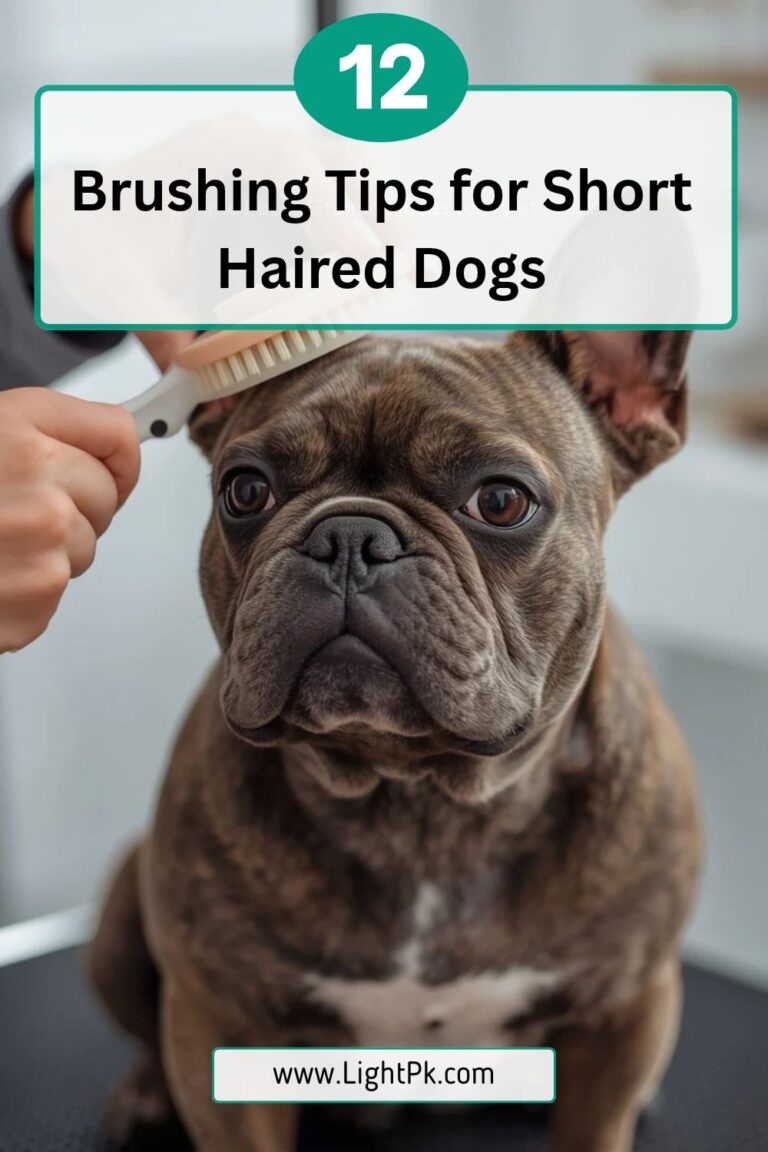
Regular brushing is one of the easiest and most effective ways to Manage Dog Shedding at home. When you brush your dog, you remove loose and dead hair before it spreads across your furniture, carpets, and clothing. Brushing also helps distribute natural oils throughout the coat, keeping the hair soft, healthy, and shiny. Depending on your dog’s breed and coat type, you may need to brush daily or several times a week.
Make brushing a comfortable experience by choosing a quiet place and using gentle movements. Start with short sessions, especially if your dog is not familiar with grooming. Avoid pulling tangled hair or brushing sensitive areas too aggressively. Reward your dog with praise and small treats to create a positive association with grooming.
2. Choose the Right Dog Grooming Brush
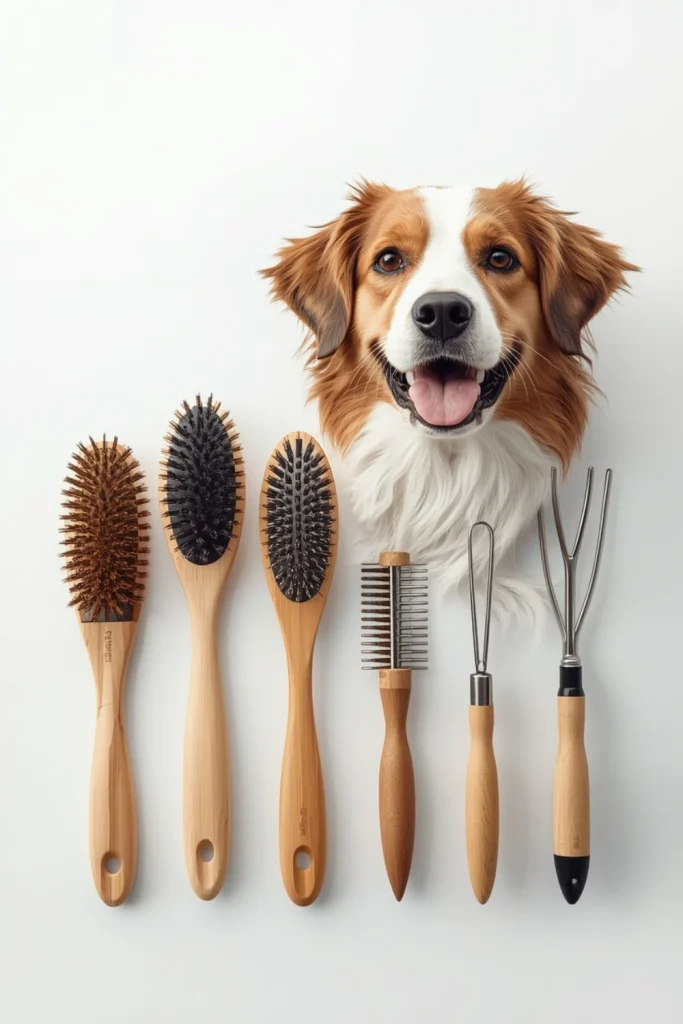
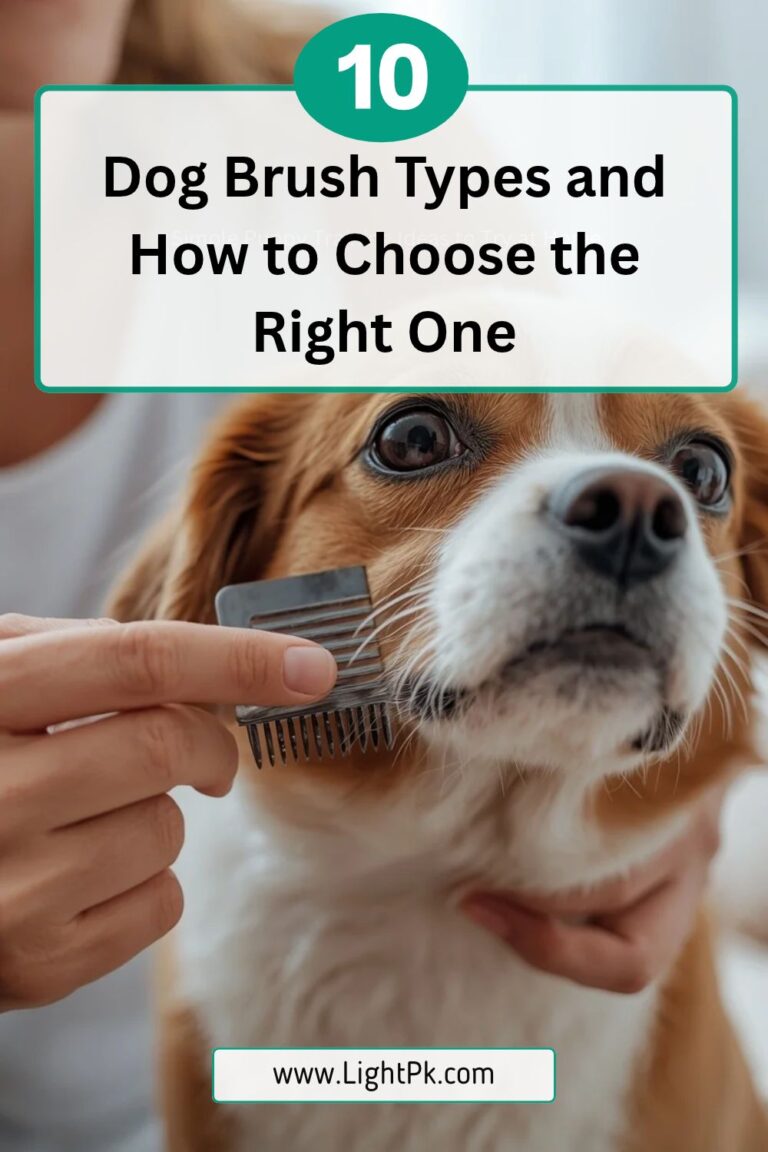
Not every dog needs the same grooming brush. Choosing the right tool for your dog’s coat type can make a significant difference in reducing loose hair. Slicker brushes are useful for many medium- and long-haired breeds, while bristle brushes can work well for short-haired dogs. Pin brushes are helpful for certain longer coats, and undercoat rakes can remove loose undercoat hair from suitable double-coated breeds.
Before purchasing a brush, consider your dog’s hair length, coat thickness, and skin sensitivity. A brush that works perfectly for a Labrador may not be suitable for a delicate, fine-haired breed. Read the manufacturer’s instructions and introduce the brush slowly. Using the correct grooming tool makes brushing more comfortable and helps remove loose hair without unnecessary irritation.
3. Give Your Dog a Healthy and Balanced Diet
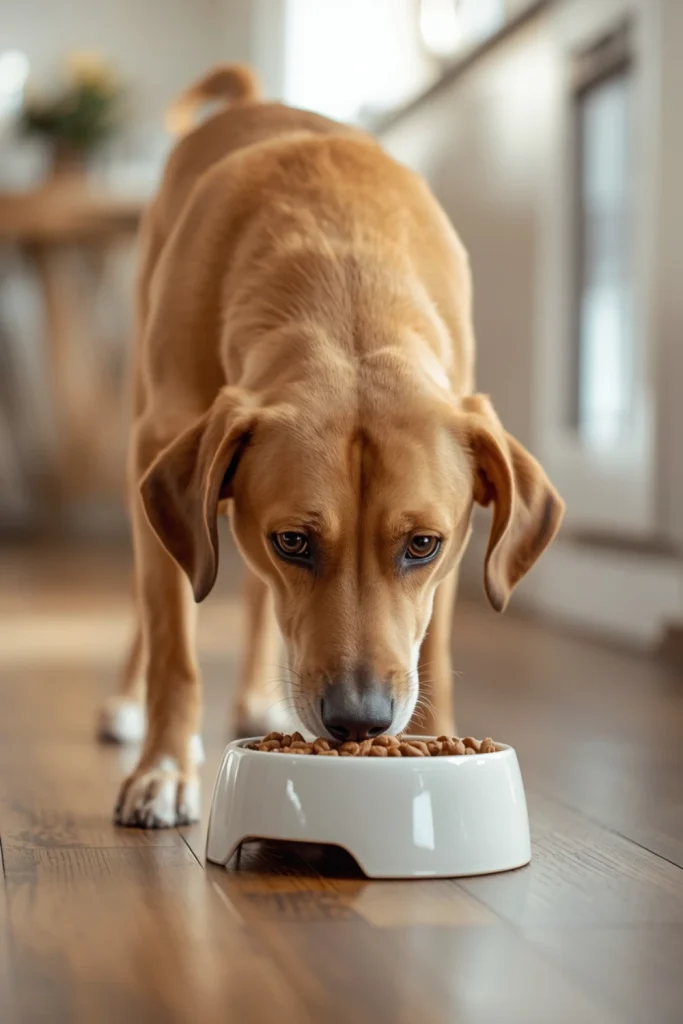
Your dog’s diet plays an important role in maintaining healthy skin and a strong coat. A complete and balanced dog food provides essential nutrients, including protein, vitamins, minerals, and fatty acids. Since hair is primarily made of protein, an appropriate amount of high-quality dietary protein supports normal hair growth. Nutritional deficiencies can sometimes contribute to poor coat condition, excessive hair loss, and dry skin.
Choose a dog food that meets your pet’s age, size, and activity requirements. Avoid frequently changing food brands without a good reason, as sudden dietary changes may upset your dog’s digestive system. If your dog has a dull coat, persistent itching, or unusual shedding, discuss its diet with a veterinarian. A professional can help determine whether nutritional adjustments are necessary.
4. Use a Deshedding Tool When Appropriate
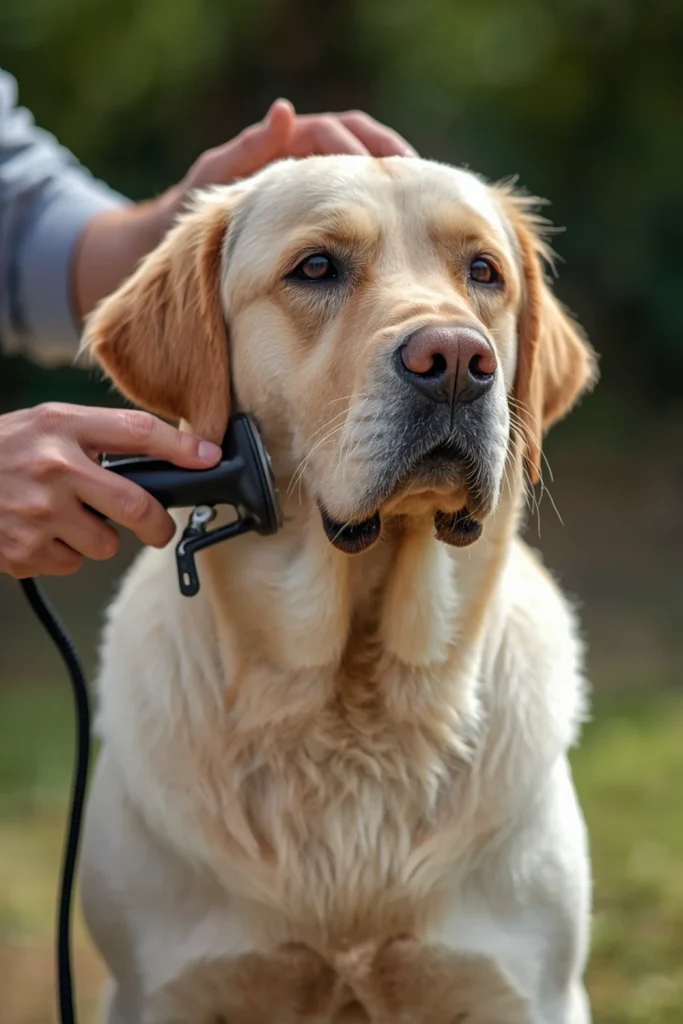
A deshedding tool can be helpful for dogs with thick or double coats that naturally release significant amounts of undercoat hair. These tools are designed to remove loose undercoat fur before it becomes scattered around your home. They can be especially useful during seasonal shedding periods when dogs lose more hair than usual. However, they are not necessary for every breed, and using the wrong tool can damage the coat.
Always select a deshedding tool designed for your dog’s specific coat type. Follow the manufacturer’s instructions and use gentle, controlled strokes without applying excessive pressure. Avoid repeatedly working over the same area, particularly if your dog has sensitive skin. Dogs with short, fine, curly, or single-layer coats may need a different grooming approach. When uncertain, ask a professional groomer or veterinarian for advice.
5. Bathe Your Dog Regularly
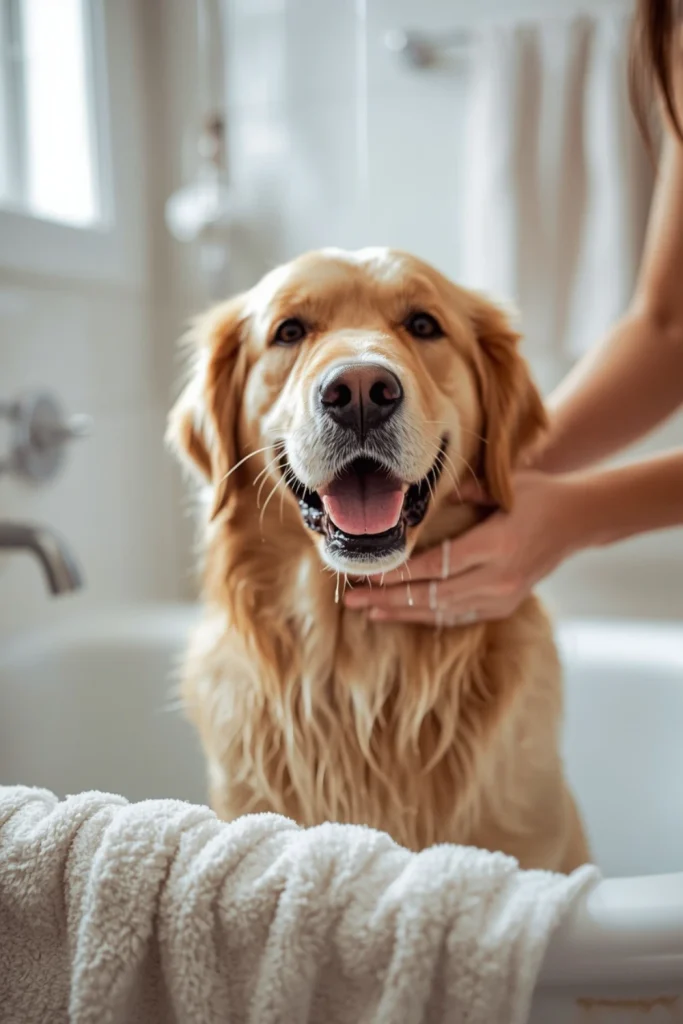
Regular bathing helps remove dirt, loose hair, and other debris trapped in your dog’s coat. A suitable dog shampoo can make the coat cleaner and easier to brush, helping you remove loose fur before it reaches your furniture. Bathing can be particularly helpful for dogs that spend considerable time outdoors or have coats that collect dirt and dust. However, bathing too frequently may strip natural skin oils and cause dryness or irritation.
Choose a gentle shampoo specifically formulated for dogs rather than using human shampoo. Follow the product instructions and rinse thoroughly to prevent shampoo residue from irritating your dog’s skin. The ideal bathing schedule depends on your dog’s breed, coat, lifestyle, and skin condition. Some dogs need more frequent baths, while others require bathing only occasionally. Ask your veterinarian if your dog has sensitive or problematic skin.
6. Keep Your Dog Properly Hydrated
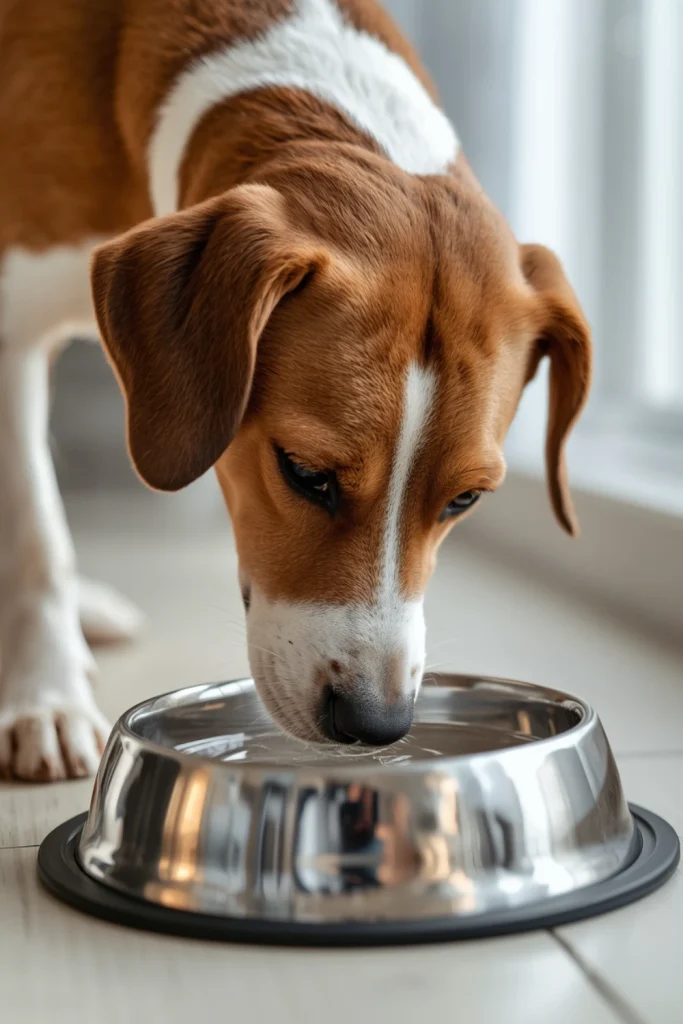
Fresh drinking water is essential for your dog’s overall health, including maintaining normal skin function. Dehydration can affect the body’s normal processes and may contribute to poor overall condition. Although drinking more water will not directly stop normal shedding, proper hydration supports your dog’s general well-being and helps maintain healthy skin.
Keep a clean water bowl in an accessible location where your dog can drink whenever needed. Wash the bowl regularly and replace the water with fresh drinking water throughout the day. During hot weather, after exercise, or following outdoor activities, make sure fresh water is readily available. If your dog suddenly starts drinking much more or less water than usual, contact your veterinarian because changes in thirst can sometimes indicate an underlying health problem.
7. Add Omega-3 Fatty Acids Only When Needed
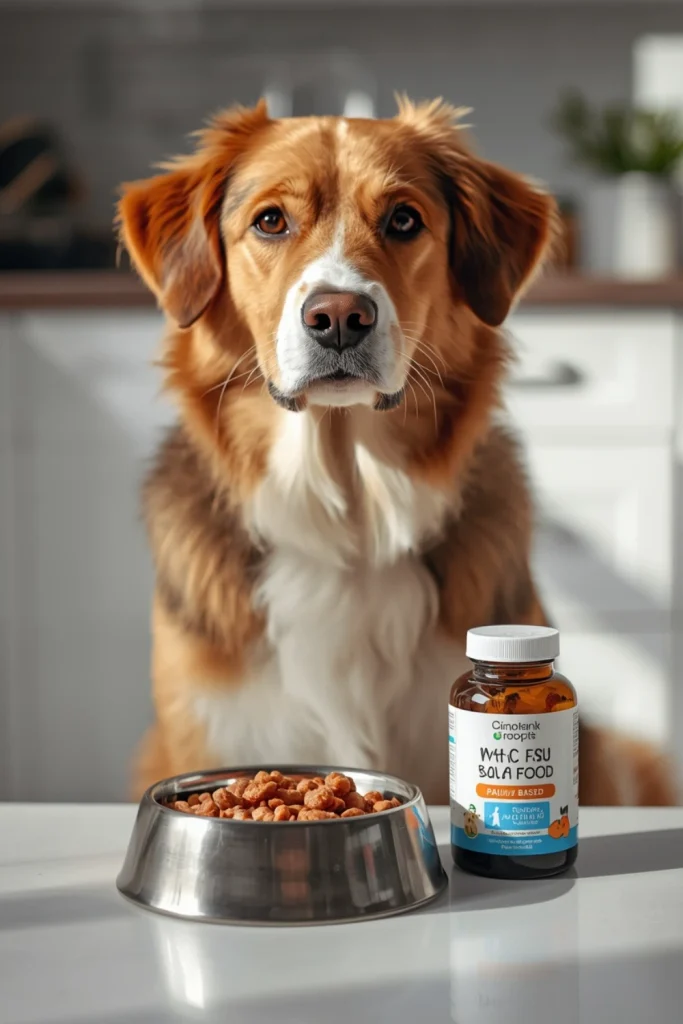
Omega-3 fatty acids are important nutrients that support normal skin function and help maintain coat condition. They are found in certain fish-based ingredients and other nutritional sources. A dog receiving an appropriate balanced diet may already get sufficient essential fatty acids. However, some dogs with particular nutritional needs may benefit from a veterinarian-recommended supplement.
Never assume that adding more supplements will automatically reduce shedding. The correct product and amount depend on your dog’s size, diet, health, and individual requirements. Some supplements can interact with medications or cause digestive problems when used incorrectly. Speak with your veterinarian before introducing fish oil or any other supplement. A professional can determine whether your dog actually needs additional omega-3 fatty acids and recommend an appropriate product.
8. Maintain a Clean and Comfortable Home
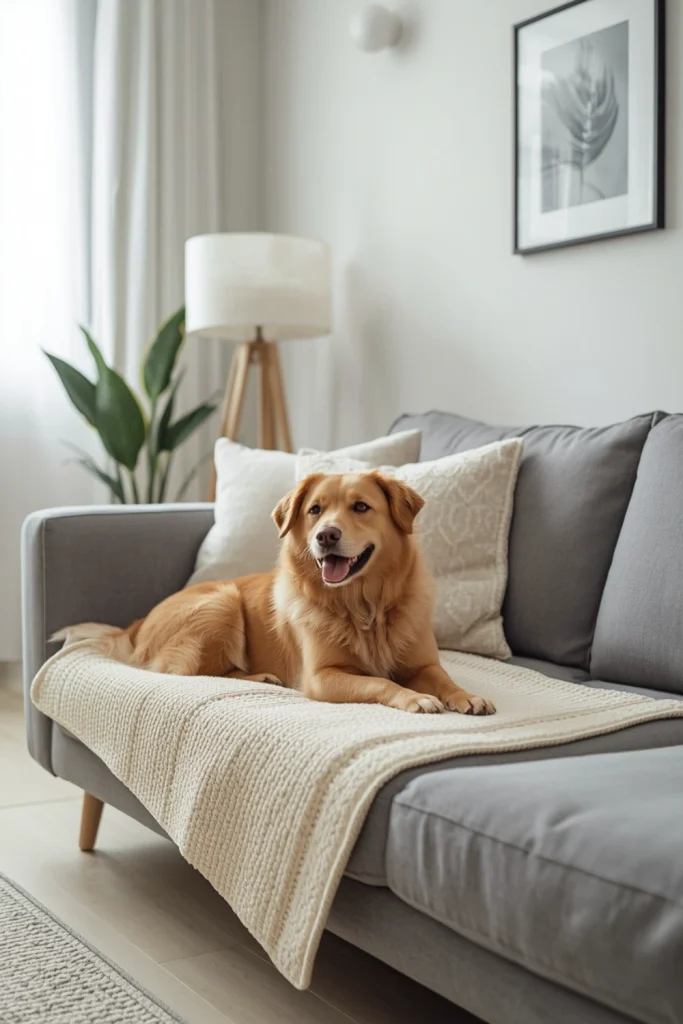
Keeping your home clean is an important part of managing dog shedding. Even when you follow a regular grooming routine, some loose hair will naturally collect on floors, sofas, blankets, and carpets. Vacuuming regularly helps remove accumulated fur and prevents it from spreading throughout the house. Pay special attention to your dog’s favorite resting areas, where loose hair often builds up.
Use washable blankets or removable covers on your dog’s bed and favorite furniture. These coverings make cleaning easier because you can remove and wash them whenever necessary. A vacuum cleaner with a pet-hair attachment can also help remove fur from carpets and upholstery. Establishing a simple cleaning schedule can keep your home comfortable while making everyday dog ownership more manageable.
9. Keep Your Dog’s Bedding Clean
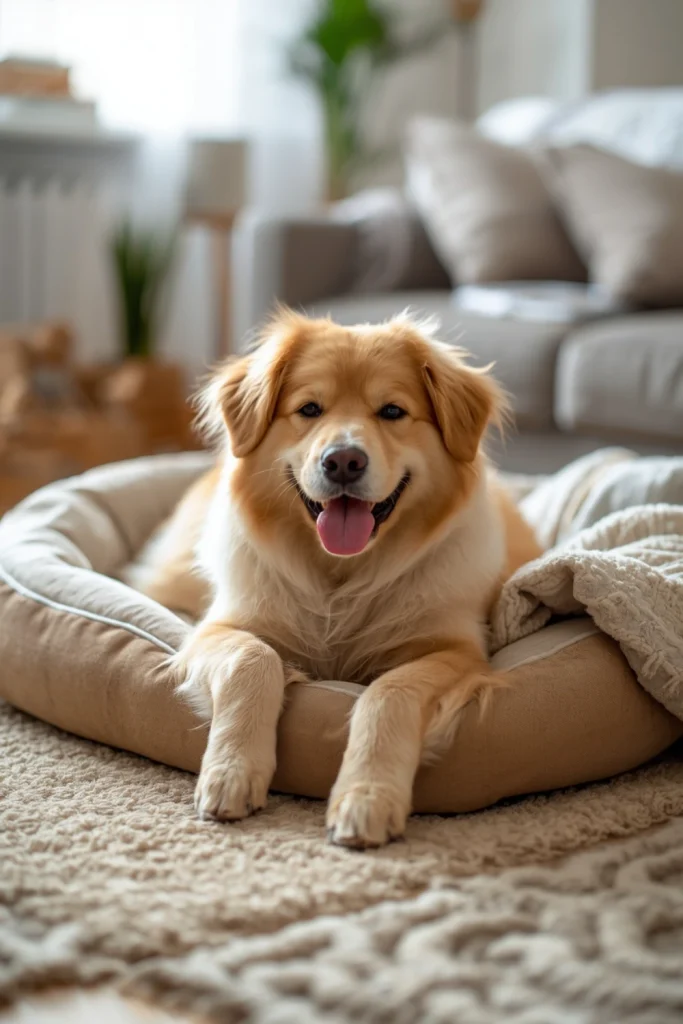
Your dog’s bed can collect a surprising amount of loose hair, dirt, dust, and outdoor debris. When your pet sleeps in the same place every day, shedding fur gradually builds up in the bedding. Washing your dog’s blankets and removable bed covers regularly helps remove accumulated hair and keeps the sleeping area fresh. Clean bedding also makes your dog’s resting space more comfortable.
Choose a dog bed with removable, machine-washable covers whenever possible. Follow the manufacturer’s washing instructions and make sure the bedding is completely dry before your dog uses it again. Vacuum the bed between washes to remove loose hair and dust. If your dog has allergies or sensitive skin, ask your veterinarian whether a particular bedding material or laundry detergent would be more suitable.
10. Brush Your Dog Before and After Bathing
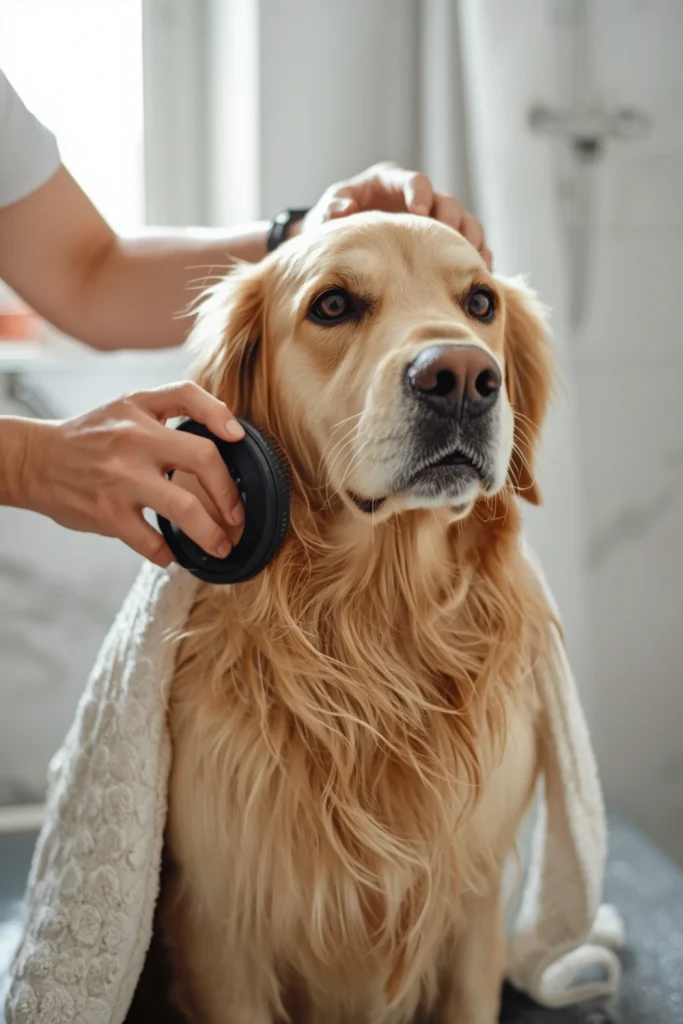
Brushing before bathing can help remove loose hair, dirt, and small tangles from your dog’s coat. When you remove loose fur first, it becomes easier to wash the coat thoroughly. This simple grooming step can also help prevent loose hair from gathering around the bathing area. Use a brush that matches your dog’s coat type and gently work through any tangles before introducing water.
After bathing, allow your dog’s coat to dry appropriately before brushing again. Some coat types can be brushed while slightly damp using suitable tools, while others are better brushed when fully dry. Follow breed-specific grooming advice and avoid brushing aggressively through wet, delicate hair. If your dog has a thick or double coat, make sure it dries properly to help prevent moisture from remaining close to the skin.
11. Monitor Seasonal Shedding Patterns
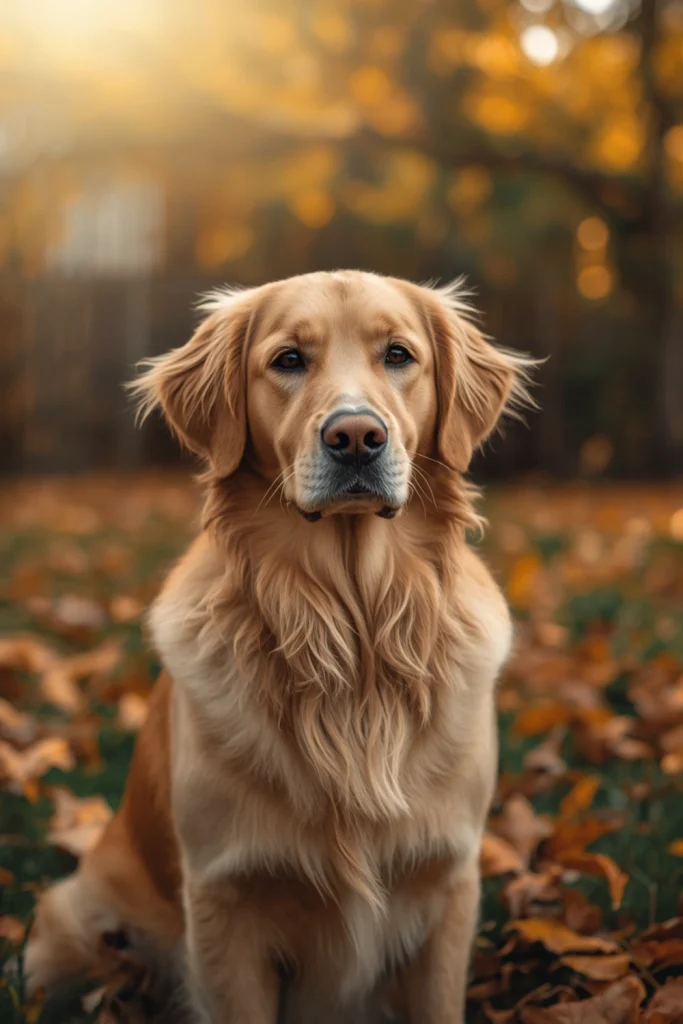
Many dogs experience changes in shedding throughout the year. Some breeds release more hair during seasonal coat changes, particularly in spring and autumn. During these periods, your dog may need more frequent brushing to remove loose fur before it spreads throughout your home. Understanding your dog’s normal shedding pattern helps you prepare for these changes and maintain a consistent grooming routine.
Keep track of how much your dog sheds during different seasons. If shedding increases gradually during a normal seasonal transition, it may simply be part of the natural coat cycle. However, sudden or excessive hair loss should not automatically be considered seasonal shedding. Watch for bald patches, redness, itching, skin irritation, or changes in your dog’s behavior. Contact a veterinarian if you notice unusual symptoms.
12. Schedule Regular Veterinary Checkups
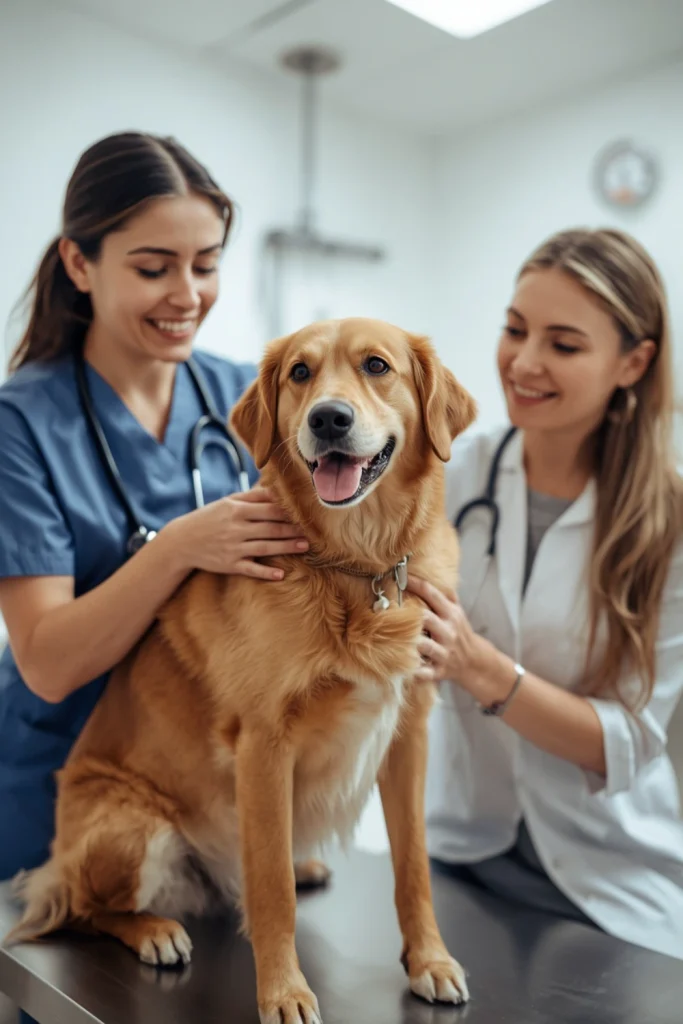
Sometimes excessive shedding is connected to an underlying health issue rather than ordinary hair replacement. Skin infections, parasites, allergies, nutritional problems, hormonal conditions, and other medical concerns can affect your dog’s coat. Regular veterinary checkups help identify possible problems early and ensure your pet receives appropriate care. A veterinarian can also help you understand whether your dog’s shedding level is normal for its breed and age.
Pay attention to changes in your dog’s skin and coat between appointments. Persistent itching, unusual odor, redness, sores, bald patches, or sudden hair loss deserve professional attention. Avoid using medicated shampoos, treatments, or supplements without veterinary guidance. Remember that normal shedding cannot be completely eliminated, but identifying and treating medical problems can improve coat health when an underlying condition is responsible.
Final Thoughts
Learning how to Manage Dog Shedding at Home does not have to be difficult or expensive. With regular brushing, suitable grooming tools, proper nutrition, appropriate bathing, and a clean living environment, you can control loose hair and maintain your dog’s healthy coat.
Remember that every dog is different. Some breeds naturally shed more than others, and seasonal changes can increase the amount of loose hair you notice around your home. Focus on building a consistent grooming routine that suits your dog’s coat type and lifestyle.
Most importantly, pay attention to your dog’s skin and overall health. If you notice sudden hair loss, bald patches, excessive itching, or skin irritation, consult your veterinarian. A little daily care and attention can make a big difference in keeping your dog comfortable and your home cleaner.