How Often Should You Brush Your Dog? A Coat-Type Guide
A few minutes of brushing can make a big difference in your dog’s comfort, cleanliness, and coat health. Regular brushing removes loose hair, prevents tangles, distributes natural oils, and gives you a chance to check your dog’s skin. However, not every dog needs the same grooming routine. Some dogs have short coats that are easy to maintain, while others have long, curly, thick, or double coats that need more frequent attention.
So, how often should you brush your dog? The answer depends mainly on coat type, hair length, shedding habits, lifestyle, and individual needs. Brushing too little can allow knots and mats to develop, while brushing too aggressively can irritate the skin. This simple coat-type guide explains how often to brush different dogs, which tools to use, and how to make grooming a comfortable part of your pet’s routine.
1. How Often Should You Brush a Short-Haired Dog?
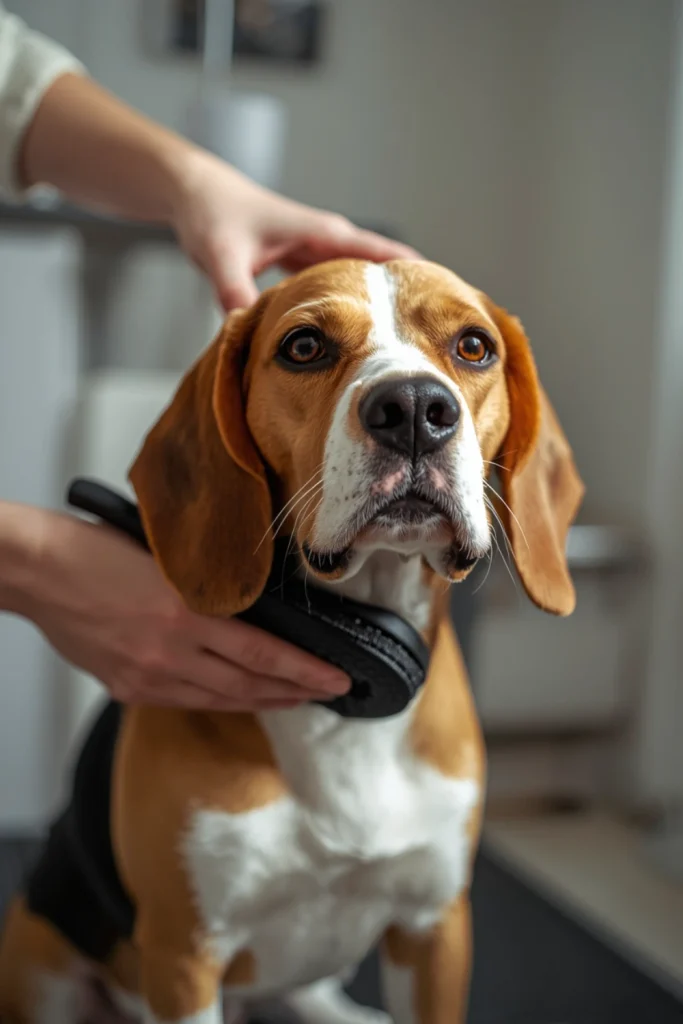
Short-haired dogs generally need brushing once or twice a week. Breeds such as Beagles, Boxers, and many short-haired mixed breeds have smooth coats that are relatively easy to maintain. A rubber grooming mitt or soft-bristle brush can help remove loose hair, dust, and surface dirt without putting unnecessary pressure on the skin. Use gentle strokes in the direction of hair growth, paying attention to the back, chest, sides, and legs.
Although short-haired dogs usually do not develop the same type of tangles as long-haired breeds, they still shed and benefit from regular grooming. During periods of increased shedding, you may need to brush more frequently. Check the skin while brushing for dryness, redness, bumps, or unusual hair loss. A simple weekly routine can help keep a short coat clean and make it easier to notice changes in your dog’s skin.
2. How Often Should You Brush a Long-Haired Dog?
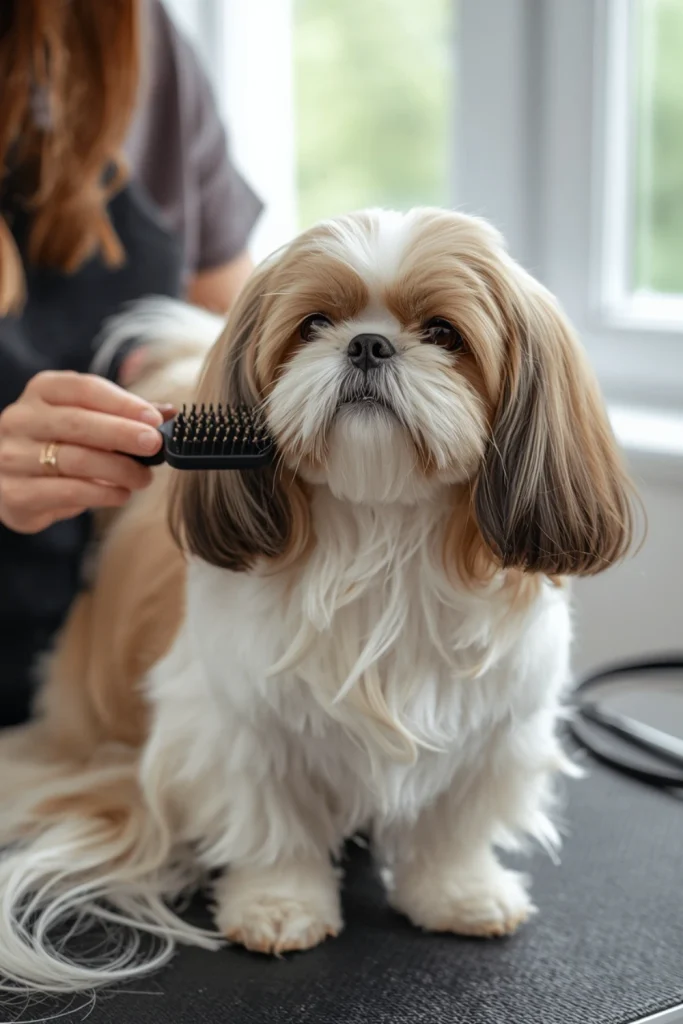
Long-haired dogs often need daily brushing to prevent knots and mats. Breeds such as Yorkshire Terriers, Shih Tzus, and Afghan Hounds may develop tangles quickly, particularly when their hair becomes wet or collects dirt during outdoor activities. A pin brush or suitable slicker brush can help remove loose hair and separate tangled sections. Work slowly through the coat instead of pulling a brush from the roots to the ends in one forceful movement.
Pay special attention to areas behind the ears, beneath the legs, around the collar, and under the tail because these places are more likely to develop mats. After brushing, use a metal comb to check for hidden knots close to the skin. If the coat is difficult to maintain, a professional groomer can recommend a practical trim and suitable brushing schedule. Daily maintenance is usually easier than trying to remove several days of accumulated tangles.
3. How Often Should You Brush a Double-Coated Dog?
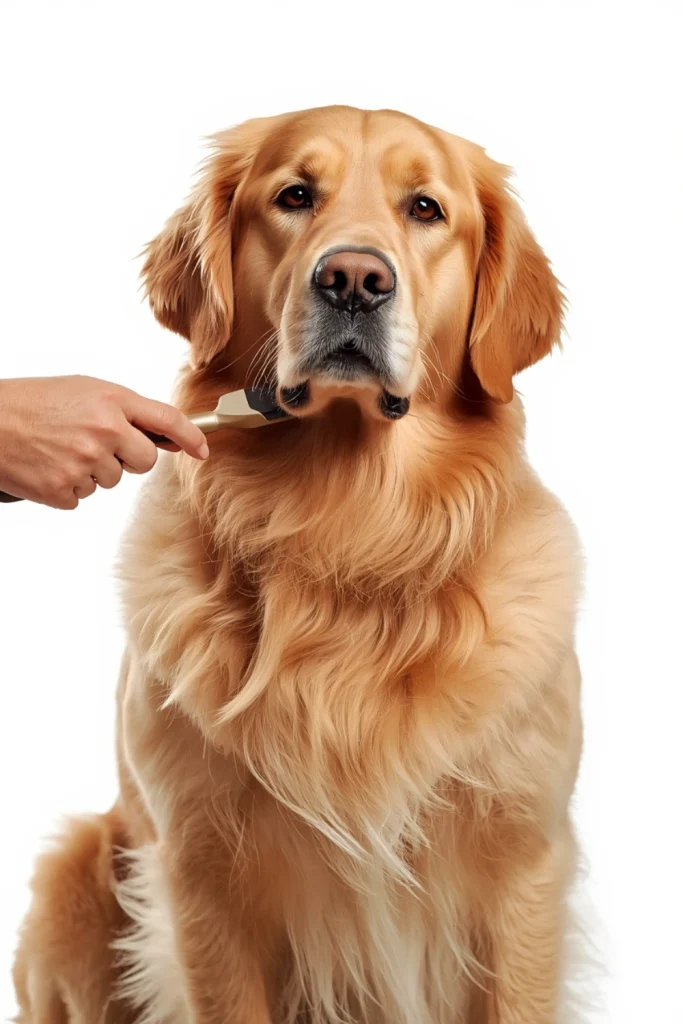
Double-coated dogs usually benefit from brushing several times a week. Their coats contain a soft, dense undercoat and a protective outer layer. Breeds such as Golden Retrievers, German Shepherds, and Siberian Huskies have this type of coat. Regular brushing helps remove loose undercoat, manage shedding, and prevent debris from collecting in the fur. A suitable slicker brush or undercoat rake may help, depending on your dog’s coat structure.
During seasonal shedding periods, you may need to brush more frequently to manage loose hair. Use grooming tools gently and avoid repeatedly scraping the same area. Do not shave a double-coated dog simply to reduce shedding or make it cooler, as the coat provides protection. If you are unsure which brush to use or how to manage the undercoat, ask an experienced groomer. The goal is to remove loose hair without damaging healthy coat or irritating the skin.
4. How Often Should You Brush a Curly-Coated Dog?
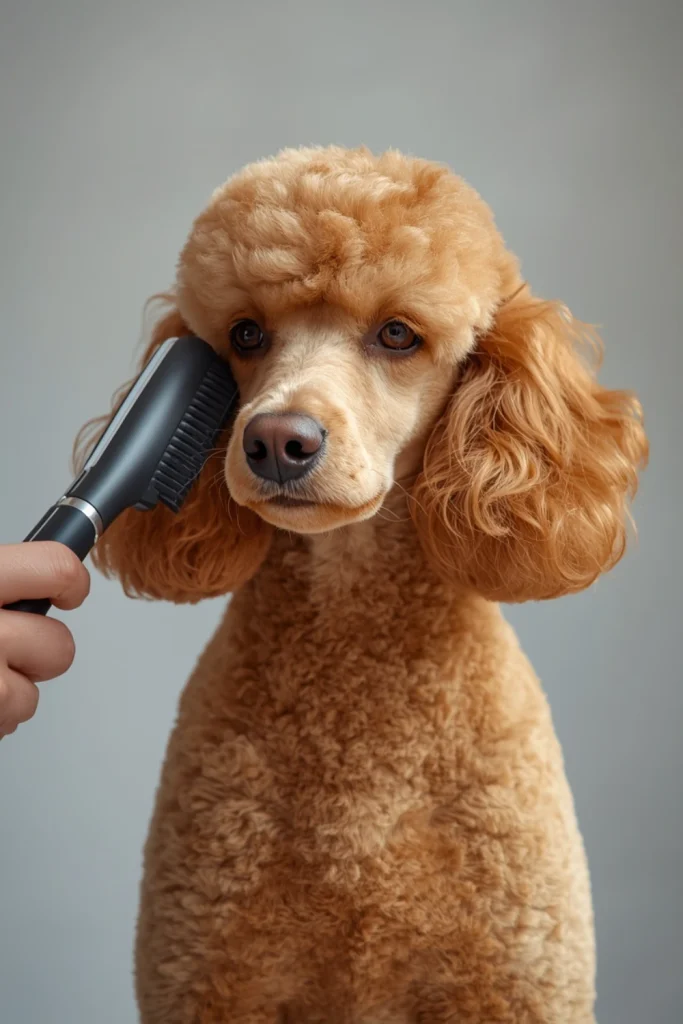
Curly-coated dogs often need daily brushing or frequent coat maintenance to prevent tangles and mats. Poodles and many Poodle mixes are common examples of dogs with curly coats. Their curls can trap loose hair instead of allowing it to fall away naturally. This means knots may form close to the skin if brushing is skipped for several days. A slicker brush and metal comb are often useful for separating curls and checking for hidden tangles.
Brush in small sections and avoid pulling through the coat with force. Pay attention to areas beneath the legs, behind the ears, around the neck, and near the tail. Curly coats may also need professional trimming every few weeks, depending on hair growth and preferred style. If your dog’s coat becomes tightly matted, seek professional help rather than trying to cut the mats out at home. Regular maintenance keeps curls manageable and comfortable.
5. How Often Should You Brush a Wavy-Coated Dog?
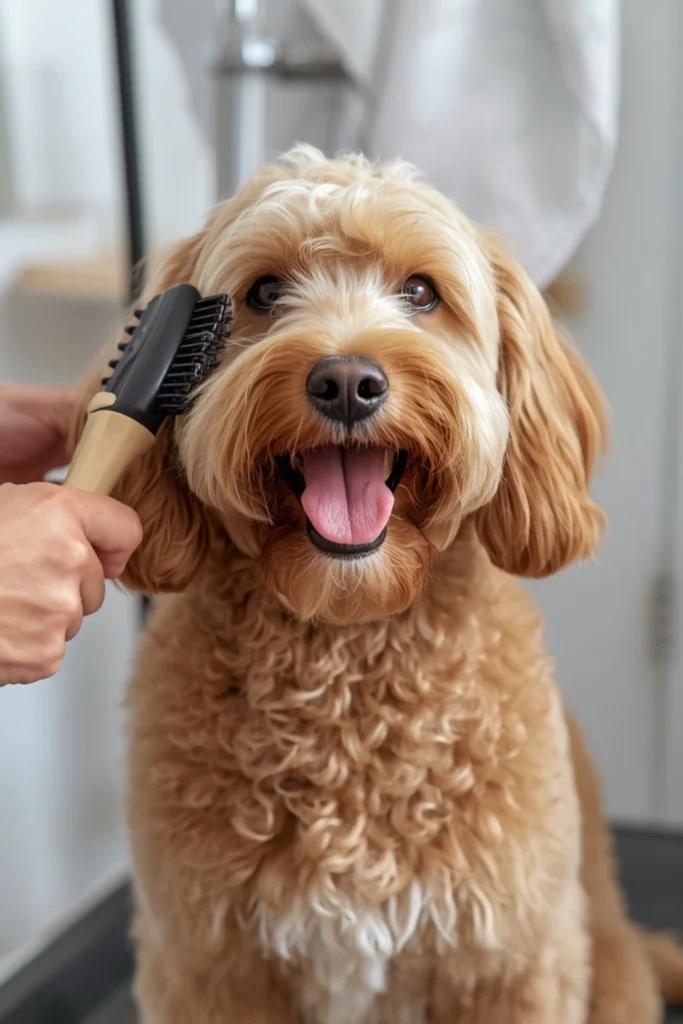
Wavy-coated dogs generally benefit from brushing three or four times a week, although some coats may require daily attention. Their fur falls between straight and curly textures, so it can hide small tangles within the waves. Some Cockapoos and other mixed breeds have this type of coat. A slicker brush can help loosen tangles, while a metal comb is useful for checking whether the hair is free of knots.
Brush gently in manageable sections, especially around the ears, chest, legs, and underside. Wavy coats may become tangled after swimming, bathing, or outdoor play, so check them after activities that leave the fur damp or dirty. Avoid rough brushing when the hair is wet because some coats are more vulnerable to breakage. If your dog’s waves become difficult to manage, ask a groomer about a suitable coat length and maintenance routine.
6. How Often Should You Brush a Wire-Haired Dog?
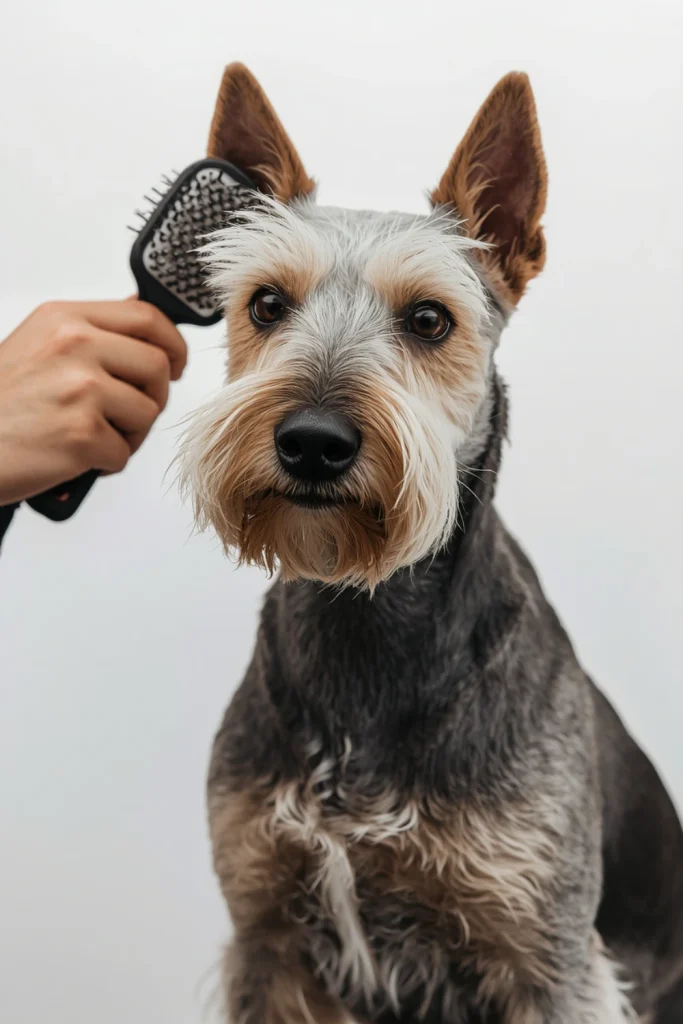
Wire-haired dogs often benefit from brushing several times a week. Their coats have a rough outer texture that can collect dirt and loose hair. Breeds such as Wire Fox Terriers and some Schnauzers need coat maintenance that suits their particular hair structure. A suitable slicker brush or coat-specific grooming tool can help remove debris and keep the fur tidy. Pay attention to the beard, eyebrows, legs, and other areas where dirt may collect.
Some wire-haired coats require hand-stripping to remove mature dead hairs while maintaining the natural coat texture. This is a specialized technique, so ask an experienced groomer whether it is appropriate for your dog. Not every wire-haired breed needs the same treatment. Avoid pulling healthy hairs or using tools too aggressively. A consistent brushing routine combined with suitable professional maintenance can help keep a wire-haired dog’s coat comfortable and neat.
7. How Often Should You Brush a Silky-Coated Dog?
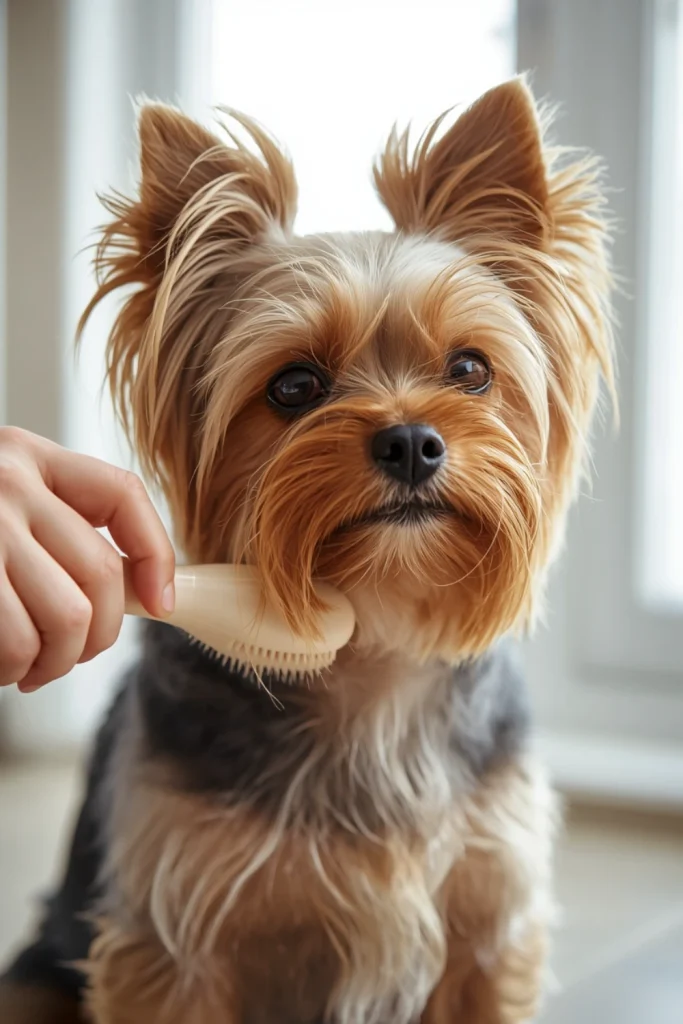
Silky-coated dogs usually need daily brushing or very frequent maintenance because their fine, smooth hair can become tangled easily. Yorkshire Terriers and some other small breeds have silky coats that may develop knots around the ears, legs, belly, and areas touched by collars or harnesses. A soft pin brush and metal comb are useful options for gently separating the hair without pulling too hard.
Divide the coat into small sections and brush carefully from the ends toward the roots when working through loose tangles. Avoid using rough tools that may damage delicate strands. Silky coats often benefit from regular professional trimming, particularly around the eyes, paws, and sanitary areas. If your dog wears clothing or a harness, check the areas underneath for hidden knots. Gentle daily grooming can help maintain a smooth coat and prevent uncomfortable mats.
8. How Often Should You Brush a Hairless or Nearly Hairless Dog?
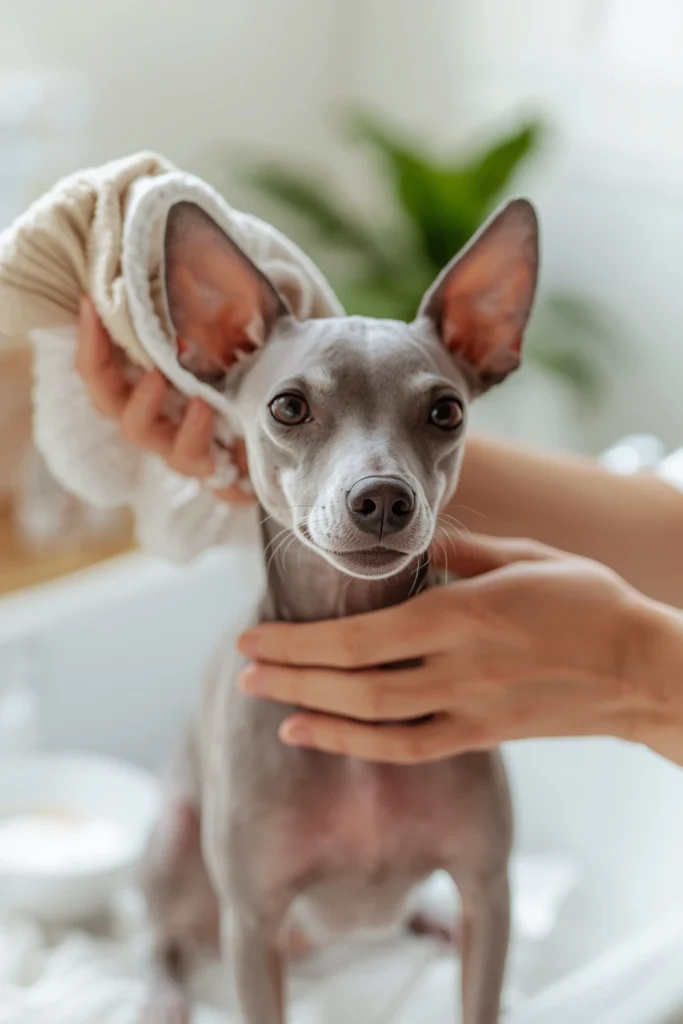
Hairless dogs do not need traditional coat brushing in the same way as furry breeds. However, their exposed skin still needs regular attention. Some dogs, including the Chinese Crested, have areas with little or no hair alongside sections of longer hair. You can gently maintain the hair-bearing areas with a suitable soft brush while checking exposed skin for dirt, dryness, bumps, and irritation.
Clean the skin with a soft damp cloth when needed and use only dog-safe products recommended for your pet. Avoid frequent washing or harsh scented products that may cause dryness. Hairless dogs may also need protection from strong sunlight and cold weather. Ask your veterinarian about appropriate sun protection and skin care, especially if your dog develops irritation. The main goal is to maintain comfortable, healthy skin rather than follow a traditional brushing schedule.
9. How Often Should You Brush a Medium-Length Coat?
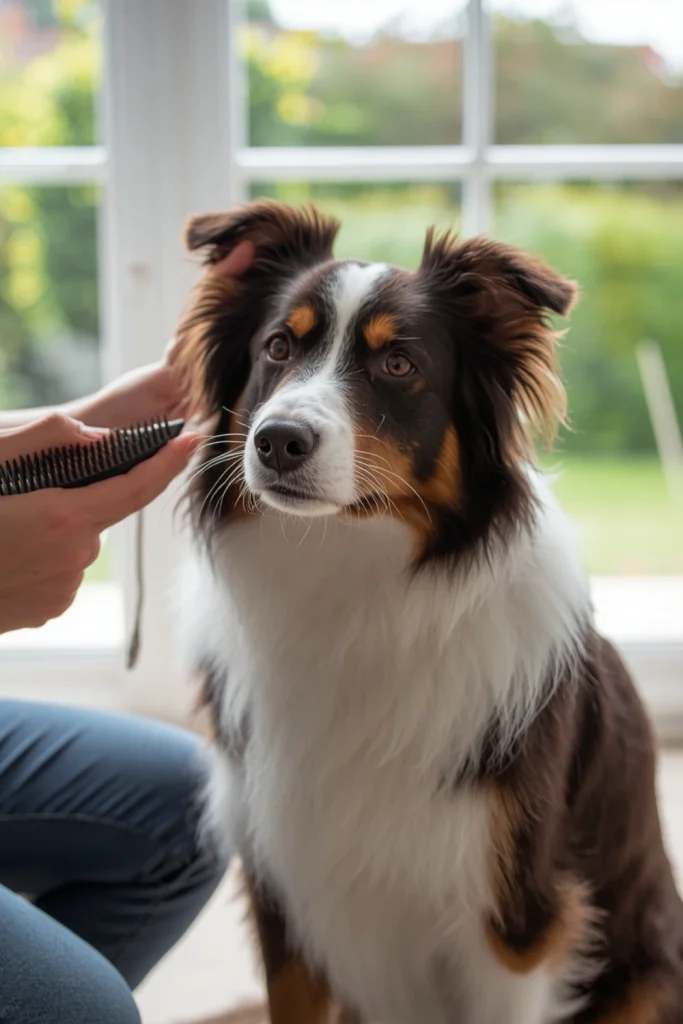
Medium-length coats often need brushing two or three times a week. Dogs with this coat type may not develop tangles as quickly as some long-haired breeds, but loose hair and small knots can still collect around the ears, legs, chest, and tail. A pin brush, slicker brush, or suitable combination may work well depending on the texture. Use gentle strokes and check the coat with a comb when necessary.
Your dog’s activity level can influence how frequently it needs brushing. A dog that regularly plays outdoors may collect more dirt and debris than one that spends most of its time indoors. Increase brushing after muddy walks or activities that leave the coat tangled. If your dog’s coat begins to form knots between sessions, brush more frequently. A flexible schedule helps you maintain a neat coat without unnecessary grooming.
10. Brush More Frequently During Seasonal Shedding
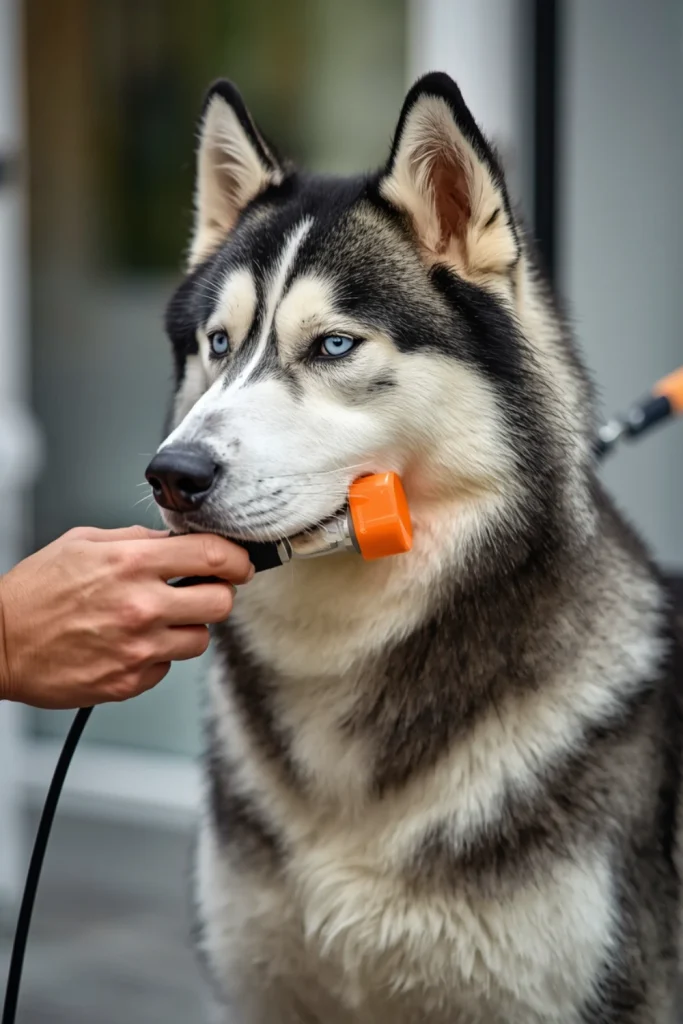
Some dogs shed more heavily during seasonal coat changes, especially breeds with dense double coats. During these periods, brushing more frequently can help remove loose hair before it spreads throughout the home. An appropriate undercoat rake or deshedding tool may be useful for suitable breeds. Work through the coat in small sections and follow the direction of hair growth. Do not press hard or repeatedly brush one spot.
Not all dogs experience the same shedding pattern, and indoor living conditions can influence how much they shed. Increase brushing gradually when you notice more loose hair, but avoid overusing grooming tools. Normal shedding should not cause bald patches or painful skin. If hair loss is sudden, uneven, or accompanied by itching and redness, speak with your veterinarian. Seasonal brushing should support coat maintenance without damaging healthy fur.
11. Brush Your Dog After Outdoor Activities When Needed
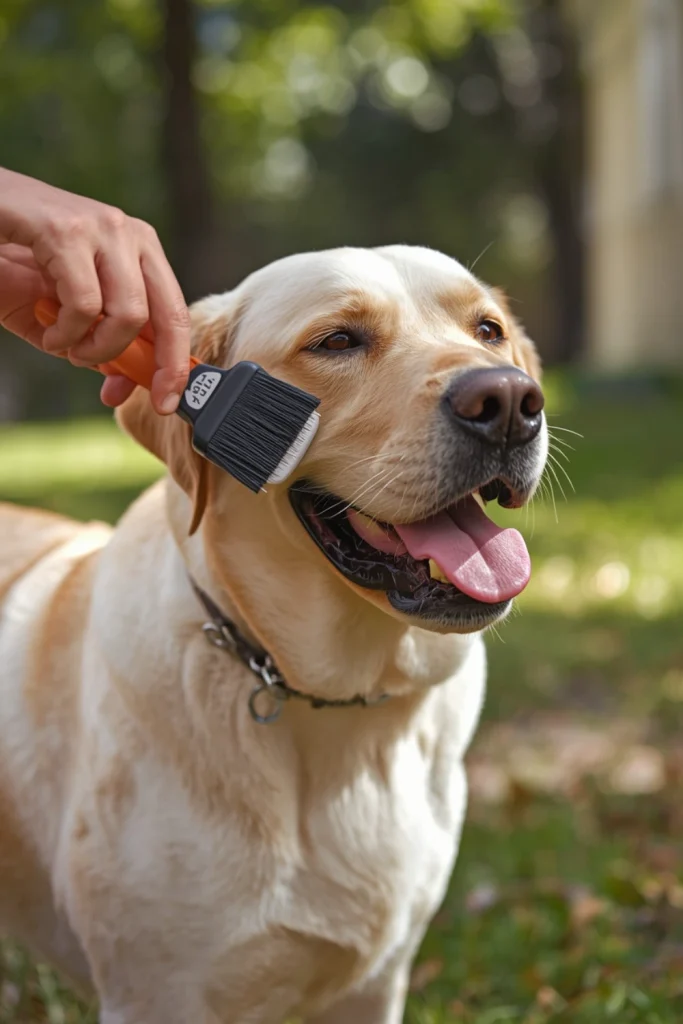
Outdoor activities can leave dirt, grass, small leaves, and other debris trapped in your dog’s coat. After a walk, garden play, or a visit to the park, check the fur for anything that needs removing. A quick brush may be enough for a short-haired dog, while a long-haired dog may need more careful attention around the legs, belly, tail, and ears. Removing debris before it becomes tangled makes regular grooming easier.
You do not need to give your dog a full brushing session after every walk. Adjust the amount of grooming according to the coat and how dirty it becomes. If the fur is muddy, allow dirt to dry where appropriate before gently brushing it out, or clean the affected area with a dog-safe method. Check the paws and skin for scratches, burrs, or parasites. Contact your veterinarian if you find an embedded object or an injury you cannot safely manage.
12. Adjust Brushing Frequency for Puppies and Senior Dogs

Puppies benefit from short, gentle brushing sessions that help them become comfortable with grooming. Their coats may change as they grow, so the right brush and schedule can change too. Begin with a soft puppy-appropriate brush and a few light strokes. Reward calm behavior and gradually introduce other areas of the body. Avoid expecting a young puppy to remain still for a long session, especially when it is new to grooming.
Senior dogs may also need a gentler approach because their skin can become delicate and movement may be uncomfortable. Choose a soft brush and allow your older dog to sit or lie in a comfortable position. Divide grooming into short sessions and avoid pulling the legs or body into awkward positions. If your dog reacts painfully to brushing, stop and ask your veterinarian for advice. Both puppies and senior dogs benefit from a routine built around comfort and patience.
13. Use the Right Brushing Technique to Prevent Mats
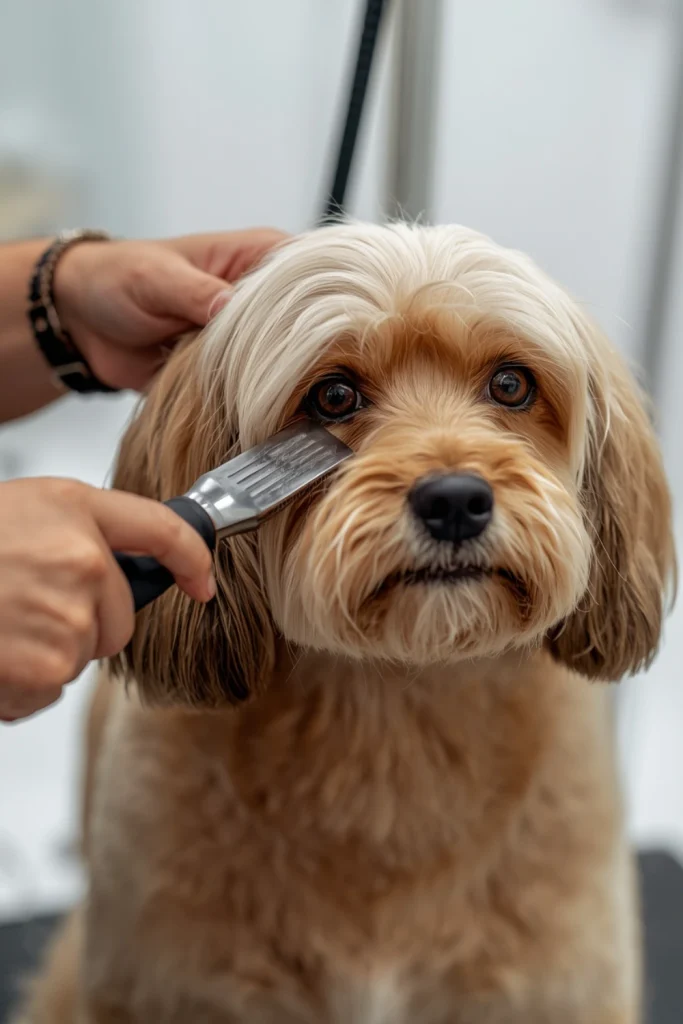
The way you brush is just as important as how often you brush. For long and thick coats, work in small sections so you can reach the hair close to the skin without pulling. Use a suitable brush and follow with a metal comb to check for hidden knots. For loose tangles, gently work from the ends of the hair toward the roots. Avoid dragging the brush through the entire coat in one forceful movement.
Mats can form when loose hair becomes trapped and tangled with surrounding fur. They are especially common behind the ears, beneath the legs, around collars, and under the tail. Never pull hard on a mat because this can hurt the skin. Do not cut tight mats close to the body with scissors. If a mat is severe or close to the skin, arrange professional grooming. Regular, careful brushing is the safest way to reduce mat formation.
14. Choose a Comfortable Time and Place for Brushing
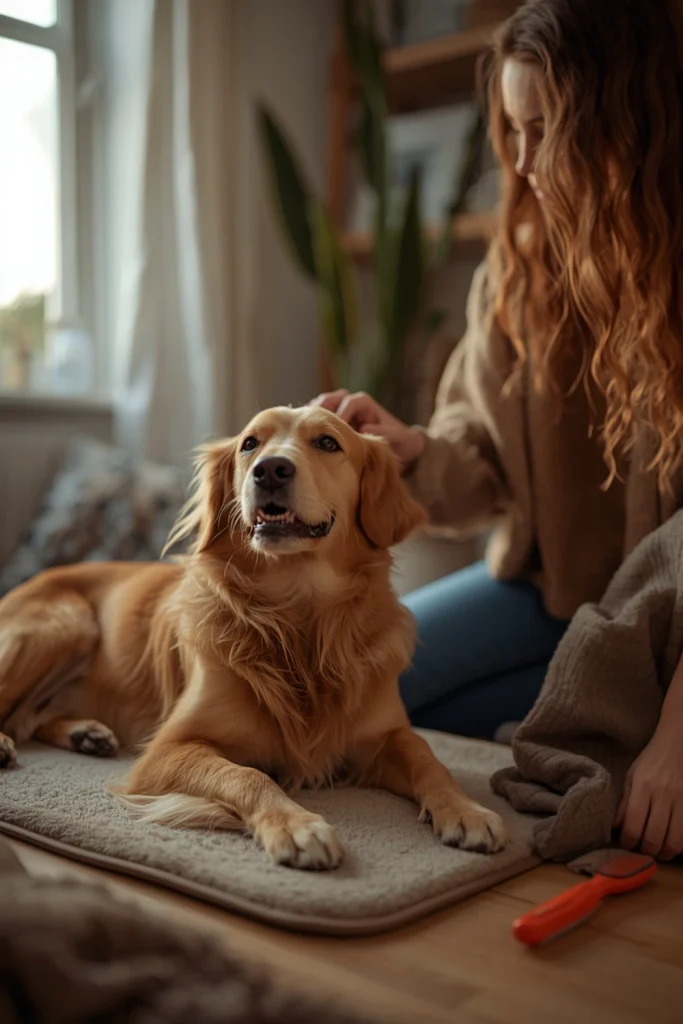
The best time to brush your dog is when it is relaxed and comfortable. Some owners prefer brushing after a walk, while others choose a quiet evening when there are fewer distractions. Select a time you can follow regularly and choose a calm area with enough space for your dog to sit or stand naturally. A non-slip mat can help your pet feel more secure during grooming.
Avoid brushing when your dog is overly excited, tired, or uncomfortable. Start with a few gentle strokes and take breaks if needed. If your dog becomes restless, divide the session into shorter periods instead of forcing it to remain in one position. A calm environment can make brushing easier and help your dog develop a positive association with grooming. Consistency and patience are more useful than trying to complete everything in one long session.
15. Clean Your Dog’s Brush and Grooming Tools Regularly
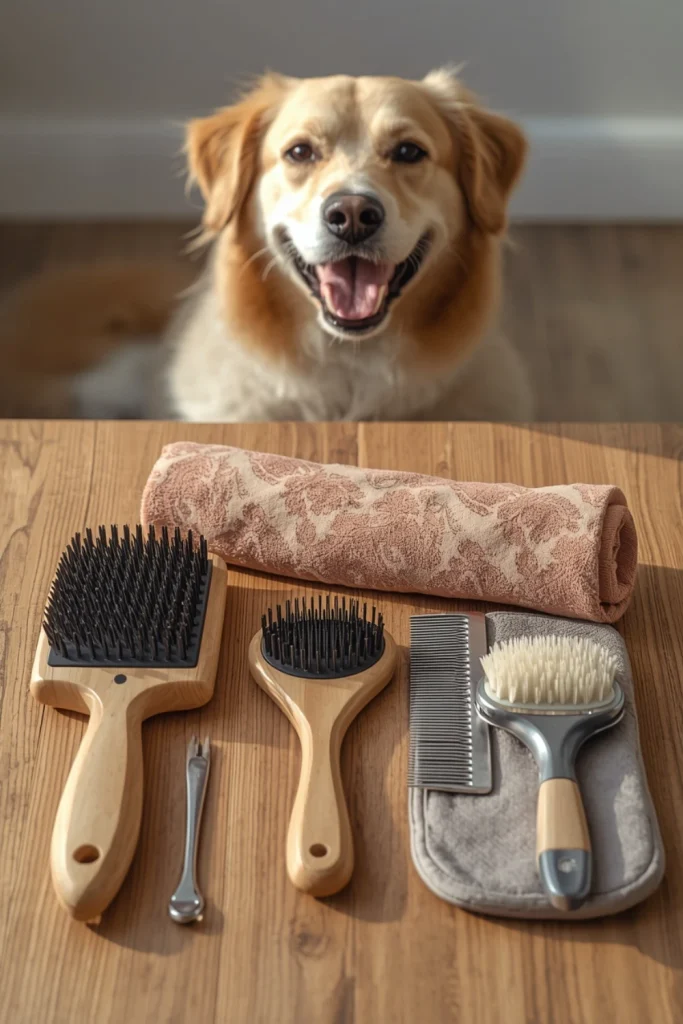
A clean brush helps make every grooming session more effective. Brushes collect loose hair, dust, skin flakes, and small pieces of debris. Remove trapped hair after each use and wash the brush when necessary according to the manufacturer’s instructions. Allow it to dry completely before storing it. Keeping grooming tools clean also makes it easier to inspect their condition and notice damaged bristles or sharp edges.
Check your brushes and combs regularly for broken pins, loose parts, or rough surfaces that could scratch your dog’s skin. Replace damaged tools rather than continuing to use them. Store grooming supplies in a clean, dry place away from dirt and moisture. If you groom more than one dog, clean tools between pets. Good tool hygiene supports a comfortable grooming routine and helps protect your dog’s coat and skin.
Final Thoughts
So, how often should you brush your dog? It depends on the coat. Short-haired dogs may need brushing once or twice a week, while long-haired and curly-coated dogs often benefit from daily grooming. Double-coated breeds usually need several brushing sessions each week, especially during shedding periods. The best routine is one that keeps your dog’s coat manageable without irritating the skin or causing stress.
Choose suitable grooming tools, use gentle techniques, and check your dog’s coat regularly for tangles and skin changes. Make brushing a positive experience by keeping sessions comfortable and rewarding calm behavior. If your dog’s coat becomes severely matted or you notice unusual skin problems, seek professional help. With a consistent routine that matches your dog’s needs, you can support a healthier-looking coat throughout the year.